
621 Results for "

Inhibitor development

" in MedChemExpress (MCE) Product Catalog:
Products (621)

621 Results for "Inhibitor development" in MCE Product Catalog:

1
1 Cited Publications
Cat. No.: HY-139400
CAS No.: 2490676-18-9
Purity:  99.97%
Synonyms: FTX-6058
Research Areas:  

Cardiovascular Disease

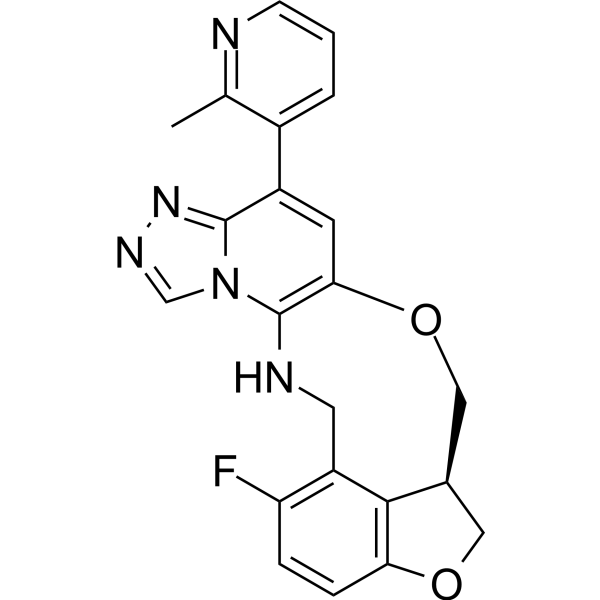
Pociredir (FTX-6058) is a potent and orally active inhibitor of Embryonic Ectoderm Development (EED). Pociredir can induce HbF protein expression in cell and murine models. Pociredir can be used for the research of select hemoglobinopathies, including sickle cell disease and β-thalassemia .
loading...
    loading...
1
1 Cited Publications
Cat. No.: HY-139400A
CAS No.: 2490676-19-0
Purity:  99.89%
Synonyms: FTX-6058 hydrochloride
Research Areas:  

Cardiovascular Disease

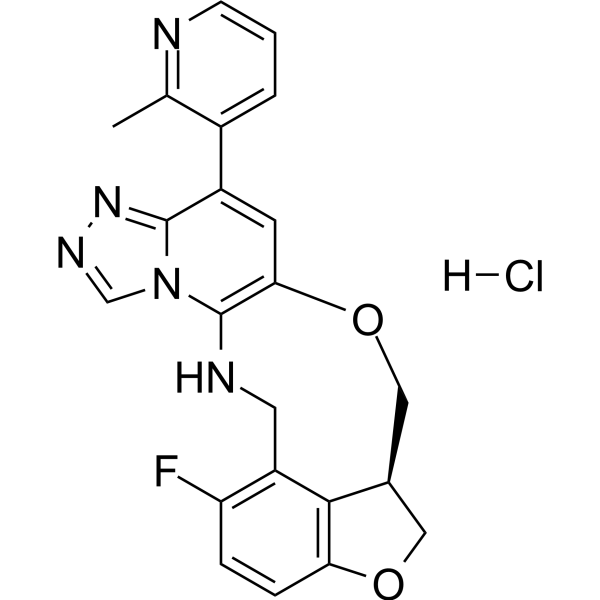
Pociredir (FTX-6058) hydrochloride is a potent and orally active inhibitor of Embryonic Ectoderm Development (EED). Pociredir hydrochloride can induce HbF protein expression in cell and murine models. Pociredir hydrochloride can be used for the research of select hemoglobinopathies, including sickle cell disease and β-thalassemia .
loading...
    loading...
1
1 Cited Publications
Cat. No.: HY-18572
CAS No.: 94-75-7
Synonyms: 2,4-Dichlorophenoxyacetic acid
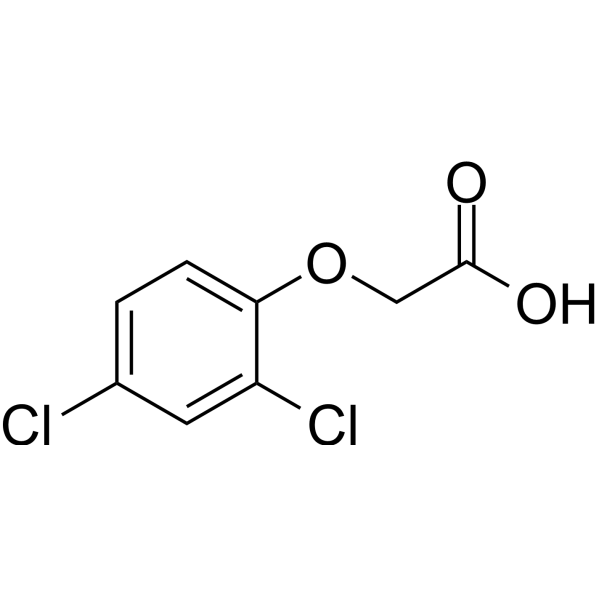
2,4-D (2, 4-dichlorophenoxyacetic acid) is a selective herbicide that can be used for the control of broad-leaved weeds. 2,4-D can induce apoptosis. 2,4-D inhibits DNA and protein synthesis, thereby preventing normal plant growth and development .
loading...
    loading...
1
1 Cited Publications
Cat. No.: HY-18572A
CAS No.: 2702-72-9
Synonyms: 2,4-Dichlorophenoxyacetic acid sodium
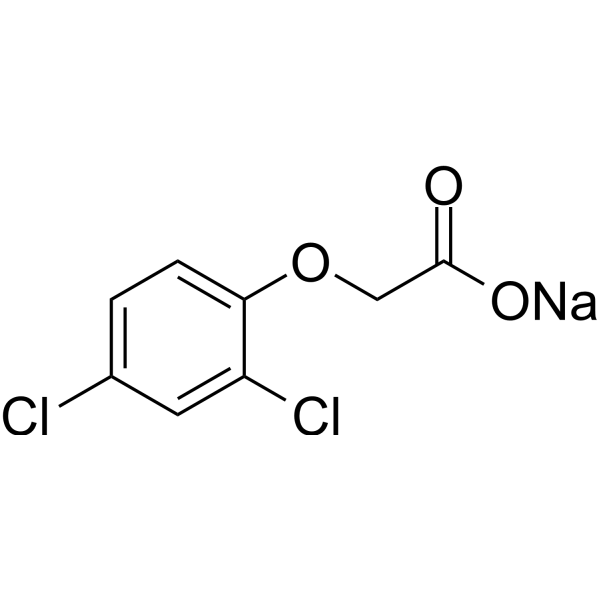
2,4-D (2,4-Dichlorophenoxyacetate) sodium is a selective herbicide that can be used for the control of broad-leaved weeds. 2,4-D sodium salt can induce apoptosis. 2,4-D sodium salt inhibits DNA and protein synthesis, thereby preventing normal plant growth and development .
loading...
    loading...
1
1 Cited Publications
Cat. No.: HY-N0313
CAS No.: 514-47-6
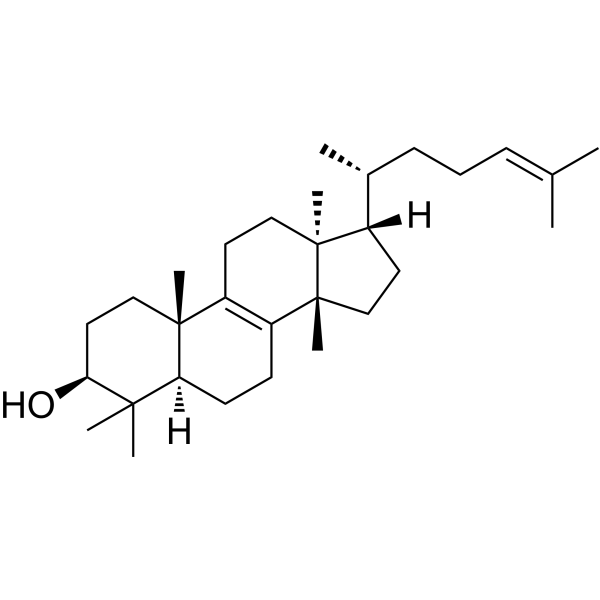
Euphol is a tetracyclic triterpene alcohol isolated from the sap of Euphorbia tirucalli with anti-mutagenic, anti-inflammatory and immunomodulatory effects, orally active. Euphol inhibits the monoacylglycerol lipase (MGL) activity via a reversible mechanism (IC50=315 nM). MGL inhibition in the periphery modulates the endocannabinoid system to block the development of inflammatory pain .
loading...
    loading...
1
1 Cited Publications
Cat. No.: HY-18620
CAS No.: 33231-14-0
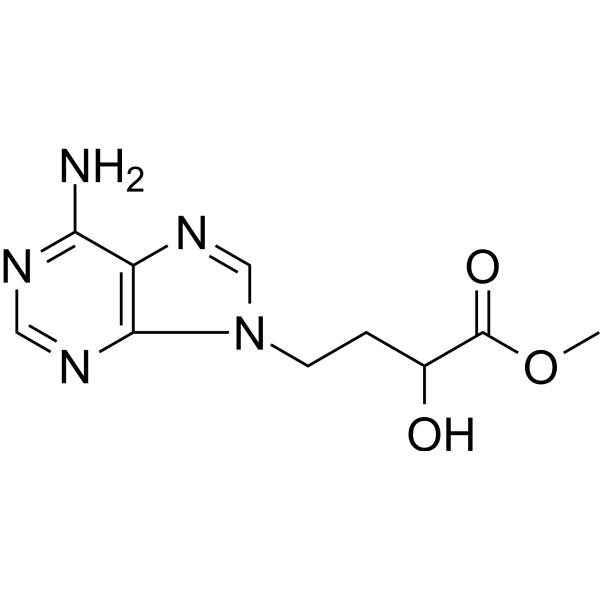
DZ2002 is an orally active, reversible and low-cytotoxic type III SAHH inhibitor (Ki=17.9 nM), with good immunosuppressive activity. DZ2002 prevents the development of experimental dermal fibrosis by reversing the profibrotic phenotype of various cell types. DZ2002 can be used in studies of autoimmune diseases such as lupus syndrome and systemic sclerosis .
loading...
    loading...
1
1 Cited Publications
Cat. No.: HY-163001
CAS No.: 2408008-21-7
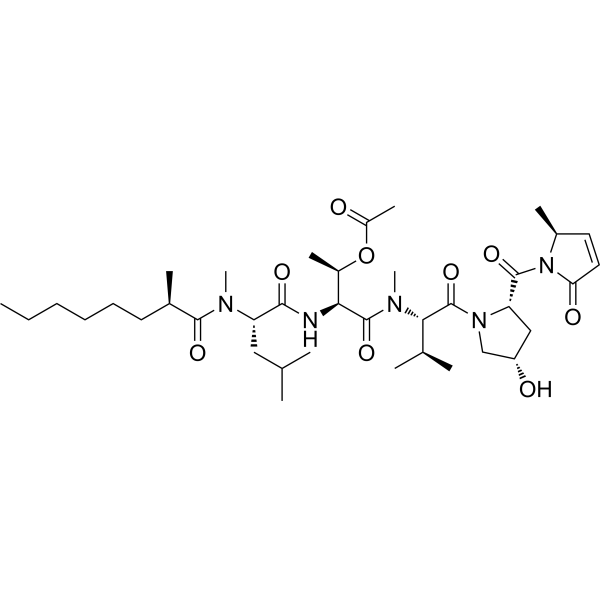
Microcolin H is a marine lipopeptide and phosphatidylinositol transfer protein ligand that targets PITPα/β. Microcolin H increases the conversion of LC3I to LC3II and reduces p62 levels in cancer cells, leading to autophagy cell death (Autophagy). Microcolin H effectively inhibits tumor development and has anti-proliferative activity in nude mouse subcutaneous tumor models .
loading...
    loading...
1
1 Cited Publications
Cat. No.: HY-W145657
CAS No.: 61512-20-7
Synonyms: Cord Factor
Trehalose 6,6'-dimycolate (Cord Factor) is trehalose 6,6'-dimycolate, a cell wall glycolipid of Mycobacterium tuberculosis, which can be used to simulate inflammation and granuloma induced by Mycobacterium tuberculosis (MTB) form. Trehalose 6,6′-dimycolate also protects Mycobacterium tuberculosis from macrophage-mediated killing, inhibits efficient antigen presentation, and reduces the development of protective T cell responses .
loading...
    loading...
1
1 Cited Publications
Cat. No.: HY-10186
CAS No.: 867331-82-6
Purity:  98.61%
Target:  

VEGFR FGFR PDGFR Src

Research Areas:  

Cancer

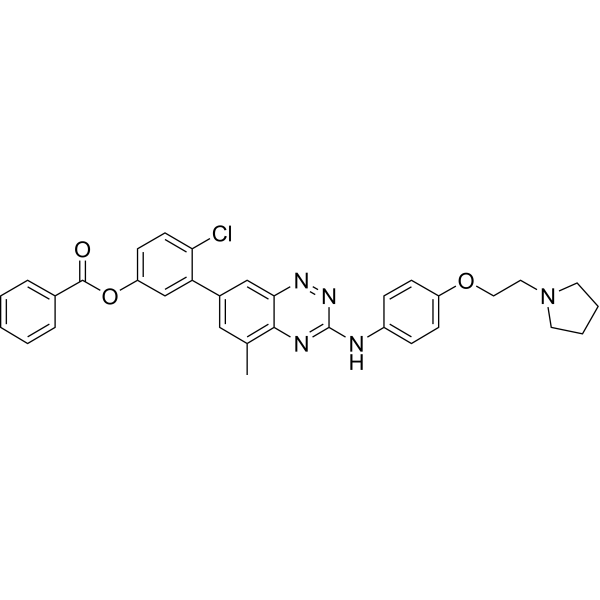
TG 100801 is a proagent that generates TG 100572 by de-esterification in development to treat age-related macular degeneration. TG 100572 is a multi-targeted kinase inhibitor which inhibits receptor tyrosine kinases and Src kinases; has IC50s of 2, 7, 2, 16, 13, 5, 0.5, 6, 0.1, 0.4, 1, 0.2 nM for VEGFR1, VEGFR2, FGFR1, FGFR2, PDGFRβ, Fgr, Fyn, Hck, Lck, Lyn, Src, Yes, respectively.
loading...
    loading...
1
1 Cited Publications
Cat. No.: HY-116716
CAS No.: 680622-70-2
Purity:  98.54%
Target:  

MicroRNA

Research Areas:  

Cancer

PIN1 inhibitor API-1 is a specific Pin1 (peptidyl-prolyl cis-trans isomerase NIMA-interacting 1) inhibitor (API-1) with an IC50 of 72.3 nM. PIN1 inhibitor API-1 directly and specifically binds to the Pin1 peptidyl-prolyl isomerase (PPIase) domain and potently inhibits Pin1 cis-trans isomerizing activity. PIN1 inhibitor API-1 retains the active conformation of pXPO5 and restores the ability of pXPO5 to transport pre-miRNAs from nucleus to cytoplasm, thus up-regulating the anticancer miRNA biogenesis to suppress both in vitro and in vivo hepatocellular carcinoma development .
loading...
    loading...
1
1 Cited Publications
Cat. No.: HY-N6612
CAS No.: 6556-12-3
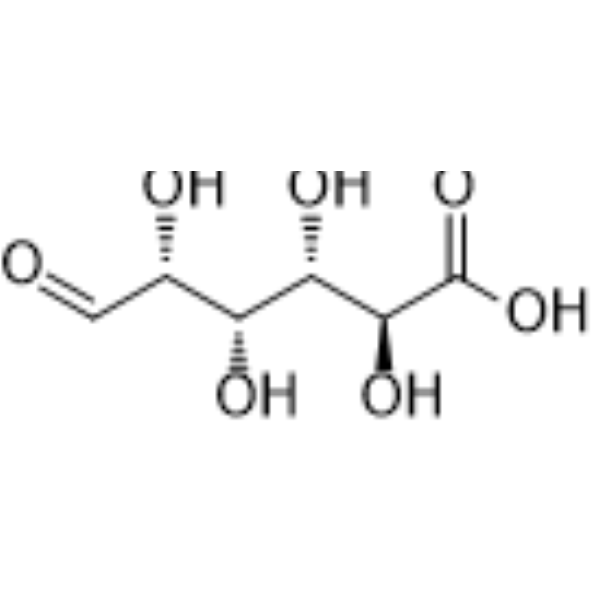
D-Glucuronic acid is a major component of many anti-inflammatory proteoglycans, which can promote embryonic development and inhibit cell aggregation. After being metabolized into ethyl glucuronide (HY-113093), D-Glucuronic acid activates Toll-like receptor 4 (TLR4), causing pain. D-Glucuronic acid and its derivative glucurono-lactone can serve as liver detoxifiers, and its derivatives also possess anti-tumor activity .
loading...
    loading...
1
1 Cited Publications
Cat. No.: HY-N6612A
CAS No.: 207300-70-7
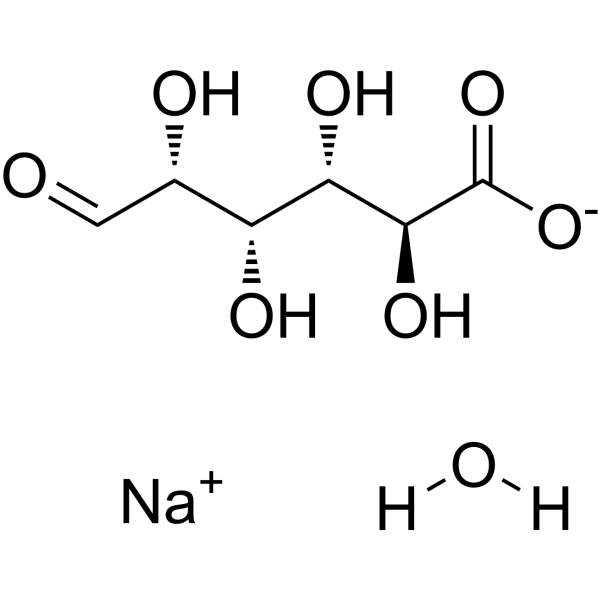
D-Glucuronic acid sodium salt monohydrate is a major component of many anti-inflammatory proteoglycans, which can promote embryonic development and inhibit cell aggregation. After being metabolized into ethyl glucuronide (HY-113093), D-Glucuronic acid sodium salt monohydrate activates Toll-like receptor 4 (TLR4), causing pain. D-Glucuronic acid sodium salt monohydrate and its derivative glucurono-lactone can serve as liver detoxifiers, and its derivatives also possess anti-tumor activity .
loading...
    loading...
1
1 Cited Publications
Cat. No.: HY-106373
CAS No.: 9002-60-2
Purity:  99.17%
Synonyms: ACTH; Adrenocorticotrophic hormone
Adrenocorticotropic hormone (ACTH; Adrenocorticotrophic hormone) is a polypeptide tropic hormone produced by the anterior pituitary gland. Adrenocorticotropic hormone stimulates cortisol secretion from the adrenal cortex via the hypothalamic-pituitary-adrenal (HPA) axis. Adrenocorticotropic hormone regulates cortisol and androgen production. Adrenocorticotropic hormone can promote the development of spermatogenesis. Adrenocorticotropic hormone can relieve acute inflammation in gout models by inhibiting the polarization of macrophages to M1 type, inhibiting ROS and proinflammatory factor production and protecting mitochondrial function. Adrenocorticotropic hormone can be used for the researches of inflammation, endocrinology, metabolic disease, such as gout and nephrotic syndrome .
loading...
    loading...
1
1 Cited Publications
Cat. No.: HY-106373A
Purity:  99.85%
Synonyms: ACTH TFA; Adrenocorticotrophic hormone TFA
Adrenocorticotropic hormone (ACTH; Adrenocorticotrophic hormone) TFA is a polypeptide tropic hormone produced by the anterior pituitary gland. Adrenocorticotropic hormone TFA stimulates cortisol secretion from the adrenal cortex via the hypothalamic-pituitary-adrenal (HPA) axis. Adrenocorticotropic hormone TFA regulates cortisol and androgen production. Adrenocorticotropic hormone TFA can promote the development of spermatogenesis. Adrenocorticotropic hormone TFA can relieve acute inflammation in gout models by inhibiting the polarization of macrophages to M1 type, inhibiting ROS and proinflammatory factor production and protecting mitochondrial function. Adrenocorticotropic hormone TFA can be used for the researches of inflammation, endocrinology, metabolic disease, such as gout and nephrotic syndrome .
loading...
    loading...
1
1 Cited Publications
Cat. No.: HY-153228
CAS No.: 2713437-86-4
Purity:  96.73%
Synonyms: PBI-0451
Target:  

SARS-CoV

Research Areas:  

Infection

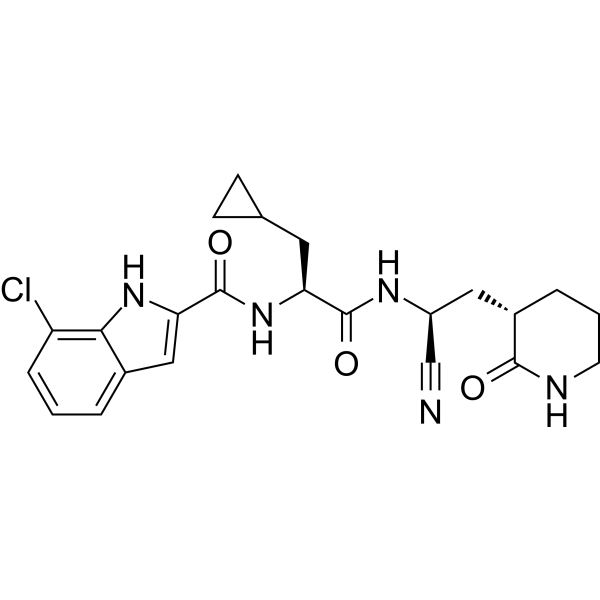
Pomotrelvir is a selective, competitive, orally active covalent inhibitor of the SARS-CoV-2 main protease (M pro), with an IC50 of 24 nM for wild-type SARS-CoV-2 M pro. Pomotrelvir inhibits viral polyprotein processing, thereby preventing viral replication. Pomotrelvir has shown broad antiviral activity against multiple SARS-CoV-2 variants (including Omicron) in cell-based experiments, and has an additive effect when combined with nucleoside analogs that target viral RNA synthesis. Pomotrelvir is primarily used for the research and development of COVID-19 antiviral drugs, especially for infections caused by SARS-CoV-2 and its variants .
loading...
    loading...
1
1 Cited Publications
Cat. No.: HY-12642A
CAS No.: 90-89-1
Purity:  99.83%
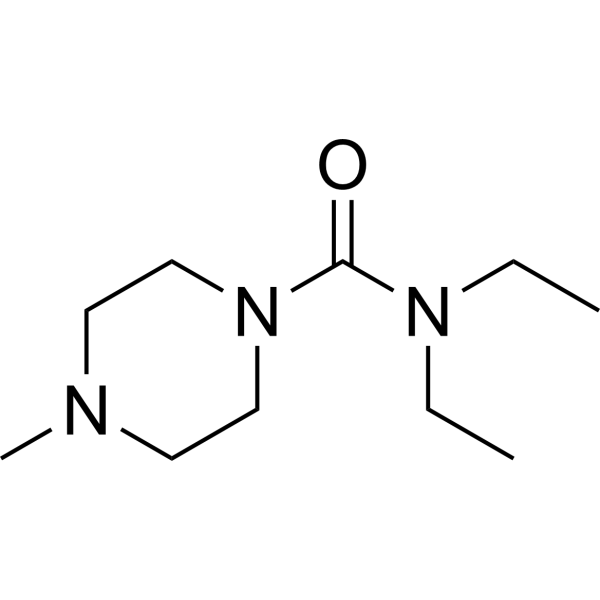
Diethylcarbamazine is an orally active microfilaricidal agent used originally in onchocerciasis and lymphatic filiariasis. Diethylcarbamazine reduces eosinophil trafficking to the lung tissue and exerts anti-allergic effects. Diethylcarbamazine reduces serum levels of leptin, TNF-α, IL-6, MCP-1, glucose, insulin, and triglycerides, and ameliorates insulin resistance without altering body, liver, or adipose tissue weights. Diethylcarbamazine enhances reactive oxygen intermediate expression by polymorphonuclear neutrophils, increases lymphocyte proliferation, and inhibits actinomycetoma lesion development. Diethylcarbamazine can be used for the researches of bronchial asthma, insulin resistance and infection .
loading...
    loading...
1
1 Cited Publications
Cat. No.: HY-12642
CAS No.: 1642-54-2
Purity:  99.95%
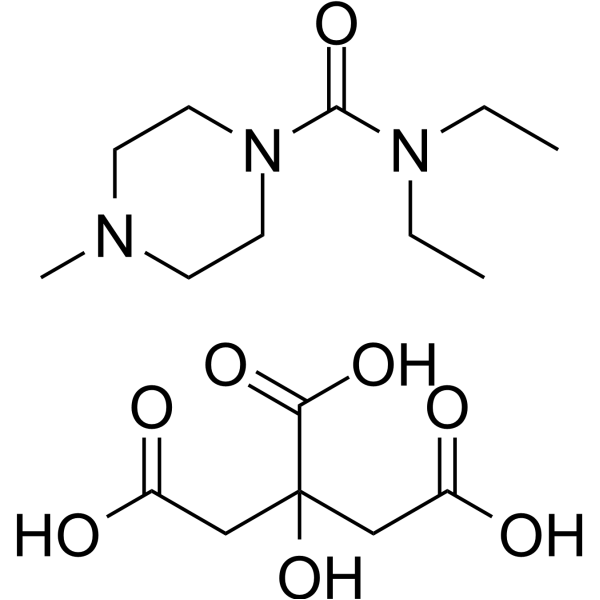
Diethylcarbamazine citrate is an orally active microfilaricidal agent used originally in onchocerciasis and lymphatic filiariasis. Diethylcarbamazine citrate reduces eosinophil trafficking to the lung tissue and exerts anti-allergic effects. Diethylcarbamazine citrate reduces serum levels of leptin, TNF-α, IL-6, MCP-1, glucose, insulin, and triglycerides, and ameliorates insulin resistance without altering body, liver, or adipose tissue weights. Diethylcarbamazine citrate enhances reactive oxygen intermediate expression by polymorphonuclear neutrophils, increases lymphocyte proliferation, and inhibits actinomycetoma lesion development. Diethylcarbamazine citrate can be used for the researches of bronchial asthma, insulin resistance and infection .
loading...
    loading...
1
1 Cited Publications
Cat. No.: HY-D0896
CAS No.: 82-76-8
Synonyms: ANSA; 8-Anilino-1-naphthalenesulfonic acid
ANS (8-Anilino-1-naphthalenesulfonic acid) is a competitive inhibitor targeting thyroxine binding globulin (TBG) (Ki=2.09×10 6 M -1). ANS is used in radioimmunoassay by displacing bound triiodothyronine (T3) to improve detection sensitivity. ANS can block the protein binding site of T3 and release free T3 for antibody recognition. As a fluorescent probe, ANS can specifically bind to the hydrophobic region of proteins (such as membrane proteins) and monitor the dynamics of protein conformation through changes in fluorescent signals. It is widely used in biochemical research and antibacterial material development .
loading...
    loading...
1
1 Cited Publications
Cat. No.: HY-148200A
Purity:  99.28%
Target:  

G-quadruplex Telomerase

Research Areas:  

Inflammation/Immunology

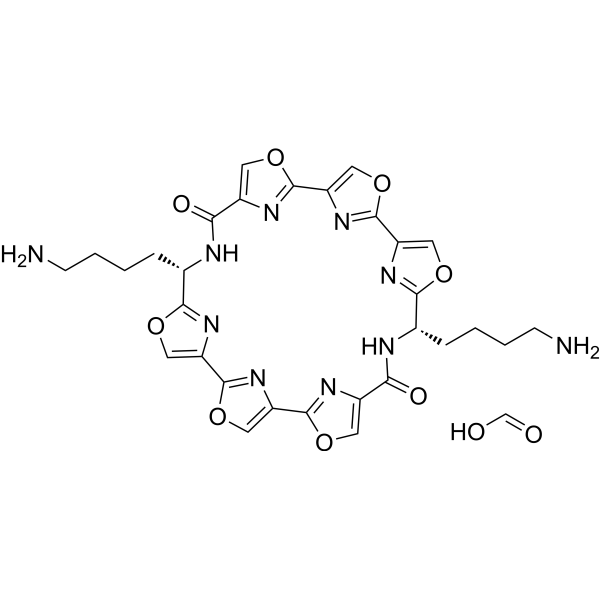
L2H2-6OTD diformic is a G-quadruplex (G-quadruplex, G4) ligand and telomerase (telomerase) inhibitor, with an IC50 of 15 nM against human telomerase. L2H2-6OTD diformic induces the formation of antiparallel G-quadruplex structures in long telomeric DNA. L2H2-6OTD diformic stabilizes the G4 structure of GD3 and enhances the immunological activity of CpG ODN. L2H2-6OTD diformic is applicable to research related to the development of G4-CpG immune adjuvants .
loading...
    loading...
1
1 Cited Publications
Cat. No.: HY-14608R
CAS No.: 56-86-0
L-Glutamic acid (Standard) is the analytical standard of L-Glutamic acid. This product is intended for research and analytical applications. L-Glutamic acid is an excitatory amino acid neurotransmitter that acts as an agonist for all subtypes of glutamate receptors (metabolic rhodophylline, NMDA, and AMPA). L-Glutamic acid has an agonist effect on the release of DA from dopaminergic nerve endings. L-Glutamic acid can be used in the study of neurological diseases . IC50 & Target:DA . In Vitro: L-Glutamic acid (120, 500, 750, 1000 mg/dL) can reduce the harmful effect of lithium on the embryonic development of Xenopus Xenopus .
L-Glutamic acid (2, 5, 10, 20 mM, 24-48 h) can induce neuroexcitotoxicity in neuroblastoma .
In Vivo: L-Glutamic acid (3 g/kg, subcutaneous injection) can promote excitotoxic degeneration of retinal ganglion cells in mice .
L-Glutamic acid (750 mg/kg, intraperitoneal injection) can reduce and inhibit oxidative stress induced by chlorpyrifos (CPF) in rats .
loading...
    loading...

