1364 Results for "

ROS Inducer

" in MedChemExpress (MCE) Product Catalog:
Products (1364)

1364 Results for "ROS Inducer" in MCE Product Catalog:

9
9 Cited Publications
Art. -Nr.: HY-N1913
CAS. Nr.: 76822-21-4
Synonyms: Dan shen suan A; Salvianic acid A
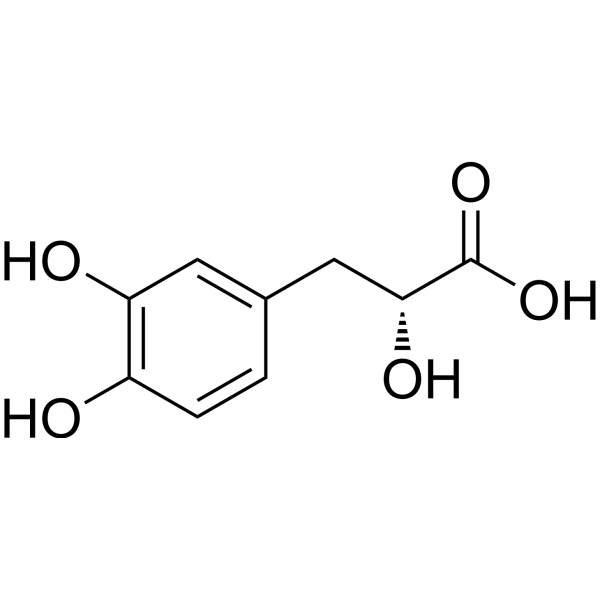
Danshensu (Dan shen suan A), an orally active phenolic compound, can induce Nrf2/HO-1 activation and inhibition of NF-κB pathway. Danshensu reduces reactive oxygen species (ROS) production, upregulates antioxidant defense mechanism and inhibits intrinsic apoptotic pathway. Danshensu displays a potent antiviral activity against SARS-CoV-2 with EC50 of 0.97 μM. Danshensu has anti-oxidation, anti-apoptosis, anti-lung inflammatory and has the potential for COVID-19, cardiovascular and cerebrovascular diseases research .
loading...
    loading...
9
9 Cited Publications
Art. -Nr.: HY-N1913A
CAS. Nr.: 81075-52-7
Synonyms: Dan shen suan A sodium; Salvianic acid A sodium
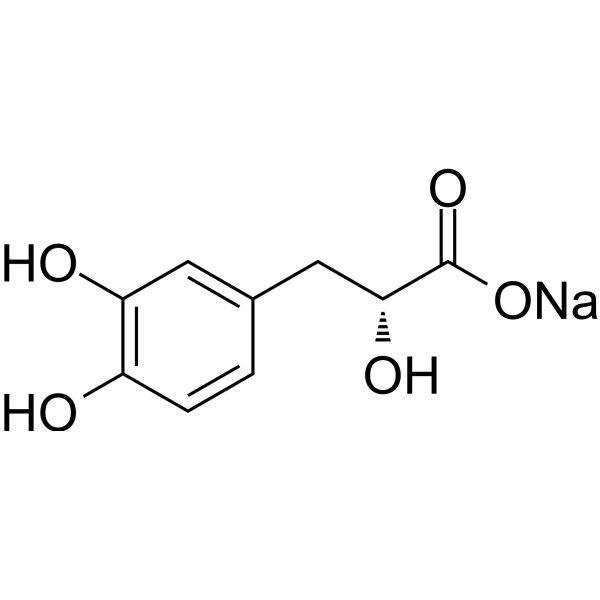
Danshensu (Dan shen suan A) sodium, an orally active phenolic compound, can induce Nrf2/HO-1 activation and inhibition of NF-κB pathway. Danshensu sodium reduces reactive oxygen species (ROS) production, upregulates antioxidant defense mechanism and inhibits intrinsic apoptotic pathway. Danshensu sodium displays a potent antiviral activity against SARS-CoV-2 with EC50 of 0.97 μM. Danshensu sodium has anti-oxidation, anti-apoptosis, anti-lung inflammatory and has the potential for COVID-19, cardiovascular and cerebrovascular diseases research .
loading...
    loading...
9
9 Cited Publications
Art. -Nr.: HY-100742
CAS. Nr.: 1802977-61-2
Reinheit:  99.38%
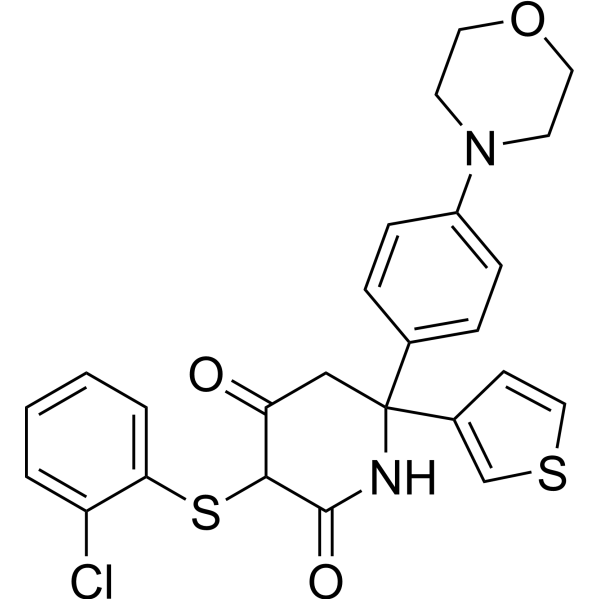
GNE-140 racemate is a racemic mixture of (R)-GNE-140 (HY-100742A) and (S)-GNE-140 (HY-100742B), and also a tautomer of GNE-140 (HY-118241). GNE-140 racemate is an orally active lactate dehydrogenase inhibitor, with an IC50 of 3 nM against human LDHA and an IC50 of 5 nM against LDHB. GNE-140 racemate reduces the phosphorylation level and total protein expression of p38 MAPK, and inhibits EGF-induced AKT phosphorylation. GNE-140 racemate decreases lactate production, regulates glycolysis, the pentose phosphate pathway and nucleotide biosynthesis, increases extracellular pH, inhibits cell proliferation, migration and invasion, and induces caspase-3 activation and ROS accumulation. GNE-140 racemate can be used in research related to breast cancer, cystic fibrosis and pancreatic cancer .
loading...
    loading...
8
8 Cited Publications
Art. -Nr.: HY-16686
CAS. Nr.: 38976-17-9
Synonyms: alpha-Tocopherol phosphate; TocP; vitamin E phosphate
Forschungsgebiete:  

Cancer

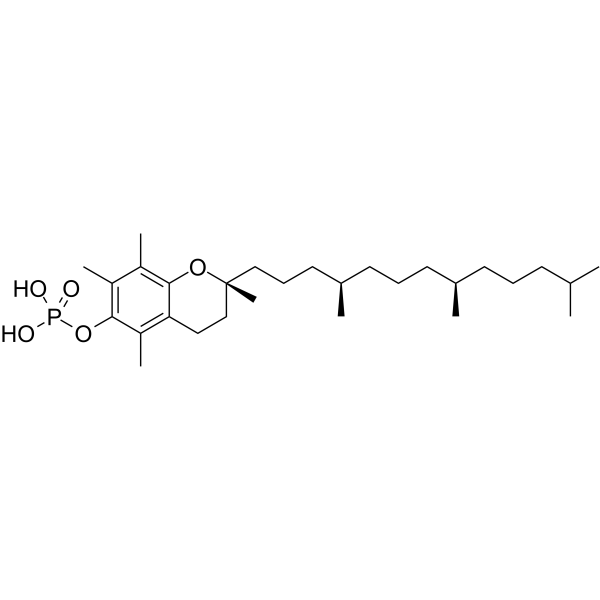
α-Tocopherol phosphate is an antioxidant that protects against long-wave UVA1 induced cell death and scavenge UVA1 induced ROS in a skin cell model. α-Tocopherol phosphate exhibits angiogenesis-promoting activity .
loading...
    loading...
8
8 Cited Publications
Art. -Nr.: HY-W127530
CAS. Nr.: 60934-46-5
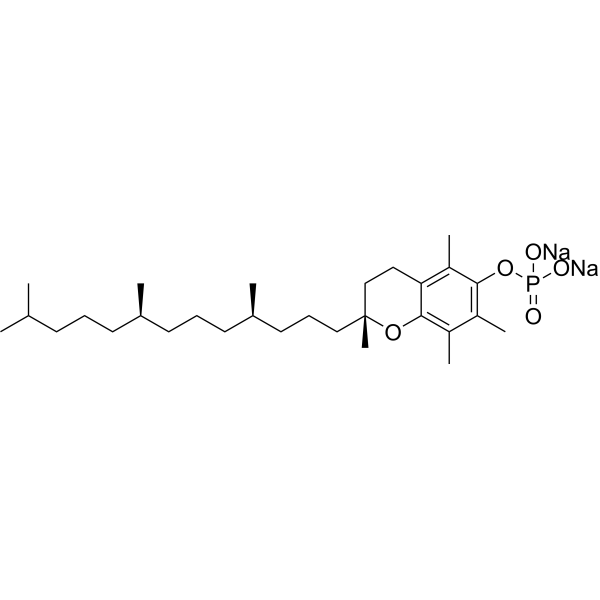
Synonyms: alpha-Tocopherol phosphate disodium; TocP disodium; Vitamin E phosphate disodium
α-Tocopherol phosphate disodium is an antioxidant that protects against long-wave UVA1 induced cell death and scavenge UVA1 induced ROS in a skin cell model. α-Tocopherol phosphate disodium exhibits angiogenesis-promoting activity .
loading...
    loading...
8
8 Cited Publications
Art. -Nr.: HY-N0256
CAS. Nr.: 465-99-6
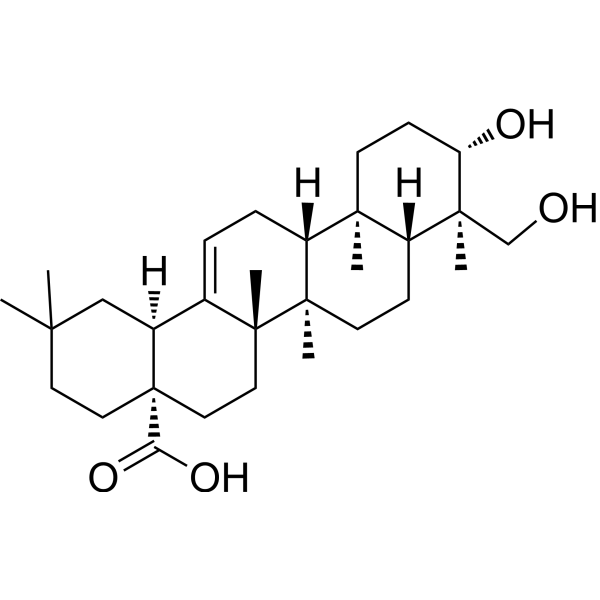
Hederagenin is a triterpenoid saponin with orally active and antitumor activity. Hederagenin can inhibit the expression of iNOS, COX-2, and NF-κB in cells induced by LPS stimulation. Hederagenin also increases ROS production in cancer cells, disrupts mitochondrial membrane potential, and induces apoptosis. Hederagenin also sensitizes cancer cells to Cisplatin (HY-17394) and Paclitaxel (HY-B0015), enhancing induced apoptosis. Hederagenin can also bind to SKP2, with KD = 67.9 μM. Hederagenin also has preventive potential against alcoholic liver injury .
loading...
    loading...
8
8 Cited Publications
Art. -Nr.: HY-12341
CAS. Nr.: 1532593-30-8
Reinheit:  98.11%
Synonyms: ML355
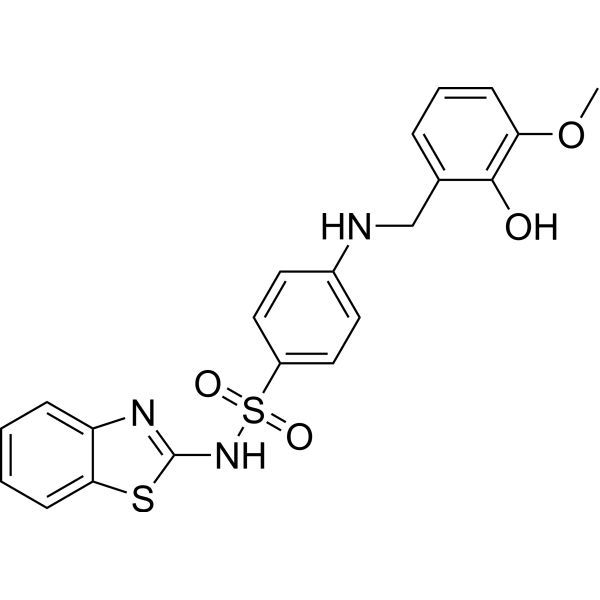
Onvoloxastat (ML355) is an orally active selective 12-LOX inhibitor with an IC50 of 0.34 μM. Onvoloxastat inhibits platelet activation by blocking thrombin- or thromboxane A2-induced phosphorylation of Akt, PI3K and Erk1/2. At low doses (1-20 μM), it mainly acts by reducing ROS levels, while at high doses (50 μM), it functions via activating the cAMP pathway. Onvoloxastat can be used in research related to thrombosis and diabetes .
loading...
    loading...
8
8 Cited Publications
Art. -Nr.: HY-145669
CAS. Nr.: 113411-17-9
Reinheit:  99.84%
Target:  

Wnt CDK GSK-3

Forschungsgebiete:  

Infection Cancer

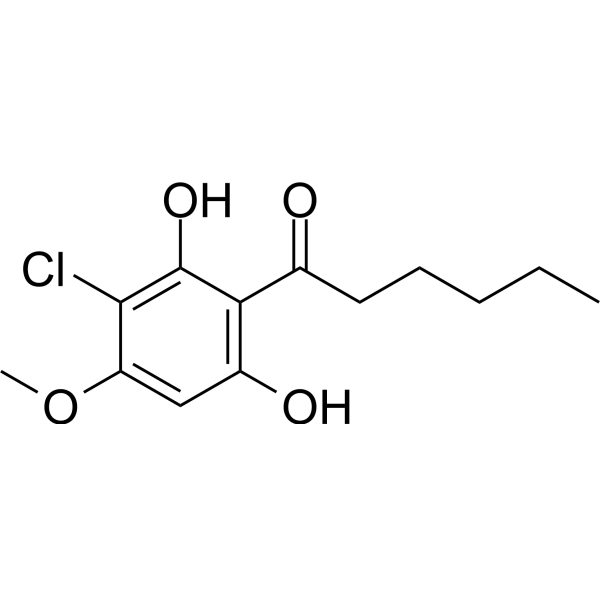
DIF-3 is an orally active anticancer agent. DIF-3 reduces the expression levels of cyclin D1 and c-Myc by facilitating their degradation via activation of GSK-3β. DIF-3 inhibits Wnt/β-catenin signaling pathway-related proteins in cells. DIF-3 induces reactive oxygen species (ROS) and autophagy. DIF suppresses the growth of Trypanosoma. cruzi in HT1080 cells. DIF-3 exerts antitumor effects both in vitro and in vivo .
loading...
    loading...
7
7 Cited Publications
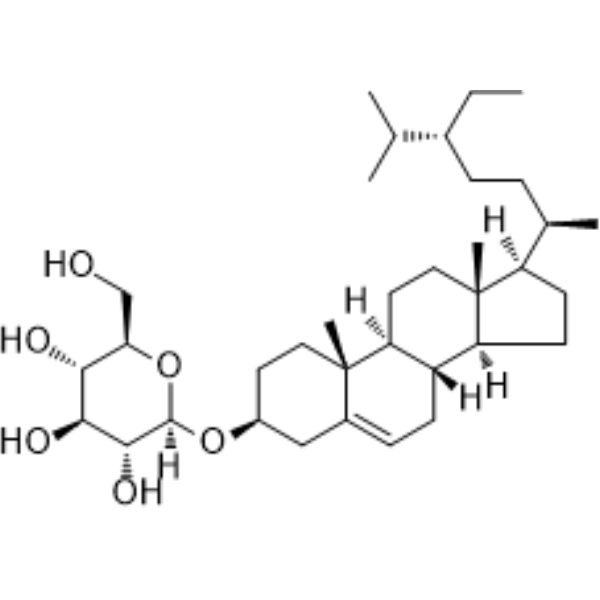
Art. -Nr.: HY-N0410
CAS. Nr.: 474-58-8
Synonyms: EleutheROSide A; β-Sitosterol β-D-glucoside
Daucosterol is an orally active natural sterol compound, which has anti-inflammatory, anticancer and immunomodulatory activities. Daucosterol inhibits cancer cell proliferation by inducing autophagy through ROS-dependent manner. Daucosterol also inhibits colon cancer growth by inducing apoptosis, inhibiting cell migration and invasion and targeting caspase signalling pathway .
loading...
    loading...
7
7 Cited Publications
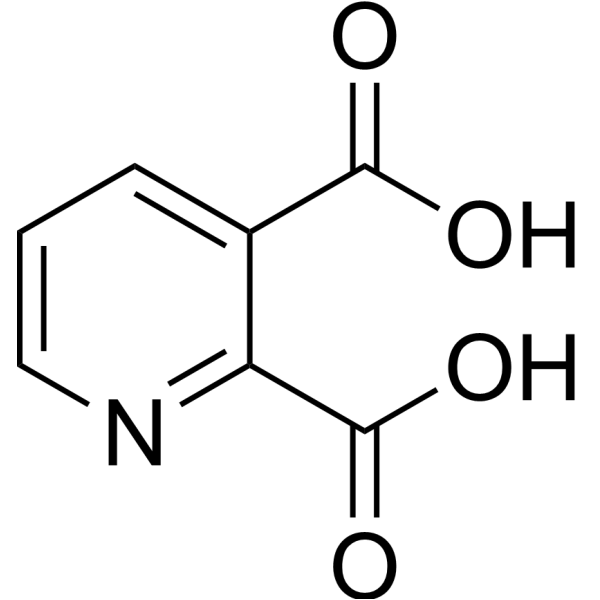
Art. -Nr.: HY-100807
CAS. Nr.: 89-00-9
Reinheit:  99.85%
Quinolinic acid, an endogenous metabolite of tryptophan, is a N-methyl-D-aspartate receptor (NMDA receptor) agonist. Quinolinic acid increases glutamate efflux, induces the generation of ROS, activates nitric oxide synthase, produces excessive NO, leading to calcium ion influx and neuronal apoptosis .
loading...
    loading...
7
7 Cited Publications
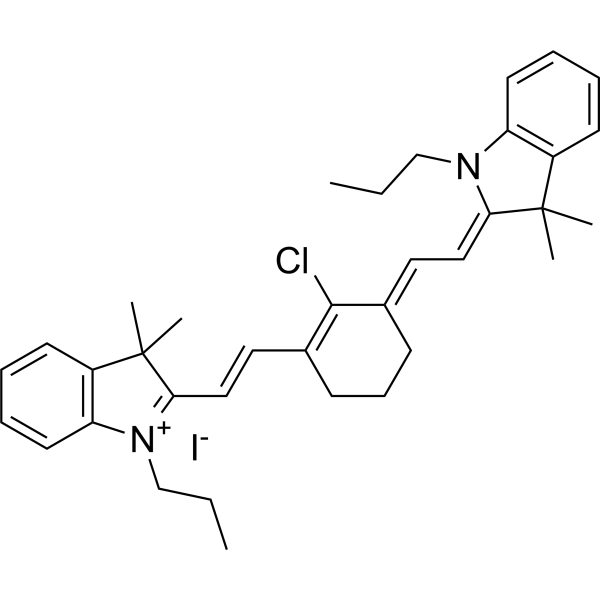
Art. -Nr.: HY-D1063
CAS. Nr.: 207399-07-3
IR-780 is a near-infrared fluorescent probe for in vivo imaging of tumor cells. IR-780 is transported into tumor cells via OATPs and ABCB10, with uptake dependent on glycolytic activity and plasma membrane potential. IR-780 preferentially accumulates in tumor cell mitochondria, including those of drug-resistant cancer cells, without chemical conjugation. IR-780 generates reactive oxygen species (ROS), induces hyperthermia and apoptosis, inhibits tumor growth and recurrence, and modulates HSP70 expression upon ultrasound or 808 nm laser exposure. IR-780 acts as a sonosensitizer, photodynamic and photothermal agent, and drug delivery carrier, with low acute imaging-dose toxicity and rapid vital organ clearance. IR-780 can be used for the research of cancer, such as breast cancer, lung cancer, and non-small cell lung cancer (NSCLC) .
loading...
    loading...
6
6 Cited Publications
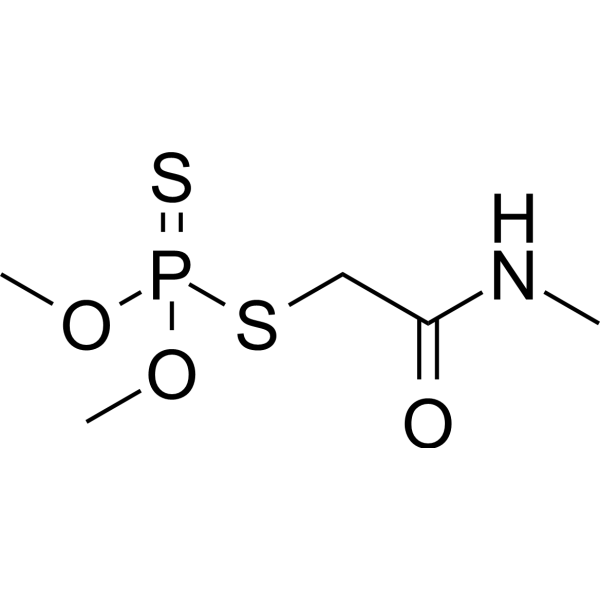
Art. -Nr.: HY-B1946
CAS. Nr.: 60-51-5
Dimethoate is an organophosphate insecticide and acaricide. Dimethoate is an orally active acetylcholinesterase inhibitor. Dimethoate induces reactive oxygen species (ROS). Dimethoate induces DNA damage and cell apoptosis in vivo. Dimethoate affect immune system in mice .
loading...
    loading...
6
6 Cited Publications
Art. -Nr.: HY-N0816
CAS. Nr.: 55916-51-3
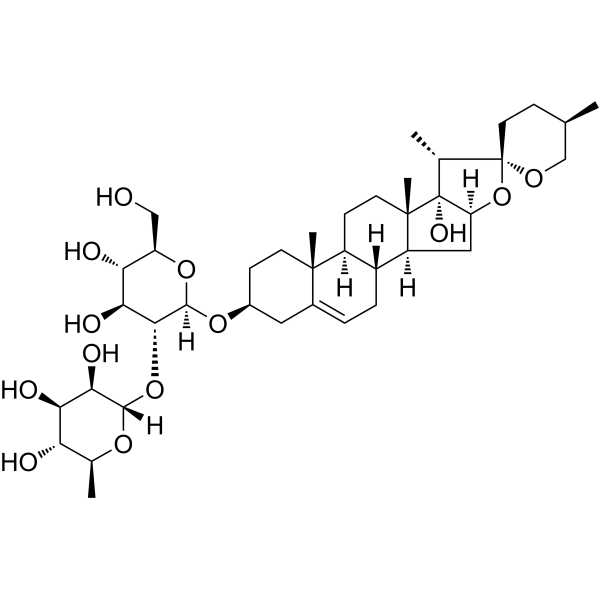
Polyphyllin VI, an active saponin, possess anti-cancer activities. Polyphyllin VI induces G2/M cell cycle arrest and triggers apoptosis. Polyphyllin VI induces caspase-1-mediated pyroptosis via the induction of ROS/NF-κB/NLRP3/GSDMD signal axis in non-small cell lung cancer .
loading...
    loading...
6
6 Cited Publications
Art. -Nr.: HY-14914
CAS. Nr.: 147403-03-0
Reinheit:  99.68%
Synonyms: TAK-536
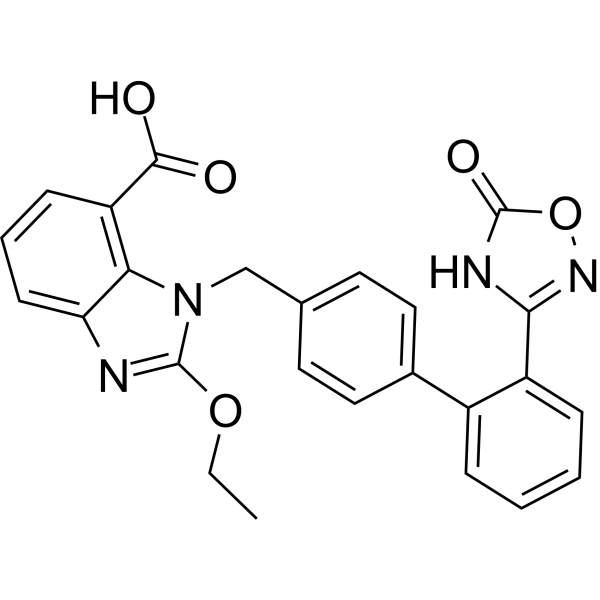
Azilsartan (TAK-536) is an orally active, potent, selective and specific angiotensin II type 1 receptor (AT1) antagonist. Azilsartan induces ROS formation and apoptosis in HepG2 cells. Azilsartan shows neuroprotective and anticancer activity. Azilsartan can be used for hypertension and stroke research .
loading...
    loading...
6
6 Cited Publications
Art. -Nr.: HY-107859
CAS. Nr.: 115-96-8
Reinheit:  95.12%
Synonyms: TCEP
Tris(2-chloroethyl) phosphate (TCEP) is a widely used organic phosphorus flame retardant, mainly used as a plasticizer. Tris(2-chloroethyl) phosphate has orally active hepatotoxicity, inducing an increase in reactive oxygen species (ROS) and calcium ions (Ca 2+) influx, a decrease in mitochondrial membrane potential (△Ψm), and causing DNA damage and cell apoptosis. Tris(2-chloroethyl) phosphate directly binds to FXR, inducing obesity and the formation of fatty liver in mice. Chloroethyl) phosphate activates the TLR4/NF-κB pathway, triggering liver inflammation .
loading...
    loading...
6
6 Cited Publications
Art. -Nr.: HY-13326
CAS. Nr.: 1097917-15-1
Reinheit:  99.88%
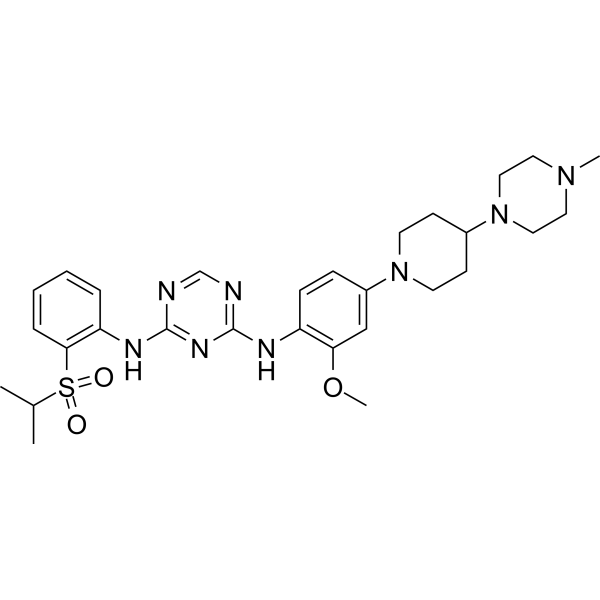
ASP3026 is a selective and orally active inhibitor of anaplastic lymphoma kinase (ALK). ASP3026 is a selective and oral active anaplastic lymphoma kinase (ALK) inhibitor with a IC50 value of 3.5 nM. ASP3026 can inhibit the phosphorylation of IGF-1R, STAT3, AKT and JNK proteins, and induce the cleavage of caspase 3 and PARP. It also inhibited ROS and ACK. ASP3026 can be used in anti-tumor research .
loading...
    loading...
6
6 Cited Publications
Art. -Nr.: HY-16992A
CAS. Nr.: 405098-33-1
W-54011 is a potent and orally active non-peptide C5a receptor antagonist. W-54011 inhibits the binding of 125I-labeled C5a to human neutrophils with a Ki value of 2.2 nM. W-54011 also inhibits C5a-induced intracellular Ca 2+ mobilization, chemotaxis, and generation of ROS in human neutrophils with IC50s of 3.1 nM, 2.7 nM, and 1.6 nM, respectively .
loading...
    loading...
6
6 Cited Publications
Art. -Nr.: HY-N0260
CAS. Nr.: 110642-44-9
Synonyms: Epimedin-C; Baohuoside-VI
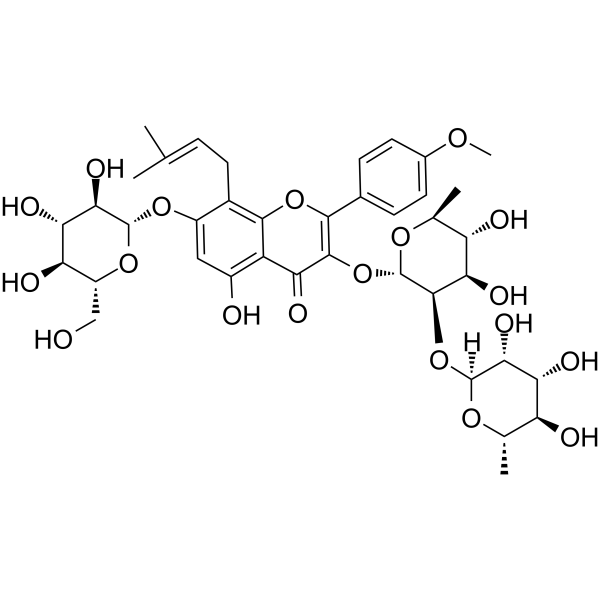
Epmedin C (Epimedin-C; Baohuoside-VI) is an orally active anti-inflammatory agent and immunomodulator that binds to multiple key proteins including UCP1, Caspase-1, CDK2 and Keap1. Epmedin C inhibits epithelial cell proliferation by disrupting the complex function of CDK2/Cyclin E. Epmedin C also upregulates Nrf2 expression, reduces ROS levels and inhibits pro-inflammatory cytokine secretion, thereby effectively restoring antibody production and alleviating tissue damage. Epmedin C has good safety with no hepatotoxicity or skin sensitization, and it has been used in studies on diseases such as obesity, Deoxynivalenol (HY-N6684)-induced immunotoxicity and mammary hyperplasia .
loading...
    loading...
6
6 Cited Publications
Art. -Nr.: HY-113308
CAS. Nr.: 516-90-5
Reinheit:  98.06%
Taurolithocholic acid is an orally active bile acid and antiviral agent. Taurolithocholic acid upregulates FADS2 by activating the TGR5-PI3K/AKT-SREBP2 signaling axis, inhibits SFTSV-induced ferroptosis (Ferroptosis), viral replication and viral entry of HBV/HDV, while reducing the release of IL-1β, lipid ROS and LDH. While exerting antiviral protective effects, Taurolithocholic acid also stimulates the recycling of hepatocellular membrane transporters, impairs canalicular bile acid secretion function, and induces hepatocyte cholestasis, apoptosis and acute hepatocellular injury. Taurolithocholic acid serves as an experimental model compound for hepatocellular cholestasis. At concentrations ≤200 μM, Taurolithocholic acid shows no cytotoxicity and does not activate the interferon pathway. Taurolithocholic acid not only protects mice from lethal SFTSV infection but also is suitable for studies related to severe fever with thrombocytopenia syndrome and cholestasis .
loading...
    loading...
6
6 Cited Publications
Art. -Nr.: HY-113308A
CAS. Nr.: 6042-32-6
Reinheit:  99.81%
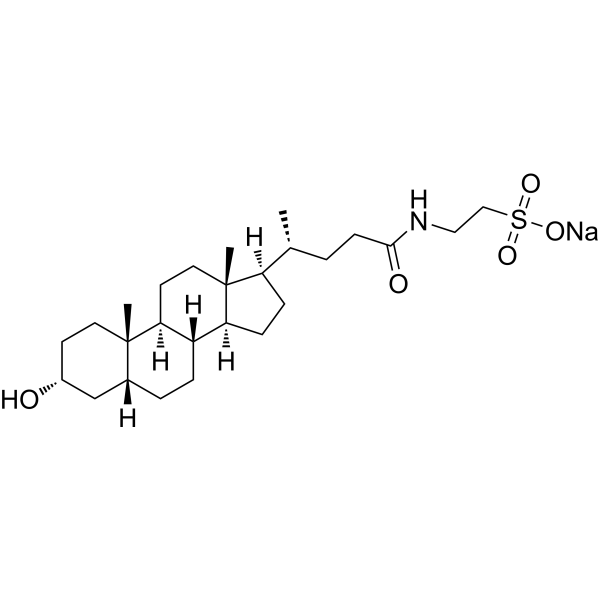
Taurolithocholic acid sodium salt is an orally active bile acid and antiviral agent. Taurolithocholic acid sodium salt upregulates FADS2 by activating the TGR5-PI3K/AKT-SREBP2 signaling axis, inhibits SFTSV-induced ferroptosis, viral replication and viral entry of HBV/HDV, while reducing the release of IL-1β, lipid ROS and LDH. While exerting antiviral protective effects, Taurolithocholic acid sodium salt also stimulates the recycling of hepatocellular membrane transporters, impairs canalicular bile acid secretion function, and induces hepatocyte cholestasis, apoptosis and acute hepatocellular injury. Taurolithocholic acid sodium salt serves as an experimental model compound for hepatocellular cholestasis. At concentrations ≤200 μM, Taurolithocholic acid sodium salt shows no cytotoxicity and does not activate the interferon pathway. Taurolithocholic acid sodium salt not only protects mice from lethal SFTSV infection but also is suitable for studies related to severe fever with thrombocytopenia syndrome and cholestasis .
loading...
    loading...

