123 Results for "

beta-oxidation

" in MedChemExpress (MCE) Product Catalog:
Products (123)

123 Results for "beta-oxidation" in MCE Product Catalog:

Cat. No.: HY-N7388
CAS No.: 473-86-9
3-Hydroxy-2-methylbutanoic acid is a short-chain carboxylic acid and a normal urinary metabolite produced via isoleucine catabolism, fatty acid β-oxidation and ketogenesis. 3-Hydroxy-2-methylbutanoic acid exists as an acylated residue in resin glycosides derived from plants of the Ipomoea genus. 3-Hydroxy-2-methylbutanoic acid can be used in studies related to β-ketothiolase deficiency .
loading...
    loading...
Cat. No.: HY-W018653R
CAS No.: 5292-21-7
Cyclohexaneacetic acid (Standard) is the analytical standard of Cyclohexaneacetic acid (HY-W018653). This product is intended for research and analytical applications. Cyclohexaneacetic acid is a model naphthenic acid and saturated cyclic acetic acid, and can serve as a monomeric component in naphthenic acid mixtures. Cyclohexaneacetic acid can be biodegraded via β-oxidation and is commonly used as a substrate for studying the degradation of model naphthenic acids by microalgae and microbial inocula. Cyclohexaneacetic acid can slow the growth of Botryococcus braunii and prolong the lag phase of both microalgae. Cyclohexaneacetic acid can be used in research related to environmental remediation .
loading...
    loading...
Cat. No.: HY-N0186S3
Synonyms: Indolebutyric acid-d2
Indole-3-butyric acid-d2 (Indolebutyric acid-d2) is the deuterium labeled Indole-3-butyric acid (HY-N0186). Indole-3-butyric acid (3-indolebutyric acid) is a plant growth auxin and a good rooting agent. It can promote herbs and woody ornamental plant rooting and used for improving fruit rate. Indole 3-butyric acid is an auxin precursor, and is converted to indole 3-acetic acid (IAA) in a peroxisomal β-oxidation process .
loading...
    loading...
Cat. No.: HY-P2832B
Research Areas:  

Others

Acyl-coenzyme A Synthetase, Pseudomonas sp. (EC 6.2.1.3) belongs to the ligase family and can activate the breakdown of complex fatty acids. Acyl-coenzyme A Synthetase, Pseudomonas sp. (EC 6.2.1.3) catalyzes the production of fatty acyl-CoA in a two-step process via an adenylate intermediate. Acyl-coenzyme A Synthetase, Pseudomonas sp. (EC 6.2.1.3) catalyzes the pre-reaction of fatty acid β-oxidation and can also be incorporated into phospholipids. Acyl-coenzyme A Synthetase, Pseudomonas sp. (EC 6.2.1.3) protein is involved in regulating and promoting the transport of long-chain fatty acids in mammalian cells.
loading...
    loading...
Cat. No.: HY-W700788
Isobutyryl-L-carnitine chloride-d6 is the d6-labeled Isobutyryl-L-carnitine chloride (HY-113165A). Isobutyryl-L-carnitine chloride is a biomarker. Isobutyryl-L-carnitine chloride is a product of acyl-CoA dehydrogenases involved in fatty acid β-oxidation, and it buffers the mitochondrial acyl-CoA/CoA ratio, oxidizes branched-chain amino acids, and supports the endogenous antioxidant defense system. Isobutyryl-L-carnitine chloride is a plasma biomarker of hepatic OCT1 transporter inhibition. Isobutyryl-L-carnitine chloride is a urinary biomarker of renal cell carcinoma, and its levels are elevated one year after nephrectomy compared with before nephrectomy. Isobutyryl-L-carnitine chloride can be used in research on renal cell carcinoma .
loading...
    loading...
Cat. No.: HY-N8469R
CAS No.: 2430-94-6
cis-5-Dodecenoic acid (Standard) is the analytical standard of cis-5-Dodecenoic acid (HY-N8469). This product is intended for research and analytical applications. cis-5-Dodecenoic acid is an inhibitor of COX-I and COX-II with anti-inflammatory activity. cis-5-Dodecenoic acid reduces prostaglandin synthesis by inhibiting COX enzyme activity and is involved in the fatty acid -β oxidative metabolic pathway. The metabolic rate of cis-5-Dodecenoic acid is significantly lower than that of saturated fatty acids. cis-5-Dodecenoic acid can be used in the research of anti-inflammation, fatty acid metabolism mechanisms and related physiological and pathological processes .
loading...
    loading...
Cat. No.: HY-W015924
CAS No.: 594-61-6
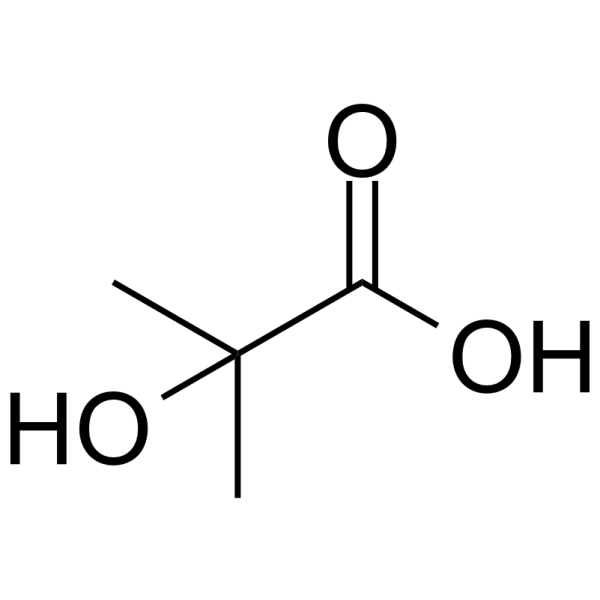
2-Hydroxyisobutyric acid (2-HIBA) is a selective modulator of the Insulin/IGF-1 pathway and the p38 MAPK pathway, which reduces reactive oxygen species (ROS) and fat accumulation in Caenorhabditis elegans. 2-Hydroxyisobutyric acid promotes β-oxidation and inhibits fatty acid synthesis by upregulating SKN-1/NRF2 and downregulating SREBP-1c transcription factors. 2-Hydroxyisobutyric acid has anti-aging and lipid-lowering effects, and can be used to study metabolic diseases such as obesity and diabetes. 2-Hydroxyisobutyric acid is also a renewable precursor of methacrylate through 2-HIB-CoA mutase-mediated biosynthesis[1][2].
loading...
    loading...
Cat. No.: HY-W250154
CAS No.: 104809-32-7
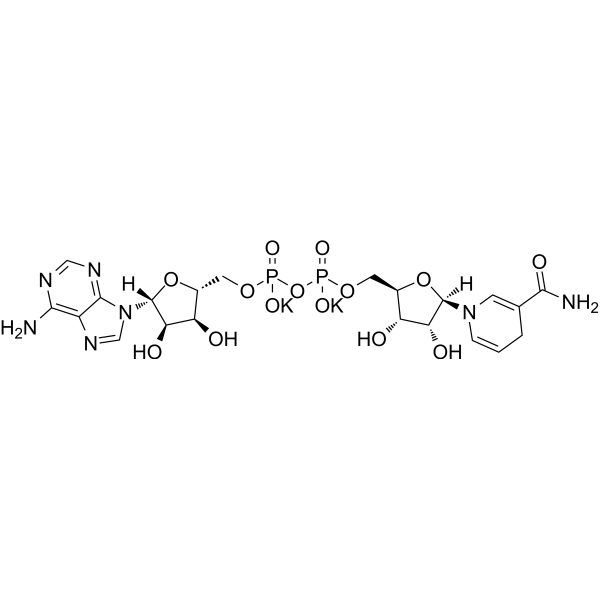
β-Nicotinamide adenine dinucleotide reduced dipotassium is an orally effective reduced coenzyme. β-Nicotinamide adenine dinucleotide reduced dipotassium plays a role in regenerating electron donors during cellular energy metabolism, including glycolysis, β-oxidation, and the tricarboxylic acid (TCA) cycle. β-Nicotinamide adenine dinucleotide reduced dipotassium regulates calcium homeostasis by promoting the opening of IP3-gated Ca 2+ channels and inhibiting Ryanodine receptor, and affects mitochondrial function through direct interaction with VDAC. β-Nicotinamide adenine dinucleotide reduced dipotassium is used in cytoprotective studies related to cerebral ischemic injury, neurodegenerative diseases, aging, and signal transduction .
loading...
    loading...
Cat. No.: HY-W353470
CAS No.: 221664-05-7
Synonyms: 2,3-Dinor-8-isoPGF2α
Target:  

Drug Metabolite

Research Areas:  

Metabolic Disease

2,3-Dinor-8-iso prostaglandin F₂α (2,3-Dinor-8-isoPGF2α) is the major β-oxidation metabolite of 8-iso-prostaglandin F₂α. 2,3-Dinor-8-iso prostaglandin F₂α serves as a biomarker to evaluate the in vivo production of 8-iso-prostaglandin F₂α and the level of lipid peroxidation. 2,3-Dinor-8-iso prostaglandin F₂α is promising for research of oxidative stress-related diseases such as arteriosclerosis and diabetes .
loading...
    loading...
Cat. No.: HY-123115
CAS No.: 7158-70-5
Synonyms: 5-O-α-D-Glucopyranosyl-D-fructose
Leucrose (5-O-α-D-Glucopyranosyl-D-fructose) is an orally active Sucrose (HY-B1779) isomer naturally found in pollen and honey. Leucrose promotes phosphorylation of JAK1 and STAT6, reduces pro-inflammatory mediators and cytokinesas (TNFα, and IL-1β), increases M2 macrophage polarization and suppresses DSS (HY-116282C)-induced colitis. Leucrose suppresses hepatic triglyceride accumulation, improves fasting blood glucose levels, and regulates hepatic lipogenesis and fatty acid β-oxidation in high-fat diet-induced obese mice. Leucrose is slowly hydrolyzed into glucose and fructose by α-glucosidase and acts as as a sugar substitute in diet .
loading...
    loading...
Cat. No.: HY-B2004
CAS No.: 130000-40-7
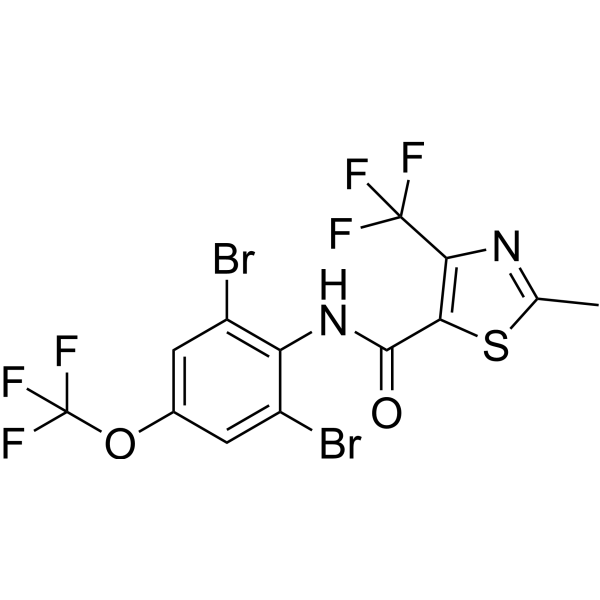
Thifluzamide is a fungicide that inhibits fungal respiration by blocking the ubiquinone-binding site in mitochondrial complex II. Thifluzamide exhibits significant activity against Basidiomycota pathogens (such as Rhizoctonia cerealis, Ustilago and Puccinia genera) and is commonly used in studies on wheat sharp eyespot. Thifluzamide displays a dual mechanism in regulating lipid metabolism: it reduces fatty acid synthase activity to inhibit endogenous fatty acid synthesis, and increases carnitine palmitoyltransferase-I activity to accelerate fatty acid β-oxidation, thereby reducing total cholesterol and triglyceride levels in the liver. Thifluzamide also induces hepatotoxicity in zebrafish models and carries a risk of developmental toxicity. Thifluzamide inhibition of Rhizoctonia cerealis may result in low to moderate levels of drug resistance, leading to the generation of stable drug-resistant mutants .
loading...
    loading...
Cat. No.: HY-L182
417 compounds

Fatty acids (FAs) are the main components of lipids. The synthesis of fatty acids mainly involves the Triglyceride (TG) cycle and De Novo Lipogenesis (DNL). Fatty acids which exist widely in organisms are components of cell membranes and play an indispensable role in cell signaling. In addition, FFAs can be taken up from circulating plasma by all mitochondria-containing cells, and they are metabolized by β-oxidation and the citric acid cycle to release large amounts of energy in the form of ATP. Abnormal fatty acid metabolism is associated with the occurrence and development of cardiovascular diseases, diabetes, fatty liver, hyperthyroidism, and other diseases.

MCE offers a unique collection of fatty acid compounds. Fatty Acids Compound Library is an important tool for the study of energy metabolism and drug development of metabolism-related diseases.

Cat. No.: HY-124404
CAS No.: 82337-46-0
Purity:  ≥99.0%
12(R)-HETE is a CYP-dependent arachidonic acid metabolite that acts as a proinflammatory lipid mediator. 12 (R)-HETE widely exists in various tissues including the eye, skin and liver. In the cornea, 12(R)-HETE is metabolized via pathways such as β-oxidation into the precursor of 12(R)-HETrE. Without direct receptor binding, 12(R)-HETE indirectly activates AHR-mediated target gene transcription, while inhibiting the enzymatic activity of Na+,K+-ATPase and the intracellular calcium elevation induced by TP agonists. 12(R)-HETE also possesses multiple physiological effects such as chemotaxis, proangiogenesis, vasodilation, natriuresis, diuresis and intraocular pressure reduction, and can be widely used in studies related to psoriasis, inflammatory skin diseases and ocular inflammation .
loading...
    loading...
Cat. No.: HY-19882
CAS No.: 941285-15-0
Research Areas:  

Infection

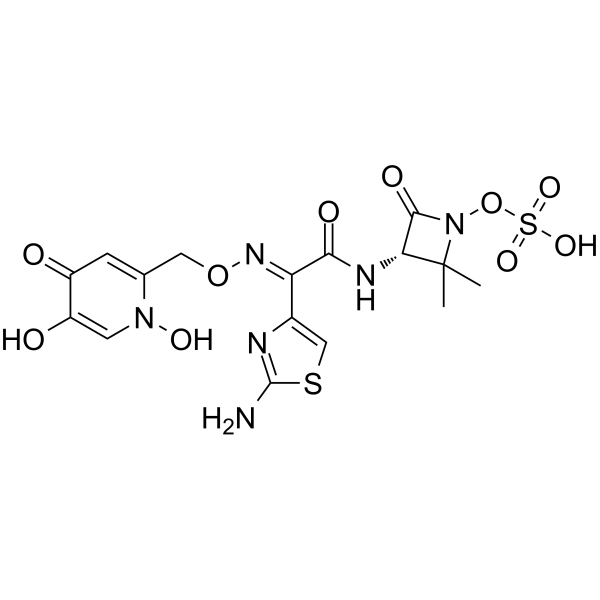
BAL-30072 is a siderophore-bearing monocyclic β-lactam antibiotic with antibacterial activity. BAL-30072 inhibits penicillin-binding proteins 1a, 1b, and 3, thereby disrupting bacterial cell wall synthesis. BAL-30072 inhibits mitochondrial electron transport chain complex II and complex III, while also inhibiting glycolysis and mitochondrial fatty acid β-oxidation. BAL-30072 induces mitochondrial ROS production, cellular ATP depletion, reduces mitochondrial membrane potential, and triggers hepatocyte apoptosis via caspase-3/7 activation. BAL-30072 is a substrate of the hepatic uptake transporters OAT1 and OAT3. BAL-30072 can be used in research related to bacterial infections .
loading...
    loading...
Cat. No.: HY-B0762R
CAS No.: 5080-50-2
Synonyms: O-Acetyl-L-carnitine hydrochloride (Standard); ALCAR hydrochloride (Standard)
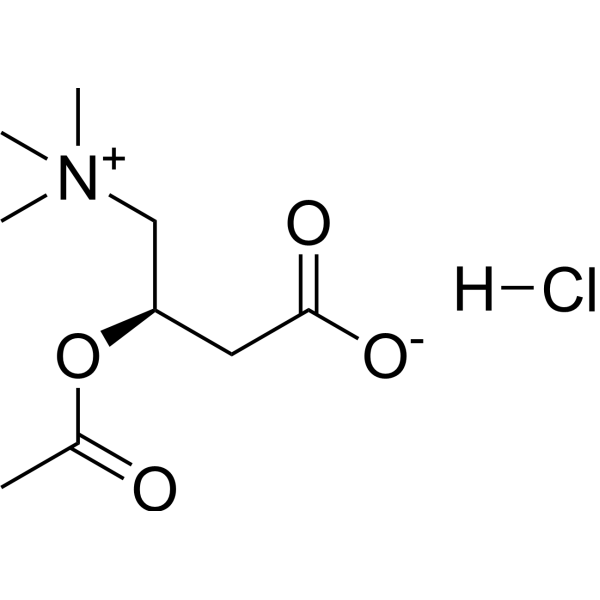
Acetyl-L-carnitine hydrochloride (Standard) is the analytical standard of Acetyl-L-carnitine hydrochloride. This product is intended for research and analytical applications. Acetyl-L-carnitine (O-Acetyl-L-carnitine; ALCAR) hydrochloride is an orally active mitochondrial energy metabolism regulator and neuroprotectant that can penetrate the blood-brain barrier. Acetyl-L-carnitine hydrochloride selectively enters cells and the brain through the organic cation transporter OCTN2. Acetyl-L-carnitine hydrochloride can participate in fatty acid β-oxidation, promote acetylcholine synthesis, regulate mitochondrial function and inhibit oxidative stress as an acetyl donor. Acetyl-L-carnitine hydrochloride exerts its activity by enhancing energy metabolism, protecting neurons and improving synaptic plasticity. Acetyl-L-carnitine hydrochloride is mainly used in the study of neurodegenerative diseases and metabolic disorder-related diseases such as neonatal hypoxic-ischemic brain damage, Alzheimer's disease, and depression .
loading...
    loading...
Cat. No.: HY-B2004R
CAS No.: 130000-40-7
Thifluzamide (Standard) is the analytical standard of Thifluzamide. This product is intended for research and analytical applications. Thifluzamide is a fungicide that inhibits fungal respiration by blocking the ubiquinone-binding site in mitochondrial complex II. Thifluzamide exhibits significant activity against Basidiomycota pathogens (such as Rhizoctonia cerealis, Ustilago and Puccinia genera) and is commonly used in studies on wheat sharp eyespot. Thifluzamide displays a dual mechanism in regulating lipid metabolism: it reduces fatty acid synthase activity to inhibit endogenous fatty acid synthesis, and increases carnitine palmitoyltransferase-I activity to accelerate fatty acid β-oxidation, thereby reducing total cholesterol and triglyceride levels in the liver. Thifluzamide also induces hepatotoxicity in zebrafish models and carries a risk of developmental toxicity. Thifluzamide inhibition of Rhizoctonia cerealis may result in low to moderate levels of drug resistance, leading to the generation of stable drug-resistant mutants .
loading...
    loading...
Cat. No.: HY-N11262
CAS No.: 4281-28-1
Sudachitin is an orally active compound that potently inhibits mouse PDE1C and human PDE4B, with IC50 values of 5.0 μM and 15.0 μM, respectively. Sudachitin upregulates Sirt1 and PGC‑1α expression in skeletal muscle to regulate energy metabolism and promote mitochondrial biogenesis. Sudachitin improves lipid metabolism, glucose tolerance, insulin sensitivity, energy expenditure, and fatty acid β‑oxidation. Sudachitin activates p38MAPK signaling, induces HSP27 phosphorylation and caspase‑dependent apoptosis, and blocks EGF‑driven keratinocyte migration and proliferation. Sudachitin suppresses LPS‑induced TNF‑α, NO, and iNOS expression in macrophages and shows potent anti‑inflammatory activity. Sudachitin can be used for the research of metabolic syndrome, type 2 diabetes, and psoriasis. .
loading...
    loading...
Cat. No.: HY-W015924R
CAS No.: 594-61-6
2-Hydroxyisobutyric acid (Standard) is the analytical standard of 2-Hydroxyisobutyric acid. This product is intended for research and analytical applications. 2-Hydroxyisobutyric acid (2-HIBA) is a selective modulator of the Insulin/IGF-1 pathway and the p38 MAPK pathway, which reduces reactive oxygen species (ROS) and fat accumulation in Caenorhabditis elegans. 2-Hydroxyisobutyric acid promotes β-oxidation and inhibits fatty acid synthesis by upregulating SKN-1/NRF2 and downregulating SREBP-1c transcription factors. 2-Hydroxyisobutyric acid has anti-aging and lipid-lowering effects, and can be used to study metabolic diseases such as obesity and diabetes. 2-Hydroxyisobutyric acid is also a renewable precursor of methacrylate through 2-HIB-CoA mutase-mediated biosynthesis[1][2].
loading...
    loading...
Cat. No.: HY-B0762S
CAS No.: 1334532-17-0
Synonyms: O-Acetyl-L-carnitine-d3 hydrochloride
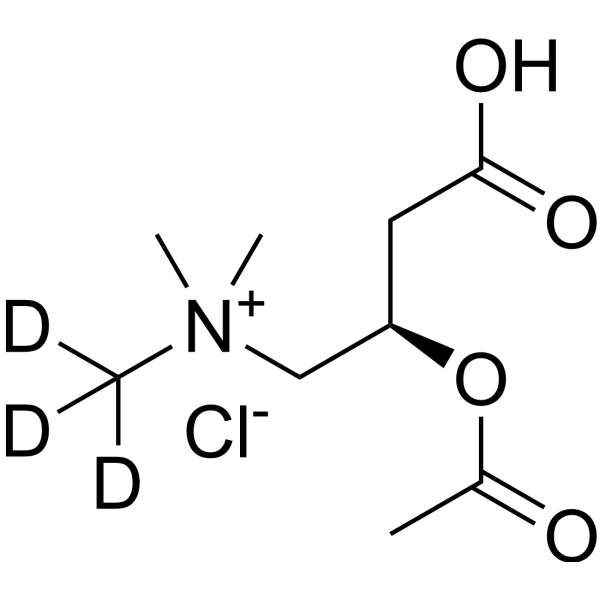
Acetyl-L-carnitine-d3 (O-Acetyl-L-carnitine-d3) hydrochloride is the deuterium labeled Acetyl-L-carnitine hydrochloride (HY-B0762). Acetyl-L-carnitine (O-Acetyl-L-carnitine; ALCAR) hydrochloride is an orally active mitochondrial energy metabolism regulator and neuroprotectant that can penetrate the blood-brain barrier. Acetyl-L-carnitine hydrochloride selectively enters cells and the brain through the organic cation transporter OCTN2. Acetyl-L-carnitine hydrochloride can participate in fatty acid β-oxidation, promote acetylcholine synthesis, regulate mitochondrial function and inhibit oxidative stress as an acetyl donor. Acetyl-L-carnitine hydrochloride exerts its activity by enhancing energy metabolism, protecting neurons and improving synaptic plasticity. Acetyl-L-carnitine hydrochloride is mainly used in the study of neurodegenerative diseases and metabolic disorder-related diseases such as neonatal hypoxic-ischemic brain damage, Alzheimer's disease, and depression .
loading...
    loading...
Cat. No.: HY-B0762S1
CAS No.: 362049-62-5
Synonyms: O-Acetyl-L-carnitine-d3-1 hydrochloride
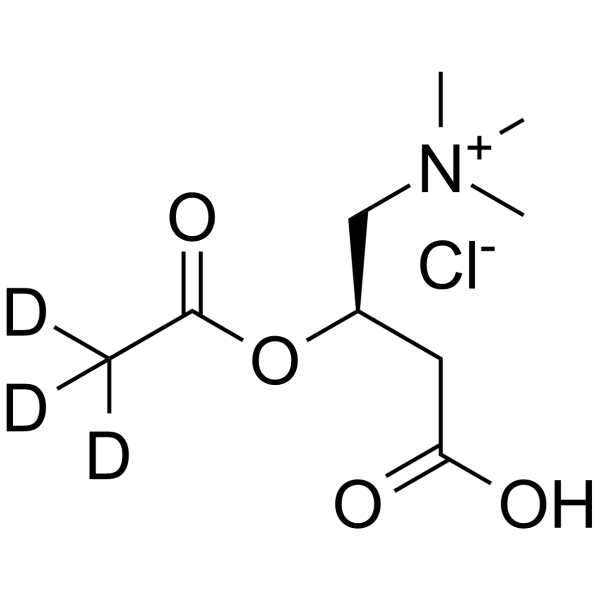
Acetyl-L-carnitine-d3-1 (O-Acetyl-L-carnitine-d3-1) hydrochloride is the deuterium labeled Acetyl-L-carnitine hydrochloride (HY-B0762). Acetyl-L-carnitine (O-Acetyl-L-carnitine; ALCAR) hydrochloride is an orally active mitochondrial energy metabolism regulator and neuroprotectant that can penetrate the blood-brain barrier. Acetyl-L-carnitine hydrochloride selectively enters cells and the brain through the organic cation transporter OCTN2. Acetyl-L-carnitine hydrochloride can participate in fatty acid β-oxidation, promote acetylcholine synthesis, regulate mitochondrial function and inhibit oxidative stress as an acetyl donor. Acetyl-L-carnitine hydrochloride exerts its activity by enhancing energy metabolism, protecting neurons and improving synaptic plasticity. Acetyl-L-carnitine hydrochloride is mainly used in the study of neurodegenerative diseases and metabolic disorder-related diseases such as neonatal hypoxic-ischemic brain damage, Alzheimer's disease, and depression .
loading...
    loading...

