
888 Results for "

binding affinity

" in MedChemExpress (MCE) Product Catalog:
Products (888)

888 Results for "binding affinity" in MCE Product Catalog:

1
1 Cited Publications
Referencia número: HY-P99588
No. CAS: 705287-60-1
Synonyms: MYO-029

Target:  

TGF-β Receptor

Áreas de investigación:  

Metabolic Disease

Stamulumab (MYO-029) is a recombinant human IgG1λ antibody that binds to myostatin and neutralizes its activity by preventing binding to its endogenous high-affinity receptor ActRIIB. Stamulumab leads to muscle fiber hypertrophy and not hyperplasia in SCID mice. Stamulumab has the potential for Becker muscular dystrophy (BMD), facioscapulohumeral dystrophy (FSHD), and limb-girdle muscular dystrophy (LGMD) research .
loading...
    loading...
1
1 Cited Publications
Referencia número: HY-102064
No. CAS: 77145-61-0
Pureza:  99.86%
Target:  

5-HT Receptor

Áreas de investigación:  

Neurological Disease

SR 57227A is a potent, orally active and selective 5-HT3 receptor agonist, with ability to cross the blood brain barrier. SR 57227A has affinities (IC50) varying between 2.8 and 250 nM for 5-HT3 receptor binding sites in rat cortical membranes and on whole NG 108-15 cells or their membranes. Anti-depressant effects .
loading...
    loading...
1
1 Cited Publications
Referencia número: HY-148263
Pureza:  ≥98.0%
Target:  

Fluorescent Dye

Áreas de investigación:  

Cancer

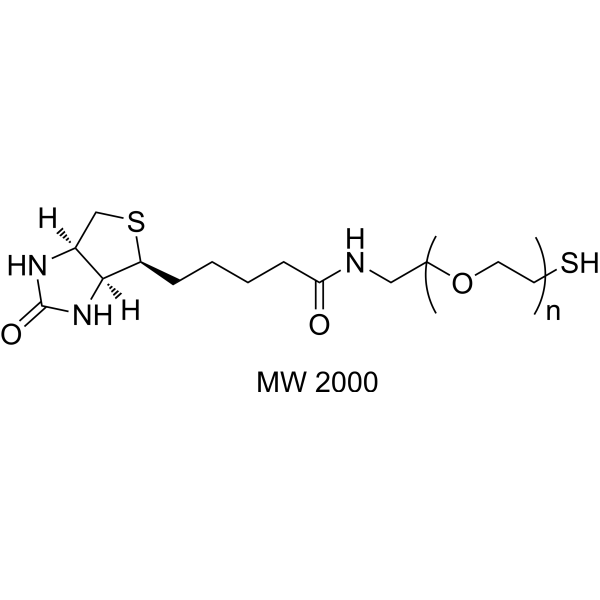
Biotin-PEG2000-Thiol is an active compound. Biotin-PEG2000-Thiol is pegylated by binding to streptavidin or antibiotin with high affinity and specificity. Biotin-PEG2000-Thiol can modify biomolecules, proteins, peptides and other small molecule materials. Biotin-PEG2000-Thiol is widely used in the research of agent release and nano new materials .
loading...
    loading...
1
1 Cited Publications
Referencia número: HY-W074890
No. CAS: 2441-41-0
Synonyms: N-palmitoyl glycine
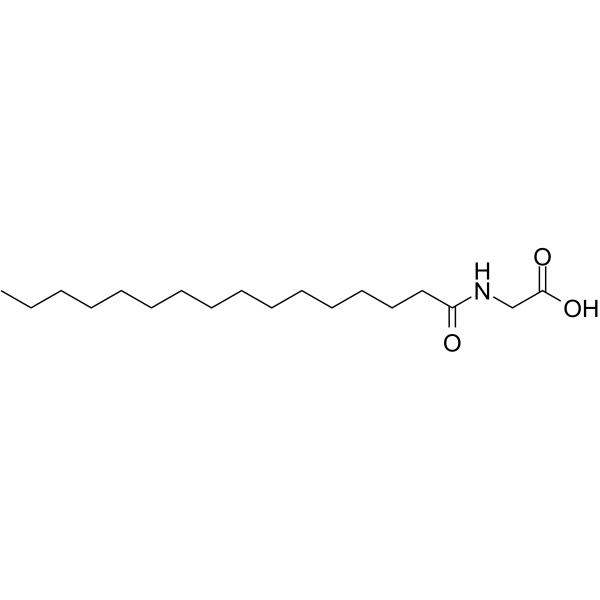
Palmitoylglycine (N-palmitoyl glycine), an endogenous lipid that acts as a modulator of calcium influx and nitric oxide () production in sensory neurons. Palmitoylglycine is linked to an increased risk of Background Brugada syndrome (BrS) and interacts with BrS-associated proteins, demonstrating moderate binding affinities for DCC, CR1, CTSB, NAAA, DEFB1, EPHA1, IGF1/IGFBP3/ALS, and LTA .
loading...
    loading...
1
1 Cited Publications
Referencia número: HY-B1824
No. CAS: 98753-19-6
Synonyms: HR-810 sulfate
Target:  

Bacterial Antibiotic

Áreas de investigación:  

Infection

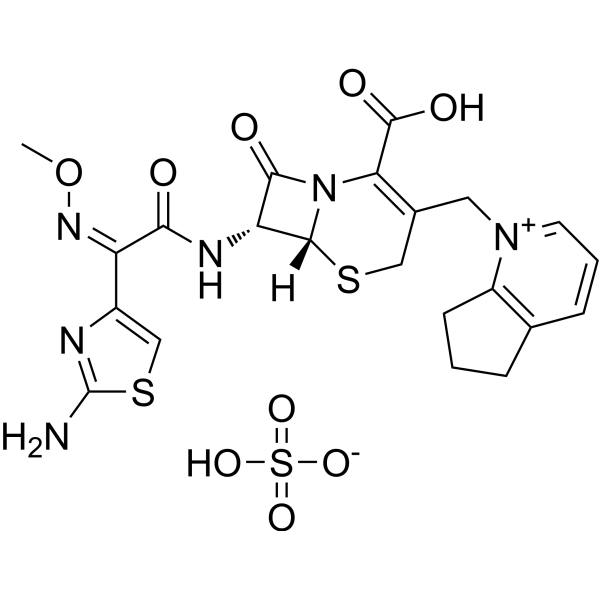
Cefpirome (HR-810) sulfate is a cephalosporin antibiotic that can cross cell membranes and the blood-brain barrier. Cefpirome sulfate binds to penicillin-binding proteins with high affinity, thereby inhibiting bacterial cell wall synthesis. Cefpirome sulfate exhibits bactericidal and growth-inhibitory activities against Gram-negative bacteria, Gram-positive bacteria, and susceptible anaerobic bacteria (including some β-lactamase-producing strains) .
loading...
    loading...
1
1 Cited Publications
Referencia número: HY-N4180
No. CAS: 55916-52-4
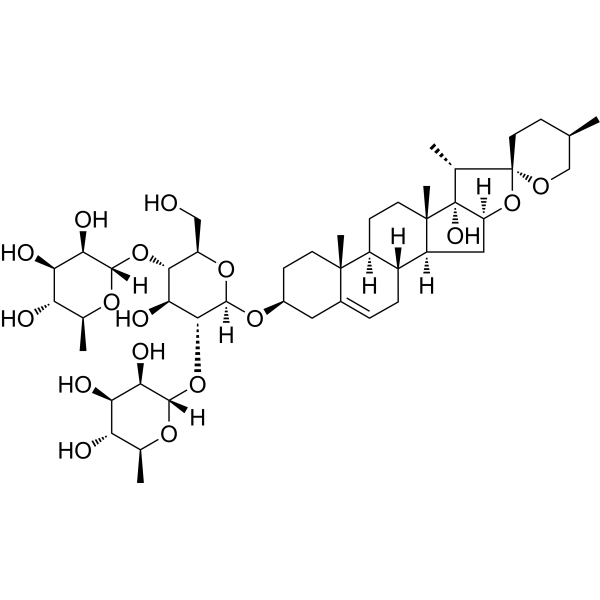
Pennogenin 3-O-beta-chacotrioside is an autophagy (autophagy) inducer. Pennogenin 3-O-beta-chacotrioside exhibits strong binding affinity for the pro-apoptotic proteins CYTC, AIF1 and BAX. Pennogenin 3-O-beta-chacotrioside triggers reactive oxygen species-induced autophagy in cancer cells. Pennogenin 3-O-beta-chacotrioside can be used in studies related to colorectal cancer .
loading...
    loading...
1
1 Cited Publications
Referencia número: HY-115510
No. CAS: 1292285-54-1
Pureza:  99.84%
Synonyms: SPRi3
Target:  

Carbonyl Reductase

Áreas de investigación:  

Inflammation/Immunology

SPR inhibitor 3 (SPRi3) is a potent sepiapterin reductase (SPR) inhibitor. SPR inhibitor 3 (SPRi3) displays high binding affinity to human SPR in a cell-free assay (IC50=74 nM) and efficiently reduces biopterin levels in a cell-based assay (IC50=5.2 μM). SPR inhibitor 3 (SPRi3) reduces neuropathic and inflammatory pain through a reduction of BH4 levels .
loading...
    loading...
1
1 Cited Publications
Referencia número: HY-124602
No. CAS: 2245887-38-9
Pureza:  99.42%
Target:  

E1/E2/E3 Enzyme

Áreas de investigación:  

Cancer

DI-591 is a potent, high-affinity and cell-permeable inhibitor of the DCN1-UBC12 interaction. DI-591 binds to DCN1 and DCN2 with Ki values of 12 nM and 10.4 nM, respectively and has no appreciable binding to DCN3, DCN4, and DCN5 proteins. DI-591 selectively inhibits neddylation of cullin 3 but has no or minimal effect on neddylation of other cullin family members .
loading...
    loading...
1
1 Cited Publications
Referencia número: HY-16474
No. CAS: 737789-87-6
Synonyms: TAK-385
Target:  

GnRH Receptor

Áreas de investigación:  

Endocrinology Cancer

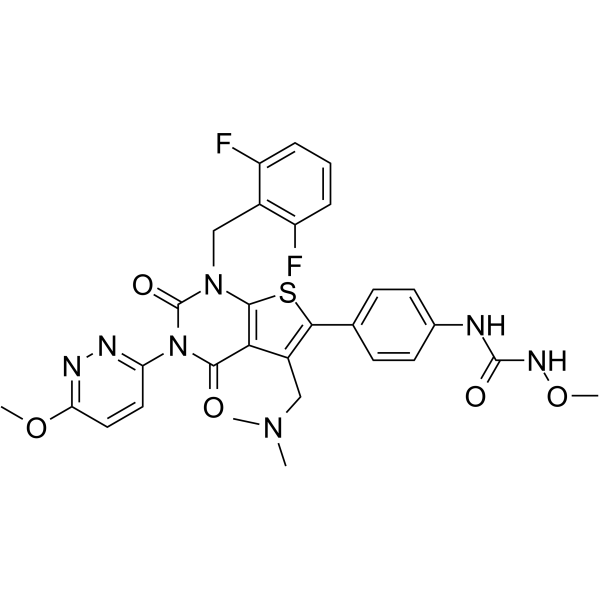
Relugolix (TAK-385)?is a potent, orally active, nonpeptidic gonadotropin-releasing hormone (GnRH) antagonist. Relugolix possesses high affinity and potent antagonistic activity for human receptor (binding IC50=0.33 nM) and monkey receptor (IC50=0.32 nM) compared with TAK-013 (HY-100209) . Relugolix is used for the study of sex-hormone-dependent diseases, such as including endometriosis, uterine fibroids and prostate cancer et al .
loading...
    loading...
1
1 Cited Publications
Referencia número: HY-D2468
Target:  

Fluorescent Dye

Áreas de investigación:  

Others

Sulfonylurea Receptor HRP-Streptavidin is a biotin-binding signal amplifier designed to bind tightly with biotinylated anti-TSH monoclonal antibodies, thereby constituting a key component of the signal amplification system in immunoassays. HRP-Streptavidin is formed by the covalent coupling of Horseradish Peroxidase (HRP) with Streptavidin; it combines the highly efficient catalytic activity of the enzyme with the high affinity of Streptavidin for biotin, making it a potent and sensitive tool for signal amplification. HRP-Streptavidin is suitable for use in Western Blotting, ELISA, and other detection techniques .
loading...
    loading...
1
1 Cited Publications
Referencia número: HY-P2031
No. CAS: 26645-35-2
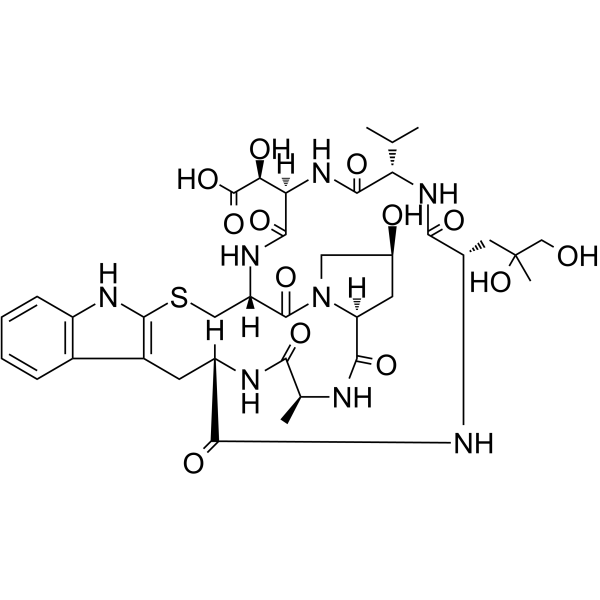
Phallacidin is a natural bicyclic heptapeptide derived from the poisonous mushroom Amanita phalloides. Phallacidin binds to filamentous actin specifically with high affinity, with a Kd of 20 nM. After binding to F-actin, Phallacidin strongly inhibits its depolymerization, stabilizes microfilament structures, and prevents their disruption by drugs such as cytochalasins. When conjugated with a fluorophore, Phallacidin serves as a specific fluorescent probe for F-actin, which is used to clearly visualize the distribution of actin in the cytoskeleton (e.g., stress fibers, cortical peripheral bands) under fluorescence microscopy .
loading...
    loading...
1
1 Cited Publications
Referencia número: HY-N6896
No. CAS: 40788-84-9
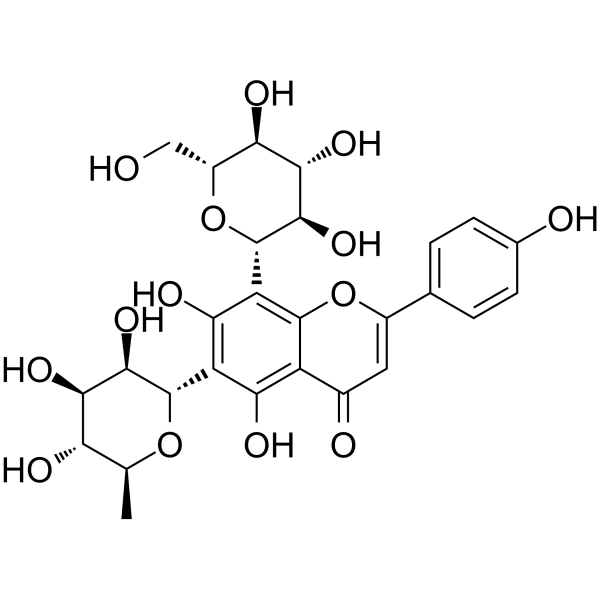
Isoviolanthin is a flavonoid glycoside. Isoviolanthin can be extracted from Dendrobium officinale. Isoviolanthin has a strong affinity for binding to KDM6B, CHAC2, ESCO2, and IPO4. Isoviolanthin decreases MMP-2 and MMP-9. Isoviolanthin inhibits TGF-β/Smad and PI3K/Akt/mTOR signaling pathways. Isoviolanthin increases Fhl3 expression. Isoviolanthin has cytoprotective effects. Isoviolanthin has anticancer activity against hepatocellular carcinoma .
loading...
    loading...
1
1 Cited Publications
Referencia número: HY-N2397
No. CAS: 1167424-31-8
Synonyms: MSB
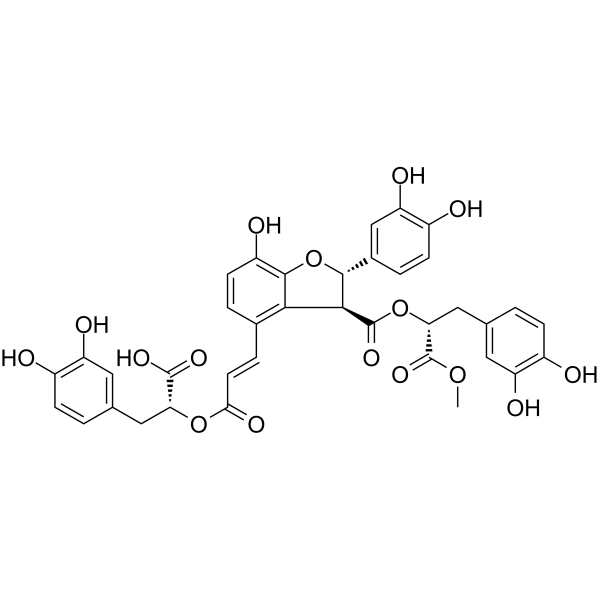
9''-Methyl salvianolate B (MSB) is a blood-brain barrier-permeable inhibitor with high affinity for g5Rp, with a Kd value of 117 nM against African swine fever virus (ASFV) g5Rp. 9''-Methyl salvianolate B also acts as a ZBP1 inhibitor. It exhibits strong binding affinity to key proteins in the PPARγ/NF-κB pathway. 9''-Methyl salvianolate B blocks the interaction between ASFV g5Rp and host proteins eIF5A or RPS15. It restores hypusination modification of eIF5A, promotes autophagy (Autophagy), and inhibits ASFV replication. 9''-Methyl salvianolate B effectively disrupts ZBP1-mediated PANoptosome assembly. It effectively alleviates myocardial ischemia/reperfusion injury. 9''-Methyl salvianolate B can be used in studies related to African swine fever .
loading...
    loading...
1
1 Cited Publications
Referencia número: HY-121638A
No. CAS: 1815598-71-0
Pureza:  95.12%
Áreas de investigación:  

Cancer

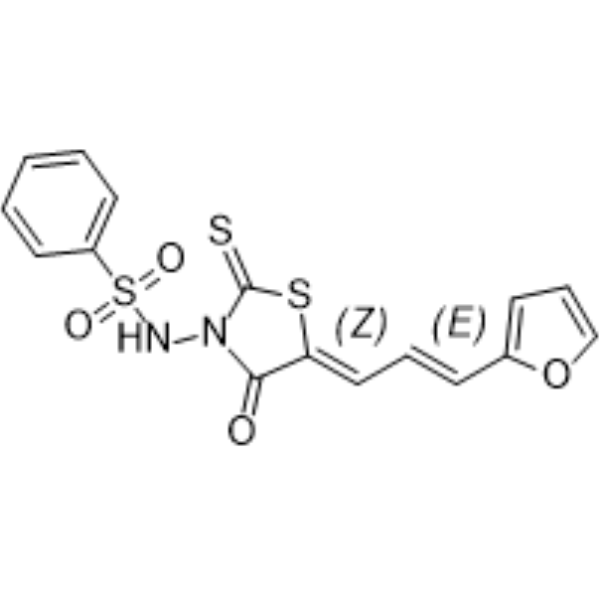
(5Z,2E)-CU-3 is an isomer of CU-3 (HY-121638). CU-3 is a DGKα inhibitor with an IC50 of 0.6 μM. CU-3 competitively reduces DGKα’s affinity for ATP via binding to the enzyme’s catalytic region. CU-3 induces apoptosis in cancer cells. CU-3 promotes T-cell activation and enhances IL-2 production. CU-3 can be used for the research of hepatocellular carcinoma and cervical cancer .
loading...
    loading...
1
1 Cited Publications
Referencia número: HY-P2196A
Target:  

Apelin Receptor (APJ)

Áreas de investigación:  

Cancer

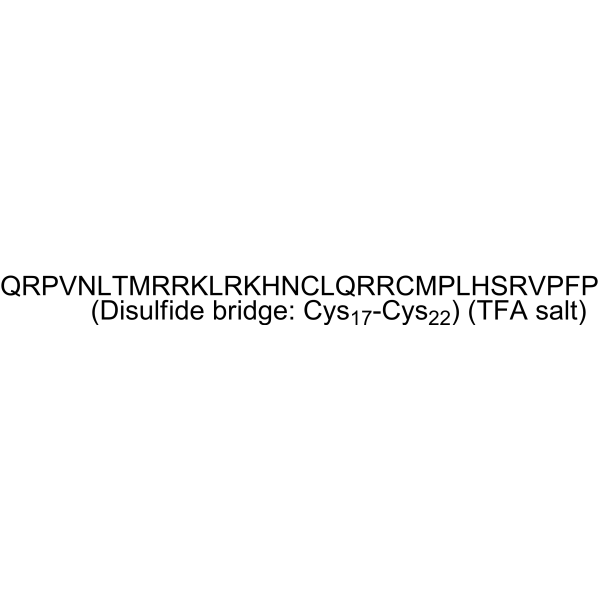
ELA-32(human) TFA is a potent, high affinity apelin receptor agonist (IC50=0.27 nM; Kd=0.51 nM). ELA-32(human) TFA exhibits no binding GPR15 and GPR25. ELA-32(human) TFA activates the PI3K/AKT pathway and promotes self-renewal of hESCs via cell-cycle progression and protein translation. ELA-32(human) TFA also potentiates the TGFβ pathway, priming hESCs toward the endoderm lineage. ELA-32(human) TFA stimulates angiogenesis in HUVEC cells.
loading...
    loading...
1
1 Cited Publications
Referencia número: HY-W050162
No. CAS: 20329-98-0
Synonyms: TMCA
Áreas de investigación:  

Neurological Disease

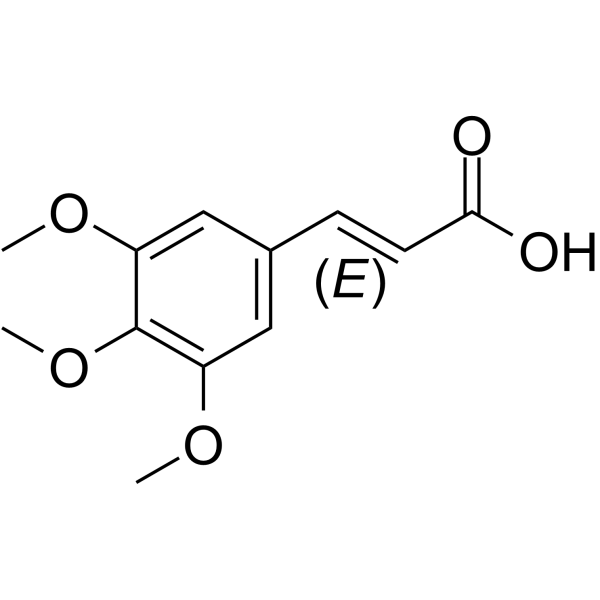
(E)-3,4,5-Trimethoxycinnamic acid (TMCA) is a cinnamic acid substituted by multi-methoxy groups. (E)-3,4,5-Trimethoxycinnamic acid is an orally active and potent GABAA/BZ receptor agonist. (E)-3,4,5-Trimethoxycinnamic exhibits favourable binding affinity to 5-HT2C and 5-HT1A receptor, with IC50 values of 2.5 and 7.6 μM, respectively. (E)-3,4,5-Trimethoxycinnamic acid shows anticonvulsant and sedative activity. (E)-3,4,5-Trimethoxycinnamic acid can be used for the research of insomnia, headache and epilepsy .
loading...
    loading...
1
1 Cited Publications
Referencia número: HY-13747
No. CAS: 13909-09-6
Pureza:  ≥98.0%
Áreas de investigación:  

Cancer

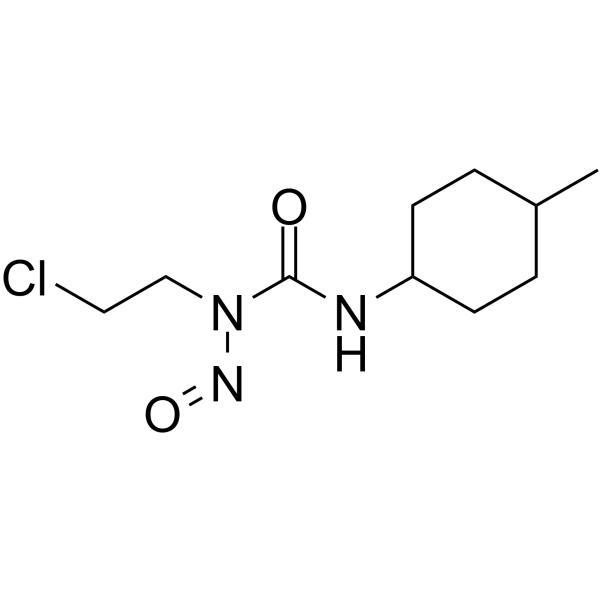
Semustine is an orally active, blood-brain barrier permeable antitumor alkylating agent with a binding affinity of 1.53 × 10 3 M -1 for guanine and thymine residues in bovine DNA. Semustine undergoes major groove-directed alkylation at guanine residues to form O6-chloroethylguanine and N1-O6-ethanoguanine adducts, and generates dG-dC interstrand crosslinks. Semustine induces partial B- to C-type transition of DNA, base stacking and helical structure distortion, mild dehydration, as well as partial DNA double-strand unwinding. Semustine can be used in research related to Lewis lung cancer, leukemia, Hodgkin's lymphoma, malignant melanoma, glioma, and diffuse large B-cell lymphoma .
loading...
    loading...
1
1 Cited Publications
Referencia número: HY-159641
No. CAS: 3034880-93-5
Synonyms: BAY-3605349
Áreas de investigación:  

Metabolic Disease Inflammation/Immunology Cancer

VVD-130037 (BAY-3605349) is a covalent molecular glue and allosteric NRF2 degrader. VVD-130037 covalently binds to KEAP1 and allosterically enhances the affinity of KEAP1-CUL3, promotes the formation of the active KEAP1-CUL3 E3 ligase complex, and thereby enhances the ubiquitination and degradation of NRF2. VVD-130037 exhibits KEAP1 target-binding activity both in in vitro systems and mouse models, and it can be used in research related to NRF2-dependent cancers, solid tumors harboring KEAP1 nonsense mutations and frameshift mutations, as well as advanced solid tumors .
loading...
    loading...
1
1 Cited Publications
Referencia número: HY-160528
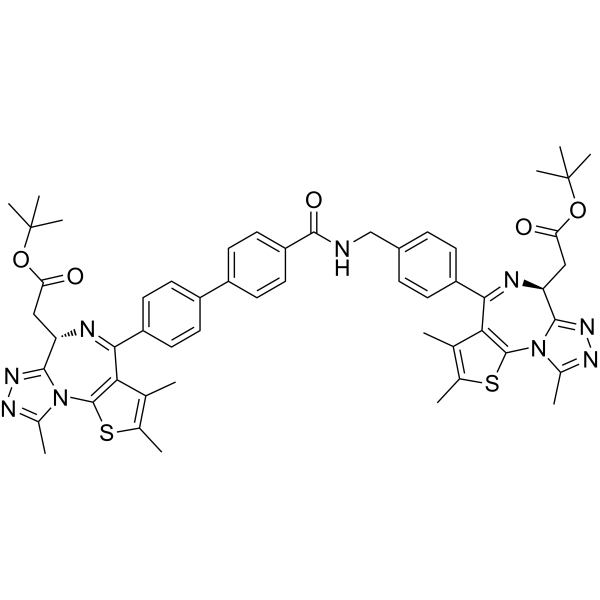
IBG3 is a bivalent molecular glue degrader that targets BRD2 and BRD4, with an EC50 of 32 nM and a Kd of 0.6 µM against human BRD4. IBG3 exhibits selectivity for BRD2 and BRD4 over BRD3. By recruiting the DCAF16 E3 ligase, IBG3 cis-binds to the tandem bromodomains of BRD2 and BRD4, enhances BRD-DCAF16 binding affinity, promotes ubiquitination and proteasomal degradation, and does not degrade isolated bromodomains. IBG3 lacks degradation selectivity for PSMA-positive and PSMA-negative prostate cancer cells, but shows lower in vivo antitumor efficacy than the PSMA-targeting conjugate IBG-P3, and can be used in prostate cancer-related research .
loading...
    loading...
1
1 Cited Publications
Referencia número: HY-125938
No. CAS: 21238-33-5
Pureza:  98.98%
Synonyms: Cycloartenol ferulate; Cycloartenol ferulic acid ester
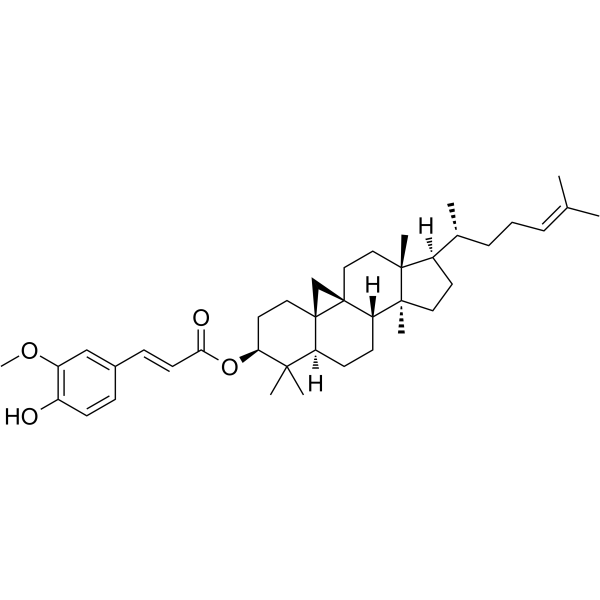
Cycloartenyl ferulate (Cycloartenol ferulate; Cycloartenol ferulic acid ester) is a derivative of γ-oryzanol (HY-B2194) with multiple biological activities including antioxidant, anti-inflammatory, and anti-tumor properties. Cycloartenyl ferulate selectively binds to IFNγR1 (binding affinity Kd = 0.5 μM) to activate the canonical JAK1/2-STAT1 signaling pathway. Cycloartenyl ferulate inhibits paraquat (PQ)-triggered apoptosis and ROS in HK2 cells. Cycloartenyl ferulate enhances the activation and cytolytic activity of natural killer (NK) cells by upregulating the expression of NK cell activation receptors (NKG2D, NKp30, NKp44) and the release of cytotoxic molecules and cytokine IFNγ. Cycloartenyl ferulate exerts anti-cancer effects in tumor mice models. Cycloartenyl ferulate can be used for the study of cancer and allergic inflammation intervention .
loading...
    loading...

