1. Search Result
Search Result
Isoforms Recommended: α adrenergic receptor
Results for "

α1-adrenergic receptor

" in MedChemExpress (MCE) Product Catalog:

125

Inhibitors & Agonists

2

Biochemical Assay Reagents

1

Peptides

13

Natural
Products

19

Isotope-Labeled Compounds

Cat. No. Product Name Target Research Areas Chemical Structure
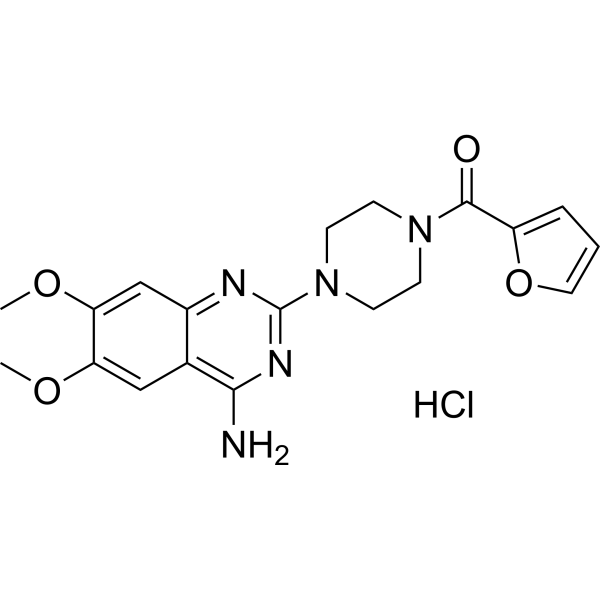
  • HY-B0193A
    Prazosin hydrochloride
    Maximum Cited Publications
    17 Publications Verification

    Adrenergic Receptor Autophagy Cardiovascular Disease Endocrinology Cancer
    Prazosin hydrochloride is a well-tolerated, CNS-active α1-adrenergic receptor antagonist for the research of high blood pressure and alcohol use disorders . Prazosin hydrochloride potently inhibits Norepinephrine (NE)-stimulated 45Ca efflux with an IC50 of 0.15 nM .Prazosin hydrochloride inhibits organic cation transporters OCT-1 and OCT-3 with IC50s of 1.8, and 13 μM, respectively .
    Prazosin hydrochloride
  • HY-B0661
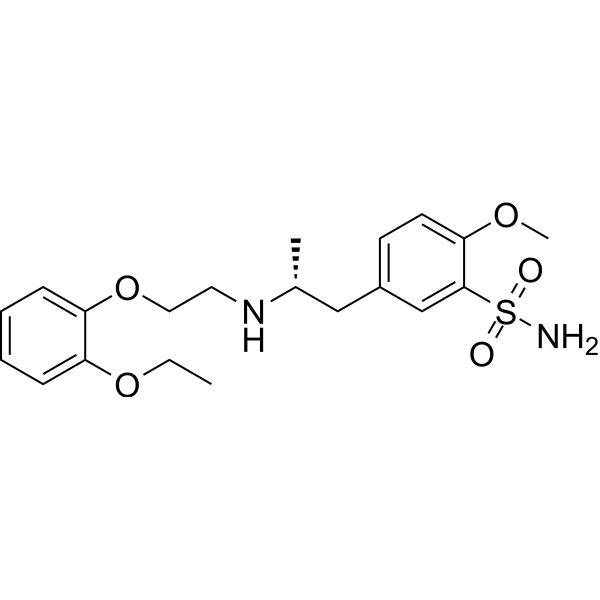
    Tamsulosin
    2 Publications Verification

    (R)-(-)-YM12617 free base; LY253351 free base

    Adrenergic Receptor Apoptosis Neurological Disease Endocrinology Cancer
    Tamsulosin ((R)-(-)-YM12617 free base) is an orally active antagonist of α1-adrenergic receptor. Tamsulosin induces Apoptosis. Tamsulosin is used for the research of prostatic hyperplasia. Tamsulosin attenuates abdominal aortic aneurysm growth and inhibits inflammation in animal models .
    Tamsulosin
  • HY-B1108
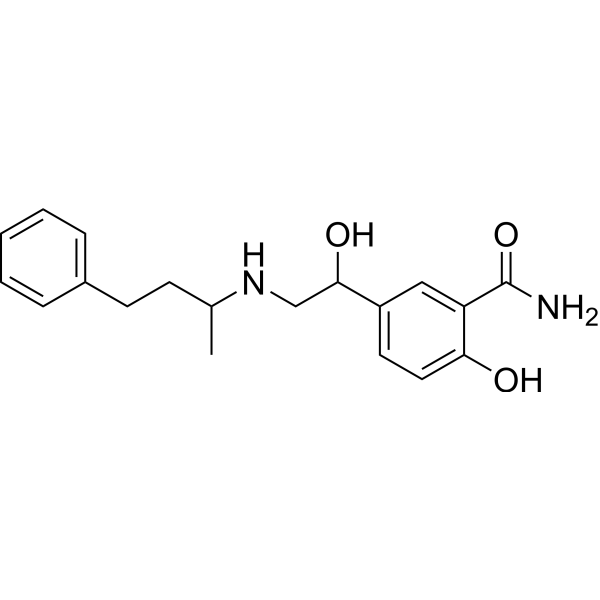
    Labetalol hydrochloride
    5 Publications Verification

    AH-5158 hydrochloride; Sch-15719W

    Adrenergic Receptor Cardiovascular Disease Inflammation/Immunology Endocrinology
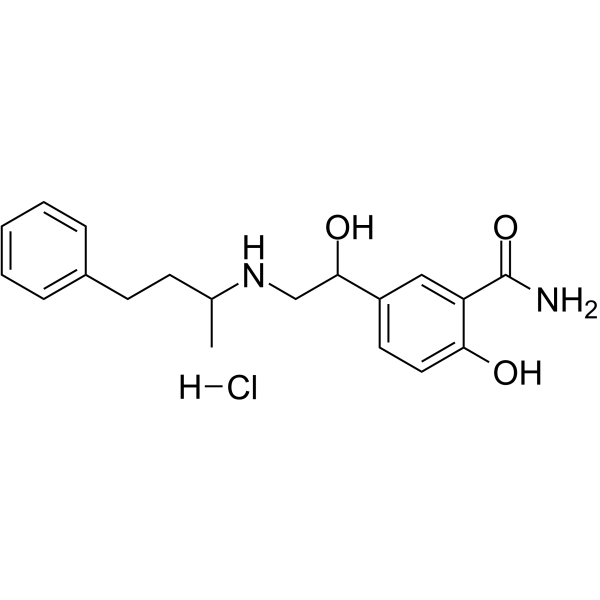
    Labetalol (AH5158) hydrochloride is an orally available, selective α1-adrenergic recepto and non-selective β-adrenergic receptor competitive antagonist. Labetalol hydrochloride is an antihypertensive molecule that partially crosses the blood-brain barrier and has little effect on cardiac output. Labetalol hydrochloride can be used in the study of cardiovascular diseases, such as hypertension during pregnancy .
    Labetalol hydrochloride
  • HY-121383
    Labetalol
    5 Publications Verification

    AH5158; Sch-15719W free base

    Adrenergic Receptor Cardiovascular Disease Inflammation/Immunology Endocrinology
    Labetalol (AH5158) is an orally available, selective α1-adrenergic recepto and non-selective β-adrenergic receptor competitive antagonist. Labetalol is an antihypertensive molecule that partially crosses the blood-brain barrier and has little effect on cardiac output. Labetalol can be used in the study of cardiovascular diseases, such as hypertension during pregnancy .
    Labetalol
  • HY-10349
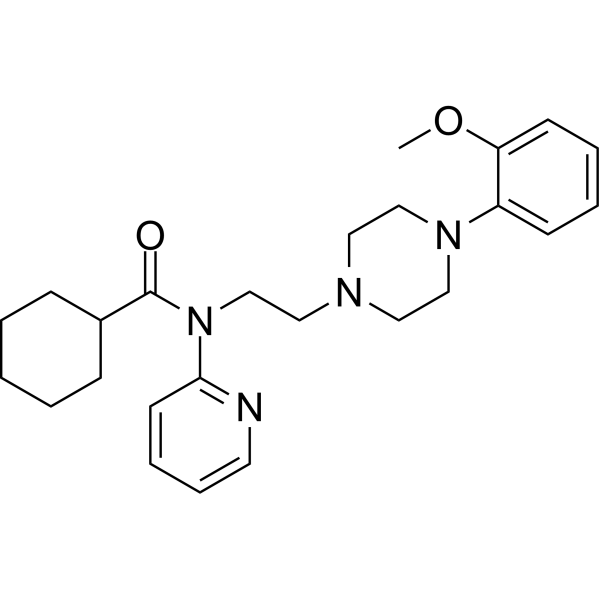
    WAY-100635
    10+ Cited Publications

    5-HT Receptor Dopamine Receptor Neurological Disease
    WAY-100635 is a potent and selective 5-HT1A Receptor antagonist with a pIC50 of 8.87, an apparent pA2 of 9.71. WAY-100635 is a potent and selective 5-hydroxytryptamine 1A (5-HT1A) receptor antagonist with an IC50 value of 0.91 nM and Ki value of 0.39 nM. WAY-100635 has pIC50 values for 5-HT1A and α1-adrenergic receptors of 8.9 and 6.6, respectively. WAY-100635 is also a potent dopamine D4 receptor agonist .
    WAY-100635
  • HY-N2037
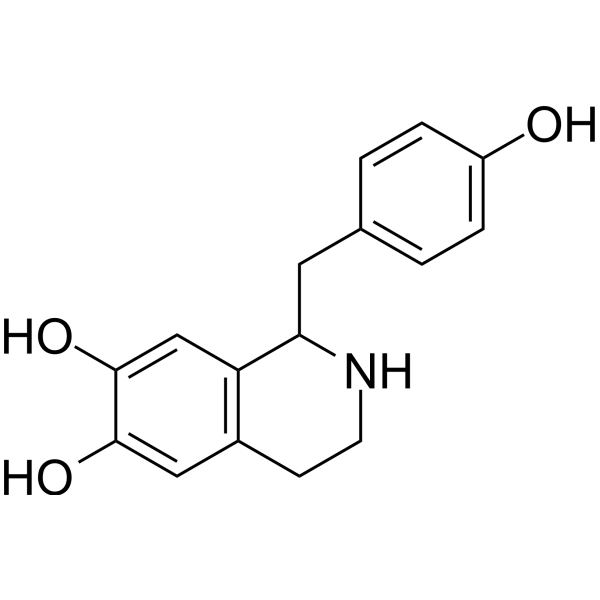
    Higenamine
    5+ Cited Publications

    Norcoclaurine; Demethyl-Coclaurine

    MAP3K MDM-2/p53 Adrenergic Receptor ROS Kinase Apoptosis Cardiovascular Disease Endocrinology
    Higenamine (Norcoclaurine), a β2-AR agonist with antioxidant capability, is a key component of the Chinese herb aconite root that prescribes for treating symptoms of heart failure in the oriental Asian countries. Higenamine is also a α1-adrenergic receptor antagonist with hypotensive effect. is a selective LSD1 inhibitor (IC50=1.47 μM) that can be isolated from aconite. Higenamine hydrochloride has anti-inflammatory and antibacterial activity. Higenamine protects myocyte Apoptosis and ischemia/reperfusion (I/R) injury through selective activation of beta2-adrenergic receptor (β2-AR). Higenamine also reduces I/R-induced myocardial infarction in mice. Higenamine can attenuate IL-1β-induced Apoptosis through ROS-mediated PI3K/Akt signaling pathway. Higenamine protects brain cells from oxygen deprivation. Higenamine can promote bone formation in osteoporosis through the SMAD2/3 pathway. Higenamine can be used to study cancer, inflammation, cardiorenal syndrome and other diseases .
    Higenamine
  • HY-B0098
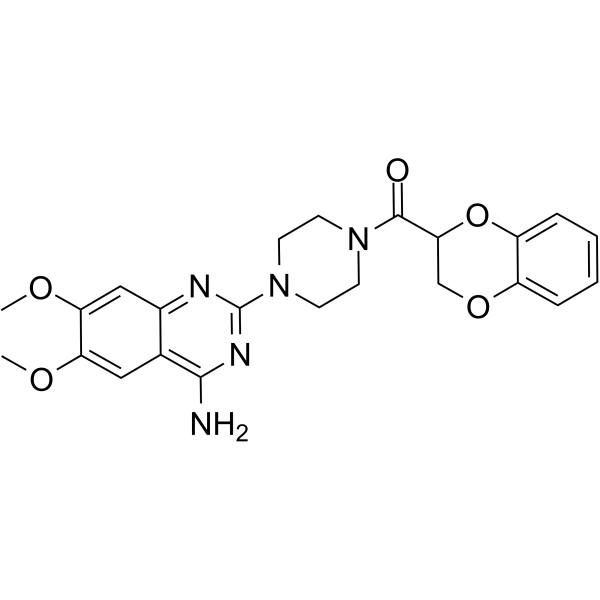
    Doxazosin
    3 Publications Verification

    UK 33274

    Adrenergic Receptor Cardiovascular Disease Endocrinology
    Doxazosin (UK 33274) is a quinazoline-derivative that selectively antagonizes postsynaptic α1-adrenergic receptors.
    Doxazosin
  • HY-B0661A
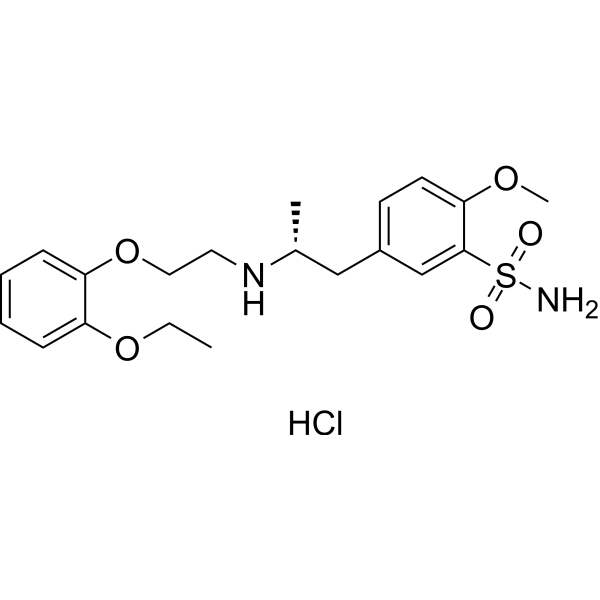
    Tamsulosin hydrochloride
    2 Publications Verification

    (R)-(-)-YM12617; LY253351

    Adrenergic Receptor Apoptosis Neurological Disease Endocrinology Cancer
    Tamsulosin hydrochloride ((R)-(-)-YM12617 free base) is an orally active antagonist of α1-adrenergic receptor. Tamsulosin hydrochloride induces Apoptosis. Tamsulosin hydrochloride is used for the research of prostatic hyperplasia. Tamsulosin hydrochloride attenuates abdominal aortic aneurysm growth and inhibits inflammation in animal models .
    Tamsulosin hydrochloride
  • HY-B0532
    Trifluoperazine
    5+ Cited Publications

    Dopamine Receptor Adrenergic Receptor P-glycoprotein CaMK Influenza Virus Autophagy Neurological Disease
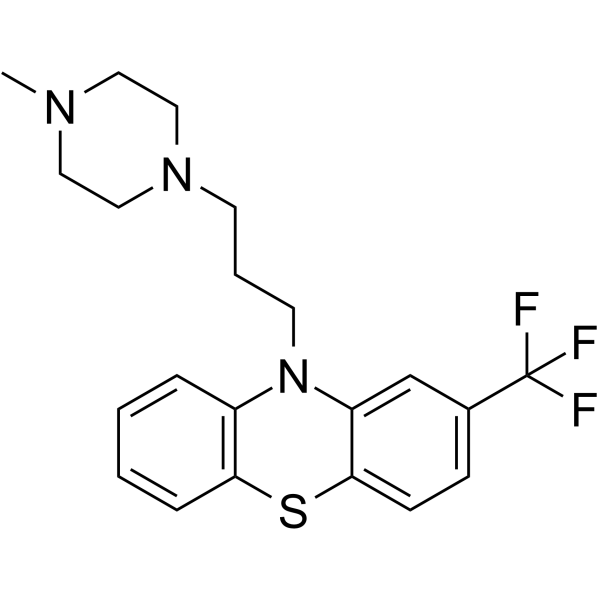
    Trifluoperazine, an antipsychotic agent, acts by blocking central dopamine receptors. Trifluoperazine is a potent α1-adrenergic receptor antagonist. Trifluoperazine is a potent NUPR1 inhibitor exerting anticancer activity. Trifluoperazine is a calmodulin inhibitor, and also inhibits P-glycoprotein. Trifluoperazine can be used for the research of schizophrenia. Trifluoperazine acts as a reversible inhibitor of influenza virus morphogenesis .
    Trifluoperazine
  • HY-10349A
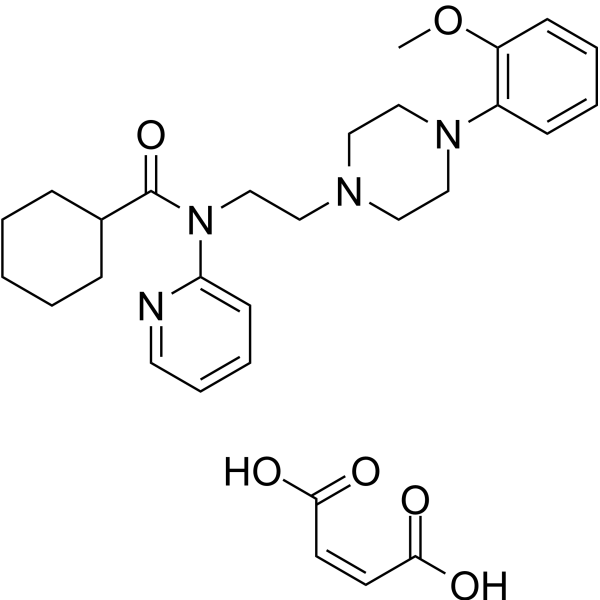
    WAY-100635 maleate
    10+ Cited Publications

    5-HT Receptor Dopamine Receptor Neurological Disease
    WAY-100635 maleate is a potent and selective 5-hydroxytryptamine 1A (5-HT1A) receptor antagonist with an IC50 value of 0.91 nM and Ki value of 0.39 nM. WAY-100635 maleate has pIC50 values for 5-HT1A and α1-adrenergic receptors of 8.9 and 6.6, respectively. WAY-100635 maleate is also a potent dopamine D4 receptor agonist .
    WAY-100635 maleate
  • HY-B0532A
    Trifluoperazine dihydrochloride
    5+ Cited Publications

    Dopamine Receptor Adrenergic Receptor CaMK P-glycoprotein Influenza Virus Autophagy Neurological Disease Cancer
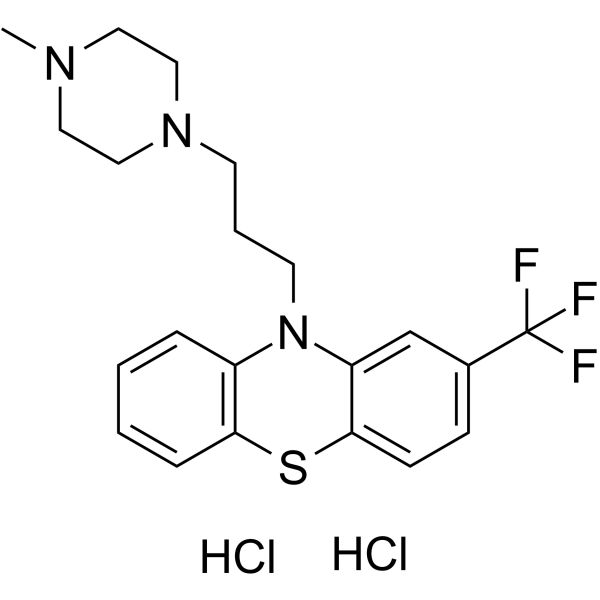
    Trifluoperazine dihydrochloride, an antipsychotic agent, acts by blocking central dopamine receptors. Trifluoperazine dihydrochloride is a potent α1-adrenergic receptor antagonist. Trifluoperazine dihydrochloride is a potent NUPR1 inhibitor exerting anticancer activity. Trifluoperazine dihydrochloride is a calmodulin inhibitor, and also inhibits P-glycoprotein. Trifluoperazine dihydrochloride can be used for the research of schizophrenia. Trifluoperazine dihydrochloride acts as a reversible inhibitor of influenza virus morphogenesis .
    Trifluoperazine dihydrochloride
  • HY-103413

    Dopamine Receptor Neurological Disease
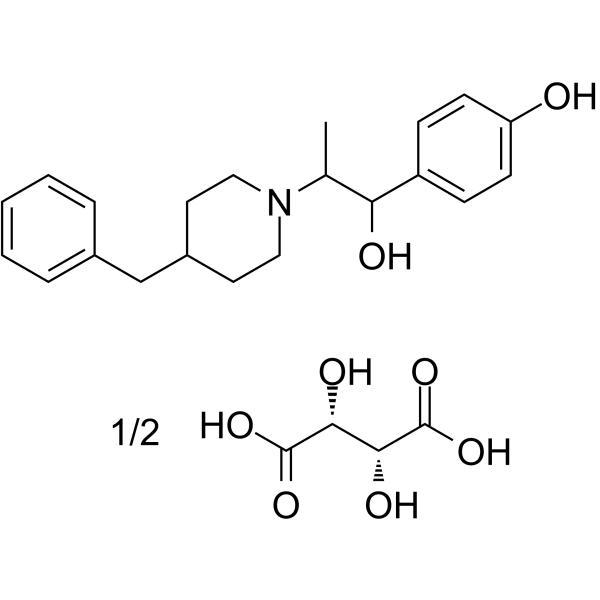
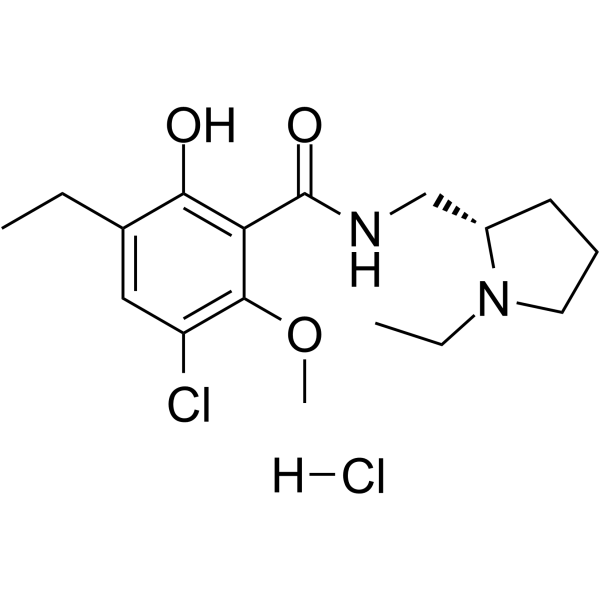
    Eticlopride hydrochloride, a selective dopamine D2‐like receptor antagonist, exhibits high affinity for dopamine D2, α1-adrenergic, α2-adrenergic, 5HT1, 5HT2 receptors with Kis of 0.09, 112, 699, 6220, and 830 nM, respectively. Eticlopride hydrochloride is an antipsychotic agent .
    Eticlopride hydrochloride
  • HY-103093
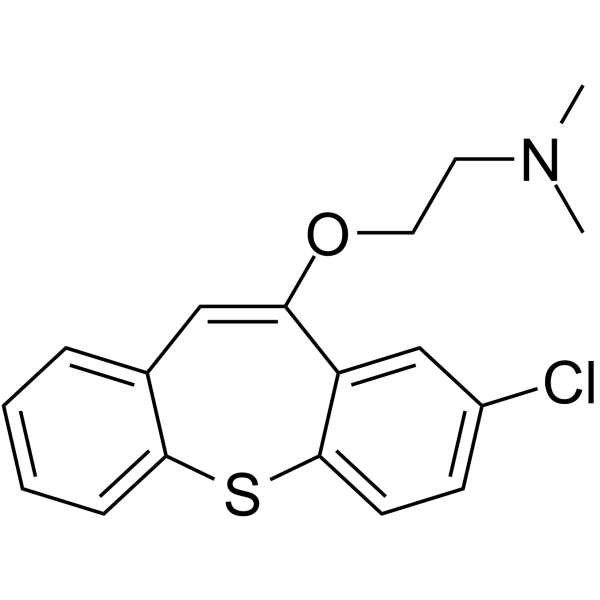
    Zotepine
    1 Publications Verification

    5-HT Receptor Histamine Receptor Adrenergic Receptor Dopamine Receptor Neurological Disease
    Zotepine, an antipsychotic agent, is a potent antagonist of 5-HT2A, 5-HT2C, Histamine H1, α1-adrenergic and Dopamine D2 receptors, with Kds of 2.6 nM, 3.2 nM, 3.3 nM, 7.3 nM and 8 nM, respectively. Zotepine exhibits antidepressive and anxiolytic effects in vivo .
    Zotepine
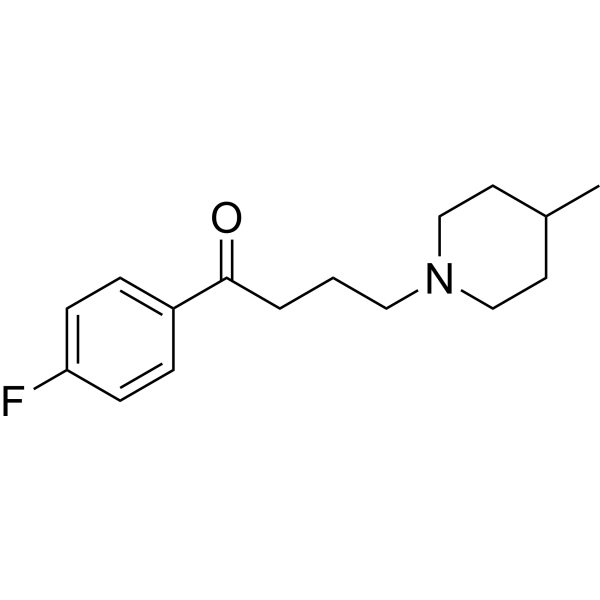
  • HY-B2169

    5-HT Receptor Dopamine Receptor Adrenergic Receptor Cytochrome P450 Neurological Disease
    Melperone is a butyrophenone with atypical antipsychotic properties. Melperone is a multireceptor antagonist with Kds of 102 nM, 180 nM, 180 nM, and 150 nM for 5-HT2A, dopamine D2, α1-adrenergic, and α2-adrenergic receptors, respectively. Melperone has weak binding to histamine H1, 5-HT2C, 5-HT1A, 5-HT1D, and muscarinic receptors, with Kd values ​​of 580 nM, 2100 nM, 2200 nM, 3400 nM, >10000 nM, respectively. Melperone is also a CYP2D6 inhibitor. Melperone can be used for the study of schizophrenia, and agitation in the elderly .
    Melperone
  • HY-B0098A
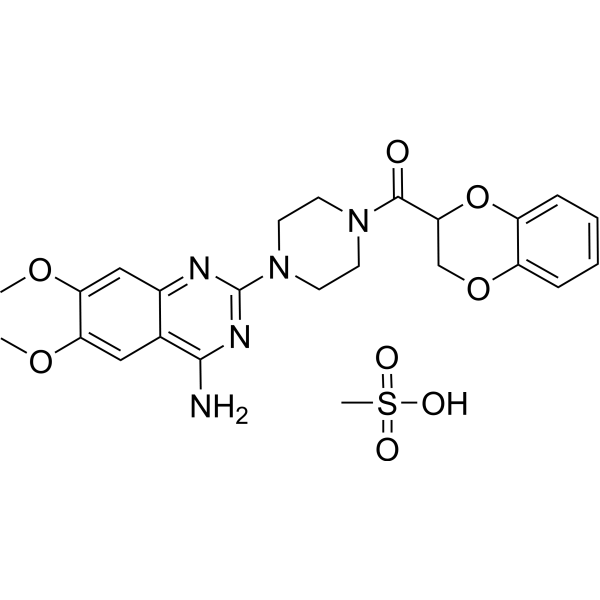
    Doxazosin mesylate
    3 Publications Verification

    UK 33274 mesylate

    Adrenergic Receptor Autophagy Mitophagy Cardiovascular Disease Endocrinology Cancer
    Doxazosin mesylate (UK 33274 mesylate) is a quinazoline-derivative that selectively antagonizes postsynaptic α1-adrenergic receptors.
    Doxazosin mesylate
  • HY-121186

    Adrenergic Receptor Calcium Channel Cardiovascular Disease Neurological Disease Metabolic Disease
    Bevantolol hydrochloride is a selective β1 and α1-adrenergic receptor antagonist with pKi values of 7.83, 6.9 in rat cerebral cortex, respectively. Bevantolol hydrochloride is a potent Ca 2+ antagonist .
    Bevantolol hydrochloride
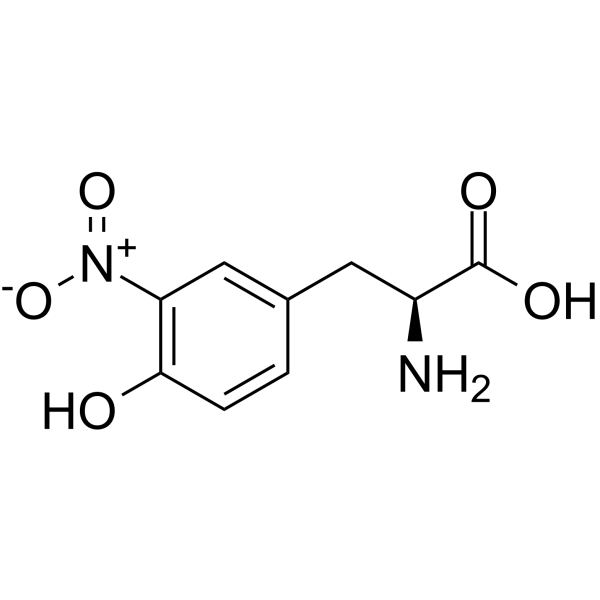
  • HY-113248

    Endogenous Metabolite Adrenergic Receptor Reactive Oxygen Species (ROS) Cardiovascular Disease Inflammation/Immunology
    3-Nitro-L-tyrosine serves as a biomarker of oxidative stress. 3-Nitro-L-tyrosine attenuates the pressor and vasoconstrictive effects of angiotensin II by inhibiting the α1-adrenergic receptor-mediated signaling pathway, and participates in hemodynamic regulation under pathological conditions such as inflammation and ischemia. 3-Nitro-L-tyrosine can be used in studies related to atherosclerosis, ischemia-reperfusion and sepsis .
    3-Nitro-L-tyrosine
  • HY-Z6449

    Adrenergic Receptor Neurological Disease
    Phenylephrine hydrochlorid is an α1-adrenergic receptor agonist. As a sympathomimetic agent, Phenylephrine hydrochlorid exerts similar effects to epinephrine and ephedrine. Phenylephrine hydrochlorid induces vasoconstriction and increases perfusion pressure .
    Phenylephrone hydrochloride
  • HY-113248S

    Endogenous Metabolite Cardiovascular Disease Inflammation/Immunology
    3-Nitro-L-tyrosine-d3 is the deuterium labeled 3-Nitro-L-tyrosine (HY-113248). 3-Nitro-L-tyrosine serves as a biomarker of oxidative stress. 3-Nitro-L-tyrosine attenuates the pressor and vasoconstrictive effects of angiotensin II by inhibiting the α1-adrenergic receptor-mediated signaling pathway, and participates in hemodynamic regulation under pathological conditions such as inflammation and ischemia. 3-Nitro-L-tyrosine can be used in studies related to atherosclerosis, ischemia-reperfusion and sepsis .
    3-Nitro-L-tyrosine-d3
  • HY-B1298

    Adrenergic Receptor Neurological Disease Endocrinology
    Methoxamine hydrochloride is a selective alpha1-adrenergic receptor agonist. Methoxamine hydrochloride causes vasoconstriction and increased peripheral vascular resistance . Methoxamine hydrochloride significantly increased the overflow of ATP, ADP and AMP, but not adenosine, by a prazosin-sensitive mechanism in the rabbit pulmonary artery .
    Methoxamine hydrochloride
  • HY-19686

    TVX Q 7821 free base

    5-HT Receptor Neurological Disease
    Ipsapirone (TVX Q 7821) is an anxiolytic compound and a 5-HT1A receptor partial agonist. Ipsapirone (TVX Q 7821) also exhibits 5-HT1A receptor antagonistic effect, and only at high doses it can also produce an inhibitory effect on 5-HT2 and the α1-adrenergic function .
    Ipsapirone
  • HY-B1108R
    Labetalol hydrochloride (Standard)
    4 Publications Verification

    AH-5158 hydrochloride(Standard); Sch-15719W (Standard)

    Reference Standards Adrenergic Receptor Cardiovascular Disease Inflammation/Immunology Endocrinology
    Labetalol hydrochloride (Standard) is the analytical standard of Labetalol hydrochloride (HY-B1108). This product is intended for research and analytical applications. Labetalol (AH5158) hydrochloride is an orally available, selective α1-adrenergic recepto and non-selective β-adrenergic receptor competitive antagonist. Labetalol hydrochloride is an antihypertensive molecule that partially crosses the blood-brain barrier and has little effect on cardiac output. Labetalol hydrochloride can be used in the study of cardiovascular diseases, such as hypertension during pregnancy .
    Labetalol hydrochloride (Standard)
  • HY-107847

    5-HT Receptor Adrenergic Receptor Neurological Disease
    2-(2-Methoxyphenoxy)ethylamine hydrochloride (Compound 2b) is a mixed agonist/antagonist. 2-(2-Methoxyphenoxy)ethylamine hydrochloride is a5-HT1A receptor partial agonist and a α1-adrenergic receptor antagonist. 2-(2-Methoxyphenoxy)ethylamine hydrochloride can be used for neurological diseases research, such as anxiety, depression and psychosis .
    2-(2-Methoxyphenoxy)ethylamine hydrochloride
  • HY-B0781S

    Histamine Receptor Neurological Disease Endocrinology
    Promethazine-d4 (hydrochloride) is the deuterium labeled Promethazine hydrochloride. Promethazine hydrochloride is the first-generation antihistamine; strong antagonist of the H1 receptor and moderate mACh receptor antagonist, moderate affinity for 5-HT2A, 5-HT2C, D2 and α1-adrenergic receptors.
    Promethazine-d4 hydrochloride
  • HY-135525

    Dopamine Receptor Adrenergic Receptor Neurological Disease Inflammation/Immunology
    Agroclavine acts as an agonist of the D1-dopamine receptor and α1-adrenergic receptor. Agroclavine enhances the sensitivity of the brain to magnetic fields; it impairs spatial memory without affecting hippocampal long-term potentiation (LTP). Agroclavine exerts bidirectional regulatory effects on immune activity: it enhances NK cell activity with low toxicity under normal conditions, while it inhibits NK cell activity and exhibits significant cardiac and hepatic toxicity under stress conditions. Agroclavine can be used for research on neuroelectrophysiology, learning and memory, and immunoregulation .
    Agroclavine
  • HY-12718

    Adrenergic Receptor Cardiovascular Disease
    (±)-WB 4101 is a highly selective α1-adrenergic receptor antagonist. (±)-WB 4101 blocks norepinephrine-induced vascular smooth muscle contraction to exert antihypertensive and benign prostatic hyperplasia (BPH)-relieving effects. (±)-WB 4101 is promising for research of hypertension and BPH .
    (±)-WB 4101
  • HY-B1298A

    Adrenergic Receptor Cardiovascular Disease
    Methoxamine is a selective alpha1-adrenergic receptor agonist. Methoxamine causes vasoconstriction and increased peripheral vascular resistance . Methoxamine hydrochloride significantly increased the overflow of ATP, ADP and AMP, but not adenosine, by a prazosin-sensitive mechanism in the rabbit pulmonary artery .
    Methoxamine
  • HY-101815

    ZK-33839

    5-HT Receptor Adrenergic Receptor Neurological Disease Endocrinology
    Lidanserin (ZK-33839) acts as a 5-HT2A and α1-adrenergic receptor antagonist.
    Lidanserin
  • HY-12962

    iGluR Neurological Disease
    NMDA-IN-1 is a potent and NR2B-selective NMDA antagonist with Ki of 0.85 nM; NR2B Ca2+ influx IC50 is 9.7 nM; no activities on NR2A, NR2C, NR2D, hERG-channel and α1-adrenergic receptor.
    NMDA-IN-1
  • HY-121383R

    AH5158 (Standard); Sch-15719W free base (Standard)

    Reference Standards Adrenergic Receptor Cardiovascular Disease Inflammation/Immunology Endocrinology
    Labetalol (Standard) is the analytical standard of Labetalol. This product is intended for research and analytical applications. Labetalol (AH5158) is an orally available, selective α1-adrenergic recepto and non-selective β-adrenergic receptor competitive antagonist. Labetalol is an antihypertensive molecule that partially crosses the blood-brain barrier and has little effect on cardiac output. Labetalol can be used in the study of cardiovascular diseases, such as hypertension during pregnancy .
    Labetalol (Standard)
  • HY-118387

    Potassium Channel Cardiovascular Disease
    AVE-0118 is a Kv1.5 potassium channel blocker and antiarrhythmic agent. AVE-0118 blocks neuronal Kv1.5 potassium channels, thereby enhancing the release of norepinephrine. AVE-0118 enhances field stimulation-induced neurogenic contraction, an effect sensitive to α1-adrenergic receptor blockade. AVE-0118 terminates persistent atrial fibrillation in some dogs. AVE-0118 is applicable to research related to atrial fibrillation and persistent atrial fibrillation .
    AVE-0118
  • HY-113248R

    Endogenous Metabolite Reference Standards Cardiovascular Disease Inflammation/Immunology
    3-Nitro-L-tyrosine (Standard) is the analytical standard of 3-Nitro-L-tyrosine (HY-113248). This product is intended for research and analytical applications. 3-Nitro-L-tyrosine serves as a biomarker of oxidative stress. 3-Nitro-L-tyrosine attenuates the pressor and vasoconstrictive effects of angiotensin II by inhibiting the α1-adrenergic receptor-mediated signaling pathway, and participates in hemodynamic regulation under pathological conditions such as inflammation and ischemia. 3-Nitro-L-tyrosine can be used in studies related to atherosclerosis, ischemia-reperfusion and sepsis .
    3-Nitro-L-tyrosine (Standard)
  • HY-122440

    Drug Metabolite Adrenergic Receptor Others
    Scopoline (compound 3a) is a compound formed from Scopine (HY-B0459), an α1 adrenergic receptor agonist .
    Scopoline
  • HY-103109

    5-HT Receptor Dopamine Receptor Adrenergic Receptor Cytochrome P450 Neurological Disease
    Melperone hydrochloride is a butyrophenone with atypical antipsychotic properties. Melperone hydrochloride is a multireceptor antagonist with Kds of 102 nM, 180 nM, 180 nM, and 150 nM for 5-HT2A, dopamine D2, α1-adrenergic, and α2-adrenergic receptors, respectively. Melperone hydrochloride has weak binding to histamine H1, 5-HT2C, 5-HT1A, 5-HT1D, and muscarinic receptors, with Kd values ​​of 580 nM, 2100 nM, 2200 nM, 3400 nM, >10000 nM, respectively. Melperone hydrochloride is also a CYP2D6 inhibitor. Melperone hydrochloride can be used for the study of schizophrenia, and agitation in the elderly .
    Melperone hydrochloride
  • HY-19291

    Adrenergic Receptor Sodium Channel Cardiovascular Disease
    DL-017 is a Quinazoline derivative. DL-017 shows inhibitory constants of approximately 0.90 nM for α1-adrenergic receptors and 404 nM for Na + channels. DL-017 exerts antihypertensive effect .
    DL-017
  • HY-B0661AS1

    (R)-(-)-YM12617-d4; LY253351-d4

    Isotope-Labeled Compounds Adrenergic Receptor Endogenous Metabolite Neurological Disease Endocrinology
    Tamsulosin-d4 (hydrochloride) is deuterium labeled Tamsulosin (hydrochloride). Tamsulosin hydrochloride ((R)-(-)-YM12617) is an inhibitor of α1-adrenergic receptor. Tamsulosin hydrochloride is used for the research of prostatic hyperplasia. Tamsulosin hydrochloride attenuates abdominal aortic aneurysm growth in animal models .
    Tamsulosin-d4 hydrochloride
  • HY-121129

    FLB-131

    Dopamine Receptor Neurological Disease
    Eticlopride, a selective dopamine D2‐like receptor antagonist, exhibits high affinity for dopamine D2, α1‐adrenergic, α2‐adrenergic, 5HT1, 5HT2 receptors with Kis of 0.09, 112, 699, 6220, and 830 nM, respectively. Eticlopride is an antipsychotic agent .
    Eticlopride
  • HY-P5158

    Adrenergic Receptor Others
    Conopeptide rho-TIA is a peptide derived from the venom contained in the predatory sea snail Conus tulipa, has highly selective and noncompetitive inhibitor at human α1B-Adrenergic Receptor. Conopeptide rho-TIA acts a competitive inhibitor at human α1A-Adrenergic Receptor and α1D-Adrenergic Receptor. Conopeptide rho-TIA binds to each subtype and may provide useful information for the development of novel α1-Adrenergic Receptor subtype-selective drugs .
    Conopeptide rho-TIA
  • HY-B2169S2

    Isotope-Labeled Compounds 5-HT Receptor Dopamine Receptor Adrenergic Receptor Cytochrome P450 Neurological Disease
    Melperone-d4 hydrochloride is the deuterium labeled Melperone hydrochloride (HY-103109) . Melperone hydrochloride is a butyrophenone with atypical antipsychotic properties. Melperone hydrochloride is a multireceptor antagonist with Kds of 102 nM, 180 nM, 180 nM, and 150 nM for 5-HT2A, dopamine D2, α1-adrenergic, and α2-adrenergic receptors, respectively. Melperone hydrochloride has weak binding to histamine H1, 5-HT2C, 5-HT1A, 5-HT1D, and muscarinic receptors, with Kd values ​​of 580 nM, 2100 nM, 2200 nM, 3400 nM, >10000 nM, respectively. Melperone hydrochloride is also a CYP2D6 inhibitor. Melperone hydrochloride can be used for the study of schizophrenia, and agitation in the elderly .
    Melperone-d4 hydrochloride
  • HY-106617

    5-HT Receptor Adrenergic Receptor Neurological Disease
    Etoperidone, an antidepressant agent, is an orally active serotonin and nor-adrenaline re-uptake antagonist. Etoperidone shows Kd values of 36 nM, 38 nM, 85 nM, and 570 nM for 5-HT2 receptor, α1-adrenergic receptor, 5-HT1A receptor, and α2-adrenergic receptor, respectively .
    Etoperidone
  • HY-106617A

    5-HT Receptor Adrenergic Receptor Neurological Disease
    Etoperidone hydrochloride, an antidepressant agent, is an orally active serotonin and nor-adrenaline re-uptake antagonist. Etoperidone hydrochloride shows Kd values of 36 nM, 38 nM, 85 nM, and 570 nM for 5-HT2 receptor, α1-adrenergic receptor, 5-HT1A receptor, and α2-adrenergic receptor, respectively .
    Etoperidone hydrochloride
  • HY-N2037R

    Norcoclaurine (Standard); Demethyl-Coclaurine (Standard)

    Reference Standards MAP3K MDM-2/p53 Adrenergic Receptor ROS Kinase Apoptosis Cardiovascular Disease Endocrinology
    Higenamine (Norcoclaurine), a β2-AR agonist with antioxidant capability, is a key component of the Chinese herb aconite root that prescribes for treating symptoms of heart failure in the oriental Asian countries. Higenamine is also a α1-adrenergic receptor antagonist with hypotensive effect. is a selective LSD1 inhibitor (IC50=1.47 μM) that can be isolated from aconite. Higenamine hydrochloride has anti-inflammatory and antibacterial activity. Higenamine protects myocyte Apoptosis and ischemia/reperfusion (I/R) injury through selective activation of beta2-adrenergic receptor (β2-AR). Higenamine also reduces I/R-induced myocardial infarction in mice. Higenamine can attenuate IL-1β-induced Apoptosis through ROS-mediated PI3K/Akt signaling pathway. Higenamine protects brain cells from oxygen deprivation. Higenamine can promote bone formation in osteoporosis through the SMAD2/3 pathway. Higenamine can be used to study cancer, inflammation, cardiorenal syndrome and other diseases .
    Higenamine (Standard)
  • HY-116379

    Adrenergic Receptor Metabolic Disease
    RS-100329 is an α1-adrenergic receptor (α1-AR) antagonist that effectively inhibits α1-adrenergic receptor-mediated contractions of lower urinary tract tissues in vitro and in vivo. RS-100329 can be used in the research of symptoms related to benign prostatic hyperplasia .
    RS-100329
  • HY-111188

    Adrenergic Receptor Others
    A55453 is a prazosin analogue and a potent α1-adrenergic antagonist. 125I-A55453 is a high-affinity alpha 1-adrenergic receptor probe .
    A55453
  • HY-U00367

    Adrenergic Receptor 5-HT Receptor Cardiovascular Disease Endocrinology
    (4E)-SUN9221 is a potent antagonist of α1-adrenergic receptor and 5-HT2 receptor, with antihypertensive and anti-platelet aggregation activities.
    (4E)-SUN9221
  • HY-117379

    Adrenergic Receptor Others
    CHIR-2279 is a high-affinity ligand (Ki=5 nM) for the α1-adrenergic receptor and can be further studied as a drug lead compound .
    CHIR-2279
  • HY-106554A

    Adrenergic Receptor Cardiovascular Disease
    Trimazosin hydrochloride hydrate is an orally active, quinazoline derivative which is structurally related to prazosin. Trimazosin shows hypotensive effect by selectively block α1-adrenergic receptor .
    Trimazosin hydrochloride hydrate
  • HY-B0098AR

    UK 33274 mesylate (Standard)

    Reference Standards Adrenergic Receptor Autophagy Mitophagy Cardiovascular Disease Endocrinology Cancer
    Doxazosin (mesylate) (Standard) is the analytical standard of Doxazosin (mesylate). This product is intended for research and analytical applications. Doxazosin mesylate (UK 33274) is a quinazoline-derivative that selectively antagonizes postsynaptic α1-adrenergic receptors.
    Doxazosin mesylate (Standard)
  • HY-B0532S

    Isotope-Labeled Compounds Adrenergic Receptor Dopamine Receptor Influenza Virus Autophagy Neurological Disease Cancer
    Trifluoperazine-d8 is a deuterium labeled Trifluoperazine. Trifluoperazine is an antipsychotic phenothiazine agent and a selective α1-adrenergic receptor antagonist. Trifluoperazine is also a potent dopamine D2 receptor inhibitor .
    Trifluoperazine-d8
  • HY-112074A

    HOE 440 hydrochloride

    Adrenergic Receptor Cardiovascular Disease
    Tiamenidine hydrochloride (HOE 440 hydrochloride) is a centrally acting α1-adrenergic receptor antagonist with hypotensive activity. Tiamenidine hydrochloride regulates blood pressure levels by binding to α1 receptors. Tiamenidine hydrochloride can be used in the study of hypertension .
    Tiamenidine hydrochloride

Inquiry Online

Your information is safe with us. * Required Fields.

Salutation


Country or Region *

Applicant Name *


Organization Name *

Department *


Email Address *


Product Name *

Cat. No.


Requested quantity *

Phone Number *


Remarks

Inquiry Online

Inquiry Information

Product Name:
Cat. No.:
Quantity:
MCE Japan Authorized Agent:

