Search Result
Results for "
AHR agonist
" in MedChemExpress (MCE) Product Catalog:
8
Isotope-Labeled Compounds
| Cat. No. |
Product Name |
Target |
Research Areas |
Chemical Structure |
-
- HY-109044
-
-
-
- HY-15484
-
|
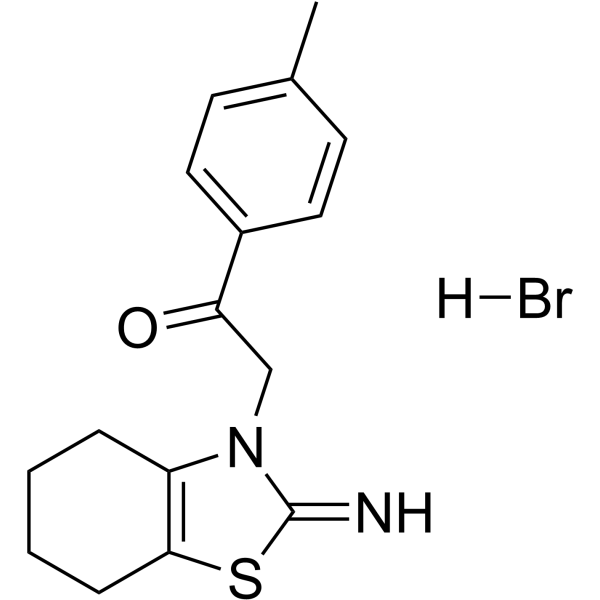
Pifithrin hydrobromide; PFTα hydrobromide
|
MDM-2/p53
Aryl Hydrocarbon Receptor
Ferroptosis
Apoptosis
|
Cancer
|
|
Pifithrin-α hydrobromide is a p53 inhibitor which blocks its transcriptional activity and prevents cells from apoptosis. Pifithrin-α hydrobromide is also an aryl hydrocarbon receptor (AhR) agonist.
|
-
-
- HY-W028393
-
-
-
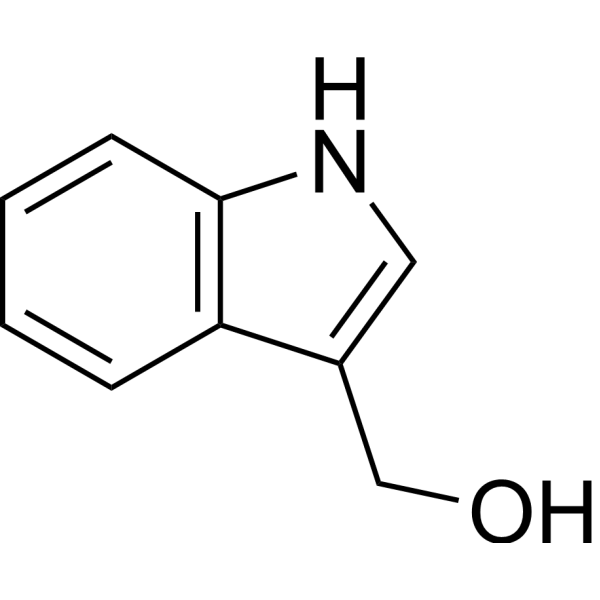
- HY-N0178
-
-
-
- HY-A0083
-
|
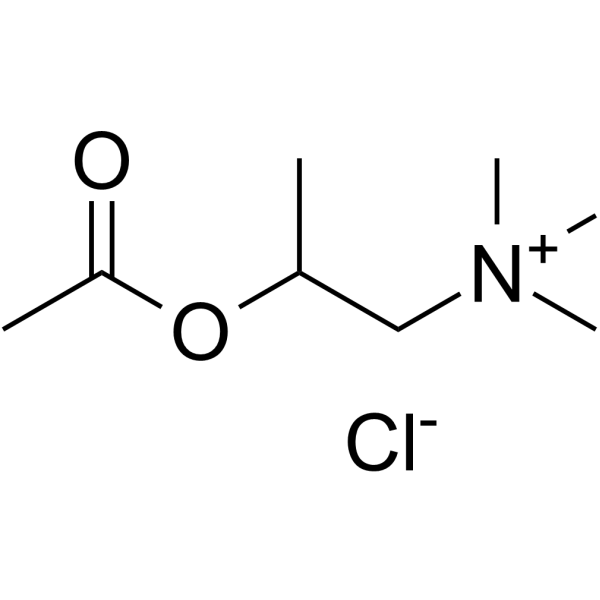
Acetyl-β-methylcholine chloride
|
mAChR
|
Others
|
|
Methacholine (Acetyl-β-methylcholine) choride is a potent muscarinic-3 (M3) agonist. Methacholine choride acts directly on acetylcholine receptors on smooth muscle causing bronchoconstriction and airway narrowing. Methacholine choride shows a high sensitivity to identify bronchial hyperresponsiveness (BHR). Methacholine choride can be used to measure airway hyperresponsiveness (AHR) as a diagnostic aid in the assessment of individuals with asthma-like symptoms and normal resting expiratory flow rates .
|
-
-
- HY-12451
-
-
-
- HY-B2132
-
|
3-(2-Aminoethyl)indole~2-(3-Indolyl)ethylamine
|
Endogenous Metabolite
5-HT Receptor
Aryl Hydrocarbon Receptor
|
Neurological Disease
Metabolic Disease
|
|
Tryptamine is a selective, blood-brain-penetrating 5-HT4 receptor agonist (EC50=1-3 mM) and an endogenous ligand of the aryl hydrocarbon receptor (AHR) (Kd=10-50 nM). Tryptamine promotes intestinal anion secretion and fluid transport by activating G protein-coupled receptors (GPCRs) and accelerates gastrointestinal motility. Tryptamine regulates Th17/Treg balance to inhibit neuroinflammation, competitively binds to 5-HT receptors to regulate central nervous system activity, and participates in temperature regulation and spinal reflex regulation as a neuromodulator. Tryptamine can be used to study intestinal motility disorders such as functional constipation, and has shown significant efficacy in multiple sclerosis models .
|
-
-
- HY-N0170
-
-
-
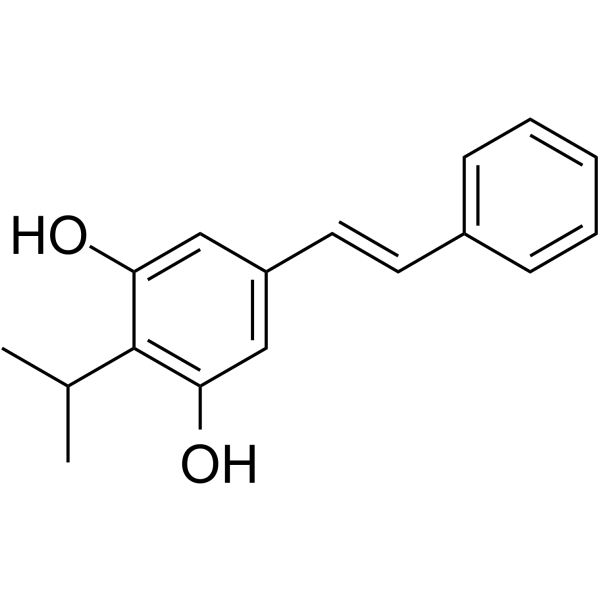
- HY-W014502
-
|
|
Aryl Hydrocarbon Receptor
Endogenous Metabolite
|
Cancer
|
|
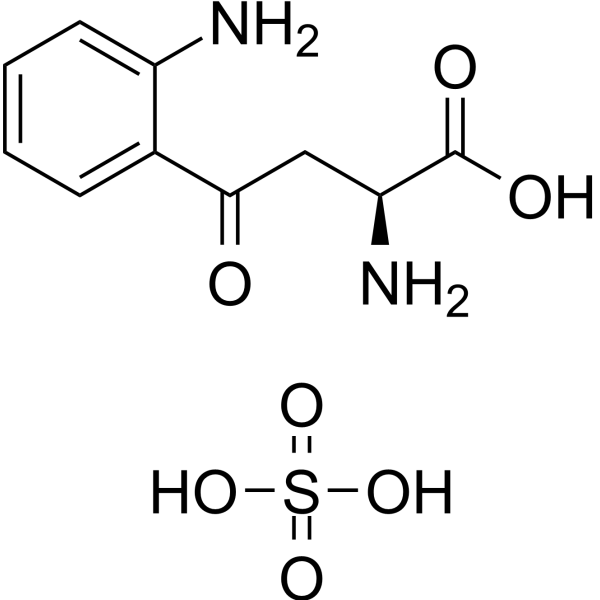
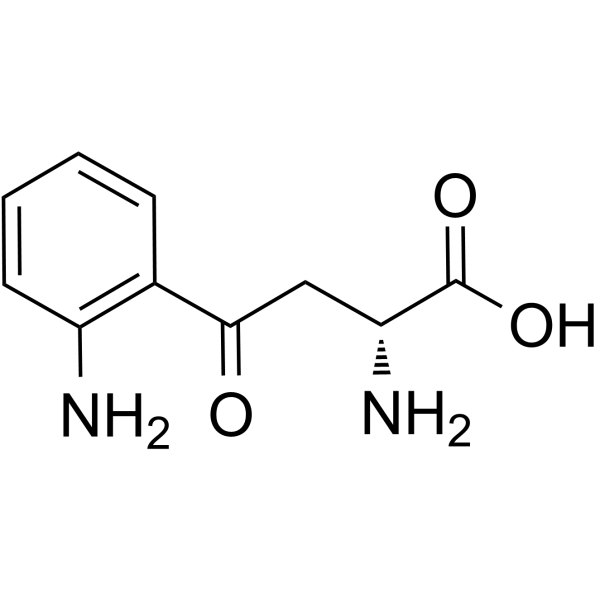
D-kynurenine, a metabolite of D-tryptophan, can serve as the bioprecursor of kynurenic acid (KYNA) and 3-hydroxykynurenine. D-Kynurenine is an agonist for G protein-coupled receptor, GPR109B. D-Kynurenine is a substrate in a fluorometric assay of D-amino acid oxidase. D-kynurenine promotes epithelial-to-mesenchymal transition via activating aryl hydrocarbon receptor (AHR) .
|
-
-
- HY-W011910
-
-
-
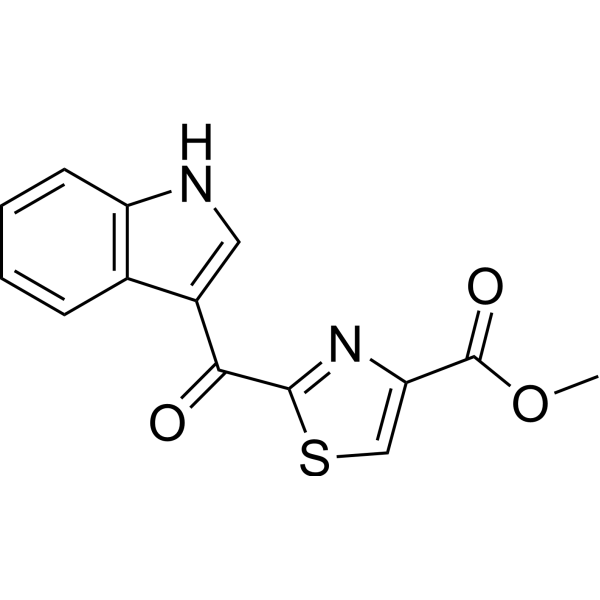
- HY-19317
-
-
-
- HY-D0932
-
|
Solvent Red 24; C.I. 26105
|
Environmental Pollutants
Biochemical Assay Reagents
Cytochrome P450
Aryl Hydrocarbon Receptor
|
Metabolic Disease
|
|
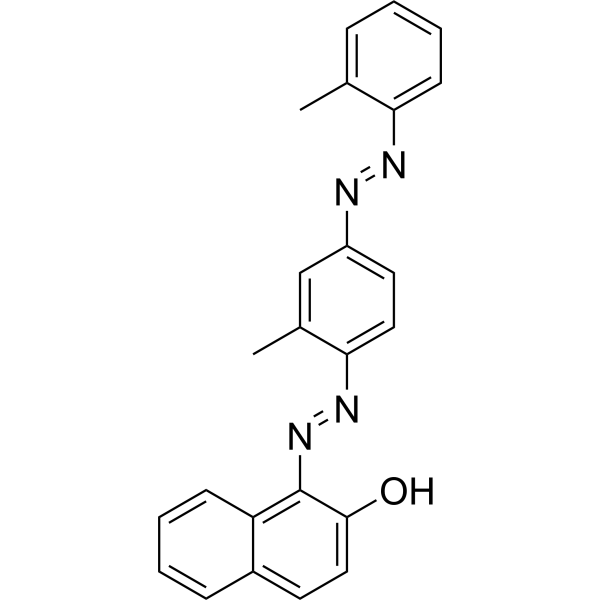
Sudan IV is an agonist of the aryl hydrocarbon receptor (AhR) that activates downstream signaling pathways and induces CYP1A1 expression. Sudan IV promotes CYP1A1 gene transcription by activating AhR-ARNT heterodimers and binding to exogenous response elements (XREs) on DNA, thereby enhancing drug metabolizing enzyme activity. Sudan IV can be used to study the toxicity mechanisms of industrial dyes and the effects of interactions with serum proteins (such as bovine serum albumin (BSA)) on their distribution in vivo. Sudan IV is a fat-soluble diazo dye that can be used to stain lipids, triglycerides, and lipoproteins on frozen sections .
|
-
-
- HY-G0006
-
|
Ufiprazole
|
Drug Metabolite
Aryl Hydrocarbon Receptor
Bacterial
|
Infection
Metabolic Disease
|
|
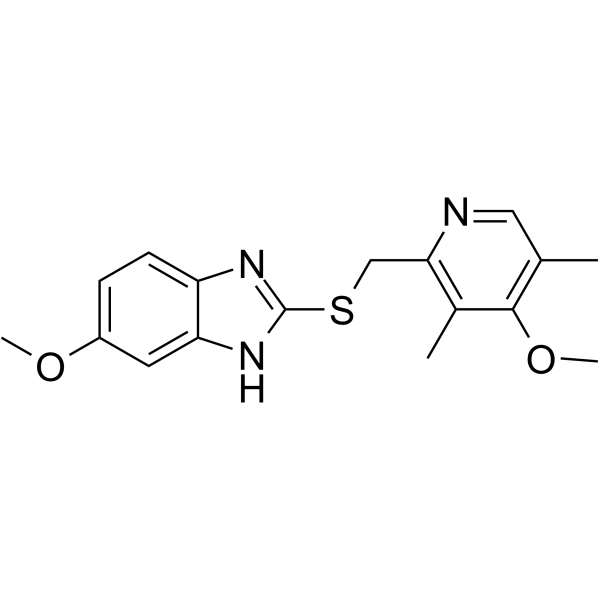
Omeprazole sulfide (Ufiprazole) is a metabolic degradation product of Omeprazole (HY-B0113). Omeprazole sulfide acts as a modulator of AhR. Omeprazole sulfide in cells with low CYP3A4 expression, functions as an AhR antagonist; however, in cells with high CYP3A4 expression, it is rapidly metabolized to Omeprazole, thereby acting as an AhR agonist. Omeprazole sulfide exhibits antibacterial activity when conjugated with silver nanoparticles (AgNPs). Omeprazole sulfide can be used in research on acid suppression and bacterial infections .
|
-
-
- HY-N0586
-
|
(+)-Laurelliptine
|
Adenosine Receptor
|
Inflammation/Immunology
|
|
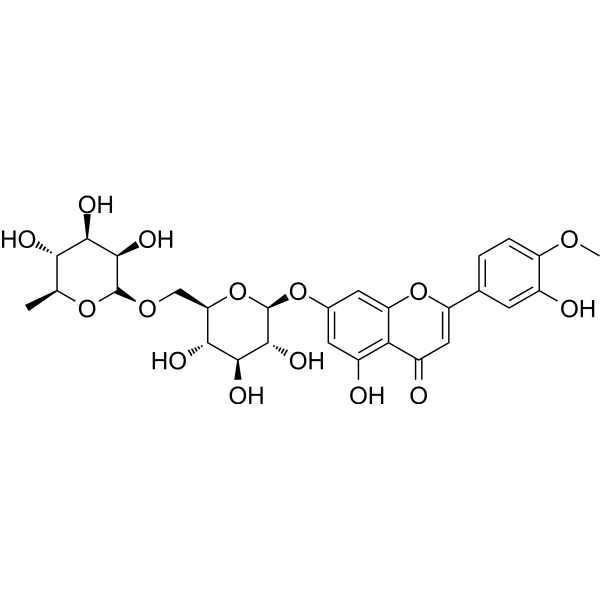
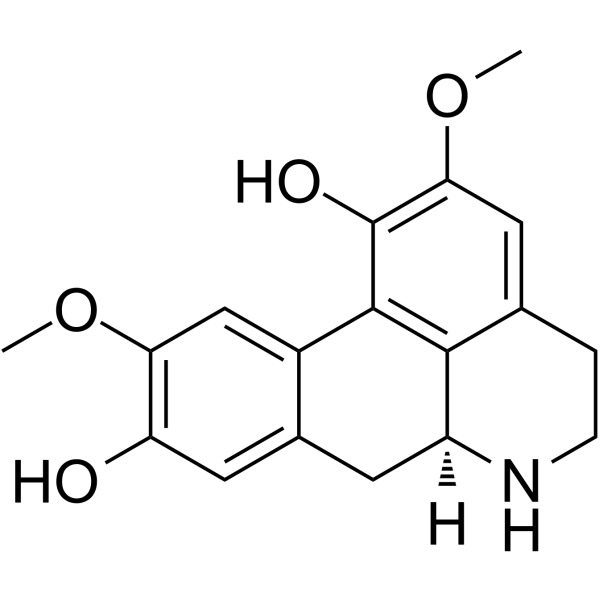
Norisoboldine is an orally active natural aryl hydrocarbon receptor (AhR) agonist. Norisoboldine, as a major isoquinoline alkaloid present in Radix Linderae, can be used for the research of Rheumatoid arthritis and Ulcerative colitis .
|
-
-
- HY-W014075
-
|
|
Aryl Hydrocarbon Receptor
Cytochrome P450
Collagen
|
Inflammation/Immunology
|
|
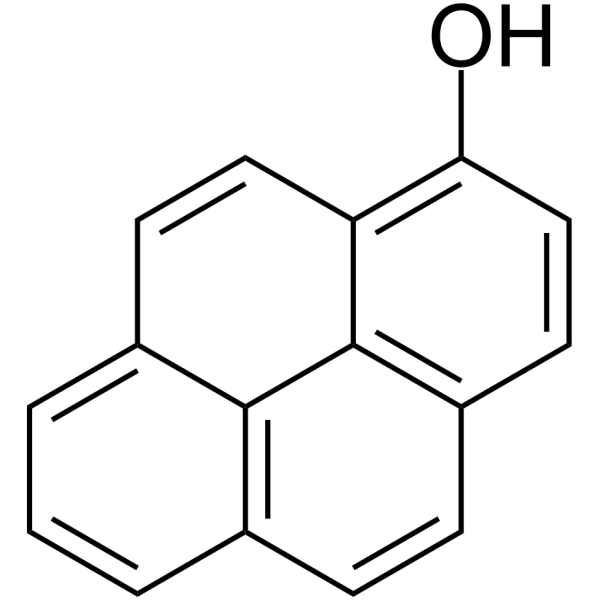
1-Hydroxypyrene, a biomarker of exposure to polycyclic aromatic hydrocarbons (PAHs), is analyzed in urine samples. 1-Hydroxypyrene is the major biomarker of exposure to pyrenes. 1-Hydroxypyrene is the orally active agonist for aryl hydrocarbon receptor (AhR) and can lead to renal fibrosis .
|
-
-
- HY-W013053
-
|
DBA; 1,2,5,6-Dibenzanthracene; Benzo[k]tetraphene
|
Environmental Pollutants
DNA/RNA Synthesis
MDM-2/p53
Apoptosis
|
Cancer
|
|
Dibenz[a,h]anthracene (DBA) is an orally active polycyclic aromatic hydrocarbon, a by-product of incomplete combustion of organic matter, a potent carcinogen, and an agonist of AhR. Dibenz[a,h]anthracene induces dose-dependent increases in DNA adduct formation and lacZ mutation frequency. Dibenz[a,h]anthracene upregulates St3gal5. Dibenz[a,h]anthracene can be used in cancer-related research .
|
-
-
- HY-144339
-
|
|
Aryl Hydrocarbon Receptor
|
Others
|
|
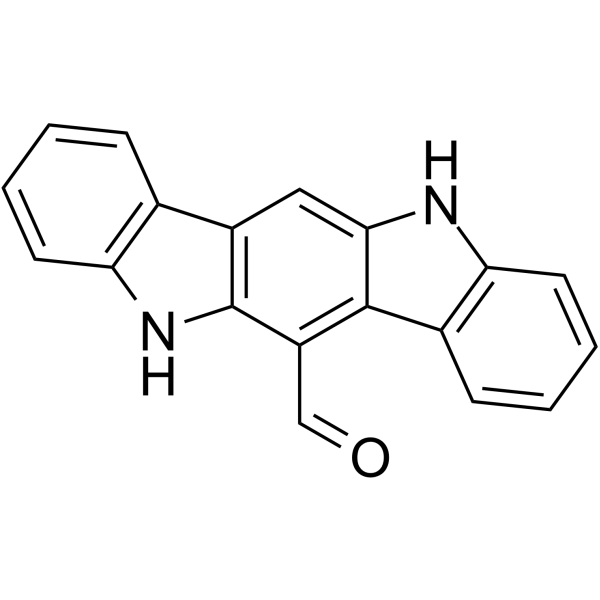
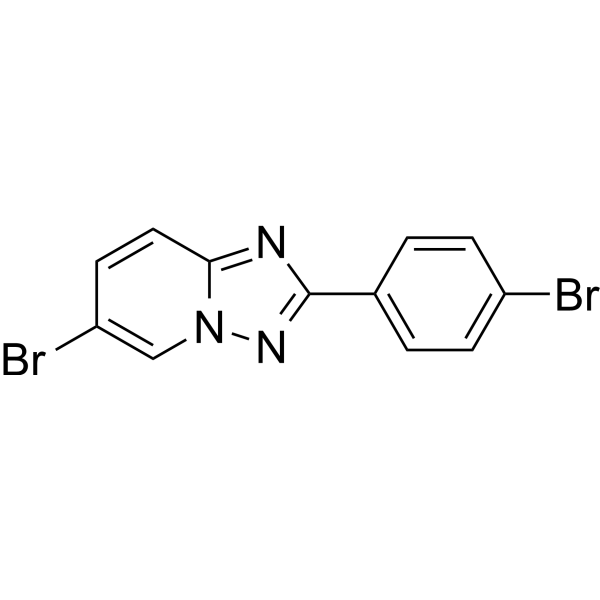
AhR agonist 2 (Compound 12a) is a potent agonist of aryl hydrocarbon receptor (AhR) with an EC50 of 0.03 nM. AhR agonist 2 induces rapid nuclear enrichment of AhR, triggers the transcription of downstream genes and promote skin barrier repair. AhR agonist 2 has the potential for the research of psoriasis .
|
-
-
- HY-135750
-
VAF347
3 Publications Verification
|
Aryl Hydrocarbon Receptor
|
Inflammation/Immunology
|
|
VAF347 is a cell permeable and highly affinity aryl hydrocarbon receptor (AhR) agonist and induces AhR signaling. VAF347 inhibits the development of CD14 +CD11b + monocytes from granulo-monocytic (GM stage) precursors. VAF347 has anti-inflammatory effects .
|
-
-
- HY-N0178R
-
-
-
- HY-103221
-
-
-
- HY-W028393R
-
-
-
- HY-132429S
-
|
|
Isotope-Labeled Compounds
|
Others
|
|
Potassium 1H-indol-3-yl sulfate-d5 is the deuterium labeled 3-Indoxyl Sulfate potassium. Potassium 1H-indol-3-yl sulfate is a metabolite of tryptophan, produced by intestinal microorganisms and combined with sulfate in the liver before entering the circulatory system. Potassium 1H-indol-3-yl sulfate is a potent endogenous agonist of the aryl hydrocarbon receptor (AhR) and a urinary toxin. Potassium 1H-indol-3-yl sulfate can be used for research on kidney diseases.
|
-
-
- HY-112627
-
-
-
- HY-N0586A
-
|
(+)-Laurelliptine hydrochloride
|
Adenosine Receptor
|
Inflammation/Immunology
|
|
Norisoboldine hydrochloride is an orally active natural aryl hydrocarbon receptor (AhR) agonist. Norisoboldine hydrochloride, as a major isoquinoline alkaloid present in Radix Linderae, can be used for the research of Rheumatoid arthritis and Ulcerative colitis .
|
-
-
- HY-W014701
-
-
-
- HY-W014075S
-
-
-
- HY-W011910S
-
-
-
- HY-N10123
-
-
-
- HY-W338764
-
|
|
Apoptosis
Aryl Hydrocarbon Receptor
|
Cancer
|
|
AHR agonist 3 is an aryl hydrocarbon receptor (AhR) agonist, that can induces cell cycle arrest or apoptosis via activation of tumor-suppressive transcriptional programs. AHR agonist 3 inhibits triple-negative breast cancer (TNBC) stem cell growth via AhR while exhibits minimal cytotoxicity against normal human primary cells and can be used for cancer research .
|
-
-
- HY-105791
-
|
|
GABA Receptor
|
Inflammation/Immunology
|
|
Sulazepam, a benzodiazepine, is a selective ovarian cancer G protein-coupled receptor (OGR1) agonist. Sulazepam has anticonvulsive action and has the potential for airway hyperresponsiveness (AHR) research .
|
-
-
- HY-W718300
-
-
-
- HY-N0170R
-
-
-
- HY-D0932R
-
|
Solvent Red 24 (Standard); C.I. 26105 (Standard)
|
Biochemical Assay Reagents
Aryl Hydrocarbon Receptor
Cytochrome P450
Reference Standards
|
Metabolic Disease
|
|
Sudan IV (Standard) (Solvent Red 24 (Standard)) is the analytical standard of Sudan IV (HY-D0932). This product is intended for research and analytical applications. Sudan IV is an agonist of the aryl hydrocarbon receptor (AhR) that activates downstream signaling pathways and induces CYP1A1 expression. Sudan IV promotes CYP1A1 gene transcription by activating AhR-ARNT heterodimers and binding to exogenous response elements (XREs) on DNA, thereby enhancing drug metabolizing enzyme activity. Sudan IV can be used to study the toxicity mechanisms of industrial dyes and the effects of interactions with serum proteins (such as bovine serum albumin (BSA)) on their distribution in vivo. Sudan IV is a fat-soluble diazo dye that can be used to stain lipids, triglycerides, and lipoproteins on frozen sections.
|
-
-
- HY-16031
-
|
NSC710464 free base
|
Aryl Hydrocarbon Receptor
Integrin
Drug Intermediate
DNA/RNA Synthesis
|
Cancer
|
|
AFP464 (NSC710464) free base is a prodrug of Aminoflavone (HY-132974) and an agonist of the aryl hydrocarbon receptor (AhR). AFP464 free base downregulates the expression of α6-integrin (α6-integrin), inhibits breast tumor growth, reduces the population of tumor-initiating cells, disrupts mammosphere structure, induces the formation of mucin lake clusters, triggers DNA damage, and exerts antiproliferative activity. AFP464 free base is rapidly converted to Aminoflavone by nonspecific esterases in plasma and cell culture media. AFP464 free base is applicable to research related to breast cancer .
|
-
-
- HY-124404
-
|
|
Aryl Hydrocarbon Receptor
Na+/K+ ATPase
Prostaglandin Receptor
|
Inflammation/Immunology
|
|
12(R)-HETE is a CYP-dependent arachidonic acid metabolite that acts as a proinflammatory lipid mediator. 12 (R)-HETE widely exists in various tissues including the eye, skin and liver. In the cornea, 12(R)-HETE is metabolized via pathways such as β-oxidation into the precursor of 12(R)-HETrE. Without direct receptor binding, 12(R)-HETE indirectly activates AHR-mediated target gene transcription, while inhibiting the enzymatic activity of Na+,K+-ATPase and the intracellular calcium elevation induced by TP agonists. 12(R)-HETE also possesses multiple physiological effects such as chemotaxis, proangiogenesis, vasodilation, natriuresis, diuresis and intraocular pressure reduction, and can be widely used in studies related to psoriasis, inflammatory skin diseases and ocular inflammation .
|
-
-
- HY-178053
-
|
|
Aryl Hydrocarbon Receptor
Cytochrome P450
Interleukin Related
|
Inflammation/Immunology
|
|
AHR agonist 10 is a potent AHR agonist (EC50 = 2.01 nM). AHR agonist 10 can elevate the transcript levels of key AHR downstream pathway target genes, including CYP1A1 and CYP1B1. AHR agonist 10 can downregulate the expression levels of CD36, IL-18 and shows low cytotoxicity (>40 μM) to normal cells. AHR agonist 10 can suppress the expression of CCL5, CCL20, IL-6, IL-8, S100A9, TLR4, TNF-α, and TNFR1, demonstrating that AHR agonist 10 effectively modulate inflammatory responses through AHR dependent signaling pathways. AHR agonist 10 can be used for psoriasis research .
|
-
-
- HY-147128
-
|
|
Aryl Hydrocarbon Receptor
Cytochrome P450
Interleukin Related
|
Inflammation/Immunology
|
|
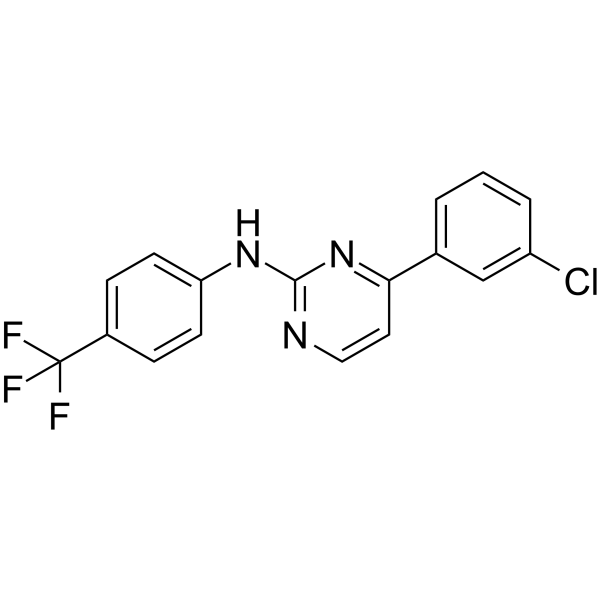
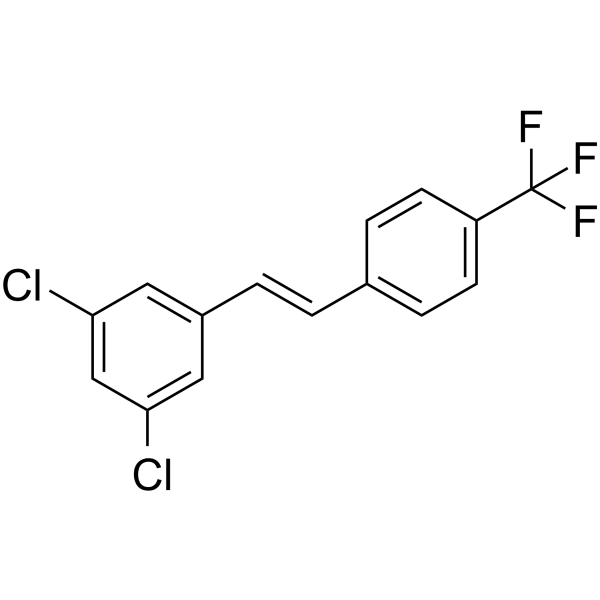
PY109 is an orally active and highly selective aryl hydrocarbon receptor (AHR) agonist. PY109's EC50 values in human-derived HepG2 and mouse Hepa-1c1c7 cells are 1.2 nM and 1.4 nM respectively. PY109 significantly upregulates the expression of CYP1A1 and IL-22, and inhibits the expression of IL-17A. PY109 significantly improves colitis in mice. PY109 can be used for research on colitis .
|
-
-
- HY-104026B
-
-
-
- HY-155505
-
|
|
Aryl Hydrocarbon Receptor
|
Inflammation/Immunology
|
|
AHR agonist 4 (compound 24e) is an agonist of Aryl hydrocarbon receptor (AHR), assocaited with the immune balance of Th17/22 and Treg cells. AHR agonist 4 serves as a lead compound for anti-psoriasis drug, alleviates imiquimod (IMQ)-induced psoriasis-like skin lesion . AHR agonist 4 is a click chemistry reagent, it contains an Alkyne group and can undergo copper-catalyzed azide-alkyne cycloaddition (CuAAc) with molecules containing Azide groups.
|
-
-
- HY-158167
-
-
-
- HY-16031B
-
|
NSC710464 dihydrochloride
|
Aryl Hydrocarbon Receptor
Integrin
Drug Intermediate
DNA/RNA Synthesis
|
Cancer
|
|
AFP464 (NSC710464) dihydrochloride is a prodrug of Aminoflavone (HY-132974) and an agonist of the aryl hydrocarbon receptor (AhR). AFP464 dihydrochloride downregulates the expression of α6-integrin (α6-integrin), inhibits breast tumor growth, reduces the population of tumor-initiating cells, disrupts mammosphere structure, induces the formation of mucin lake clusters, triggers DNA damage, and exerts antiproliferative activity. AFP464 dihydrochloride is rapidly converted to Aminoflavone by nonspecific esterases in plasma and cell culture media. AFP464 dihydrochloride is applicable to research related to breast cancer .
|
-
-
- HY-168033
-
-
-
- HY-158168
-
-
-
- HY-19317R
-
|
|
Aryl Hydrocarbon Receptor
|
Inflammation/Immunology
Cancer
|
|
ITE (Standard) is the analytical standard of ITE. This product is intended for research and analytical applications. ITE is a potent endogenous agonist of aryl hydrocarbon receptor (AhR), binding directly to AHR, with a Ki of 3 nM. ITE also has immunosuppressive activity.
|
-
-
- HY-158169
-
-
-
- HY-104026CS
-
-
-
- HY-104026BS
-
-
-
- HY-W046846
-
|
|
Aryl Hydrocarbon Receptor
|
Cancer
|
|
Corannulene is an agonist of aryl hydrocarbon receptor (AhR). Corannulene causes less cytotoxic responses than Benzo[a]pyrene (HY-107377) in hepatoma cells. Corannulene is promising for research of cancers .
|
-
-
- HY-109044R
-
|
WBI-1001 (Standard); Benvitimod (Standard); GSK2894512 (Standard)
|
Reference Standards
Aryl Hydrocarbon Receptor
|
Inflammation/Immunology
|
|
Tapinarof (Standard) is the analytical standard of Tapinarof. This product is intended for research and analytical applications. Tapinarof (WBI-1001) is a natural aryl hydrocarbon receptor (AhR) agonist with an EC50 of 13 nM. Tapinarof resolves skin inflammation in mice .
|
-
-
- HY-N0586R
-
|
(+)-Laurelliptine (Standard)
|
Reference Standards
Adenosine Receptor
|
Inflammation/Immunology
|
|
Norisoboldine (Standard) is the analytical standard of Norisoboldine. This product is intended for research and analytical applications. Norisoboldine is an orally active natural aryl hydrocarbon receptor (AhR) agonist. Norisoboldine, as a major isoquinoline alkaloid present in Radix Linderae, can be used for the research of Rheumatoid arthritis and Ulcerative colitis .
|
-
- HY-15484R
-
|
Pifithrin hydrobromide (Standard); PFTα hydrobromide (Standard)
|
MDM-2/p53
Aryl Hydrocarbon Receptor
Ferroptosis
Apoptosis
Reference Standards
|
Cancer
|
|
Pifithrin-α (hydrobromide) (Standard) is the analytical standard of Pifithrin-α (hydrobromide). This product is intended for research and analytical applications. Pifithrin-α hydrobromide is a p53 inhibitor which blocks its transcriptional activity and prevents cells from apoptosis. Pifithrin-α hydrobromide is also an aryl hydrocarbon receptor (AhR) agonist.
|
-
- HY-176771
-
|
|
Drug Intermediate
|
Inflammation/Immunology
|
|
Tapinarof prodrug-1 (Compound 31) is an orally active prodrug of Tapinarof (HY-109044). Tapinarof is an AhR agonist. Tapinarof prodrug-1 has an improving effect in the TNBS-induced mouse model of inflammatory bowel disease. Tapinarof prodrug-1 can be used in the research of inflammatory diseases .
|
-
- HY-A0083B
-
|
Acetyl-β-methylcholine bromide
|
mAChR
|
Cardiovascular Disease
|
|
Methacholine (Acetyl-β-methylcholine) bromide is a potent muscarinic-3 (M3) agonist. Methacholine bromide acts directly on acetylcholine receptors on smooth muscle causing bronchoconstriction and airway narrowing. Methacholine bromide shows a high sensitivity to identify bronchial hyperresponsiveness (BHR). Methacholine bromide can be used to measure airway hyperresponsiveness (AHR) as a diagnostic aid in the assessment of individuals with asthma-like symptoms and normal resting expiratory flow rates .
|
-
- HY-W014502R
-
|
|
Reference Standards
Aryl Hydrocarbon Receptor
Endogenous Metabolite
|
Cancer
|
|
D-Kynurenine (Standard) is the analytical standard of D-Kynurenine. This product is intended for research and analytical applications. D-kynurenine, a metabolite of D-tryptophan, can serve as the bioprecursor of kynurenic acid (KYNA) and 3-hydroxykynurenine. D-Kynurenine is an agonist for G protein-coupled receptor, GPR109B. D-Kynurenine is a substrate in a fluorometric assay of D-amino acid oxidase. D-kynurenine promotes epithelial-to-mesenchymal transition via activating aryl hydrocarbon receptor (AHR) .
|
-
- HY-A0083R
-
|
Acetyl-β-methylcholine chloride (Standard)
|
Reference Standards
mAChR
|
Others
|
|
Methacholine (chloride) (Standard) is the analytical standard of Methacholine (chloride). This product is intended for research and analytical applications. Methacholine (Acetyl-β-methylcholine) choride is a potent muscarinic-3 (M3) agonist. Methacholine choride acts directly on acetylcholine receptors on smooth muscle causing bronchoconstriction and airway narrowing. Methacholine choride shows a high sensitivity to identify bronchial hyperresponsiveness (BHR). Methacholine choride can be used to measure airway hyperresponsiveness (AHR) as a diagnostic aid in the assessment of individuals with asthma-like symptoms and normal resting expiratory flow rates .
|
-
- HY-118792
-
|
|
Endogenous Metabolite
|
Cancer
|
|
AHR activator 1 is an aryl hydrocarbon receptor activator with activity regulating fibroblast growth factor-2 (FGF2)-induced branching morphogenesis. AHR activator 1 prevents the formation of cellular branches by inhibiting AHR signaling. AHR activator 1 also associates with adhesion of dissociated linkers, suggesting the importance of dissociated linkers in the inhibition of branching by AHR agonists. Studies of AHR activator 1 reveal its functional role in mammary gland morphogenesis and play a role in inhibiting FGF-induced invasion .
|
-
- HY-109044S
-
-
- HY-W014075R
-
|
|
Reference Standards
Aryl Hydrocarbon Receptor
Cytochrome P450
Collagen
|
Inflammation/Immunology
|
|
1-Hydroxypyrene (Standard) is the analytical standard of 1-Hydroxypyrene (HY-W014075). This product is intended for research and analytical applications. 1-Hydroxypyrene, a biomarker of exposure to polycyclic aromatic hydrocarbons (PAHs), is analyzed in urine samples. 1-Hydroxypyrene is the major biomarker of exposure to pyrenes. 1-Hydroxypyrene is the orally active agonist for aryl hydrocarbon receptor (AhR) and can lead to renal fibrosis.
|
-
- HY-A0083C
-
|
Acetyl-β-methylcholine iodide
|
mAChR
|
Cardiovascular Disease
|
|
Methacholine iodide is a potent muscarinic-3 (M3) agonist. Methacholine iodide acts directly on acetylcholine receptors on smooth muscle causing bronchoconstriction and airway narrowing. Methacholine iodide shows a high sensitivity to identify bronchial hyperresponsiveness (BHR). Methacholine iodide can be used to measure airway hyperresponsiveness (AHR) as a diagnostic aid in the assessment of individuals with asthma-like symptoms and normal resting expiratory flow rates .
|
-
- HY-D0932S
-
|
Solvent Red 24-d6; C.I. 26105-d6
|
Isotope-Labeled Compounds
Biochemical Assay Reagents
Aryl Hydrocarbon Receptor
Cytochrome P450
|
Metabolic Disease
|
|
Sudan IV-d6 (Solvent Red 24-d6) is the deuterium labeled Sudan IV(HY-D0932). Sudan IV is an agonist of the aryl hydrocarbon receptor (AhR) that activates downstream signaling pathways and induces CYP1A1 expression. Sudan IV promotes CYP1A1 gene transcription by activating AhR-ARNT heterodimers and binding to exogenous response elements (XREs) on DNA, thereby enhancing drug metabolizing enzyme activity. Sudan IV can be used to study the toxicity mechanisms of industrial dyes and the effects of interactions with serum proteins (such as bovine serum albumin (BSA)) on their distribution in vivo. Sudan IV is a fat-soluble diazo dye that can be used to stain lipids, triglycerides, and lipoproteins on frozen sections .
|
-
- HY-W014701R
-
|
|
Reference Standards
Aryl Hydrocarbon Receptor
Cytochrome P450
Apoptosis
Interleukin Related
|
Neurological Disease
Inflammation/Immunology
Endocrinology
|
|
1,4-Dihydroxy-2-naphthoic acid (Standard) is the analytical standard for 1,4-Dihydroxy-2-naphthoic acid (HY-W014701). 1,4-Dihydroxy-2-naphthoic acid is an orally active aryl hydrocarbon receptor (AhR) agonist and a bifidogenic growth stimulator. 1,4-Dihydroxy-2-naphthoic acid can improve the motor dysfunction in parkinson's disease (PD) model through AhR-dependent and -independent pathways. 1,4-Dihydroxy-2-naphthoic acid exerts anti-inflammatory effects by regulating the gut microbiota (such as promoting the proliferation of Bifidobacterium) and directly regulating the host immune system. 1,4-Dihydroxy-2-naphthoic acid induces apoptosis through G0/G1 cell cycle arrest in human keratinocyte to inhibit psoriasis .
|
-
- HY-W095381
-
|
|
Aryl Hydrocarbon Receptor
|
Others
|
|
N-Methylscatole (compound 70130) is a weak aryl hydrocarbon receptor (AhR) agonist exhibiting no significant antagonistic activity .
|
-
- HY-181629A
-
|
|
Aryl Hydrocarbon Receptor
Apoptosis
Caspase
Cytochrome P450
|
Cancer
|
|
ZSTK3744 hydrochloride is an aryl hydrocarbon receptor (AhR) agonist. ZSTK3744 hydrochloride directly binds to AhR, upregulates the expression of AhR target genes including CYP1A1, CYP1B1 and TIPARP, and mediates cell growth inhibitory activity in triple-negative breast cancer cells. ZSTK3744 hydrochloride induces apoptosis in triple-negative breast cancer cells. ZSTK3744 hydrochloride exhibits anti-tumor activity and can be used in the research of chemoresistant triple-negative breast cancer .
|
-
- HY-181629
-
|
|
Aryl Hydrocarbon Receptor
Apoptosis
Caspase
Cytochrome P450
|
Cancer
|
|
ZSTK3744 is an aryl hydrocarbon receptor (AhR) agonist. ZSTK3744 directly binds to AhR, upregulates the expression of AhR target genes including CYP1A1, CYP1B1 and TIPARP, and mediates cell growth inhibitory activity in triple-negative breast cancer cells. ZSTK3744 induces apoptosis in triple-negative breast cancer cells. ZSTK3744 exhibits anti-tumor activity and can be used in the research of chemoresistant triple-negative breast cancer .
|
-
- HY-181472
-
|
|
Aryl Hydrocarbon Receptor
Interleukin Related
|
Inflammation/Immunology
|
|
10 (11)-Cl-BBQ is a high-affinity aryl hydrocarbon receptor (AhR) agonist. 10 (11)-Cl-BBQ is a mixture of 10-Cl-BBQ and 11-Cl-BBQ, among which 11-Cl-BBQ exhibits higher AhR activation potency than 10-Cl-BBQ. Low-dose/short-term AhR activation by 10 (11)-Cl-BBQ promotes IL-17 production, while high-dose/sustained activation induces regulatory T cells and suppresses immune responses. 10 (11)-Cl-BBQ can be used in immunomodulation research .
|
-
- HY-103221R
-
|
|
Reference Standards
Aryl Hydrocarbon Receptor
GSK-3
CDK
|
Others
|
|
MeBIO (Standard) is the analytical standard of MeBIO (HY-103221). This product is intended for research and analytical applications. MeBIO is a potent AhR (aryl hydrocarbon receptor) agonist, with IC50 of 44 μM (GSK-3) and 55 μM (CDK1/cyclin B), respectively .
|
-
- HY-105791R
-
|
|
Reference Standards
Others
|
Inflammation/Immunology
|
|
Sulazepam (Standard) is the analytical standard of Sulazepam (HY-105791). This product is intended for research and analytical applications. Sulazepam, a benzodiazepine, is a selective ovarian cancer G protein-coupled receptor (OGR1) agonist. Sulazepam has anticonvulsive action and has the potential for airway hyperresponsiveness (AHR) research .
|
-
- HY-148637
-
|
|
Aryl Hydrocarbon Receptor
|
Others
|
|
Picoberin is a low picomolar inhibitor of Hedgehog-induced osteoblast differentiation. Picoberin is a potent aryl hydrocarbon receptor (AhR) agonist. Picoberin inhibits Wnt3A-induced osteoblast differentiation of C3H10T1/2 cells. Picoberin can upregulate genes encoding phase I and II metabolic enzymes .
|
-
- HY-16031A
-
|
NSC710464
|
Aryl Hydrocarbon Receptor
Integrin
Drug Intermediate
DNA/RNA Synthesis
|
Cancer
|
|
AFP464 (NSC710464) is a prodrug of Aminoflavone (HY-132974) and an agonist of the aryl hydrocarbon receptor (AhR). AFP464 downregulates the expression of α6-integrin (α6-integrin), inhibits breast tumor growth, reduces the population of tumor-initiating cells, disrupts mammosphere structure, induces the formation of mucin lake clusters, triggers DNA damage, and exerts antiproliferative activity. AFP464 is rapidly converted to Aminoflavone by nonspecific esterases in plasma and cell culture media. AFP464 is applicable to research related to breast cancer .
|
-
- HY-W011910R
-
|
|
Endogenous Metabolite
Reference Standards
Aryl Hydrocarbon Receptor
Cytochrome P450
UGT
Interleukin Related
|
Endocrinology
|
|
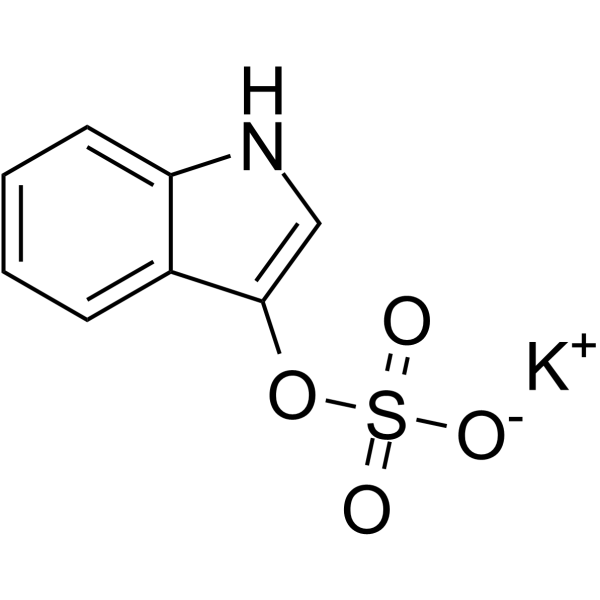
Potassium 1H-indol-3-yl sulfate (Standard) is the analytical standard of Potassium 1H-indol-3-yl sulfate (HY-W011910). This product is intended for research and analytical applications. Potassium 1H-indol-3-yl sulfate is a metabolite of tryptophan, produced by intestinal microorganisms and combined with sulfate in the liver before entering the circulatory system. Potassium 1H-indol-3-yl sulfate is a potent endogenous agonist of the aryl hydrocarbon receptor (AhR) and a urinary toxin. Potassium 1H-indol-3-yl sulfate can be used for research on kidney diseases.
|
-
| Cat. No. |
Product Name |
Type |
-
- HY-D0932
-
|
Solvent Red 24; C.I. 26105
|
Fluorescent Dyes
|
|
Sudan IV is an agonist of the aryl hydrocarbon receptor (AhR) that activates downstream signaling pathways and induces CYP1A1 expression. Sudan IV promotes CYP1A1 gene transcription by activating AhR-ARNT heterodimers and binding to exogenous response elements (XREs) on DNA, thereby enhancing drug metabolizing enzyme activity. Sudan IV can be used to study the toxicity mechanisms of industrial dyes and the effects of interactions with serum proteins (such as bovine serum albumin (BSA)) on their distribution in vivo. Sudan IV is a fat-soluble diazo dye that can be used to stain lipids, triglycerides, and lipoproteins on frozen sections .
|
-
- HY-D0932R
-
|
Solvent Red 24 (Standard); C.I. 26105 (Standard)
|
Fluorescent Dyes
|
|
Sudan IV (Standard) (Solvent Red 24 (Standard)) is the analytical standard of Sudan IV (HY-D0932). This product is intended for research and analytical applications. Sudan IV is an agonist of the aryl hydrocarbon receptor (AhR) that activates downstream signaling pathways and induces CYP1A1 expression. Sudan IV promotes CYP1A1 gene transcription by activating AhR-ARNT heterodimers and binding to exogenous response elements (XREs) on DNA, thereby enhancing drug metabolizing enzyme activity. Sudan IV can be used to study the toxicity mechanisms of industrial dyes and the effects of interactions with serum proteins (such as bovine serum albumin (BSA)) on their distribution in vivo. Sudan IV is a fat-soluble diazo dye that can be used to stain lipids, triglycerides, and lipoproteins on frozen sections.
|
| Cat. No. |
Product Name |
Category |
Target |
Chemical Structure |
-
- HY-W028393
-
-
-
- HY-N0178
-
-
-
- HY-B2132
-
|
3-(2-Aminoethyl)indole~2-(3-Indolyl)ethylamine
|
Alkaloids
Microorganisms
Classification of Application Fields
Other Diseases
Endogenous metabolite
Disease Research Fields
Indole Alkaloids
|
Endogenous Metabolite
5-HT Receptor
Aryl Hydrocarbon Receptor
|
|
Tryptamine is a selective, blood-brain-penetrating 5-HT4 receptor agonist (EC50=1-3 mM) and an endogenous ligand of the aryl hydrocarbon receptor (AHR) (Kd=10-50 nM). Tryptamine promotes intestinal anion secretion and fluid transport by activating G protein-coupled receptors (GPCRs) and accelerates gastrointestinal motility. Tryptamine regulates Th17/Treg balance to inhibit neuroinflammation, competitively binds to 5-HT receptors to regulate central nervous system activity, and participates in temperature regulation and spinal reflex regulation as a neuromodulator. Tryptamine can be used to study intestinal motility disorders such as functional constipation, and has shown significant efficacy in multiple sclerosis models .
|
-
-
- HY-N0170
-
-
-
- HY-W014502
-
-
-
- HY-W011910
-
-
-
- HY-N0586
-
-
-
- HY-W014075
-
-
-
- HY-N0178R
-
-
-
- HY-W028393R
-
-
-
- HY-N0586A
-
-
-
- HY-W014701
-
-
-
- HY-N10123
-
-
-
- HY-N0170R
-
-
-
- HY-104026B
-
-
-
- HY-N0586R
-
-
-
- HY-W014502R
-
|
|
Ketones, Aldehydes, Acids
Endogenous metabolite
|
Reference Standards
Aryl Hydrocarbon Receptor
Endogenous Metabolite
|
|
D-Kynurenine (Standard) is the analytical standard of D-Kynurenine. This product is intended for research and analytical applications. D-kynurenine, a metabolite of D-tryptophan, can serve as the bioprecursor of kynurenic acid (KYNA) and 3-hydroxykynurenine. D-Kynurenine is an agonist for G protein-coupled receptor, GPR109B. D-Kynurenine is a substrate in a fluorometric assay of D-amino acid oxidase. D-kynurenine promotes epithelial-to-mesenchymal transition via activating aryl hydrocarbon receptor (AHR) .
|
-
-
- HY-W014075R
-
-
-
- HY-W014701R
-
|
|
Structural Classification
Microorganisms
Ketones, Aldehydes, Acids
Source Classification
|
Reference Standards
Aryl Hydrocarbon Receptor
Cytochrome P450
Apoptosis
Interleukin Related
|
|
1,4-Dihydroxy-2-naphthoic acid (Standard) is the analytical standard for 1,4-Dihydroxy-2-naphthoic acid (HY-W014701). 1,4-Dihydroxy-2-naphthoic acid is an orally active aryl hydrocarbon receptor (AhR) agonist and a bifidogenic growth stimulator. 1,4-Dihydroxy-2-naphthoic acid can improve the motor dysfunction in parkinson's disease (PD) model through AhR-dependent and -independent pathways. 1,4-Dihydroxy-2-naphthoic acid exerts anti-inflammatory effects by regulating the gut microbiota (such as promoting the proliferation of Bifidobacterium) and directly regulating the host immune system. 1,4-Dihydroxy-2-naphthoic acid induces apoptosis through G0/G1 cell cycle arrest in human keratinocyte to inhibit psoriasis .
|
-
-
- HY-W011910R
-
-
| Cat. No. |
Product Name |
Chemical Structure |
-
- HY-132429S
-
|
|
|
Potassium 1H-indol-3-yl sulfate-d5 is the deuterium labeled 3-Indoxyl Sulfate potassium. Potassium 1H-indol-3-yl sulfate is a metabolite of tryptophan, produced by intestinal microorganisms and combined with sulfate in the liver before entering the circulatory system. Potassium 1H-indol-3-yl sulfate is a potent endogenous agonist of the aryl hydrocarbon receptor (AhR) and a urinary toxin. Potassium 1H-indol-3-yl sulfate can be used for research on kidney diseases.
|
-
-
- HY-W014075S
-
|
|
|
1-Hydroxypyrene-d9 is the deuterium labeled 1-Hydroxypyrene (HY-W014075). 1-Hydroxypyrene, a biomarker of exposure to polycyclic aromatic hydrocarbons (PAHs), is analyzed in urine samples. 1-Hydroxypyrene is the major biomarker of exposure to pyrenes. 1-Hydroxypyrene is the orally active agonist for aryl hydrocarbon receptor (AhR) and can lead to renal fibrosis .
|
-
-
- HY-W011910S
-
|
|
|
Potassium 1H-indol-3-yl sulfate-d4 potassium is the deuterium labeled Potassium 1H-indol-3-yl sulfate. Potassium 1H-indol-3-yl sulfate is a metabolite of tryptophan, produced by intestinal microorganisms and combined with sulfate in the liver before entering the circulatory system. Potassium 1H-indol-3-yl sulfate is a potent endogenous agonist of the aryl hydrocarbon receptor (AhR) and a urinary toxin. Potassium 1H-indol-3-yl sulfate can be used for research on kidney diseases.
|
-
-
- HY-W718300
-
|
|
|
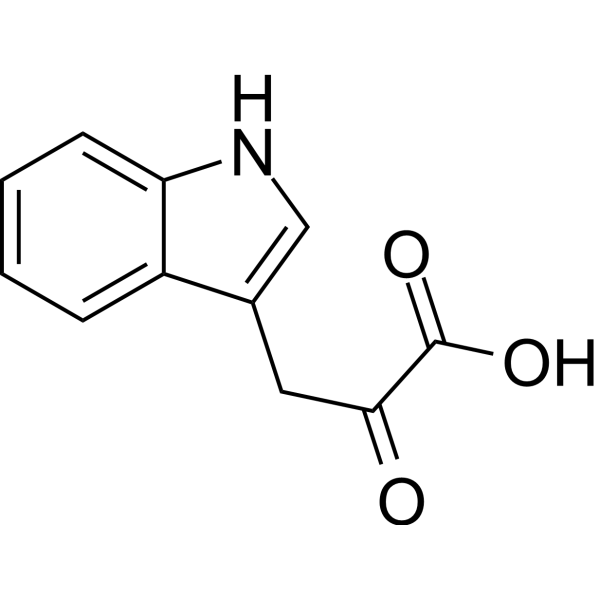
Indole-3-pyruvic acid-d5 is deuterated labeled Indole-3-pyruvic acid. Indole-3-pyruvic acid, a keto analogue of tryptophan, is an orally active AHR agonist. Indole-3-pyruvic acid has antioxidant properties, and can be used in the research of inflammation, anxiety .
|
-
-
- HY-104026CS
-
|
|
|
L-Kynurenine- 13C10 (sulfate hemihydrate) is the 13C labeled L-Kynurenine sulfate. L-Kynurenine sulfate hemihydrate, an aryl hydrocarbon receptor (AHR) agonist that activates AHR-directed, naive T cell polarization to the anti-inflammatory Treg phenotype .
|
-
-
- HY-104026BS
-
|
|
|
L-Kynurenine-13C10 (sulfate) is the 13C labeled L-Kynurenine sulfate. L-Kynurenine sulfate, an aryl hydrocarbon receptor (AHR) agonist that activates AHR-directed, naive T cell polarization to the anti-inflammatory Treg phenotype .
|
-
-
- HY-109044S
-
|
|
|
Tapinarof-d5 (WBI-1001-d5) is deuterium labeled Tapinarof. Tapinarof (WBI-1001) is a natural aryl hydrocarbon receptor (AhR) agonist with an EC50 of 13 nM. Tapinarof resolves skin inflammation in mice .
|
-
-
- HY-D0932S
-
|
|
|
Sudan IV-d6 (Solvent Red 24-d6) is the deuterium labeled Sudan IV(HY-D0932). Sudan IV is an agonist of the aryl hydrocarbon receptor (AhR) that activates downstream signaling pathways and induces CYP1A1 expression. Sudan IV promotes CYP1A1 gene transcription by activating AhR-ARNT heterodimers and binding to exogenous response elements (XREs) on DNA, thereby enhancing drug metabolizing enzyme activity. Sudan IV can be used to study the toxicity mechanisms of industrial dyes and the effects of interactions with serum proteins (such as bovine serum albumin (BSA)) on their distribution in vivo. Sudan IV is a fat-soluble diazo dye that can be used to stain lipids, triglycerides, and lipoproteins on frozen sections .
|
-
| Cat. No. |
Product Name |
|
Classification |
-
- HY-155505
-
|
|
|
Alkynes
|
|
AHR agonist 4 (compound 24e) is an agonist of Aryl hydrocarbon receptor (AHR), assocaited with the immune balance of Th17/22 and Treg cells. AHR agonist 4 serves as a lead compound for anti-psoriasis drug, alleviates imiquimod (IMQ)-induced psoriasis-like skin lesion . AHR agonist 4 is a click chemistry reagent, it contains an Alkyne group and can undergo copper-catalyzed azide-alkyne cycloaddition (CuAAc) with molecules containing Azide groups.
|
Your information is safe with us. * Required Fields.
Inquiry Information
- Product Name:
- Cat. No.:
- Quantity:
- MCE Japan Authorized Agent:

