From 11:00 pm to 12:00 pm EST ( 8:00 pm to 9:00 pm PST ) on January 6th, the website will be under maintenance. We are sorry for the inconvenience. Please arrange your schedule properly.
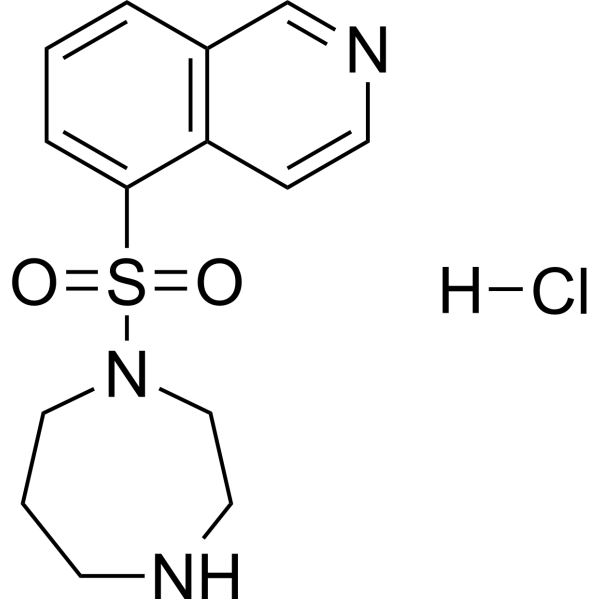
Fasudil (HA-1077; AT877) Hydrochloride is a nonspecific RhoA/ROCK inhibitor and also has inhibitory effect on protein kinases, with an Ki of 0.33 μM for ROCK1, IC50s of 0.158 μM and 4.58 μM, 12.30 μM, 1.650 μM for ROCK2 and PKA, PKC, PKG, respectively. Fasudil Hydrochloride is also a potent Ca 2+ channel antagonist and vasodilator .
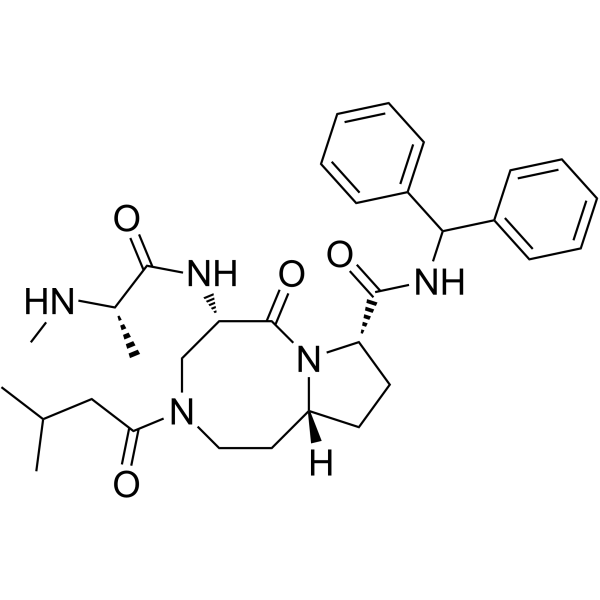
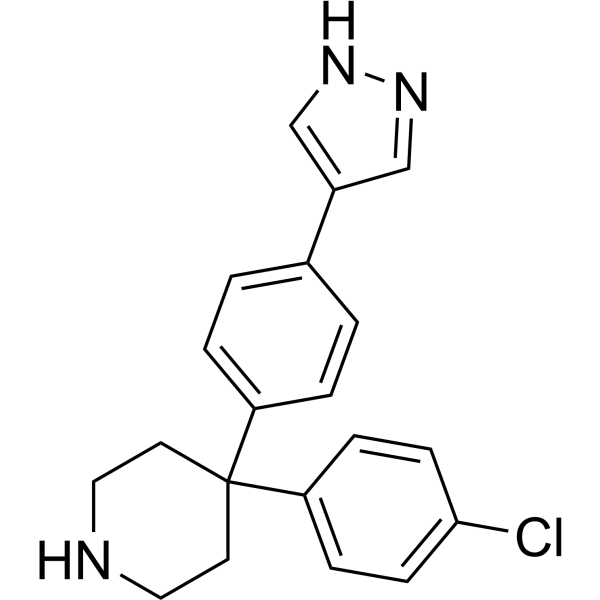
Xevinapant (AT-406) is a potent and orally bioavailable Smac mimetic and an antagonist of IAPs, and it binds to XIAP, cIAP1, and cIAP2 proteins with Ki of 66.4, 1.9, and 5.1 nM, respectively.
AT791 is a potent and orally bioavailable TLR7 and TLR9 inhibitor. AT791 inhibits TLR7 and 9 signaling in a variety of human and mouse cell types and inhibits DNA-TLR9 interaction in vitro .
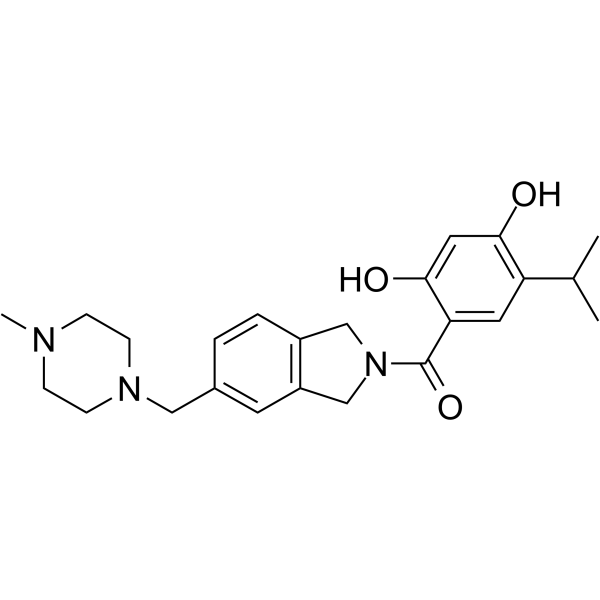
Onalespib (AT13387) is a potent and cross the blood-brain barrier heat-shock-protein-90 (Hsp90) inhibitor. Onalespib inhibits the proliferation, survival and migration. Onalespib decreases the expression of EGFR, p-EGFR, AKT, P-AKT, ERK1/2, P-ERK1/2, S6, P-S6 protein. Onalespib shows antitumor activity. Onalespib has the potential for the research of non-small cell lung cancer (NSCLC) .
Fasudil (HA-1077; AT877) is a nonspecific RhoA/ROCK inhibitor and also has inhibitory effect on protein kinases, with an Ki of 0.33 μM for ROCK1, IC50s of 0.158 μM and 4.58 μM, 12.30 μM, 1.650 μM for ROCK2 and PKA, PKC, PKG, respectively. Fasudil is also a potent Ca 2+ channel antagonist and vasodilator .
AT9283 is a multi-targeted kinase inhibitor with potent activity against Aurora A/B, JAK2/3, Abl (T315I) and Flt3 (IC50s ranging from 1 to 30 nM). AT9283 inhibits growth and survival of multiple solid tumors in vitro and in vivo .
AT-56 is a potent, selective and orally active inhibitor of lipocalin-type prostaglandin D synthase (L-PGDS), with an IC50 of 95 μM and Ki of 75 μM. AT-56 could selectively suppress the drowsiness or pain reaction mediated by L-PGDS-catalyzed PGD2 .
Buloxibutid (AT2 receptor agonist C21) is an orally active, selective angiotensin II type 2 receptor (AT2R) agonist, with a Ki value of 0.4 nM for porcine AT2R. Buloxibutid exerts effects such as vasodilation, anti-inflammation, anti-fibrosis (promoting the expression of collagenase MMP-13) and tissue repair mainly by activating the NO/cGMP pathway, inhibiting the pro-proliferative MAPK signaling, and suppressing the pro-fibrotic TGF-β/Smad pathway as well as the inflammatory NF-κB pathway. Buloxibutid can be used in research related to idiopathic pulmonary fibrosis, hypertension, and systemic sclerosis .
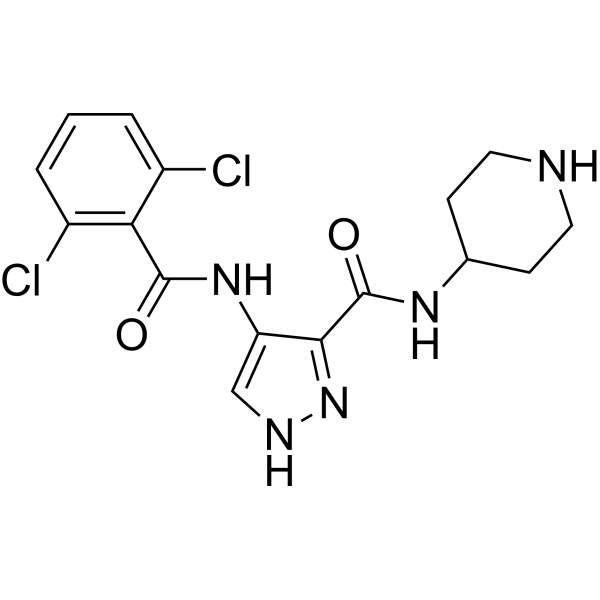
AT13148 is an orally active and ATP-competitive, multi-AGC kinase inhibitor with IC50s of 38 nM/402 nM/50 nM, 8 nM, 3 nM, and 6 nM/4 nM for Akt1/2/3, p70S6K, PKA, and ROCKI/II, respectively.
Tegoprubart (AT-1501) is a CD40 ligand inhibitor (EC50=100 ng/mL) and immunosuppressant that selectively inhibits the CD40 ligand, a co-stimulatory molecule involved in T cell activation. Tegoprubart suppresses immune rejection, prevents rejection in animal transplantation models, and reduces cell-mediated and antibody-mediated immune responses to create a more immunotolerant environment. Tegoprubart preserves renal function when combined with Mycophenolate (HY-B0421) and Corticosteroids, and maintains graft function in preclinical studies. Tegoprubart is applicable to research related to kidney transplantation and kidney transplant rejection .
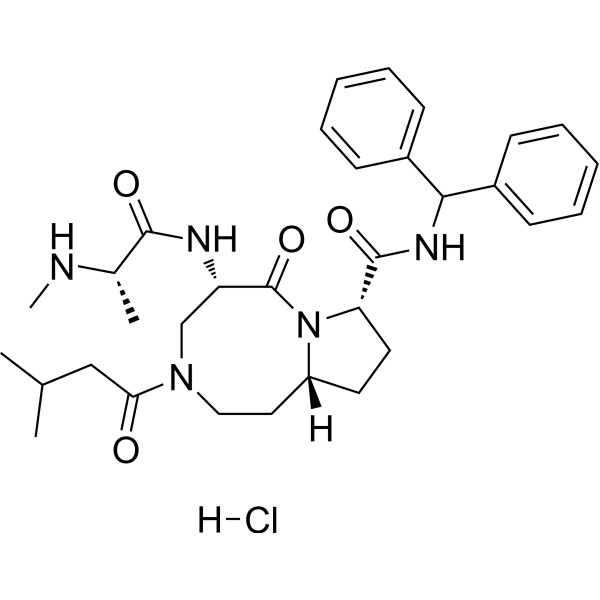
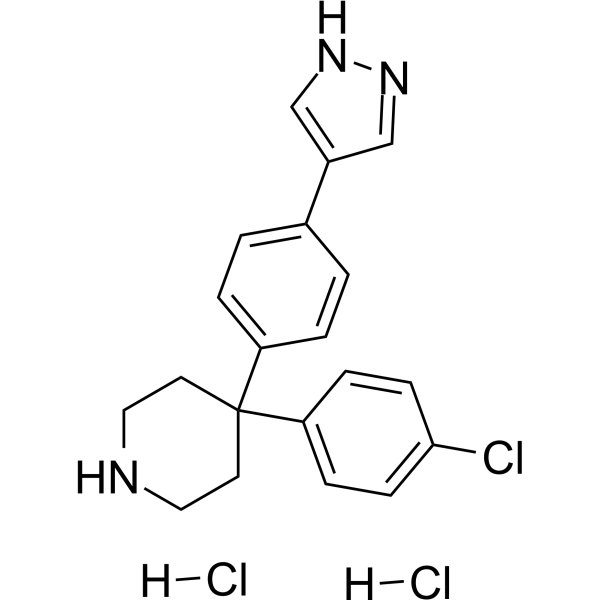
Xevinapant (AT-406) hydrochloride is a potent and orally bioavailable Smac mimetic and an antagonist of the inhibitor of apoptosis proteins (IAPs). Xevinapant hydrochloride binds to XIAP, cIAP1, and cIAP2 proteins with Kis of 66.4, 1.9, and 5.1 nM, respectively. Xevinapant hydrochloride effectively antagonizes XIAP BIR3 protein in a cell-free functional assay, induces rapid degradation of cellular cIAP1 protein, and inhibits cancer cell growth in various human cancer cell lines. Xevinapant hydrochloride is highly effective in induction of apoptosis in xenograft tumors .
Antioxidant 1010 (lrganox 1010; AT1010) is a hindered phenolic antioxidant. Antioxidant 1010 does not inhibit intercellular gap-junctional communication. Antioxidant 1010 exhibits antioxidant efficacy in plastic, rubber and synthetic fiber .
Govorestat (AT-007) is an orally active brain-penetrant aldose reductase inhibitor with an IC50 value of 100 pM. Govorestat has the potential for galactose-1-phosphate uridyl transferase deficiency research .
Acivicin (AT-125), a natural product produced by Streptomyces sviceus is a γ-glutamyl transpeptidase (GGT) inhibitor. Acivicin can across the blood-brain barrier and has anti-cancer, anti-parasitic properties .
Acivicin hydrochloride (AT-125 hydrochloride), a natural product produced by Streptomyces sviceus, is a γ-glutamyl transpeptidase (GGT) inhibitor. Acivicin hydrochloride can across the blood-brain barrier and has anti-cancer, anti-parasitic properties .
Enoxacin (AT 2266), a fluoroquinolone, interferes with DNA replication and inhibits bacterial DNA gyrase (IC50=126 µg/ml) and topoisomerase IV (IC50=26.5 µg/ml). Enoxacin is a miRNA processing activator and enhances siRNA-mediated mRNA degradation and promotes the biogenesis of endogenous miRNAs. Enoxacin has potent activities against gram-positive and -negative bacteria. Enoxacin is a cancer-specific growth inhibitor that acts by enhancing TAR RNA-binding protein 2 (TRBP)-mediated microRNA processing .
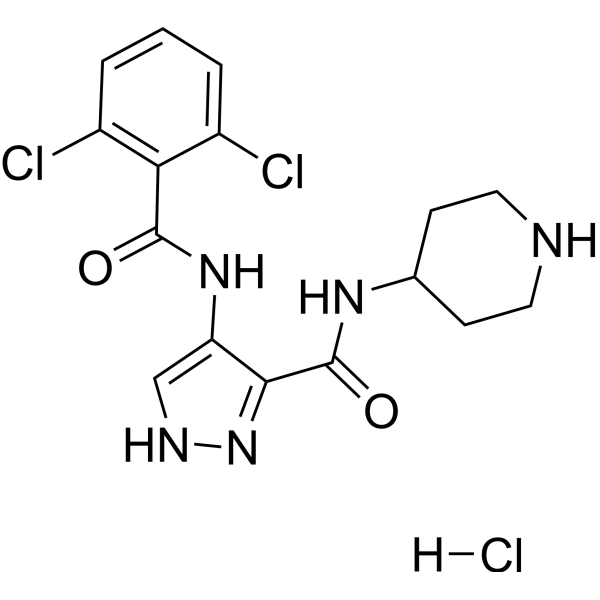
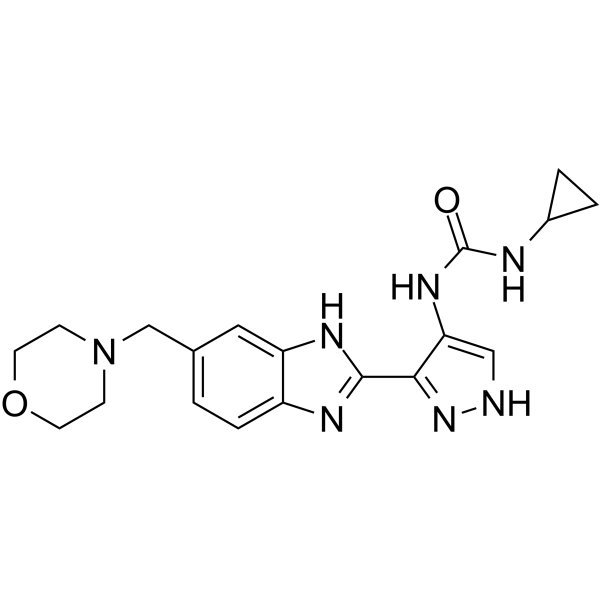
AT7519 Hydrochloride is a potent inhibitor of CDKs, with IC50s of 210, 47, 100, 13, 170, and <10 nM for CDK1, CDK2, CDK4 to CDK6, and CDK9, respectively.
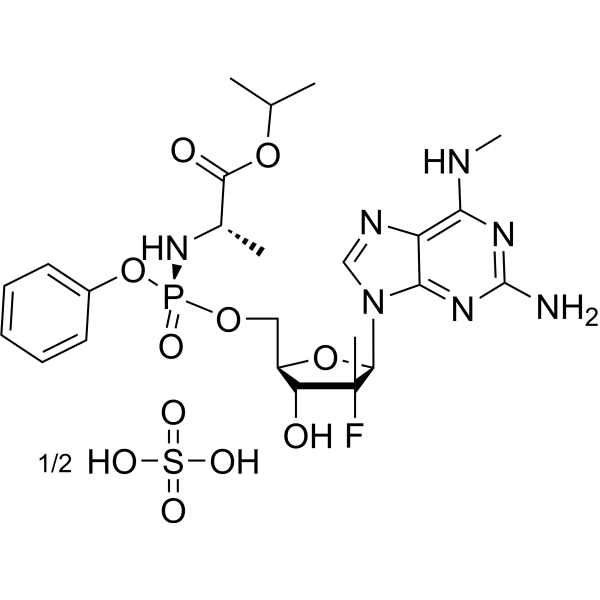
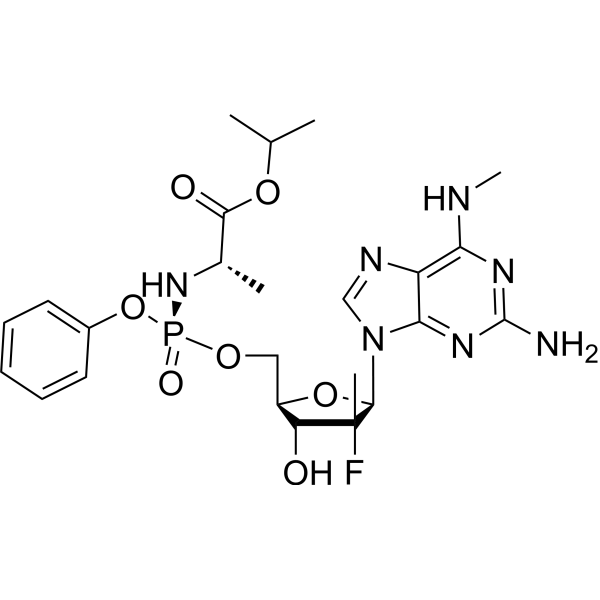
Bemnifosbuvir hemisulfate (AT-527), a hemisulfate salt of AT-511, a guanosine nucleotide proagent, is a potent and orally active HCV viral replication inhibitor. Bemnifosbuvir hemisulfate is highly effective in the control of SARS-CoV-2 (COVID-19) infection in vitro (EC90=0.47 μM). Bemnifosbuvir hemisulfate has pangenotypic antiviral activity .
Enoxacin hydrate (Enoxacin sesquihydrate), a fluoroquinolone, interferes with DNA replication and inhibits bacterial DNA gyrase (IC50=126 µg/ml) and topoisomerase IV (IC50=26.5 µg/ml). Enoxacin hydrate is a miRNA processing activator and enhances siRNA-mediated mRNA degradation and promotes the biogenesis of endogenous miRNAs. Enoxacin hydrate has potent activities against gram-positive and -negative bacteria. Enoxacin hydrate is a cancer-specific growth inhibitor that acts by enhancing TAR RNA-binding protein 2 (TRBP)-mediated microRNA processing .
AT 1001 is an orally effective α3β4 nicotinic acetylcholine receptor (α3β4 nAChR) antagonist with a Ki value of 2.64 nM. AT 1001 reversibly blocks Epibatidine (HY-101078)-induced inward currents in HEK cells transfected with α3β4 nAChR. AT 1001 dose-dependently blocks nicotine self-administration behavior in rats, alleviates gluten-induced gastrointestinal symptoms, blocks tight junction toxin-induced immune responses, and reduces the incidence of type 1 diabetes in rats. AT 1001 can be used in the research of nicotine addiction and celiac disease .
AT-121 is a bifunctional nociception and mu opioid receptor agonist, with Kis of 3.67 and 16.49 nM, respectively. AT-121 is a safe, non-addictive analgesic, and shows antinociceptive and antiallodynic effects .
Bemnifosbuvir (AT-511) is a potent and orally active HCV viral replication inhibitor. Bemnifosbuvir is highly effective in the control of SARS-CoV-2 (COVID-19) infection in vitro (EC90=0.47 μM). Bemnifosbuvir has pangenotypic antiviral activity .
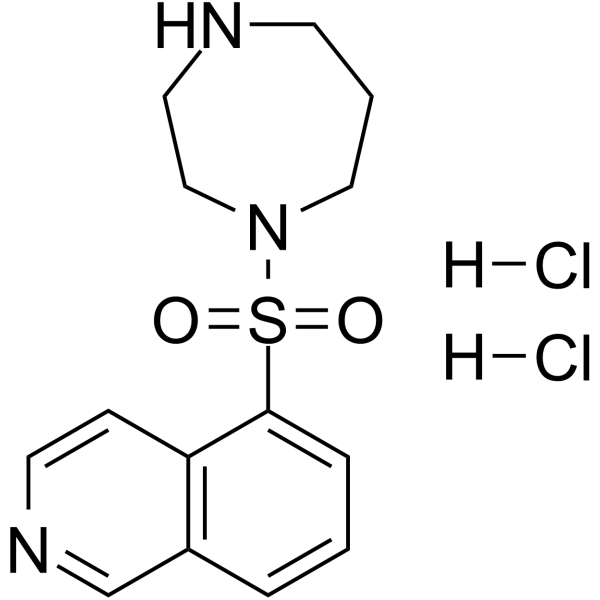
Fasudil (HA-1077; AT877) dihydrochloride is a nonspecific RhoA/ROCK inhibitor and also has inhibitory effect on protein kinases, with an Ki of 0.33 μM for ROCK1, IC50s of 0.158 μM and 4.58 μM, 12.30 μM, 1.650 μM for ROCK2 and PKA, PKC, PKG, respectively. Fasudil dihydrochloride is also a potent Ca 2+ channel antagonist and vasodilator .
Arbemnifosbuvir is a nidovirus DdRp-associated nucleotidyltransferase (NiRAN) domain of non-structural protein 12 (nsp12)-interfering drugs. Arbemnifosbuvir can be used for SARS-CoVs infection research .
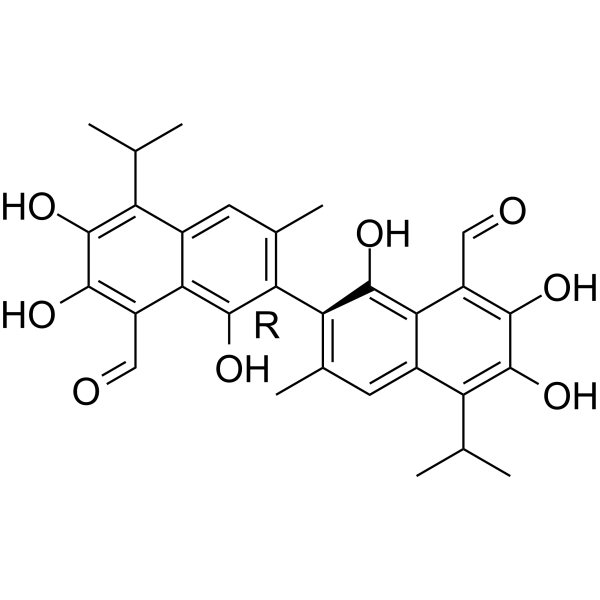
(R)-(-)-Gossypol (AT-101) is the levorotatory isomer of a natural product Gossypol. AT-101 is determined to bind to Bcl-2, Mcl-1 and Bcl-xL proteins with Kis of 260±30 nM, 170±10 nM, and 480±40 nM, respectively.
NVP-LCQ195 (LCQ-195) is an inhibitor of CDK1/2/3/5/9. NVP-LCQ195 induces cell cycle arrest and eventual apoptotic cell death of multiple myeloma (MM) cells. NVP-LCQ195 triggers decreased amplitude of transcriptional signatures related to oncogenesis, drug resistance and stem cell renewal in MM cell lines .
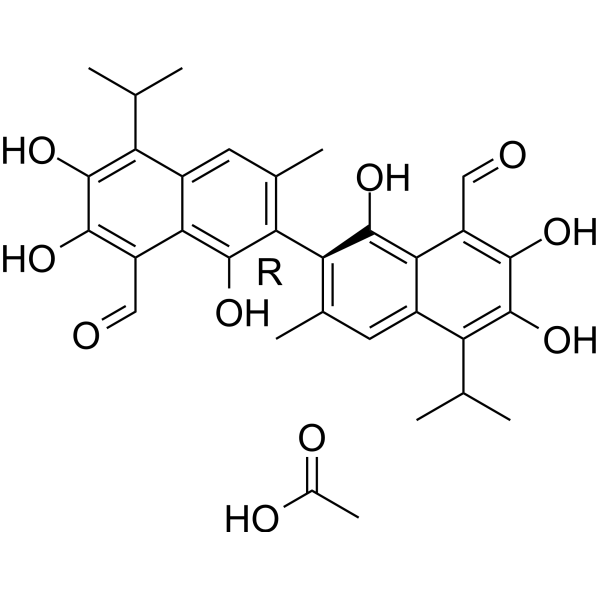
(R)-(-)-Gossypol acetic acid (AT-101 (acetic acid)) is the levorotatory isomer of a natural product Gossypol. AT-101 is determined to bind to Bcl-2, Mcl-1 and Bcl-xL proteins with Kis of 260±30 nM, 170±10 nM, and 480±40 nM, respectively.
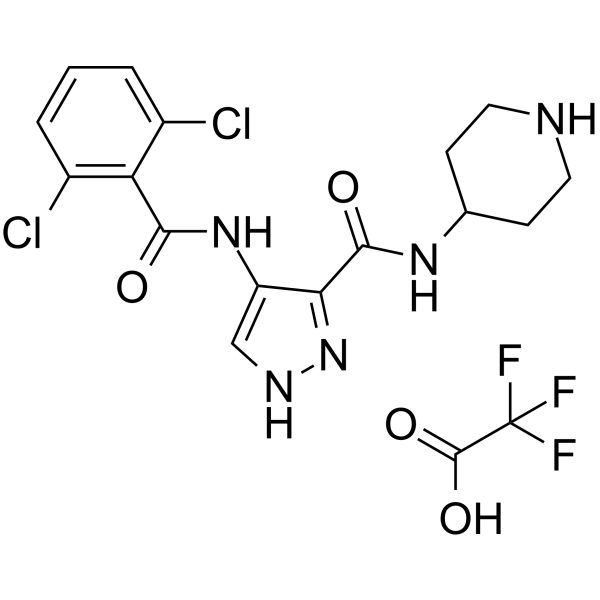
AT7519 (AT7519M) TFA as a potent inhibitor of CDKs, with IC50s of 210, 47, 100, 13, 170, and <10 nM for CDK1, CDK2, CDK4 to CDK6, and CDK9, respectively.
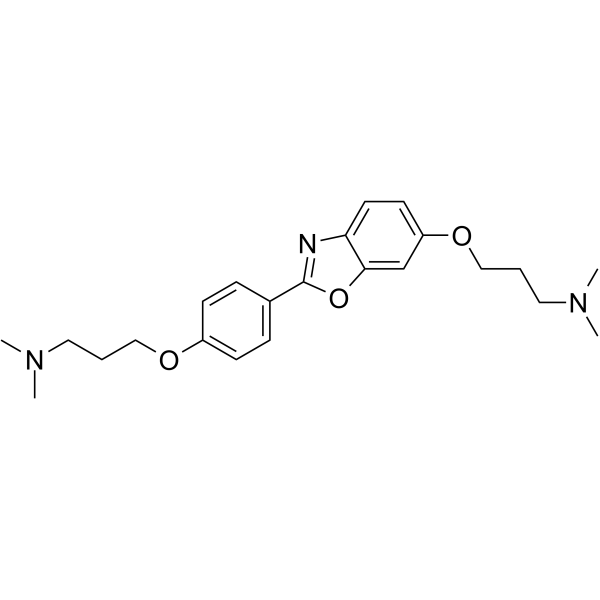
AT-533 is a potent Hsp90 and HSV inhibitor. AT-533 suppresses tumor growth and angiogenesis by blocking the HIF-1α/VEGF/VEGFR-2 signaling pathway. AT-533 also inhibits the activation of the downstream pathways, including Akt/mTOR/p70S6K, Erk1/2 and FAK. AT-533 inhibits the tube formation, cell migration, and invasion of human umbilical vein endothelial cells (HUVECs) .
AT7867 dihydrochloride is a potent ATP-competitive inhibitor of Akt1/Akt2/Akt3 and p70S6K/PKA with IC50s of 32 nM/17 nM/47 nM and 85 nM/20 nM, respectively.
AT-130, a phenylpropenamide derivative, is a potent hepatitis B virus (HBV) replication non-nucleoside inhibitor. AT-130 inhibits the viral DNA synthesis with an EC50 of 0.13 μM. AT-130 inhibits both wt and mutant HBVs. AT-130 has anti-HBV activity in hepatoma cells .
17R-Resolvin D1 (17R-RvD1; AT-RvD1) is an aspirin-triggered epimer of Resolvin D1, which exhibits anti-inflammatory activity in mice and human PMNs cells . 17R-Resolvin D1 specificially inhibits TRPV3 with an IC50 of 398 nM and exhibits peripheral anti-nociceptive efficacy .
Onalespib lactate is a potent and cross the blood-brain barrier heat-shock-protein-90 (Hsp90) inhibitor with an Kd value of 0.71 nM. Onalespib lactate inhibits the proliferation, survival and migration. Onalespib lactate decreases the expression of EGFR, p-EGFR, AKT, P-AKT, ERK1/2, P-ERK1/2, S6, P-S6 protein. Onalespib lactate shows antitumor activity. Onalespib lactate has the potential for the research of non-small cell lung cancer (NSCLC) .
AT002 (CBAS-173, EJ212/007-Cl2-5) is a recombinant human IgG1 monoclonal antibody. AT002 targets the cell surface protein activated leukocyte adhesion molecule (ALCAM)/CD166. AT002 can be used in the research of cancer, autoimmune diseases and inflammatory diseases.
AT-9010, a triphosphate active metabolite of AT-527, is a potent inhibitor of NiRAN (a function essential for viral replication). AT-9010 can inhibit SARS-CoV-2 replication .
AT-9010 tetrasodium, a triphosphate active metabolite of AT-527, is a potent inhibitor of NiRAN (a function essential for viral replication). AT-9010 tetrasodium can inhibit SARS-CoV-2 replication .
Probimane (AT-2153) is a potent anticancer agent. Probimane is effective against mouse tumors S37, S180, Lewis lung carcinoma, L1210 and human pulmonary adenocarcinoma heterotransplanted into nude mice .
AT-56 (Standard) is the analytical standard of AT-56. This product is intended for research and analytical applications. AT-56 is a potent, selective and orally active inhibitor of lipocalin-type prostaglandin D synthase (L-PGDS), with an IC50 of 95 μM and Ki of 75 μM. AT-56 could selectively suppress the drowsiness or pain reaction mediated by L-PGDS-catalyzed PGD2 .
AT7519 (Standard) is the analytical standard of AT7519. This product is intended for research and analytical applications. AT7519 (AT7519M) as a potent inhibitor of CDKs, with IC50s of 210, 47, 100, 13, 170, and <10 nM for CDK1, CDK2, CDK4 to CDK6, and CDK9, respectively.
AT9283 hydrochloride is a multi-targeted kinase inhibitor with anti-tumor activity. AT9283 hydrochloride has been found to effectively inhibit Aurora A and Aurora B kinases, thereby affecting cell proliferation and survival. AT9283 hydrochloride can also inhibit several other kinases, including JAK2 and Abl (T315I) .
AT-076 is an opioid pan antagonist at nociception, kappa, mu, and delta opioid receptors, with Ki values of 1.75 nM (NOP), 1.67 nM (MOP), 1.14 nM (KOP) and 19.6 nM (DOP), respectively .
AT-121 hydrochloride is a bifunctional nociception and mu opioid receptor agonist, with Kis of 3.67 and 16.49 nM, respectively. AT-121 hydrochloride is a safe, non-addictive analgesic, and shows antinociceptive and antiallodynic effects .
AT9283 lactic acid is a multi-targeted kinase inhibitor with potent activity against Aurora A/B, JAK2/3, Abl (T315I) and Flt3 (IC50s ranging from 1 to 30 nM). AT9283 lactic acid inhibits growth and survival of multiple solid tumors in vitro and in vivo .
Dealanylascamycin (AT-265) (Compound 2) is a nucleoside antibiotic. AT 265 is a carbonic anhydrase (CA) inhibitor, with Ki values of 167, 65.2, 234, and 143 nM for hCA I, hCA II, hCA IV, and hCA IX respectively. Dealanylascamycin is the active form of Ascamycin (HY-121071). Dealanylascamycin exhibits broad-spectrum antibacterial activity and is effective against pathogenic bacteria such as Xanthomonas citri (MIC = 0.4 μg/mL). Dealanylascamycin has high cytotoxicity .
Zamubafusp alfa (AT-02) is an immunoglobulin-peptide fusion protein consisting of a humanized IgG1 and the pan-amyloid reactive peptide p5R. Zamubafusp alfa binds to two ubiquitous components of all amyloids, namely amyloid fibrils and highly sulfated heparan sulfate glycans. Zamubafusp alfa enhances macrophage phagocytosis for amyloid clearance and can be used in research related to systemic amyloidosis .
AT2R antagonist 1 (compound 21) is a potent and high selective AT2R (angiotensin II AT2 receptor) ligand. AT2R antagonist 1 exhibits a fair AT2R affinity, with a Ki of 29 nM. AT2R antagonist 1 also inhibits common agent-metabolizing CYP enzymes. AT2R antagonist 1 shows high stability in human, rat and mouse liver microsomes .
Nitrocaphane (At-1258) is an antineoplastic agent whose target of action is DNA. Nitrocaphane has a broad antineoplastic spectrum. Nitrocaphane's cytotoxicity on HEp-2 cells can be enhanced by hyperthermia. Nitrocaphane can be used in the research of tumors such as malignant trophoblastic tumors .
Fasudil (Hydrochloride) (Standard) is the analytical standard of Fasudil (Hydrochloride). This product is intended for research and analytical applications. Fasudil (HA-1077; AT877) Hydrochloride is a nonspecific RhoA/ROCK inhibitor and also has inhibitory effect on protein kinases, with an Ki of 0.33 μM for ROCK1, IC50s of 0.158 μM and 4.58 μM, 12.30 μM, 1.650 μM for ROCK2 and PKA, PKC, PKG, respectively. Fasudil Hydrochloride is also a potent Ca 2+ channel antagonist and vasodilator .
Antioxidant 1010 (Standard) is the analytical standard of Antioxidant 1010 (lrganox 1010; AT1010) (HY-W010653) . This product is intended for research and analytical applications. Antioxidant 1010 is a hindered phenolic antioxidant. Antioxidant 1010 does not inhibit intercellular gap-junctional communication. Antioxidant 1010 exhibits antioxidant efficacy in plastic, rubber and synthetic fiber ..
AT-112 is a ketotanserin analogue. AT-112 has hemodynamic effects. AT-112 significantly reduces portal vein branch blood flow and portal vein pressure. AT-112 can be used to study the pathogenesis of portal hypertension .
AT-1413 is a human monoclonal antibody (mAb) targeting CD43. AT-1413 induces antibody-dependent cell-mediated cytotoxicity (ADCC) in melanoma cell lines and acute myeloid leukemia (AML) cells. AT-1413 has antitumor activity in AML mouse models. AT-1413 can be used in Acute myeloid leukaemia, Breast cancer, Malignant melanoma and Myelodysplastic syndromes research. Recommended isotype control: Human IgG1 kappa, Isotype Control (HY-P99001) .
AT1015 hydrochloride is a potent antagonist of 5-HT2 receptor, with the pKi of 7.94. AT1015 inhibits vasoconstriction and blocks platelet aggregation .
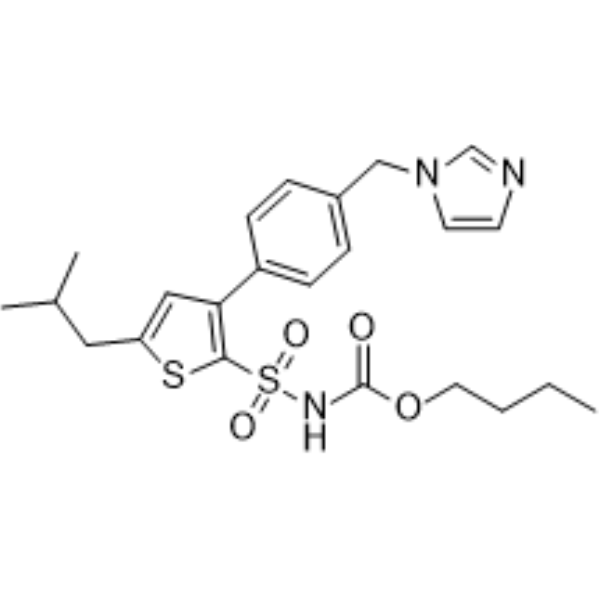
AT-1459 is a selective and orally active direct Thrombin inhibitor with a Ki value of 4.9 nM. AT-1459 exhibits excellent antithrombotic activity in both rat models of venous and arterial thrombosis. AT-1459 can be used for research on thrombosis-related diseases .
AT-61 is a non nucleoside HBV replication inhibitor. AT-61 prevents the capsid formation of pre genomic RNA, resulting in the production of empty capsids. AT-61 has the activity of drug-resistant mutant strains. AT-61 can be used for research on hepatitis B virus infection .
AT008 is an anti-GPCR monoclonal antibody that blocks the binding of chemokine ligands to its cell surface receptor CCR4. AT008 can be studied in research for certain haematological and solid cancers.
Afegostat tartrate is a pharmacological chaperone, which specifically and reversibly binds acid-β-glucosidase (GCase) in the endoplasmic reticulum (ER) with high affinity .
Tamtuvetmab (AT-005) is a caninised blontuvetmab against CD52. Tamtuvetmab increases progression-free survival (PFS), exhibits in vivo efficacy in dogs with naïve T-cell lymphoma (LSA). Tamtuvetmab has been approved by veterinary .
AT-9010 triethylamine,a triphosphate active metabolite of AT-527,is a potent inhibitor of NiRAN (a function essential for viral replication). AT-9010 triethylamine can inhibit SARS-CoV-2 replication .
Bimolane (AT-1727), a human topoisomerase II inhibitor, can be used as an anti-neoplastic agent and for the research of psoriasis. Bimolane shows leukemogenic activity and induces multiple types of chromosomal aberrations in human lymphocytes .
AT7519 (Hydrochloride) (Standard) is the analytical standard of AT7519 (Hydrochloride). This product is intended for research and analytical applications. AT7519 Hydrochloride is a potent inhibitor of CDKs, with IC50s of 210, 47, 100, 13, 170, and <10 nM for CDK1, CDK2, CDK4 to CDK6, and CDK9, respectively.
AT9283 (Standard) is the analytical standard of AT9283. This product is intended for research and analytical applications. AT9283 is a multi-targeted kinase inhibitor with potent activity against Aurora A/B, JAK2/3, Abl (T315I) and Flt3 (IC50s ranging from 1 to 30 nM). AT9283 inhibits growth and survival of multiple solid tumors in vitro and in vivo .
Fasudil (HA-1077; AT877) mesylate is a nonspecific and orally active RhoA/ROCK inhibitor and also has inhibitory effect on protein kinases, with an Ki of 0.33 μM for ROCK1, IC50s of 0.158 μM and 4.58 μM, 12.30 μM, 1.650 μM for ROCK2 and PKA, PKC, PKG, respectively. Fasudil mesylate is also a potent Ca 2+ channel antagonist and vasodilator .
AT2 receptor ligand-1(compound 14) is a potent angiotensin AT2 receptor ligand with the Ki 4.9 nM. AT2 receptor ligand-1 shows high stability in microsomes of the sulfonamide ligands .
AT1R antagonist 3 (Compound 1) is an antagonist for angiotensin II type 1 receptor (AT1R) and an inhibitor for calcium channel type-L CaV1.2 (IC50=0.57 μM). AT1R antagonist 3 exhibits vasodilation efficacy in solated rat aorta (10 μM, 88.7%) and antihypertensive efficacy in rat models .
Fasudil (HA-1077; AT877) hydrochloride semihydrate is a nonspecific RhoA/ROCK inhibitor and also has inhibitory effect on protein kinases, with an Ki of 0.33 μM for ROCK1, IC50s of 0.158 μM and 4.58 μM, 12.30 μM, 1.650 μM for ROCK2 and PKA, PKC, PKG, respectively. Fasudil hydrochloride semihydrate is also a potent Ca 2+ channel antagonist and vasodilator .
Articaine (Standard) is the analytical standard of Articaine. This product is intended for research and analytical applications. Articaine (Hoe-045 free base) is an amide agent that can suppress or relieve pain. containing an ester group, reversibly binding to the α-subunit of the voltage-gated sodium channels within the inner cavity of the nerve, can provide effective pain relief. Articaine ameliorates LPS-induced acute kidney injury via inhibition of NF-κB activation and the NLRP3 inflammasome pathway .
Sparfloxacin (Standard) is the analytical standard of Sparfloxacin. This product is intended for research and analytical applications. Sparfloxacin (CI-978) is a fluoroquinolone antibiotic, shows broad and potent antibacterial activity .
Acivicin (hydrochloride) (Standard) is the analytical standard of Acivicin (hydrochloride). This product is intended for research and analytical applications. Acivicin hydrochloride (AT-125 hydrochloride), a natural product produced by Streptomyces sviceus, is a γ-glutamyl transpeptidase (GGT) inhibitor. Acivicin hydrochloride can across the blood-brain barrier and has anti-cancer, anti-parasitic properties[1][2].
Enoxacin (hydrate) (Standard) is the analytical standard of Enoxacin (hydrate). This product is intended for research and analytical applications. Enoxacin hydrate (Enoxacin sesquihydrate), a fluoroquinolone, interferes with DNA replication and inhibits bacterial DNA gyrase (IC50=126 μg/ml) and topoisomerase IV (IC50=26.5 μg/ml). Enoxacin hydrate is a miRNA processing activator and enhances siRNA-mediated mRNA degradation and promotes the biogenesis of endogenous miRNAs. Enoxacin hydrate has potent activities against gram-positive and -negative bacteria. Enoxacin hydrate is a cancer-specific growth inhibitor that acts by enhancing TAR RNA-binding protein 2 (TRBP)-mediated microRNA processing [4].
Sparfloxacin-d5 is deuterium labeled Sparfloxacin (HY-B0308). Sparfloxacin is a fluoroquinolone antibiotic, shows broad and potent antibacterial activity .
17(R)-Resolvin D1-d5 (17(R)-RvD1-d5) is deuterium labeled 17(R)-Resolvin D1. 17R-Resolvin D1 (17R-RvD1; AT-RvD1) is an aspirin-triggered epimer of Resolvin D1, which exhibits anti-inflammatory activity in mice and human PMNs cells . 17R-Resolvin D1 specificially inhibits TRPV3 with an IC50 of 398 nM and exhibits peripheral anti-nociceptive efficacy .
AT1412 is a CD9-binding antibody. AT1412 binds to the tetraspanin protein CD9 and modulates CD9 function by enhancing T cell adhesion to endothelial cells (HUVECs) and transendothelial migration. AT1412 binds to B-ALL cell lines but not to T-ALL. AT1412 induces antibody-dependent cellular cytotoxicity in B-ALL cell lines. AT1412 binds to melanoma cells, B-ALL, gastric cancer, colorectal cancer, and pancreatic cancer cells [1] .
AT-1015 is a selective and orally active 5-HT2A serotonin receptor antagonist. AT-1015 exhibits antithrombotic effect. AT-1015 prolongs the time needed to occlusion of the artery with thrombus. AT-1015 impairs platelet aggregation and vasoconstriction .
AT-9 is an anthraquinone-triazene derivative. AT-9 exhibits strong DNA intercalation ability. AT-9 can also interact with Topo IIA. AT-9 exhibits anticancer activity against non-small cell lung cancer and cervical cancer .
AT-130 (Standard) is the analytical standard of AT-130 (HY-100028). This product is intended for research and analytical applications. AT-130, a phenylpropenamide derivative, is a potent hepatitis B virus (HBV) replication non-nucleoside inhibitor. AT-130 inhibits the viral DNA synthesis with an EC50 of 0.13 μM. AT-130 inhibits both wt and mutant HBVs. AT-130 has anti-HBV activity in hepatoma cells .
AT-051/43421517 is a cytoprotective agent and apoptosis inhibitor that binds to human phosphoglycerate kinase 1 (hPgk1). AT-051/43421517 protects cells from rotenone-induced cell death without inducing cell proliferation. AT-051/43421517 can be used for the research of parkinson’s disease .
Buloxibutid (AT2 receptor agonist C21) hydrochloride is an orally active, selective angiotensin II type 2 receptor (AT2R) agonist, with a Ki value of 0.4 nM for porcine AT2R. Buloxibutid hydrochloride exerts vasodilatory, anti-inflammatory, antifibrotic (promoting the expression of collagenase MMP-13) and tissue repair effects mainly by activating the NO/cGMP pathway, inhibiting the pro-proliferative MAPK signaling, and suppressing the pro-fibrotic TGF-β/Smad pathway and inflammatory NF-κB pathway. Buloxibutid hydrochloride can be used in research related to idiopathic pulmonary fibrosis, hypertension, systemic sclerosis and other conditions .
AT1R antagonist 4 (Example 26) is an AT1R antagonist. AT1R antagonist 4 shows excellent antagonistic activity against calcium influx in cells stably expressing AT1 receptors and ETA receptors. AT1R antagonist 4 can be used in kidney disease research .
Buloxibutid (AT2 receptor agonist C21) (Standard) is the analytical standard of Buloxibutid (HY-100113). This product is intended for research and analytical applications. Buloxibutid is an orally active, selective angiotensin II type 2 receptor (AT2R) agonist, with a Ki value of 0.4 nM for porcine AT2R. Buloxibutid exerts effects such as vasodilation, anti-inflammation, anti-fibrosis (promoting the expression of collagenase MMP-13) and tissue repair mainly by activating the NO/cGMP pathway, inhibiting the pro-proliferative MAPK signaling, and suppressing the pro-fibrotic TGF-β/Smad pathway as well as the inflammatory NF-κB pathway. Buloxibutid can be used in research related to idiopathic pulmonary fibrosis, hypertension, and systemic sclerosis.
Gatm Rat Pre-designed siRNA Set A contains three designed siRNAs for Gatm gene (Rat), as well as a negative control, a positive control, and a FAM-labeled negative control.
Gatm Mouse Pre-designed siRNA Set A contains three designed siRNAs for Gatm gene (Mouse), as well as a negative control, a positive control, and a FAM-labeled negative control.
Bizelesin (NSC 615291; U-77779) is an AT-specific DNA alkylating agent that can generate DNA interstrand crosslinks, effectively inhibit DNA replication, and has potential anticancer activity .
Allatotropin (Manse-AT) is a 13 amino acid neuropeptide. Allatotropin activates inositol 1,4,5-trisphosphate (IP3) pathway, and the biosynthesis of juvenile hormone (JH) in Manduca sexta .
GATM Human Pre-designed siRNA Set A contains three designed siRNAs for GATM gene (Human), as well as a negative control, a positive control, and a FAM-labeled negative control.
GABA-AT-IN-2 (compound 11g) is a GABA aminotransferase (GABA-AT) inhibitor with an IC50 of 19.8 μM. GABA-AT-IN-2 demonstrates notable antianxiety effects in mice. GABA-AT-IN-2 can be used for anxiety-related neurotic disorders research .
GABA-AT-IN-1 (Compound 6) is a γ-aminobutyric acid aminotransferase (GABA-AT) inhibitor and significantly elevates the mouse brain GABA level. GABA-AT-IN-1 has the ability to cross the BBB and can be used as an anticonvulsant .
BRD4 degrader AT1 is a PROTAC connected by ligands for von Hippel-Lindau and BRD4 as a highly selective Brd4 degrader, with a Kd of 44 nM for Brd4 BD2 in cells.
HAT-SIL-TG-1&AT is a Janus tyrosine kinase (JAK) inhibitor with antitumor effects. HAT-SIL-TG-1&AT is the hypoxia-activated prodrug, witch inhibits JAK-STAT signaling in tumor tissue. And HAT-SIL-TG-1&AT inhibits HEL cells proliferation and downregulated phosphorylated STAT3/5 under hypoxic conditions .
BTK Human Pre-designed siRNA Set A contains three designed siRNAs for BTK gene (Human), as well as a negative control, a positive control, and a FAM-labeled negative control.
hsa-miR-548at-5p antagomirs are chemically-modified oligonucleotides that hybridize with mature miRNAs. The miRNA antagomirs have 2 phosphorothioates at the 5' end, 4 phosphorothioates at the 3' end, 1 cholesterol group at the 3' end, and full-length nucleotide 2'-methoxy modification. The miRNA antagomirs strongly compete with mature miRNAs to prevent the complementary pairing of miRNAs and their target genes, thereby inhibiting miRNAs from functioning. Stability of miRNA antagomirs appears to be significantly higher than miRNA inhibitors, they exhibits enhanced cellular uptake, stability and regulatory activity in vivo.
hsa-miR-548at-3p mimics are small, chemically synthesized double-stranded RNAs that mimic endogenous miRNAs and enable miRNA functional analysis by up-regulation of miRNA activity.
Fitusiran (ALN-AT3SC) sodium is a siRNA strategy. Fitusiran delivers siRNA targeting the SERPINC1 gene in hepatocytes to inhibit antithrombin synthesis. Fitusiran sodium enhances thrombin activity and increases Thrombin generation, thereby restoring hemostatic function. Fitusiran sodium can be used in hemophilia-related research .
A1AT modulator 2 (compound 33) is a modulator of A1AT (α-1 antitrypsin) with an IC50 value of >1.0 μM and an EC50 value of <0.4 μM. A1AT modulator 2 can be used for the research of infection and inflammation .
hsa-miR-548at-3p agomirs are chemically-modified double-strand miRNA mimics with modified mature miRNA strand: 2 phosphorothioates at the 5' end, 4 phosphorothioates at the 3' end, 3' end cholesterol group, and full-length nucleotide 2'-methoxy modification. They are designed to mimic endogenous miRNAs and recommended for miRNA functional studies. Compared with miRNA mimics, they exhibits enhanced cellular uptake, stability and regulatory activity in vivo.
hsa-miR-548at-5p agomirs are chemically-modified double-strand miRNA mimics with modified mature miRNA strand: 2 phosphorothioates at the 5' end, 4 phosphorothioates at the 3' end, 3' end cholesterol group, and full-length nucleotide 2'-methoxy modification. They are designed to mimic endogenous miRNAs and recommended for miRNA functional studies. Compared with miRNA mimics, they exhibits enhanced cellular uptake, stability and regulatory activity in vivo.
Fitusiran (ALN-AT3SC) is a siRNA strategy. Fitusiran delivers siRNA targeting the SERPINC1 gene in hepatocytes to inhibit antithrombin synthesis. Fitusiran enhances thrombin activity and increases Thrombin generation, thereby restoring hemostatic function. Fitusiran can be used in hemophilia-related research .
hsa-miR-548at-3p inhibitors are chemically-modified oligonucleotides that hybridize with mature miRNAs. The miRNA inhibitors have full-length nucleotide 2'-methoxy modification. The miRNA inhibitors strongly compete with mature miRNAs to prevent the complementary pairing of miRNAs and their target genes, thereby inhibiting miRNAs from functioning.
hsa-miR-548at-5p mimics are small, chemically synthesized double-stranded RNAs that mimic endogenous miRNAs and enable miRNA functional analysis by up-regulation of miRNA activity.
hsa-miR-548at-3p antagomirs are chemically-modified oligonucleotides that hybridize with mature miRNAs. The miRNA antagomirs have 2 phosphorothioates at the 5' end, 4 phosphorothioates at the 3' end, 1 cholesterol group at the 3' end, and full-length nucleotide 2'-methoxy modification. The miRNA antagomirs strongly compete with mature miRNAs to prevent the complementary pairing of miRNAs and their target genes, thereby inhibiting miRNAs from functioning. Stability of miRNA antagomirs appears to be significantly higher than miRNA inhibitors, they exhibits enhanced cellular uptake, stability and regulatory activity in vivo.
hsa-miR-548at-5p inhibitors are chemically-modified oligonucleotides that hybridize with mature miRNAs. The miRNA inhibitors have full-length nucleotide 2'-methoxy modification. The miRNA inhibitors strongly compete with mature miRNAs to prevent the complementary pairing of miRNAs and their target genes, thereby inhibiting miRNAs from functioning.
Micrococcal nuclease is an endonuclease derived from Staphylococcus aureus. Micrococcal nuclease is able to digest both single and double-stranded DNA (ssDNA and dsDNA) and RNA, and can cleave and hydrolyze the AT or AU-rich regions specifically. Micrococcal nuclease could be used as an indicator of Staphylococcus aureus contamination .
VIRIP (human α1-AT(353-372)) is a HIV-1 inhibitor. VIRIP blocks the entry of HIV-1 by interacting with gp41 fusion peptide. VIRIP can be used for virus research .
Anticancer agent 194 (compound 10p) is a ferroptosis and autophagy inducer. Anticancer agent 194 arrests colon cancer cell cycle at G2/M phase, but can't induce cell apoptosis. Anticancer agent 194 independently triggeres cell ferroptosis and autophagy through the massive accumulation of ROS .
The Anti-VEGFR2/KDR/CD309 Antibody (AT001) is a humanized antibody expressed in CHO cells that targets VEGFR2/KDR/CD309. The Anti-VEGFR2/KDR/CD309 Antibody (AT001) contains a huIgG1 heavy chain and a huκ light chain, with a predicted molecular weight (MW) of 145 kDa. The isotype control for the Anti-VEGFR2/KDR/CD309 Antibody (AT001) can be referenced as Human IgG4 kappa, Isotype Control (HY-P99003).
OR2AT4 Human Pre-designed siRNA Set A contains three designed siRNAs for OR2AT4 gene (Human), as well as a negative control, a positive control, and a FAM-labeled negative control.
L-163017 is a potent, orally active and nonpeptide angiotensin II receptor (AT) antagonist. L-163017 can inhibit prevent the pressor response to angiotensin II and reduce blood pressure. L-163017 can be used for the research of cardiovascular disease, such as hypertension .
7-Methylxanthine-2,4,5,6- 13C4, 1,3- 15N2 (with variable 15N labeling at N9) is the 13C and 15N labeled 7-Methylxanthine . 7-Methylxanthine, a methyl derivative of xanthine, is one of the purine components in urinary calculi .
Transketolase-IN-1 is a transketolase inhibitor and a herbicide. Transketolase-IN-1 inhibits weed growth and exhibits safety for maize and wheat at specified application rates. Transketolase-IN-1 can be used for the research of weed control in wheat and maize fields .
Scorpion toxin Tf2 is a β-scorpion toxin, which is firstly identified in the venom of the Brazilian scorpion Tityus fasciolatus. Scorpion toxin Tf2 is a Nav1.3 activator, which is a neuronal voltage-gated sodium (Nav) subtype implicated in epilepsy and nociception. Scorpion toxin Tf2 enhances hNav1.3 activation voltage and opens the channel at resting membrane potentials .
Allatotropin (Manse-AT) is a 13 amino acid neuropeptide. Allatotropin activates inositol 1,4,5-trisphosphate (IP3) pathway, and the biosynthesis of juvenile hormone (JH) in Manduca sexta .
VIRIP (human α1-AT(353-372)) is a HIV-1 inhibitor. VIRIP blocks the entry of HIV-1 by interacting with gp41 fusion peptide. VIRIP can be used for virus research .
Tegoprubart (AT-1501) is a CD40 ligand inhibitor (EC50=100 ng/mL) and immunosuppressant that selectively inhibits the CD40 ligand, a co-stimulatory molecule involved in T cell activation. Tegoprubart suppresses immune rejection, prevents rejection in animal transplantation models, and reduces cell-mediated and antibody-mediated immune responses to create a more immunotolerant environment. Tegoprubart preserves renal function when combined with Mycophenolate (HY-B0421) and Corticosteroids, and maintains graft function in preclinical studies. Tegoprubart is applicable to research related to kidney transplantation and kidney transplant rejection .
AT002 (CBAS-173, EJ212/007-Cl2-5) is a recombinant human IgG1 monoclonal antibody. AT002 targets the cell surface protein activated leukocyte adhesion molecule (ALCAM)/CD166. AT002 can be used in the research of cancer, autoimmune diseases and inflammatory diseases.
Zamubafusp alfa (AT-02) is an immunoglobulin-peptide fusion protein consisting of a humanized IgG1 and the pan-amyloid reactive peptide p5R. Zamubafusp alfa binds to two ubiquitous components of all amyloids, namely amyloid fibrils and highly sulfated heparan sulfate glycans. Zamubafusp alfa enhances macrophage phagocytosis for amyloid clearance and can be used in research related to systemic amyloidosis .
AT-1413 is a human monoclonal antibody (mAb) targeting CD43. AT-1413 induces antibody-dependent cell-mediated cytotoxicity (ADCC) in melanoma cell lines and acute myeloid leukemia (AML) cells. AT-1413 has antitumor activity in AML mouse models. AT-1413 can be used in Acute myeloid leukaemia, Breast cancer, Malignant melanoma and Myelodysplastic syndromes research. Recommended isotype control: Human IgG1 kappa, Isotype Control (HY-P99001) .
AT008 is an anti-GPCR monoclonal antibody that blocks the binding of chemokine ligands to its cell surface receptor CCR4. AT008 can be studied in research for certain haematological and solid cancers.
Tamtuvetmab (AT-005) is a caninised blontuvetmab against CD52. Tamtuvetmab increases progression-free survival (PFS), exhibits in vivo efficacy in dogs with naïve T-cell lymphoma (LSA). Tamtuvetmab has been approved by veterinary .
The Anti-VEGFR2/KDR/CD309 Antibody (AT001) is a humanized antibody expressed in CHO cells that targets VEGFR2/KDR/CD309. The Anti-VEGFR2/KDR/CD309 Antibody (AT001) contains a huIgG1 heavy chain and a huκ light chain, with a predicted molecular weight (MW) of 145 kDa. The isotype control for the Anti-VEGFR2/KDR/CD309 Antibody (AT001) can be referenced as Human IgG4 kappa, Isotype Control (HY-P99003).
AT1412 is a CD9-binding antibody. AT1412 binds to the tetraspanin protein CD9 and modulates CD9 function by enhancing T cell adhesion to endothelial cells (HUVECs) and transendothelial migration. AT1412 binds to B-ALL cell lines but not to T-ALL. AT1412 induces antibody-dependent cellular cytotoxicity in B-ALL cell lines. AT1412 binds to melanoma cells, B-ALL, gastric cancer, colorectal cancer, and pancreatic cancer cells [1] .
Acivicin (AT-125), a natural product produced by Streptomyces sviceus is a γ-glutamyl transpeptidase (GGT) inhibitor. Acivicin can across the blood-brain barrier and has anti-cancer, anti-parasitic properties .
Acivicin hydrochloride (AT-125 hydrochloride), a natural product produced by Streptomyces sviceus, is a γ-glutamyl transpeptidase (GGT) inhibitor. Acivicin hydrochloride can across the blood-brain barrier and has anti-cancer, anti-parasitic properties .
(R)-(-)-Gossypol (AT-101) is the levorotatory isomer of a natural product Gossypol. AT-101 is determined to bind to Bcl-2, Mcl-1 and Bcl-xL proteins with Kis of 260±30 nM, 170±10 nM, and 480±40 nM, respectively.
Articaine (Standard) is the analytical standard of Articaine. This product is intended for research and analytical applications. Articaine (Hoe-045 free base) is an amide agent that can suppress or relieve pain. containing an ester group, reversibly binding to the α-subunit of the voltage-gated sodium channels within the inner cavity of the nerve, can provide effective pain relief. Articaine ameliorates LPS-induced acute kidney injury via inhibition of NF-κB activation and the NLRP3 inflammasome pathway .
Acivicin (hydrochloride) (Standard) is the analytical standard of Acivicin (hydrochloride). This product is intended for research and analytical applications. Acivicin hydrochloride (AT-125 hydrochloride), a natural product produced by Streptomyces sviceus, is a γ-glutamyl transpeptidase (GGT) inhibitor. Acivicin hydrochloride can across the blood-brain barrier and has anti-cancer, anti-parasitic properties[1][2].
The BTK protein is a key non-receptor tyrosine kinase that is essential for B lymphocyte development and signaling. After BCR activation, BTK initiates a cascade reaction, phosphorylates PLCG2 and activates downstream pathways, affecting calcium mobilization and PKC activation. BTK Protein, Human (Active, sf9, GST, C481S) is the recombinant human-derived BTK protein, expressed by Sf9 insect cells, with N-GST labeled tag.
The BTK protein is a key non-receptor tyrosine kinase that is essential for B lymphocyte development and signaling. After BCR activation, BTK initiates a cascade reaction, phosphorylates PLCG2 and activates downstream pathways, affecting calcium mobilization and PKC activation. BTK Protein, Human (Active, sf9, GST) is the recombinant human-derived BTK protein, expressed by Sf9 insect cells, with N-GST labeled tag.
The BTK protein is a key non-receptor tyrosine kinase that is essential for B lymphocyte development and signaling. After BCR activation, BTK initiates a cascade reaction, phosphorylates PLCG2 and activates downstream pathways, affecting calcium mobilization and PKC activation. BTK Protein, Human (Active, sf9, GST, M437R) is the recombinant human-derived BTK protein, expressed by Sf9 insect cells, with N-GST labeled tag.
The BTK protein is a key non-receptor tyrosine kinase that is essential for B lymphocyte development and signaling. After BCR activation, BTK initiates a cascade reaction, phosphorylates PLCG2 and activates downstream pathways, affecting calcium mobilization and PKC activation. BTK Protein, Human (Active, sf9, GST, T316A) is the recombinant human-derived BTK protein, expressed by Sf9 insect cells, with N-GST labeled tag.
The BTK protein is a key non-receptor tyrosine kinase that is essential for B lymphocyte development and signaling. After BCR activation, BTK initiates a cascade reaction, phosphorylates PLCG2 and activates downstream pathways, affecting calcium mobilization and PKC activation. BTK Protein, Human (Active, sf9, GST, T474I) is the recombinant human-derived BTK protein, expressed by Sf9 insect cells, with N-GST labeled tag.
The BTK protein is a key non-receptor tyrosine kinase that is essential for B lymphocyte development and signaling. After BCR activation, BTK initiates a cascade reaction, phosphorylates PLCG2 and activates downstream pathways, affecting calcium mobilization and PKC activation. BTK Protein, Human (Active, sf9, GST, T474S) is the recombinant human-derived BTK protein, expressed by Sf9 insect cells, with N-GST labeled tag.
The BTK protein is a key non-receptor tyrosine kinase that is essential for B lymphocyte development and signaling. After BCR activation, BTK initiates a cascade reaction, phosphorylates PLCG2 and activates downstream pathways, affecting calcium mobilization and PKC activation. BTK Protein, Human (Active, sf9, C-His) is the recombinant human-derived BTK protein, expressed by sf9 insect cells , with C-His labeled tag.
OAF proteins are important members of the OAF family and play critical but not yet fully elucidated roles in cellular processes. As part of this family, OAFs contribute to intracellular functions and are continually being explored for their specific functions. OAF Protein, Human (HEK293, His) is the recombinant human-derived OAF protein, expressed by HEK293 , with C-His labeled tag.
Antithrombin III/Serpin C1 protein, the main plasma serine protease inhibitor, regulates the blood coagulation cascade. It inhibits thrombin, matriptase-3/TMPRSS7, and factors IXa, Xa, and XIa, with enhanced potency in the presence of heparin. Furthermore, it forms a protease-inhibiting heterodimer with TMPRSS7. Antithrombin III/Serpin C1 Protein, Human (HEK293, His) is the recombinant human-derived Antithrombin III/Serpin C1 protein, expressed by HEK293 , with C-His labeled tag.
Antithrombin III, also known as Serpin C1, forms a protease inhibitory heterodimer with TMPRSS7. This interaction exemplifies the regulatory role of antithrombin III as a serine protease inhibitor, highlighting its ability to modulate TMPRSS7 activity. Antithrombin III/Serpin C1 Protein, Cynomolgus (HEK293, His) is the recombinant cynomolgus-derived Antithrombin III/Serpin C1 protein, expressed by HEK293 , with C-His labeled tag.
ABAT Protein, Human (His, SUMO, Myc) is a γ-Aminobutyric acid transaminase which is responsible for GABA metabolism. ABAT, Human is implicated in mitochondrial nucleoside metabolism, respiratory capacity, membrane potential, and mitochondrial DNA maintenance.
LAG-1/CCL4L1 protein acts as a chemokine and can induce chemotaxis in cells expressing CCR5 or CCR1, indicating its role in cell migration (chemotaxis). Furthermore, it demonstrated the ability to inhibit HIV replication, particularly in CCR5-expressing peripheral blood mononuclear cells, suggesting a potential impact on antiviral defense mechanisms. LAG-1/CCL4L1 Protein, Human is the recombinant human-derived LAG-1/CCL4L1 protein, expressed by E. coli , with tag free.
The DDX39B protein intricately coordinates nuclear mRNA export and is specifically associated with spliced mRNA as a key component of the TREX complex. This coupling of mRNA transcription, processing, and export involves rounds of ATP-dependent hydrolysis, recruiting components such as ALYREF/THOC and CHTOP. DDX39B Protein, Human (GST) is the recombinant human-derived DDX39B protein, expressed by E. coli , with N-GST labeled tag.
7-Methylxanthine-2,4,5,6- 13C4, 1,3- 15N2 (with variable 15N labeling at N9) is the 13C and 15N labeled 7-Methylxanthine . 7-Methylxanthine, a methyl derivative of xanthine, is one of the purine components in urinary calculi .
Sparfloxacin-d5 is deuterium labeled Sparfloxacin (HY-B0308). Sparfloxacin is a fluoroquinolone antibiotic, shows broad and potent antibacterial activity .
17(R)-Resolvin D1-d5 (17(R)-RvD1-d5) is deuterium labeled 17(R)-Resolvin D1. 17R-Resolvin D1 (17R-RvD1; AT-RvD1) is an aspirin-triggered epimer of Resolvin D1, which exhibits anti-inflammatory activity in mice and human PMNs cells . 17R-Resolvin D1 specificially inhibits TRPV3 with an IC50 of 398 nM and exhibits peripheral anti-nociceptive efficacy .
AGTR1; AGTR1A; AGTR1B; AT2R1; AT2R1B; Type-1 angiotensin II receptor; AT1AR; AT1BR; Angiotensin II type-1 receptor; AT1
WB
Human, Mouse, Rat
Angiotensin II Type 1 Receptor Antibody (YA3358) is a Rabbit-derived and non-conjugated IgG monoclonal antibody, targeting to Angiotensin II Type 1 Receptor.
AGTR1; AGTR1A; AGTR1B; AT2R1; AT2R1B; Type-1 angiotensin II receptor; AT1AR; AT1BR; Angiotensin II type-1 receptor; AT1
WB
Human, Mouse, Rat
Angiotensin II Type 1 Receptor Antibody (YA3358) is a Rabbit-derived and non-conjugated IgG monoclonal antibody, targeting to Angiotensin II Type 1 Receptor.
HMGA 2, BABL, High mobility group (nonhistone chromosomal) protein isoform I C, High mobility group (nonhistone chromosomal) protein isoform IC, High Mobility Group AT hook 2, High Mobility Group AT hook protein 2, High mobility group AT-hook protein 2, High mobility group protein HMGI C, High mobility group protein HMGI-C, High mobility group protein HMGIC
WB, ICC/IF, IHC-P, FC, IF-Tissue
Human, Mouse
HMGA2 Antibody (YA9694) is a Rabbit-derived and non-conjugated IgG Recombinant,Monoclonal antibody, targeting to HMGA2.
Sodium Potassium ATPase Antibody is a non-conjugated and Rabbit origined IgG polyclonal antibody, targeting to alpha 1 Sodium Potassium ATPase. It can be used as a loading control antibody.
Fitusiran (ALN-AT3SC) is a siRNA strategy. Fitusiran delivers siRNA targeting the SERPINC1 gene in hepatocytes to inhibit antithrombin synthesis. Fitusiran enhances thrombin activity and increases Thrombin generation, thereby restoring hemostatic function. Fitusiran can be used in hemophilia-related research .
Fitusiran (ALN-AT3SC) sodium is a siRNA strategy. Fitusiran delivers siRNA targeting the SERPINC1 gene in hepatocytes to inhibit antithrombin synthesis. Fitusiran sodium enhances thrombin activity and increases Thrombin generation, thereby restoring hemostatic function. Fitusiran sodium can be used in hemophilia-related research .
Gatm Mouse Pre-designed siRNA Set A contains three designed siRNAs for Gatm gene (Mouse), as well as a negative control, a positive control, and a FAM-labeled negative control.
Gatm Rat Pre-designed siRNA Set A contains three designed siRNAs for Gatm gene (Rat), as well as a negative control, a positive control, and a FAM-labeled negative control.
GATM Human Pre-designed siRNA Set A contains three designed siRNAs for GATM gene (Human), as well as a negative control, a positive control, and a FAM-labeled negative control.
BTK Human Pre-designed siRNA Set A contains three designed siRNAs for BTK gene (Human), as well as a negative control, a positive control, and a FAM-labeled negative control.
hsa-miR-548at-3p mimics are small, chemically synthesized double-stranded RNAs that mimic endogenous miRNAs and enable miRNA functional analysis by up-regulation of miRNA activity.
hsa-miR-548at-5p mimics are small, chemically synthesized double-stranded RNAs that mimic endogenous miRNAs and enable miRNA functional analysis by up-regulation of miRNA activity.
hsa-miR-548at-3p antagomirs are chemically-modified oligonucleotides that hybridize with mature miRNAs. The miRNA antagomirs have 2 phosphorothioates at the 5' end, 4 phosphorothioates at the 3' end, 1 cholesterol group at the 3' end, and full-length nucleotide 2'-methoxy modification. The miRNA antagomirs strongly compete with mature miRNAs to prevent the complementary pairing of miRNAs and their target genes, thereby inhibiting miRNAs from functioning. Stability of miRNA antagomirs appears to be significantly higher than miRNA inhibitors, they exhibits enhanced cellular uptake, stability and regulatory activity in vivo.
OR2AT4 Human Pre-designed siRNA Set A contains three designed siRNAs for OR2AT4 gene (Human), as well as a negative control, a positive control, and a FAM-labeled negative control.
hsa-miR-548at-5p antagomirs are chemically-modified oligonucleotides that hybridize with mature miRNAs. The miRNA antagomirs have 2 phosphorothioates at the 5' end, 4 phosphorothioates at the 3' end, 1 cholesterol group at the 3' end, and full-length nucleotide 2'-methoxy modification. The miRNA antagomirs strongly compete with mature miRNAs to prevent the complementary pairing of miRNAs and their target genes, thereby inhibiting miRNAs from functioning. Stability of miRNA antagomirs appears to be significantly higher than miRNA inhibitors, they exhibits enhanced cellular uptake, stability and regulatory activity in vivo.
hsa-miR-548at-3p agomirs are chemically-modified double-strand miRNA mimics with modified mature miRNA strand: 2 phosphorothioates at the 5' end, 4 phosphorothioates at the 3' end, 3' end cholesterol group, and full-length nucleotide 2'-methoxy modification. They are designed to mimic endogenous miRNAs and recommended for miRNA functional studies. Compared with miRNA mimics, they exhibits enhanced cellular uptake, stability and regulatory activity in vivo.
hsa-miR-548at-5p agomirs are chemically-modified double-strand miRNA mimics with modified mature miRNA strand: 2 phosphorothioates at the 5' end, 4 phosphorothioates at the 3' end, 3' end cholesterol group, and full-length nucleotide 2'-methoxy modification. They are designed to mimic endogenous miRNAs and recommended for miRNA functional studies. Compared with miRNA mimics, they exhibits enhanced cellular uptake, stability and regulatory activity in vivo.
hsa-miR-548at-3p inhibitors are chemically-modified oligonucleotides that hybridize with mature miRNAs. The miRNA inhibitors have full-length nucleotide 2'-methoxy modification. The miRNA inhibitors strongly compete with mature miRNAs to prevent the complementary pairing of miRNAs and their target genes, thereby inhibiting miRNAs from functioning.
hsa-miR-548at-5p inhibitors are chemically-modified oligonucleotides that hybridize with mature miRNAs. The miRNA inhibitors have full-length nucleotide 2'-methoxy modification. The miRNA inhibitors strongly compete with mature miRNAs to prevent the complementary pairing of miRNAs and their target genes, thereby inhibiting miRNAs from functioning.
Inquiry Online
Your information is safe with us. * Required Fields.
Western blot analysis of extracts from THP-1(lane 2(20μg), Jurkat (lane 3(20μg) and NIH3T3(lane 4(20μg) using FOXO1A (HY-P80132) Rabbit mAb. Proteins were transferred
to a PVDF membrane and blocked with 5% non-fat milk in TBST for 2 hour at room temperature. The primary antibody (1/1000) and Loading control antibody (Beta Actin, HY-P80438, 1/10000) was
used in 5% non-fat milk in TBST at 4°C overnight. Goat Anti-Mouse/Rabbit IgG-HRP Secondary Antibody (1/10000) was used for 1 hour at room temperature.
Western blot analysis of extracts from THP-1(lane 2(20μg), Jurkat (lane 3(20μg) and NIH3T3(lane 4(20μg) using FOXO1A (HY-P80132) Rabbit mAb. Proteins were transferred
to a PVDF membrane and blocked with 5% non-fat milk in TBST for 2 hour at room temperature. The primary antibody (1/1000) and Loading control antibody (Beta Actin, HY-P80438, 1/10000) was
used in 5% non-fat milk in TBST at 4°C overnight. Goat Anti-Mouse/Rabbit IgG-HRP Secondary Antibody (1/10000) was used for 1 hour at room temperature.
Western blot analysis of extracts from THP-1(lane 2(20μg), Jurkat (lane 3(20μg) and NIH3T3(lane 4(20μg) using FOXO1A (HY-P80132) Rabbit mAb. Proteins were transferred
to a PVDF membrane and blocked with 5% non-fat milk in TBST for 2 hour at room temperature. The primary antibody (1/1000) and Loading control antibody (Beta Actin, HY-P80438, 1/10000) was
used in 5% non-fat milk in TBST at 4°C overnight. Goat Anti-Mouse/Rabbit IgG-HRP Secondary Antibody (1/10000) was used for 1 hour at room temperature.
Western blot analysis of extracts from THP-1(lane 2(20μg), Jurkat (lane 3(20μg) and NIH3T3(lane 4(20μg) using FOXO1A (HY-P80132) Rabbit mAb. Proteins were transferred
to a PVDF membrane and blocked with 5% non-fat milk in TBST for 2 hour at room temperature. The primary antibody (1/1000) and Loading control antibody (Beta Actin, HY-P80438, 1/10000) was
MedchemExpress Validation 03
Western blot analysis of extracts from THP-1(lane 2(20μg), Jurkat (lane 3(20μg) and NIH3T3(lane 4(20μg) using FOXO1A (HY-P80132) Rabbit mAb. Proteins were transferred
MedchemExpress Validation 04
Western blot analysis of extracts from THP-1(lane 2(20μg), Jurkat (lane 3(20μg) and NIH3T3(lane 4(20μg) using FOXO1A (HY-P80132) Rabbit mAb. Proteins were transferred
to a PVDF membrane and blocked with 5% non-fat milk in TBST for 2 hour at room temperature. The primary antibody (1/1000) and Loading control antibody (Beta Actin, HY-P80438, 1/10000) was
used in 5% non-fat milk in TBST at 4°C overnight. Goat Anti-Mouse/Rabbit IgG-HRP Secondary Antibody (1/10000) was used for 1 hour at room temperature.
MedchemExpress Validation
Western blot analysis of extracts from THP-1(lane 2(20μg), Jurkat (lane 3(20μg) and NIH3T3(lane 4(20μg) using FOXO1A (HY-P80132) Rabbit mAb. Proteins were transferred
to a PVDF membrane and blocked with 5% non-fat milk in TBST for 2 hour at room temperature. The primary antibody (1/1000) and Loading control antibody (Beta Actin, HY-P80438, 1/10000) was
used in 5% non-fat milk in TBST at 4°C overnight. Goat Anti-Mouse/Rabbit IgG-HRP Secondary Antibody (1/10000) was used for 1 hour at room temperature.
Western blot analysis of extracts from THP-1(lane 2(20μg), Jurkat (lane 3(20μg) and NIH3T3(lane 4(20μg) using FOXO1A (HY-P80132) Rabbit mAb. Proteins were transferred
to a PVDF membrane and blocked with 5% non-fat milk in TBST for 2 hour at room temperature. The primary antibody (1/1000) and Loading control antibody (Beta Actin, HY-P80438, 1/10000) was
used in 5% non-fat milk in TBST at 4°C overnight. Goat Anti-Mouse/Rabbit IgG-HRP Secondary Antibody (1/10000) was used for 1 hour at room temperature.
MedchemExpress Validation
Western blot analysis of extracts from THP-1(lane 2(20μg), Jurkat (lane 3(20μg) and NIH3T3(lane 4(20μg) using FOXO1A (HY-P80132) Rabbit mAb. Proteins were transferred
to a PVDF membrane and blocked with 5% non-fat milk in TBST for 2 hour at room temperature. The primary antibody (1/1000) and Loading control antibody (Beta Actin, HY-P80438, 1/10000) was
used in 5% non-fat milk in TBST at 4°C overnight. Goat Anti-Mouse/Rabbit IgG-HRP Secondary Antibody (1/10000) was used for 1 hour at room temperature.
MedchemExpress Validation
Western blot analysis of extracts from THP-1(lane 2(20μg), Jurkat (lane 3(20μg) and NIH3T3(lane 4(20μg) using FOXO1A (HY-P80132) Rabbit mAb. Proteins were transferred
to a PVDF membrane and blocked with 5% non-fat milk in TBST for 2 hour at room temperature. The primary antibody (1/1000) and Loading control antibody (Beta Actin, HY-P80438, 1/10000) was
used in 5% non-fat milk in TBST at 4°C overnight. Goat Anti-Mouse/Rabbit IgG-HRP Secondary Antibody (1/10000) was used for 1 hour at room temperature.
MedchemExpress Validation
Western blot analysis of extracts from THP-1(lane 2(20μg), Jurkat (lane 3(20μg) and NIH3T3(lane 4(20μg) using FOXO1A (HY-P80132) Rabbit mAb. Proteins were transferred
to a PVDF membrane and blocked with 5% non-fat milk in TBST for 2 hour at room temperature. The primary antibody (1/1000) and Loading control antibody (Beta Actin, HY-P80438, 1/10000) was
used in 5% non-fat milk in TBST at 4°C overnight. Goat Anti-Mouse/Rabbit IgG-HRP Secondary Antibody (1/10000) was used for 1 hour at room temperature.
MedchemExpress Validation
Western blot analysis of extracts from THP-1(lane 2(20μg), Jurkat (lane 3(20μg) and NIH3T3(lane 4(20μg) using FOXO1A (HY-P80132) Rabbit mAb. Proteins were transferred
to a PVDF membrane and blocked with 5% non-fat milk in TBST for 2 hour at room temperature. The primary antibody (1/1000) and Loading control antibody (Beta Actin, HY-P80438, 1/10000) was
used in 5% non-fat milk in TBST at 4°C overnight. Goat Anti-Mouse/Rabbit IgG-HRP Secondary Antibody (1/10000) was used for 1 hour at room temperature.
MedchemExpress Validation
Western blot analysis of extracts from THP-1(lane 2(20μg), Jurkat (lane 3(20μg) and NIH3T3(lane 4(20μg) using FOXO1A (HY-P80132) Rabbit mAb. Proteins were transferred
to a PVDF membrane and blocked with 5% non-fat milk in TBST for 2 hour at room temperature. The primary antibody (1/1000) and Loading control antibody (Beta Actin, HY-P80438, 1/10000) was
used in 5% non-fat milk in TBST at 4°C overnight. Goat Anti-Mouse/Rabbit IgG-HRP Secondary Antibody (1/10000) was used for 1 hour at room temperature.
MedchemExpress Validation
Western blot analysis of extracts from THP-1(lane 2(20μg), Jurkat (lane 3(20μg) and NIH3T3(lane 4(20μg) using FOXO1A (HY-P80132) Rabbit mAb. Proteins were transferred
to a PVDF membrane and blocked with 5% non-fat milk in TBST for 2 hour at room temperature. The primary antibody (1/1000) and Loading control antibody (Beta Actin, HY-P80438, 1/10000) was
used in 5% non-fat milk in TBST at 4°C overnight. Goat Anti-Mouse/Rabbit IgG-HRP Secondary Antibody (1/10000) was used for 1 hour at room temperature.
MedChemExpress values your privacy and your trust is important to us. We use cookies to enhance your website experience. Some cookies are necessary to run the website.
Privacy and Cookie Policy

