1. Search Result
Search Result
Results for "

AXIN

" in MedChemExpress (MCE) Product Catalog:

42

Inhibitors & Agonists

2

Fluorescent Dye

2

Biochemical Assay Reagents

1

Peptides

1

Inhibitory Antibodies

3

Natural
Products

8

Isotope-Labeled Compounds

7

Antibodies

6

Oligonucleotides

1

GMP Molecules

Cat. No. Product Name Target Research Areas Chemical Structure
  • HY-12238
    IWR-1
    60+ Cited Publications

    endo-IWR 1; IWR-1-endo

    Organoid Wnt Inflammation/Immunology Cancer
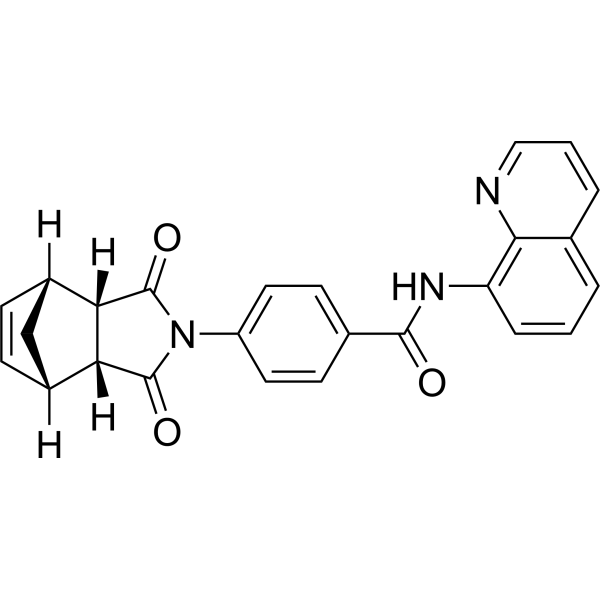
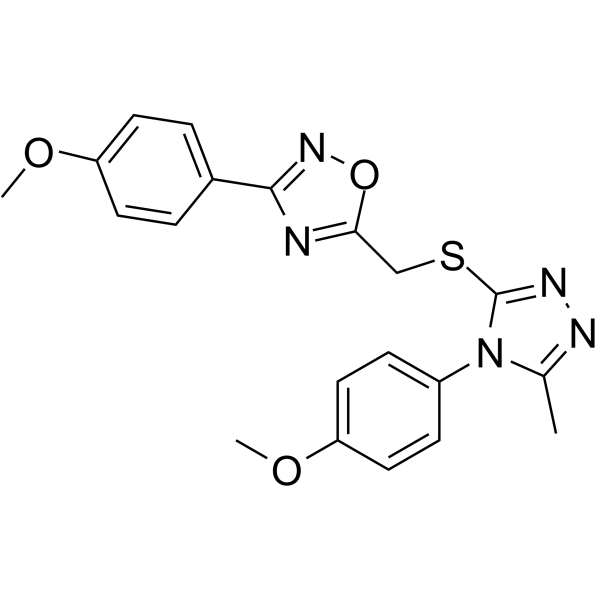
    IWR-1 (IWR-1-endo) is a tankyrase inhibitor targeting Wnt/β-catenin (IC50 = 180 nM). IWR-1 compromises critical steps of the canonical Wnt signaling, namely translocation of β-catenin to the nucleus and subsequent TCF/LEF activation and expression of Wnt/β-catenin downstream targets. IWR-1 promotes β-catenin phosphorylation by promoting stability of Axin-scaffolded destruction complexes. IWR-1 can be studied in research for anti-tumor purposes, and diseases such as osteosarcoma, colorectal cancer and psoriasis .
    IWR-1
  • HY-101085
    SKL2001
    Maximum Cited Publications
    62 Publications Verification

    Wnt β-catenin Cancer
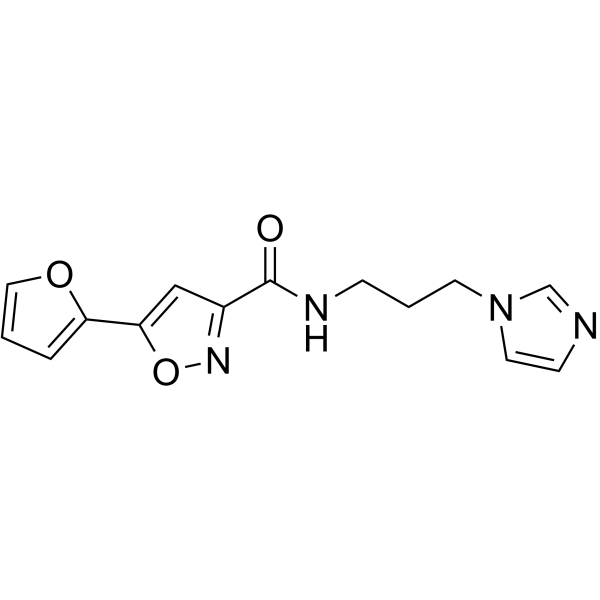
    SKL2001 is an agonist of the Wnt/β-catenin pathway, with anti-cancer activity. SKL2001 stabilizes intracellular β-catenin via disruption of the Axin/β-catenin interaction .
    SKL2001
  • HY-147245

    STP1002

    PARP Cancer
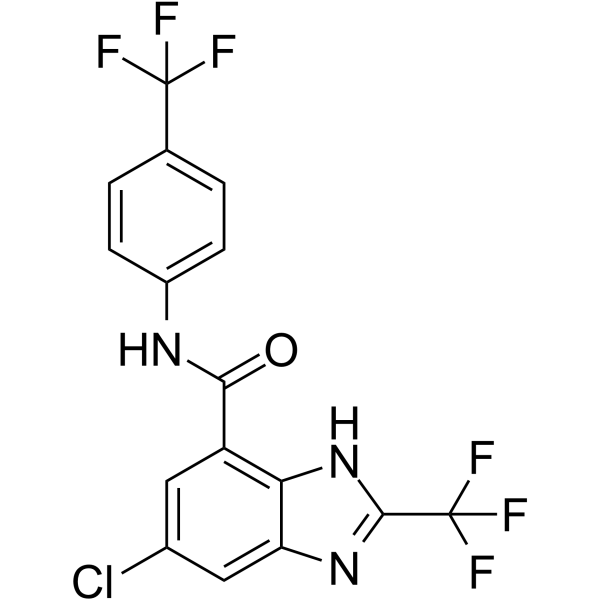
    Basroparib (STP1002) is a selective, orally active inhibitor of tankyrase (TNKS1/TNKS2) with IC50 of 29.94 nM and 3.68 nM for TNKS1 and TNKS2, respectively. Basroparib has an IC50 of >10 μM for PARP1. Basroparib binds to TNKS, stabilizes AXIN1/2 proteins, blocks Wnt/β-catenin signaling pathway, inhibits tumor cell proliferation and induces apoptosis, while reducing cancer stem cell properties. Basroparib can be used in colorectal cancer (CRC) studies with KRAS mutations (such as G12V/G12D) to overcome acquired resistance to MEK inhibitors. STP1002 has synergistic antitumor activity with MEK inhibitors .
    Basroparib
  • HY-N0059

    Parasite Bacterial AMPK PPAR Infection Neurological Disease Metabolic Disease
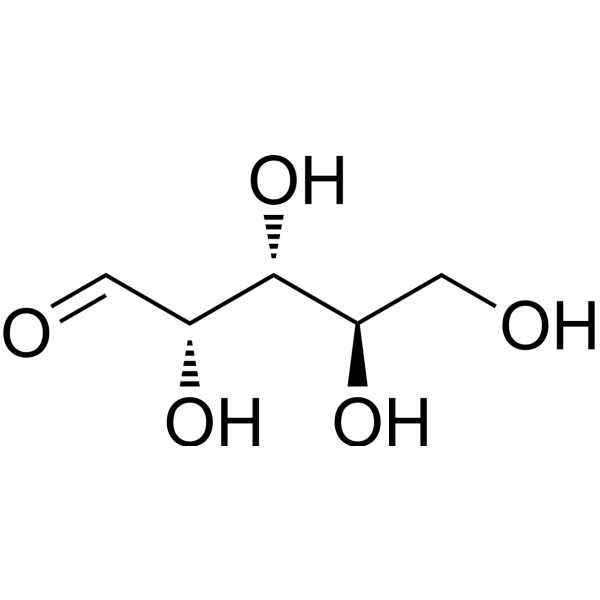
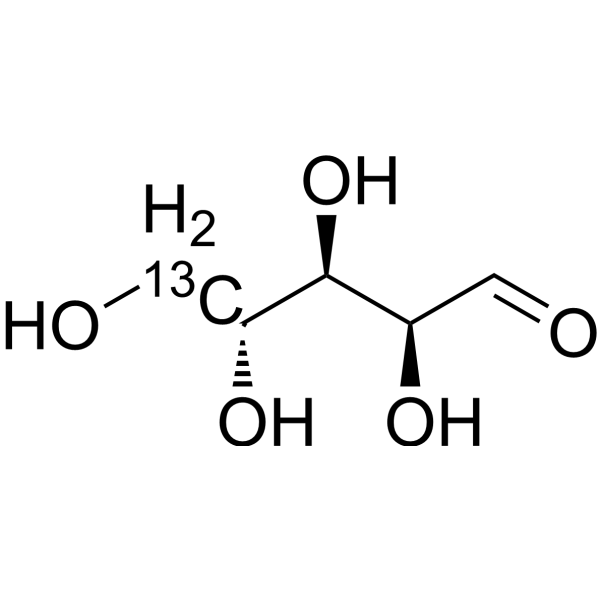
    D-Arabinose is is an orally active antidepressant and a growth inhibitor of C. elegans (IC50 is 7.5 mM). D-Arabinose can penetrate the blood-brain barrier, selectively interfere with the metabolism of D-ribose and D-fructose, and inhibit the growth of nematodes. D-Arabinose can also inhibit the synthesis of cell biofilm and exert antibacterial activity. D-Arabinose activates the ACSS2-PPARγ/TFEB-CRTC1 axis through the lysosomal AXIN-LKB1-AMPK pathway, inducing CRTC1 transcription, exerts antidepressant-like activity. D-Arabinose is the ring-opened form of the aldopentose D-?Arabinose (HY-N7082) .
    D-Arabinose
  • HY-122816
    HLY78
    10+ Cited Publications

    Wnt β-catenin Apoptosis Cardiovascular Disease Neurological Disease Cancer
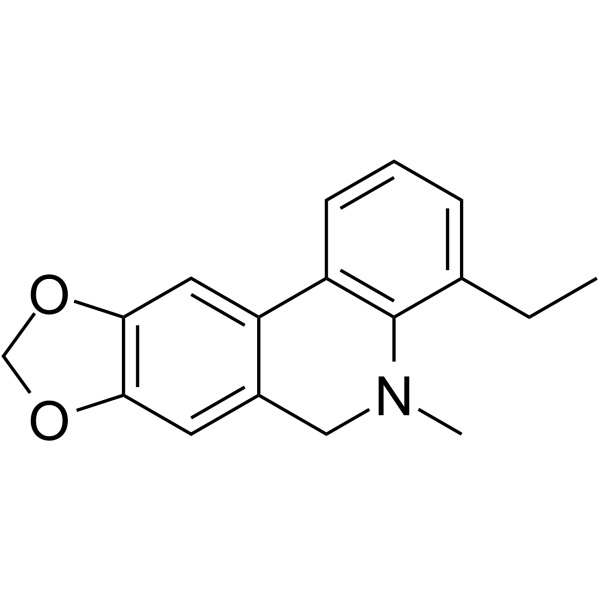
    HLY78, a Lycorine (HY-N0288) derivative, is a potent activator of the Wnt/β-catenin signaling pathway. HLY78 targets the DIX domain of Axin and promotes the Axin-LRP6 (lipoprotein receptor-related protein 6) association, thus promoting LRP6 phosphorylation and Wnt signal transduction. HLY78 can be used for subarachnoid hemorrhage (SAH) research .
    HLY78
  • HY-123851

    M2912

    PARP Cancer
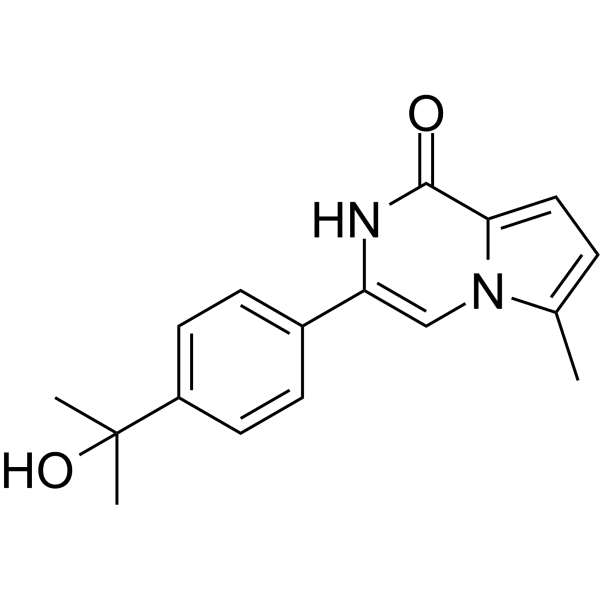
    MSC2504877 (M2912) is a potent and orally active tankyrase inhibitor with IC50s of 0.0007, 0.0008, 0.54 µM for TNKS, TNKS2, PARP1, respectively. MSC2504877 increases the expression of AXIN2 and TNKS protein levels and decreases β-catenin levels. MSC2504877 shows anti-tumor activity .
    MSC2504877
  • HY-137849

    PARP Cancer
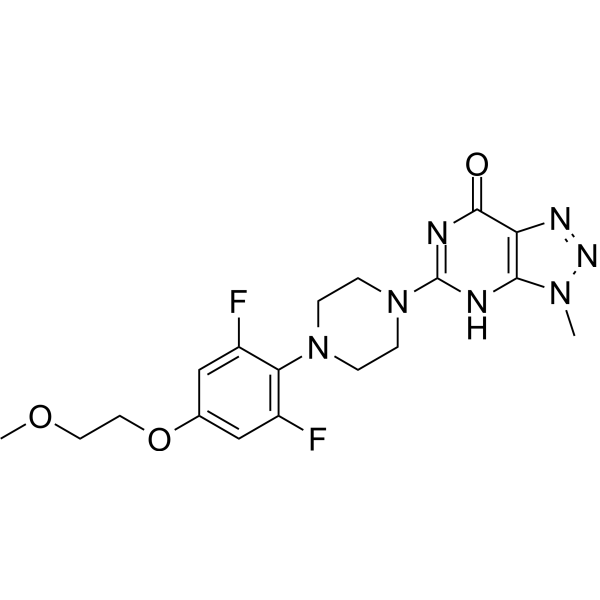
    RK-582 is a tankyrase inhibitor, antitumor agent, and orally bioavailable growth inhibitor, with an IC50 of 36.1 nM against human tankyrase-1 and an IC50 of 39.2 nM against human tankyrase-2. In APC-mutated colorectal cancer cells, the sensitivity to RK-582 correlates with the level of active β-catenin, while drug resistance associates with PIK3CA mutation. RK-582 can be used for the research of colorectal cancer .
    RK-582
  • HY-164478

    PARP Wnt β-catenin Cancer
    G-631 is an orally active tankyrase(TNKS1/TNKS2) inhibitor. G-631 stabilizes AXIN and inhibits the Wnt/β-catenin signaling pathway. G-631 can be used in studies related to cancers such as colorectal cancer .
    G-631
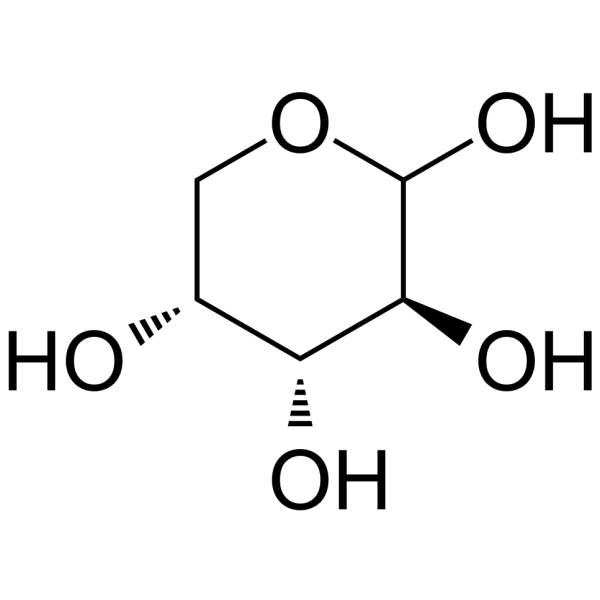
  • HY-N7082

    Parasite Bacterial AMPK PPAR Infection Neurological Disease Metabolic Disease
    D-Arabinopyranose is a rare aldehyde pentose, and its ring-opened form is D-arabinose (HY-N0059). D-arabinose is is an orally active antidepressant and a growth inhibitor of C. elegans (IC50 is 7.5 mM). D-arabinose can penetrate the blood-brain barrier, selectively interfere with the metabolism of D-ribose and D-fructose, and inhibit the growth of nematodes. D-arabinose can also inhibit the synthesis of cell biofilm and exert antibacterial activity. D-arabinose activates the ACSS2-PPARγ/TFEB-CRTC1 axis through the lysosomal AXIN-LKB1-AMPK pathway, inducing CRTC1 transcription, exerts antidepressant-like activity. D-arabinose is the ring-opened form of the aldopentose D-?Arabinose (HY-N7082) .
    D-Arabinopyranose
  • HY-108442
    JW67
    1 Publications Verification

    Wnt Cancer
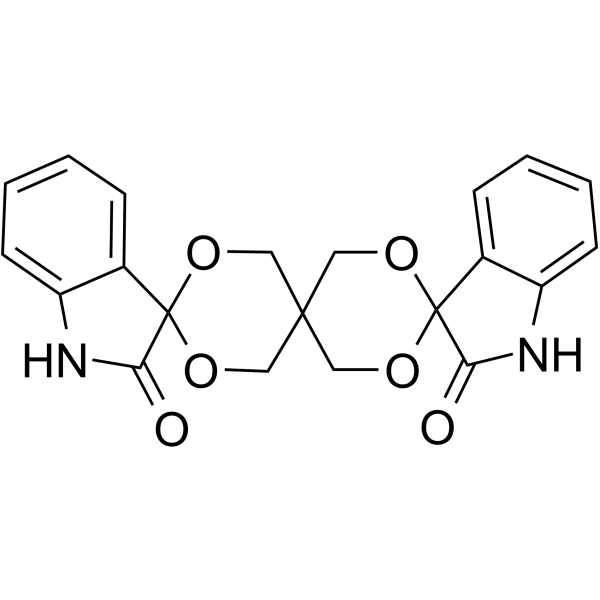
    JW67 inhibits the canonical Wnt signaling with an IC50 of 1.17μM . JW67 affects the multiprotein complex consisting of β-catenin/GSK-3β/AXIN/APC/CK1 that rapidly reduces active β-catenin with a subsequent downregulation of Wnt target genes. JW67 also inhibits colorectal cancer cell growth .
    JW67
  • HY-112799

    Wnt β-catenin c-Myc CDK Survivin Cancer
    DK419 is a potent and orally active Wnt/β-catenin signaling inhibitor, with an IC50 of 0.19 μM. DK419 reduces protein lelvels of Axin2, β-catenin, c-Myc, Cyclin D1 and Survivin and induces production of pAMPK .
    DK419
  • HY-163767

    β-catenin Inflammation/Immunology Cancer
    Antitumor agent-171 (Compound 35) is an inhibitor for β-catenin/BCL9 interaction with IC50 of 1.61 μM. Antitumor agent-171 exhibits high affinity to β-catenin with Kd of 0.63 μM. Antitumor agent-171 inhibits the gene expression of axin2 with IC50 of 0.84 μM. Antitumor agent-171 inhibits cell viability of HCT116 with IC50 of 4.39 μM. Antitumor agent-171 activates T cells, promotes antigen presentation, and exhibits antitumor efficacy and good pharmacokinetic characteristics in mouse models .
    Antitumor agent-171
  • HY-RS22402

    Small Interfering RNA (siRNA) Others

    Axin1 Mouse Pre-designed siRNA Set A contains three designed siRNAs for Axin1 gene (Mouse), as well as a negative control, a positive control, and a FAM-labeled negative control.

    Axin1 Mouse Pre-designed siRNA Set A
    Axin1 Mouse Pre-designed siRNA Set A
  • HY-RS01291

    Small Interfering RNA (siRNA) Others

    AXIN1 Human Pre-designed siRNA Set A contains three designed siRNAs for AXIN1 gene (Human), as well as a negative control, a positive control, and a FAM-labeled negative control.

    AXIN1 Human Pre-designed siRNA Set A
    AXIN1 Human Pre-designed siRNA Set A
  • HY-101085G

    Wnt β-catenin Cancer
    SKL2001 (GMP) is SKL2001 (HY-101085) produced by using GMP guidelines. SKL2001 is an agonist of the Wnt/β-catenin pathway, with anti-cancer activity. SKL2001 stabilizes intracellular β-catenin via disruption of the Axin/β-catenin interaction .
    SKL2001 (GMP)
  • HY-108516

    Wnt PARP Cancer
    TC-E 5001 is an inhibitor of Wnt pathway that inhibits tankyrase 1/2 (TNKS1/2) via novel adenosine pocket binding, with Kds of 79 nM and 28 nM, respectively. TC-E 5001 also inhibits Axin2 and STF, with IC50s of 0.709 μM and 0.215 μM, respectively .
    TC-E 5001
  • HY-P991311

    LPL Receptor Wnt Cancer
    GSK3178022 is a human IgG1 monoclonal antibody (mAb) targeting LRP6. GSK3178022 inhibits the expression of WNT target genes SP5 and AXIN2. GSK3178022 has antitumor activity in the RSPO fusion model of colorectal cancer. Recommended isotype control: Human IgG1 kappa, Isotype Control (HY-P99001) .
    GSK3178022
  • HY-12238G

    endo-IWR 1; IWR-1-endo

    Organoid Wnt Inflammation/Immunology Cancer
    IWR-1 (IWR-1-endo) (GMP) is the IWR-1 (HY-12238) produced by using GMP guidelines. GMP small molecules work appropriately as an auxiliary reagent for cell therapy manufacture. IWR-1 (IWR-1-endo) is a tankyrase inhibitor targeting Wnt/β-catenin (IC50 = 180 nM). IWR-1 compromises critical steps of the canonical Wnt signaling, namely translocation of β-catenin to the nucleus and subsequent TCF/LEF activation and expression of Wnt/β-catenin downstream targets. IWR-1 promotes β-catenin phosphorylation by promoting stability of Axin-scaffolded destruction complexes. IWR-1 can be studied in research for anti-tumor purposes, and diseases such as osteosarcoma, colorectal cancer and psoriasis .
    IWR-1
  • HY-N0059R

    Reference Standards Parasite Bacterial AMPK PPAR Infection Neurological Disease Metabolic Disease
    D-Arabinose (Standard) is the analytical standard of D-Arabinose. This product is intended for research and analytical applications. D-Arabinose is is an orally active antidepressant and a growth inhibitor of C. elegans (IC50 is 7.5 mM). D-Arabinose can penetrate the blood-brain barrier, selectively interfere with the metabolism of D-ribose and D-fructose, and inhibit the growth of nematodes. D-Arabinose can also inhibit the synthesis of cell biofilm and exert antibacterial activity. D-Arabinose activates the ACSS2-PPARγ/TFEB-CRTC1 axis through the lysosomal AXIN-LKB1-AMPK pathway, inducing CRTC1 transcription, exerts antidepressant-like activity. D-Arabinose is the ring-opened form of the aldopentose D-?Arabinose (HY-N7082) .
    D-Arabinose (Standard)
  • HY-N0059S1

    Isotope-Labeled Compounds Parasite Bacterial AMPK PPAR Infection Neurological Disease Metabolic Disease
    D-Arabinose- 13C-1 is the 13C labeled D-Arabinose (HY-N0059). D-Arabinose is is an orally active antidepressant and a growth inhibitor of C. elegans (IC50 is 7.5 mM). D-Arabinose can penetrate the blood-brain barrier, selectively interfere with the metabolism of D-ribose and D-fructose, and inhibit the growth of nematodes. D-Arabinose can also inhibit the synthesis of cell biofilm and exert antibacterial activity. D-Arabinose activates the ACSS2-PPARγ/TFEB-CRTC1 axis through the lysosomal AXIN-LKB1-AMPK pathway, inducing CRTC1 transcription, exerts antidepressant-like activity. D-Arabinose is the ring-opened form of the aldopentose D-?Arabinose (HY-N7082) .
    D-Arabinose-13C-1
  • HY-N0059S3

    Isotope-Labeled Compounds Parasite Bacterial AMPK PPAR Infection Neurological Disease Metabolic Disease
    D-Arabinose- 13C-3 is the 13C labeled D-Arabinose (HY-N0059). D-Arabinose is is an orally active antidepressant and a growth inhibitor of C. elegans (IC50 is 7.5 mM). D-Arabinose can penetrate the blood-brain barrier, selectively interfere with the metabolism of D-ribose and D-fructose, and inhibit the growth of nematodes. D-Arabinose can also inhibit the synthesis of cell biofilm and exert antibacterial activity. D-Arabinose activates the ACSS2-PPARγ/TFEB-CRTC1 axis through the lysosomal AXIN-LKB1-AMPK pathway, inducing CRTC1 transcription, exerts antidepressant-like activity. D-Arabinose is the ring-opened form of the aldopentose D-?Arabinose (HY-N7082) .
    D-Arabinose-13C-3
  • HY-RS01292

    Small Interfering RNA (siRNA) Others

    AXIN2 Human Pre-designed siRNA Set A contains three designed siRNAs for AXIN2 gene (Human), as well as a negative control, a positive control, and a FAM-labeled negative control.

    AXIN2 Human Pre-designed siRNA Set A
    AXIN2 Human Pre-designed siRNA Set A
  • HY-RS27378

    Small Interfering RNA (siRNA) Others

    Axin2 Rat Pre-designed siRNA Set A contains three designed siRNAs for Axin2 gene (Rat), as well as a negative control, a positive control, and a FAM-labeled negative control.

    Axin2 Rat Pre-designed siRNA Set A
    Axin2 Rat Pre-designed siRNA Set A
  • HY-107528

    β-catenin GSK-3 Cancer
    FRATtide is a peptide derived from the GSK-3 binding protein that inhibits the phosphorylation of Axin and β-catenin. FRATtide inhibits GSK-3 binding to Axin .
    FRATtide
  • HY-RS28926

    Small Interfering RNA (siRNA) Others
    Axin1 Rat Pre-designed siRNA Set A contains three designed siRNAs for Axin1 gene (Rat), as well as a negative control, a positive control, and a FAM-labeled negative control.
    Axin1 Rat Pre-designed siRNA Set A
    Axin1 Rat Pre-designed siRNA Set A
  • HY-141543

    β-catenin Cancer
    YW2065 is an Axin-1 stabilizer. Axin-1 is a scaffolding protein that regulates proteasome degradation of β-catenin. YW2065 exhibits anti-colorectal cancer effects via dual activities of wnt/β-catenin signaling inhibition and AMPK activation .
    YW2065
  • HY-164467

    Wnt Cancer
    CCT070535 blocks TCF-dependent transcription at the TCF level, with GI50 values of 17.6 μM, 11.1 μM, 11.8 μM and 13.4 μM in HT29 (APC mutant), HCT116 (oncogenic β-catenin), SW480 (APC mutant) and SNU475 (Axin mutant) cells, respectively .
    CCT070535
  • HY-173349

    PARP Cancer
    TDI-012804 is a TNKS2 inhibitor that selectively inhibits intracellular endogenous TNKS2 protein. TDI-012804 increases the expression of AXIN1 protein in cells that are heterozygous (Tnks1HET) and completely knocks out (Tnks1KO) for TNKS1. TDI-012804 inhibits the proliferation of ApcQ1405X/Tnks1KO organoids (EC50 of 59.1 nM) and is selectively toxic to Tnks1KO AKP-G12D and AKP-G13D organoids .
    TDI-012804
  • HY-172747

    PARP Cancer
    TNKS-2-IN-3 (Compound 5) is a selective competitive tankyrase 2 (TNKS2) inhibitor with an IC50 value of 0.3 nM, showing over 20-fold selectivity over TNKS1 and more than 100-fold selectivity over PARP1/2. TNKS-2-IN-3 stabilizes axin and suppresses the Wnt/β-catenin pathway by inhibiting TNKS2-mediated ADP-ribosylation, exhibiting antiproliferative activity in colorectal cancer cells. TNKS-2-IN-3 is proming for rasearch of solid tumors with aberrant Wnt pathway activation, such as colorectal cancer .
    TNKS-2-IN-3
  • HY-N0059S4

    Isotope-Labeled Compounds Parasite Bacterial AMPK PPAR Infection Neurological Disease Metabolic Disease
    D-Arabinose-d2 is the deuterium labeled D-Arabinose (HY-N0059). D-Arabinose is is an orally active antidepressant and a growth inhibitor of C. elegans (IC50 is 7.5 mM). D-Arabinose can penetrate the blood-brain barrier, selectively interfere with the metabolism of D-ribose and D-fructose, and inhibit the growth of nematodes. D-Arabinose can also inhibit the synthesis of cell biofilm and exert antibacterial activity. D-Arabinose activates the ACSS2-PPARγ/TFEB-CRTC1 axis through the lysosomal AXIN-LKB1-AMPK pathway, inducing CRTC1 transcription, exerts antidepressant-like activity. D-Arabinose is the ring-opened form of the aldopentose D-?Arabinose (HY-N7082) .
    D-Arabinose-d2
  • HY-N0059S

    Isotope-Labeled Compounds Parasite Bacterial AMPK PPAR Infection Neurological Disease Metabolic Disease
    D-Arabinose- 13C is the 13C labeled D-Arabinose (HY-N0059). D-Arabinose is is an orally active antidepressant and a growth inhibitor of C. elegans (IC50 is 7.5 mM). D-Arabinose can penetrate the blood-brain barrier, selectively interfere with the metabolism of D-ribose and D-fructose, and inhibit the growth of nematodes. D-Arabinose can also inhibit the synthesis of cell biofilm and exert antibacterial activity. D-Arabinose activates the ACSS2-PPARγ/TFEB-CRTC1 axis through the lysosomal AXIN-LKB1-AMPK pathway, inducing CRTC1 transcription, exerts antidepressant-like activity. D-Arabinose is the ring-opened form of the aldopentose D-?Arabinose (HY-N7082) .
    D-Arabinose-13C
  • HY-N0059S6

    Isotope-Labeled Compounds Parasite Bacterial AMPK PPAR Infection Neurological Disease Metabolic Disease
    D-Arabinose-d6 is the deuterium labeled D-Arabinose (HY-N0059). D-Arabinose is is an orally active antidepressant and a growth inhibitor of C. elegans (IC50 is 7.5 mM). D-Arabinose can penetrate the blood-brain barrier, selectively interfere with the metabolism of D-ribose and D-fructose, and inhibit the growth of nematodes. D-Arabinose can also inhibit the synthesis of cell biofilm and exert antibacterial activity. D-Arabinose activates the ACSS2-PPARγ/TFEB-CRTC1 axis through the lysosomal AXIN-LKB1-AMPK pathway, inducing CRTC1 transcription, exerts antidepressant-like activity. D-Arabinose is the ring-opened form of the aldopentose D-?Arabinose (HY-N7082) .
    D-Arabinose-d6
  • HY-N0059S5

    Isotope-Labeled Compounds Parasite Bacterial AMPK PPAR Infection Neurological Disease Metabolic Disease
    D-Arabinose-d5 is the deuterium labeled D-Arabinose (HY-N0059). D-Arabinose is is an orally active antidepressant and a growth inhibitor of C. elegans (IC50 is 7.5 mM). D-Arabinose can penetrate the blood-brain barrier, selectively interfere with the metabolism of D-ribose and D-fructose, and inhibit the growth of nematodes. D-Arabinose can also inhibit the synthesis of cell biofilm and exert antibacterial activity. D-Arabinose activates the ACSS2-PPARγ/TFEB-CRTC1 axis through the lysosomal AXIN-LKB1-AMPK pathway, inducing CRTC1 transcription, exerts antidepressant-like activity. D-Arabinose is the ring-opened form of the aldopentose D-?Arabinose (HY-N7082) .
    D-Arabinose-d5
  • HY-N0059S2

    Isotope-Labeled Compounds Parasite Bacterial AMPK PPAR Infection Neurological Disease Metabolic Disease
    D-Arabinose- 13C-2 is the 13C labeled D-Arabinose (HY-N0059). D-Arabinose is is an orally active antidepressant and a growth inhibitor of C. elegans (IC50 is 7.5 mM). D-Arabinose can penetrate the blood-brain barrier, selectively interfere with the metabolism of D-ribose and D-fructose, and inhibit the growth of nematodes. D-Arabinose can also inhibit the synthesis of cell biofilm and exert antibacterial activity. D-Arabinose activates the ACSS2-PPARγ/TFEB-CRTC1 axis through the lysosomal AXIN-LKB1-AMPK pathway, inducing CRTC1 transcription, exerts antidepressant-like activity. D-Arabinose is the ring-opened form of the aldopentose D-?Arabinose (HY-N7082) .
    D-arabinose-13C-2
  • HY-N7082S

    Isotope-Labeled Compounds Parasite Bacterial AMPK PPAR Infection Neurological Disease Metabolic Disease
    D-Arabinopyranos- 13C5 is 13C labeled D-Arabinopyranos (HY-N7082). D-Arabinopyranose is a rare aldehyde pentose, and its ring-opened form is D-arabinose (HY-N0059). D-arabinose is is an orally active antidepressant and a growth inhibitor of C. elegans (IC50 is 7.5 mM). D-arabinose can penetrate the blood-brain barrier, selectively interfere with the metabolism of D-ribose and D-fructose, and inhibit the growth of nematodes. D-arabinose can also inhibit the synthesis of cell biofilm and exert antibacterial activity. D-arabinose activates the ACSS2-PPARγ/TFEB-CRTC1 axis through the lysosomal AXIN-LKB1-AMPK pathway, inducing CRTC1 transcription, exerts antidepressant-like activity. D-arabinose is the ring-opened form of the aldopentose D-?Arabinose (HY-N7082) .
    D-Arabinopyranose-13C5
  • HY-RS20863

    Small Interfering RNA (siRNA) Others

    Axin2 Mouse Pre-designed siRNA Set A contains three designed siRNAs for Axin2 gene (Mouse), as well as a negative control, a positive control, and a FAM-labeled negative control.

    Axin2 Mouse Pre-designed siRNA Set A
    Axin2 Mouse Pre-designed siRNA Set A
  • HY-108442R

    Reference Standards Wnt Cancer
    JW67 (Standard) is the analytical standard of JW67 (HY-108442). This product is intended for research and analytical applications. JW67 inhibits the canonical Wnt signaling with an IC50 of 1.17μM . JW67 affects the multiprotein complex consisting of β-catenin/GSK-3β/AXIN/APC/CK1 that rapidly reduces active β-catenin with a subsequent downregulation of Wnt target genes. JW67 also inhibits colorectal cancer cell growth .
    JW67 (Standard)
  • HY-180449

    Microtubule/Tubulin Wnt Cancer
    Anticancer agent 291 (Compound 2406) is an anti-cancer agent. Anticancer agent 291 interferes with the integrity of the β-tubulin cytoskeleton and inhibits the Wnt/β-catenin signal transduction. Anticancer agent 291 significantly inhibits the invasion, migration and colony formation of tumor cells. Anticancer agent 291 induces the cell cycle of EC-9706 and HT-29 cells to arrest at the G2/M phase and inhibits cell proliferation. Anticancer agent 291 can be used for the study of gastrointestinal cancer .
    AXIN2/β-catenin-IN-1
  • HY-114943

    PARP Wnt β-catenin Cancer
    TNKS-IN-1 is a selective and potent tankyrase (TNKS1/TNKS2) inhibitor with IC50 values of 7.9 nM and 8.7 nM. TNKS-IN-1 induces axin2 accumulation with an EC50 of 1500 nM. TNKS-IN-1 can antagonize the Wnt signal transduction pathway by stabilizing axin proteins and promoting β-catenin degradation. TNKS-IN-1 can be used for the research of colorectal cancer .
    TNKS-IN-1
  • HY-101085R

    Wnt Reference Standards β-catenin Cancer
    SKL2001 (Standard) is the analytical standard of SKL2001 (HY-101085). This product is intended for research and analytical applications. SKL2001 is an agonist of the Wnt/β-catenin pathway, with anti-cancer activity. SKL2001 stabilizes intracellular β-catenin via disruption of the Axin/β-catenin interaction .
    SKL2001 (Standard)
  • HY-181930

    Wnt c-Myc Apoptosis Cancer
    TNIK-IN-10 (Compound N15) is a TNIK inhibitor with an IC50 of 0.49 nM against human TNIK. TNIK-IN-10 inhibits the enzymatic activity of TNIK, downregulates the expression of Wnt pathway target genes c-Myc and AXIN2, and reduces the protein expression of LRP5 and LRP6. TNIK-IN-10 induces apoptosis. TNIK-IN-10 exhibits anticancer activity against colorectal cancer. TNIK-IN-10 can be used in the research of colorectal cancer .
    TNIK-IN-10
  • HY-165503

    Wnt β-catenin Cancer
    AZ1366 is an orally active tankyrase inhibitor. AZ1366 stabilizes Axin2, reduces NuMA levels, disrupts the interaction between tankyrase and NuMA, induces G2/M phase arrest, inhibits the Wnt pathway, and downregulates the expression of β-catenin-dependent genes. AZ1366 inhibits tumor growth in colorectal cancer xenograft models. AZ1366 synergistically inhibits the proliferation of non-small cell lung cancer cells, improves tumor control and significantly prolongs survival in orthotopic non-small cell lung cancer mouse models. AZ1366 is applicable to research related to colorectal cancer and non-small cell lung cancer .
    AZ1366

Inquiry Online

Your information is safe with us. * Required Fields.

Salutation


Country or Region *

Applicant Name *


Organization Name *

Department *


Email Address *


Product Name *

Cat. No.


Requested quantity *

Phone Number *


Remarks

Inquiry Online

Inquiry Information

Product Name:
Cat. No.:
Quantity:
MCE Japan Authorized Agent:

