1. Search Result
Search Result
Pathways Recommended: Stem Cell/Wnt Cell Cycle/DNA Damage
Results for "

B16-F10 tumor cells

" in MedChemExpress (MCE) Product Catalog:

21

Inhibitors & Agonists

1

Inhibitory Antibodies

4

Natural
Products

1

Isotope-Labeled Compounds

1

Click Chemistry

1

Oligonucleotides

Cat. No. Product Name Target Research Areas Chemical Structure
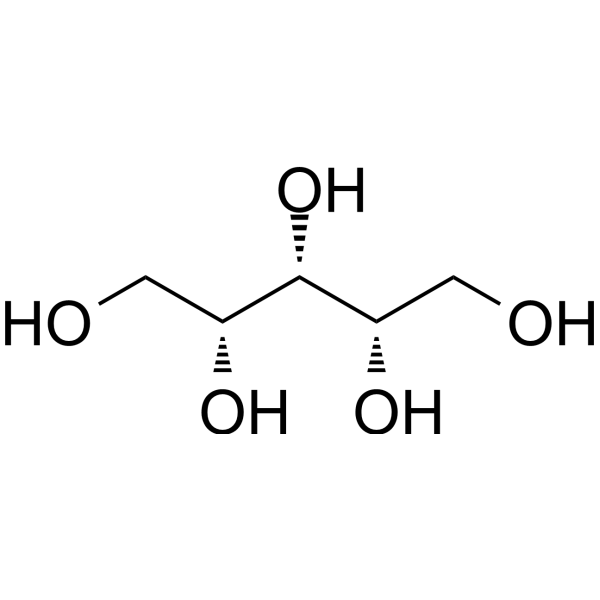
  • HY-N0538

    Xylite

    Environmental Pollutants Endogenous Metabolite Bacterial Autophagy Atg7 Atg8/LC3 Metabolic Disease Cancer
    Xylitol can be classified as a polyol and sugar alcohol, exhibiting inhibitory activity on cancer cell proliferation. It induces autophagy (Autophagy) and cell death in A549 cells by activating the autophagy signaling pathway, as evidenced by the increased expression of LC3-II and Atg5-Atg12 upon Xylitol treatment. Additionally, Xylitol inhibits acetaldehyde production by Candida species, thereby reducing their carcinogenic potential. In vivo, Xylitol induces alterations in the gut microbiota of mice, which may enhance cholesterol accumulation and upregulate hepatic ChREBP, while also slowing tumor growth in the B16F10 melanoma C57BL/6 mouse model .
    Xylitol
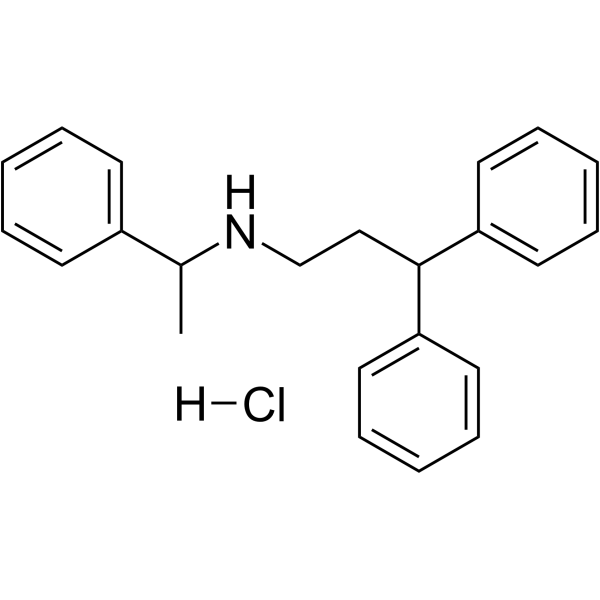
  • HY-B0984
    Fendiline hydrochloride
    3 Publications Verification

    Calcium Channel Ras STING Autophagy Infection Cardiovascular Disease Cancer
    Fendiline hydrochloride, a diphenylalkylamine type of antianginal agent, is an L-type calcium channel blocker (IC50 of 17 µM). Fendiline hydrochloride is also a selective K-Ras inhibitor, and has no effect on H-Ras and N-Ras. Fendiline hydrochloride inhibits K-Ras plasma membrane localization (IC50 of 9.64 μM), inhibits K-Ras signal output and blocks the proliferation of pancreatic, colon, lung, and endometrial cancer cell lines expressing oncogenic mutant K-Ras. Fendiline hydrochloride is a STING agonist and is able to inhibit the growth of multiple refractory cold tumors (MC38, CT26 and B16F10) .
    Fendiline hydrochloride
  • HY-162275

    Histone Demethylase Histone Methyltransferase STAT Cancer
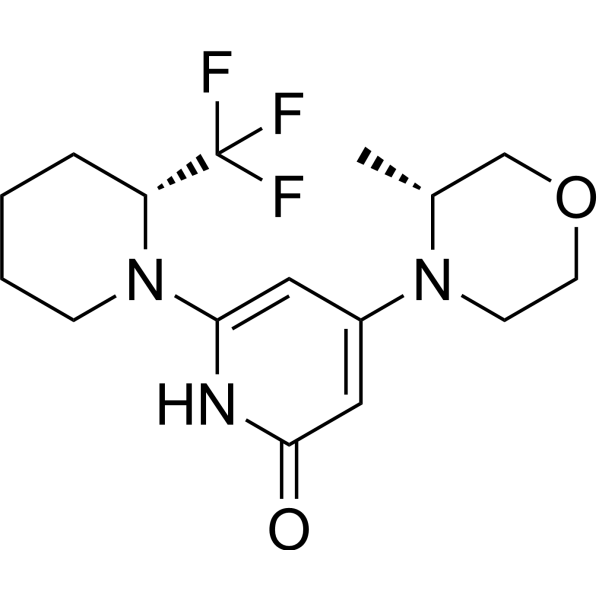
    JMJD1C-IN-1 is an orally active and selective inhibitor of JMJD1C (IC50 = 0.59 μM, Kd = 1.96 μM). JMJD1C-IN-1 inhibits the binding of JMJD1C to H3K9me2 peptide substrate in the HTRF assay (IC50 = 1.47 μM). JMJD1C-IN-1 disrupts intratumoral regulatory T (Treg) cell fitness by dual mechanisms: promoting H3K9me2 accumulation to downregulate PD1 expression and reducing STAT3 demethylation to enhance STAT3 activation. JMJD1C-IN-1 demonstrates dose-dependent antitumor efficacy in multiple mouse tumor models (MCA205 fibrosarcoma, B16-F10 melanoma, LLC lung cancer, Hepa1-6 hepatocellular carcinoma, CT26 colorectal cancer). JMJD1C-IN-1 can be used for the study of tumor immunotherapy by selectively targeting intratumoral Treg cells .
    JMJD1C-IN-1
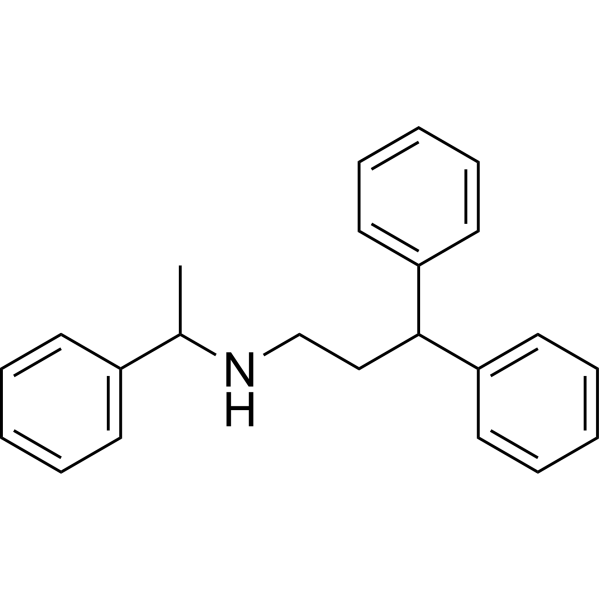
  • HY-B0984A
    Fendiline
    3 Publications Verification

    Calcium Channel Ras STING Autophagy Infection Cardiovascular Disease Cancer
    Fendiline, a diphenylalkylamine type of antianginal agent, is an L-type calcium channel blocker (IC50 of 17 µM). Fendiline is also a selective K-Ras inhibitor, and has no effect on H-Ras and N-Ras. Fendiline inhibits K-Ras plasma membrane localization (IC50 of 9.64 μM), inhibits K-Ras signal output and blocks the proliferation of pancreatic, colon, lung, and endometrial cancer cell lines expressing oncogenic mutant K-Ras. Fendiline is a STING agonist and is able to inhibit the growth of multiple refractory cold tumors (MC38, CT26 and B16F10) .
    Fendiline
  • HY-122891
    SB02024
    1 Publications Verification

    PI3K CXCR STAT Cancer
    SB02024 is a potent and orally active VPS34 inhibitor. SB02024 inhibits Vps34 kinase activity. SB02024 induces CCL5 and CXCL10 via STAT1/IRF7. SB02024 shows anticancer activity .
    SB02024
  • HY-174830

    PD-1/PD-L1 Cancer
    GJ19 is a PD-L1 inhibitor with an IC50 of 32.06 nM. GJ19 can effectively bind to human/murine PD-L1 protein with Kd values of 171 and 290 nM, respectively. GJ19 concentration-dependently promotes HepG2 cell mortality in a co-culture model of HepG2/hPD-L1 and Jurkat T/hPD-1 cells. GJ19 effectively suppresses tumor growth in a B16-F10 melanoma mouse model. GJ19 can be used for the study of tumor immunotherapy .
    GJ19
  • HY-175381

    PROTACs Pyroptosis Reactive Oxygen Species (ROS) Caspase Cancer
    DeFer-2 is a ferritin PROTAC degrader (Kd = 17.1 μM). DeFer-2 induces ferritin degradation, triggering caspase 3-GSDME-mediated pyroptosis in cancer cells through free iron accumulation and elevated ROS. DeFer-2 significantly inhibits tumor growth and prolongs survival in mice bearing B16F10 subcutaneous tumors. DeFer-2 can be used to study melanoma. (Pink: Oleic acid: HY-N1446, Blue: (S,R,S)-AHPC: HY-125845, Black: γ-Aminobutyric acid: HY-N0067, Blue + Black: (S,R,S)-AHPC-C3-NH2: HY-130711) .
    DeFer-2
  • HY-B0984R

    Calcium Channel Ras STING Autophagy Reference Standards Infection Cardiovascular Disease Cancer
    Fendiline (hydrochloride) (Standard) is the analytical standard of Fendiline (hydrochloride). This product is intended for research and analytical applications. Fendiline hydrochloride, a diphenylalkylamine type of antianginal agent, is an L-type calcium channel blocker (IC50 of 17 µM). Fendiline hydrochloride is also a selective K-Ras inhibitor, and has no effect on H-Ras and N-Ras. Fendiline hydrochloride inhibits K-Ras plasma membrane localization (IC50 of 9.64 μM), inhibits K-Ras signal output and blocks the proliferation of pancreatic, colon, lung, and endometrial cancer cell lines expressing oncogenic mutant K-Ras. Fendiline hydrochloride is a STING agonist and is able to inhibit the growth of multiple refractory cold tumors (MC38, CT26 and B16F10) .
    Fendiline hydrochloride (Standard)
  • HY-N9339

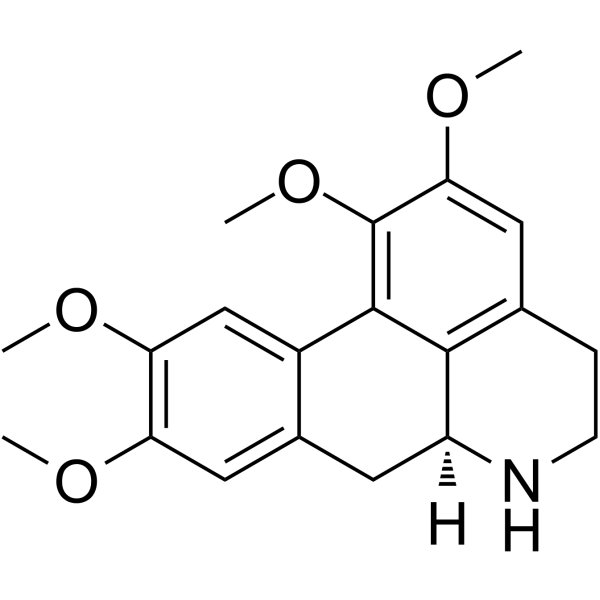
    (+)-Norglaucine

    Others Cancer
    Norglaucine ((+)-Norglaucine), a cytotoxic alkaloid, exhibits cytotoxicity towards the tumor cell lines B16-F10, HepG2, K562 and HL-60 cells .
    Norglaucine
  • HY-175014

    PD-1/PD-L1 Biochemical Assay Reagents Cancer
    LGT-1 is a PD-L1 ligand. LGT-1 labeled with 18F has an excellent specific uptake in B16-F10 tumor cells, and shows a high tumor uptake but a low liver uptake with good stability in B16-F10 tumor-bearing mice model. LGT-1 can be used as a radiotracer for PET imaging of PD-L1 expression in tumors .
    LGT-1
  • HY-174468

    LYTACs PD-1/PD-L1 HSP Cancer
    dPDL1-4 is a potent and selective eHSPTAC eHSP90 PD-L1 degrader with DC50s of 7.77 μM and 6.52 μM in HeLa and B16F10 cells. dPDL1-4 bridges eHSP90 with the target protein, inducing lysosomal degradation. dPDL1-4 can degrade PD-L1 significantly and inhibits tumor growth. dPDL1-4 can be used for the study of cervical cancer and melanoma. ((Pink: eHSP90 ligand (HY-174476); Blue: PD-L1 ligand (HY-116274); Black: Linker (HY-W021787); HSP ligand + linker: HY-174799)) .
    dPDL1-4
  • HY-169392

    PD-1/PD-L1 Cancer
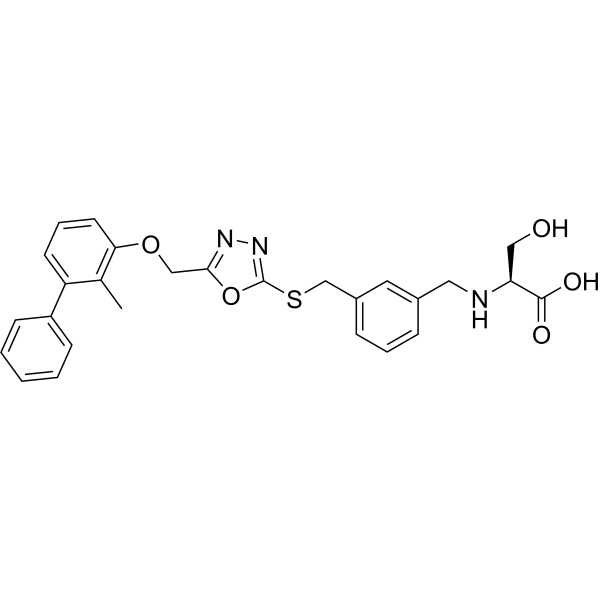
    D5B is a potent and selective PD-L1 inhibitor. D5B has been modified by DBCO. The EC50 of D5B degrading PD-L1 in 4T1 and B16-F10 tumor cells are 5.4 μM and 6.2 μM, respectively. D5B can block PD-L1/PD-1 interaction and has anti-tumor activity .
    D5B
  • HY-W587938

    (+)-γ-Eudesmol

    Apoptosis Cancer
    γ-Eudesmol ((+)-γ-Eudesmol) is a mitochondrial-mediated apoptosis inducer. γ-Eudesmol binds mitochondrial membrane proteins, triggering depolarization of mitochondrial membrane potential and activating caspase cascades. γ-Eudesmol demonstrates cytotoxicity against multiple tumor cell lines (e.g., HepG2, B16-F10) with IC50 values ranging from 8.86-15.15 μg/mL. γ-Eudesmol is promising for research of cancers, such as hepatocellular carcinoma and melanoma .
    γ-Eudesmol
  • HY-175369

    PI3K Akt PD-1/PD-L1 Interleukin Related CD3 Inflammation/Immunology Cancer
    PI3Kδ-IN-25 is an orally active selective PI3Kδ inhibitor (IC50 = 2.1 nM). PI3Kδ-IN-25 has IC50s of 272, 285, and 1171 nM for PI3Kα, PI3Kγ, and PI3Kβ, respectively. PI3Kδ-IN-25 inhibits AKT Ser473 phosphorylation, suppresses Treg cell proliferation, and downregulates PD-L1 expression in B16F10 cells. PI3Kδ-IN-25 exhibits anticancer effects in B16F10 melanoma and Lewis lung cancer mouse models by reducing tumor-infiltrating Treg cells and enhancing immune responses. PI3Kδ-IN-25 is potentially useful in the study of melanoma, lung cancer, and other cancers .
    PI3Kδ-IN-25
  • HY-156085

    PD-1/PD-L1 Cancer
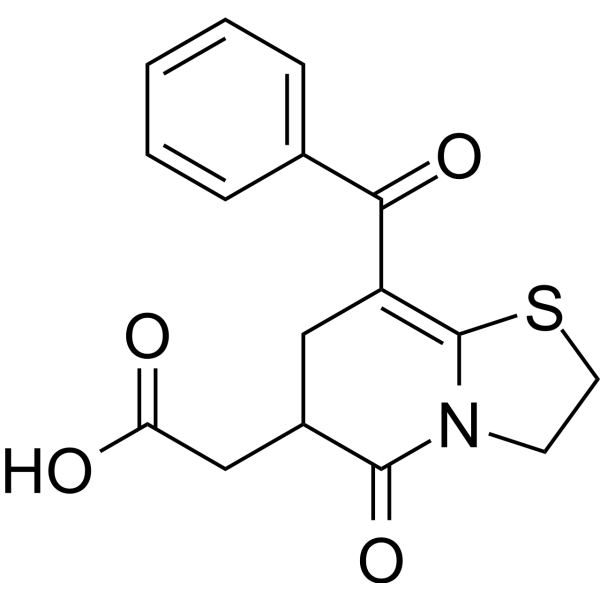
    LP23 is a non-arylmethylamine PD-1/PD-L1 inhibitor (IC50: 16.7 nM) with anti-tumor activity. LP23 restores immune cell function in HepG2/Jurkat T cells and promotes HepG2 cell death. LP23 is active in vivo in the B16-F10 tumor model (TGI=88.6% at 30 mg/kg) .
    LP23
  • HY-120241

    K 251-1

    Phosphodiesterase (PDE) Cancer
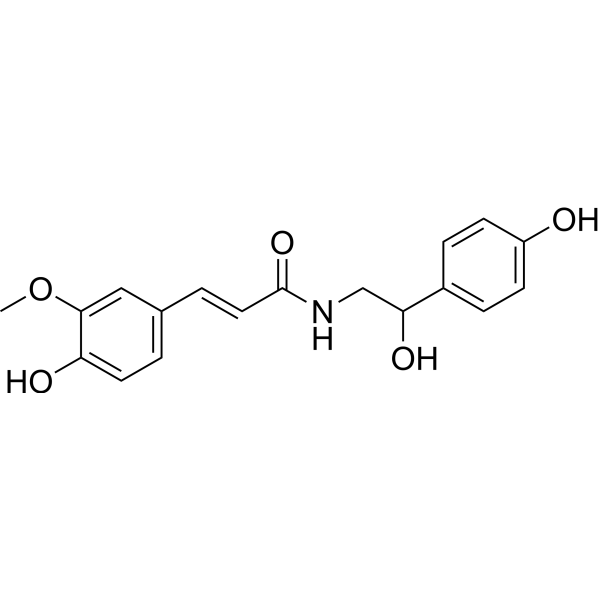
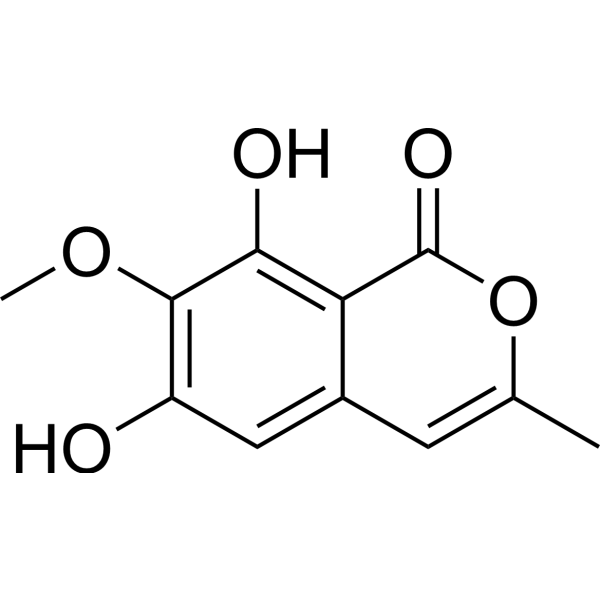
    Reticulol (K 251-1) is an inhibitor of cyclic adenosine 3', 5'-monophosphate phosphodiesterase. Reticulol shows antitumor activity independent with cell cycle arrest or apoptosis. Reticulol inhibits cell growth of murine melanoma cells and human lung tumor cells. Reticulol protects its lung metastasis via the bloodstream by inhibiting the growth of B16F10 melanoma .
    Reticulol
  • HY-W768347

    Xylite-13C5

    Isotope-Labeled Compounds Bacterial Autophagy Endogenous Metabolite Atg8/LC3 Atg7 Cancer
    Xylitol- 13C5 (Xylite- 13C5) is the 13C-labeled Xylitol (HY-N0538). Xylitol can be classified as a polyol and sugar alcohol, exhibiting inhibitory activity on cancer cell proliferation. It induces autophagy (Autophagy) and cell death in A549 cells by activating the autophagy signaling pathway, as evidenced by the increased expression of LC3-II and Atg5-Atg12 upon Xylitol treatment. Additionally, Xylitol inhibits acetaldehyde production by Candida species, thereby reducing their carcinogenic potential. In vivo, Xylitol induces alterations in the gut microbiota of mice, which may enhance cholesterol accumulation and upregulate hepatic ChREBP, while also slowing tumor growth in the B16F10 melanoma C57BL/6 mouse model .
    Xylitol-13C5
  • HY-179372

    Microtubule/Tubulin Apoptosis Cancer
    Tubulin polymerization-IN-84 inhibits tubulin polymerization by targeting the colchicine-binding pocket, with anIC50 = 10.9 μM. Tubulin polymerization-IN-84 shows antiproliferative activity against Jurkat, B16-F10, HCT116, and MDA-MB-231 cells (IC50 = 60 nM, 380 nM, 138 nM, and 1.054 μM). Tubulin polymerization-IN-84 induces G2/M-phase arrest and apoptosis in B16-F10 cells. Tubulin polymerization-IN-84 suppresses tumor growth in a B16-F10 melanoma model and potentiates anti-tumor immunity in combination with a PD-L1 mAb for the research of T-cell acute lymphoblastic leukemia, melanoma, colon cancer, and breast cancer.
    Tubulin polymerization-IN-84
  • HY-P990154

    Transmembrane Glycoprotein Inflammation/Immunology Cancer
    Anti-Mouse TIM-1/CD365 Antibody (3B3) is a rat-derived IgG2a κ type agonistic antibody, targeting to mouse TIM-1/CD365. Anti-Mouse TIM-1/CD365 Antibody (3B3) enhances T-cell proliferation and responses by forming a stable TIM-1 complex and bringing TIM-1 into the T-cell receptor (TCR)-CD3 complex. Anti-Mouse TIM-1/CD365 Antibody (3B3) can be used for the researches of cancer, inflammation and immunology, such as experimental autoimmune encephalomyelitis, B16 F10 tumor and transplant .
    Anti-Mouse TIM-1/CD365 Antibody (3B3)
  • HY-163534

    PD-1/PD-L1 Cancer
    PD-1/PD-L1-IN-43 (compound Z13) is a small-molecule inhibitors targeting the PD-1/PD-L1 interaction. PD-1/PD-L1-IN-43 exhibites potent in vivo antitumor efficacy against B16-F10 melanoma. PD-1/PD-L1-IN-43 inhibits tumor growth by blocking the interaction between PD-1 and PD-L1. PD-1/PD-L1-IN-43 can be used in anti-tumor studies .
    PD-1/PD-L1-IN-43
  • HY-180825

    Apoptosis Reactive Oxygen Species (ROS) Inflammation/Immunology Cancer
    Anticancer agent 292 (Compound P4) is a photosensitizer for anti-melanoma. Anticancer agent 292 shows good biocompatibility under dark conditions and, upon illumination, induces apoptosis and partial necrosis in B16-F10 cells by disrupting the lysosomal membrane. Anticancer agent 292 not only directly kills tumor cells through the generation of reactive oxygen species (ROS), but also induces immune-prone cell death (ICD), thereby generating anti-tumor immune effects. Anticancer agent 292 can be used in the research of photodynamic therapy for melanoma .
    Anticancer agent 292

Inquiry Online

Your information is safe with us. * Required Fields.

Salutation


Country or Region *

Applicant Name *


Organization Name *

Department *


Email Address *


Product Name *

Cat. No.


Requested quantity *

Phone Number *


Remarks

Inquiry Online

Inquiry Information

Product Name:
Cat. No.:
Quantity:
MCE Japan Authorized Agent:

