
73 Results for "

Bone metabolism

" in MedChemExpress (MCE) Product Catalog:
Products (73)

73 Results for "Bone metabolism" in MCE Product Catalog:

31
31 Publications Verification
Cat. No.: HY-D0886
CAS No.: 13408-09-8
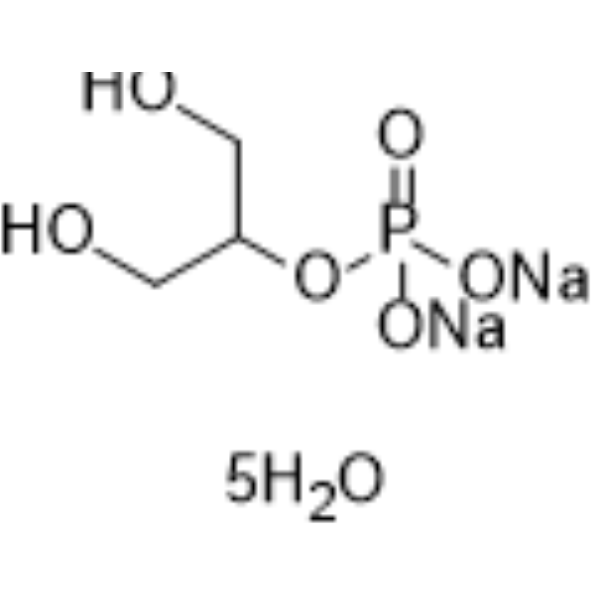
β-Glycerophosphate disodium salt pentahydrate is a bioactive endogenous metabolite and a phosphatase inhibitor. β-Glycerophosphate disodium salt pentahydrate plays an important role in inducing and maintaining osteoblast differentiation, mineral metabolism and signal transduction, and can be used as a drug carrier to form heat-sensitive hydrogels. β-Glycerophosphate disodium salt hydrate accelerates the calcification of vascular smooth muscle cells .
loading...
    loading...
31
31 Publications Verification
Cat. No.: HY-126304
CAS No.: 154804-51-0
Purity:  ≥98.0%
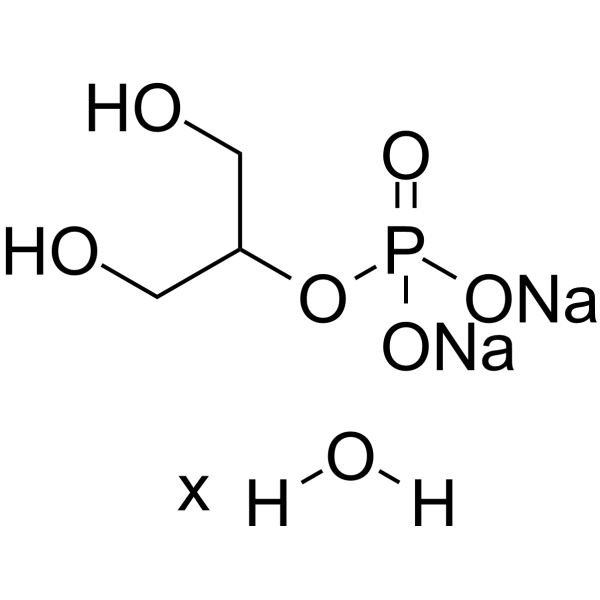
β-Glycerophosphate disodium salt pentahydrate is a bioactive endogenous metabolite and a phosphatase inhibitor. β-Glycerophosphate disodium salt pentahydrate plays an important role in inducing and maintaining osteoblast differentiation, mineral metabolism and signal transduction, and can be used as a drug carrier to form heat-sensitive hydrogels. β-Glycerophosphate disodium salt hydrate accelerates the calcification of vascular smooth muscle cells .
loading...
    loading...
20
20 Cited Publications
Cat. No.: HY-13738A
CAS No.: 82640-04-8
Purity:  99.78%
Synonyms: Keoxifene hydrochloride; LY156758; LY139481 hydrochloride
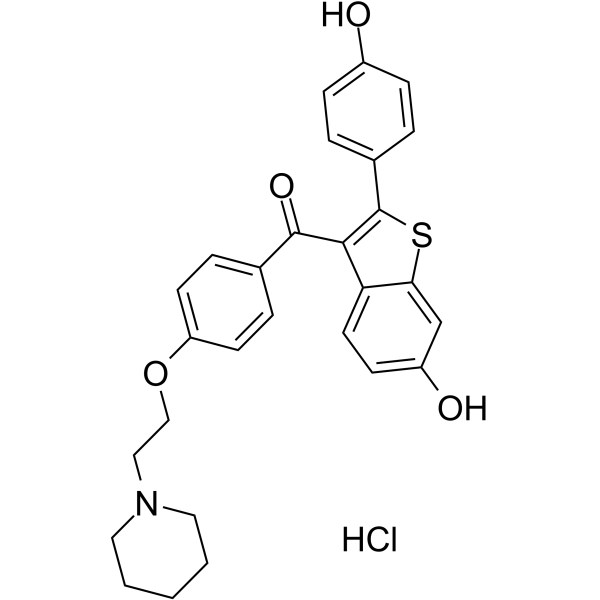
Raloxifene hydrochloride (Keoxifene hydrochloride) is a second generation selective and orally active estrogen receptor modulator. Raloxifene hydrochloride produces estrogen-agonistic effects on bone and lipid metabolism and estrogen-antagonistic effects on uterine endometrium and breast tissue .
loading...
    loading...
8
8 Cited Publications
Cat. No.: HY-N0684
CAS No.: 84-80-0
Synonyms: Phylloquinone; Phytomenadione
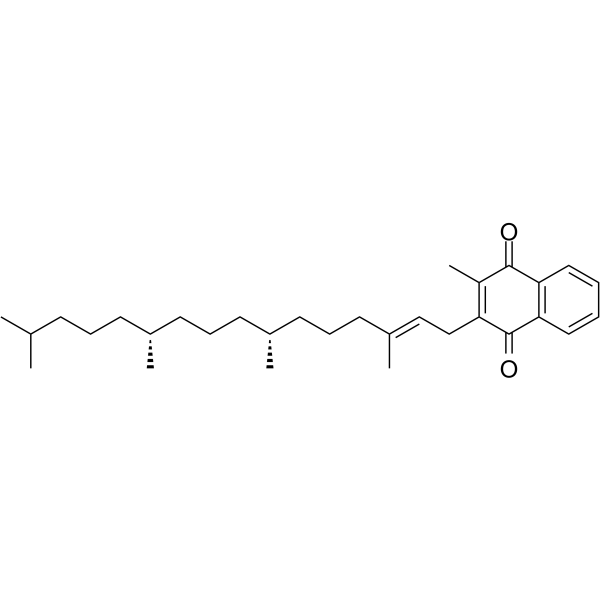
Vitamin K1 a naturally occurring vitamin required for blood coagulation and bone and vascular metabolism.
loading...
    loading...
4
4 Cited Publications
Cat. No.: HY-B0388
CAS No.: 23288-49-5
Synonyms: DH-581
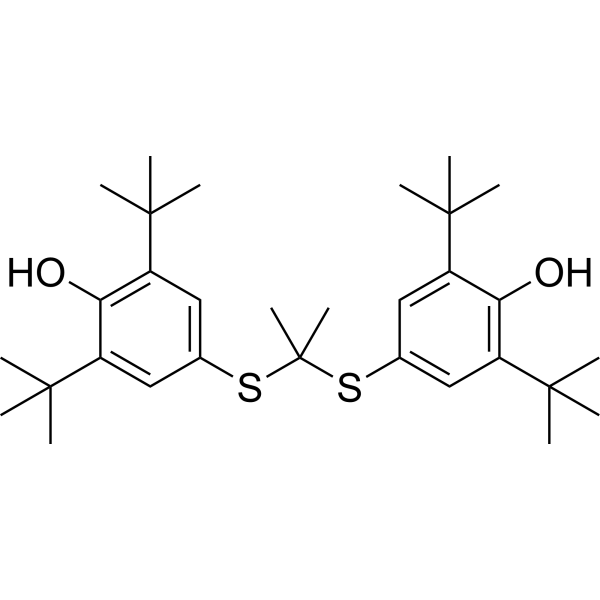
Probucol (DH-581) is an anti-hyperlipidemic agent. Probucol activates glutathione peroxidase. Probucol promotes low density lipoprotein (LDL) catabolism, inhibits ABCA1-dependent cholesterol efflux, and decreases HDL-C levels. Probucol also has anti-inflammatory, antioxidant and neuroprotective properties. Probucol can be used for researches on bone, cardiovascular, cancer, neurological, and metabolism-related diseases .
loading...
    loading...
4
4 Cited Publications
Cat. No.: HY-13273
CAS No.: 841205-47-8
Purity:  99.90%
Synonyms: MK-2866; GTX-024; Enobosarm
Target:  

Androgen Receptor

Research Areas:  

Others Cancer

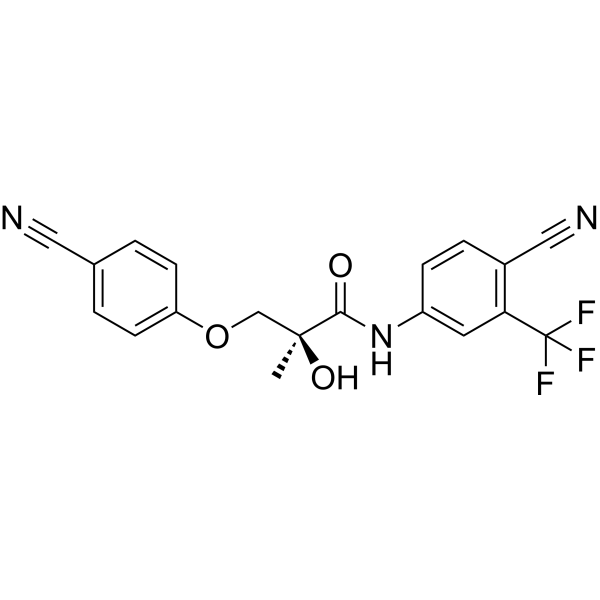
Ostarine (MK-2866) is a selective androgen receptor modulator (SARMs) that regulates cardiomyocyte function, improves bone healing, regulates uterine function, and influences muscle tissue metabolism .
loading...
    loading...
3
3 Cited Publications
Cat. No.: HY-18719
CAS No.: 112093-28-4
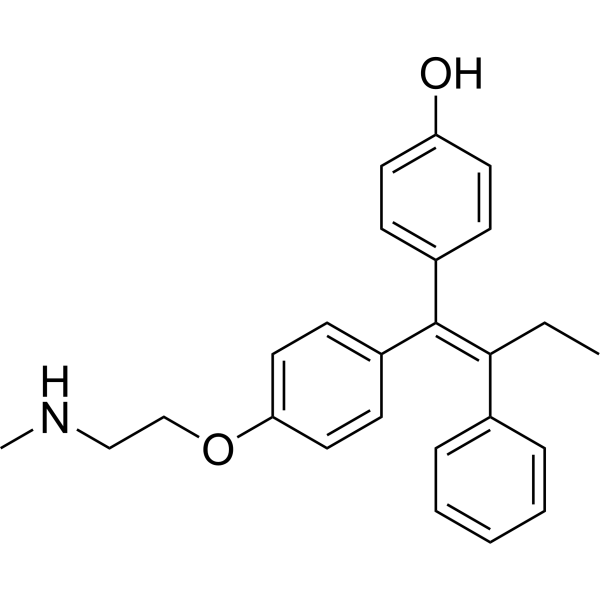
Endoxifen Z-isomer is an orally active selective PKCβ1 inhibitor with an IC50 of 360 nM against human PKCβ1. Endoxifen Z-isomer also acts as an estrogen receptor modulator and antiestrogen. Endoxifen Z-isomer binds to and blocks ERα, ERβ and PKCβ1, inhibits estrogen and PI3K/AKT/mTORC1 signaling pathways, suppresses the expression of genes associated with cell cycle, cell proliferation and extracellular matrix remodeling, and induces apoptosis, reactive oxygen species (ROS) production and hypoxic features. Endoxifen Z-isomer inhibits tumor growth in breast tumor and glioblastoma models, reduces bone turnover and blood lipid levels, and does not require metabolism via CYP2D6. Endoxifen Z-isomer can be used in research related to ER + breast cancer, invasive breast cancer, glioblastoma multiforme, type I bipolar disorder, desmoid tumor, gynecological malignancies, melanoma and hormone receptor-positive solid tumors .
loading...
    loading...
3
3 Cited Publications
Cat. No.: HY-N2532
CAS No.: 22055-22-7
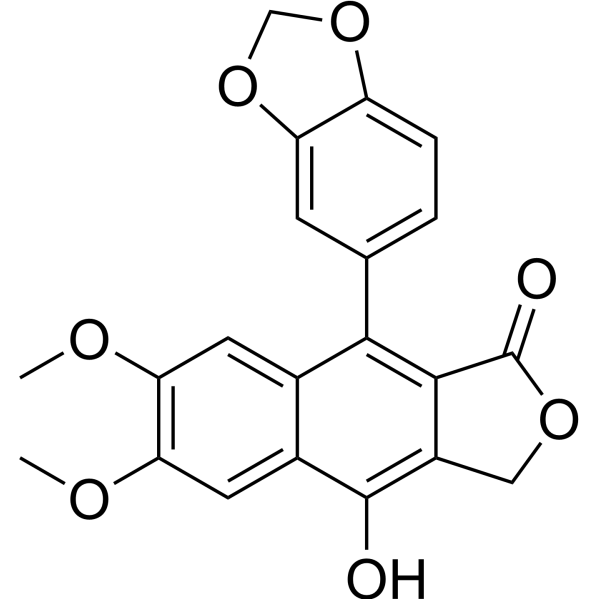
Diphyllin is an orally active V-ATPase inhibitor (IC50=17 nM) and HIV-1 inhibitor (IC50=0.38 μM). Diphyllin blocks the acidification of osteoclast lysosomes and bone resorption lacunas (IC50=0.6 nM for acid influx inhibition), thereby inhibiting bone resorption. Diphyllin can effectively inhibit osteoclast-mediated bone resorption and has no effect on osteoblastic bone formation. Diphyllin can be used in the research of bone metabolism-related diseases and has the potential to inhibit diseases related to excessive bone resorption .
loading...
    loading...
3
3 Cited Publications
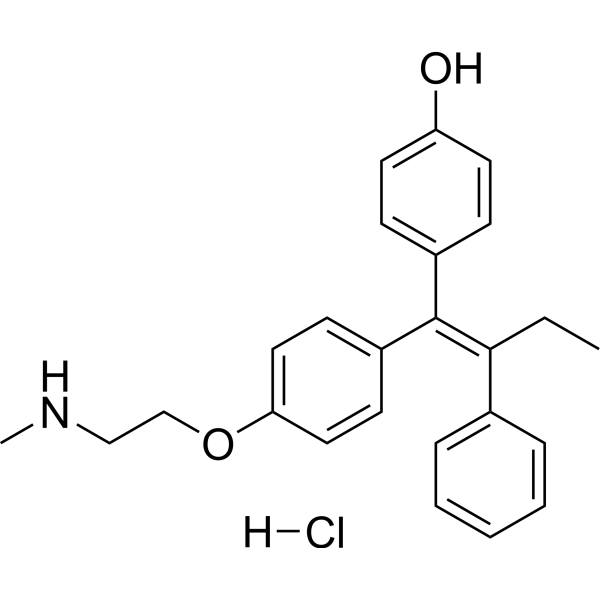
Cat. No.: HY-18719A
CAS No.: 1032008-74-4
Endoxifen Z-isomer hydrochloride is an orally active selective PKCβ1 inhibitor with an IC50 of 360 nM against human PKCβ1. It also acts as an estrogen receptor modulator and antiestrogen. Endoxifen Z-isomer hydrochloride binds to and blocks ERα, ERβ and PKCβ1, inhibits estrogen and PI3K/AKT/mTORC1 signaling pathways, suppresses the expression of genes associated with cell cycle, cell proliferation and extracellular matrix remodeling, and induces apoptosis, reactive oxygen species (ROS) production and hypoxic features. Endoxifen Z-isomer hydrochloride inhibits tumor growth in breast tumor and glioblastoma models, reduces bone turnover and blood lipid levels, and does not require metabolism via CYP2D6. It can be used in research related to ER + breast cancer, invasive breast cancer, glioblastoma multiforme, type I bipolar disorder, desmoid tumor, gynecological malignancies, melanoma and hormone receptor-positive solid tumors .
loading...
    loading...
2
2 Cited Publications
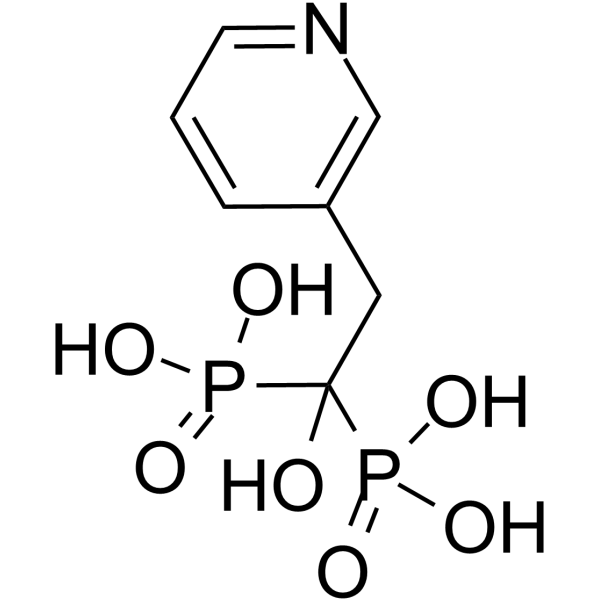
Cat. No.: HY-B0148
CAS No.: 105462-24-6
Synonyms: Risedronate
Target:  

Parasite Apoptosis

Research Areas:  

Infection Metabolic Disease Cancer

Risedronic acid (Risedronate) is a bisphosphonate and potent antiresorptive agent. Risedronic acid induces Apoptosis. Risedronic acid inhibits the transfer of farnesyl pyrophosphate groups to parasite proteins. Risedronic acid inhibits osteoclast-mediated bone resorption and alters bone metabolism. Risedronic acid inhibits blood-stage Plasmodium falciparum (IC50 of 20.3 μM) .
loading...
    loading...
2
2 Cited Publications
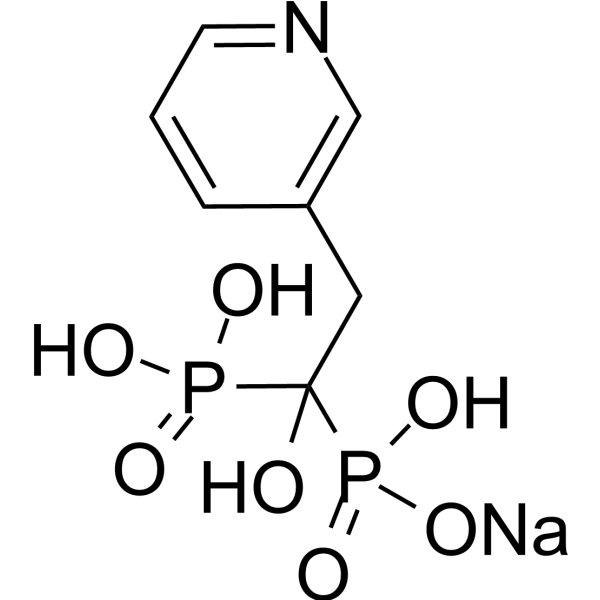
Cat. No.: HY-B0119
CAS No.: 115436-72-1
Synonyms: Risedronate sodium
Target:  

Parasite Apoptosis

Research Areas:  

Infection Metabolic Disease Cancer

Risedronic acid (Risedronate) sodium, a bisphosphonate, is a potent anti-resorption agent that inhibits osteoclast-mediated bone resorption and changes the bone metabolism. Risedronic acid sodium suppresses osteoblast differentiation and induced caspase- and isoprenoid depletion-dependent apoptosis. Risedronic acid sodium inhibits blood stages of Plasmodium falciparum (IC50 of 20.3 μM). Risedronic acid sodium inhibits the transfer of the farnesyl pyrophosphate group to parasite proteins .
loading...
    loading...
2
2 Cited Publications
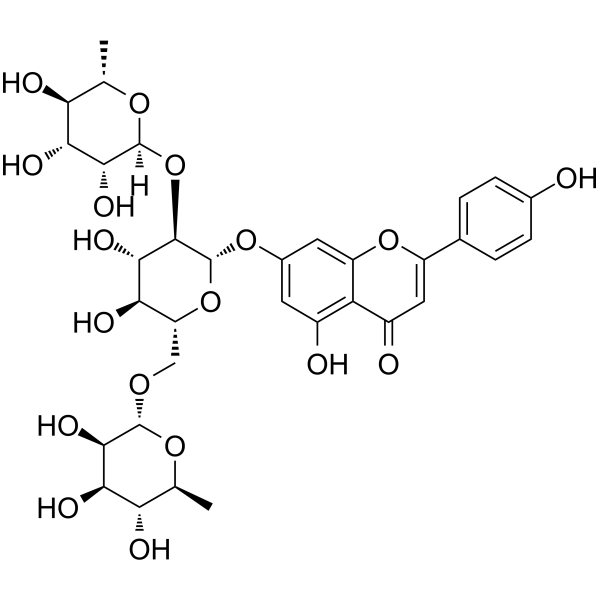
Cat. No.: HY-N0546
CAS No.: 260413-62-5
Synonyms: Nuezhenoside
Ligustroflavone is an orally active flavonoid compound. Ligustroflavone can be extracted from Ligustrum lucidum. Ligustroflavone antagonizes the calcium-sensing receptor (CaSR), inhibits the RIPK1/RIPK3/MLKL pathway, and downregulates TGF-β/Smad signaling. Ligustroflavone regulates calcium metabolism, protects bone tissue, reduces cerebral ischemic injury, and inhibits liver fibrosis. Ligustroflavone can be used in the study of diabetic osteoporosis, ischemic stroke, and liver fibrosis .
loading...
    loading...
1
1 Cited Publications
Cat. No.: HY-N1499
CAS No.: 13133-07-8
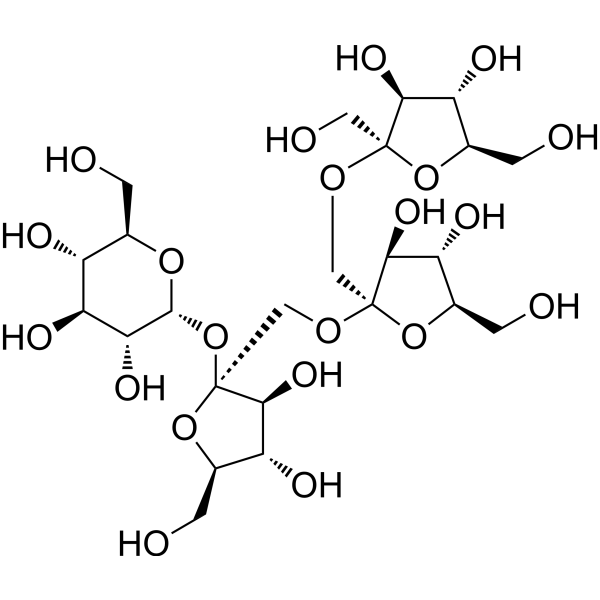
Nystose is a tetrasaccharide with two fructose molecules linked via beta (1→2) bonds to the fructosyl moiety of sucrose. Nystose exhibits prebiotic, immunomodulatory, and metabolism regulating activities. Nystose promotes the bone mineralization by activating the Wnt/β-catenin signaling pathway .
loading...
    loading...
1
1 Cited Publications
Cat. No.: HY-P99590A
Synonyms: RAP-011
Sotatercept (mIgG2a) (RAP-011), the murine homolog of Sotatercept (ACE-011) (HY-P99590), is a soluble activin receptor type IIA (ActRIIA) ligand trap. Sotatercept (mIgG2a) inhibits the binding of activin A and other members of the TGF-β superfamily (such as Activin A/B, GDF11 and BMP9/10) to their receptors by combining and neutralizing them, thereby regulating cell proliferation and differentiation. Sotatercept (mIgG2a) mainly inhibits the SMAD2/3 signaling pathway, and can be used in various diseases such as chronic kidney disease. Sotatercept (mIgG2a) reduces the expression of erythropoietic hepcidin (ERFE), regulates iron metabolism, and promotes red blood cell production. Sotatercept (mIgG2a) has a dual effect of promoting bone formation (anabolic) and inhibiting bone resorption (catabolic) .
loading...
    loading...
1
1 Cited Publications
Cat. No.: HY-W016409
CAS No.: 3943-89-3
Synonyms: Protocatechuic acid ethyl ester
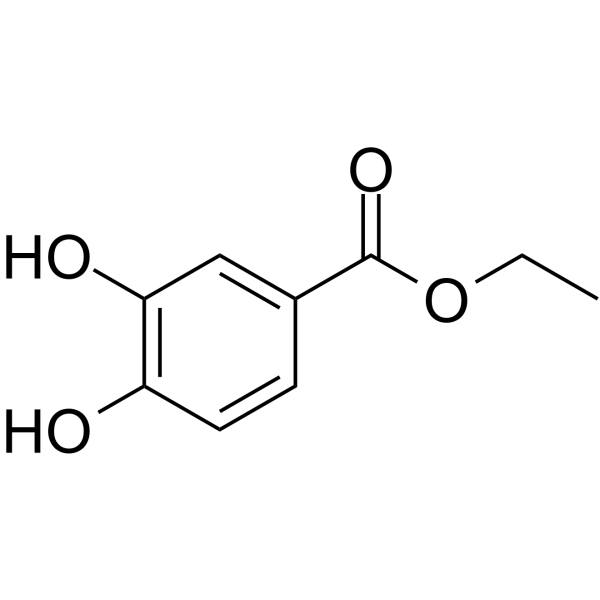
Ethyl 3,4-dihydroxybenzoate (Protocatechuic acid ethyl ester) is an orally effective, blood-brain barrier-permeable, competitive prolyl hydroxylase (PHD) inhibitor that inhibits the hydroxylation modification of hypoxia-inducible factor (HIF) by PHD. Ethyl 3,4-dihydroxybenzoate stabilizes HIF-1α by inhibiting PHD, activates downstream pathways to induce autophagy and apoptosis of tumor cells, and regulates inflammatory responses, inhibits the NF-κB pathway, improves vascular permeability, and promotes osteoblast differentiation. Ethyl 3,4-dihydroxybenzoate has anti-tumor, anti-hypoxic injury, and bone metabolism regulation effects. It can also be used in the research of cardiovascular protection (such as reducing myocardial ischemic damage), bone tissue engineering (promoting osteogenesis/inhibiting osteoclast differentiation), and prevention and treatment of high-altitude cerebral edema .
loading...
    loading...
1
1 Cited Publications
Cat. No.: HY-12398A
CAS No.: 173388-21-1
Purity:  99.30%
Target:  

VD/VDR

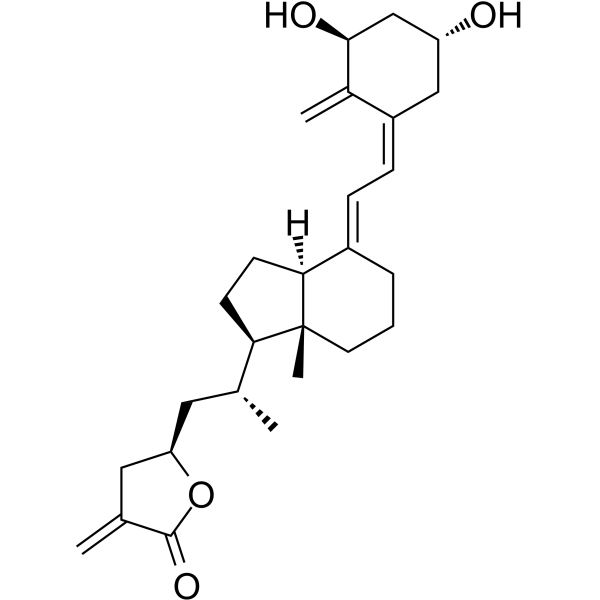
TEI-9648, a Vitamin D3 Lactone analogue, is a potent and specific vitamin D receptor (VDR) antagonist. TEI-9648 inhibits VDR/VDRE-mediated genomic actions of 1α,25(OH)2D3. TEI-9648 also inhibits HL-60 cell differentiation induced by of 1α,25(OH)2D3. TEI-9648 has the potential for bone metabolism research .
loading...
    loading...
1
1 Cited Publications
Cat. No.: HY-113440
CAS No.: 712-09-4
Purity:  99.95%
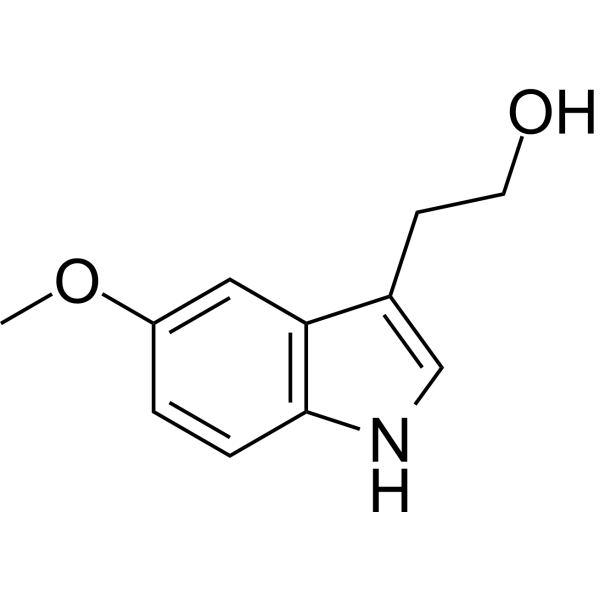
5-Methoxytryptophol is a 5-methoxyindole alcohol structurally homologous to Melatonin (HY-B0075). It is secreted by the mammalian pineal gland and exhibits an inverse circadian rhythm. 5-Methoxytryptophol regulates bone metabolism by activating the ERK1/2 pathway. It reduces the levels of pro-inflammatory cytokines TNF-α and IL-1β, as well as proteolytic enzymes MMP-1 and MMP-2, in serum and dental pulp tissues, thereby ameliorating acute pulpitis. 5-Methoxytryptophol induces rapid sleep in mice, while high doses cause respiratory depression and death. 5-Methoxytryptophol. 5-Methoxytryptophol can be used in studies related to acute pulpitis, hypnosis, and bone metabolism .
loading...
    loading...
Cat. No.: HY-130237
CAS No.: 88082-60-4
Purity:  97.25%
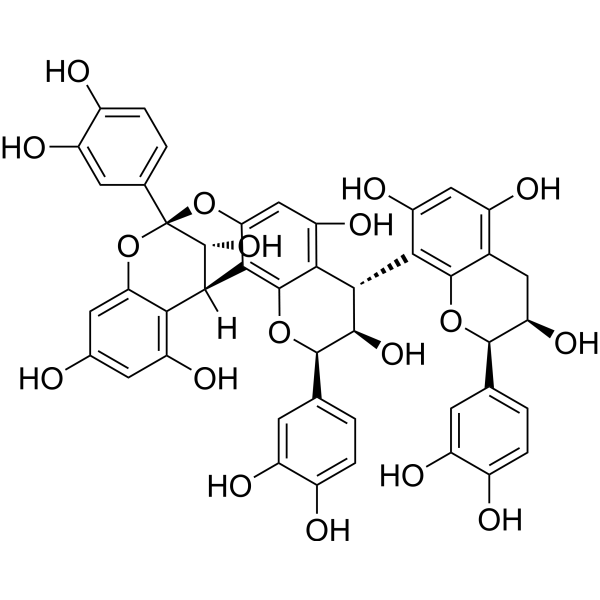
Cinnamtannin B-1 is a anthocyanidin. Cinnamtannin B-1 inhibits the osteoclast formation by inhibiting NF-kB signaling pathway and ROS generation. Cinnamtannin B-1 exhibits antioxidant, anti-inflammatory, antitumor and anti-platelet aggregation activities. Cinnamtannin B-1 is orally active .
loading...
    loading...
Cat. No.: HY-W014901
CAS No.: 620-92-8
Synonyms: BPF; 4,4'-Dihydroxydiphenylmethane
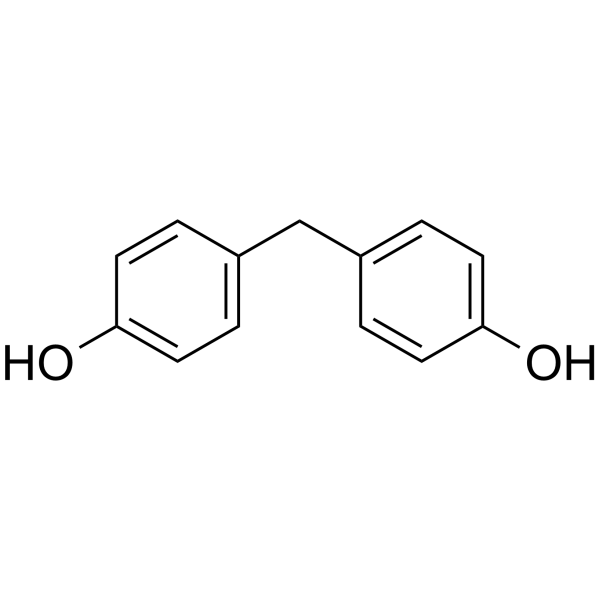
Bisphenol F is an orally active endocrine disruptor. Bisphenol F promotes ROS generation, upregulates p-AKT/p-GSK3β, and induces Apoptosis. Bisphenol F interferes with glucose metabolism, affects neurodevelopment and reproductive function. Bisphenol F reduces social novelty preference in mouse offspring. Bisphenol F can be used in bone, blood, and fat-related studies. Bisphenol F is used as a substitute for Bisphenol A (HY-18260) .
loading...
    loading...
Cat. No.: HY-W110927
CAS No.: 130-22-3
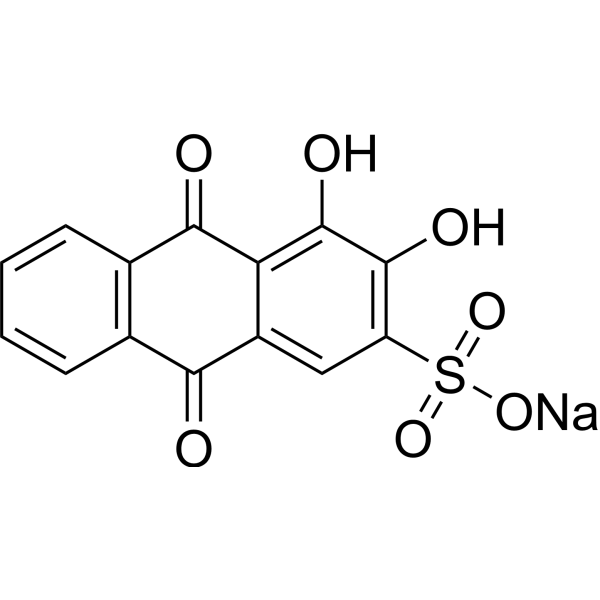
Alizarin red S indicator (C.I. 58005) is a reductively active (quinone-based) anthraquinone dye that forms complexes with metal ions (such as zirconium, calcium) or boric acid to label calcium deposition and perform electrochemical sensing functions. Alizarin Red S undergoes reversible redox reactions (for electrochemical detection) and irreversible chelation (for bone staining). Alizarin Red S is mainly used in bone metabolism research (labeling mineralized tissue), sugar detection (boric acid-sugar competition system) and metal ion sensing (such as zirconium ion detection), and can be used in osteoporosis and metabolic disease research .
loading...
    loading...

