From 11:00 pm to 12:00 pm EST ( 8:00 pm to 9:00 pm PST ) on January 6th, the website will be under maintenance. We are sorry for the inconvenience. Please arrange your schedule properly.
GW9508 is a potent and selective G protein-coupled receptors FFA1 (GPR40) and GPR120 agonist with pEC50s of 7.32 and 5.46, respectively. GW9508 shows ~100-fold selectivity for GPR40 over GPR120. GW9508 is inactive against other GPCRs, kinases, proteases, integrins and PPARs. GW9508 is a glucose-sensitive insulin secretagogue and an ATP-sensitive potassium (KATP) channels opener. Anti-inflammatory and anti-atherosclerotic activities .
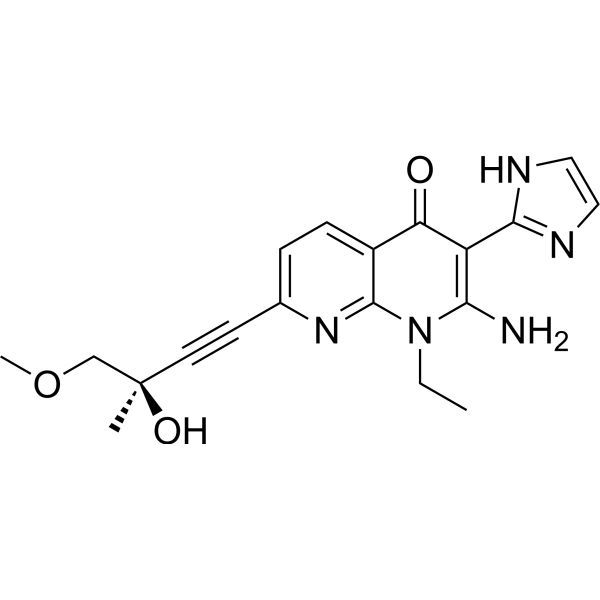
EVT801 is an orally active and selective inhibitor of VEGFR-3 (IC50=11 nM), which has antitumor effects. EVT801 inhibits not only VEGF-C-induced human endothelial cell proliferation, but also tumor (lymphatic) angiogenesis in tumor mouse models. EVT801 can reduce tumor hypoxia, immunosuppressive cytokines (CCL4, CCL5) and myeloid derived suppressor cells (MDSC) production. EVT801 has synergistic effect with immune checkpoint therapy (ICT), which improves ICT response rate and has better inhibitory effect on cancer mouse models . EVT801 is a click chemistry reagent, it contains an Alkyne group and can undergo copper-catalyzed azide-alkyne cycloaddition (CuAAc) with molecules containing Azide groups.
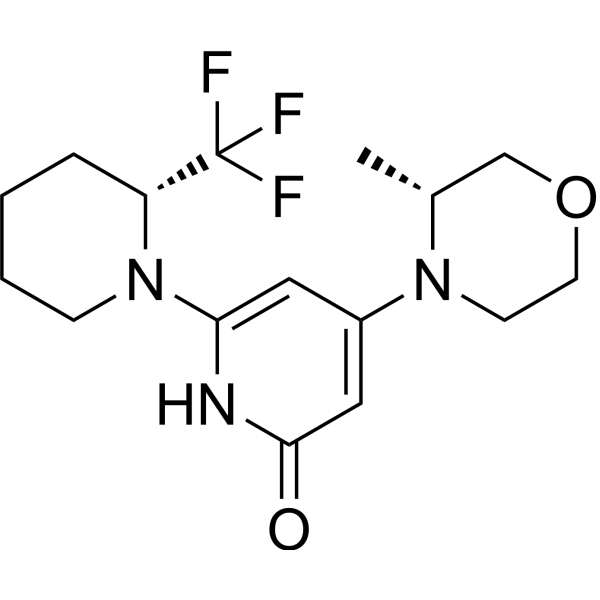
SB02024 is a potent and orally active VPS34 inhibitor. SB02024 inhibits Vps34 kinase activity. SB02024 induces CCL5 and CXCL10 via STAT1/IRF7. SB02024 shows anticancer activity .
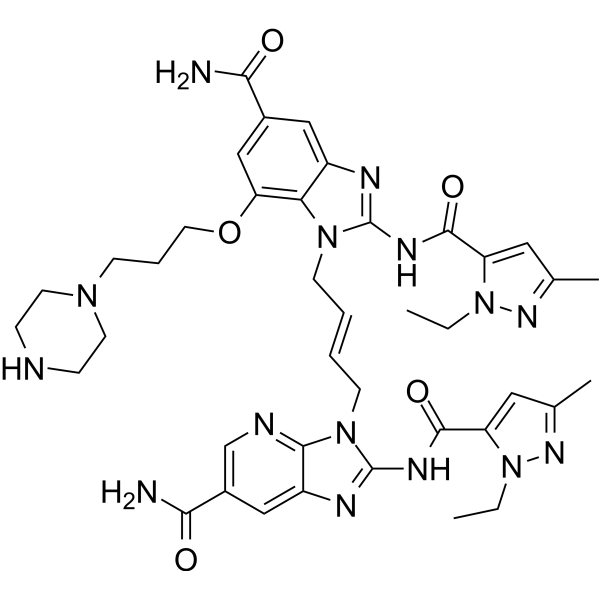
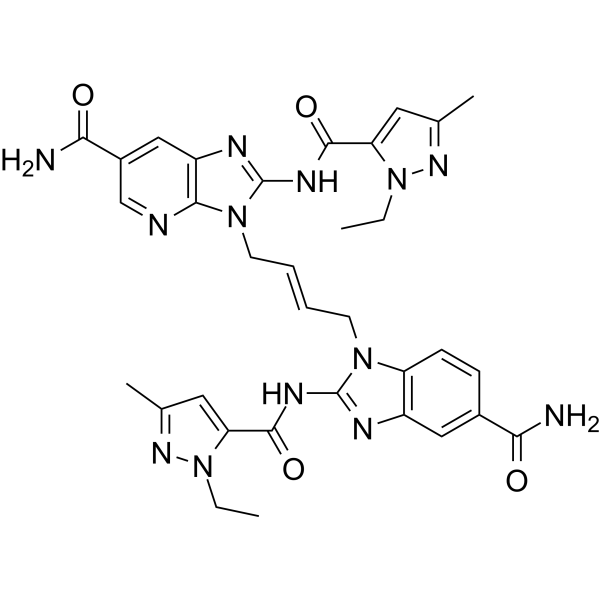
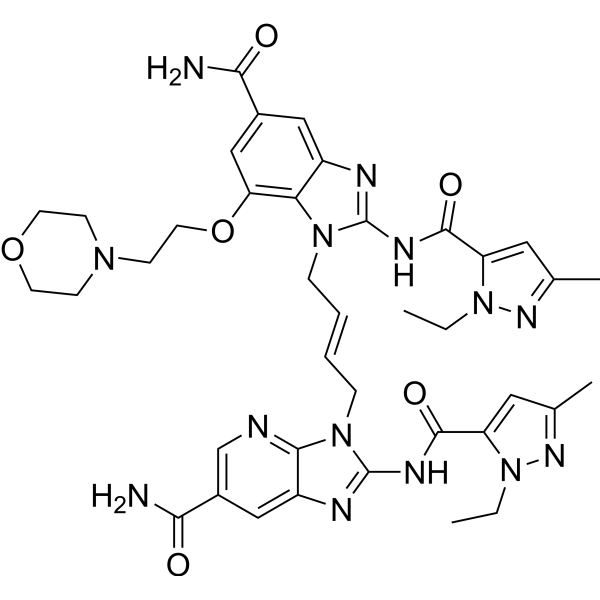
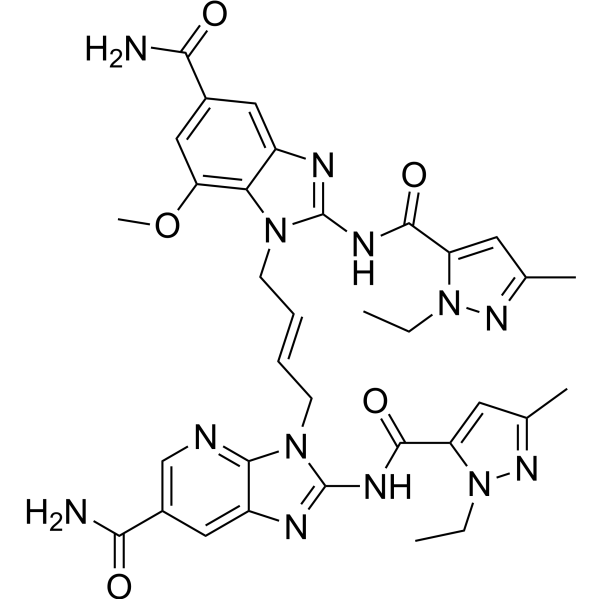
STING agonist-26 (CF508) is a non-nucleotide small-molecule STING agonist. STING agonist-23 activates STING, increases phosphorylation of STING, TBK1 and IRF3. STING agonist-23 promotes the levels of IFN-β, IL-6, CXCL-10, TNF-α, ISG-15, and CCL-5 in tumor cells. STING agonist-23 exhibits activity against SARS-CoV series strains .
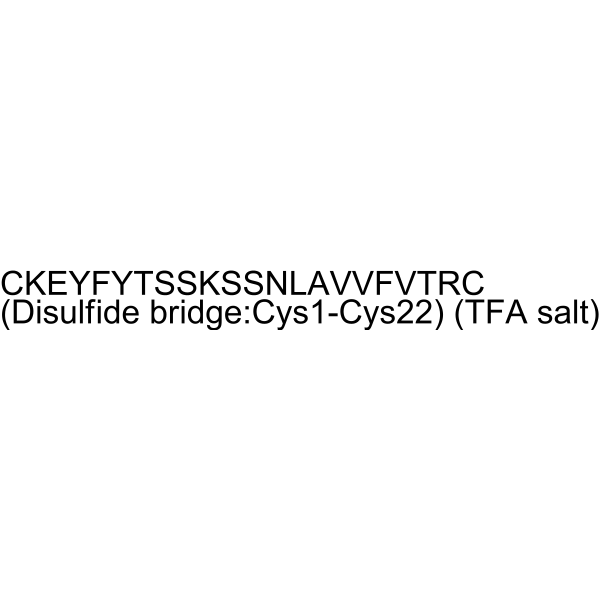
Cyclic MKEY TFA is a synthetic cyclic peptide inhibitor of CXCL4-CCL5 heterodimer formation, which protects against atherosclerosis and aortic aneurysm formation by mediating inflammation. Cyclic MKEY TFA also protects against stroke-induced brain injury in mice .
STING agonist-23 (CF502) is a non-nucleotide small-molecule STING agonist. STING agonist-23 activates STING, increases phosphorylation of STING, TBK1 and IRF3. STING agonist-23 promotes the levels of IFN-β, IL-6, CXCL-10, TNF-α, ISG-15, and CCL-5 in tumor cells. STING agonist-23 exhibits activity against SARS-CoV series strains .
SMU-CX1 is a specific TLR3 inhibitor (IC50: 0.11 μM) with IC50 ranging from 0.14-0.33 μM against multiple influenza A virus subtypes. SMU-CX1 inhibits the viral PB2 and NP proteins with an IC50 of 0.43 μM for SARS-CoV-2 activity. SMU-CX1 also inhibits inflammatory factors in host cells, including IFN-β, IP-10, and CCL-5 .
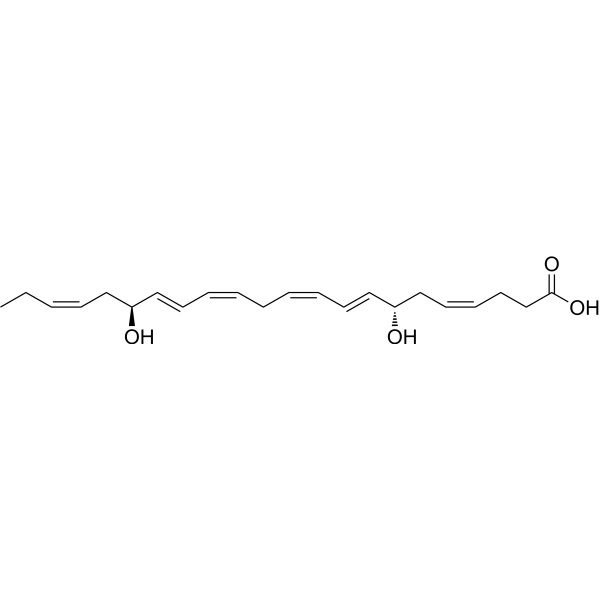
Resolvin D5 is an anti-inflammatory and analgesic agent produced in M2 macrophages. Resolvin D5 alleviates Paclitaxel (HY-B0015)-induced mechanical allodynia and inflammatory pain by activating the GPR32 receptor, with gender specificity (effective only in male mice) and independence from TRPV1 or TRPA1 channels. Resolvin D5 attenuates LPS-induced ERK phosphorylation and NF-κB nuclear translocation, downregulates proinflammatory mediators such as IL-6 and CCL5, inhibits Th17 cell differentiation and osteoclastogenesis, promotes regulatory T cell differentiation, and shows no cytotoxicity to human monocytes. The level of Resolvin D5 is elevated in arthritic SKG mice, but Resolvin D5 has no effect on dendritic cell differentiation or M1 macrophage polarization, nor does it prevent ZyA-induced arthritis progression. Resolvin D5 is suitable for research related to chemotherapy-induced peripheral neuropathy, inflammatory pain and rheumatoid arthritis .
CCL5 Human Pre-designed siRNA Set A contains three designed siRNAs for CCL5 gene (Human), as well as a negative control, a positive control, and a FAM-labeled negative control.
Ccl5 Rat Pre-designed siRNA Set A contains three designed siRNAs for Ccl5 gene (Rat), as well as a negative control, a positive control, and a FAM-labeled negative control.
NI-0701 is a humanized antibody expressed in CHO cells that targets CCL5/RANTES. NI-0701 has a huIgG2 heavy chain and a huλ light chain, with a predicted molecular weight (MW) of 145 kDa. The isotype control for NI-0701 can be referenced as Human IgG2 lambda, Isotype Control (HY-P991206).
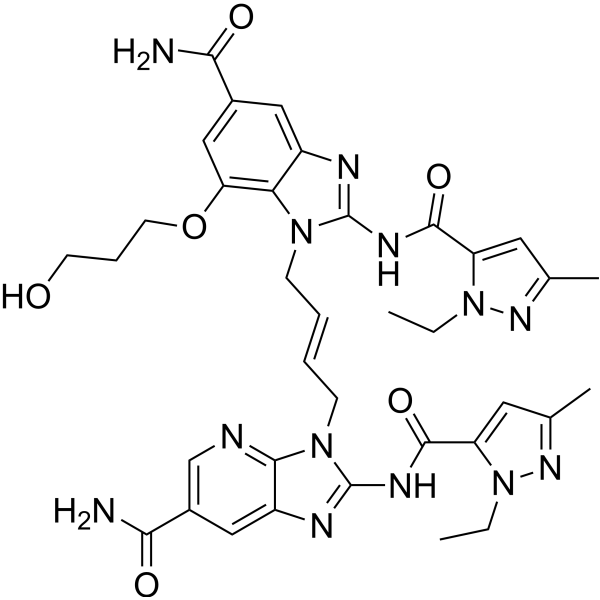
STING agonist-28 (CF510) is a non-nucleotide small-molecule STING agonist. STING agonist-23 activates STING, increases phosphorylation of STING, TBK1 and IRF3. STING agonist-23 promotes the levels of IFN-β, IL-6, CXCL-10, TNF-α, ISG-15, and CCL-5 in tumor cells. STING agonist-23 exhibits activity against SARS-CoV series strains .
Human CCL5 mRNA encodes the human C-C motif chemokine ligand 5 (CCL5) protein, a member of the CC subfamily, functions as a chemoattractant for blood monocytes, memory T helper cells and eosinophils. CCL5 is one of the major HIV-suppressive factors produced by CD8+ cells. It functions as one of the natural ligands for the chemokine receptor chemokine (C-C motif) receptor 5 (CCR5), and it suppresses in vitro replication of the R5 strains of HIV-1, which use CCR5 as a coreceptor.
Anti-Mouse CCL5 Antibody (R6G9) reacts with mouse CCL5 that can neutralize CCL5 both in vitro and in vivo. Recommend Isotype Controls: Mouse IgG1 kappa, Isotype Control (HY-P99977) .
Ccl5 Mouse Pre-designed siRNA Set A contains three designed siRNAs for Ccl5 gene (Mouse), as well as a negative control, a positive control, and a FAM-labeled negative control.
STING agonist-24 (CF504) is a non-nucleotide small-molecule STING agonist. STING agonist-23 activates STING, increases phosphorylation of STING, TBK1 and IRF3. STING agonist-23 promotes the levels of IFN-β, IL-6, CXCL-10, TNF-α, ISG-15, and CCL-5 in tumor cells. STING agonist-23 exhibits activity against SARS-CoV series strains .
STING agonist-25 (CF505) is a non-nucleotide small-molecule STING agonist. STING agonist-23 activates STING, increases phosphorylation of STING, TBK1 and IRF3. STING agonist-23 promotes the levels of IFN-β, IL-6, CXCL-10, TNF-α, ISG-15, and CCL-5 in tumor cells. STING agonist-23 exhibits activity against SARS-CoV series strains .
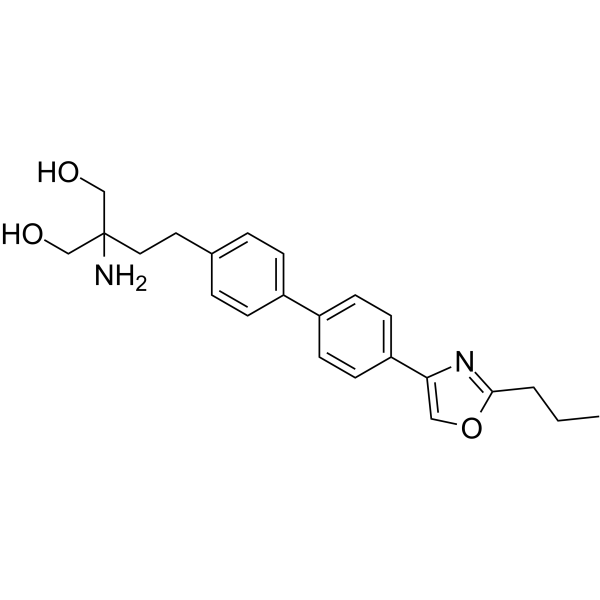
IMMH001, also called SYL930, is an orally active, potent and selective S1P1 (sphingosine-1-phosphate receptor 1) agonist. IMMH001 decreased levels of both chemokines and proinflammatory cytokines, including IL-1β, IL-5, IL-18, IP10, CCL3, and CCL5. IMMH001 can be used for rheumatoid arthritis (RA) research .
GW9508 (Standard) is the analytical standard of GW9508. This product is intended for research and analytical applications. GW9508 is a potent and selective G protein-coupled receptors FFA1 (GPR40) and GPR120 agonist with pEC50s of 7.32 and 5.46, respectively. GW9508 shows ~100-fold selectivity for GPR40 over GPR120. GW9508 is inactive against other GPCRs, kinases, proteases, integrins and PPARs. GW9508 is a glucose-sensitive insulin secretagogue and an ATP-sensitive potassium (KATP) channels opener. Anti-inflammatory and anti-atherosclerotic activities .
AHR agonist 10 is a potent AHR agonist (EC50= 2.01 nM). AHR agonist 10 can elevate the transcript levels of key AHR downstream pathway target genes, including CYP1A1 and CYP1B1. AHR agonist 10 can downregulate the expression levels of CD36, IL-18 and shows low cytotoxicity (>40 μM) to normal cells. AHR agonist 10 can suppress the expression of CCL5, CCL20, IL-6, IL-8, S100A9, TLR4, TNF-α, and TNFR1, demonstrating that AHR agonist 10 effectively modulate inflammatory responses through AHR dependent signaling pathways. AHR agonist 10 can be used for psoriasis research .
Citrullinated LL-37 2cit is a citrullinated LL-37 (HY-P1222) peptide. Citrullinated LL-37 2cit reduces LL-37 activity against HRV at 10 μg/mL and reduces the antibacterial effect of LL-37. Citrullinated LL-37 2cit causes a reduction in the levels of IL-8, CCL5, and IL-6 mRNA induced by RV1B. Citrullinated LL-37 2cit shows a moderate loss in the ability to reduce HRV-induced CCL5 secretion .
Citrullinated LL-37 3cit is a citrullinated LL-37 (HY-P1222) peptide. Citrullinated LL-37 3cit lacks all antiviral activity at 10 μg/mL and retains some activity against HRV at 30 μg/mL. Citrullinated LL-37 3cit reduces the immunomodulatory activity of LL-37. Citrullinated LL-37 3cit shows a moderate loss in the ability to reduce HRV-induced CCL5 secretion .
Cyclic MKEY is a synthetic cyclic peptide inhibitor of CXCL4-CCL5 heterodimer formation, which protects against atherosclerosis and aortic aneurysm formation by mediating inflammation. Cyclic MKEY also protects against stroke-induced brain injury in mice .
Citrullinated LL-37 1cit is a citrullinated LL-37 (HY-P1222) peptide. Citrullinated LL-37 1cit does not alter the antiviral effect of LL-37 toward human rhinovirus. Citrullinated LL-37 1cit shows antibacterial activity toward S. aureus. Citrullinated LL-37 1cit causes a reduction in the levels of IL-8, CCL5, and IL-6 mRNA induced by RV1B .
VLST-002 is a humanized antibody expressed in CHO cells, targeting CCL5/RANTES. VLST-002 has a huIgG1 heavy chain and a huκ light chain, with a predicted molecular weight (MW) of 150 kDa. The isotype control for VLST-002 can refer to Human IgG1 kappa, Isotype Control (HY-P99001).
YM-355179 fumarate is a newly synthesized selective CCR3 antagonist with the potential to inhibit eosinophil-related allergic inflammatory diseases. YM-355179 can effectively inhibit the binding of CCL11 and CCL5 to CCR3-expressing cells, with IC50 values of 7.6 nM and 24 nM respectively. In functional experiments, YM-355179 can inhibit CCL11-induced intracellular Ca(2+) influx, chemotaxis and eosinophil degranulation, IC50 The values are 8.0 nM, 24 nM and 29 nM respectively .
Arf1-GEFs-IN-1 is a potent and orally active ADP-ribosylation factor 1- guanine nucleotide exchange factors (Arf1-GEFs) inhibitor with an IC50 value of 40.85 μM against CT26 cells. Arf1-GEFs-IN-1 primarily mediates tumor regression by triggering anti-tumor immune responses, rather than through direct cytotoxicity. Arf1-GEFs-IN-1 effectively promotes CCL5 expression, demonstrates excellent in vivo efficacy. Arf1-GEFs-IN-1 can be used for the study of colon cancer .
Snail IN-1 is an orally active Snail inhibitor with a Ka of 0.36 μM.Snail IN-1 disrupts Snail-CBP interaction, accelerates Snail protein degradation, reduces Snail acetylation, increases Snail polyubiquitination, and selectively downregulates Snail protein without altering other EMT transcription factors.Snail IN-1 reduces atherosclerotic plaque burden, modulates inflammation and plaque stability factors, downregulates CCL5, CXCL10, MMP2, and MMP9, and upregulates α-smooth muscle actin.Snail IN-1 exerts anti-inflammatory and plaque-stabilizing properties.Snail IN-1 can be used for the research of atherosclerosis .
Citrullinated LL-37 5cit is a citrullinated LL-37 (HY-P1222) peptide. The antiviral and antibacterial effects of Citrullinated LL-37 5cit are significantly reduced compared to native LL-37. Citrullinated LL-37 5cit is unable to reduce LPS-mediated release of TNF-α due to a lack of LPS-binding capacity .
Topoisomerase I/II-IN-9 is a topoisomeraseI/II inhibitor (IC50<10 μM) and a DNA damage inducer. Topoisomerase I/II-IN-9 blocks the interaction between the enzyme and DNA by binding to the DNA-binding pocket of the enzyme. Topoisomerase I/II-IN-9 activates the cGAS-STING pathway and promotes the accumulation of cytoplasmic double-stranded DNA. This further drives the production of type I interferons, CCL5, CXCL10 and interferon-stimulated genes, and induces anti-tumor immune responses in vivo. Topoisomerase I/II-IN-9 can be applied to the research of related diseases such as triple-negative breast cancer, colorectal cancer and gastric cancer .
MRG004A Antibody (HuSC1-39) is a monoclonal antibody inhibitor targeting tissue factor (TF). MRG004A Antibody can be used to synthesize the antibody-drug conjugate (ADC) MRG004A. MRG004A Antibody can be used to research related to cancer .
Cappariloside A is a larvicide that exhibits larvicidal activity against Aedes aegypti larvae and reduces larval glutathione-S-transferase activity. Cappariloside A also possesses antiviral activity, decreases the level of phosphorylated STAT1 in cells, inhibits the replication of influenza virusesH1N1, H3N2, PIV3 and ADV, and downregulates the expression of IL-6, IP-10, MIG, RANTES/CCL-5, IFN-β and IL-29. Cappariloside A suppresses the inflammatory response induced by mouse lung-adapted influenza virus strains. Cappariloside A can be used in studies related to larvicidal applications and influenza virus infection .
Cyclic MKEY TFA is a synthetic cyclic peptide inhibitor of CXCL4-CCL5 heterodimer formation, which protects against atherosclerosis and aortic aneurysm formation by mediating inflammation. Cyclic MKEY TFA also protects against stroke-induced brain injury in mice .
Citrullinated LL-37 2cit is a citrullinated LL-37 (HY-P1222) peptide. Citrullinated LL-37 2cit reduces LL-37 activity against HRV at 10 μg/mL and reduces the antibacterial effect of LL-37. Citrullinated LL-37 2cit causes a reduction in the levels of IL-8, CCL5, and IL-6 mRNA induced by RV1B. Citrullinated LL-37 2cit shows a moderate loss in the ability to reduce HRV-induced CCL5 secretion .
Citrullinated LL-37 3cit is a citrullinated LL-37 (HY-P1222) peptide. Citrullinated LL-37 3cit lacks all antiviral activity at 10 μg/mL and retains some activity against HRV at 30 μg/mL. Citrullinated LL-37 3cit reduces the immunomodulatory activity of LL-37. Citrullinated LL-37 3cit shows a moderate loss in the ability to reduce HRV-induced CCL5 secretion .
Cyclic MKEY is a synthetic cyclic peptide inhibitor of CXCL4-CCL5 heterodimer formation, which protects against atherosclerosis and aortic aneurysm formation by mediating inflammation. Cyclic MKEY also protects against stroke-induced brain injury in mice .
Citrullinated LL-37 1cit is a citrullinated LL-37 (HY-P1222) peptide. Citrullinated LL-37 1cit does not alter the antiviral effect of LL-37 toward human rhinovirus. Citrullinated LL-37 1cit shows antibacterial activity toward S. aureus. Citrullinated LL-37 1cit causes a reduction in the levels of IL-8, CCL5, and IL-6 mRNA induced by RV1B .
Citrullinated LL-37 5cit is a citrullinated LL-37 (HY-P1222) peptide. The antiviral and antibacterial effects of Citrullinated LL-37 5cit are significantly reduced compared to native LL-37. Citrullinated LL-37 5cit is unable to reduce LPS-mediated release of TNF-α due to a lack of LPS-binding capacity .
NI-0701 is a humanized antibody expressed in CHO cells that targets CCL5/RANTES. NI-0701 has a huIgG2 heavy chain and a huλ light chain, with a predicted molecular weight (MW) of 145 kDa. The isotype control for NI-0701 can be referenced as Human IgG2 lambda, Isotype Control (HY-P991206).
Anti-Mouse CCL5 Antibody (R6G9) reacts with mouse CCL5 that can neutralize CCL5 both in vitro and in vivo. Recommend Isotype Controls: Mouse IgG1 kappa, Isotype Control (HY-P99977) .
VLST-002 is a humanized antibody expressed in CHO cells, targeting CCL5/RANTES. VLST-002 has a huIgG1 heavy chain and a huκ light chain, with a predicted molecular weight (MW) of 150 kDa. The isotype control for VLST-002 can refer to Human IgG1 kappa, Isotype Control (HY-P99001).
MRG004A Antibody (HuSC1-39) is a monoclonal antibody inhibitor targeting tissue factor (TF). MRG004A Antibody can be used to synthesize the antibody-drug conjugate (ADC) MRG004A. MRG004A Antibody can be used to research related to cancer .
SMU-CX1 is a specific TLR3 inhibitor (IC50: 0.11 μM) with IC50 ranging from 0.14-0.33 μM against multiple influenza A virus subtypes. SMU-CX1 inhibits the viral PB2 and NP proteins with an IC50 of 0.43 μM for SARS-CoV-2 activity. SMU-CX1 also inhibits inflammatory factors in host cells, including IFN-β, IP-10, and CCL-5 .
Resolvin D5 is an anti-inflammatory and analgesic agent produced in M2 macrophages. Resolvin D5 alleviates Paclitaxel (HY-B0015)-induced mechanical allodynia and inflammatory pain by activating the GPR32 receptor, with gender specificity (effective only in male mice) and independence from TRPV1 or TRPA1 channels. Resolvin D5 attenuates LPS-induced ERK phosphorylation and NF-κB nuclear translocation, downregulates proinflammatory mediators such as IL-6 and CCL5, inhibits Th17 cell differentiation and osteoclastogenesis, promotes regulatory T cell differentiation, and shows no cytotoxicity to human monocytes. The level of Resolvin D5 is elevated in arthritic SKG mice, but Resolvin D5 has no effect on dendritic cell differentiation or M1 macrophage polarization, nor does it prevent ZyA-induced arthritis progression. Resolvin D5 is suitable for research related to chemotherapy-induced peripheral neuropathy, inflammatory pain and rheumatoid arthritis .
Cappariloside A is a larvicide that exhibits larvicidal activity against Aedes aegypti larvae and reduces larval glutathione-S-transferase activity. Cappariloside A also possesses antiviral activity, decreases the level of phosphorylated STAT1 in cells, inhibits the replication of influenza virusesH1N1, H3N2, PIV3 and ADV, and downregulates the expression of IL-6, IP-10, MIG, RANTES/CCL-5, IFN-β and IL-29. Cappariloside A suppresses the inflammatory response induced by mouse lung-adapted influenza virus strains. Cappariloside A can be used in studies related to larvicidal applications and influenza virus infection .
RANTES/CCL5 Protein, Human (His-SUMO) is a key pro-inflammatory chemokine in the CC chemokine family that interacts with CCR1, CCR3, CCR4, and CCR5 to mediate inflammatory immune responses, viral infections, and tumorigenesis. RANTES/CCL5 Protein, Human (His-SUMO) is a recombinant human RANTES/CCL5 (S24-S91) protein expressed by E. coli with a His and a SUMO tag at the N-terminu.
RANTES/CCL5 Protein, Mouse (HEK293, Fc) is a key pro-inflammatory chemokine in the CC chemokine family that interacts with CCR1, CCR3, CCR4, and CCR5 to mediate inflammatory immune responses, viral infections, and tumorigenesis.RANTES/CCL5 Protein, Mouse (HEK293, Fc) is a recombinant mouse RANTES/CCL5 (S24-S91) protein expressed by HEK293 with a hFc tag at the N-terminu.
RANTES/CCL5 protein attracts monocytes, memory T-helper cells, and eosinophils, releases histamine, and activates eosinophils. It interacts with chemokine receptors CCR1, CCR3, CCR4, and CCR5. It inhibits HIV and may promote neuron survival and insulin secretion via GPR75. RANTES/CCL5 Protein, Human (Biotinylated, His-Avi) is the recombinant human-derived RANTES/CCL5 protein, expressed by E. coli , with N-Avi, N-His labeled tag.
RANTES/CCL5 Protein, Rat (P.pastoris, His) is a key pro-inflammatory chemokine in the CC chemokine family that interacts with CCR1, CCR3, CCR4, and CCR5 to mediate inflammatory immune responses, viral infections, and tumorigenesis. RANTES/CCL5 Protein, Rat (P.pastoris, His) is a recombinant rat RANTES/CCL5 (S25-S92) protein expressed by P.pastoris with a His tag at the C-terminu.
RANTES/CCL5 Protein, Mouse is a key pro-inflammatory chemokine in the CC chemokine family that interacts with CCR1, CCR3, CCR4, and CCR5 to mediate inflammatory immune responses, viral infections, and tumorigenesis. RANTES/CCL5 Protein, Mouse is a recombinant mouse CCL5(S24-S91) protein expressed by E. coli.
RANTES/CCL5 Protein, Rat (His) is a key pro-inflammatory chemokine in the CC chemokine family that interacts with CCR1, CCR3, CCR4, and CCR5 to mediate inflammatory immune responses, viral infections, and tumorigenesis. RANTES/CCL5 Protein, Rat (His) is a recombinant rat RANTES/CCL5 (S25-S92) protein expressed by E. coli with a His tag at the C-terminu.
RANTES/CCL5 Protein is a secreted protein located outside the cell membrane and is a key pro-inflammatory chemokine and immune regulatory molecule in the CC chemokine family. RANTES/CCL5 Protein sends signals through its specific G protein-coupled receptors (GPCR) CCR1, CCR3, and CCR5, mediating inflammatory immune responses, viral infections, and tumor development. RANTES/CCL5 Protein can promote endothelial cell migration, proliferation, and angiogenesis in rats. RANTES/CCL5 Protein is useful for research into tumors, autoimmune diseases, and atherosclerosis. RANTES/CCL5 Protein, Human is a recombinant human CCL5 (S24-S91) protein expressed by E. coli.
RANTES/CCL5 Protein, Human (HEK293) is a key pro-inflammatory chemokine in the CC chemokine family that interacts with CCR1, CCR3, CCR4, and CCR5 to mediate inflammatory immune responses, viral infections, and tumorigenesis. RANTES/CCL5 Protein, Human ( HEK293) is a recombinant human RANTES/CCL5(S24-S91) protein expressed by HEK293.
CCL5 Human Pre-designed siRNA Set A contains three designed siRNAs for CCL5 gene (Human), as well as a negative control, a positive control, and a FAM-labeled negative control.
Ccl5 Rat Pre-designed siRNA Set A contains three designed siRNAs for Ccl5 gene (Rat), as well as a negative control, a positive control, and a FAM-labeled negative control.
Human CCL5 mRNA encodes the human C-C motif chemokine ligand 5 (CCL5) protein, a member of the CC subfamily, functions as a chemoattractant for blood monocytes, memory T helper cells and eosinophils. CCL5 is one of the major HIV-suppressive factors produced by CD8+ cells. It functions as one of the natural ligands for the chemokine receptor chemokine (C-C motif) receptor 5 (CCR5), and it suppresses in vitro replication of the R5 strains of HIV-1, which use CCR5 as a coreceptor.
Ccl5 Mouse Pre-designed siRNA Set A contains three designed siRNAs for Ccl5 gene (Mouse), as well as a negative control, a positive control, and a FAM-labeled negative control.
Inquiry Online
Your information is safe with us. * Required Fields.
Western blot analysis of extracts from THP-1(lane 2(20μg), Jurkat (lane 3(20μg) and NIH3T3(lane 4(20μg) using FOXO1A (HY-P80132) Rabbit mAb. Proteins were transferred
to a PVDF membrane and blocked with 5% non-fat milk in TBST for 2 hour at room temperature. The primary antibody (1/1000) and Loading control antibody (Beta Actin, HY-P80438, 1/10000) was
used in 5% non-fat milk in TBST at 4°C overnight. Goat Anti-Mouse/Rabbit IgG-HRP Secondary Antibody (1/10000) was used for 1 hour at room temperature.
Western blot analysis of extracts from THP-1(lane 2(20μg), Jurkat (lane 3(20μg) and NIH3T3(lane 4(20μg) using FOXO1A (HY-P80132) Rabbit mAb. Proteins were transferred
to a PVDF membrane and blocked with 5% non-fat milk in TBST for 2 hour at room temperature. The primary antibody (1/1000) and Loading control antibody (Beta Actin, HY-P80438, 1/10000) was
used in 5% non-fat milk in TBST at 4°C overnight. Goat Anti-Mouse/Rabbit IgG-HRP Secondary Antibody (1/10000) was used for 1 hour at room temperature.
Western blot analysis of extracts from THP-1(lane 2(20μg), Jurkat (lane 3(20μg) and NIH3T3(lane 4(20μg) using FOXO1A (HY-P80132) Rabbit mAb. Proteins were transferred
to a PVDF membrane and blocked with 5% non-fat milk in TBST for 2 hour at room temperature. The primary antibody (1/1000) and Loading control antibody (Beta Actin, HY-P80438, 1/10000) was
used in 5% non-fat milk in TBST at 4°C overnight. Goat Anti-Mouse/Rabbit IgG-HRP Secondary Antibody (1/10000) was used for 1 hour at room temperature.
Western blot analysis of extracts from THP-1(lane 2(20μg), Jurkat (lane 3(20μg) and NIH3T3(lane 4(20μg) using FOXO1A (HY-P80132) Rabbit mAb. Proteins were transferred
to a PVDF membrane and blocked with 5% non-fat milk in TBST for 2 hour at room temperature. The primary antibody (1/1000) and Loading control antibody (Beta Actin, HY-P80438, 1/10000) was
MedchemExpress Validation 03
Western blot analysis of extracts from THP-1(lane 2(20μg), Jurkat (lane 3(20μg) and NIH3T3(lane 4(20μg) using FOXO1A (HY-P80132) Rabbit mAb. Proteins were transferred
MedchemExpress Validation 04
Western blot analysis of extracts from THP-1(lane 2(20μg), Jurkat (lane 3(20μg) and NIH3T3(lane 4(20μg) using FOXO1A (HY-P80132) Rabbit mAb. Proteins were transferred
to a PVDF membrane and blocked with 5% non-fat milk in TBST for 2 hour at room temperature. The primary antibody (1/1000) and Loading control antibody (Beta Actin, HY-P80438, 1/10000) was
used in 5% non-fat milk in TBST at 4°C overnight. Goat Anti-Mouse/Rabbit IgG-HRP Secondary Antibody (1/10000) was used for 1 hour at room temperature.
MedchemExpress Validation
Western blot analysis of extracts from THP-1(lane 2(20μg), Jurkat (lane 3(20μg) and NIH3T3(lane 4(20μg) using FOXO1A (HY-P80132) Rabbit mAb. Proteins were transferred
to a PVDF membrane and blocked with 5% non-fat milk in TBST for 2 hour at room temperature. The primary antibody (1/1000) and Loading control antibody (Beta Actin, HY-P80438, 1/10000) was
used in 5% non-fat milk in TBST at 4°C overnight. Goat Anti-Mouse/Rabbit IgG-HRP Secondary Antibody (1/10000) was used for 1 hour at room temperature.
Western blot analysis of extracts from THP-1(lane 2(20μg), Jurkat (lane 3(20μg) and NIH3T3(lane 4(20μg) using FOXO1A (HY-P80132) Rabbit mAb. Proteins were transferred
to a PVDF membrane and blocked with 5% non-fat milk in TBST for 2 hour at room temperature. The primary antibody (1/1000) and Loading control antibody (Beta Actin, HY-P80438, 1/10000) was
used in 5% non-fat milk in TBST at 4°C overnight. Goat Anti-Mouse/Rabbit IgG-HRP Secondary Antibody (1/10000) was used for 1 hour at room temperature.
MedchemExpress Validation
Western blot analysis of extracts from THP-1(lane 2(20μg), Jurkat (lane 3(20μg) and NIH3T3(lane 4(20μg) using FOXO1A (HY-P80132) Rabbit mAb. Proteins were transferred
to a PVDF membrane and blocked with 5% non-fat milk in TBST for 2 hour at room temperature. The primary antibody (1/1000) and Loading control antibody (Beta Actin, HY-P80438, 1/10000) was
used in 5% non-fat milk in TBST at 4°C overnight. Goat Anti-Mouse/Rabbit IgG-HRP Secondary Antibody (1/10000) was used for 1 hour at room temperature.
MedchemExpress Validation
Western blot analysis of extracts from THP-1(lane 2(20μg), Jurkat (lane 3(20μg) and NIH3T3(lane 4(20μg) using FOXO1A (HY-P80132) Rabbit mAb. Proteins were transferred
to a PVDF membrane and blocked with 5% non-fat milk in TBST for 2 hour at room temperature. The primary antibody (1/1000) and Loading control antibody (Beta Actin, HY-P80438, 1/10000) was
used in 5% non-fat milk in TBST at 4°C overnight. Goat Anti-Mouse/Rabbit IgG-HRP Secondary Antibody (1/10000) was used for 1 hour at room temperature.
MedchemExpress Validation
Western blot analysis of extracts from THP-1(lane 2(20μg), Jurkat (lane 3(20μg) and NIH3T3(lane 4(20μg) using FOXO1A (HY-P80132) Rabbit mAb. Proteins were transferred
to a PVDF membrane and blocked with 5% non-fat milk in TBST for 2 hour at room temperature. The primary antibody (1/1000) and Loading control antibody (Beta Actin, HY-P80438, 1/10000) was
used in 5% non-fat milk in TBST at 4°C overnight. Goat Anti-Mouse/Rabbit IgG-HRP Secondary Antibody (1/10000) was used for 1 hour at room temperature.
MedchemExpress Validation
Western blot analysis of extracts from THP-1(lane 2(20μg), Jurkat (lane 3(20μg) and NIH3T3(lane 4(20μg) using FOXO1A (HY-P80132) Rabbit mAb. Proteins were transferred
to a PVDF membrane and blocked with 5% non-fat milk in TBST for 2 hour at room temperature. The primary antibody (1/1000) and Loading control antibody (Beta Actin, HY-P80438, 1/10000) was
used in 5% non-fat milk in TBST at 4°C overnight. Goat Anti-Mouse/Rabbit IgG-HRP Secondary Antibody (1/10000) was used for 1 hour at room temperature.
MedchemExpress Validation
Western blot analysis of extracts from THP-1(lane 2(20μg), Jurkat (lane 3(20μg) and NIH3T3(lane 4(20μg) using FOXO1A (HY-P80132) Rabbit mAb. Proteins were transferred
to a PVDF membrane and blocked with 5% non-fat milk in TBST for 2 hour at room temperature. The primary antibody (1/1000) and Loading control antibody (Beta Actin, HY-P80438, 1/10000) was
used in 5% non-fat milk in TBST at 4°C overnight. Goat Anti-Mouse/Rabbit IgG-HRP Secondary Antibody (1/10000) was used for 1 hour at room temperature.
MedchemExpress Validation
Western blot analysis of extracts from THP-1(lane 2(20μg), Jurkat (lane 3(20μg) and NIH3T3(lane 4(20μg) using FOXO1A (HY-P80132) Rabbit mAb. Proteins were transferred
to a PVDF membrane and blocked with 5% non-fat milk in TBST for 2 hour at room temperature. The primary antibody (1/1000) and Loading control antibody (Beta Actin, HY-P80438, 1/10000) was
used in 5% non-fat milk in TBST at 4°C overnight. Goat Anti-Mouse/Rabbit IgG-HRP Secondary Antibody (1/10000) was used for 1 hour at room temperature.
MedChemExpress values your privacy and your trust is important to us. We use cookies to enhance your website experience. Some cookies are necessary to run the website.
Privacy and Cookie Policy

