
Search Result
Results for "
Cattle
" in MedChemExpress (MCE) Product Catalog:
12
Isotope-Labeled Compounds
| Cat. No. |
Product Name |
Target |
Research Areas |
Chemical Structure |
-
- HY-P1156
-
-
-
- HY-103447
-
Zearalenone
Maximum Cited Publications
10 Publications Verification
Mycotoxin F2; Toxin F2
|
Estrogen Receptor/ERR
|
Others
|
|
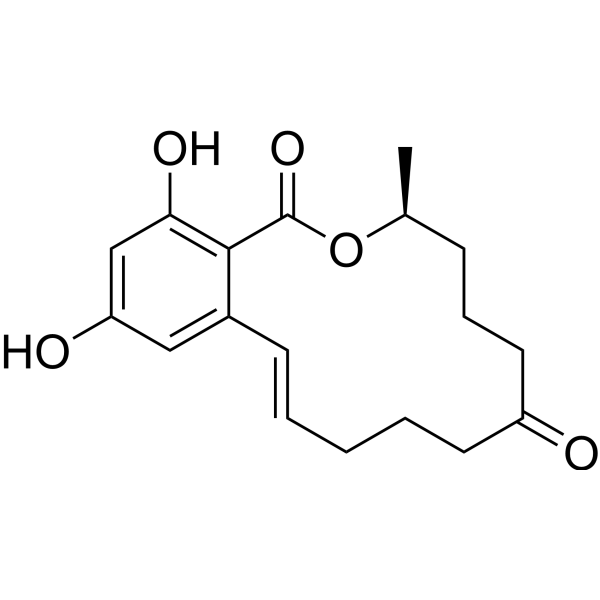
Zearalenone is a mycotoxin produced mainly by fungi belonging to the genus Fusarium in foods and feeds. Possess oestrogenic activity in pigs, cattle and sheep, with low acute toxicity. Causes precocious development of mammae and other estrogenic effects in young gilts .
|
-
-
- HY-15662
-
|
Tulathromycin; CP 472295
|
Antibiotic
Bacterial
|
Infection
|
|
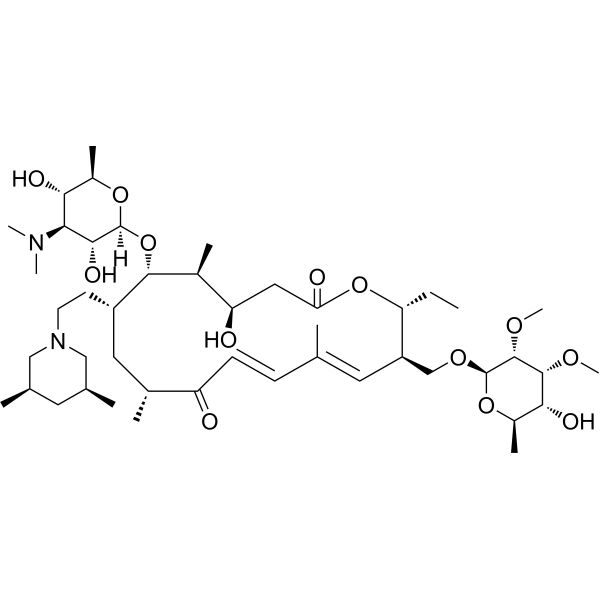
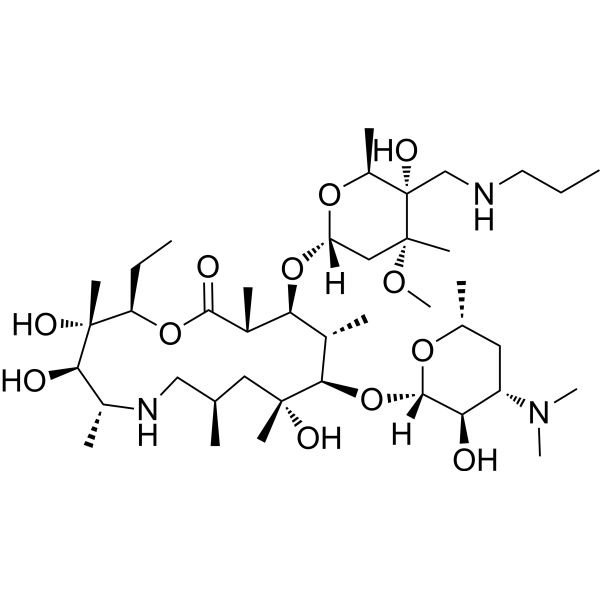
Tulathromycin A (Tulathromycin), a macrolide antibiotic, inhibits protein synthesis (IC50=0.26 µM) by targeting bacterial ribosome. Tulathromycin A is used for the research of respiratory disease in cattle and swine. Immunomodulatory effects .
|
-
-
- HY-B0519A
-
Tylosin
1 Publications Verification
|
Bacterial
Antibiotic
|
Infection
|
|
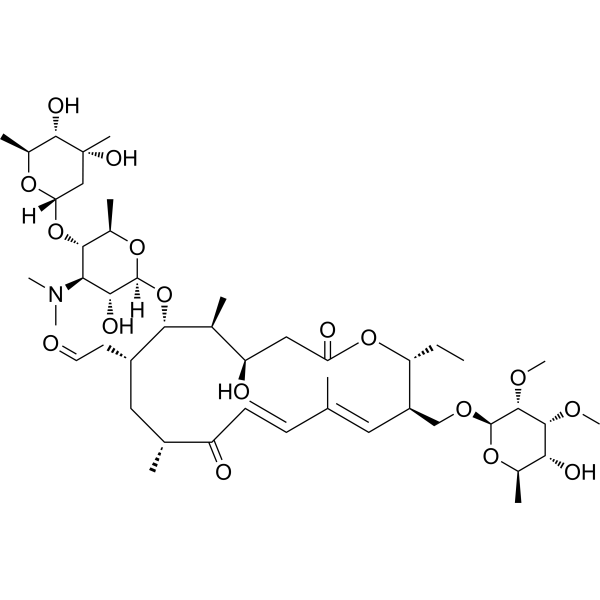
Tylosin (Tylosin A) is a macrolide antibiotic found naturally as a fermentation product of Streptomyces fradiae. Tylosin exerts potent antimicrobial activity against Gram-positive bacteria. Tylosin is widely used as a feed additive for promoting animal growth. Tylosin is used for veterinary purposes against bacterial dysentery and respiratory diseases in poultry, pigs and cattle .
|
-
-
- HY-123012
-
|
LY-488756
|
Adrenergic Receptor
|
Others
|
|
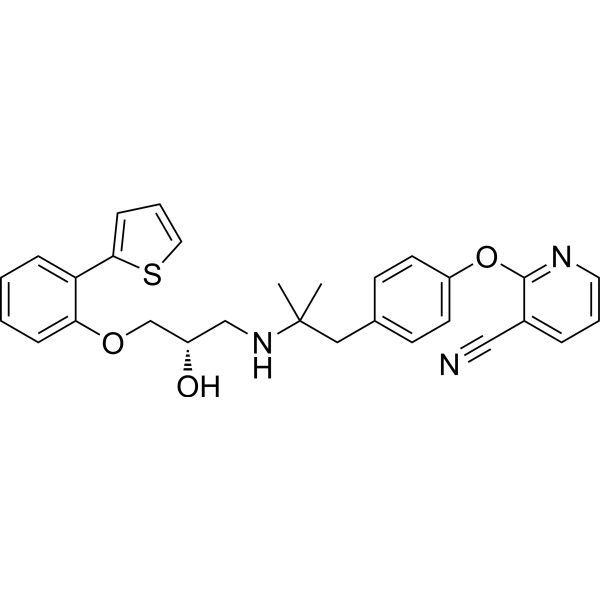
Lubabegron is a potent modulator of β-adrenergic receptor (β-AR). Lubabegron demonstrates antagonistic behavior at the β1 and β 2 receptor subtypes and agonistic behavior at the β 3 receptor subtype in cattle. Lubabegron reduces NH3 gas emissions from an animal or its waste. Lubabegron is available as an animal supplement .
|
-
-
- HY-B0278
-
|
Zinc bacitracin
|
Environmental Pollutants
Antibiotic
Bacterial
|
Infection
|
|
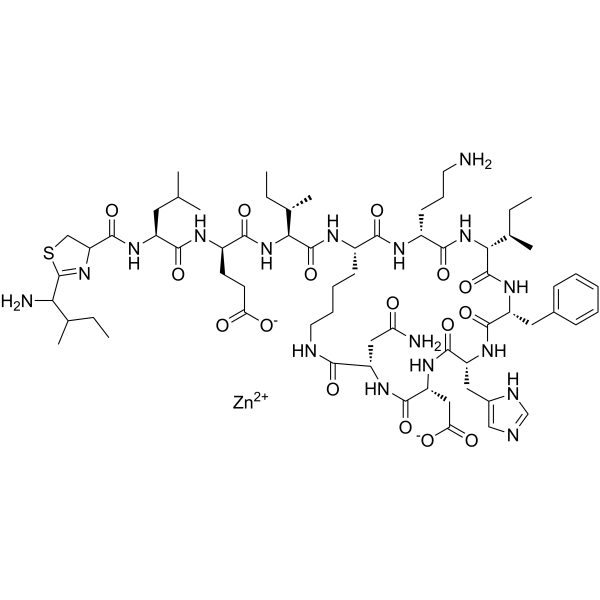
Bacitracin Zinc is a complex formed by the binding of Bacitracin (HY-107193) with zinc ions. Bacitracin Zinc is an orally active polypeptide antibiotic with bactericidal properties. Bacitracin Zinc can cause DNA and deoxyribose damage, as well as improve the gut microbiota of broiler and beef cattle .
|
-
-
- HY-17594
-
|
|
Oxidative Phosphorylation
Parasite
Bacterial
Fungal
|
Infection
|
|
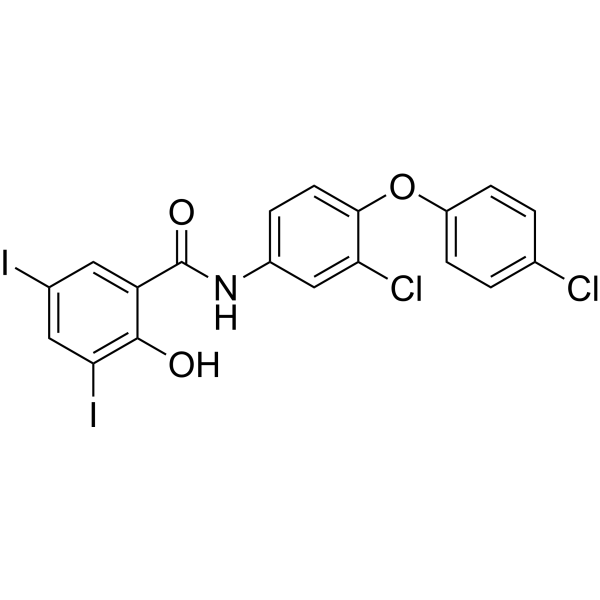
Oxyclozanide is an orally active salicylanilide anthelmintic agent that mainly acts by uncoupling oxidative phosphorylation in flukes. Oxyclozanide shows good anti-adenovirus, anti-biofilm, antifungal, and antibacterial activity .
|
-
-
- HY-B0519
-
|
|
Bacterial
Antibiotic
|
Infection
|
|
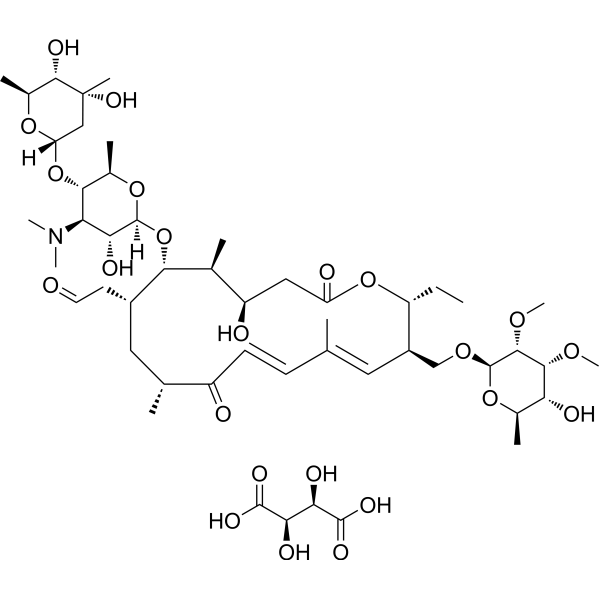
Tylosin tartrate is a macrolide antibiotic found naturally as a fermentation product of Streptomyces fradiae. Tylosin tartrate exerts potent antimicrobial activity against Gram-positive bacteria. Tylosin tartrate is widely used as a feed additive for promoting animal growth. Tylosin tartrate is used for veterinary purposes against bacterial dysentery and respiratory diseases in poultry, pigs and cattle .
|
-
-
- HY-B0905
-
|
LY-177370; EL-870
|
Bacterial
Antibiotic
Apoptosis
Calcium Channel
|
Infection
Inflammation/Immunology
|
|
Tilmicosin (LY-177370) is an orally active calcium channel antagonist and macrolide antibiotic with antimicrobial activity. Tilmicosin mainly acts on the 50S subunit of bacterial ribosomes, inhibiting protein synthesis. Tilmicosin is effective in the treatment of respiratory diseases in livestock such as cattle, sheep and pigs. In addition, Tilmicosin has immunomodulatory and anti-inflammatory effects .
|
-
-
- HY-B1662
-
|
|
Estrogen Receptor/ERR
|
Endocrinology
|
|
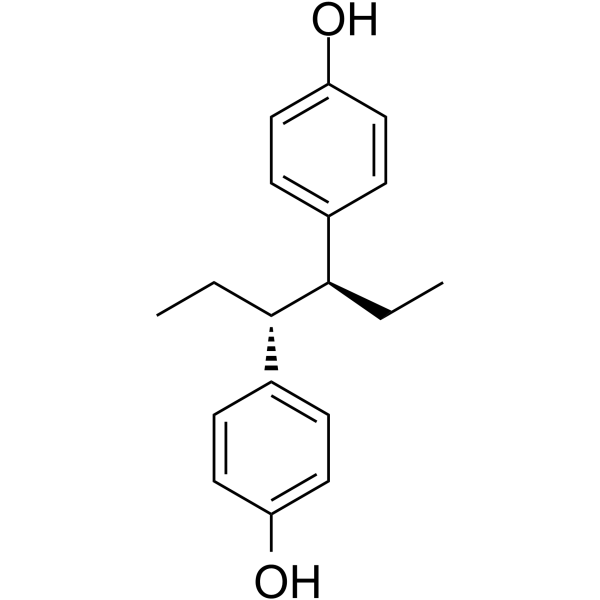
Hexestrol is a nonsteroidal synthetic estrogen, with a Ki of 0.06 and 0.06 nM for estrogen receptor alpha (ERα) and ERβ. Hexestrol can be used for the research of the diseases caused by estrogen deficiencym, and it also can increase the weight of cattle .
|
-
-
- HY-B0905A
-
|
LY-177370 phosphate; EL-870 phosphate
|
Bacterial
Antibiotic
Apoptosis
NO Synthase
COX
|
Infection
Inflammation/Immunology
|
|
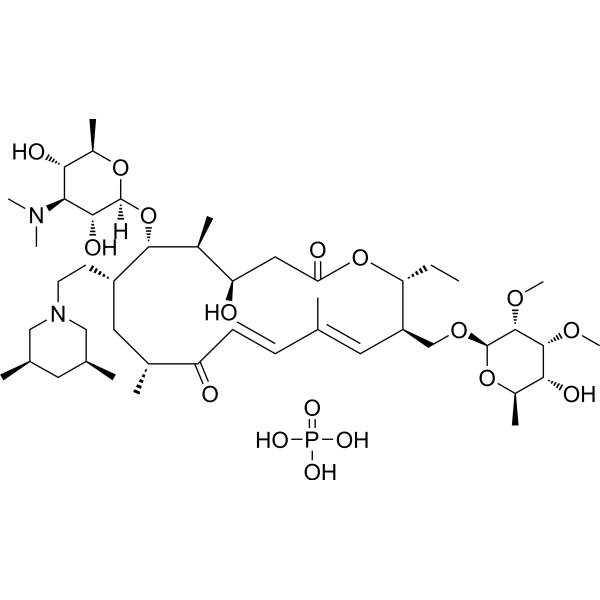
Tilmicosin (LY-177370) phosphate is an orally active calcium channel antagonist and macrolide antibiotic with antimicrobial activity. Tilmicosin phosphate mainly acts on the 50S subunit of bacterial ribosomes, inhibiting protein synthesis. Tilmicosin phosphate is effective in the treatment of respiratory diseases in livestock such as cattle, sheep and pigs. In addition, Tilmicosin phosphate has immunomodulatory and anti-inflammatory effects .
|
-
-
- HY-17598
-
|
|
Oxidative Phosphorylation
Parasite
p38 MAPK
Raf
Apoptosis
|
Infection
Cancer
|
|
Rafoxanide is a poent, orally active halogenated salicylaniline agent with antiparasitic activity. Rafoxanide interferes with energy metabolism in trematodes by uncoupling oxidative phosphorylation. Rafoxanide is also found to be a potent inhibitor of the BRAF V600E mutant protein, which is important in colorectal cancer. Rafoxanide can be used for the control of infestation with Hemonchus species or Fasciola species in sheep and cattle as well as Oestrus ovis in sheep. Rafoxanide can also be used for cancer research .
|
-
-
- HY-B1136
-
|
Genabilic acid
|
Drug Derivative
|
Metabolic Disease
|
|
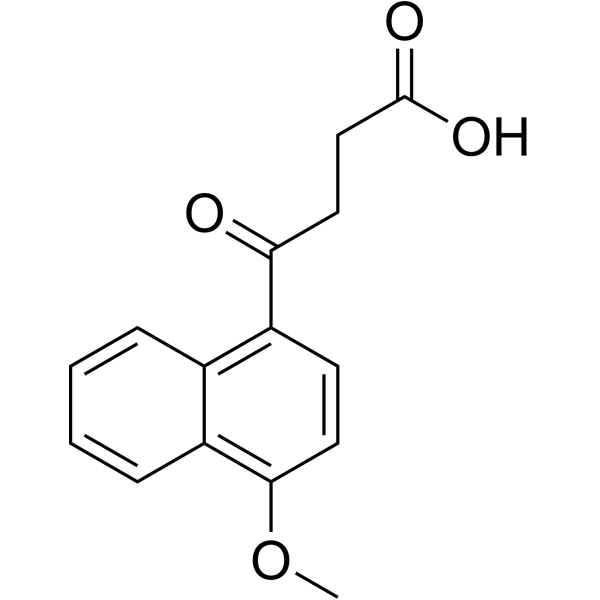
Menbutone (Genabilic acid), an oxobutyric acid derivative, is a choleretic. Menbutone can be used to treat digestive upsets (loss of appetite, indigestion, toxemia, or hepatic and pancreatic insufficiencies) in a variety of animal species, including different farm animals (cattle, sheep, goats, pigs), as well as in dogs .
|
-
-
- HY-B1946
-
-
-
- HY-B0519B
-
|
|
Bacterial
Antibiotic
|
Infection
|
|
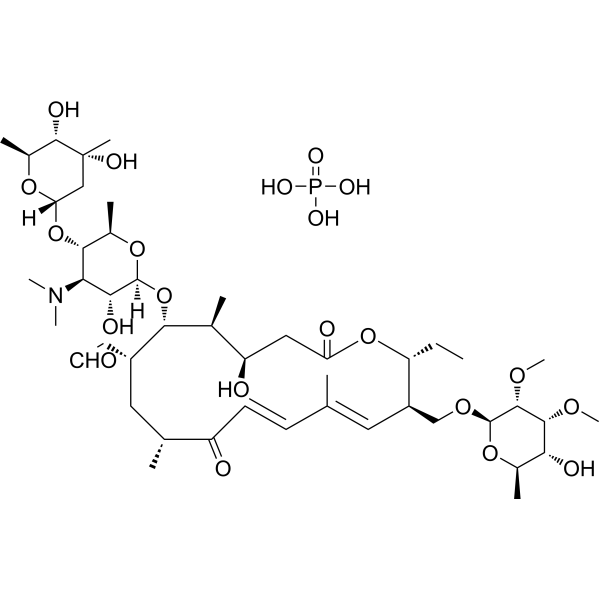
Tylosin phosphate is a macrolide antibiotic found naturally as a fermentation product of Streptomyces fradiae. Tylosin tartrate exerts potent antimicrobial activity against Gram-positive bacteria. Tylosin phosphate is widely used as a feed additive for promoting animal growth. Tylosin phosphate is used for veterinary purposes against bacterial dysentery and respiratory diseases in poultry, pigs and cattle .
|
-
-
- HY-B1073
-
|
|
Parasite
|
Infection
|
|
Morantel tartrate is an anthelmintic agent. Sustained-release three-layer composite tablets of Morantel tartrate are administered orally and release after exposure to rumen fluid. Morantel tartrate reduces the fecal egg output and worm burden of gastrointestinal nematodes in Hereford calves. Morantel tartrate is used in research related to gastrointestinal nematode infections .
|
-
-
- HY-P0051
-
|
|
GnRH Receptor
|
Endocrinology
Cancer
|
|
Lecirelin, a synthetic gonadotropin-releasing hormone (GnRH) analogue, acts as a GnRH agonist. Lecirelin is widely used for the research of bovine ovarian follicular cysts .
|
-
-
- HY-153830
-
|
C16 Lactosylceramide (d18:1/16:0)
|
Endogenous Metabolite
|
Neurological Disease
Metabolic Disease
|
|
LacCer (d18:1/16:0) (C16 Lactosylceramide (d18:1/16:0)) is an endogenous bioactive sphingolipid that can form membrane microdomains with Lyn kinase and the αi subunits of inhibitory G protein-coupled receptors (GPCRs). The levels of LacCer (d18:1/16:0) are elevated in the plasma of insulin-resistant cattle. In a mouse model of Niemann-Pick type C1 disease (a neurodegenerative cholesterol-sphingolipid lysosomal storage disorder), the expression of LacCer (d18:1/16:0) is also upregulated. LacCer (d18:1/16:0) can be used in research on metabolic diseases and neurodegenerative diseases .
|
-
-
- HY-P1271
-
|
Catestatin (Cattle)
|
nAChR
|
Cardiovascular Disease
|
|
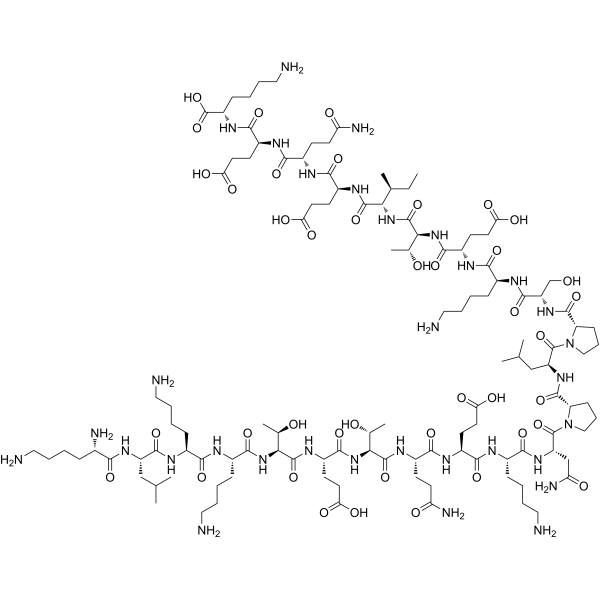
Catestatin is a 21-amino acid residue, cationic and hydrophobic peptide. Catestatin is an endogenous peptide that regulates cardiac function and blood pressure . Catestatin is a non-competitive nicotinic antagonist acting through nicotinic acetylcholine receptors (nAChRs) to inhibit catecholamine release .
|
-
-
- HY-121477
-
|
|
Parasite
|
Infection
|
|
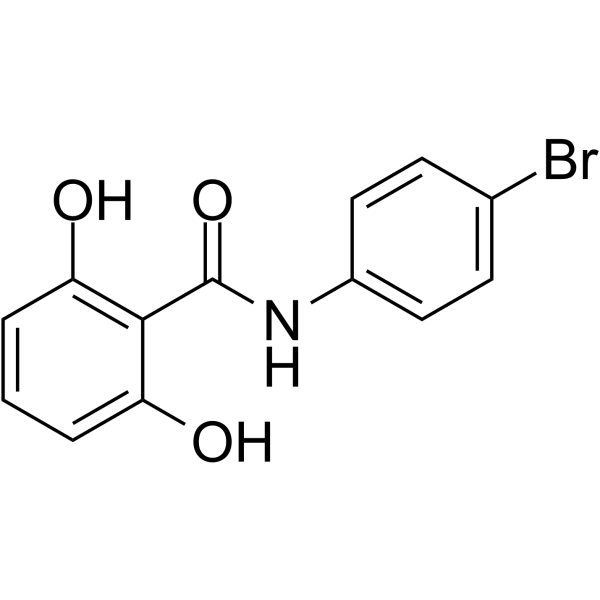
Resorantel is an anthelmintic . Resorantel is used in the research of paramphistomiasis in cattle and sheep and has also been used for the research of G. aegypticus .
|
-
-
- HY-106662
-
|
Chloroquinoxaline; NSC-339004
|
Molecular Glues
Topoisomerase
Parasite
|
Infection
Cancer
|
|
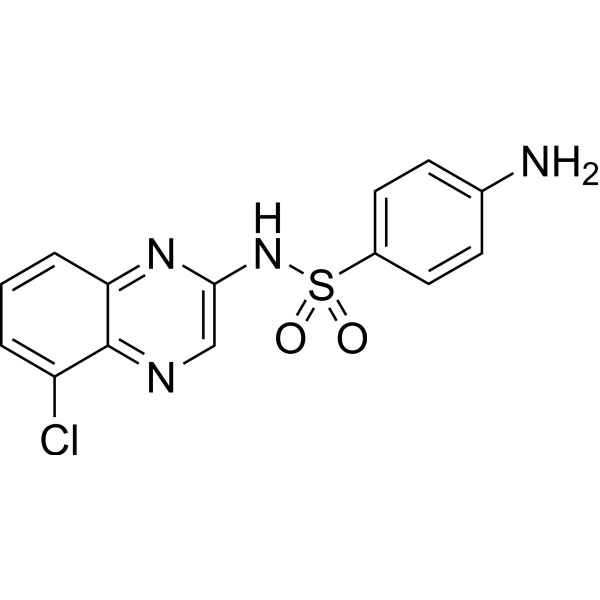
Chloroquinoxaline sulfonamide (Chloroquinoxaline), a structural analogue of sulfaquinoxaline, is a topoisomerase II alpha/beta poison. Chloroquinoxaline sulfonamide is used to control coccidiosis in poultry, rabbit, sheep, and cattle . Antitumor activity .
|
-
-
- HY-B0519AS
-
|
|
Isotope-Labeled Compounds
Bacterial
Antibiotic
|
Infection
|
|
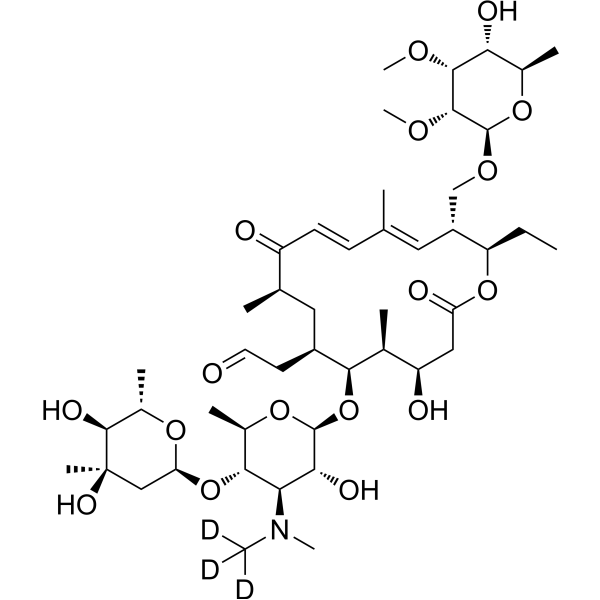
Tylosin-d3 is the deuterium labeled Tylosin. Tylosin (Tylosin A) is a macrolide antibiotic found naturally as a fermentation product of Streptomyces fradiae. Tylosin exerts potent antimicrobial activity against Gram-positive bacteria. Tylosin is widely used as a feed additive for promoting animal growth. Tylosin is used for veterinary purposes against bacterial dysentery and respiratory diseases in poultry, pigs and cattle .
|
-
-
- HY-139587
-
|
ML-878
|
Parasite
Chloride Channel
|
Infection
|
|
Umifoxolaner (ML-878), a γ-aminobutyric acid (GABA) regulated chloride channels antagonist, is a potent insecticide, and acaricide. Umifoxolaner can be uesd for parasite infection research .
|
-
-
- HY-N10348
-
|
|
Others
Drug Derivative
|
Endocrinology
|
|
Progoitrin is a sulfur-containing glucosinolate, as well as a naturally occurring orally active thioglycoside. Progoitrin acts as a hepatotoxin and antithyroid agent. Progoitrin is quantitatively converted to goitrin in vivo, including via a gastrointestinal hydrolysis pathway that does not require exogenous myrosinase, thereby blocking the organification of iodine in the thyroid gland and inhibiting the uptake and accumulation of radioactive iodine. Progoitrin can be used in studies related to Graves' disease .
|
-
-
- HY-P3965
-
-
-
- HY-U00131
-
|
N 3517; Sulfabromomethazine
|
Bacterial
|
Infection
|
|
Sulfabrom (N 3517; Sulfabromomethazine) is a long-acting Sulfonamide that is used for the treatment of coccidiosis and various bacterial infections in the poultry, swine and cattle.
|
-
-
- HY-RS29483
-
|
|
Small Interfering RNA (siRNA)
|
Others
|
|
Gm2a Cattle Pre-designed siRNA Set A contains three designed siRNAs for Gm2a gene (Cattle), as well as a negative control, a positive control, and a FAM-labeled negative control.
Components Gm2a siRNA-1: 5 nmol (HPLC) Gm2a siRNA-2: 5 nmol (HPLC) Gm2a siRNA-3: 5 nmol (HPLC) siRNA Negative Control: 5 nmol (HPLC) FAM-labeled siRNA Negative Control: 5 nmol (HPLC) GAPDH siRNA Positive Control: 5 nmol (HPLC)
|
-
GM2A Cattle Pre-designed siRNA Set A
-
- HY-W765152
-
|
22,23-Dihydro avermectin B1a; epi-Dihydro avermectin B1a
|
Parasite
|
Infection
|
|
epi-Ivermectin B1a is a key related substance of Ivermectin (HY-15310), primarily existing as a process-related impurity or potential degradation product in ivermectin-based antiparasitic formulations. epi-Ivermectin B1a can be used for the study of internal/external parasites in cattle .
|
-
-
- HY-B1946R
-
-
-
- HY-103447S1
-
|
Mycotoxin F2-13C18; Toxin F2-13C18
|
Isotope-Labeled Compounds
|
Others
|
|
Zearalenone- 13C18 (Mycotoxin F2- 13C18; Toxin F2- 13C18) is the 13C labeled Zearalenone (HY-103447) . Zearalenone is a mycotoxin produced mainly by fungi belonging to the genus Fusarium in foods and feeds. Possess oestrogenic activity in pigs, cattle and sheep, with low acute toxicity. Causes precocious development of mammae and other estrogenic effects in young gilts .
|
-
-
- HY-P3843
-
|
|
Mas-related G-protein-coupled Receptor (MRGPR)
Neuropeptide Y Receptor
|
Neurological Disease
|
|
Neuropeptide AF (cattle), an amidated octadecapeptide, is RFamide neuropeptide. Neuropeptide AF (cattle) acts as a ligand of Mas-related gene receptor A4 (MrgprA4) (Mas-related G-protein-coupled Receptor (MRGPR)) (EC50 of ~60 nM) and MrgprC11 (EC50 of ~300 nM). Neuropeptide AF (cattle) also activate to the G protein-coupled receptors NPFF1 (Neuropeptide Y Receptor) (EC50 of ~25-325 nM) and NPFF2 (EC50 of ~1-5 nM). Neuropeptide AF (cattle) shows anti-opiate and related pain modulation effects .
|
-
-
- HY-RS29482
-
-
CERS6 Cattle Pre-designed siRNA Set A
-
- HY-RS29469
-
|
|
Small Interfering RNA (siRNA)
|
Cardiovascular Disease
|
GPR146 Domestic cattle Pre-designed siRNA Set A contains three designed siRNAs for GPR146 gene (Domestic cattle), as well as a negative control, a positive control, and a FAM-labeled negative control.
Components
GPR146 siRNA-1: 5 nmol (HPLC)
GPR146 siRNA-2: 5 nmol (HPLC)
GPR146 siRNA-3: 5 nmol (HPLC)
siRNA Negative Control: 5 nmol (HPLC)
FAM-labeled siRNA Negative Control: 5 nmol (HPLC)
GAPDH siRNA Positive Control: 5 nmol (HPLC)
|
-
GPR146 Domestic cattle Pre-designed siRNA Set A
-
- HY-B0887B
-
|
(-)-trans-NRDC-143; (1S)-trans-Permethrin
|
Insecticide
|
Others
|
|
(-)-trans-Permethrin ((-)-trans-NRDC-143) is a pyrethroid that can provide a satisfactory level of protection from black flies for cattle .
|
-
-
- HY-121405
-
|
Antibiotic K16
|
Antibiotic
Parasite
|
Infection
|
|
Malonomicin (Antibiotic K16) is an antibiotic with anti-protozoa and anti-trypanosome activities. Malonomicin also shows anti-trypanosome activity in vivo .
|
-
-
- HY-136440
-
|
Metronidazole-OH
|
Bacterial
Parasite
|
Infection
|
|
Hydroxymetronidazole (Metronidazole-OH) is a metabolite of Metronidazole belonging to the class of nitroimidazoles. Hydroxymetronidazole can be used for the research of certain bacterial and protozoal diseases in poultry, swine dysentery and genital trichomoniasis in cattle .
|
-
-
- HY-108387
-
|
|
Parasite
|
Infection
|
|
Morantel citrate is a veterinary anthelmintic agent that inhibits parasitic infections in cattle, sheep and goats. Morantel citrate paralyzes the nervous system of the parasite, helping the animal expel the dead parasite from the body .
|
-
-
- HY-136440R
-
|
Metronidazole-OH (Standard)
|
Reference Standards
Bacterial
Parasite
|
Infection
|
|
Hydroxymetronidazole (Standard) is the analytical standard of Hydroxymetronidazole. This product is intended for research and analytical applications. Hydroxymetronidazole (Metronidazole-OH) is a metabolite of Metronidazole belonging to the class of nitroimidazoles. Hydroxymetronidazole can be used for the research of certain bacterial and protozoal diseases in poultry, swine dysentery and genital trichomoniasis in cattle .
|
-
-
- HY-103447S
-
|
|
Isotope-Labeled Compounds
|
Others
|
|
(Rac)-Zearalenone-d6 is the deuterium labled Zearalenone (HY-103447). Zearalenone is a mycotoxin produced mainly by fungi belonging to the genus Fusarium in foods and feeds. Possess oestrogenic activity in pigs, cattle and sheep, with low acute toxicity. Causes precocious development of mammae and other estrogenic effects in young gilts .
|
-
-
- HY-123012A
-
|
LY-591281; LY-488756 fumarate
|
Androgen Receptor
|
Others
|
|
Lubabegron fumarate is a potent modulator of β-adrenergic receptor (β-AR). Lubabegron fumarate demonstrates antagonistic behavior at the β1 and β 2 receptor subtypes and agonistic behavior at the β 3 receptor subtype in cattle. Lubabegron fumarate reduces NH3 gas emissions from an animal or its waste. Lubabegron fumarate is available as an animal supplement .
|
-
-
- HY-B0905R
-
|
LY-177370 (Standard); EL-870 (Standard)
|
Reference Standards
Bacterial
Antibiotic
Apoptosis
Calcium Channel
|
Infection
Inflammation/Immunology
|
|
Tilmicosin (Standard) is the analytical standard of Tilmicosin. This product is intended for research and analytical applications. Tilmicosin (LY-177370) is an orally active calcium channel antagonist and macrolide antibiotic with antimicrobial activity. Tilmicosin mainly acts on the 50S subunit of bacterial ribosomes, inhibiting protein synthesis. Tilmicosin is effective in the treatment of respiratory diseases in livestock such as cattle, sheep and pigs. In addition, Tilmicosin has immunomodulatory and anti-inflammatory effects .
|
-
-
- HY-B0519BR
-
|
|
Reference Standards
Bacterial
Antibiotic
|
Infection
|
|
Tylosin (phosphate) (Standard) is the analytical standard of Tylosin (phosphate). This product is intended for research and analytical applications. Tylosin phosphate is a macrolide antibiotic found naturally as a fermentation product of Streptomyces fradiae. Tylosin tartrate exerts potent antimicrobial activity against Gram-positive bacteria. Tylosin phosphate is widely used as a feed additive for promoting animal growth. Tylosin phosphate is used for veterinary purposes against bacterial dysentery and respiratory diseases in poultry, pigs and cattle .
|
-
-
- HY-129925
-
|
|
Insecticide
|
Others
|
|
CP-49674 is an organophosphorus compound. CP-49674 can be used as an insecticide to control the common cattle grub .
|
-
-
- HY-15662R
-
|
Tulathromycin (Standard); CP 472295 (Standard)
|
Reference Standards
Antibiotic
Bacterial
|
Infection
|
|
Tulathromycin A (Standard) is the analytical standard of Tulathromycin A. This product is intended for research and analytical applications. Tulathromycin A (Tulathromycin), a macrolide antibiotic, inhibits protein synthesis (IC50=0.26 μM) by targeting bacterial ribosome. Tulathromycin A is used for the research of respiratory disease in cattle and swine. Immunomodulatory effects .
|
-
-
- HY-112905
-
|
|
Parasite
mRNA
|
Infection
|
|
AN11736 is a CPSF3 inhibitor. AN11736 exerts a potent anti-trypsin effect by specifically inhibiting the activity of the trypanosome CPSF3 endonuclease, disrupting the mRNA maturation process. AN11736 exhibits IC50s against T. congolense and T. vivax of 0.14 and 1.3 nM, respectively. AN11736 exhibits strong anti-trypsin activity in mouse and cattle models .
|
-
-
- HY-103447R
-
|
Mycotoxin F2(Standard); Toxin F2 (Standard)
|
Reference Standards
Estrogen Receptor/ERR
|
Others
|
|
Zearalenone (Standard) is the analytical standard of Zearalenone. This product is intended for research and analytical applications. Zearalenone is a mycotoxin produced mainly by fungi belonging to the genus Fusarium in foods and feeds. Possess oestrogenic activity in pigs, cattle and sheep, with low acute toxicity. Causes precocious development of mammae and other estrogenic effects in young gilts .
|
-
-
- HY-103447R1
-
|
Mycotoxin F2 in Acetonitrile (Standard); Toxin F2 in Acetonitrile (Standard)
|
Reference Standards
Estrogen Receptor/ERR
|
Others
|
|
Zearalenone in Acetonitrile (Standard) is the solution of Zearalenone (Standard) . This product is intended for research and analytical applications. Zearalenone is a mycotoxin produced mainly by fungi belonging to the genus Fusarium in foods and feeds. Possess oestrogenic activity in pigs, cattle and sheep, with low acute toxicity. Causes precocious development of mammae and other estrogenic effects in young gilts .
|
-
-
- HY-B0905S
-
|
LY-177370-d3; EL-870-d3
|
Isotope-Labeled Compounds
Bacterial
Antibiotic
Apoptosis
NO Synthase
COX
|
Infection
Inflammation/Immunology
|
|
Tilmicosin-d3 is the deuterium labeled Tilmicosin. Tilmicosin (LY-177370) is an orally active calcium channel antagonist and macrolide antibiotic with antimicrobial activity. Tilmicosin mainly acts on the 50S subunit of bacterial ribosomes, inhibiting protein synthesis. Tilmicosin is effective in the treatment of respiratory diseases in livestock such as cattle, sheep and pigs. In addition, Tilmicosin has immunomodulatory and anti-inflammatory effects .
|
-
-
- HY-B0519AR
-
|
|
Reference Standards
Bacterial
Antibiotic
|
Infection
|
|
Tylosin (Standard) is the analytical standard of Tylosin. This product is intended for research and analytical applications. Tylosin (Tylosin A) is a macrolide antibiotic found naturally as a fermentation product of Streptomyces fradiae. Tylosin exerts potent antimicrobial activity against Gram-positive bacteria. Tylosin is widely used as a feed additive for promoting animal growth. Tylosin is used for veterinary purposes against bacterial dysentery and respiratory diseases in poultry, pigs and cattle .
|
-
-
- HY-B0519R
-
|
|
Reference Standards
Bacterial
Antibiotic
|
Infection
|
|
Tylosin (tartrate) (Standard) is the analytical standard of Tylosin (tartrate). This product is intended for research and analytical applications. Tylosin tartrate is a macrolide antibiotic found naturally as a fermentation product of Streptomyces fradiae. Tylosin tartrate exerts potent antimicrobial activity against Gram-positive bacteria. Tylosin tartrate is widely used as a feed additive for promoting animal growth. Tylosin tartrate is used for veterinary purposes against bacterial dysentery and respiratory diseases in poultry, pigs and cattle .
|
-
- HY-153830S
-
|
C16 Lactosylceramide (d18:1/16:0)-d3
|
Isotope-Labeled Compounds
Endogenous Metabolite
|
Neurological Disease
Metabolic Disease
|
|
LacCer (d18:1/16:0) (C16 Lactosylceramide (d18:1/16:0))-d3 is the deuterium labeled LacCer (d18:1/16:0) (HY-153830). LacCer (d18:1/16:0) is an endogenous bioactive sphingolipid that can form membrane microdomains with Lyn kinase and the αi subunits of inhibitory G protein-coupled receptors (GPCRs). LacCer (d18:1/16:0) are elevated in the plasma of insulin-resistant cattle. LacCer (d18:1/16:0) is also upregulated in a mouse model of Niemann-Pick type C1 disease (a neurodegenerative cholesterol-sphingolipid lysosomal storage disorder). LacCer (d18:1/16:0) can be used in research on metabolic diseases and neurodegenerative diseases .
|
-
- HY-P3965A
-
-
- HY-A0072S
-
-
- HY-114614
-
|
|
Parasite
|
Infection
|
|
Clenpirin is a insecticide against cattle ticks Boophilus microplus. Clenpirin exhibits slightly toxicity to rats with LD50 of 3050 mg/kg .
|
-
- HY-125611
-
|
|
GnRH Receptor
|
Endocrinology
|
|
Fluorogestone acetate is a progesterone compound. Fluorogestone acetate inhibits ovulation and synchronizes the estrous cycle in cattle by inhibiting the release of luteinizing hormone (LH) from the pituitary gland .
|
-
- HY-137173
-
|
|
Endogenous Metabolite
|
Others
|
|
Laidlomycin propionate is a feed additive with the activity of improving weight gain rate and feed conversion efficiency. Laidlomycin propionate can significantly increase daily weight gain, feed intake and carcass weight of beef cattle. The use of Laidlomycin propionate can effectively reduce production costs and improve the economic benefits of the cattle industry. Laidlomycin propionate has shown different effects in multiple studies in North America, and there is also significant heterogeneity between studies .
|
-
- HY-121477R
-
|
|
Reference Standards
Parasite
|
Infection
|
|
Resorantel (Standard) is the analytical standard of Resorantel. This product is intended for research and analytical applications. Resorantel is an anthelmintic . Resorantel is used in the research of paramphistomiasis in cattle and sheep and has also been used for the research of G. aegypticus .
|
-
- HY-120955
-
|
|
Prostaglandin Receptor
|
Others
|
|
Cloprostol, a synthetic derivative of prostaglandin F2α, is used as an ossified in veterinary medicine and the research of reproductive disorders in cattle, pigs and horses. (+)-5-trans Cloprostenol is a secondary impurity produced during the synthesis of (+) -cloprostenol .
|
-
- HY-136440S
-
|
Metronidazole-OH-d4
|
Isotope-Labeled Compounds
Bacterial
Parasite
|
Infection
|
|
Hydroxymetronidazole-d4 is the deuterium labeled Hydroxymetronidazole. Hydroxymetronidazole (Metronidazole-OH) is a metabolite of Metronidazole belonging to the class of nitroimidazoles. Hydroxymetronidazole can be used for the research of certain bacterial and protozoal diseases in poultry, swine dysentery and genital trichomoniasis in cattle .
|
-
- HY-U00131S
-
|
N 3517-d4; Sulfabromomethazine-d4
|
Isotope-Labeled Compounds
|
Others
|
|
Sulfabrom-d4 (N 3517-d4) is is the deuterium labeled Sulfabrom (HY-U00131). Sulfabrom is a long-acting Sulfonamide that is used for the treatment of coccidiosis and various bacterial infections in the poultry, swine and cattle .
|
-
- HY-131257R
-
|
|
Drug Metabolite
Reference Standards
|
Others
Cancer
|
|
Hydroxymetronidazole (Standard) is the analytical standard of Hydroxymetronidazole. This product is intended for research and analytical applications. Hydroxymetronidazole (Metronidazole-OH) is a metabolite of Metronidazole belonging to the class of nitroimidazoles. Hydroxymetronidazole can be used for the research of certain bacterial and protozoal diseases in poultry, swine dysentery and genital trichomoniasis in cattle .
|
-
- HY-136440S1
-
|
Metronidazole-OH-d2
|
Isotope-Labeled Compounds
|
Infection
|
|
Hydroxymetronidazole-d2 is the deuterium labeled Hydroxymetronidazole(HY-136440).Hydroxymetronidazole (Metronidazole-OH) is a metabolite of Metronidazole belonging to the class of nitroimidazoles. Hydroxymetronidazole can be used for the research of certain bacterial and protozoal diseases in poultry, swine dysentery and genital trichomoniasis in cattle .
|
-
- HY-143322
-
|
|
Parasite
|
Infection
|
|
CRK12-IN-2 (compound 2) is an inhibitor of CRK12. CRK12-IN-2 shows potency against Trypanosoma congolense and Trypanosoma vivax with EC50 values of 3.2 and 0.08 nM. CRK12-IN-2 can be used for the research of animal trypanosomiasis .
|
-
- HY-106662R
-
|
|
Molecular Glues
Topoisomerase
Parasite
|
Infection
Cancer
|
|
Chloroquinoxaline sulfonamide (Standard) is the analytical standard of Chloroquinoxaline sulfonamide. This product is intended for research and analytical applications. Chloroquinoxaline sulfonamide (Chloroquinoxaline), a structural analogue of sulfaquinoxaline, is a topoisomerase II alpha/beta poison. Chloroquinoxaline sulfonamide is used to control coccidiosis in poultry, rabbit, sheep, and cattle . Antitumor activity .
|
-
- HY-15662S
-
|
Tulathromycin-d7; CP 472295-d7
|
Isotope-Labeled Compounds
Bacterial
Antibiotic
|
Infection
|
|
Tulathromycin A-d7 (Tulathromycin-d7) is deuterium labeled Tulathromycin A. Tulathromycin A (Tulathromycin), a macrolide antibiotic, inhibits protein synthesis (IC50=0.26 μM) by targeting bacterial ribosome. Tulathromycin A is used for the research of respiratory disease in cattle and swine. Immunomodulatory effects .
|
-
- HY-B1662R
-
|
|
Reference Standards
Estrogen Receptor/ERR
|
Endocrinology
|
|
Hexestrol (Standard) is the analytical standard of Hexestrol. This product is intended for research and analytical applications. Hexestrol is a nonsteroidal synthetic estrogen, with a Ki of 0.06 and 0.06 nM for estrogen receptor alpha (ERα) and ERβ. Hexestrol can be used for the research of the diseases caused by estrogen deficiencym, and it also can increase the weight of cattle .
|
-
- HY-145812
-
|
|
Parasite
|
Infection
|
|
CRK12-IN-1 is a potent CRK12 inhibitor. CRK12-IN-1 is extremely potent against T.b. brucei and rapidly cytocidal, as well as equally potent against T. congolense and T. vivax (EC50 of 1.3 and 18 nM, respectively) .
|
-
- HY-W011340
-
|
|
Drug Metabolite
Endogenous Metabolite
|
Inflammation/Immunology
|
|
5-Hydroxy flunixin, the principal metabolite of Flunixin (HY-121046), retains the Flunixin's anti-inflammatory properties and plays a significant role in mitigating pain and inflammation in various veterinary applications. It assists in alleviating conditions such as colic in horses, musculoskeletal disorders, and infectious diseases in cattle, while also supporting the management of mastitis-metritis-agalactia syndrome in sows.
|
-
- HY-103447S2
-
|
Mycotoxin F2-13C7; Toxin F2-13C7
|
Isotope-Labeled Compounds
Estrogen Receptor/ERR
|
Others
|
|
Zearalenone- 13C7 (Mycotoxin F2- 13C7) is 13C labeled Zearalenone. Zearalenone is a mycotoxin produced mainly by fungi belonging to the genus Fusarium in foods and feeds. Possess oestrogenic activity in pigs, cattle and sheep, with low acute toxicity. Causes precocious development of mammae and other estrogenic effects in young gilts .
|
-
- HY-B0278R
-
|
Zinc bacitracin (Standard)
|
Reference Standards
Bacterial
Antibiotic
|
Infection
|
|
Bacitracin Zinc (Standard) is the analytical standard of Bacitracin Zinc (HY-B0278). Bacitracin Zinc (Standard) is a complex formed by the binding of Bacitracin (HY-107193) with zinc ions. Bacitracin Zinc (Standard) is an orally active polypeptide antibiotic with bactericidal properties. Bacitracin Zinc (Standard) can cause DNA and deoxyribose damage, as well as improve the gut microbiota of broiler and beef cattle .
|
-
- HY-W011340R
-
|
|
Endogenous Metabolite
Reference Standards
|
Inflammation/Immunology
|
|
5-Hydroxy flunixin (Standard) is the analytical standard of 5-Hydroxy flunixin. This product is intended for research and analytical applications. 5-Hydroxy flunixin, the principal metabolite of Flunixin (HY-121046), retains the Flunixin's anti-inflammatory properties and plays a significant role in mitigating pain and inflammation in various veterinary applications. It assists in alleviating conditions such as colic in horses, musculoskeletal disorders, and infectious diseases in cattle, while also supporting the management of mastitis-metritis-agalactia syndrome in sows.
|
-
- HY-N11615R
-
|
|
Others
Reference Standards
|
Others
|
|
Tylosin (tartrate) (Standard) is the analytical standard of Tylosin (tartrate). This product is intended for research and analytical applications. Tylosin tartrate is a macrolide antibiotic found naturally as a fermentation product of Streptomyces fradiae. Tylosin tartrate exerts potent antimicrobial activity against Gram-positive bacteria. Tylosin tartrate is widely used as a feed additive for promoting animal growth. Tylosin tartrate is used for veterinary purposes against bacterial dysentery and respiratory diseases in poultry, pigs and cattle .
|
-
- HY-B0905AR
-
|
LY-177370 phosphate (Standard); EL-870 phosphate (Standard)
|
Reference Standards
Bacterial
Antibiotic
Apoptosis
NO Synthase
COX
|
Infection
Inflammation/Immunology
|
|
Tilmicosin (phosphate) (Standard) is the analytical standard of Tilmicosin (phosphate). This product is intended for research and analytical applications. Tilmicosin (LY-177370) phosphate is an orally active calcium channel antagonist and macrolide antibiotic with antimicrobial activity. Tilmicosin phosphate mainly acts on the 50S subunit of bacterial ribosomes, inhibiting protein synthesis. Tilmicosin phosphate is effective in the treatment of respiratory diseases in livestock such as cattle, sheep and pigs. In addition, Tilmicosin phosphate has immunomodulatory and anti-inflammatory effects .
|
-
- HY-17598R
-
|
|
Oxidative Phosphorylation
Reference Standards
Parasite
p38 MAPK
Raf
Apoptosis
|
Infection
Cancer
|
|
Rafoxanide (Standard) is the analytical standard of Rafoxanide. This product is intended for research and analytical applications. Rafoxanide is a poent, orally active halogenated salicylaniline agent with antiparasitic activity. Rafoxanide interferes with energy metabolism in trematodes by uncoupling oxidative phosphorylation. Rafoxanide is also found to be a potent inhibitor of the BRAF V600E mutant protein, which is important in colorectal cancer. Rafoxanide can be used for the control of infestation with Hemonchus species or Fasciola species in sheep and cattle as well as Oestrus ovis in sheep. Rafoxanide can also be used for cancer research .
|
-
- HY-114969
-
|
NSC 233846; SYD 230; Tremerad
|
Parasite
|
Infection
|
|
Clioxanide is a potential anti-liver fluke (Fasciola hepatica) agent. The results showed that Clioxanide showed no efficacy against 4-week-old or 19-week-old flukes at doses of 135 mg/kg or 200 mg/kg. In contrast, hexachloroethane was very effective against older flukes, reaching 100% efficacy at lower doses. The study pointed out that laboratory mice may not be suitable for screening potential compounds against liver fluke infections in ruminants such as cattle and sheep. In addition, no obvious toxic reactions were observed in mice with Clioxanide .
|
-
- HY-W721211
-
|
|
Insecticide
|
Others
|
|
Promacyl is an experimental carbamate acaricide used primarily to kill cattle ticks. Promacyl is metabolized to Promecarb (HY-W709030) and Isothymol in cattle .
|
-
- HY-B1662S3
-
|
|
Isotope-Labeled Compounds
MEK
Autophagy
Apoptosis
|
Cancer
|
|
Hexestrol-d4 is the deuterium labeled Hexestrol (HY-B1662). Hexestrol is a nonsteroidal synthetic estrogen, with a Ki of 0.06 and 0.06 nM for estrogen receptor alpha (ERα) and ERβ. Hexestrol can be used for the research of the diseases caused by estrogen deficiencym, and it also can increase the weight of cattle .
|
-
| Cat. No. |
Product Name |
Target |
Research Area |
-
- HY-P1156
-
-
- HY-P0051
-
|
|
GnRH Receptor
|
Endocrinology
Cancer
|
|
Lecirelin, a synthetic gonadotropin-releasing hormone (GnRH) analogue, acts as a GnRH agonist. Lecirelin is widely used for the research of bovine ovarian follicular cysts .
|
-
- HY-P1271
-
|
Catestatin (Cattle)
|
nAChR
|
Cardiovascular Disease
|
|
Catestatin is a 21-amino acid residue, cationic and hydrophobic peptide. Catestatin is an endogenous peptide that regulates cardiac function and blood pressure . Catestatin is a non-competitive nicotinic antagonist acting through nicotinic acetylcholine receptors (nAChRs) to inhibit catecholamine release .
|
-
- HY-P3965
-
-
- HY-P3843
-
|
|
Mas-related G-protein-coupled Receptor (MRGPR)
Neuropeptide Y Receptor
|
Neurological Disease
|
|
Neuropeptide AF (cattle), an amidated octadecapeptide, is RFamide neuropeptide. Neuropeptide AF (cattle) acts as a ligand of Mas-related gene receptor A4 (MrgprA4) (Mas-related G-protein-coupled Receptor (MRGPR)) (EC50 of ~60 nM) and MrgprC11 (EC50 of ~300 nM). Neuropeptide AF (cattle) also activate to the G protein-coupled receptors NPFF1 (Neuropeptide Y Receptor) (EC50 of ~25-325 nM) and NPFF2 (EC50 of ~1-5 nM). Neuropeptide AF (cattle) shows anti-opiate and related pain modulation effects .
|
-
- HY-P3834
-
|
|
Peptides
|
Cardiovascular Disease
|
|
Antiarrhythmic peptide (cattle atrium), a hexapeptide, shows a protective effect against experimental agent induced arrhythmias .
|
-
- HY-P3965A
-
-
- HY-N11615R
-
|
|
Peptides
Reference Standards
|
Others
|
|
Tylosin (tartrate) (Standard) is the analytical standard of Tylosin (tartrate). This product is intended for research and analytical applications. Tylosin tartrate is a macrolide antibiotic found naturally as a fermentation product of Streptomyces fradiae. Tylosin tartrate exerts potent antimicrobial activity against Gram-positive bacteria. Tylosin tartrate is widely used as a feed additive for promoting animal growth. Tylosin tartrate is used for veterinary purposes against bacterial dysentery and respiratory diseases in poultry, pigs and cattle .
|
| Cat. No. |
Product Name |
Category |
Target |
Chemical Structure |
-
- HY-103447
-
-
-
- HY-B0519A
-
-
-
- HY-B0519
-
-
-
- HY-B0519B
-
-
-
- HY-153830
-
|
C16 Lactosylceramide (d18:1/16:0)
|
Microorganisms
Saccharides
Monosaccharides
Source Classification
|
Endogenous Metabolite
|
|
LacCer (d18:1/16:0) (C16 Lactosylceramide (d18:1/16:0)) is an endogenous bioactive sphingolipid that can form membrane microdomains with Lyn kinase and the αi subunits of inhibitory G protein-coupled receptors (GPCRs). The levels of LacCer (d18:1/16:0) are elevated in the plasma of insulin-resistant cattle. In a mouse model of Niemann-Pick type C1 disease (a neurodegenerative cholesterol-sphingolipid lysosomal storage disorder), the expression of LacCer (d18:1/16:0) is also upregulated. LacCer (d18:1/16:0) can be used in research on metabolic diseases and neurodegenerative diseases .
|
-
-
- HY-N10348
-
-
-
- HY-B0887B
-
|
(-)-trans-NRDC-143; (1S)-trans-Permethrin
|
Microorganisms
Source Classification
|
Insecticide
|
|
(-)-trans-Permethrin ((-)-trans-NRDC-143) is a pyrethroid that can provide a satisfactory level of protection from black flies for cattle .
|
-
-
- HY-B0519BR
-
-
-
- HY-103447R
-
-
-
- HY-103447R1
-
|
Mycotoxin F2 in Acetonitrile (Standard); Toxin F2 in Acetonitrile (Standard)
|
Microorganisms
Ketones, Aldehydes, Acids
Phenols
Polyphenols
Source Classification
|
Reference Standards
Estrogen Receptor/ERR
|
|
Zearalenone in Acetonitrile (Standard) is the solution of Zearalenone (Standard) . This product is intended for research and analytical applications. Zearalenone is a mycotoxin produced mainly by fungi belonging to the genus Fusarium in foods and feeds. Possess oestrogenic activity in pigs, cattle and sheep, with low acute toxicity. Causes precocious development of mammae and other estrogenic effects in young gilts .
|
-
-
- HY-B0519AR
-
-
-
- HY-B0519R
-
-
-
- HY-N11615R
-
|
|
Alkaloids
Microorganisms
Other Alkaloids
Source Classification
|
Others
Reference Standards
|
|
Tylosin (tartrate) (Standard) is the analytical standard of Tylosin (tartrate). This product is intended for research and analytical applications. Tylosin tartrate is a macrolide antibiotic found naturally as a fermentation product of Streptomyces fradiae. Tylosin tartrate exerts potent antimicrobial activity against Gram-positive bacteria. Tylosin tartrate is widely used as a feed additive for promoting animal growth. Tylosin tartrate is used for veterinary purposes against bacterial dysentery and respiratory diseases in poultry, pigs and cattle .
|
-
-
- HY-114969
-
|
NSC 233846; SYD 230; Tremerad
|
Natural Products
Animals
Source Classification
|
Parasite
|
|
Clioxanide is a potential anti-liver fluke (Fasciola hepatica) agent. The results showed that Clioxanide showed no efficacy against 4-week-old or 19-week-old flukes at doses of 135 mg/kg or 200 mg/kg. In contrast, hexachloroethane was very effective against older flukes, reaching 100% efficacy at lower doses. The study pointed out that laboratory mice may not be suitable for screening potential compounds against liver fluke infections in ruminants such as cattle and sheep. In addition, no obvious toxic reactions were observed in mice with Clioxanide .
|
-
| Cat. No. |
Product Name |
Chemical Structure |
-
- HY-B0519AS
-
|
|
|
Tylosin-d3 is the deuterium labeled Tylosin. Tylosin (Tylosin A) is a macrolide antibiotic found naturally as a fermentation product of Streptomyces fradiae. Tylosin exerts potent antimicrobial activity against Gram-positive bacteria. Tylosin is widely used as a feed additive for promoting animal growth. Tylosin is used for veterinary purposes against bacterial dysentery and respiratory diseases in poultry, pigs and cattle .
|
-
-
- HY-103447S1
-
|
|
|
Zearalenone- 13C18 (Mycotoxin F2- 13C18; Toxin F2- 13C18) is the 13C labeled Zearalenone (HY-103447) . Zearalenone is a mycotoxin produced mainly by fungi belonging to the genus Fusarium in foods and feeds. Possess oestrogenic activity in pigs, cattle and sheep, with low acute toxicity. Causes precocious development of mammae and other estrogenic effects in young gilts .
|
-
-
- HY-103447S
-
|
|
|
(Rac)-Zearalenone-d6 is the deuterium labled Zearalenone (HY-103447). Zearalenone is a mycotoxin produced mainly by fungi belonging to the genus Fusarium in foods and feeds. Possess oestrogenic activity in pigs, cattle and sheep, with low acute toxicity. Causes precocious development of mammae and other estrogenic effects in young gilts .
|
-
-
- HY-B0905S
-
|
|
|
Tilmicosin-d3 is the deuterium labeled Tilmicosin. Tilmicosin (LY-177370) is an orally active calcium channel antagonist and macrolide antibiotic with antimicrobial activity. Tilmicosin mainly acts on the 50S subunit of bacterial ribosomes, inhibiting protein synthesis. Tilmicosin is effective in the treatment of respiratory diseases in livestock such as cattle, sheep and pigs. In addition, Tilmicosin has immunomodulatory and anti-inflammatory effects .
|
-
-
- HY-153830S
-
|
|
|
LacCer (d18:1/16:0) (C16 Lactosylceramide (d18:1/16:0))-d3 is the deuterium labeled LacCer (d18:1/16:0) (HY-153830). LacCer (d18:1/16:0) is an endogenous bioactive sphingolipid that can form membrane microdomains with Lyn kinase and the αi subunits of inhibitory G protein-coupled receptors (GPCRs). LacCer (d18:1/16:0) are elevated in the plasma of insulin-resistant cattle. LacCer (d18:1/16:0) is also upregulated in a mouse model of Niemann-Pick type C1 disease (a neurodegenerative cholesterol-sphingolipid lysosomal storage disorder). LacCer (d18:1/16:0) can be used in research on metabolic diseases and neurodegenerative diseases .
|
-
-
- HY-A0072S
-
|
|
|
Zilpaterol-d7 is a deuterium Zilpaterol. Zilpaterol is a β-adrenergic agonist that have been widely used to feed cattle .
|
-
-
- HY-136440S
-
|
|
|
Hydroxymetronidazole-d4 is the deuterium labeled Hydroxymetronidazole. Hydroxymetronidazole (Metronidazole-OH) is a metabolite of Metronidazole belonging to the class of nitroimidazoles. Hydroxymetronidazole can be used for the research of certain bacterial and protozoal diseases in poultry, swine dysentery and genital trichomoniasis in cattle .
|
-
-
- HY-U00131S
-
|
|
|
Sulfabrom-d4 (N 3517-d4) is is the deuterium labeled Sulfabrom (HY-U00131). Sulfabrom is a long-acting Sulfonamide that is used for the treatment of coccidiosis and various bacterial infections in the poultry, swine and cattle .
|
-
-
- HY-136440S1
-
|
|
|
Hydroxymetronidazole-d2 is the deuterium labeled Hydroxymetronidazole(HY-136440).Hydroxymetronidazole (Metronidazole-OH) is a metabolite of Metronidazole belonging to the class of nitroimidazoles. Hydroxymetronidazole can be used for the research of certain bacterial and protozoal diseases in poultry, swine dysentery and genital trichomoniasis in cattle .
|
-
-
- HY-15662S
-
|
|
|
Tulathromycin A-d7 (Tulathromycin-d7) is deuterium labeled Tulathromycin A. Tulathromycin A (Tulathromycin), a macrolide antibiotic, inhibits protein synthesis (IC50=0.26 μM) by targeting bacterial ribosome. Tulathromycin A is used for the research of respiratory disease in cattle and swine. Immunomodulatory effects .
|
-
-
- HY-103447S2
-
|
|
|
Zearalenone- 13C7 (Mycotoxin F2- 13C7) is 13C labeled Zearalenone. Zearalenone is a mycotoxin produced mainly by fungi belonging to the genus Fusarium in foods and feeds. Possess oestrogenic activity in pigs, cattle and sheep, with low acute toxicity. Causes precocious development of mammae and other estrogenic effects in young gilts .
|
-
-
- HY-B1662S3
-
|
|
|
Hexestrol-d4 is the deuterium labeled Hexestrol (HY-B1662). Hexestrol is a nonsteroidal synthetic estrogen, with a Ki of 0.06 and 0.06 nM for estrogen receptor alpha (ERα) and ERβ. Hexestrol can be used for the research of the diseases caused by estrogen deficiencym, and it also can increase the weight of cattle .
|
-
| Cat. No. |
Product Name |
|
Classification |
-
- HY-RS29483
-
|
|
|
siRNAs
Pre-designed siRNA Sets
|
|
Gm2a Cattle Pre-designed siRNA Set A contains three designed siRNAs for Gm2a gene (Cattle), as well as a negative control, a positive control, and a FAM-labeled negative control.
Components Gm2a siRNA-1: 5 nmol (HPLC) Gm2a siRNA-2: 5 nmol (HPLC) Gm2a siRNA-3: 5 nmol (HPLC) siRNA Negative Control: 5 nmol (HPLC) FAM-labeled siRNA Negative Control: 5 nmol (HPLC) GAPDH siRNA Positive Control: 5 nmol (HPLC)
|
-
- HY-RS29482
-
-
- HY-RS29469
-
|
|
|
siRNAs
Pre-designed siRNA Sets
|
GPR146 Domestic cattle Pre-designed siRNA Set A contains three designed siRNAs for GPR146 gene (Domestic cattle), as well as a negative control, a positive control, and a FAM-labeled negative control.
Components
GPR146 siRNA-1: 5 nmol (HPLC)
GPR146 siRNA-2: 5 nmol (HPLC)
GPR146 siRNA-3: 5 nmol (HPLC)
siRNA Negative Control: 5 nmol (HPLC)
FAM-labeled siRNA Negative Control: 5 nmol (HPLC)
GAPDH siRNA Positive Control: 5 nmol (HPLC)
|
Your information is safe with us. * Required Fields.
Inquiry Information
- Product Name:
- Cat. No.:
- Quantity:
- MCE Japan Authorized Agent:

