

1. Search Result
Search Result
Pathways Recommended: Neuronal Signaling JAK/STAT Signaling
Results for "

Chemical signals

" in MedChemExpress (MCE) Product Catalog:

55

Inhibitors & Agonists

14

Screening Libraries

2

Fluorescent Dyes

3

Biochemical Assay Reagents

11

Natural
Products

5

Isotope-Labeled Compounds

Cat. No. Product Name Target Research Areas Chemical Structure
  • HY-33354
    Nitrochin
    3 Publications Verification

    4-NQO

    DNA/RNA Synthesis Apoptosis Inflammation/Immunology Cancer
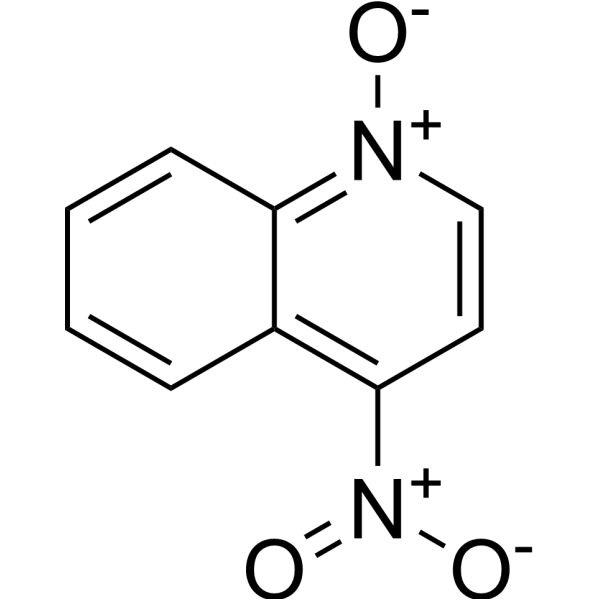
    Nitrochin (4-NQO) is a chemical carcinogen. Nitrochin induces oncostatin-M (OSM) in esophageal cells. Nitrochin induces DNA damage, and induces apoptosis via a p53-dependent mitochondrial signaling pathway .
    Nitrochin
  • HY-108309
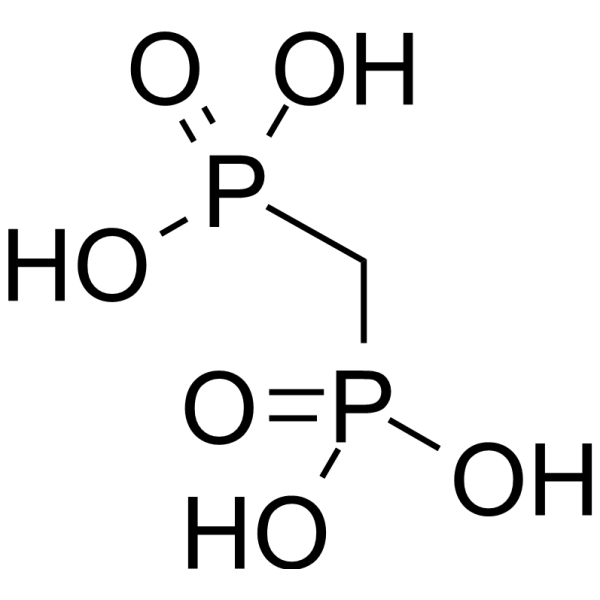
    Medronic acid
    1 Publications Verification

    Methylenediphosphonic acid

    Biochemical Assay Reagents Others
    Medronic acid (Methylenediphosphonic acid) is a methylene-substituted bisphosphonate. Medronic acid has an affinity for the surface of hydroxyapatite crystals in the bone matrix and adheres to them. Medronic acid can be used in complex with radioisotopes in bone imaging. Due to its strong metal chelating ability, medronic acid is also used as a water treatment chemical. In addition, medronic acid is used as a solvent additive to improve peak shape and signal of metal-sensitive metabolites in LC/MS analysis .
    Medronic acid
  • HY-P2860

    ACHE; EC 3.1.1.7

    Cholinesterase (ChE) Neurological Disease
    Acetylcholinesterase, Fly head (ACHE; EC 3.1.1.7) is a cholinergic enzyme mainly found in neuromuscular junctions and cholinergic type chemical synapses used in biochemical research. Acetylcholinesterase, Fly head catalyzes the breakdown or hydrolysis of acetylcholine and some other choline esters that act as neurotransmitters into acetate and choline. Acetylcholinesterase, Fly head's main role is to terminate neuronal transmission and signaling between synapses to prevent ACh spread and activation of nearby receptors .
    Acetylcholinesterase, Fly head
  • HY-P2860A

    Cholinesterase (ChE) Neurological Disease
    Acetylcholinesterase, Electric eel is a cholinergic enzyme that is mainly found in neuromuscular junctions and cholinergic chemical synapses and is often used in biochemical research. Acetylcholinesterase, Electric eel can catalyze the decomposition or hydrolysis of acetylcholine and some other choline esters that act as neurotransmitters into acetic acid and choline. The main function of Acetylcholinesterase, Electric eel is to terminate neuronal transmission and signal conduction between synapses to prevent ACh diffusion and activation of nearby receptors .
    Acetylcholinesterase, Electric eel
  • HY-107794
    Clodronate disodium tetrahydrate
    4 Publications Verification

    Disodium clodronate tetrahydrate

    Apoptosis Neurological Disease Inflammation/Immunology Cancer
    Clodronate disodium tetrahydrate (Disodium clodronate tetrahydrate) is first-generation bisphosphonate, with anti-osteoporotic, anti-inflammatory and analgesic effects. Clodronate disodium tetrahydrate is a selective, potent, reversible and Cl - competitive vesicular nucleotide transporter (VNUT) inhibitor, with an IC50 of 15.6 nM. Clodronate disodium tetrahydrate inhibits vesicular ATP release from neurons and reduces chronic neuropathic and inflammatory pain .
    Clodronate disodium tetrahydrate
  • HY-12681
    CCT251545
    3 Publications Verification

    Wnt Cancer
    CCT251545 is an orally bioavailable and potent inhibitor of WNT signaling with an IC50 of 5 nM in 7dF3 cells . CCT251545 is a selective chemical probe for exploring the role of CDK8 and CDK19 in human disease .
    CCT251545
  • HY-A0067
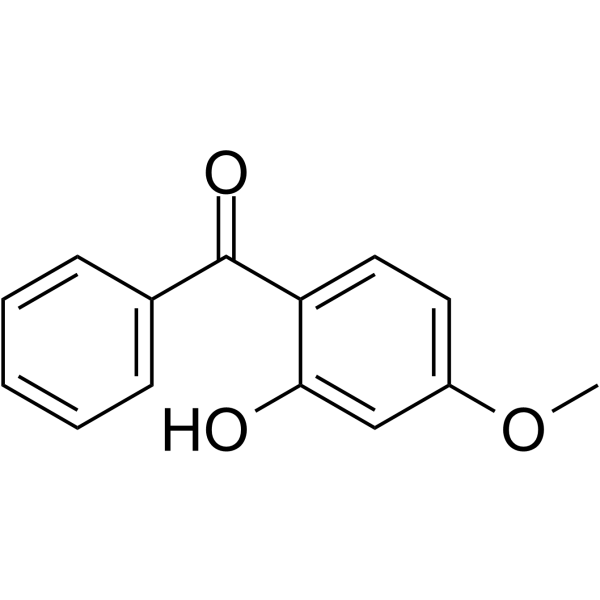
    Oxybenzone
    Maximum Cited Publications
    6 Publications Verification

    Benzophenone 3

    Environmental Pollutants Autophagy RAR/RXR Apoptosis Neurological Disease
    Oxybenzone (Benzophenone 3) is a commonly used UV filter in sun tans and skin protectants. Oxybenzone act as endocrine disrupting chemicals (EDCs) and can pass through the placental and blood-brain barriers. Benzophenone-3 impairs autophagy, alters epigenetic status, and disrupts retinoid X receptor signaling in apoptotic neuronal cells .
    Oxybenzone
  • HY-124418
    SBI-477
    1 Publications Verification

    Fluorescent Dye Insulin Receptor LXR Arrestin Metabolic Disease
    SBI-477 is a chemical probe that stimulates insulin signaling by deactivating the transcription factor MondoA. SBI-477 can lead to reduced expression of the insulin pathway suppressors thioredoxin-interacting protein (TXNIP) and arrestin domain-containing 4 (ARRDC4). SBI-477 coordinately inhibits triacylglyceride (TAG) synthesis and enhances basal glucose uptake in human skeletal myocytes .
    SBI-477
  • HY-19416
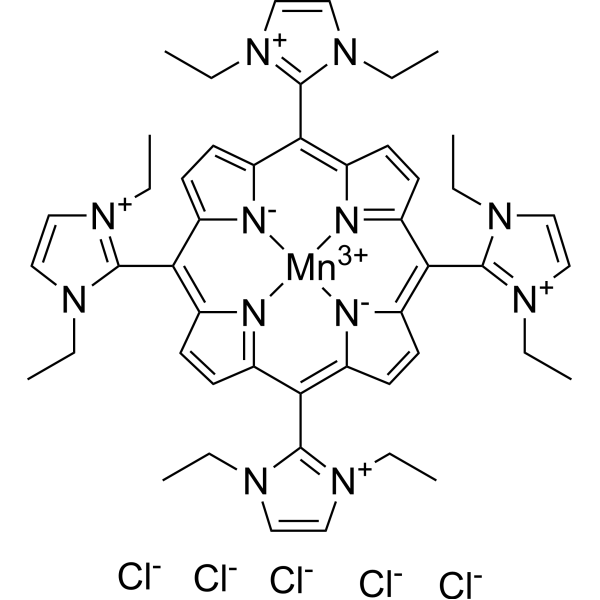
    AEOL-10150 pentachloride
    1 Publications Verification

    Reactive Oxygen Species (ROS) NF-κB Inflammation/Immunology Cancer
    AEOL-10150 pentachloride is a metalloporphyrin-catalyzed antioxidant and a superoxide dismutase mimetic. AEOL-10150 pentachloride scavenges ROS and RNS, and modulates the NF-κB signaling pathway. AEOL-10150 pentachloride has potent antioxidant and anti-inflammatory activities. AEOL-10150 pentachloride effectively mitigates tissue damage caused by radiation and chemical agents such as CEES (HY-W199190). AEOL-10150 pentachloride synergizes with radiotherapy to exert anticancer effects on prostate tumors .
    AEOL-10150 pentachloride
  • HY-Y0121

    Environmental Pollutants Apoptosis Parasite VEGFR Cardiovascular Disease Cancer
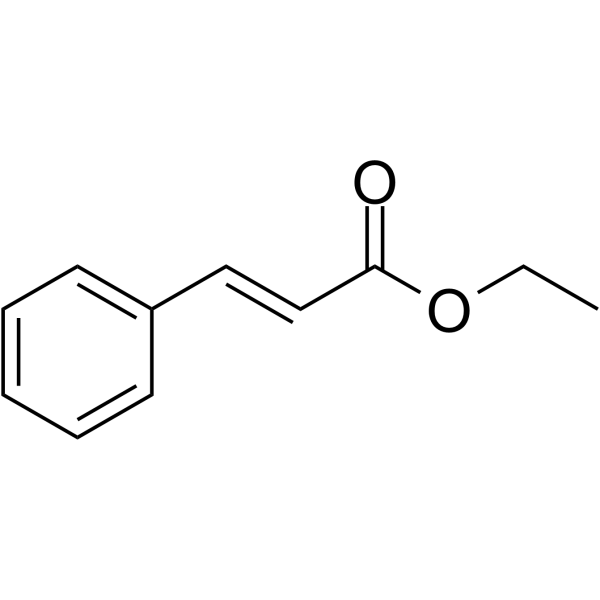
    Ethyl cinnamate, an orally active chemical constituent of the rhizome of Kaempferia galanga, exhibits anti-cancer, nematocidal, sedative and vasorelaxant activities. Ethyl cinnamate is a fragrance ingredient used as a food flavor and additive for cosmetic products. Ethyl cinnamate is also an excellent clearing reagent for mammalian tissues. Ethyl cinnamate suppresses tumor growth through anti-angiogenesis by attenuating VEGFR2 signal pathway in colorectal cancer. Ethyl cinnamate inhibits the tonic contractions induced by high K+ and phenylephrine (PE) with respective IC50 values of 0.30 mM and 0.38 mM in rat aorta .
    Ethyl cinnamate
  • HY-148234

    Anaplastic lymphoma kinase (ALK) TGF-beta/Smad Cancer
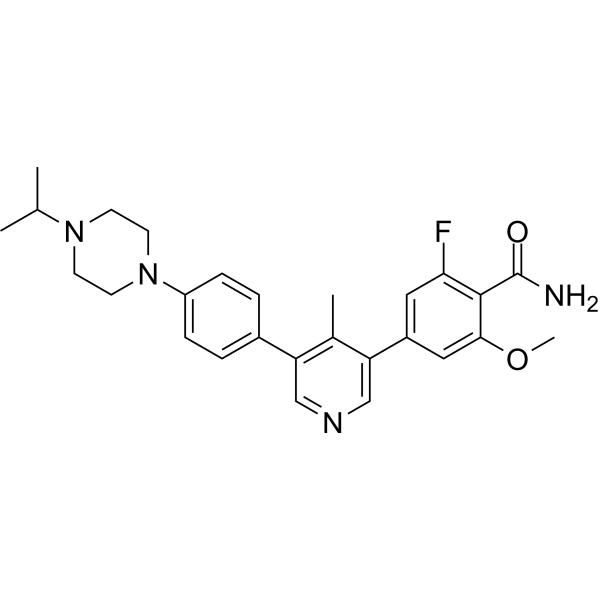
    M4K2234, a chemical probe, is an orally active, highly selective inhibitor of ALK1 and ALK2 with IC50 values of 7 nM and 14 nM, respectively. M4K2234 specifically blocks BMP signaling by inhibiting the phosphorylation of SMAD1/5/8. M4K2234 inhibits BMP7-stimulated reporter gene activity (IC50 = 16 nM). M4K2234 can be used for the investigation of ALK1/2-mediated biological processes and related diseases such as diffuse midline glioma (DMG) and fibrodysplasia ossificans progressiva (FOP) .
    M4K2234
  • HY-W089845
    Heneicosane
    1 Publications Verification

    Environmental Pollutants Fungal Sex Pheromone Infection Endocrinology
    Heneicosane is a royal-specific pheromone of insects (such as subterranean termites) and is an identification signal for queens and kings in termites. Heneicosane mediates royal recognition and the maintenance of social division of labor by being sensed by worker ants and triggering vibrations and antennal behaviors. Heneicosane can exert anti-inflammatory, analgesic and antipyretic activities by inhibiting the release of inflammatory mediators (such as prostaglandins and cytokines). At the same time, Heneicosane can also inhibit the mycelial growth of aflatoxin-producing fungi and inhibit the production of aflatoxin. Heneicosane can be used in insect chemical ecology research to analyze the regulatory mechanism of termite social behavior, and is also a potential target for new anti-inflammatory drugs .
    Heneicosane
  • HY-N0772
    Isomangiferin
    4 Publications Verification

    VEGFR NOD-like Receptor (NLR) NF-κB Bacterial AMPK Acetyl-CoA Carboxylase Apoptosis Reactive Oxygen Species (ROS) HSV Drug Derivative Infection Metabolic Disease Inflammation/Immunology Cancer
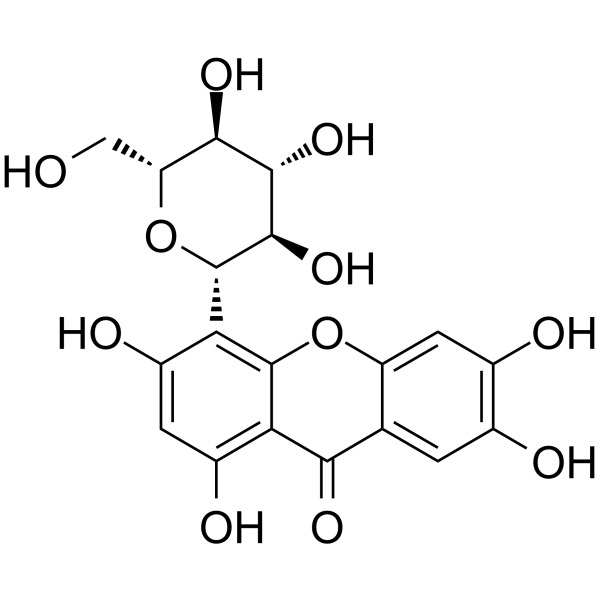
    Isomangiferin is an orally active xanthone C-glucoside, and its chemical structure is similar to Mangiferin (HY-N0290). Isomangiferin is an effective VEGFR-2 kinase inhibitor, which can induces cell apoptosis, inhibit the growth, metastasis and angiogenesis of breast cancer. Isomangiferin exerts anti-inflammatory effects by inhibiting the HMGB1/NLRP3/NF-κB signaling pathway, thereby improving the renal function indicators of diabetic mice. Isomangiferin exhibits inhibitory effects on various bacteria and herpes simplex virus type 1 (HSV-1). Isomangiferin promotes the migration and osteogenic differentiation of bone marrow mesenchymal stem cells (BMSCs) and reduces cell apoptosis and the production of ROS by activating the AMPK/ACC pathway, thereby facilitating fracture healing .
    Isomangiferin
  • HY-126154
    L48H37
    1 Publications Verification

    Toll-like Receptor (TLR) Inflammation/Immunology
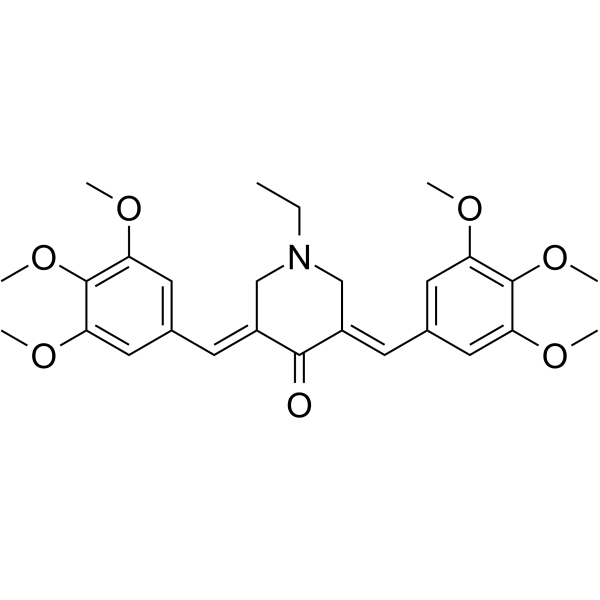
    L48H37 is an analog of Curcumin (HY-N0005) with improved chemical stability. L48H37 is a potent and specific myeloid differentiation protein 2 (MD2) inhibitor and inhibits the interaction and signaling transduction of LPS-TLR4/MD2. L48H37 is used for the research of sepsis or lung injury treatment .
    L48H37
  • HY-153789

    PI5P4K mTOR Cancer
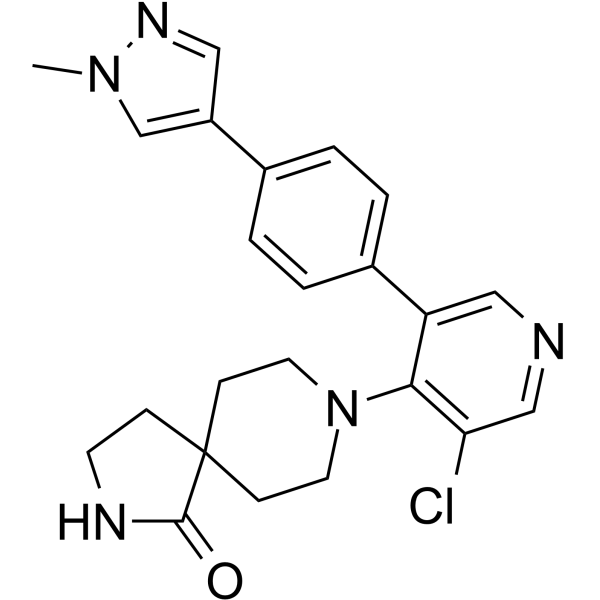
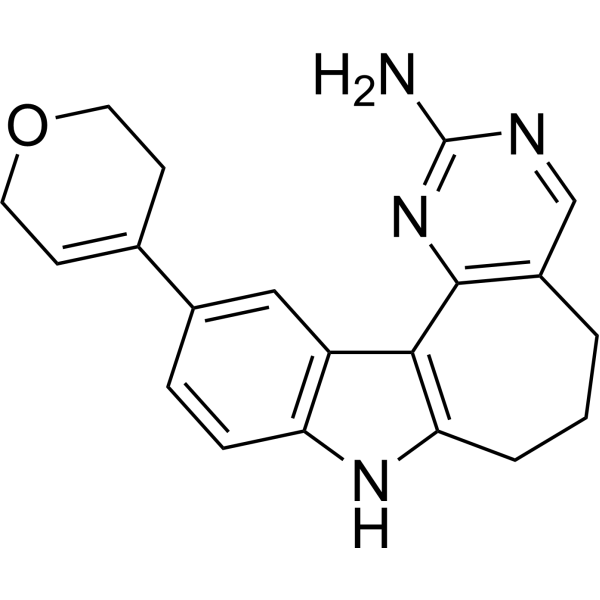
    PI5P4Kγ-IN-1 is an ATP-competitive, highly selective chemical probe for PI5P4Kγ, with a Kd of 19 nM and an IC50 of 67 nM. PI5P4Kγ-IN-1 effectively inhibits PI5P4Kγ function and activates the mTORC1 signaling pathway in cells. PI5P4Kγ-IN-1 can be used in studies related to diseases such as breast cancer .
    PI5P4Kγ-IN-1
  • HY-153598

    PROTACs RIP kinase Apoptosis Inflammation/Immunology Cancer
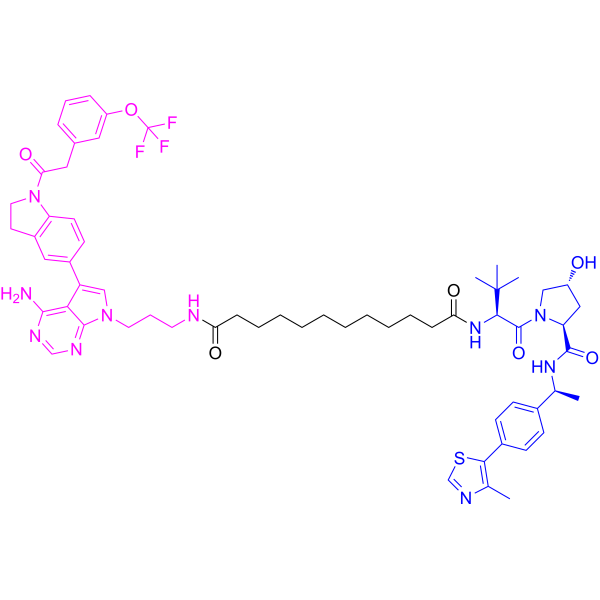
    LD4172 is a selective RIPK1 PROTAC degrader with a Ki of 4.8 nM. LD4172 induces RIPK1 protein degradation via ternary complex formation with RIPK1 and VHL E3 ligase, driving ubiquitination and proteasomal breakdown. LD4172 abrogates TNF-induced classical NF-κB signaling in TRAF2-deficient cells, impairing IκBα phosphorylation and degradation, and reducing IL-8 production. LD4172 induces apoptosis and immunogenic cell death in tumor cells, enhances tumor-infiltrating lymphocyte responses, and sensitizes tumors to anti-PD1 therapy. LD4172 acts as a chemical probe for investigating RIPK1 scaffolding functions. LD4172 can be used for the research of melanoma, colon cancer .
    LD4172
  • HY-A0067S

    RAR/RXR Apoptosis Autophagy Neurological Disease
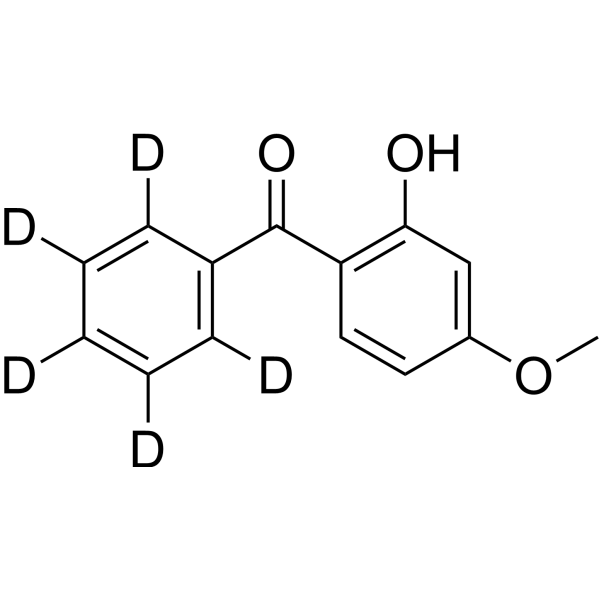
    Oxybenzone-d5 is the deuterium labeled Oxybenzone . Oxybenzone (Benzophenone 3) is a commonly used UV filter in sun tans and skin protectants. Oxybenzone act as endocrine disrupting chemicals (EDCs) and can pass through the placental and blood-brain barriers. Benzophenone-3 impairs autophagy, alters epigenetic status, and disrupts retinoid X receptor signaling in apoptotic neuronal cells .
    Oxybenzone-d5
  • HY-137884

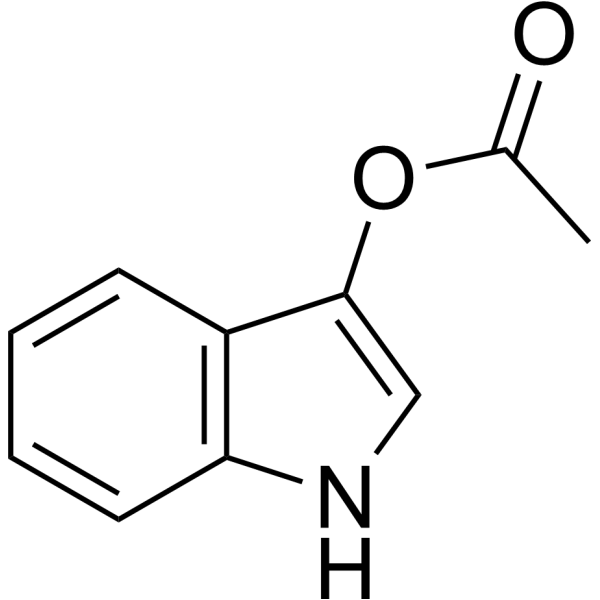
    3-Acetoxyindole

    Biochemical Assay Reagents Others
    3-Indolyl acetate is an ester derivative of indole that is ubiquitous in various plant tissues, especially in certain cruciferous vegetables such as broccoli and cabbage. 3-Indolyl acetate has unique chemical properties that make it an important signaling molecule in plants, regulating various physiological processes such as growth and defense against pathogens. It also has potential applications in the pharmaceutical industry, as it has been shown to have antitumor and anti-inflammatory effects in some studies.
    3-Indolyl acetate
  • HY-150087

    Fluorescent Dye Others
    Ctrl-CF4-S2 is a chemically modified control probe of the copper probe Copper Fluor-4 (CF4, HY-150086), in which two of the four thioether ligands in CF4 (HY-150086) are replaced with methylene groups. CF4 (HY-150086) is a fluorescent probe used for detecting the presence and distribution of copper ions, whereas Ctrl-CF4-S2 does not respond to copper ions. This allows it to eliminate background signals from copper, thereby helping to determine whether the signals from CF4 (HY-150086) accurately reflect the dynamic changes of copper ions in biological systems
    Ctrl-CF4-S2
  • HY-W342092

    Biochemical Assay Reagents Endogenous Metabolite
    1,3,4,6-Tetrachloro-3α,6α-diphenylglycouril is a chemical agent that has the property of inhibiting enzyme activity in organisms. 1,3,4,6-Tetrachloro-3α,6α-diphenylglycouril is used as a potential anti-tumor agent in compound development. 1,3,4,6-Tetrachloro-3α,6α-diphenylglycouril has the effect of regulating cell signaling pathways and can be used to study cell biology. 1,3,4,6-Tetrachloro-3α,6α-diphenylglycouril is considered to be a potent compound that can exert biological activity under specific conditions.
    1,3,4,6-Tetrachloro-3α,6α-diphenylglycouril
  • HY-W145699

    Biochemical Assay Reagents Endogenous Metabolite Others
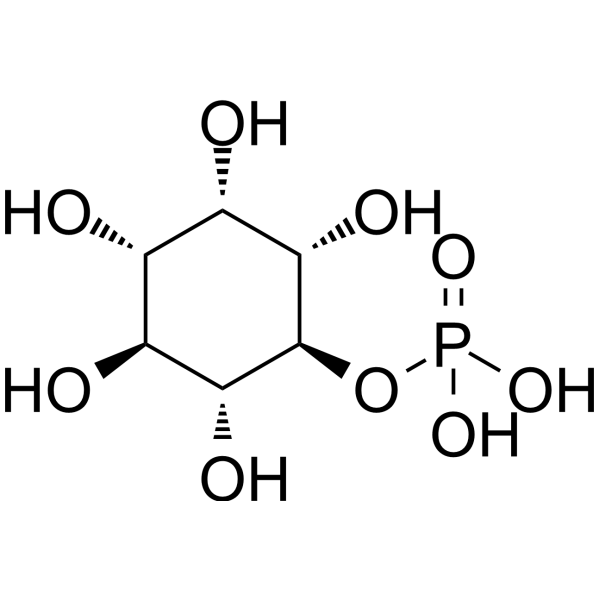
    D-myo-Inositol 4-mono-phosphate, also known as IMP, is a phosphorylated form of inositol that is commonly found in various metabolic pathways, especially in the biosynthesis of phospholipids and cell signaling molecules. D-myo-Inositol 4-mono-phosphate has unique chemical properties that make it an important intermediate in the production of second messengers, such as inositol triphosphate (IP3) and diacylglycerol (DAG), which signal in cells plays a key role in. D-myo-Inositol 4-mono-phosphate is also used in dietary supplements and pharmaceuticals because of its potential health benefits, including improved insulin sensitivity and cognitive function.
    D-myo-Inositol 4-monophosphate
  • HY-123781A

    Hedgehog Cancer
    RUSKI-201 dihydrochloride is a potent and specific Hedgehog acyltransferase (Hhat) inhibitor with an IC50 of 0.20 μM. RUSKI-201 dihydrochloride is able to block Hh signaling from Shh overexpressing cells and inhibits Hh palmitoylation. RUSKI-201 dihydrochloride is potential Hhat chemical probe in cells and can used in studies of Hhat catalytic function .
    RUSKI-201 dihydrochloride
  • HY-141641

    HSL

    Bacterial Infection
    N-(3-Oxopentanoyl)-L-homoserine lactone is an autoinducer, a kind of chemical signal molecule which passively diffuses across the bacterial envelope and accumulates intracellularly at high bacterial densities. It may bind to a protein related to the LuxR protein of V. fischeri and causes cell density-dependent gene expression. N-(3-Oxopentanoyl)-L-homoserine can be used for research of quorum sensing .
    N-(3-Oxopentanoyl)-L-homoserine lactone
  • HY-Y0121R

    Reference Standards Parasite VEGFR Apoptosis Cardiovascular Disease Cancer
    Ethyl cinnamate (Standard) is the analytical standard of Ethyl cinnamate. This product is intended for research and analytical applications. Ethyl cinnamate, an orally active chemical constituent of the rhizome of Kaempferia galanga, exhibits anti-cancer, nematocidal, sedative and vasorelaxant activities. Ethyl cinnamate is a fragrance ingredient used as a food flavor and additive for cosmetic products. Ethyl cinnamate is also an excellent clearing reagent for mammalian tissues. Ethyl cinnamate suppresses tumor growth through anti-angiogenesis by attenuating VEGFR2 signal pathway in colorectal cancer. Ethyl cinnamate inhibits the tonic contractions induced by high K+ and phenylephrine (PE) with respective IC50 values of 0.30 mM and 0.38 mM in rat aorta .
    Ethyl cinnamate (Standard)
  • HY-175166

    STING Inflammation/Immunology
    BMS-025 is a orthosteric STING agonist. BMS-025 can induces chemical shift of STING M271 residue, further activating STING IFN signaling. BMS-025 can be used for monogenic autoinflammatory disease like SAVI disease research .
    BMS-025
  • HY-150265

    TMP-NVOC linker-Halo

    Kinesin Others
    TNH (TMP-NVOC linker-Halo) is a dimeric protein chemical inducer that can enter living cells and recruit proteins to cellular structures. TNH senses light signals and acts by recruiting proteins to kinetochores and releasing them from kinetochores (depending on CENP-E (kinesin-7)) .
    TNH
  • HY-148250

    iGluR Neurological Disease
    TP-050, a chemical probe, is a potent, orally active and selective NMDAR agonist with an EC50 value of 0.51 μM and 9.6 μM for GluN2A and GluN2D, respecticely. TP-050 can cross the blood-brain barrier (BBB). TP-050 induces hippocampal long-term (LPT) potentiation enhancemen and enhances neuronal signal transmission .
    TP-050
  • HY-A0067R

    Benzophenone 3 (Standard)

    Reference Standards RAR/RXR Autophagy Apoptosis Neurological Disease
    Oxybenzone (Standard) is the analytical standard of Oxybenzone. This product is intended for research and analytical applications. Oxybenzone (Benzophenone 3) is a commonly used UV filter in sun tans and skin protectants. Oxybenzone act as endocrine disrupting chemicals (EDCs) and can pass through the placental and blood-brain barriers. Benzophenone-3 impairs autophagy, alters epigenetic status, and disrupts retinoid X receptor signaling in apoptotic neuronal cells .
    Oxybenzone (Standard)
  • HY-113225B

    GTP tritris

    Endogenous Metabolite Exosomes Cancer
    Guanosine triphosphate tritris (GTP tritris) serves as a vital enhancer of myogenic cell differentiation and plays a critical role in modulating miRNA-myogenic regulator factors. It also facilitates the release of exosomes enriched with guanosine and guanosine-derived molecules, and is regarded as an activated precursor for RNA synthesis. In mitochondrial function, GTP participates in the import of proteins into the matrix, which is essential for various regulated pathways, and is involved in initiating peptide synthesis through the binding of formylmethionyl-tRNA to the ribosome, as well as polypeptide chain elongation. Additionally, GTP acts as a phosphate and pyrophosphate carrier that channels chemical energy into specific biosynthetic pathways. It activates signal transducing G proteins that regulate cellular processes such as proliferation and differentiation, and its hydrolysis by small GTPases, including Ras and Rho, is integral to both proliferation and apoptosis. Furthermore, the small GTPase Rab is instrumental in vesicle docking, fusion, and formation. Beyond signal transduction, GTP is an energy-rich precursor in the enzymatic biosynthesis of DNA and RNA.
    Guanosine triphosphate tritris
  • HY-152247

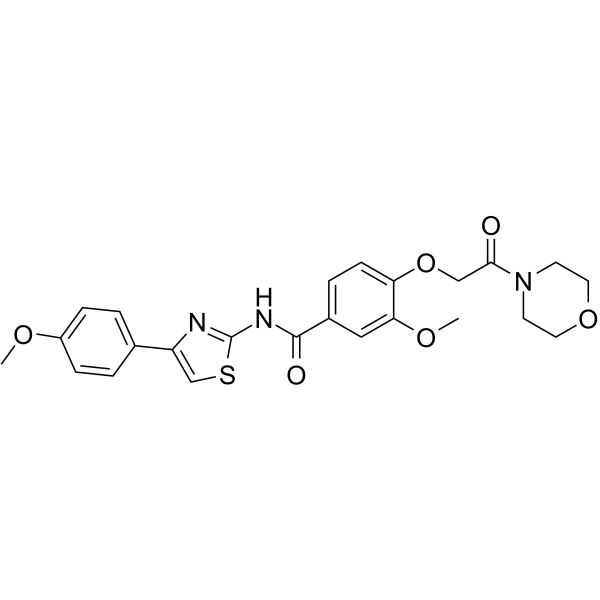
    MAP3K Cancer
    DDO3711, a PP5-recruiting phosphatase recruitment chimeras (PHORCs), is formed by connecting a small molecular apoptosis signal-regulated kinase 1 (ASK1) inhibitor to a PP5 activator through a chemical linker. DDO3711 specifically inhibits ASK1 (IC50 =164.1 nM) not ASK2 (IC50>20 μM). DDO3711 significantly dephosphorylates p-ASK1 T838 by recruiting PP5 and shows the ASK1-dependent antiproliferative activity. DDO3711 has anti-cancer activity and has the potential for abnormally phosphorylated oncoproteins research .
    DDO3711
  • HY-133985

    Others Others Neurological Disease
    7(Z)-Pentacosene is an aggregation pheromone of the European earwig (Forficula auricularia). 7(Z)-Pentacosene can be used in the study of insect behavior and neurobiology .
    7(Z)-Pentacosene
  • HY-107794R

    Disodium clodronate tetrahydrate (Standard)

    Others Reference Standards Neurological Disease Inflammation/Immunology Cancer
    Clodronate (disodium tetrahydrate) (Standard) is the analytical standard of Clodronate (disodium tetrahydrate). This product is intended for research and analytical applications. Clodronate disodium tetrahydrate (Disodium clodronate tetrahydrate) is first-generation bisphosphonate, with anti-osteoporotic, anti-inflammatory and analgesic effects. Clodronate disodium tetrahydrate is a selective, potent, reversible and Cl-competitive vesicular nucleotide transporter (VNUT) inhibitor, with an IC50 of 15.6 nM. Clodronate disodium tetrahydrate inhibits vesicular ATP release from neurons and reduces chronic neuropathic and inflammatory pain .
    Clodronate disodium tetrahydrate (Standard)
  • HY-W554514

    Bacterial Infection
    D-Homoserine lactone is a signaling molecule with the activity of regulating bacterial quorum sensing. The chemical structure of D-Homoserine lactone makes it a potential regulator of the AHL synthase RhlI. D-Homoserine lactone has been shown to inhibit the activity of RhlI, thereby affecting the bacterial quorum sensing signaling pathway. D-Homoserine lactone is also an enantiomer of L-homoserine lactone and is used as an inhibitor of serine hydroxymethyltransferase .
    D-Homoserine lactone
  • HY-123781

    Hedgehog Cancer
    RUSKI-201 is a potent and specific Hedgehog acyltransferase (Hhat) inhibitor, with an IC50 of 0.20 μM. RUSKI-201 is able to block Hh signaling from Shh overexpressing cells and inhibits Hh palmitoylation. RUSKI-201 is potential Hhat chemical probe in cells and can used in studies of Hhat catalytic function .
    RUSKI-201
  • HY-167820

    Biochemical Assay Reagents
    3-Ketosphingosine trifluoroacetate is a chemically modified sphingomyelin analog with specific enzymatic pathway research activity. It is mainly used to explore the functions of sphingomyelin kinases and lyases in sphingomyelin metabolism. 3-Ketosphingosine trifluoroacetate has important application value in the study of cell signal transduction and related diseases. The study of 3-Ketosphingosine trifluoroacetate helps to deepen the understanding of sphingomyelin-related biological processes.
    3-Ketosphingosine
  • HY-W747972

    Drug Intermediate Infection
    Hydrosorbaldehyde is a green leaf volatile and also the main contributor to the fresh, grassy aroma of tea leaves. Hydrosorbaldehyde undergoes irreversible conversion to (E)-2-hexenal via (Z)-3:(E)-2-hexenal isomerase (CsHI). Hydrosorbaldehyde plays a key role in protecting plants against biotic stresses (such as pathogens and insects) and acting as a signaling chemical .
    Hydrosorbaldehyde
  • HY-W438351

    RANKL/RANK Metabolic Disease
    1,3-Dibenzyl-5-fluorouracil is a chemical inhibitor of osteoclastogenesis. 1,3-Dibenzyl-5-fluorouracil inhibits the expression of osteoclast markers by downregulating the receptor activator of NF-κB ligand (RANKL) and macrophage colony-stimulating factor (M-CSF) signaling pathways. 1,3-Dibenzyl-5-fluorouracil can be used in the study of metabolic bone diseases .
    1,3-Dibenzyl-5-fluorouracil
  • HY-A0067S1

    Benzophenone 3-13C6

    Isotope-Labeled Compounds RAR/RXR Autophagy Apoptosis Neurological Disease
    Oxybenzone- 13C6 (Benzophenone 3- 13C6) is the 13C-labeled Oxybenzone (HY-A0067). Oxybenzone (Benzophenone 3) is a commonly used UV filter in sun tans and skin protectants. Oxybenzone act as endocrine disrupting chemicals (EDCs) and can pass through the placental and blood-brain barriers. Benzophenone-3 impairs autophagy, alters epigenetic status, and disrupts retinoid X receptor signaling in apoptotic neuronal cells .
    Oxybenzone-13C6
  • HY-W653958

    Benzophenone 3-d3

    Isotope-Labeled Compounds RAR/RXR Autophagy Apoptosis Neurological Disease
    Oxybenzone-d3 (Benzophenone 3-d3) is a deuterium labeled Oxybenzone (HY-A0067). Oxybenzone (Benzophenone 3) is a commonly used UV filter in sun tans and skin protectants. Oxybenzone act as endocrine disrupting chemicals (EDCs) and can pass through the placental and blood-brain barriers. Benzophenone-3 impairs autophagy, alters epigenetic status, and disrupts retinoid X receptor signaling in apoptotic neuronal cells .
    Oxybenzone-d3
  • HY-113817

    Phosphatase Inflammation/Immunology
    SHIP1 activator 1 is an SH3 domain-containing inositol 5-phosphatase regulator with SHIP1 activating activity. SHIP1 activator 1 retains its SHIA-1 activating ability by removing unnecessary functional groups. SHIP1 activator 1 is able to activate SHIP1 in vitro, inhibit Akt phosphorylation in MOLT-4 cells, and show dose-dependent activity in a mouse model of inflammation. SHIP1 activator 1 is an important chemical tool for evaluating the potential of SHIP1 activators as inhibitors of hematopoietic diseases involving abnormal PI3K cell signaling .
    SHIP1 activator 1
  • HY-Y0121S1

    Isotope-Labeled Compounds Others
    Ethyl cinnamate-d7 is deuterated labeled Ethyl cinnamate (HY-Y0121). Ethyl cinnamate, an orally active chemical constituent of the rhizome of Kaempferia galanga, exhibits anti-cancer, nematocidal, sedative and vasorelaxant activities. Ethyl cinnamate is a fragrance ingredient used as a food flavor and additive for cosmetic products. Ethyl cinnamate is also an excellent clearing reagent for mammalian tissues. Ethyl cinnamate suppresses tumor growth through anti-angiogenesis by attenuating VEGFR2 signal pathway in colorectal cancer. Ethyl cinnamate inhibits the tonic contractions induced by high K+ and phenylephrine (PE) with respective IC50 values of 0.30 mM and 0.38 mM in rat aorta .
    Ethyl cinnamate-d7
  • HY-W089845R

    Reference Standards Sex Pheromone Fungal Infection Endocrinology
    Heneicosane (Standard) is the analytical standard of Heneicosane (HY-W089845). This product is intended for research and analytical applications. Heneicosane is a royal-specific pheromone of insects (such as subterranean termites) and is an identification signal for queens and kings in termites. Heneicosane mediates royal recognition and the maintenance of social division of labor by being sensed by worker ants and triggering vibrations and antennal behaviors. Heneicosane can exert anti-inflammatory, analgesic and antipyretic activities by inhibiting the release of inflammatory mediators (such as prostaglandins and cytokines). At the same time, Heneicosane can also inhibit the mycelial growth of aflatoxin-producing fungi and inhibit the production of aflatoxin. Heneicosane can be used in insect chemical ecology research to analyze the regulatory mechanism of termite social behavior, and is also a potential target for new anti-inflammatory drugs .
    Heneicosane (Standard)
  • HY-W089845S

    Isotope-Labeled Compounds Sex Pheromone Fungal Infection Endocrinology
    Heneicosane-d44 is the deuterium labeled Heneicosane (HY-W089845). Heneicosane is a royal-specific pheromone of insects (such as subterranean termites) and is an identification signal for queens and kings in termites. Heneicosane mediates royal recognition and the maintenance of social division of labor by being sensed by worker ants and triggering vibrations and antennal behaviors. Heneicosane can exert anti-inflammatory, analgesic and antipyretic activities by inhibiting the release of inflammatory mediators (such as prostaglandins and cytokines). At the same time, Heneicosane can also inhibit the mycelial growth of aflatoxin-producing fungi and inhibit the production of aflatoxin. Heneicosane can be used in insect chemical ecology research to analyze the regulatory mechanism of termite social behavior, and is also a potential target for new anti-inflammatory drugs .
    Heneicosane-d44
  • HY-N0772R

    Reference Standards VEGFR NF-κB NOD-like Receptor (NLR) AMPK Acetyl-CoA Carboxylase Apoptosis Reactive Oxygen Species (ROS) HSV Drug Derivative Infection Metabolic Disease Inflammation/Immunology Cancer
    Isomangiferin (Standard) is the analytical standard of Isomangiferin (HY-N0772). This product is intended for research and analytical applications. Isomangiferin is an orally active xanthone C-glucoside, and its chemical structure is similar to Mangiferin (HY-N0290). Isomangiferin is an effective VEGFR-2 kinase inhibitor, which can induces cell apoptosis, inhibit the growth, metastasis and angiogenesis of breast cancer. Isomangiferin exerts anti-inflammatory effects by inhibiting the HMGB1/NLRP3/NF-κB signaling pathway, thereby improving the renal function indicators of diabetic mice. Isomangiferin exhibits inhibitory effects on various bacteria and herpes simplex virus type 1 (HSV-1). Isomangiferin promotes the migration and osteogenic differentiation of bone marrow mesenchymal stem cells (BMSCs) and reduces cell apoptosis and the production of ROS by activating the AMPK/ACC pathway, thereby facilitating fracture healing.
    Isomangiferin (Standard)
  • HY-182402

    Carboxylesterase (CES) Wnt
    Notum-IN-2 is a partially brain-penetrant Notum carboxyl-esterase inhibitor with an IC50 of 18 nM. Notum-IN-2 can be used as a chemical tool for exploring Wnt signalling in cells .
    Notum-IN-2
  • HY-W587442

    Estrogen Receptor/ERR Cancer
    3-Chlorobisphenol A, a chlorinated derivatives of bisphenol A, is an endocrine-disrupting compound. It binds to estrogen receptors, causing disorders in hormone signaling pathways. Bisphenol A is an industrial chemical used in the production of polycarbonate plastics and epoxy resin.
    3-Chlorobisphenol A
  • HY-N17385

    Bacterial Fungal Infection
    Chrysophanol dimethyl ether is an anthraquinone-type natural product. Chrysophanol dimethyl ether acts as a bioavailability enhancer for antibacterial and antifungal antibiotics. Chrysophanol dimethyl ether serves as a chemical marker for differentiating raw and processed medicinal Rheum palmatum, with lower signal intensity detected in raw samples and higher signal intensity in processed samples. Chrysophanol dimethyl ether is applicable to research related to bacterial and fungal infections .
    Chrysophanol dimethyl ether
  • HY-W585926

    Reactive Oxygen Species (ROS) Others
    Disperse Polyester Dark Blue is a chemical compound extensively employed in scientific research. It serves as a redox-active agent and functions as a probe for identifying reactive oxygen species (ROS) in cells and tissues. By accepting electrons from ROS and undergoing oxidation, Disperse Polyester Dark Blue demonstrates its redox activity. Consequently, a chemiluminescent signal is generated, which can be measured using a luminometer. The intensity of the signal directly correlates with the quantity of ROS detected within the sample.
    Disperse polyester dark blue
  • HY-186111

    PI5P4K Cancer
    BAY-297 is a PIP4K2A inhibitor. BAY-297 binds to PIP4K2A in intact cells and cell lysates. BAY-297 serves as a chemical probe for investigating the PIP4K2A signaling pathway and its roles in physiological conditions such as cancer .
    BAY-297
  • HY-33354R

    4-NQO (Standard)

    DNA/RNA Synthesis Apoptosis Reference Standards Cancer
    Nitrochin (Standard) is the analytical standard of Nitrochin. This product is intended for research and analytical applications. Nitrochin (4-NQO) is a chemical carcinogen. Nitrochin induces oncostatin-M (OSM) in esophageal cells. Nitrochin induces DNA damage, and induces apoptosis via a p53-dependent mitochondrial signaling pathway .
    Nitrochin (Standard)

Inquiry Online

Your information is safe with us. * Required Fields.

Salutation


Country or Region *

Applicant Name *


Organization Name *

Department *


Email Address *


Product Name *

Cat. No.


Requested quantity *

Phone Number *


Remarks

Inquiry Online

Inquiry Information

Product Name:
Cat. No.:
Quantity:
MCE Japan Authorized Agent:

