1. Search Result
Search Result
Results for "

Clickable Probes

" in MedChemExpress (MCE) Product Catalog:

90

Inhibitors & Agonists

1

Screening Libraries

36

Fluorescent Dye

3

Biochemical Assay Reagents

2

Peptides

59

Click Chemistry

Cat. No. Product Name Target Research Areas Chemical Structure
  • HY-19725
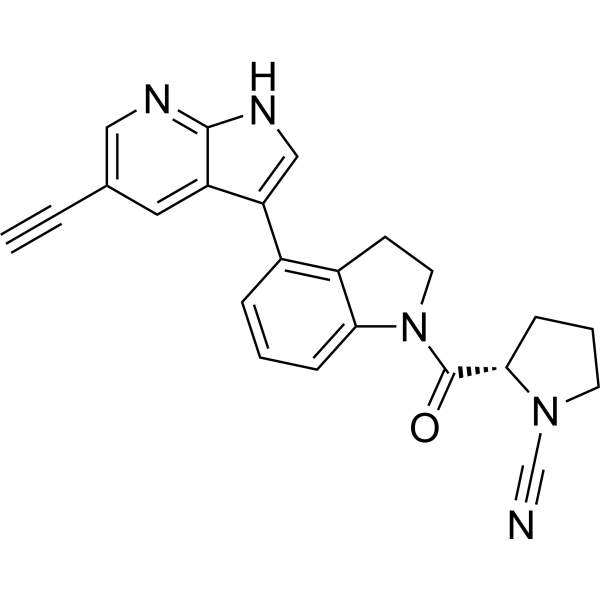
    A-1155463
    Maximum Cited Publications
    23 Publications Verification

    Bcl-2 Family Cancer
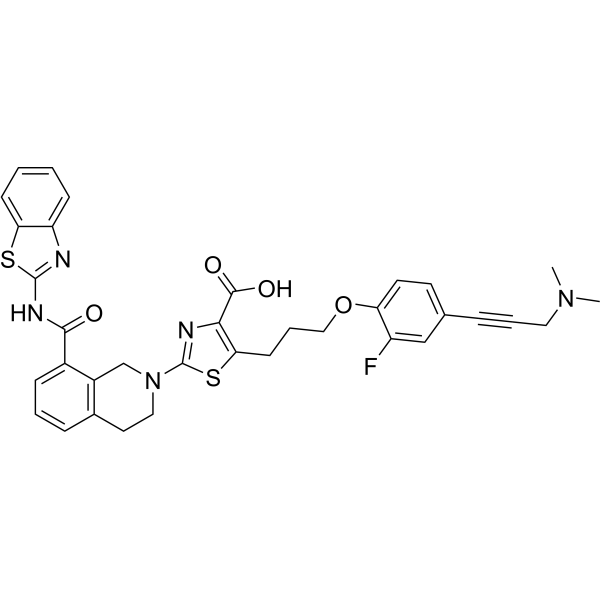
    A-1155463, a chemical probe, is a highly potent and selective BCL-XL inhibitor with an EC50 of 70 nM in Molt-4 cell. A-1155463 is a click chemistry reagent, it contains an Alkyne group and can undergo copper-catalyzed azide-alkyne cycloaddition (CuAAc) with molecules containing Azide groups.
    A-1155463
  • HY-131442
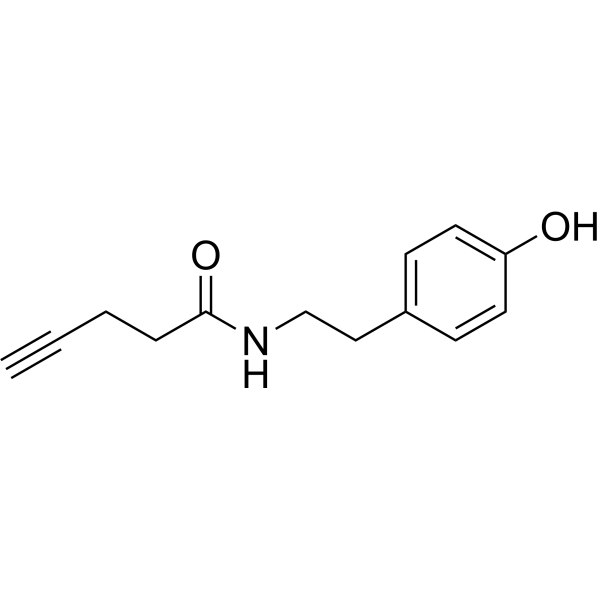
    Alkyne-phenol
    3 Publications Verification

    Alkyne tyramide; Alk-Ph

    Biochemical Assay Reagents Others
    Alkyne-phenol (Alk-Ph) is a clickable ascorbate peroxidase 2 (APEX2) probe. Alkyne-phenol substantially improves APEX-labeling efficiency in intact yeast cells, as it is more cell wall-permeant than APEX2 substrate biotin-phenol (BP). Alkyne-phenol also facilitates the identification of APEX-labeling sites, allowing the unambiguous assignment of membrane topology of mitochondrial proteins . Alkyne-phenol is a click chemistry reagent, it contains an Alkyne group and can undergo copper-catalyzed azide-alkyne cycloaddition (CuAAc) with molecules containing Azide groups.
    Alkyne-phenol
  • HY-136205
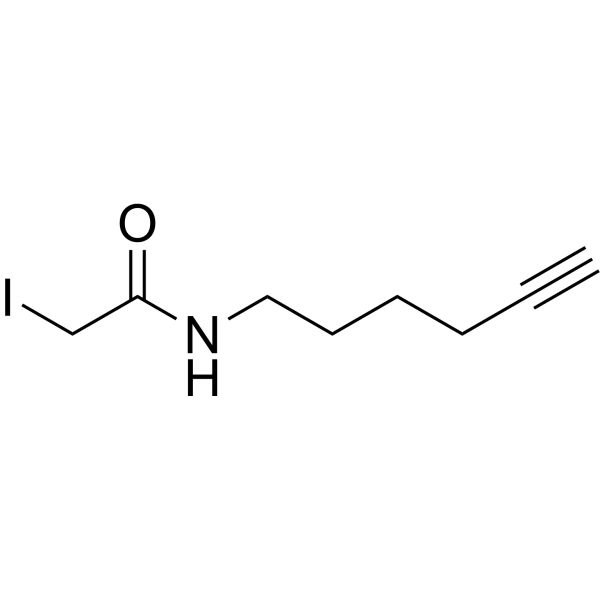
    IA-Alkyne
    4 Publications Verification

    Iodoacetamide-alkyne; N-Hex-5-ynyl-2-iodo-acetamide

    TRP Channel Infection Inflammation/Immunology
    IA-Alkyne (Iodoacetamide-alkyne; N-Hex-5-ynyl-2-iodo-acetamide) is a TRP channel (TRPC) agonist and has the potential for the study of respiratory infection . IA-Alkyne can be used to develop an isotopically tagged probe for quantitative cysteine-reactivity profiling . IA-Alkyne is a click chemistry reagent, it contains an Alkyne group and can undergo copper-catalyzed azide-alkyne cycloaddition (CuAAc) with molecules containing Azide groups.
    IA-Alkyne
  • HY-151708

    Fluorescent Dye Others
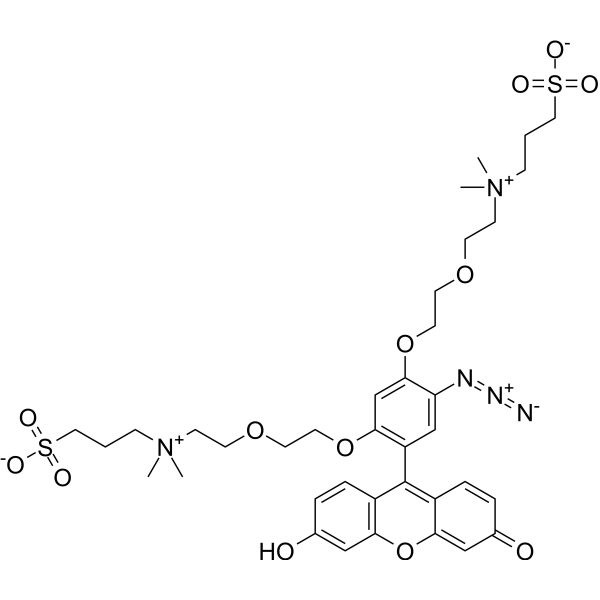
    CalFluor 488 Azide is a water-soluble fluorogenic azide probe. CalFluor 488 Azide is activated by Cu-catalyzed or metal-free click reaction. CalFluor 488 Azide is not fluorescent until it is reacted with alkynes . It contains an azide group and can undergo copper-catalyzed azide-alkyne cycloaddition (CuAAc) with molecules containing alkyne groups. It can also undergo ring strain-promoted alkyne-azide cycloaddition (SPAAC) with molecules containing DBCO or BCN groups.
    CalFluor 488 Azide
  • HY-D1583
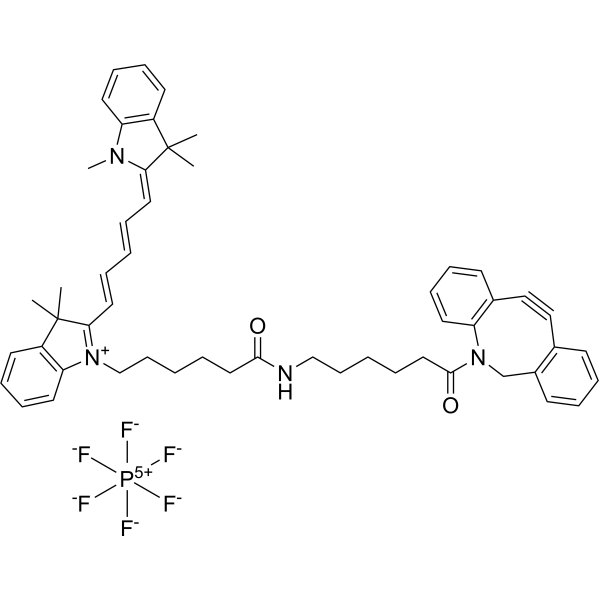
    Cyanine5 DBCO hexafluorophosphate
    4 Publications Verification

    DBCO-Cy5 hexafluorophosphate; Cyanine5 dibenzocyclooctyne hexafluorophosphate

    Fluorescent Dye Others
    Cyanine5 DBCO (DBCO-Cy5) hexafluorophosphate is a low-toxicity azide reactive probe (NIR fluorescent dye), for imaging azide-labeled biomolecules via a copper-free "click-through" reaction. Cyanine5 DBCO hexafluorophosphate has no apparent cytotoxicity or animal toxicity and shows no damage to the physiological functions of cells other than the target cells (azide-labeled cells). Cyanine5 DBCO hexafluorophosphate can be used to label and track cells in vitro and in vivo (Ex=635 nm, Em=650-700 nm) .
    Cyanine5 DBCO hexafluorophosphate
  • HY-145746

    Fluorescent Dye PD-1/PD-L1 Inflammation/Immunology Cancer
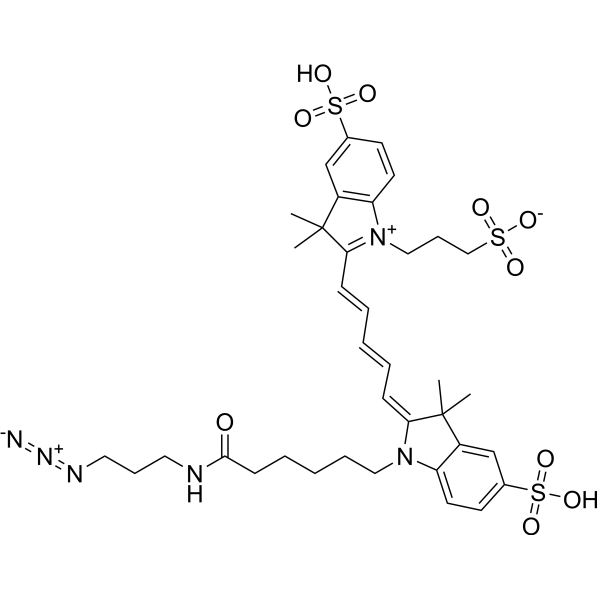
    Sulfo-Cy5 azide is a near-infrared fluorescent probe with favorable click chemistry reactivity. Sulfo-Cy5 azide enables fluorescence imaging, tissue and cellular visualization of PD-L1 in tumors, and site-specific modification of anti-PD-L1 antibodies. Sulfo-Cy5 azide has been employed for RNA labeling and imaging. Sulfo-Cy5 azide can be conjugated to targeting agents for fluorescence imaging in atherosclerosis and breast cancer models (Ex/Em = 645/670 nm) .
    Sulfo-Cy5 azide
  • HY-133870
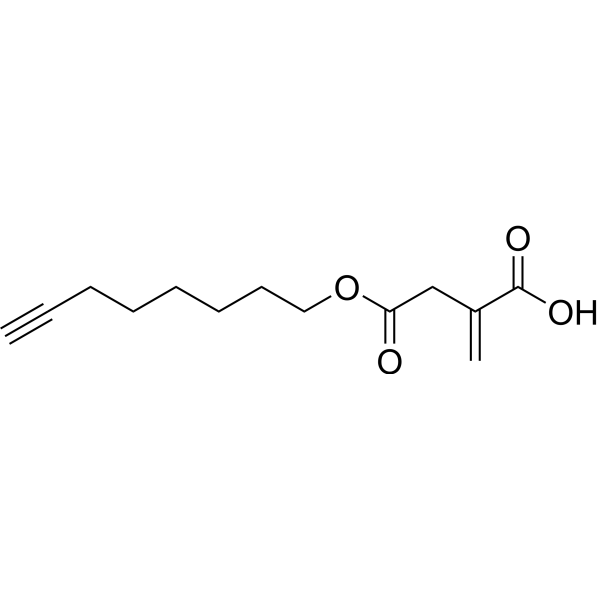
    Itaconate-alkyne
    3 Publications Verification

    ITalk

    Fluorescent Dye Inflammation/Immunology
    Itaconate-alkyne (ITalk) is a specific bioorthogonal probe for quantitative and site-specific chemoproteomic profiling of Itaconation in living cells. Itaconate-alkyne, a functional analogue of Itaconate, exhibits comparable antiinflammatory effect with Itaconate and enables the labeling of bona fide targets of Itaconate . Itaconate-alkyne is a click chemistry reagent, it contains an Alkyne group and can undergo copper-catalyzed azide-alkyne cycloaddition (CuAAc) with molecules containing Azide groups.
    Itaconate-alkyne
  • HY-128676

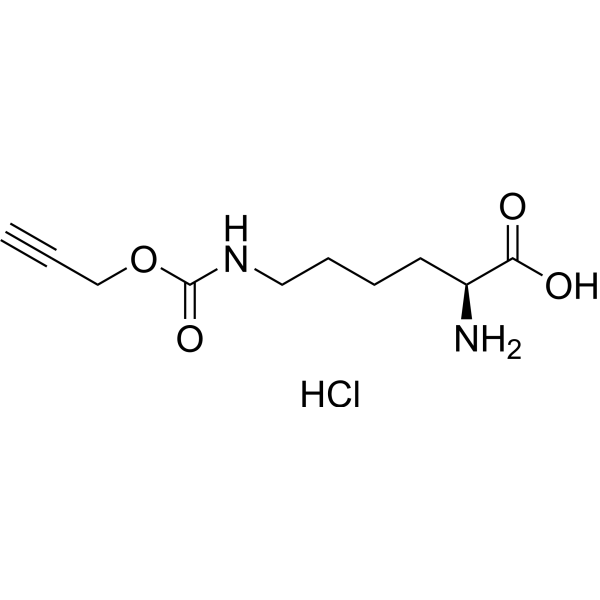
    H-​L-​Lys(Poc)​-​OH hydrochloride

    Amino Acid Derivatives Cancer
    N-ε-propargyloxycarbonyl-L-lysine (H-L-Lys(Poc)-OH) hydrochloride is a lysine-based unnatural amino acid (UAA). N-ε-propargyloxycarbonyl-L-lysine is widely used for bio-conjugation of fluorescent probes in diverse organisms from E. coli to mammalian cells even in animals . N-ε-propargyloxycarbonyl-L-lysine (hydrochloride) is a click chemistry reagent, it contains an Alkyne group and can undergo copper-catalyzed azide-alkyne cycloaddition (CuAAc) with molecules containing Azide groups.
    N-ε-propargyloxycarbonyl-L-lysine hydrochloride
  • HY-W011696

    cis-1-Amino-9-octadecene, 80-90%

    Environmental Pollutants Biochemical Assay Reagents Cancer
    Oleylamine, 80-90% (cis-1-Amino-9-octadecene, 80-90%) is a multifunctional reagent used for metal ion coordination and nanoparticle surface modification, and acts as a solvent, surfactant and reducing agent in the synthesis of metal oxide nanoparticles. Oleylamine, 80-90% regulates nanoparticle morphology, magnetization intensity and water proton relaxation rate via thiol-ene "click" reaction, and enhances the colloidal stability of nanoparticles in organic reagents. Oleylamine, 80-90% is mainly used in research and applications in fields such as nanomaterial synthesis, biomedical imaging (MRI contrast agents, fluorescent probes), cancer cell targeting and drug delivery .
    Oleylamine, 80-90%
  • HY-132301

    MCT4-IN-1

    Monocarboxylate Transporter Cancer
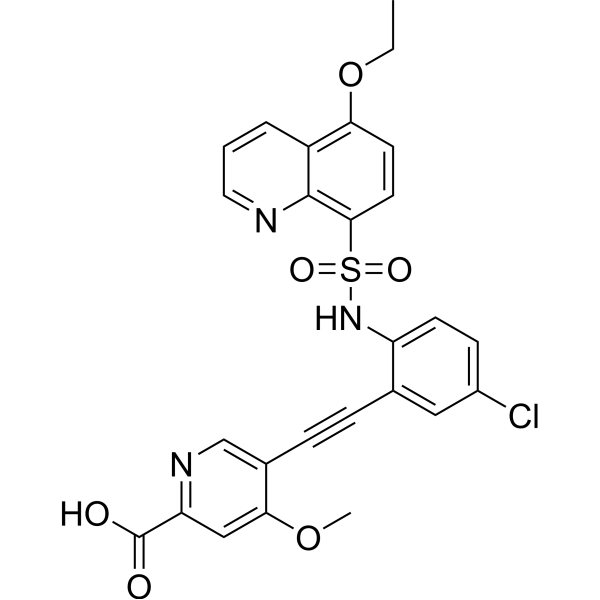
    MSC-4381 (MCT4-IN-1), a chemical probe, is an orally active and selective monocarboxylate transporter 4 (MCT4/SLC16A3) inhibitor with an IC50 of 77 nM and a Ki of 11 nM. MSC-4381 targets to the cytosolic domain of MCT4. MSC-4381 results in lactate efflux inhibition and reduction of cellular viability in MCT4 high expressing cells. MSC-4381 has the potential for MCT4 transporter inhibition research . MSC-4381 is a click chemistry reagent, it contains an Alkyne group and can undergo copper-catalyzed azide-alkyne cycloaddition (CuAAc) with molecules containing Azide groups.
    MSC-4381
  • HY-112624I

    Dextran 3; Dextran D3; Dextran T3(MW 2400-3600)

    Bacterial Others
    Dextran T3 (Dextran 3; Dextran T3(MW 2400-3600)) is a neural tracer and intestinal permeability probe that can move anterogradely and retrogradely in neuronal axons by passive diffusion. Dextran T3 (MW 3,000) is able to permeate across the intestinal epithelial cell membrane in the presence of cholera toxin-induced cytoskeletal disturbance. Dextran T3 (MW 3,000) is used as a fluorescent marker to rapidly label developing neurons (such as Xenopus retinal ganglion cells) and to assess intestinal barrier function. It can be used to study axonal transport in neuroanatomy and permeability changes in intestinal pathophysiology. The Dextran series of compounds are also natural polysaccharide drug carriers that can be connected to drugs through covalent bonding methods such as ester bonds, amide bonds or click chemistry, or self-assembled to form carriers such as nanoparticles and hydrogels. Dextran is biodegradable and biocompatible, and can achieve targeted delivery and controlled release of drugs. Dextran derivatives can prolong the half-life of drugs, increase local concentrations, and reduce the activity of immune clearance .
    Dextran T3 (MW 3,000)
  • HY-151644
    Fluorescein hydrazide
    1 Publications Verification

    Fluorescent Dye Others
    Fluorescein hydrazide is a sensitive fluorescent probe for Hg 2+ and Co 2+ that induces obvious color changes and fluorescence changes. Fluorescein hydrazide can be prepared by the reaction of fluorescein and hydrazine. Fluorescein hydrazide exhibits an excitation wavelength of 508 nM and an emission wavelength of 531 nM [2][3].
    Fluorescein hydrazide
  • HY-159529

    DBCO-PEG4-Eosin Y

    Fluorescent Dye Others
    DBCO-PEG4-Eosin 5-isothiocyanate (DBCO-PEG4-Eosin Y) is a fluorescent probe. DBCO-PEG4-Eosin 5-isothiocyanate contains a clickable functional group, DBCO, and four PEG units. DBCO-PEG4-Eosin 5-isothiocyanate can be used for various imaging detections.
    DBCO-PEG4-Eosin 5-isothiocyanate
  • HY-111434A

    UAA crosslinker 1 hydrochloride

    Amino Acid Derivatives Cancer
    N6-[(2-Azidoethoxy)carbonyl]-L-lysine hydrochloride (UAA crosslinker 1 hydrochloride) is a click chemistry-reactive amino acid derivative. N6-[(2-Azidoethoxy)carbonyl]-L-lysine hydrochloride mediates the generation of antibody-drug conjugates (ADCs). N6-[(2-Azidoethoxy)carbonyl]-L-lysine hydrochloride is used for site-specific incorporation into recombinant proteins, or for synthesizing chemical probes and tools for biological research .
    N6-[(2-Azidoethoxy)carbonyl]-L-lysine hydrochloride
  • HY-D1506

    Fluorescent Dye Others
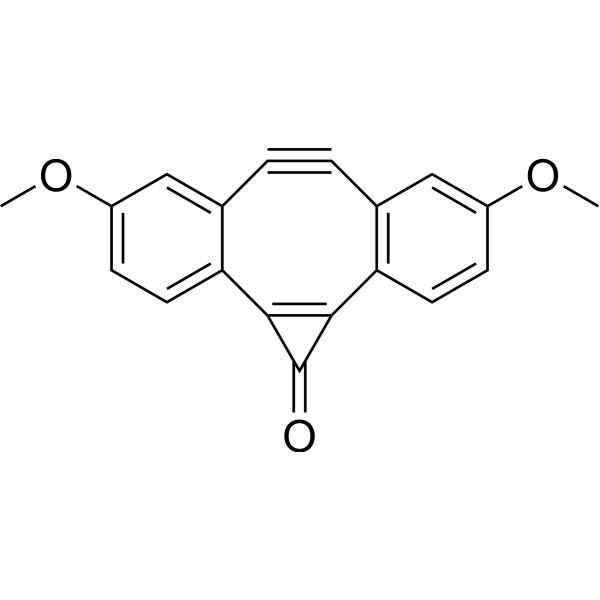
    Fl-DIBO (fluorogenic dibenzocyclooctyne) is a selective and high sensitivity fluorescent probe to azide compounds. Fl-DIBO can react rapidly with azide compounds to form new highly fluorescent products with a maximum emission wavelength of 469 nm and excitation wavelength of 363 nm. Fl-DIBO can be used to label diazo-tagged proteins without detectable background signal interference . Fl-DIBO is a click chemistry reagent, it contains an Alkyne group and can undergo copper-catalyzed azide-alkyne cycloaddition (CuAAc) with molecules containing Azide groups.
    Fl-DIBO
  • HY-173176

    Biochemical Assay Reagents Others
    4-(2-Azidoethyl)phenol (Ph_N3) is a clickable APEX2 probe. 4-(2-Azidoethyl)phenol (Ph_N3) exhibits reliable labeling ability and enabled two biotinylation routes for downstream analysis .
    4-(2-Azidoethyl)phenol
  • HY-151662

    N3-TFBA

    ADC Linker Others
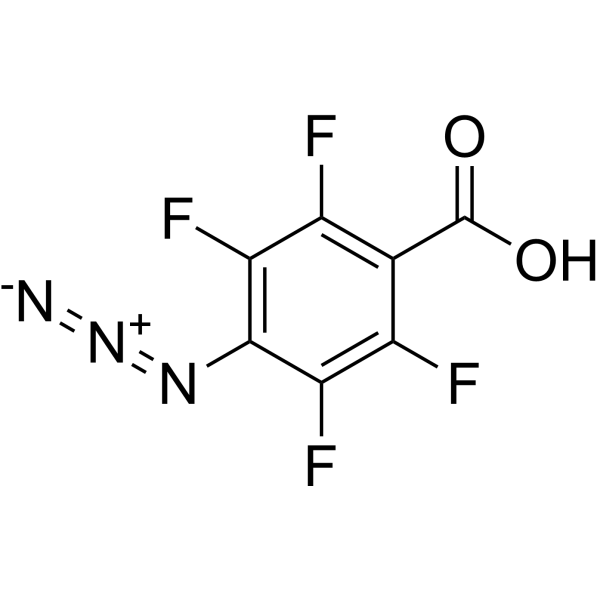
    4-Azido-2,3,5,6-tetrafluorobenzoic Acid (N3-TFBA) is a click chemistry reagent containing an azide group. 4-Azido-2,3,5,6-tetrafluorobenzoic Acid is a complex with FAM-labeled DNA probe. 4-Azido-2,3,5,6-tetrafluorobenzoic Acid can be used as versatile photoaffinity labeling agents to probe biological receptors. It contains an azide group and can undergo copper-catalyzed azide-alkyne cycloaddition (CuAAc) with molecules containing alkyne groups. It can also undergo ring strain-promoted alkyne-azide cycloaddition (SPAAC) with molecules containing DBCO or BCN groups.
    4-Azido-2,3,5,6-tetrafluorobenzoic Acid
  • HY-148835

    Fluorescent Dye Others
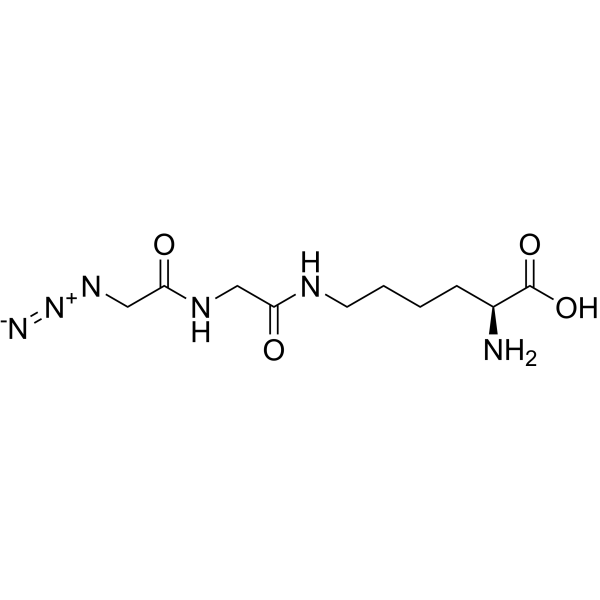
    AzGGK is an unnatural amino acid. AzGGK is site-specifically incorporated into proteins via genetic-code expansion. AzGGK can be used as site-specific probe for ubiquitylation and SUMOylation . AzGGK is a click chemistry reagent, it contains an Azide group and can undergo copper-catalyzed azide-alkyne cycloaddition reaction (CuAAc) with molecules containing Alkyne groups. It can also undergo strain-promoted alkyne-azide cycloaddition (SPAAC) reactions with molecules containing DBCO or BCN groups.
    AzGGK
  • HY-110128

    SF7-AM

    Fluorescent Dye Others
    Sulfidefluor 7-AM is a stable hydrogen sulphide (H2S) fluorescent probe . Sulfidefluor 7-AM is a click chemistry reagent, it contains an Azide group and can undergo copper-catalyzed azide-alkyne cycloaddition reaction (CuAAc) with molecules containing Alkyne groups. It can also undergo strain-promoted alkyne-azide cycloaddition (SPAAC) reactions with molecules containing DBCO or BCN groups.
    Sulfidefluor 7-AM
  • HY-D1669

    Fluorescent Dye Others
    Biotin-11-UTP is a Biotin-labeled uridine triphosphate (UTP), containing 11 atoms in the linker between biotin and UTP. Biotin-11-UTP can biotinylate transcribed RNA in vitro and has been widely used as labeling RNA probe . Biotin-11-UTP is a click chemistry reagent, it contains an Alkyne group and can undergo copper-catalyzed azide-alkyne cycloaddition (CuAAc) with molecules containing Azide groups.
    Biotin-11-UTP
  • HY-138995
    IMP-1710
    1 Publications Verification

    Deubiquitinase Others
    IMP-1710 is a potent and selective deubiquitylating enzyme UCHL1 inhibitor with an IC50 value of 38 nM. IMP-1710 has antifibrotic activity. IMP-1710 is a UCHL1 probe to identify and quantify target proteins in intact human cells . IMP-1710 is a click chemistry reagent, it contains an Alkyne group and can undergo copper-catalyzed azide-alkyne cycloaddition (CuAAc) with molecules containing Azide groups. IMP-1710 can be used in the research of idiopathic pulmonary fibrosis .
    IMP-1710
  • HY-12679

    Btk Cancer
    PF-06658607 is an alkynylated irreversible Brutons tyrosine kinase (BTK) inhibitor that covalently reacts with active site cysteines in the ATP-binding pocket. PF-06658607 can be used to detect "off "-targets for covalent kinase inhibitors in cancer cells. The alkyne moiety allows for azide-based detection probe via copper-catalyzed click chemistry .
    PF-06658607
  • HY-D2443

    Fluorescent Dye Cancer
    AF594 DBCO is an AlexaFluor 594-conjugated DBCO click chemistry probe for fluorescent labeling of azido-modified cholesterol probes. DBCO is a commonly used chemical biomarker group. AF594 DBCO (Excitation wavelength about 590 nm, emission wavelength about 617 nm) can be used to label proteins, cells and other biomolecules for fluorescence imaging and flow cytometry detection .
    AF594 DBCO
  • HY-134654

    Fluorescent Dye Cancer
    MRTX849 analog 24 is an alkyne-containing click probe analogue of KRAS G12C inhibitor MRTX849, which is used to research MRTX849 function .
    MRTX849 analog 24
  • HY-149618

    Fluorescent Dye Others
    Cy5-PEG3-endo-BCN is a derivative of the Cyanine 5 (Cy5) (HY-D0821) dye bearing 3 PEG units. Cy5-PEG3-endo-BCN contains the lyophilic bidentate macrocyclic ligand endo-BCN, which allows for further synthesis of macrocyclic complexes. In click chemistry, endo-BCN forms stable triazoles with azide-containing molecules under catalyst-free conditions .
    Cy5-PEG3-endo-BCN
  • HY-151776

    TZ-Cy3

    Fluorescent Dye Others
    Cy3 methyltetrazine (TZ-Cy3) is a click chemistry reagent with methyltetrazine building blocks that is highly reactive towards cyclooctene. Cy3 methyltetrazine is also a tetrazine-modified fluorescent probe that can be used to analyze protein phosphorylation in solution and living cells .
    Cy3 methyltetrazine
  • HY-148864

    Epigenetic Reader Domain Cancer
    JQ1-TCO is the double bond E configuration of JQ1-TCO (HY-148864A). JQ1-TCO is a derivative of JQ1 (HY-13030), an inhibitor of BET. JQ1-TCO is suitable for click chemistry and can be used as molecular probes in vitro and in vivo .
    JQ1-TCO
  • HY-111434

    UAA crosslinker 1

    Amino Acid Derivatives Cancer
    N6-[(2-Azidoethoxy) carbonyl]-L-lysine (UAA crosslinker 1) is a click chemistry-reactive amino acid derivative. N6-[(2-Azidoethoxy) carbonyl]-L-lysine mediates the generation of antibody-drug conjugates (ADCs). N6-[(2-Azidoethoxy) carbonyl]-L-lysine is used for site-specific incorporation into recombinant proteins, or for synthesizing chemical probes and tools for biological research .
    N6-[(2-Azidoethoxy)carbonyl]-L-lysine
  • HY-148254

    Deubiquitinase Cancer
    8RK64, a chemical probe, is a covalent UCHL1 inhibitor (IC50: 0.32 μM) . 8RK64 is a click chemistry reagent, it contains an Azide group and can undergo copper-catalyzed azide-alkyne cycloaddition reaction (CuAAc) with molecules containing Alkyne groups. It can also undergo strain-promoted alkyne-azide cycloaddition (SPAAC) reactions with molecules containing DBCO or BCN groups.
    8RK64
  • HY-151473

    PIKfyve Infection Cancer
    PIKfyve-IN-1 is a highly potent and cell-active chemical probe that inhibits phosphatidylinositol-3phosphate 5-kinase (PIKfyve) with IC50 value of 6.9 nM. PIKfyve-IN-1 can be used for the research of PIKfyve in virology . PIKfyve-IN-1 is a click chemistry reagent, it contains an Alkyne group and can undergo copper-catalyzed azide-alkyne cycloaddition (CuAAc) with molecules containing Azide groups.
    PIKfyve-IN-1
  • HY-139014
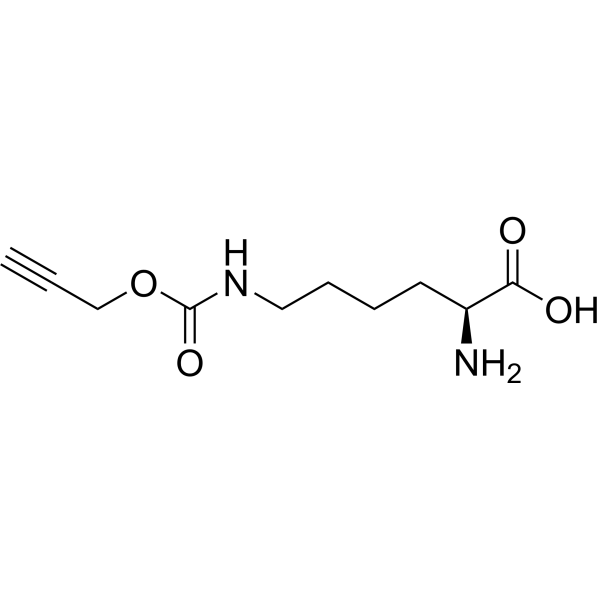
    N-ε-propargyloxycarbonyl-L-lysine
    1 Publications Verification

    H-​L-​Lys(Poc)​-​OH

    Fluorescent Dye Cancer
    N-ε-propargyloxycarbonyl-L-lysine (H-L-Lys(Poc)-OH) is a lysine-based unnatural amino acid (UAA). N-ε-propargyloxycarbonyl-L-lysine is widely used for bio-conjugation of fluorescent probes in diverse organisms from E. coli to mammalian cells even in animals . N-ε-propargyloxycarbonyl-L-lysine is a click chemistry reagent, it contains an Alkyne group and can undergo copper-catalyzed azide-alkyne cycloaddition (CuAAc) with molecules containing Azide groups.
    N-ε-propargyloxycarbonyl-L-lysine
  • HY-158000

    Fluorescent Dye Metabolic Disease
    Bile acid probe 1, a clickable and photoreactive probe for Bile acid, contains ester linkage .
    Bile acid probe 1
  • HY-148864A

    JQ1-CCO

    Epigenetic Reader Domain Cancer
    (Z)-JQ1-TCO is a derivative of JQ1 (HY-13030), an inhibitor of BET. (Z)-JQ1-TCO is suitable for click chemistry and can be used as molecular probes in vitro and in vivo .
    (Z)-JQ1-TCO
  • HY-147309

    Fluorescent Dye Others
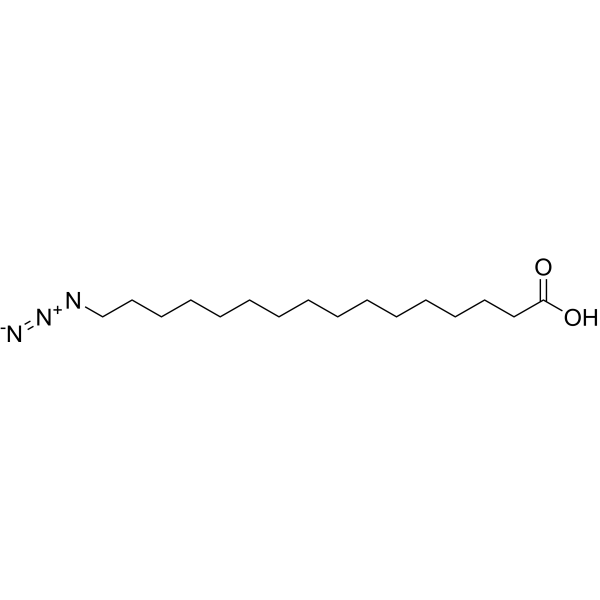
    16-Azidohexadecanoic acid, a synthetic fatty acid, can be used as a modification marker for nucleotides and a molecular probe for fatty acid metabolism . 16-Azidohexadecanoic acid is a click chemistry reagent, it contains an Azide group and can undergo copper-catalyzed azide-alkyne cycloaddition reaction (CuAAc) with molecules containing Alkyne groups. It can also undergo strain-promoted alkyne-azide cycloaddition (SPAAC) reactions with molecules containing DBCO or BCN groups.
    16-Azidohexadecanoic acid
  • HY-151761

    ADC Linker Others
    H-L-Lys(4-N3-Z)-OH hydrochloride is a click chemistry reagent containing an azide group. H-L-Lys(4-N3-Z)-OH hydrochloride contains a lysine-modified azide moiety and as a bioorthogonal ligation handle. H-L-Lys(4-N3-Z)-OH hydrochloride is an infrared probe and a photo-affinity reagent . It contains an azide group and can undergo copper-catalyzed azide-alkyne cycloaddition (CuAAc) with molecules containing alkyne groups. It can also undergo ring strain-promoted alkyne-azide cycloaddition (SPAAC) with molecules containing DBCO or BCN groups.
    H-L-Lys(4-N3-Z)-OH hydrochloride
  • HY-D1622

    Cy3-DBCO hexafluorophosphate

    Fluorescent Dye Others
    Cyanine3 DBCO (Cy3-DBCO) hexafluorophosphate is a azide reactive probe, for imaging azide-labeled biomolecules via a copper-free "click-through" reaction.
    Cyanine3 DBCO hexafluorophosphate
  • HY-W018008

    Ferrocenylacetylene; Ferrocenylethyne

    Biochemical Assay Reagents Others
    Ethynylferrocene (Ferrocenylacetylene) is a click chemistry agent. Ethynylferrocene can be used for labeling of hairpin DNA probes to monitor the DNA hybridization via the Cu(I)-catalyzed azide-alkyne cycloaddition (CuAAC) .
    Ethynylferrocene
  • HY-D1478

    Fluorescent Dye Others
    Fluorescent polyamine probe-1 (compound 15) is a linear polyamine probe with high uptake efficiency. Fluorescent polyamine probe-1 can be used for the research of transport system into cancer cells .
    Fluorescent polyamine probe-1
  • HY-147097A

    Bacterial Infection
    EDA-DA is a N-terminally tagged dipeptide probe, can be used to label Peptidoglycan (PG) of bacteria. EDA-DA is a click chemistry reagent, it contains an Alkyne group and can undergo copper-catalyzed azide-alkyne cycloaddition (CuAAc) with molecules containing Azide groups .
    EDA-DA TFA
  • HY-D1726

    Deubiquitinase Cancer
    8RK59, a Bodipy probe, is a potent UCHL1 (ubiquitin C-terminal hydrolase L1) inhibitor, with an IC50 close to 1 μM. 8RK59 could penetrate and label living cells. BodipyFL-alkyne is coupled to the azide of 8RK64 (HY-148254) using copper(I)-mediated click chemistry, resulting in compound 8RK59 .
    8RK59
  • HY-D1721

    Fluorescent Dye Others
    Fluorescein-12-dATP is a fluorescent dye acting as the detection probe. Fluorescein-12-dATP can be used to label the thrombin-binding aptamers by catalytic polymerization of TdT (terminal deoxynucleotidyl transferase) . Fluorescein-12-dATP is a click chemistry reagent, it contains an Alkyne group and can undergo copper-catalyzed azide-alkyne cycloaddition (CuAAc) with molecules containing Azide groups.
    Fluorescein-12-dATP
  • HY-176548

    YAP Annexin A Inflammation/Immunology
    PY-PAP is a photoactivatable affinity probe and a derivative of PY-60 (HY-141644). PY-PAP retains the cellular function of activating YAP transcriptional activity. In 293A cells, PY-PAP can label cathepsin D (CTSD) and annexin A2 (ANXA2) through ultraviolet crosslinking and click reactions. PY-PAP plays a key role in identifying ANXA2 as the specific target of PY-60 .
    PY-PAP
  • HY-D2907

    DBCO-Cy5; Cyanine5 dibenzocyclooctyne

    Fluorescent Dye Others
    Cyanine5 DBCO (DBCO-Cy5) is a low-toxicity azide reactive probe (NIR fluorescent dye), for imaging azide-labeled biomolecules via a copper-free "click-through" reaction. Cyanine5 DBCO has no apparent cytotoxicity or animal toxicity and shows no damage to the physiological functions of cells other than the target cells (azide-labeled cells). Cyanine5 DBCO can be used to label and track cells in vitro and in vivo (Ex=635 nm, Em=650-700 nm) .
    Cyanine 5 DBCO
  • HY-D2289

    Fluorescent Dye Others
    CalFluor 647 azide is a fluorogenic azide probe that is activated by Cu-catalyzed or metal-free click reaction. CalFluor 647 azide is not fluorescent until it is reacted with alkynes .
    CalFluor 647 azide
  • HY-D1625

    Fluorescent Dye Others
    Cy5 DBCO chloride is an azide reaction probe and the addition of DBCO molecules allows the imaging of azide-labelled biomolecules by a copper-free "Click Chemistry" reaction . Cy5 DBCO (chloride) is a click chemistry reagent, it contains a DBCO group that can undergo strain-promoted alkyne-azide cycloaddition (SPAAC) with molecules containing Azide groups.
    Cy5 DBCO chloride
  • HY-151801

    mAChR Others
    DIBA-Cy5 is a fluorescent DIBA antagonist made up be DIBA-alkyne binding Cyanine5 fluorophores (Cy5) and polyethylene glycol (PEG) biomolecules. DIBA-Cy5 can serve as a fluorescent ligand, suitable for probe attachment through click chemistry. DIBA-Cy5 exerts a high binding affinity to type-2 mAChR (M2R) with the Kd value of 1.80 nM, can directly stain M2R receptors in the sinoatrial node of a mouse heart .
    DIBA-Cy5
  • HY-176846

    Biochemical Assay Reagents Others
    HIPS probe-1 (Compound 1) is a click chemistry reagent containing a alkyne group. HIPS probe-1 can undergo copper-catalyzed azide-alkyne cycloaddition (CuAAc) with molecules containing Azide groups. HIPS probe-1 can be used as a chemical probe to specifically recognize and label aldehyde functional groups in DNA, especially abasic sites (AP sites) for DNA damage research .
    HIPS probe-1
  • HY-164785

    Drug Intermediate Others
    TCO-PEG5-maleimide is a PEG linker with TCO and maleimide groups, specifically enabling tetrazine click chemistry and thiol conjugation for bioconjugation, probe design, and drug delivery.
    TCO-PEG5-C2-Mal
  • HY-153748

    Glutathione Peroxidase Cancer
    ML162-yne is a potent GPX4-inhibitor affinity probe . ML162-yne is a click chemistry reagent, it contains an Alkyne group and can undergo copper-catalyzed azide-alkyne cycloaddition (CuAAc) with molecules containing Azide groups.
    ML162-yne
  • HY-154914

    Deubiquitinase Others
    GK16S is a UCHL1 chemogenomic probe. GK16S can be used as a complement to GK13S. GK16S and GK13S can be used to study UCHL1 function in cells . GK16S is a click chemistry reagent, it contains an Alkyne group and can undergo copper-catalyzed azide-alkyne cycloaddition (CuAAc) with molecules containing Azide groups.
    GK16S

Inquiry Online

Your information is safe with us. * Required Fields.

Salutation


Country or Region *

Applicant Name *


Organization Name *

Department *


Email Address *


Product Name *

Cat. No.


Requested quantity *

Phone Number *


Remarks

Inquiry Online

Inquiry Information

Product Name:
Cat. No.:
Quantity:
MCE Japan Authorized Agent: