Search Result
Results for "
DNA polymerase α
" in MedChemExpress (MCE) Product Catalog:
1
Isotope-Labeled Compounds
| Cat. No. |
Product Name |
Target |
Research Areas |
Chemical Structure |
-
- HY-15310
-
Ivermectin
Maximum Cited Publications
48 Publications Verification
MK-933; CD-5024; K-237
|
Environmental Pollutants
Antibiotic
Mitophagy
Bacterial
Parasite
Autophagy
Flavivirus
HSV
HIV
SARS-CoV
Dengue Virus
|
Infection
Cancer
|
|
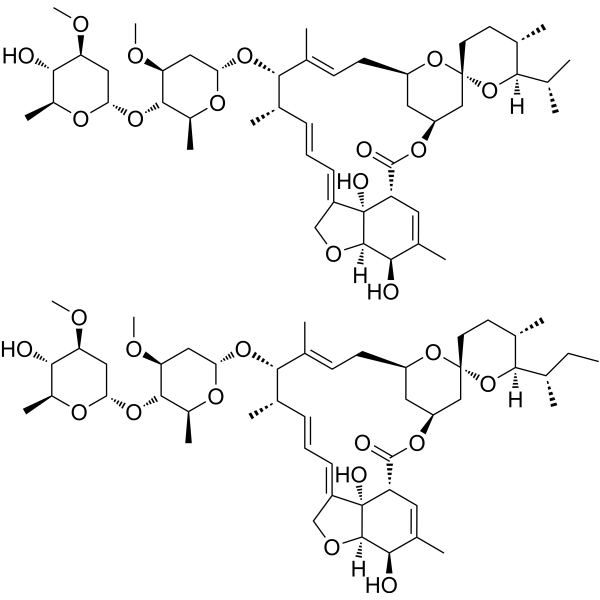
Ivermectin (MK-933) is a broad-spectrum anti-parasite agent. Ivermectin (MK-933) is a specific inhibitor of Impα/β1-mediated nuclear import and has potent antiviral activity towards both HIV-1 and dengue virus. It is a positive allosteric effector of P2X4 and the α7 neuronal nicotinic acetylcholine receptor (nAChRs). Ivermectin also inhibits bovine herpesvirus1 (BoHV-1) replication and inhibits BoHV-1 DNA polymerase nuclear import . Ivermectin is a candidate therapeutic against SARS-CoV-2/COVID-19 .
|
-
-
- HY-N6733
-
|
|
DNA/RNA Synthesis
HSV
Apoptosis
Antibiotic
Orthopoxvirus
|
Infection
Inflammation/Immunology
|
|
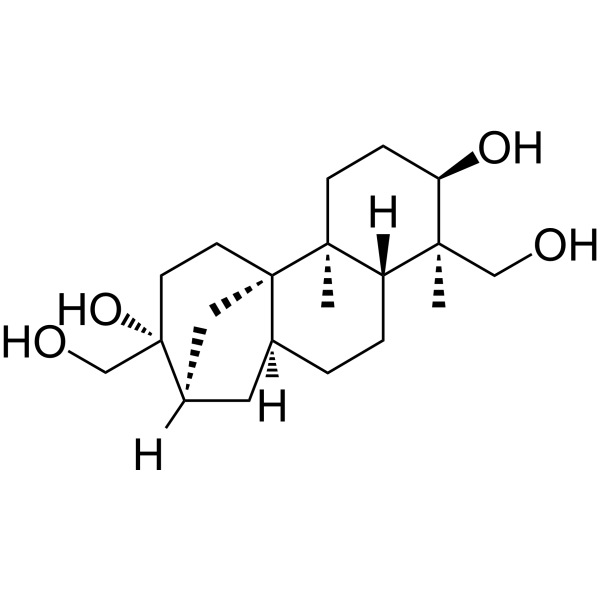
Aphidicolin is an inhibitor of DNA polymerase α and δ, prevents mitotic cell division by interfering DNA polymerase activity. Aphidicolin is an antibiotic produced by mold Cephalosporium aphidicola, inhibits cellular deoxyribonucleic acid synthesis and the growth of herpes simplex virus. Aphidicolin exhibits anti-orthopoxvirus activity and potentiates apoptosis induced by arabinosyl nucleosides in a human promyelocytic leukemia cell line .
|
-
-
- HY-17026E
-
|
dFdCTP trisodium
|
Drug Metabolite
DNA/RNA Synthesis
Apoptosis
|
Cancer
|
|
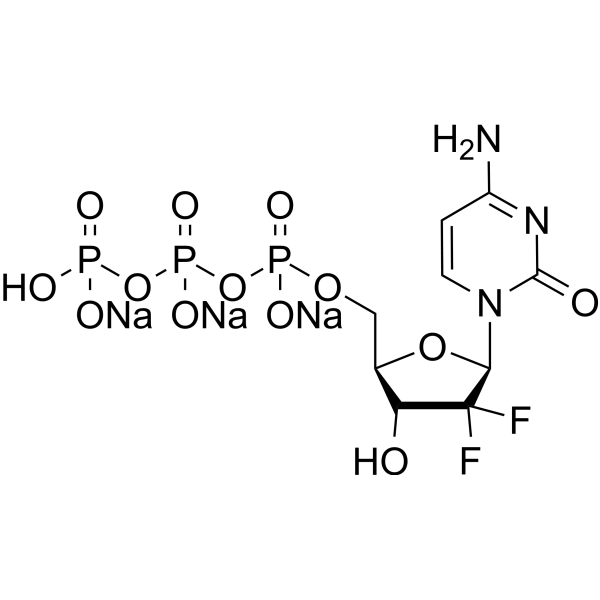
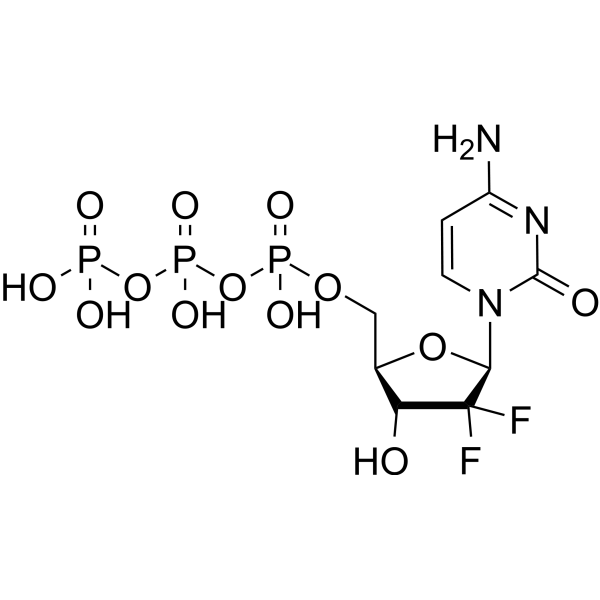
Gemcitabine triphosphate (dFdCTP) trisodium is the active metabolite of Gemcitabine (HY-17026). The mechanism of Gemcitabine triphosphate trisodium cell-killing is its competition with cytidine triphosphate during DNA replication, which results in the inhibition of chain elongation. Gemcitabine triphosphate trisodium shows a Ki of 11.2 μM against DNA polymerase α and 14.4 μM against DNA polymerase ε. Gemcitabine triphosphate trisodium partially inhibits dCMP deaminase and acts as a substrate for DNA synthesis to incorporate into cellular DNA and RNA. Gemcitabine triphosphate trisodium disrupts DNA and RNA synthesis, arrests cell cycle in G0/G1 and S phases, triggers apoptosis, reduces tumor cell proliferation. Gemcitabine triphosphate trisodium can be used for the research of pancreatic cancer and non-small cell lung cancer .
|
-
-
- HY-10571A
-
|
U 90152 mesylate; BHAP-U 90152 mesylate
|
HIV
Reverse Transcriptase
|
Infection
|
|
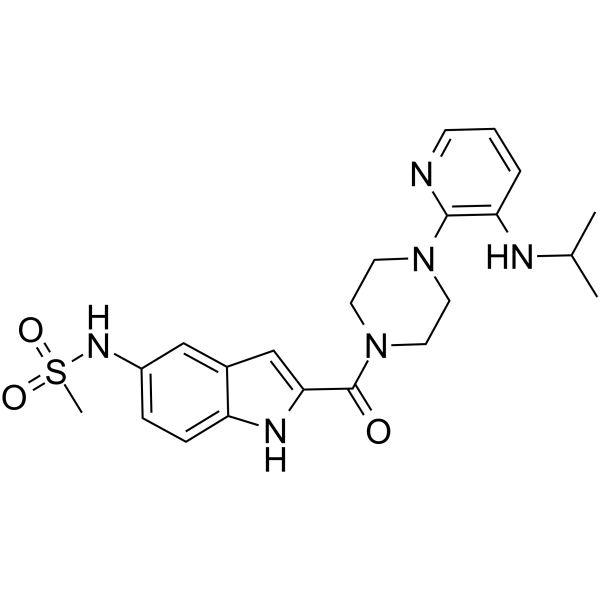
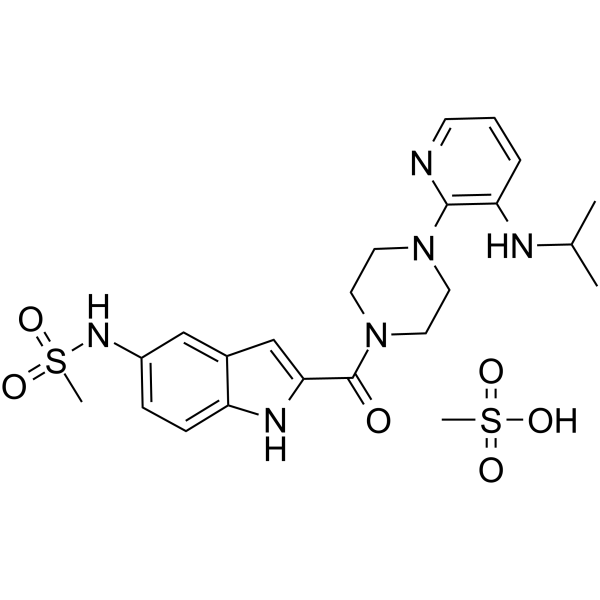
Delavirdine (U 90152) mesylate is a potent, highly specific and orally active non-nucleoside reverse transcriptase inhibitor (NNRTI). Delavirdine mesylate selectively inhibits HIV-1 reverse transcriptase (RT) (IC50=0.26 μM) over DNA polymerase α (IC50=440 μM) and polymerase δ (IC50>550 μM). Delavirdine mesylate is an inhibitor of HIV-1 replication and can can be used for the study of AIDs .
|
-
-
- HY-10571
-
|
U 90152; BHAP-U 90152
|
HIV
Reverse Transcriptase
|
Infection
|
|
Delavirdine (U 90152) is a potent, highly specific and orally active non-nucleoside reverse transcriptase inhibitor (NNRTI). Delavirdine selectively inhibits HIV-1 reverse transcriptase (RT) (IC50=0.26 μM) over DNA polymerase α (IC50=440 μM) and polymerase δ (IC50>550 μM). Delavirdine is an inhibitor of HIV-1 replication and can can be used for the study of AIDs .
|
-
-
- HY-W015490
-
|
|
Environmental Pollutants
DNA/RNA Synthesis
NF-κB
Monoamine Oxidase
TNF Receptor
Bacterial
|
Infection
Inflammation/Immunology
Cancer
|
|
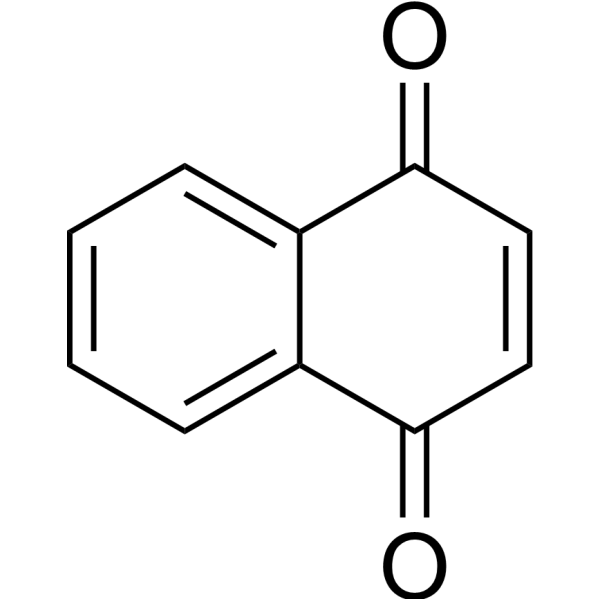
1,4-Naphthoquinone is an inhibitor with broad-spectrum inhibitory activity targeting DNA polymerase, NF-κB and monoamine oxidase (MAO-A/B), with antibacterial and anti-biofilm efficacy. 1,4-Naphthoquinone is a competitive inhibitor of MAO-B (Ki=1.4 μM) and a non-competitive inhibitor of MAO-A (Ki=7.7 μM). 1,4-Naphthoquinone inhibits DNA polymerase pol α, β, γ, δ, ε, λ with IC50 ranging from 5.57-128 μM. 1,4-Naphthoquinone inhibits tumor cell proliferation, induces apoptosis and necrosis, and has anti-angiogenic and anti-inflammatory activities by inducing oxidative stress, depleting glutathione (GSH), inhibiting DNA polymerase-mediated DNA synthesis and blocking NF-κB nuclear translocation. 1,4-Naphthoquinone can be used in anti-bacterial , anti-tumor and anti-inflammatory studies, including inhibition of melanoma and colon cancer cell growth and endothelial cell function, as well as LPS-induced inflammation models .
|
-
-
- HY-17026A
-
|
dFdCTP
|
Drug Metabolite
DNA/RNA Synthesis
Apoptosis
|
Cancer
|
|
Gemcitabine triphosphate (dFdCTP) is the active metabolite of Gemcitabine (HY-17026). The mechanism of Gemcitabine triphosphate cell-killing is its competition with cytidine triphosphate during DNA replication, which results in the inhibition of chain elongation. Gemcitabine triphosphate shows a Ki of 11.2 μM against DNA polymerase α and 14.4 μM against DNA polymerase ε. Gemcitabine triphosphate partially inhibits dCMP deaminase and acts as a substrate for DNA synthesis to incorporate into cellular DNA and RNA. Gemcitabine triphosphate disrupts DNA and RNA synthesis, arrests cell cycle in G0/G1 and S phases, triggers apoptosis, reduces tumor cell proliferation. Gemcitabine triphosphate can be used for the research of pancreatic cancer and non-small cell lung cancer .
|
-
-
- HY-N2566
-
|
|
DNA/RNA Synthesis
PI3K
Apoptosis
|
Cancer
|
|
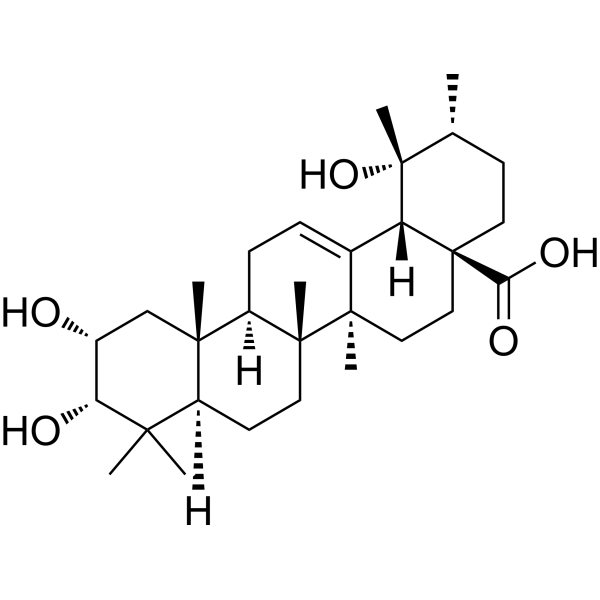
Euscaphic acid, a DNA polymerase inhibitor, is a triterpene from the root of the R. alceaefolius Poir. Euscaphic inhibits calf DNA polymerase α (pol α) and rat DNA polymerase β (pol β) with IC50 values of 61 and 108 μM . Euscaphic acid induces apoptosis .
|
-
-
- HY-147812
-
|
|
DNA/RNA Synthesis
|
Cancer
|
|
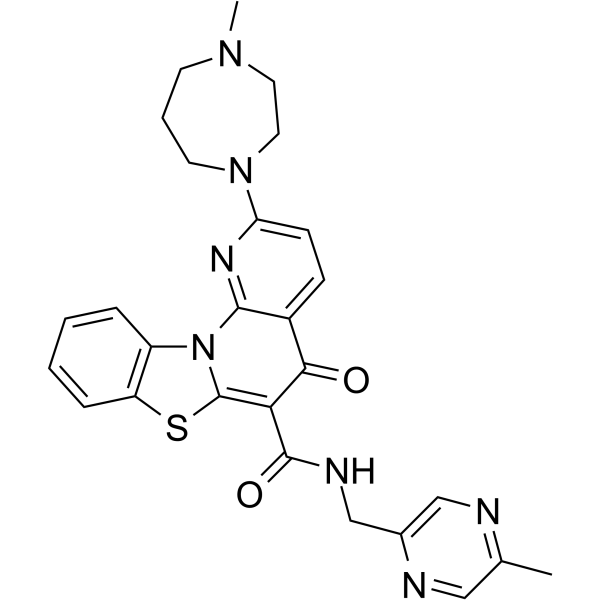
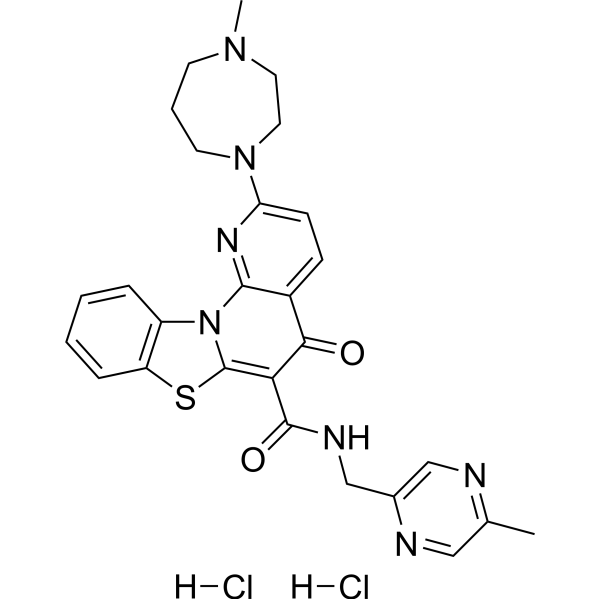
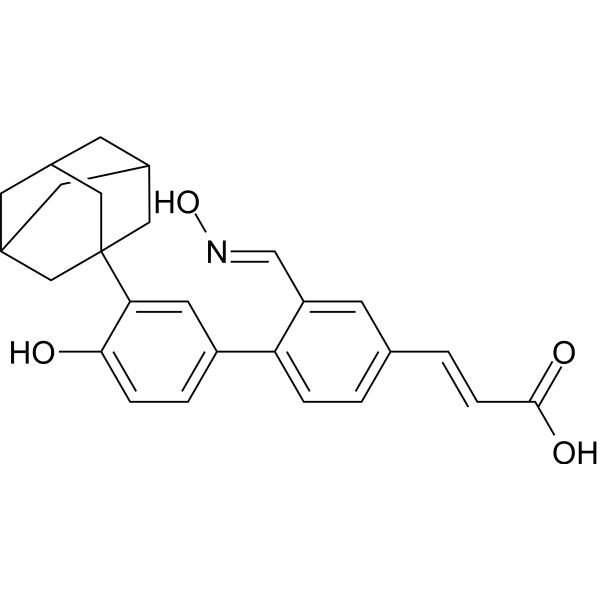
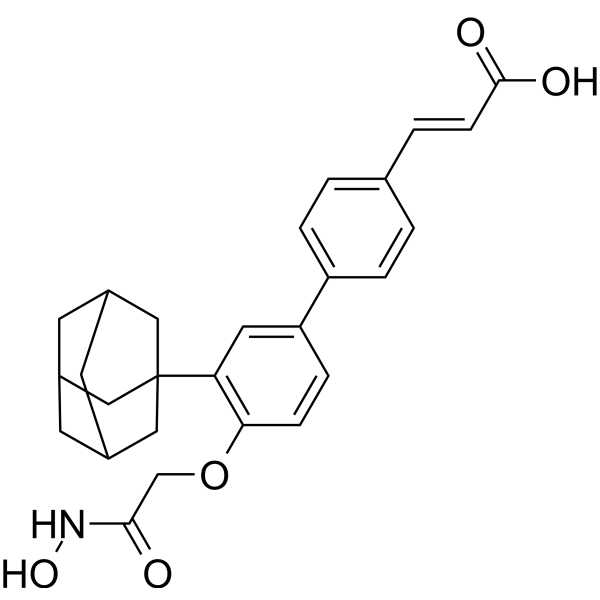
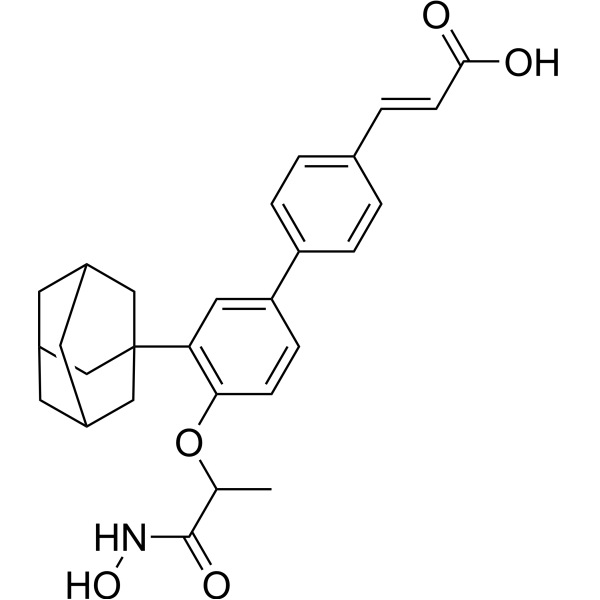
POLA1 inhibitor 1 (Compound 12) is an orally active POLA1 inhibitor. POLA1 inhibitor 1 shows antitumor activity against several tumor histotypes and Adarotene-resistant cell line .
|
-
-
- HY-134103A
-
|
2′,3′-Dideoxyguanosine 5′-triphosphate trisodium
|
DNA/RNA Synthesis
|
Others
|
|
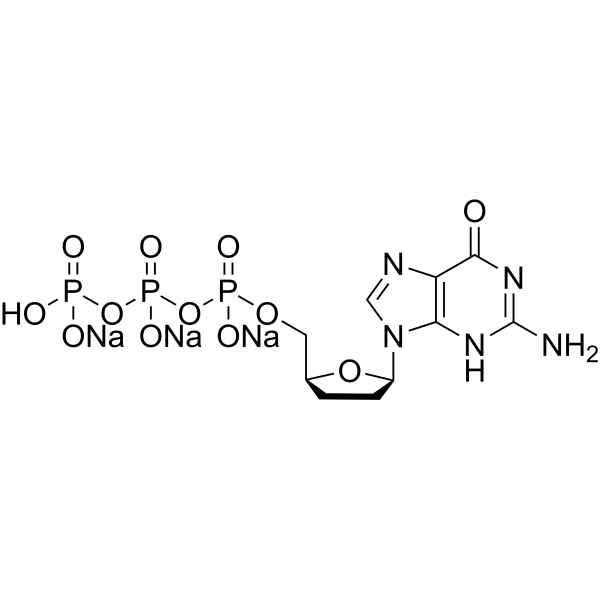
ddGTP (2′,3′-Dideoxyguanosine 5′-triphosphate) trisodium (100 mM in water) is one of 2',3'-dideoxyribonucleoside 5'-triphosphates (ddNTPs) that acts as chain-elongating inhibitor of DNA polymerase for DNA sequencing. ddGTP trisodium acts as an inhibitor or a substrate for DNA polymerase α .
|
-
-
- HY-145330
-
|
|
DNA/RNA Synthesis
|
Cancer
|
|
NSC639828 is a potent inhibitor of DNA polymerase α with an IC50 of 70 μM. NSC639828 has high antitumor activity. NSC639828 has the potential for researching cancer disease .
|
-
-
- HY-143412
-
|
|
HDAC
DNA/RNA Synthesis
Apoptosis
|
Cancer
|
|
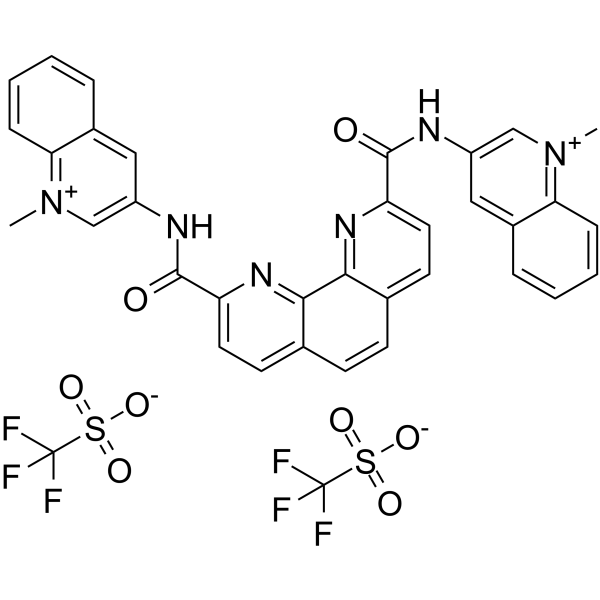
MIR002 is a potent and orally active DNA polymerase α (POLA1) and HDAC 11 dual inhibitor. MIR002 induces acetylation of p53, activation of p21, G1/S cell cycle arrest, and apoptosis. MIR002 shows significant antitumor activity in vivo .
|
-
-
- HY-143411
-
|
|
HDAC
Apoptosis
DNA/RNA Synthesis
|
Cancer
|
|
GEM144 is a potent and orally active DNA polymerase α (POLA1) and HDAC 11 dual inhibitor. GEM144 induces acetylation of p53, activation of p21, G1/S cell cycle arrest, and apoptosis. GEM144 has significant antitumor activity in human orthotopic malignant pleural mesothelioma xenografts .
|
-
-
- HY-W015490S
-
|
|
Isotope-Labeled Compounds
DNA/RNA Synthesis
NF-κB
Monoamine Oxidase
TNF Receptor
Bacterial
|
Infection
Inflammation/Immunology
Cancer
|
|
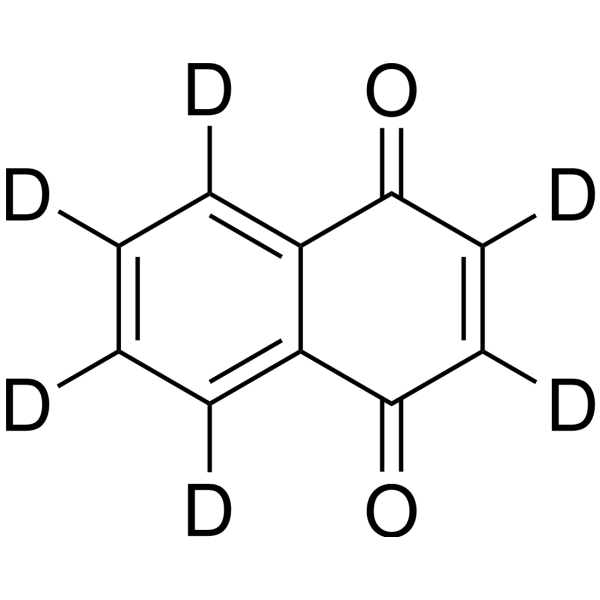
1,4-Naphthoquinone-d6 is the deuterium labeled 1,4-Naphthoquinone. 1,4-Naphthoquinone is an inhibitor with broad-spectrum inhibitory activity targeting DNA polymerase, NF-κB and monoamine oxidase (MAO-A/B), with antibacterial and anti-biofilm efficacy. 1,4-Naphthoquinone is a competitive inhibitor of MAO-B (Ki=1.4 μM) and a non-competitive inhibitor of MAO-A (Ki=7.7 μM). 1,4-Naphthoquinone inhibits DNA polymerase pol α, β, γ, δ, ε, λ with IC50 ranging from 5.57-128 μM. 1,4-Naphthoquinone inhibits tumor cell proliferation, induces apoptosis and necrosis, and has anti-angiogenic and anti-inflammatory activities by inducing oxidative stress, depleting glutathione (GSH), inhibiting DNA polymerase-mediated DNA synthesis and blocking NF-κB nuclear translocation. 1,4-Naphthoquinone can be used in anti-bacterial , anti-tumor and anti-inflammatory studies, including inhibition of melanoma and colon cancer cell growth and endothelial cell function, as well as LPS-induced inflammation models .
|
-
-
- HY-50735
-
|
NSC 382097; FIAC; FOAC
|
HSV
EBV
DNA/RNA Synthesis
|
Infection
|
|
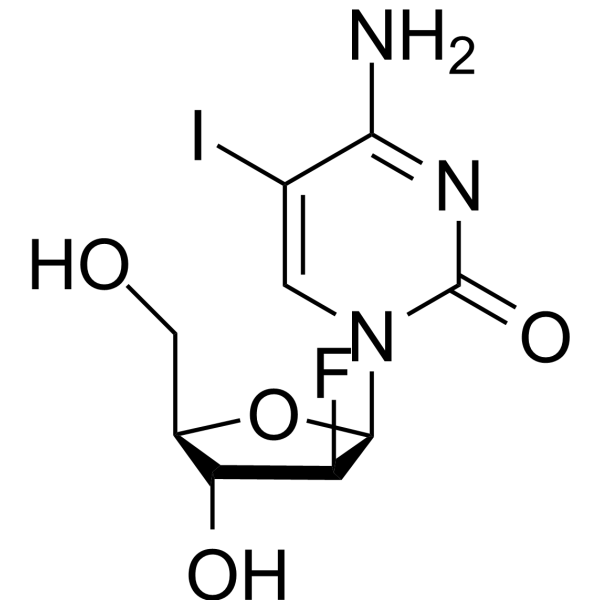
Fiacitabine (NSC 382097; FIAC; FOAC) is a potent and highly selective anti-herpesvirus agent. Fiacitabine acts as an inhibitor of HSV DNA polymerase, with a Ki of 0.26 μM for HSV-1 and 0.42 μM for HSV-2, respectively. Fiacitabine can be efficiently phosphorylated by thymidine kinase encoded by the virus itself to generate FIACTP, an active triphosphate metabolite. Fiacitabine is applicable to research related to herpesvirus infections .
|
-
-
- HY-115528
-
|
|
Nucleoside Antimetabolite/Analog
DNA/RNA Synthesis
|
Cancer
|
|
FF-10502, a structural analog of Gemcitabine, is a pyrimidine nucleoside antimetabolite. FF-10502 inhibits DNA polymerase α and β. FF-10502 shows beneficial anticancer activity via a mechanism of action on dormant cells .
|
-
-
- HY-100513
-
|
|
DNA/RNA Synthesis
Apoptosis
Antibiotic
|
Cancer
|
|
(±)-Dehydroaltenusin, an antibiotic, is a selective eukaryotic DNA polymerase α (pol α) inhibitor with an IC50 of 0.68 μM. (±)-Dehydroaltenusin can be isolated from fungus Alternaria tenuis. (±)-Dehydroaltenusin competitively inhibits the DNA template primer (Ki: 0.23 μM) and non-competitively suppresses the 2'-deoxyribonucleoside 5'-triphosphate substrate (Ki: 0.18 μM). (±)-Dehydroaltenusin induces the cancer cell S-phase cycle arrest and apoptosis. (±)-Dehydroaltenusin can be used for cancers like human adenocarcinoma research .
|
-
-
- HY-14913
-
|
SPD754; AVX754
|
Nucleoside Antimetabolite/Analog
HIV
DNA/RNA Synthesis
|
Infection
|
|
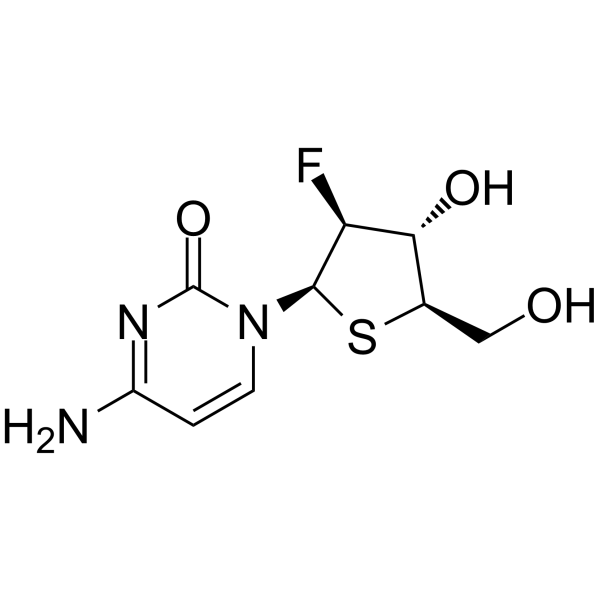
Apricitabine (SPD754; AVX754), the (-) enantiomer of 2′-deoxy-3′-oxa-4′-thiocytidine (dOTC), is a highly selective and orally active HIV-1 reverse transcriptase (RT) inhibitor (Ki=0.08 μM), as well as inhibits DNA polymerases α, β, and γ with Ki value of 300 μM, 12 μM, and 112.25 μM, respectively . Apricitabine (SPD754; AVX754) shows promising antiretroviral efficacy, good tolerability and a low propensity for resistance selection in antiretroviral-naive HIV infection .
|
-
-
- HY-N9454
-
|
|
Pregnane X Receptor (PXR)
COX
NF-κB
Amylases
β-glucuronidase
DNA/RNA Synthesis
Amyloid-β
NOD-like Receptor (NLR)
Pyroptosis
|
Cancer
|
|
Garcinoic acid is an orally active anti-inflammatory agent that crosses the blood-brain barrier. Garcinoic acid also enhances efferocytosis and enzyme/receptor regulation, and selectively inhibits human COX-2, porcine α-amylase, Saccharomyces cerevisiae α-glucosidase and human DNA polymerase β (IC50=11 μM), as well as activates human PXR. Garcinoic acid enhances macrophage efferocytosis via receptors such as MerTK and LRP-1, and promotes the production of pro-resolving lipid mediators. Garcinoic acid inhibits NF-κB activation and pro-inflammatory cytokine secretion, interferes with Aβ aggregation, downregulates NLRP3 inflammasome activity, and binds to targets including CD44 and EGFR to inhibit leukemia cell proliferation. The pharmacological activities of Garcinoic acid, such as antioxidant, anti-inflammatory and lipid metabolism-regulating effects, are widely used in studies related to various diseases including atherosclerosis, Alzheimer's disease, type 2 diabetes, inflammatory bowel disease and viral pneumonia .
|
-
-
- HY-164018A
-
|
|
DNA/RNA Synthesis
|
Infection
|
|
PMEG-DP disodium is a potent DNA polymerase inhibitor (IC50=2.5 μM), especially for DNA polymerase α and δ. PMEG-DP disodium acts as an active metabolite of G-9191, which effectively inhibits the growth of papillomavirus (HPV) -infected cell lines. PMEG-DP disodium can be used in the study of HPV-related diseases .
|
-
-
- HY-W150426
-
|
|
CMV
DNA/RNA Synthesis
|
Infection
|
|
Naphthol AS-BS (Compound 1) is a human cytomegalovirus (HCMV) DNA polymerase alpha inhibitor with an IC50 of 12 μM. Naphthol AS-BS can be used for the research of infection .
|
-
-
- HY-N6733R
-
|
|
Reference Standards
DNA/RNA Synthesis
HSV
Apoptosis
Antibiotic
Orthopoxvirus
|
Infection
Inflammation/Immunology
|
|
Aphidicolin (Standard) is the analytical standard of Aphidicolin. This product is intended for research and analytical applications. Aphidicolin is an inhibitor of DNA polymerase α and δ, prevents mitotic cell division by interfering DNA polymerase activity. Aphidicolin is an antibiotic produced by mold Cephalosporium aphidicola, inhibits cellular deoxyribonucleic acid synthesis and the growth of herpes simplex virus. Aphidicolin exhibits anti-orthopoxvirus activity and potentiates apoptosis induced by arabinosyl nucleosides in a human promyelocytic leukemia cell line .
|
-
-
- HY-W015490R
-
|
|
Reference Standards
DNA/RNA Synthesis
NF-κB
Monoamine Oxidase
TNF Receptor
Bacterial
|
Infection
Inflammation/Immunology
Cancer
|
|
1,4-Naphthoquinone is an inhibitor with broad-spectrum inhibitory activity targeting DNA polymerase, NF-κB and monoamine oxidase (MAO-A/B), with antibacterial and anti-biofilm efficacy. 1,4-Naphthoquinone is a competitive inhibitor of MAO-B (Ki=1.4 μM) and a non-competitive inhibitor of MAO-A (Ki=7.7 μM). 1,4-Naphthoquinone inhibits DNA polymerase pol α, β, γ, δ, ε, λ with IC50 ranging from 5.57-128 μM. 1,4-Naphthoquinone inhibits tumor cell proliferation, induces apoptosis and necrosis, and has anti-angiogenic and anti-inflammatory activities by inducing oxidative stress, depleting glutathione (GSH), inhibiting DNA polymerase-mediated DNA synthesis and blocking NF-κB nuclear translocation. 1,4-Naphthoquinone can be used in anti-bacterial , anti-tumor and anti-inflammatory studies, including inhibition of melanoma and colon cancer cell growth and endothelial cell function, as well as LPS-induced inflammation models .
|
-
-
- HY-19869
-
|
|
HIV
Reverse Transcriptase
|
Infection
|
|
VRX-480773 is an efficient non-nucleoside reverse transcriptase inhibitor (NNRTI), used for HIV infection. VRX-480773 has high specificity for HIV-1, with an EC50 for wild-type HIV-1 being 0.14 nM. VRX-480773 does not inhibit HIV-2, HBV or HCV, and has no effect on human DNA polymerase α/β. VRX-480773 retains inhibitory activity against Efavirenz (HY-10572) resistant strains, with EC50s mostly < 1 nM. VRX-480773 can be used for research on AIDS .
|
-
-
- HY-E71047
-
|
|
DNA/RNA Synthesis
|
Others
|
|
DNA Polymerase Alpha, Human (EC 2.7.7.7) is an enzyme complex found in eukaryotes that is involved in initiation of DNA replication. The DNA polymerase alpha complex consists of 4 subunits: POLA1, POLA2, PRIM1, and PRIM2.
|
-
-
- HY-N13716
-
|
|
DNA/RNA Synthesis
HIV
Reverse Transcriptase
|
Infection
|
|
Lucidenic acid O is a terpene compound, is a DNA polymerases inhibitor. Lucidenic lactone inhibits calf DNA polymerase-α, rat DNA polymerase-β, and HIV-1 reverse transcriptase with IC50 values of 42 μM, 99 μM, and 69 μM, respectively .
|
-
-
- HY-N13712
-
|
|
DNA/RNA Synthesis
HIV
Reverse Transcriptase
|
Infection
|
|
Lucidenic lactone is a terpene compound, is a DNA polymerase inhibitor. Lucidenic lactone inhibits calf DNA polymerase-α, rat DNA polymerase-β, and HIV-1 reverse transcriptase with IC50 values of 42 μM, 99 μM, and 69 μM, respectively .
|
-
-
- HY-N7821
-
|
Aphidicolin 17-monoacetate
|
DNA/RNA Synthesis
|
Cancer
|
|
Aphidicolin 17-acetate is a selective eukaryotic DNA polymerase α inhibitor. Aphidicolin 17-acetate does not inhibit DNA polymerase β and γ. Aphidicolin 17-acetate markedly inhibits the in vivo DNA synthesis of sea urchin embryos and HeLa cells but not RNA and protein syntheses .
|
-
-
- HY-160983
-
|
|
DNA/RNA Synthesis
|
Cancer
|
|
PHYLPA-8 is an inhibitor for DNA polymerase-α, which exhibits weak inhibitory activity for the stereochemistry of the fatty acid moiety and the cyclic phosphate .
|
-
-
- HY-N13095
-
|
|
DNA/RNA Synthesis
Apoptosis
|
Cancer
|
|
(+)-Plakevulin A (Plakevulin A) is an oxylipin and can be isolated from an Okinawan sponge Plakortis sp. (+)-Plakevulin A inhibits the enzymatic activity of DNA polymerases α and δ. (+)-Plakevulin A induces apoptosis and shows anticancer activity .
|
-
-
- HY-106787
-
|
|
DNA/RNA Synthesis
|
Cancer
|
|
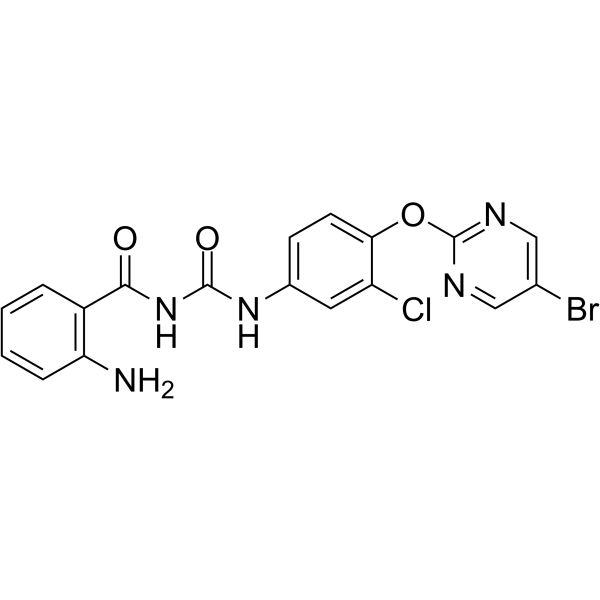
HO 221 is an orally active benzoylphenylurea derivative with antitumor activity. HO 221 can inhibit the activity of mammalian DNA polymerase alpha. HO 221 can induce G1 phase arrest. HO 221 can be used for the research of cancer, such as leukemia .
|
-
-
- HY-W344074
-
|
|
DNA/RNA Synthesis
Drug Metabolite
|
Cancer
|
|
Cytarabine 5′-monophosphate is a metabolite of the nucleoside analog Cytarabine (HY-13605), catalyzed by deoxycytidine kinase. Cytarabine 5′-monophosphate is incorporated into DNA by DNA polymerase α, which reduces the rate of DNA synthesis. At a concentration of 15 mM, Cytarabine 5′-monophosphate inhibits nuclear and mitochondrial DNA replication in Saccharomyces cerevisiae (S. cerevisiae). Additionally, Cytarabine 5′-monophosphate (3.5-75.1 mg/kg) improves survival in leukemia mice (L1210 mice). Cytarabine 5′-monophosphate can be used in cancer research .
|
-
-
- HY-10571R
-
|
U 90152 (Standard); BHAP-U 90152 (Standard)
|
Reference Standards
HIV
Reverse Transcriptase
|
Infection
|
|
Delavirdine (Standard) is the analytical standard of Delavirdine. This product is intended for research and analytical applications. Delavirdine (U 90152) is a potent, highly specific and orally active non-nucleoside reverse transcriptase inhibitor (NNRTI). Delavirdine selectively inhibits HIV-1 reverse transcriptase (RT) (IC50=0.26?μM) over DNA polymerase?α?(IC50=440 μM) and polymerase?δ (IC50>550?μM). Delavirdine is an inhibitor of HIV-1 replication and can can be used for the study of AIDs .
|
-
-
- HY-10571AR
-
|
U 90152 mesylate (Standard); BHAP-U 90152 mesylate (Standard)
|
Reference Standards
HIV
Reverse Transcriptase
|
Infection
|
|
Delavirdine (mesylate) (Standard) is the analytical standard of Delavirdine (mesylate). This product is intended for research and analytical applications. Delavirdine (U 90152) mesylate is a potent, highly specific and orally active non-nucleoside reverse transcriptase inhibitor (NNRTI). Delavirdine mesylate selectively inhibits HIV-1 reverse transcriptase (RT) (IC50=0.26?μM) over DNA polymerase?α?(IC50=440 μM) and polymerase?δ (IC50>550?μM). Delavirdine mesylate is an inhibitor of HIV-1 replication and can can be used for the study of AIDs .
|
-
-
- HY-185150
-
|
9-(2-Phosphonylmethoxy)ethylguanine
|
DNA/RNA Synthesis
CMV
|
Infection
Inflammation/Immunology
Cancer
|
|
PMEG is a nuclear DNA polymerases α, δ, and ε inhibitor that causes DNA chain termination, inhibits DNA synthesis, induces cytotoxicity in dividing cells. PMEG is an acyclic nucleotide phosphonate that forms an active phosphorylated metabolite, PMEG diphosphate, within cells. PMEG has activity against leukemia and melanoma in rodent models. PMEG has poor cell permeability; its prodrug is Rabacfosadine (GS-9219) (HY-13640). PMEG shows antiviral activity against against various DNA virus infections including murine cytomegalovirus (MCMV) and human cytomegalovirus (HCMV). PMEG can be used for the research of non-hodgkin's lymphoma [1][2].
|
-
-
- HY-134103B
-
|
2′,3′-Dideoxyguanosine 5′-triphosphate tetrasodium
|
DNA/RNA Synthesis
|
Others
|
|
ddGTP (2′,3′-Dideoxyguanosine 5′-triphosphate) tetrasodium is one of 2',3'-dideoxyribonucleoside 5'-triphosphates (ddNTPs) that acts as chain-elongating inhibitor of DNA polymerase for DNA sequencing. ddGTP tetrasodium acts as an inhibitor or a substrate for DNA polymerase α .
|
-
-
- HY-179413
-
|
|
DNA/RNA Synthesis
|
Cancer
|
|
Polθ-IN-9 is an orally active Polθ polymerase inhibitor (IC50 = 9.6 nM, Kd = 47.5 nM). Polθ-IN-9 shows remarkable selectivity with no inhibitory activity against other human DNA polymerases, including Pol α, Pol ε, Pol γ, Pol λ, and Pol μ. Polθ-IN-9 exhibits strong antiproliferative activity in DLD1 BRCA2 KO cells (IC50 = 2.9 μM), and high sensitivity to MDA-MB-436 cells (IC50 = 4.9 μM). Polθ-IN-9 increases DNA damage accumulation, induces γH2AX levels, and inhibits tumor growth in combination with Olaparib (HY-10162), in the MDA-MB-436 xenograft model. Polθ-IN-9 can be used for the research of homologous recombination (HR)-deficient cancers such as breast cancer .
|
-
| Cat. No. |
Product Name |
Category |
Target |
Chemical Structure |
-
- HY-15310
-
-
-
- HY-N6733
-
-
-
- HY-17026E
-
|
dFdCTP trisodium
|
Structural Classification
Natural Products
Classification of Application Fields
Endogenous metabolite
Disease Research Fields
Source Classification
Cancer
|
Drug Metabolite
DNA/RNA Synthesis
Apoptosis
|
|
Gemcitabine triphosphate (dFdCTP) trisodium is the active metabolite of Gemcitabine (HY-17026). The mechanism of Gemcitabine triphosphate trisodium cell-killing is its competition with cytidine triphosphate during DNA replication, which results in the inhibition of chain elongation. Gemcitabine triphosphate trisodium shows a Ki of 11.2 μM against DNA polymerase α and 14.4 μM against DNA polymerase ε. Gemcitabine triphosphate trisodium partially inhibits dCMP deaminase and acts as a substrate for DNA synthesis to incorporate into cellular DNA and RNA. Gemcitabine triphosphate trisodium disrupts DNA and RNA synthesis, arrests cell cycle in G0/G1 and S phases, triggers apoptosis, reduces tumor cell proliferation. Gemcitabine triphosphate trisodium can be used for the research of pancreatic cancer and non-small cell lung cancer .
|
-
-
- HY-10571
-
|
U 90152; BHAP-U 90152
|
Infection
Classification of Application Fields
Disease Research Fields
|
HIV
Reverse Transcriptase
|
|
Delavirdine (U 90152) is a potent, highly specific and orally active non-nucleoside reverse transcriptase inhibitor (NNRTI). Delavirdine selectively inhibits HIV-1 reverse transcriptase (RT) (IC50=0.26 μM) over DNA polymerase α (IC50=440 μM) and polymerase δ (IC50>550 μM). Delavirdine is an inhibitor of HIV-1 replication and can can be used for the study of AIDs .
|
-
-
- HY-17026A
-
|
dFdCTP
|
Structural Classification
Natural Products
Classification of Application Fields
Endogenous metabolite
Disease Research Fields
Source Classification
Cancer
|
Drug Metabolite
DNA/RNA Synthesis
Apoptosis
|
|
Gemcitabine triphosphate (dFdCTP) is the active metabolite of Gemcitabine (HY-17026). The mechanism of Gemcitabine triphosphate cell-killing is its competition with cytidine triphosphate during DNA replication, which results in the inhibition of chain elongation. Gemcitabine triphosphate shows a Ki of 11.2 μM against DNA polymerase α and 14.4 μM against DNA polymerase ε. Gemcitabine triphosphate partially inhibits dCMP deaminase and acts as a substrate for DNA synthesis to incorporate into cellular DNA and RNA. Gemcitabine triphosphate disrupts DNA and RNA synthesis, arrests cell cycle in G0/G1 and S phases, triggers apoptosis, reduces tumor cell proliferation. Gemcitabine triphosphate can be used for the research of pancreatic cancer and non-small cell lung cancer .
|
-
-
- HY-N2566
-
-
-
- HY-100513
-
|
|
Structural Classification
Microorganisms
Antibiotics
Source Classification
|
DNA/RNA Synthesis
Apoptosis
Antibiotic
|
|
(±)-Dehydroaltenusin, an antibiotic, is a selective eukaryotic DNA polymerase α (pol α) inhibitor with an IC50 of 0.68 μM. (±)-Dehydroaltenusin can be isolated from fungus Alternaria tenuis. (±)-Dehydroaltenusin competitively inhibits the DNA template primer (Ki: 0.23 μM) and non-competitively suppresses the 2'-deoxyribonucleoside 5'-triphosphate substrate (Ki: 0.18 μM). (±)-Dehydroaltenusin induces the cancer cell S-phase cycle arrest and apoptosis. (±)-Dehydroaltenusin can be used for cancers like human adenocarcinoma research .
|
-
-
- HY-N9454
-
|
|
Structural Classification
Monophenols
other families
Classification of Application Fields
Ketones, Aldehydes, Acids
Phenols
Plants
Disease Research Fields
Source Classification
Cancer
|
Pregnane X Receptor (PXR)
COX
NF-κB
Amylases
β-glucuronidase
DNA/RNA Synthesis
Amyloid-β
NOD-like Receptor (NLR)
Pyroptosis
|
|
Garcinoic acid is an orally active anti-inflammatory agent that crosses the blood-brain barrier. Garcinoic acid also enhances efferocytosis and enzyme/receptor regulation, and selectively inhibits human COX-2, porcine α-amylase, Saccharomyces cerevisiae α-glucosidase and human DNA polymerase β (IC50=11 μM), as well as activates human PXR. Garcinoic acid enhances macrophage efferocytosis via receptors such as MerTK and LRP-1, and promotes the production of pro-resolving lipid mediators. Garcinoic acid inhibits NF-κB activation and pro-inflammatory cytokine secretion, interferes with Aβ aggregation, downregulates NLRP3 inflammasome activity, and binds to targets including CD44 and EGFR to inhibit leukemia cell proliferation. The pharmacological activities of Garcinoic acid, such as antioxidant, anti-inflammatory and lipid metabolism-regulating effects, are widely used in studies related to various diseases including atherosclerosis, Alzheimer's disease, type 2 diabetes, inflammatory bowel disease and viral pneumonia .
|
-
-
- HY-N6733R
-
-
-
- HY-N13716
-
-
-
- HY-N13712
-
-
-
- HY-N7821
-
-
-
- HY-N13095
-
-
| Cat. No. |
Product Name |
Chemical Structure |
-
- HY-W015490S
-
|
|
|
1,4-Naphthoquinone-d6 is the deuterium labeled 1,4-Naphthoquinone. 1,4-Naphthoquinone is an inhibitor with broad-spectrum inhibitory activity targeting DNA polymerase, NF-κB and monoamine oxidase (MAO-A/B), with antibacterial and anti-biofilm efficacy. 1,4-Naphthoquinone is a competitive inhibitor of MAO-B (Ki=1.4 μM) and a non-competitive inhibitor of MAO-A (Ki=7.7 μM). 1,4-Naphthoquinone inhibits DNA polymerase pol α, β, γ, δ, ε, λ with IC50 ranging from 5.57-128 μM. 1,4-Naphthoquinone inhibits tumor cell proliferation, induces apoptosis and necrosis, and has anti-angiogenic and anti-inflammatory activities by inducing oxidative stress, depleting glutathione (GSH), inhibiting DNA polymerase-mediated DNA synthesis and blocking NF-κB nuclear translocation. 1,4-Naphthoquinone can be used in anti-bacterial , anti-tumor and anti-inflammatory studies, including inhibition of melanoma and colon cancer cell growth and endothelial cell function, as well as LPS-induced inflammation models .
|
-
| Cat. No. |
Product Name |
|
Classification |
-
- HY-134103A
-
|
2′,3′-Dideoxyguanosine 5′-triphosphate trisodium
|
|
Nucleotide Analogs
|
|
ddGTP (2′,3′-Dideoxyguanosine 5′-triphosphate) trisodium (100 mM in water) is one of 2',3'-dideoxyribonucleoside 5'-triphosphates (ddNTPs) that acts as chain-elongating inhibitor of DNA polymerase for DNA sequencing. ddGTP trisodium acts as an inhibitor or a substrate for DNA polymerase α .
|
Your information is safe with us. * Required Fields.
Inquiry Information
- Product Name:
- Cat. No.:
- Quantity:
- MCE Japan Authorized Agent:

