
Search Result
Results for "
Euphorbia
" in MedChemExpress (MCE) Product Catalog:
1
Biochemical Assay Reagents
| Cat. No. |
Product Name |
Target |
Research Areas |
Chemical Structure |
-
- HY-N2333
-
|
(+)-Resiniferatoxin
|
TRP Channel
|
Cardiovascular Disease
Cancer
|
|
Resiniferatoxin ((+)-Resiniferatoxin), is a selective agonist of transient receptor potential vanilloid 1 (TRPV1) receptor agonist. Resiniferatoxin can be isolated from the Euphorbia resinifera plant. Resiniferatoxin eliminates TRPV1+ primary sensory afferents and blunt cardiac sympathetic afferent reflex for a relatively long period .
|
-
-
- HY-B0719
-
|
Ingenol 3-angelate; PEP005
|
PKC
|
Inflammation/Immunology
Cancer
|
|
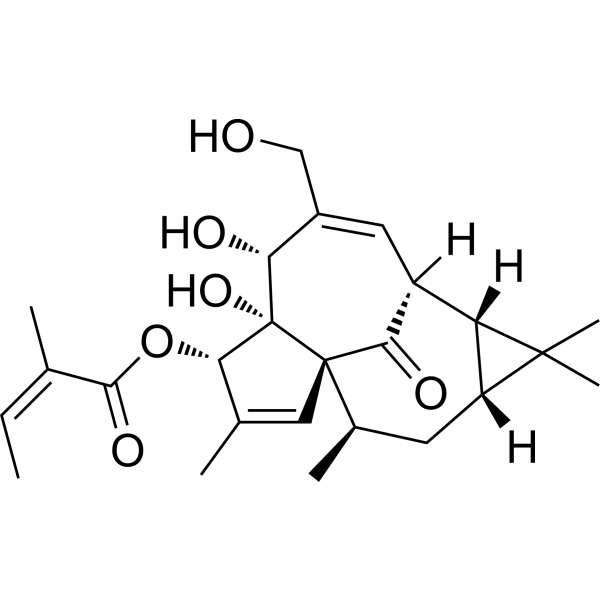
Ingenol Mebutate is an active ingredient in Euphorbia peplus, acts as a potent PKC modulator, with Kis of 0.3, 0.105, 0.162, 0.376, and 0.171 nM for PKC-α, PKC-β, PKC-γ, PKC-δ, and PKC-ε, respectively, and has antiinflammatory and antitumor activity.
|
-
-
- HY-N0732
-
|
|
IAP
Akt
Caspase
NF-κB
TGF-beta/Smad
JAK
Bacterial
Apoptosis
|
Infection
Metabolic Disease
Inflammation/Immunology
Cancer
|
|
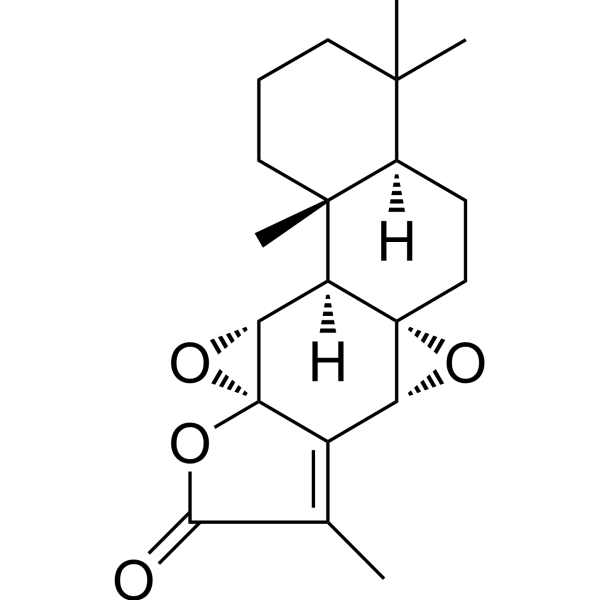
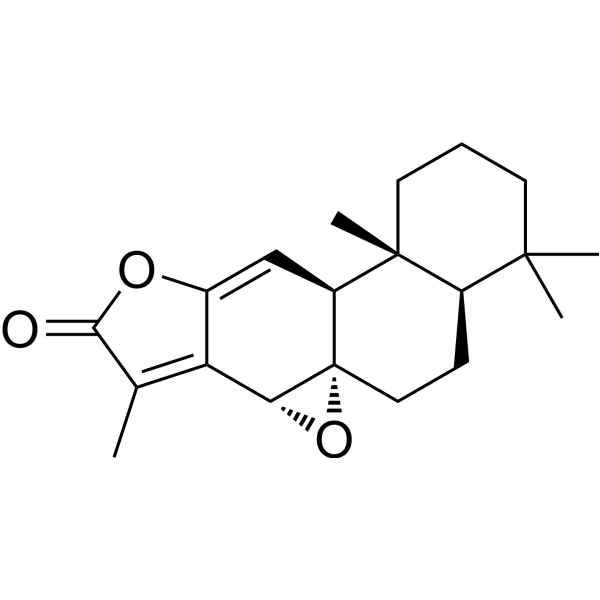
Jolkinolide B is a bioactive diterpene isolated from the roots of Euphorbia fischeriana Steud with oral activity. Jolkinolide B downregulates XIAP, cIAP1, cIAP2, and phosphorylated Akt, upregulates Smac, activates caspase-3 and caspase-9, and inhibits NF-κB, TGFβ/smad3 and JAK/STAT3 pathways. Jolkinolide B exerts comprehensive biological effects including inducing cancer cell apoptosis, suppressing inflammatory responses, improving lung function, alleviating hepatic steatosis and eliminating intracellular Mycobacterium tuberculosis. Jolkinolide B can be used for the research of leukemia, histiocytic lymphoma, asthma, metabolic dysfunction-associated steatotic liver disease and tuberculosis .
|
-
-
- HY-N0866
-
|
|
Autophagy
|
Inflammation/Immunology
|
|
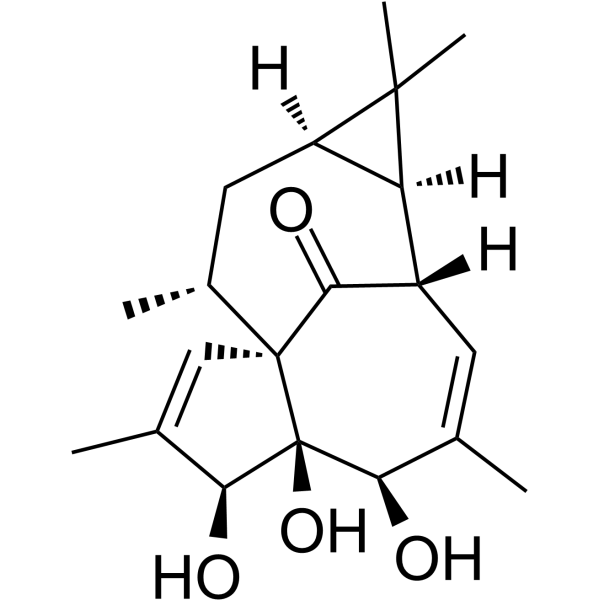
20-Deoxyingenol, a diterpene, is isolated from the roots of Euphorbia kansui. 20-Deoxyingenol can promote autophagy and lysosomal biogenesis by promoting the nuclear translocation of transcription factor EB (TFEB) in vitro. 20-Deoxyingenol can be used for the research of osteoarthritis (OA) .
|
-
-
- HY-N0313
-
|
|
MAGL
Endogenous Metabolite
|
Inflammation/Immunology
|
|
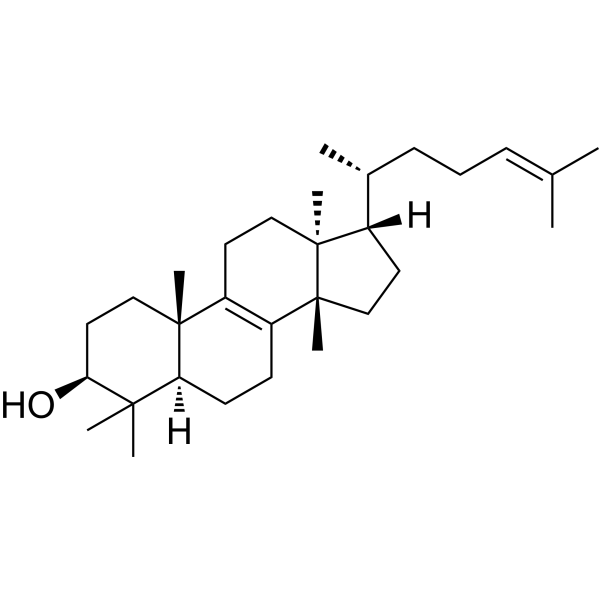
Euphol is a tetracyclic triterpene alcohol isolated from the sap of Euphorbia tirucalli with anti-mutagenic, anti-inflammatory and immunomodulatory effects, orally active. Euphol inhibits the monoacylglycerol lipase (MGL) activity via a reversible mechanism (IC50=315 nM). MGL inhibition in the periphery modulates the endocannabinoid system to block the development of inflammatory pain .
|
-
-
- HY-N5001
-
|
|
Apoptosis
|
Cancer
|
|
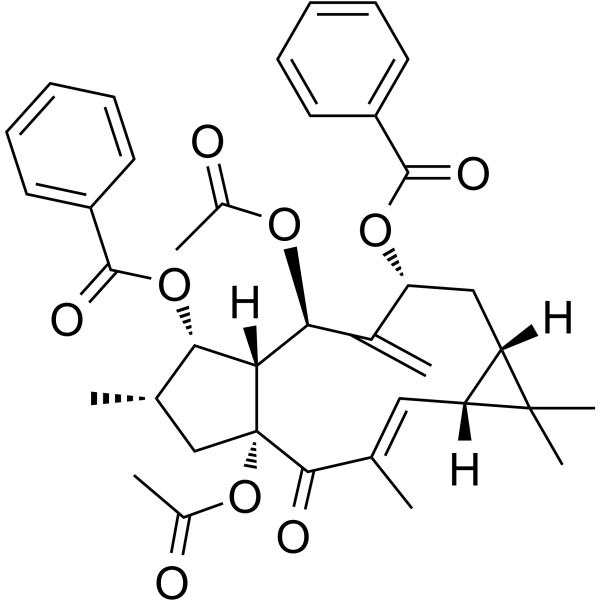
Euphorbia factor L2, a lathyrane diterpenoid isolated from caper euphorbia seed (the seeds of Euphorbia lathyris L.), has been traditionally applied to treat cancer. Euphorbia factor L2 shows potent cytotoxicity and induces apoptosis via a mitochondrial pathway .
|
-
-
- HY-N2556
-
|
|
Others
|
Inflammation/Immunology
|
|
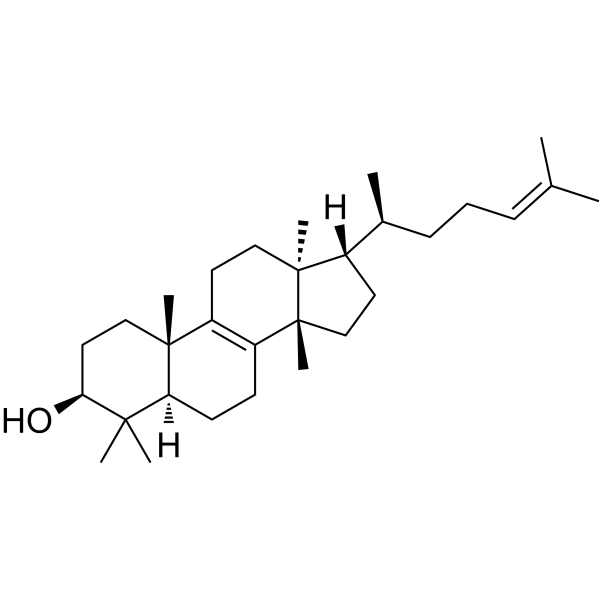
Tirucallol, a tetracyclic triterpene, is isolated from Euphorbia lacteal latex. Tirucallol has topical anti-inflammatory effect. Tirucallol can suppress ear edema in the mouse model and inhibit nitrite production in lipopolysaccharide-stimulated macrophages .
|
-
-
- HY-N0562
-
|
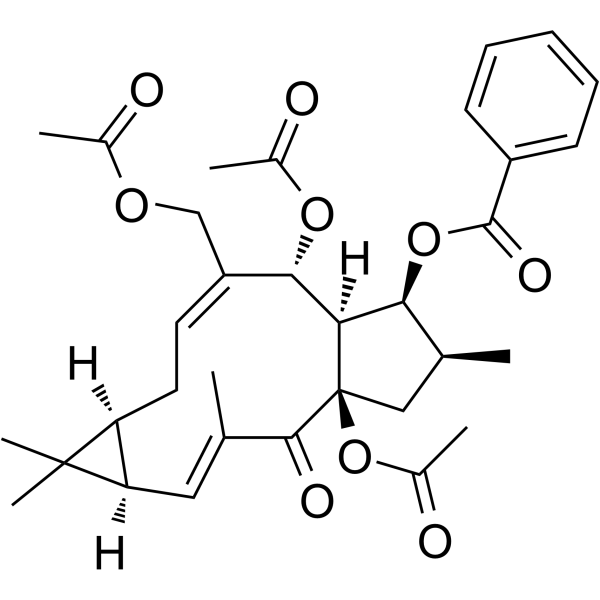
Euphorbia factor L3
|
Others
|
Cancer
|
|
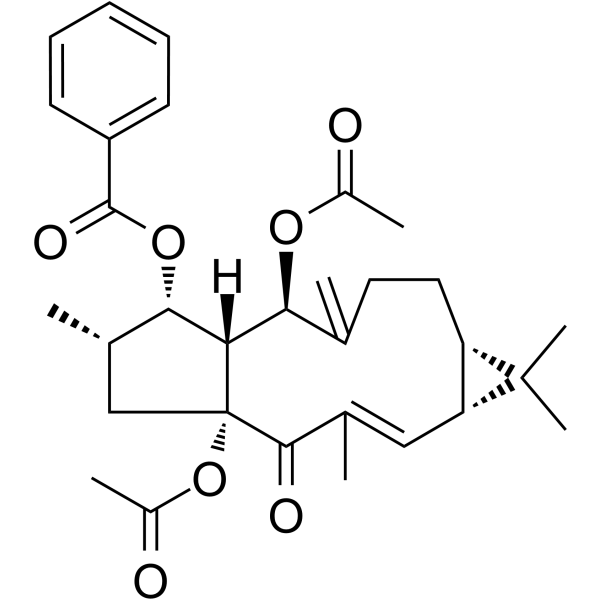
5,15-Diacetyl-3-benzoyllathyrol is one of the lathyrane diterpenoids, that has anti-cancer activity.
|
-
-
- HY-137242
-
|
|
HIV
|
Infection
|
|
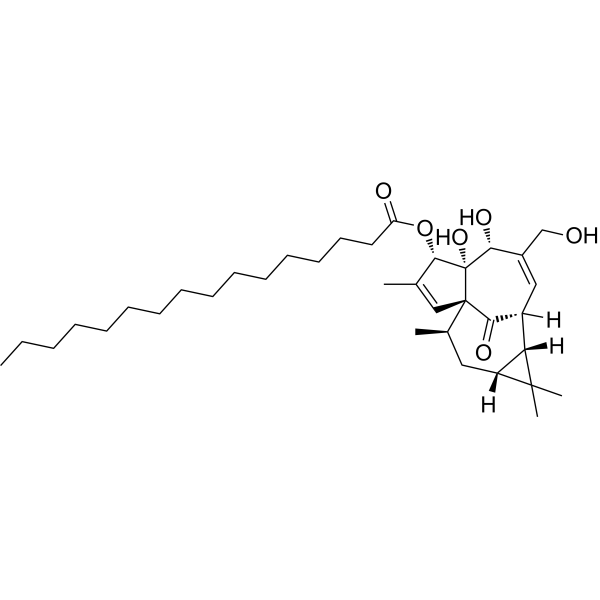
Ingenol-3-palmitate, an ingenane diterpenoid, is a nature product that could be isolated from the roots of Euphorbia ebracteolata. Ingenol-3-palmitate is a potent HIV-1 (HIV) inhibitor with an IC50 value of 4.1 nM .
|
-
-
- HY-N1969
-
|
3,8-Di-O-methylellagic acid
|
Bacterial
|
Infection
|
|
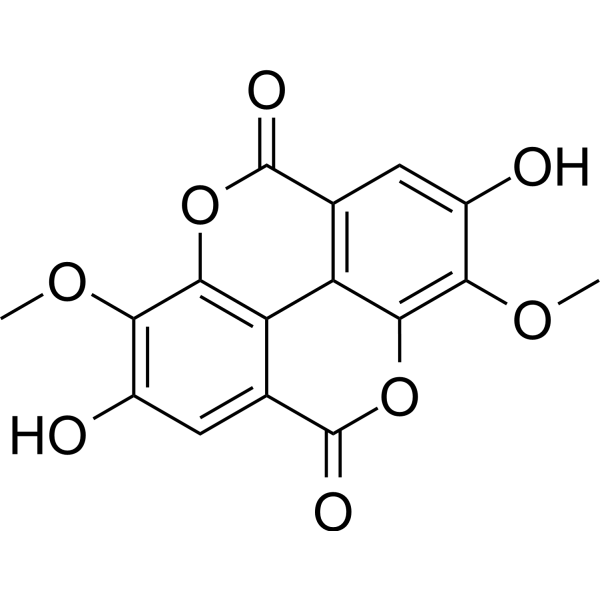
3,3'-Di-O-methylellagic acid obtained from Euphorbia adenochlora selectively inhibits the formation of acid-fastness in mycobacteria without retardation of their growth. 3,3'-di-O-methylellagic acid as a hepatoprotective compound is apparently due to its antioxidative effect .
|
-
-
- HY-N12730
-
|
|
Others
|
Others
|
|
Euphoscopin B (compound 5) is a cytotoxic macrocyclic diterpene isolated from Euphorbia helioscopia L .
|
-
-
- HY-W123056
-
|
Euphorbia CERIFERA (CANDELILLA) WAX
|
Biochemical Assay Reagents
|
Others
|
|
Candelilla wax is a biochemical reagent that can be used as a biological material or organic compound for life science related research.
|
-
-
- HY-N7267
-
|
|
Others
|
Endocrinology
|
|
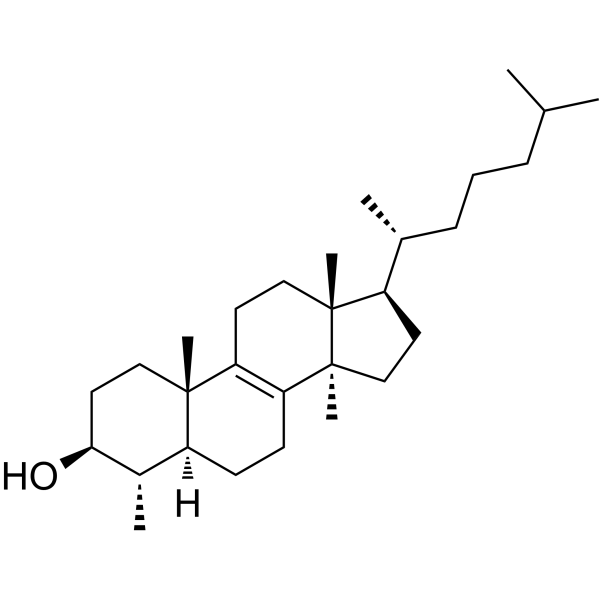
31-Norlanostenol is a triterpenic compound isolated from the latex of Euphorbia officinarum. 31-Norlanostenol can act as efficient insect growth regulator on S. frugiperda and Tenebrio molitor .
|
-
-
- HY-N8560
-
|
|
Others
|
Others
|
|
3,5,7,15-Tetraacetoxy-9-nicotinoyloxy-6(17),11-jatrophadien-14-one is a Diterpenoids product that can be isolated from the roots of Euphorbia kansui. .
|
-
-
- HY-N10990
-
|
|
Others
|
Others
|
|
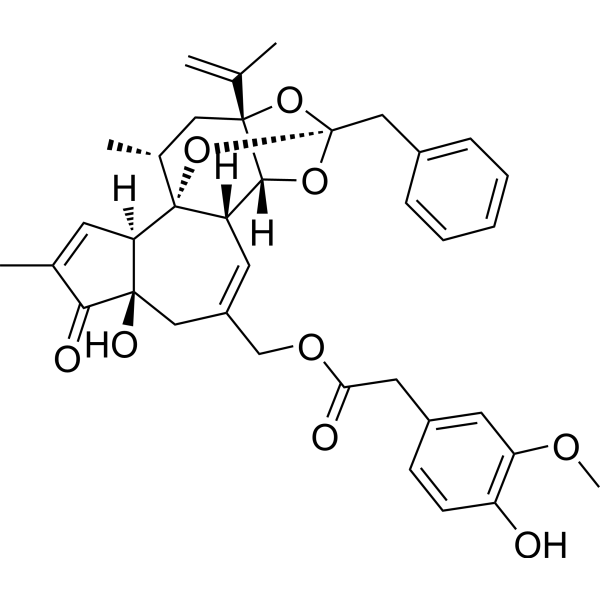
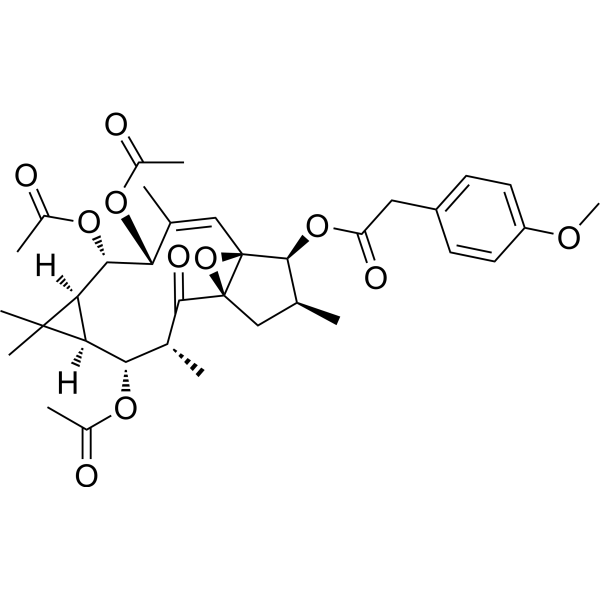
Ingol 7,8,12-triacetate 3-(4-methoxyphenyl)acetate is a highly functionalized ingol diterpene that can be isolated from Euphorbia officinarum latex .
|
-
-
- HY-133209
-
|
|
Others
|
Cancer
|
|
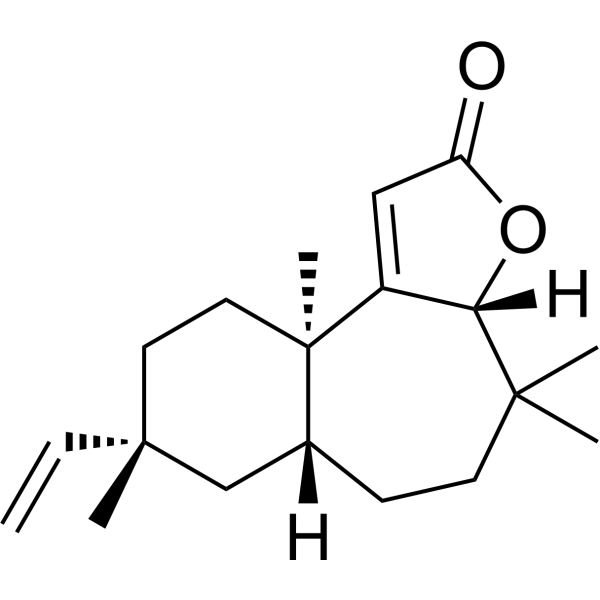
Fischeria A is a norditerpene lactone of a new carbon skeleton, can be isolated from Euphorbia fischeriana .
|
-
-
- HY-119767
-
|
|
VEGFR
Apoptosis
|
Cancer
|
|
Jolkinolide A is a diterpenoid, can be extracted from the roots of Euphorbia fischeriana Steud. Jolkinolide A exhibits anti-tumor activity, by affecting on angiogenesis of tumor tissues. Jolkinolide A significantly inhibits the Akt-STAT3-mTOR signaling pathway and reduces the expression of VEGF in A549 cells .
|
-
-
- HY-N0313R
-
|
|
MAGL
Endogenous Metabolite
Reference Standards
|
Inflammation/Immunology
|
|
Euphol (Standard) is the analytical standard of Euphol. This product is intended for research and analytical applications. Euphol is a tetracyclic triterpene alcohol isolated from the sap of Euphorbia tirucalli with anti-mutagenic, anti-inflammatory and immunomodulatory effects, orally active. Euphol inhibits the monoacylglycerol lipase (MGL) activity via a reversible mechanism (IC50=315 nM). MGL inhibition in the periphery modulates the endocannabinoid system to block the development of inflammatory pain .
|
-
-
- HY-N8118
-
|
|
Others
|
Others
|
|
Euphorbia factor L7b is an isolathyrolditerpene compound .
|
-
-
- HY-N7332
-
|
|
P-glycoprotein
|
Cancer
|
|
Pepluanin A is a natural compound isolated from Euphorbia peplus L. Pepluanin A shows a very high activity for a jatrophane diterpene, outperforming Cyclosporin A by a factor of at least 2 in the inhibition of Pgp-mediated Daunomycin (HY-13062A) transport [1]
|
-
-
- HY-N16121
-
|
|
PKC
|
Neurological Disease
|
|
12-Deoxyphorbol 13-isobutyrate (ER272) (DPB), a diterpene, is a PKCα activator. 12-Deoxyphorbol 13-isobutyrate can be isolated from Euphorbia resinifera's latex. 12-Deoxyphorbol 13-isobutyrate facilitates neural stem cells (NSCs) proliferation and activation as well as TGFα release in a reaction dependent on PKCα activation. 12-Deoxyphorbol 13-isobutyrate increases cognitive performance and hippocampal neurogenesis in senescence-accelerated mouse-prone (SAMP8) models. 12-Deoxyphorbol 13-isobutyrate can be used for neurodegenerative diseases research .
|
-
-
- HY-N7893
-
|
|
Others
|
Others
|
|
Ebracteolata cpd B is a natural phenol compound found in Euphorbia ebracteolata .
|
-
-
- HY-125114
-
-
-
- HY-N11269
-
|
|
Drug Derivative
|
Others
|
|
Epi-β-amyrin is a chemical component that can be extracted from Euphorbia pulcherrima. Epi-β-amyrin is a steroid compound .
|
-
-
- HY-125648
-
|
alpha-Euphorbol
|
Parasite
|
Infection
|
|
Euphorbadienol (alpha-Euphorbol), a triterpenic compound, isolated from the latex of Euphorbia resinifera. The derivatives of Euphorbadienol can be used as elicitors of disease resistance, and has antileishmanial and antitrypanosomal activity .
|
-
-
- HY-N9280
-
|
|
Others
|
Others
|
|
ent-11α-Hydroxyabieta-8(14),13(15)-dien-16,12α-olide (compound 12) is a natural bioactive diterpenoid found in the roots of Euphorbia fischeriana .
|
-
-
- HY-W744699
-
|
(+)-Larixol
|
Src
ERK
Akt
|
Inflammation/Immunology
|
|
Larixol is an fMLP inhibitor and also inhibits Src kinase, ERK1/2, p38 and AKT phosphorylation signals in immune regulation. Larixol can interfere with the interaction between the βγ subunit of the fMLP receptor Gi protein and its downstream molecules, thereby inhibiting fMLP-induced respiratory burst. Larixol inhibits fMLP (0.1 μM)-induced superoxide anion production (IC50: 1.98 μM), cathepsin G release (IC50: 2.76 μM), and chemotaxis. Larixol improves neutrophil hyperactivation and reduces inflammation or tissue damage. A series of Larixol derivatives were found to have inhibitory effects on FSGS-related TRPC6 functional mutants .
|
-
-
- HY-N8119
-
|
|
Others
|
Others
|
|
Euphorbia factor L(8) is a diterpenoid from the seeds of Euphorbia lathyris .
|
-
-
- HY-N8121
-
|
|
Others
|
Others
|
|
Euphorbia factor L7a, a diterpenoid compound, can be isolated from the seeds of Euphorbia lathyris .
|
-
-
- HY-N10875
-
|
|
Others
|
Others
|
|
Euphebracteolatin B is a nature product that could be isolated from Euphorbia fischeriana .
|
-
-
- HY-N1645
-
|
Kaurane-2β,16-diol
|
Others
|
Others
|
|
2,16-Kauranediol, a diterpene compound, is a natural product that can be isolated from the aerial part of Euphorbia hirta .
|
-
-
- HY-138142
-
|
|
OAT
|
Metabolic Disease
|
|
Euphol acetate is a triterpene that can be isolated from Euphorbia broteri. Euphol acetate is an inhibitor of hepatic transport proteins organic anion-transporting polypeptide 1/3 (OATP1B1/3) .
|
-
-
- HY-N7464
-
|
|
Others
|
Others
|
|
Jolkinolide E is a casbane diterpenoid from the roots of Euphorbia rapulum. Jolkinolide E shows weak selective activity against HepG2, MCF-7, and C6 cell lines .
|
-
-
- HY-N10839
-
|
|
Others
|
Cancer
|
|
Yuexiandajisu E is a diterpenoid that can be found in Euphorbia ebracteolata .
|
-
-
- HY-N9207
-
|
|
Others
|
Others
|
|
Germanicol acetate can be extracted from Euphorbia heterophylla L. and has phytotoxic activity .
|
-
-
- HY-N0868
-
|
Euphorbia factor Pe1
|
Others
|
Others
|
|
20-O-Acetylingenol-3-angelate is a natural compound.
|
-
-
- HY-N7304
-
|
|
Others
|
Others
|
|
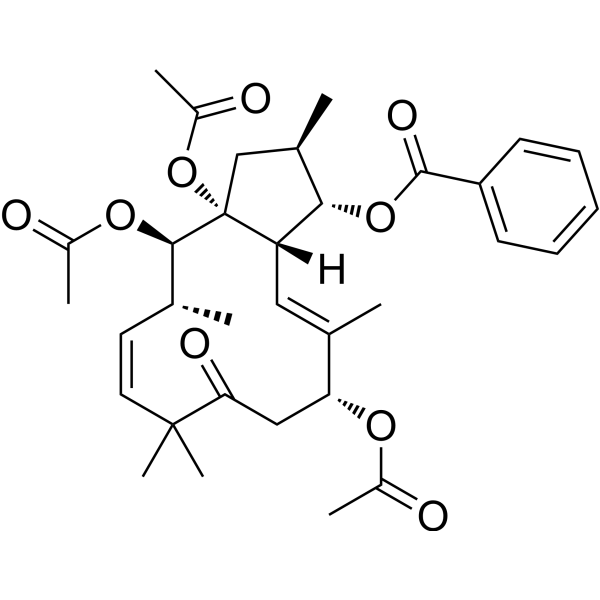
Jatrophane I is a Diterpenoids product that can be isolated from the herbs of Euphorbia peplus .
|
-
-
- HY-N7306
-
|
|
Others
|
Others
|
|
Jatrophane VI is a Diterpenoids product that can be isolated from the herbs of Euphorbia peplus .
|
-
-
- HY-N11060
-
|
PBI 344
|
Others
|
Others
|
|
(Rac)-Dehydrovomifoliol (PBI 344) is a bisnorsesquiterpene compound that can be found in Euphorbia peplus .
|
-
-
- HY-N8959
-
|
|
Others
|
Others
|
|
9-O-Ethyldeacetylorientalide is a Sesquiterpenoids product that can be isolated from the herbs of Euphorbia pekinensis .
|
-
-
- HY-N11025
-
|
|
Others
|
Others
|
|
Kansenone, a euphane-type triterpene, can be isolated from a 60% EtOH extract of Euphorbia kansui .
|
-
-
- HY-N7823
-
|
|
Others
|
Others
|
|
Phorbol 13-acetate is a Diterpenoids product that can be isolated from the roots of Euphorbia pekinensis Rupr. .
|
-
-
- HY-137037
-
|
|
HIV
|
Cancer
|
|
Ingenol 20-palmitate (compound 2) is a diterpene that can be found in Euphorbia lath yris .
|
-
-
- HY-N8555
-
|
|
Others
|
Others
|
|
ent-Kaurane-16β,19,20-triol is a Diterpenoids product that can be isolated from the herbs of Euphorbia ehracteolata .
|
-
-
- HY-N1596
-
|
Ent-3-oxokaurane-16α,17-diol
|
Others
|
Others
|
|
Ent-16α,17-dihydroxykauran-3-one is a diterpenoid, which can be isolated from the roots of Euphorbia ebracteolata .
|
-
-
- HY-N12434
-
|
EOF2
|
Others
|
Metabolic Disease
|
|
Euphorblin R (EOF2) is a rhamnyl diterpenoid isolated from Euphorbia resinifera. Euphorblin R may promote lysosomal biogenesis and has the potential to be used in the study of lysosome-related diseases.
|
-
-
- HY-N9189
-
|
|
Others
|
Others
|
|
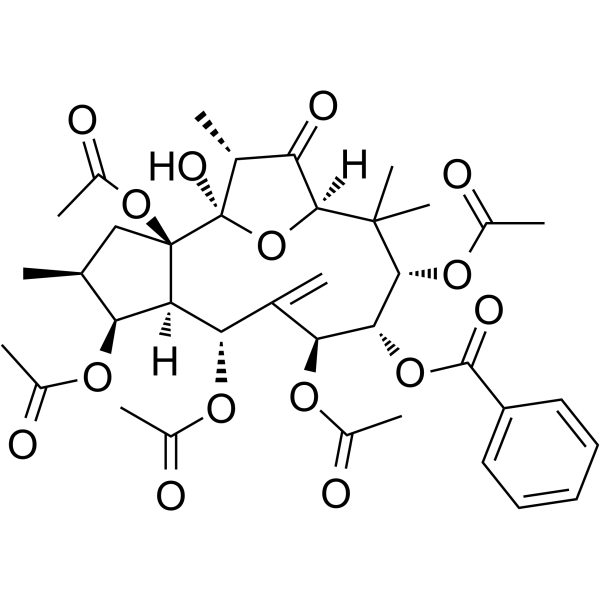
5,8,9,14-Tetraacetoxy-3-benzoyloxy-10,15-dihydroxypepluane is a Diterpenoids product that can be isolated from the herbs of Euphorbia peplus .
|
-
-
- HY-N3970
-
|
|
Others
|
Neurological Disease
|
|
Gopherenediol is a diterpenoid with putative antifeedant activity against Mammalian herbivores. Gopherenediol is the active compound in to form deterrent effect, protects gopherweed, Euphorbia lathyris (Euphorbiaceae) from feeding by Mammalian herbivores .
|
-
-
- HY-N13116
-
|
|
Parasite
|
Others
|
|
3-O-(2",3"-Dimethylbutanoyl)-13-O-decanoylingenol (compound 2) is a diterpenoid with antinematode activity, which can be isolated from Euphorbia kansui .
|
-
-
- HY-N11027
-
|
|
Others
|
Others
|
|
5-O-Benzoyl-20-deoxyingenol is a diterpene that can be isolated from the roots of Euphorbia kansui. 5-O-Benzoyl-20-deoxyingenol inhibits cell proliferation .
|
-
- HY-N10046
-
|
ent-Kaurane-3-oxo-17β-ol
|
Others
|
Others
|
|
ent-17-Hydroxykauran-3-one (ent-Kaurane-3-oxo-17β-ol; compound 7) is a kaurane-type diterpenoid that can be found in the roots of Euphorbia fischeriana .
|
-
- HY-N3443
-
|
|
Others
|
Cancer
|
|
Jolkinol A is a natural product that can be found in Euphorbia pubescens. Jolkinol A inhibits cell growth with GI50s of 95.3, 57.3, >100 µM for MCF-7, NCI-460, SF-268 cells, respectively .
|
-
- HY-N3824
-
|
|
Others
|
Others
|
|
ent-Atisane-3β,16α,17-triol is a compound that can be isolated from the acetone extract of roots of Euphorbia sieboldiana. ent-Atisane-3β,16α,17-triol is a natural control product .
|
-
- HY-N3811
-
|
|
RSV
|
Infection
|
|
ent-11β-Hydroxyatis-16-ene-3,14-dione (compound 11) is a diterpenoid from the fresh roots of Euphorbia jolkinii. ent-11β-Hydroxyatis-16-ene-3,14-dione has anti-RSV activity .
|
-
- HY-B0719R
-
|
Ingenol 3-angelate (Standard); PEP005 (Standard)
|
Reference Standards
PKC
|
Inflammation/Immunology
Cancer
|
|
Ingenol Mebutate (Standard) is the analytical standard of Ingenol Mebutate. This product is intended for research and analytical applications. Ingenol Mebutate is an active ingredient in Euphorbia peplus, acts as a potent PKC modulator, with Kis of 0.3, 0.105, 0.162, 0.376, and 0.171 nM for PKC-α, PKC-β, PKC-γ, PKC-δ, and PKC-ε, respectively, and has antiinflammatory and antitumor activity.
|
-
- HY-N7168A
-
|
|
Others
|
Others
|
|
3-O-(2'E ,4'Z-Decadienoyl)-20-O-acetylingenol (compound 6) is a diterpene that can be isolated from Euphorbia kansui. 3-O-(2'E ,4'Z-Decadienoyl)-20-O-acetylingenol shows cleavage inhibition activity of individual Xenopus cells at the blastular stage .
|
-
- HY-N0732R
-
|
|
Reference Standards
IAP
Akt
Caspase
NF-κB
TGF-beta/Smad
JAK
Bacterial
Apoptosis
|
Infection
Inflammation/Immunology
Cancer
|
|
Jolkinolide B (Standard) is the analytical standard of Jolkinolide B (HY-N0732). This product is intended for research and analytical applications. Jolkinolide B is a bioactive diterpene isolated from the roots of Euphorbia fischeriana Steud with oral activity. Jolkinolide B downregulates XIAP, cIAP1, cIAP2, and phosphorylated Akt, upregulates Smac, activates caspase-3 and caspase-9, and inhibits NF-κB, TGFβ/smad3 and JAK/STAT3 pathways. Jolkinolide B exerts comprehensive biological effects including inducing cancer cell apoptosis, suppressing inflammatory responses, improving lung function, alleviating hepatic steatosis and eliminating intracellular Mycobacterium tuberculosis. Jolkinolide B can be used for the research of leukemia, histiocytic lymphoma, asthma, metabolic dysfunction-associated steatotic liver disease and tuberculosis .
|
-
- HY-N8044
-
|
|
Others
|
Others
|
|
Ebracteolatain A is a phloroglucinol derivative found in the roots of Euphorbia ebracteolata Hayata .
|
-
- HY-N19376
-
|
|
Others
|
Others
|
|
17-Hydroxyjolkinolide B is a diterpenoid found in Euphorbia fischeriana Steud. 17-Hydroxyjolkinolide B exhibits bioactivities .
|
-
- HY-N15612
-
|
|
Others
|
Cancer
|
|
5-Hydroxy-7-methoxycoumarin is a coumarin compound present in the whole plant of Euphorbia kansuensis, with an IC50 > 40 μM against five human cancer cell lines .
|
-
- HY-N17423
-
-
- HY-N1704
-
|
|
Others
|
Others
|
|
24-Methylenecycloartanol acetate is a triterpene that can be found in Euphorbia segetalis .
|
-
- HY-N1310
-
|
|
Others
|
Others
|
|
Simiarenone is a Triterpenoids product that can be isolated from the herbs of Euphorbia lathyris L. .
|
-
- HY-N2880
-
|
|
Others
|
Others
|
|
Antiquorin is a Diterpenoids product that can be isolated from the roots of Euphorbia fischeriana. .
|
-
- HY-N3401
-
|
|
Others
|
Cancer
|
|
Lasiodiplodin is a potent anti-leukemic macrolide can be isolated from Euphorbia splendens .
|
-
- HY-N11736
-
|
|
Collagen
|
Metabolic Disease
|
|
12-O-Tiglyl-phorbol 13-dodecanoate (TD13) is a potential inhibitor with anti-hepatic fibrosis activity, and it belongs to a series of derivatives of oral APOL2 inhibitors and anti-hepatic fibrosis agents. It shows no obvious toxicity in preclinical models. Compounds of the 12-O-Tiglyl-phorbol 13-dodecanoate series inhibit the expression of fibronectin, type I collagen and α-smooth muscle actin in hepatic stellate cells. 12-O-Tiglyl-phorbol 13-dodecanoate can be isolated from the Euphorbiaceae plant Euphorbia fischeriana, and it is applicable to the research of hepatic fibrosis .
|
-
- HY-N2709
-
|
6-epi-O-Demethylesquirolin D
|
Others
|
Others
|
|
6-Epidemethylesquirolin D (6-epi-O-Demethylesquirolin D) is a Diterpenoids product that can be isolated from the herbs of Euphorbia ehracteolata .
|
-
- HY-N9197
-
-
- HY-N2662
-
|
5,7-Dihydroxy-6,8-dimethoxyflavon
|
Others
|
Others
|
|
6-Methoxywogonin (5,7-Dihydroxy-6,8-dimethoxyflavon) is a Diterpenoids product that can be isolated from the roots of Euphorbia pekinensis Rupr. .
|
-
- HY-N3813
-
|
|
Others
|
Others
|
|
ent-16α,17-Dihydroxyatisan-3-one is a Diterpenoids product that can be isolated from the herbs of Euphorbia Antiquorum. .
|
-
- HY-N1897
-
|
|
Others
|
Others
|
|
4-Hydroxy-11,12,13-trinor-5-eudesmen-7-one is a Sesquiterpenoids product that can be isolated from the roots of Euphorbia fischeriana. .
|
-
- HY-N13201
-
|
|
Apoptosis
CDK
|
Cancer
|
|
12-Deoxyphorbol 13-palmitate is a traditional Chinese medicine monomer with antitumor activity that can be isolated from the root of Euphorbia fischeriana. 12-Deoxyphorbol 13-palmitate induces gastric cancer cell cycle arrest and apoptosis by regulating key cell cycle regulators such as cyclin B、cyclin A and CDC2. In addition, 12-Deoxyphorbol 13-palmitate can significantly weaken APOL2–SERCA2–PERK–HES1 signaling and slow liver fibrosis by targeting APOL2 .
|
-
- HY-160735
-
|
|
Herbicide
Glutaminase
|
Others
|
|
L-Phosphinothricin is a glutamine synthetase inhibitor and a non-selective herbicide. L-Phosphinothricin acts as a competitive inhibitor, induces toxic ammonium ion accumulation in plants and bacteria, and indirectly blocks the photosynthesis process. L-Phosphinothricin exerts herbicidal activity against both monocotyledonous and dicotyledonous plant species, is primarily absorbed through plant leaves, exhibits limited translocation in plants, and undergoes rapid degradation by soil microorganisms with no root uptake. L-Phosphinothricin can be used for research on weed control in agricultural and non-crop scenarios .
|
-
- HY-N12752
-
|
Casbene
|
Bacterial
Fungal
|
Infection
|
|
(-)-Casbene (Casbene) is an antimicrobial agent that can be found in Euphorbiaceae plants. (-)-Casbene retards Aspergillus niger development, and inhibits Escherichia coli growth. (-)-Casbene can be used for the research of bacterial and fungal infection .
|
-
| Cat. No. |
Product Name |
Type |
-
- HY-W123056
-
|
Euphorbia CERIFERA (CANDELILLA) WAX
|
Biochemical Assay Reagents
|
|
Candelilla wax is a biochemical reagent that can be used as a biological material or organic compound for life science related research.
|
| Cat. No. |
Product Name |
Category |
Target |
Chemical Structure |
-
- HY-N2333
-
-
-
- HY-B0719
-
|
Ingenol 3-angelate; PEP005
|
Classification of Application Fields
Terpenoids
Euphorbia peplus Linn.
Diterpenoids
Euphorbiaceae
Plants
Inflammation/Immunology
Disease Research Fields
|
PKC
|
|
Ingenol Mebutate is an active ingredient in Euphorbia peplus, acts as a potent PKC modulator, with Kis of 0.3, 0.105, 0.162, 0.376, and 0.171 nM for PKC-α, PKC-β, PKC-γ, PKC-δ, and PKC-ε, respectively, and has antiinflammatory and antitumor activity.
|
-
-
- HY-N0732
-
|
|
Structural Classification
Euphorbia fischeriana Steud.
Classification of Application Fields
Terpenoids
Diterpenoids
Euphorbiaceae
Plants
Disease Research Fields
Cancer
|
IAP
Akt
Caspase
NF-κB
TGF-beta/Smad
JAK
Bacterial
Apoptosis
|
|
Jolkinolide B is a bioactive diterpene isolated from the roots of Euphorbia fischeriana Steud with oral activity. Jolkinolide B downregulates XIAP, cIAP1, cIAP2, and phosphorylated Akt, upregulates Smac, activates caspase-3 and caspase-9, and inhibits NF-κB, TGFβ/smad3 and JAK/STAT3 pathways. Jolkinolide B exerts comprehensive biological effects including inducing cancer cell apoptosis, suppressing inflammatory responses, improving lung function, alleviating hepatic steatosis and eliminating intracellular Mycobacterium tuberculosis. Jolkinolide B can be used for the research of leukemia, histiocytic lymphoma, asthma, metabolic dysfunction-associated steatotic liver disease and tuberculosis .
|
-
-
- HY-N0866
-
-
-
- HY-N0313
-
-
-
- HY-N5001
-
-
-
- HY-N2556
-
-
-
- HY-N0562
-
-
-
- HY-137242
-
-
-
- HY-N1969
-
-
-
- HY-N12730
-
-
-
- HY-N7267
-
-
-
- HY-N8560
-
-
-
- HY-N10990
-
-
-
- HY-133209
-
-
-
- HY-119767
-
-
-
- HY-N0313R
-
|
|
Triterpenes
Structural Classification
Terpenoids
Euphorbiaceae
Plants
|
MAGL
Endogenous Metabolite
Reference Standards
|
|
Euphol (Standard) is the analytical standard of Euphol. This product is intended for research and analytical applications. Euphol is a tetracyclic triterpene alcohol isolated from the sap of Euphorbia tirucalli with anti-mutagenic, anti-inflammatory and immunomodulatory effects, orally active. Euphol inhibits the monoacylglycerol lipase (MGL) activity via a reversible mechanism (IC50=315 nM). MGL inhibition in the periphery modulates the endocannabinoid system to block the development of inflammatory pain .
|
-
-
- HY-N8118
-
-
-
- HY-N7332
-
-
-
- HY-N16121
-
|
|
Euphorbia triangularis Desf.
Terpenoids
Diterpenoids
Euphorbiaceae
Plants
Source Classification
|
PKC
|
|
12-Deoxyphorbol 13-isobutyrate (ER272) (DPB), a diterpene, is a PKCα activator. 12-Deoxyphorbol 13-isobutyrate can be isolated from Euphorbia resinifera's latex. 12-Deoxyphorbol 13-isobutyrate facilitates neural stem cells (NSCs) proliferation and activation as well as TGFα release in a reaction dependent on PKCα activation. 12-Deoxyphorbol 13-isobutyrate increases cognitive performance and hippocampal neurogenesis in senescence-accelerated mouse-prone (SAMP8) models. 12-Deoxyphorbol 13-isobutyrate can be used for neurodegenerative diseases research .
|
-
-
- HY-N7893
-
-
-
- HY-125114
-
-
-
- HY-N11269
-
-
-
- HY-125648
-
-
-
- HY-N9280
-
-
-
- HY-W744699
-
|
(+)-Larixol
|
Larix decidua Miller
Natural Products
Pinaceae
Plants
Source Classification
|
Src
ERK
Akt
|
|
Larixol is an fMLP inhibitor and also inhibits Src kinase, ERK1/2, p38 and AKT phosphorylation signals in immune regulation. Larixol can interfere with the interaction between the βγ subunit of the fMLP receptor Gi protein and its downstream molecules, thereby inhibiting fMLP-induced respiratory burst. Larixol inhibits fMLP (0.1 μM)-induced superoxide anion production (IC50: 1.98 μM), cathepsin G release (IC50: 2.76 μM), and chemotaxis. Larixol improves neutrophil hyperactivation and reduces inflammation or tissue damage. A series of Larixol derivatives were found to have inhibitory effects on FSGS-related TRPC6 functional mutants .
|
-
-
- HY-N8119
-
-
-
- HY-N8121
-
-
-
- HY-N10875
-
-
-
- HY-N1645
-
-
-
- HY-138142
-
-
-
- HY-N7464
-
-
-
- HY-N10839
-
-
-
- HY-N9207
-
-
-
- HY-N0868
-
-
-
- HY-N7304
-
-
-
- HY-N7306
-
-
-
- HY-N11060
-
-
-
- HY-N8959
-
-
-
- HY-N11025
-
-
-
- HY-N7823
-
-
-
- HY-137037
-
-
-
- HY-N8555
-
-
-
- HY-N1596
-
-
-
- HY-N12434
-
-
-
- HY-N9189
-
-
-
- HY-N3970
-
-
-
- HY-N13116
-
-
-
- HY-N11027
-
-
-
- HY-N10046
-
-
- HY-N3443
-
-
- HY-N3824
-
-
- HY-N3811
-
-
- HY-B0719R
-
|
Ingenol 3-angelate (Standard); PEP005 (Standard)
|
Structural Classification
Terpenoids
Euphorbia peplus Linn.
Diterpenoids
Euphorbiaceae
Plants
|
Reference Standards
PKC
|
|
Ingenol Mebutate (Standard) is the analytical standard of Ingenol Mebutate. This product is intended for research and analytical applications. Ingenol Mebutate is an active ingredient in Euphorbia peplus, acts as a potent PKC modulator, with Kis of 0.3, 0.105, 0.162, 0.376, and 0.171 nM for PKC-α, PKC-β, PKC-γ, PKC-δ, and PKC-ε, respectively, and has antiinflammatory and antitumor activity.
|
-
- HY-N7168A
-
-
- HY-N0732R
-
|
|
Structural Classification
Euphorbia fischeriana Steud.
Terpenoids
Diterpenoids
Euphorbiaceae
Plants
|
Reference Standards
IAP
Akt
Caspase
NF-κB
TGF-beta/Smad
JAK
Bacterial
Apoptosis
|
|
Jolkinolide B (Standard) is the analytical standard of Jolkinolide B (HY-N0732). This product is intended for research and analytical applications. Jolkinolide B is a bioactive diterpene isolated from the roots of Euphorbia fischeriana Steud with oral activity. Jolkinolide B downregulates XIAP, cIAP1, cIAP2, and phosphorylated Akt, upregulates Smac, activates caspase-3 and caspase-9, and inhibits NF-κB, TGFβ/smad3 and JAK/STAT3 pathways. Jolkinolide B exerts comprehensive biological effects including inducing cancer cell apoptosis, suppressing inflammatory responses, improving lung function, alleviating hepatic steatosis and eliminating intracellular Mycobacterium tuberculosis. Jolkinolide B can be used for the research of leukemia, histiocytic lymphoma, asthma, metabolic dysfunction-associated steatotic liver disease and tuberculosis .
|
-
- HY-N8044
-
-
- HY-N19376
-
-
- HY-N15612
-
-
- HY-N17423
-
-
- HY-N1704
-
-
- HY-N1310
-
-
- HY-N2880
-
-
- HY-N3401
-
-
- HY-N11736
-
|
|
Structural Classification
Natural Products
Euphorbia fischeriana Steud.
Euphorbiaceae
Plants
Source Classification
|
Collagen
|
|
12-O-Tiglyl-phorbol 13-dodecanoate (TD13) is a potential inhibitor with anti-hepatic fibrosis activity, and it belongs to a series of derivatives of oral APOL2 inhibitors and anti-hepatic fibrosis agents. It shows no obvious toxicity in preclinical models. Compounds of the 12-O-Tiglyl-phorbol 13-dodecanoate series inhibit the expression of fibronectin, type I collagen and α-smooth muscle actin in hepatic stellate cells. 12-O-Tiglyl-phorbol 13-dodecanoate can be isolated from the Euphorbiaceae plant Euphorbia fischeriana, and it is applicable to the research of hepatic fibrosis .
|
-
- HY-N2709
-
-
- HY-N9197
-
-
- HY-N2662
-
-
- HY-N3813
-
-
- HY-N1897
-
-
- HY-N13201
-
-
- HY-N12752
-
-
Your information is safe with us. * Required Fields.
Inquiry Information
- Product Name:
- Cat. No.:
- Quantity:
- MCE Japan Authorized Agent:

