

91 Results for "

Fibrotic diseases

" in MedChemExpress (MCE) Product Catalog:
Products (91)

91 Results for "Fibrotic diseases" in MCE Product Catalog:

209
209 Publications Verification
Cat. No.: HY-15147
CAS No.: 284028-89-3
Purity:  99.80%
Target:  

β-catenin PARP

Research Areas:  

Cancer

XAV-939 is a Tankyrase inhibitor. XAV-939 has inhibitory activity for TNKS1 and TNKS2 with IC50 values of 5 nM and 2 nM, respectively. XAV-939 also is an enhancer of osteoblastic differentiation of hMSCs. XAV-939 can be used for the research of conditions associated with activated Wnt signaling, such as cancer, fibrotic diseases and conditions associated with low bone formation .
loading...
    loading...
162
162 Cited Publications
Cat. No.: HY-10087A1
CAS No.: 1093851-28-5
Synonyms: ABT-263 dihydrochloride
Navitoclax dihydrochloride (ABT-263 dihydrochloride) is an orally active BH3 mimetic and an inhibitor of Bcl-2, Bcl-xL, and Bcl-w, with a Ki value of <1 nM for each target. Navitoclax dihydrochloride triggers endogenous Apoptosis and downregulates the expression of Survivin and TGFβ2. Navitoclax dihydrochloride alleviates fibrosis and induces thrombocytopenia. Navitoclax dihydrochloride exhibits anticancer activity against a variety of tumors and enhances the efficacy of chemotherapy and radiotherapy. Navitoclax dihydrochloride can be used in the research of acute lymphoblastic leukemia, ovarian cancer, and fibrotic diseases .
loading...
    loading...
6
6 Cited Publications
Cat. No.: HY-126397
CAS No.: 55266-18-7
Purity:  ≥98.0%
Target:  

NF-κB

Research Areas:  

Inflammation/Immunology

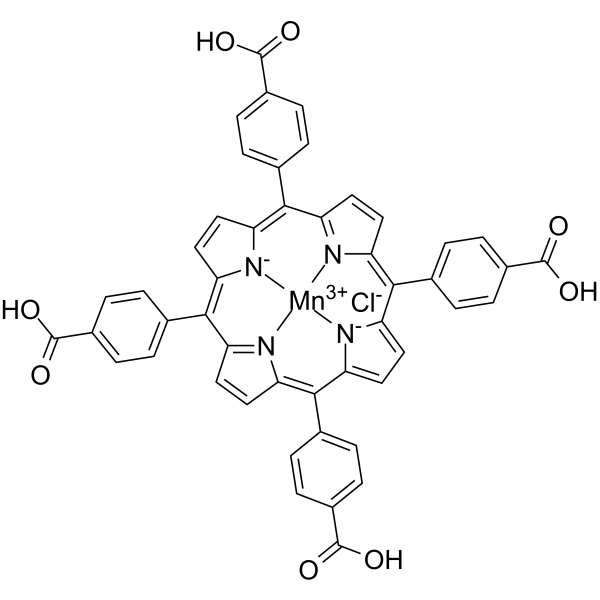
MnTBAP chloride is a superoxide dismutase (SOD) mimetic and peroxynitrite scavenger. MnTBAP chloride is a manganic porphyrin complex and has anti-oxidative property. MnTBAP chloride mediates anti-inflammatory effects through upregulation of BMPR-II and inhibition of the NFκB signaling. MnTBAP chloride has the potential for the fibrotic response in chronic kidney diseases (CKDs) research .
loading...
    loading...
3
3 Cited Publications
Cat. No.: HY-110279
CAS No.: 1309198-71-7
Purity:  99.58%
Target:  

GPR68

Research Areas:  

Neurological Disease

Ogerin, a chemical probe, is a selective GPR68 positive aliasing modulator (PAM) (pEC50=6.83) with a moderate antagonistic effect on A2A (Ki=220 nM). Ogerin inhibits the fear conditioning reflex in mice and also inhibits TGF-β-induced myofibroblast differentiation of fibroblasts from multiple organ systems. Ogerin can be used in the studies of fibrotic diseases and neurological disorders .
loading...
    loading...
3
3 Cited Publications
Cat. No.: HY-107422
CAS No.: 2007885-39-2
Purity:  99.52%
Synonyms: PAT-1251; GB2064
Target:  

Monoamine Oxidase

Research Areas:  

Inflammation/Immunology

PAT-1251 is a potent, selective and oral lysyl oxidase-like 2 (LOXL2) inhibitor, with IC50s of 0.71 and 1.17 μM for hLOXL2 and hLOXL3, respectively, and also potently inhibits mouse, rat, and dog LOXL2 (IC50s, 0.10, 0.12, and 0.16 μM, respectively); PAT-1251 is used in the research of fibrotic diseases .
loading...
    loading...
3
3 Cited Publications
Cat. No.: HY-18303
CAS No.: 882663-88-9
Target:  

Src VEGFR p38 MAPK JAK

Research Areas:  

Inflammation/Immunology

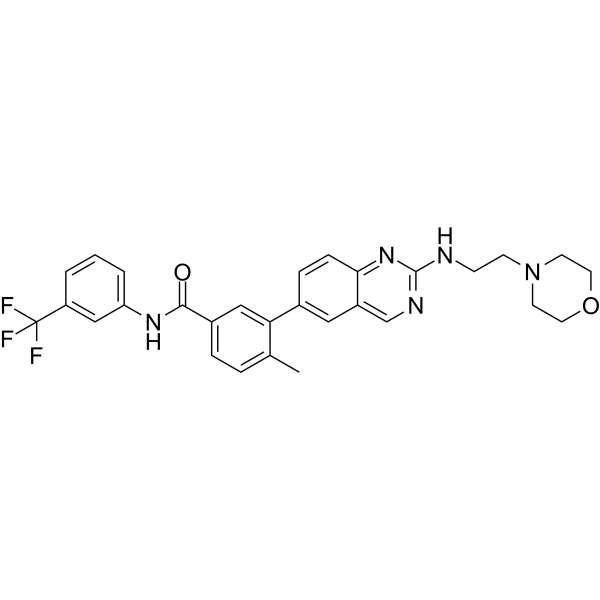
AMG-47a is an orally active, ATP-competitive Lck inhibitor (IC50=0.2 nM). AMG-47a inhibits VEGF2, p38α, p38α, Jak3, MLR, and IL-2 with IC50 of 1 nM, 3 nM, 72 nM, 30 nM, and 21 nM, respectively. AMG-47a reduces T cell activation and the production of cytokines such as TGF-β, exerting anti-inflammatory and anti-fibrotic activities. AMG-47a can be used in the research of autoimmune diseases, pulmonary fibrosis, and KRAS mutation-associated cancers[1][2][3].
loading...
    loading...
2
2 Cited Publications
Cat. No.: HY-N0671
CAS No.: 155-58-8
Synonyms: Rhaponiticin
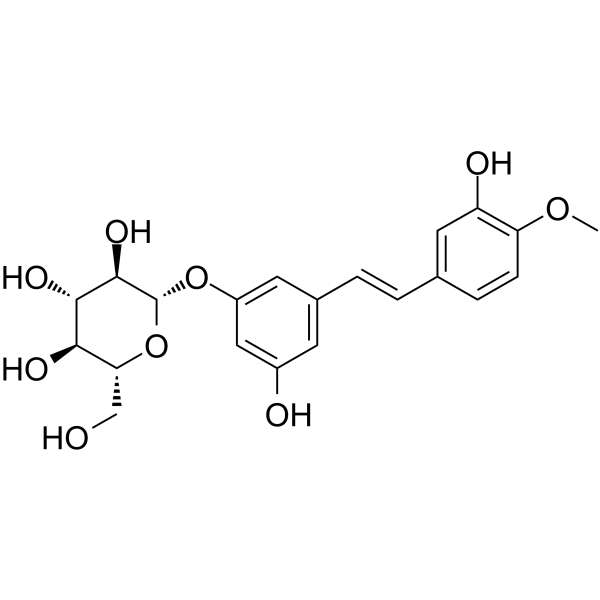
Rhapontin (Rhaponiticin) is an orally aactive SIRT1 agonist and AMPK activator with anti-inflammatory and anti-fibrotic activities. Rhapontin inhibits NLRP3 inflammasome activation by activating SIRT1 and inhibits TGF-β/Smad signaling via the AMPK pathway. Rhapontin reduces intestinal and lung inflammation, inhibits fibroblast differentiation and extracellular matrix deposition, and enhances tight junction protein expression to repair epithelial barriers. Rhapontin can be used in the study of inflammatory bowel diseases (such as ulcerative colitis) and pulmonary fibrosis .
loading...
    loading...
2
2 Cited Publications
Cat. No.: HY-19767
CAS No.: 1629249-33-7
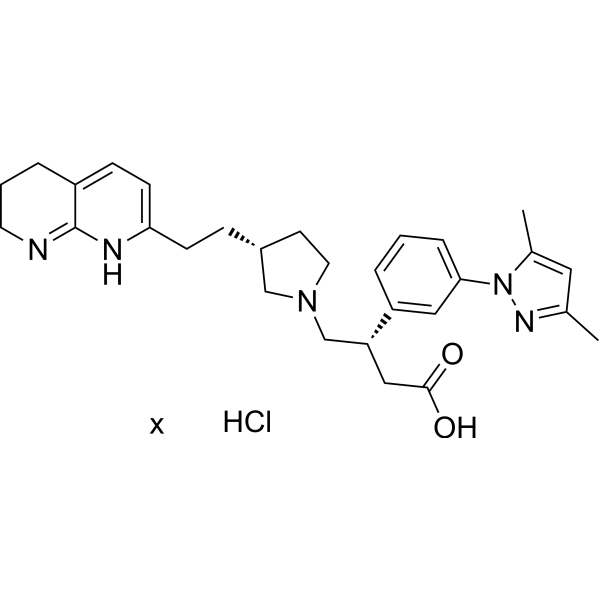
GSK 3008348 is a small molecule antagonist of integrin αvβ6 with IC50 values for αvβ6, αvβ1, αvβ3, αvβ5, and αvβ8 are 1.50, 2.83, 12.53, 4.00, and 2.26 nM, respectively. GSK 3008348 can target the αvβ6 integrin, inhibit TGF-β activation, and thereby alleviate the fibrotic process. GSK 3008348 prevents the binding of the foot-and-mouth disease virus (FMDV) to the αvβ6 integrin receptor on the surface of host cells, thereby inhibiting the entry of the virus. GSK 3008348 can be used for research on pulmonary fibrosis and various types of cancer .
loading...
    loading...
2
2 Cited Publications
Cat. No.: HY-19767A
CAS No.: 1629249-40-6
GSK 3008348 hydrochloride is a small molecule antagonist of integrin αvβ6 with IC50 values for αvβ6, αvβ1, αvβ3, αvβ5, and αvβ8 are 1.50, 2.83, 12.53, 4.00, and 2.26 nM, respectively. GSK 3008348 hydrochloride can target the αvβ6 integrin, inhibit TGF-β activation, and thereby alleviate the fibrotic process. GSK 3008348 hydrochloride prevents the binding of the foot-and-mouth disease virus (FMDV) to the αvβ6 integrin receptor on the surface of host cells, thereby inhibiting the entry of the virus. GSK 3008348 hydrochloride can be used for research on pulmonary fibrosis and various types of cancer .
loading...
    loading...
2
2 Cited Publications
Cat. No.: HY-107802
CAS No.: 116122-36-2
Purity:  95.59%
Synonyms: Breviscapinun
Breviscapine (Breviscapinun) is a flavonoid compound with antioxidant, anti-inflammatory, anti-fibrotic, and neuroprotective activities. Breviscapine ameliorates cerebral ischemia/reperfusion injury and vascular dementia, and inhibits the formation of postoperative abdominal adhesions. The mechanism of action of Breviscapine involves the regulation of oxidative stress, inflammatory cytokines, signaling pathways such as TGF-β/Smad, and cellular calcium overload. Breviscapine is used for research on diseases including cardiovascular and cerebrovascular diseases .
loading...
    loading...
1
1 Cited Publications
Cat. No.: HY-139853
CAS No.: 2170126-74-4
Purity:  99.93%
Synonyms: Admilparant
Target:  

LPL Receptor

Research Areas:  

Others

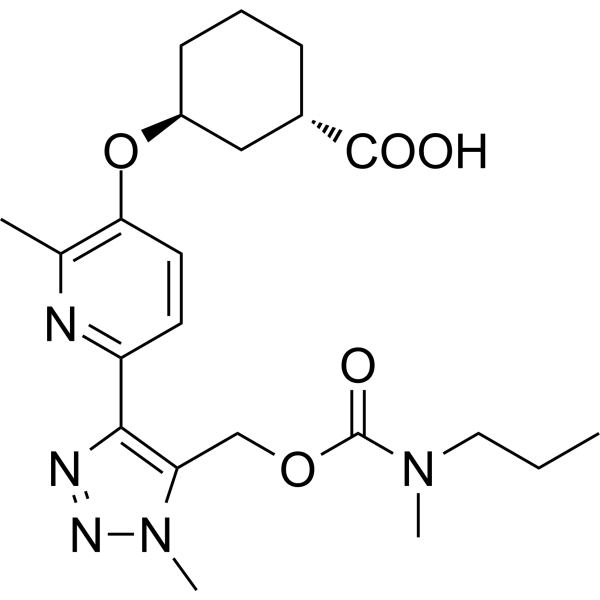
BMS-986278 is a potent and orally active lysophosphatidic acid receptor 1 (LPA1) antagonist, with Kbs of 6.9 nM and 4.0 nM for human and mouse LPA1, respectively. BMS-986278 can be used for the research of pulmonary fibrotic diseases .
loading...
    loading...
1
1 Cited Publications
Cat. No.: HY-P990007
CAS No.: 2648504-55-4
Synonyms: PRA023; MK-7240

Target:  

TNF Receptor

Research Areas:  

Inflammation/Immunology

Tulisokibart (PRA023) is a humanized IgG1-κ monoclonal antibody. Tulisokibart targets to TNFSF15/TL1A. Tulisokibart can be used to study a variety of inflammatory/fibrotic diseases, such as Crohn's Disease (CD) and ulcerative colitis .
loading...
    loading...
1
1 Cited Publications
Cat. No.: HY-N1548
CAS No.: 99-18-3
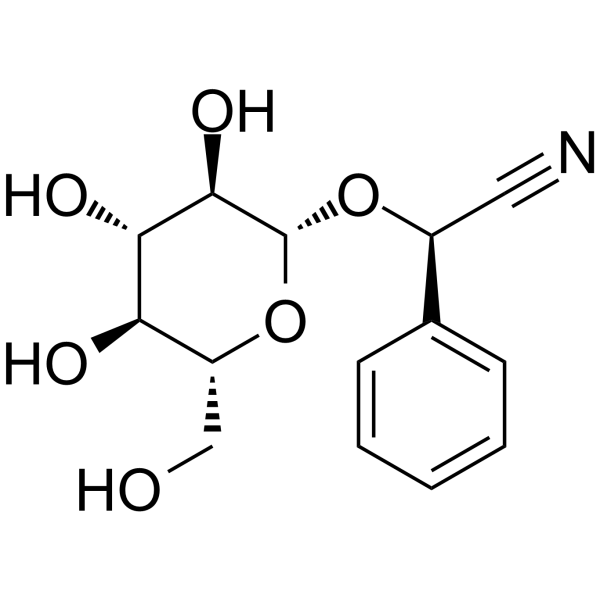
Prunasin is an orally active cyanogenic glucoside and the main metabolite of Amygdalin (HY-N0190). Prunasin can specifically inhibit rat DNA polymerase β (IC50: 98 μM). Prunasin has anti-inflammatory and anti-fibrotic activities. Prunasin can be used in the research of diseases such as liver fibrosis .
loading...
    loading...
1
1 Cited Publications
Cat. No.: HY-121246
CAS No.: 848353-85-5
Purity:  99.78%
Synonyms: AKF-PD
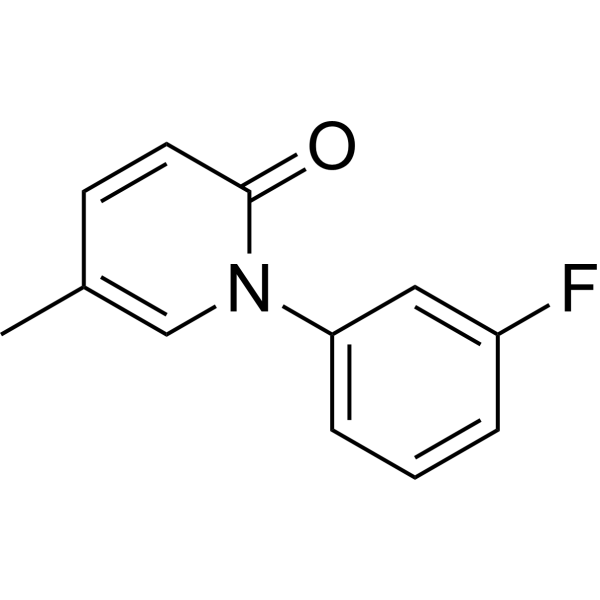
Fluorofenidone (AKF-PD) is an orally active compound with anti-fibrotic, antioxidant, and anti-inflammatory pharmacological effects. Fluorofenidone downregulates the expression of ACSL4, upregulates GPX4 expression and inhibits the NF-κB signaling pathway to alleviate inflammation and fibrosis. Fluorofenidone ameliorates cholestasis and fibrosis by inhibiting hepatic Erk/-Egr-1 signaling and Tgfβ1/Smad pathway in mice. Fluorofenidone demonstrates protective effects against chronic lung injury in mice. Fluorofenidone can be used for the study of chronic obstructive pulmonary disease (COPD), pulmonary interstitial fibrosis (PIF) and non-small cell lung cancer (NSCLC) .
loading...
    loading...
1
1 Cited Publications
Cat. No.: HY-14604
CAS No.: 90494-79-4
Purity:  98.57%
Synonyms: SR57746A; SR57746 hydrochloride
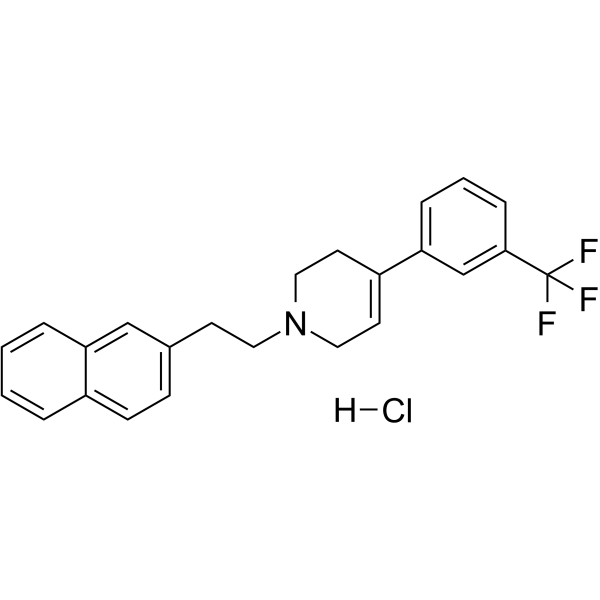
Xaliproden (SR57746) hydrochloride (SR57746A) is an orally active, highly selective 5-HT1A receptor agonist. Xaliproden hydrochloride activates pertussis toxin-sensitive G protein-coupled signaling cascades, as well as the PKC, ERK1/ERK2, Akt and p21 Ras/MEK-1 pathways. Xaliproden hydrochloride also downregulates the JNK/p66/c-Jun signaling pathway, induces phosphorylation of the shc adaptor protein, regulates extracellular dopamine and 5-HT levels, and induces [ 35S]GTPγS labeling in rat brain structures rich in 5-HT1A receptors. Xaliproden hydrochloride exerts neurotrophic, neuroprotective, renoprotective, anti-inflammatory, anti-apoptotic, anti-fibrotic and analgesic effects. Xaliproden hydrochloride also enhances NGF-induced neurite outgrowth, promotes motor neuron survival, attenuates renal tubular injury and inhibits chemotherapy-induced mechanical allodynia, without activating or altering NGF-induced TrkA receptor activation. Xaliproden hydrochloride can be used in the research of motor neuron disease, diabetic nephropathy, chemotherapy-induced peripheral neuropathy, amyotrophic lateral sclerosis, Alzheimer's disease, acute tonic nociceptive pain, inflammatory pain, depression and anxiety .
loading...
    loading...
1
1 Cited Publications
Cat. No.: HY-132850
CAS No.: 2221010-42-8
Purity:  ≥98.0%
Synonyms: BLD-2660
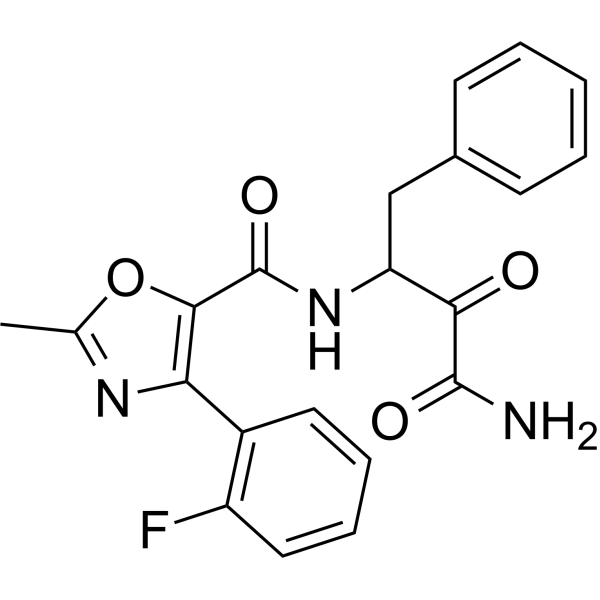
Dazcapistat (BLD-2660) is an orally active small-molecule inhibitor of calpain 1, 2, and 9 (calpain 1, 2, 9). Dazcapistat reduces the expression/production level of IL-6 in injured lung tissue and alleviates fibrosis . Dazcapistat exerts anti-fibrotic effects in various animal models of fibrosis in the skin, liver and lung . Dazcapistat can be used in research related to coronavirus disease 2019 (COVID-19) and idiopathic pulmonary fibrosis .
loading...
    loading...
1
1 Cited Publications
Cat. No.: HY-P990319

Target:  

NAMPT

Research Areas:  

Inflammation/Immunology

ALT-100 (Human IgG4) is a humanized antibody expressed in CHO, targeting NAMPT. ALT-100 (Human IgG4) consists of a huIgG1/huIgG4 heavy chain and a huκ light chain, with a predicted molecular weight (MW) of 150 kDa. For inflammatory or fibrotic diseases, the isotype control for ALT-100 (Human IgG4) can refer to Human IgG4 (S228P) kappa, Isotype Control (HY-P99003).
loading...
    loading...
1
1 Cited Publications
Cat. No.: HY-113604
CAS No.: 10245-81-5
Purity:  99.63%
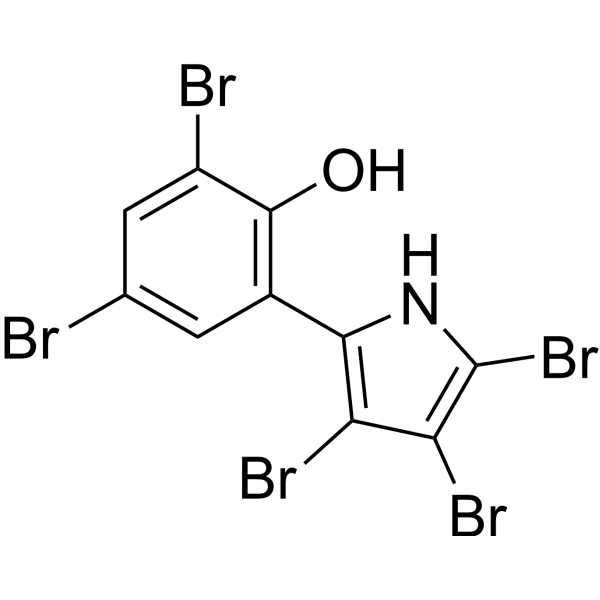
Pentabromopseudilin (PBrP) is a marine antibiotic isolated from the marine bacteria Pseudomonas bromoutilis and Alteromonas luteoviolaceus. PBrP exhibits antimicrobial, anti-tumour and phytotoxic activities. PBrP is a reversible and allosteric inhibitor of myosin Va (MyoVa). PBrP also is a potent inhibitor of transforming growth factor-β (TGF-β) activity. PBrP can be used for the research of fibrotic diseases and cancer .
loading...
    loading...
1
1 Cited Publications
Cat. No.: HY-10087S
CAS No.: 1217620-38-6
Purity:  99.71%
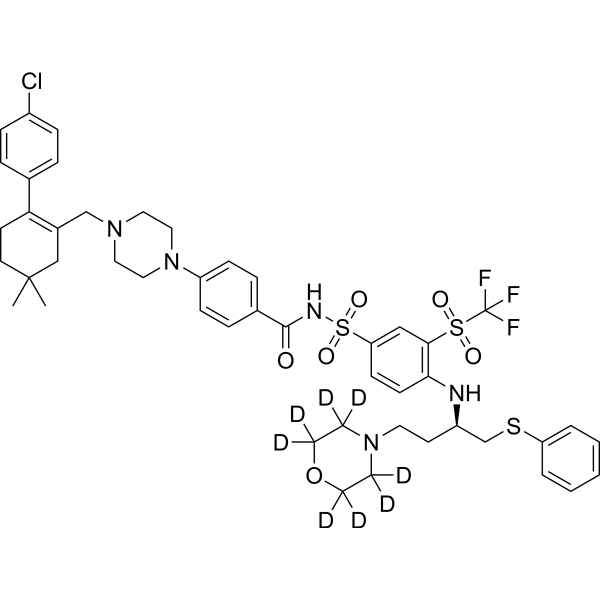
Navitoclax-d8 is the d8-labeled Navitoclax (HY-10087). Navitoclax (ABT-263 ) is an orally active BH3 mimetic and an inhibitor of Bcl-2, Bcl-xL, and Bcl-w, with a Ki value of <1 nM for each target. Navitoclax triggers endogenous Apoptosis and downregulates the expression of Survivin and TGFβ2. Navitoclax alleviates fibrosis and induces thrombocytopenia. Navitoclax exhibits anticancer activity against a variety of tumors and enhances the efficacy of chemotherapy and radiotherapy. Navitoclax can be used in the research of acute lymphoblastic leukemia, ovarian cancer, and fibrotic diseases .
loading...
    loading...
Cat. No.: HY-B0766
CAS No.: 118159-48-1
Synonyms: SY801
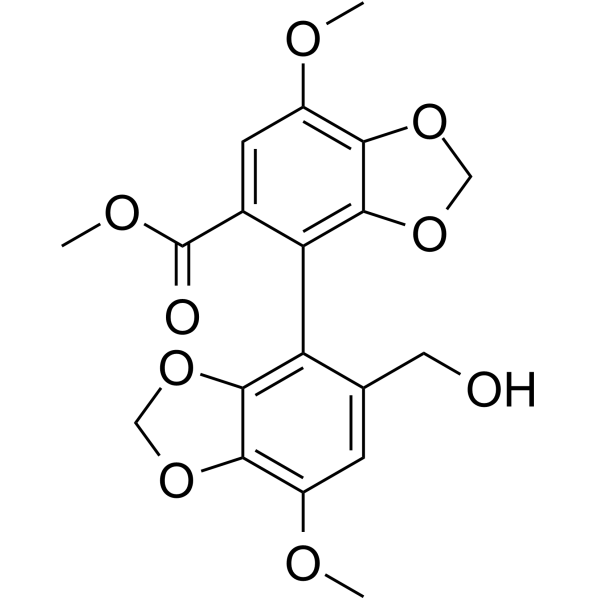
Bicyclol (SY801) is an orally active derivative of the traditional Chinese medicine Schisandra chinensis, which has antiviral, anti-inflammatory, immunomodulatory, antioxidant, anti-steatosis, anti-fibrotic and anti-tumor activities. Bicyclol regulates the expression of heat shock proteins and plays an anti-apoptosis role in hepatocytes. Bicyclol reduces the activation of NF-κB and the levels of inflammatory factors in hepatocytes infected with hepatitis C virus (HCV) by inhibiting the activation of the ROS-MAPK-NF-κB pathway, and prevents ferroptosis in acute liver injury. Bicyclol can change the expression of Mdr-1, GSH/GST and Bcl-2, increase the intracellular concentration of anticancer drugs, and sensitize drug-resistant cells to anticancer drugs. Bicyclol inhibits the proliferation of human malignant hepatoma cells by regulating the PI3K/AKT pathway and the Ras/Raf/MEK/ERK pathway. Bicyclol can be used in the study of chronic hepatitis, acute liver injury, nonalcoholic fatty liver disease, liver fibrosis and hepatocellular carcinoma .
loading...
    loading...

