
1. Search Result
Search Result
Pathways Recommended: GPCR/G Protein
Results for "

G protein-coupled receptor kinase

" in MedChemExpress (MCE) Product Catalog:

41

Inhibitors & Agonists

3

Peptides

1

Natural
Products

3

Recombinant Proteins

2

Isotope-Labeled Compounds

2

Antibodies

1

Oligonucleotides

Cat. No. Product Name Target Research Areas Chemical Structure
  • HY-15589
    GW9508
    Maximum Cited Publications
    7 Publications Verification

    Free Fatty Acid Receptor Potassium Channel Cardiovascular Disease Metabolic Disease Inflammation/Immunology
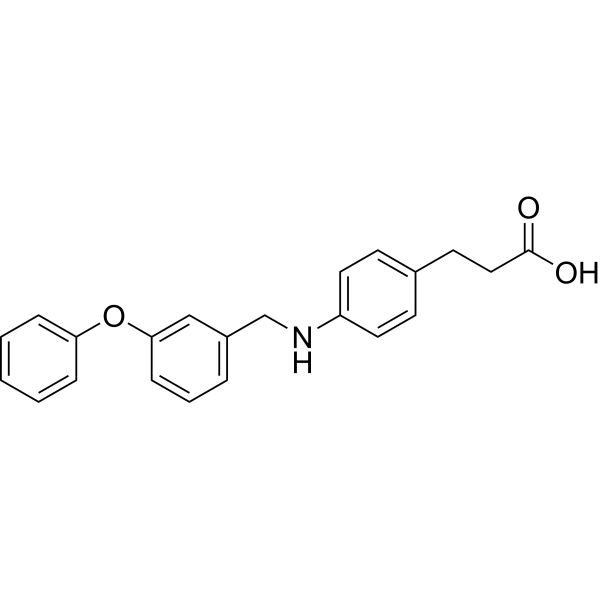
    GW9508 is a potent and selective G protein-coupled receptors FFA1 (GPR40) and GPR120 agonist with pEC50s of 7.32 and 5.46, respectively. GW9508 shows ~100-fold selectivity for GPR40 over GPR120. GW9508 is inactive against other GPCRs, kinases, proteases, integrins and PPARs. GW9508 is a glucose-sensitive insulin secretagogue and an ATP-sensitive potassium (KATP) channels opener. Anti-inflammatory and anti-atherosclerotic activities .
    GW9508
  • HY-18991
    CCG215022
    5 Publications Verification

    PKA G Protein-coupled Receptor Kinase (GRK) Cancer
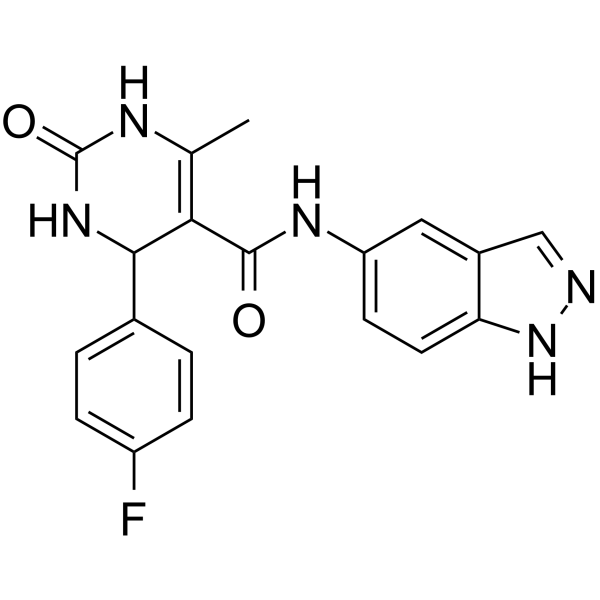
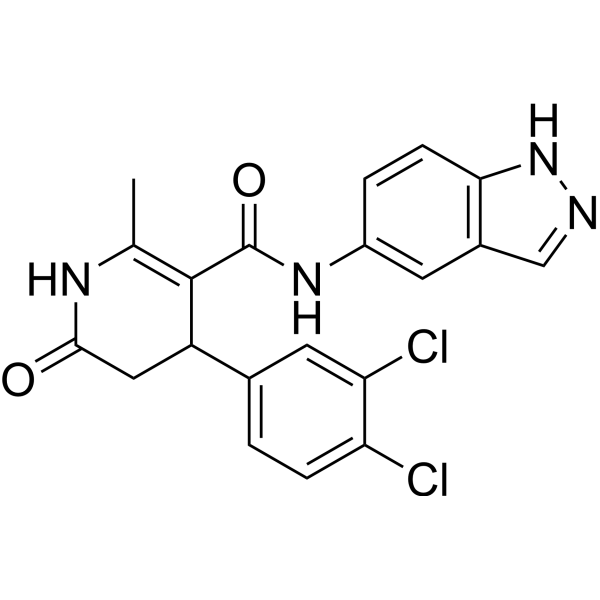
    CCG215022 is a G protein-coupled receptor kinases (GRKs) inhibitor with IC50s of 0.15±0.07 μM, 0.38±0.06 μM and 3.9±1 μM for GRK2, GRK5 and GRK1, respectively.
    CCG215022
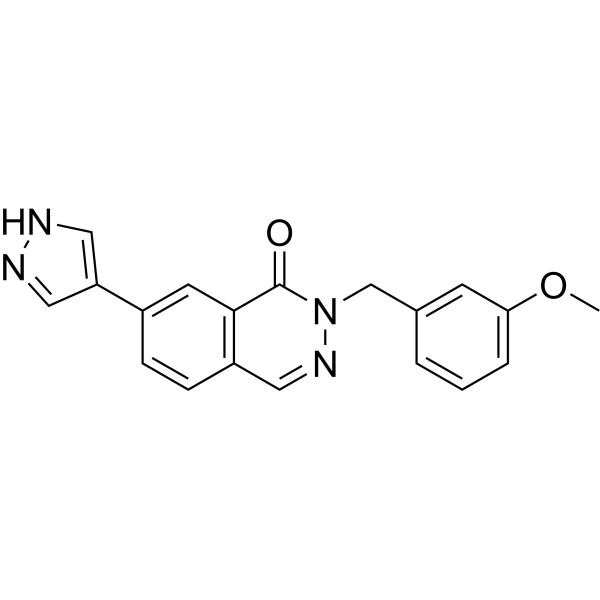
  • HY-156863
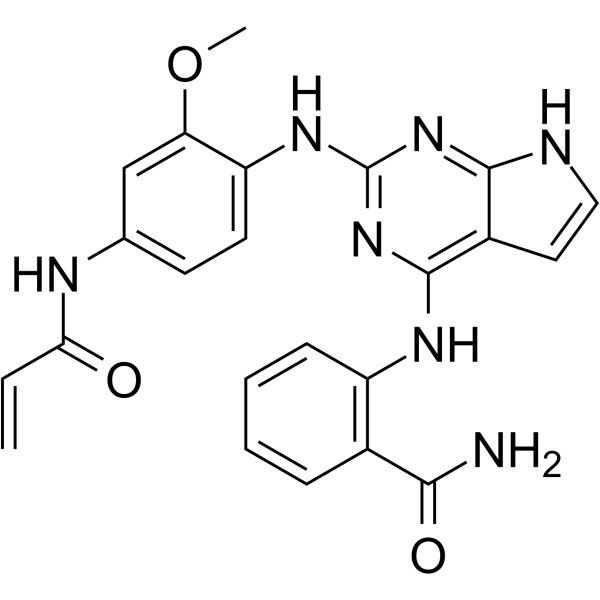
    GRK2 Inhibitor 2
    1 Publications Verification

    Aurora Kinase G Protein-coupled Receptor Kinase (GRK) Cardiovascular Disease
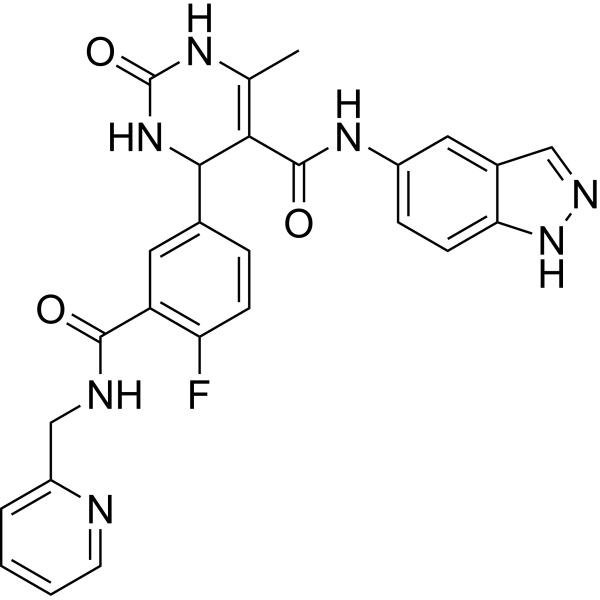
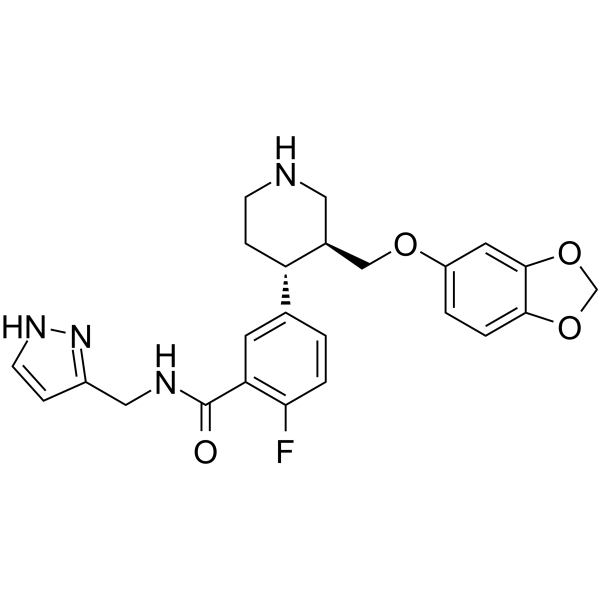
    GRK2 Inhibitor 2 is an orally active and selective G protein-coupled receptor kinase 2 (GRK) inhibitor with an IC50 of 19 nM. GRK2 Inhibitor 2 also inhibits Aurora-A with an IC50 of 137 nM. GRK2 Inhibitor 2 can be used in the study of congestive heart failure (HF) .
    GRK2 Inhibitor 2
  • HY-W355700

    Drug Metabolite Infection
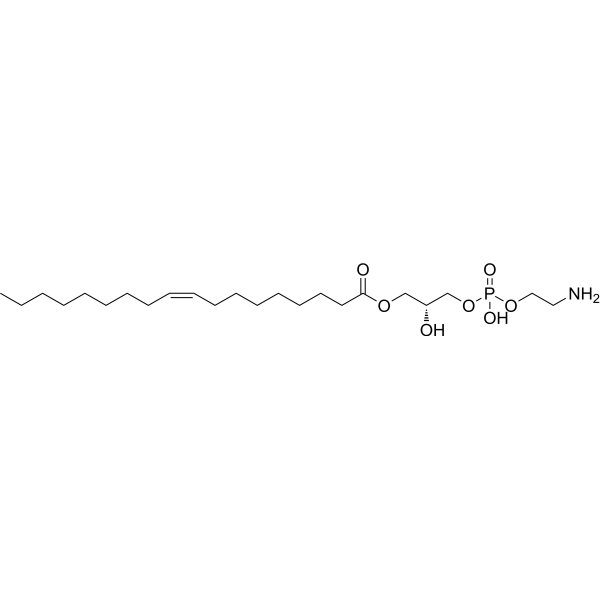
    1-oleoyl-sn-glycero-3-phosphoethanolamine (LysoPE 18:1) is a lysophosphatidylethanolamine molecule involved in phospholipid metabolism, targeting cell membrane receptors (such as G protein-coupled receptors) to regulate cell signaling pathways. 1-oleoyl-sn-glycero-3-phosphoethanolamine may activate mitogen-activated protein kinase (MAPK) signaling, promote cell migration, regulate inflammatory responses and lipid metabolism, and has both pro-inflammatory and anti-inflammatory activities. 1-oleoyl-sn-glycero-3-phosphoethanolamine is mainly used in the screening of biomarkers for metabolic diseases (such as non-alcoholic fatty liver disease and obesity), as well as the study of the mechanism of lysophospholipids in cell membrane homeostasis and signal transduction .
    1-Oleoyl-2-hydroxy-sn-glycero-3-phosphoethanolamine
  • HY-143248
    KR-39038
    1 Publications Verification

    G Protein-coupled Receptor Kinase (GRK) HDAC Cardiovascular Disease
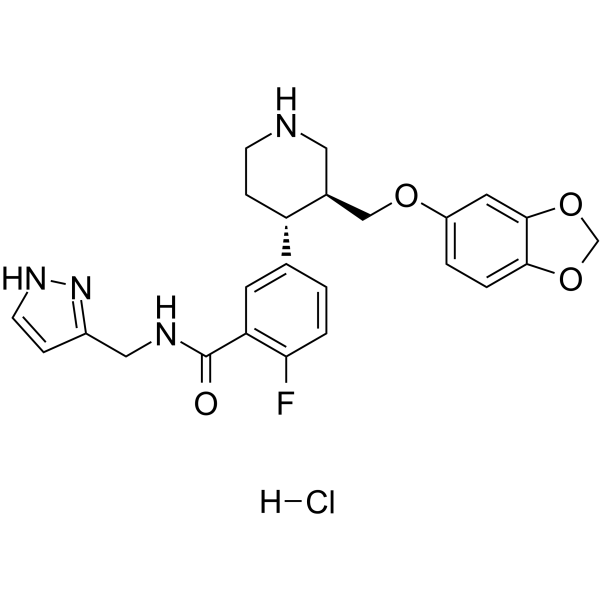
    KR-39038 is an orally active and potent GRK5 (G protein-coupled receptor kinase 5) inhibitor, with an IC50 of 0.02 μM. KR-39038 significantly inhibits angiotensin II-induced cellular hypertrophy through suppression of HDAC5 pathway in neonatal cardiomyocytes. KR-39038 shows profound anti-hypertrophic effects and improved cardiac function. KR-39038 can be used for heart failure research .
    KR-39038
  • HY-18990
    GSK180736A
    5+ Cited Publications

    ROCK G Protein-coupled Receptor Kinase (GRK) Cardiovascular Disease
    GSK180736A is potent Rho-associated coiled-coil kinase 1 (ROCK1) inhibitor with an IC50 of 100 nM. GSK180736A is also a selective and ATP-competitive G protein-coupled receptor kinase 2 (GRK2) inhibitor with an IC50 of 0.77 μM.
    GSK180736A
  • HY-142817
    GRK6/Aurora A-IN-1
    3 Publications Verification

    G Protein-coupled Receptor Kinase (GRK) Aurora Kinase Cancer
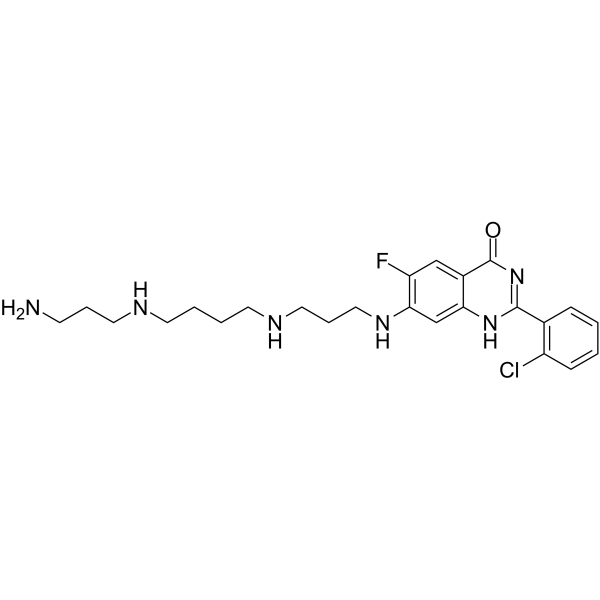
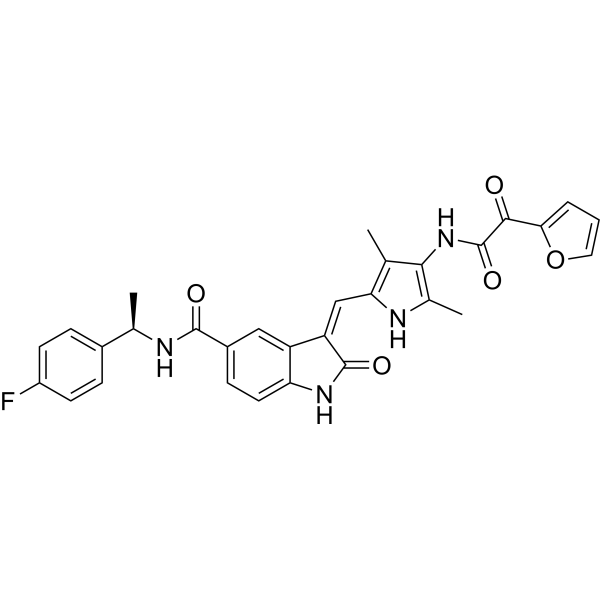
    GRK6/Aurora A-IN-1 is a dual inhibitor of G protein-coupled receptor kinase 6 (GRK6)/Aurora A, with IC50 values of 120 nM and 11 nM, respectively. GRK6 is a key kinase required for the survival of multiple myeloma (MM) cells. GRK6-IN-2 has the potential for research on multiple myeloma .
    GRK6/Aurora A-IN-1
  • HY-123538

    Dopamine Receptor G Protein-coupled Receptor Kinase (GRK) Cardiovascular Disease
    GRK2 Inhibitor 1 (methyl 5-[2-(5-nitro-2-furyl)vinyl]-2-furoate) is a dual GRK2/β-ARK1 inhibitor that induces dopamine (DA) inhibition reversal (DIR). GRK2 Inhibitor 1 can also block serotonin-induced or neurotensin-induced DIR reversal. Note: DIR refers to the phenomenon in which neurons in addiction-related brain pathways become less sensitive to DA inhibition when exposed to moderate concentrations of DA for a long time .
    GRK2 Inhibitor 1
  • HY-109562A
    CCG258208 hydrochloride
    1 Publications Verification

    GRK2-IN-1 hydrochloride

    G Protein-coupled Receptor Kinase (GRK) Cardiovascular Disease
    CCG258208 (GRK2-IN-1) hydrochloride is a potent and selective GRK2 (G protein-coupled receptor kinase 2) inhibitor (IC50=30 nM) while maintaining 230-fold selectivity over GRK5 (IC50=7.09 μM) and more than 2500-fold selectivity over GRK1 (IC50=87.3 μM), PKA, and ROCK1. CCG258208 hydrochloride can be used in heart failure research .
    CCG258208 hydrochloride
  • HY-153830

    C16 Lactosylceramide (d18:1/16:0)

    Endogenous Metabolite Neurological Disease Metabolic Disease
    LacCer (d18:1/16:0) (C16 Lactosylceramide (d18:1/16:0)) is an endogenous bioactive sphingolipid that can form membrane microdomains with Lyn kinase and the αi subunits of inhibitory G protein-coupled receptors (GPCRs). The levels of LacCer (d18:1/16:0) are elevated in the plasma of insulin-resistant cattle. In a mouse model of Niemann-Pick type C1 disease (a neurodegenerative cholesterol-sphingolipid lysosomal storage disorder), the expression of LacCer (d18:1/16:0) is also upregulated. LacCer (d18:1/16:0) can be used in research on metabolic diseases and neurodegenerative diseases .
    LacCer (d18:1/16:0)
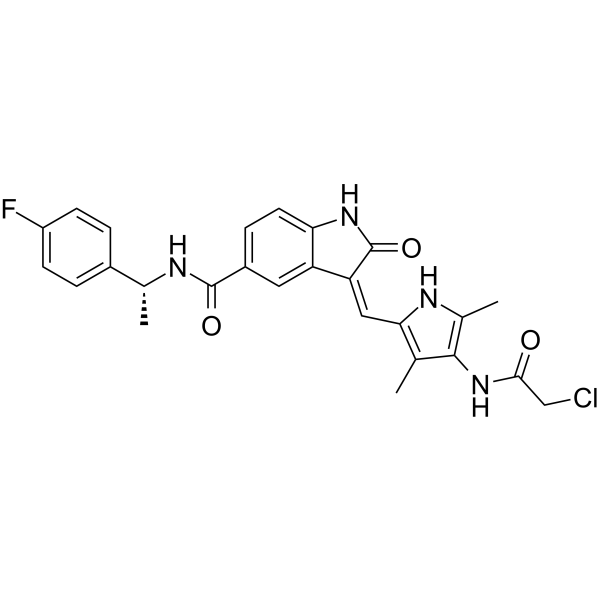
  • HY-47573
    CCG273441
    3 Publications Verification

    G Protein-coupled Receptor Kinase (GRK) Cardiovascular Disease Cancer
    CCG273441 is a covalent inhibitor of G protein-coupled receptor (GPCR) kinase 5 (GRK5) with an IC50 value of 3.8 nM. CCG273441 is highly selective to GRK5 over GRK2 (IC50=4.8 μM) by binding Cys474, a GRK5 subfamily-specific residue, as a covalent handle .
    CCG273441
  • HY-136561
    GRK5-IN-2
    4 Publications Verification

    G Protein-coupled Receptor Kinase (GRK) ERK Metabolic Disease
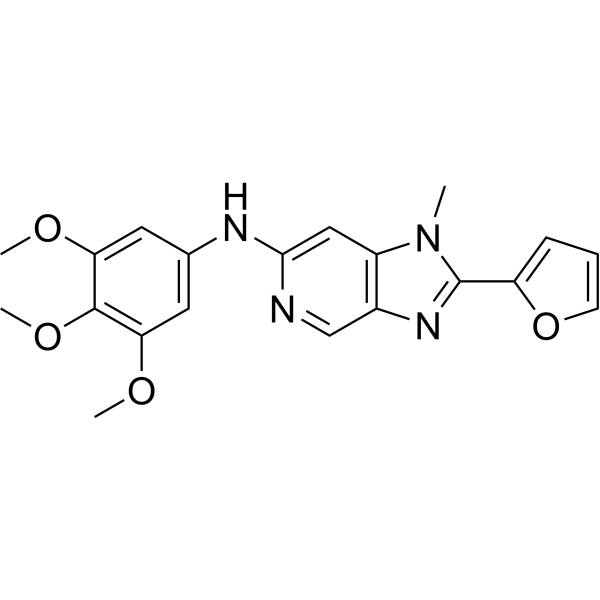
    GRK5-IN-2 (compound 707), a pyridine-based bicyclic compound, is a potent G-protein-coupled receptor kinase 5 (GRK5) inhibitor with an IC50 of 49.7 μM. GRK5-IN-2 regulates the expression and/or release of insulin and is useful for the metabolic disease research .
    GRK5-IN-2
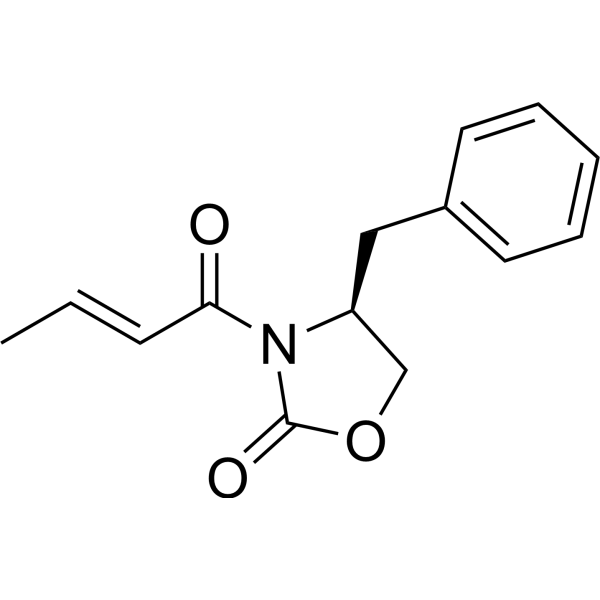
  • HY-W013411A
    Locostatin
    3 Publications Verification

    UIC-1005

    Raf G Protein-coupled Receptor Kinase (GRK) Cancer
    Locostatin (UIC-1005) is a potent RKIP inhibitor. Locostatin binds Raf kinase inhibitor RKIP protein and disrupts the interaction of RKIP with Raf-1 kinase and G protein-coupled receptor kinase 2. Locostatin inhibits cell proliferation and migration. Locostatin can be used to synthesize chemical probes toward PEBP-proteins. Locostatin aggravates thioacetamide (HY-Y0698)-induced acute liver failure in mice .
    Locostatin
  • HY-109562

    GRKs-IN-1

    G Protein-coupled Receptor Kinase (GRK) Cardiovascular Disease
    CCG258208 (GRK2-IN-1) is a potent and selective GRK2 (G protein-coupled receptor kinase 2) inhibitor (IC50=30 nM) while maintaining 230-fold selectivity over GRK5 (IC50=7.09 μM) and more than 2500-fold selectivity over GRK1 (IC50=87.3 μM), PKA, and ROCK1. CCG258208 can be used in heart failure research .
    CCG258208
  • HY-123520

    G Protein-coupled Receptor Kinase (GRK) PKA Cancer
    GSK299115A is a G Protein-coupled Receptor Kinase (GRK) and PKA inhibitor .
    GSK299115A
  • HY-W036034A

    G Protein-coupled Receptor Kinase (GRK) Cardiovascular Disease
    GRK-IN-1 is a potential G protein-coupled receptor kinase (GRK) inhibitor.
    GRK-IN-1
  • HY-149720

    G Protein-coupled Receptor Kinase (GRK) Cardiovascular Disease
    GRL018-21 is a potent and highly selective G protein-coupled receptor kinase 5 (GRK5) inhibitor with an IC50 value of 10 nM .
    GRL018-21
  • HY-P1396

    G Protein-coupled Receptor Kinase (GRK) Others
    GRK2i is a Gβγ-inhibitory peptide that selectively prevents Gβγ-mediated signaling. GRK2i corresponds to the Gβγ-binding domain of GRK2 (G-protein-coupled receptor kinase 2) .
    GRK2i
  • HY-108601A

    PKC Neurological Disease Inflammation/Immunology
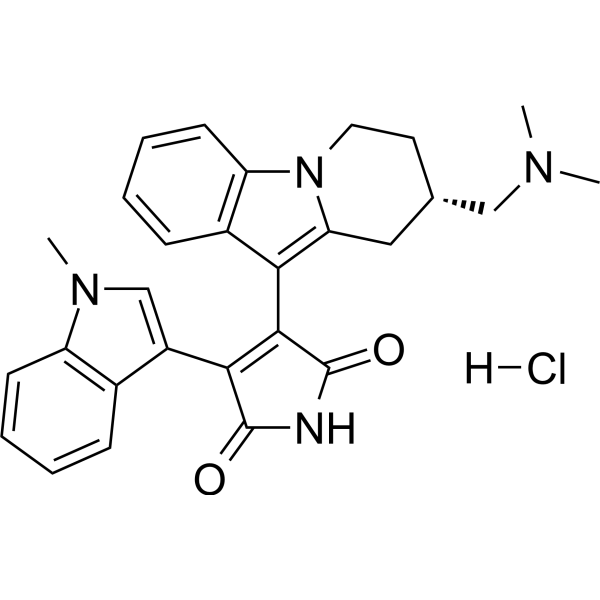
    (S)-Ro 32-0432 is a potent, selective, ATP-competitive and orally active PKC inhibitor. The IC50 values of (S)-Ro 32-0432 for PKCα, PKCβI, PKCβII, PKCγ and PKCε are 9.3 nM, 28 nM, 30 nM, 36.5 nM and 108.3 nM, respectively. (S)-Ro 32-0432 is also a selective G protein-coupled receptor kinase 5 (GRK5) inhibitor. (S)-Ro 32-0432 prevents T-cell activation and has the potential for chronic inflammatory and autoimmune diseases research .
    (S)-Ro 32-0432
  • HY-150021

    G Protein-coupled Receptor Kinase (GRK) Others
    GRK5-IN-3 is a covalent inhibitor of GRK5 (G Protein-Coupled Receptor Kinase 5). GRK5-IN-3 shows potent inhibitory effect to GRK5 and GRK6 with IC50s of 0.22 μM and 0.41 μM, respectively .
    GRK5-IN-3
  • HY-15589R

    Free Fatty Acid Receptor Potassium Channel Reference Standards Cardiovascular Disease Metabolic Disease Inflammation/Immunology
    GW9508 (Standard) is the analytical standard of GW9508. This product is intended for research and analytical applications. GW9508 is a potent and selective G protein-coupled receptors FFA1 (GPR40) and GPR120 agonist with pEC50s of 7.32 and 5.46, respectively. GW9508 shows ~100-fold selectivity for GPR40 over GPR120. GW9508 is inactive against other GPCRs, kinases, proteases, integrins and PPARs. GW9508 is a glucose-sensitive insulin secretagogue and an ATP-sensitive potassium (KATP) channels opener. Anti-inflammatory and anti-atherosclerotic activities .
    GW9508 (Standard)
  • HY-174256

    G Protein-coupled Receptor Kinase (GRK) Cardiovascular Disease Cancer
    GRL-098-22 (Compound 6t) is a potent inhibitor targeting G protein-coupled receptor kinase 5 (GRK5) and GRK6 with IC50 values of 0.6 μM and 0.19 μM, respectively. GRL-098-22 is promising for research of diseases such as heart failure and multiple myeloma .
    GRL-098-22
  • HY-118046

    ROCK IGF-1R G Protein-coupled Receptor Kinase (GRK) Cardiovascular Disease
    GSK2163632A is a selective G protein-coupled receptor kinase (GRK) inhibitor that can be used as a probe for studying heart failure and Parkinson's disease. GSK2163632A potently inhibits GRK1 and GRK5, and also inhibits Rho-associated coiled-coil kinase (ROCK) and insulin-like growth factor receptor IGF-1R. GSK2163632A binds to GRK2 in a manner similar to Paroxetine (HY-122272).
    GSK2163632A
  • HY-W013411

    (E/Z)-UIC-1005

    Raf Cancer
    (E/Z)-Locostatin ((E/Z)-UIC-1005) is a racemic of Locostatin. Locostatin (UIC-1005) is a potent RKIP inhibitor. Locostatin binds Raf kinase inhibitor RKIP protein and disrupts the interaction of RKIP with Raf-1 kinase and G protein-coupled receptor kinase 2. Locostatin inhibits cell proliferation and migration. Locostatin aggravates thioacetamide (HY-Y0698)-induced acute liver failure in mice .
    (E/Z)-Locostatin
  • HY-P1803

    PKCε; PRKCE ; Peptide Epsilon

    PKC Neurological Disease Inflammation/Immunology Endocrinology
    Protein Kinase C Peptide Substrate is targeted to a specific cellular compartment in a manner dependent on second messengers and on specific adapter proteins in response to extracellular signals that activate G-protein-coupled receptors, tyrosine kinase receptors, or tyrosine kinase-coupled receptors. Protein Kinase C Peptide Substrate then regulates various physiological functions including the activation of nervous, endocrine, exocrine, inflammatory, and immune systems .
    Protein Kinase C Peptide Substrate
  • HY-168971

    CP-25

    IFNAR STAT TNF Receptor Interleukin Related CXCR JAK G Protein-coupled Receptor Kinase (GRK) Inflammation/Immunology
    Paeoniflorin-6′-O-benzene sulfonate (CP-25) is the inhibitor for G protein-coupled receptor kinase 2 (GRK2) that inhibits the translocation of GRK2 to the cell membrane, inhibits JAK1/STAT3 signaling pathway. Paeoniflorin-6′-O-benzene sulfonate inhibits IL-17A/CXCL2-induced proliferation of HaCaT. Paeoniflorin-6′-O-benzene sulfonate reduces the levels of inflammatory factors and chemokines such as IL-17A, IL-17F, IFN-γ, TNF-α, IL-22, IL-23, CXCL2, CXCL3 and CXCL9, alleviates Imiquimod (HY-B0180)-induced psoriasis in mouse model .
    Paeoniflorin-6′-O-benzene sulfonate
  • HY-153830S

    C16 Lactosylceramide (d18:1/16:0)-d3

    Isotope-Labeled Compounds Endogenous Metabolite Neurological Disease Metabolic Disease
    LacCer (d18:1/16:0) (C16 Lactosylceramide (d18:1/16:0))-d3 is the deuterium labeled LacCer (d18:1/16:0) (HY-153830). LacCer (d18:1/16:0) is an endogenous bioactive sphingolipid that can form membrane microdomains with Lyn kinase and the αi subunits of inhibitory G protein-coupled receptors (GPCRs). LacCer (d18:1/16:0) are elevated in the plasma of insulin-resistant cattle. LacCer (d18:1/16:0) is also upregulated in a mouse model of Niemann-Pick type C1 disease (a neurodegenerative cholesterol-sphingolipid lysosomal storage disorder). LacCer (d18:1/16:0) can be used in research on metabolic diseases and neurodegenerative diseases .
    LacCer (d18:1/16:0)-d3
  • HY-159996

    G Protein-coupled Receptor Kinase (GRK) Cardiovascular Disease Cancer
    GRL093-22 is a potent and selective G protein-coupled receptor kinase (GRK) inhibitor, with IC50s of 60 and 40 nM for GRK5 and GRK6, respectively. GRL093-22 has the potential for the research of heart failure and multiple myeloma .
    GRL093-22
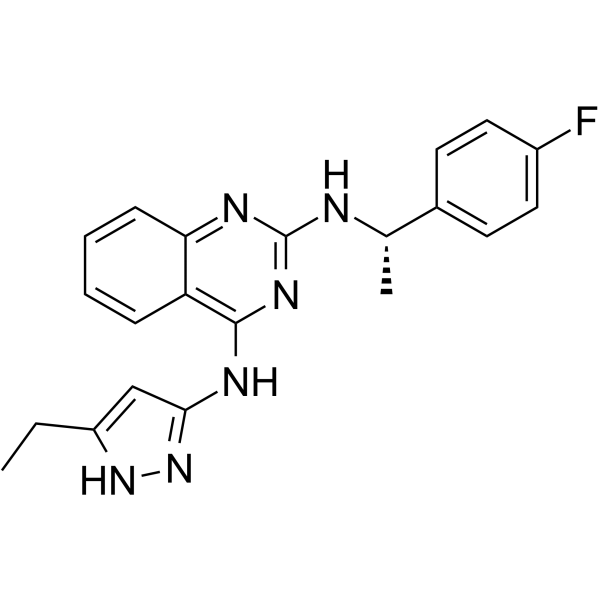
  • HY-123254

    G Protein-coupled Receptor Kinase (GRK) Cardiovascular Disease
    CCG-224406 is a selective G protein-coupled receptor kinase 2 (GRK2) inhibitor with the IC50 values of 13 nM, greater than 700-fold selectivity over other GRK subfamilies, and no inhibition of ROCK1. CCG-224406 can be used for study of heart failure .
    CCG-224406
  • HY-P11764

    G Protein-coupled Receptor Kinase (GRK) Others
    GR-11-1 is a GRK2 substrate for phosphorylation. GR-11-1 exhibits lower sensitivity and affinity for G protein-coupled receptor kinase 2 .
    GR-11-1
  • HY-128311

    G Protein-coupled Receptor Kinase (GRK) Inflammation/Immunology
    GRK6-IN-3 is a G protein coupled receptor 6 kinase (GRK6) inhibitor with an IC50 1.03 μM .
    GRK6-IN-3
  • HY-179707

    G Protein-coupled Receptor Kinase (GRK) Cardiovascular Disease Cancer
    GRL-03022 is a potent, selective and non-covalent G protein-coupled receptor kinase 5 (GRK5) inhibitor with an IC50 of 60 nM. GRL-03022 exhibits >16000-fold selectivity over GRK2 (IC50 > 1000 μM). GRL-03022 can be used for heart failure and cancer research .
    GRL-03022
  • HY-120718

    G Protein-coupled Receptor Kinase (GRK) Cardiovascular Disease
    CCG 224061 is a G protein-coupled receptor kinase 2 (GRK2) inhibitor with a IC50 of 0.066 μM. CCG 224061 inhibits GRK activity in cardiomyocytes . CCG 224061 is applicable to research related to heart disease, heart failure, myocardial hypertrophy and hypertension .
    CCG 224061
  • HY-128231

    G Protein-coupled Receptor Kinase (GRK) Inflammation/Immunology Cancer
    GRK6-IN-4 is a G protein coupled receptor 6 kinase (GRK6) inhibitor with an IC50 of 1.56 μM. GRK6-IN-4 can be utilized in research related to hematological malignancies, inflammatory diseases, and autoimmune disorders .
    GRK6-IN-4
  • HY-150022

    CCG-265328

    G Protein-coupled Receptor Kinase (GRK) Cardiovascular Disease
    GRK5-IN-4 (Compound 16d, CCG-265328) is a potent and and selective covalent GRK5 (G protein-coupled receptor kinase 5) inhibitor, with an IC50 of 1.1 μM. GRK5-IN-4 shows 90-fold selectivity over GRK2. GRK5-IN-4 can be used for heart failure research . GRK5-IN-4 is a click chemistry reagent, it contains an Alkyne group and can undergo copper-catalyzed azide-alkyne cycloaddition (CuAAc) with molecules containing Azide groups.
    GRK5-IN-4
  • HY-108601

    PKC Inflammation/Immunology
    (S)-Ro 32-0432 free base is a potent, selective, ATP-competitive and orally active PKC inhibitor. The IC50 values of (S)-Ro 32-0432 free base for PKCα, PKCβI, PKCβII, PKCγ and PKCε are 9.3 nM, 28 nM, 30 nM, 36.5 nM and 108.3 nM, respectively. (S)-Ro 32-0432 free base is also a selective G protein-coupled receptor kinase 5 (GRK5) inhibitor. (S)-Ro 32-0432 free base prevents T-cell activation and has the potential for chronic inflammatory and autoimmune diseases research .
    (S)-Ro 32-0432 free base
  • HY-E70609

    PI3K Inflammation/Immunology Cancer
    PIK3CG Recombinant Human Active Lipid Kinase belongs to PI3K enzyme family that is directly regulated by Gβγ and Ras in the G protein coupled receptor (GPCR) pathway. PIK3CG has the function of regulating cellular inflammation and immunity. PIK3CG is also a potential target for the treatment of a few malignant tumors such as acute lymphoblastic leukemia, medulloblastoma, claudin-low breast cancer (CLBC) and Kaposi sarcoma .
    PIK3CG Recombinant Human Active Lipid Kinase
  • HY-178978

    Drug Derivative Phosphatase ERK Ras Inflammation/Immunology
    α,δ-NAG is an orally active glutaminase-resistant less-hydrolyzable L-Glutamine derivative. α,δ-NAG is a G protein-coupled receptor (GPCR) allosteric modulator. α,δ-NAG suppresses neutrophilic airway inflammation by activating the GPCR/ERK/MKP-1 pathway. α,δ-NAG can be used for the researches of inflammation and immunology, such as asthma .
    α,δ-NAG
  • HY-180583

    G Protein-coupled Receptor Kinase (GRK) Cardiovascular Disease
    GRK5-IN-5 (Compound 4a) is a selective G protein-coupled receptor (GPCR) kinase 5 (GRK5) inhibitor with an IC50 of 0.03 μM. GRK5-IN-5 shows IC50 values of 2.2 and 0.036 μM for GRK2 and GRK6. GRK5-IN-5 has potent anti-myocardial hypertrophy activity and also inhibits the proliferation of non-myocardial cells. GRK5-IN-5 can inhibit the abnormal upregulation of hypertrophy marker genes Nppa and Nppb, thus blocking pathological myocardial remodeling. GRK5-IN-5 can be used for the research of cardiac hypertrophy .
    GRK5-IN-5
  • HY-W355700S

    Isotope-Labeled Compounds Infection
    1-Oleoyl-2-hydroxy-sn-glycero-3-phosphoethanolamine-d31 is the deuterium labeled 1-Oleoyl-2-hydroxy-sn-glycero-3-phosphoethanolamine (HY-W355700). 1-oleoyl-sn-glycero-3-phosphoethanolamine (LysoPE 18:1) is a lysophosphatidylethanolamine molecule involved in phospholipid metabolism, targeting cell membrane receptors (such as G protein-coupled receptors) to regulate cell signaling pathways. 1-oleoyl-sn-glycero-3-phosphoethanolamine may activate mitogen-activated protein kinase (MAPK) signaling, promote cell migration, regulate inflammatory responses and lipid metabolism, and has both pro-inflammatory and anti-inflammatory activities. 1-oleoyl-sn-glycero-3-phosphoethanolamine is mainly used in the screening of biomarkers for metabolic diseases (such as non-alcoholic fatty liver disease and obesity), as well as the study of the mechanism of lysophospholipids in cell membrane homeostasis and signal transduction .
    1-Oleoyl-2-hydroxy-sn-glycero-3-phosphoethanolamine-d31
  • HY-179543

    Endogenous Metabolite Others
    PtdIns-(3,4,5)-P3-(1-stearoyl, 2-arachidonoyl) sodium is a specific molecular form of phosphatidylinositol-3,4,5-trisphosphate (PIP3). PIP3 is the core lipid messenger in the tyrosine kinase pathway, regulating cell proliferation, survival and metabolism by recruiting effector proteins. Its abnormality is associated with cancer. PtdIns-(3,4,5)-P3-(1-stearoyl, 2-arachidonoyl) sodium can be used for studying lipid signal transduction .
    PtdIns-(3,4,5)-P3-(1-stearoyl, 2-arachidonoyl) sodium

Inquiry Online

Your information is safe with us. * Required Fields.

Salutation


Country or Region *

Applicant Name *


Organization Name *

Department *


Email Address *


Product Name *

Cat. No.


Requested quantity *

Phone Number *


Remarks

Inquiry Online

Inquiry Information

Product Name:
Cat. No.:
Quantity:
MCE Japan Authorized Agent:

