From 11:00 pm to 12:00 pm EST ( 8:00 pm to 9:00 pm PST ) on January 6th, the website will be under maintenance. We are sorry for the inconvenience. Please arrange your schedule properly.
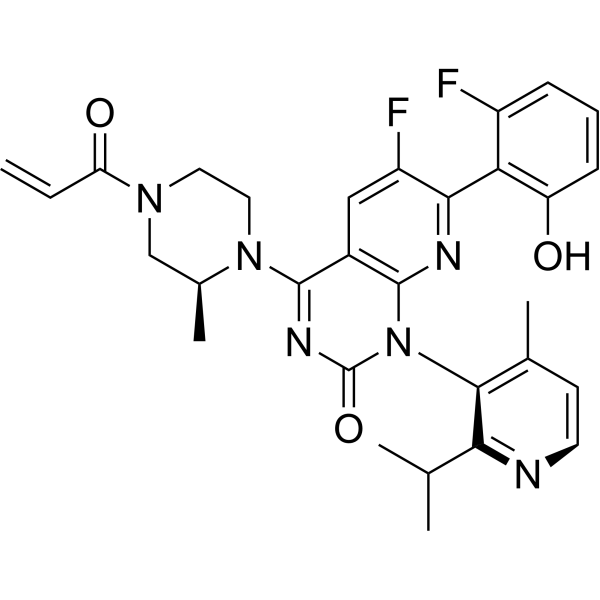
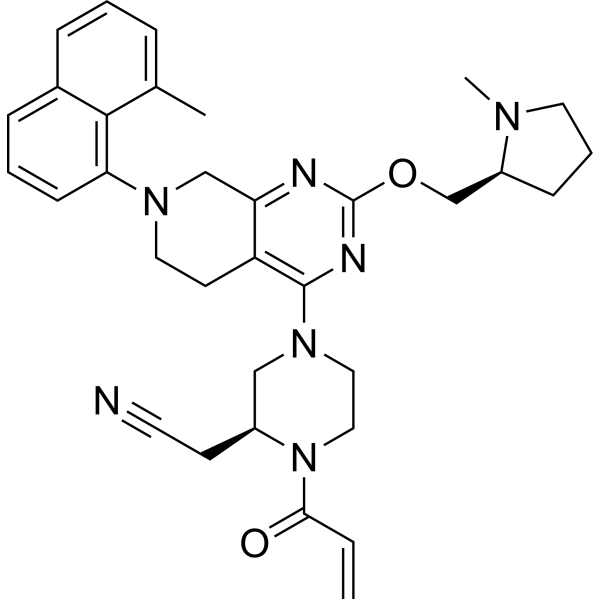
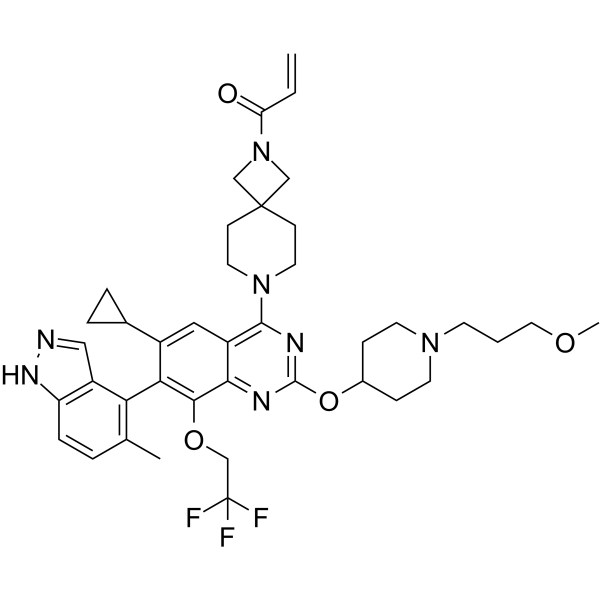
Sotorasib (AMG-510) is a first-in-class, orally bioavailable, and selective KRAS G12C covalent inhibitor. Sotorasib irreversibly inhibits KRAS G12C by locking it in an inactive GDP-bound state. Sotorasib leads to the regression of KRAS G12C‑mutated locally advanced or metastatic non‑small cell lung cancer (NSCLC) .
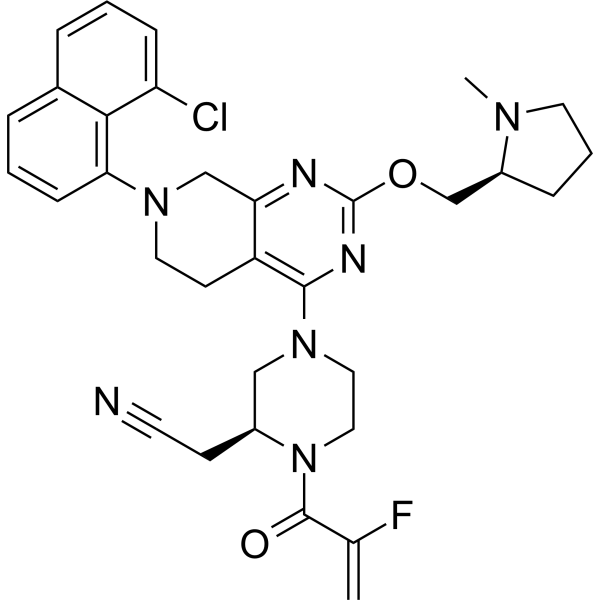
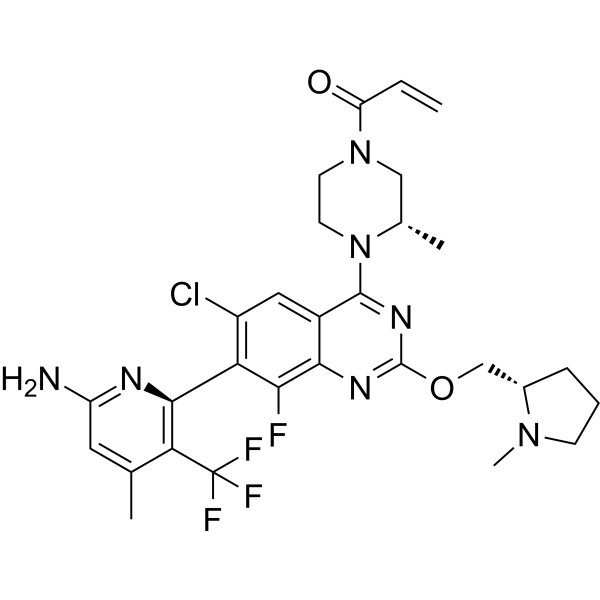
Adagrasib (MRTX849) is a potent, orally-available, and mutation-selective covalent inhibitor of KRAS G12C with potential antineoplastic activity. Adagrasib covalently binds to KRAS G12C at the cysteine at residue 12, locks the protein in its inactive GDP-bound conformation, and inhibits KRAS-dependent signal transduction .
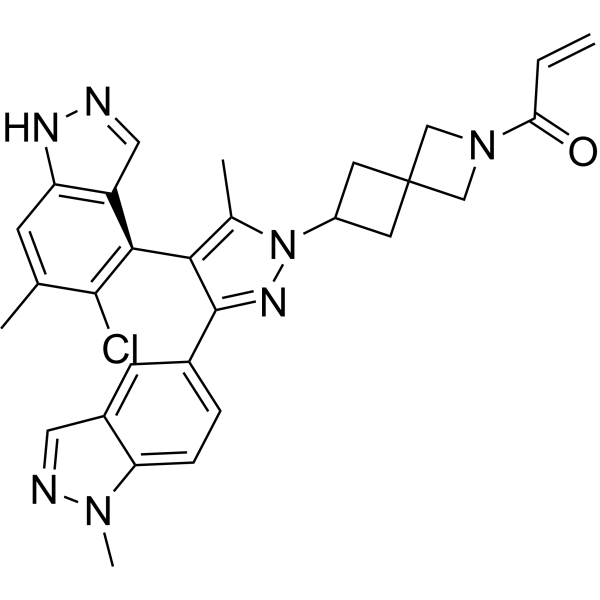
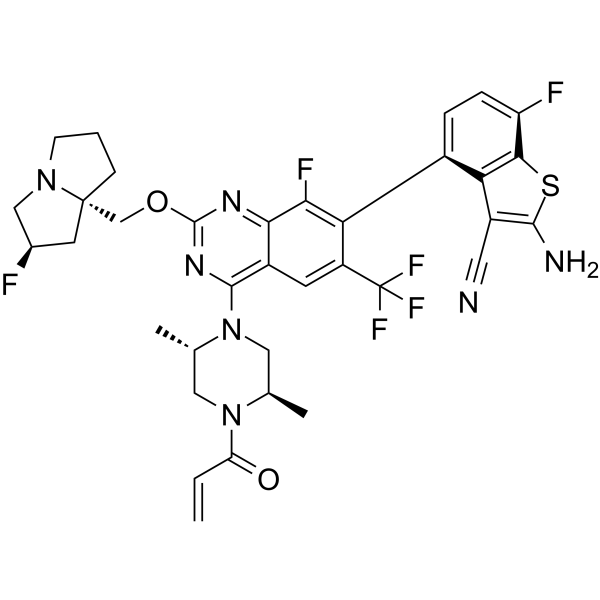
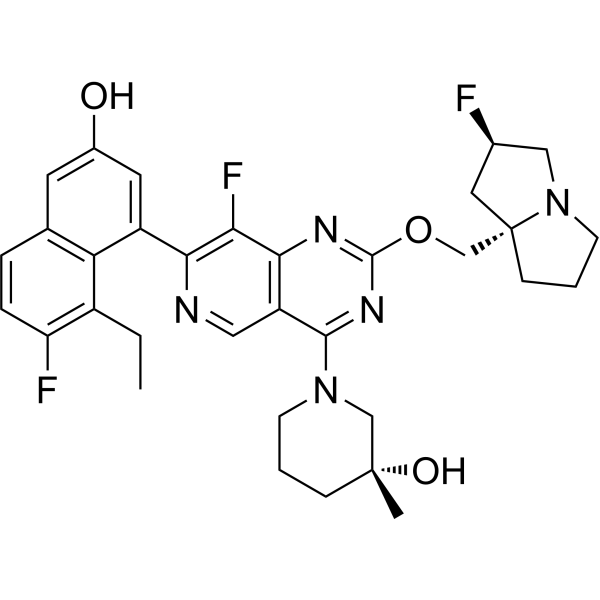
Divarasib (GDC-6036) is an orally active, selective KRASG12C inhibitor with an IC50 of <0.01 μM. Divarasib covalently binds Cys12 in GDP-bound KRASG12C, occupies the switch II pocket, blocks GTP binding and SOS-mediated reactivation, and inhibits oncogenic KRAS signaling. Divarasib induces tumor shrinkage and robust tumor growth inhibition in KRAS G12C-positive models and cancer cells. Divarasib can be used for the research of non-small cell lung cancer, colorectal adenocarcinoma, pancreatic ductal adenocarcinoma, and other KRAS G12C-mutated solid tumors .
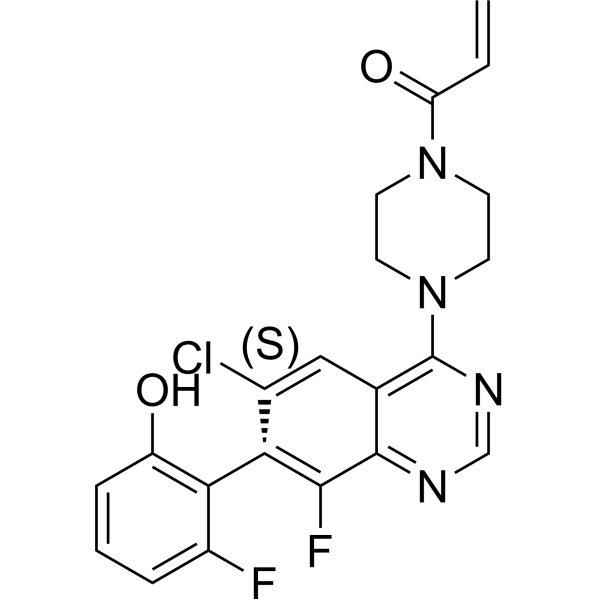
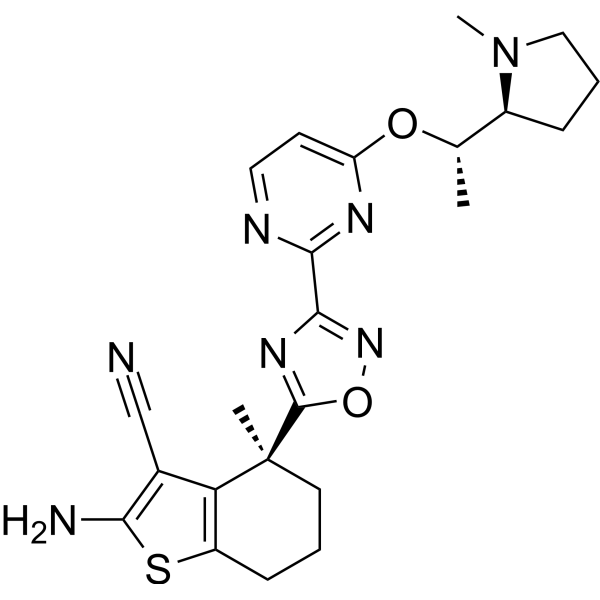
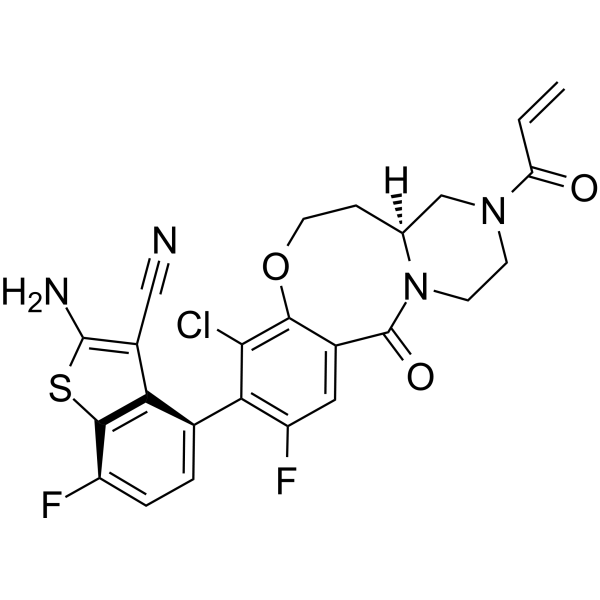
Glecirasib (Compound 1-2; JAB-21822) is an orally active and potent inhibitor of KRAS G12C. The Ras family of proteins is an important intracellular signaling molecule that plays an important role in growth and development. Glecirasib has the potential for the research of KRAS G12C-mediated cancer .
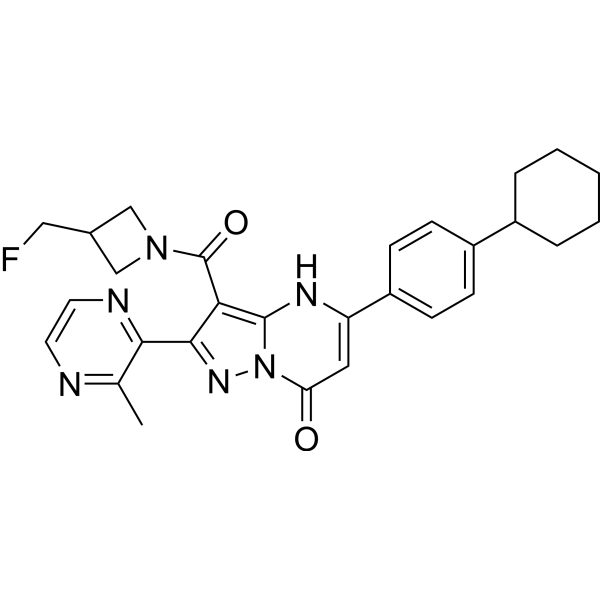
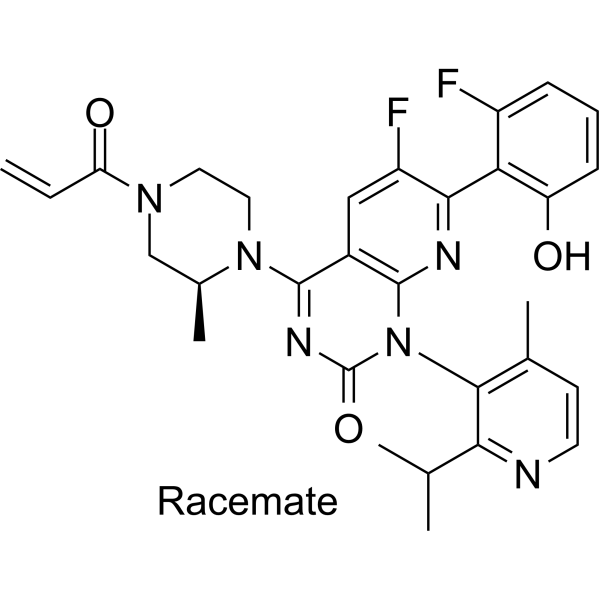
Sotorasib racemate (Compound A) is an orally active racemate of Sotorasib (HY-114277), a covalent inhibitor of KRAS G12C mutant which induces adaptive feedback activation of MAPK pathway. Sotorasib racemate also exerts inhibitor activity against KRAS G12C induced cancer and can be applied to cancer research .
PROTAC KRAS G12C degrader-2 (compound 432) is a modulator of K-Ras protein hydrolysis. PROTAC KRAS G12C degrader-2 is a bifunctional compound, which contain on one end a cereblon inhibitor of apoptosis proteins (IAP) and on the other end a moiety which binds KRAS .
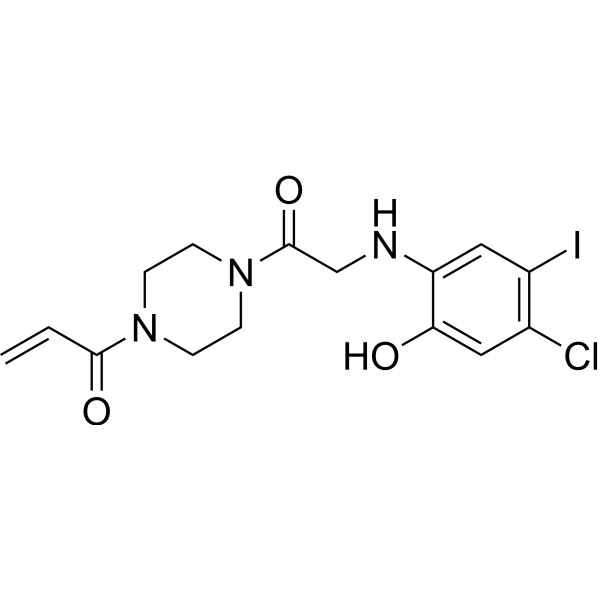
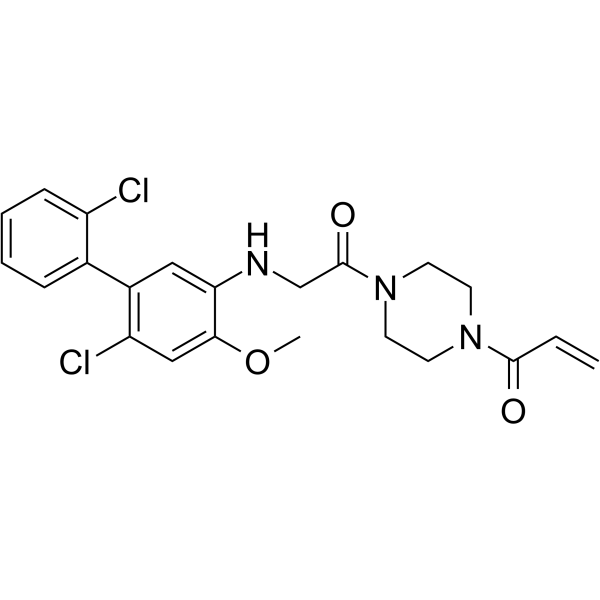
K-Ras(G12C) inhibitor 12 is an irreversible inhibitor of K-Ras(G12C). K-Ras(G12C) inhibitor 12 can alter the nucleotide-binding preference of K-Ras and block its interaction with effector proteins. K-Ras(G12C) inhibitor 12 can reduce cell viability and induce apoptosis in lung cancer cell lines with G12C mutations. K-Ras(G12C) inhibitor 12 has anti-tumor activity .
RM-018 is a potent, functionally distinct tricomplex KRAS G12C active-state inhibitor. RM-018 retains the ability to bind and inhibit KRAS G12C/Y96D and could overcome resistance. RM-018 binds specifically to the GTP-bound, active [“RAS(ON)”] state of KRAS G12C .
Sotorasib (Standard) is the analytical standard of Sotorasib. This product is intended for research and analytical applications. Sotorasib (AMG-510) is a first-in-class, orally bioavailable, and selective KRAS G12C covalent inhibitor. Sotorasib irreversibly inhibits KRAS G12C by locking it in an inactive GDP-bound state. Sotorasib leads to the regression of KRAS G12C‑mutated locally advanced or metastatic non‑small cell lung cancer (NSCLC) .
Sotorasib-d7 (AMG-510-d7) is a deuterium-labeled Sotorasib (HY-114277). Sotorasib (AMG-510) is a first-in-class, orally bioavailable, and selective KRAS G12C covalent inhibitor. Sotorasib irreversibly inhibits KRAS G12C by locking it in an inactive GDP-bound state. Sotorasib leads to the regression of KRAS G12C‑mutated locally advanced or metastatic non‑small cell lung cancer (NSCLC) .
ARS-1323 is a KRAS G12C inhibitor. ARS-1323 specifically binds to the cysteine residue on the mutant K-Ras protein, locks it in the GDP-bound conformation, thereby blocking K-Ras activation and downstream signaling pathways. ARS-1323 can be used to investigate the signal transduction mechanisms and growth characteristics of tumor cells driven by K-Ras G12C .
KRAS G12C Peptide TFA is the trifluoroacetate salt of KRAS G12C Peptide (HY-P11357). KRAS G12C Peptide is a specific peptide derived from the Kirsten rat sarcoma virus (KRAS) gene carrying the G12C oncogenic mutation. KRAS G12C Peptide induces responses like IFN-γ secretion and cytotoxicity. KRAS G12C Peptide can be used for the study of immune responses against KRAS G12C-mutant tumors .
Pomalidomide-C12-NH2 hydrochloride is the E3 ligase ligand-linker conjugate of PROTAC KRAS G12C degrader-1 (HY-139186). PROTAC KRAS G12C degrader-1 is a Cereblon-based KRAS G12C degrader .
KRAS G12C inhibitor 39 is a potent inhibitor of KRAS G12C. KRas is a highly attractable target of the pharmaceutical industry for cancer research. KRAS G12C inhibitor 39 has the potential for the research of KRAS G12C-mediated cancer (extracted from patent WO2019099524A1, compound 494) .
BI-0474 is a potent KRAS G12C inhibitor with an IC50 value of 7.0 nM for the GDP-KRAS::SOS1 protein-protein interaction. BI-0474 exhibits good anti-proliferative activity against NCI-H358 cells carrying the G12C mutation. BI-0474 also shows good anti-tumour activity in non-small cell lung cancer xenograft models .
KRAS G12C Peptide is a specific peptide derived from the Kirsten rat sarcoma virus (KRAS) gene carrying the G12C oncogenic mutation. KRAS G12C Peptide induces responses like IFN-γ secretion and cytotoxicity. KRAS G12C Peptide can be used for the study of immune responses against KRAS G12C-mutant tumors .
KRAS G12C degrader-1 (Compound 283) is a potent KRAS G12C degrader (DC50: < 100 nM) for cancer research. KRAS G12C degrader-1 is a chaperone (HSP90)-mediated protein degrader (CHAMPs) .
KRAS G12C inhibitor 44 (compound 54) is a potent and orally active KRAS G12C inhibitor. KRAS G12C inhibitor 44 shows anti-proliferation activities with IC50s of 0.016, 0.028 µM in MIA PaCA-2, H358 cells, respectively. KRAS G12C inhibitor 44 shows antitumor effects in vivo .
KRAS G12C inhibitor 35 is a potent inhibitor of KRAS G12C. The Ras family of proteins is an important intracellular signaling molecule that plays an important role in growth and development. KRAS G12C inhibitor 35 has the potential for the research of KRAS G12C-mediated cancer (extracted from patent CN112920183A, compound 3) .
KRAS G12C inhibitor 37 is a potent inhibitor of KRAS G12C. The Ras family of proteins is an important intracellular signaling molecule that plays an important role in growth and development. KRAS G12C inhibitor 37 has the potential for the research of KRAS G12C-mediated cancer (extracted from patent WO2018143315A1, compound 65) .
KRAS G12C inhibitor 42 is a potent inhibitor of KRAS G12C. The Ras family of proteins is an important intracellular signaling molecule that plays an important role in growth and development. KRAS G12C inhibitor 42 has the potential for the research of KRAS G12C-mediated cancer (extracted from patent WO2020146613A1, compound 10) .
KRAS G12C inhibitor 38 is a potent inhibitor of KRAS G12C. The Ras family of proteins is an important intracellular signaling molecule that plays an important role in growth and development. KRAS G12C inhibitor 38 has the potential for the research of KRAS G12C-mediated cancer (extracted from patent WO2021129820A1, compound 171) .
KRAS G12C inhibitor 40 is a potent inhibitor of KRAS G12C. The Ras family of proteins is an important intracellular signaling molecule that plays an important role in growth and development. KRAS G12C inhibitor 40 has the potential for the research of KRAS G12C-mediated cancer (extracted from patent WO2021129824A1, compound 70) .
KRAS G12C inhibitor 41 is a potent inhibitor of KRAS G12C. The Ras family of proteins is an important intracellular signaling molecule that plays an important role in growth and development. KRAS G12C inhibitor 41 has the potential for the research of KRAS G12C-mediated cancer (extracted from patent WO2021129824A1, compound 121) .
KRAS G12C inhibitor 61 (Example 3) inhibits phospho-ERK 1/2 in MIA PaCa-2 cells with an IC50 value of 9 nM. KRAS G12C inhibitor 61 can be used for research of pancreatic, colorectal, and lung cancers .
KRAS G12C inhibitor 62 is a KRAS G12C inhibitor. KRAS G12C inhibitor 62 has the potential for the research of KRAS G12C-mediated cancer (extracted from patent WO2021121367A1) .
KRAS G12C inhibitor 57 (Compound 50) is a potent, selective, covalent and orally active KRAS G12C inhibitor with an IC50 of 0.21 μM in KRAS G12C/SOS1 binding assay. KRAS G12C inhibitor 57 induces cancer cell apoptosis .
KRAS G12C inhibitor 29 is a KRAS G12C inhibitor extracted from patent WO2021252339A1, compound 3. KRAS G12C inhibitor 29 can be used for the research of cancer .
KRAS G12C inhibitor 31 is a KRAS G12C inhibitor extracted from patent WO2021252339A1, compound 1. KRAS G12C inhibitor 31 can be used for the research of cancer .
KRAS G12C inhibitor 30 is a KRAS G12C inhibitor extracted from patent WO2021252339A1, compound 2. KRAS G12C inhibitor 30 can be used for the research of cancer .
KRAS G12C inhibitor 33 is a KRAS G12C inhibitor extracted from patent WO2021244603A1, compound 1. KRAS G12C inhibitor 33 can be used for the research of cancer .
KRAS G12C inhibitor 34 is a KRAS G12C inhibitor extracted from patent WO2021239058A1, compound Z1. KRAS G12C inhibitor 34 can be used for the research of cancer .
KRAS G12C inhibitor 60 (compound 23) is a Kras-G12C inhibitor. KRAS G12C inhibitor 60 can be used for the research of lung cancer, colorectal cancer, pancreatic cancer .
KRAS G12C inhibitor 65 is a potent and covalent KRAS G12C inhibitor that traps KRAS G12C in the GDP-bound state. KRASG12C IN-1 exhibits potent antitumor activity against KRAS-mutant non-small cell lung cancer .
KRAS G12C inhibitor 47 (compound 8-1-1) is a potent KRAS G12C inhibitor with an IC50 of 0.172 µM. KRAS G12C inhibitor 47 shows p-ERK inhibition activities with IC50s of 0.046, 69.8 µM in MIA PaCA-2, A549 cells, respectively. KRAS G12C inhibitor 47 has the potential for the research of pancreatic, colorectal, and lung cancers .
KRAS G12C inhibitor 69 (Compound K09) is the inhibitor for mutant RAS protein KRASG12C with an IC50 of 4.36 nM. KRAS G12C inhibitor 69 inhibits the ERK phosphorylation in NCI-H358 and MIA-PACA-2 with an IC50 of 12 nM and 7 nM. KRAS G12C inhibitor 69 inhibits the proliferation of cancer cell NCI-H358 and MIA-PACA-2 with IC50 of 3.15 nM and 2.33 nM .
K-Ras G12C-IN-3 (Compound VI-5) is an irreversible small molecule inhibitor of mutant K-Ras G12C. K-Ras G12C-IN-3 can be used in the research of cancers .
MRTX849 ethoxypropanoic acid incorporates a ligand for KRAS G12C, and a PROTAC linker. MRTX849 ethoxypropanoic acid can be used in the synthesis of PROTAC LC-2 (HY-137516). LC-2 is a potent and first-in-class PROTAC capable of degrading endogenous KRAS G12C (IC50s between 0.25 and 0.76 μM) .
KRAS G12C-IN-79 is a KRAS G12C inhibitor with an IC50 of 1.9 nM. KRAS G12C-IN-79 functionally inhibits the activity of the GDP-bound form of KRAS G12C. KRAS G12C-IN-79 can be used for the research of nonsmall cell lung cancer, colon cancer, pancreatic cancer .
KRAS G12C-IN-76 (Compound 39) is an orally active KRAS G12C inhibitor. KRAS G12C-IN-76 inhibits the phosphorylation of ERK. KRAS G12C-IN-76 exhibits anticancer activity against pancreatic cancer .
KRAS G12C-IN-77 is an orally active and selective KRAS G12C covalent dual-state inhibitor that binds with high affinity to both GDP-bound (inactive state) and GTP-bound (active state) KRAS G12C (IC50 = 133 nM). KRAS G12C-IN-77 rapidly inhibits ERK1/2 phosphorylation, induces the formation of covalent adducts with endogenous KRAS G12C, suppresses the expression of MAPK pathway genes, and inhibits the proliferation of KRAS G12C-mutant cells. KRAS G12C-IN-77 is applicable to research related to KRAS G12C-mutant solid tumors, including pancreatic ductal adenocarcinoma and non-small cell lung cancer .
KRAS G12C-IN-75 is an orally active, blood-brain barrier penetrant KRAS G12C inhibitor with an IC50 of 0.53 nM. KRAS G12C-IN-75 attenuates active transport mediated by P-glycoprotein (P-gp) and breast cancer resistance protein (BCRP). KRAS G12C-IN-75 inhibits tumor growth, regulates the expression of downstream MAPK target genes DUSP6 and SPRY4, and exhibits dose-dependent KRAS G12C alkylation in KRAS G12C-positive xenograft models. KRAS G12C-IN-75 can be used for research related to non-small cell lung cancer .
KRAS G12C-IN-74 is an orally active, selective KRAS G12C inhibitor with a target IC50 of 43.18 nM. KRAS G12C-IN-74 induces G0/G1 cell cycle arrest and apoptosis in KRAS G12C-mutant cancer cells. KRAS G12C-IN-74 is applicable for the research of KRAS G12C-mutant pancreatic cancer, colorectal cancer and lung cancer .
KRAS G12C-IN-72 (Example 571) is a KRAS G12C inhibitor. KRAS G12C-IN-72 can be used as a target protein ligand to synthesize PROTACs, such as KRAS degrader-1 (HY-153880). KRAS G12C-IN-72 can be used in cancer research .
KRAS G12C-IN-71 (Compound 11) is a covalent G12C KRAS inhibitor with a Ki of 380 nM. KRAS G12C-IN-71 can be used in the research of non-small cell lung cancer .
KRAS G12C-IN-78 is a selective SWII-binding KRASG12C dual inhibitor targeting both inactive and active states. KRAS G12C-IN-78 rapidly inhibits ERK1/2 phosphorylation, induces covalent adduct formation with endogenous KRASG12C, suppresses MAPK pathway gene expression, and inhibits cellular proliferation in KRASG12C mutant cells. KRAS G12C-IN-78 can be used for the research of KRASG12C mutant solid tumors, including pancreatic ductal adenocarcinoma and non-small cell lung cancer .
KRASG12C IN-18 is an orally active covalent KRAS G12C inhibitor that achieves complete covalent engagement of KRAS G12C in both GDP- and GMPPNP-bound states and displays strong antiproliferative activity against KRAS G12C and resistance-associated variants, including KRAS G12C/R68S, with low-nanomolar IC50 values.
KRASG12C IN-18 exhibits marked in vivo efficacy in KRAS G12C-driven solid tumor and KRAS G12C/R68S xenograft models and can be used for colorectal cancer research .
KRASG12C IN-17 is an orally active covalent KRAS G12C inhibitor, showing strong inhibitory activity in KRAS G12C-mutant cancer cells (NCI-H23 IC50 = 0.7 nM; NCI-H358 IC50 = 0.5 nM).
KRASG12C IN-17 covalently and irreversibly binds to KRAS G12C with > 96% modification efficiency in both GDP-bound and GMPPNP-bound conformations.
KRASG12C IN-17 can be used for studies of KRAS-driven cancers, including colorectal cancer .
BBO-8520 is a direct small molecule covalent inhibitor targeting KRAS G12C with high oral availability. BBO-8520 has the characteristics of KRAS G12C (OFF) inhibitor and the function of blocking KRAS G12C (ON) signal. BBO-8520 inhibits cell proliferation by inhibiting KRAS G12C (ON) by binding GTP protein. BBO-8520 can block RAS-RAF1 interaction and return KRAS G12C to the inactive (OFF) state. BBO-8520 can be used for the research of cancer .
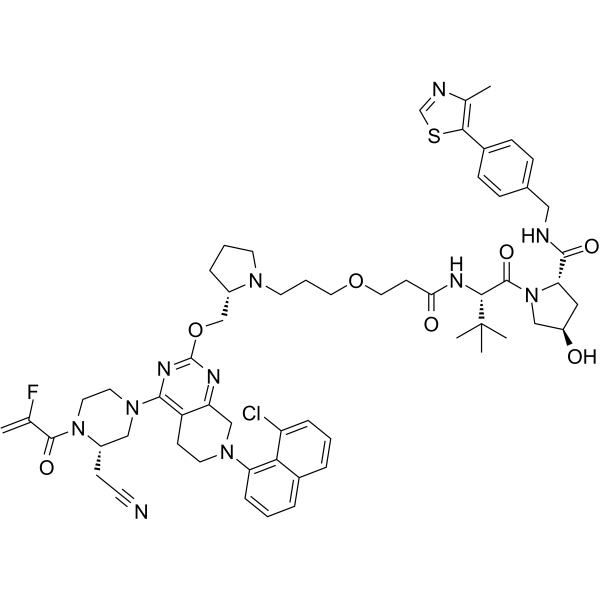
LC-2 is a potent and first-in-class von Hippel-Lindau-based PROTAC capable of degrading endogenous KRAS G12C, with DC50s between 0.25 and 0.76 μM . LC-2 covalently binds KRAS G12C with a MRTX849 warhead and recruits the E3 ligase VHL, inducing rapid and sustained KRAS G12C degradation leading to suppression of MAPK signaling in both homozygous and heterozygous KRAS G12C cell lines .
(4R)-BBO-8520 (Compound 314), an isomer of BBO-8520 (HY-158107), is a selective KRAS G12C inhibitor. BBO-8520 has the characteristics of KRAS G12C (OFF) inhibitor and the function of blocking KRAS G12C (ON) signal. BBO-8520 inhibits cell proliferation by inhibiting KRAS G12C (ON) by binding GTP protein. BBO-8520 can block RAS-RAF1 interaction and return KRAS G12C to the inactive (OFF) state. (4R)-BBO-8520 can be used for the research of cancer .
ASP2453 is a potent, selective and orally active KRAS G12C inhibitor. ASP2453 inhibits the Son of Sevenless (SOS)-mediated interaction between KRAS G12C and Raf with an IC50 value of 40 nM.
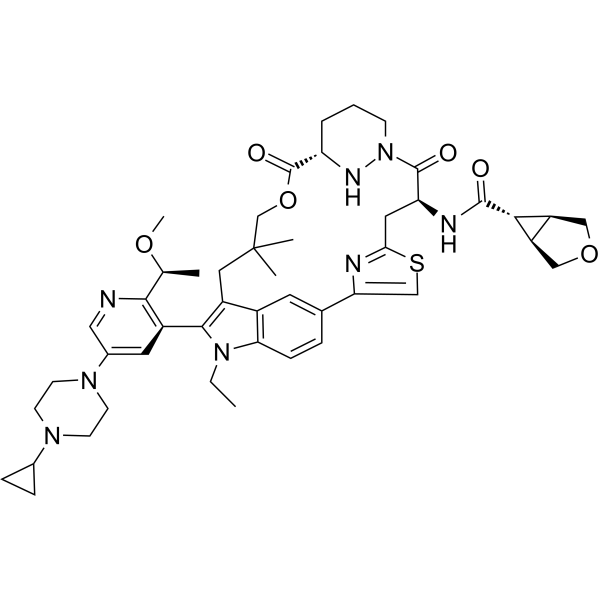
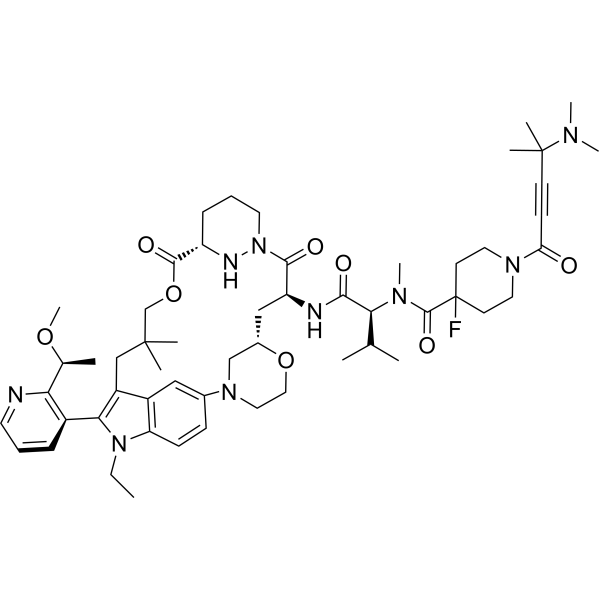
Elironrasib is an orally active and covalent inhibitor of KRAS G12C(ON). Elironrasib forms a tri-complex within tumor cells between KRAS G12C(ON) and cyclophilin A (CypA). Thus, Elironrasib prevents KRAS G12C(ON) from signaling via steric blockade of RAS effector binding. Elironrasib inhibits ERK signaling and induced apoptosis in KRASG12C-mutant H358 cells. Elironrasib also inhibits the proliferation of KRAS G12C mutant cells with a median IC50 of 0.11 nM .
MRTX-1257 is a selective, irreversible, covalent and orally active KRAS G12C inhibitor, with an IC50 of 900 pM for KRAS dependent ERK phosphorylation in H358 cells .
ARS-1323-alkyne is a covalent inhibitor probe that covalently binds to the Switch-II pocket (S-IIP) of the KRAS G12C mutant protein. ARS-1323-alkyne visualizes the covalent modification of KRAS G12C and quantitatively measures the binding efficiency of the inhibitor to the target. ARS-1323-alkyne can be used to validate the target occupancy of KRAS G12C inhibitors and the synergistic mechanism of combination therapy .
YF135 is an efficient and reversible-covalent KRAS G12C PROTAC. YF135 is designed and synthesized by tethering KRAS G12C inhibitor 48 (compound 6d) as the ligand, and basing on the scaffold of MRTX849 linkage VHL ligand. YF135 significantly induces the degradation of KRAS G12C in a reversible manner and decreases phospho-ERK level through the E3 ligase VHL mediated proteasome pathway .
RMC-4998 is an orally active inhibitor targeting the active or GTP-bound state of the KRAS G12C mutant. RMC-4998 can form a ternary complex with intracellular CYPA and the activated KRAS G12C mutant, with an IC50 value of 28 nM. RMC-4998 can inhibit ERK signaling in KRAS G12C mutant cancer cells and induce apoptosis. RMC-4998 can be used for tumor research .
KRAS inhibitor-31 (compound 33) is a KRAS inhibitor, with KD (SPR) values of 0.019 nM, 0.019 nM and 0.096 nM for KRas G12D, KRas G12C and KRas G12V, respectively .
ARS-853 is a cell-active, selective, covalent KRAS G12C inhibitor with an IC50 of 2.5 μM. ARS-853 inhibits mutant KRAS-driven signaling by binding to the GDP-bound oncoprotein and preventing activation .
KRASG12C IN-12 (compound-1) is a KRAS G12C inhibitor. KRASG12C IN-12 (compound-1) can form a ternary complex with intracellular CYPA and the activated KRAS G12C mutant .
Sotorasib-d3 (AMG-510-d3) is deuterium labeled Sotorasib. Sotorasib (AMG-510) is a first-in-class, orally bioavailable, and selective KRAS G12C covalent inhibitor. Sotorasib irreversibly inhibits KRAS G12C by locking it in an inactive GDP-bound state. Sotorasib leads to the regression of KRAS G12C?mutated locally advanced or metastatic non?small cell lung cancer (NSCLC) .
RMC-4998 formic is an orally active inhibitor targeting the active or GTP-bound state of the KRAS G12C mutant. RMC-4998 formic can form a ternary complex with intracellular CYPA and the activated KRAS G12C mutant, with an IC50 value of 28 nM. RMC-4998 formic can inhibit ERK signaling in KRAS G12C mutant cancer cells and induce apoptosis. RMC-4998 formic can be used for non-small cell lung cancer (NSCLC) research .
RMC-4998 TFA is an orally active inhibitor targeting the active or GTP-bound state of the KRAS G12C mutant. RMC-4998 TFA can form a ternary complex with intracellular CYPA and the activated KRAS G12C mutant, with an IC50 value of 28 nM. RMC-4998 TFA can inhibit ERK signaling in KRAS G12C mutant cancer cells and induce apoptosis. RMC-4998 TFA can be used for for non-small cell lung cancer (NSCLC) research .
MRTX849 acid, a derivative of MRTX849, can be used in the synthesis of PROTAC LC-2 (HY-137516). LC-2 is a potent and first-in-class PROTAC capable of degrading endogenous KRAS G12C (DC50s between 0.25 and 0.76 μM) .
KRASG12C IN-13 (LY3499446) is a potent KRAS G12C inhibitor. KRASG12C IN-13 is promising for research of advanced solid tumors including non-small cell lung cancer and colorectal cancer .
KRASG12C IN-14 (compound 15) is an inhibitor targeting the KRASG12C mutation. KRASG12C IN-14 inhibits CYPA-dependent KRAS-BRAF with an IC50 of 0.002 μM. KRASG12C IN-14 inhibits ERK phosphorylation in NCI-H358 cells with an IC50 of 0.002 μM .
MRTX849-amide-C4-(o)-carborane is a KRAS G12C inhibitor with mutation selectivity for cells expressing KRAS G12C. MRTX849-amide-C4-(o)-carborane shows low intrinsic cytotoxicity in cancer cells. MRTX849-amide-C4-(o)-carborane covalently binds to Cys12 of KRAS G12C, recruits Hsp70, promotes ubiquitination, and induces proteasome-dependent degradation of the target protein. MRTX849-amide-C4-(o)-carborane inhibits the activity of the downstream ERK signaling pathway and induces apoptosis signaling in cancer cells. MRTX849-amide-C4-(o)-carborane is applicable for the research of KRAS G12C-positive cancers .
MRTX-1257-d6 is the deuterium labeled MRTX-1257 (HY-114436). MRTX-1257 is a selective, irreversible, covalent and orally active KRAS G12C inhibitor, with an IC50 of 900 pM for KRAS dependent ERK phosphorylation in H358 cells .
KD36 is a selective KRAS-G12C inhibitor with an IC50 value of 0.92 μM. KD36 can inhibit the phosphorylation of ERK and AKT, induce the accumulation of reactive oxygen species (ROS), reduce mitochondrial membrane potential, thereby leading to apoptosis of KRAS-G12C mutant cells. KD36 can be used in the research of non-small cell lung cancer (NSCLC) .
KRASG12C IN-20 is an orally potent KRAS G12C inhibitor with an EC50 of 3.9 nM. KRASG12C IN-20 covalently modifies KRAS G12C in its inactive GDP-bound state and locks it to block oncogenic signal transduction. KRASG12C IN-20 exhibits significant activity in lung adenocarcinoma xenograft models. KRASG12C IN-20 can be used for research related to lung adenocarcinoma .
YK-8S is a dual-targeted K-Ras (G12D/G12C) covalent inhibitor. YK-8S shows no significant binding to wild-type K-Ras and other mutants (G12R, G13D, Q61R/K). YK-8S exhibits anti-proliferative activity against H358 (G12C) and AGS (G12D) cells. YK-8S inhibits the phosphorylation of p-AKT/p-ERK in BaF3/G12D and G12C cells. YK-8S can be used for pancreatic cancer, colorectal cancer and other tumors with high incidence of G12D .
ASP6918 is a potent and orally active KRAS G12C inhibitor with an IC50 value of 0.028 µM. ASP6918 inhibits cell growth. ASP6918 shows antitumor activity .
SOS1/KRAS-IN-2 (Compound 20) is a SOS1::KRAS G12C protein-protein interaction inhibitor with a IC50 of 4.11 nM. SOS1/KRAS-IN-2 blocks the interaction between SOS1 and KRAS G12C. SOS1/KRAS-IN-2 induces cell Apoptosis. SOS1/KRAS-IN-2 exhibits anticancer activity against colorectal cancer and tongue squamous cell carcinoma .
Calderasib (MK-1084) is a selective KRAS G12C inhibitor. Calderasib exhibits anticancer activity and can be used either alone or in combination with Pembrolizumab (HY-P9902) for cancer research .
CFL-137 is a potent KRas G12C inhibitor. CFL-137 shows an antiproliferative effect. CFL-137 shows anticancer activity. CFL-137 has the potential for the research of lung cancer .
CFL-120 is a potent KRas G12C inhibitor. CFL-120 shows an antiproliferative effect. CFL-120 shows anticancer activity. CFL-120 has the potential for the research of lung cancer .
KRASG12C IN-15 (Compound 21) is the orally active inhibitor for KRAS G12C, and inhibits SOS1-mediated GDP/GTP exchange with an IC50 of 19 nM. KRASG12C IN-15 inhibits the phosphorylation of ERK with IC50 of 0.051 μM. KRASG12C IN-15 inhibits the cell viability of KRAS G12C mutated MIA PaCa-2 with IC50 of 0.023 μM. KRASG12C IN-15 exhibits antitumor effect in MIA PaCa-2 xenograft mouse models .
KRASG12C IN-19 is a selective and orally active KRAS G12C inhibitor. KRASG12C IN-19 exerts potent antiproliferative activity against the KRAS G12C-mutant non small cell lung cancer (NSCLC) cell line H358 with an IC50 of 7.6 nM, and effectively suppresses downstream ERK phosphorylation (IC50 = 24.06 nM). KRASG12C IN 19 has no significant inhibitory activity against KRAS G12V and KRAS G12D-mutant cancer cells (PANC 1, Panc, AsPC 1, and GP2d cells) with IC50 > 10,000 nM. KRASG12C IN-19 rapidly forms a covalent bond with KRAS G12V-GDP, leading to dose-dependent inhibition of the downstream KRAS pathway. KRASG12C IN 19 can be employed for research in KRAS G12C driven cancers, including non small cell lung cancer, pancreatic cancer, and colorectal cancer .
SAH-SOS1A is a peptide-based SOS1/KRAS protein interaction inhibitor. SAH-SOS1A binds to wild-type and mutant KRAS (G12D, G12V, G12C, G12S, and Q61H) with nanomolar affinity (EC50=106-175 nM), directly and independently blocks nucleotide association, impairs KRAS-driven cancer cell viability, and exerts its effects by on-mechanism blockade of the ERK-MAPK phosphosignaling cascade downstream of KRAS .
DCC-3116 is an orally active ULK1/2 inhibitor. DCC-3116 can inhibit autophagy in lung cancer cells by inhibiting KRAS G12C signaling, thereby inhibiting the proliferation of lung cancer cells and exerting anti-cancer effects .
BBO-10203 is a potent inhibitor of PI3Kα and KRAS G12C, selectively and covalently binding to Cys242 in the RAS-Binding Domain of PI3Kα, and inhibiting both the GTP-bound and GDP-bound states of KRAS G12C with an IC50 of 0.031 nM and an EC50 of 0.02 nM. BBO-10203 disrupts the interaction between RAS isoforms and PI3Kα, leading to the inhibition of RAS-mediated PI3Kα activation, and reduces pERK expression, cell growth, and induces G1 arrest and apoptosis. BBO-10203 can be used for the research of breast cancer, colorectal cancer, and non-small cell lung cancer .
(9R,12aR)-AZD4747 is a diastereomer of AZD4747 (HY-154959). AZD4747 is a selective mutant GTPase KRAS G12C inhibitor with blood-brain barrier permeability. AZD4747 has the potential to study cancer .
Pan-RAS-IN-6 (compound 24) is an inhibitor targeting DUSP6, which reduces MAPK activation in the brain of the NCI-H1373-Luc model (DUSP6), at the same time, it shows significant tumor growth inhibition and tumor regression effects in the NSCLC brain metastasis mouse model. Pan-RAS-IN-6 shows high selectivity and strong inhibitory effects, especially in KRAS mutation-related signaling pathways, demonstrating varying inhibitory activity against different KRAS mutants and interacting proteins. The IC50 values for KRAS G12C, G12D, and G12V are 1.3 nM, 4.7 nM, and 0.3 nM, respectively .
KRASG12C ligand-1 is a PROTAC target protein ligand that can be used to synthesize the PROTAC YN14-H (HY-173250). YN14-H is a PROTAC degrader targeting KRAS G12C and has antitumor activity .
KRAS inhibitor-37 (compound 2) is a potent KRAS inhibitor with KDs of 0.004 nM, 0.041 nM, 0.019 nM and 0.144 nM for KRAS wild type, KRAS G12D, KRAS G12C and KRAS G12V by SPR binding assay, respectively. KRAS inhibitor-37 inhibits cell proliferation with IC50s of <2 nM-14 nM for H358, SW620, PANC08.13 cells, respectively. KRAS inhibitor-37 has the potential for cancer research .
(Rac)-Opnurasib ((Rac)-JDQ-443; (Rac)-NVP-JDQ443) is the levorotomer of Opnurasib (HY-139612). Opnurasib is an orally active, potent, selective, and covalent KRAS G12C inhibitor (extracted from patent WO2021120890A1). Opnurasib shows antitumor activity .
(S)-Opnurasib ((S)-JDQ-443; (S)-NVP-JDQ443) is an isomer of Opnurasib (HY-139612). Opnurasib is an orally active, potent, selective, and covalent KRAS G12C inhibitor (extracted from patent WO2021120890A1). Opnurasib shows antitumor activity .
KRAS inhibitor-22 (compound FB9/6B9) is a potent inhibitor of K-Ras. KRAS inhibitor-22 targets to Kras 4B(G12D) and (G12C), which can be used for cancer research .
MCB-36 is a VHL-recruiting pan-KRAS PROTAC degrader without affecting KRAS transcription. MCB-36 exhibits minimal effects on HRAS and NRAS protein levels. MCB-36 binds to the GDP-loaded state of G12D, G12C, G12V, and wild-type KRAS with high affinities Kd ≈ 1 pM). MCB-36 decreases p-ERK levels, leading to cell apoptosis. MCB-36 effectively suppress KRAS G12C inhibitor-resistant cancer cells and remodel the tumor immune microenvironment. MCB-36 can be used for the study of colorectal cancer and lung cancer (Pink: Target protein ligand; Blue: E3 ligand (HY-112078); Black: Linker (HY-W091879)) .
SML-10-70-1 is a ligand for RAS, which covalently modifies the K-Ras G12C mutant protein, and inhibits the phosphorylation of ERK and Akt. SML-10-70-1 inhibits the proliferation of cancer cells H23, H358 and A549 with IC50 of 26.6-47.6 μM .
KRAS inhibitor-40 (Compound 41) is a KRAS inhibitor that interferes with the KRAS G12C-BRAF complex. KRAS inhibitor-40 inhibits the ERK phosphorylation of KRAS downstream signaling pathway. KRAS inhibitor-40 can inhibit the proliferation of tumor cells with different KRAS mutation types and has antitumor activity .
MCB-294 is a dual-state pan-KRAS inhibitor that selectively inhibits KRAS over NRAS and HRAS. MCB-294 capable of binding both the active (GTP-bound) and inactive (GDP-bound) forms of KRAS with Kds of approximately 1 pM and 10 nM, respectively. MCB-294 broadly impairs the growth of hTERT-HPNE cells expressing G12D, G12C, G12V, G12S, G13D, and wild-type KRAS, with IC50s of approximately 700 nM. MCB-294 induces irreversible apoptosis in KRAS-mutated tumors. MCB-294 effectively suppress KRAS G12C inhibitor-resistant cancer cells and remodel the tumor immune microenvironment. MCB-294 can be used for the study of pancreatic cancer, colorectal cancer and lung cancer .
SAH-SOS1A TFA is a peptide-based SOS1/KRAS protein interaction inhibitor. SAH-SOS1A TFA binds to wild-type and mutant KRAS (G12D, G12V, G12C, G12S, and Q61H) with nanomolar affinity (EC50=106-175 nM). SAH-SOS1A TFA directly and independently blocks nucleotide association. SAH-SOS1A TFA impairs KRAS-driven cancer cell viability and exerts its effects by on-mechanism blockade of the ERK-MAPK phosphosignaling cascade downstream of KRAS .
KRAS-IN-58 is a KRAS inhibitor with a IC50 of 0.223 μM against KRAS G12D. KRAS-IN-58 binds to KRAS G12C and KRAS G12D proteins, and reduces the levels of phosphorylated Raf1, AKT and ERK in pancreatic cancer cells. KRAS-IN-58 can be used for the research of pancreatic cancer .
PROTAC pan-KRAS degrader-1 is a pan-KRASPROTAC degrader for degrading different KRAS mutation types, such as G12D, G12C, G12V, and G13D. PROTAC pan-KRAS degrader-1 potently degrades KRAS mutation (G12D) in AGS cells, with a DC50 of 1.1 nM, Dmax of 95%. PROTAC pan-KRAS degrader-1 can be used to search diseases caused by KRAS mutation or amplification, especially cancers such as breast cancer, bladder cancer, gastric cancer, etc . Pink: pan-KRAS ligand (HY-176490); Blue: VHL ligase ligand (HY-170353); Black: linker (HY-176491);
SOS1-IN-18 (Compound 8) is the inhibitor for Son of Sevenless 1 protein (SOS1) with a KD of 2.6 nM, and inhibits SOS1-KRAS G12C interaction with an IC50 of 3.4 nM. SOS1-IN-18 inhibits the phosphorylation of ERK in H358 with an IC50 of 31 nM, inhibits the proliferation of H358 with an IC50 of 5 nM .
TH-Z827 is a mutant selective KRAS(G12D) inhibitor with an IC50 of 2.4 μM. TH-Z827 does not bind KRAS(WT) or KRAS(G12C). TH-Z827 blocked the KRAS(G12D)-CRAF interaction with an IC50 value of 42 μM .
SS-3091 is a pan-KRas inhibitor active across KRasG12D, KRasG12C, KRasG12V, KRasG12S mutants, with minimal effects on non-KRas-driven cancer cells. SS-3091 binds to the KRas·ARaf interaction interface, destabilizes the complex, and attenuates KRas activity. SS-3091 suppresses phosphorylation of S6K, Akt, and ERK. SS-3091 reduces proliferation and decreases colony formation of cancer cells bearing KRasG12 mutations. SS-3091 can be used for the research of KRas-driven cancers .
K20 is a potent and selective KRas G12C inhibitor with an IC50 of 1.16 µM. K20 shows anticancer activity in H358 cells (IC50= 0.78 µM). K20 decreases the levels of phosphorylated Erk and leads to cancer cell apoptosis. K20 suppresses NCI-H358 tumor growth with a TGI of 41% without causing obvious toxicity .
KRAS-IN-55 is a pan-KRAS inhibitor with IC50 values of 4.3, 9.6 and 1.6 nM against KRAS G12C, KRAS G12D and KRAS G12V, respectively. KRAS-IN-55 induces the formation of a new binding pocket on KRAS, thereby forming a high-affinity ternary complex with cyclophilin A (CYPA), inhibiting the interactions of KRAS with downstream effectors RAF and PI3K, and blocking oncogenic MAPK and PI3K signaling pathways. KRAS-IN-55 is applicable to cancer research such as colorectal cancer and non-small cell lung cancer .
KRAS inhibitor-13 (compound 5-6) is a potent KRAS G12C inhibitor with an IC50 of 0.883 µM. KRAS inhibitor-13 shows p-ERK inhibition activities with IC50s of 5.9, >100 µM in MIA PaCA-2, A549 cells, respectively. KRAS inhibitor-13 has the potential for the research of pancreatic, colorectal, and lung cancers .
SOS1-IN-25 is an SOS1 inhibitor. SOS1-IN-25 exhibits inhibitory activity against KRAS G12C/SOS1 complex formation (IC50 = 11.11 nM). SOS1-IN-25 leads to a dose-dependent decrease in pERK levels. SOS1-IN-25 can be used for the study of leukemia .
(E)-3-Chloroacrylic acid is an intermediate. (E)-3-Chloroacrylic acid can be used in the synthesis of Compound 81. (E)-3-Chloroacrylic acid can be used in research on human non-small cell lung cancer with KRAS G12C mutation . (E)-3-Chloroacrylic acid is a substrate of trans-3-chloroacrylic acid dehalogenase (Km = 34 µM) .
Eras-4001 (Compound 14-1) is a pan-KRAS inhibitor. Eras-4001 has potent antitumor activities and significantly inhibits the proliferation of wild-type and mutant (such as KRAS G12D, KRAS G12V and KRAS G12C) cancer cells. Eras-4001 effectively inhibits tumor growth in GP2D and Panc0403 xenograft mouse models .
KRAS inhibitor-12 (compound 6-1) is a potent KRAS G12C inhibitor with an IC50 of 0.537 µM. KRAS inhibitor-12 shows p-ERK inhibition activities with IC50s of 1.3, 3.7 µM in MIA PaCA-2, A549 cells, respectively. KRAS inhibitor-12 has the potential for the research of pancreatic, colorectal, and lung cancers .
KRAS inhibitor-3 is an inhibitor of KRAS inhibitor. KRAS inhibitor-3 binds to WT and oncogenic KRAS mutants with high affinity (KD: 0.28 μM for KRAS WT, 0.63 μM for KRAS G12C, 0.37 μM for KRAS G12D, 0.74 μM for KRAS Q61H). KRAS inhibitor-3 also disrupts interaction of KRAS with Raf .
KRAS inhibitor-17 (compound 3-9) is a potent KRAS G12C inhibitor with an IC50 of 3.37 µM. KRAS inhibitor-17 shows p-ERK inhibition activities with IC50s of 9.25, >33.3 µM in MIA PaCA-2, A549 cells, respectively. KRAS inhibitor-17 has the potential for the research of pancreatic, colorectal, and lung cancers .
KRAS inhibitor-16 (compound 3-11) is a potent KRAS G12C inhibitor with an IC50 of 0.457 µM. KRAS inhibitor-16 shows p-ERK inhibition activities with IC50s of 3.06, 11.1 µM in MIA PaCA-2, A549 cells, respectively. KRAS inhibitor-16 has the potential for the research of pancreatic, colorectal, and lung cancers .
KRAS inhibitor-18 (compound 3-10) is a potent KRAS G12C inhibitor with an IC50 of 4.74 µM. KRAS inhibitor-18 shows p-ERK inhibition activities with IC50s of 66.4, 11.1 µM in MIA PaCA-2, A549 cells, respectively. KRAS inhibitor-18 has the potential for the research of pancreatic, colorectal, and lung cancers .
KRAS inhibitor-14 (compound 3-22) is a potent KRAS G12C inhibitor with an IC50 of 0.249 µM. KRAS inhibitor-14 shows p-ERK inhibition activities with IC50s of 1.12, >33.3 µM in MIA PaCA-2, A549 cells, respectively. KRAS inhibitor-14 has the potential for the research of pancreatic, colorectal, and lung cancers .
KRAS inhibitor-15 (compound 3-19) is a potent KRAS G12C inhibitor with an IC50 of 0.954 µM. KRAS inhibitor-15 shows p-ERK inhibition activities with IC50s of 2.03, >33.3 µM in MIA PaCA-2, A549 cells, respectively. KRAS inhibitor-15 has the potential for the research of pancreatic, colorectal, and lung cancers .
pan-KRAS-IN-2 (Compound 6) is a pan-inhibitor with IC50s ≤ 10 nM for KRAS WT and mutants (G12D,G12C, G12V, G12S, G12A and Q61H); and an IC50 > 10 μM for KRAS G13D. pan-KRAS-IN-2 can be used to study various KRAS-mediated cancers, such as pancreatic cancer and colorectal cancer .
KRAS-IN-43 (Compound 9) is a pan-KRAS inhibitor with IC50 values of 0.15 μM, 0.14 μM, and 0.47 μM against KRAS G12V, KRAS G12C and wild-type KRAS, respectively. KRAS-IN-43 disrupts the interaction between KRAS and cRAF, and inhibits ERK phosphorylation. KRAS-IN-43 is promising for research of KRAS mutation-related cancers (such as pancreatic cancer, colorectal cancer, and lung cancer) .
SOS1-IN-22 is a son of sevenless homolog 1 (SOS1) inhibitor. SOS1-IN-22 can inhibit KRAS-G12C/SOS1 complex formation with an IC50 value of 40.28 nM. SOS1-IN-22 can reduce phosphorylation ERK levels. SOS1-IN-22 can be used for the research of cancer, such as pancreatic carcinoma and appendiceal carcinoma .
GNE-7883 is a pan-TEAD inhibitor that blocks the association of YAP/TAZ with TEAD. GNE-7883 effectively reduces chromatin accessibility at TEAD motifs, inhibits cell proliferation in multiple cell line models, and achieves strong anti-tumor efficacy in vivo. In addition, GNE-7883 effectively overcomes intrinsic and acquired resistance to KRAS (Kirsten rat sarcoma viral oncogene homolog) G12C inhibitors in multiple preclinical models by inhibiting YAP/TAZ activation .
KRASG12C IN-16 (Compound SK-17) is a selective, covalent and an orally active KRAS G12C inhibitor. KRASG12C IN-16 induces Apoptosis. KRASG12C IN-16 effectively prevents the activation of MAPK and PI3K/mTOR signaling pathways. KRASG12C IN-16 displays anti-tumor activity against pancreatic cancer .
KRAS G12D-IN-31 is a potent KRAS G12D inhibitor with an IC50 of < 100 nM. KRAS G12D-IN-31 inhibits the proliferation of RAS-dependent cells (KRAS G12C, KRAS G12D, KRAS G12V and KRAS WT). KRAS G12D-IN-31 can be used to study non-small cell lung cancer, gastric cancer, colon cancer, and malignant melanoma .
KRAS degrader-1 is a potent KRAS degrader. KRAS degrader-1 targets specific proteins for degradation via the autophagy-lysosomal degradation pathway. KRAS degrader-1 is suitable for use in cancer research. (Blue: KRAS G12C-IN-72 (HY-128414); Black: Linker (HY-175587); Pink: 5-Iodoindolin-2-one (HY-76986); Blue + Black: KRAS ligand-Linker Conjugate 7 (HY-175586)) .
KRAS G12D inhibitor 25 (Compound 148) is an inhibitor for KRAS G12C and HSP90α with IC50 of < 0.1 μM and 0.1-1 μM, respectively. KRAS G12D inhibitor 25 inhibits the proliferation of MIA PaCa-2 and NCI-H358 with EC50 of < 0.1 μM and 0.1-1 μM, respectively. KRAS G12D inhibitor 25 degrades ERBB2 with a DC50 of 0.1-1 μM .
MEK/RAF-IN-1 (Compound 16b) is an inhibitor of both MEK and RAF. It shows potent inhibition with IC50 values of 28 nM for MEK1, and 3 nM each for BRAF and BRAFV600E. MEK/RAF-IN-1 demonstrates significant antitumor activity, effectively inhibiting cell proliferation in vitro against MIA PaCa-2 (G12C KRAS), HCT116 (G13D KRAS), and C26 (G12D KRAS) cells. Additionally, it inhibits tumor growth in xenograft mouse models of colorectal cancer .
KRAS inhibitor-9, a potent KRAS inhibitor (Kd=92 μM), blocks the formation of GTP-KRAS and downstream activation of KRAS. KRAS inhibitor-9 binds to KRAS G12D, KRAS G12C and KRAS Q61H protein with a moderate binding affinity. KRAS inhibitor-9 causes G2/M cell cycle arrest and induces apoptosis. KRAS inhibitor-9 selectively inhibits the proliferation of NSCLC cells with KRAS mutation but not normal lung cells .
Elisrasib (D3S-001) is an orally active and selective inhibitor for KRAS. Elisrasib inhibits the proliferation of KRAS G12C mutant H358 and MIA-PA-CA-2. D3S-001 also inhibits the phosphorylation of cellular ERK1/2. Elisrasib exhibits good metabolic stability in hepatocytes, liver microsomes, plasma and whole blood in various species. D3S-001 exhibits good pharmacokinetic characteristics and antitumor efficacy in mice .
VVD-484 is a PI3K p110α inhibitor with an IC50 of 0.59 μM against human targets.,VVD-484, classified as a "silent ligand", forms a covalent bond with Cys242 of PI3K p110α without disrupting the p110α-KRAS G12C interaction. VVD-484 inhibits phosphorylation (S473) of AKT via a RAS-independent pathway. VVD-484 can be used in the research of HER2-overexpressing cancers .
RMC-7977 is an orally active triple-complex RAS inhibitor that can simultaneously bind to cyclophilin A (CYPA) (Kd = 195 nM) and KRAS (G12V) (Kd = 292 μM). It exhibits broad-spectrum inhibitory activity against KRAS, NRAS, and HRAS proteins and their various wild-type and mutant variants. RMC-7977 induces apoptosis by inhibiting the phosphorylation of ERK, CRAF, and RSK, as well as increasing PARP cleavage. This leads to tumor regression, reduces resistance in KRAS G12C cancer models, and demonstrates good tolerability across various RAS cancer models .
SIAIS562055 is a potent cereblon-based SOS1 PROTAC with a Kd of 95.9 nM. SIAIS562055 exhibits sustained degradation of SOS1 and inhibition of downstream ERK pathways. SIAIS562055 effectively blocked the binding of KRAS G12C or KRAS G12D to SOS1, with the IC50 values of 95.7 nM and 134.5 nM, respectively. SIAIS562055 exhibits potent anticancer activity. (Pink: SOS1 ligand (HY-168638); Black: linker (HY-W539874); Blue: E3 ligase ligand (HY-W076696)) .
SOS1-IN-20 (Compound 12f) is an orally active SOS1 inhibitor with an IC50 of 5.11 nM against KRAS G12C::SOS1. By disrupting the interaction between KRAS and SOS1, SOS1-IN-20 inhibits KRAS activation and downstream signal transduction. SOS1-IN-20 has an IC50 of 253 nM for p-ERK in PC-9 cells and 16.71 μM for hERG channel . SOS1-IN-20 can inhibit the proliferation of tumor cells and has antitumor activity .
KRASG12D-IN-5 (Compound 241) is an orally active KRAS(G12D) inhibitor with an IC50 of 11 nM. KRASG12D-IN-5 has potent anticancer activity with no significant cytotoxicity against BxPC-3 (WT), KRAS mutation AsPC-1 (G12D) and MIAPaCa-2 cells (G12C) with CC50s of 10.37, 0.76 and 0.3 μM, respectively. KRASG12D-IN-5 can be used for cancer research, such as lung, pancreatic and colorectal cancer .
MRTX-EX185 is a potent KRAS (G12D) inhibitor with an IC50 of 90 nM. MRTX-EX185 can binds both GDP-loaded and active GNP states of KRAS and KRAS (G12D). MRTX-EX185 exhibits broad-spectrum binding properties with IC50s of 110, 290, 130 and 240 nM for KRAS WT, KRAS (G12C), KRAS (Q61H), KRAS (G13D). MRTX-EX185 also binds GDP-loaded HRAS. MRTX-EX185 can be used to study various RAS-driven tumors (such as pancreatic cancer) .
MRTX-EX185 formic is a potent KRAS (G12D) inhibitor with an IC50 of 90 nM. MRTX-EX185 formic can binds both GDP-loaded and active GNP states of KRAS and KRAS (G12D). MRTX-EX185 formic exhibits broad-spectrum binding properties with IC50s of 110, 290, 130 and 240 nM for KRAS WT, KRAS (G12C), KRAS (Q61H), KRAS (G13D). MRTX-EX185 formic also binds GDP-loaded HRAS. MRTX-EX185 formic can be used to study various RAS-driven tumors (such as pancreatic cancer) .
ZJK-807 is a highly effective and selective PROTAC degrader targeting KRASG12D (DC50 = 79.5 nM in AsPC-1 cells). ZJK-807 shows minimal impact on wild-type KRAS or other mutants (G12C/S/V, G13D), inducing mutant-specific cytotoxicity. ZJK-807 suppresses RAS/MAPK signaling and uniquely modulates TNF signaling and eukaryotic ribosome biogenesis. ZJK-807 can be used for the study of KRAS-driven pancreatic cancer. Yellow: KRASG12D ligand (HY-W087383); Green: E3 ligase CRBN ligand (HY-178507); Black: Linker (HY-178506) .
Tunlametinib is a highly selective, orally active MEK1/2 inhibitor (IC50=1.9 nM, MEK1). Tunlametinib blocks the RAS-RAF-MEK-ERK signaling pathway, arrests tumor cell cycle and promotes apoptosis. Tunlametinib potently inhibits the proliferation of RAS/RAF mutant cancer cells (such as BRAF V600E, KRAS G12C mutant cells). Tunlametinib shows synergistic anti-tumor effects with BRAF/KRASG12C/SHP2 inhibitors, Docetaxel (HY-B0011). Tunlametinib can be used to study targeted therapy for RAS/RAF mutation-driven malignancies (such as melanoma, colorectal cancer, and non-small cell lung cancer) .
CH091138 is a potent and selective KRASG12D PROTAC degrader with DC50s of 148.3 nM in HeLa cells and 469.8 nM in AsPC-1 cells. CH091138 selectively degrades exogenous and endogenous KRASG12D but not KRAS WT or other KRAS mutants (G12C/G12S/G12V), depending on the VHL-mediated ubiquitin-proteasome system. CH091138 exhibits potent anti-tumor activity and induces cancer cell apoptosis. CH091138 can be used for the studies of pancreatic cancer and colon cancer. (Pink: KRASG12D ligand (HY-175144); Blue: VHL E3 ligase ligand (HY-138678); Black: Linker; VHL E3 ligase ligand + Linker (HY-136006B)) .
Antitubercular agent-59 is an orally active antitubercular agent with an IC50 of 51 nM against Mycobacterium tuberculosis H37Rv. Antitubercular agent-59 inhibits growth of Bedaquiline (HY-14881)-resistant Rv0678G12C mutant strains. Antitubercular agent-59 exerts bactericidal activity in chronic tuberculosis mouse models with 1-Aminobenzotriazole (HY-103389) coadministration .
KRAS G12D inhibitor 12 is a potent inhibitor of KRAS G12D. The Ras family of proteins is an important intracellular signaling molecule that plays an important role in growth and development. KRAS G12D inhibitor 12 has the potential for the research of KRAS G12D-mediated cancer (extracted from patent WO2021108683A1, compound 134) .
KRAS G12D inhibitor 11 is a potent inhibitor of KRAS G12D. The Ras family of proteins is an important intracellular signaling molecule that plays an important role in growth and development. KRAS G12D inhibitor 11 has the potential for the research of KRAS G12D-mediated cancer (extracted from patent WO2021108683A1, compound 52) .
KRAS G12D inhibitor 8 is a potent inhibitor of KRAS G12D. The Ras family of proteins is an important intracellular signaling molecule that plays an important role in growth and development. KRAS G12D inhibitor 8 has the potential for the research of KRAS G12D-mediated cancer (extracted from patent WO2021107160A1, compound 2) .
KRAS G12D inhibitor 13 is a potent inhibitor of KRAS G12D. The Ras family of proteins is an important intracellular signaling molecule that plays an important role in growth and development. KRAS G12D inhibitor 13 has the potential for the research of KRAS G12D-mediated cancer (extracted from patent WO2021108683A1, compound 142) .
KRAS G12D inhibitor 9 is a potent inhibitor of KRAS G12D. The Ras family of proteins is an important intracellular signaling molecule that plays an important role in growth and development. KRAS G12D inhibitor 9 has the potential for the research of KRAS G12D-mediated cancer (extracted from patent WO2021108683A1, compound 20) .
KRAS G12D inhibitor 10 is a potent inhibitor of KRAS G12D. The Ras family of proteins is an important intracellular signaling molecule that plays an important role in growth and development. KRAS G12D inhibitor 10 has the potential for the research of KRAS G12D-mediated cancer (extracted from patent WO2021108683A1, compound 34) .
Rineterkib (compound B) is an orally available ERK1 and ERK2 inhibitor in the treatment of a proliferative disease characterized by activating mutations in the MAPK pathway. The activity is particularly related to the treatment of KRAS-mutant NSCLC, BRAF-mutant NSCLC, KRAS-mutant pancreatic cancer, KRAS-mutant colorectal cancer (CRC) and KRAS-mutant ovarian cancer. Rineterkib hydrochloride can also inhibit RAF .
Rineterkib hydrochloride (compound B) is an orally available ERK1 and ERK2 inhibitor in the treatment of a proliferative disease characterized by activating mutations in the MAPK pathway. The activity is particularly related to the treatment of KRAS-mutant NSCLC, BRAF-mutant NSCLC, KRAS-mutant pancreatic cancer, KRAS-mutant colorectal cancer (CRC) and KRAS-mutant ovarian cancer. Rineterkib hydrochloride can also inhibit RAF .
UM4118 is a potent copper-selective non-genotoxic copper ionophore that induces cuproptosis in acute myeloid leukemia cells. UM4118 exhibits stronger activity against SF3B1G12C mutant acute myeloid leukemia cells. UM4118 transports extracellular copper into cells, elevates intracellular and mitochondrial copper levels, and triggers lipoylated DLAT aggregation, proteotoxic stress, iron-sulfur cluster protein depletion, reduced lipoylated protein levels, and maximal mitochondrial respiratory damage. UM4118 cytotoxicity can be enhanced by supplementation with extracellular copper, abolished by copper chelation, and shows synthetic lethal effects in the absence of iron-sulfur cluster biosynthesis/transport genes. UM4118 can be used for the study of acute myeloid leukemia .
SOS1-IN-14 is a potent, selective and orally active SOS1 inhibitor with an IC50 value of 3.9 nM. SOS1-IN-14 can be absorbed in the intestine via a P-glycoprotein-mediated efflux mechanism. SOS1-IN-14 can be used to research KRAS-mutated cancers. SOS1-IN-14 has better potent tumor suppression than BI-3406 (HY-125817) .
MR-2088 is a reversible, ATP-competitive, and selective ULK1/2 inhibitor with pEC50 values of 8.3 and 8.7 respectively. MR-2088 effectively inhibits autophagic flux and demonstrates a synergistic antiproliferative effect with Trametinib (HY-10999) (MEK inhibitor) in vitro. MR-2088 can be used for non-small lung cell cancer (NSCLC) research .
Divarasib (GDC-6036) adipate is an orally active, selective KRASG12C inhibitor with an IC50 of <0.01 μM. Divarasib adipate covalently binds Cys12 in GDP-bound KRASG12C, occupies the switch II pocket, blocks GTP binding and SOS-mediated reactivation, and inhibits oncogenic KRAS signaling. Divarasib adipate induces tumor shrinkage and robust tumor growth inhibition in KRASG12C-positive models and cancer cells. Divarasib adipate can be used for the research of non-small cell lung cancer, colorectal adenocarcinoma, pancreatic ductal adenocarcinoma, and other KRASG12C-mutated solid tumors .
K-Ras-IN-58 is a K-RAS inhibitor and shows inhibitory activity against KRASG12D,KRASG12C and KRAS WT. K-Ras-IN-58 inhibits proliferation of cancer cells .
Rineterkib (compound B) is an orally available ERK1 and ERK2 inhibitor in the treatment of a proliferative disease characterized by activating mutations in the MAPK pathway. The activity is particularly related to the treatment of KRAS-mutant NSCLC, BRAF-mutant NSCLC, KRAS-mutant pancreatic cancer, KRAS-mutant colorectal cancer (CRC) and KRAS-mutant ovarian cancer. Rineterkib hydrochloride can also inhibit RAF .
KRAS G12C Peptide TFA is the trifluoroacetate salt of KRAS G12C Peptide (HY-P11357). KRAS G12C Peptide is a specific peptide derived from the Kirsten rat sarcoma virus (KRAS) gene carrying the G12C oncogenic mutation. KRAS G12C Peptide induces responses like IFN-γ secretion and cytotoxicity. KRAS G12C Peptide can be used for the study of immune responses against KRAS G12C-mutant tumors .
SAH-SOS1A TFA is a peptide-based SOS1/KRAS protein interaction inhibitor. SAH-SOS1A TFA binds to wild-type and mutant KRAS (G12D, G12V, G12C, G12S, and Q61H) with nanomolar affinity (EC50=106-175 nM). SAH-SOS1A TFA directly and independently blocks nucleotide association. SAH-SOS1A TFA impairs KRAS-driven cancer cell viability and exerts its effects by on-mechanism blockade of the ERK-MAPK phosphosignaling cascade downstream of KRAS .
KRAS G12C Peptide is a specific peptide derived from the Kirsten rat sarcoma virus (KRAS) gene carrying the G12C oncogenic mutation. KRAS G12C Peptide induces responses like IFN-γ secretion and cytotoxicity. KRAS G12C Peptide can be used for the study of immune responses against KRAS G12C-mutant tumors .
SAH-SOS1A is a peptide-based SOS1/KRAS protein interaction inhibitor. SAH-SOS1A binds to wild-type and mutant KRAS (G12D, G12V, G12C, G12S, and Q61H) with nanomolar affinity (EC50=106-175 nM), directly and independently blocks nucleotide association, impairs KRAS-driven cancer cell viability, and exerts its effects by on-mechanism blockade of the ERK-MAPK phosphosignaling cascade downstream of KRAS .
The Kras4B protein interacts specifically with GPR31, dependent on farnesylation. This binding suggests a regulatory role for Kras4B in association with GPR31, emphasizing the importance of the farnesylation process. Comprehensive exploration into the molecular details of this interaction is crucial to understand the precise mechanisms and functional implications in cellular processes or signaling pathways. Kras4B Protein, Human (G12C, His) is the recombinant human-derived Kras4B protein, expressed by E. coli , with N-6*His labeled tag and G12C mutation.
Kras4B Protein, Human (184a.a, G12C, His) expresses in E. coli with a His tag at the N-terminus. KRAS G12C is an oncogenic driver mutation in multiple cancer types.
MCB-294 is a dual-state pan-KRAS inhibitor that selectively inhibits KRAS over NRAS and HRAS. MCB-294 capable of binding both the active (GTP-bound) and inactive (GDP-bound) forms of KRAS with Kds of approximately 1 pM and 10 nM, respectively. MCB-294 broadly impairs the growth of hTERT-HPNE cells expressing G12D, G12C, G12V, G12S, G13D, and wild-type KRAS, with IC50s of approximately 700 nM. MCB-294 induces irreversible apoptosis in KRAS-mutated tumors. MCB-294 effectively suppress KRAS G12C inhibitor-resistant cancer cells and remodel the tumor immune microenvironment. MCB-294 can be used for the study of pancreatic cancer, colorectal cancer and lung cancer .
Sotorasib-d7 (AMG-510-d7) is a deuterium-labeled Sotorasib (HY-114277). Sotorasib (AMG-510) is a first-in-class, orally bioavailable, and selective KRAS G12C covalent inhibitor. Sotorasib irreversibly inhibits KRAS G12C by locking it in an inactive GDP-bound state. Sotorasib leads to the regression of KRAS G12C‑mutated locally advanced or metastatic non‑small cell lung cancer (NSCLC) .
MRTX-1257-d6 is the deuterium labeled MRTX-1257 (HY-114436). MRTX-1257 is a selective, irreversible, covalent and orally active KRAS G12C inhibitor, with an IC50 of 900 pM for KRAS dependent ERK phosphorylation in H358 cells .
Sotorasib-d3 (AMG-510-d3) is deuterium labeled Sotorasib. Sotorasib (AMG-510) is a first-in-class, orally bioavailable, and selective KRAS G12C covalent inhibitor. Sotorasib irreversibly inhibits KRAS G12C by locking it in an inactive GDP-bound state. Sotorasib leads to the regression of KRAS G12C?mutated locally advanced or metastatic non?small cell lung cancer (NSCLC) .
ARS-1323-alkyne is a covalent inhibitor probe that covalently binds to the Switch-II pocket (S-IIP) of the KRAS G12C mutant protein. ARS-1323-alkyne visualizes the covalent modification of KRAS G12C and quantitatively measures the binding efficiency of the inhibitor to the target. ARS-1323-alkyne can be used to validate the target occupancy of KRAS G12C inhibitors and the synergistic mechanism of combination therapy .
MCB-36 is a VHL-recruiting pan-KRAS PROTAC degrader without affecting KRAS transcription. MCB-36 exhibits minimal effects on HRAS and NRAS protein levels. MCB-36 binds to the GDP-loaded state of G12D, G12C, G12V, and wild-type KRAS with high affinities Kd ≈ 1 pM). MCB-36 decreases p-ERK levels, leading to cell apoptosis. MCB-36 effectively suppress KRAS G12C inhibitor-resistant cancer cells and remodel the tumor immune microenvironment. MCB-36 can be used for the study of colorectal cancer and lung cancer (Pink: Target protein ligand; Blue: E3 ligand (HY-112078); Black: Linker (HY-W091879)) .
KRAS inhibitor-31 (compound 33) is a KRAS inhibitor, with KD (SPR) values of 0.019 nM, 0.019 nM and 0.096 nM for KRas G12D, KRas G12C and KRas G12V, respectively .
MCB-294 is a dual-state pan-KRAS inhibitor that selectively inhibits KRAS over NRAS and HRAS. MCB-294 capable of binding both the active (GTP-bound) and inactive (GDP-bound) forms of KRAS with Kds of approximately 1 pM and 10 nM, respectively. MCB-294 broadly impairs the growth of hTERT-HPNE cells expressing G12D, G12C, G12V, G12S, G13D, and wild-type KRAS, with IC50s of approximately 700 nM. MCB-294 induces irreversible apoptosis in KRAS-mutated tumors. MCB-294 effectively suppress KRAS G12C inhibitor-resistant cancer cells and remodel the tumor immune microenvironment. MCB-294 can be used for the study of pancreatic cancer, colorectal cancer and lung cancer .
MRTX-EX185 formic is a potent KRAS (G12D) inhibitor with an IC50 of 90 nM. MRTX-EX185 formic can binds both GDP-loaded and active GNP states of KRAS and KRAS (G12D). MRTX-EX185 formic exhibits broad-spectrum binding properties with IC50s of 110, 290, 130 and 240 nM for KRAS WT, KRAS (G12C), KRAS (Q61H), KRAS (G13D). MRTX-EX185 formic also binds GDP-loaded HRAS. MRTX-EX185 formic can be used to study various RAS-driven tumors (such as pancreatic cancer) .
KRASG12C IN-17 is an orally active covalent KRAS G12C inhibitor, showing strong inhibitory activity in KRAS G12C-mutant cancer cells (NCI-H23 IC50 = 0.7 nM; NCI-H358 IC50 = 0.5 nM).
KRASG12C IN-17 covalently and irreversibly binds to KRAS G12C with > 96% modification efficiency in both GDP-bound and GMPPNP-bound conformations.
KRASG12C IN-17 can be used for studies of KRAS-driven cancers, including colorectal cancer .
MRTX-EX185 is a potent KRAS (G12D) inhibitor with an IC50 of 90 nM. MRTX-EX185 can binds both GDP-loaded and active GNP states of KRAS and KRAS (G12D). MRTX-EX185 exhibits broad-spectrum binding properties with IC50s of 110, 290, 130 and 240 nM for KRAS WT, KRAS (G12C), KRAS (Q61H), KRAS (G13D). MRTX-EX185 also binds GDP-loaded HRAS. MRTX-EX185 can be used to study various RAS-driven tumors (such as pancreatic cancer) .
KRASG12C IN-18 is an orally active covalent KRAS G12C inhibitor that achieves complete covalent engagement of KRAS G12C in both GDP- and GMPPNP-bound states and displays strong antiproliferative activity against KRAS G12C and resistance-associated variants, including KRAS G12C/R68S, with low-nanomolar IC50 values.
KRASG12C IN-18 exhibits marked in vivo efficacy in KRAS G12C-driven solid tumor and KRAS G12C/R68S xenograft models and can be used for colorectal cancer research .
Inquiry Online
Your information is safe with us. * Required Fields.
Western blot analysis of extracts from THP-1(lane 2(20μg), Jurkat (lane 3(20μg) and NIH3T3(lane 4(20μg) using FOXO1A (HY-P80132) Rabbit mAb. Proteins were transferred
to a PVDF membrane and blocked with 5% non-fat milk in TBST for 2 hour at room temperature. The primary antibody (1/1000) and Loading control antibody (Beta Actin, HY-P80438, 1/10000) was
used in 5% non-fat milk in TBST at 4°C overnight. Goat Anti-Mouse/Rabbit IgG-HRP Secondary Antibody (1/10000) was used for 1 hour at room temperature.
Western blot analysis of extracts from THP-1(lane 2(20μg), Jurkat (lane 3(20μg) and NIH3T3(lane 4(20μg) using FOXO1A (HY-P80132) Rabbit mAb. Proteins were transferred
to a PVDF membrane and blocked with 5% non-fat milk in TBST for 2 hour at room temperature. The primary antibody (1/1000) and Loading control antibody (Beta Actin, HY-P80438, 1/10000) was
used in 5% non-fat milk in TBST at 4°C overnight. Goat Anti-Mouse/Rabbit IgG-HRP Secondary Antibody (1/10000) was used for 1 hour at room temperature.
Western blot analysis of extracts from THP-1(lane 2(20μg), Jurkat (lane 3(20μg) and NIH3T3(lane 4(20μg) using FOXO1A (HY-P80132) Rabbit mAb. Proteins were transferred
to a PVDF membrane and blocked with 5% non-fat milk in TBST for 2 hour at room temperature. The primary antibody (1/1000) and Loading control antibody (Beta Actin, HY-P80438, 1/10000) was
used in 5% non-fat milk in TBST at 4°C overnight. Goat Anti-Mouse/Rabbit IgG-HRP Secondary Antibody (1/10000) was used for 1 hour at room temperature.
Western blot analysis of extracts from THP-1(lane 2(20μg), Jurkat (lane 3(20μg) and NIH3T3(lane 4(20μg) using FOXO1A (HY-P80132) Rabbit mAb. Proteins were transferred
to a PVDF membrane and blocked with 5% non-fat milk in TBST for 2 hour at room temperature. The primary antibody (1/1000) and Loading control antibody (Beta Actin, HY-P80438, 1/10000) was
MedchemExpress Validation 03
Western blot analysis of extracts from THP-1(lane 2(20μg), Jurkat (lane 3(20μg) and NIH3T3(lane 4(20μg) using FOXO1A (HY-P80132) Rabbit mAb. Proteins were transferred
MedchemExpress Validation 04
Western blot analysis of extracts from THP-1(lane 2(20μg), Jurkat (lane 3(20μg) and NIH3T3(lane 4(20μg) using FOXO1A (HY-P80132) Rabbit mAb. Proteins were transferred
to a PVDF membrane and blocked with 5% non-fat milk in TBST for 2 hour at room temperature. The primary antibody (1/1000) and Loading control antibody (Beta Actin, HY-P80438, 1/10000) was
used in 5% non-fat milk in TBST at 4°C overnight. Goat Anti-Mouse/Rabbit IgG-HRP Secondary Antibody (1/10000) was used for 1 hour at room temperature.
MedchemExpress Validation
Western blot analysis of extracts from THP-1(lane 2(20μg), Jurkat (lane 3(20μg) and NIH3T3(lane 4(20μg) using FOXO1A (HY-P80132) Rabbit mAb. Proteins were transferred
to a PVDF membrane and blocked with 5% non-fat milk in TBST for 2 hour at room temperature. The primary antibody (1/1000) and Loading control antibody (Beta Actin, HY-P80438, 1/10000) was
used in 5% non-fat milk in TBST at 4°C overnight. Goat Anti-Mouse/Rabbit IgG-HRP Secondary Antibody (1/10000) was used for 1 hour at room temperature.
Western blot analysis of extracts from THP-1(lane 2(20μg), Jurkat (lane 3(20μg) and NIH3T3(lane 4(20μg) using FOXO1A (HY-P80132) Rabbit mAb. Proteins were transferred
to a PVDF membrane and blocked with 5% non-fat milk in TBST for 2 hour at room temperature. The primary antibody (1/1000) and Loading control antibody (Beta Actin, HY-P80438, 1/10000) was
used in 5% non-fat milk in TBST at 4°C overnight. Goat Anti-Mouse/Rabbit IgG-HRP Secondary Antibody (1/10000) was used for 1 hour at room temperature.
MedchemExpress Validation
Western blot analysis of extracts from THP-1(lane 2(20μg), Jurkat (lane 3(20μg) and NIH3T3(lane 4(20μg) using FOXO1A (HY-P80132) Rabbit mAb. Proteins were transferred
to a PVDF membrane and blocked with 5% non-fat milk in TBST for 2 hour at room temperature. The primary antibody (1/1000) and Loading control antibody (Beta Actin, HY-P80438, 1/10000) was
used in 5% non-fat milk in TBST at 4°C overnight. Goat Anti-Mouse/Rabbit IgG-HRP Secondary Antibody (1/10000) was used for 1 hour at room temperature.
MedchemExpress Validation
Western blot analysis of extracts from THP-1(lane 2(20μg), Jurkat (lane 3(20μg) and NIH3T3(lane 4(20μg) using FOXO1A (HY-P80132) Rabbit mAb. Proteins were transferred
to a PVDF membrane and blocked with 5% non-fat milk in TBST for 2 hour at room temperature. The primary antibody (1/1000) and Loading control antibody (Beta Actin, HY-P80438, 1/10000) was
used in 5% non-fat milk in TBST at 4°C overnight. Goat Anti-Mouse/Rabbit IgG-HRP Secondary Antibody (1/10000) was used for 1 hour at room temperature.
MedchemExpress Validation
Western blot analysis of extracts from THP-1(lane 2(20μg), Jurkat (lane 3(20μg) and NIH3T3(lane 4(20μg) using FOXO1A (HY-P80132) Rabbit mAb. Proteins were transferred
to a PVDF membrane and blocked with 5% non-fat milk in TBST for 2 hour at room temperature. The primary antibody (1/1000) and Loading control antibody (Beta Actin, HY-P80438, 1/10000) was
used in 5% non-fat milk in TBST at 4°C overnight. Goat Anti-Mouse/Rabbit IgG-HRP Secondary Antibody (1/10000) was used for 1 hour at room temperature.
MedchemExpress Validation
Western blot analysis of extracts from THP-1(lane 2(20μg), Jurkat (lane 3(20μg) and NIH3T3(lane 4(20μg) using FOXO1A (HY-P80132) Rabbit mAb. Proteins were transferred
to a PVDF membrane and blocked with 5% non-fat milk in TBST for 2 hour at room temperature. The primary antibody (1/1000) and Loading control antibody (Beta Actin, HY-P80438, 1/10000) was
used in 5% non-fat milk in TBST at 4°C overnight. Goat Anti-Mouse/Rabbit IgG-HRP Secondary Antibody (1/10000) was used for 1 hour at room temperature.
MedchemExpress Validation
Western blot analysis of extracts from THP-1(lane 2(20μg), Jurkat (lane 3(20μg) and NIH3T3(lane 4(20μg) using FOXO1A (HY-P80132) Rabbit mAb. Proteins were transferred
to a PVDF membrane and blocked with 5% non-fat milk in TBST for 2 hour at room temperature. The primary antibody (1/1000) and Loading control antibody (Beta Actin, HY-P80438, 1/10000) was
used in 5% non-fat milk in TBST at 4°C overnight. Goat Anti-Mouse/Rabbit IgG-HRP Secondary Antibody (1/10000) was used for 1 hour at room temperature.
MedchemExpress Validation
Western blot analysis of extracts from THP-1(lane 2(20μg), Jurkat (lane 3(20μg) and NIH3T3(lane 4(20μg) using FOXO1A (HY-P80132) Rabbit mAb. Proteins were transferred
to a PVDF membrane and blocked with 5% non-fat milk in TBST for 2 hour at room temperature. The primary antibody (1/1000) and Loading control antibody (Beta Actin, HY-P80438, 1/10000) was
used in 5% non-fat milk in TBST at 4°C overnight. Goat Anti-Mouse/Rabbit IgG-HRP Secondary Antibody (1/10000) was used for 1 hour at room temperature.
MedChemExpress values your privacy and your trust is important to us. We use cookies to enhance your website experience. Some cookies are necessary to run the website.
Privacy and Cookie Policy

