1. Search Result
Search Result
Pathways Recommended: Stem Cell/Wnt Cell Cycle/DNA Damage
Results for "

HT29 cells

" in MedChemExpress (MCE) Product Catalog:

185

Inhibitors & Agonists

1

Fluorescent Dye

7

Peptides

2

Inhibitory Antibodies

34

Natural
Products

2

Click Chemistry

1

Oligonucleotides

Cat. No. Product Name Target Research Areas Chemical Structure
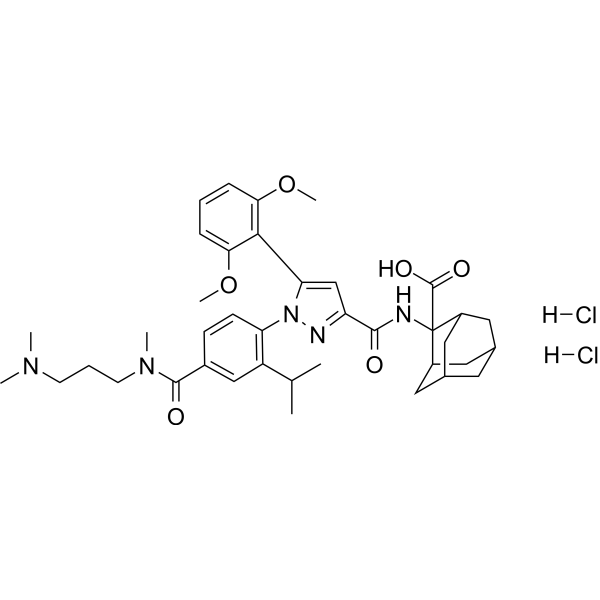
  • HY-139206
    LY3509754
    4 Publications Verification

    IL-17A inhibitor 1

    Interleukin Related Inflammation/Immunology
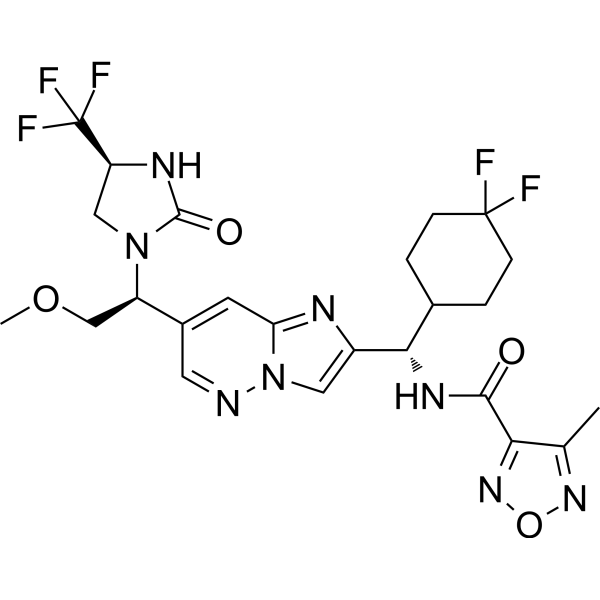
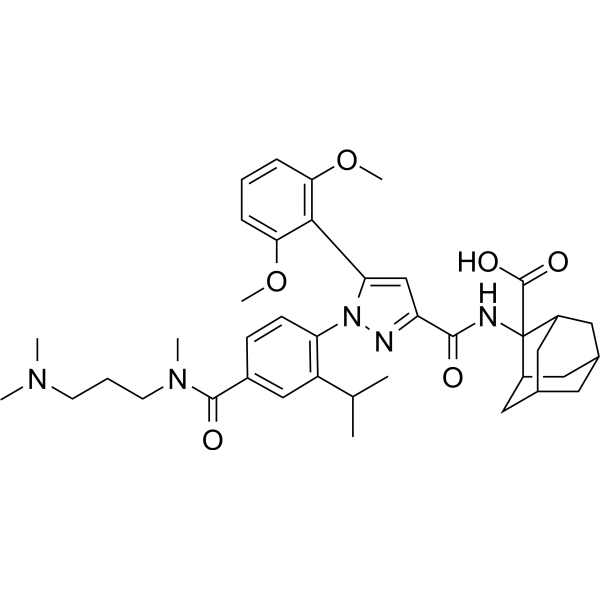
    LY3509754 (IL-17A inhibitor 1) is a IL-17A inhibitor, with IC50 values of <9.45 nM and 9.3 nM in alphalisa assay and HT-29 cells .
    LY3509754
  • HY-12855A
    Lys05
    4 Publications Verification

    Lys01 trihydrochloride

    Autophagy Cancer
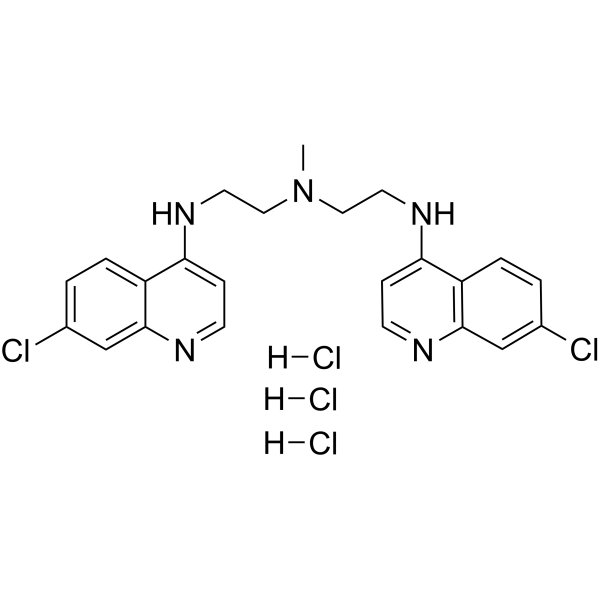
    Lys05 (Lys01 trihydrochloride) is a novel lysosomal autophagy inhibitor with IC50 values of 3.6, 3.8, 6 and 7.9 μM for 1205Lu, c8161, LN229 and HT-29 cell line in the MTT assay.
    Lys05
  • HY-101524
    TC13172
    3 Publications Verification

    Mixed Lineage Kinase Cancer
    TC13172 is a mixed lineage kinase domain-like protein (MLKL) inhibitor with an EC50 value of 2 nM for HT-29 cells .
    TC13172
  • HY-13734
    PX-12
    Maximum Cited Publications
    12 Publications Verification

    IV-2

    Apoptosis Cancer
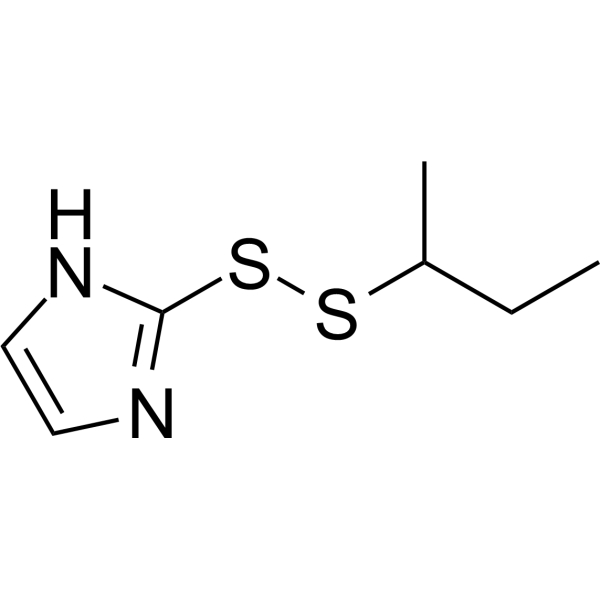
    PX-12(IV-2) is an irreversible inhibitor of Thioredoxin-1 (Trx-1); inhibits the growth of MCF-7 and HT-29 cells with IC50 values of 1.9 and 2.9 μM, respectively.
    PX-12
  • HY-14444
    Plinabulin
    2 Publications Verification

    NPI-2358

    Microtubule/Tubulin Cancer
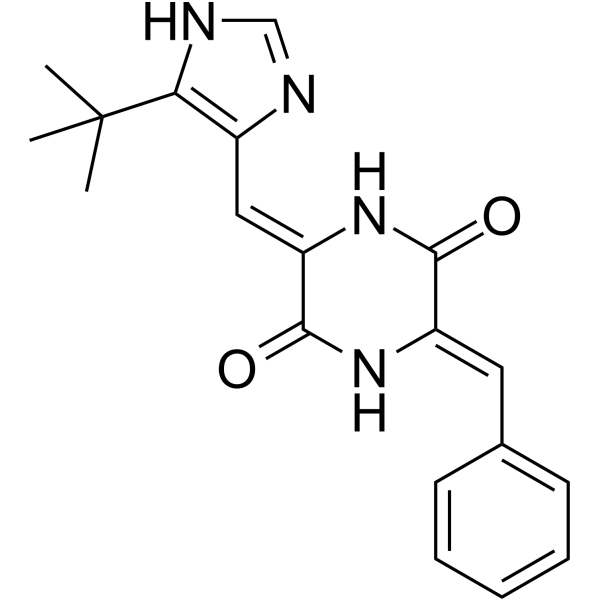
    Plinabulin (NPI-2358) is a vascular disrupting agen (VDA) against tubulin-depolymerizing with an IC50 of 9.8 nM against HT-29 cells . Plinabulin binds the colchicine binding site of β-tubulin preventing polymerization and has potent inhibitory to tumor cells .
    Plinabulin
  • HY-100753
    STAT3-IN-1
    10+ Cited Publications

    STAT Apoptosis Cancer
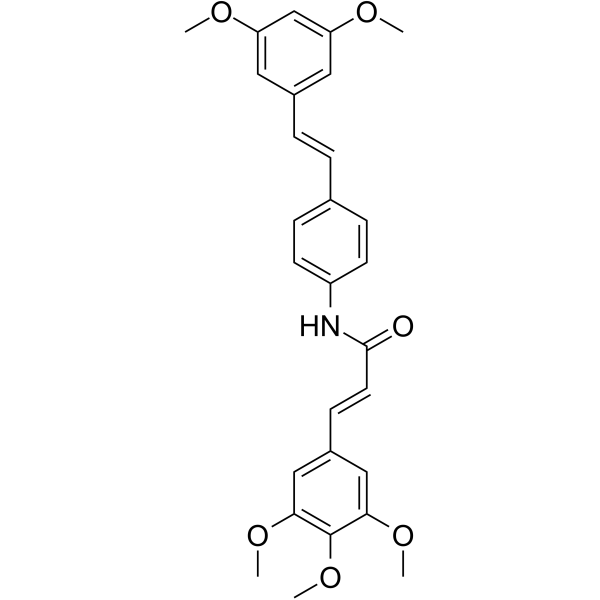
    STAT3-IN-1 (compound 7d) is an excellent, selective and orally active STAT3 inhibitor, with IC50 values of 1.82 μM and 2.14 μM in HT29 and MDA-MB 231 cells, respectively. STAT3-IN-1 (compound 7d) induces tumor cells apoptosis .
    STAT3-IN-1
  • HY-107664

    Neurotensin Receptor Neurological Disease
    SR 142948 is an orally active and selective non-peptide neurotensin receptor (NT) antagonist with IC50s of 1.19 nM, 0.32 nM, 3.96 nM in h-NTR1-CHO cells, HT-29 cells, and adult rat brain, respectively. SR 142948 antagonizes NT-induced inositol monophosphate formation in HT-29 cells with an IC50 of 3.9 nM. SR 142948 blocks hypothermia, analgesia and steering behavior induced by NT in vivo. SR 142948 shows blood-brain permeability and can be used in study of psychiatric disorders .
    SR 142948
  • HY-126779

    Fungal Cancer
    Stictic acid is a secondary metabolite that can be isolated from the lichen Lobaria pulmonaria (L.) Hoffm. Stictic acid inhibits growth of human colon adenocarcinoma HT-29 cells (IC50: 29.29 μg/mL) .
    Stictic acid
  • HY-159795

    PF-07799933; ARRY-440

    Raf PERK Cancer
    Claturafenib ( PF-07799933) is an orally active inhibitor of pan-mutant BRAF. Claturafenib inhibits pERK in cells (IC50 value of 1.6 nM in HT29 cells). Claturafenib has anticancer activity against BRAF G469A mutant NSCLC and BRAF K601E mutant melanoma .
    Claturafenib
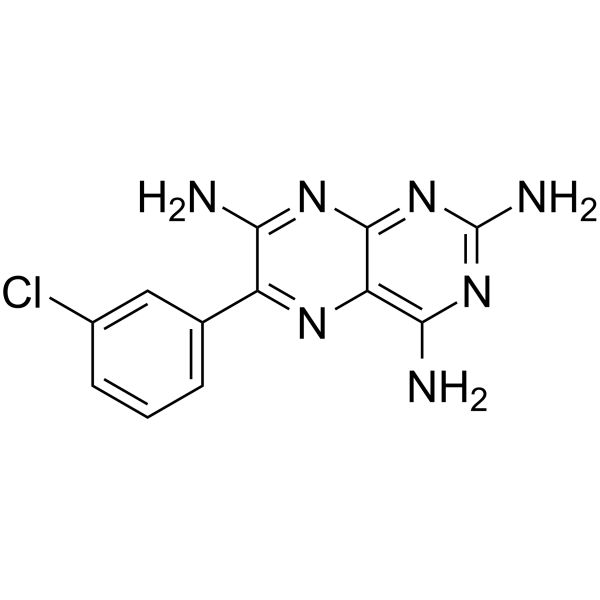
  • HY-130602

    PROTACs MEK Cancer
    MS432 is a first-in-class and highly selective PD0325901-based von Hippel-Lindau-recruiting PROTAC degrader for MEK1 and MEK2. MS432 displays good plasma exposure in mice, exhibiting DC50 values of 31 nM and 17 nM for MEK1, MEK2 in HT29 cells respectively .
    MS432
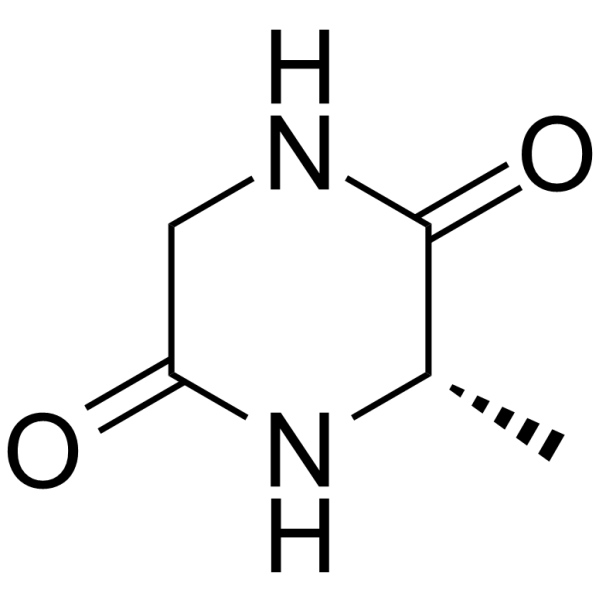
  • HY-75564

    Endogenous Metabolite Cancer
    Cyclo(Ala-Gly), a metabolite of a mangrove endophytic fungus, Penicillium thomi, exhibits cytotoxicity against A549, HepG2 and HT29 cells. The IC50 values range from 9.5 to 18.1 μM .
    Cyclo(Ala-Gly)
  • HY-120528A
    GB-110 hydrochloride
    1 Publications Verification

    Protease Activated Receptor (PAR) Inflammation/Immunology Cancer
    GB-110 hydrochloride is a potent, orally active, and nonpeptidic protease activated receptor 2 (PAR2) agonist. GB-110 hydrochloride selectively induces PAR2-mediated intracellular Ca 2+ release in HT29 cells with an EC50 of 0.28 μM .
    GB-110 hydrochloride
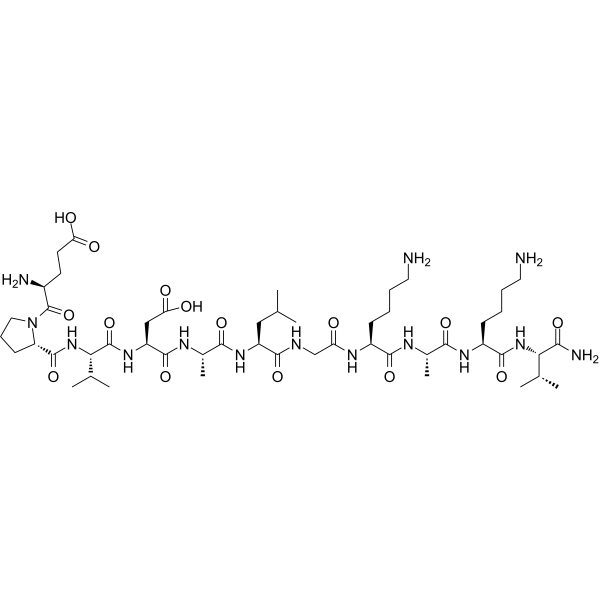
  • HY-P1435

    NADPH Oxidase Cardiovascular Disease Cancer
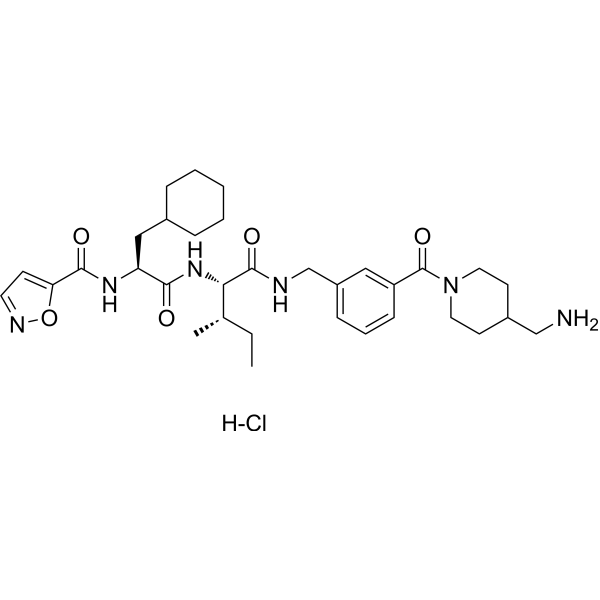
    NoxA1ds is a potent and highly selective NADPH oxidase 1 (NOX1) inhibitor (IC50=20 nM). NoxA1ds inhibits NOX1-derived O 2- production in HT-29 human colon cancer cells. NoxA1ds attenuates VEGF-induced human pulmonary artery endothelial cell migration under hypoxic conditions in vitro. NoxA1ds can be used in the study of hypertension, atherosclerosis and tumors .
    NoxA1ds
  • HY-N3057

    Others Cancer
    Pinostrobin chalcone is found to be potent natural cytotoxic compounds against MDA-MB-231 and HT-29 colon cancer cell lines(IC50 = 20.42±2.23 and 22.51±0.42 μg/mL) .
    Pinostrobin chalcone
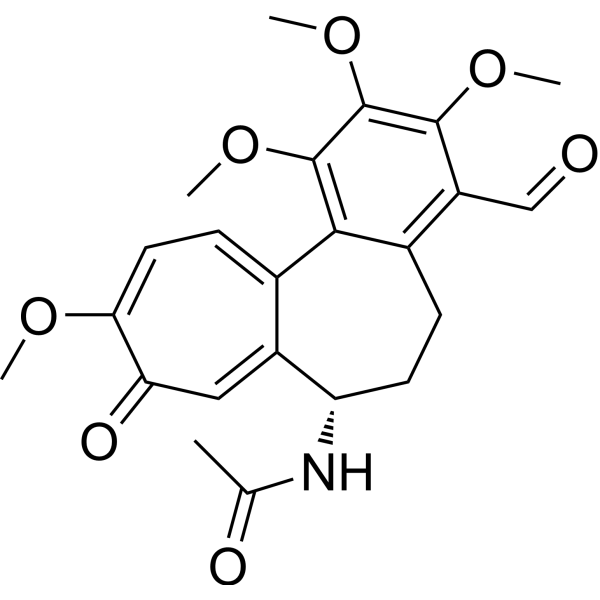
  • HY-147348

    Biochemical Assay Reagents Cancer
    4-Formylcolchicine is a potent anticancer agent. 4-Formylcolchicine shows cytotoxicity activity with IC50 values of 1.007, 0.128, 0.054 μM for A549, HT-29, HCT116 cells, respectively .
    4-Formylcolchicine
  • HY-13620

    LU 79553

    Topoisomerase Cancer
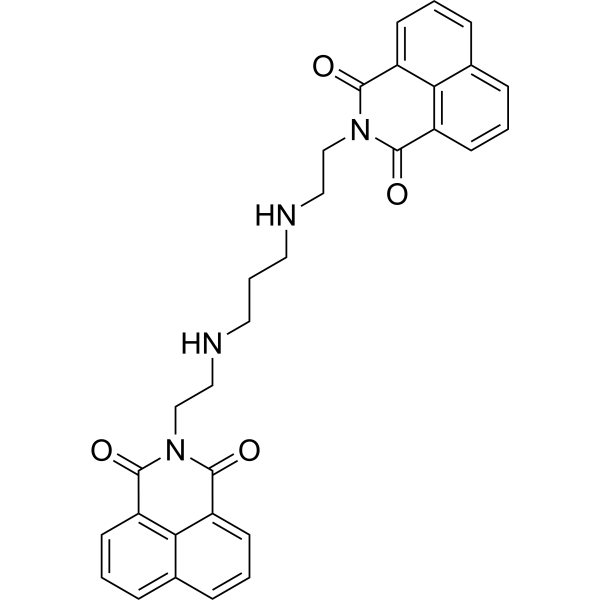
    Elinafide is an anticancer agent with a naphthalimide structure that targets DNA. Elinafide interferes with cell metabolism by inserting a planar ring into the DNA double helix and interacting with enzymes through its side chain.LU-79553 is a DNA-binding topoisomerase II inhibitor. The IC50 value of Elinafide for HT-29 cells is 0.014 μM .
    Elinafide
  • HY-157516

    CDK Cancer
    CDK2-IN-22 (compound 7I) is a potent CDK2 inhibitor with an IC50 of 64.42 nM. CDK2-IN-22 presents a broad antiproliferative efficacy toward diverse cancer cells MV4-11, HT-29, MCF-7, and HeLa with IC50 values of 0.83 μM, 2.12 μM, 3.12 μM, and 8.61 μM, respectively .
    CDK2-IN-22
  • HY-121199

    Apoptosis Cancer
    Germanicol is a selective antineoplastic agent against human colon cancer cell lines HCT-116 and HT29 . Germanicol induces apoptosis via chromatin condensation and DNA damage .
    Germanicol
  • HY-P3116

    Bacterial Cancer
    Thiocoraline is a depsipeptide that can be isolated by marine Micromonospora. Thiocoraline has antitumor activity with IC50s of 0.002, 0.002, 0.01 and 0.002 μg/mL in P388, A549, HT-29 and MEL-28 cells, respectively. Thiocoraline also a strong antimicrobial activity against Gram-positive microorganisms .
    Thiocoraline
  • HY-118899

    Endogenous Metabolite Cancer
    XR5944 is an anti-tumor compound with DNA-targeting activity. As a topoisomerase inhibitor, XR5944 can effectively inhibit the activities of topoisomerase I and II. XR5944 shows excellent anti-tumor activity against human and mouse tumor cells in vitro and in vivo. XR5944 exhibits significant potency in multiple cell lines, with IC50 values of 0.04-0.4 nM. XR5944 is not affected by atypical drug resistance in cells and remains significantly active even in cells overexpressing P-glycoprotein or multidrug resistance-related proteins. XR5944 showed anti-tumor efficacy in human tumor models of H69 small cell lung cancer and HT29 colon cancer, inducing tumor regression in most animals in the HT29 model. XR5944 can be used to study biological processes related to colon and lung cancer .
    XR5944
  • HY-174448

    Wee1 Cancer
    WEE1-IN-12 (Compound 87) is a Wee1 kinase inhibitor with an IC50 of 2.0 nM. WEE1-IN-12 can inhibit the proliferation of HT29 cells (IC50: 1.07 μM), and when used in combination with Gemcitabine (HY-17026), the effect is better (IC50: 0.34 μM). WEE1-IN-12 can be used in the research of tumors such as colon cancer .
    WEE1-IN-12
  • HY-107664A

    Neurotensin Receptor Neurological Disease
    SR 142948 dihydrochloride is an orally active and selective non-peptide neurotensin receptor (NT) antagonist with IC50s of 1.19 nM, 0.32 nM, 3.96 nM in h-NTR1-CHO cells, HT-29 cells, and adult rat brain, respectively. SR 142948 dihydrochloride antagonizes NT-induced inositol monophosphate formation in HT-29 cells with an IC50 of 3.9 nM. SR 142948 dihydrochloride blocks hypothermia, analgesia and steering behavior induced by NT in vivo. SR 142948 dihydrochloride shows blood-brain permeability and can be used in study of psychiatric disorders .
    SR 142948 dihydrochloride
  • HY-160811

    VEGFR Cancer
    hVEGF-IN-3 (compound 9) is a potent hVEGF inhibitor. hVEGF-IN-3 inhibits HT-29, MCF-7, and HEK-293 cells proliferation with IC50s of 61, 142, and 114 μM .
    hVEGF-IN-3
  • HY-122675

    Choline Kinase Cancer
    ACG416B (compound 18) is a potent inhibitor of ChoK (choline kinase) with an IC50 of 0.4 μM. ACG416B renders higher ChoK inhibitory and antiproliferative activities against the HT-29 human colon cancer cell .
    ACG416B
  • HY-N8491

    Others Cancer
    Dihydrocarveol is an anticancer agent. Dihydrocarveol shows inhibitory activity against human colon adenocarcinoma cells (HCT-116, HT-29, COLO320DM) with an IC50 value of 28.31 μM in HCT-116 cells. Dihydrocarveol is promising for research of colon cancer .
    Dihydrocarveol
  • HY-N1261

    Others Cancer
    Scutebarbatine B shows significant cytotoxic activities against three human cancer lines, namely, HONE-1 nasopharyngeal, KB oral epidermoid carcinoma, and HT29 colorectal carcinoma cells, with IC50 values in the range 3.5-8.1 mM [1]<
    Scutebarbatine B
  • HY-171745

    ATM/ATR Cancer
    ATR-IN-32 is an orally active ATR inhibitor. ATR-IN-32 potently inhibits the proliferation of MIA PaCa-2 cells. ATR-IN-32 exerts significant tumor growth inhibition in mice bearing LOVO and HT-29 xenografts. ATR-IN-32 can be used for the study of cancers mediated by ATR protein kinase, such as colorectal cancer, pancreatic cancer .
    ATR-IN-32
  • HY-139062

    C6 Ceramide (d18:1/6:0) Urea; Cer(d18:1/6:0) Urea; D-erythro-Urea-C6-Ceramide

    Apoptosis Ceramidase Autophagy β-catenin Cancer
    C6 Urea Ceramide (Cer(d18:1/6:0) Urea) is an inhibitor of neutral ceramidase. C6 Urea Ceramide increases total ceramide levels in wild-type mouse embryonic fibroblasts (MEFs) and HT-29 colon cancer cells. C6 Urea Ceramide (5-10 μM) inhibits proliferation of HT-29 cells and induces apoptosis and autophagy, but is not toxic to non-cancerous cells. C6 Urea Ceramide decreases total and phosphorylated β-catenin levels in HT-29 and HCT116 cells, and induces colocalization of β-catenin with the 20S proteasome. C6 Urea Ceramide (1.25, 2.5, and 5 mg/kg) reduced tumor growth and increased C16, C18, C20, and C24 ceramide levels in tumor tissues in the HT-29 mouse xenograft model.
    C6 Urea Ceramide
  • HY-121458

    Apoptosis Cancer
    Nemorosone is the main component of the floral resin of Clusia rosea. Nemorosone has an antiproliferative effect on cancer cells. Nemorosone induces apoptosis in HT-29 and LoVo cells .
    Nemorosone
  • HY-W727999

    Apoptosis Cancer
    Koenimbine is an anticancer agent that can be obtained from the leaves and fruits of Murraya koenigii. Koenimbine can induce apoptosis and necrosis in HT-29 and SW48 cells. Koenimbine can be used in the research of cancer .
    Koenimbine
  • HY-107664B

    Neurotensin Receptor Neurological Disease
    SR 142948 TFA is an orally active and selective non-peptide neurotensin receptor (NT) antagonist with IC50s of 1.19 nM, 0.32 nM, 3.96 nM in h-NTR1-CHO cells, HT-29 cells, and adult rat brain, respectively. SR 142948 TFA antagonizes NT-induced inositol monophosphate formation in HT-29 cells with an IC50 of 3.9 nM. SR 142948 TFA blocks hypothermia, analgesia and steering behavior induced by NT in vivo. SR 142948 TFA shows blood-brain permeability and can be used in study of psychiatric disorders .
    SR 142948 TFA
  • HY-N8934

    Others Cancer
    6β-Hydroxytomentosin, a sesquiterpenoid, can be found in flowers of Inula japonica. 6β-Hydroxytomentosin exhibits weak cytotoxicities against A549, SK-OV-3, HepG-2 and HT-29 cell lines .
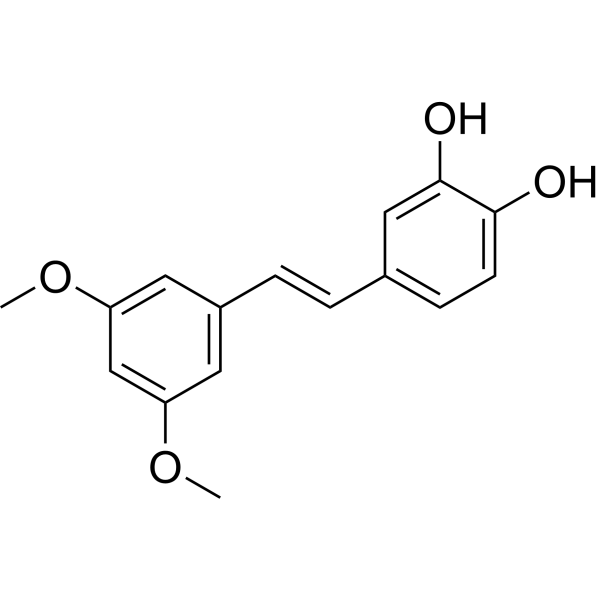
    6β-Hydroxytomentosin
  • HY-157085

    HSP Cancer
    BX-2819 is a Hsp90 inhibitor with an IC50 value of 41 nM. BX-2819 inhibits the proliferation of cancer cells. BX-2819 can significantly inhibit the growth of NCI-N87 and HT-29 tumors in nude mice .
    BX-2819
  • HY-149952

    ATM/ATR Cancer
    ATR-IN-23 (Compound 34) is a potent and selective ATR inhibitor with an IC50 of 1.5 nM. ATR-IN-23 has potent antiproliferative effects on LoVo cells and synthetic lethality on HT-29 cells, and can be used in the study of DNA damage response (DDR)-deficient cancers .
    ATR-IN-23
  • HY-N1631

    1-Hydroxyrutaecarpine

    Drug Derivative Others
    1-Hydroxyrutaecarpine (compound 1a) is a hydroxy-derivative of rutaecarpine. 1-Hydroxyrutaecarpine shows cytotoxicities with ED50s of 3.72, 7.44 µg/mL for P-388 and HT-29 cells, respectively. 1-Hydroxyrutaecarpine shows antiplatelet activity .
    1-Hydroxyrutecarpine
  • HY-180895

    Polo-like Kinase (PLK) Cancer
    Y207–5465 is a potent and highly selective PLK2 inhibitor with an IC50 value of 584.3 nM. Y207–5465 shows only limited anti-cancer activity in HT-29 and HCT-116 cells. Y207–5465 can be used in cancer research .
    Y207–5465
  • HY-157740

    HDAC Cancer
    XSJ-10 is a HDAC inhibitor containing a RAS/RAF protein interfering unit, with IC50s of 0.05 and 0.04 μM in PANC-1 cells and HT-29 cells. XSJ-10 can effectively induce the apoptosis of cancer cells and suppress the tumor by strongly inhibiting the RAS-RAF-MEK-ERK signaling pathway and the acetylation level of HDAC3 .
    XSJ-10
  • HY-B1714

    Drug Derivative Cancer
    NSC 601980 analog is an analogue of NSC601980. In yeast screening experiments, NSC 601980 exhibited antitumor activity, effectively inhibiting cell proliferation in both COLO 205 and HT29 cell lines, with Log GI 50 values of -6.6 and -6.9, respectively.
    NSC 601980 analog
  • HY-151542

    Mixed Lineage Kinase Necroptosis RIP kinase Neurological Disease
    MLKL-IN-4 (compound 56) is a potent MLKL (Mixed lineage kinase domain-like protein) inhibitor. MLKL-IN-4 inhibits necroptosis in HT-29 cells and acts downstream of MLKL phosphorylation, with EC50 of 82 nM . MLKL-IN-4 is a click chemistry reagent, it contains an Alkyne group and can undergo copper-catalyzed azide-alkyne cycloaddition (CuAAc) with molecules containing Azide groups.
    MLKL-IN-4
  • HY-N1655

    Others Cancer
    2,3-Dihydroamentoflavone 7,4'-dimethyl ether is a biflavonoid, which can be isolated from the aerial parts of Selaginella delicatula. 2,3-Dihydroamentoflavone 7,4'-dimethyl ether exhibits cytotoxicities against P-388 and HT-29 cell lines, with ED50 (median effective dose) values of 3.50 and 5.25 µg/mL, respectively .
    2,3-Dihydroamentoflavone 7,4'-dimethyl ether
  • HY-151541

    Mixed Lineage Kinase Necroptosis Neurological Disease
    MLKL-IN-3 (compound 66) is a potent MLKL (Mixed lineage kinase domain-like protein) inhibitor. MLKL-IN-3 inhibits necroptosis in HT-29 cells and acts downstream of MLKL phosphorylation, with EC50 of 31 nM . MLKL-IN-3 is a click chemistry reagent, it contains an Alkyne group and can undergo copper-catalyzed azide-alkyne cycloaddition (CuAAc) with molecules containing Azide groups.
    MLKL-IN-3
  • HY-120528

    Protease Activated Receptor (PAR) Inflammation/Immunology Cancer
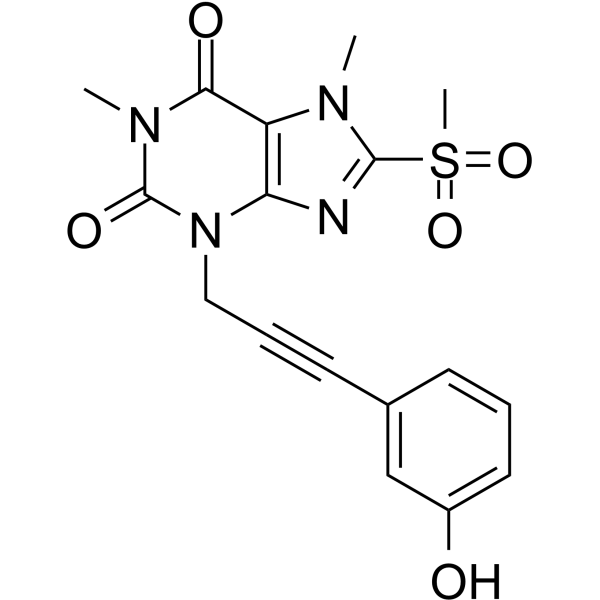
    GB-110 is a potent, orally active, and nonpeptidic protease activated receptor 2 (PAR2) agonist. GB-110 selectively induces PAR2-mediated intracellular Ca 2+ release in HT29 cells with an EC50 of 0.28 μM .
    GB-110
  • HY-175540

    PDGFR Cardiovascular Disease Cancer
    PDGFRα kinase-IN-2 is a potent PDGFR-α inhibitor with an IC50 of 2.1 nM. PDGFRα kinase-IN-2 exhibits anticancer activity against human colon cancer HT-29 cell with an IC50 of 1.48 μM. PDGFRα kinase-IN-2 has anti-angiogenic activity in zebrafish models and low embryonic lethality. PDGFRα kinase-IN-2 can used for the studies of colon cancer and anti-angiogenesis .
    PDGFRα kinase-IN-2
  • HY-149511

    c-Met/HGFR Apoptosis PDGFR Cancer
    MET/PDGFRA-IN-2 (compound 8h) is a MET and PDGFRA protein inhibitor. MET/PDGFRA-IN-2 induces cell apoptosis. MET/PDGFRA-IN-2 inhibits proliferation of MET-positive cells (IC50s: 9.7, 6.1, 12.0, 11.5, 8.6, 34.4 μM for AsPc-1, EBC-1, MKN-45, Mia-Paca-2, HT-29, K562 cells respectively) .
    MET/PDGFRA-IN-2
  • HY-160170

    Necroptosis Cancer
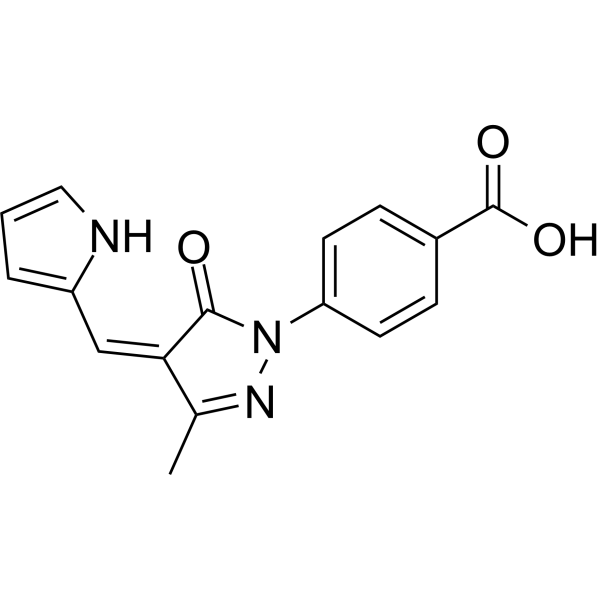
    Necrosis inhibitor 3 (compound B3) is a poteng inhibitor of necrosis, with the IC50 value of 0.29 nM in HT29 cells .
    Necrosis inhibitor 3
  • HY-N8387

    Ras Cancer
    Neogrifolin is an inhibitor of KRAS. Neogrifolin suppress KRAS expression in human colon cancer cells. Neogrifolin has anti-cell viability activity against HeLa, SW480 and HT29 cells wih IC50s of 24.3, 34.6, and 30.1 μM, respectively .
    Neogrifolin
  • HY-161361

    Mixed Lineage Kinase Cancer
    MLKL-IN-7 (compound 9) is a MLKL inhibitor, and shows anti-necroptosis activity in HT-29 cells with the IC50 of 148.4 nM .
    MLKL-IN-7
  • HY-146274

    c-Met/HGFR Apoptosis Cancer
    c-Met-IN-10 (compound 26a) is a highly potent c-Met kinase inhibitor with an IC50 value of 16 nM. c-Met-IN-10 has inhibitory activity against cancer cells A549, H460 and HT-29 with IC50s of 0.56 ~ 1.59 μM. c-Met-IN-10 suppresses the colony formation on HT-29 cells, induces HT-29 and A549 cells apoptosis, and inhibits A549 cells motility. c-Met-IN-10 can be used for researching anticancer .
    c-Met-IN-10
  • HY-169735

    Aurora Kinase Cancer
    Aurora A inhibitor 4 (compound C9) is a potent inhibitor of Aurora A, with the GI50 of 4.26 and 7.08 μM in DU 145 cells and HT-29 cells, respectively .
    Aurora A inhibitor 4
  • HY-146505

    Microtubule/Tubulin Apoptosis Reactive Oxygen Species (ROS) Cancer
    Tubulin polymerization-IN-6 (compound 5f) is a potent tubulin polymerization inhibitor, with an IC50 of 1.09 μM. Tubulin polymerization-IN-6 inhibits cell migration and tube formation and contributes to the anti-angiogenesis. Tubulin polymerization-IN-6 can greatly inhibit tumor growth on HT29 xenograft Balb/c nude mice .
    Tubulin polymerization-IN-6

Inquiry Online

Your information is safe with us. * Required Fields.

Salutation


Country or Region *

Applicant Name *


Organization Name *

Department *


Email Address *


Product Name *

Cat. No.


Requested quantity *

Phone Number *


Remarks

Inquiry Online

Inquiry Information

Product Name:
Cat. No.:
Quantity:
MCE Japan Authorized Agent:

