1. Search Result
Search Result
Results for "

High toxicity

" in MedChemExpress (MCE) Product Catalog:

156

Inhibitors & Agonists

14

Screening Libraries

15

Fluorescent Dyes

16

Biochemical Assay Reagents

13

Peptides

3

MCE Kits

12

Natural
Products

6

Isotope-Labeled Compounds

1

Click Chemistry

7

Oligonucleotides

Targets Recommended:
Cat. No. Product Name Target Research Areas Chemical Structure
  • HY-W008719
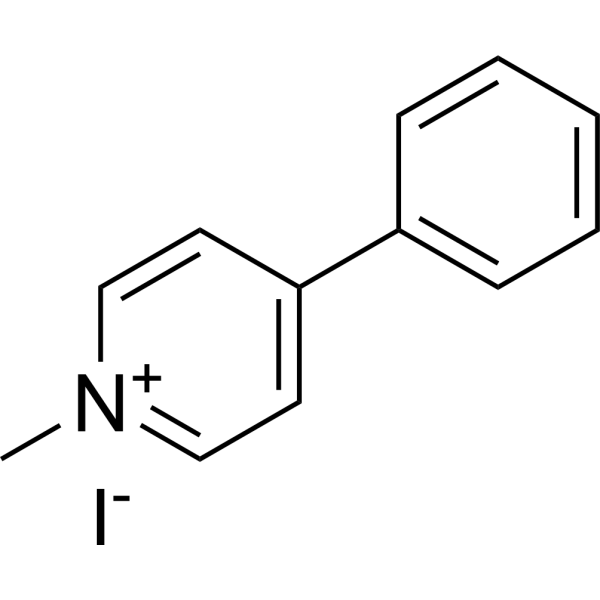
    MPP+ iodide
    Maximum Cited Publications
    34 Publications Verification

    Mitochondrial Metabolism Neurological Disease
    MPP+ iodide, a toxic metabolite of the neurotoxin MPTP, causes symptom of Parkinson's disease in animal models by selectively destroying dopaminergic neurons in substantia nigra. MPP+ iodide is taken up by the dopamine transporter into dopaminergic neurons where it exerts its neurotoxic action on mitochondria by affecting complex I of the respiratory chain. MPP+ iodide is also a high affinity substrate for the serotonin transporter (SERT) .
    MPP+ iodide
  • HY-B0223
    Albendazole
    5+ Cited Publications

    SKF-62979

    Parasite Microtubule/Tubulin Autophagy Apoptosis Reactive Oxygen Species (ROS) VEGFR HIF/HIF Prolyl-Hydroxylase Antibiotic Bacterial Infection Cancer
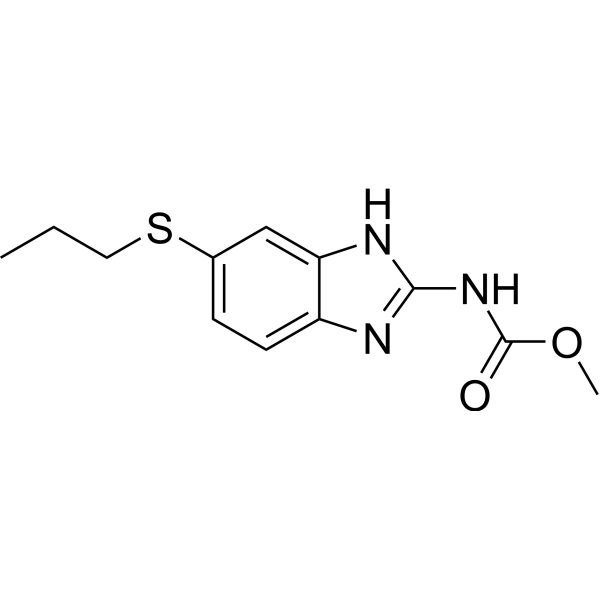
    Albendazole (SKF-62979) is an orally active and broad-spectrum parasiticide with high effectiveness and low host toxicity, is used for the research of gastrointestinal parasites in humans and animals. Albendazole induces apoptosis and autophagy in cancer cells. Albendazole also inhibits tubulin polymerization and HIF-1α, VEGF expression, has antioxidant activity, and inhibits the glycolytic process in cancer cells .
    Albendazole
  • HY-145799
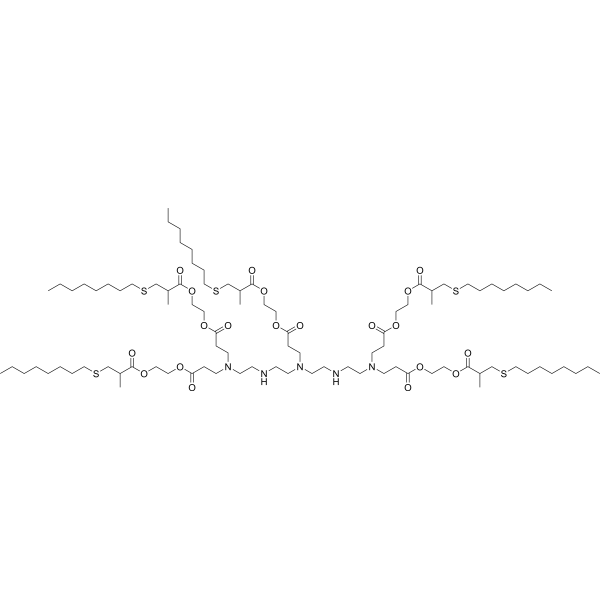
    5A2-SC8
    1 Publications Verification

    Liposome Cancer
    5A2-SC8 is an ionizable amino lipid in lipid nanoparticles (LNPs) that shows high delivery potential and low in vivo toxicity, enabling efficient delivery of small RNAs such as siRNA and miRNA into tumor cells. 5A2-SC8 LNPs can confer a unique delivery fate of RNA within the liver, thereby changing the therapeutic outcomes in cancer models .
    5A2-SC8
  • HY-100012
    CBR-5884
    15+ Cited Publications

    Phosphoglycerate Dehydrogenase (PHGDH) Cancer
    CBR-5884 is an active, selective inhibitor of phosphoglycerate dehydrogenase (PHGDH) with an IC50 of 33 μM. CBR-5884 inhibits de novo serine synthesis in cancer cells and is selectively toxic to cancer cell lines with high serine biosynthetic activity. CBR-5884 selectively inhibits the proliferation of melanoma and breast cancer lines that have a high propensity for serine synthesis .
    CBR-5884
  • HY-W088065

    Environmental Pollutants DNA/RNA Synthesis Others
    Sodium formate acts as a key promoter for heterogeneous nucleation of ZIF crystals and thin film synthesis. It is also recognized as a GRAS substance by the FDA, and serves as a cosmetic preservative and food additive. Sodium formate has low acute oral toxicity (acute oral LD50=7410 mg/kg and acute intravenous LD50=807 mg/kg in mice), with no heritable or carcinogenic effects, but exhibits embryonic developmental toxicity and teratogenicity at high concentrations. Sodium formate may cause moderate irritation to rabbit eyes, is relatively safe to the skin, and does not induce tumor formation in rats in vivo. Sodium formate is rapidly absorbed and oxidized to carbon dioxide in vivo, and forms DNA adducts in specific metabolic deficiency models or upon high-dose exposure .
    Sodium formate
  • HY-126050
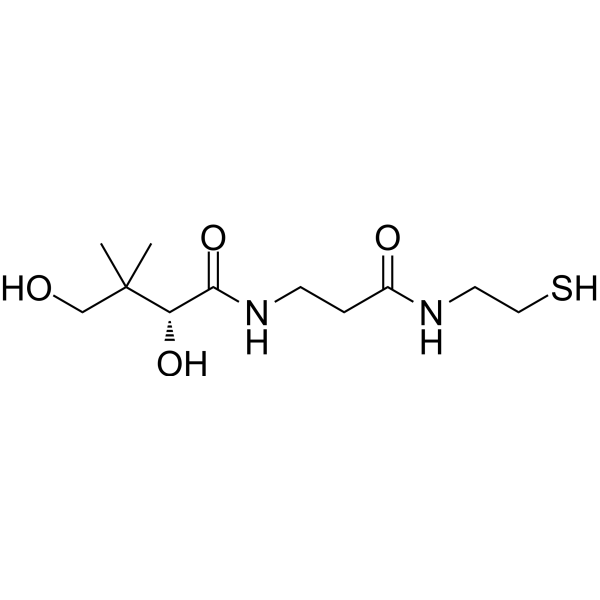
    (R)-Pantetheine
    2 Publications Verification

    Pantetheine

    Endogenous Metabolite Metabolic Disease
    (R)-Pantetheine is the biosynthetic precursor to CoA. (R)-Pantetheine and its corresponding disulfide pantethine, play a key role in metabolism as a building block of coenzyme A (CoA). (R)-Pantetheine has high toxicity .
    (R)-Pantetheine
  • HY-D1416
    HMBR
    1 Publications Verification

    Fluorescent Dye Others
    HMBR is an analogue with an additional methyl group on the aromatic ring and is non-fluorescent. HMBR conjugated with Y-FAST emits yellow fluorescence under blue light excitation (Ex= 419 nm; Em= 525–539 nm). HMBR is non-toxic to zebrafish embryos. HMBR has high cell permeability .
    HMBR
  • HY-134990
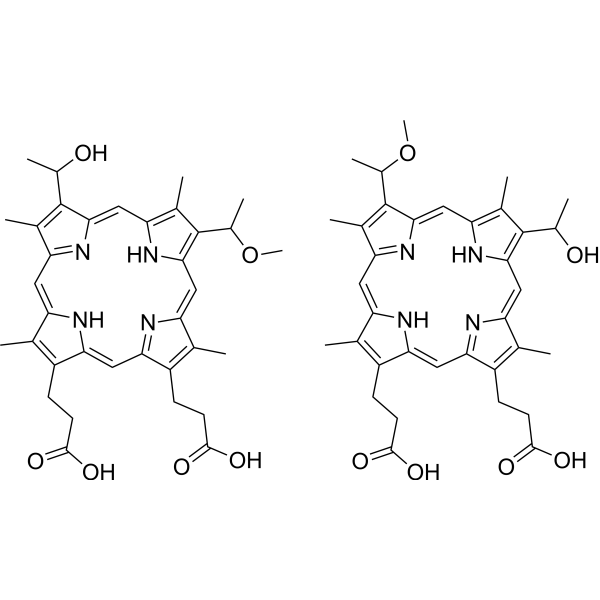
    Hematoporphyrin monomethyl ether
    2 Publications Verification

    Apoptosis Cancer
    Hematoporphyrin monomethyl ether, second generation of porphyrin-related photosensitizer, is characterized by its single form, high yield of singlet oxygen, high selectivity, and low toxicity, which has been widely used in the diagnosis and research of various tumors, including lung cancer, bladder cancer, and nevus flammeus and brain glioma .
    Hematoporphyrin monomethyl ether
  • HY-101511

    P-glycoprotein Cancer
    TTT-28 is a synthesized thiazole-valine peptidomimetic, a novel selective inhibitor of ABCB1 (P-gp/MDR1) with high efficacy and low toxicity, which reverses the ATP-binding cassette sub-family B member 1 (ABCB1)-mediated multidrug resistance (MDR) by selectively blocking the efflux function of ABCB1 .
    TTT-28
  • HY-B0935
    Benzyl benzoate
    1 Publications Verification

    Phenylmethyl benzoate

    Environmental Pollutants Angiotensin Receptor Endogenous Metabolite Fungal Bacterial Parasite Infection Cardiovascular Disease Inflammation/Immunology
    Benzyl benzoate (Phenylmethyl benzoate) is an orally active anti-scabies agent, acaricide (EC50= 0.06 g/m 2) and fungicide. Benzyl benzoate is an angiotensin II (Ang II) inhibitor with antihypertensive effects. Benzyl benzoate can be used in perfumes, pharmaceuticals and the food industry .
    Benzyl benzoate
  • HY-B0834

    (RS)-Indoxacarb; DPX-JW062

    Environmental Pollutants Sodium Channel Neurological Disease
    Indoxacarb ((±)-Indoxacarb; DPX-JW062) is a broad-spectrum oxadiazine insecticide with high insecticidal activity and low mammalian toxicity. Indoxacarb blocks insect sodium channels in nerve preparations and isolated neurons .
    (±)-Indoxacarb
  • HY-Y1366

    Mitochondrial Metabolism Reactive Oxygen Species (ROS) Arp2/3 Complex Apoptosis Inflammation/Immunology
    Hydroxyacetone is a toxic compound. Hydroxyacetone can be isolated from e-cigarette aerosols. Hydroxyacetone reduces the activity of cellular Mitochondrial reductase (with an IC50 of 5.53 mg/mL for mitochondrial reductase in BEAS-2B cells) and increases ROS levels. Hydroxyacetone induces mitochondrial stress and oxidative damage. Hydroxyacetone induces destabilization of F-actin. At high concentrations, Hydroxyacetone promotes cell rounding and Apoptotic body formation. Hydroxyacetone exerts toxic effects on cells including airway epithelial cells and possesses respiratory toxicity potential .\n


    Hydroxyacetone
  • HY-B1217

    BNPD; BNPK

    Environmental Pollutants Bacterial Infection
    Bronopol is an antibacterial agent with low toxicity (to mammals) and high activity (especially against Gram-negative bacteria). Bronopol oxidizes protein thiols, inhibits enzymatic activity, and exhibits antibacterial activity. Bronopol is also a formaldehyde releaser .
    Bronopol
  • HY-75087

    (+)-(R)-Proline; (R)-(+)-Proline; (R)-2-Carboxypyrrolidine; (R)-Proline

    Endogenous Metabolite Metabolic Disease
    (R)-pyrrolidine-2-carboxylic acid ((+)-(R)-Proline) is a proline isomer that exhibits high renal and hepatotoxicity in rats. (R)-pyrrolidine-2-carboxylic acid can be used to study amino acid metabolism and toxicity mechanisms .
    (R)-pyrrolidine-2-carboxylic acid
  • HY-B1950

    (R)-Quizalofop ethyl; Quinofop-ethyl

    Environmental Pollutants SOD Herbicide Infection
    Quizalofop-P-ethyl is a low-toxicity herbicide, a highly selective new type of post-emergence herbicide for dryland crops, with high selectivity between gramineous weeds and dicotyledonous crops, and it has good control efficacy against gramineous weeds in broadleaf crop fields.
    Quizalofop-p-ethyl
  • HY-Y1219H

    Biochemical Assay Reagents Others
    Silica gel, high-purity grade, 200-400 mesh is a low-density, high-surface-area, high-purity inert additive that can be used to prepare chromatographic column sieve plates based on the sol-gel method. Silica gel, high-purity grade prevents DNA degradation by absorbing water from plant leaves, and is suitable for the preservation of field-collected samples for subsequent DNA extraction, restriction endonuclease digestion, PCR amplification and gene sequencing. It can also be reused after being saturated with water. Silica gel, high-purity grade can provide a non-toxic, inert aquatic environment for embedded cells, allowing nutrients, oxygen and metabolic waste to diffuse freely and blocking external pollution, thereby maintaining the activity of fibroblasts and epithelial cells .
    Silica gel, high-purity grade, 200-400 mesh
  • HY-17533
    Chromafenozide
    1 Publications Verification

    ANS118

    Insecticide Infection
    Chromafenozide is a potent partial ecdysone receptor agonist and dibenzoylhydrazine insecticide. Chromafenozide inhibits insect feeding and causes the insect to molt prematurely, leading to death. Chromafenozide shows antagonistic activity against 20-HE. Chromafenozide shows high toxicity against Spodoptera exigua and Spodoptera littoralis .
    Chromafenozide
  • HY-122351A

    Taste Receptor Others
    Advantame is an N-substituted derivative of aspartame. Advantame is a high-intensity, low calorie sweetener. Advantame can interact with plasma protein. Advantame has the potential to produce hypotension and inhibit hERG K + channel to produce carditoxicity. Advantame binds to T1R2/T1R3 taste GPCR to form an oligomeric functional selectivity of biased heteromers with NMBR to induce a significant sialidase activity in vitro. Advantame has maternal toxicity (gastrointestinal disturbances) in the prenatal developmental toxicity study in rabbits .
    Advantame
  • HY-107390A
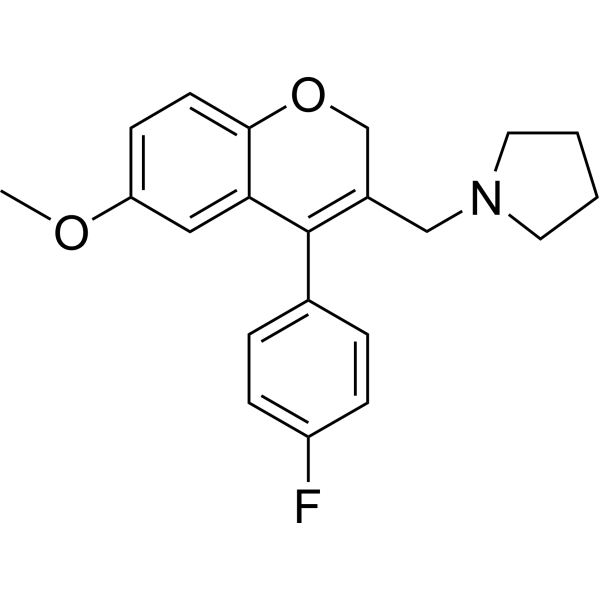
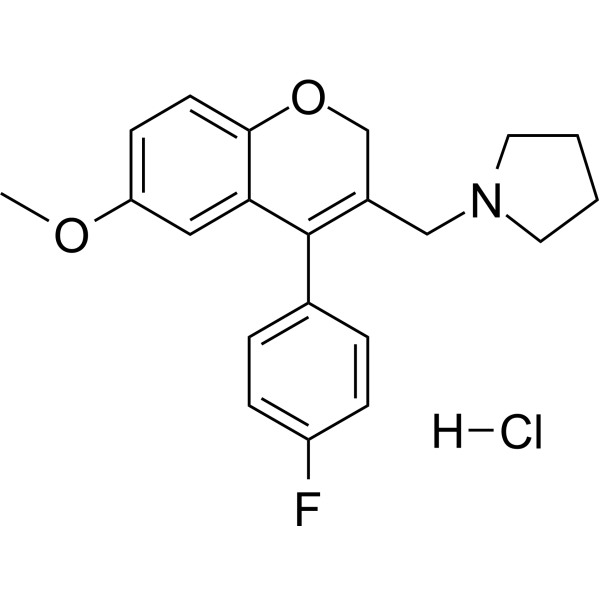
    AX-024 hydrochloride
    3 Publications Verification

    TNF Receptor Interleukin Related IFNAR Inflammation/Immunology Cancer
    AX-024 hydrochloride is an orally available, first-in-class inhibitor of the TCR-Nck interaction that selectively inhibits TCR-triggered T cell activation with an IC50 ~1 nM. AX-024 hydrochloride modulates cell signaling by targeting SH3 domains. AX-024 hydrochloride has low-acute toxicity and high potency and selectivity, and strongly inhibit the production of IL-6, TNF-α, IFN-γ, IL-10 and IL-17A.
    AX-024 hydrochloride
  • HY-P11335A

    Ser/Thr Protease Bacterial Others
    Oscillamide Y TFA is the trifluoroacetate salt of Oscillamide Y (HY-P11335). Oscillamide Y (Compound 1), a ureido-containing cyclic peptide, is a Chymotrypsin inhibitor. Oscillamide Y can be isolated from freshwater toxic cyanobacterium Oscillatoria agardhii. Oscillamide Y has potent toxicity against fish, daphnid magna and algae with a stimulatory effect for Raphidocelis subcapitata (EC50: 4.62 mg/L). Oscillamide Y induces high luminescence inhibition in Aliivibrio fischeri. Oscillamide Y can be used for ecological development research .
    Oscillamide Y TFA
  • HY-W013762

    Environmental Pollutants Biochemical Assay Reagents Others
    Tributyl citrate is a low-toxicity and orally active citrate ester with no genotoxicity or skin sensitizing activity. Tributyl citrate also acts as a plasticizer, solvent, FDA-approved indirect food additive, and topical anesthetic, among other uses. Tributyl citrate induces a needle-prick insensitivity response that lasts for more than 2 hours, and a 5% suspension of it temporarily eliminates the corneal reflex in rabbits. Tributyl citrate causes no significant systemic toxicity in rats and cats at most tested doses, and only may cause growth retardation and gastrointestinal reactions such as diarrhea and nausea at high doses or with repeated oral administration .
    Tributyl citrate
  • HY-W203683

    PFNA; Heptadecafluorononanoic acid

    PPAR PERK Metabolic Disease
    Perfluorononanoic acid (PFNA) is an orally active PPARα activator. Perfluorononanoic acid activates PPARα-mediated gene expression, including upregulating target genes associated with lipid metabolism and triglyceride storage. Perfluorononanoic acid exhibits certain developmental and reproductive toxicity. Perfluorononanoic acid causes hepatomegaly in pregnant mice, induces high postnatal mortality in neonatal mice, and leads to dose-dependent delays in eye-opening time and puberty onset in mouse offspring .
    Perfluorononanoic acid
  • HY-B0755

    Antibiotic Infection
    Etimicin (sulfate), a fourth-generation aminoglycoside antibiotic, is now widely clinically used due to its high efficacy and low toxicity.
    Etimicin sulfate
  • HY-145932

    Enterovirus Infection
    DMA-135 hydrochloride inhibits enterovirus 71 (EV71) IRES-dependent translation and replication. DMA-135 hydrochloride binds to enterovirus 71 (EV71) SLII domain with moderately high affinity (KD= 520 nM). DMA-135 hydrochloride has no significant toxicity in cell-based studies .
    DMA-135 hydrochloride
  • HY-D1262

    Thiol-green 2

    Fluorescent Dye Others
    BODIPY-TS (Thiol-green 2) is a fast response and thiol-specific turn-on probe. BODIPY-TS utilizes the thiosulfonate scaffold as a thiol recognition unit. BODIPY-TS has low toxicity, and features high selectivity, low detection limit, and quantitative reaction to thiols . Ex: 490 nM; Em: 515 nM.
    BODIPY-TS
  • HY-D1456

    Pyruvate Kinase Cancer
    TEPC466 is a novel TEPP-46-based aggregation-induced emission (AIE) probe. TEPC466 shows a high degree of selectivity and sensitivity for the detection of PKM2 protein via the AIE effect. EPC466 can be used for the detection of PKM2. TEPC466 is successfully applied in imaging the PKM2 protein in colorectal cancer cells with low toxicity. TEPC466 is a useful tool for cancer diagnosis and research .
    TEPC466
  • HY-B0867

    Environmental Pollutants Herbicide Others
    2,4-D Butyl ester is a phenoxyacetic acid herbicide used to control woody broadleaf weeds. 2,4-D Butyl ester shows high toxicity to fish and aquatic invertebrates. In animals, 2,4-D Butyl ester hydrolyzes to produce n-butanol, which further induces neurobehavioral toxicity such as ataxia in rats .
    2,4-D Butyl ester
  • HY-W020788

    CGA 154281

    Environmental Pollutants Glutathione S-transferase Estrogen Receptor/ERR Pregnane X Receptor (PXR) FXR Metabolic Disease Cancer
    Benoxacor (CGA 154281) is a herbicide safener and xenobiotic metabolism regulator. Benoxacor protects maize from the toxicity of metolachlor mainly by inducing detoxifying enzymes such as Glutathione S-transferase. Benoxacor also activates FXR, PXR and ERRα, and inhibits aromatase (aromatase). However, Benoxacor exhibits potential subacute oral toxicity and a high risk of hepatotoxicity in animal models. Benoxacor induces reactive oxygen species accumulation, interferes with embryonic heart development, and causes increased liver and kidney weights as well as alterations in gut microbiota in mice. Benoxacor can be used in studies related to hepatic steatosis, infertility, breast cancer and developmental toxicity .
    Benoxacor
  • HY-Y1219E

    Biochemical Assay Reagents Others
    Silica gel, high-purity grade, 130-270 mesh is a low-density, high-surface-area, high-purity inert additive that can be used to prepare chromatographic column sieve plates based on the sol-gel method. Silica gel, high-purity grade prevents DNA degradation by absorbing water from plant leaves, and is suitable for the preservation of field-collected samples for subsequent DNA extraction, restriction endonuclease digestion, PCR amplification and gene sequencing. It can also be reused after being saturated with water. Silica gel, high-purity grade can provide a non-toxic, inert aquatic environment for embedded cells, allowing nutrients, oxygen and metabolic waste to diffuse freely and blocking external pollution, thereby maintaining the activity of fibroblasts and epithelial cells .
    Silica gel, high-purity grade, 130-270 mesh
  • HY-121935

    Environmental Pollutants Fungal Infection
    Tecnazene is a dinitroaromatic fungicide and plant growth regulator. Tecnazene binds irreversibly to human skin tissues and exhibits acute toxicity in Rattus norvegicus (brown rat). Tecnazene exerts sprouting-inhibiting and antifungal activities by inhibiting the sprouting of potato tuber buds and blocking the growth and reproduction of fungi that cause dry rot. Tecnazene has significant antifungal and sprouting-inhibiting activities, and shows high toxicity to aquatic organisms such as freshwater fish and crustaceans. Tecnazene is used for sprouting inhibition and dry rot control during potato storage .
    Tecnazene
  • HY-125851

    TGF-β Receptor Inflammation/Immunology
    TP-008, a chemical probe, is a potent, selective and orally active (Activin-Like Kinase 5) ALK5 inhibitor with pIC50 and pEC50 values of 7.6 and 6.63, respectively. TGFβRI-IN-2 can produce observed cardiac toxicity in vivo at high dose .
    TP-008
  • HY-103442
    CGP52411
    1 Publications Verification

    DAPH

    EGFR Amyloid-β Neurological Disease Cancer
    CGP52411 (DAPH) is a high selective, potent, orally active and ATP-competitive EGFR inhibitor with an IC50 of 0.3 μM. CGP52411 blocks the toxic influx of Ca 2+ ions into neuronal cells, and dramatic inhibits and reverses the formation of β-amyloid (Aβ42) fibril aggregates associated with Alzheimer's disease .
    CGP52411
  • HY-143498

    DNA/RNA Synthesis Cancer
    ERCC1-XPF-IN-1 is a potent and high-affinity ERCC1-XPF inhibitor with IC50 value of 0.49 μM. ERCC1-XPF-IN-1 has the capacity to potentiate the cytotoxicity effect of UV radiation and inhibiting DAN repair, by the inhibition of removal of CPDs, and cyclophosphamide toxicity to colorectal cancer cells .
    ERCC1-XPF-IN-1
  • HY-13714

    AG 337 free base

    Antifolate Others
    Nolatrexed (AG 337 free base) is a compound with antifolate activity, high oral bioavailability, and major toxicity at inhibitory doses is gastrointestinal reactions. It can be safely taken orally at specific doses for inhibition, with effects on platelets and neutrophils.
    Nolatrexed
  • HY-Y1219I

    Biochemical Assay Reagents Others
    Silica gel, high-purity grade, 70-230 mesh is a low-density, high-surface-area, high-purity inert additive that can be used to prepare chromatographic column sieve plates based on the sol-gel method. Silica gel, high-purity grade prevents DNA degradation by absorbing water from plant leaves, and is suitable for the preservation of field-collected samples for subsequent DNA extraction, restriction endonuclease digestion, PCR amplification and gene sequencing. It can also be reused after being saturated with water. Silica gel, high-purity grade can provide a non-toxic, inert aquatic environment for embedded cells, allowing nutrients, oxygen and metabolic waste to diffuse freely and blocking external pollution, thereby maintaining the activity of fibroblasts and epithelial cells .
    Silica gel, high-purity grade, 70-230 mesh
  • HY-Y1219D

    Biochemical Assay Reagents Others
    Silica gel, high-purity grade, 35-70 mesh is a low-density, high-surface-area, high-purity inert additive that can be used to prepare chromatographic column sieve plates based on the sol-gel method. Silica gel, high-purity grade prevents DNA degradation by absorbing water from plant leaves, and is suitable for the preservation of field-collected samples for subsequent DNA extraction, restriction endonuclease digestion, PCR amplification and gene sequencing. It can also be reused after being saturated with water. Silica gel, high-purity grade can provide a non-toxic, inert aquatic environment for embedded cells, allowing nutrients, oxygen and metabolic waste to diffuse freely and blocking external pollution, thereby maintaining the activity of fibroblasts and epithelial cells .
    Silica gel, high-purity grade, 35-70 mesh
  • HY-Y1219C

    Biochemical Assay Reagents Others
    Silica gel, high-purity grade, 220-440 mesh is a low-density, high-surface-area, high-purity inert additive that can be used to prepare chromatographic column sieve plates based on the sol-gel method. Silica gel, high-purity grade prevents DNA degradation by absorbing water from plant leaves, and is suitable for the preservation of field-collected samples for subsequent DNA extraction, restriction endonuclease digestion, PCR amplification and gene sequencing. It can also be reused after being saturated with water. Silica gel, high-purity grade can provide a non-toxic, inert aquatic environment for embedded cells, allowing nutrients, oxygen and metabolic waste to diffuse freely and blocking external pollution, thereby maintaining the activity of fibroblasts and epithelial cells .
    Silica gel, high-purity grade, 220-440 mesh
  • HY-116282P

    Bacterial Infection Inflammation/Immunology
    Dextran sulfate, high sulfate (MW 5000) is a type of dextran sulfate with a high degree of sulfation. Dextran sulfate sodium can be used to induce ulcerative colitis models, and the greater the total number of sulfur atoms, the stronger the induced toxic effect. Dextran sulfate has certain antibacterial activity, and can form the ionic cross-linking core of nanoparticles together with chitosan, serving as a highly efficient dressing material to accelerate wound healing .
    Dextran sulfate, high sulfate (MW 5000)
  • HY-B1869
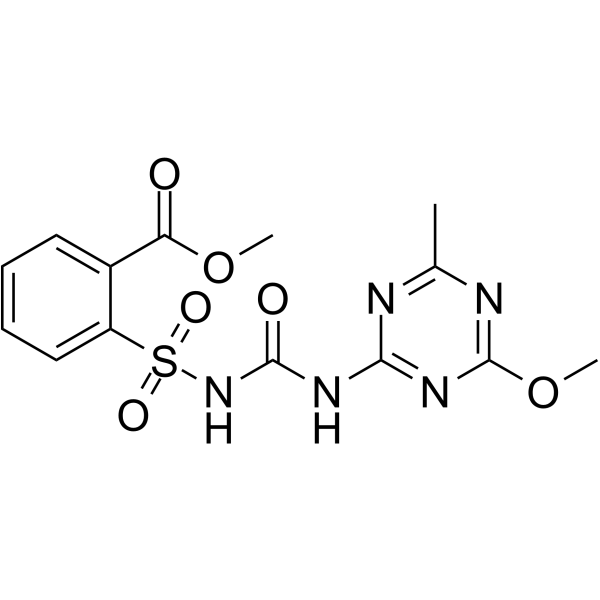
    Metsulfuron-methyl
    2 Publications Verification

    Environmental Pollutants Herbicide Others
    Metsulfuron-methyl is a systemic sulfonylurea herbicide that has been widely used to control broadleaf weeds and annual grasses in rice, corn, wheat, and barley. Metsulfuron-methyl exhibits high herbicidal activity and low mammalian toxicity, with an LD50 for rats exceeding 5000 mg/kg .
    Metsulfuron-methyl
  • HY-B1849

    Environmental Pollutants Herbicide Others
    Hexazinone is a triazinone herbicide with high mobility and persistence in soil. Hexazinone is mainly degraded by soil microorganisms, and its degradation and mineralization processes are significantly affected by soil texture (faster in clay loam) and application method (mixed application can improve its bioavailability and mineralization rate). Hexazinone exhibits mild to moderate acute oral toxicity and has significant eye irritation .
    Hexazinone
  • HY-145799A
    5A2-SC8 TFA
    1 Publications Verification

    Liposome Cancer
    5A2-SC8 TFA is an ionizable amino lipid in lipid nanoparticles (LNPs) that shows high delivery potential and low in vivo toxicity, enabling efficient delivery of small RNAs such as siRNA and miRNA into tumor cells. 5A2-SC8 TFA LNPs can confer a unique delivery fate of RNA within the liver, thereby changing the therapeutic outcomes in cancer models .
    5A2-SC8 TFA
  • HY-W008719S

    Mitochondrial Metabolism Neurological Disease
    MPP+-d3 (iodide) is deuterium labeled MPP+ (iodide). MPP+ iodide, a toxic metabolite of the neurotoxin MPTP, causes symptom of Parkinson's disease in animal models by selectively destroying dopaminergic neurons in substantia nigra. MPP+ iodide is taken up by the dopamine transporter into dopaminergic neurons where it exerts its neurotoxic action on mitochondria by affecting complex I of the respiratory chain. MPP+ iodide is also a high affinity substrate for the serotonin transporter (SERT) .
    MPP+-d3iodide
  • HY-P3912A

    Interleukin Related Infection
    Endotoxin inhibitor TFA is a synthetic peptide that binds lipid A with high affinity, thereby detoxifying LPS (HY-D1056) and preventing LPS-induced cytokine release in vivo. Endotoxin inhibitor TFA inhibits the febrile response to LPS with very low toxicity and lethality .
    Endotoxin inhibitor TFA
  • HY-P11153

    Estrogen Receptor/ERR Cancer
    HGH fragment 176-191 is a fragment of Human Growth Hormone. HGH fragment 176-191 binds with high affinity to Ki-67, MiB protein, and the estrogen receptor. HGH fragment 176-191 enhances the toxicity of Doxorubicin (HY-15142A)-loaded Chitosan nanoparticles against breast cancer .
    HGH fragment 176-191
  • HY-121935R

    Reference Standards Fungal Infection
    Tecnazene (Standard) is the analytical standard of Tecnazene. This product is intended for research and analytical applications. Tecnazene is a dinitroaromatic fungicide and plant growth regulator. Tecnazene binds irreversibly to human skin tissues and exhibits acute toxicity in Rattus norvegicus (brown rat). Tecnazene exerts sprouting-inhibiting and antifungal activities by inhibiting the sprouting of potato tuber buds and blocking the growth and reproduction of fungi that cause dry rot. Tecnazene has significant antifungal and sprouting-inhibiting activities, and shows high toxicity to aquatic organisms such as freshwater fish and crustaceans. Tecnazene is used for sprouting inhibition and dry rot control during potato storage .
    Tecnazene (Standard)
  • HY-120253

    BY-108330

    Environmental Pollutants Insecticide SOD Glutathione Peroxidase Carboxylesterase (CES) Infection Metabolic Disease
    Spirotetramat (BY-108330) is an orally active Insecticide and lipid biosynthesis inhibitor. Spirotetramat regulates the activities of superoxide dismutase (SOD) and glutathione peroxidase (GSH-Px), with short-term exposure increasing their activities and long-term exposure altering their activities. Spirotetramat induces the activity and mRNA expression of carboxylesterase (CarE). Spirotetramat induces oxidative stress and lipid peroxidation in tadpoles. Spirotetramat is toxic to amphibian tadpoles and exhibits sublethal/non-lethal toxicity to amphibians. Spirotetramat causes death in immature psyllids, aphids, scale insects, mealybugs, whiteflies and thrips, and shows a high lethal rate against Cacopsylla pyri nymphs. Spirotetramat reduces the fecundity of Aphis gossypii. Spirotetramat induces tolerance in the offspring of exposed Aphis gossypii, and acts on Myzus persicae, Bemisia tabaci and Tetranychus urticae .
    Spirotetramat
  • HY-N10349

    Others Infection
    Gluconasturtiin is a feeding activator for the larvae of P. maculipennis. High concentrations of gluconasturtiin is toxic to the larvae .
    Gluconasturtiin
  • HY-W088190

    Cyclohexyl ketone

    Drug Intermediate Biochemical Assay Reagents Others
    Dicyclohexyl ketone (Cyclohexyl ketone) is a toxic compound that causes toxic effects in rats at high doses, including death, decreased activity, staining of the fur on the lower body, reddening of the tears, and reproductive and developmental effects.
    Dicyclohexyl ketone
  • HY-172972

    Mitochondrial Metabolism Neurological Disease Inflammation/Immunology
    Mitochondrial-IN (C458) is a potent mitochondrial complex I inhibitor. Mitochondrial-IN demonstrates high protection against Aβ toxicity, favorable pharmacokinetics, and minimal off-target effects .
    Mitochondrial-IN-1
  • HY-B0935R

    Phenylmethyl benzoate (Standard)

    Reference Standards Parasite Endogenous Metabolite Angiotensin Receptor Bacterial Fungal Infection Cardiovascular Disease Inflammation/Immunology
    Benzyl benzoate (Standard) is the analytical standard of Benzyl benzoate. This product is intended for research and analytical applications. Benzyl benzoate (Phenylmethyl benzoate) is an orally active anti-scabies agent, acaricide (EC50= 0.06 g/m 2) and fungicide. Benzyl benzoate is an angiotensin II (Ang II) inhibitor with antihypertensive effects. Benzyl benzoate can be used in perfumes, pharmaceuticals and the food industry .
    Benzyl benzoate (Standard)

Inquiry Online

Your information is safe with us. * Required Fields.

Salutation


Country or Region *

Applicant Name *


Organization Name *

Department *


Email Address *


Product Name *

Cat. No.


Requested quantity *

Phone Number *


Remarks

Inquiry Online

Inquiry Information

Product Name:
Cat. No.:
Quantity:
MCE Japan Authorized Agent:

