


1. Search Result
Search Result
Results for "

Hypercholesterolemia

" in MedChemExpress (MCE) Product Catalog:

106

Inhibitors & Agonists

1

Screening Libraries

1

Biochemical Assay Reagents

9

Peptides

7

Inhibitory Antibodies

23

Natural
Products

2

Isotope-Labeled Compounds

10

Oligonucleotides

Cat. No. Product Name Target Research Areas Chemical Structure
  • HY-10358
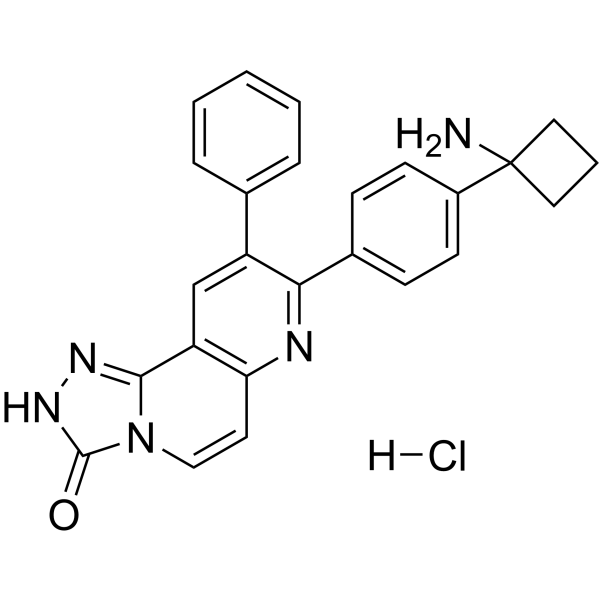
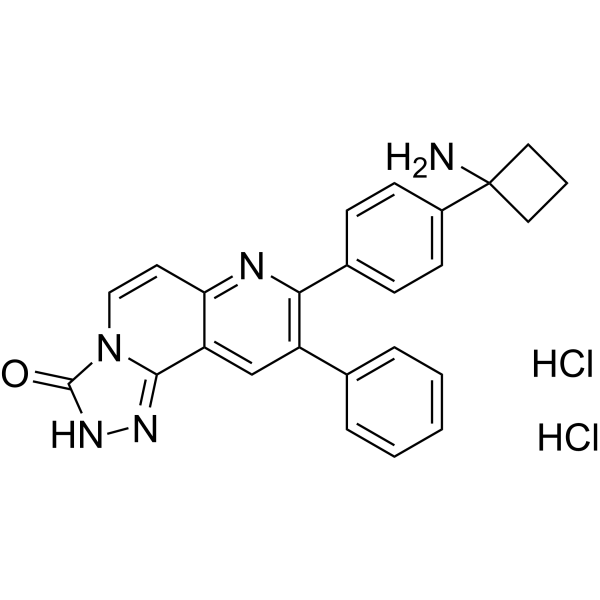
    MK-2206 dihydrochloride
    Maximum Cited Publications
    462 Publications Verification

    MK-2206 (2HCl)

    Bcl-2 Family Apoptosis mTOR Akt GSK-3 Cardiovascular Disease Inflammation/Immunology Cancer
    MK-2206 dihydrochloride (MK-2206 2HCl) is an orally active pan-AKT inhibitor, with IC50 values of 8 nM, 12 nM and 65 nM against AKT1, AKT2 and AKT3, respectively. MK-2206 dihydrochloride inhibits the Akt/mTOR signaling pathway and reduces the levels of downstream GSK3β and Mcl-1 via proteasomal degradation. MK-2206 dihydrochloride induces G1-phase cell cycle arrest, apoptosis, epithelial-mesenchymal transition, fibroblast activation and extracellular matrix deposition. MK-2206 dihydrochloride causes transient hyperglycemia and hyperinsulinemia in animals. MK-2206 dihydrochloride can be used in research related to solid tumors, renal fibrosis and hypercholesterolemia .
    MK-2206 dihydrochloride
  • HY-P9930
    Evolocumab
    3 Publications Verification

    AMG 145

    NF-κB Ser/Thr Protease Toll-like Receptor (TLR) Cardiovascular Disease Metabolic Disease Inflammation/Immunology Cancer
    Evolocumab (AMG 145) is a human monoclonal antibody that inhibits PCSK9. Evolocumab is used in the study of hypercholesterolemia and atherosclerotic cardiovascular disease. Evolocumab binds to circulating PCSK9 protein and inhibits its binding to LDLR. Evolocumab has antioxidant and cytoprotective activities against H2O2-induced oxidative damage to endothelial cells. Evolocumab may also negatively regulate activation of the TLR-4/NF-κB signaling pathway to prevent inflammation .
    Evolocumab
  • HY-148673
    Laroprovstat
    1 Publications Verification

    AZD0780; PCSK9-IN-12

    PCSK9 Cardiovascular Disease Metabolic Disease
    Laroprovstat (AZD0780) is an orall active PCSK9 inhibitor. PCSK9-IN-12 has bind affinity for PCSK9 with a Kd value of <200 nM. Laroprovstat binds to a pocket in the PCSK9 C-terminal domain and does not affect the PCSK9-LDL receptor (LDLR) interaction. Laroprovstat inhibits lysosomal trafficking of PSCK9-LDLR complexes and prevents PCSK9-induced LDLR degradation. Laroprovstat can be used for the research of hypercholesterolemia .
    Laroprovstat
  • HY-108232
    MK-2206
    Maximum Cited Publications
    462 Publications Verification

    Bcl-2 Family Apoptosis mTOR Akt GSK-3 Metabolic Disease Inflammation/Immunology Cancer
    MK-2206 is an orally active pan-AKT inhibitor, with IC50 values of 8 nM, 12 nM and 65 nM against AKT1, AKT2 and AKT3, respectively. MK-2206 inhibits the Akt/mTOR signaling pathway and reduces the levels of downstream GSK3β and Mcl-1 via proteasomal degradation. MK-2206 induces G1-phase cell cycle arrest, apoptosis, epithelial-mesenchymal transition, fibroblast activation and extracellular matrix deposition. MK-2206 causes transient hyperglycemia and hyperinsulinemia in animals. MK-2206 can be used in research related to solid tumors, renal fibrosis and hypercholesterolemia .
    MK-2206
  • HY-P99187

    PF-04950615; RN316

    PCSK9 Cardiovascular Disease Metabolic Disease
    Bococizumab (PF-04950615) is an anti-human PCSK9 inhibitory antibody that reduces LDL cholesterol levels. Bococizumab can be used in the research of hypercholesterolemia .
    Bococizumab
  • HY-P4153

    MK-0616 chloride

    PCSK9 Cardiovascular Disease
    Enlicitide chloride is an orally active inhibitor for PCSK9 that blocks the interaction between LPL receptor and PSCK9, with an IC50 of 2.5 nM. Enlicitide chloride can be used in the study of cardiovascular diseases such as atherosclerosis, hypercholesterolemia, coronary heart disease, metabolic syndrome, acute coronary syndrome or related cardiovascular and cardiometabolic disorders .
    Enlicitide chloride
  • HY-111431
    p-Cresyl sulfate
    Maximum Cited Publications
    6 Publications Verification

    p-Tolyl sulfate

    JNK p38 MAPK Reactive Oxygen Species (ROS) Metabolic Disease
    p-Cresyl sulfate (p-Tolyl sulfate) is a uremic toxin, that can cause renal damage and dysfunction. p-Cresyl sulfate shows antiproliferation activity. p-Cresyl sulfate increases the protein expression of HIF-1α and VHL, decreases the protein expression of HIF-2α. p-Cresyl sulfate induces epithelial-mesenchymal transition (EMT). p-Cresyl sulfate activates the JNK and p38 MAPK signaling pathways .
    p-Cresyl sulfate
  • HY-134124

    Reactive Oxygen Species (ROS) Metabolic Disease
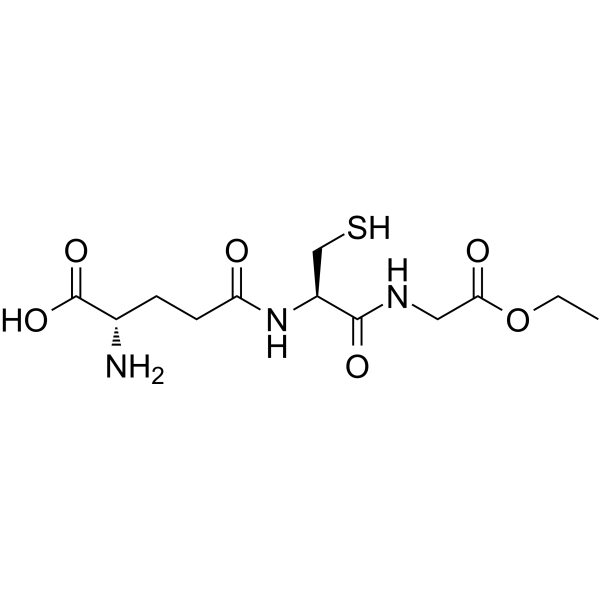
    Glutathione ethyl ester is a cell-permeable GSH donor and provides an efficient supply of GSH to the oocyte. Glutathione ethyl ester shows positive effect on the in vitro production of embryos by enhancement of the antioxidative defense .
    Glutathione ethyl ester
  • HY-108764
    Mipomersen sodium
    2 Publications Verification

    ISIS 301012

    Apolipoprotein HCV Metabolic Disease
    Mipomersen sodium (ISIS 301012) is an antisense oligonucleotide inhibitor of apolipoprotein B (apoB). Mipomersen has anti-HCV effect and reduces the infectivity of the HCV. Mipomersen sodium can be used for the research of homozygous familial hypercholesterolemia (HoFH) .
    Mipomersen sodium
  • HY-P9928
    Alirocumab
    1 Publications Verification

    REGN 727; SAR 236553

    PCSK9 NOD-like Receptor (NLR) Keap1-Nrf2 HMG Family NF-κB CX3CR1 Cardiovascular Disease Cancer
    Alirocumab is an anti-PCSK9 human monoclonal antibody. Alirocumab inhibits PCSK9. Alirocumab reduces NLRP3 inflammasome, regulates Nrf2/HO-1, HMGB1/NF-κB and Fractalkine/CX3CR1. Alirocumab increases the ability of the liver to bind LDL-cholesterol (LDL-C) and reduces levels of LDL-C in blood. Alirocumab improves atherosclerosis and inflammation .
    Alirocumab
  • HY-16274
    Lapaquistat acetate
    1 Publications Verification

    TAK-475

    Farnesyl Transferase Metabolic Disease
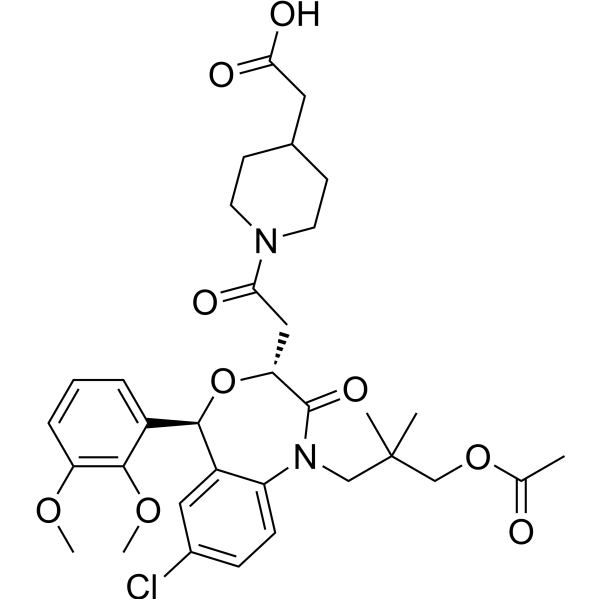
    Lapaquistat acetate (TAK-475) is a squalene synthase inhibitor, blocking the conversion of farnesyl diphosphate (FPP) to squalene in the cholesterol biosynthesis pathway . Lapaquistat acetate is effective at lowering low-density lipoprotein cholesterol, but it might cause liver damage. Lapaquistat acetate is used for hypercholesterolemia and mevalonate kinase deficiency (MKD) research .
    Lapaquistat acetate
  • HY-N0513

    Reactive Oxygen Species (ROS) Phosphatase NF-κB Keap1-Nrf2 Metabolic Disease Inflammation/Immunology
    Loganic acid is an iridoid isolated from cornelian cherry fruits. Loganic acid inhibits NF-κB signaling pathway, activates Nrf2 signaling pathway, exhibits anti-inflammatory activity. Loganic acid can modulate diet-induced atherosclerosis and redox status. Loganic acid has strong free radical scavenging activity and remarkable cyto-protective effect against heavy metal mediated toxicity. Loganic acid is orally active .
    Loganic acid
  • HY-114456
    Ganglioside GM3
    2 Publications Verification

    Insulin Receptor Metabolic Disease
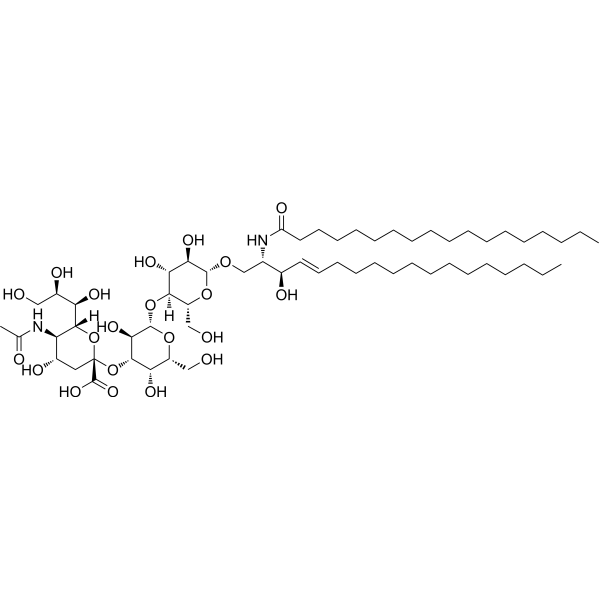
    Ganglioside GM3 is a precursor of a-, b-, and c-series gangliosides, interacts with transmembrane receptors such as the epidermal growth factor and insulin receptors, and regulates receptor functions by creating a specialized lipid environment. Ganglioside GM3 is synthesized by GM3 synthase and can be used for the research of hypercholesterolemia .
    Ganglioside GM3
  • HY-150223
    GalNAc unconjugated/naked Inclisiran
    1 Publications Verification

    PCSK9 Small Interfering RNA (siRNA) Cardiovascular Disease
    GalNAc unconjugated/naked Inclisiran is a double-stranded small interfering RNA molecule that targets hepatic PCSK9 production to reduce LDL-C levels. GalNAc unconjugated/naked Inclisiran can be used in the research of cardiovascular diseases and hypercholesterolemia .
    GalNAc unconjugated/naked Inclisiran
  • HY-100313A
    YM-53601
    5 Publications Verification

    Farnesyl Transferase HCV Infection Metabolic Disease
    YM-53601, a squalene synthase inhibitor, reduces plasma cholesterol and triglyceride levels in vivo . YM-53601 inhibits squalene synthase derived from human hepatoma cells with an IC50 of 79 nM. Lipid-lowering agent . YM-53601 is also an inhibitor of farnesyl-diphosphate farnesyltransferase 1 (FDFT1) enzyme activity and abrogates HCV propagation .
    YM-53601
  • HY-106539

    FXR G protein-coupled Bile Acid Receptor 1 GLP Receptor Metabolic Disease Cancer
    Colesevelam hydrochloride is an orally active bile acid sequestrant, lipid-lowering agent, and glycemic control agent. Colesevelam hydrochloride binds bile acids in the gastrointestinal tract to form nonabsorbable complexes, interrupts enterohepatic recirculation and increases fecal bile acid elimination. Colesevelam hydrochloride modulates FXR, TGR5, and Cyp7a1 activity and triggers cAMP signaling and GLP-1 release. Colesevelam hydrochloride alters hepatic lipid and glucose metabolism, suppresses hepatic glycogenolysis, reduces hepatic triglyceride and cholesterol levels, and increases LDL-C (low-density lipoprotein cholesterol) clearance. Colesevelam hydrochloride can be used for the research of type 2 diabetes mellitus, hypercholesterolemia, and alcohol-related liver disease .
    Colesevelam hydrochloride
  • HY-148647
    Mipomersen
    2 Publications Verification

    ISIS 301012 free base

    Apolipoprotein HCV Infection
    Mipomersen (ISIS 301012 free base) is an antisense oligonucleotide inhibitor of apolipoprotein B (apoB). Mipomersen has anti-HCV effect and reduces the infectivity of the HCV. Mipomersen can be used for the research of homozygous familial hypercholesterolemia (HoFH) .
    Mipomersen
  • HY-P9928A
    Alirocumab (anti-PCSK9)
    1 Publications Verification

    REGN 727(anti-PCSK9); SAR 236553(anti-PCSK9)

    PCSK9 NOD-like Receptor (NLR) Keap1-Nrf2 HMG Family NF-κB CX3CR1 Cardiovascular Disease Cancer
    Alirocumab (anti-PCSK9) is an anti-PCSK9 human monoclonal antibody. Alirocumab (anti-PCSK9) inhibits PCSK9. Alirocumab (anti-PCSK9) reduces NLRP3 inflammasome, regulates Nrf2/HO-1, HMGB1/NF-κB and Fractalkine/CX3CR1. Alirocumab (anti-PCSK9) increases the ability of the liver to bind LDL-cholesterol (LDL-C) and reduces levels of LDL-C in blood. Alirocumab (anti-PCSK9) improves atherosclerosis and inflammation .
    Alirocumab (anti-PCSK9)
  • HY-W018791
    Bifendate
    2 Publications Verification

    DDB

    HBV Autophagy Cytochrome P450 Atg8/LC3 p62 P-glycoprotein Infection Cardiovascular Disease Cancer
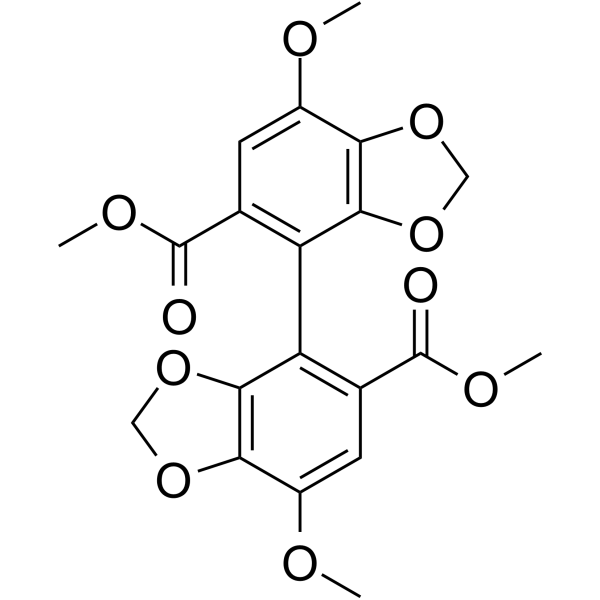
    Bifendate (DDB), extracted from Schisandrae chinensis, is an orally active anti-HBV agent against chronic hepatitis B. Bifendate inhibits ATG5-dependent autophagy and attenuates oleic acid-induced lipid accumulation with anti-oxidant properties in vitro. Bifendate can decrease alanine transaminase (ALT) level in mice. Bifendate attenuates hepatic steatosis in cholesterol/bile salt- and high-fat diet-induced hypercholesterolemia in mice. Bifendate potently increases the activity of cytochrome proteins (CYPs) and reverse P-gp-mediated multi-drug resistance (MDR) .
    Bifendate
  • HY-117832
    Pyripyropene A
    1 Publications Verification

    Acyltransferase Infection Cardiovascular Disease Inflammation/Immunology
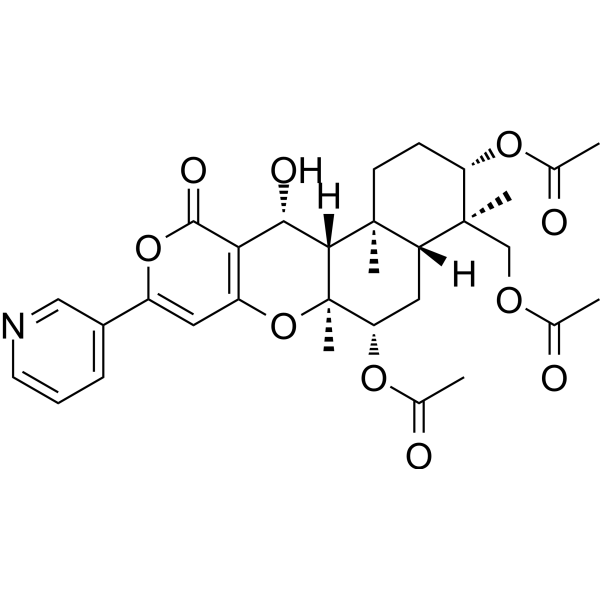
    Pyripyropene A is an orally active, potent and selective sterol O-acyltransferase 2 (SOAT2)/acyl-coenzyme A:cholesterol acyltransferase 2 (ACAT2) inhibitor, with an IC50 of 0.07 µM. Pyripyropene A attenuates hypercholesterolemia and atherosclerosis in vivo .
    Pyripyropene A
  • HY-148687A

    PCSK9 Cardiovascular Disease
    SPC5001 sodium is a locked nucleic acid (LNA)-modifed antisense oligonucleotide (ASO) complementary to human PCSK9 (proprotein convertase subtilisin/kexin type 9) mRNA. SPC5001 sodium can be used for the research of hypercholesterolemia. SPC5001 sodium sequence: 5′-TGmCTACAAAACmCmCA-3′ .
    SPC5001 sodium
  • HY-143613

    Thyroid Hormone Receptor Metabolic Disease
    THR-β agonist 2 is a potent agonist of THR-β. THR-β agonist 2 has the potential for the research of metabolic diseases such as obesity, hyperlipidemia, hypercholesterolemia, diabetes and other conditions such as steatosis and non-alcoholic steatohepatitis (NASH), atherosclerosis and other related conditions and diseases (extracted from patent WO2021121210A1, compound 3) .
    THR-β agonist 2
  • HY-W007347

    Biochemical Assay Reagents LDLR Cardiovascular Disease Metabolic Disease
    1,2-Cyclohexanedione is an arginine modification reagent. 1,2-Cyclohexanedione interferes with the degradation of low-density lipoprotein by modifying the arginine group in apolipoprotein. 1,2-Cyclohexanedione can be used in the research of familial hypercholesterolemia .
    1,2-Cyclohexanedione
  • HY-164236

    Endogenous Metabolite Metabolic Disease
    C22 Glucosylceramide (d18:1/22:0) is a bioactive sphingolipid composed of a d18:1 sphingoid base and a 22:0 fatty acid chain. C22 Glucosylceramide (d18:1/22:0) specifically exists in Doxorubicin (HY-15142A)-sensitive cancer cells, and its circulating concentration is positively correlated with the incidence of cardiovascular events. C22 Glucosylceramide (d18:1/22:0) has been widely used in research related to cardiovascular diseases, hypercholesterolemia, metabolic syndrome, breast adenocarcinoma and other fields .
    C22 Glucosylceramide (d18:1/22:0)
  • HY-A0152

    D-T4

    Endogenous Metabolite Metabolic Disease
    D-Thyroxine (D-T4) is an orally active thyroid hormone that inhibits the secretion of TSH. D-Thyroxine can inhibit goiter, promote metamorphosis of tadpoles and influence cholesterol metabolism. D-Thyroxine can be used for the study of hypercholesterolemia .
    D-Thyroxine
  • HY-125544

    Agisterol

    LDLR Metabolic Disease
    LY 295427 is a LDL receptor modulator and a hypocholesterolemic agent. LY 295427 derepresses the transcription of the LDLR (LDL Receptor). LY 295427 can be used for hypercholesterolemia research .
    LY 295427
  • HY-100401

    CS-505 free base

    Acyltransferase Cardiovascular Disease
    Pactimibe (CS-505 free base) is a dual ACAT1/2 inhibitor with IC50s of 4.9 μM and 3.0 μM, respectively. Pactimibe (CS-505 free base) inhibits ACAT with IC50s of 2.0 μM, 2.7 μM, 4.7 μM in the liver, macrophages and THP-1 cells, respectively . Pactimibe (CS-505 free base) noncompetitively inhibits oleoyl-CoA with a Ki value of 5.6 μM. Moreover, Pactimibe (CS-505 free base) obviously inhibits cholesteryl ester formation with an IC50 of 6.7 μM. Pactimibe (CS-505 free base) possesses anti-atherosclerotic potential with lowering plasma cholesterol activity .
    Pactimibe
  • HY-P99822

    SHR-1209

    PCSK9 Metabolic Disease
    Recaticimab (SHR-1209) is a humanized IgG1 mAb that selectively targets PCSK9. Recaticimab reduces low-density lipoprotein cholesterol (LDL-C), non-high-density lipoprotein cholesterol (non-HDL-C), apolipoprotein B (ApoB), triglyceride (TG), and lipoprotein(a) levels. Recaticimab can be used for hyperlipidemia research .
    Recaticimab
  • HY-W015806

    Endogenous Metabolite Metabolic Disease
    3-Pyridineacetic acid is an orally active nicotinic acid analog. 3-Pyridineacetic acid enhances cholesterol oxidation in rat liver mitochondria. 3-Pyridineacetic acid inhibits Triton-induced hypercholesterolemia in rats. 3-Pyridineacetic acid can be used in research related to hypercholesterolemia .
    3-Pyridineacetic acid
  • HY-150151A

    LYTACs Cardiovascular Disease
    GalNac-siRNA negative control (21nt) is the negative control form of GalNac-siRNA. GalNac-siRNA is an Asialoglycoprotein receptor (ASGPR)-targeted inhibitor conjugate. GalNac-siRNA is promising for research of hereditary transthyretin amyloidosis, acute hepatic porphyria, hemophilia and hypercholesterolemia .
    GalNac-siRNA negative control (21nt)
  • HY-122439

    Mevinolinic acid; MSD803

    HMG-CoA Reductase (HMGCR) Drug Metabolite Metabolic Disease
    Lovastatin acid (Mevinolinic acid; MSD803), an active metabolite of Lovastatin (HY-N0504), is a potent competitive HMG-CoA reductase inhibitor with a Ki of 0.6 nM. Lovastatin acid acts as a competitive inhibitor with respect to substrate HMG-CoA, interfering cholesterol synthesis. Lovastatin acid can be used for the research of hypercholesterolemia .
    Lovastatin acid
  • HY-100401A

    CS-505

    Acyltransferase Cardiovascular Disease
    Pactimibe sulfate (CS-505) is a dual ACAT1/2 inhibitor with IC50s of 4.9 μM and 3.0 μM, respectively. Pactimibe sulfate (CS-505) inhibits ACAT with IC50s of 2.0 μM, 2.7 μM, 4.7 μM in the liver, macrophages and THP-1 cells, respectively . Pactimibe sulfate (CS-505) noncompetitively inhibits oleoyl-CoA with a Ki value of 5.6 μM. Moreover, Pactimibe sulfate (CS-505) obviously inhibits cholesteryl ester formation with an IC50 of 6.7 μM. Pactimibe sulfate (CS-505) possesses anti-atherosclerotic potential with lowering plasma cholesterol activity .
    Pactimibe sulfate
  • HY-W004580

    MOFs Cardiovascular Disease
    5,5'-Dicarboxy-2,2'-bipyridine is a niacin derivative, which is promising for research of hypercholesterolemia, hyperlipidemia, and cardiovascular disease .
    5,5'-Dicarboxy-2,2'-bipyridine
  • HY-106281

    PPD 10558

    HMG-CoA Reductase (HMGCR) Metabolic Disease
    Bemfivastatin (PPD 10558) is an orally active HMG-CoA Reductase (HMGCR) inhibitor. Bemfivastatin enhances the activity of liver extraction and reduces blood lipid levels. Bemfivastatin can be used for research of metabolic disease, such as hypercholesterolemia .
    Bemfivastatin
  • HY-Y0308D

    Disodium hydrogen phosphate, meets analytical specification of Ph. Eur. BP USP FCC E339

    Biochemical Assay Reagents Endocrinology
    Sodium phosphate dibasic (Disodium hydrogen phosphate), meets analytical specification of Ph. Eur. BP USP FCC E339 is an inorganic dibasic phosphate that functions as an electrolyte supplement, a buffer carrier for injectable drugs, while also exhibiting nephrotoxicity. Sodium phosphate dibasic, meets analytical specification of Ph. Eur. BP USP FCC E339 induces extensive nephrotic syndrome-like changes, including systemic symptoms such as persistent proteinuria, lipemia, hypercholesterolemia, and anemia, and causes severe renal pathological alterations such as renal enlargement, glomerular calcification, podocyte injury, and tubulointerstitial lesions. Sodium phosphate dibasic, meets analytical specification of Ph. Eur. BP USP FCC E339 has the ability to induce phosphate-induced nephropathy and glomerular calcification, and can be widely used in studies on nephrotic syndrome and related renal pathological mechanisms .
    Sodium phosphate dibasic, meets analytical specification of Ph. Eur. BP USP FCC E339
  • HY-169813

    Acyltransferase Cardiovascular Disease
    Yakuchinone B is an Acyl-CoA: cholesterol O-acyltransferase (ACAT) inhibitor with hypocholesterolemic activity, which is found in the seeds of Zingiberaceae. Yakuchinone B inhibits rat hepatic ACAT with an IC50 value of 20.6 μM. Yakuchinone B is promising for research of hypercholesterolemia and atherosclerosis .
    Yakuchinone B
  • HY-P99696

    LIB003

    PCSK9 Cardiovascular Disease Metabolic Disease
    Lerodalcibep (LIB003) is a recombinant fusion protein of a PCSK9-binding domain (adnectin) and human serum albumin. Lerodalcibep is a Lipid-lowering agent. Lerodalcibep can be used for the research of hypercholesterolemia and cardiovascular diseases .
    Lerodalcibep
  • HY-P11071

    PCSK9 Cardiovascular Disease
    PCSK9 Inhibitor, EGF-A is a PCSK9 inhibitor. PCSK9 Inhibitor, EGF-A is residues 293-334 of the EGF-A domain of the low-density lipoprotein (LDL) receptor. PCSK9 Inhibitor, EGF-A can prevent PCSK9-induced intracellular LDLR degradation. PCSK9 Inhibitor, EGF-A can be used in the study of hypercholesterolemia and premature atherosclerosis .
    PCSK9 Inhibitor, EGF-A
  • HY-Y0106

    mTOR Xanthine Oxidase Apoptosis Cardiovascular Disease Metabolic Disease Inflammation/Immunology
    2,6-Dihydroxyacetophenone, a polyphenolic derivative of Acetophenone (HY-Y0989), is an orally active mTOR inhibitor. 2,6-Dihydroxyacetophenone shows antioxidant activity. 2,6-Dihydroxyacetophenone inhibits cell growth and proliferation in CRC cells. 2,6-Dihydroxyacetophenone arrests at G0/G1 phase of cell cycle, induces apoptosis and suppresses cell migration in CRC cells. 2,6-Dihydroxyacetophenone inhibits xanthine oxidase (XOD) with an IC50 of 1.24 mM. 2,6-dihydroxyacetophenone improves uric acid metabolism in hyperuricemia mice, reduces plasma cholesterol in hypercholesterolemic rats, and inhibits lipid accumulation in HFD-induced obese mice. 2,6-Dihydroxyacetophenone can be used for the study of colorectal cancer (CRC), hyperuricemia and hypercholesterolemia .
    2,6-Dihydroxyacetophenone
  • HY-149310

    PCSK9 HMG-CoA Reductase (HMGCR) Metabolic Disease
    Dim16 is a dual PCSK9 inhibitor and HMG-CoAR inhibitor, with an IC50 of 0.8 nM against human PCSK9 and an IC50 of 146.8 μM against HMG-CoAR. Dim16 disrupts the PCSK9-LDLR protein-protein interaction, inhibits the catalytic activity of HMG-CoAR, enhances cellular uptake of extracellular LDL, and suppresses PCSK9-induced platelet aggregation. Dim16 can be used in research related to hypercholesterolemia .
    Dim16
  • HY-148687

    PCSK9 Cardiovascular Disease
    SPC5001 is a locked nucleic acid (LNA)-modifed antisense oligonucleotide (ASO) complementary to human PCSK9 (proprotein convertase subtilisin/kexin type 9) mRNA. SPC5001 can be used for the research of hypercholesterolemia. SPC5001 sequence: 5′-TGmCTACAAAACmCmCA-3′ .
    SPC5001
  • HY-148626

    PCSK9 Metabolic Disease
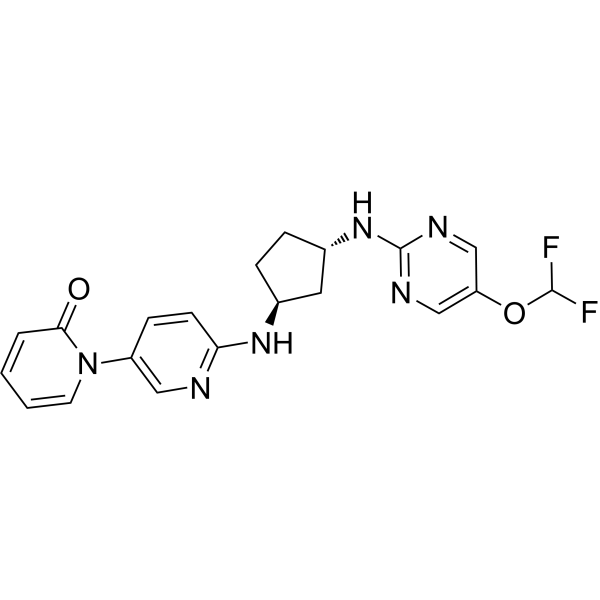
    CVI-LM001 is an inhibitor PCSK 9. CVI-LM001 inhibits the interaction of PCSK9 with low-density lipoprotein receptor (LDLR), regulates the level of low-density lipoprotein cholesterol (LDL-C) in the blood, and exhibits lipid-lowering efficacy .
    CVI-LM001
  • HY-N11785

    Estrogen Receptor/ERR Metabolic Disease Cancer
    Glyceollin I is a selective estrogen receptor (ER) modulator with anticancer, antioxidant, and anti-inflammatory activities. Glyceollin I is promising for research of estrogen-related cancers (e.g., breast, ovarian) and metabolic disorders (e.g., hypercholesterolemia) .
    Glyceollin I
  • HY-11088

    HMG-CoA Reductase (HMGCR) Metabolic Disease
    PF-3052334 is an orally active, hepatically selective HMG-CoA reductase inhibitor with an IC50 of 1.9 nM. PF-3052334 inhibits cholesterol synthesis, with IC50 values ​​of 0.9 and 730 nM in hepatocytes and muscle cells, respectively. PF-3052334 can be used to study hypercholesterolemia .
    PF-3052334
  • HY-111431AR

    p-Tolyl sulfate potassium (Standard)

    JNK p38 MAPK Reactive Oxygen Species (ROS) Reference Standards Metabolic Disease
    p-Cresyl sulfate (potassium) (Standard) is the analytical standard of p-Cresyl sulfate (potassium). This product is intended for research and analytical applications. p-Cresyl sulfate (p-Tolyl sulfate) potassium is a uremic toxin, that can cause renal damage and dysfunction. p-Cresyl sulfate potassium shows antiproliferation activity. p-Cresyl sulfate potassium increases the protein expression of HIF-1α and VHL, decreases the protein expression of HIF-2α. p-Cresyl sulfate potassium induces epithelial-mesenchymal transition (EMT). p-Cresyl sulfate potassium activates the JNK and p38 MAPK signaling pathways .
    p-Cresyl sulfate potassium (Standard)
  • HY-100313

    Farnesyl Transferase HCV Metabolic Disease
    YM-53601 free base, a squalene synthase inhibitor, reduces plasma cholesterol and triglyceride levels in vivo . YM-53601 free base inhibits squalene synthase derived from human hepatoma cells with an IC50 of 79 nM. Lipid-lowering agent . YM-53601 free base is also an inhibitor of farnesyl-diphosphate farnesyltransferase 1 (FDFT1) enzyme activity and abrogates HCV propagation .
    YM-53601 free base
  • HY-10357

    Akt mTOR Apoptosis GSK-3 Bcl-2 Family Metabolic Disease Inflammation/Immunology Cancer
    MK-2206 free base is an orally active pan-AKT inhibitor, with IC50 values of 8 nM, 12 nM and 65 nM against AKT1, AKT2 and AKT3, respectively. MK-2206 free base inhibits the Akt/mTOR signaling pathway and reduces the levels of downstream GSK3β and Mcl-1 via proteasomal degradation. MK-2206 free base induces G1-phase cell cycle arrest, apoptosis, epithelial-mesenchymal transition, fibroblast activation and extracellular matrix deposition. MK-2206 free base causes transient hyperglycemia and hyperinsulinemia in animals. MK-2206 free base can be used in research related to solid tumors, renal fibrosis and hypercholesterolemia .
    MK-2206 free base
  • HY-164236S

    Isotope-Labeled Compounds Endogenous Metabolite Metabolic Disease
    C22 Glucosylceramide (d18:1/22:0)-d4 is deuterium labeled C22 Glucosylceramide (d18:1/22:0) (HY-164236). C22 Glucosylceramide (d18:1/22:0) is a bioactive sphingolipid composed of a d18:1 sphingoid base and a 22:0 fatty acid chain. C22 Glucosylceramide (d18:1/22:0) specifically exists in Doxorubicin (HY-15142A)-sensitive cancer cells, and its circulating concentration is positively correlated with the incidence of cardiovascular events. C22 Glucosylceramide (d18:1/22:0) has been widely used in research related to cardiovascular diseases, hypercholesterolemia, metabolic syndrome, breast adenocarcinoma and other fields .
    C22 Glucosylceramide (d18:1/22:0)-d4
  • HY-126871

    Farnesyl Transferase Metabolic Disease Cancer
    Zaragozic acid D2 is the inhibitor for squalene synthase and Ras farnesyl-protein transferase (Ras FPTase), with IC50 of 2 nM and 100 nM, respectively. Zaragozic acid D2 is potentially ameliorating hypercholesterolemia and Ras-induced cancer .
    Zaragozic acid D2
  • HY-106281A

    PPD 10558 hemicalcium

    HMG-CoA Reductase (HMGCR) Metabolic Disease
    Bemfivastatin (PPD 10558) hemicalcium is an orally active HMG-CoA Reductase (HMGCR) inhibitor. Bemfivastatin hemicalcium enhances the activity of liver extraction and reduces blood lipid levels. Bemfivastatin hemicalcium can be used for research of metabolic disease, such as hypercholesterolemia .
    Bemfivastatin hemicalcium

Inquiry Online

Your information is safe with us. * Required Fields.

Salutation


Country or Region *

Applicant Name *


Organization Name *

Department *


Email Address *


Product Name *

Cat. No.


Requested quantity *

Phone Number *


Remarks

Inquiry Online

Inquiry Information

Product Name:
Cat. No.:
Quantity:
MCE Japan Authorized Agent:

