1477 Results for "

Kinase selectivity

" in MedChemExpress (MCE) Product Catalog:
Products (1477)

1477 Results for "Kinase selectivity" in MCE Product Catalog:

407
407 Publications Verification
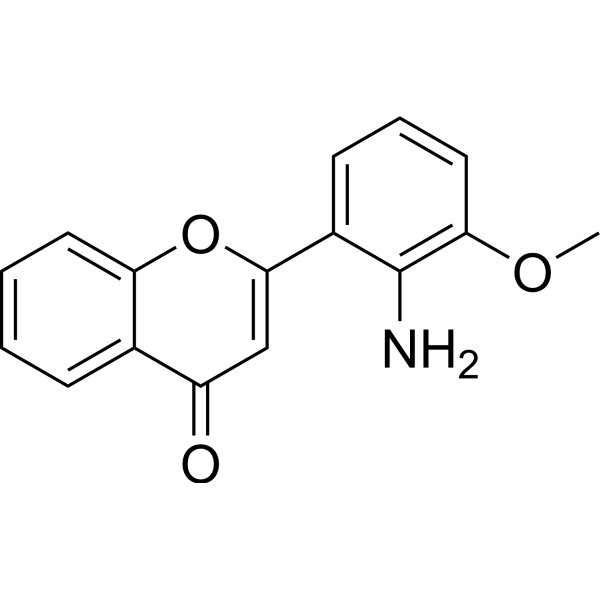
Cat. No.: HY-12028
CAS No.: 167869-21-8
Purity:  98.89%
Research Areas:  

Cancer

PD98059 is a potent and selective MEK inhibitor with an IC50 of 5 µM. PD98059 binds to the inactive form of MEK, thereby preventing the activation of MEK1 (IC50 of 2-7 µM) and MEK2 (IC50 of 50 µM) by upstream kinases. PD98059 is a ERK1/2 signaling inhibitor. PD98059 is a ligand for the aryl hydrocarbon receptor (AHR), and suppresses TCDD binding (IC50 of 4 μM) and AHR transformation (IC50 of 1 μM). PD98059 also inhibits Mycobacterium bovis Bacillus CalmetteGuerin (BCG)-induced autophagy .
loading...
    loading...
315
315 Cited Publications
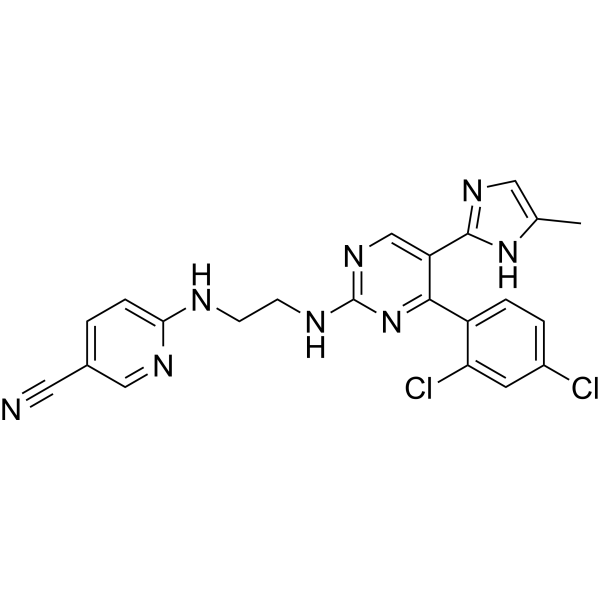
Cat. No.: HY-10182
CAS No.: 252917-06-9
Purity:  99.43%
Synonyms: CHIR-99021; CT99021
Research Areas:  

Metabolic Disease Cancer

Laduviglusib (CHIR-99021) is a potent, selective and orally active GSK-3α/β inhibitor with IC50s of 10 nM and 6.7 nM. Laduviglusib shows >500-fold selectivity for GSK-3 over CDC2, ERK2 and other protein kinases. Laduviglusib is also a potent Wnt/β-catenin signaling pathway activator. Laduviglusib enhances mouse and human embryonic stem cells self-renewal. Laduviglusib induces autophagy .
loading...
    loading...
315
315 Cited Publications
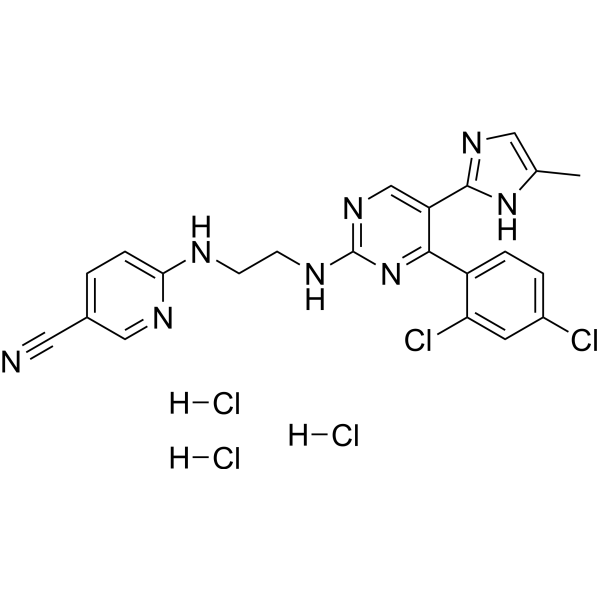
Cat. No.: HY-10182B
CAS No.: 1782235-14-6
Purity:  99.07%
Synonyms: CHIR-99021 trihydrochloride; CT99021 trihydrochloride
Research Areas:  

Cancer

Laduviglusib (CHIR-99021) trihydrochloride is a potent and selective GSK-3α/β inhibitor with IC50s of 10 nM and 6.7 nM. Laduviglusib trihydrochloride shows >500-fold selectivity for GSK-3 over CDC2, ERK2 and other protein kinases. Laduviglusib trihydrochloride is also a potent Wnt/β-catenin signaling pathway activator. Laduviglusib trihydrochloride enhances mouse and human embryonic stem cells self-renewal. Laduviglusib trihydrochloride induces autophagy .
loading...
    loading...
315
315 Cited Publications
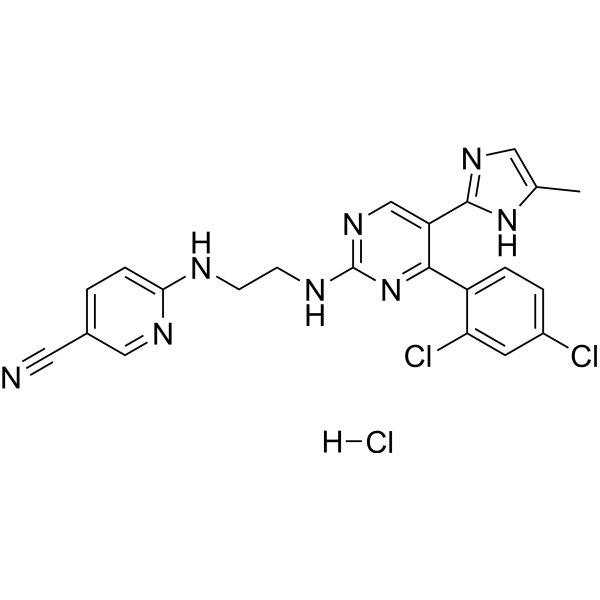
Cat. No.: HY-10182A
CAS No.: 1797989-42-4
Purity:  99.93%
Synonyms: CHIR-99021 monohydrochloride; CT99021 monohydrochloride
Research Areas:  

Cancer

Laduviglusib (CHIR-99021) monohydrochloride is a potent and selective GSK-3α/β inhibitor with IC50s of 10 nM and 6.7 nM. Laduviglusib monohydrochloride shows >500-fold selectivity for GSK-3 over CDC2, ERK2 and other protein kinases. Laduviglusib monohydrochloride is also a potent Wnt/β-catenin signaling pathway activator. Laduviglusib monohydrochloride enhances mouse and human embryonic stem cells self-renewal. Laduviglusib monohydrochloride induces autophagy .
loading...
    loading...
307
307 Cited Publications
Cat. No.: HY-10201
CAS No.: 284461-73-0
Purity:  99.92%
Synonyms: Bay 43-9006
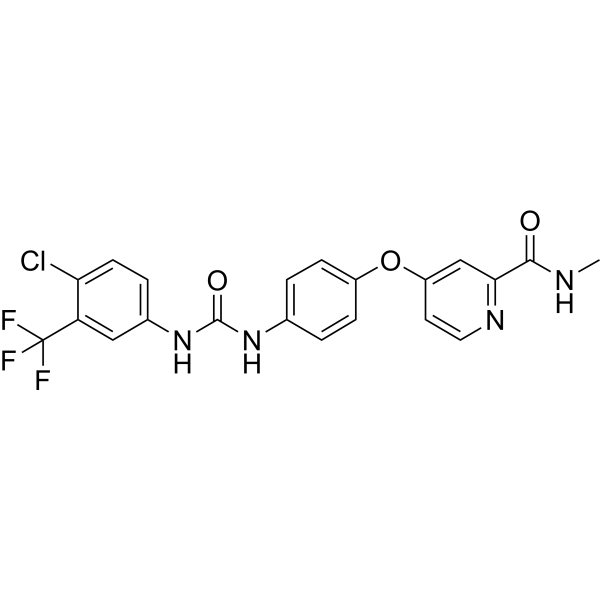
Sorafenib (Bay 43-9006) is a potent oral active multikinase inhibitor. Sorafenib blocks autophosphorylation and activity of receptor tyrosine kinases (VEGFR-2, VEGFR-3) and RAF family kinases, thereby suppressing the RAF/MEK/ERK and PI3K/Akt pathways, inhibiting STAT3 phosphorylation, and selectively inhibiting the MAPK pathway in cancer cells. Sorafenib induces cell cycle arrest, autophagy, apoptosis, and PARP cleavage, reduces Bcl-2, Bcl-XL, cyclin D1 levels, and activates Bak and Bax. Sorafenib inhibits tumor growth and metastasis in mouse and rat models. Sorafenib can be used for cancer research, such as colon, breast, non-small-cell lung cancer (NSCLC), ovarian, pancreatic, melanoma, colorectal and hepatocellular carcinoma .
loading...
    loading...
307
307 Cited Publications
Cat. No.: HY-10201A
CAS No.: 475207-59-1
Purity:  99.75%
Synonyms: Bay 43-9006 tosylate
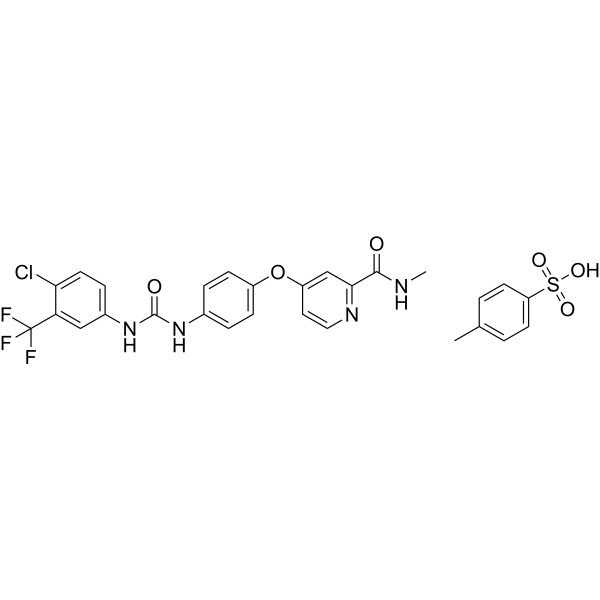
Sorafenib (Bay 43-9006) tosylate is a potent oral active multikinase inhibitor. Sorafenib blocks autophosphorylation and activity of receptor tyrosine kinases (VEGFR-2, VEGFR-3) and RAF family kinases, thereby suppressing the RAF/MEK/ERK and PI3K/Akt pathways, inhibiting STAT3 phosphorylation, and selectively inhibiting the MAPK pathway in cancer cells. Sorafenib tosylate induces cell cycle arrest, autophagy, apoptosis, and PARP cleavage, reduces Bcl-2, Bcl-XL, cyclin D1 levels, and activates Bak and Bax. Sorafenib tosylate inhibits tumor growth and metastasis in mouse and rat models. Sorafenib tosylate can be used for cancer research, such as colon, breast, non-small-cell lung cancer (NSCLC), ovarian, pancreatic, melanoma, colorectal and hepatocellular carcinoma .
loading...
    loading...
227
227 Cited Publications
Cat. No.: HY-15141
CAS No.: 62996-74-1
Purity:  99.52%
Synonyms: Antibiotic AM-2282; STS; AM-2282
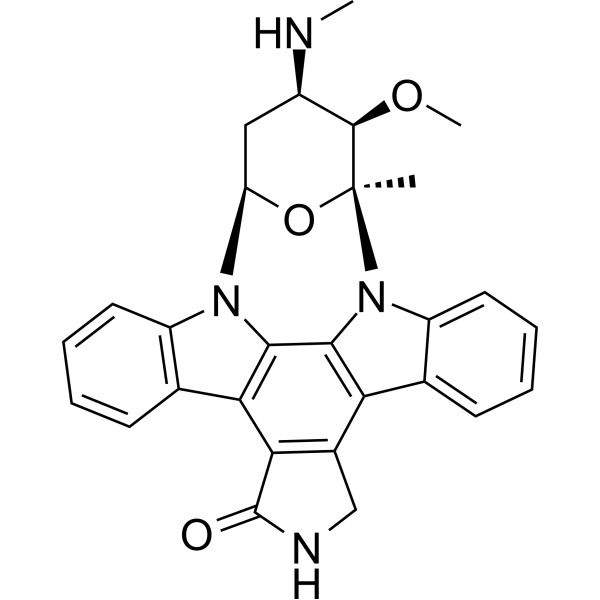
Staurosporine is a potent, ATP-competitive and non-selective inhibitor of protein kinases with IC50s of 6 nM, 15 nM, 2 nM, and 3 nM for PKC, PKA, c-Fgr, and Phosphorylase kinase respectively. Staurosporine also inhibits TAOK2 with an IC50 of 3 μM. Staurosporine is an apoptosis inducer .
loading...
    loading...
217
217 Cited Publications
Cat. No.: HY-50895A
CAS No.: 184475-55-6
Synonyms: ZD-1839 hydrochloride
Target:  

EGFR

Research Areas:  

Cancer

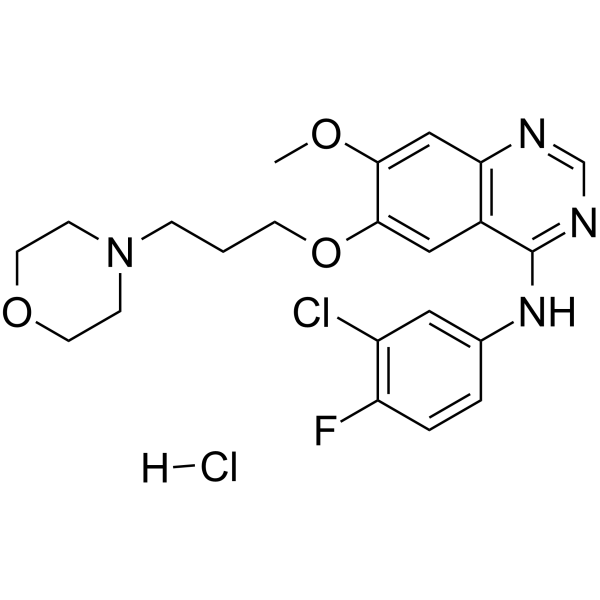
Gefitinib hydrochloride (ZD1839 hydrochloride) is a potent, selective and orally active EGFR tyrosine kinase inhibitor with an IC50 of 33 nM. Gefitinib hydrochloride selectively inhibits EGF-stimulated tumor cell growth (IC50 of 54 nM) and that blocks EGF-stimulated EGFR autophosphorylation in tumor cells. Gefitinib hydrochloride also induces autophagy. Gefitinib hydrochloride has antitumour activity .
loading...
    loading...
217
217 Cited Publications
Cat. No.: HY-50895
CAS No.: 184475-35-2
Synonyms: ZD1839
Target:  

EGFR Autophagy Apoptosis

Research Areas:  

Cancer

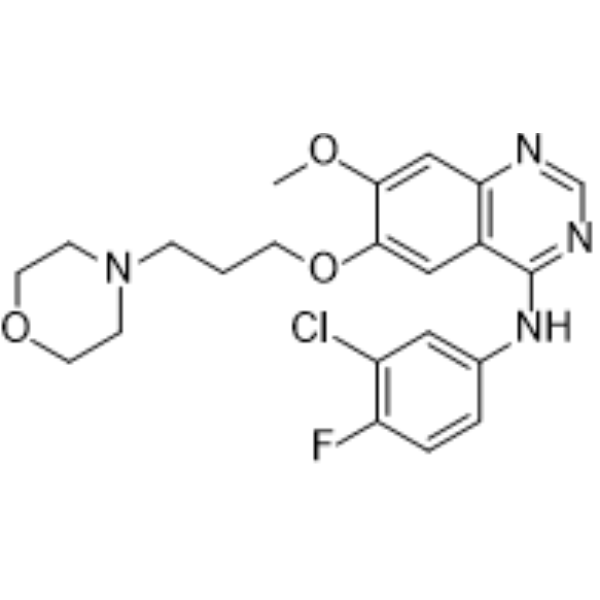
Gefitinib (ZD1839) is a potent, selective and orally active EGFR tyrosine kinase inhibitor with an IC50 of 33 nM. Gefitinib selectively inhibits EGF-stimulated tumor cell growth (IC50 of 54 nM) and that blocks EGF-stimulated EGFR autophosphorylation in tumor cells. Gefitinib also induces autophagy and cell apoptosis, which can be used for cancer related research, such as Lung cancer and breast cancer .
loading...
    loading...
192
192 Cited Publications
Cat. No.: HY-15979
CAS No.: 127243-85-0
Target:  

PKA Autophagy

Research Areas:  

Neurological Disease

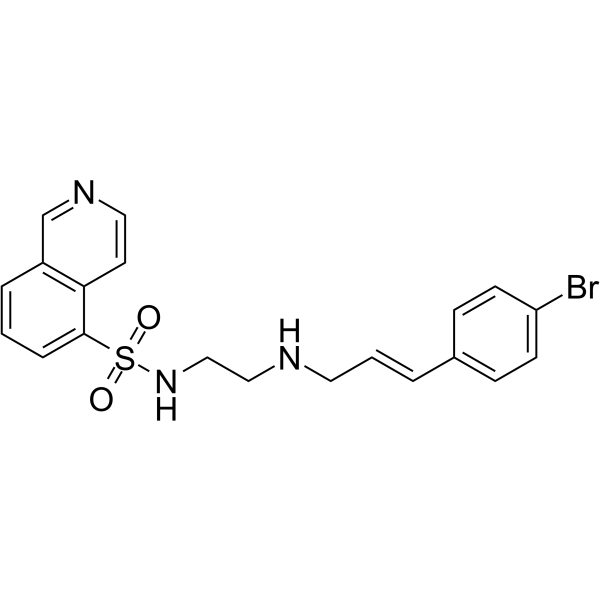
H-89 is a potent and selective inhibitor of cyclic AMP-dependent protein kinase (protein kinase A) with IC50 of 48 nM and has weak inhibition on PKG, PKC, Casein Kinase, and others kinases.
loading...
    loading...
192
192 Cited Publications
Cat. No.: HY-15979A
CAS No.: 130964-39-5
Target:  

PKA Autophagy

Research Areas:  

Others

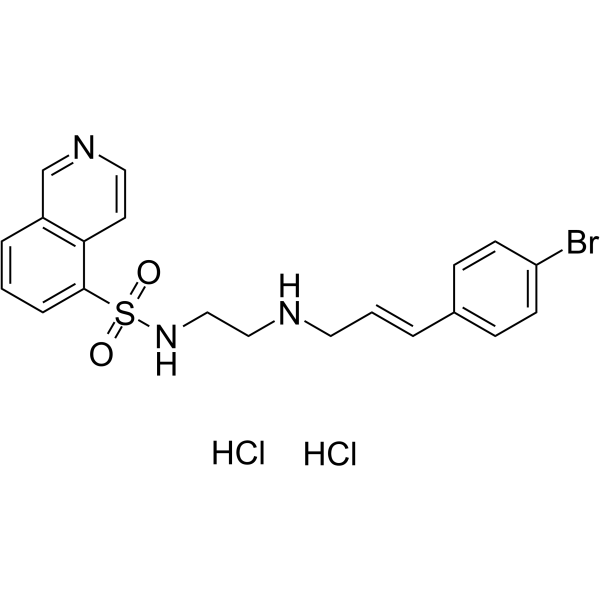
H-89 dihydrochloride is a potent and selective inhibitor of protein kinase A (PKA) with an IC50 of 48 nM and has weak inhibition on PKG, PKC, Casein Kinase.
loading...
    loading...
176
176 Cited Publications
Cat. No.: HY-10197
CAS No.: 19545-26-7
Purity:  99.85%
Synonyms: SL-2052; KY-12420
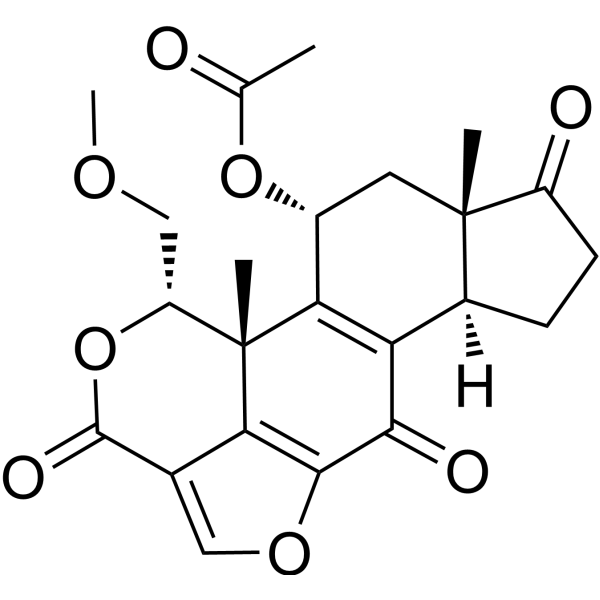
Wortmannin (SL-2052; KY-12420) is a potent, selective and irreversible PI3K inhibitor with an IC50 of 3 nM. Wortmannin also blocks autophagy formation, and potently inhibits Polo-like kinase 1 (PlK1) and Plk3 with IC50s of 5.8 and 48 nM, respectively .
loading...
    loading...
161
161 Cited Publications
Cat. No.: HY-16749A
CAS No.: 2040295-03-0
Synonyms: PLX-3397 hydrochloride
Target:  

c-Fms c-Kit Apoptosis

Research Areas:  

Cancer

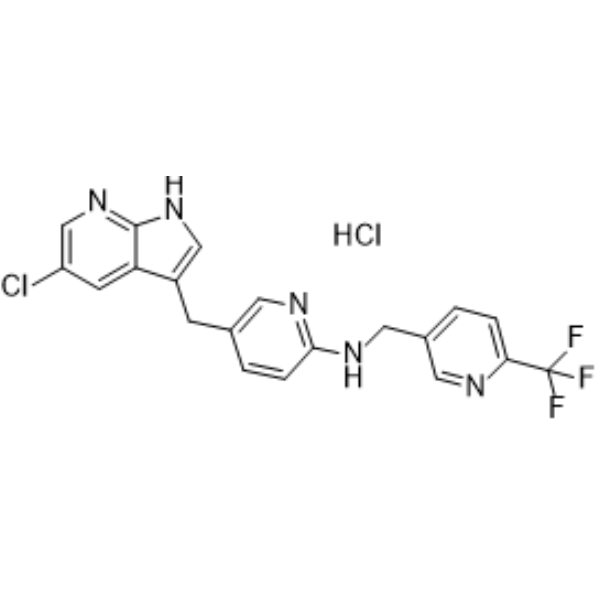
Pexidartinib hydrochloride (PLX-3397 hydrochloride) is a potent, orally active, selective, and ATP-competitive colony stimulating factor 1 receptor (CSF1R or M-CSFR) and c-Kit inhibitor, with IC50s of 20 and 10 nM, respectively. Pexidartinib hydrochloride exhibits 10- to 100-fold selectivity for c-Kit and CSF1R over other related kinases. Pexidartinib hydrochloride induces cell apoptosis and has anti-cancer activity .
loading...
    loading...
161
161 Cited Publications
Cat. No.: HY-16749
CAS No.: 1029044-16-3
Synonyms: PLX-3397
Target:  

c-Fms c-Kit Apoptosis

Research Areas:  

Cancer

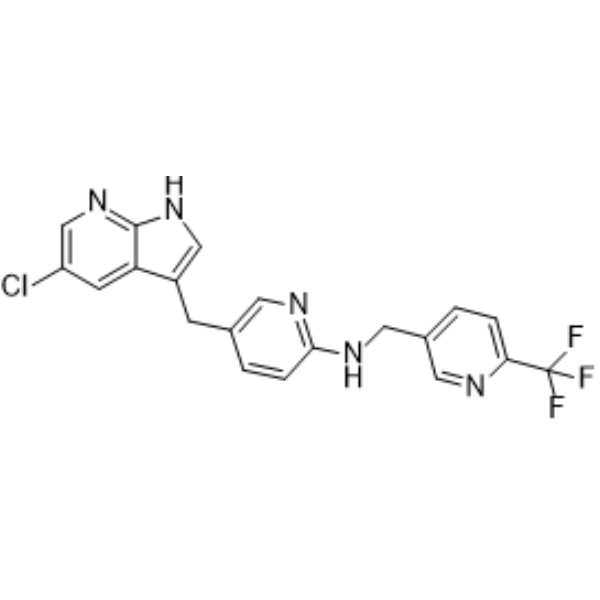
Pexidartinib (PLX-3397) is a potent, orally active, selective, and ATP-competitive colony stimulating factor 1 receptor (CSF1R or M-CSFR) and c-Kit inhibitor, with IC50s of 20 and 10 nM, respectively. Pexidartinib (PLX-3397) exhibits 10- to 100-fold selectivity for c-Kit and CSF1R over other related kinases. Pexidartinib (PLX-3397) induces cell apoptosis and has anti-tumor activity. Pexidartinib has limited permeability to the blood-brain barrier, primarily through ABCB1 .
loading...
    loading...
143
143 Cited Publications
Cat. No.: HY-12008
CAS No.: 183319-69-9
Purity:  99.94%
Synonyms: CP-358774 hydrochloride; NSC 718781 hydrochloride; OSI-774 hydrochloride
Target:  

EGFR OAT ERK GSK-3 β-catenin

Research Areas:  

Endocrinology Cancer

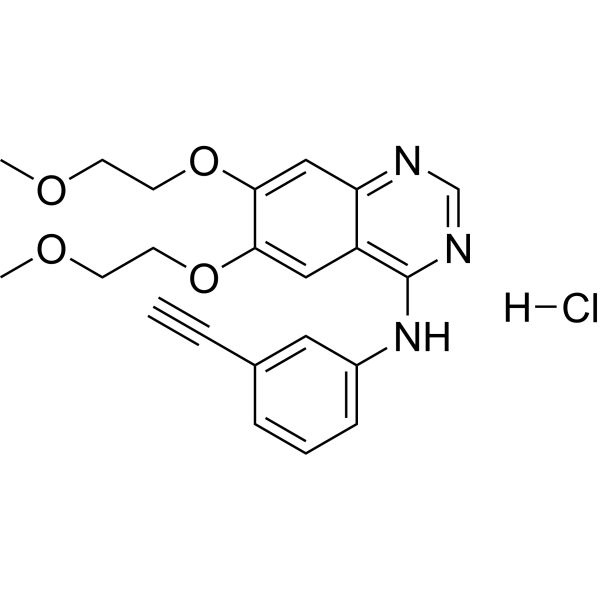
Erlotinib (CP-358774) Hydrochloride is a selective, orally active EGFR tyrosine kinase inhibitor. Erlotinib Hydrochloride also acts as a substrate and inhibitor of OATP2B1, with an IC50 of approximately 0.079 μM for inhibiting OATP2B1-mediated uptake of estrone 3-sulfate. Erlotinib Hydrochloride blocks EGFR phosphorylation, downstream signal transduction, as well as the growth and proliferation of cancer cells. Erlotinib Hydrochloride inhibits MMP-10-mediated renal injury, fibrotic lesions, the ERK1/2, GSK-3β and β-catenin signaling pathways, as well as the deposition of fibronectin, α-SMA, collagen and renal injury markers. Erlotinib Hydrochloride is metabolized via CYP3A to produce the active metabolite OSI-420. Erlotinib Hydrochloride can be used in research related to non-small cell lung cancer, gastric cancer, papillary renal cell carcinoma, EGFR inhibitor resistance and renal fibrosis .
loading...
    loading...
143
143 Cited Publications
Cat. No.: HY-50896
CAS No.: 183321-74-6
Synonyms: CP-358774; NSC 718781; OSI-774
Target:  

EGFR OAT ERK GSK-3 β-catenin

Research Areas:  

Endocrinology Cancer

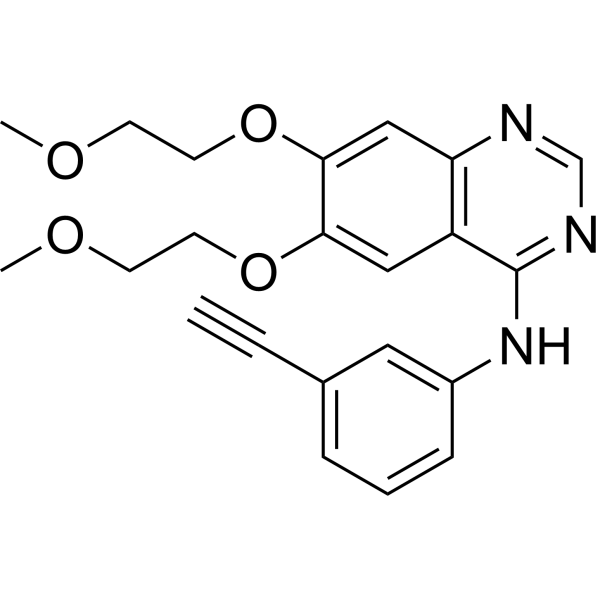
Erlotinib (CP-358774) is a selective, orally active EGFR tyrosine kinase inhibitor. Erlotinib also acts as a substrate and inhibitor of OATP2B1, with an IC50 of approximately 0.079 μM for inhibiting OATP2B1-mediated uptake of estrone 3-sulfate. Erlotinib blocks EGFR phosphorylation, downstream signal transduction, as well as the growth and proliferation of cancer cells. Erlotinib inhibits MMP-10-mediated renal injury, fibrotic lesions, the ERK1/2, GSK-3β and β-catenin signaling pathways, fibronectin, α-SMA, collagen deposition, and renal injury markers. Erlotinib is metabolized via CYP3A to produce the active metabolite OSI-420. Erlotinib can be used in research related to non-small cell lung cancer, gastric cancer, papillary renal cell carcinoma, pancreatic cancer, renal fibrosis, and other conditions .
loading...
    loading...
141
141 Cited Publications
Cat. No.: HY-10295A
CAS No.: 350228-36-3
Purity:  99.66%
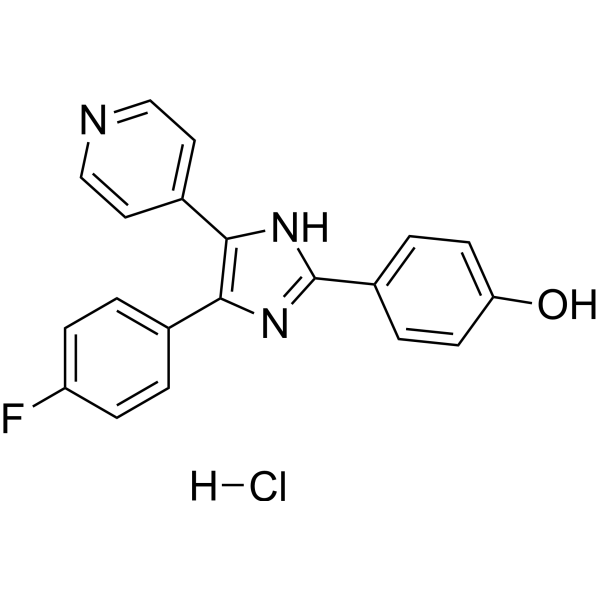
SB 202190 hydrochloride is a selective p38 MAP kinase inhibitor with IC50s of 50 nM and 100 nM for p38α and p38β2, respectively. SB 202190 hydrochloride binds to the ATP pocket of the active recombinant human p38 kinase with a Kd of 38 nM. SB 202190 hydrochloride has anti-cancer activity . SB202190 hydrochloride induces autophagy .
loading...
    loading...
141
141 Cited Publications
Cat. No.: HY-10295
CAS No.: 152121-30-7
Purity:  99.89%
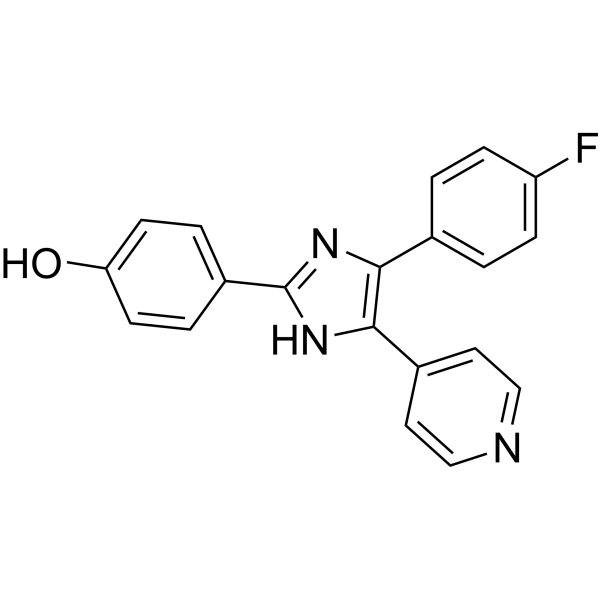
SB 202190 is a selective p38 MAP kinase inhibitor with IC50s of 50 nM and 100 nM for p38α and p38β2, respectively. SB 202190 binds to the ATP pocket of the active recombinant human p38 kinase with a Kd of 38 nM. SB 202190 has anti-cancer activity and rescued memory deficits . SB202190 induces autophagy .
loading...
    loading...
132
132 Cited Publications
Cat. No.: HY-13434
CAS No.: 56092-81-0
Purity:  99.27%
Synonyms: SQ23377
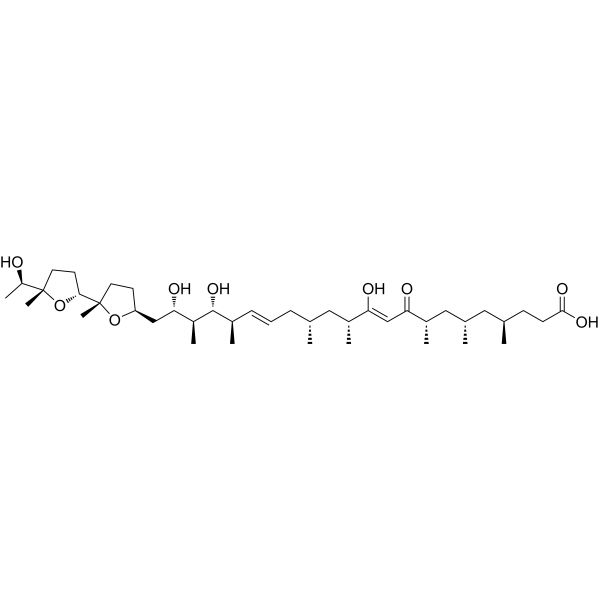
Ionomycin (SQ23377) is a potent, selective calcium ionophore and an antibiotic produced by Streptomyces conglobatus. Ionomycin (SQ23377) is highly specific for divalent cations (Ca>Mg>Sr=Ba). Ionomycin (SQ23377) promotes apoptosis. Ionomycin also induces the activation of protein kinase C (PKC) .
loading...
    loading...
132
132 Cited Publications
Cat. No.: HY-13434A
CAS No.: 56092-82-1
Purity:  98.02%
Synonyms: SQ23377 calcium
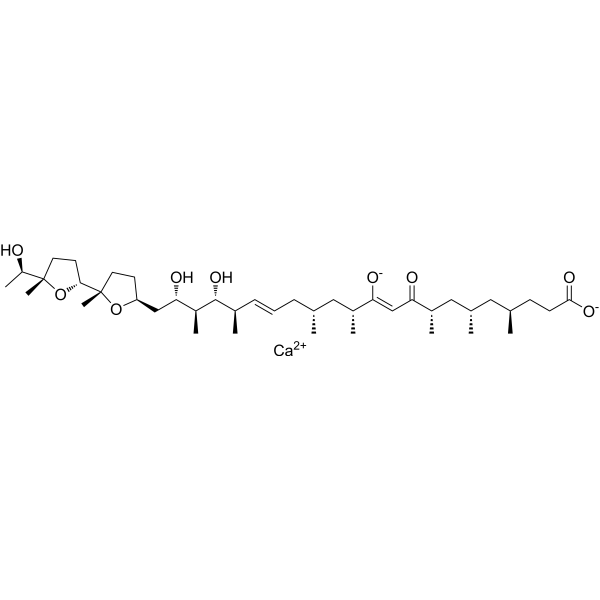
Ionomycin calcium (SQ23377 calcium) is a potent, selective calcium ionophore and an antibiotic produced by Streptomyces conglobatus. Ionomycin calcium (SQ23377 calcium) is highly specific for divalent cations (Ca>Mg>Sr=Ba). Ionomycin (SQ23377) promotes apoptosis. Ionomycin calcium (SQ23377 calcium) also induces the activation of protein kinase C (PKC) .
loading...
    loading...

