1. Search Result
Search Result
Results for "

MAPK-IN-1

" in MedChemExpress (MCE) Product Catalog:

42

Inhibitors & Agonists

1

Fluorescent Dyes

1

Biochemical Assay Reagents

3

Peptides

16

Natural
Products

1

GMP Molecules

Cat. No. Product Name Target Research Areas Chemical Structure
  • HY-12839
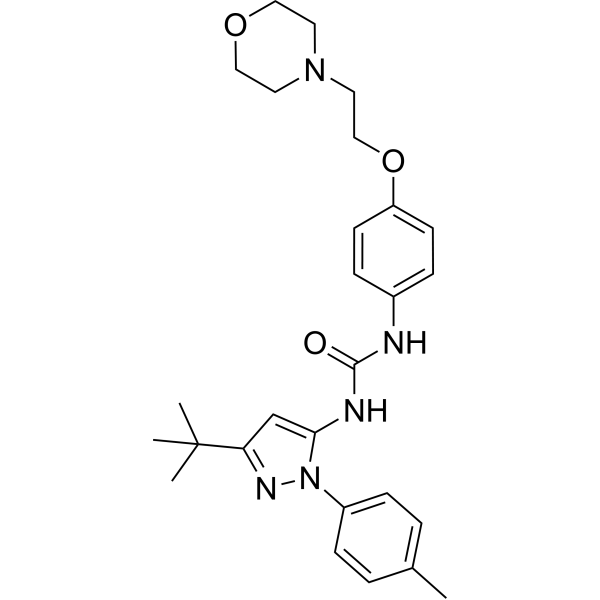
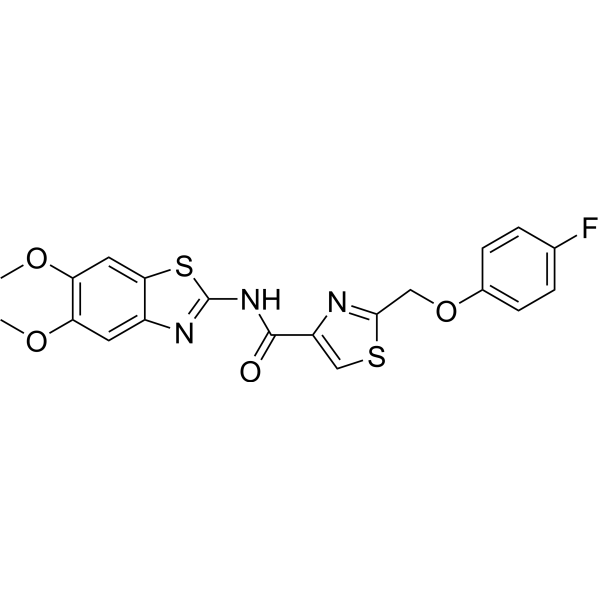
    p38 MAPK-IN-1
    Maximum Cited Publications
    14 Publications Verification

    p38 MAPK Autophagy Inflammation/Immunology
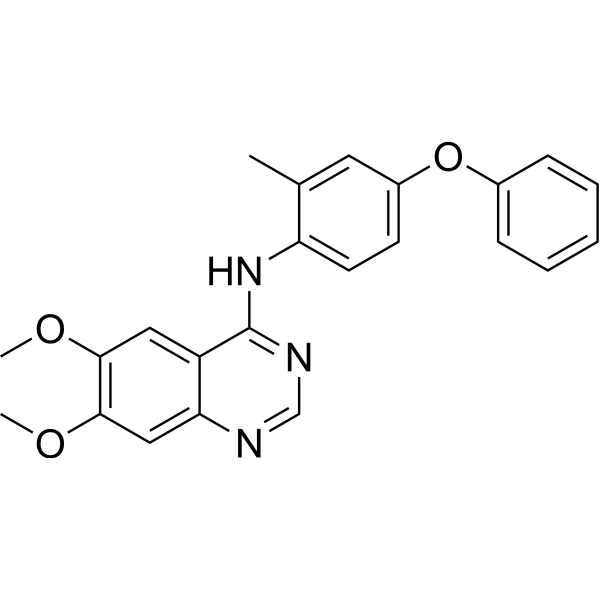
    p38 MAPK-IN-1 (Compound 4) is a novel potent and selective inhibitor of p38 MAPK with IC50 of 68 nM. p38 MAPK-IN-1 shows sustained levels, low clearance and good bioavailability.
    p38 MAPK-IN-1
  • HY-N0657
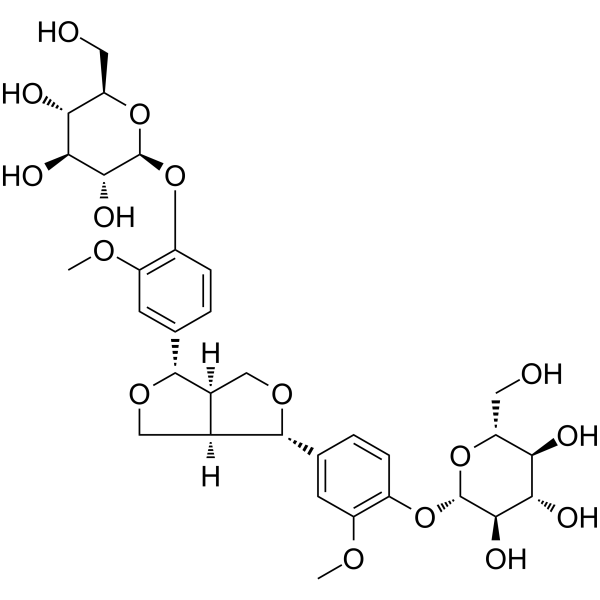
    Pinoresinol Diglucoside
    1 Publications Verification

    NF-κB Keap1-Nrf2 Heme Oxygenase (HO) TGF-beta/Smad Akt mTOR PI3K Cardiovascular Disease Neurological Disease Metabolic Disease Inflammation/Immunology
    Pinoresinol Diglucoside is an orally active lignan with multifunctional bioactivity. Pinoresinol Diglucoside interacts with targets including ALB, HIF1A, GSK3B, BCL2, MARK3, IL6, NF-κB p65, Nrf2, HO-1, and TLR4, and modulates pathways including PI3K-Akt, estrogen, MAPK, Rap1, AKT/mTOR/NF-κB, and TGF-β1/Smads. Pinoresinol Diglucoside regulates osteogenesis, bone resorption, oxidative stress, inflammation, apoptosis, ferroptosis, ferritinophagy, cardiac fibrosis, and vasorelaxation. Pinoresinol Diglucoside can be used for the research of osteoporosis, ischemia/reperfusion-induced brain injury, Alzheimer’s disease, myocardial ischemia-reperfusion injury, chondrodysplasia, diabetic cardiomyopathy, cardiac hypertrophy, hypertension, cisplatin-induced hearing loss, atherosclerotic cardiovascular diseases, and disuse osteoporosis [1] .
    Pinoresinol Diglucoside
  • HY-18874
    p38-α MAPK-IN-1
    2 Publications Verification

    p38 MAPK Autophagy Others
    p38-α MAPK-IN-1 is an inhibitor of MAPK14 (p38-α), with IC50 of 2300 nM in EFC displacement assay, and 5500 nM in HTRF assay [1].
    p38-α MAPK-IN-1
  • HY-108943
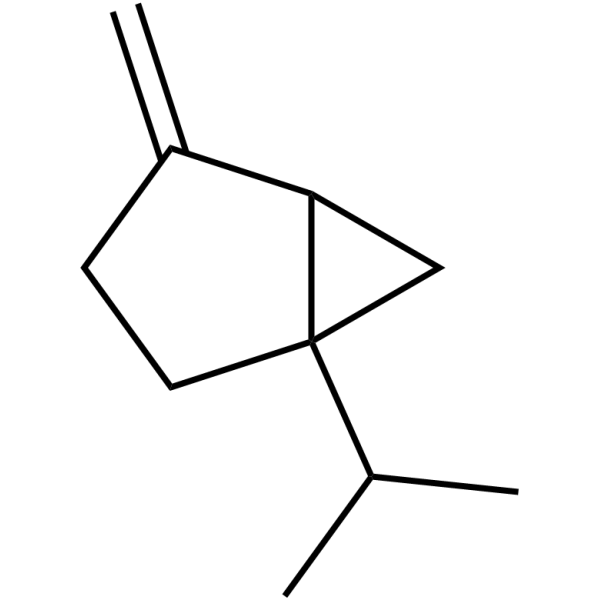
    Sabinene
    2 Publications Verification

    Others Others
    Sabinene is an naturally occurring bicyclic monoterpene which can be used as flavorings, perfume additives, fine chemicals, and advanced biofuels. Sabinene is also an orally active compound to attenuates skeletal muscle atrophy and regulates ROS-mediated MAPK/MuRF-1 pathways [1] .
    Sabinene
  • HY-146195
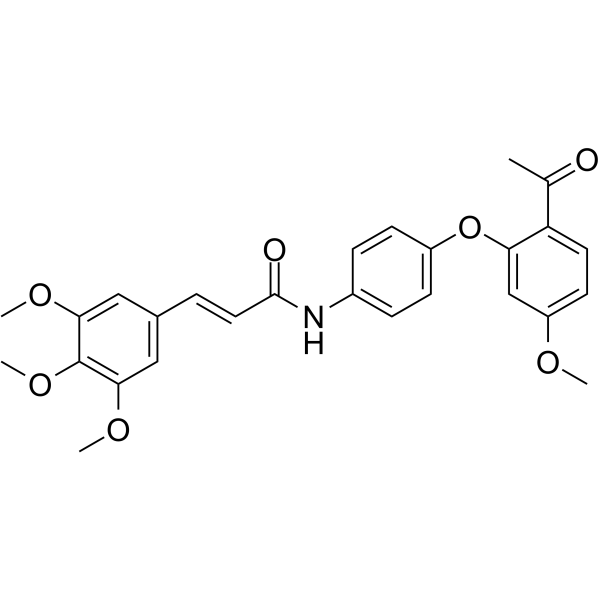
    MAPK-IN-1
    4 Publications Verification

    Toll-like Receptor (TLR) p38 MAPK JNK ERK Cholinesterase (ChE) Neurological Disease Inflammation/Immunology
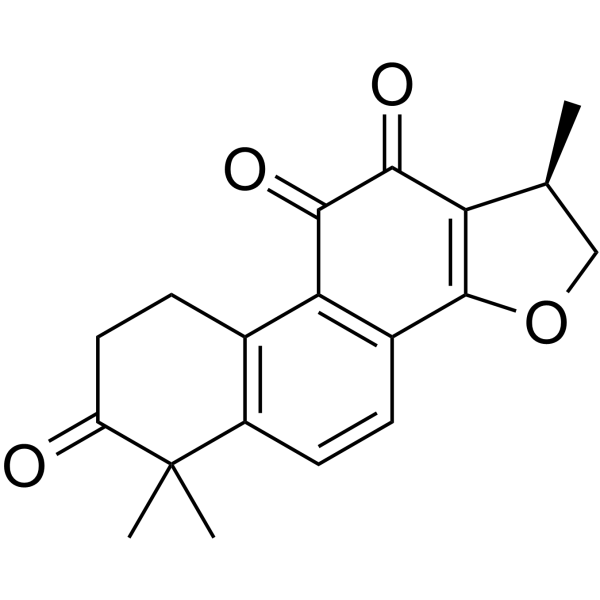
    MAPK-IN-1 (Compound 2) is a MAPK signaling pathway inhibitor. MAPK-IN-1 exhibits AChE inhibitory activity with an IC50 of 23.84 μM. MAPK-IN-1 shows anti-neuroinflammatory and neuroprotective activity and can be used for Alzheimer's disease research [1].
    MAPK-IN-1
  • HY-N6579

    p38 MAPK Mitochondrial Metabolism Cancer
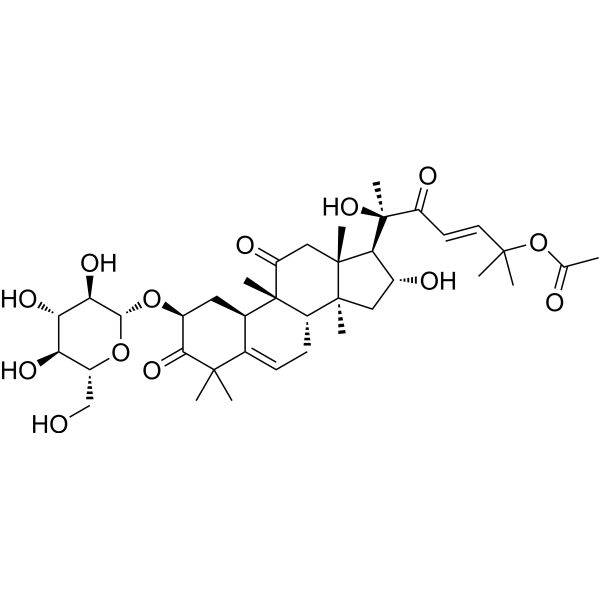
    Arvenin I is a natural cucurbitacin glucoside that activates T cells within the cancer-competitive environment. Arvenin I covalently reacts with and hyperactivates MKK3, thereby reviving the mitochondrial fitness of exhausted T cells through the activation of the p38MAPK pathway . Arvenin I exhibits broad-spectrum antiproliferative against cancer cells . Arvenin I enhances antitumor effects both as a monotherapy and in combination with immune checkpoint inhibitors in mice [1]. Arvenin I can be used for cancer research, such as colon cancer, breast cancer, lung cancer, and ovarian cancer [1][2].
    Arvenin I
  • HY-136848

    MAP3K Src FGFR Ribosomal S6 Kinase (RSK) LIM Kinase (LIMK) Cancer
    SM1-71 (compound 5) is a potent TAK1 inhibitor, with a Ki of 160 nM, it also can covalently inhibit MKNK2, MAP2K1/2/3/4/6/7, GAK, AAK1, BMP2K, MAP3K7, MAPKAPK5, GSK3A/B, MAPK1/3, SRC, YES1, FGFR1, ZAK (MLTK), MAP3K1, LIMK1 and RSK2. SM1-71 can inhibit proliferation of multiple cancer cell lines [1] .
    SM1-71
  • HY-15001G

    SR1

    Aryl Hydrocarbon Receptor Cancer
    Stemregenin 1 (SR1) (GMP) is a GMP-grade Stemregenin 1 (HY-15001). GMP-grade small molecules can be used as adjuvants in cell therapy. Stemregenin 1 is a potent aryl hydrocarbon receptor (AhR) antagonist with an IC50 of 127 nM. Stemregenin 1 (GMP) can competitively bind to AhR and inhibit its nuclear translocation, inhibiting osteoclastogenesis and promoting hematopoietic progenitor cell expansion by blocking the AhR-c-src-NF-κB/p-ERK MAPK-NFATc1 signaling pathway. Stemregenin 1 (GMP) can be used for the study of osteoporosis, in vitro expansion of hematopoietic stem cells, and the study of the mechanism of bone metabolic diseases [1] .
    Stemregenin 1
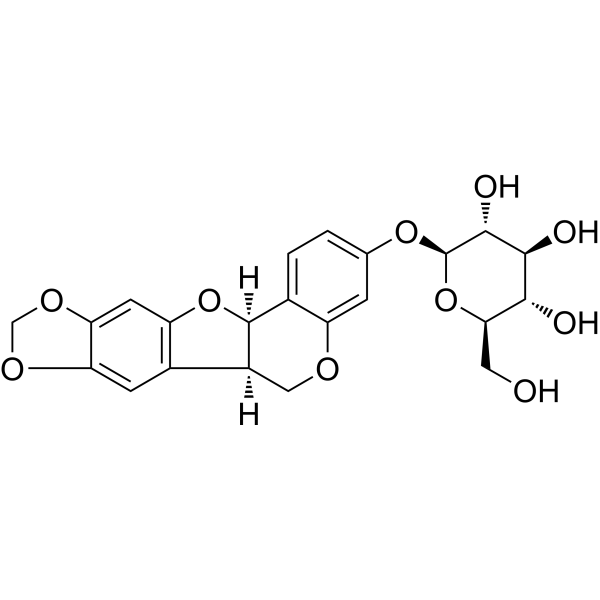
  • HY-N0616

    Tyrosinase TNF Receptor Bacterial Apoptosis Autophagy AMPK mTOR ERK NF-κB Infection Metabolic Disease Inflammation/Immunology Cancer
    Trifolirhizin is a pterocarpan flavonoid found in the roots of Sophora flavescens. Trifolirhizin is a tyrosinase inhibitor with an IC50 value of 506.77 μM. Trifolirhizin reduces intracellular melanin production and modulates multiple signaling pathways including NFκB-MAPK, AMPK/mTOR, PI3K/Akt, MAPK-NFATc1 and EGFR-MAPK. Trifolirhizin targets biological molecules including PTK6 and COX-2, inhibits the activities of hyaluronidase, collagenase and elastase, induces apoptosis, autophagy and cell cycle arrest, and suppresses the proliferation, migration and invasion of cancer cells. Trifolirhizin exerts diverse pharmacological effects including anti-inflammatory, anti-asthmatic, bone-protective, renoprotective, antibacterial, antifungal, hepatoprotective, antiplatelet, estrogenic and wound-healing activities. Trifolirhizin can be used to investigate a broad range of malignant, inflammatory, metabolic and infectious disorders [1] .
    Trifolirhizin
  • HY-100627

    MEK Cancer
    APS-2-79 is a KSR-dependent MEK antagonist. APS-2-79 inhibits ATP biotin binding to KSR2 within the KSR2-MEK1 complexe with an IC50 of 120 nM. APS-2-79 makes the stabilization of the KSR inactive state antagonizes oncogenic Ras-MAPK signaling .
    APS-2-79
  • HY-P4322
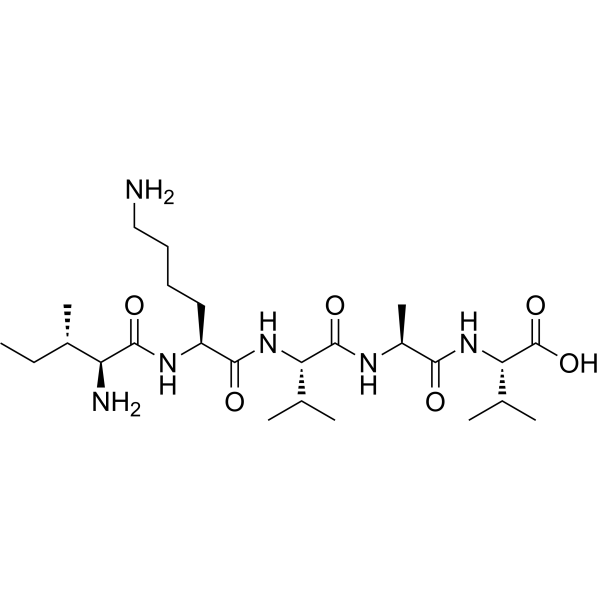
    H-Ile-Lys-Val-Ala-Val-OH
    1 Publications Verification

    ERK Akt Neurological Disease Cancer
    H-Ile-Lys-Val-Ala-Val-OH is one of the most potent active sites of laminin-1. H-Ile-Lys-Val-Ala-Val-OH promotes cell adhesion, neurite outgrowth, and tumor growth. H-Ile-Lys-Val-Ala-Val-OH stimulates BMMSC population growth and proliferation by activating MAPK/ERK1/2 and PI3K/Akt signalling pathways [1] .
    H-Ile-Lys-Val-Ala-Val-OH
  • HY-N1472
    Levistolide A
    5 Publications Verification

    Apoptosis Reactive Oxygen Species (ROS) PPAR GSK-3 Tau Protein Ras TGF-β Receptor Infection Neurological Disease Inflammation/Immunology
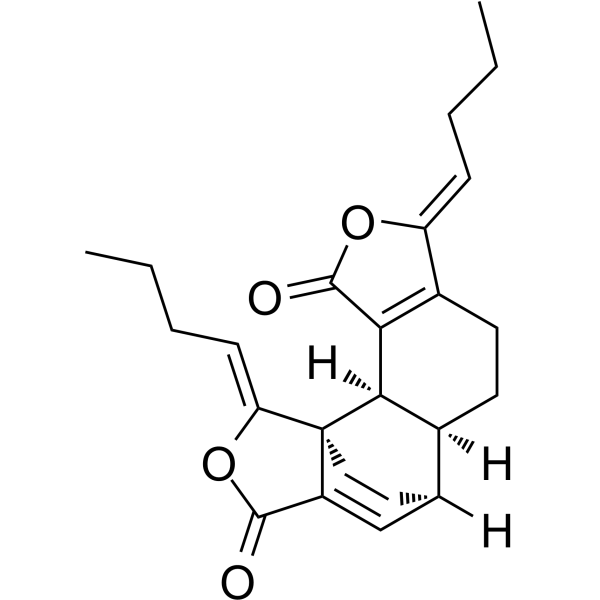
    Levistolide A is an apoptosis inducer and a PEDV virus inhibitor. Levistolide A can induce apoptosis in colon cancer cells and suppress the replication of porcine epidemic diarrhea virus (PEDV) by promoting ROS generation. Levistolide A activates peroxisome proliferator-activated receptor γ (PPARγ) in N2a/APP695swe cells and reduces excessive phosphorylation of tau through the GSK3α/β pathway, improving symptoms in Alzheimer’s mice. Levistolide A improves kidney damage in 5/6 nephrectomy (Nx) mice by inhibiting the RAS,TGF-β1/Smad, and MAPK pathways .
    Levistolide A
  • HY-103443

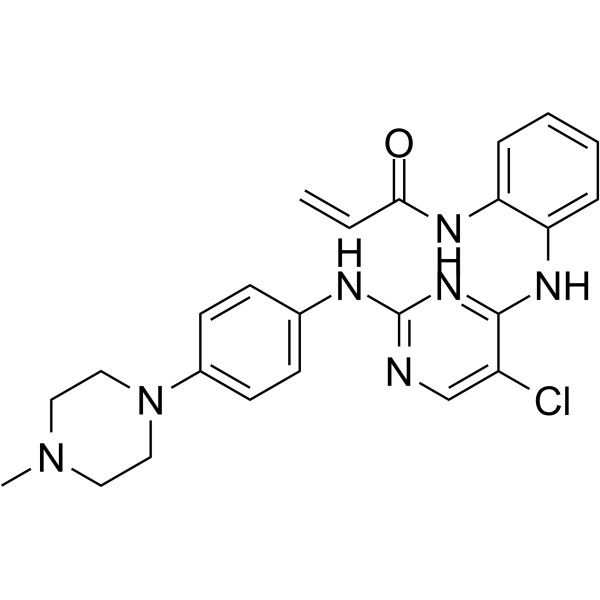
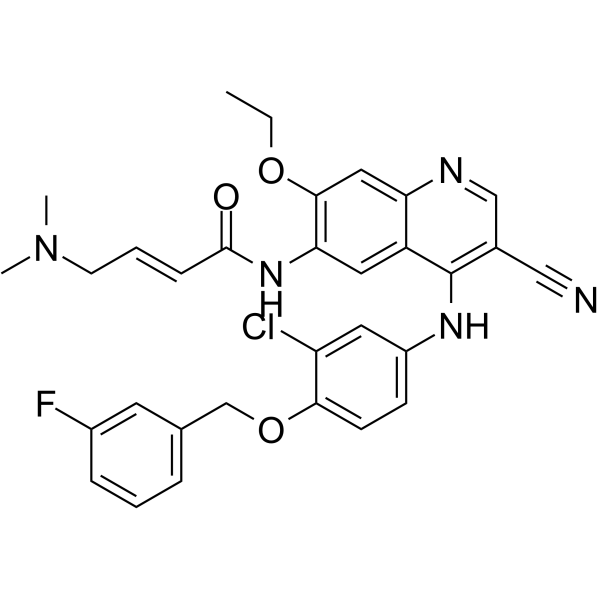
    EGFR Cancer
    HKI-357 is an irreversible dual inhibitor of EGFR and ERBB2 with IC50s of 34 nM and 33 nM, respectively. HKI-357 suppresses EGFR autophosphorylation (at Y1068), and AKT and MAPK phosphorylation .
    HKI-357
  • HY-112401

    p38 MAPK Inflammation/Immunology
    p38 MAP Kinase Inhibitor IV is a highly specific ATP-competitive p38α MAPK inhibitor with IC50s of 0.13 and 0.55 μM for p38α and p38β MAPK, respectively .
    p38 MAP Kinase Inhibitor IV
  • HY-147972

    NF-κB p38 MAPK NO Synthase COX Inflammation/Immunology
    NF-κB/MAPK-IN-1 (compound 11a) is a potent inhibitor of NF-κB and MAPK pathway. NF-κB/MAPK-IN-1 shows inhibitory activity against NO production, with an IC50 of 6.96 µM. NF-κB/MAPK-IN-1 suppresses LPS-induced iNOS, COX-2, ERΚ and P38 signaling activation. NF-κB/MAPK-IN-1 can prevent LPS induced inflammatory response in macrophages. NF-κB/MAPK-IN-1 can be used for rheumatoid arthritis (RA) research [1].
    NF-κB/MAPK-IN-1
  • HY-N4182
    Licochalcone E
    4 Publications Verification

    Akt p38 MAPK Autophagy Inflammation/Immunology
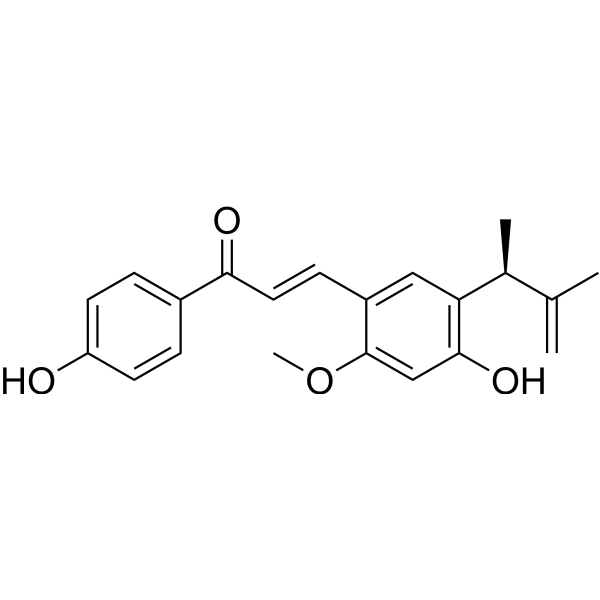
    Licochalcone E, a flavonoid compound isolated from Glycyrrhiza uralensis, inhibits NF-κB and AP-1 transcriptional activity through the inhibition of AKT and MAPK activation .
    Licochalcone E
  • HY-128591
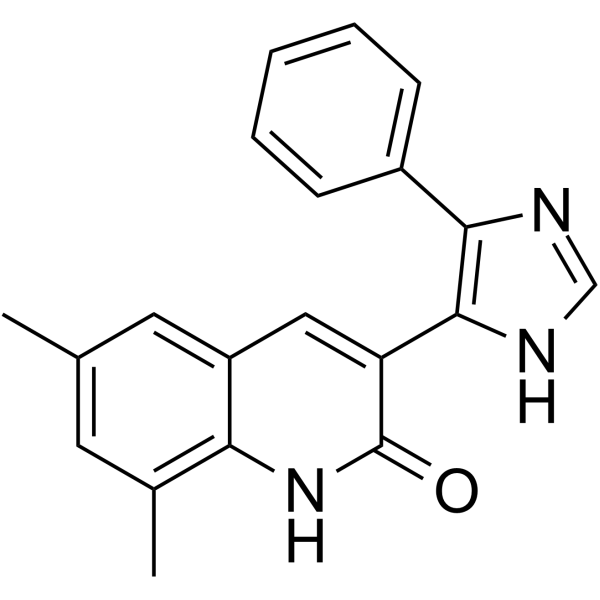
    DIPQUO
    2 Publications Verification

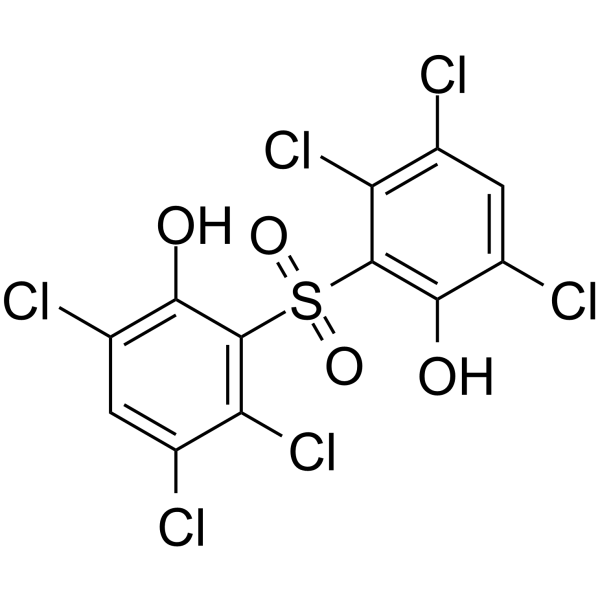
    Phosphatase Metabolic Disease
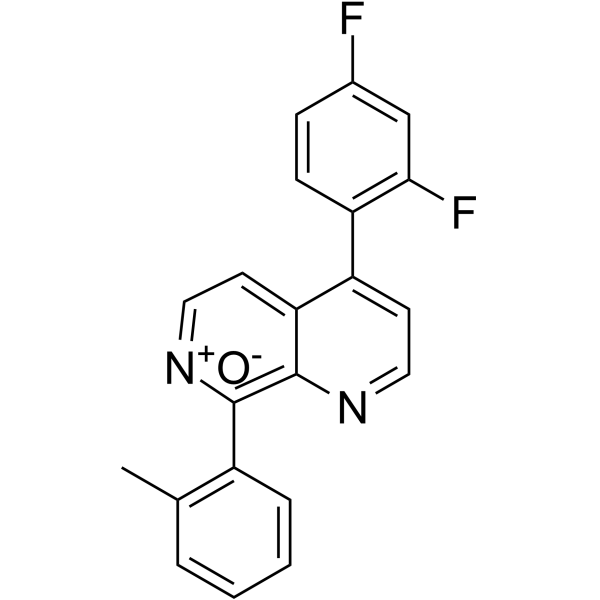
    DIPQUO is an activator of the bone marker alkaline phosphatase (ALP), with an EC50 of 6.27 μM in C2C12 cells. DIPQUO promotes mouse and human osteoblast differentiation via activation of p38 MAPK-β .
    DIPQUO
  • HY-175655

    p38 MAPK Cholinesterase (ChE) Interleukin Related Neurological Disease Inflammation/Immunology
    BChE/p38-α MAPK-IN-1 is a selective dual inhibitor of hBChE (IC50 = 772 nM) and p38α MAPK (IC50 = 191 nM). BChE/p38-α MAPK-IN-1 reduces the production of pro-inflammatory cytokines (IL-1β, IL-6, IL-8, TNF-α) in cells. BChE/p38-α MAPK-IN-1 improves Scopolamine (HY-N0296)-induced cognitive impairment, as well as alleviates LPS (HY-D1056)-induced spatial learning impairment and exerts anti-neuroinflammatory effects in mice. BChE/p38-α MAPK-IN-1 can be used for the study of Alzheimer’s disease (AD) by targeting both cholinergic deficit and neuroinflammation [1].
    BChE/p38-α MAPK-IN-1
  • HY-161462

    ERK p38 MAPK Cancer
    ERK2/p38α MAPK-IN-1 (Compound 1, In silico Hit-2) is a potent and selective ERK2 and p38α MAPK inhibitor, with an IC50 of 82 μM for ERK2. ERK2/p38α MAPK-IN-1 binds to the allosteric site of ERK2 and p38α MAPK in distinct manners. ERK2/p38α MAPK-IN-1 can be used for the research of type 2 diabetes [1].
    ERK2/p38α MAPK-IN-1
  • HY-N2270
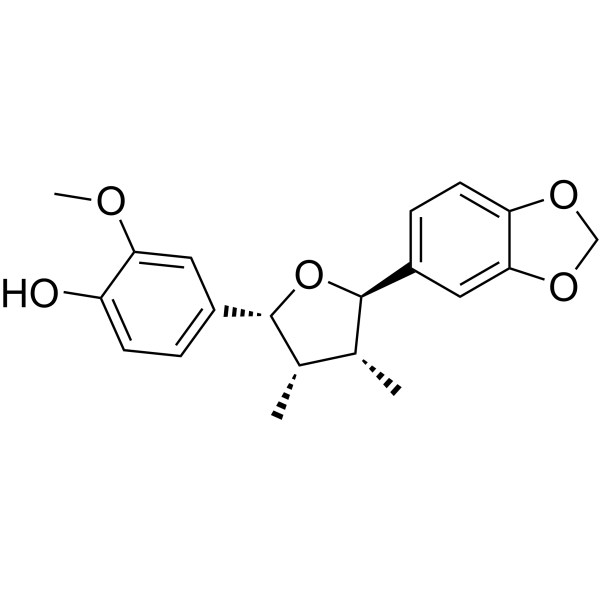
    Chicanine
    1 Publications Verification

    p38 MAPK ERK IKK Inflammation/Immunology
    Chicanine is a lignan compound of Schisandra chinesis, inhibits LPS-induced phosphorylation of p38 MAPK, ERK 1/2 and IκB-α, with anti-inflammatory activity [1].
    Chicanine
  • HY-N10913

    AP-1 p38 MAPK NO Synthase TNF Receptor COX Interleukin Related Inflammation/Immunology
    Chloranthalactone B, a lindenane-type sesquiterpenoid, is a nature product that could be isolated from Chinese medicinal herb Sarcandra glabra. Chloranthalactone B inhibits the production of inflammatory mediators by inhibiting the AP-1 and p38 MAPK pathways .
    Chloranthalactone B
  • HY-113632

    10Z-DebromohymenialdisINe

    Raf MEK Cancer
    Debromohymenialdisine (10Z-Debromohymenialdisine) is a pyrrole alkaloid. Debromohymenialdisine has moderate inhibitory activity with an IC50 value of 881 nM in the initial Raf/MEK-1/MAPK signaling cascade assay. Debromohymenialdisine can be used for the research of proliferation and differentiation [1].
    Debromohymenialdisine
  • HY-100627A

    MEK Cancer
    APS-2-79 hydrochloride is a KSR-dependent MEK antagonist. APS-2-79 inhibits ATP biotin binding to KSR2 within the KSR2-MEK1 complexe with an IC50 of 120 nM. APS-2-79 makes the stabilization of the KSR inactive state antagonizes oncogenic Ras-MAPK signaling .
    APS-2-79 hydrochloride
  • HY-N8835

    p38 MAPK Neurological Disease
    Cannabisin D inhibits proliferation and migration of glioblastoma cells through MAPKs signaling .
    Cannabisin D
  • HY-N1190

    (±)-SyrINgaresINol

    p38 MAPK AP-1 Bacterial Infection
    DL-Syringaresinol ((±)-Syringaresinol), a lignin, inhibits UVA-induced upregulation of MMP-1 by suppressing MAPK/AP-1 signaling in human HaCaT keratinocytes and dermal fibroblasts (HDFs). DL-Syringaresinol has antiphotoaging properties against UVA-induced skin aging. DL-Syringaresinol exhibits weak antimycobacterial activity against Mycobacterium tuberculosis H37Rv [1] .
    DL-Syringaresinol
  • HY-179252

    p38 MAPK Others
    PMK1-IN-1 (compound H17) is a potent PMK1 inhibitor. PMK1-IN-1 shows superior inhibitory effects against M. oryzae by targeting the pathogenicity MAPK MoPMk1, with an IC50 of 0.42 μM. PMK1-IN-1 exhibits effects in vivo similar to those of Carbendazim (HY-13582). PMK1-IN-1 can be used for rice blast disease research [1].
    PMK1-IN-1
  • HY-149496

    p38 MAPK ERK JNK Interleukin Related TNF Receptor NO Synthase COX Others
    Akt/NF-κB/MAPK-IN-1 (compound 2m) is a potent and orally active inhibitor against NO (IC50=7.70 μM) with no significant toxicity. Akt/NF-κB/MAPK-IN-1 shows anti-inflammatory activity by inhibiting Akt/NF-κB and MAPK signaling pathways [1].
    Akt/NF-κB/MAPK-IN-1
  • HY-142963

    NF-κB p38 MAPK Toll-like Receptor (TLR) Neurological Disease Inflammation/Immunology
    TLR4/NF-κB/MAPK-IN-1 is a new type of antineuroinflammatory agent by suppressing TLR4/NF-kB/MAPK pathways.
    TLR4/NF-κB/MAPK-IN-1
  • HY-P0141

    Akt Others
    Akt/SKG Substrate Peptide is a synthetic peptide suitable as a substrate for Akt/PKB, which is not phosphorylated by p70S6K or MAPK1 .
    Akt/SKG Substrate Peptide
  • HY-P0141A

    Akt Others
    Akt/SKG Substrate Peptide TFA is a synthetic peptide suitable as a substrate for Akt/PKB, which is not phosphorylated by p70S6K or MAPK1 .
    Akt/SKG Substrate Peptide TFA
  • HY-103443A

    EGFR Cancer
    HKI-357 dimaleate is an irreversible dual inhibitor of EGFR and ERBB2 with IC50s of 34 nM and 33 nM, respectively. HKI-357 dimaleate suppresses EGFR autophosphorylation (at Y1068), and AKT and MAPK phosphorylation .
    HKI-357 dimaleate
  • HY-N13121

    HDAC Apoptosis p38 MAPK Cancer
    Daphnegiravone D (compound 70) is an HDAC6 inhibitor with anti-hepatocellular carcinoma activity. Daphnegiravone D can induce apoptosis and selectively inhibit the proliferation of liver cancer cells through the p38 and JNK MAPK pathways .
    Daphnegiravone D
  • HY-W065835

    HIV Infection
    2-Bromoaldisine is a pyrrole alkaloid that can be isolated from the Red Sea: marine sponge Stylissa carter. 2-Bromoaldisine inhibits HIV-1 vector infection. 2-Bromoaldisine inhibits Raf/MEK/MAPK pathway .
    2-Bromoaldisine
  • HY-152087

    ERK p38 MAPK Cardiovascular Disease
    DCZ19931 is a potent multi-targeting kinase inhibitor. DCZ19931 has anti-angiogenic effects on ocular neovascularization. DCZ19931 also inhibits ERK1/2-MAPK and p38-MAPK signaling .
    DCZ19931
  • HY-170447

    NOD-like Receptor (NLR) Inflammation/Immunology
    NOD1 antagonist-2 (compound 66) is an orally active selective antagonist of both human and mouse NOD1. NOD1 antagonist-2 (compound 66) antagonizes NOD1-induced NF-κB and MAPK pathways .
    NOD1 antagonist-2
  • HY-171301

    p38 MAPK Casein Kinase Inflammation/Immunology
    p38α MAPK/CK1δ inhibitor-1 (Compound 3) exhibits inhibitory activity against p38α MAPK and CK1δ with IC50s of 0.185 µM and 0.089 µM [1].
    p38α MAPK/CK1δ inhibitor-1
  • HY-N0809R

    Reference Standards p38 MAPK JNK Caspase Reactive Oxygen Species (ROS) NF-κB Neurological Disease Metabolic Disease Inflammation/Immunology
    Sesamolin (Standard) is the analytical standard of Sesamolin. This product is intended for research and analytical applications. Sesamolin, isolated from Sesamum indicum, has antioxidative activity, Sesaminol inhibits lipid peroxidation and shows neuroprotection effect. Sesamolin potently inhibits MAPK cascades by preventing phosphorylation of JNK, p38 MAPKs, and caspase-3 but not ERK-MAPK expression .
    Sesamolin (Standard)
  • HY-N0722A

    cis-5-O-CaffeoylquINic acid

    Drug Derivative Inflammation/Immunology Cancer
    (Z)-Neochlorogenic acid is the z-isomer of Neochlorogenic acid (HY-N0722). Neochlorogenic acid is a natural polyphenolic compound found in dried fruits and other plants. Neochlorogenic acid inhibits the production of TNF-α and IL-1β. Neochlorogenic acid suppresses iNOS and COX-2 protein expression. Neochlorogenic acid also inhibits phosphorylated NF-κB p65 and p38 MAPK activation .
    (Z)-Neochlorogenic acid
  • HY-172406

    p38 MAPK Interleukin Related IRAK Inflammation/Immunology
    MAPK-IN-4 (Compound c1) is an orally active anti-inflammatory agent. MAPK-IN-4 can inhibit the expression and release of pro-inflammatory cytokines IL-6 and TNF-α induced by LPS (HY-D1056). MAPK-IN-4 can bind to IRAK4 and exert its anti-inflammatory effect by inhibiting the MAPK pathway .
    MAPK-IN-4
  • HY-N0657R

    Reference Standards NF-κB Keap1-Nrf2 Heme Oxygenase (HO) TGF-beta/Smad Akt mTOR PI3K Cardiovascular Disease Neurological Disease Metabolic Disease Inflammation/Immunology
    Pinoresinol Diglucoside (Standard) is the analytical standard of Pinoresinol Diglucoside (HY-N0657). This product is intended for research and analytical applications. Pinoresinol Diglucoside is an orally active lignan with multifunctional bioactivity. Pinoresinol Diglucoside interacts with targets including ALB, HIF1A, GSK3B, BCL2, MARK3, IL6, NF-κB p65, Nrf2, HO-1, and TLR4, and modulates pathways including PI3K-Akt, estrogen, MAPK, Rap1, AKT/mTOR/NF-κB, and TGF-β1/Smads. Pinoresinol Diglucoside regulates osteogenesis, bone resorption, oxidative stress, inflammation, apoptosis, ferroptosis, ferritinophagy, cardiac fibrosis, and vasorelaxation. Pinoresinol Diglucoside can be used for the research of osteoporosis, ischemia/reperfusion-induced brain injury, Alzheimer’s disease, myocardial ischemia-reperfusion injury, chondrodysplasia, diabetic cardiomyopathy, cardiac hypertrophy, hypertension, cisplatin-induced hearing loss, atherosclerotic cardiovascular diseases, and disuse osteoporosis.
    Pinoresinol Diglucoside (Standard)
  • HY-103443R

    Reference Standards EGFR Cancer
    HKI-357 (Standard) is the analytical standard of HKI-357 (HY-103443). This product is intended for research and analytical applications. HKI-357 is an irreversible dual inhibitor of EGFR and ERBB2 with IC50s of 34 nM and 33 nM, respectively. HKI-357 suppresses EGFR autophosphorylation (at Y1068), and AKT and MAPK phosphorylation .
    HKI-357 (Standard)
  • HY-100627R

    MEK Reference Standards Cancer
    APS-2-79 (Standard) is the analytical standard of APS-2-79 (HY-100627). This product is intended for research and analytical applications. APS-2-79 is a KSR-dependent MEK antagonist. APS-2-79 inhibits ATPbiotin binding to KSR2 within the KSR2-MEK1 complexe with an IC50 of 120 nM. APS-2-79 makes the stabilization of the KSR inactive state antagonizes oncogenic Ras-MAPK signaling .
    APS-2-79 (Standard)

Inquiry Online

Your information is safe with us. * Required Fields.

Salutation


Country or Region *

Applicant Name *


Organization Name *

Department *


Email Address *


Product Name *

Cat. No.


Requested quantity *

Phone Number *


Remarks

Inquiry Online

Inquiry Information

Product Name:
Cat. No.:
Quantity:
MCE Japan Authorized Agent:

