1. Search Result
Search Result
Results for "

MARK

" in MedChemExpress (MCE) Product Catalog:

74

Inhibitors & Agonists

1

Screening Libraries

2

Fluorescent Dye

1

Biochemical Assay Reagents

4

Peptides

2

MCE Kits

11

Natural
Products

4

Recombinant Proteins

8

Isotope-Labeled Compounds

7

Antibodies

2

Click Chemistry

12

Oligonucleotides

Targets Recommended:
Cat. No. Product Name Target Research Areas Chemical Structure
  • HY-17042
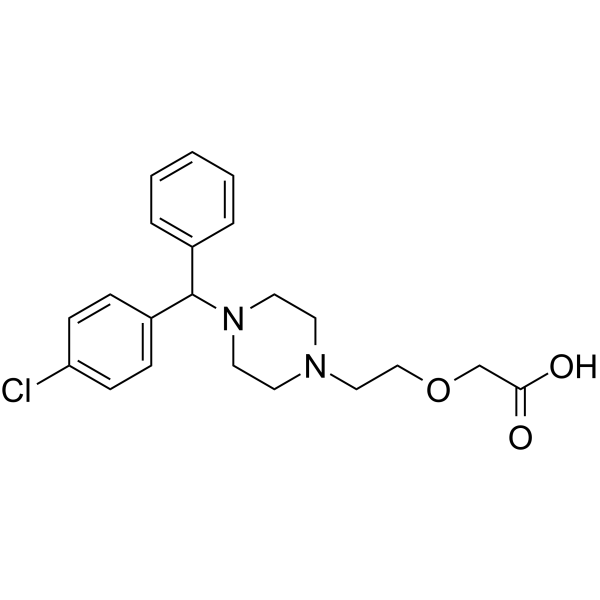
    Cetirizine
    3 Publications Verification

    Histamine Receptor Inflammation/Immunology Endocrinology
    Cetirizine, a second-generation antihistamine and the carboxylated metabolite of hydroxyzine, is a specific, orally active and long-acting histamine H1-receptor antagonist. Cetirizine marks antiallergic properties and inhibits eosinophil chemotaxis during the allergic response .
    Cetirizine
  • HY-W012078
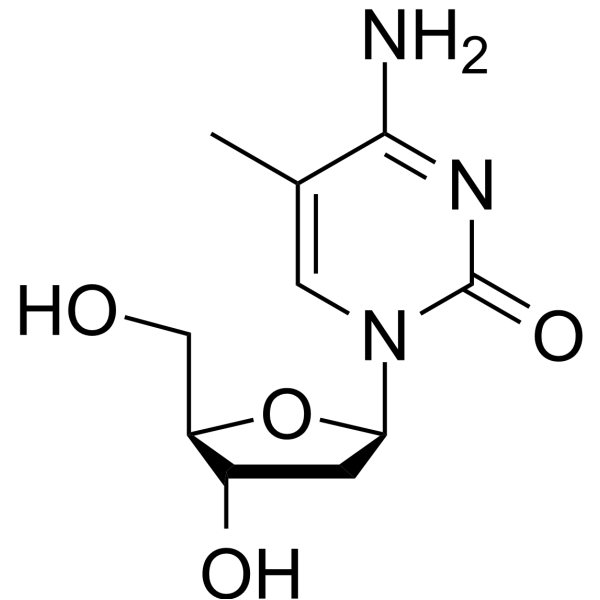
    5-Methyl-2'-deoxycytidine
    3 Publications Verification

    5-Methyldeoxycytidine

    DNA Methyltransferase Endogenous Metabolite Others
    5-Methyl-2'-deoxycytidine (5mdC) is an endogenous substrate of DNA methyltransferases (such as mammalian 5-C-MTase) and binds to DNA dependent on the formation of DNA stem-loop structures. 5-Methyl-2'-deoxycytidine guides de novo DNA methylation by acting as a methylation mark and activates the methylation of adjacent CpG sites in single-stranded DNA through cis action. 5-Methyl-2'-deoxycytidine regulates DNA methylation patterns by recruiting methyltransferases to specific chromatin regions, affecting chromatin condensation and gene expression. Its distribution in plant cells is related to cell proliferation and differentiation stages. The methylation level of 5-Methyl-2'-deoxycytidine is low in proliferating cells and high in differentiated cells .
    5-Methyl-2'-deoxycytidine
  • HY-17042A
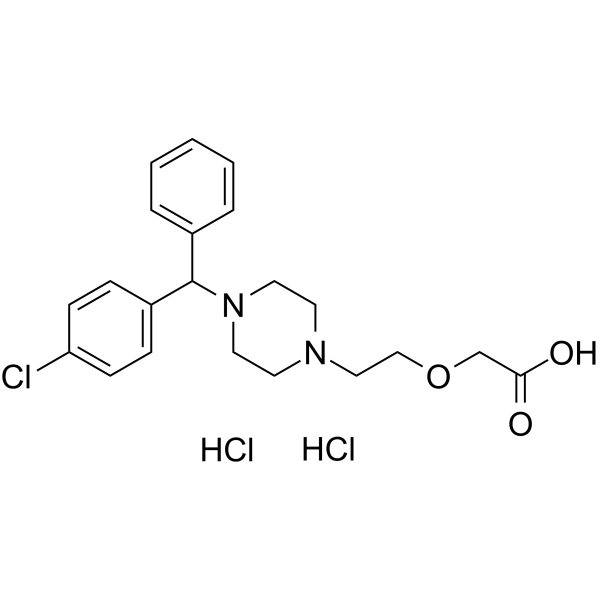
    Cetirizine dihydrochloride
    3 Publications Verification

    P071

    Histamine Receptor Inflammation/Immunology Endocrinology Cancer
    Cetirizine dihydrochloride, a second-generation antihistamine and the carboxylated metabolite of hydroxyzine, is a specific, orally active and long-acting histamine H1-receptor antagonist. Cetirizine dihydrochloride marks antiallergic properties and inhibits eosinophil chemotaxis during the allergic response .
    Cetirizine dihydrochloride
  • HY-130533

    Fluorescent Dye Others
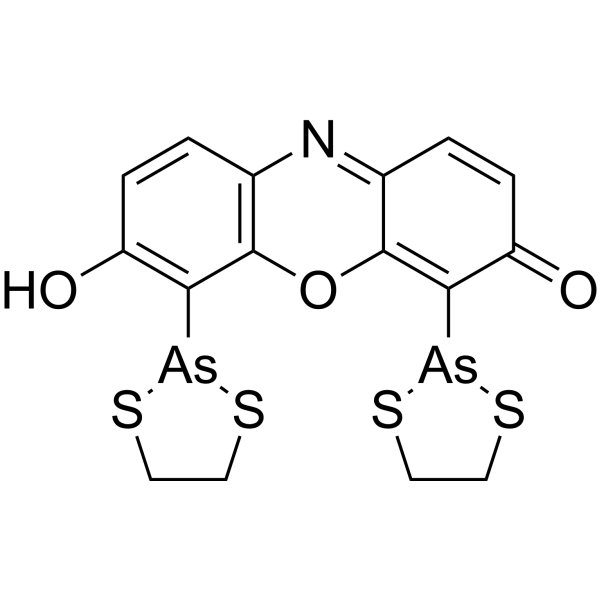
    ReAsH-EDT2 is a red fluorescent dye that marks proteins. ReAsH-EDT2 is a membrane-permeable biarsenical compound that binds covalently to tetracysteine sequences which allows the protein to be imaged. ReAsH-EDT2 can be used for protein localization and trafficking. (λex=530 nm, λem=592 nm) .
    ReAsH-EDT2
  • HY-N0657
    Pinoresinol Diglucoside
    1 Publications Verification

    NF-κB Keap1-Nrf2 Heme Oxygenase (HO) TGF-beta/Smad Akt mTOR PI3K Cardiovascular Disease Neurological Disease Metabolic Disease Inflammation/Immunology
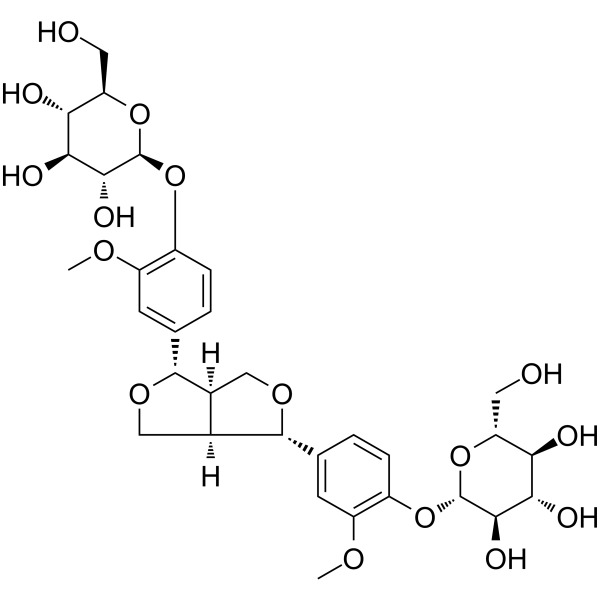
    Pinoresinol Diglucoside is an orally active lignan with multifunctional bioactivity. Pinoresinol Diglucoside interacts with targets including ALB, HIF1A, GSK3B, BCL2, MARK3, IL6, NF-κB p65, Nrf2, HO-1, and TLR4, and modulates pathways including PI3K-Akt, estrogen, MAPK, Rap1, AKT/mTOR/NF-κB, and TGF-β1/Smads. Pinoresinol Diglucoside regulates osteogenesis, bone resorption, oxidative stress, inflammation, apoptosis, ferroptosis, ferritinophagy, cardiac fibrosis, and vasorelaxation. Pinoresinol Diglucoside can be used for the research of osteoporosis, ischemia/reperfusion-induced brain injury, Alzheimer’s disease, myocardial ischemia-reperfusion injury, chondrodysplasia, diabetic cardiomyopathy, cardiac hypertrophy, hypertension, cisplatin-induced hearing loss, atherosclerotic cardiovascular diseases, and disuse osteoporosis .
    Pinoresinol Diglucoside
  • HY-101934

    MARK AMPK Neurological Disease
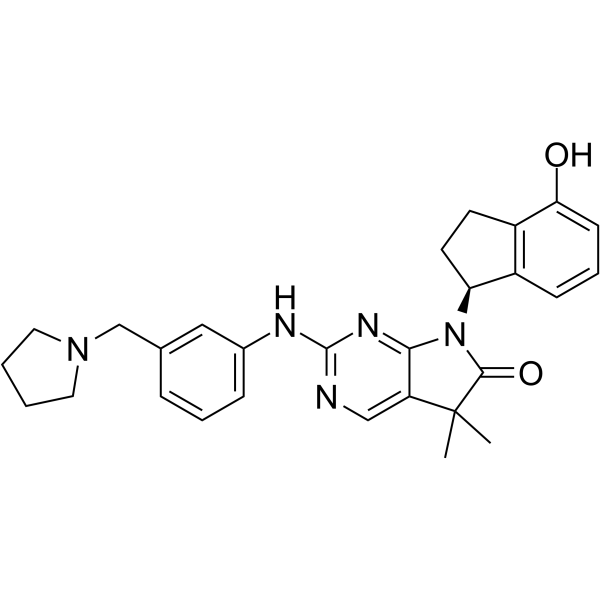
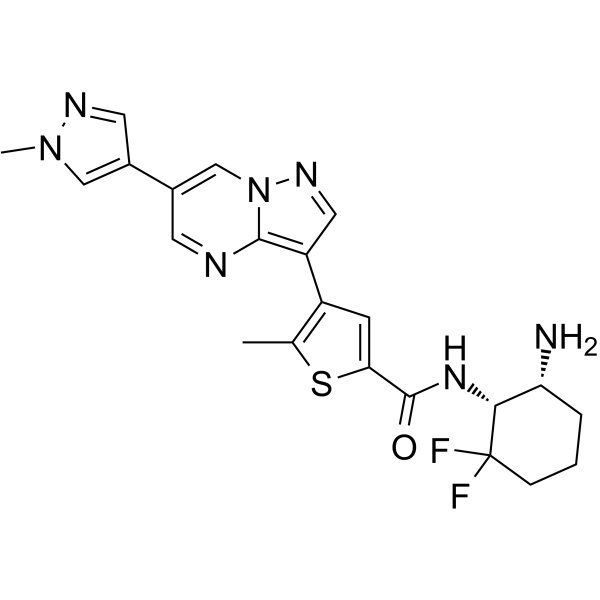
    MARK-IN-2 is a potent microtubule affinity regulating kinase (MARK) inhibitor with an IC50 of 5 nM.
    MARK-IN-2
  • HY-139604
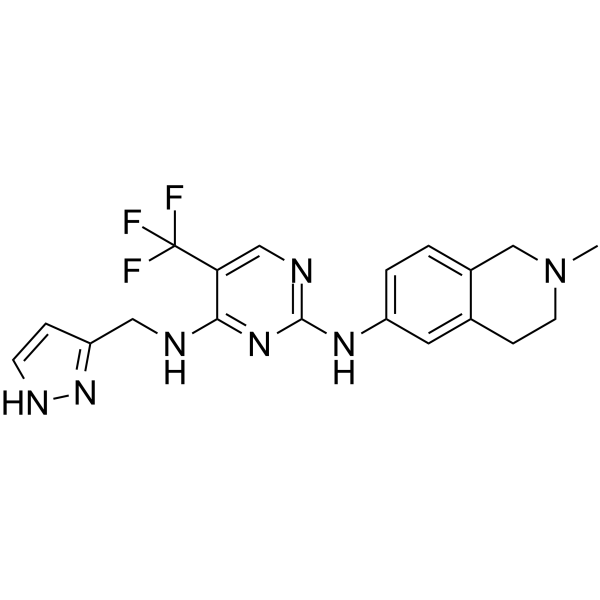
    PCC0208017
    3 Publications Verification

    MARK Apoptosis Cancer
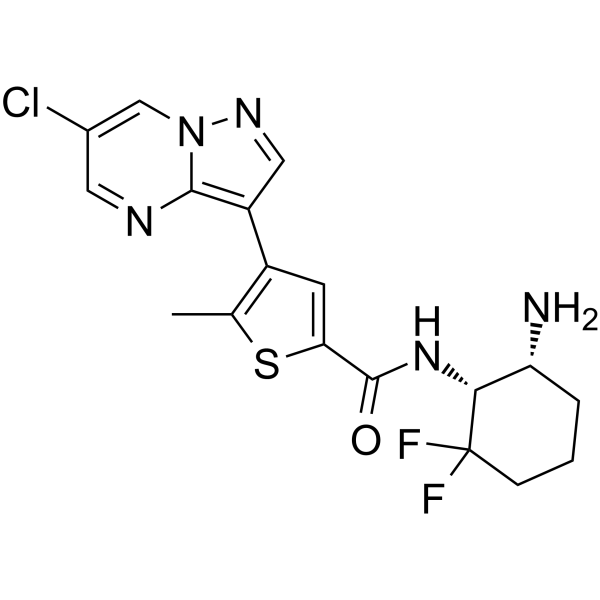
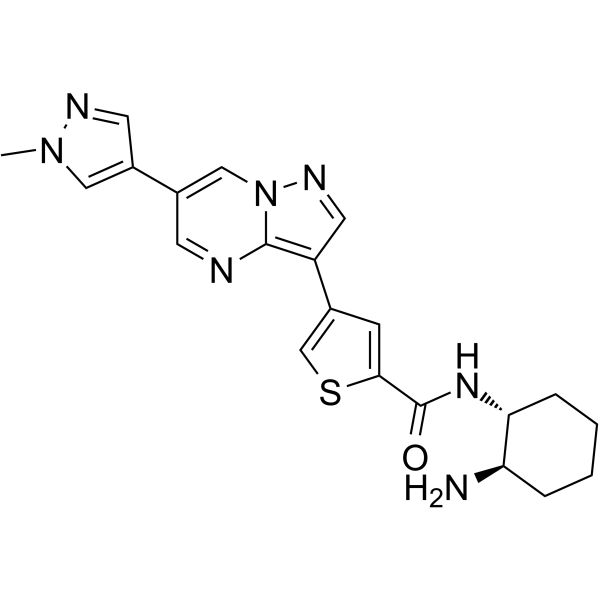
    PCC0208017 is a microtubule affinity regulating kinases (MARK3/MARK4) inhibitor with IC50s of 1.8 and 2.01 nM, respectively. PCC0208017 has much lower inhibitory activity against MARK1 and MARK2, with IC50s of 31.4 and 33.7 nM, respectively. PCC0208017 suppresses glioma progression in vitro and in vivo. PCC0208017 disrupts microtubule dynamics and induces G2/M phase cell cycle arrest and cell apoptosis. PCC0208017 demonstrates robust antitumor activity in vivo and displays good BBB permeability .
    PCC0208017
  • HY-100744
    AS8351
    1 Publications Verification

    NSC51355

    Histone Demethylase Cardiovascular Disease
    AS8351 (NSC51355) is a KDM5B inhibitor, which can induce and sustain active chromatin marks to facilitate the induction of cardiomyocyte-like cells .
    AS8351
  • HY-120877

    MARK Salt-inducible Kinase (SIK) AMPK Apoptosis Cancer
    MRT199665 is a potent and ATP-competitive, selective MARK/SIK/AMPK inhibitor with IC50s of 2/2/3/2 nM, 10/10 nM, and 110/12/43 nM for MARK1/MARK2/MARK3/MARK14, AMPKα1/AMPKα2, and SIK1/SIK2/SIK3, respectively . MRT199665 causes apoptosis in MEF2C-activated human acute myeloid leukemias (AML) cells . MRT199665 inhibits the phosphorylation of SIK substrate CRTC3 at S370 .
    MRT199665
  • HY-D0516

    Sudan Blue II; Oil Blue 35

    Environmental Pollutants Biochemical Assay Reagents Others
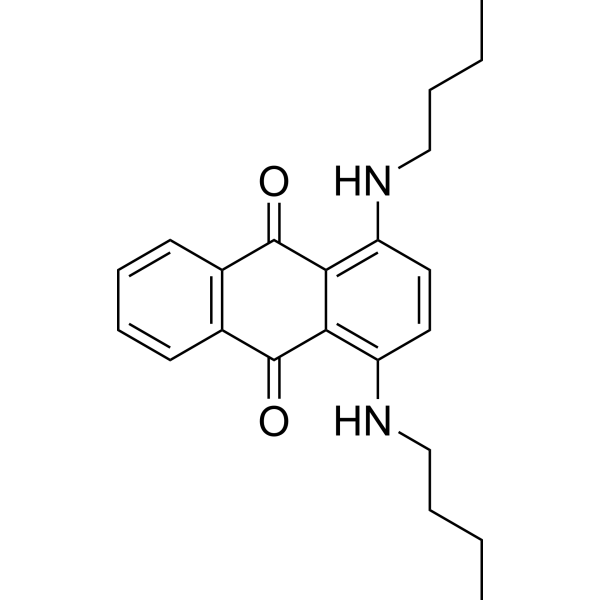
    Solvent Blue 35 (Sudan Blue II) is a blue solvent dye that can be used to mark specific diesel fuels, among other things .
    Solvent Blue 35
  • HY-112266

    AMPK MARK Neurological Disease
    MARK-IN-4 (Compound 18) is a MARK inhibitor with an IC50 of 1 nM. MARK-IN-4 is applicable to Alzheimer's disease research .
    MARK-IN-4
  • HY-148065

    PROTACs Wee1 CDK AAK1 ULK MELK Itk IRAK Ephrin Receptor FGFR MAP4K p38 MAPK Neurological Disease Metabolic Disease Inflammation/Immunology Cancer
    FMF-06-098-1 is a multi-target kinase PROTAC degrader. FMF-06-098-1 can be used to target degradation kinases which degrades AAK1, AΒL2, AURKA, AURKB, BUBIB, CDC7, CDK1, CDK12, CDK13, CDK2, CDK4, CDk6, CDK7, CDK9, CHEK1, CSNKID, EPHA1, PER, FGFR1, GAK, IRAK4, ITK, LIMK2, MAP4K2, MAP4K3, MAPK6, MAPK7, MARK4, MELK, PKN3, PLK4, PRKAA1, PTK2, PTK6, RPS6KA4, S1K2, STK35, TNK2, UHMK1, ULK1, and WEE1 .
    FMF-06-098-1
  • HY-101933

    AMPK Neurological Disease
    MARK-IN-1 is a potent microtubule affinity regulating kinase (MARK) inhibitor with an IC50 of <0.25 nM.
    MARK-IN-1
  • HY-162350

    Epigenetic Reader Domain Apoptosis Cancer
    TDI-11055 is a selective and orally active eleven-nineteen leukemia (ENL) inhibitor, which displaces ENL from chromatin by blocking its YEATS domain interaction with acylated histones. TDI-11055 inhibits ENL and AF9 YEATS domains with IC50 values of 50 nM and 70 nM, respectively, and no activity against GAS41 or YEATS2. TDI-11055 decreases chromatin occupancy of ENL-associated complexes, impairs transcription elongation, suppresses key oncogenic gene expression programs, and induces differentiation. TDI-11055 can be used for the research of acute myeloid leukemia .
    TDI-11055
  • HY-114317
    MARK4 inhibitor 1
    1 Publications Verification

    MARK AMPK Apoptosis Cancer
    MARK4 inhibitor 1 is a potent and selective microtubule affinity-regulating kinase 4 (MARK4) inhibitor, with an IC50 of 1.54 μM. MARK4 inhibitor 1 inhibits cancer cell proliferation, metastasis and induces apoptosis .
    MARK4 inhibitor 1
  • HY-157251

    Histone Methyltransferase Cancer
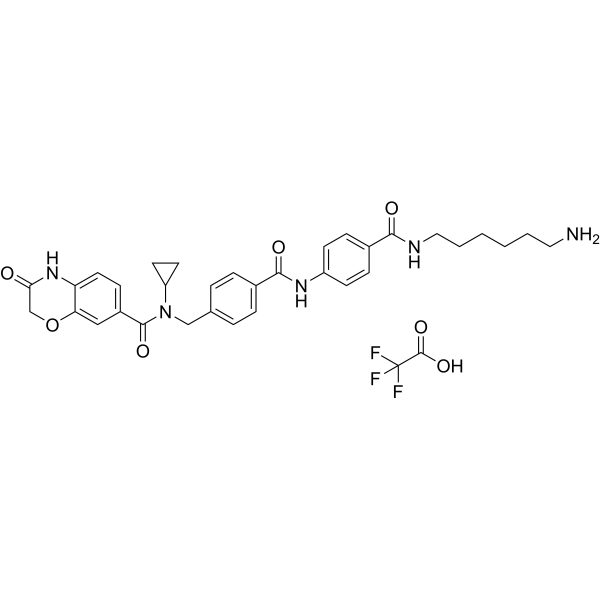
    UNC8153 TFA is a potent and selective nuclear receptor-binding SET domain-containing 2 (NSD2)-targeted degrader with a Kd of 24 nM. UNC8153 TFA reduces the cellular levels of both NSD2 protein (DC50 in cell U2OS is 0.35 μM) and the H3K36me2 chromatin mark. UNC8153 TFA contains a simple warhead that confers proteasome-dependent degradation of NSD2 .
    UNC8153 TFA
  • HY-16986
    EPZ011989
    3 Publications Verification

    Histone Methyltransferase Cancer
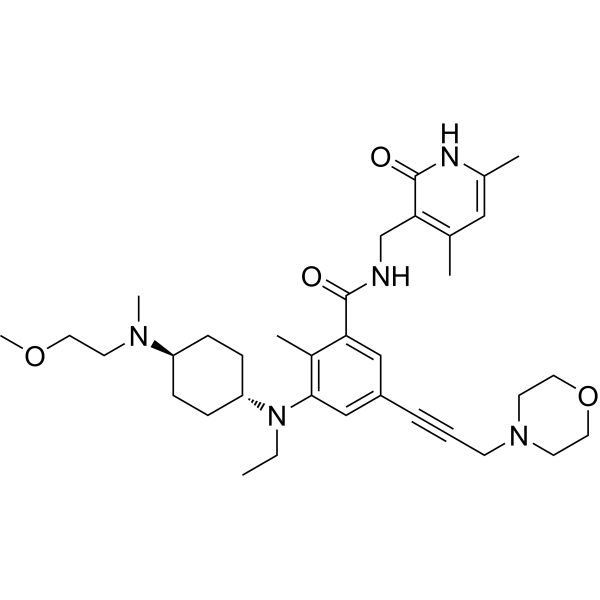
    EPZ011989 is a potent and orally active Zeste Homolog 2 (EZH2) inhibitor with metabolic stability. EPZ011989 has inhibitory inhibition for EZH2 with a Ki value of <3 nM. EPZ011989 shows robust methyl mark inhibition and anti-tumor activity. EPZ011989 can be used for the research of various cancers . EPZ011989 is a click chemistry reagent, it contains an Alkyne group and can undergo copper-catalyzed azide-alkyne cycloaddition (CuAAc) with molecules containing Azide groups.
    EPZ011989
  • HY-150221

    PARP Cancer
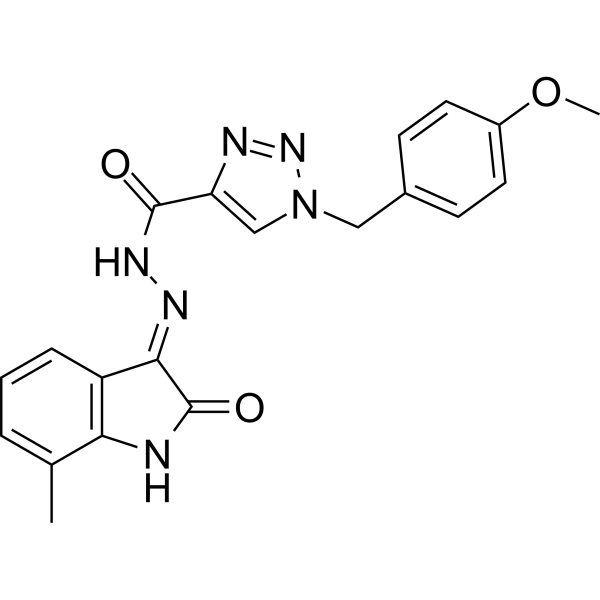
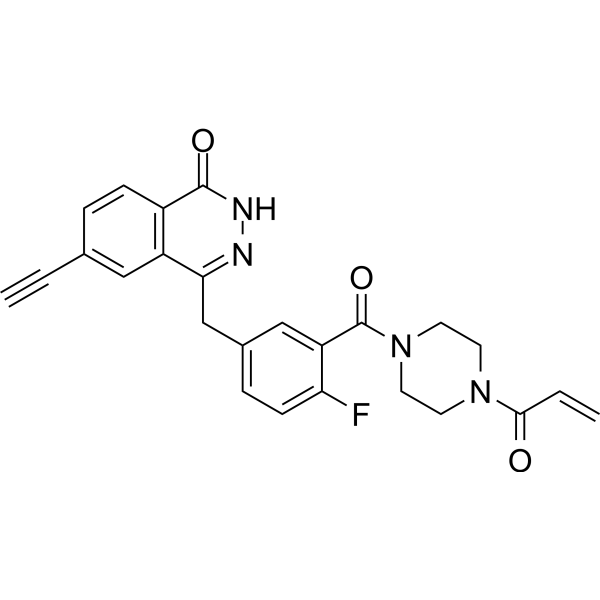
    DB008 is potent and selective PARP16 inhibitor with an IC50 value of 0.27 μM, containing an acrylamide electrophilic reagent. DB008 is membrane-permeable and marks PARP16 selectively . DB008 is a click chemistry reagent, it contains an Alkyne group and can undergo copper-catalyzed azide-alkyne cycloaddition (CuAAc) with molecules containing Azide groups.
    DB008
  • HY-148062

    PROTACs CDK AAK1 Cyclin G-associated Kinase (GAK) Salt-inducible Kinase (SIK) LIM Kinase (LIMK) Wee1 SnRK Others
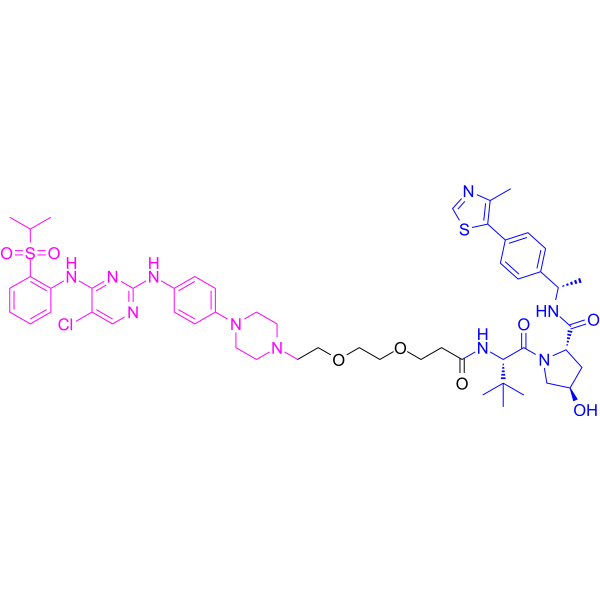
    RSS0680 is a small noncoding RNA (sRNA) targeting the mRNA ribosome binding site (RBS) and a PROTAC with protein kinase degradation activity (Pink: FLT3-IN-17 (HY-148070); Black: Linker (HY-W041970); Blue: E3 ligase Ligand (HY-112078)). RSS0680 competitively binds to RBS through the conserved CCUCCUCCC anti-Shine-Dalgarno (aSD) sequence and inhibits the translation initiation of target genes. RSS0680 can interact with the DUF1127 protein CcaF1, regulate its own stability and participate in bacterial oxidative stress defense, enhancing the host's resistance to heat shock and oxidative damage by affecting pathways such as C1 metabolism and pyruvate dehydrogenase complex. RSS0680 degrades AAK1, CDK1, CDK16, CDK2, CDK4, CDK6, EIF2AK4, GAK, LATSl, LIMK2, MAPK6, MAPKAPK5, MARK2, MARK4, MKNK2, NEK9, RPS6KB1, SIK2, SNRK, STK17A, STK17B, STK35, and WEEl. RSS0680 can be used to study diseases or disorders mediated by aberrant kinase activity and regulatory mechanisms of noncoding RNAs in α-proteobacteria[1][2].
    RSS0680
  • HY-W018324

    5hmC

    Endogenous Metabolite Neurological Disease Metabolic Disease Cancer
    5-Hydroxymethylcytosine (5hmC) is an oxidized forms of 5-methylcytosine (5mC) in mammalian DNA. 5-Hydroxymethylcytosine is produced from 5mC in an enzymatic pathway involving three 5mC oxidases, Ten-eleven translocation (TET)1, TET2, and TET3. The conversion of 5mC into 5hmC can be the first step in a pathway leading towards DNA demethylation. 5-Hydroxymethylcytosine is associated with gene transcription and frequently used as a mark to investigate dynamic DNA methylation conversion during mammalian development. 5-Hydroxymethylcytosine can be used for the study of non-small cell lung cancer (NSCLC), neurodegenerative diseases (Alzheimer’s, Parkinson’s) and hematological malignancies (acute myeloid leukemia, myelodysplastic syndromes) .
    5-Hydroxymethylcytosine
  • HY-W740027

    5-Methyldeoxycytidine-d3

    Isotope-Labeled Compounds DNA Methyltransferase Endogenous Metabolite Others
    5-Methyl-2'-deoxycytidine-d3 (5-Methyldeoxycytidine-d3) is the deuterium labeled Methyl-2'-deoxycytidine (HY-W012078). 5-Methyl-2'-deoxycytidine (5mdC) is an endogenous substrate of DNA methyltransferases (such as mammalian 5-C-MTase) and binds to DNA dependent on the formation of DNA stem-loop structures. 5-Methyl-2'-deoxycytidine guides de novo DNA methylation by acting as a methylation mark and activates the methylation of adjacent CpG sites in single-stranded DNA through cis action. 5-Methyl-2'-deoxycytidine regulates DNA methylation patterns by recruiting methyltransferases to specific chromatin regions, affecting chromatin condensation and gene expression. Its distribution in plant cells is related to cell proliferation and differentiation stages. The methylation level of 5-Methyl-2'-deoxycytidine is low in proliferating cells and high in differentiated cells .
    5-Methyl-2'-deoxycytidine-d3
  • HY-154986

    MARK AMPK Cancer
    MARK4 inhibitor 2 is an inhibitor of microtubule affinity-regulating kinase 4 (MARK4) with an Km of 6.3×10 7 and an IC50 of 0.82 μM. MARK4 inhibitor 2 inhibits the growth of human cells and can be used for cancer research .
    MARK4 inhibitor 2
  • HY-17042S1

    Histamine Receptor Inflammation/Immunology
    Cetirizine-d8 is a deuterium labeled Cetirizine. Cetirizine, a second-generation antihistamine and the carboxylated metabolite of hydroxyzine, is a specific, orally active and long-acting histamine H1-receptor antagonist. Cetirizine marks antiallergic properties and inhibits eosinophil chemotaxis during the allergic response .
    Cetirizine-d8
  • HY-P2254

    Histone Methyltransferase Cancer
    H3K27(Me3) (15-34), a histone peptide, is a repressive chromatin mark derived from human histone. Polycomb Repressive Complex 2 (PRC2) is a multiprotein complex that catalyzes the methylation of H3K27(Me) .
    H3K27(Me3) (15-34)
  • HY-157251A

    Histone Methyltransferase Cancer
    UNC8153 is a potent and selective nuclear receptor-binding SET domain-containing 2 (NSD2)-targeted degrader with a Kd of 24 nM. UNC8153 reduces the cellular levels of both NSD2 protein (DC50 in cell U2OS is 0.35 μM) and the H3K36me2 chromatin mark. UNC8153 contains a simple warhead that confers proteasome-dependent degradation of NSD2 .
    UNC8153
  • HY-W070306

    PDK-1 FGFR Wee1 MARK Neurological Disease Cancer
    PDK1-IN-1 (Compound 2-11) is a PDK1 inhibitor. PDK1-IN-1 is also useful as inhibitor of other kinases such as FGFR3, NTRK3, RP-S6K and WEE1. PDK1-IN-1 selectively inhibits microtubule affinity regulating kinase (MARK). PDK1-IN-1 can be used for researches of myeloproliferative disorders, cancer and Alzheimer's disease .
    PDK1-IN-1
  • HY-W004924

    Endogenous Metabolite Others
    5-Hydroxymethyluracil is a product of oxidative DNA damage. 5-Hydroxymethyluracil can be used as a potential epigenetic mark enhancing or inhibiting transcription with bacterial RNA polymerase.
    5-Hydroxymethyluracil
  • HY-154987

    MARK Cancer
    MARK4 inhibitor 3 (compound 23b) is an inhibitor of MARK4 with an IC50 value of 1.01 μM. MARK4 inhibitor 3 inhibits cancer cells growth. MARK4 inhibitor 3 can be used for research on cancer and tauopathies .
    MARK4 inhibitor 3
  • HY-120877A

    MARK Salt-inducible Kinase (SIK) AMPK Apoptosis Cancer
    (R)-MRT199665 is an isomer of MRT199665 (HY-120877). MRT199665 is a potent and ATP-competitive, selective MARK/SIK/AMPK inhibitor with IC50s of 2/2/3/2 nM, 10/10 nM, and 110/12/43 nM for MARK1/MARK2/MARK3/MARK14, AMPKα1/AMPKα2, and SIK1/SIK2/SIK3, respectively. MRT199665 causes apoptosis in MEF2C-activated human acute myeloid leukemias (AML) cells. MRT199665 inhibits the phosphorylation of SIK substrate CRTC3 at S370 .
    (R)-MRT199665
  • HY-172545

    Tau Protein Neurological Disease
    AMG28 is an ATP-competitive inhibitor targeting TTBK1 and TTBK2, with IC50 values of 805 nM and 988 nM, respectively. AMG28 inhibits the phosphorylation of tau protein at the Ser422 site .
    AMG28
  • HY-159113

    MARK Neurological Disease
    PCC0105003 is a potent MARK inhibitor. PCC0105003 can be used in the study of neuropathic pain .
    PCC0105003
  • HY-RS08149

    Small Interfering RNA (siRNA) Others

    MARK1 Human Pre-designed siRNA Set A contains three designed siRNAs for MARK1 gene (Human), as well as a negative control, a positive control, and a FAM-labeled negative control.

    MARK1 Human Pre-designed siRNA Set A
    MARK1 Human Pre-designed siRNA Set A
  • HY-W004924S

    Endogenous Metabolite Others
    5-Hydroxymethyluracil-d3 is the deuterium labeled 5-Hydroxymethyluracil . 5-Hydroxymethyluracil is a product of oxidative DNA damage. 5-Hydroxymethyluracil can be used as a potential epigenetic mark enhancing or inhibiting transcription with bacterial RNA polymerase .
    5-Hydroxymethyluracil-d3
  • HY-17042S

    Histamine Receptor Inflammation/Immunology
    Cetirizine-d4 is a deuterium labeled Cetirizine. Cetirizine, a second-generation antihistamine and the carboxylated metabolite of hydroxyzine, is a specific, orally active and long-acting histamine H1-receptor antagonist. Cetirizine marks antiallergic properties and inhibits eosinophil chemotaxis during the allergic response[1][2][3].
    Cetirizine-d4
  • HY-16986A
    EPZ011989 trifluoroacetate
    3 Publications Verification

    Histone Methyltransferase Cancer
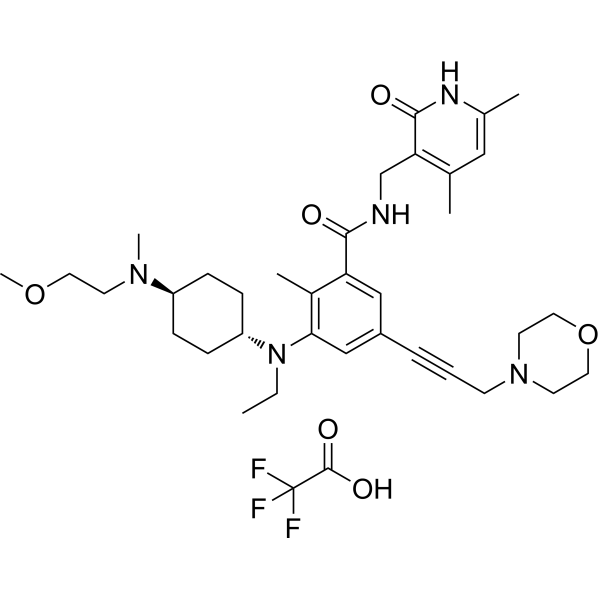
    EPZ-011989 trifluoroacetate is a potent and orally active Zeste Homolog 2 (EZH2) inhibitor with metabolic stability. EPZ-011989 trifluoroacetate has inhibitory inhibition for EZH2 with a Ki value of <3 nM. EPZ-011989 trifluoroacetate shows robust methyl mark inhibition and anti-tumor activity. EPZ-011989 trifluoroacetate can be used for the research of various cancers . EPZ011989 (trifluoroacetate) is a click chemistry reagent, it contains an Alkyne group and can undergo copper-catalyzed azide-alkyne cycloaddition (CuAAc) with molecules containing Azide groups.
    EPZ011989 trifluoroacetate
  • HY-W012078R
    5-Methyl-2'-deoxycytidine (Standard)
    1 Publications Verification

    5-Methyldeoxycytidine (Standard)

    Reference Standards DNA Methyltransferase Endogenous Metabolite Others
    5-Methyl-2'-deoxycytidine (5mdC) is an endogenous substrate of DNA methyltransferases (such as mammalian 5-C-MTase) and binds to DNA dependent on the formation of DNA stem-loop structures. 5-Methyl-2'-deoxycytidine guides de novo DNA methylation by acting as a methylation mark and activates the methylation of adjacent CpG sites in single-stranded DNA through cis action. 5-Methyl-2'-deoxycytidine regulates DNA methylation patterns by recruiting methyltransferases to specific chromatin regions, affecting chromatin condensation and gene expression. Its distribution in plant cells is related to cell proliferation and differentiation stages. The methylation level of 5-Methyl-2'-deoxycytidine is low in proliferating cells and high in differentiated cells .
    5-Methyl-2'-deoxycytidine (Standard)
  • HY-154988

    MARK Neurological Disease Cancer
    MARK4 inhibitor 4 is a MARK4 inhibitor with an IC50 of 1.49 μM. MARK4 inhibitor 4 can be used in cancer and tau lesion-related research .
    MARK4 inhibitor 4
  • HY-RS21640

    Small Interfering RNA (siRNA) Others

    Mark1 Mouse Pre-designed siRNA Set A contains three designed siRNAs for Mark1 gene (Mouse), as well as a negative control, a positive control, and a FAM-labeled negative control.

    Mark1 Mouse Pre-designed siRNA Set A
    Mark1 Mouse Pre-designed siRNA Set A
  • HY-RS24656

    Small Interfering RNA (siRNA) Others

    Mark4 Rat Pre-designed siRNA Set A contains three designed siRNAs for Mark4 gene (Rat), as well as a negative control, a positive control, and a FAM-labeled negative control.

    Mark4 Rat Pre-designed siRNA Set A
    Mark4 Rat Pre-designed siRNA Set A
  • HY-RS24385

    Small Interfering RNA (siRNA) Others

    Mark3 Rat Pre-designed siRNA Set A contains three designed siRNAs for Mark3 gene (Rat), as well as a negative control, a positive control, and a FAM-labeled negative control.

    Mark3 Rat Pre-designed siRNA Set A
    Mark3 Rat Pre-designed siRNA Set A
  • HY-RS24069

    Small Interfering RNA (siRNA) Others

    Mark2 Rat Pre-designed siRNA Set A contains three designed siRNAs for Mark2 gene (Rat), as well as a negative control, a positive control, and a FAM-labeled negative control.

    Mark2 Rat Pre-designed siRNA Set A
    Mark2 Rat Pre-designed siRNA Set A
  • HY-RS08152

    Small Interfering RNA (siRNA) Others

    MARK4 Human Pre-designed siRNA Set A contains three designed siRNAs for MARK4 gene (Human), as well as a negative control, a positive control, and a FAM-labeled negative control.

    MARK4 Human Pre-designed siRNA Set A
    MARK4 Human Pre-designed siRNA Set A
  • HY-RS18182

    Small Interfering RNA (siRNA) Others

    Mark4 Mouse Pre-designed siRNA Set A contains three designed siRNAs for Mark4 gene (Mouse), as well as a negative control, a positive control, and a FAM-labeled negative control.

    Mark4 Mouse Pre-designed siRNA Set A
    Mark4 Mouse Pre-designed siRNA Set A
  • HY-RS08150

    Small Interfering RNA (siRNA) Others

    MARK2 Human Pre-designed siRNA Set A contains three designed siRNAs for MARK2 gene (Human), as well as a negative control, a positive control, and a FAM-labeled negative control.

    MARK2 Human Pre-designed siRNA Set A
    MARK2 Human Pre-designed siRNA Set A
  • HY-RS28158

    Small Interfering RNA (siRNA) Others
    Mark1 Rat Pre-designed siRNA Set A contains three designed siRNAs for Mark1 gene (Rat), as well as a negative control, a positive control, and a FAM-labeled negative control.
    Mark1 Rat Pre-designed siRNA Set A
    Mark1 Rat Pre-designed siRNA Set A
  • HY-157140

    Biochemical Assay Reagents Others
    HibK is is a new type of histone mark that is widely distributed in histone proteins. HibK as a useful tool can be used for probing post-translational modification by site-specifically incorporate HibK into proteins .
    HibK
  • HY-W004924R

    Reference Standards Endogenous Metabolite Others
    5-Hydroxymethyluracil is a product of oxidative DNA damage. 5-Hydroxymethyluracil can be used as a potential epigenetic mark enhancing or inhibiting transcription with bacterial RNA polymerase.
    5-Hydroxymethyluracil (Standard)
  • HY-N12899

    Others Endocrinology
    9-trans-Hexadecenol is a male sex pheromone that can be isolated from the labial glands of Scandinavian bumblebees (Bombus pratorum & Bombus lapidarius). 9-trans-Hexadecenol leaves marks unpredictably on small areas along the edges of birch leaves .
    9-trans-Hexadecenol
  • HY-100660A

    Drug Metabolite Others
    Cetirizine Impurity B dihydrochloride is an impurity of Cetirizine dihydrochloride. Cetirizine, a second-generation antihistamine, is a specific, orally active and long-acting histamine H1-receptor antagonist. Cetirizine marks antiallergic properties and inhibits eosinophil chemotaxis during the allergic response .
    Cetirizine Impurity B dihydrochloride
  • HY-W458018

    Ligands for E3 Ligase Cancer
    Thalidomide-4-Br,7-F is an E3 ligase activator featuring a bromine and a fluorine. E3 ligase is a protein that marks other proteins for proteolytic destruction by labeling them with ubiquitin. Both halogens may be substituted for further derivitization.
    Thalidomide-4-Br,7-F

Inquiry Online

Your information is safe with us. * Required Fields.

Salutation


Country or Region *

Applicant Name *


Organization Name *

Department *


Email Address *


Product Name *

Cat. No.


Requested quantity *

Phone Number *


Remarks

Inquiry Online

Inquiry Information

Product Name:
Cat. No.:
Quantity:
MCE Japan Authorized Agent:

