
From 11:00 pm to 12:00 pm EST ( 8:00 pm to 9:00 pm PST ) on January 6th, the website will be under maintenance. We are sorry for the inconvenience. Please arrange your schedule properly.
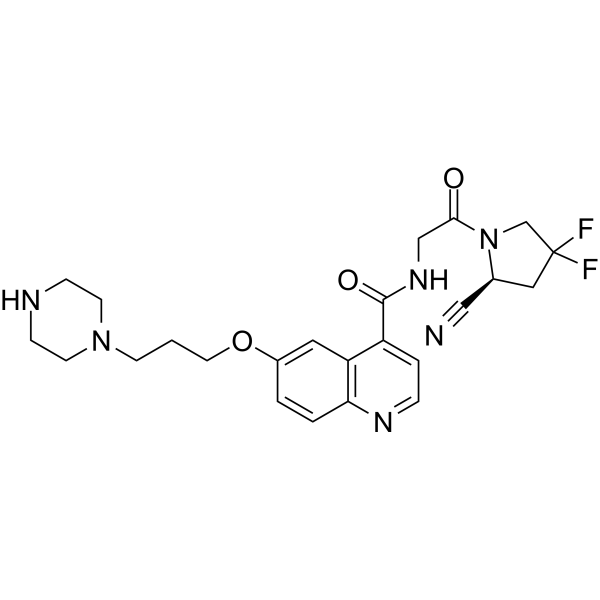
FAP-IN-2 is an isonitrile-containing fibroblast activation protein (FAP) inhibitor. FAP-IN-2 can be labeled with technetium-99m ( 99mTc) for targeted tumor SPECT imaging .
Labetuzumab is a humanised anti-carcinoembryonic antigen (CEA) monoclonal antibody that inhibits tumour growth and sensitises human medullary thyroid cancer xenografts to Dacarbazine chemotherapy .
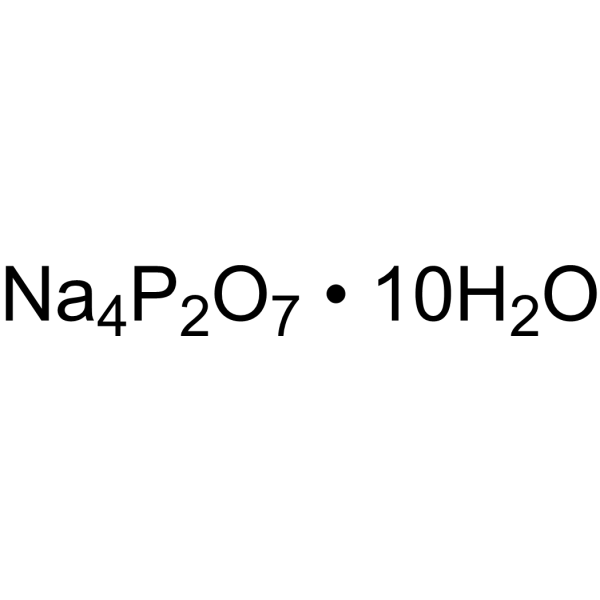
Sodium pyrophosphate decahydrate is a phosphate donor and mild chelating agent. Sodium pyrophosphate decahydrate serves as a phosphate source for Pseudomonas aeruginosa acid phosphatase and its Q6 variant, enabling phosphorylation of L‑ascorbic acid to L‑ascorbate‑2‑phosphate. Sodium pyrophosphate decahydrate facilitates 99mTc labeling of human polyclonal IgG. Sodium pyrophosphate decahydrate can be used in research on musculoskeletal infections .
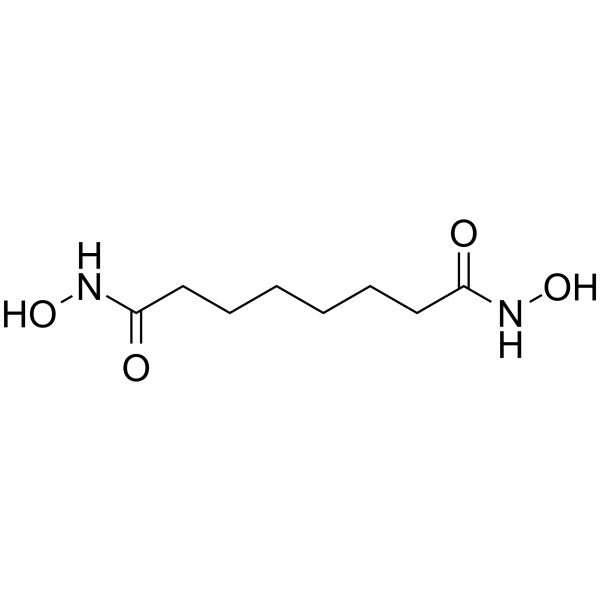
Suberoyl bis-hydroxamic acid (Suberohydroxamic acid; SBHA) is a competitive and cell-permeable HDAC1 and HDAC3 inhibitor with ID50 values of 0.25 μM and 0.30 μM, respectively .Suberoyl bis-hydroxamic acid renders MM cells susceptible to apoptosis and facilitates the mitochondrial apoptotic pathways .Suberoyl bis-hydroxamic acid can be used for the study of medullary thyroid carcinoma (MTC) .
Betiatide, as a chelating agent for Technetium-99m ( 99mTc), is used to prepare 99mTc-MAG3 (mercaptoacetyltriglycine), a radiopharmaceutical for renal function imaging. Betiatide is used for the diagnosis of congenital and acquired abnormalities, renal failure, urinary tract obstructions, and calculi . Betiatide can be used for the synthesis/research of Radionuclide-Drug Conjugates (RDCs).
HYNIC-UBI29-41 is composed of a bifunctional chelator HYNIC and an antimicrobial peptide UBI 29-41 (HY-P10364) (HY-P10364). HYNIC-UBI29-41 retains the antibacterial properties of UBI 29-41, and exhibits good affinity to Gram-positive and Gram-negative bacteria. HYNIC-UBI29-41 can be used as an imaging agent for bacterial infection detection in mouse models, when labeled with the radioactive element technetium (99mTc) .
HER2-targeted peptide H6F is a HER2 targeting peptide that binds to HER2 to target breast cancer cells, with the amino acid sequence YLFFVFER. The HER2-targeted peptide H6F can be conjugated with the bifunctional chelating agent hydrazinonicotinamide (HYNIC) for radiolabeling with 99mTc. Single-photon emission computed tomography (SPECT) imaging shows that the labeled HER2-targeted peptide H6F specifically accumulates in HER2-positive MDA-MBA-453 tumor-bearing mice models. The HER2-targeted peptide H6F can be used for tumor molecular imaging studies .
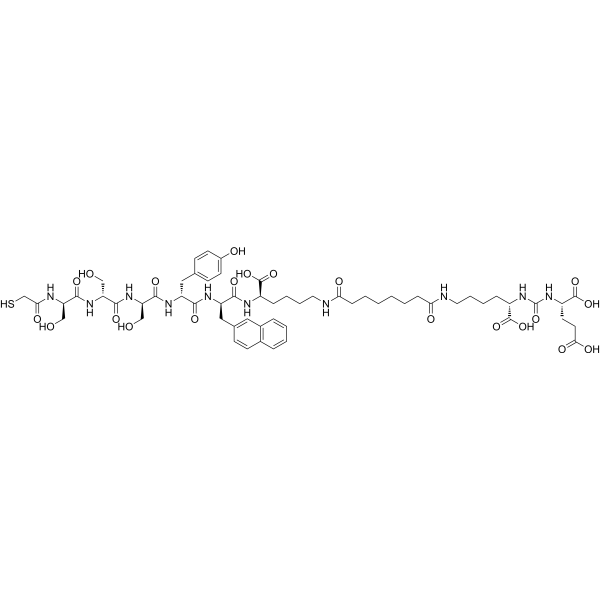
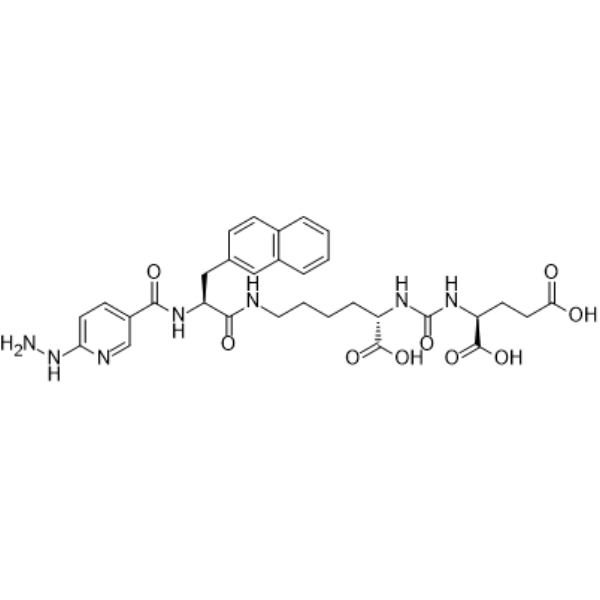
HYNIC-iPSMA TFA is a ligand for molecular imaging of tumors. Hynic-ipsma consists of two components: HYNIC (6-hydrazinonicotinamide) and iPSMA (Inhibitor of Prostate-Specific Membrane Antigen). HYNIC is a compound used to attach radioactive isotopes to targeted molecules. iPSMA is a specific inhibitor used to inhibit prostate-specific membrane antigen (PSMA). 68GA-labeled iPSMA has been used to detect prostate cancer by PET imaging. The further 99mTc-EDDA/HYNIC-iPSMA TFA has excellent specificity and sensitivity . HYNIC-iPSMA TFA can be used for the synthesis/research of Radionuclide-Drug Conjugates (RDCs).
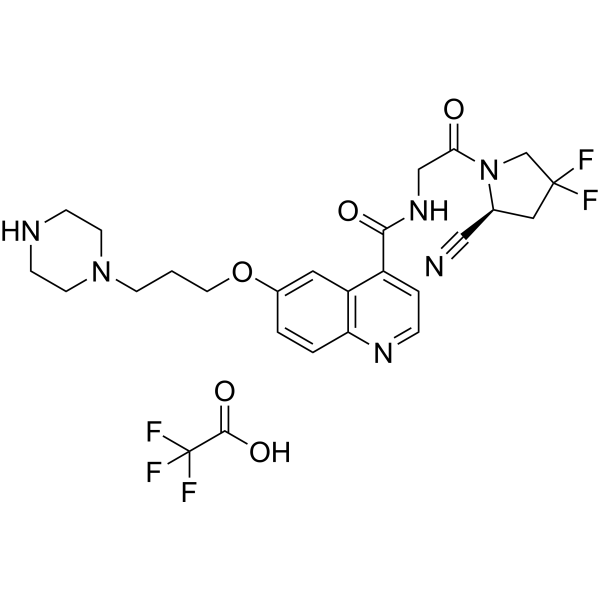
FAP-IN-2 TFA is an isonitrile-containing fibroblast activation protein (FAP) inhibitor. FAP-IN-2 TFA can be labeled with technetium-99m ( 99mTc) for targeted tumor SPECT imaging .
HYNIC-iPSMA is a ligand for molecular imaging of tumors. Hynic-ipsma consists of two components: HYNIC (6-hydrazinonicotinamide) and iPSMA (Inhibitor of Prostate-Specific Membrane Antigen). HYNIC is a compound used to attach radioactive isotopes to targeted molecules. iPSMA is a specific inhibitor used to inhibit prostate-specific membrane antigen (PSMA). 68GA-labeled iPSMA has been used to detect prostate cancer by PET imaging. The further 99mTc-EDDA/HYNIC-iPSMA has excellent specificity and sensitivity . HYNIC-iPSMA can be used for the synthesis/research of Radionuclide-Drug Conjugates (RDCs).
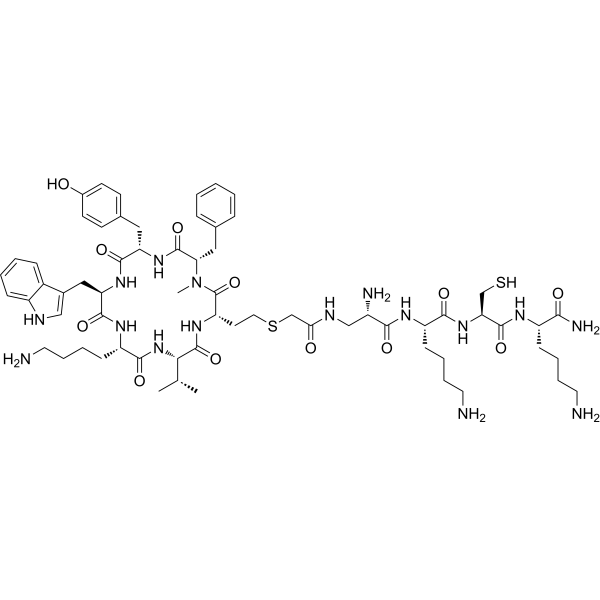
Depreotide is a nove tumor tarcer, can be complexed with technetium-99m ( 99mTc-depreotide) for optimal imaging properties. 99mTc-depreotide somatostain receptor imaging has been playing an important role in medical diagnosis research . Depreotide can be used for the synthesis/research of Radionuclide-Drug Conjugates (RDCs).
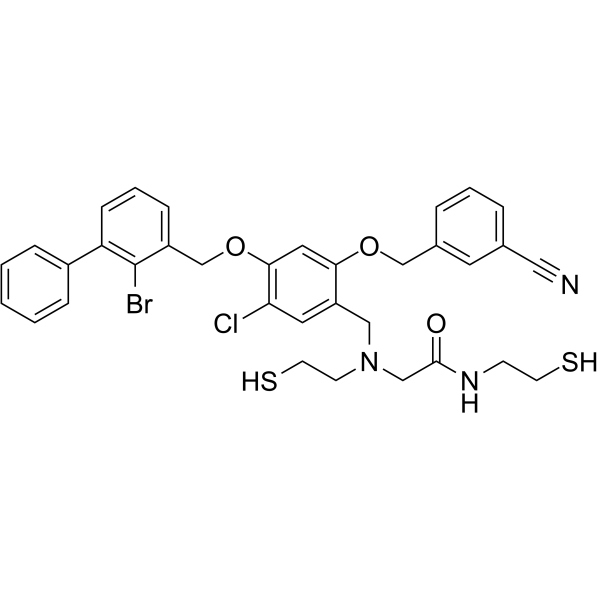
N2S2-CBMBC, an N2S2 bromo-benzyl ether derivative, acts as a ligand and use 99mTc-labelled complexes 99mTc-N2S2-CBMBC can be used as an imaging agent to be applied to the aspect of detecting PD-L1 expression, realize the real-time, comprehensive and convenient detection of the PD-L1 level of tumors, and overcome the defects of an immunohistochemical method .
BQ0413 exhibits good affinity to PSMA with a KD of 89 pM. BQ0413 exhibits good uptake and internalization property with an internalization rate of 44% in PC3-pip cell. BQ0413 can be used as tumor imaging agent when labeled with 99mTc .
HYNIC-UBI29-41 TFA is composed of a bifunctional chelator HYNIC and an antimicrobial peptide UBI 29-41 (HY-P10364). HYNIC-UBI29-41 TFA retains the antibacterial properties of UBI 29-41, and exhibits good affinity to Gram-positive and Gram-negative bacteria. HYNIC-UBI29-41 TFA can be used as an imaging agent for bacterial infection detection in mouse models, when labeled with the radioactive element technetium (99mTc) .
GB-6 is a short linear peptide that targets the gastrin releasing peptide receptor (GRPR). GRPR is overexpressed in pancreatic cancer. Based on the tumor selectivity and tumor-specific accumulation properties of GB-6, GB-6 labeled with near infrared (NIR) fluorescent dyes or radionuclide netium-99m (99mTc) can be used as a high-contrast imaging probe. GB-6 has excellent in vivo stability, with tumor to pancreatic and intestinal fluorescence signal ratios of 5.2 and 6.3, respectively, in SW199 0 subcutaneous xenograft models. GB-6 can rapidly target tumors and accurately delineate tumor boundaries, which has broad application prospects .
RET-IN-25 (compound 6b) is a RET kinase inhibitor with anticancer activity. RET-IN-25 inhibits medullary thyroid carcinoma (MTC) with IC50s of 3.6 μM (3 days) and 3.0 μM (6 days) against TT(C634R) MTC .
MTC420 (compound 42a) is a heterocyclic quinolone compound that targets the respiratory chain of Mycobacterium tuberculosis and exhibits antituberculosis activity (Rep Mtb: IC50=525 nM, Wayne Mtb: IC50=76 nM, MDR Mtb: IC50=140 nM) .
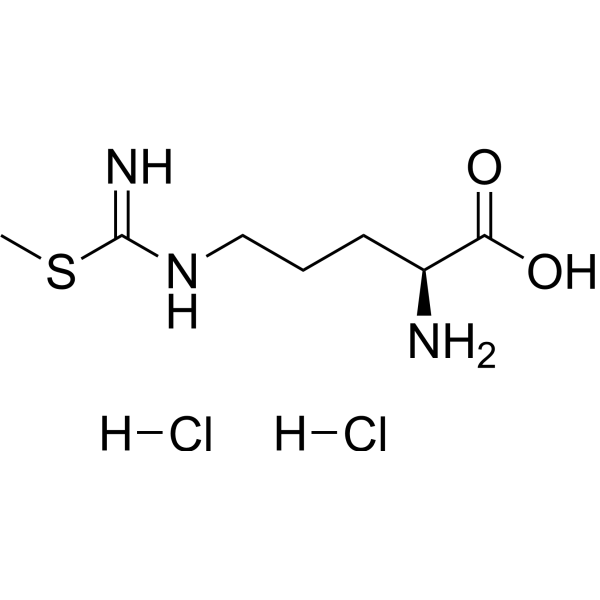
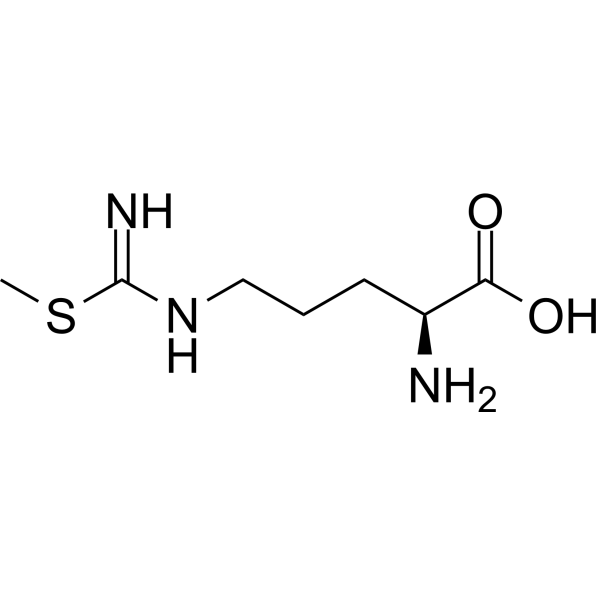
S-MTC acetate (S-Methyl-L-thiocitrulline acetate) acts as a powerful inhibitor of inducible nitric oxide synthase, favoring the inhibition of constitutive (neuronal) nitric oxide synthase over inducible (endothelial) nitric oxide synthase.
HYNIC-CTP is a conjugate of HYNIC and CTP (cardiac-targeting peptide). HYNIC-CTP can bind with the radionuclide 99mTc through HYNIC acting as a chelator, forming 99mTc-HYNIC-CTP. 99mTc-HYNIC-CTP is specifically taken up by the heart and used for cardiac imaging, thereby facilitating research into heart diseases .
Amogastrin is a tetrapeptide that stimulates gastric extraction of 99mTc pertechnetate. Amogastrin can be used for the research of gastric mucosal disease imaging. Amogastrin stimulates the production of prostate hormones .
MT1A Human Pre-designed siRNA Set A contains three designed siRNAs for MT1A gene (Human), as well as a negative control, a positive control, and a FAM-labeled negative control.
MAIPGG is a bifunctional chelator and an intermediate in the synthesis of radionuclide drug conjugates (RDCs). MAIPGG can be for the radiolabeling of a variety of monoclonal antibodies with 99mTc or 186Re, which then can be used for radioimmunodetection and radioimmunotherapy of cancer .
NTRK1 Human Pre-designed siRNA Set A contains three designed siRNAs for NTRK1 gene (Human), as well as a negative control, a positive control, and a FAM-labeled negative control.
11α-O-Tigloyl-12β-O-acetyltenacigenin B is an ester derivative of Tenacigenin B (HY-N1168), which is isolated from Garcinia cambogia (MTC). Tenacigenin B modulates the antitumor effects of Aurora-A in lymphoma.
IMP 243 is a symmetric di-HSG (histamine-succinyl-glycine) bivalent hapten containing a Tscg-Cys ligand and two HSG groups. IMP 243 can be radiolabeled with 99mTc-pertechnetate. IMP 243 can be conjugated to other peptides to design bispecific antibodies (bsMAbs) for cancer research .
Mtb-IN-13 (Compound 5f) is an inhibitor of Mycobacterium tuberculosis (Mtb), with a MIC of 0.25 μg/mL. The Ki values of MTTB-in-13 for MtCA1, MtCA2, MtC, and 3 are 0.6023, 0.0780, and 0.1994 μM, respectively. Mtb-IN-13 can be used in the research of tuberculosis .
Tc-Me2P is a 99MTC-labeled acrylamide (PnAO) derivative that contains two 4-methyl-2-nitroimidazole groups. The primary activity of Tc-Me2P is as an imaging agent for tumor hypoxia. By specifically binding to hypoxic regions in tumor tissue, it can be used for single photon emission computed tomography (SPECT) and positron emission tomography (PET) imaging to detect hypoxia in tumors. Tc-Me2P can be used to study the targeting of different chemical structures in tumors and normal tissues .
3P-RGD2 is a dimeric cyclic RGD (Arg-Gly-Asp) peptide. When radiolabeled with 99mTc, 3P-RGD2 serves as a selective radiotracer for integrin αvβ3. When radiolabeled with 99mTc, 3P-RGD2 enables single-photon emission computed tomography imaging of integrin αvβ3 .
FAP-IN-9 (compound P12) is a fibroblast activation protein (FAP) inhibitor with an IC50 of 0.38 nM against human FAP. FAP-IN-9 functionally inhibits FAP activity, and its specific binding is verified by in vitro and in vivo blocking assays. FAP-IN-9 forms stable complexes and acts as a tumor-targeting agent. When labeled with 99mTc, FAP-IN-9 serves as a SPECT probe and is applicable to research related to glioblastoma .
WK-X-34 is a low-toxicity, highly effective multidrug resistance reversal agent. By potently inhibiting the transport functions of P-glycoprotein (P-gp, ABCB1) and breast cancer resistance protein (BCRP), WK-X-34 significantly increases the intracellular accumulation of anticancer drugs and radiotracers in drug-resistant cells. WK-X-34 exerts no significant effect on MRP transporters. WK-X-34 not only restores the chemosensitivity of multidrug-resistant ovarian cancer cells, but also significantly enhances the uptake of 99mTc-Sestamibi in P-gp-positive xenograft tumors, brain and intestinal tissues. WK-X-34 exhibits extremely low toxicity and favorable safety profiles both in vitro and in mice (at doses up to 50 mg/kg), and can be used for research on overcoming multidrug resistance in ovarian cancer .
Sodium pyrophosphate decahydrate is a phosphate donor and mild chelating agent. Sodium pyrophosphate decahydrate serves as a phosphate source for Pseudomonas aeruginosa acid phosphatase and its Q6 variant, enabling phosphorylation of L‑ascorbic acid to L‑ascorbate‑2‑phosphate. Sodium pyrophosphate decahydrate facilitates 99mTc labeling of human polyclonal IgG. Sodium pyrophosphate decahydrate can be used in research on musculoskeletal infections .
Betiatide, as a chelating agent for Technetium-99m ( 99mTc), is used to prepare 99mTc-MAG3 (mercaptoacetyltriglycine), a radiopharmaceutical for renal function imaging. Betiatide is used for the diagnosis of congenital and acquired abnormalities, renal failure, urinary tract obstructions, and calculi . Betiatide can be used for the synthesis/research of Radionuclide-Drug Conjugates (RDCs).
HYNIC-UBI29-41 is composed of a bifunctional chelator HYNIC and an antimicrobial peptide UBI 29-41 (HY-P10364) (HY-P10364). HYNIC-UBI29-41 retains the antibacterial properties of UBI 29-41, and exhibits good affinity to Gram-positive and Gram-negative bacteria. HYNIC-UBI29-41 can be used as an imaging agent for bacterial infection detection in mouse models, when labeled with the radioactive element technetium (99mTc) .
HER2-targeted peptide H6F is a HER2 targeting peptide that binds to HER2 to target breast cancer cells, with the amino acid sequence YLFFVFER. The HER2-targeted peptide H6F can be conjugated with the bifunctional chelating agent hydrazinonicotinamide (HYNIC) for radiolabeling with 99mTc. Single-photon emission computed tomography (SPECT) imaging shows that the labeled HER2-targeted peptide H6F specifically accumulates in HER2-positive MDA-MBA-453 tumor-bearing mice models. The HER2-targeted peptide H6F can be used for tumor molecular imaging studies .
HYNIC-iPSMA TFA is a ligand for molecular imaging of tumors. Hynic-ipsma consists of two components: HYNIC (6-hydrazinonicotinamide) and iPSMA (Inhibitor of Prostate-Specific Membrane Antigen). HYNIC is a compound used to attach radioactive isotopes to targeted molecules. iPSMA is a specific inhibitor used to inhibit prostate-specific membrane antigen (PSMA). 68GA-labeled iPSMA has been used to detect prostate cancer by PET imaging. The further 99mTc-EDDA/HYNIC-iPSMA TFA has excellent specificity and sensitivity . HYNIC-iPSMA TFA can be used for the synthesis/research of Radionuclide-Drug Conjugates (RDCs).
HYNIC-iPSMA is a ligand for molecular imaging of tumors. Hynic-ipsma consists of two components: HYNIC (6-hydrazinonicotinamide) and iPSMA (Inhibitor of Prostate-Specific Membrane Antigen). HYNIC is a compound used to attach radioactive isotopes to targeted molecules. iPSMA is a specific inhibitor used to inhibit prostate-specific membrane antigen (PSMA). 68GA-labeled iPSMA has been used to detect prostate cancer by PET imaging. The further 99mTc-EDDA/HYNIC-iPSMA has excellent specificity and sensitivity . HYNIC-iPSMA can be used for the synthesis/research of Radionuclide-Drug Conjugates (RDCs).
Depreotide is a nove tumor tarcer, can be complexed with technetium-99m ( 99mTc-depreotide) for optimal imaging properties. 99mTc-depreotide somatostain receptor imaging has been playing an important role in medical diagnosis research . Depreotide can be used for the synthesis/research of Radionuclide-Drug Conjugates (RDCs).
HYNIC-UBI29-41 TFA is composed of a bifunctional chelator HYNIC and an antimicrobial peptide UBI 29-41 (HY-P10364). HYNIC-UBI29-41 TFA retains the antibacterial properties of UBI 29-41, and exhibits good affinity to Gram-positive and Gram-negative bacteria. HYNIC-UBI29-41 TFA can be used as an imaging agent for bacterial infection detection in mouse models, when labeled with the radioactive element technetium (99mTc) .
GB-6 is a short linear peptide that targets the gastrin releasing peptide receptor (GRPR). GRPR is overexpressed in pancreatic cancer. Based on the tumor selectivity and tumor-specific accumulation properties of GB-6, GB-6 labeled with near infrared (NIR) fluorescent dyes or radionuclide netium-99m (99mTc) can be used as a high-contrast imaging probe. GB-6 has excellent in vivo stability, with tumor to pancreatic and intestinal fluorescence signal ratios of 5.2 and 6.3, respectively, in SW199 0 subcutaneous xenograft models. GB-6 can rapidly target tumors and accurately delineate tumor boundaries, which has broad application prospects .
HYNIC-CTP is a conjugate of HYNIC and CTP (cardiac-targeting peptide). HYNIC-CTP can bind with the radionuclide 99mTc through HYNIC acting as a chelator, forming 99mTc-HYNIC-CTP. 99mTc-HYNIC-CTP is specifically taken up by the heart and used for cardiac imaging, thereby facilitating research into heart diseases .
3P-RGD2 is a dimeric cyclic RGD (Arg-Gly-Asp) peptide. When radiolabeled with 99mTc, 3P-RGD2 serves as a selective radiotracer for integrin αvβ3. When radiolabeled with 99mTc, 3P-RGD2 enables single-photon emission computed tomography imaging of integrin αvβ3 .
Labetuzumab is a humanised anti-carcinoembryonic antigen (CEA) monoclonal antibody that inhibits tumour growth and sensitises human medullary thyroid cancer xenografts to Dacarbazine chemotherapy .
11α-O-Tigloyl-12β-O-acetyltenacigenin B is an ester derivative of Tenacigenin B (HY-N1168), which is isolated from Garcinia cambogia (MTC). Tenacigenin B modulates the antitumor effects of Aurora-A in lymphoma.
TrkA protein is an important receptor tyrosine kinase that regulates the development of the central and peripheral nervous systems and affects the proliferation, differentiation, and survival of neurons. As a high-affinity receptor for NGF, TrkA is activated upon NGF binding through homodimerization and autophosphorylation. TrkA Protein, Human (HEK293, mFc) is the recombinant human-derived TrkA protein, expressed by HEK293, with C-mFc labeled tag.
TrkA Protein, Human (HEK293) is the high affinity catalytic receptor for the neurotrophin, nerve growth factor (NGF), and mediates the multiple effects of NGF, which include neuronal differentiation and avoidance of programmed cell death.
TrkA Protein (isoform 3) belongs to the nerve growth factor receptor family and can promote angiogenesis and has carcinogenic activity when overexpressed. TrkA Protein (isoform 3) antagonizes the anti-proliferative NGF-NTRK1 signaling that promotes the differentiation of neuronal precursors. TrkA Protein, Canine (HEK293, His) is the recombinant canine-derived TrkA protein, expressed by HEK293 , with N-His labeled tag.
Pentraxin 3/TSG-14 protein is a multifunctional protein that plays a role in immune response and inflammation. It is involved in the recognition and clearance of pathogens, as well as regulation of inflammatory processes. Dysregulation of Pentraxin 3/TSG-14 protein has been associated with various diseases, including cardiovascular disorders and infections. Targeting Pentraxin 3/TSG-14 protein may hold therapeutic potential in these conditions. TrkA Protein, Human (HEK293, His) is the recombinant human-derived TrkA protein, expressed by HEK293 , with N-His labeled tag.
The TrkA protein is a receptor tyrosine kinase that is critical in central and peripheral nervous system development, regulating neuronal proliferation, differentiation, and survival. As a high-affinity NGF receptor, TrkA undergoes homodimerization and autophosphorylation upon ligand binding, activating downstream effectors (SHC1, FRS2, SH2B1, SH2B2, PLCG1) cascade. TrkA Protein, Rat (HEK293, His) is the recombinant rat-derived TrkA protein, expressed by HEK293 , with C-His labeled tag.
TrkA Protein, Rabbit (HEK293, His) is a nerve growth factor (NGF) receptor that belongs to the tyrosine kinase receptor family. TRKA (NTRK1) gene encodes the high affinity receptor for a neurotrophin nerve growth factor (NGF). It is critical for the correct development of many types of neurons including pain-mediating sensory neurons and also controls proliferation, differentiation and survival of many neuronal and non-neuronal cells. TrkA Protein, Rabbit (HEK293, His) is the recombinant Rabbit-derived TrkA protein, expressed by HEK293 , with C-His labeled tag.
TrkA Protein (isoform 3) belongs to the nerve growth factor receptor family and can promote angiogenesis and has carcinogenic activity when overexpressed. TrkA Protein (isoform 3) antagonizes the anti-proliferative NGF-NTRK1 signaling that promotes the differentiation of neuronal precursors. TrkA Protein, Canine (HEK293, Fc) is the recombinant canine-derived TrkA protein, expressed by HEK293 , with N-hFc labeled tag.
TrkA protein is a key receptor tyrosine kinase that guides the development and maturation of the nervous system and affects neuronal proliferation, differentiation, and survival. TrkA serves as a high-affinity receptor for NGF (its primary ligand) and also responds to NTF3/neurotropin-3. TrkA Protein, Mouse (HEK293, Fc) is the recombinant mouse-derived TrkA protein, expressed by HEK293 , with C-hFc labeled tag.
TrkA protein is a key receptor tyrosine kinase that guides the development and maturation of the nervous system and affects neuronal proliferation, differentiation, and survival. TrkA serves as a high-affinity receptor for NGF (its primary ligand) and also responds to NTF3/neurotropin-3. TrkA Protein, Mouse (HEK293, His) is the recombinant mouse-derived TrkA protein, expressed by HEK293 , with C-His, C-8*His labeled tag.
The TrkA protein is a receptor tyrosine kinase that is critical in central and peripheral nervous system development, regulating neuronal proliferation, differentiation, and survival. As a high-affinity NGF receptor, TrkA undergoes homodimerization and autophosphorylation upon ligand binding, activating downstream effectors (SHC1, FRS2, SH2B1, SH2B2, PLCG1) cascade. TrkA Protein, Rat (HEK293, Fc) is the recombinant rat-derived TrkA protein, expressed by HEK293 , with C-hFc labeled tag.
TrkA protein is an important receptor tyrosine kinase that regulates the development of the central and peripheral nervous systems and affects the proliferation, differentiation, and survival of neurons. As a high-affinity receptor for NGF, TrkA is activated upon NGF binding through homodimerization and autophosphorylation. TrkA Protein, Human (HEK293, His-Fc) is the recombinant human-derived TrkA protein, expressed by HEK293 , with C-hFc, C-His labeled tag.
RET protein is an important receptor tyrosine protein kinase that drives a variety of cellular processes such as proliferation, migration, and differentiation when bound to GDNF ligand. It coordinates organogenesis, shapes the enteric nervous system and promotes kidney development. RET Protein, Mouse (HEK293, His) is the recombinant mouse-derived RET protein, expressed by HEK293 , with C-6*His labeled tag and F174S mutation.
MT1A Human Pre-designed siRNA Set A contains three designed siRNAs for MT1A gene (Human), as well as a negative control, a positive control, and a FAM-labeled negative control.
NTRK1 Human Pre-designed siRNA Set A contains three designed siRNAs for NTRK1 gene (Human), as well as a negative control, a positive control, and a FAM-labeled negative control.
Inquiry Online
Your information is safe with us. * Required Fields.
Western blot analysis of extracts from THP-1(lane 2(20μg), Jurkat (lane 3(20μg) and NIH3T3(lane 4(20μg) using FOXO1A (HY-P80132) Rabbit mAb. Proteins were transferred
to a PVDF membrane and blocked with 5% non-fat milk in TBST for 2 hour at room temperature. The primary antibody (1/1000) and Loading control antibody (Beta Actin, HY-P80438, 1/10000) was
used in 5% non-fat milk in TBST at 4°C overnight. Goat Anti-Mouse/Rabbit IgG-HRP Secondary Antibody (1/10000) was used for 1 hour at room temperature.
Western blot analysis of extracts from THP-1(lane 2(20μg), Jurkat (lane 3(20μg) and NIH3T3(lane 4(20μg) using FOXO1A (HY-P80132) Rabbit mAb. Proteins were transferred
to a PVDF membrane and blocked with 5% non-fat milk in TBST for 2 hour at room temperature. The primary antibody (1/1000) and Loading control antibody (Beta Actin, HY-P80438, 1/10000) was
used in 5% non-fat milk in TBST at 4°C overnight. Goat Anti-Mouse/Rabbit IgG-HRP Secondary Antibody (1/10000) was used for 1 hour at room temperature.
Western blot analysis of extracts from THP-1(lane 2(20μg), Jurkat (lane 3(20μg) and NIH3T3(lane 4(20μg) using FOXO1A (HY-P80132) Rabbit mAb. Proteins were transferred
to a PVDF membrane and blocked with 5% non-fat milk in TBST for 2 hour at room temperature. The primary antibody (1/1000) and Loading control antibody (Beta Actin, HY-P80438, 1/10000) was
used in 5% non-fat milk in TBST at 4°C overnight. Goat Anti-Mouse/Rabbit IgG-HRP Secondary Antibody (1/10000) was used for 1 hour at room temperature.
Western blot analysis of extracts from THP-1(lane 2(20μg), Jurkat (lane 3(20μg) and NIH3T3(lane 4(20μg) using FOXO1A (HY-P80132) Rabbit mAb. Proteins were transferred
to a PVDF membrane and blocked with 5% non-fat milk in TBST for 2 hour at room temperature. The primary antibody (1/1000) and Loading control antibody (Beta Actin, HY-P80438, 1/10000) was
MedchemExpress Validation 03
Western blot analysis of extracts from THP-1(lane 2(20μg), Jurkat (lane 3(20μg) and NIH3T3(lane 4(20μg) using FOXO1A (HY-P80132) Rabbit mAb. Proteins were transferred
MedchemExpress Validation 04
Western blot analysis of extracts from THP-1(lane 2(20μg), Jurkat (lane 3(20μg) and NIH3T3(lane 4(20μg) using FOXO1A (HY-P80132) Rabbit mAb. Proteins were transferred
to a PVDF membrane and blocked with 5% non-fat milk in TBST for 2 hour at room temperature. The primary antibody (1/1000) and Loading control antibody (Beta Actin, HY-P80438, 1/10000) was
used in 5% non-fat milk in TBST at 4°C overnight. Goat Anti-Mouse/Rabbit IgG-HRP Secondary Antibody (1/10000) was used for 1 hour at room temperature.
MedchemExpress Validation
Western blot analysis of extracts from THP-1(lane 2(20μg), Jurkat (lane 3(20μg) and NIH3T3(lane 4(20μg) using FOXO1A (HY-P80132) Rabbit mAb. Proteins were transferred
to a PVDF membrane and blocked with 5% non-fat milk in TBST for 2 hour at room temperature. The primary antibody (1/1000) and Loading control antibody (Beta Actin, HY-P80438, 1/10000) was
used in 5% non-fat milk in TBST at 4°C overnight. Goat Anti-Mouse/Rabbit IgG-HRP Secondary Antibody (1/10000) was used for 1 hour at room temperature.
Western blot analysis of extracts from THP-1(lane 2(20μg), Jurkat (lane 3(20μg) and NIH3T3(lane 4(20μg) using FOXO1A (HY-P80132) Rabbit mAb. Proteins were transferred
to a PVDF membrane and blocked with 5% non-fat milk in TBST for 2 hour at room temperature. The primary antibody (1/1000) and Loading control antibody (Beta Actin, HY-P80438, 1/10000) was
used in 5% non-fat milk in TBST at 4°C overnight. Goat Anti-Mouse/Rabbit IgG-HRP Secondary Antibody (1/10000) was used for 1 hour at room temperature.
MedchemExpress Validation
Western blot analysis of extracts from THP-1(lane 2(20μg), Jurkat (lane 3(20μg) and NIH3T3(lane 4(20μg) using FOXO1A (HY-P80132) Rabbit mAb. Proteins were transferred
to a PVDF membrane and blocked with 5% non-fat milk in TBST for 2 hour at room temperature. The primary antibody (1/1000) and Loading control antibody (Beta Actin, HY-P80438, 1/10000) was
used in 5% non-fat milk in TBST at 4°C overnight. Goat Anti-Mouse/Rabbit IgG-HRP Secondary Antibody (1/10000) was used for 1 hour at room temperature.
MedchemExpress Validation
Western blot analysis of extracts from THP-1(lane 2(20μg), Jurkat (lane 3(20μg) and NIH3T3(lane 4(20μg) using FOXO1A (HY-P80132) Rabbit mAb. Proteins were transferred
to a PVDF membrane and blocked with 5% non-fat milk in TBST for 2 hour at room temperature. The primary antibody (1/1000) and Loading control antibody (Beta Actin, HY-P80438, 1/10000) was
used in 5% non-fat milk in TBST at 4°C overnight. Goat Anti-Mouse/Rabbit IgG-HRP Secondary Antibody (1/10000) was used for 1 hour at room temperature.
MedchemExpress Validation
Western blot analysis of extracts from THP-1(lane 2(20μg), Jurkat (lane 3(20μg) and NIH3T3(lane 4(20μg) using FOXO1A (HY-P80132) Rabbit mAb. Proteins were transferred
to a PVDF membrane and blocked with 5% non-fat milk in TBST for 2 hour at room temperature. The primary antibody (1/1000) and Loading control antibody (Beta Actin, HY-P80438, 1/10000) was
used in 5% non-fat milk in TBST at 4°C overnight. Goat Anti-Mouse/Rabbit IgG-HRP Secondary Antibody (1/10000) was used for 1 hour at room temperature.
MedchemExpress Validation
Western blot analysis of extracts from THP-1(lane 2(20μg), Jurkat (lane 3(20μg) and NIH3T3(lane 4(20μg) using FOXO1A (HY-P80132) Rabbit mAb. Proteins were transferred
to a PVDF membrane and blocked with 5% non-fat milk in TBST for 2 hour at room temperature. The primary antibody (1/1000) and Loading control antibody (Beta Actin, HY-P80438, 1/10000) was
used in 5% non-fat milk in TBST at 4°C overnight. Goat Anti-Mouse/Rabbit IgG-HRP Secondary Antibody (1/10000) was used for 1 hour at room temperature.
MedchemExpress Validation
Western blot analysis of extracts from THP-1(lane 2(20μg), Jurkat (lane 3(20μg) and NIH3T3(lane 4(20μg) using FOXO1A (HY-P80132) Rabbit mAb. Proteins were transferred
to a PVDF membrane and blocked with 5% non-fat milk in TBST for 2 hour at room temperature. The primary antibody (1/1000) and Loading control antibody (Beta Actin, HY-P80438, 1/10000) was
used in 5% non-fat milk in TBST at 4°C overnight. Goat Anti-Mouse/Rabbit IgG-HRP Secondary Antibody (1/10000) was used for 1 hour at room temperature.
MedchemExpress Validation
Western blot analysis of extracts from THP-1(lane 2(20μg), Jurkat (lane 3(20μg) and NIH3T3(lane 4(20μg) using FOXO1A (HY-P80132) Rabbit mAb. Proteins were transferred
to a PVDF membrane and blocked with 5% non-fat milk in TBST for 2 hour at room temperature. The primary antibody (1/1000) and Loading control antibody (Beta Actin, HY-P80438, 1/10000) was
used in 5% non-fat milk in TBST at 4°C overnight. Goat Anti-Mouse/Rabbit IgG-HRP Secondary Antibody (1/10000) was used for 1 hour at room temperature.
MedChemExpress values your privacy and your trust is important to us. We use cookies to enhance your website experience. Some cookies are necessary to run the website.
Privacy and Cookie Policy

