

1. Search Result
Search Result
Results for "

Oxidative stress

" in MedChemExpress (MCE) Product Catalog:

1166

Inhibitors & Agonists

8

Screening Libraries

28

Fluorescent Dyes

25

Biochemical Assay Reagents

49

Peptides

2

MCE Kits

1

Inhibitory Antibodies

409

Natural
Products

2

Recombinant Proteins

112

Isotope-Labeled Compounds

3

Click Chemistry

6

Oligonucleotides

3

GMP Molecules

Cat. No. Product Name Target Research Areas Chemical Structure
  • HY-113466
    4-Hydroxynonenal
    15+ Cited Publications

    4-HNE

    Aldehyde Dehydrogenase (ALDH) Endogenous Metabolite Cardiovascular Disease Neurological Disease Cancer
    4-Hydroxynonenal (4-HNE) is an α,β unsaturated hydroxyalkenal and an oxidative/nitrosative stress biomarker. 4-Hydroxynonenal is a substrate and an inhibitor of acetaldehyde dehydrogenase 2 (ALDH2). 4-Hydroxynonenal can modulate a number of signaling processes mainly through forming covalent adducts with nucleophilic functional groups in proteins, nucleic acids, and membrane lipids. 4-Hydroxynonenal plays an important role in cancer through mitochondria .
    4-Hydroxynonenal
  • HY-14664A
    Fluvastatin sodium
    15+ Cited Publications

    XU 62-320

    HMG-CoA Reductase (HMGCR) Autophagy Ferroptosis Cardiovascular Disease Cancer
    Fluvastatin sodium (XU 62320) is a first fully synthetic, competitive HMG-CoA reductase inhibitor with an IC50 of 8 nM. Fluvastatin sodium protects vascular smooth muscle cells against oxidative stress through the Nrf2-dependent antioxidant pathway .
    Fluvastatin sodium
  • HY-14664
    Fluvastatin
    15+ Cited Publications

    XU 62-320 free acid

    HMG-CoA Reductase (HMGCR) Autophagy Cardiovascular Disease Cancer
    Fluvastatin (XU 62-320 free acid) is a first fully synthetic, competitive HMG-CoA reductase inhibitor with an IC50 of 8 nM. Fluvastatin protects vascular smooth muscle cells against oxidative stress through the Nrf2-dependent antioxidant pathway .
    Fluvastatin
  • HY-126793

    DCFH2-DA

    Fluorescent Dye Reactive Oxygen Species (ROS) Others
    2′,7′-Dichlorofluorescein diacetate (DCFH2-DA) is a cell-permeable fluorescent probe. 2′,7′-Dichlorofluorescein diacetate can be used to detect the generation of reactive oxygen intermediates and for assessing the overall oxidative stress in toxicological phenomenon .
    2′,7′-Dichlorofluorescein diacetate
  • HY-N2364
    Arecoline
    5 Publications Verification

    mAChR nAChR Infection Neurological Disease Metabolic Disease Inflammation/Immunology Cancer
    Arecoline, a naturally brain-penetrant and orally active occurring psychoactive alkaloid, is a partial agonist of nicotinic and muscarinic acetylcholine receptor. Arecoline exhibits stimulation, alertness, anxiolysis and anti-parasitic effects. Arecoline also can induce oxidative stress .
    Arecoline
  • HY-101559

    CXA-10; 10-Nitrooleate

    Endogenous Metabolite Inflammation/Immunology
    10-Nitrooleic acid (CXA-10), a nitro fatty acid, has potential effects in disease states in which oxidative stress, inflammation, fibrosis, and/or direct tissue toxicity play significant roles .
    10-Nitrooleic acid
  • HY-Y0525
    AAPH
    2 Publications Verification

    2,2'-Azodiisobutyramidine dihydrochloride

    Reactive Oxygen Species (ROS) Inflammation/Immunology
    AAPH (2,2'-Azodiisobutyramidine dihydrochloride) has an effect of radical generation. AAPH induces oxidative stress and erythrocyte hemolysis . AAPH decomposes at 37°C to generate an alkyl radical, is used as an initiator. In the presence of oxygen, these alkyl radicals will be converted to peroxyl radicals that can cause lipid peroxidation and loss of erythrocyte membrane integrity, which could ultimately lead to hemolysis .
    AAPH
  • HY-B0489
    Arecoline hydrobromide
    5 Publications Verification

    methyl 1,2,5,6-tetrahydro-1-methyl-3-pyridinecarboxylate hydrobromide

    mAChR nAChR Infection Neurological Disease Metabolic Disease Inflammation/Immunology Cancer
    Arecoline hydrobromide, a naturally brain-penetrant and orally active occurring psychoactive alkaloid, is a partial agonist of nicotinic and muscarinic acetylcholine receptor. Arecoline hydrobromide exhibits stimulation, alertness, anxiolysis and anti-parasitic effects. Arecoline hydrobromide also can induce oxidative stress .
    Arecoline hydrobromide
  • HY-113149A

    Endogenous Metabolite Reactive Oxygen Species (ROS) Neurological Disease Metabolic Disease Inflammation/Immunology
    Argininosuccinic acid disodium is an intermediate metabolite in the urea cycle, and its level is associated with argininosuccinic aciduria. Argininosuccinic acid disodium can induce oxidative stress, leading to lipid and protein oxidation, reduction of glutathione, and decrease in antioxidant enzyme activity. Argininosuccinic acid disodium can be converted into guanidinosuccinic acid, a nitric oxide mimic, under the action of nitric oxide-derived free radicals. Argininosuccinic acid disodium can be used in the research of metabolic diseases, renal failure, nervous system diseases, etc .
    Argininosuccinic acid disodium
  • HY-N2410

    N-feruloyltyramine; Moupinamide

    Reactive Oxygen Species (ROS) Apoptosis Inflammation/Immunology
    N-trans-Feruloyltyramine (N-feruloyltyramine), an alkaloid, is a potent antioxidant. N-trans-Feruloyltyramine improves H2O2-induced intracellular ROS generation and decreases apoptosis. N-trans-Feruloyltyramine has the potential for oxidative stress-related neurodegenerative conditions and cancer research .
    N-trans-Feruloyltyramine
  • HY-113262

    Endogenous Metabolite Interleukin Related Neurological Disease Metabolic Disease Inflammation/Immunology
    8-Hydroxyguanosine, an oxidized nucleoside, is a marker of RNA oxidative damage and oxidative stress. 8-Hydroxyguanosine stimulates proliferation and differentiation of murine B cells with immunostimulatory activity. 8-Hydroxyguanosine is promising for research of Alzheimer’s disease and Down’s syndrome .
    8-Hydroxyguanosine
  • HY-W012788
    Maltol
    2 Publications Verification

    Environmental Pollutants Endogenous Metabolite Apoptosis Infection Neurological Disease
    Maltol, a type of aromatic compound, is an antioxidant agent. Maltol enhances neural function by mitigating oxidative stress and cell apoptosis. Maltol is an inhibitor of oxidative damage in nerve cells and is effective in preventing diabetic peripheral neuropathy (DPN). Maltol is used extensively as a safe flavoring agent and food preservative. Maltol is a metal ion chelator that can be used in the field of catalysis, cosmetics, and medicine .
    Maltol
  • HY-N0325
    DL-Methionine
    2 Publications Verification

    Environmental Pollutants Parasite Infection Inflammation/Immunology
    DL-Methionine is an essential amino acid containing sulfur with oxidative stress defense effects. DL-Methionine can be used for animal natural feed. DL-Methionine also kills H. rostochiensis on potato plants .
    DL-Methionine
  • HY-N0244
    Theaflavin-3'-gallate
    2 Publications Verification

    Xanthine Oxidase Apoptosis Necroptosis Cancer
    Theaflavin-3'-gallate is a monomer of theaflavins found in black tea, which has anti-UVB damage activity and inhibits cell apoptosis and necroptosis. Theaflavin-3'-gallate acts as a pro-oxidant and induces oxidative stress in cancer cells, inhibiting xanthine oxidase (OX), with an IC50 of 7.6 μM .
    Theaflavin-3'-gallate
  • HY-125859A
    Myeloperoxidase, human white blood cells
    1 Publications Verification

    MPO

    Bacterial Inflammation/Immunology
    Myeloperoxidase, human white blood cells (MPO) is a peroxidase. In Myeloperoxidase, human white blood cells mediate oxidative stress by promoting the production of reactive oxygen species (ROS) and active nitrogen (RNS), regulating the polarization and inflammation-related signaling pathways of microglia and neutrophils. Myeloperoxidase, human white blood cells has antibacterial activity .
    Myeloperoxidase, human white blood cells
  • HY-N7106
    Dimethyl phthalate
    1 Publications Verification

    DMP

    Environmental Pollutants Biochemical Assay Reagents Apoptosis Reactive Oxygen Species (ROS) Inflammation/Immunology
    Dimethyl phthalate (DMP) can be used as a plasticizer to impart flexibility to rigid polyvinyl chloride (PVC) resin. Additionally, Dimethyl phthalate is an oral active endocrine disruptor that can cause ovarian dysfunction in mice. Dimethyl phthalate can also induce oxidative stress and apoptosis in cells, thereby affecting blood and red blood cell function in rats .
    Dimethyl phthalate
  • HY-145157

    Biochemical Assay Reagents Metabolic Disease Cancer
    Ferric nitrilotriacetate (Fe-NTA), a complexation of nitriloacetic acid with iron, is a highly reactive compound used to induce degenerative disorders through oxidative stress (OS). Ferric nitrilotriacetate is also used in several studies to induce hyperglycemia, glycosuria, and both renal and liver carcinogenesis .
    Ferric nitrilotriacetate
  • HY-148510

    Phosphatase Apoptosis Akt ERK Reactive Oxygen Species (ROS) Cancer
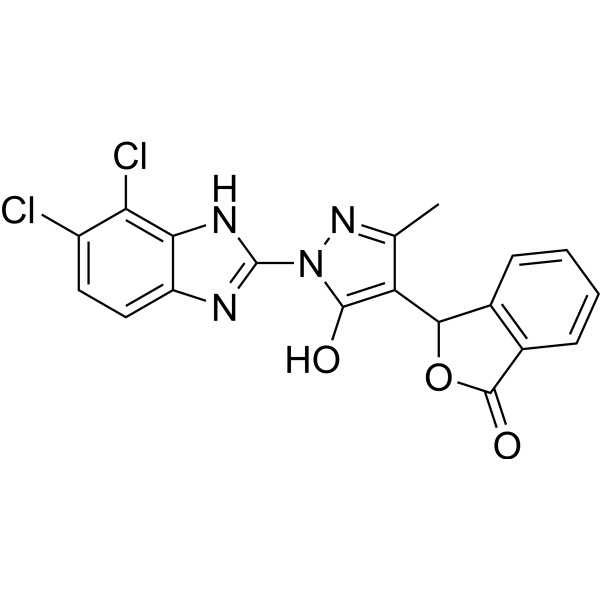
    HKB99 is an allosteric inhibitor of phosphoglycerate mutase 1 (PGAM1). HKB99 induces apoptosis. HKB99 inhibits the formation of invasive pseudopodia and inhibits migration. HKB99 increases the oxidative stress, activates JNK/c-Jun and suppresses AKT and ERK. HKB99 can be used for the research of non-small-cell lung cancer (NSCLC) .
    HKB99
  • HY-30267
    4-Hydroxyphenyl acetate
    2 Publications Verification

    4-HPA; 4-Acetoxyphenol

    Quinone Reductase Endogenous Metabolite Others
    4-Hydroxyphenyl acetate (4-HPA) is a natural antioxidant and protects cells from oxidative stress-induced necrosis. 4-Hydroxyphenyl acetate blocks the increase of cellular ROS induced by oxidative stress, and up-regulates NQO1 and HO-1 genes by stabilizing and inducing the nuclear translocation of NRF2 transcription factor .
    4-Hydroxyphenyl acetate
  • HY-N0061
    Ethyl ferulate
    3 Publications Verification

    Reactive Oxygen Species (ROS) Neurological Disease
    Ethyl ferulate, a naturally lipophilic derivative of ferulic acid originally derived from Rhizoma Chuanxiong, induces heme oxygenase-1 (HO-1) and protects rat neurons against oxidative stress . Ethyl ferulate also protects neurons against amyloid β peptide (1-42)-induced oxidative stress and neurotoxicity .
    Ethyl ferulate
  • HY-113149

    Endogenous Metabolite Reactive Oxygen Species (ROS) Neurological Disease Metabolic Disease Inflammation/Immunology
    Argininosuccinic acid is an intermediate metabolite in the urea cycle, and its level is associated with argininosuccinic aciduria. Argininosuccinic acid can induce oxidative stress, leading to lipid and protein oxidation, reduction of glutathione, and decrease in antioxidant enzyme activity. Argininosuccinic acid can be converted into guanidinosuccinic acid, a nitric oxide mimic, under the action of nitric oxide-derived free radicals. Argininosuccinic acid can be used in the research of metabolic diseases, renal failure, nervous system diseases, etc .
    Argininosuccinic acid
  • HY-N1487
    Oleanonic acid
    2 Publications Verification

    3-Oxooleanolic acid

    HIV Autophagy Ferroptosis Amyloid-β Infection Neurological Disease Inflammation/Immunology Cancer
    Oleanonic acid (3-Oxooleanolic acid) is an orally available triterpene that has anti-inflammatory and insecticidal properties. In vitro, oleanonic acid can improve oxidative stress, autophagy defects, ferroptosis, mitochondrial damage, and endoplasmic reticulum stress induced by Amyloid-β, and in vivo, it can alleviate myocardial hypertrophy in rats .
    Oleanonic acid
  • HY-44307

    Ferroptosis Cancer
    84-B10 is a 3-phenylglutaric acid derivative. 84-B10 inhibits cisplatin (HY-17394) induced tubular ferroptosis. 84-B10 attenuates cisplatin-induced mitochondrial damage and oxidative stress. 84-B10 ameliorates cisplatin-induced acute kidney injury (AKI) .
    84-B10
  • HY-W015422

    PARP Metabolic Disease
    1,5-Isoquinolinediol is a potent PARP inhibitor, with an IC50 of 0.18-0.37 μM. 1,5-Isoquinolinediol attenuates diabetes-induced NADPH oxidase-derived oxidative stress in retina .
    1,5-Isoquinolinediol
  • HY-N1100

    (-)-Vasicinone

    Others Neurological Disease
    Vasicinone is a quinazoline alkaloid isolated from the Adhatoda vasica. Vasicinone is a potential agent for Parkinson's disease and possibly other oxidative stress-related neurodegenerative disorders .
    Vasicinone
  • HY-N2565
    Rosamultin
    1 Publications Verification

    HIV Protease Apoptosis Infection
    Rosamultin is a 19 α-hydroxyursane-type triterpenoid isolated from Potentilla anserina?L. Rosamultin has inhibitory effects against HIV-1 protease . Rosamultin has the potential for treating H2O2-induced oxidative stress injury through its antioxidant and antiapoptosis effects .
    Rosamultin
  • HY-108351

    Necroptosis Cardiovascular Disease
    IM-54 is a selective inhibitor of oxidative stress-induced necrosis. IM-54 shows potent inhibitory activity against H2O2-induced necrosis. IM-54 acts as a potential cardioprotective agent and biological tool for investigating the molecular mechanisms of cell death .
    IM-54
  • HY-N1193

    NF-κB Inflammation/Immunology
    Sulfuretin inhibits the inflammatory response by suppressing the NF-κB pathway. Sulfuretin can be used for the research of allergic airway inflammation. Sulfuretin reduces oxidative stress, platelet aggregation, and mutagenesis . Sulfuretin is a competitive and potent inhibitor of monophenolase and diphenolase activities with the IC50 of 13.64 μM .
    Sulfuretin
  • HY-158162
    SIRT3 activator 1
    1 Publications Verification

    Sirtuin Cardiovascular Disease
    SIRT3 activator 1 (Compound 5v) is a SIRT3 activator. SIRT3 activator 1 selectively elevates SIRT3 expression, leading to the upregulation of SOD2 and OPA1 expression, effectively preventing mitochondrial dysfunction, mitigating oxidative stress, and preserving cardiomyocyte viability. SIRT3 activator 1 can be used for research of cardiovascular diseases .
    SIRT3 activator 1
  • HY-110084
    BTZO-1
    2 Publications Verification

    Macrophage migration inhibitory factor (MIF) Apoptosis Cardiovascular Disease
    BTZO-1, a chemical probe, binds to Macrophage migration inhibitory factor (MIF) with a Kd value of 68.6 nM, and its binding requires the N-terminal Pro1. BTZO-1 can activate antioxidant response element (ARE)-mediated gene expression and suppress oxidative stress-induced cardiomyocyte apoptosis in vitro .
    BTZO-1
  • HY-139427

    β-Methylglutaconic acid

    GABA Receptor Cardiovascular Disease Neurological Disease Metabolic Disease
    3-Methylglutaconic acid is the major metabolites accumulating in 3-Methylglutaconic aciduria (MGTA). 3-Methylglutaconic acid can induce lipid oxidative damage and protein oxidative. 3-Methylglutaconic acid decreases the non-enzymatic antioxidant defenses in cerebral cortex supernatants to elicit oxidative stress in the cerebral cortex. 3-Methylglutaconic acid can be used for brain damage disease research .
    3-Methylglutaconic acid
  • HY-153591

    Reactive Oxygen Species (ROS) Infection Neurological Disease Inflammation/Immunology Cancer
    ROS-IN-1 is a mitochondrial ROS inhibitor. ROS-IN-1 can reduce oxidative stress or inhibit reactive oxygen species (ROS) production .
    ROS-IN-1
  • HY-124815

    Reactive Oxygen Species (ROS) Others
    CP-312 is a potent Heme Oxygenase-1 (HO-1) inducer. CP-312 protects hiPSC-CM viability by targeting the antioxidant response network through induction of HMOX1 expression. CP-312 protects human iPSC-derived cardiomyocytes from oxidative stress .
    CP-312
  • HY-N3883

    Autophagy Neurological Disease Cancer
    Euxanthone, a xanthone derivative, attenuates Aβ1-42-induced oxidative stress and apoptosis by triggering autophagy. Euxanthone exhibits anti-neoplastic and neuroprotective activities .
    Euxanthone
  • HY-W013058

    DBDPE; 1,2-Bis(perbromophenyl)ethane

    Biochemical Assay Reagents Neurological Disease Metabolic Disease
    Decabromodiphenyl ethane (DBDPE; 1,2-Bis(perbromophenyl)ethane) is a brominated flame retardant. Decabromodiphenyl ethane can exhibit neurotoxicity, thyroid toxicity, reproductive developmental toxicity, hepatotoxicity, and oxidative stress in living organisms .
    Decabromodiphenyl ethane
  • HY-129297

    Endogenous Metabolite Metabolic Disease
    CMPF can be found in trace constituent of urine and blood. CMPF is a biomarker of type 2 diabetes. CMPF can act on the β cell and induces impaired mitochondrial function. CMPF decreases glucose-induced ATP accumulation, and induces oxidative stress. CMPF reverses hepatic lipid accumulation and improves insulin sensitivity in obese mice .
    CMPF
  • HY-B0871

    Environmental Pollutants Herbicide Others
    Quinclorac, an herbicide widely applied in agriculture, induces oxidative stress due to free radical generation and changes in the antioxidant defense system .
    Quinclorac
  • HY-125919

    Reactive Oxygen Species (ROS) Bacterial Endogenous Metabolite Infection Inflammation/Immunology
    Vulpinic acid, a lichen metabolite, decreases H2O2-induced ROS production, oxidative stress and oxidative stress-related damages in human umbilical vein endothelial cells (HUVEC). Vulpinic acid is active against staphylococci, enterococci, and anaerobic bacteria.Vulpinic acid has the potential for atherosclerosis research .
    Vulpinic acid
  • HY-P1930A

    Integrin Inflammation/Immunology
    Risuteganib hydrochloride is a synthetic RGD (arginyl-glycyl-aspartic acid)-class peptide. Risuteganib hydrochloride is an anti-integrin that downregulates oxidative stress and restores homeostasis, and targets three integrin receptors that are implicated in dry age-related macular degeneration (AMD) in order to restore homeostasis in the retina .
    Risuteganib hydrochloride
  • HY-148520

    Endoplasmic Reticulum Oxidoreductase 1 (ERO1) Metabolic Disease
    QM295 is an endoplasmic reticulum oxidation 1 (ERO1) inhibitor with selectively reversible thiol reactivity. QM295 can be used for the research of endoplasmic reticulum stress .
    QM295
  • HY-B1559

    Environmental Pollutants Apoptosis Infection Cancer
    Allethrin, a pyrethroid insecticide is a major mosquito repellent agent. Allethrin induces oxidative stress, apoptosis and calcium release in rat testicular carcinoma cells (LC540). Allethrin induces BCL-2, caspase-3 activation and release of intracellular calcium .
    Allethrin
  • HY-N8481
    3,6-Dihydroxyflavone
    1 Publications Verification

    3,6-DHF

    Apoptosis Cancer
    3,6-Dihydroxyflavone is an anti-cancer agent. 3,6-Dihydroxyflavone dose- and time-dependently decreases cell viability and induces apoptosis by activating caspase cascade, cleaving poly (ADP-ribose) polymerase (PARP). 3,6-Dihydroxyflavone increases intracellular oxidative stress and lipid peroxidation .
    3,6-Dihydroxyflavone
  • HY-117532

    PCB 118

    Pyroptosis Cancer
    PenCB (PCB 118) could induces pyroptosis by priming and activating NFκB-dependent NLRP3 inflammasome. PCB 118 induces oxidative stress and pyroptosis are dependent on Aryl hydrocarbon receptor (AhR) activation and subsequent cytochrome P450 1A1 upregulation .
    PenCB
  • HY-137119

    5-iso Prostaglandin F2α-VI

    Prostaglandin Receptor Others
    (±)5-iPF2α-VI (5-iso Prostaglandin F2α-VI) is the racemate of 5-iPF2α-VI. 5-iPF2α-VI is a regioisomeric isoprostane formed from arachidonic acid (AA) and is a biomarker of oxidative stress .
    (±)5-iPF2α-VI
  • HY-N8049

    Endogenous Metabolite Cardiovascular Disease Metabolic Disease
    Urolithin M7 is an orally active metabolite, which is generated through gut microbiota metabolism. Urolithin M7 inhibits oxidative stress and modulates inflammatory signaling pathways. Urolithin M7 is promising for research of gut microbiota metabolism and cardiovascular diseases .
    Urolithin M7
  • HY-W614656

    Drug Derivative Neurological Disease
    Pterostilbene glucoside, a stilbene derivative of Resveratrol (HY-16561), is a bioactive compound with potent protective effects against oxidative stress. Pterostilbene glucoside effectively protects M1 muscarinic receptor-transfected COS-7 cells from dopamine (DA)-induced deficits in calcium clearance. Pterostilbene glucoside can be used for the study of the reduction of age-related neuronal and behavioral deleterious effects .
    Pterostilbene glucoside
  • HY-N7526R

    DHNQ (Standard); 5,8-Dihydroxy-1,4-naphthoquinone (Standard)

    Reference Standards Apoptosis Neurological Disease Cancer
    Naphthazarin (DHNQ) is a naturally occurring compound. Naphthazarin is effective by various cellular mechanisms including oxidative stress, activation of mitochondrial apoptosis-inducing factor (AIF), depolymerization of microtubules, interference with lysosomal function and p53-dependent p21 activation. Naphthazarin triggers apoptosis and has anti-tumor effects .
    Naphthazarin (Standard)
  • HY-148205

    Drug Derivative Others
    Trypanothione is a bis-glutathionyl derivative, found in trypanosomatids. Trypanothione shows the protection against oxidative stress .
    Trypanothione
  • HY-N16388

    Autophagy Parasite Infection
    α-Costic acid is a plant sesquiterpene that can induce oxidative stress and autophagy in tomatoes. α-Costic acid has acaricidal activity .
    α-Costic acid
  • HY-136511

    SQ 14534

    Angiotensin-converting Enzyme (ACE) Cardiovascular Disease
    Epicaptopril (SQ 14534) is the derivative of Captopril (HY-B0368). Epicaptopril is an inhibitor for angiotensin-converting enzyme (ACE). Epicaptopril enhances vasodilation in an endothelium-derived relaxing factor (EDRF)-dependent manner. Epicaptopril is a free radical scavenger, and can be used in research about oxidative stress and free radical damage caused cardiovascular disorders .
    Epicaptopril

Inquiry Online

Your information is safe with us. * Required Fields.

Salutation


Country or Region *

Applicant Name *


Organization Name *

Department *


Email Address *


Product Name *

Cat. No.


Requested quantity *

Phone Number *


Remarks

Inquiry Online

Inquiry Information

Product Name:
Cat. No.:
Quantity:
MCE Japan Authorized Agent:

