
Search Result
Results for "
Plasma Stability
" in MedChemExpress (MCE) Product Catalog:
2
Biochemical Assay Reagents
| Cat. No. |
Product Name |
Target |
Research Areas |
Chemical Structure |
-
- HY-41189
-
|
|
ADC Linker
|
Cancer
|
|
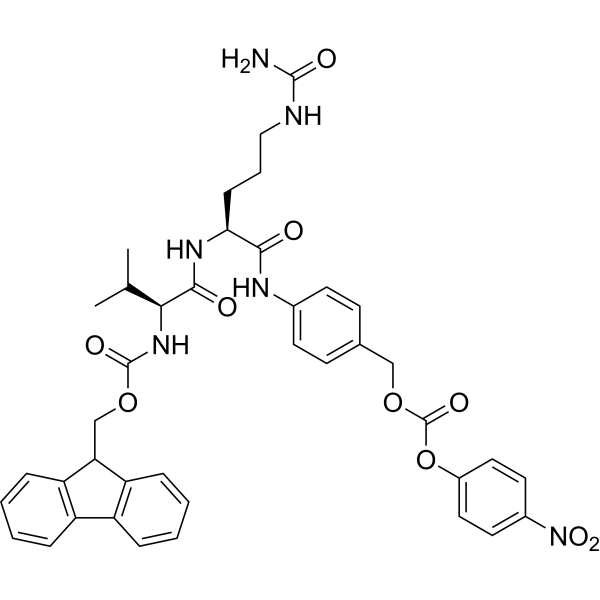
Fmoc-Val-Cit-PAB-PNP is a cleavable ADC linker used in the synthesis of antibody-drug conjugates (ADCs). Fmoc-Val-Cit-PAB-PNP has superior plasma stability comparable to that of non-cleavable linkers .
|
-
-
- HY-100432
-
LOC14
4 Publications Verification
|
PDI
|
Neurological Disease
Inflammation/Immunology
|
|
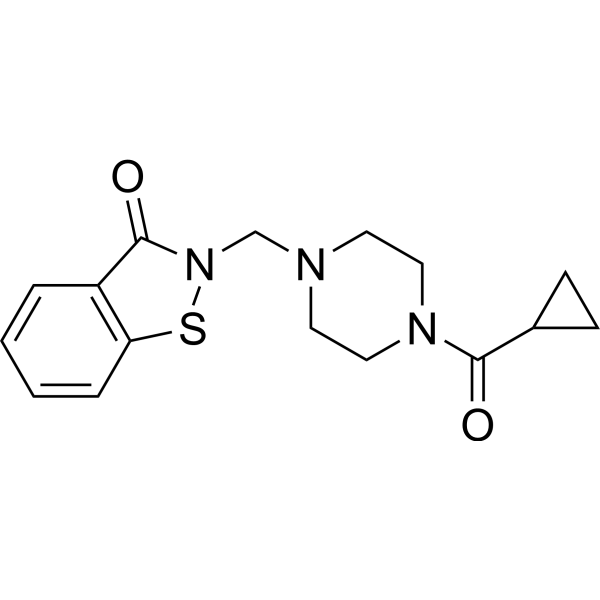
LOC14 is a potent Protein disulfide isomerase (PDI) inhibitor with EC50 and Kd values of 500 nM and 62 nM, respectively. LOC14 exhibits high stability in mouse liver microsomes and blood plasma, low intrinsic microsome clearance, and low plasma-protein binding .
LOC14 inhibits PDIA3 activity, decreases intramolecular disulfide bonds and subsequent oligomerization (maturation) of HA in lung epithelial cells .
|
-
-
- HY-126254
-
BI-4924
1 Publications Verification
|
Phosphoglycerate Dehydrogenase (PHGDH)
|
Cancer
|
|
BI-4924 is a lipophilic, highly plasma protein bound selective phosphoglycerate dehydrogenase (PHGDH) inhibitor (IC50=3 nM) with excellent microsomal, as well as hepatocytic stability. Intracellular trapping of BI-4924 disrupts serine biosynthesis with an IC50 of 2200 nM at 72 h .
|
-
-
- HY-158082
-
|
Tetramethyl rhodamine isothiocyanate glucan, MW 4000
|
Fluorescent Dye
|
Others
|
|
TRITC-dextran MW 4000 (Tetramethyl rhodamine isothiocyanate glucan, MW 4000) is a fluorescent dye, with the molecular weight of 4 kD. TRITC-dextran MW 4000 exhibits an excitation wavelength of 555 nm. TRITC-dextran MW 4000 is vessel penetrate, which could label blood plasma to visualize the vasculature. TRITC-dextran MW 4000 is utilized in drug delivery for the stability of TRITC over a wide pH range (i.e. pH 2–11) and resistance to photo-bleaching .
|
-
-
- HY-160023
-
|
D3S-001
|
Ras
PERK
|
Cancer
|
|
Elisrasib (D3S-001) is an orally active and selective inhibitor for KRAS. Elisrasib inhibits the proliferation of KRAS G12C mutant H358 and MIA-PA-CA-2. D3S-001 also inhibits the phosphorylation of cellular ERK1/2. Elisrasib exhibits good metabolic stability in hepatocytes, liver microsomes, plasma and whole blood in various species. D3S-001 exhibits good pharmacokinetic characteristics and antitumor efficacy in mice .
|
-
-
- HY-N3980
-
Guaiol
1 Publications Verification
Champacol; Guaiac alcohol
|
Autophagy
RAD51
|
Infection
Cardiovascular Disease
Inflammation/Immunology
Cancer
|
|
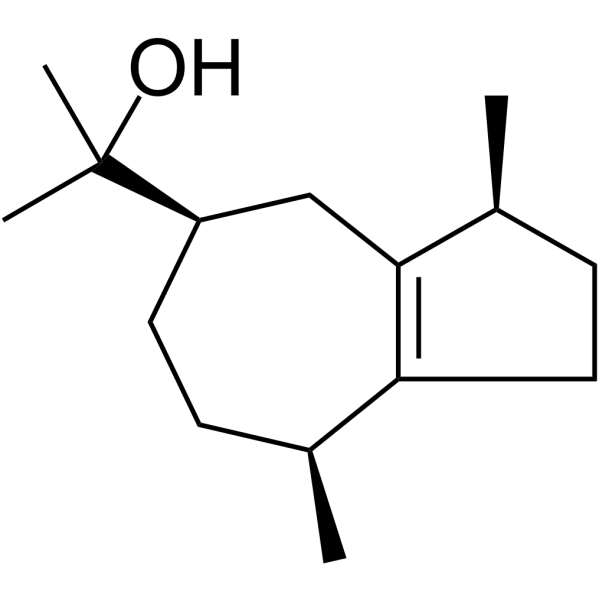
Guaiol is a sesquiterpenoid alcohol with oral activity found in various traditional Chinese medicines, exhibiting biological activities such as anti-proliferative, autophagy-promoting, insecticidal, anti-anxiety, anti-inflammatory, diuretic, and blood pressure-lowering effects. Guaiol induces apoptosis in non-small cell lung cancer cells by regulating the stability of RAD51 through autophagy modulation. Guaiol can also act directly on parasites, inhibiting their growth by affecting the kinetoplast, mitochondrial matrix and plasma membrane of the promastigotes. Guaiol kills amastigotes at an IC50 of 0.01 µg/mL. Guaiol can be used in research related to cancer, infections, cardiovascular diseases, and inflammatory conditions [4]
|
-
-
- HY-P10502
-
|
|
LDLR
|
Infection
|
|
L57 is a low-density lipoprotein receptor-related protein 1 (LRP1)-binding peptide. L57 exhibits high affinity for LRP1, with an EC50 of 45 nM. L57 possesses blood-brain barrier (BBB) permeability and plasma stability. L57 can serve as a carrier for central nervous system drug delivery .
|
-
-
- HY-128943
-
|
|
Drug-Linker Conjugates for ADC
|
Cancer
|
|
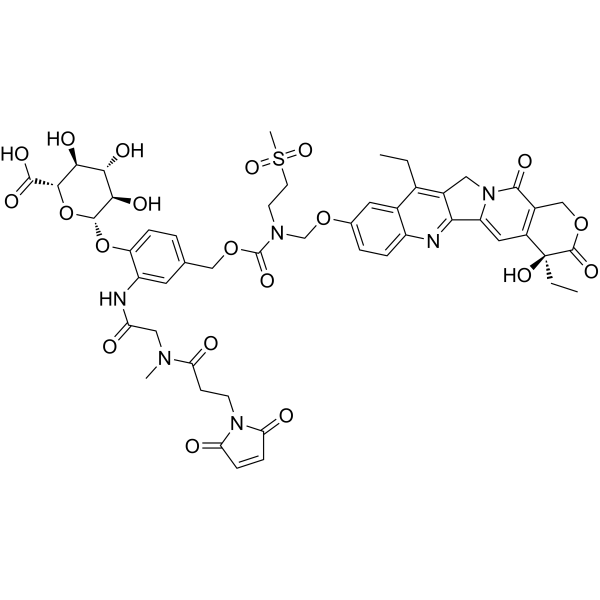
MAC glucuronide phenol-linked SN-38 is a pH-susceptible lactone MAC glucuronide phenol-linked SN-38 (DNA topoisomerase I inhibitor) agent linker. MAC glucuronide phenol-linked SN-38 is cytotoxic across L540cy cells and Ramos cells with IC50 values of 113 and 67 ng/mL, respectively.Albumin-coupled MAC glucosidol-linked SN-38 shows good stability in mouse plasma .
|
-
-
- HY-P2161B
-
|
|
Kisspeptin Receptor
|
Cancer
|
|
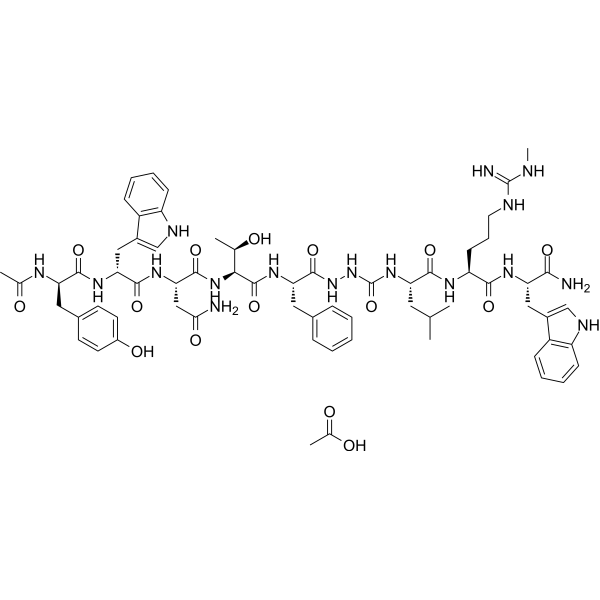
TAK-683 acetate is a potent full KISS1 receptor (KISS1R) agonist (IC50=170 pM) with improved metabolic stability. TAK-683 acetate is a nonapeptide metastin analog, exhibits agonistic activities to KISS1R with EC50 values of 0.96 nM and 1.6 nM for human and rat, respectively . TAK-683 acetate depletes GnRH in the hypothalamus and reduces plasma FSH, LH, and testosterone levels in vivo, it has the potential for the study of hormone-dependent prostate cancer .
|
-
-
- HY-111772A
-
|
(R)-VX-445
|
Drug Isomer
CFTR
|
Inflammation/Immunology
|
|
(R)-Elexacaftor ((R)-VX-445) is the enantiomer of Elexacaftor (HY-111772). Elexacaftor is an orally active CFTR modulator that targets nucleotide-binding domain 1. Elexacaftor stabilizes misfolded F508del-CFTR protein, enhances its trafficking to the plasma membrane, and significantly improves metabolic stability, thermal stability and ion conductivity. Elexacaftor not only restores chloride transport function in nasal epithelial cells and rescues multiple CFTR mutation subtypes, but also exerts multiplicative synergistic effects with Ivacaftor (HY-13017), and is often used in a triple combination therapy with Tezacaftor (HY-15448). Elexacaftor is widely used in basic and clinical translational research on cystic fibrosis .
|
-
-
- HY-15163
-
|
TG02; SB1317
|
JAK
CDK
FLT3
|
Cancer
|
|
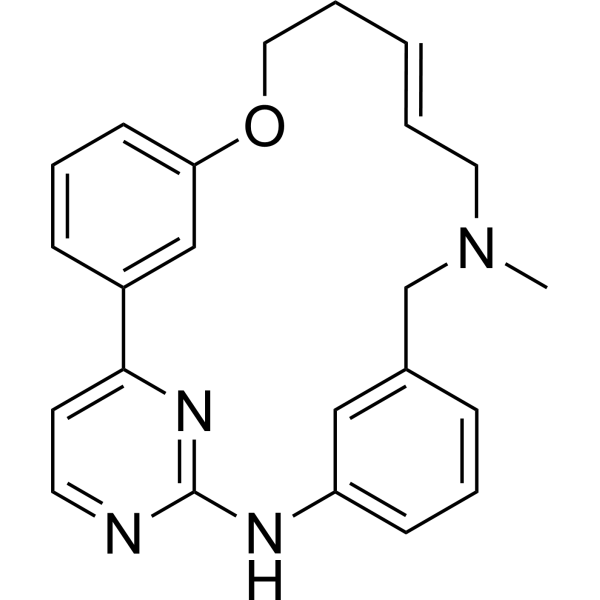
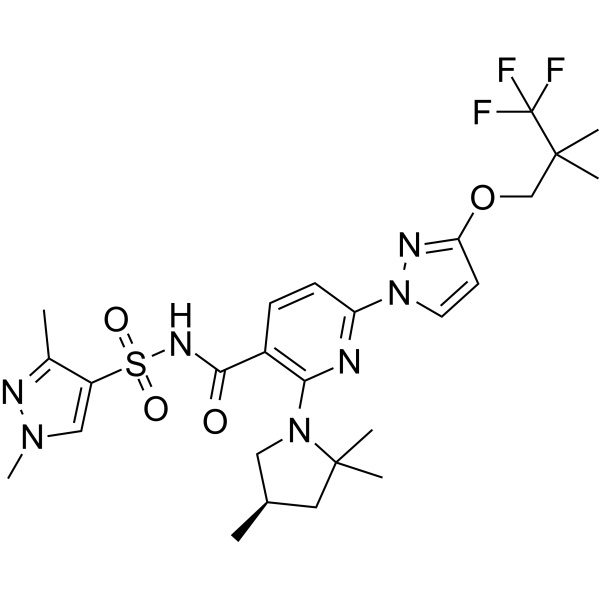
Zotiraciclib (TG02; SB1317) is an orally active JAK2/FLT3/CDK2 inhibitor with IC50 values of 13 nM, 73 nM and 56 nM , respectively. Zotiraciclib inhibits cancer cell proliferation, tumor growth and the activity of CYP2D6. Zotiraciclib exhibits high plasma protein binding rate, Caco-2 permeability and tissue distribution capacity, as well as metabolic stability in human and canine liver microsomes. Zotiraciclib achieves tumor growth inhibition in nude mouse models of colon cancer and lymphoma xenografts. Zotiraciclib can be used for research related to colon cancer, B-cell lymphoma, advanced leukemia, acute leukemia and multiple myeloma .
|
-
-
- HY-107749
-
-
-
- HY-161247
-
|
|
5-HT Receptor
|
Metabolic Disease
|
|
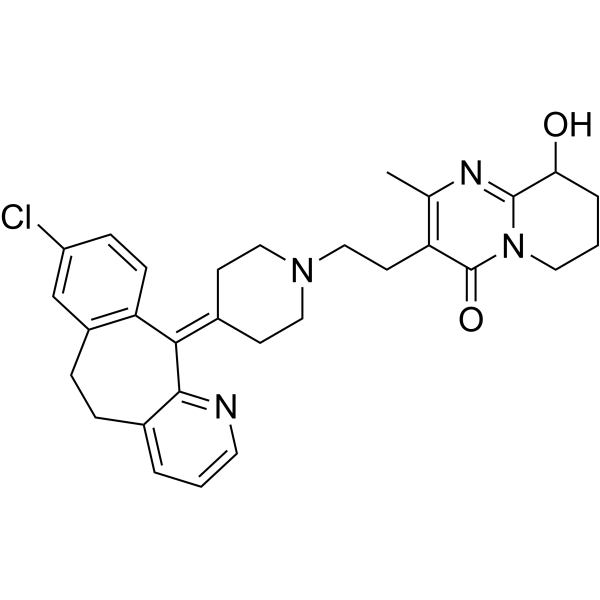
5HT2A antagonist 2 is an orally active, selective antagonist for 5HT2A with IC50 of 14 nM. 5-HT2A antagonist 2 exhibits good chemical, hepatocyte, and plasma stability, without significant cytotoxicity in cell lines VERO, HFL-1, L929, NIH3T3, CHO-K1 .
|
-
-
- HY-158082A
-
|
Tetramethyl rhodamine isothiocyanate glucan, MW 20000
|
Fluorescent Dye
|
Others
|
|
TRITC-dextran, MW 20000 (Tetramethyl rhodamine isothiocyanate glucan, MW 20000) is a fluorescent dye, with the molecular weight of 20 kD. TRITC-dextran MW 20000 exhibits an excitation wavelength of 555 nm. TRITC-dextran MW 20000 is vessel penetrate, which could label blood plasma to visualize the vasculature. TRITC-dextran MW 20000 is utilized in drug delivery for the stability of TRITC over a wide pH range (i.e. pH 2–11) and resistance to photo-bleaching .
|
-
-
- HY-175207
-
|
|
Glycosidase
|
Cancer
|
|
CHI3L1-IN-3 is a CHI3L1 inhibitor. CHI3L1-IN-3 binds to CHI3L1 with Kds of 13.76 μM and 13.5 μM in MST and SPR assays, respectively. CHI3L1-IN-3 demonstrates extended plasma half-lives and microsomal stability, along with reduced intrinsic clearance. CHI3L1-IN-3 induces dose-dependent cytotoxicity, reduces spheroid mass and inhibits migration in a 3D multicellular glioblastoma (GBM) spheroid model. CHI3L1-IN-3 can be used for the study of GBM .
|
-
-
- HY-P10502A
-
|
|
LDLR
|
Others
|
|
L57 acetate is a Low-density lipoprotein receptor-related protein 1 (LRP1)-binding peptide. L57 acetate exhibits high affinity to LRP1 with Ki of 45 nM. L57 acetate exhibits blood-brain barrier (BBB) permeability and plasma stability. L57 acetate can be utilized as the carrier for CNS drug delivery .
|
-
-
- HY-144734
-
|
|
PANK
|
Neurological Disease
Metabolic Disease
|
|
Pantothenate kinase-IN-1 is a PANK3 inhibitor with an IC50 of 0.51 μM. Pantothenate kinase-IN-1 acts as a pantothenate-competitive inhibitor, which occupies the pantothenate-binding site of PANK3 and binds to both protomers in the PANK3 dimer. Pantothenate kinase-IN-1 exhibits metabolic stability in mouse and rat plasma. Pantothenate kinase-IN-1 can be used in the research of pantothenate kinase-associated neurodegenerative diseases and metabolic diseases .
|
-
-
- HY-N0857
-
|
|
GLUT
HDAC
Virus Protease
PI3K
AMPK
Akt
Histone Demethylase
MDM-2/p53
IFNAR
Reactive Oxygen Species (ROS)
|
Infection
Metabolic Disease
Inflammation/Immunology
|
|
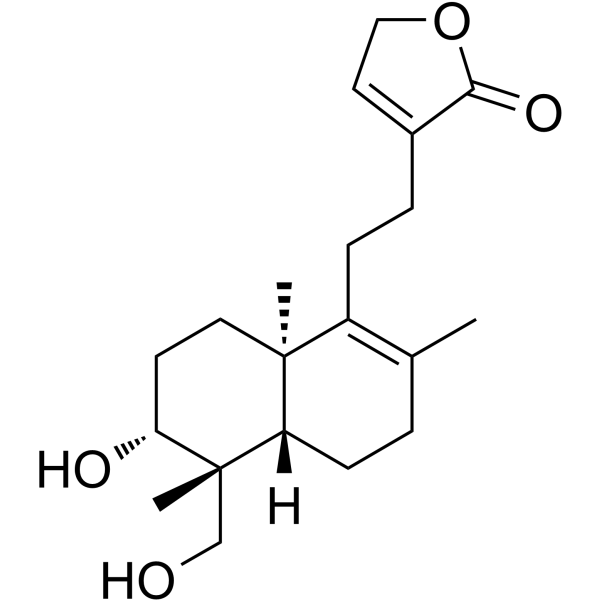
Deoxyandrographolide is an orally active lactone found in the Andrographis paniculata Nees. Deoxyandrographolide shows a KD of 38.4 μM of HDAC1. Deoxyandrographolide enhances GLUT4 plasma membrane translocation, activates PI3K and AMPK-dependent signaling pathways, suppresses fasting blood glucose, serum insulin, triglycerides, and LDL-cholesterol levels. Deoxyandrographolide enhances HDAC1 expression via inhibited ubiquitination degradation, represses H3K4me3, improves chromosome stability, and restrains aging biomarkers p16, p21, γH2A.X, p53 and ROS production. Deoxyandrographolide interacts with Foot-and-Mouth Disease Virus 3Cpro active site, inhibits protease and IFN-antagonist activity, derepresses ISG expression, and inhibits viral replication. Deoxyandrographolide can be used for the researches of type 2 diabetes mellitus, vascular senescence and virus infection .
|
-
-
- HY-153715
-
|
Mitochondria modulator-1
|
Biochemical Assay Reagents
|
Metabolic Disease
|
|
NV-354 (Mitochondria modulator-1) (compound 1) is a mitochondrial regulator that stimulates mitochondrial ATP production. NV-354 has good oral bioavailability, blood-brain barrier permeability, and good plasma stability. NV-354 has the potential to study mitochondrial diseases .
|
-
-
- HY-159563
-
|
|
Drug-Linker Conjugates for ADC
|
Cancer
|
|
Mal-va-mac-SN38 is a drug-linker conjugate for ADC. Mal-va-mac-SN38 contains a ADC cytotoxin SN-38 (HY-13704) and a linker (HY-126364). Mal-va-mac-SN38 can rapidly and covalently bind with endogenous albumin in vivo, resulting in the formation of HSA-va-mac-SN38. Mal-va-mac-SN38 demonstrates exceptional stability in human plasma, and has anti-tumor and anti-metastasis effect .
|
-
-
- HY-143255
-
|
|
Phosphodiesterase (PDE)
|
Cancer
|
|
Enpp-1-IN-11 (compound 23) is a potent Ecto-nucleotide pyrophosphatase/phosphodiesterases 1 (ENPP1) inhibitor with an Ki value of 45 nM. Enpp-1-IN-11 exhibits low clearance in human and mouse liver microsomes, good plasma stability in human and mouse plasma. Enpp-1-IN-11 can be used for researching anticancer .
|
-
-
- HY-117187
-
|
|
CFTR
|
Others
|
|
Corr4A is a chemical corrector, which can be used for cystic fibrosis. Corr4A interacts directly with the cystic fibrosis transmembrane conductance regulator (CFTR) or affects indirectly its folding process. Corr4A increases the expression of CFTR ΔF508 on the cell surface, thereby improving its transport to the plasma membrane and increasing the stability of the rescued mutant protein .
|
-
-
- HY-144772
-
|
|
SARS-CoV
|
Infection
|
|
SARS-CoV-2-IN-15 (compound 11) is a potent inhibitor of SARS-CoV-2 with an IC50 of 0.49 μM. SARS-CoV-2-IN-15 is a niclosamide analogue. SARS-CoV-2-IN-15 contains higher stability in human plasma and liver S9 enzymes assay than niclosamide, which can improve bioavailability and half-life when administered orally .
|
-
-
- HY-164429
-
|
|
Integrin
Elastase
|
Cancer
|
|
VIP236 is a small-molecule drug conjugate targeting αvβ3 integrin. VIP236 achieves tumor homing via specific binding to αvβ3 integrin and delivers its payload to the tumor microenvironment. The linker of VIP236 is cleavable by neutrophil elastase, which is highly expressed in the tumor microenvironment, to release the payload 7-ethylcamptothecin. This payload induces DNA damage by inhibiting topoisomerase 1, thereby exerting anti-tumor effects. VIP236 exhibits excellent plasma stability and tumor targeting property, with a tumor/plasma payload ratio 10-fold higher than that of the single administration. It effectively induces tumor regression, reduces metastasis formation, and shows good tolerance in mouse models. VIP236 has been used in studies related to non-small cell lung cancer, clear cell renal cell carcinoma, colon cancer, triple-negative breast cancer, small cell lung cancer, and metastatic solid tumors .
|
-
-
- HY-13611
-
|
BN 80915
|
Topoisomerase
|
Cancer
|
|
Diflomotecan (BN 80915) is a potent and orally active inhibitor of topoisomerase I. Diflomotecan (BN 80915) causes enhanced plasma stability and has the superior preclinical anti-tumour activity compared with other established compounds .
|
-
-
- HY-112913
-
-
-
- HY-170546
-
|
|
Haspin Kinase
|
Cancer
|
|
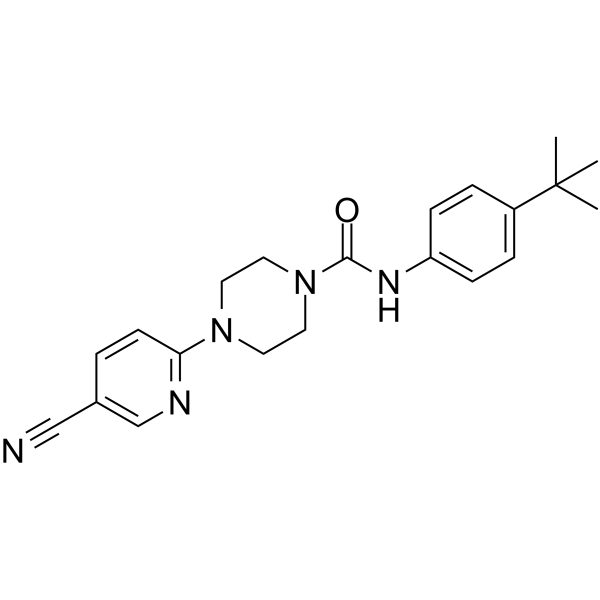
MU1920 is an ATP-competitive, selective inhibitor for haspin with an IC50 of 6 nM. MU1920 exhibits good pharmacokinetic properties and metabolic stability in mouse plasma and microsomes without obvious anticancer effects, which can be used for development of chemical probes .
|
-
-
- HY-143458
-
|
|
FAK
PROTACs
|
Cancer
|
|
FAK PROTAC B5 (Compound B5) is a FAK PROTAC degrader with an IC50 value of 14.9 nM. FAK PROTAC B5 presents strong FAK degradation activity, antiproliferative activity, outstanding plasma stability and moderate membrane permeability. FAK PROTAC B5 inhibits cell migration and invasion .
|
-
-
- HY-144770
-
|
|
SARS-CoV
|
Infection
|
|
SARS-CoV-2-IN-13 (compound 5) is a potent inhibitor of SARS-CoV-2 with an IC50 of 0.057 μM. SARS-CoV-2-IN-13 is a niclosamide analogue. SARS-CoV-2-IN-13 contains higher stability in human plasma and liver S9 enzymes assay than niclosamide, which can improve bioavailability and half-life when administered orally .
|
-
-
- HY-170509
-
|
|
Ferroptosis
Glutathione Peroxidase
|
Cardiovascular Disease
Neurological Disease
Cancer
|
|
Ferroptosis-IN-17 (Compound 18) is a ferroptosis (Ferroptosis) inhibitor with an EC50 value of 0.57 μM. Ferroptosis-IN-17 reduces intracellular ferrous ion accumulation, lipid peroxidation, and effectively restores the levels of glutathione (GSH) and glutathione peroxidase 4 (GPX4). Ferroptosis-IN-17 shows good solubility and significant metabolic stability in rat plasma. Ferroptosis-IN-17 is promising for research in tumor suppression, neurodegenerative diseases, and cardiovascular diseases .
|
-
-
- HY-175818
-
|
|
Apelin Receptor (APJ)
|
Cancer
|
|
APJ antagonist-1 is an apelin receptor (APJ) antagonist. APJ antagonist-1 shows strong β-arrestin inhibition with an IC50 of 3.1 μM. APJ antagonist-1 selectively inhibits APJ-overexpressing cancer cells and suppresses apelin-induced endothelial cell migration. APJ antagonist-1exhibits high metabolic stability. APJ antagonist-1 can used for the studies of ovarian cancer and tumor angiogenesis .
|
-
-
- HY-P2161
-
|
|
Kisspeptin Receptor
|
Cancer
|
|
TAK-683 is a potent full KISS1 receptor (KISS1R) agonist (IC50=170 pM) with improved metabolic stability. TAK-683 is a nonapeptide metastin analog, exhibits agonistic activities to KISS1R with EC50 values of 0.96 nM and 1.6 nM for human and rat, respectively . TAK-683 depletes GnRH in the hypothalamus and reduces plasma FSH, LH, and testosterone levels in vivo, it has the potential for the study of hormone-dependent prostate cancer .
|
-
-
- HY-178794
-
|
|
PGE synthase
|
Inflammation/Immunology
|
|
AGU661 is a Microsomal prostaglandin E2 synthase 1 (mPGES-1) inhibitor with an IC50 of 0.22 nM. AGU661 lowers PGE2 formation in human pro-inflammatory M1 macrophages and activated monocytes without affecting other lipid mediator pathways. AGU661 has unfavorable physicochemical properties with poor metabolic stability and strong plasma protein binding tendencies. AGU661 into PLGA-based NPs significantly enhances its bioactivity. AGU661 can be used for inflammatory disorders research .
|
-
-
- HY-163783
-
|
|
Casein Kinase
|
Infection
|
|
CSNK2-IN-1 is a potent and selective CSNK2 inhibitor with IC50 of 1.7 nM and 0.66 nM for CSNK2A1 and CSNK2A2, respectively. CSNK2-IN-1 has antiviral activity against beta-coronaviruses such as SARS-CoV-2 and MHV. CSNK2-IN-1 has good solubility, metabolic stability, and low cytotoxicity, but its plasma concentration in vivo decreases rapidly and is insufficient to achieve pharmacological effects. CSNK2-IN-1 can be used in the research of antiviral drug development .
|
-
-
- HY-P6053
-
|
|
Opioid Receptor
|
Neurological Disease
|
|
KK-103 is a precursor of leucine-enkephalin (Leu-ENK) overcomes high proteolytic instability of Leu-ENK via markedly increased plasma stability in mice that has antinociceptive effect .
|
-
-
- HY-160031
-
|
|
GLP Receptor
|
Cardiovascular Disease
|
|
GLP-1R agonist 19 (M3190) is a potent and selective GLP-1R agonist. GLP-1R agonist 19 has excellent plasma stability, liver microsomal stability, and low hERG toxicity .
|
-
-
- HY-145842
-
|
|
Virus Protease
|
Infection
Neurological Disease
|
|
Encephalitic alphavirus-IN-1 has antiviral activity for VEEV and EEEV with EC50s of 0.24 μM and 0.16 μM, respectively. Encephalitic alphavirus-IN-1 has robust mouse plasma stability, and no obvious cytotoxicity .
|
-
-
- HY-155011
-
|
|
Bacterial
|
Infection
|
|
MB076 is a novel heterocyclic triazole with improved plasma stability. MB076 inhibits seven different Class C Acinetobacter-derived cephalosporinases (ADCs) β-lactamase variants with Ki values <1 μM. MB076 acts synergistically in combination with multiple cephalosporins to restore pBCSK(-) susceptibility .
|
-
-
- HY-175817
-
|
|
Wee1
Apoptosis
|
Cancer
|
|
PKMYT1-IN-10 is a selective PKMYT1 inhibitor with an IC50 of 3 nM. PKMYT1-IN-10 inhibits colony formation, induces apoptosis, and induces S-phase cancer cell cycle arrest. PKMYT1-IN-10 exhibits liver microsomal stability, favorable plasma stability, minimal CYPs inhibition. PKMYT1-IN-10 can be used for the studies of ovarian cancer and breast cancer .
|
-
-
- HY-118147
-
|
|
Fatty Acid Synthase (FASN)
|
Cancer
|
|
ML356 (Compound 16) is an inhibitor for fatty acid synthase (FAS), that inhibits the thioesterase domain of FAS (FAS TE) with an IC50 of 0.334 μM, and blocks the de novo palmitate synthesis in PC-3 cell with an IC50 of 20 μM. ML356 exhibits good membrane permeability, and good stability in human and mouse plasma .
|
-
-
- HY-178994
-
|
|
Flavivirus
Dengue Virus
|
Infection
|
|
DENV-IN-14 (Compound 3c) is a thiazole hydrazone derivative with anti-dengue virus (DENV) activity with an EC50 of 0.01 μM and the selectivity index (SI) of 200. DENV-IN-14 exhibits rapid plasma clearance and its metabolic stability is limited. DENV-IN-14 can be used for research on dengue fever .
|
-
-
- HY-147547
-
|
|
Amyloid-β
|
Neurological Disease
|
|
SV5 is a potent anti-Alzheimer agent. SV5 can significantly protect SHSY-5Y cells against Aβ1-42-induced death. SV5 shows moderate antioxidant and good neuroprotective activities. SV5 shows the high stability in human plasma and the best pharmacological profile .
|
-
-
- HY-P10973
-
|
|
CXCR
ERK
|
Cancer
|
|
Peptide R analogue 10 (compound 10) is an analog of the CXCR4 antagonist peptide Peptide R (HY-P4111) with stronger antagonistic potency, specificity and plasma stability. Peptide R analogue 10 can inhibit CXCL12-mediated cell migration, ERK phosphorylation and CXCR4 internalization. Peptide R analogue 10 can be used in the study of CXCR4 overexpressing leukemia and colon cancer .
|
-
-
- HY-178476
-
|
|
Bacterial
Reactive Oxygen Species (ROS)
|
Infection
|
|
Anti-MRSA agent 36 (Compound III13) is an antibacterial agent with strong anti MRSA activity (MIC = 1 μg/mL). Anti-MRSA agent 36 targets phosphatidylglycerol (PG) on bacterial membranes, disrupting membrane integrity, leading to DNA leakage and increased ROS. Anti-MRSA agent 36 has advantages such as low cytotoxicity, low hemolysis, difficulty in inducing drug resistance, and good plasma stability. Anti-MRSA agent 36 can be used for the study of skin abscess and systemic infection models .
|
-
-
- HY-163004
-
|
|
Trk Receptor
|
Cancer
|
|
Type II TRK inhibitor 2 (compound 40l) is a selective type II TRK inhibitor with plasma stability and moderate hepatic microsomal stability. Type II TRK inhibitor 2 significantly inhibits Km-12, Ba/F3-TRKA G595R and Ba/F3-TRKA G667C cell proliferation (IC50: 4.1 nM, 41.5 nM, 1.4 nM). Type II TRK inhibitor 2 can be used to study NTRK fusion cancers .
|
-
-
- HY-150681
-
|
|
SARS-CoV
|
Infection
|
|
SARS-CoV-2 nsp14-IN-2 is a potent SARS-CoV-2 Nsp14 methyltransferase inhibitor with an IC50 value of 0.093 µM. SARS-CoV-2 nsp14-IN-2 shows antiviral activity. SARS-CoV-2 nsp14-IN-2 shows plasma and liver S9 stability. SARS-CoV-2 nsp14-IN-2 has the potential for the research of COVID-19 .
|
-
-
- HY-150719
-
-
-
- HY-163291
-
|
|
Bacterial
|
Infection
|
|
AM4085 is an orally active Antagonist for FmlH with an IC50 of 0.19 μM. AM4085 reveals metabolic stability in mouse liver microsomes and blood plasma .
|
-
-
- HY-156188
-
|
|
Cholinesterase (ChE)
|
Others
|
|
AChE-IN-41 (Compound 2) is a compound of the Galantamine Memantine hybrid. AChE-IN-41 has the inhibition ability of cholinesterase. AChE-IN-41 shows higher plasma stability and comparable microsomal stability in vitro, while showing lower half-life and faster clearance in vivo .
|
-
-
- HY-168118
-
|
|
Ferroptosis
|
Cancer
|
|
Ferroptosis-IN-14 (compund 36) exhibits the potent anti-ferroptosis activity with an EC50 value of 0.58 ± 0.02 μM and possessed excellent anti-ferroptosis activity, microsomal and plasma stability .
|
-
- HY-155047
-
|
|
Bacterial
|
Infection
|
|
BDM91514 improves antibiotic potency through AcrB inhibition. BDM91514 prevents the growth of E. coliBW25113 (EC90: 8 μM) in the presence of 8 μg/mL Pyridomycin. BDM91514 has suitable plasma and microsomal stability .
|
-
- HY-172093
-
|
|
HIV
|
Infection
|
|
HIV-1 inhibitor-80 (compound M44) is an HIV-1 inhibitor with an EC50 of 5-148 nM. HIV-1 inhibitor-80 shows good metabolic stability and cytotoxicity in human plasma and human liver microsomes .
|
-
- HY-170945
-
|
|
iGluR
Serotonin Transporter
|
Neurological Disease
|
|
Antidepressant agent 9 (Compound 24) is an orally active and BBB-penetrable NMDAR and SERT inhibitor with IC50 values of 3.50 μM and 1044 nM, respectively. Antidepressant agent 9 has good metabolic stability and plasma exposure. Antidepressant agent 9 can exert antidepressant-like activity in the mouse forced swim test .
|
-
- HY-173120
-
|
|
HBV
|
Infection
|
|
HBV-IN-51 (Compound 17e) is a potent HBV capsid assembly modulator. HBV-IN-51 exhibits remarkable anti-HBV activity with an EC50 of 0.033 μM in HepAD38 cells. HBV-IN-51 exhibits robust metabolic stability in plasma, and can be rapidly metabolized in human liver microsomes .
|
-
- HY-163403
-
|
|
VEGFR
|
Cardiovascular Disease
Cancer
|
|
VEGFR-2-IN-43 (compound 16) is an orally active inhibitor of VEGFR2, with an IC50 of 39.91 μM. VEGFR-2-IN-43 can be used for wet age-related macular degeneration (w-AMD) disease research .
|
-
- HY-170956
-
|
|
Drug Intermediate
|
Inflammation/Immunology
|
|
BTN3A1 ligand-1 (Compound 26b) is a triazole-containing aryl/acyloxyalkyl phosphonate prodrug. BTN3A1 ligand-1 can stimulate T cell proliferation (EC50 : 0.49 nM) and interferon γ secretion. BTN3A1 ligand-1 has certain plasma stability and can be used in related immunotherapy research .
|
-
- HY-168562
-
|
|
Sigma Receptor
|
Neurological Disease
Cancer
|
|
σ1 Receptor ligand 1 (compound 5I) is a σ1 receptor ligand with a Ki of 3.9 nM. σ1 Receptor ligand 1 has a high plasma protein binding (89%) and promising metabolic stability in the presence of mouse liver microsomes and NADPH. σ1 Receptor ligand 1 can be utilized in neurological and cancer research .
|
-
- HY-143877
-
|
|
HDAC
|
Cancer
|
|
NN-390 is a potent and selective HDAC6 inhibitor, with an IC50 of 9.8 nM. NN-390 penetrates the blood-brain barrier (BBB). NN-390 shows study potential in metastatic Group 3 MB (medulloblastoma) .
|
-
- HY-144771
-
|
|
SARS-CoV
|
Infection
|
|
SARS-CoV-2-IN-14 (compound 6) is a potent inhibitor of SARS-CoV-2 with an IC50 of 0.39 μM. SARS-CoV-2-IN-14 is a niclosamide analogue. SARS-CoV-2-IN-14 contains higher stability in human plasma and liver S9 enzymes assay than niclosamide, which can improve bioavailability and half-life when administered orally .
|
-
- HY-161819
-
|
|
Trk Receptor
|
Cancer
|
|
TRK-IN-29 (Compound B31) is a second-generation TRK inhibitor (IC50: 9 nM, 0.6 nM, 18 nM, 5 nM, 6 nM for TRKA G595R, TRKA F589L, TRKA G667C, TRKA and TRKC respectively). TRK-IN-29 inhibits the phosphorylation of TRKA. TRK-IN-29 has good antiproliferative activities against NTRK fusion positive cells. TRK-IN-29 has exellent plasma stability and moderate pharmacokinetic properties .
|
-
- HY-169064
-
|
|
HIV
Reverse Transcriptase
|
Infection
|
HIV-1 inhibitor-75 is a human immunodeficiency virus 1 (HIV-1) inhibitor, with an EC50 value ranging from 0.0039 to 0.338 μM. The binding target of HIV-1 inhibitor-75 is reverse transcriptase, with an IC50 value of 0.055 μM. HIV-1 inhibitor-75 shows good in vitro metabolic stability, exhibiting moderate clearance rates and a longer half-life in human plasma and liver microsomes .
|
-
- HY-P2161A
-
|
|
Kisspeptin Receptor
|
Cancer
|
|
TAK-683 TFA is a potent full KISS1 receptor (KISS1R) agonist (IC50=170 pM) with improved metabolic stability. TAK-683 TFA is a nonapeptide metastin analog, exhibits agonistic activities to KISS1R with EC50 values of 0.96 nM and 1.6 nM for human and rat, respectively . TAK-683 TFA depletes GnRH in the hypothalamus and reduces plasma FSH, LH, and testosterone levels in vivo, it has the potential for the study of hormone-dependent prostate cancer .
|
-
- HY-161823
-
|
|
Bacterial
|
Infection
|
|
Anti-MRSA agent 13 (Compound 9b) is an agent against methicillin-resistant Staphylococcus aureus (MRSA), exhibiting a minimum inhibitory concentration (MIC) of 0.5–2 μg/mL against clinically isolated MRSA strains. Anti-MRSA agent 13 possesses favorable biosafety, plasma tolerance stability, and a low tendency to develop resistance. Anti-MRSA agent 13 disrupts cell walls and membranes, reduces metabolic activity, causes oxidative damage, affects DNA function, and ultimately leads to MRSA death through multi-target synergies .
|
-
- HY-164477
-
|
|
Androgen Receptor
|
Cancer
|
|
FL442 is an Androgen Receptor (AR) modulator. FL442 exhibits strong inhibitory effects in AR-dependent prostate cancer cells, showing similar inhibitory efficiency to traditional antiandrogen drugs Bicalutamide (HY-14249) and Enzalutamide (HY-70002), while maintaining antiandrogenic activity against the AR mutant F876L, which is highly resistant to Enzalutamide. Pharmacokinetic studies of FL442 in mice reveal a long half-life (8 hours), good targeting (prostate tissue), and metabolic stability, and it effectively inhibits LNCaP tumor growth at low plasma concentrations (30 ng/mL) .
|
-
- HY-170606
-
|
|
Glycosidase
|
Metabolic Disease
|
|
α-Glucosidase-IN-79 (Compound 4d9) is a non-competitive α-Glucosidase inhibitor with an IC50 of 2.11 μM, which is more potent than existing α-Glucosidase inhibitors such as Acarbose (HY-B0089) (IC50 of 327.0 μM) and HXH8r (IC50 of 15.32 μM). α-Glucosidase-IN-79 is non-cytotoxic to human normal hepatocyte (LO2) cells and shows good metabolic stability in rat plasma. α-Glucosidase-IN-79 holds promise for research into type 2 diabetes .
|
-
- HY-162963
-
|
|
PPAR
|
Inflammation/Immunology
|
|
PPARδ agonist 11 (Compound 11) is a selective agonist for PPARδ with an EC50 of 20 nM. PPARδ agonist 11 reduces the levels of nitrite oxide (NO), proinflammatory cytokines TNFα and IL-6 in LPS (HY-D1056)-stimulated RAW264.7 cell, and exhibits anti-inflammatory efficacy via NF-κB pathway. PPARδ agonist 11 exhibits good stability in human liver microsomes and plasma. PPARδ agonist 11 ameliorates Carrageenan (HY-125474)-induced foot edema .
|
-
- HY-169059
-
|
|
Ferroptosis
|
Inflammation/Immunology
|
|
Ferroptosis-IN-12 (Cpd-A1) is a ferroptosis inhibitor. Ferroptosis-IN-12 exhibits effective ferroptosis inhibition in Erastin (HY-15763)-treated mouse tubular epithelial cells (mTECs) and improves kidney function, alleviates renal tubular damage, and reduces inflammation in a dose-dependent manner in acute kidney injury (AKI) mouse models induced by ischemia/reperfusion (I/R) or cecal ligation and puncture (CLP). Ferroptosis-IN-12 demonstrates good plasma stability and high distribution in kidney tissues in pharmacokinetic studies in mice. Ferroptosis-IN-12 holds promise for research in the field of acute kidney injury (AKI) .
|
-
- HY-161988
-
|
|
Bacterial
|
Infection
Inflammation/Immunology
|
|
Antimicrobial agent-34 (compound 4h) is an antibacterial agent (MIC = 1–4 μg/mL), with a clogP value of 9.14. Antimicrobial agent-34 has good plasma stability (HC50 of 131.1 μg/mL) and good membrane selectivity (HC50/MIC is 65.6), with rapid sterilization capability. Antimicrobial agent-34 destroys the integrity of bacterial cell membranes, induces an increase in intracellular reactive oxygen species, and leaks protein and DNA, ultimately leading to bacterial death. Antimicrobial agent-34 demonstrates significant in vivo antibacterial potency in a mouse sepsis model infected with Staphylococcus aureus ATCC43300 .
|
-
- HY-N3980R
-
|
Champacol (Standard); Guaiac alcohol (Standard)
|
Reference Standards
Autophagy
RAD51
|
Infection
Cardiovascular Disease
Inflammation/Immunology
Cancer
|
|
Guaiol (Standard) is the analytical standard of Guaiol. This product is intended for research and analytical applications. Guaiol is a sesquiterpenoid alcohol with oral activity found in various traditional Chinese medicines, exhibiting biological activities such as anti-proliferative, autophagy-promoting, insecticidal, anti-anxiety, anti-inflammatory, diuretic, and blood pressure-lowering effects. Guaiol induces apoptosis in non-small cell lung cancer cells by regulating the stability of RAD51 through autophagy modulation. Guaiol can also act directly on parasites, inhibiting their growth by affecting the kinetoplast, mitochondrial matrix and plasma membrane of the promastigotes. Guaiol kills amastigotes at an IC50 of 0.01 µg/mL. Guaiol can be used in research related to cancer, infections, cardiovascular diseases, and inflammatory conditions [4]
|
-
- HY-159564
-
|
|
COX
NO Synthase
|
Inflammation/Immunology
|
|
iNOS/COX-2-IN-3 (compound 7d) is a dual inhibitor of iNOS and COX-2, with potential anti-inflammatory activity against LPS (HY-D1056)-induced RAW 264.7 cells (IC50=3.48 μM). iNOS/COX-2-IN-3 has good plasma stability, oral activity and gastric safety, and its inhibitory activity on iNOS and COX-2 expression is 5.43-fold and 2.37-fold that of Indomethacin (HY-14397), respectively .
|
-
- HY-107749R
-
|
|
Reference Standards
Opioid Receptor
|
Neurological Disease
|
|
ML 190 (Standard) is the analytical standard of ML 190 (HY-107749). This product is intended for research and analytical applications. ML 190 is a selective κ opioid receptor (KOR) antagonist with an IC50 of 120 nM and an EC50 of 129 nM, respectively .
|
-
- HY-179390
-
|
|
Adrenergic Receptor
|
Neurological Disease
|
|
KMCA-0011 is an orally active ɑ2C adrenoceptor antagonist (Ki = 56.7 nM). KMCA-0011 alleviates depressive behaviors by enhancing BDNF and synaptic plasticity. KMCA-0011 displays favorable metabolic stability, including high plasma stability (99.8% after 120 min). KMCA-0011 can be used for the research of depression .
|
-
- HY-W190925
-
|
|
Biochemical Assay Reagents
|
Others
|
|
APN-C3-biotin is a heterobifunctional linker containing an APN moiety with exquisite chemoselectivity for cysteine and Biotin. The superior stability of APN-cysteine conjugates in aqueous media, human plasma, and living cells makes this new thiol-click reaction a promising methodology for applications in bioconjugation.
|
-
- HY-100432R
-
|
|
PDI
Reference Standards
|
Neurological Disease
Inflammation/Immunology
|
|
LOC14 (Standard) is the analytical standard of LOC14 (HY-100432). This product is intended for research and analytical applications. LOC14 is a potent Protein disulfide isomerase (PDI) inhibitor with EC50 and Kd values of 500 nM and 62 nM, respectively. LOC14 exhibits high stability in mouse liver microsomes and blood plasma, low intrinsic microsome clearance, and low plasma-protein binding .
LOC14 inhibits PDIA3 activity, decreases intramolecular disulfide bonds and subsequent oligomerization (maturation) of HA in lung epithelial cells .
|
-
- HY-183978
-
|
|
Renin
|
Cardiovascular Disease
|
|
KRI-1314 is an orally active human renin inhibitor with selectivity for primate renin over non-primate renin. KRI-1314 competitively inhibits the binding of recombinant human renin to its substrate, reduces plasma renin activity, lowers blood pressure, and exhibits high stability in tissue homogenates. KRI-1314 is applicable to research on renin-dependent hypertension and hypertension-related studies .
|
-
- HY-123599
-
|
|
DNA/RNA Synthesis
|
Cancer
|
|
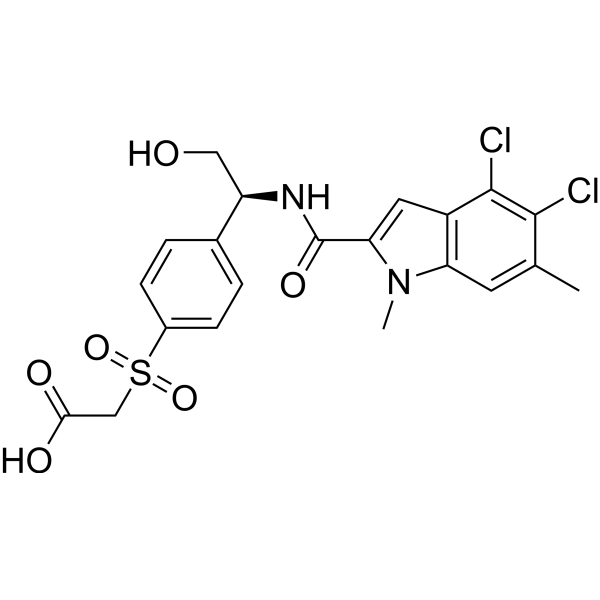
IACS-4619 (compound 4) is a highly selective 2-aminopyrimidine-based MTH1 (MutT homolog 1) inhibitor (IC50=0.2 nM). IACS-4619 inhibits MTH1 by blocking its hydrolysis of oxidized purine nucleotides such as 8-oxo-dGTP, thereby preventing MTH1 from inhibiting the incorporation of oxidized nucleotides into DNA. IACS-4619 significantly inhibits endogenous MTH1 activity in MTH1-overexpressing U2OS cells, but without antiproliferative or cytotoxic effects on various human cancer and normal cell lines. IACS-4619 can be used in oncology research related to the MTH1 target .
|
-
- HY-180125A
-
|
|
Bacterial
Reactive Oxygen Species (ROS)
|
Infection
|
|
Antibacterial agent 307 hydrochloride is an antibacterial agent. Antibacterial agent 307 hydrochloride shows MICs of 1-4 μg/mL against Gram-positive bacteria, moderate activity against Gram-negative bacteria, low hemolytic toxicity, and excellent plasma stability. Antibacterial agent 307 hydrochloride compromises bacterial membrane integrity via increased permeability and depolarization, induces endogenous ROS accumulation, causes cytoplasmic protein and nucleic acid leakage, and drives rapid bacterial cell death. Antibacterial agent 307 hydrochloride can be used for the research of bacterial infection .
|
-
- HY-180125
-
|
|
Bacterial
Reactive Oxygen Species (ROS)
|
Infection
|
|
Antibacterial agent 307 is an antibacterial agent. Antibacterial agent 307 shows MICs of 1-4 μg/mL against Gram-positive bacteria, moderate activity against Gram-negative bacteria, low hemolytic toxicity, and excellent plasma stability. Antibacterial agent 307 compromises bacterial membrane integrity via increased permeability and depolarization, induces endogenous ROS accumulation, causes cytoplasmic protein and nucleic acid leakage, and drives rapid bacterial cell death. Antibacterial agent 307 can be used for the research of bacterial infection .
|
-
- HY-111103A
-
|
|
PAK
|
Cancer
|
CZh226 hydrochloride is a potent and selective PAK4 inhibitor with an IC50 of 18 nM, and its selectivity for PAK1 is 346 times. The oral bioavailability of CZh226 hydrochloride is poor, and it requires the use of the prodrug PAK4-IN-1 (HY-130628) to improve absorption and metabolic stability. CZh226 hydrochloride can be used for research on colorectal cancer and melanoma .
|
-
- HY-179393
-
|
|
HBV
|
Cancer
|
|
HBV-IN-54 is a selective and orally active HBV inhibitor. HBV-IN-54 exhibits anti-HBV activity in both HepAD38 cells (EC50 = 0.020 μM, CC50 > 100 μM) and HLCZ01 cells (EC50 = 0.024 μM, CC50 > 100 μM). HBV-IN-54 inhibits viral replication in vivo. HBV-IN-54 displays favorable physicochemical properties and high plasma stability. HBV-IN-54 can be used for research on Hepatitis B (HBV) .
|
-
- HY-182042
-
|
|
Dengue Virus
|
Infection
|
|
DENV-IN-15 is a sulfonyl anthranilic acid derivative and a pan-serotype anti-dengue virus (DENV) inhibitor with broad-spectrum anti-RNA virus activity. The EC50 value of DENV-IN-15 against DENV-2 in Huh-7 cells is 0.7 μM. DENV-IN-15 selectively regulates the translation of mRNAs encoding translation-related proteins and containing a 5'-oligopyrimidine tract. DENV-IN-15 reduces the expression of specific ribosomal proteins, thereby inhibiting viral replication. DENV-IN-15 exhibits enhanced membrane permeability, human plasma stability and human liver microsomal metabolic stability. DENV-IN-15 is applicable to research related to dengue virus infection .
|
-
- HY-181929
-
|
H018
|
JAK
|
Inflammation/Immunology
|
RAI-20 (H018) is an orally active JAK1/JAK2 dual inhibitor (IC50=15.1 and 22.7 nM). RAI-20 exhibits excellent pharmacokinetic properties, including plasma stability, systemic exposure, and a long half-life. In a collagen-induced arthritis rat model, RAI-20 shows significant anti-inflammatory and anti-arthritic activities, effectively reducing paw swelling volume and arthritis index. RAI-20 can be used for research on the pathogenesis of rheumatoid arthritis .
|
-
- HY-181086
-
|
|
FLT3
HDAC
Apoptosis
Reactive Oxygen Species (ROS)
|
Cancer
|
|
FLT3/HDAC-IN-3 is a dual inhibitor of FLT3 and HDAC. FLT3/HDAC-IN-3 potently inhibits FLT3 (IC50 = 14 nM), HDAC1 (IC50 = 27 nM), HDAC6 (IC50 = 20 nM), and FLT3 D853Y (IC50 = 55 nM), exhibits weak activity against HDAC8, and shows no activity against HDAC4. FLT3/HDAC-IN-3 possesses kinase selectivity, plasma stability, and stability in human liver microsomes. FLT3/HDAC-IN-3 demonstrates anti-proliferative effects in a variety of hematological malignancy cell lines. FLT3/HDAC-IN-3 shows efficacy in the Jeko-1 xenograft model without observed significant toxicity. FLT3/HDAC-IN-3 can be used in the study of hematological malignancies .
|
-
- HY-W663179
-
|
|
Parasite
Cytochrome P450
|
Infection
|
|
DNDI-VL-2098 is an orally active antileishmanial agent. DNDI-VL-2098 exhibits high permeability, in vitro metabolic stability, and selective inhibition of CYP2C19 (IC50=0.47 μM). DNDI-VL-2098 does not affect the activities of other major CYP enzymes (CYP1A2, CYP2C9, CYP2D6 and CYP3A4) at concentrations up to 12.5 μM. It shows favorable pharmacokinetic properties in multiple animal models including mice, hamsters, rats and dogs. DNDI-VL-2098 is characterized by moderate to high plasma protein binding and can be used for the research of visceral leishmaniasis .
|
-
- HY-179581
-
|
|
Amino acid Transporter
|
Metabolic Disease
|
|
SLC6A19-IN-4 is an allosteric-competitive and orally active B 0AT1 inhibitor. SLC6A19-IN-4 inhibits both human and mouse B 0AT1 with IC50 values of 513 nM and 295 nM, respectively. SLC6A19-IN-4 exhibits excellent metabolic stability. SLC6A19-IN-4 significantly increases urinary phenylalanine (Phe) excretion and reduces plasma Phe levels through dual inhibition of B 0AT1 in both the intestine (reducing absorption) and kidney (promoting excretion) in vivo. SLC6A19-IN-4 can be used for phenylketonuria (PKU) and other disorders involving SLC6-family transporters research .
|
-
- HY-181107
-
|
|
Bacterial
DNA/RNA Synthesis
Cytochrome P450
|
Infection
|
|
DNA Gyrase/ribosomes-IN-1 is a bacterial ribosome and DNA gyrase inhibitor, with IC50 values of 1.11 μM and 3.31 μM, respectively. DNA Gyrase/ribosomes-IN-1 also inhibits CYP3A4, with an IC50 of 18.5 μM, and exhibits stability in mouse plasma and liver microsomes. DNA Gyrase/ribosomes-IN-1 inhibits bacterial protein synthesis by interacting with ribosomal RNA and associated sites. DNA Gyrase/ribosomes-IN-1 suppresses bacterial DNA replication by interacting with the gyrase complex. DNA Gyrase/ribosomes-IN-1 restores activity against macrolide-resistant, erm-mediated Gram-positive pathogens and enhances activity against Gram-negative bacteria such as Haemophilus influenzae and Moraxella catarrhalis. DNA Gyrase/ribosomes-IN-1 can be used in research on community-acquired bacterial pneumonia .
|
-
- HY-181671
-
|
|
Bacterial
|
Infection
|
|
Antibacterial agent 324 is an amphipathic antibacterial agent. Antibacterial agent 324 exhibits selective activity against Gram-positive bacteria, with limited activity against enterococci and weak activity against Gram-negative bacteria .
|
-
- HY-183335
-
|
|
Smo
Hedgehog
Gli
Apoptosis
Caspase
|
Cancer
|
|
Anticancer agent 321 is a Smoothened (SMO) inhibitor with a human IC50 of 0.12 μM, enhanced aqueous solubility, good plasma and metabolic stability, moderate therapeutic index, preliminary safety profile, and moderate oral bioavailability in rats.Anticancer agent 321 binds to SMO’s 7-transmembrane helical channel, forming hydrogen bonds with Asp384 and hydrophobic/π-π interactions with His470, Phe391, Tyr394, stabilizing SMO’s inactive conformation to inhibit Hedgehog/GLI signaling.Anticancer agent 321 inhibits proliferation, suppresses colony formation, induces apoptosis, and downregulates Hedgehog/GLI pathway target genes GLI1, GLI2, Ptch1, HHip in cancer cells.Anticancer agent 321 inhibits tumor growth, downregulates Ki67 and SOX2, and upregulates cleaved-caspase 3 in tumor tissues.Anticancer agent 321 can be used for the research of cutaneous squamous cell carcinoma .
|
-
| Cat. No. |
Product Name |
Type |
-
- HY-158082A
-
|
Tetramethyl rhodamine isothiocyanate glucan, MW 20000
|
Fluorescent Dye
|
|
TRITC-dextran, MW 20000 (Tetramethyl rhodamine isothiocyanate glucan, MW 20000) is a fluorescent dye, with the molecular weight of 20 kD. TRITC-dextran MW 20000 exhibits an excitation wavelength of 555 nm. TRITC-dextran MW 20000 is vessel penetrate, which could label blood plasma to visualize the vasculature. TRITC-dextran MW 20000 is utilized in drug delivery for the stability of TRITC over a wide pH range (i.e. pH 2–11) and resistance to photo-bleaching .
|
| Cat. No. |
Product Name |
Type |
-
- HY-158082
-
|
Tetramethyl rhodamine isothiocyanate glucan, MW 4000
|
Biochemical Assay Reagents
|
|
TRITC-dextran MW 4000 (Tetramethyl rhodamine isothiocyanate glucan, MW 4000) is a fluorescent dye, with the molecular weight of 4 kD. TRITC-dextran MW 4000 exhibits an excitation wavelength of 555 nm. TRITC-dextran MW 4000 is vessel penetrate, which could label blood plasma to visualize the vasculature. TRITC-dextran MW 4000 is utilized in drug delivery for the stability of TRITC over a wide pH range (i.e. pH 2–11) and resistance to photo-bleaching .
|
-
- HY-158082A
-
|
Tetramethyl rhodamine isothiocyanate glucan, MW 20000
|
Biochemical Assay Reagents
|
|
TRITC-dextran, MW 20000 (Tetramethyl rhodamine isothiocyanate glucan, MW 20000) is a fluorescent dye, with the molecular weight of 20 kD. TRITC-dextran MW 20000 exhibits an excitation wavelength of 555 nm. TRITC-dextran MW 20000 is vessel penetrate, which could label blood plasma to visualize the vasculature. TRITC-dextran MW 20000 is utilized in drug delivery for the stability of TRITC over a wide pH range (i.e. pH 2–11) and resistance to photo-bleaching .
|
| Cat. No. |
Product Name |
Target |
Research Area |
-
- HY-P10502
-
|
|
LDLR
|
Infection
|
|
L57 is a low-density lipoprotein receptor-related protein 1 (LRP1)-binding peptide. L57 exhibits high affinity for LRP1, with an EC50 of 45 nM. L57 possesses blood-brain barrier (BBB) permeability and plasma stability. L57 can serve as a carrier for central nervous system drug delivery .
|
-
- HY-P2161B
-
|
|
Kisspeptin Receptor
|
Cancer
|
|
TAK-683 acetate is a potent full KISS1 receptor (KISS1R) agonist (IC50=170 pM) with improved metabolic stability. TAK-683 acetate is a nonapeptide metastin analog, exhibits agonistic activities to KISS1R with EC50 values of 0.96 nM and 1.6 nM for human and rat, respectively . TAK-683 acetate depletes GnRH in the hypothalamus and reduces plasma FSH, LH, and testosterone levels in vivo, it has the potential for the study of hormone-dependent prostate cancer .
|
-
- HY-P10502A
-
|
|
LDLR
|
Others
|
|
L57 acetate is a Low-density lipoprotein receptor-related protein 1 (LRP1)-binding peptide. L57 acetate exhibits high affinity to LRP1 with Ki of 45 nM. L57 acetate exhibits blood-brain barrier (BBB) permeability and plasma stability. L57 acetate can be utilized as the carrier for CNS drug delivery .
|
-
- HY-P2161
-
|
|
Kisspeptin Receptor
|
Cancer
|
|
TAK-683 is a potent full KISS1 receptor (KISS1R) agonist (IC50=170 pM) with improved metabolic stability. TAK-683 is a nonapeptide metastin analog, exhibits agonistic activities to KISS1R with EC50 values of 0.96 nM and 1.6 nM for human and rat, respectively . TAK-683 depletes GnRH in the hypothalamus and reduces plasma FSH, LH, and testosterone levels in vivo, it has the potential for the study of hormone-dependent prostate cancer .
|
-
- HY-P6053
-
|
|
Opioid Receptor
|
Neurological Disease
|
|
KK-103 is a precursor of leucine-enkephalin (Leu-ENK) overcomes high proteolytic instability of Leu-ENK via markedly increased plasma stability in mice that has antinociceptive effect .
|
-
- HY-P10973
-
|
|
CXCR
ERK
|
Cancer
|
|
Peptide R analogue 10 (compound 10) is an analog of the CXCR4 antagonist peptide Peptide R (HY-P4111) with stronger antagonistic potency, specificity and plasma stability. Peptide R analogue 10 can inhibit CXCL12-mediated cell migration, ERK phosphorylation and CXCR4 internalization. Peptide R analogue 10 can be used in the study of CXCR4 overexpressing leukemia and colon cancer .
|
-
- HY-P2161A
-
|
|
Kisspeptin Receptor
|
Cancer
|
|
TAK-683 TFA is a potent full KISS1 receptor (KISS1R) agonist (IC50=170 pM) with improved metabolic stability. TAK-683 TFA is a nonapeptide metastin analog, exhibits agonistic activities to KISS1R with EC50 values of 0.96 nM and 1.6 nM for human and rat, respectively . TAK-683 TFA depletes GnRH in the hypothalamus and reduces plasma FSH, LH, and testosterone levels in vivo, it has the potential for the study of hormone-dependent prostate cancer .
|
| Cat. No. |
Product Name |
Category |
Target |
Chemical Structure |
-
- HY-N3980
-
Guaiol
1 Publications Verification
Champacol; Guaiac alcohol
|
Infection
Structural Classification
Classification of Application Fields
Terpenoids
Sesquiterpenes
Distemonanthus benthamianus Baill.
Plants
Compositae
Disease Research Fields
Source Classification
|
Autophagy
RAD51
|
|
Guaiol is a sesquiterpenoid alcohol with oral activity found in various traditional Chinese medicines, exhibiting biological activities such as anti-proliferative, autophagy-promoting, insecticidal, anti-anxiety, anti-inflammatory, diuretic, and blood pressure-lowering effects. Guaiol induces apoptosis in non-small cell lung cancer cells by regulating the stability of RAD51 through autophagy modulation. Guaiol can also act directly on parasites, inhibiting their growth by affecting the kinetoplast, mitochondrial matrix and plasma membrane of the promastigotes. Guaiol kills amastigotes at an IC50 of 0.01 µg/mL. Guaiol can be used in research related to cancer, infections, cardiovascular diseases, and inflammatory conditions [4]
|
-
-
- HY-N0857
-
|
|
Structural Classification
Acanthaceae
Simsia foetida (Cav.) S.F.Blake
Terpenoids
Diterpenoids
Plants
Source Classification
|
GLUT
HDAC
Virus Protease
PI3K
AMPK
Akt
Histone Demethylase
MDM-2/p53
IFNAR
Reactive Oxygen Species (ROS)
|
|
Deoxyandrographolide is an orally active lactone found in the Andrographis paniculata Nees. Deoxyandrographolide shows a KD of 38.4 μM of HDAC1. Deoxyandrographolide enhances GLUT4 plasma membrane translocation, activates PI3K and AMPK-dependent signaling pathways, suppresses fasting blood glucose, serum insulin, triglycerides, and LDL-cholesterol levels. Deoxyandrographolide enhances HDAC1 expression via inhibited ubiquitination degradation, represses H3K4me3, improves chromosome stability, and restrains aging biomarkers p16, p21, γH2A.X, p53 and ROS production. Deoxyandrographolide interacts with Foot-and-Mouth Disease Virus 3Cpro active site, inhibits protease and IFN-antagonist activity, derepresses ISG expression, and inhibits viral replication. Deoxyandrographolide can be used for the researches of type 2 diabetes mellitus, vascular senescence and virus infection .
|
-
-
- HY-N3980R
-
|
Champacol (Standard); Guaiac alcohol (Standard)
|
Structural Classification
Natural Products
Distemonanthus benthamianus Baill.
Plants
Compositae
Source Classification
|
Reference Standards
Autophagy
RAD51
|
|
Guaiol (Standard) is the analytical standard of Guaiol. This product is intended for research and analytical applications. Guaiol is a sesquiterpenoid alcohol with oral activity found in various traditional Chinese medicines, exhibiting biological activities such as anti-proliferative, autophagy-promoting, insecticidal, anti-anxiety, anti-inflammatory, diuretic, and blood pressure-lowering effects. Guaiol induces apoptosis in non-small cell lung cancer cells by regulating the stability of RAD51 through autophagy modulation. Guaiol can also act directly on parasites, inhibiting their growth by affecting the kinetoplast, mitochondrial matrix and plasma membrane of the promastigotes. Guaiol kills amastigotes at an IC50 of 0.01 µg/mL. Guaiol can be used in research related to cancer, infections, cardiovascular diseases, and inflammatory conditions [4]
|
-
| Cat. No. |
Product Name |
|
Classification |
-
- HY-159564
-
|
|
|
Azide
|
|
iNOS/COX-2-IN-3 (compound 7d) is a dual inhibitor of iNOS and COX-2, with potential anti-inflammatory activity against LPS (HY-D1056)-induced RAW 264.7 cells (IC50=3.48 μM). iNOS/COX-2-IN-3 has good plasma stability, oral activity and gastric safety, and its inhibitory activity on iNOS and COX-2 expression is 5.43-fold and 2.37-fold that of Indomethacin (HY-14397), respectively .
|
Your information is safe with us. * Required Fields.
Inquiry Information
- Product Name:
- Cat. No.:
- Quantity:
- MCE Japan Authorized Agent:

