

1. Search Result
Search Result
Results for "

RNA splicing

" in MedChemExpress (MCE) Product Catalog:

34

Inhibitors & Agonists

2

Screening Libraries

1

Biochemical Assay Reagents

2

Peptides

1

Natural
Products

1

Antibodies

8

Oligonucleotides

Cat. No. Product Name Target Research Areas Chemical Structure
  • HY-112980
    Nusinersen
    4 Publications Verification

    DNA/RNA Synthesis Neurological Disease
    Nusinersen is an antisense oligonucleotide active molecule. Nusinersen modifies the pre-messenger RNA splicing of the SMN2 gene, thereby promoting the production of full-length SMN protein. Nusinersen improves spinal muscular atrophy .
    Nusinersen
  • HY-129589
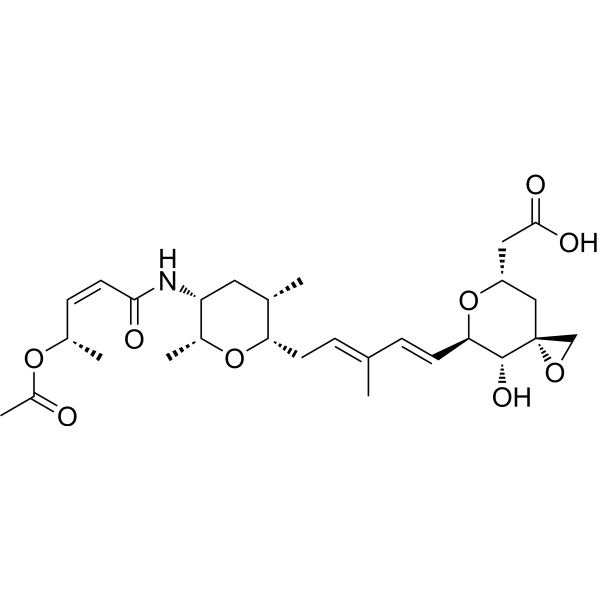
    Thailanstatin A
    2 Publications Verification

    ADC Payload Cancer
    Thailanstatin A is an ultra-potent inhibitor of eukaryotic RNA splicing (IC50=650 nM). Thailanstatin A exerts effects via non-covalent binding to the SF3b subunit of the U2 snRNA subcomplex of the spliceosome and shows low-nM to sub-nM IC50s against multiple cancer cell lines. Thailanstatin A, a payload for ADCs, is conjugated to the lysines on trastuzumab yielding “linker-less” ADC .
    Thailanstatin A
  • HY-112980A
    Nusinersen sodium
    4 Publications Verification

    DNA/RNA Synthesis Neurological Disease
    Nusinersen sodium is an antisense oligonucleotide active molecule. Nusinersen sodium modifies the pre-messenger RNA splicing of the SMN2 gene, thereby promoting the production of full-length SMN protein. Nusinersen sodium improves spinal muscular atrophy .
    Nusinersen sodium
  • HY-153918
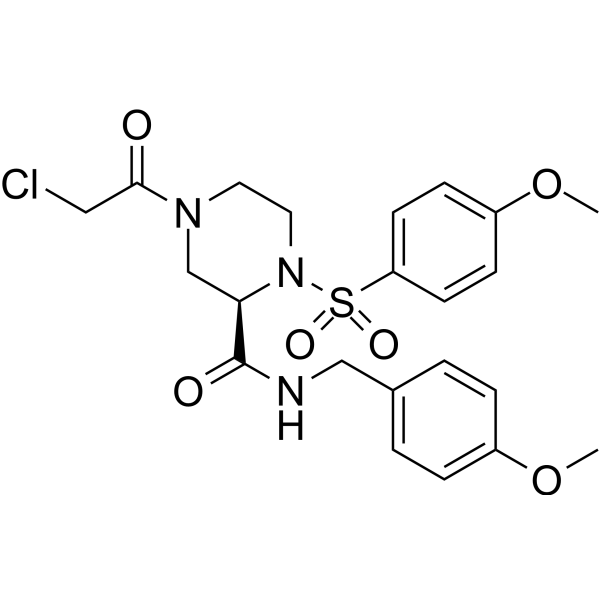
    (R)-SKBG-1
    1 Publications Verification

    Androgen Receptor Cancer
    (R)-SKBG-1 is a covalent inhibitor targeting the RNA binding protein NONO. (R)-SKBG-1 can reduce the expression of androgen receptor (AR) and its splice variants, inhibiting cancer cell proliferation. (R)-SKBG-1 inhibits androgen receptor expression with IC50 of 3.1 μM and 5.5 μM for AR-FL mRNA and AR-V7 mRNA, respectively. (R)-SKBG-1 interferes with the gene regulatory network of cancer cells and inhibits cancer cell growth by stabilizing the interaction between NONO and mRNA. (R)-SKBG-1 can be used in the study of cancers related to NONO dysfunction, such as prostate cancer .
    (R)-SKBG-1
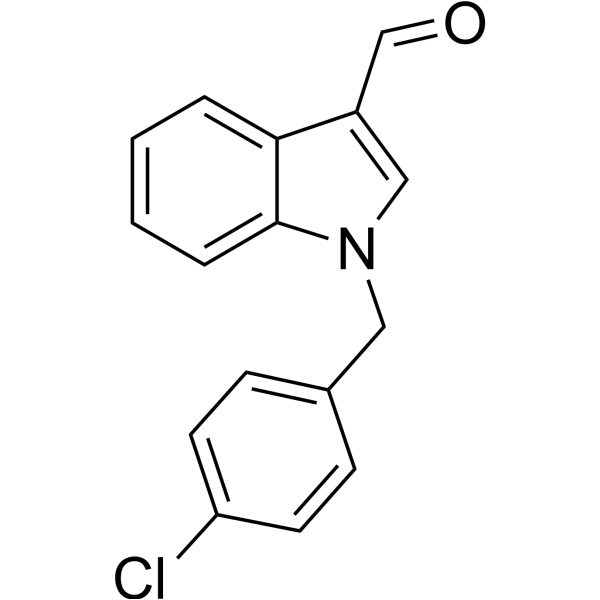
  • HY-16662

    DNA/RNA Synthesis Ras Apoptosis Cancer
    Oncrasin-1 is an RNA polymerase inhibitor. Oncrasin-1 suppresses the phosphorylation of the largest subunit of RNA polymerase II and the expression of intronless reporter genes in sensitive cells. Oncrasin-1 effectively kills various human lung cancer cells with K-Ras mutations. Oncrasin-1 leads to coaggregation of PKCι and splicing factors into megaspliceosomes. Oncrasin-1 induces malfunction in the RNA processing machinery. Oncrasin-1 is an anti-cancer agent and can therefore be studied in research for lung cancer .
    Oncrasin-1
  • HY-150248

    DNA/RNA Synthesis Others
    RNA splicing modulator 3 (compound 236) is a RNA splicing modulator, with an AC50 value of <100 nM .
    RNA splicing modulator 3
  • HY-P5960

    PTBP1 α3-helix derived peptide P6 TFA

    DNA/RNA Synthesis Others
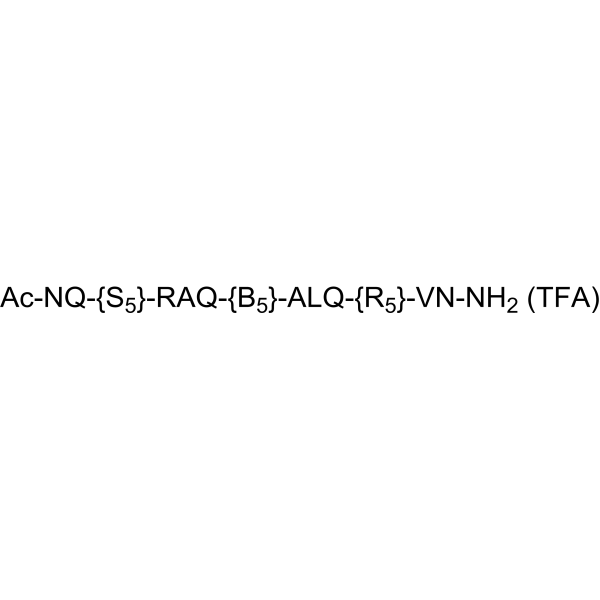
    PTBP1-RNA-binding inhibitor P6 (PTBP1 α3-helix derived peptide P6) TFA is a stapled peptide inhibitor of the splicing factor PTBP1, which inhibits alternative splicing events regulated by PTBP1. PTBP1 binds RNA through its RNA recognition motif .
    PTBP1-RNA-binding inhibitor P6 TFA
  • HY-145724

    Kyndrisa; GSK2402968A; PRO051

    DNA/RNA Synthesis Dystrophin Neurological Disease
    Drisapersen (Kyndrisa) is a 2 '-O-methyl phosphorothioate RNA antisense oligonucleotide that induces exon 51 skipping. Drisapersen induces skipping of exon 51 during Dystrophin pre-mRNA splicing, allowing the synthesis of partially functional Dystrophin. Drisapersen can be used in research related to Duchenne muscular dystrophy .
    Drisapersen
  • HY-W011548

    Nucleoside Antimetabolite/Analog Others
    2-Aminoadenosine is a modified adenine base and adenosine analog that stabilizes RNA duplexes and enhances template-directed nucleotide condensation reactions. 2-Aminoadenosine forms three hydrogen bonds with uracil to increase the melting temperature of hybrid strands, thereby stabilizing uracil-containing RNA duplexes .
    2-Aminoadenosine
  • HY-W127770

    Basic red 9

    Fluorescent Dye Infection
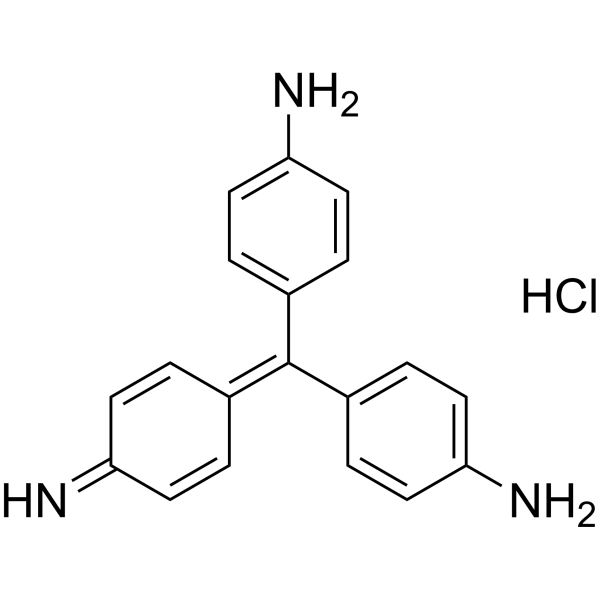
    Pararosaniline hydrochloride (Basic red 9) is a pH-responsive basic dye, as a biological stain to track certain proteins. The pH of the acidified Pararosaniline hydrochloride reagent has a significant effect on the color and the maximum absorption wavelength (λmax) of the reaction system, with its optimum pH 0.48 and a λmax at 549 nm. Pararosaniline hydrochloride is also a strong modifier of RNA splicing. Pararosaniline hydrochloride has been used in the analysis of SO2 and formaldehyde and staining of bacteria or other organisms. Pararosaniline hydrochloride is extensively used in industries like textile, printing, paper, cosmetic, and leather .
    Pararosaniline hydrochloride
  • HY-148384

    Fluorescent Dye Cancer
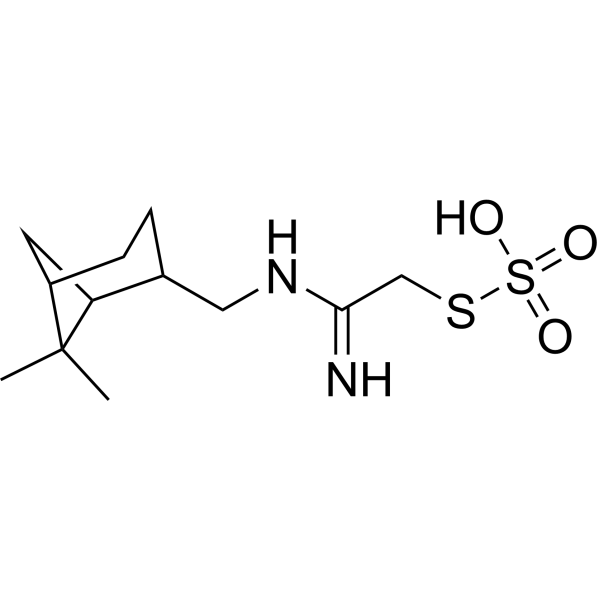
    UHMCP1 is a chemical probe of U2AF homology motifs (UHM) with a Kd of 79 μM. UHMCP1 prevents the SF3b155/U2AF65 interaction, impacts RNA splicing and cell viability. UHMCP1 has potential anticancer properties .
    UHMCP1
  • HY-177360

    DNA/RNA Synthesis Neurological Disease Cancer
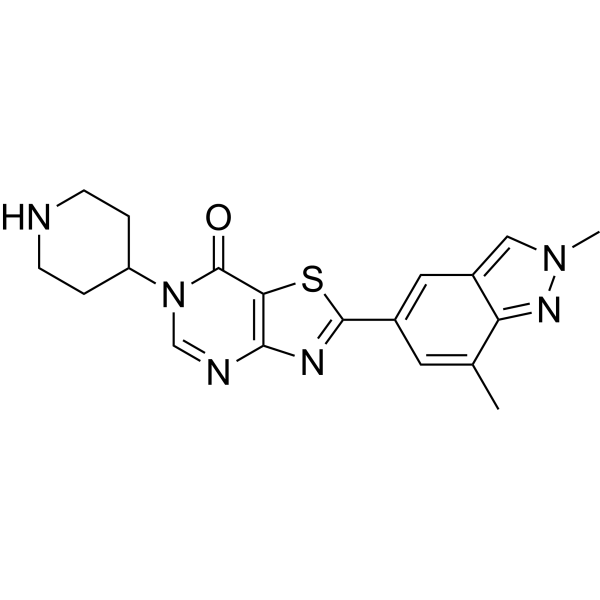
    RNA splicing modulator-4 is an RNA splicing modulator. RNA splicing modulator-4 controls the inclusion or exclusion of specific exons in precursor mRNA (pre-mRNA) by regulating alternative splicing events, thereby altering the coding sequence and function of mature mRNA. RNA splicing modulator-4 shows promise for research into neurodegenerative diseases (such as Huntington's disease) and cancers .
    RNA splicing modulator-4
  • HY-150246

    DNA/RNA Synthesis Others
    RNA splicing modulator 1 (compound 233) is a RNA splicing modulator, with an AC50 value of <100 nM .
    RNA splicing modulator 1
  • HY-153736

    DNA/RNA Synthesis Cancer
    NSC 194308, a U2AF2-RNA complexes enhancer, increases association of the U2AF1-U2AF2-SF1-splice site RNA complex by binding a site between the U2AF2 RNA recognition motifs (RRM1 and RRM2). NSC 194308 inhibits pre-mRNA splicing by stalling spliceosome assembly at the point where U2AF helps recruit U2 snRNP to the branchpoint. NSC 194308 enhances the binding of pre-mRNA to U2AF2, selectively triggering cell death in leukemia cell lines containing spliceosome mutations .
    NSC 194308
  • HY-124648

    DNA/RNA Synthesis Inflammation/Immunology
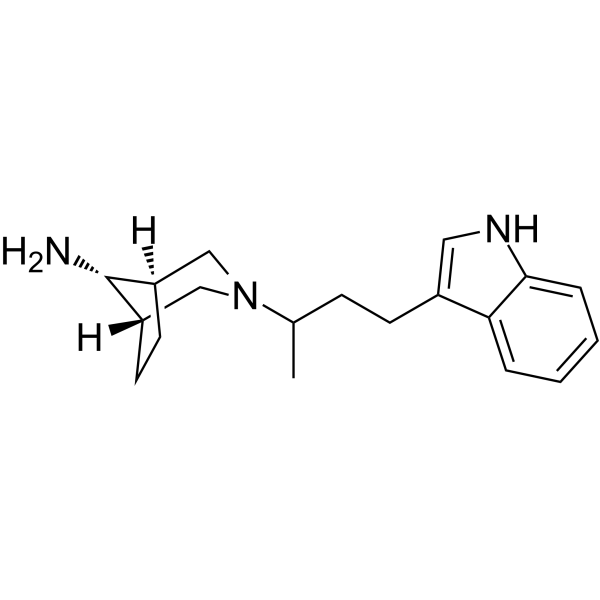
    SMN-C2, an analog of RG-7916, is a selective modulator of SMN2 gene splicing that acts by binding SMN2 pre-mRNA, thereby increasing far upstream element binding protein 1 (FUBP1) and KH-spliced RNA binding Protein affinity regulator protein (KHSRP) to the SMN2 pre-mRNA complex. SMN-C2 can be used in spinal muscular atrophy (SMA) research .
    SMN-C2
  • HY-155874

    CDK Cancer
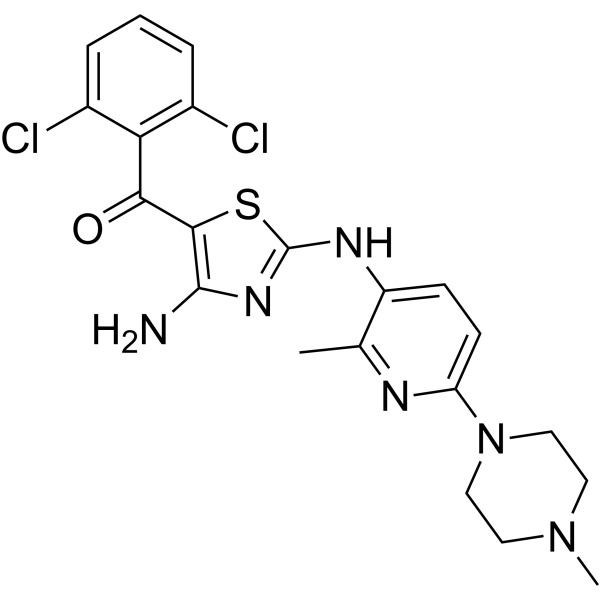
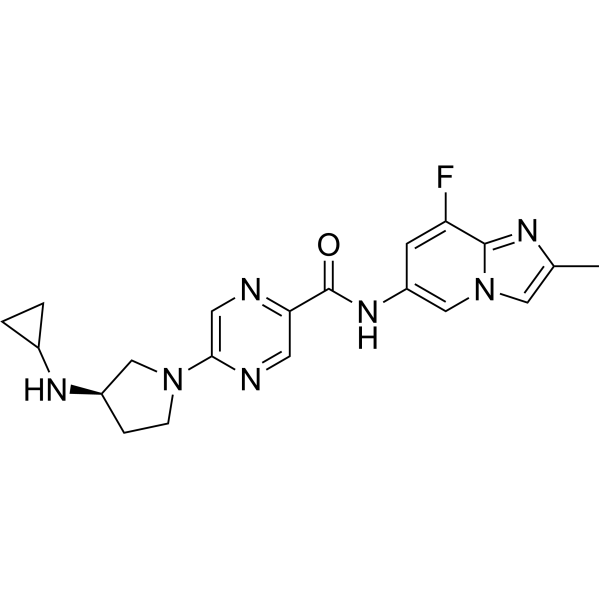
    ZNL-05-044 is a CDK11 inhibitor with an IC50s of 0.23 μM and 0.27 μM against CDK11A and CDK11B, respectively (NanoBRET assay). ZNL-05-044 leads to G2/M cell cycle arrest and impairs RNA splicing .
    ZNL-05-044
  • HY-156103

    Huntingtin Neurological Disease
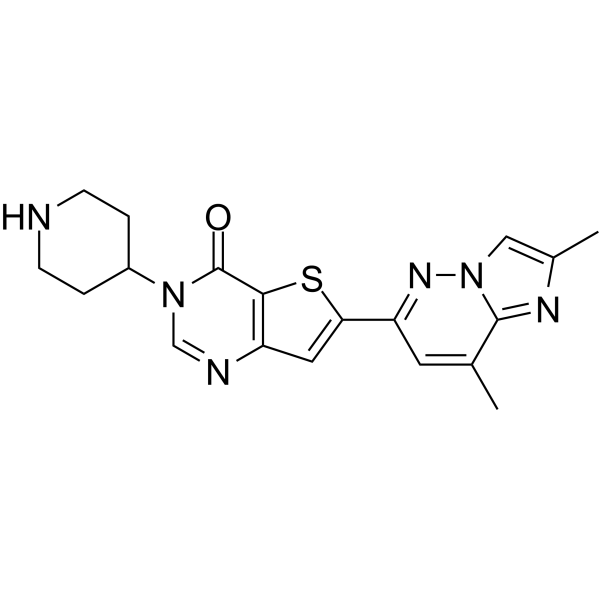
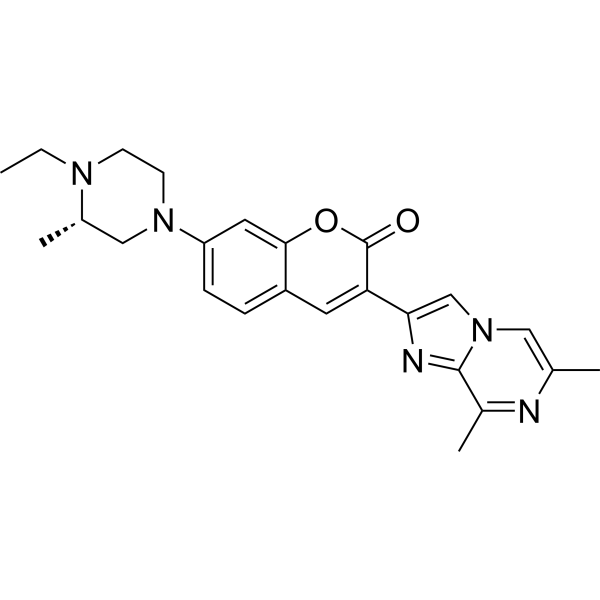
    mHTT-IN-2 (compound 27) is a potent inhibitor (EC50=0.066 μM) of mutant huntingtin (mHTT). mHTT-IN-2 reduces canonical splicing of HTT RNA exons [49-50] and is a splicing regulator of the huntingtin (HTT) gene. mHTT-IN-2 exhibits inhibitory activity in vitro and in vivo in human HD stem cells and mouse BACHD models. mHTT-IN-2 may be used in the study of branaplam-related peripheral neuropathy .
    mHTT-IN-2
  • HY-139098

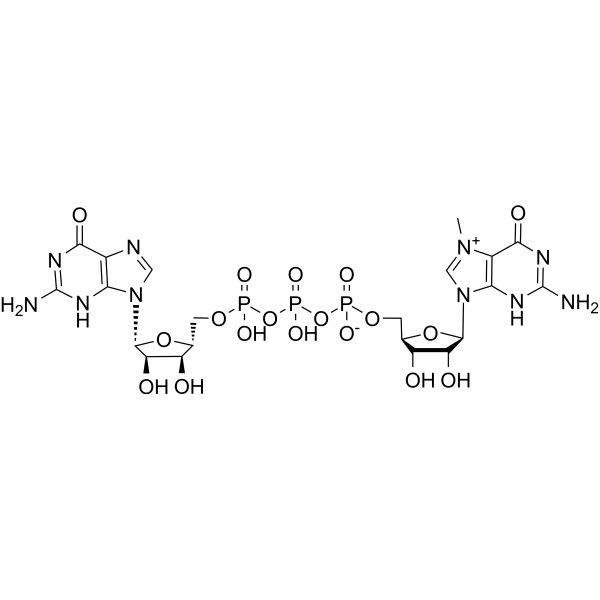
    m7Gp3G

    DNA/RNA Synthesis Others
    7-Methyl-diguanosine triphosphate (m7Gp3G) is an mRNA cap structure analog that inhibits in vitro protein synthesis by binding to the translation initiation complex. 7-Methyl-diguanosine triphosphate binds to eIF4E, promotes cap-dependent translation initiation, stabilizes mRNA, and acts as a translation enhancer. 7-Methyl-diguanosine triphosphate can be used to prepare synthetic capped RNA transcripts for studies related to mRNA translation, splicing, turnover, and intracellular transport .
    7-Methyl-diguanosine triphosphate
  • HY-122970

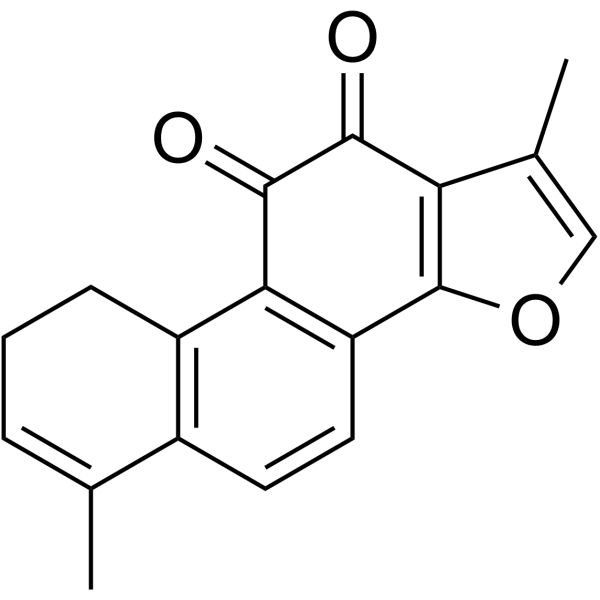
    1,2-Dihydrotanshinquinone

    DNA/RNA Synthesis Inflammation/Immunology
    1,2-Dihydrotanshinone (1,2-Dihydrotanshinquinone) is an abietane diterpene. 1,2-Dihydrotanshinone inhibits the formation of the pathogenic complex formed between (CUG)n-RNA and the splicing-factor muscleblind-like 1 (MBNL1). 1,2-Dihydrotanshinone can be used for the research of myotonic dystrophy type 1 .
    1,2-Dihydrotanshinone
  • HY-177454

    ADC Linker Others
    Basivarsen linker is a linker used in HY-177452 Zeleciment basivarsen for coupling a TfR1-binding Fab (HY-P990780 Zeleciment) and an antisense oligonucleotide. Zeleciment basivarsen is an antibody-oligonucleotide conjugate (AOC) designed to target mutant nuclear myotonic dystrophy protein kinase (DMPK) RNA for RHase H-mediated degradation to correct splicing. It is used for the study of myotonic dystrophy type 1 (DM1).
    Basivarsen linker
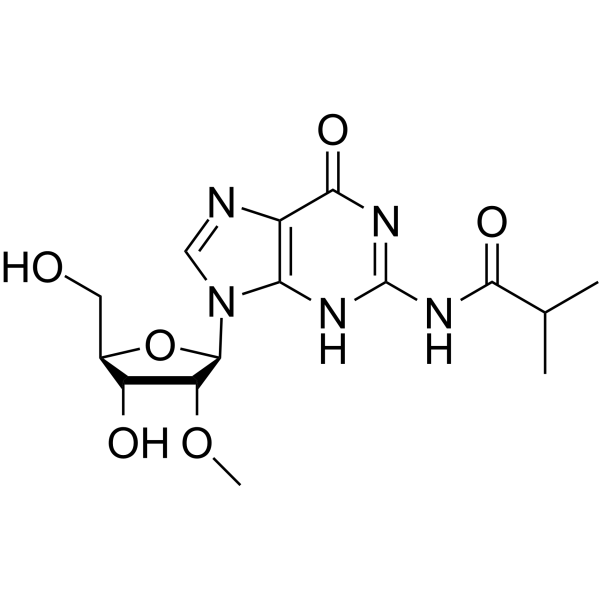
  • HY-21286

    Drug Intermediate Others
    N2-Isobutyryl-2'-O-methylguanosine is a nucleic acid synthesis intermediate (e.g., used in antisense oligonucleotides, mRNA modification), for example, it is a key monomer for the synthesis of 2'-O-methyl oligoribonucleotides. N2-Isobutyryl-2'-O-methylguanosine enables the final product to form stable double strands with complementary RNA and is not easily degraded by nucleases. N2-Isobutyryl-2'-O-methylguanosine is mainly used in molecular biology research, and can be used to prepare RNA hybridization probes or participate in related biochemical research such as pre-mRNA splicing mechanisms .
    N2-Isobutyryl-2'-O-methylguanosine
  • HY-172552

    DNA/RNA Synthesis Metabolic Disease
    RECTAS-2.0 is a small molecule designed to correct RNA mis-splicing caused by the GLA c.639+919G>A mutation, used for the research of Fabry disease .
    RECTAS-2.0
  • HY-150247

    DNA/RNA Synthesis Others
    RNA splicing modulator 2 (compound 256) is a RNA splicing modulator .
    RNA splicing modulator 2
  • HY-E70660

    CDK Cancer
    CDK13/CycK Recombinant Human Active Protein Kinase is a RNA polymerase II C-terminal domain kinases. CDK13 interacts with the splicing factor SRSF1 and to regulate alternative splicing of HIV .
    CDK13/CycK Recombinant Human Active Protein Kinase
  • HY-174226

    DNA/RNA Synthesis Others
    RNA binder 2 (Compound 20) is a covalent inhibitor targeting the r(CUG)exp RNA in myotonic dystrophy type 1 (DM1). RNA binder 2 binds to RNA via a Hoechst scaffold, blocking MBNL1 binding and restoring normal splicing. RNA binder 2 is promising for research of DM1 .
    RNA binder 2
  • HY-179117

    DNA/RNA Synthesis Infection
    RNA splicing modulator 5 (compound 22) is a small molecule probe that can specifically target the K-turn region of U4/U6 snRNA. RNA splicing modulator 5 can stabilize RNA structure in vitro and inhibit its binding to Snu13 protein (IC50 = 3.2 μM) .
    RNA splicing modulator 5
  • HY-114461

    DNA/RNA Synthesis Apoptosis Cancer
    FD-895 is a spliceosome modulator derived from a polyketide natural product, targeting the SF3b subunit of the spliceosome. FD-895 possesses core biological activities for regulating RNA splicing (intron retention, alternative splicing) and inducing apoptosis of cancer cells. FD-895 can be used for the research of cancer, such as chronic lymphocytic leukemia (CLL) .
    FD-895
  • HY-148384A

    DNA/RNA Synthesis Cancer
    UHMCP1 dihydrochloride is a potent UHM domain splicing inhibitor with a Kd value of 79 μM. UHMCP1 dihydrochloride prevents the SF3b155/U2AF 65 interaction. UHMCP1 dihydrochloride impacts cell viability and RNA splicing .
    UHMCP1 dihydrochloride
  • HY-W278073

    DNA/RNA Synthesis Fungal Infection Cancer
    RNA splicing modulator 6 (Compound c7) is a RNA splicing modulator. RNA splicing modulator 6 induces changes in pre-mRNA splicing. RNA splicing modulator 6 causes accumulation of unspliced RNA in the Hs-Hsh155 strain. RNA splicing modulator 6 reduces proliferation of chronic myeloid leukemia cells harboring the cancer-associated SRSF2 P95H mutation .
    RNA splicing modulator 6
  • HY-148828

    iGluR Neurological Disease
    LSP-GR3 is a novel chemically-modified RNA oligonucleotides, called splice modulating oligomers (SMOs), which potently and specifically modulate GluR alternative splicing to GluR3-flip expression throughout the CNS.
    LSP-GR3
  • HY-148828A

    iGluR Neurological Disease
    LSP-GR3 sodium is a novel chemically-modified RNA oligonucleotides, called splice modulating oligomers (SMOs), which potently and specifically modulate GluR alternative splicing to GluR3-flip expression throughout the CNS.
    LSP-GR3 sodium
  • HY-148384B

    Drug Isomer Cancer
    Trans-UHMCP1 is the trans-isomer of UHMCP1 (HY-148384). UHMCP1 is a chemical probe of the U2AF homologous motif (UHM), with a Kd value of 79 μM. UHMCP1 inhibits the interaction between SF3b155/U2AF 65, affecting RNA splicing and cell viability. UHMCP1 has potential anti-cancer properties .
    trans-UHMCP1
  • HY-P11698

    DNA Alkylator/Crosslinker Transthyretin (TTR) Cancer
    Guanidino-G-Clamp-PNA is a highly efficient sequence-specific RNA binder and gene silencer. Guanidino-G-Clamp-PNA precisely targets such targets as miR-155 or transthyretin (TTR) mRNA through base pairing: the former regulates tumor-related signaling pathways by reducing microRNA activity, while the latter inhibits the translation of harmful proteins via steric hindrance. Guanidino-G-Clamp-PNA effectively stabilizes DNA/RNA duplexes, induces cancer cell apoptosis, and suppresses tumor growth. In addition, Guanidino-G-Clamp-PNA can be conjugated with targeting ligands to improve tissue-specific delivery and reduce in vivo adverse reactions, and it can also enhance the splicing regulation efficacy of other oligonucleotide platforms (such as PMO) when integrated into them. Guanidino-G-Clamp-PNA is applicable to the research of various diseases including diffuse large B-cell lymphoma and hereditary transthyretin-related amyloidosis .
    Guanidino-G-Clamp-PNA
  • HY-183831

    MDM-2/p53 PARP Caspase Apoptosis Cancer
    GPS167 is a CLK kinase inhibitor that potently and selectively inhibits recombinant human CLK1, CLK2 and CLK4. By inhibiting CLK-mediated phosphorylation of SRSF10, GPS167 upregulates the protein-binding ability of CLK1 and CLK4 with SRSF10, downregulates oncogenic BCLAF1-L and upregulates tumor-suppressive BCLAF1-S, regulates alternative splicing of genes such as MDM2 and MDM4, stabilizes p53 protein and induces DNA damage, ultimately triggering tumor cell apoptosis. GPS167 can block the epithelial-mesenchymal transition process of tumors, activate intracellular double-stranded RNA-mediated antiviral immune responses, and produce synergistic cytotoxicity when combined with microtubule-targeting drugs. GPS167 can be used in research related to various cancers including colorectal cancer .
    GPS167

Inquiry Online

Your information is safe with us. * Required Fields.

Salutation


Country or Region *

Applicant Name *


Organization Name *

Department *


Email Address *


Product Name *

Cat. No.


Requested quantity *

Phone Number *


Remarks

Inquiry Online

Inquiry Information

Product Name:
Cat. No.:
Quantity:
MCE Japan Authorized Agent:

