

1. Search Result
Search Result
Results for "

Receptor-Tyrosine Kinase

" in MedChemExpress (MCE) Product Catalog:

177

Inhibitors & Agonists

2

Screening Libraries

2

Fluorescent Dyes

1

Biochemical Assay Reagents

5

Peptides

6

Inhibitory Antibodies

2

Natural
Products

120

Recombinant Proteins

8

Isotope-Labeled Compounds

64

Antibodies

1

Click Chemistry

3

Oligonucleotides

1

GMP Molecules

Cat. No. Product Name Target Research Areas Chemical Structure
  • HY-10255A
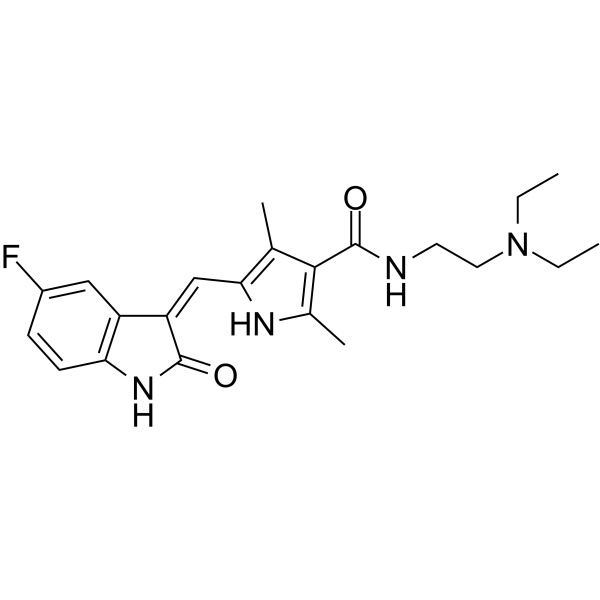
    Sunitinib
    90+ Cited Publications

    SU 11248

    VEGFR PDGFR IRE1 Mitophagy Autophagy Apoptosis Cancer
    Sunitinib (SU 11248) is a multi-targeted receptor tyrosine kinase inhibitor with IC50s of 80 nM and 2 nM for VEGFR2 and PDGFRβ, respectively . Sunitinib, an ATP-competitive inhibitor, effectively inhibits autophosphorylation of Ire1α by inhibiting autophosphorylation and consequent RNase activation .
    Sunitinib
  • HY-15424
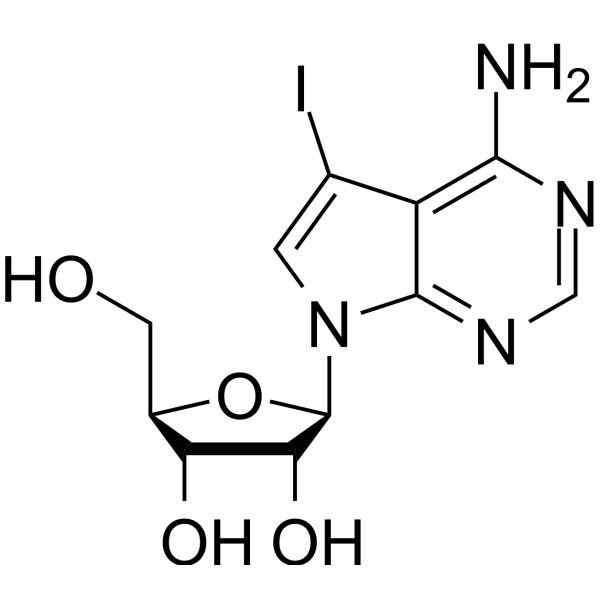
    5-Iodotubercidin
    10+ Cited Publications

    NSC 113939; 5-ITu

    Adenosine Kinase Cancer
    5-Iodotubercidin (NSC 113939), an ATP mimetic, is a potent adenosine kinase inhibitor with an IC50 of 26 nM. 5-Iodotubercidin (NSC 113939) initiates glycogen synthesis in isolated hepatocytes by causing inactivation of phosphorylase and activation of glycogen synthase. 5-Iodotubercidin (NSC 113939) also inhibits CK1, insulin receptor tyrosine kinase, phosphorylase kinase, PKA, CK2, PKC and Haspin .
    5-Iodotubercidin
  • HY-10255
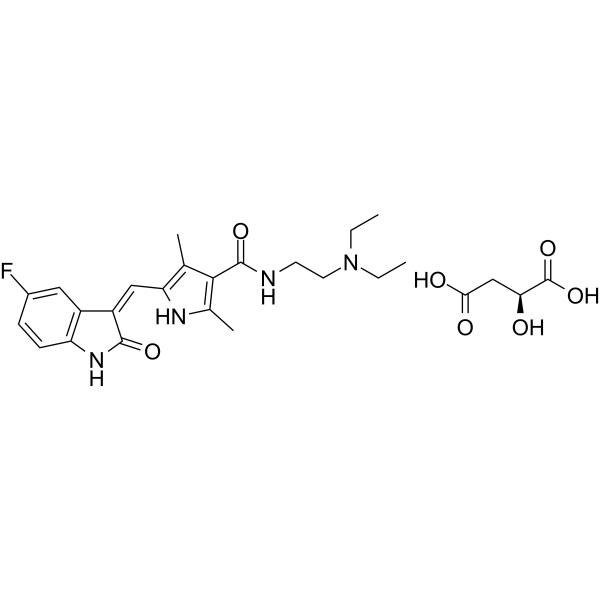
    Sunitinib Malate
    90+ Cited Publications

    SU 11248 Malate

    PDGFR VEGFR IRE1 Mitophagy Autophagy Apoptosis Infection Inflammation/Immunology Cancer
    Sunitinib (SU 11248) Malat is a multi-targeted receptor tyrosine kinase inhibitor with IC50s of 80 nM and 2 nM for VEGFR2 and PDGFRβ, respectively . Sunitinib Malat, an ATP-competitive inhibitor, effectively inhibits autophosphorylation of Ire1α by inhibiting autophosphorylation and consequent RNase activation .
    Sunitinib Malate
  • HY-13223
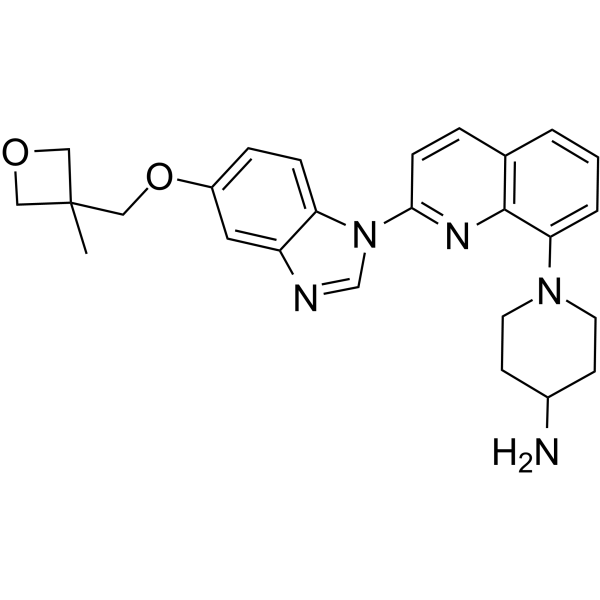
    Crenolanib
    15+ Cited Publications

    CP-868596

    FLT3 PDGFR Autophagy Cancer
    Crenolanib is a potent and selective inhibitor of wild-type and mutant isoforms of the class III receptor tyrosine kinases FLT3 and PDGFRα/β with Kds of 0.74 nM and 2.1 nM/3.2 nM, respectively.
    Crenolanib
  • HY-10407
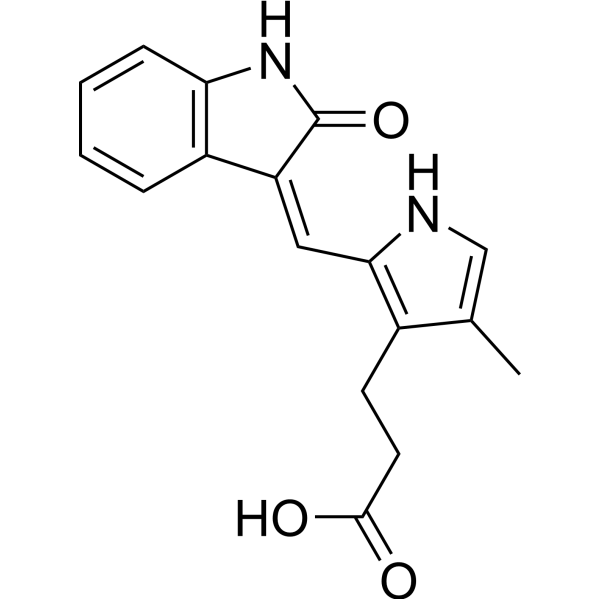
    SU 5402
    10+ Cited Publications

    VEGFR FGFR PDGFR Cancer
    SU 5402 is a potent multi-targeted receptor tyrosine kinase inhibitor with IC50 of 20 nM, 30 nM, and 510 nM for VEGFR2, FGFR1, and PDGFRβ, respectively.
    SU 5402
  • HY-12044
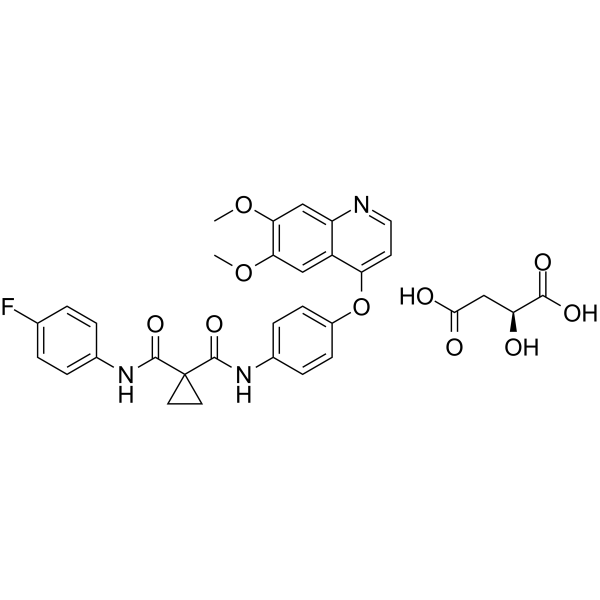
    Cabozantinib S-malate
    55+ Cited Publications

    XL184 S-malate; BMS-907351 S-malate

    VEGFR Apoptosis Cancer
    Cabozantinib S-malate (XL184 S-malate) is a potent multiple receptor tyrosine kinases inhibitor that inhibits VEGFR2, c-Met, Kit, Axl and Flt3 with IC50s of 0.035, 1.3, 4.6, 7 and 11.3 nM, respectively.
    Cabozantinib S-malate
  • HY-138696
    Zanzalintinib
    1 Publications Verification

    XL092

    TAM Receptor c-Met/HGFR VEGFR Cancer
    Zanzalintinib (XL092) is an orally active, ATP-competitive inhibitor of multiple receptor tyrosine kinases (RTKs) including MET, VEGFR2, AXL and MER, with IC50s in cell-based assays of 15 nM, 1.6 nM, 3.4 nM, 7.2 nM respectively. Zanzalintinib exhibits anti-tumor activity. Zanzalintinib has the potential for kinase-dependent diseases and conditions research .
    Zanzalintinib
  • HY-13979
    DDR1-IN-1
    5 Publications Verification

    Discoidin Domain Receptor Cancer
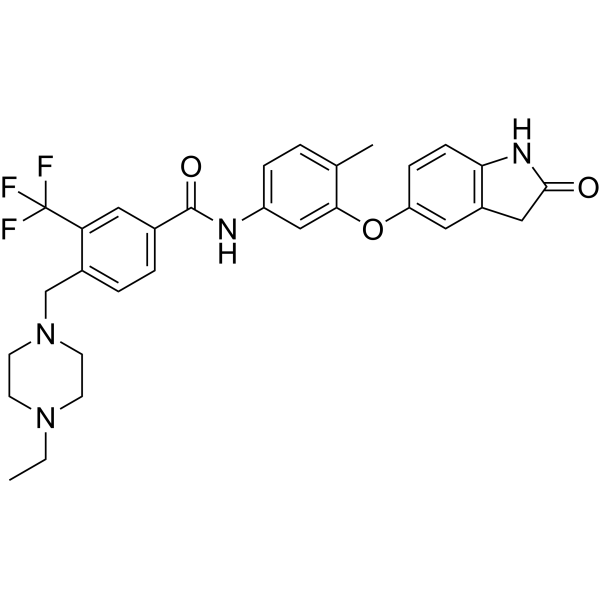
    DDR1-IN-1 is a potent and selective DDR1 receptor tyrosine kinase inhibitor with an IC50 of 105 nM; 4-fold less potent for DDR2 (IC50 = 413 nM) .
    DDR1-IN-1
  • HY-18007
    ALW-II-41-27
    30+ Cited Publications

    Eph Receptor Tyrosine Kinase inhibitor

    Ephrin Receptor Cancer
    ALW-II-41-27 is a Eph family tyrosine kinase inhibitor with an IC50 of 11 nM for Eph2.
    ALW-II-41-27
  • HY-12963
    Dubermatinib
    5+ Cited Publications

    TP-0903

    TAM Receptor Apoptosis Cancer
    Dubermatinib (TP-0903) is a potent and selective Axl receptor tyrosine kinase inhibitor with an IC50 value of 27 nM.
    Dubermatinib
  • HY-18314
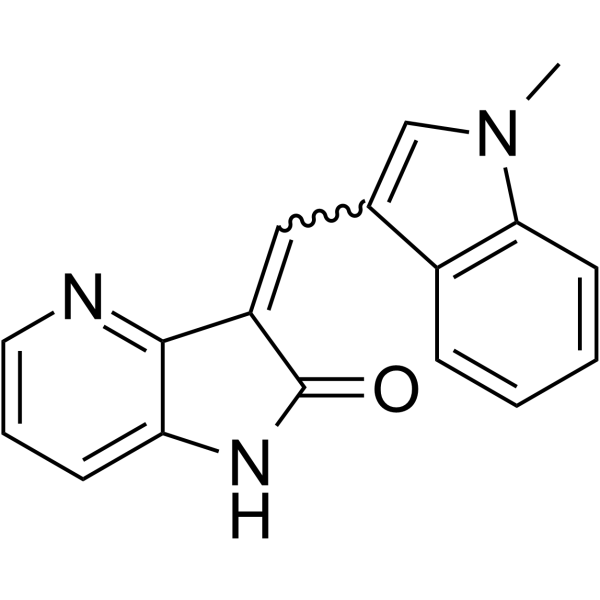
    GW 441756
    5+ Cited Publications

    Trk Receptor Apoptosis Neurological Disease Cancer
    GW 441756 is a potent and specific nerve growth factor (NGF) receptor tyrosine kinases A (TrkA) inhibitor (IC50=2 nM), which eliminates the BmK NSPK-induced neurite outgrowth .
    GW 441756
  • HY-18840
    BBT594
    2 Publications Verification

    NVP-BBT594

    RET Cancer
    BBT594 is a potent receptor tyrosine kinase RET inhibitor, used for cancer treatment.
    BBT594
  • HY-10517
    Orantinib
    5+ Cited Publications

    SU6668; TSU-68

    PDGFR FGFR VEGFR Apoptosis Cancer
    Orantinib (SU6668; TSU-68) is a multi-targeted receptor tyrosine kinase inhibitor with Kis of 2.1 μM, 8 nM and 1.2 μM for Flt-1, PDGFRβ and FGFR1, respectively.
    Orantinib
  • HY-147316

    STAT TNK1 Cancer
    TP-5801 is an orally active TNK1 (non-receptor tyrosine kinase) inhibitor (IC50=1.40 nM), and shows anti-tumor activity .
    TP-5801
  • HY-112452

    VEGFR FGFR PDGFR c-Kit Apoptosis Cancer
    SU11652 is a potent receptor tyrosine kinase (RTK) inhibitor. SU11652 also inhibits several members of the split kinase family of RTKs, including VEGFR, FGFR, PDGFR, and Kit. SU11652 can be uesd for spontaneous cancers expressing Kit mutations research .
    SU11652
  • HY-10330

    SU11654; PHA 291639E

    PDGFR VEGFR c-Kit Cancer
    Toceranib phosphate (SU11654 phosphate) is an orally active receptor tyrosine kinase (RTK) inhibitor, and it potently inhibits PDGFR, VEGFR, and Kit with Kis of 5 and 6 nM for PDGFRβ and Flk-1/KDR, respectively. Toceranib phosphate (SU11654 phosphate) has antitumor and antiangiogenic activity, and used in the treatment of canine mast cell tumors .
    Toceranib
  • HY-10501
    SU14813
    1 Publications Verification

    PDGFR VEGFR c-Kit Cancer
    SU14813 is a multi-targeted receptor tyrosine kinases inhibitor with IC50s of 50, 2, 4, 15 nM for VEGFR2, VEGFR1, PDGFRβ and KIT.
    SU14813
  • HY-P0177
    123C4
    1 Publications Verification

    Ephrin Receptor Metabolic Disease
    123C4 is a potent, selective and competitive agonist of the receptor tyrosine kinase EPHA4, with a Ki value of 0.65 μM .
    123C4
  • HY-10185
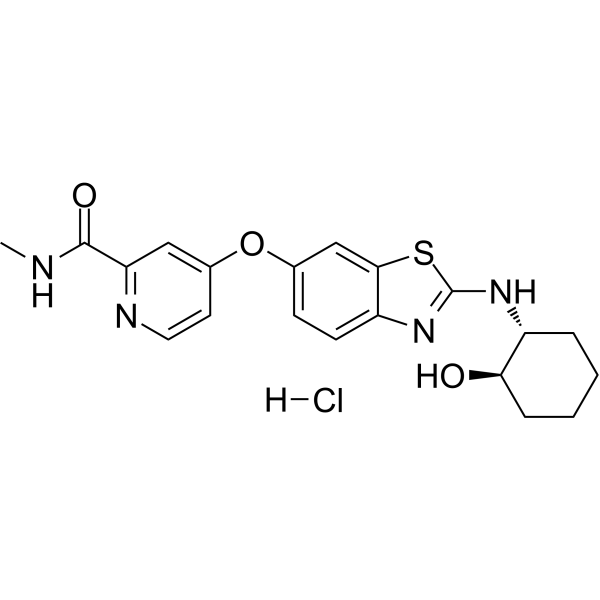
    TG 100572 Hydrochloride
    3 Publications Verification

    Src VEGFR FGFR PDGFR Inflammation/Immunology
    TG 100572 Hydrochloride is a multi-targeted kinase inhibitor which inhibits receptor tyrosine kinases and Src kinases; has IC50s of 2, 7, 2, 16, 13, 5, 0.5, 6, 0.1, 0.4, 1, 0.2 nM for VEGFR1, VEGFR2, FGFR1, FGFR2, PDGFRβ, Fgr, Fyn, Hck, Lck, Lyn, Src, Yes, respectively.
    TG 100572 Hydrochloride
  • HY-111969
    BT18
    1 Publications Verification

    GDNF Receptor Neurological Disease
    BT18 is a molecule mimic with function similar to glial cell line-derived neurotrophic factor (GDNF) . BT18 shows an effect on GDNF family receptor GFRα1 and RET receptor tyrosine kinase RetA function .
    BT18
  • HY-W011266
    JNJ-10198409
    1 Publications Verification

    PDGFR Cancer
    JNJ-10198409 is a relatively selective, orally active, and ATP competitive PDGF-RTK (platelet-derived growth factor receptor tyrosine kinase) inhibitor (IC50=2 nM). It is a dual-mechanism, antiangiogenic, and tumor cell antiproliferative agent. JNJ-10198409 has good activity against PDGFR-β kinase (IC50=4.2 nM) and PDGFR-α kinase (IC50=45 nM) .
    JNJ-10198409
  • HY-145627

    BA3021; Anti-ROR2 ADC; CAB-ROR2-ADC

    Antibody-Drug Conjugates (ADCs) Microtubule/Tubulin Cancer
    Ozuriftamab vedotin (BA3021), an antibody-drug conjugate (ADC), is a conditionally active biologic (CAB) anti-receptor tyrosine kinase orphan receptor 2 (ROR2) humanized monoclonal antibody Ozuriftamab (HY-145626) conjugated to VcMMAE (HY-15575). Ozuriftamab vedotin has antitumor activities .
    Ozuriftamab vedotin
  • HY-10501A

    PDGFR VEGFR c-Kit Cancer
    SU14813 maleate is a multi-targeted receptor tyrosine kinases inhibitor with IC50s of 50, 2, 4, 15 nM for VEGFR2, VEGFR1, PDGFRβ and KIT.
    SU14813 maleate
  • HY-176205

    AB801

    TAM Receptor Cancer
    Ligritinib (AB801) is an orally active AXL receptor tyrosine kinase inhibitor. Ligritinib blocks the downstream signaling pathway by inhibiting the kinase activity of AXL. Ligritinib can be used in cancer research, especially in combination with chemotherapy for non-small cell lung cancer (NSCLC) .
    Ligritinib
  • HY-13979A
    DDR1-IN-1 dihydrochloride
    5 Publications Verification

    Discoidin Domain Receptor Cancer
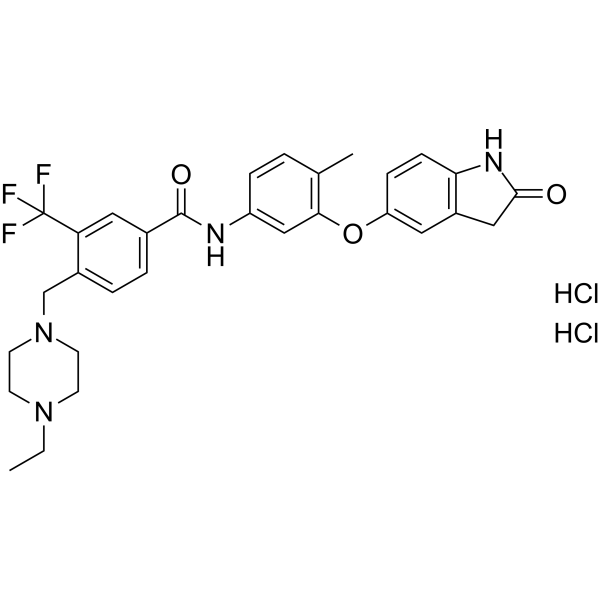
    DDR1-IN-1 dihydrochloride is a potent and selective DDR1 receptor tyrosine kinase inhibitor with an IC50 of 105 nM; 4-fold less potent for DDR2 (IC50 = 413 nM) .
    DDR1-IN-1 dihydrochloride
  • HY-13223A
    Crenolanib benzenesulfonate
    15+ Cited Publications

    CP 868596-26

    Autophagy PDGFR FLT3 Cancer
    Crenolanib benzenesulfonate is a potent and selective inhibitor of wild-type and mutant isoforms of the class III receptor tyrosine kinases FLT3 and PDGFRα/β with Kds of 0.74 nM and 2.1 nM/3.2 nM, respectively.
    Crenolanib benzenesulfonate
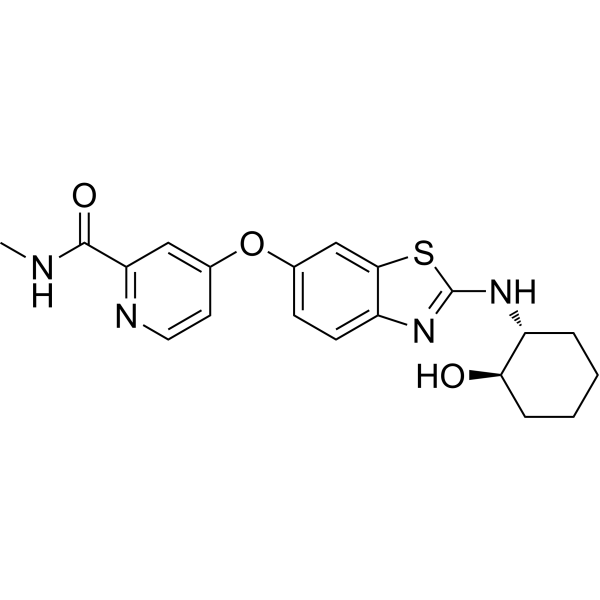
  • HY-10184

    Src VEGFR PDGFR FGFR Cancer
    TG 100572 is a multi-targeted kinase inhibitor which inhibits receptor tyrosine kinases and Src kinases; has IC50s of 2, 7, 2, 16, 13, 5, 0.5, 6, 0.1, 0.4, 1, 0.2 nM for VEGFR1, VEGFR2, FGFR1, FGFR2, PDGFRβ, Fgr, Fyn, Hck, Lck, Lyn, Src, Yes, respectively.
    TG 100572
  • HY-13016S1

    XL184-d4; BMS-907351-d4

    VEGFR c-Met/HGFR c-Kit TAM Receptor FLT3 Apoptosis Cancer
    Cabozantinib-d4 is deuterium labeled Cabozantinib. Cabozantinib is a potent multiple receptor tyrosine kinases (RTKs) inhibitor that inhibits VEGFR2, c-Met, Kit, Axl and Flt3 with IC50s of 0.035, 1.3, 4.6, 7 and 11.3 nM, respectively.
    Cabozantinib-d4
  • HY-50055

    ERK Cancer
    EtDO-P4 is a nanomolar inhibitor of glycosphingolipid (GSL) synthesis. EtDO-P4 suppresses activation of the EGFR-induced ERK pathway and various receptor tyrosine kinases (RTKs). EtDO-P4 can be used for various types of cancer, including Burkitt’s lymphoma .
    EtDO-P4
  • HY-P9988

    BA301

    ADC Antibody TAM Receptor Cancer
    Mecbotamab is a humanized IgG1-κ antibody targeting to AXL receptor tyrosine kinase (AXL). Mecbotamab can serves as a conditionally active biologic (CAB), which can be conjugated with MMAE (HY-15162) via a cleavable linker, to form ADC Mecbotamab vedotin (BA3011) .
    Mecbotamab
  • HY-P5431

    Insulin Receptor Others
    Insulin receptor (1142-1153), pTyr1150 is a biological active peptide. (Peptide used as insulin receptor tyrosine kinase substrate.)
    Insulin receptor (1142-1153), pTyr1150
  • HY-147316A

    STAT TNK1 Cancer
    TP-5801 TFA is an orally active TNK1 (non-receptor tyrosine kinase) inhibitor (IC50=1.40 nM), and shows anti-tumor activity .
    TP-5801 TFA
  • HY-10331S

    BAY 73-4506-d3

    VEGFR Autophagy PDGFR Raf RET Cancer
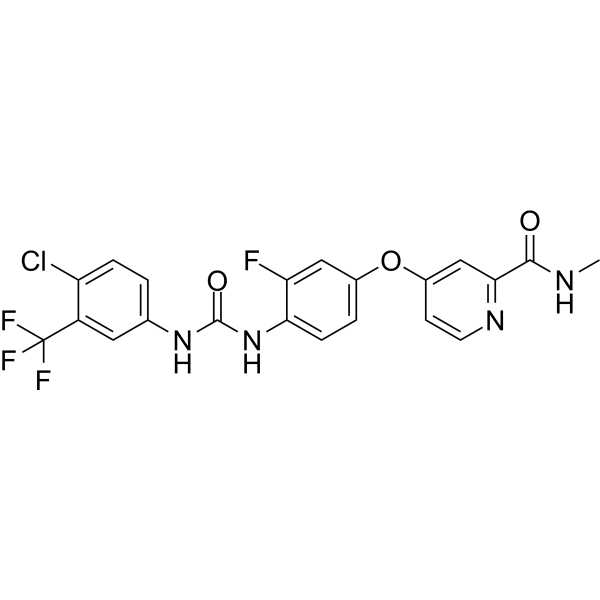
    Regorafenib-d3 (BAY 73-4506-d3) is a deuterium labeled Regorafenib (HY-10331). Regorafenib is a multi-targeted receptor tyrosine kinase inhibitor .
    Regorafenib-d3
  • HY-13223R

    CP-868596 (Standard)

    FLT3 PDGFR Autophagy Reference Standards Cancer
    Crenolanib (Standard) is the analytical standard of Crenolanib. This product is intended for research and analytical applications. Crenolanib is a potent and selective inhibitor of wild-type and mutant isoforms of the class III receptor tyrosine kinases FLT3 and PDGFRα/β with Kds of 0.74 nM and 2.1 nM/3.2 nM, respectively.
    Crenolanib (Standard)
  • HY-153012

    TAM Receptor c-Fms Cancer
    Axl/Mer-IN-1 (Compound 1) is an Axl/Mer receptor tyrosine kinase (Axl/Mer RTK) and CSF1R inhibitor with Kds of <0.1 μM .
    Axl/Mer/CSF1R-IN-1
  • HY-N11675

    Endogenous Metabolite Cancer
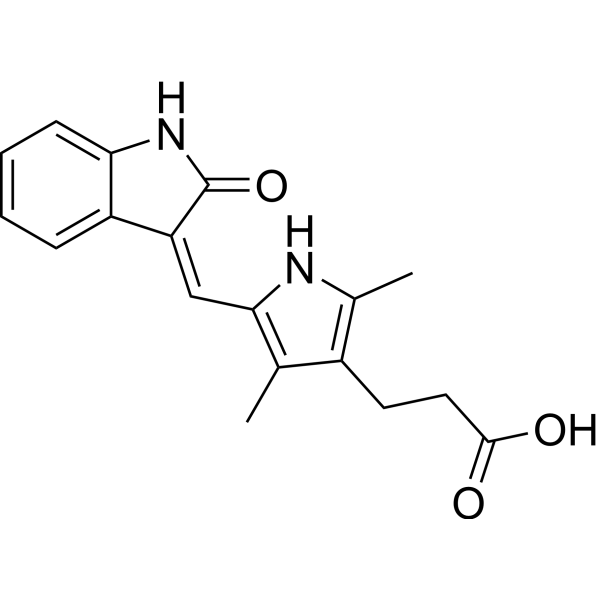
    5-Hydroxy-TSU-68 (compound M1) is the 5-hydroxylated indolinone derivative of TSU-68. TSU-68 is an anticancer agent that inhibits angiogenic receptor tyrosine kinases .
    5-Hydroxy-TSU-68
  • HY-18316

    JAK Inflammation/Immunology
    RO495 is a potent inhibitor of non-receptor tyrosine-protein kinase 2 (TYK2 kinase) .
    RO495
  • HY-101756

    SDZ-LAP 977

    EGFR Cancer
    SDZ 281-977 is a derivative of the EGF receptor tyrosine kinase inhibitor Lavendustin A.
    SDZ281-977
  • HY-159503

    3D185 free base; HH185 free base

    FGFR c-Fms Cancer
    Segigratinib is a fibroblast growth factor receptor tyrosine kinase inhibitor, with antineoplastic effect .
    Segigratinib
  • HY-13892

    CHIR-258 dilactic acid; TKI258 dilactic acid

    VEGFR Cancer
    Dovitinib (dilactic acid) is an orally active inhibitor of VEGF kinase. Dovitinib (dilactic acid) inhibits receptor tyrosine kinases (RTKs) involved in solid and hematologic cancers and tumor angiogenesis .
    Dovitinib dilactic acid
  • HY-101962

    Insulin Receptor Metabolic Disease
    HNMPA is a membrane impermeable insulin receptor tyrosine kinase inhibitor. HNMPA inhibits serine and tyrosine autophosphorylation by the human insulin receptor. HNMPA has no effect on protein kinase C or cyclic AMP-dependent protein kinase activities
    HNMPA
  • HY-172228

    PDGFR Cardiovascular Disease
    RPR-101511 is a 3-substituted quinoline derivative. RPR-101511 is a PDGF receptor tyrosine kinase inhibitor (IC50: 0.001-0.02 μM) .
    RPR-101511
  • HY-113876

    PDGFR Cancer
    2-Methyl-3-phenylquinoxaline (compound 38) is a potent platelet-derived growth factor receptor tyrosine kinase (PDGF-RTK) inhibitor with modest inhibitory activity against PDGFR kinase in intact cells (IC50 greater than 100 μM) .
    2-Methyl-3-phenylquinoxaline
  • HY-P1803

    PKCε; PRKCE ; Peptide Epsilon

    PKC Neurological Disease Inflammation/Immunology Endocrinology
    Protein Kinase C Peptide Substrate is targeted to a specific cellular compartment in a manner dependent on second messengers and on specific adapter proteins in response to extracellular signals that activate G-protein-coupled receptors, tyrosine kinase receptors, or tyrosine kinase-coupled receptors. Protein Kinase C Peptide Substrate then regulates various physiological functions including the activation of nervous, endocrine, exocrine, inflammatory, and immune systems .
    Protein Kinase C Peptide Substrate
  • HY-P10569

    EGFR Cancer
    Biotin HER-2 substrate peptide is a substrate of Her4 and Her2/neu tyrosine kinase with a Km value of 60 μm for Her2/neu kinase domain .
    Biotin HER-2 substrate peptide
  • HY-E70869

    Trk Receptor Neurological Disease
    TRKA (also named NTRK1) is a potential new member of the tyrosine kinase gene family. TRKA is a receptor tyrosine kinase that is phosphorylated in response to NGF. A single transmembrane domain divides TRKA into an extracellular domain, important for NGF binding, and an intracellular tyrosine kinase domain, important for signal transduction. TRKA(NTRK1) Recombinant Human Active Protein Kinase is a recombinant TRKA(NTRK1) protein that can be used to study TRKA(NTRK1)-related functions .
    TRKA(NTRK1) Recombinant Human Active Protein Kinase
  • HY-E70763

    PDGFR Cancer
    PDGFRalpha is a receptor tyrosine kinases that stimulate cell survival, proliferation and motility. Upon PDGF binding, the receptor dimerizes and undergoes a conformational change, which activates the kinase domain. PDGFRalpha T674I is a mutant of PDGFRalpha. PDGFRalpha T674I Recombinant Human Active Protein Kinase is a recombinant PDGFRalpha T674I protein that can be used to study PDGFRalpha T674I-related functions .
    PDGFRalpha T674I Recombinant Human Active Protein Kinase
  • HY-160689

    UNC10112731

    c-Myc c-Kit Discoidin Domain Receptor PDGFR Others
    GW694590A (UNC10112731) is a MYC protein stabilizer that increases endogenous MYC protein levels. GW694590A also targets receptor tyrosine kinases, inhibiting DDR2, KIT and PDGFRα by 81% at 1 μM. , 68% and 67%. GW694590A is a protein kinase inhibitor across ATP-dependent and -independent luciferases with potential effects on the Fluc reporter gene .
    GW694590A
  • HY-E70823

    FGFR Cancer
    FGFR2 is a receptor tyrosine kinase that is involved in many human cancers such as intrahepatic cholangiocarcinomas and hepatocellular carcinomas. FGFR2 N549K is a mutant of FGFR3. FGFR2 N549K Recombinant Human Active Protein Kinase is a recombinant FGFR4 N535K protein that can be used to study FGFR4 N535K-related functions .
    FGFR2 N549K Recombinant Human Active Protein Kinase
  • HY-10255C
    Sunitinib glucuronate
    90+ Cited Publications

    SU 11248 glucuronate

    PDGFR VEGFR IRE1 Mitophagy Autophagy Apoptosis Cancer
    Sunitinib (SU 11248) glucuronate is a multi-targeted receptor tyrosine kinase inhibitor with IC50s of 80 nM and 2 nM for VEGFR2 and PDGFRβ, respectively . Sunitinib glucuronate, an ATP-competitive inhibitor, effectively inhibits autophosphorylation of Ire1α by inhibiting autophosphorylation and consequent RNase activation .
    Sunitinib glucuronate

Inquiry Online

Your information is safe with us. * Required Fields.

Salutation


Country or Region *

Applicant Name *


Organization Name *

Department *


Email Address *


Product Name *

Cat. No.


Requested quantity *

Phone Number *


Remarks

Inquiry Online

Inquiry Information

Product Name:
Cat. No.:
Quantity:
MCE Japan Authorized Agent:

