1. Search Result
Search Result
Results for "

S and G2/M phase

" in MedChemExpress (MCE) Product Catalog:

93

Inhibitors & Agonists

1

Fluorescent Dyes

9

Biochemical Assay Reagents

13

Natural
Products

8

Isotope-Labeled Compounds

1

Click Chemistry

1

GMP Molecules

Cat. No. Product Name Target Research Areas Chemical Structure
  • HY-15149
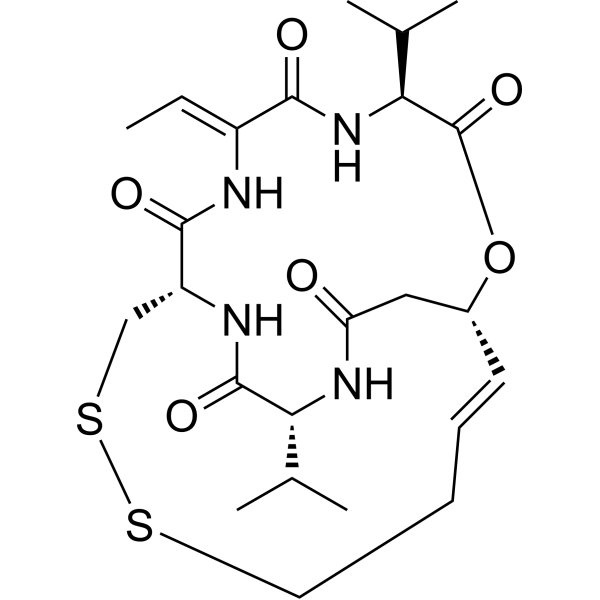
    Romidepsin
    Maximum Cited Publications
    70 Publications Verification

    FK 228; FR 901228; NSC 630176

    HDAC Apoptosis Cancer
    Romidepsin (FK 228) is a Histone deacetylase (HDAC) inhibitor with anti-tumor activities. Romidepsin (FK 228) inhibits HDAC1, HDAC2, HDAC4, and HDAC6 with IC50s of 36 nM, 47 nM, 510 nM and 1.4 μM, respectively . Romidepsin (FK 228) is produced by Chromobacterium violaceum, induces cell G2/M phase arrest and apoptosis .
    Romidepsin
  • HY-N1428
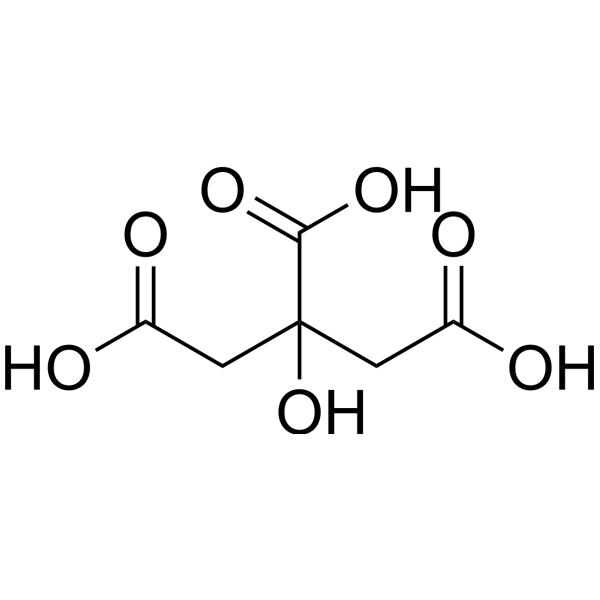
    Citric acid
    Maximum Cited Publications
    34 Publications Verification

    Environmental Pollutants Endogenous Metabolite Bacterial Apoptosis Infection Cardiovascular Disease Metabolic Disease Inflammation/Immunology Cancer
    Citric acid is a natural preservative and food tartness enhancer. Citric acid induces apoptosis and cell cycle arrest at G2/M phase and S phase in HaCaT cells. Citric acid cause oxidative damage of the liver by means of the decrease of antioxidative enzyme activities. Citric acid is also an acidulant, emulsifier, sequestrant and buffering agent widely used across many industries .
    Citric acid
  • HY-B2201
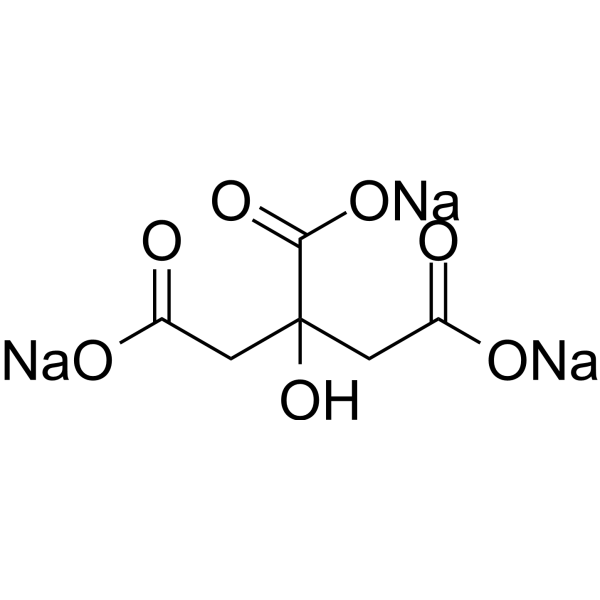
    Citric acid trisodium
    Maximum Cited Publications
    11 Publications Verification

    Sodium citrate; Trisodium citrate anhydrous

    Environmental Pollutants Endogenous Metabolite Bacterial Apoptosis Infection Cardiovascular Disease Metabolic Disease Inflammation/Immunology Cancer
    Citric acid trisodium (Sodium citrate) is a natural preservative and food tartness enhancer. Citric acid trisodium induces apoptosis and cell cycle arrest at G2/M phase and S phase in HaCaT cells. Citric acid trisodium cause oxidative damage of the liver by means of the decrease of antioxidative enzyme activities. Citric acid trisodium is also an acidulant, emulsifier, sequestrant and buffering agent widely used across many industries .
    Citric acid trisodium
  • HY-N1428S1

    Isotope-Labeled Compounds Endogenous Metabolite Apoptosis Bacterial Infection Cardiovascular Disease Metabolic Disease Inflammation/Immunology Cancer
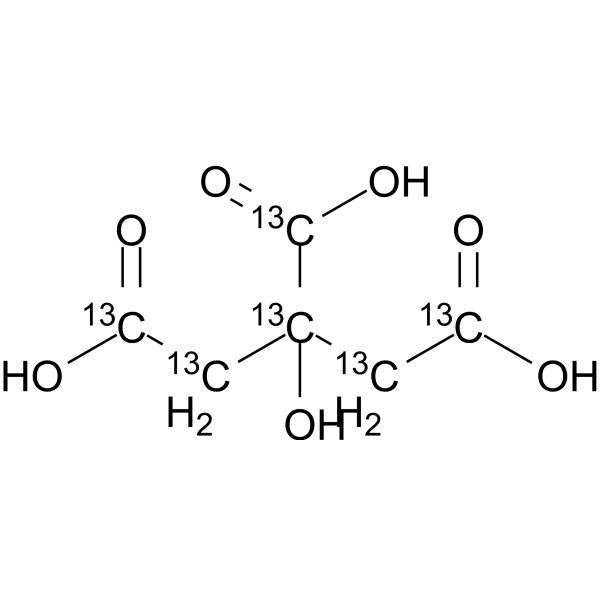
    Citric acid- 13C6 is the 13C-labeled Citric acid (HY-N1428). Citric acid is a natural preservative and food tartness enhancer. Citric acid induces apoptosis and cell cycle arrest at G2/M phase and S phase in HaCaT cells. Citric acid cause oxidative damage of the liver by means of the decrease of antioxidative enzyme activities. Citric acid is also an acidulant, emulsifier, sequestrant and buffering agent widely used across many industries .
    Citric acid-13C6
  • HY-N1428A
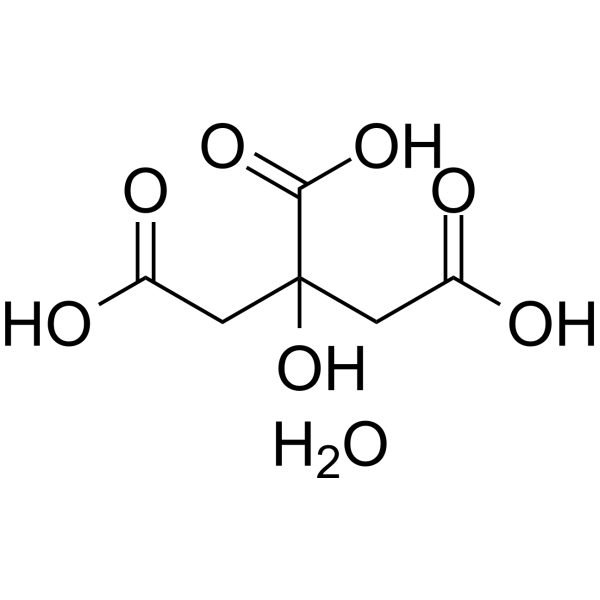
    Citric acid monohydrate
    5+ Cited Publications

    Environmental Pollutants Endogenous Metabolite Apoptosis Bacterial Infection Cardiovascular Disease Metabolic Disease Inflammation/Immunology Cancer
    Citric acid monohydrate is a natural preservative and food tartness enhancer. Citric acid monohydrate induces apoptosis and cell cycle arrest at G2/M phase and S phase in HaCaT cells. Citric acid monohydrate cause oxidative damage of the liver by means of the decrease of antioxidative enzyme activities. Citric acid monohydrate is also an acidulant, emulsifier, sequestrant and buffering agent widely used across many industries .
    Citric acid monohydrate
  • HY-N1428S

    Isotope-Labeled Compounds Apoptosis Endogenous Metabolite Bacterial Infection Cardiovascular Disease Metabolic Disease Inflammation/Immunology Cancer
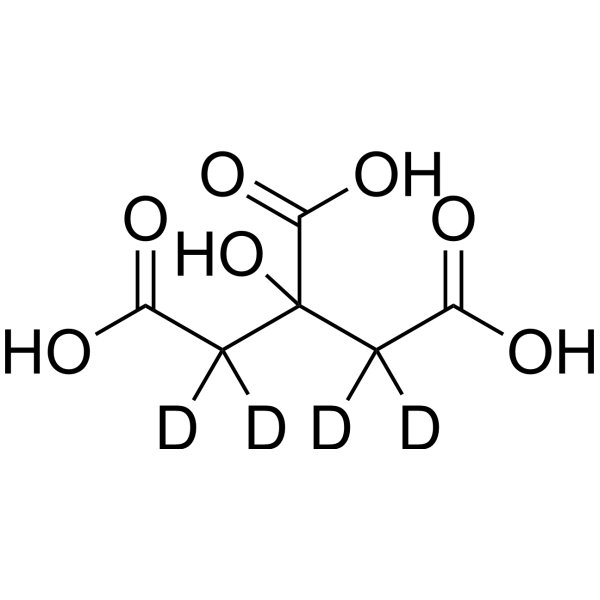
    Citric acid-d4 is the deuterium labeled Citric acid (HY-N1428). Citric acid is a natural preservative and food tartness enhancer. Citric acid induces apoptosis and cell cycle arrest at G2/M phase and S phase in HaCaT cells. Citric acid cause oxidative damage of the liver by means of the decrease of antioxidative enzyme activities. Citric acid is also an acidulant, emulsifier, sequestrant and buffering agent widely used across many industries .
    Citric acid-d4
  • HY-130709

    PROTACs CDK Cancer
    PROTAC CDK2/9 Degrader-1 (Compound F3) is a potent dual degrader for CDK2 (DC50=62 nM) and CDK9 (DC50=33 nM). PROTAC CDK2/9 Degrader-1 suppresses prostate cancer PC-3 cell proliferation (IC50=0.12 µM) by effectively blocking the cell cycle in S and G2/M phases. PROTAC CDK2/9 Degrader-1 is a PROTAC by tethering CDK inhibitor with Cereblon ligand .
    PROTAC CDK2/9 Degrader-1
  • HY-W009156
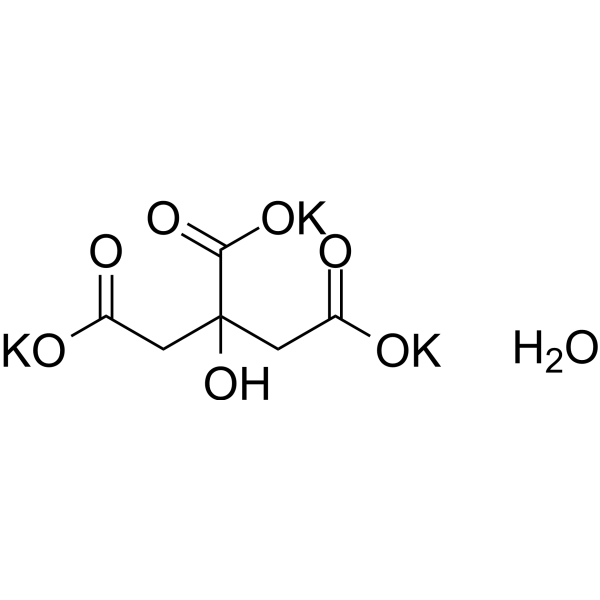
    Citric acid tripotassium hydrate
    10+ Cited Publications

    Potassium citrate monohydrate

    Environmental Pollutants Endogenous Metabolite Bacterial Apoptosis Infection Cardiovascular Disease Metabolic Disease Inflammation/Immunology Cancer
    Citric acid tripotassium hydrate (Potassium citrate monohydrate) is a natural preservative and food tartness enhancer. Citric acid tripotassium hydrate induces apoptosis and cell cycle arrest at G2/M phase and S phase in HaCaT cells. Citric acid tripotassium hydrate cause oxidative damage of the liver by means of the decrease of antioxidative enzyme activities. Citric acid tripotassium hydrate is also an acidulant, emulsifier, sequestrant and buffering agent widely used across many industries .
    Citric acid tripotassium hydrate
  • HY-139604
    PCC0208017
    3 Publications Verification

    MARK Apoptosis Cancer
    PCC0208017 is a microtubule affinity regulating kinases (MARK3/MARK4) inhibitor with IC50s of 1.8 and 2.01 nM, respectively. PCC0208017 has much lower inhibitory activity against MARK1 and MARK2, with IC50s of 31.4 and 33.7 nM, respectively. PCC0208017 suppresses glioma progression in vitro and in vivo. PCC0208017 disrupts microtubule dynamics and induces G2/M phase cell cycle arrest and cell apoptosis. PCC0208017 demonstrates robust antitumor activity in vivo and displays good BBB permeability .
    PCC0208017
  • HY-B1295
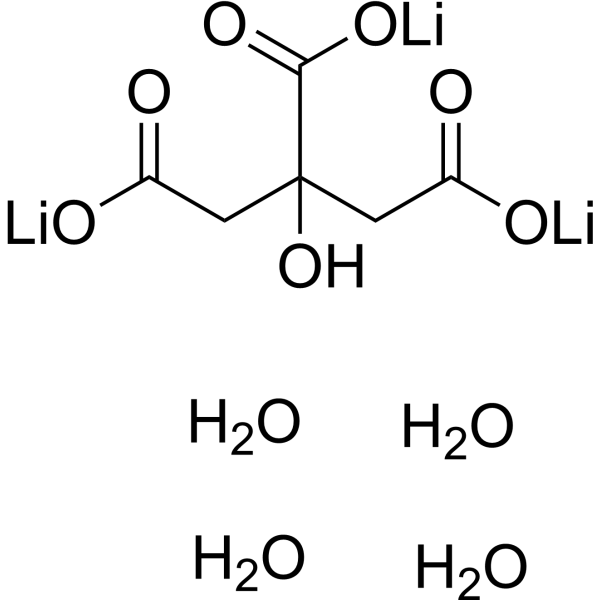
    Lithium citrate tetrahydrate
    Maximum Cited Publications
    11 Publications Verification

    Litarex tetrahydrate

    Apoptosis Endogenous Metabolite Bacterial Infection Cardiovascular Disease Metabolic Disease Inflammation/Immunology Cancer
    Lithium citrate (Litarex) tetrahydrate is a natural preservative and food tartness enhancer. Lithium citrate tetrahydrate induces apoptosis and cell cycle arrest at G2/M phase and S phase in HaCaT cells. Lithium citrate tetrahydrate cause oxidative damage of the liver by means of the decrease of antioxidative enzyme activities. Lithium citrate tetrahydrate is also an acidulant, emulsifier, sequestrant and buffering agent widely used across many industries .
    Lithium citrate tetrahydrate
  • HY-N1428CA

    Apoptosis Endogenous Metabolite Bacterial Cardiovascular Disease Infection Metabolic Disease Inflammation/Immunology Cancer
    Ferric citrate, suitable for cell culture is a natural preservative and food tartness enhancer. Ferric citrate, suitable for cell culture induces apoptosis and cell cycle arrest at G2/M phase and S phase in HaCaT cells. Ferric citrate, suitable for cell culture causes oxidative damage of the liver by means of the decrease of antioxidative enzyme activities. Ferric citrate, suitable for cell culture is also an acidulant, emulsifier, sequestrant and buffering agent widely used across many industries .
    Ferric citrate,suitable for cell culture
  • HY-N2983

    Tyrosinase Others
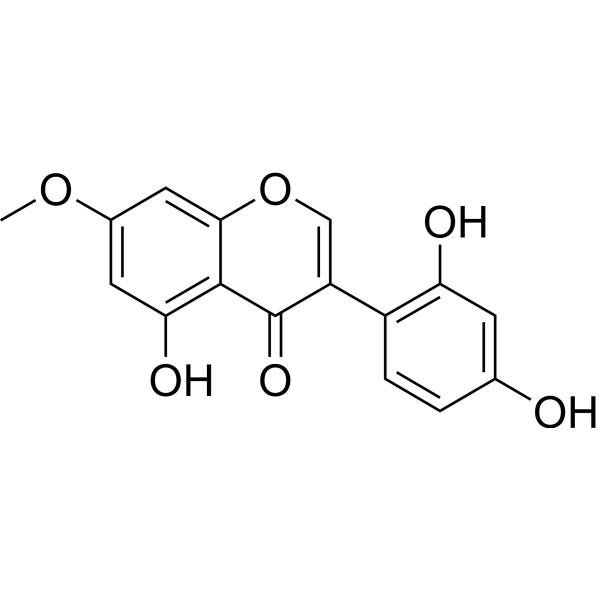
    Cajanin is a potent and orally active anti-melanogenic agent. Cajanin shows antiproliferative activity in MNT1 Cells. Cajanin efficiently decreases the melanin content. Cajanin down-regulates the mRNA and protein expression levels of MITF, tyrosinase, TRP-1 and Dct (TRP-2). Cajanin induces cell cycle arrest at G2/M and S phase. Cajanin stimulates osteoblast proliferation. Cajanin has the potential for the research of human hyperpigmented disorders and menopausal osteoporosis .
    Cajanin
  • HY-163099

    Drug-Linker Conjugates for ADC Topoisomerase Apoptosis Cancer
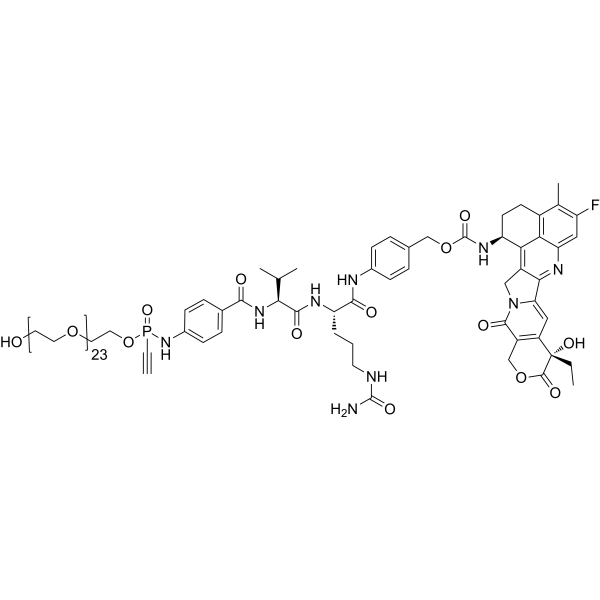
    P5 (PEG24)-VC-PAB-Exatecan is a TOP1 inhibitor payload with antibody-conjugation-dependent activity. Conjugation of P5 (PEG24)-VC-PAB-Exatecan with Trastuzumab (HY-P9907) generates a DAR8 antibody-drug conjugate (ADCs) with antibody-like pharmacokinetic properties. P5 (PEG24)-VC-PAB-Exatecan induces S-phase and G2-M-phase cell cycle arrest, DNA damage and apoptosis in target-positive tumor cells, and releases damage-associated molecular patterns (DAMP) related to immunogenic cell death (ICD). The ADCs prepared from it exert bystander killing effects on non-target tumor cells. ADCs based on P5 (PEG24)-VC-PAB-Exatecan exhibit linker stability in vitro and in vivo, show in vivo efficacy, and can be used in research related to HER2-positive cancers .
    P5(PEG24)-VC-PAB-Exatecan
  • HY-N0430

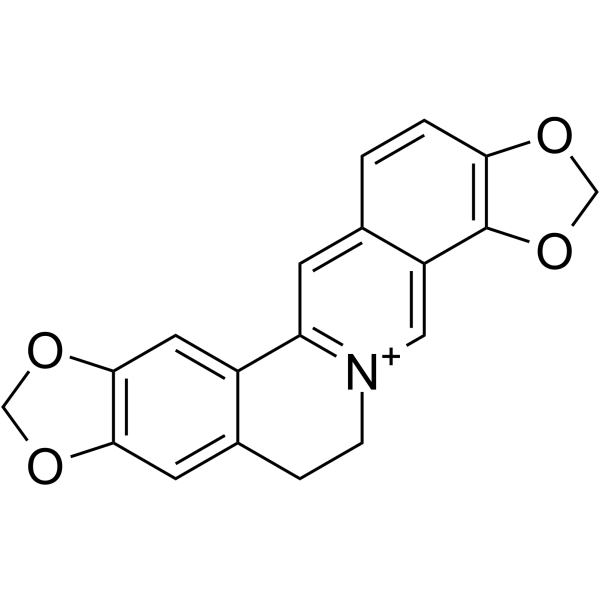
    Coptisin

    Indoleamine 2,3-Dioxygenase (IDO) NF-κB p38 MAPK PI3K Akt Apoptosis Reactive Oxygen Species (ROS) Mitochondrial Metabolism DNA/RNA Synthesis ROCK LDLR Cardiovascular Disease Neurological Disease Metabolic Disease Inflammation/Immunology Cancer
    Coptisine is an orally active and brain-penetrant alkaloid found in Coptis chinensis. Coptisine is a reversible, uncompetitive IDO inhibitor with a Ki of 5.8 μM and an IC50 of 6.3 μM. Coptisine suppresses neuroinflammation, reduces Aβ plaque burden and shows neuroprotective activity. Coptisine shows anti-inflammation activity by blocking NF-κB, MAPK, and PI3K/Akt activation. Coptisine inhibits cancer cells proliferation, induces DNA damage, G2/M phase cell cycle arrest, apoptosis, ROS production and mitochondrial dysfunction. Coptisine inhibits Rho/ROCK pathway activation, reduces arrhythmia, limits cardiac injury marker release, reduces infarct size, and preserves cardiac function in rat myocardial ischemia/reperfusion models. Coptisine downregulates HMGCR and upregulates LDLR and CYP7A1 to modulate cholesterol metabolism, reduces abnormal serum lipid levels, and promotes fecal bile acid excretion. Coptisine can be used for the research of cancer, hypercholesterolemia, Alzheimer’s disease, inflammatory disorders and cardiovascular disease .
    Coptisine
  • HY-N0430A
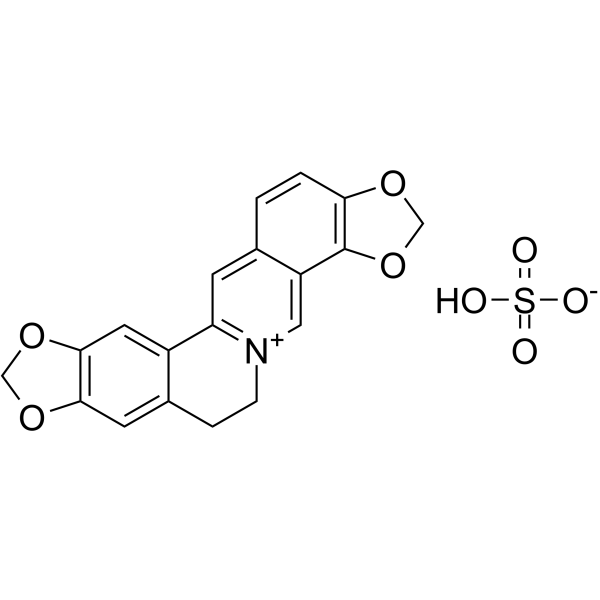
    Coptisine Sulfate
    5 Publications Verification

    Indoleamine 2,3-Dioxygenase (IDO) NF-κB p38 MAPK PI3K Akt Apoptosis Reactive Oxygen Species (ROS) Mitochondrial Metabolism DNA/RNA Synthesis ROCK LDLR Cardiovascular Disease Neurological Disease Metabolic Disease Inflammation/Immunology Cancer
    Coptisine Sulfate is an orally active and brain-penetrant alkaloid found in Coptis chinensis. Coptisine Sulfate is a reversible, uncompetitive IDO inhibitor with a Ki of 5.8 μM and an IC50 of 6.3 μM. Coptisine Sulfate suppresses neuroinflammation, reduces Aβ plaque burden and shows neuroprotective activity. Coptisine Sulfate shows anti-inflammation activity by blocking NF-κB, MAPK, and PI3K/Akt activation. Coptisine Sulfate inhibits cancer cells proliferation, induces DNA damage, G2/M phase cell cycle arrest, apoptosis, ROS production and mitochondrial dysfunction. Coptisine Sulfate inhibits Rho/ROCK pathway activation, reduces arrhythmia, limits cardiac injury marker release, reduces infarct size, and preserves cardiac function in rat myocardial ischemia/reperfusion models. Coptisine Sulfate downregulates HMGCR and upregulates LDLR and CYP7A1 to modulate cholesterol metabolism, reduces abnormal serum lipid levels, and promotes fecal bile acid excretion. Coptisine Sulfate be used for the research of cancer, hypercholesterolemia, Alzheimer’s disease, inflammatory disorders and cardiovascular disease .
    Coptisine Sulfate
  • HY-W008606

    Citric acid monosodium salt

    Environmental Pollutants Endogenous Metabolite Bacterial Apoptosis Infection Cardiovascular Disease Metabolic Disease Inflammation/Immunology Cancer
    Sodium citrate monobasic (Citric acid monosodium salt) is a natural preservative and food tartness enhancer. Sodium citrate monobasic induces apoptosis and cell cycle arrest at G2/M phase and S phase in HaCaT cells. Sodium citrate monobasic cause oxidative damage of the liver by means of the decrease of antioxidative enzyme activities. Sodium citrate monobasic is also an acidulant, emulsifier, sequestrant and buffering agent widely used across many industries .
    Sodium citrate monobasic
  • HY-N1428R
    Citric acid (standard)
    5+ Cited Publications

    Reference Standards Apoptosis Endogenous Metabolite Bacterial Infection Cardiovascular Disease Metabolic Disease Inflammation/Immunology Cancer
    Citric acid (Standard) is the analytical standard of Citric acid (HY-N1428). This product is intended for research and analytical applications. Citric acid is a natural preservative and food tartness enhancer. Citric acid induces apoptosis and cell cycle arrest at G2/M phase and S phase in HaCaT cells. Citric acid cause oxidative damage of the liver by means of the decrease of antioxidative enzyme activities. Citric acid is also an acidulant, emulsifier, sequestrant and buffering agent widely used across many industries .
    Citric acid (standard)
  • HY-N1428S3

    Isotope-Labeled Compounds Apoptosis Endogenous Metabolite Bacterial Infection Cardiovascular Disease Metabolic Disease Inflammation/Immunology Cancer
    Citric acid- 13C3 is the 13C-labeled Citric acid (HY-N1428). Citric acid is a natural preservative and food tartness enhancer. Citric acid induces apoptosis and cell cycle arrest at G2/M phase and S phase in HaCaT cells. Citric acid cause oxidative damage of the liver by means of the decrease of antioxidative enzyme activities. Citric acid is also an acidulant, emulsifier, sequestrant and buffering agent widely used across many industries .
    Citric acid-13C3
  • HY-146682

    Aldehyde Dehydrogenase (ALDH) Apoptosis Cancer
    KS100 is a potent ALDH inhibitor with IC50s of 230, 1542, 193 nM for ALDH1A1, ALDH2, and ALDH3A1, respectively. KS100 shows antiproliferative and anticancer effects with low low toxic. KS100 significantly increases ROS activity, lipid peroxidation and toxic aldehyde accumulation. KS10600 induces apoptosis and cell cycle arrest at the G2/M phase .
    KS100
  • HY-150795

    TGF-beta/Smad PI3K Akt ERK JNK Others
    SY-LB-35 is a potent bone morphogenetic protein (BMP) receptor agonist. SY-LB-35 can stimulate significant increases in cell number and cell viability in the C2C12 myoblast cell line, and causes shifts towards the S and G2/M phases of the cell cycle. SY-LB-35 stimulates canonical Smad and non-canonical PI3K/Akt, ERK, p38 and JNK intracellular signaling pathways .
    SY-LB-35
  • HY-124211

    Environmental Pollutants MDM-2/p53 Aryl Hydrocarbon Receptor Cancer
    Dibenzo (a,i) pyrene is a polycyclic aromatic hydrocarbon and also a carcinogenic ligand of the TCDD (Ah) receptor. Dibenzo (a,i) pyrene binds to the TCDD (Ah) receptor in rat liver. Dibenzo (a,i) pyrene induces DNA adduct formation and upregulates the protein levels of p53 and p21 WAF1 in diploid lung fibroblasts. Dibenzo (a,i) pyrene alters the cell cycle distribution of diploid lung fibroblasts, increasing the proportion of cells in the S phase, decreasing the proportions of cells in the G0/G1 and G2/M phases, and causing S phase delay/arrest. Dibenzo (a,i) pyrene is applicable for cancer research .
    Dibenzo(a,i)pyrene
  • HY-170329

    PROTACs Androgen Receptor Apoptosis Cancer
    PROTAC AR Degrader-8 is the PROTAC degrader for androgen receptor (AR) that degrades AR-FL with DC50s of 0.018 μM and 0.14 μM in 22Rv1 cell and LNCaP cell, degrades AR-V7 with DC50 of 0.026 μM in 22Rv1 cell. PROTAC AR Degrader-8 inhibits the proliferation of cancer cell 22Rv1 and LNCaP with IC50 values of 0.038 μM and 1.11 μM. PROTAC AR Degrader-8 arrests cell cycle at G2/M phase, induces apoptosis in 22Rv1 cell. PROTAC AR Degrader-8 exhibits anticancer efficacy in mouse and zebrafish model. PROTAC AR Degrader-8 can be used for the research of prostate cancer, castration-resistant prostate cancer .
    PROTAC AR Degrader-8
  • HY-129356

    Antibiotic ADC Payload DNA Alkylator/Crosslinker Apoptosis Cancer
    Seco-Duocarmycin SA is a DNA alkylator. Seco-Duocarmycin SA is an antitumor antibiotic (IC50 = 10 pM). Seco-Duocarmycin SA can induce a concentration-dependent increase in apoptotic cell death. Seco-Duocarmycin SA can lead to significant cell cycle arrest in S and G2/M phases. Seco-Duocarmycin SA acts as an ADC cytotoxin for antibody-drug conjugates .
    Seco-Duocarmycin SA
  • HY-146683

    Aldehyde Dehydrogenase (ALDH) Apoptosis Cancer
    KS106 is a potent ALDH inhibitor with IC50s of 334, 2137, 360 nM for ALDH1A1, ALDH2, and ALDH3A1, respectively. KS106 shows antiproliferative and anticancer effects with low low toxic.KS106 significantly increases ROS activity, lipid peroxidation and toxic aldehyde accumulation. KS106 induces apoptosis and cell cycle arrest at the G2/M phase .
    KS106
  • HY-156285

    Histone Methyltransferase Apoptosis Cancer
    ZZM-1220 is a histone lysine methyltransferase G9a/GLP covalent inhibitor with IC50s of of 458 nM and 924 nM, respectively. ZZM-1220 inhibits H3K9me2 in cells and significantly induces apoptosis of triple-negative breast cancer (TNBC) cells and blocks the cell cycle in the G2/M phase .
    ZZM-1220
  • HY-N3001
    Isolinderalactone
    1 Publications Verification

    STAT VEGFR Bcl-2 Family Survivin IAP NF-κB Apoptosis Caspase Neurological Disease Inflammation/Immunology Cancer
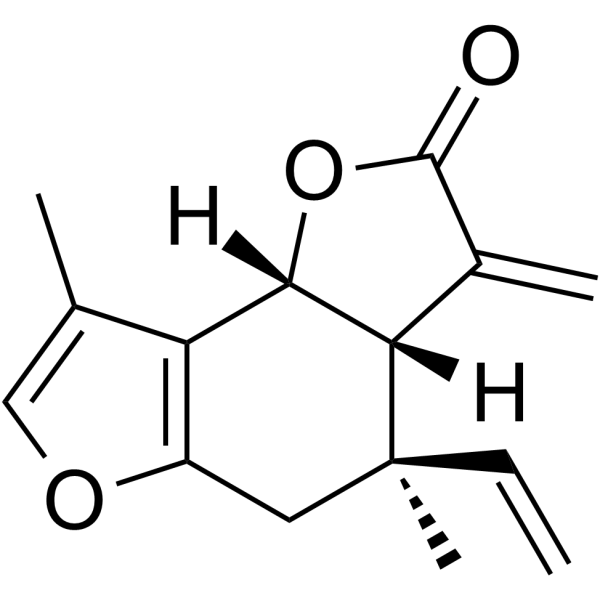
    Isolinderalactone is a sesquiterpene that exhibits anti-cancer, anti-inflammatory, and neuroprotective effects. Isolinderalactone inhibits VEGF expression and tyrosine phosphorylation of VEGFR2. Isolinderalactone decreases viability and induces apoptosis in U-87 glioblastoma (GBM) cells and colorectal cancer (CRC) cells. Isolinderalactone induces G2/M phase cell cycle arrest, ROS generation, pJNK/p38 MAPK activation, in colorectal cancer (CRC) cells. Isolinderalactone blocks LPS (HY-D1056)-induced NF-κB activation while activating Nrf2-HMOX1 signaling in RAW264.7 macrophages. Isolinderalactone improves cognitive dysfunction in APP/PS1 mice. Isolinderalactone can be used for the study of Glioblastoma multiforme (GBM), colorectal cancer, Alzheimer’s disease and acute lung injury .
    Isolinderalactone
  • HY-N1428S2

    Isotope-Labeled Compounds Apoptosis Endogenous Metabolite Bacterial Infection Cardiovascular Disease Metabolic Disease Inflammation/Immunology Cancer
    Citric acid- 13C2 is the 13C-labeled Citric acid (HY-N1428). Citric acid is a natural preservative and food tartness enhancer. Citric acid induces apoptosis and cell cycle arrest at G2/M phase and S phase in HaCaT cells. Citric acid cause oxidative damage of the liver by means of the decrease of antioxidative enzyme activities. Citric acid is also an acidulant, emulsifier, sequestrant and buffering agent widely used across many industries .
    Citric acid-13C2
  • HY-N1428S6

    Isotope-Labeled Compounds Endogenous Metabolite Apoptosis Bacterial Infection Cardiovascular Disease Metabolic Disease Inflammation/Immunology Cancer
    Citric acid-d4-1 is deuterated labeled Citric acid (HY-N1428). Citric acid is a natural preservative and food tartness enhancer. Citric acid induces apoptosis and cell cycle arrest at G2/M phase and S phase in HaCaT cells. Citric acid cause oxidative damage of the liver by means of the decrease of antioxidative enzyme activities. Citric acid is also an acidulant, emulsifier, sequestrant and buffering agent widely used across many industries .
    Citric acid-d4-1
  • HY-173406

    Ribosomal S6 Kinase (RSK) Apoptosis Cancer
    RSK-IN-2 (Compound 3e) is a RSK inhibitor, with IC50 s of 37.89 nM (RSK2), 30.78 nM (RSK1), 20.51 nM (RSK3), 91.28 nM (RSK4). RSK-IN-2 inhibits tumor cell proliferation, induces apoptosis and causes cell cycle arrest in the G2/M phase .
    RSK-IN-2
  • HY-W127841

    Isotope-Labeled Compounds Apoptosis Endogenous Metabolite Bacterial Infection Cardiovascular Disease Metabolic Disease Inflammation/Immunology Cancer
    Citric acid-2,4- 13C2 is the 13C-labeled Citric acid (HY-N1428). Citric acid is a natural preservative and food tartness enhancer. Citric acid induces apoptosis and cell cycle arrest at G2/M phase and S phase in HaCaT cells. Citric acid cause oxidative damage of the liver by means of the decrease of antioxidative enzyme activities. Citric acid is also an acidulant, emulsifier, sequestrant and buffering agent widely used across many industries .
    Citric acid-2,4-13C2
  • HY-151984

    CDK Cancer
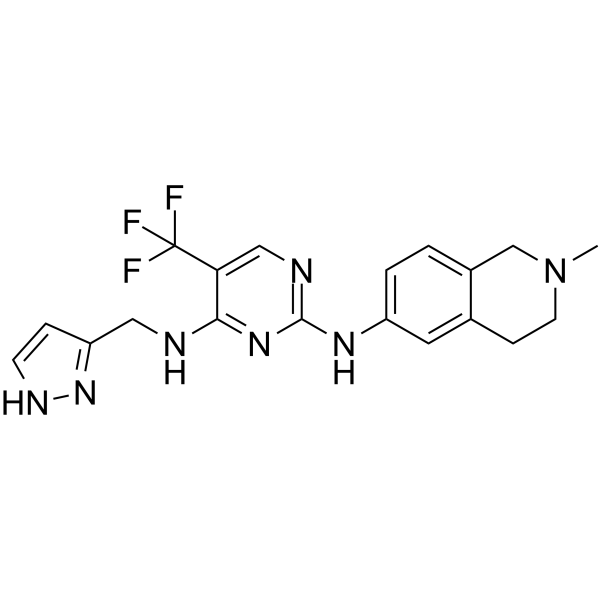
    CDK9-IN-22 is a potent CDK9 inhibitor with IC50s of 10.4, 876.2 nM for CDK9, CDK, respectively. CDK9-IN-22 induces apoptosis and cell cycle arrests at G2/M phase. CDK9-IN-22 decreases the expression of p-RNAPII (S2) and CDK9 protein. CDK9-IN-22 shows antiproliferative and aiti-tumor activity .
    CDK9-IN-22
  • HY-15149S2

    FK 228-d7; FR 901228-d7; NSC 630176-d7

    Isotope-Labeled Compounds HDAC Apoptosis Cancer
    Romidepsin-d7 (FK 228-d7) is deuterium labeled Romidepsin. Romidepsin (FK 228) is a Histone deacetylase (HDAC) inhibitor with anti-tumor activities. Romidepsin (FK 228) inhibits HDAC1, HDAC2, HDAC4, and HDAC6 with IC50s of 36 nM, 47 nM, 510 nM and 1.4 μM, respectively . Romidepsin (FK 228) is produced by Chromobacterium violaceum, induces cell G2/M phase arrest and apoptosis .
    Romidepsin-d7
  • HY-15149G

    FK 228; FR 901228; NSC 630176

    HDAC Apoptosis Cancer
    Romidepsin (GMP) (FK 228 (GMP)) is Romidepsin (HY-15149) produced by using GMP guidelines. GMP small molecules works appropriately as an auxiliary reagent for cell therapy manufacture. Romidepsin (FK 228) is a Histone deacetylase (HDAC) inhibitor with anti-tumor activities. Romidepsin (FK 228) inhibits HDAC1, HDAC2, HDAC4, and HDAC6 with IC50s of 36 nM, 47 nM, 510 nM and 1.4 μM, respectively . Romidepsin (FK 228) is produced by Chromobacterium violaceum, induces cell G2/M phase arrest and apoptosis .
    Romidepsin
  • HY-178472

    PROTACs Aurora Kinase Cancer
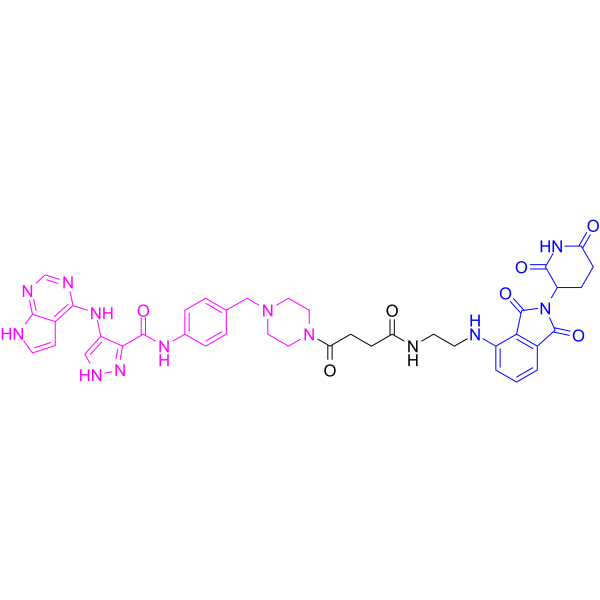
    AurAP14 is an Aurora A PROTAC degrader (DC50 = 120 nM). AurAP14 shows significant inhibitory activity against various tumor cell lines, with IC50s of 0.294 μM in A549 cells and 0.534 μM in MCF-7 cells. AurAP14 induces apoptosis and arrests A549 cells in the S and G2/M phases. AurAP14 demonstrates anti-tumor efficacy in nude mouse xenograft models of A549 and A549/PTR. AurAP14can be used in the research on the treatment of Aurora A-overexpressing NSCLC. (Pink: Aurora A ligand (HY-10971), Blue: E3 ligase Ligand (HY-W437598), Black: Linker) .
    AurAP14
  • HY-175700

    Topoisomerase Apoptosis Cancer
    YCJ-02 is a selective Topoisomerase I (Top I) inhibitor. YCJ-02 can inhibit cell proliferation and induce apoptosis and G2/M phase arrest. YCJ-02 can induce DNA damage and increaseγ-H2AX levels. YCJ-02 can promote Top I deqradation via a ubiquitin/26S proteasome pathway. YCJ-02 increases the expressions of pro-apoptotic proteins Bad, Bax, and cleaved caspase-3. YCJ-02 shows broad-spectrum antitumor activity. YCJ-02 can be used for the research of cancer, such as intrahepatic cholangiocarcinoma (ICC) .
    YCJ-02
  • HY-178989

    Phosphoglycerate Kinase (PGK) Cuproptosis Cancer
    PGK1-IN-2 (Compound 60) is a PGK1 inhibitor with an IC50 of 8.24 μM. PGK1-IN-2 demonstrates a significant ability to inhibit the proliferation of osteosarcoma cells. PGK1-IN-2 interferes with the glycolytic pathway of tumor cells by inhibiting PGK1. PGK1-IN-2 inhibits cell migration and invasion, and induces cell S phase and G2-M phase cycle arrest. PGK1-IN-2 may kill cells by inducing cuproptosis. PGK1-IN-2 shows a significant anti-tumor effect in the MNNG-HOS osteosarcoma xenograft mouse model. PGK1-IN-2 can be used for the study of osteosarcoma .
    PGK1-IN-2
  • HY-N1428AR

    Reference Standards Endogenous Metabolite Apoptosis Bacterial Infection Cardiovascular Disease Metabolic Disease Inflammation/Immunology Cancer
    Citric acid monohydrate (Standard) is the analytical standard of Citric acid monohydrate (HY-N1428A). This product is intended for research and analytical applications. Citric acid monohydrate is a natural preservative and food tartness enhancer. Citric acid monohydrate induces apoptosis and cell cycle arrest at G2/M phase and S phase in HaCaT cells. Citric acid monohydrate cause oxidative damage of the liver by means of the decrease of antioxidative enzyme activities. Citric acid monohydrate is also an acidulant, emulsifier, sequestrant and buffering agent widely used across many industries .
    Citric acid monohydrate (Standard)
  • HY-157419

    7-(4-Ethylphenyl)-FL118

    Apoptosis Cancer
    FL77-24, a FL118 analog and apoptosis inducer, possesses antitumor activity, with IC50 values of 99.4 nM, 118 nM, <6.4 nM, 28.5 nM and <6.4 nM in HCT116, HepG2, MCF-7, A549 and HeLa cells, respectively. FL77-24 mainly causes cell cycle arrest in S and G2/M phases .
    FL77-24
  • HY-157165

    Microtubule/Tubulin PARP Cancer
    Tubulin/PARP-IN-1 (compound 14) is a dual PARP-tubulin inhibitor with activity against endometrial cancer. Tubulin/PARP-IN-1 inhibits PARP and tubulin with IC50s of 74 nM (PARP1), 109 nM (PARP2), and 1.4 μM (Microtubule/Tubulin), respectively. Tubulin/PARP-IN-1 can induce apoptosis and autophagy and cause cell cycle arrest in the G2/M phase .
    Tubulin/PARP-IN-1
  • HY-149029

    HDAC Apoptosis Reactive Oxygen Species (ROS) Cancer
    TH-6 is a potent HDAC inhibitor with IC50s of 0.115, 0.135, 0.242, 0.138, 2.120 µM for HDAC1, HDAC2, HDAC3, HDAC6, HDAC8, respectively. TH-6 inhibits cell migration and invasion. TH-6 induces apoptosis and cell cycle arrest at G2/M phase. TH-6 shows anti-tumor activity .
    TH-6
  • HY-124122

    VEGFR Checkpoint Kinase (Chk) Apoptosis Caspase Bcl-2 Family Cancer
    BPTQ is a potent inhibitor against VEGFR1 and CHK2 with IC50 values of 0.54 and 1.70 µmol/L, respectively. BPTQ is also an intercalator of DNA with anticancer activities. BPTQ inhibits the proliferation of HL-60 cells by arresting cells at S and G2/M phase with an IC50 value of 12 µmol/L. BPTQ also activates the mitochondria-mediated Apoptosis pathway by a decrease in mitochondrial membrane potential, increase in the Bax:Bcl-2 ratio and activation of caspases .
    BPTQ
  • HY-144293

    Apoptosis HDAC Cancer
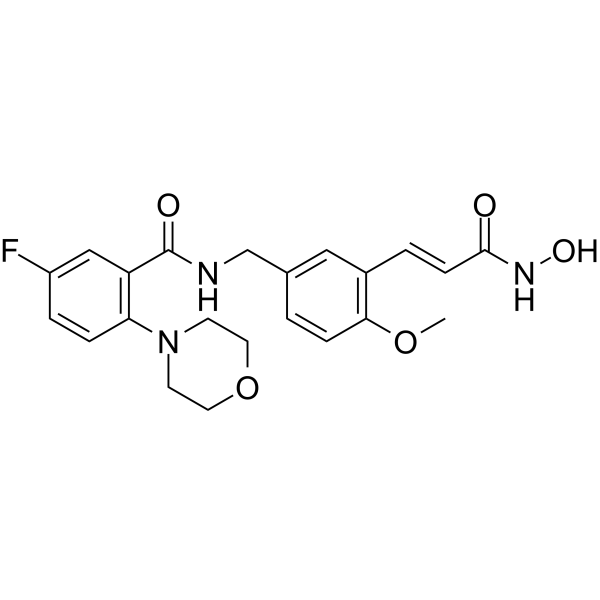
    HDAC-IN-31 is a potent, selective and orally active HDAC inhibitor with IC50s of 84.90, 168.0, 442.7, >10000 nM for HDAC1, HDAC2, HDAC3, HDAC8, respectively. HDAC-IN-31 induces apoptosis and cell cycle arrests at G2/M phase. HDAC-IN-31 shows good antitumor efficacy. HDAC-IN-31 has the potential for the research of diffuse large B-cell lymphoma .
    HDAC-IN-31
  • HY-151436

    CDK Cholinesterase (ChE) Apoptosis Cancer
    ZLMT-12 (compound 35), tacrine derivatives, is a potent, orally active CDK2/9 inhibitor with IC50 values of 0.002 and 0.011 μM for CDK9 and CDK2, respectively. ZLMT-12 has a weak inhibitory effect on AChE (IC50=19.023 μM) and BChE (IC50=2.768 μM). ZLMT-12 has low toxicity and antiproliferative activity. ZLMT-12 induces apoptosis and arrests the cell cycle in the S phase and G2/M phase .
    ZLMT-12
  • HY-118522

    Proteasome NF-κB Caspase PARP IAP Apoptosis Cancer
    TP-110 is a proteasome inhibitor. TP-110 specifically inhibits the protease-like activity of the 20S proteasome, but does not affect the trypsin-like or peptidyl-glutamyl peptide hydrolysis activity. TP-110 inhibits the NF-κB pathway, activates caspase-8, -9, and -3, and causes PARP cleavage, significantly reducing the levels of cIAP-1 and XIAP. TP-110 causes cell cycle arrest at the G2/M phase and promotes apoptosis of cancer cells. TP-110 can be used in cancer research of prostate cancer and multiple myeloma, etc .
    TP-110
  • HY-175261

    CDK Wee1 Checkpoint Kinase (Chk) Cancer
    DHI1 is an anti-leukemia agent with high selectivity for Jurkat (IC50 = 21.83 μM) and HL-60 (IC50 = 19.14 μM) leukemia cells and has low toxicity to non-cancerous cells. DHI1 can induce G2/M phase cell arrest in Jurkat and HL-60 leukemia cells, as well as S phase arrest in HL-60 cells, and has significant effects on cell cycle signaling molecules Wee1, cyclin B1, cdc2 on Tyr15, and Chk1. DHI1 inhibits the migration and invasion of Jurkat and HL-60 cells by disrupting cytoskeletal actin filaments. DHI1 can be used to study hematological malignancies .
    DHI1
  • HY-10062

    EBP-921

    Akt Farnesyl Transferase Cancer
    AZD3409 is a prenyl inhibitor that exhibits inhibitory activity against both farnesyl transferase and geranylgeranyl transferase I. AZD3409 inhibits the growth of breast cancer cells, with IC50s of 220 nM (MDA-MB-468), 180 nM (MDA-MB-361), and 290 nM (SK-Br-3). AZD3409 significantly reduces the activation level of AKT in breast cancer cell lines. AZD3409 induces G0/G1 phase arrest in MDA-MB-468 cells, causes G2/M phase arrest in MDA-MB-361 cells. AZD3409 can be used for the study of breast cancer .
    AZD3409
  • HY-178939

    EGFR Akt PERK Apoptosis Neurological Disease Cancer
    EGFR-IN-181 is an orally active, potent, brain-penetrant EGFRL858R/T790M/C797S triple mutations inhibitor (IC50 = 1.32 nM). EGFR-IN-181 can inhibit EGFR phosphorylation (p-EGFR) and phosphorylation of its downstream signaling proteins AKT (p-AKT) and ERK (p-ERK). EGFR-IN-181 can induce apoptosis and cause G2 phase arrest. EGFR-IN-181 can be used for the study of non-small cell lung cancer (NSCLC) and brain metastases .
    EGFR-IN-181
  • HY-172217

    DNA Methyltransferase Apoptosis Cancer
    DNMT1-IN-5 (Compound 55) is the inhibitor for DNMT that inhibits DNMT1 and DNMT3A with IC50 of 2.42 μM and 14.4 μM. DNMT1-IN-5 exhibits antiproliferative activity in a variety of cancer cell lines (IC50s for TMD-8, DOHH2, MOLM-13, THP-1, RPIM-8226 and HCT116 are 0.19-2.37 μM), arrests the cell cycle at G2/M phase, and induces apoptosis in TMD-8 and DOHH2 cells. DNMT1-IN-5 exhibits antitumor efficacy in TMD-8 xenograft mouse models .
    DNMT1-IN-5
  • HY-161688

    Apoptosis HDAC Cancer
    HDAC-IN-73 (compound P-503) is a histone deacetylase (HDAC) inhibitor. HDAC-IN-73 shows IC50s values of 0.17, 0.49 µM for HDAC1 and HDAC6, respectively. Notably, HDAC-IN-73's inhibitory potency against HDAC6 is heightened, exhibiting a 9-fold greater efficacy than PsA (HY-N2150) (IC50=3.9 μM). HDAC-IN-73 shows potent antiproliferative activity, induces apoptosis, and causes cell cycle arrest at G2 / M phase. HDAC-IN-73 has the potential to be used for the research of cancer such as colon cancer .
    HDAC-IN-73
  • HY-N10394

    Others Cancer
    Metachromins X is a sesquiterpene quinone that arrests the cell cycle progression of HeLa/Fucci2 cells at S/G2/M phase .
    Metachromins X

Inquiry Online

Your information is safe with us. * Required Fields.

Salutation


Country or Region *

Applicant Name *


Organization Name *

Department *


Email Address *


Product Name *

Cat. No.


Requested quantity *

Phone Number *


Remarks

Inquiry Online

Inquiry Information

Product Name:
Cat. No.:
Quantity:
MCE Japan Authorized Agent:

