1. Search Result
Search Result
Results for "

Sarcoma

" in MedChemExpress (MCE) Product Catalog:

161

Inhibitors & Agonists

3

Biochemical Assay Reagents

17

Peptides

9

Inhibitory Antibodies

47

Natural
Products

16

Recombinant Proteins

5

Isotope-Labeled Compounds

33

Antibodies

2

Oligonucleotides

Cat. No. Product Name Target Research Areas Chemical Structure
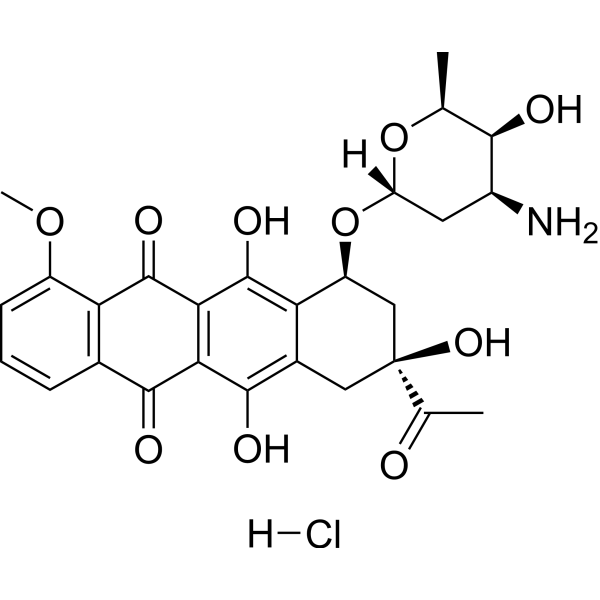
  • HY-13062
    Daunorubicin hydrochloride
    35+ Cited Publications

    Daunomycin hydrochloride; RP 13057 hydrochloride; Rubidomycin hydrochloride

    Topoisomerase DNA/RNA Synthesis ADC Payload Bacterial Autophagy Apoptosis Antibiotic Infection Neurological Disease Cancer
    Daunorubicin (Daunomycin) hydrochloride is a topoisomerase II inhibitor with potent anti-tumor activity. Daunorubicin hydrochloride inhibits DNA and RNA synthesis. Daunorubicin hydrochloride is a cytotoxin that inhibits cancer cell viability and induces apoptosis and necrosis. Daunorubicin hydrochloride is also an anthracycline antibiotic. Daunorubicin hydrochloride can be used in the research of infection and variety of cancers, including leukemia, non-Hodgkin lymphomas, Ewing's sarcoma, Wilms' tumor .
    Daunorubicin hydrochloride
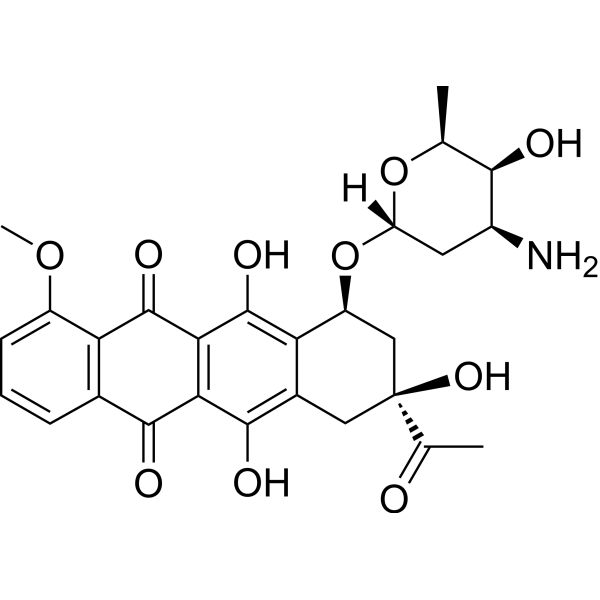
  • HY-13062A
    Daunorubicin
    35+ Cited Publications

    Daunomycin; RP 13057; Rubidomycin

    Topoisomerase DNA/RNA Synthesis ADC Payload Autophagy Bacterial Antibiotic Apoptosis Infection Neurological Disease Cancer
    Daunorubicin (Daunomycin) is a topoisomerase II inhibitor with potent anti-tumor activity. Daunorubicin inhibits DNA and RNA synthesis. Daunorubicin is a cytotoxin that inhibits cancer cell viability and induces apoptosis and necrosis. Daunorubicin is also an anthracycline antibiotic. Daunorubicin can be used in the research of infection and variety of cancers, including leukemia, non-Hodgkin lymphomas, Ewing's sarcoma, Wilms' tumor .
    Daunorubicin
  • HY-10459
    PF-562271
    25+ Cited Publications

    VS-6062

    FAK Pyk2 Cancer
    PF-562271 (VS-6062) is a potent, ATP-competitive and reversible FAK and Pyk2 kinase inhibitor with IC50s of 1.5 nM and 13 nM, respectively .
    PF-562271
  • HY-P990688

    AMG-509

    CD3 Cancer
    Xaluritamig (AMG-509) is a bispecific T cell engager and cytolytic agent with a Kd of 27.6 nM for human CD3ε. Xaluritamig binds to CD3ε via an anti-CD3 single-chain variable fragment (scFv) domain, and to STEAP1 via a bispecific anti-STEAP1 antigen-binding fragment (Fab) domain, thereby recruiting and activating T cells and forming a bridge between T cells and STEAP1-expressing cancer cells. Xaluritamig induces T cell-mediated redirected cytotoxicity, tumor cell lysis, cytokine release, CD8 + T cell activation and expansion, as well as tumor stasis or regression. Xaluritamig contains an Fc domain with no effector function, which prolongs serum half-life, exhibits only minimal activity against cells with low STEAP1 expression and normal cells, and shows extremely low target-related off-tumor toxicity in cynomolgus monkeys. Xaluritamig is used in STEAP1×CD3 XmAb 2+1 immunotherapy and in research on metastatic castration-resistant prostate cancer and Ewing sarcoma .
    Xaluritamig
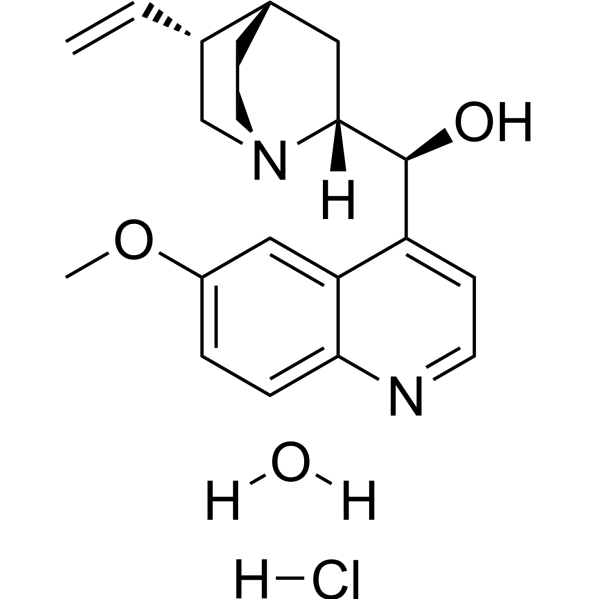
  • HY-B1302

    P-glycoprotein PARP Caspase Apoptosis Potassium Channel Cardiovascular Disease Neurological Disease
    Quinidine hydrochloride monohydrate is an orally active antiarrhythmic agent. Quinidine hydrochloride monohydrate reduces the expression level of P-gp, inhibits P-gp-mediated efflux, increases the intracellular accumulation of P-gp substrates, induces PARP cleavage and Caspase-3 activation, and elevates the proportion of Apoptotic cells at the sub-G1 phase. Quinidine hydrochloride monohydrate exerts sustained block and open-channel block effects on IK(f). Quinidine hydrochloride monohydrate alters the urinary metabolic ratio of Amphetamine, modulates the Pentylenetetrazol-induced seizure threshold, and regulates the anticonvulsant effect of Dextromethorphan. Quinidine hydrochloride monohydrate can be used in studies related to uterine sarcoma and seizures .
    Quinidine hydrochloride monohydrate
  • HY-145925B
    CFT8634
    1 Publications Verification

    PROTACs Epigenetic Reader Domain Cancer
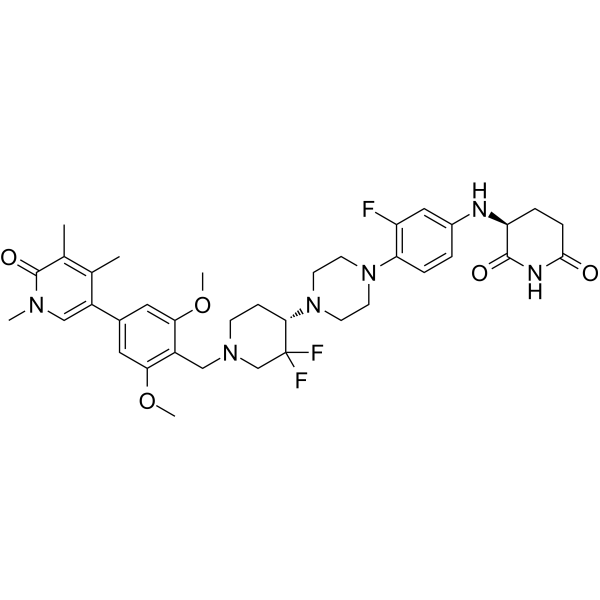
    CFT8634 is an orally bioavailable PROTAC BRD9 targeted degrader based on the E3 ubiquitin ligase CRBN mechanism. CFT8634 can be used for the study of synovial sarcoma and SMARCB1-deficient solid tumors (Pink: BRD9 ligand (HY-169988); Blue: E3 ligase ligand (HY-169989); Black: linker (HY-169991). CFT8634 is a heterobifunctional molecule that binds to BRD9 at one end and recruits CRBN at the other end, which can inhibit the growth of tumor cells that depend on BRD9. CFT8634 can be used for the study of SMARCB1-related cancers (such as synovial sarcoma and malignant rhabdoid tumor) .
    CFT8634
  • HY-P99547

    (vic)-Trastuzumab duocarmazine

    Antibody-Drug Conjugates (ADCs) Cancer
    Trastuzumab duocarmazine ((vic)-Trastuzumab duocarmazine) is a HER2-targeting ADC that is recognized and cleaved by histone B in tumor cells and selectively targets tumor cells. Trastuzumab duocarmazine has anti-tumor activity and can be used in cancer research related to uterine and ovarian sarcomas .
    Trastuzumab duocarmazine
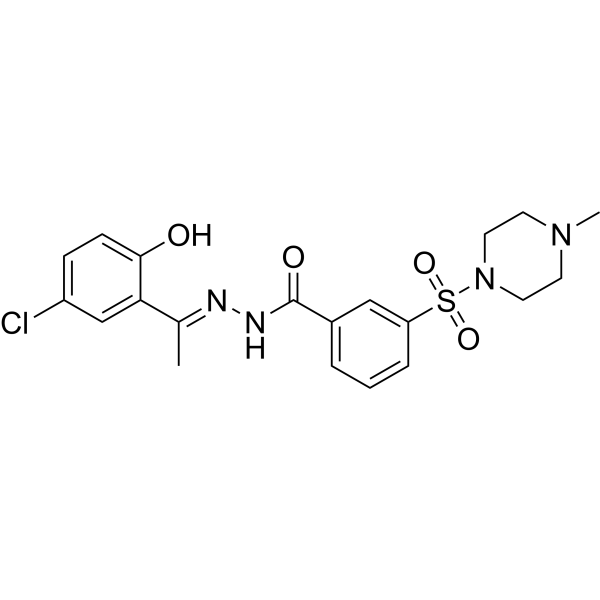
  • HY-103713
    Seclidemstat
    10+ Cited Publications

    SP-2577

    Histone Demethylase Cancer
    Seclidemstat is a potent noncompetitive and reversible KDM1A (LSD1) inhibitor (Ki=31 nM, IC50=13 nM). Seclidemstat promotes antitumor immunity in switch/sucrose nonfermentable (SWI/SNF) complex mutated ovarian cancer, as well as inhibit virus production, viral DNA replication, and late gene expression. Seclidemstat can be used for the research of Ewing Sarcoma .
    Seclidemstat
  • HY-P1408
    Obtustatin
    4 Publications Verification

    Integrin VEGFR Cancer
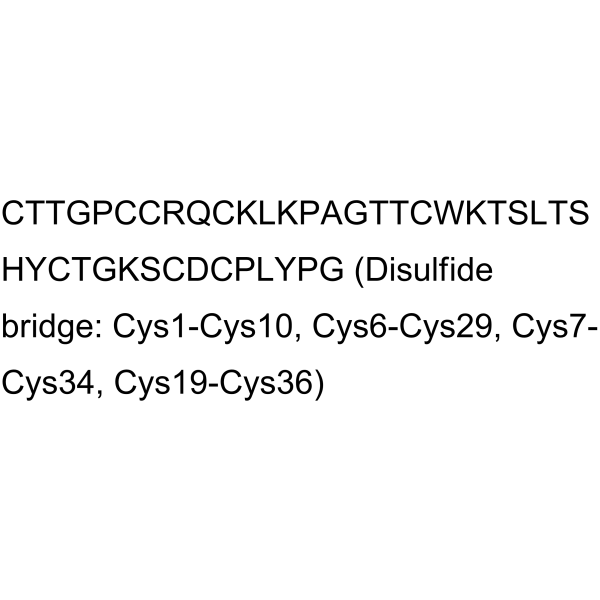
    Obtustatin is a non-RGD disintegrin consisting of 41 residues. Obtustatin inhibits the adhesion of α1β1 integrin to type IV Collagen (HY-NP003), blocks α1β1 integrin signaling in endothelial cells, and suppresses FGF2-induced angiogenesis. Obtustatin inhibits tumor progression in mouse models and upregulates VEGF expression in sarcoma-bearing mice. Obtustatin can be used in research related to Lewis lung carcinoma and S-180 sarcoma .
    Obtustatin
  • HY-147410
    Ulefnersen
    1 Publications Verification

    ION-363

    DNA/RNA Synthesis Neurological Disease
    Ulefnersen (ION363) is an Antisense Oligonucleotide (ASO) directed against the 6th intron of the fused-in sarcoma (FUS) transcript to silence FUS in a non-allele-specific manner. Ulefnersen can reduce postnatal levels of FUS protein in the brain and spinal cord in disease-relevant mouse model of ALS-FUS , delaying motor neuron degeneration. Ulefnersen can be used in the research of Amyotrophic Lateral Sclerosis (ALS) .
    Ulefnersen
  • HY-116073

    Acyltransferase Infection Cancer
    L-Penicillamine is an orally active serine palmitoyltransferase (SPT) inhibitor. L-Penicillamine inactivates the PLP cofactor by forming adducts, thereby inhibiting SPT activity and reducing sphingolipid biosynthesis. L-Penicillamine not only blocks tumor access to vitamin B6, but also stabilizes the human papillomavirus 16 E6 oncoprotein monomer and inhibits its polymerization, exhibiting a unique anticancer mechanism. L-Penicillamine effectively delays the growth of Sarcoma-180, induces tumor necrosis and prolongs survival (though long-term use may lead to Pyridoxine (HY-B1328) deficiency and weight loss) .
    L-Penicillamine
  • HY-P2975

    Mouse laminin (Engelbreth-Holm-Swarm murine Sarcoma basement membrane)

    Endogenous Metabolite Biochemical Assay Reagents Neurological Disease
    Laminin (Engelbreth-Holm-Swarm murine sarcoma basement membrane) is a crucial structural element in animal tissues, forming part of the scaffolding that supports tissue architecture. It interacts with type IV collagen through entactin and perlecan, connects to cell membranes via integrin receptors, dystroglycan complexes, and Lutheran blood group glycoproteins, and contains functional domains that facilitate collagen binding, cell adhesion, heparin interaction, and promote neurite outgrowth.
    Laminin (Engelbreth-Holm-Swarm murine sarcoma basement membrane)
  • HY-116514

    Farnesyl Transferase Apoptosis Endogenous Metabolite Cancer
    (S)-(-)-Perillyl alcohol, a monoterpene, is an orally active farnesyl transferase and geranylgeranyl transferase inhibitor. (S)-(-)-Perillyl alcohol up-regulates the mannose-6-phosphate receptor, facilitating TGF-β1 activation and cytostasis,. (S)-(-)-Perillyl alcohol induces apoptosis in cancer cells, modulates cyclin D1 and AP-1 activity. (S)-(-)-Perillyl alcohol exhibits antitumor activity against sarcoma tumors in mice. (S)-(-)-Perillyl alcohol can be used for the research of squamous cell carcinoma of the esophagus and sarcoma 180 .
    (S)-(−)-Perillyl alcohol
  • HY-159579

    PROTACs Epigenetic Reader Domain Cancer
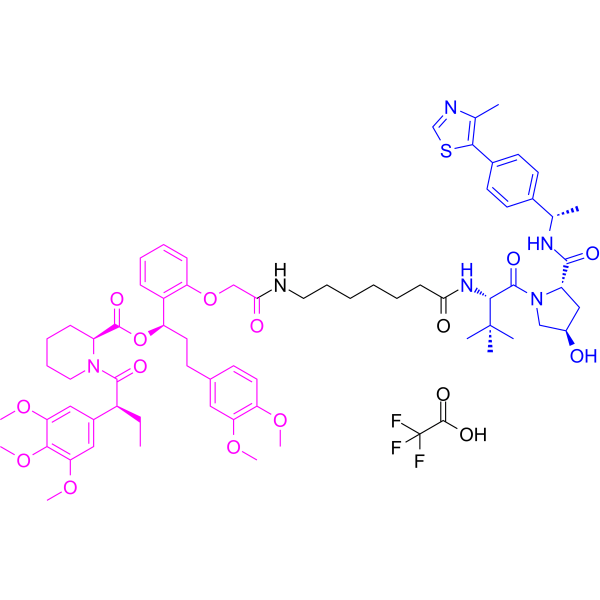
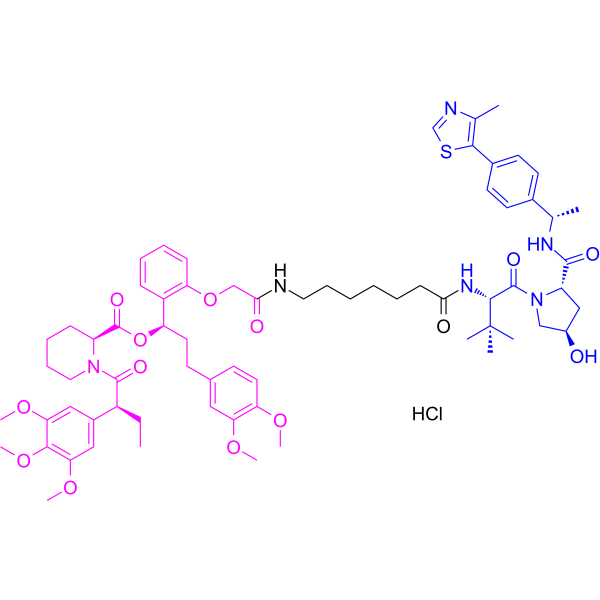
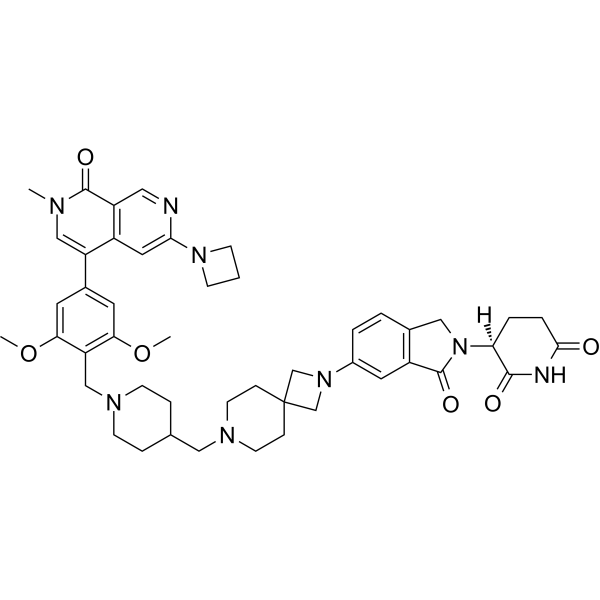
    CW-3308 is an orally active BRD9 PROTAC degrader with an DC50 of 92 nM. CW-3308 forms a ternary complex with BRD9 and cereblon to mediate BRD9 degradation. CW-3308 inhibits the viability of synovial sarcoma and rhabdoid tumor cells. CW-3308 reduces BRD9 protein levels in xenograft tumor tissues and suppresses tumor growth in xenograft models. CW-3308 can be used for the research of synovial sarcoma and rhabdoid tumors .
    CW-3308
  • HY-124757
    FiVe1
    1 Publications Verification

    Proteasome Mitosis Cancer
    FiVe1 is a vimentin (VIM) inhibitor. FiVe1 binds to the rod domain of VIM, causing metaphase VIM disassembly and hyperphosphorylation at Ser56, ultimately leading to mitotic catastrophe, multinucleation, and loss of stemness. FiVe1 has anticancer activity against soft tissue sarcomas. FiVe1 increases the sensitivity of ovarian cancer to Cisplatin (HY-17394). FiVe1 can be used for researches of mesenchymal cancers (including breast cancer and soft tissue sarcoma) and ovarian cancers .
    FiVe1
  • HY-113352

    Endogenous Metabolite PARP Cancer
    7-Methylguanine is an orally active and competitive PARP-1 inhibitor with a Ki value of 61 μM. 7-Methylguanine is a metabolite of nucleic acids. 7-Methylguanine has anticancer activity against uterine sarcoma and colon adenocarcinoma. 7-Methylguanine is used as a probe for protein-DNA interactions .
    7-Methylguanine
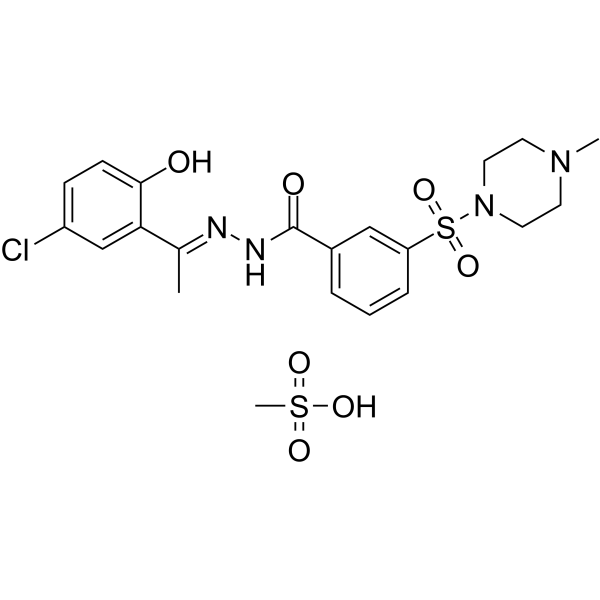
  • HY-103713A
    Seclidemstat mesylate
    10+ Cited Publications

    SP-2577 mesylate

    Histone Demethylase Cancer
    Seclidemstat (SP-2577) mesylate is a potent noncompetitive and reversible KDM1A (LSD1) inhibitor (Ki=31 nM, IC50=13 nM). Seclidemstat mesylate promotes antitumor immunity in switch/sucrose nonfermentable (SWI/SNF) complex mutated ovarian cancer, as well as inhibit virus production, viral DNA replication, and late gene expression. Seclidemstat mesylate can be used for the research of Ewing Sarcoma .
    Seclidemstat mesylate
  • HY-148739

    PROTACs Epigenetic Reader Domain Apoptosis Cancer
    dBRD 9-A is a selective BRD9 PROTAC degrader. dBRD 9-A induces near complete BRD9 degradation dependent on E3 ubiquitin ligase CRBN and BRD9 bromodomain engagement, and drives loss of BRD9 chromatin binding genome-wide. dBRD 9-A downregulates oncogenic SS18-SSX-driven transcriptional programs, super enhancer-associated gene expression, and SS18-SSX1 super enhancer binding, and depletes GBAF complex members GLTSCR1/1L from SS18-SSX complexes. dBRD 9-A induces cell cycle arrest and increases apoptosis in synovial sarcoma cells. dBRD 9-A can be used for the research of synovial sarcoma .
    dBRD 9-A
  • HY-N0891

    Tubeimoside-B

    EGFR TGF-β Receptor RIG-I-like receptor (RLR) SARS-CoV Infection Neurological Disease Cancer
    Tubeimoside II is an orally active triterpenoid saponin and antiviral agent that binds to PACT/PRKRA with Kd values of 5.37 μM and 133.1 μM, respectively. Tubeimoside II inhibits oxidase-dependent EGFR activation and reduces TGF-β1-induced oxidative stress. Tubeimoside II activates the RIG-I signaling pathway and increases IFN-β secretion. Tubeimoside II suppresses TPA-induced ear edema, mouse sarcoma 180 growth, and TPA-induced skin tumor formation. Tubeimoside II exerts broad-spectrum antiviral activity against SARS-CoV-2, HCoV-OC43, and IAV-H1N1/FM1. Tubeimoside II can be used in research related to retinoblastoma, respiratory viral infections, skin tumors, and sarcoma 180 .
    Tubeimoside II
  • HY-172663A

    DNA/RNA Synthesis Apoptosis Cancer
    Trabectedin derivative 1 TFA is a selective DNA minor groove binder. Trabectedin derivative 1 TFA inhibits DNA transcription and repair to induce tumor cell apoptosis. Trabectedin derivative 1 TFA is promising for research of solid tumors such as soft tissue sarcoma and ovarian cancer .
    Trabectedin derivative 1 TFA
  • HY-N6015

    Parasite P-glycoprotein Infection Cancer
    Bacopasaponin C is an orally active natural glycoside. Bacopasaponin C can be isolated from Bacopa monniera. Bacopasaponin C inhibits Verapamil (HY-14275)-stimulated P-gp ATPase activity with an IC50 of 57.83 μg/mL. Bacopasaponin C has antitumor activity against sarcomas. Bacopasaponin C has antiparasitic activity against Leishmania donovani .
    Bacopasaponin C
  • HY-W781133

    cis-[Pt(NH3)2N1-pyridineCl]Cl

    DNA Alkylator/Crosslinker Cancer
    cDPCP (cis-[Pt(NH3)2(N1-pyridine)Cl]Cl) is a DNA crosslinking agent and also a substrate for OCT1 and OCT2. DPCP exhibits anticancer activity and can improve the survival rate of sarcoma-180 mice. cDPCP is suitable for the research of colorectal cancer and cancers with appropriate cation transporters .
    cDPCP
  • HY-176798

    Lactate Dehydrogenase Reactive Oxygen Species (ROS) Apoptosis Cancer
    NCI-006 is an orally active lactate dehydrogenase (LDH) inhibitor (LDHA IC50 = 0.06 μM; LDHB IC50 = 0.03 μM). NCI-006 inhibits intratumoral LDH activity, lactate production, and tumor growth in a mouse pancreatic cancer model. NCI-006 inhibits glycolysis and induces apoptosis in vitro. NCI-006 enhances the radiosensitivity of glycolytic tumor cell lines while sparing non-glycolytic/normal cells (1522, skin fibroblasts) in combination with ionizing radiation (IR). NCI-006 exhibits synergistic antitumor effects in combination with IACS-010759 (HY-112037) against colorectal and gastric cancers. NCI-006 targets glycolysis by inhibiting lactate dehydrogenase impairs tumor growth in an Ewing sarcoma model .
    NCI-006
  • HY-W035709

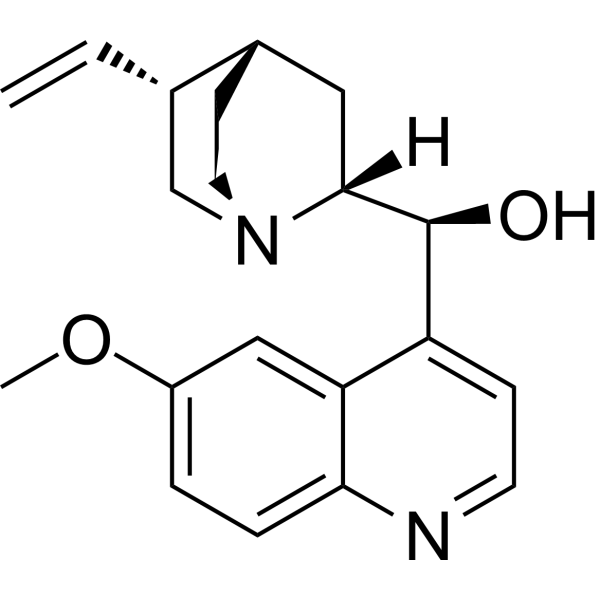
    Dihydrocinchonine

    P-glycoprotein Apoptosis Cancer
    Hydrocinchonine (Dihydrocinchonine) is a multidrug resistance (MDR)-reversal agent. Hydrocinchonine directly inhibits the function and expression of P-gp, which is the mechanism by which it reverses MDR. Hydrocinchonine exerts synergistic apoptotic effect with Paclitaxel (HY-B0015) in MES-SA/DX5 cells. Hydrocinchonine can be used for the study of gynecological malignant tumors (such as uterine sarcoma) with drug resistance caused by excessive expression of P-gp .
    Hydrocinchonine
  • HY-P99581

    OTSA101-DTPA; OTSA101-DTPA-90Y; OTSA101-SS01

    Radionuclide-Drug Conjugates (RDCs) Cancer
    Tabituximab barzuxetan (exclude Y90) (OTSA101-DTPA; OTSA101-DTPA-90Y; OTSA101-SS01) is a immunoconjugate composed of a humanized monoclonal antibody targeting FZD-10 (OTSA-101). Tabituximab barzuxetan exhibits anti-tumor activity. Tabituximab barzuxetan can be used for the research of synovial sarcoma .
    Tabituximab barzuxetan (exclude Y90)
  • HY-P99218

    Sch 717454; 19D12

    IGF-1R Cancer
    Robatumumab (Sch 717454) is an anti-human IGF-1R (insulin-like growth factor receptor-1) antibody. Robatumumab shows anti-tumor activity and anti-proliferative activity to cancer cells. Robatumumab can be used in osteosarcoma and Ewing sarcoma research .
    Robatumumab
  • HY-147410A
    Ulefnersen sodium
    1 Publications Verification

    ION-363 sodium

    DNA/RNA Synthesis Neurological Disease
    Ulefnersen sodium (ION363) is an Antisense Oligonucleotide (ASO) directed against the 6th intron of the fused-in sarcoma (FUS) transcript to silence FUS in a non-allele-specific manner. Ulefnersen sodium can reduce postnatal levels of FUS protein in the brain and spinal cord in disease-relevant mouse model of ALS-FUS , delaying motor neuron degeneration. Ulefnersen sodium can be used in the research of Amyotrophic Lateral Sclerosis (ALS) .
    Ulefnersen sodium
  • HY-173364

    BAK-04-212

    BCL6 Cancer
    EB-TCIP (BAK-04-212) is a proof-of-concept tool specifically designed for Ewing sarcoma research, serving as an EWSR1::FLI1 binder tagged with BCL6 and FKBP12 F36V. EB-TCIP forms a ternary complex with the tagged fusion protein, specifically recruits EWSR1::FLI1 to BCL6-bound DNA loci, and induces rapid chromatin remodeling and relocalization. By mediating relocalization, EB-TCIP remodels the transcriptional machinery and activates the expression of BCL6 target genes that are originally repressed. EB-TCIP is used in studies related to novel epigenetic therapies for Ewing sarcoma .
    EB-TCIP
  • HY-110280

    HDAC Apoptosis Cancer
    MC1742 is a potent HDAC inhibitor, with IC50s of 0.1 μM, 0.11 μM, 0.02 μM, 0.007 μM, 0.61 μM, 0.04 μM and 0.1 μM for HDAC1, HDAC2, HDAC3, HDAC6, HDAC8, HDAC10 and HDAC11, respectively. MC1742 can increase acetyl-H3 and acetyl-tubulin levels and inhibits cancer stem cells growth. MC1742 can induce growth arrest, apoptosis, and differentiation in sarcoma CSC .
    MC1742
  • HY-12455

    ADC Payload Antibiotic DNA Alkylator/Crosslinker Apoptosis Caspase Cancer
    Duocarmycin A is an antitumor antibiotic and DNA alkylating agent with broad-spectrum antibacterial activity, which can serve as a payload for synthesizing antibody-drug conjugates (ADCs). Duocarmycin A selectively binds to the AT-rich minor groove of DNA, forms covalent adducts by alkylating the adenine N3 residue, thereby disrupting DNA structure and inhibiting its replication and transcription. Duocarmycin A induces apoptosis, sub-G1 phase accumulation and chromatin condensation, reduces the levels of pro-caspase-3/9, and induces p53-independent p21 expression. Duocarmycin A is widely used in the research of various malignancies, including leukemia, sarcoma, glioblastoma, as well as multiple solid tumor models such as lung cancer, breast cancer, and colorectal cancer .
    Duocarmycin A
  • HY-122903B

    DNA/RNA Synthesis Cancer
    (+)-TK216 is an enantiomer of TK216 (HY-122903). TK216 is an orally active and potent E26 transformation specific (ETS) inhibitor .
    (+)-TK216
  • HY-20403
    PF-562271 hydrochloride
    25+ Cited Publications

    VS-6062hydrochloride

    FAK Pyk2 Cancer
    PF-562271 (VS-6062) hydrochloride is a potent, ATP-competitive and reversible FAK and Pyk2 kinase inhibitor with IC50s of 1.5 nM and 13 nM, respectively .
    PF-562271 hydrochloride
  • HY-P2588

    Osteocalcin (1-49) (human)

    Endogenous Metabolite Metabolic Disease Cancer
    Osteocalcin (Osteocalcin (1-49)) (human) is a vitamin K-dependent bone specific protein. Osteocalcin (human) is chemotactic for several of the cell types frequently found at bone remodeling surfaces .
    Osteocalcin (human)
  • HY-W040276

    Others Cancer
    Diafen NN is an antioxidant. Diafen NN induces leukoses and local sarcomas in mice . .
    Diafen NN
  • HY-106382

    HIV CMV Infection Cancer
    PMEDAP is a potent inhibitor of human immunodeficiency virus (HIV) replication. PMEDAP has anti-murine cytomegalovirus (MCMV) activity. PMEDAP is a very potent inhibitor of Moloney murine sarcoma virus (MSV)-induced tumor formation and associated mortality .
    PMEDAP
  • HY-106556

    Rubidazon; Rubidazone

    DNA/RNA Synthesis Topoisomerase Cancer
    Zorubicin (Rubidazon) is a derivative of Daunorubicin (HY-13062A). Zorubicin interacts with topoisomerase II and inhibits DNA polymerases. Zorubicin can be used for the research of acute leukemias and sarcomas .
    Zorubicin
  • HY-155128

    HSV Infection
    LANA-DNA-IN-2 (Compound 20) is a latency-associated nuclear antigen (LANA)-DNA interaction inhibitor. LANA-DNA-IN-2 can be used for research of Kaposi’s sarcoma-associated herpesvirus (KSHV) infection .
    LANA-DNA-IN-2
  • HY-P1258
    PSI
    2 Publications Verification

    Proteasome Inhibitor 1; Z-Ile-Glu(OtBu)-Ala-Leu-CHO

    Proteasome Infection Cancer
    PSI (Proteasome Inhibitor 1) is a potent proteasome inhibitor. PSI inhibits the proliferation of primary effusion lymphoma (PEL) cells. PSI has the potential for the research of Kaposi’s sarcoma-associated herpesvirus (KSHV) infection and KSHV-associated lymphomas .
    PSI
  • HY-125443

    Others Cancer
    Lucialdehydes A is a lanostante-type triterpene aldehydes, isolated from the fruiting bodies of Ganoderma lucidum. Lucialdehydes A shows cytotoxic effects on tumor cells, including Lewis lung carcinoma (LLC), T-47D, Sarcoma 180, and Meth-A tumor cell lines .
    Lucialdehyde A
  • HY-175660

    Heme Oxygenase (HO) Cancer
    KCL-HO-1i is an orally active heme oxygenase-1 (HO-1) inhibitor (rat HO-1: IC50 = 123 nM) and human HO-1: IC50 = 128 nM). KCL-HO-1i targets immunosuppressive LYVE-1 + perivascular tumor-associated macrophages (PvTAMs) in the tumor microenvironment (TME), reduces PvTAM-mediated immune exclusion. KCL-HO-1i demonstrates synergistic anti-tumor efficacy with chemotherapy in MMTV-PyMT spontaneous breast cancer mice or C57Bl/6 mice bearing subcutaneous MN-MCA1 sarcomas. KCL-HO-1i can be used for the study of cancer .
    KCL-HO-1i
  • HY-13554

    Antibiotic Cancer
    Annamycin is an anthracycline antibiotic with antitumor activity. Annamycin interacts with topoisomerase II, induces double-strand DNA breaks, triggers cell death, and exerts cytotoxic effects. In mice, Annamycin inhibits the growth of advanced subcutaneous melanoma and subcutaneous squamous cell carcinoma, and prolongs the survival of mice with subcutaneous reticulosarcoma and in lung cancer lung metastasis models. Annamycin can be used in research related to melanoma, reticulum cell sarcoma, lung cancer, non-small cell lung cancer, small cell lung cancer .
    Annamycin
  • HY-178345

    ZZ7

    Molecular Glues Epigenetic Reader Domain Cancer
    ZZ7-23-022 (ZZ7) is a selective BRD9 molecule glue degrader. ZZ7-23-022 effectively degrades BRD9 in synovial sarcoma cells, but does not affect cardiomyocytes. ZZ7-23-022 can be used for the research of cancer .
    ZZ7-23-022
  • HY-P11355A

    Amino Acid Derivatives Cancer
    KRAS WT Peptide TFA is the trifluoroacetate salt of KRAS WT Peptide (HY-P11355). KRAS WT Peptide is the normal sequence peptide of the Kirsten rat sarcoma virus (KRAS) gene without oncogenic mutations. KRAS WT Peptide can be used for the study of evaluating the specificity and safety of KRAS-targeted immunotherapies .
    KRAS WT Peptide TFA
  • HY-P11356

    IFNAR Cancer
    KRAS G12V Peptide is a specific peptide derived from the Kirsten rat sarcoma virus (KRAS) gene carrying the G12V oncogenic mutation. KRAS G12V Peptide induces responses like IFN-γ secretion and cytotoxicity. KRAS G12V Peptide can be used for the study of immune responses against KRAS G12V-mutant tumors .
    KRAS G12V Peptide
  • HY-N7776

    7-xylosyl-10-Deacetylpaclitaxel B

    Others Cancer
    7-Xylosyl-10-Deacetyltaxol B (7-xylosyl-10-Deacetylpaclitaxel B) is a paclitaxel derivative derived from T. cuspidate. 7-Xylosyl-10-Deacetyltaxol B has anti-tumor activity and inhibits the growth of S180 sarcoma .
    7-Xylosyl-10-Deacetyltaxol B
  • HY-P990224

    Interleukin Related Bacterial Infection Cancer
    Anti-Mouse IL-12 p75 Antibody (R2-9A5) is a rat-derived IgG2b κ type antibody inhibitor, targeting to mouse IL-12 p75. Anti-Mouse IL-12 p75 Antibody (R2-9A5) can neutralize IL-12. Anti-Mouse IL-12 p75 Antibody (R2-9A5) can be used for the researches of infection and cancer, such as E. coli infection and MCA205 sarcoma .
    Anti-Mouse IL-12 p75 Antibody (R2-9A5)
  • HY-128514

    Oxazinomycin

    Antibiotic Bacterial Infection Cancer
    Minimycin (Oxazinomycin) is a nucleoside antibiotic with a broad-spectrum antibacterial activity. Minimycin has inhibitory effect on mouse Ehrlich ascites carcinoma, ascites type and solid type sarcoma-180 .
    Minimycin
  • HY-122903A

    DNA/RNA Synthesis Cancer
    (-)-TK216 is an enantiomer of TK216 (HY-122903). TK216 is an orally active and potent E26 transformation specific (ETS) inhibitor. (-)-TK216 has anti-cancer activity .
    (-)-TK216
  • HY-P10775A

    MMP Cancer
    BT1769 acetate is a conjugate and antitumor agent targeting MT1-MMP, with a Kd value of 3.35 nM against human targets. BT1769 acetate exhibits favorable pharmacokinetic properties. BT1769 acetate specifically binds to MT1-MMP via its bicyclic peptide component, delivering the cytotoxic agent MMAE (HY-15162) to antigen-expressing cells. It effectively inhibits tumor growth, induces complete responses, and significantly prolongs event-free survival in osteosarcoma patient-derived xenograft models. BT1769 acetate shows extremely low activity in Ewing sarcoma models and can be used in osteosarcoma-related research .
    BT1769 acetate
  • HY-125664

    Antibiotic Cancer
    Lucialdehyde B is a tetracyclic triterpene isolated from the substrates of Ganoderma lucidum with antiviral and cytotoxic activities. Lucialdehyde B has cytotoxic effects against Lewis lung cancer (LLC), T-47D, Sarcoma 180 and Meth-A tumor cell lines .
    Lucialdehyde B

Inquiry Online

Your information is safe with us. * Required Fields.

Salutation


Country or Region *

Applicant Name *


Organization Name *

Department *


Email Address *


Product Name *

Cat. No.


Requested quantity *

Phone Number *


Remarks

Inquiry Online

Inquiry Information

Product Name:
Cat. No.:
Quantity:
MCE Japan Authorized Agent:

