
1. Search Result
Search Result
Pathways Recommended: Stem Cell/Wnt Cell Cycle/DNA Damage
Results for "

U2OS cells

" in MedChemExpress (MCE) Product Catalog:

97

Inhibitors & Agonists

4

Fluorescent Dye

2

Biochemical Assay Reagents

2

Peptides

1

Inhibitory Antibodies

7

Natural
Products

1

Isotope-Labeled Compounds

Cat. No. Product Name Target Research Areas Chemical Structure
  • HY-113596
    Acetyl Coenzyme A trisodium
    4 Publications Verification

    Acetyl-CoA trisodium

    Oxidative Phosphorylation Endogenous Metabolite Autophagy Metabolic Disease
    Acetyl-coenzyme A (Acetyl-CoA) trisodium is a membrane-impermeant central metabolic intermediate, participates in the TCA cycle and oxidative phosphorylation metabolism. Acetyl-coenzyme A trisodium, regulates various cellular mechanisms by providing (sole donor) acetyl groups to target amino acid residues for post-translational acetylation reactions of proteins. Acetyl Coenzyme A trisodium is also a key precursor of lipid synthesis .
    Acetyl Coenzyme A trisodium
  • HY-112680A

    G-quadruplex Neurological Disease
    Carboxy pyridostatin trifluoroacetate salt is a G-quadruplex ligand. Carboxy pyridostatin trifluoroacetate salt has a highly molecular specificity to RNA on DNA G4s and reduces ATF-5 protein. Carboxy pyridostatin trifluoroacetate salt reduces cell proliferation and hinders stress granule (SG) formation .
    Carboxy pyridostatin trifluoroacetate salt
  • HY-128892
    EN6
    5 Publications Verification

    Autophagy Neurological Disease
    EN6 is a small-molecule in vivo autophagy activator that covalently targets cysteine 277 in the ATP6V1A subunit of the lysosomal v-ATPase. EN6-mediated modification of ATP6V1A uncouples v-ATPase from Rag, leading to inhibition of mTORC1 signalling, increased lysosomal acidification, and activation of autophagy. EN6 also scavenges TDP-43 aggregates (causative agents of frontotemporal dementia) in a lysosome-dependent manner .
    EN6
  • HY-19979
    RCM-1
    Maximum Cited Publications
    7 Publications Verification

    DNA/RNA Synthesis Cancer
    RCM-1 is a forkhead box M1 (FOXM1) inhibitor with an EC50 of 0.72 μM in U2OS cells. RCM-1 blocks the nuclear localization and increased the proteasomal degradation of FOXM1. RCM-1 can be used for asthma and other chronic airway diseases research .
    RCM-1
  • HY-14229
    TGR5 Receptor Agonist
    3 Publications Verification

    CCDC

    G protein-coupled Bile Acid Receptor 1 Calcium Channel Metabolic Disease
    TGR5 Receptor Agonist (CCDC), a potent Takeda G protein-coupled receptor 5 (TGR5; GPCR19) agonist, shows improved potency in the U2-OS cells and melanophore cells with pEC50s of 6.8 and 7.5, respectively. TGR5 Receptor Agonist can induce peripheral and central hypersensitivity to bladder distension in mice, and increase intracellular Ca 2+ concentration. TGR5 Receptor Agonist can also reduces food intake and improves insulin responsiveness, in diet-induced obese mice. TGR5 Receptor Agonist can be used to research diabetes, bladder hypersensitivity and anti-obesity .
    TGR5 Receptor Agonist
  • HY-148764

    Cryptochrome Molecular Glues Apoptosis Cancer
    M47 is a molecular glue that selectively destabilizes Cryptochrome 1 (CRY1) and increases degradation of the CRY1 in the nucleus. M47 enhances apoptosis in Ras-transformed P53-deficient mouse skin fibroblast lines and enhances life span in p53 knockout mice. M47 can be used in research of cancer .
    M47
  • HY-151500

    Amine N-methyltransferase Metabolic Disease
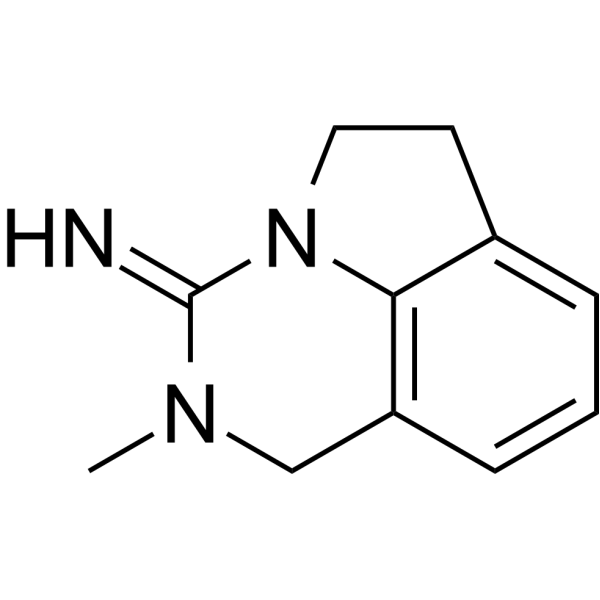
    JBSNF-00002 free base is an orally active small molecule inhibitor of the tricyclic nicotinamide N-methyltransferase (NNMT) with IC50 values for human, mouse and monkey sources of NNMT of 33, 210 and 190 nM respectively. JBSNF-00002 free base can reduce endogenous MNA levels in U2OS osteosarcoma cells, with its EC50 being 2.5 μM. JBSNF-00002 free base exhibits significant anti-obesity and anti-diabetic activities in the diet-induced obesity (DIO) model. JBSNF-00002 free base can be used for the study of metabolic diseases such as obesity, type 2 diabetes and non-alcoholic fatty liver disease .
    JBSNF-000028 free base
  • HY-N4067

    isoCDCA

    FXR Endogenous Metabolite Metabolic Disease
    Isochenodeoxycholic acid (isoCDCA) is a FXR agonist. Isochenodeoxycholic acid activates the activity of FXR and induces the mRNA expression of FXR target genes (Ostβ and Kng1). Isochenodeoxycholic acid serves as a substrate for the liver class I ADH γγ isozyme-mediated 3β-dehydrogenation reaction .
    Isochenodeoxycholic acid
  • HY-153660

    MC-4R Agonist 2

    Melanocortin Receptor Metabolic Disease
    Bivamelagon (MC-4R Agonist 2) is an orally active MC4R agonist with EC50 values of 0.562 nM (Luci assay) and 36.5 nM (cAMP assay), and a Ki of 65 nM. Bivamelagon can be used for the research of diseases such as obesity and diabetes .
    Bivamelagon
  • HY-162289
    FAZ-3780
    2 Publications Verification

    DNA/RNA Synthesis Neurological Disease Cancer
    FAZ-3780 is an inhibitor that binds to the NTF2L domain of G3BP1/2. FAZ-3780 binds to the NTF2L nsP3 of G3BP1 with high affinity, with a Kd of 0.15 μM and a Pep-FRET IC50 of 0.7 μM. FAZ-3780 targets the protein-protein interaction domain of G3BP1/2, and specifically inhibits the co-condensation of G3BP1, caprin 1 and RNA in vitro. FAZ-3780 inhibits stress granule formation and disassembles pre-formed stress granules. FAZ-3780 can be used in studies related to cancer and neurodegenerative diseases .
    FAZ-3780
  • HY-114293A

    Acetyl-CoA trilithium

    Oxidative Phosphorylation Endogenous Metabolite Autophagy Cardiovascular Disease Metabolic Disease
    Acetyl-coenzyme A (Acetyl-CoA) trilithium is a membrane-impermeant central metabolic intermediate, participates in the TCA cycle and oxidative phosphorylation metabolism. Acetyl-coenzyme A trilithium regulates various cellular mechanisms by providing (sole donor) acetyl groups to target amino acid residues for post-translational acetylation reactions of proteins. Acetyl Coenzyme A trilithium is also a key precursor of lipid synthesis .
    Acetyl coenzyme A trilithium
  • HY-114293

    Acetyl-CoA

    Oxidative Phosphorylation Endogenous Metabolite Autophagy Cardiovascular Disease Metabolic Disease
    Acetyl-coenzyme A (Acetyl-CoA) is a membrane-impermeant central metabolic intermediate, participates in the TCA cycle and oxidative phosphorylation metabolism. Acetyl-coenzyme A, regulates various cellular mechanisms by providing (sole donor) acetyl groups to target amino acid residues for post-translational acetylation reactions of proteins. Acetyl Coenzyme A is also a key precursor of lipid synthesis .
    Acetyl coenzyme A
  • HY-158742
    SBB-Analogue (GL13) Biotin
    1 Publications Verification

    GL13; SBB-A-B

    Tyrosinase Others
    SBB-Analogue (GL13) Biotin (GL13; SBB-A-B) consists of a Sudan Black B (SBB) (HY-D0213) derivative conjugated with biotin. SBB-Analogue (GL13) Biotin potently detects senescent cells and eliminates the drawback of false-positive staining caused by serum starvation and cell fusion in SA-β-gal assays. SBB-Analogue (GL13) Biotin can be used in flow cytometry, immunofluorescence analysis, and other applications .
    SBB-Analogue (GL13) Biotin
  • HY-B0603

    Smo Glucocorticoid Receptor Infection Inflammation/Immunology Endocrinology
    Fluticasone is an inhaled corticosteroid used for respiratory research. Fluticasone is a Smo agonist with an IC50 value of 99 nM. Fluticasone activates Hedgehog signaling and promotes the proliferation of primary neuronal stem or precursor cells .
    Fluticasone
  • HY-169053

    IKK NF-κB Cancer
    SU1261 is an IKK inhibitor with Ki values of 10 nM and 680 nM for IKKα and IKKβ, respectively. SU1261 can inhibit non-canonical NF-κB signaling in U2OS osteosarcoma cells .
    SU1261
  • HY-111083

    CID23612552

    GPR55 Others
    ML-191 is an antagonist of GPR55. It inhibits GPR55 signaling induced by lysophosphatidylinositol (EC50=1.076 µM in U2OS cells overexpressing GPR55). ML-191 inhibits LPI-induced phosphorylation of ERK1/2 (IC50=328 nM) and receptor-dependent translocation of PKCβII when used at a concentration of 30 µM .
    ML191
  • HY-157251

    Histone Methyltransferase Cancer
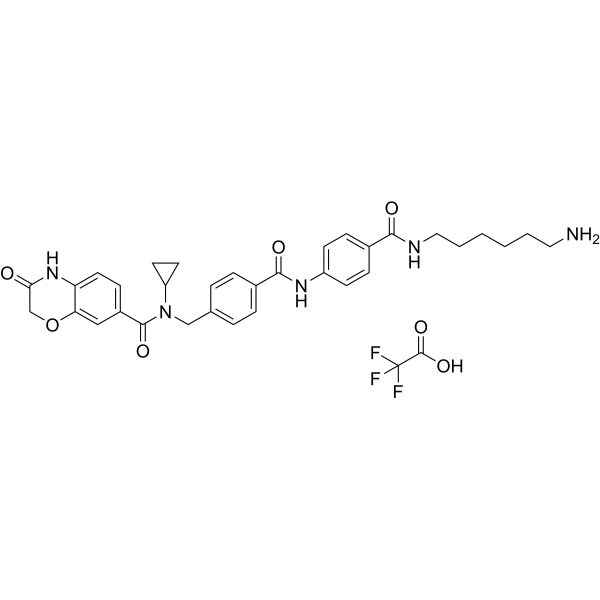
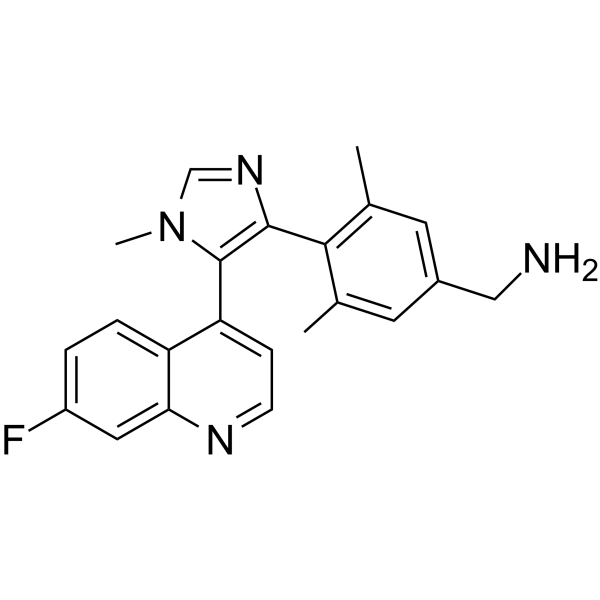
    UNC8153 TFA is a potent and selective nuclear receptor-binding SET domain-containing 2 (NSD2)-targeted degrader with a Kd of 24 nM. UNC8153 TFA reduces the cellular levels of both NSD2 protein (DC50 in cell U2OS is 0.35 μM) and the H3K36me2 chromatin mark. UNC8153 TFA contains a simple warhead that confers proteasome-dependent degradation of NSD2 .
    UNC8153 TFA
  • HY-147066

    DYRK Cancer
    Dyrk1A-IN-4 is a potent and orally active Dyrk1A inhibitor. Dyrk1A-IN-4 exhibits IC50s against DYRK1A and DYRK2 of 2 nM and 6 nM. Dyrk1A-IN-4 exhibits the inhibition of the DYRK1A pSer520 autophosphorylation in U2OS cells with an IC50 of 28 nM. Dyrk1A-IN-4 can be used for the studies of ovarian adenocarcinoma, neuroblastoma and cervical squamous cell carcinoma .
    Dyrk1A-IN-4
  • HY-136726

    CINK4

    CDK Cancer
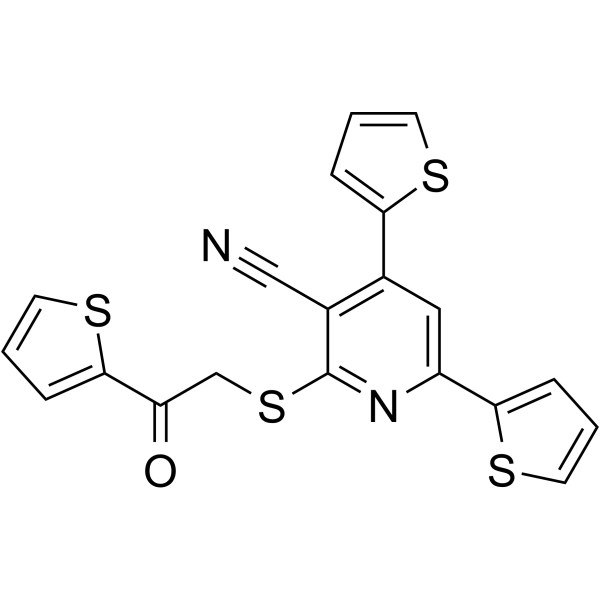
    GP-82996 (CINK4) is a pharmacological inhibitor of CDK4/6. GP-82996 has IC50s of 1.5, 5.6 and 25 μM for CDK4/cyclin D1, CDK6/cyclin D1 and Cdk5/p35, respectively. GP-82996 induces the apoptosis of cancer cells U2OS. GP-82996 can be used in the research of cancer .
    CGP-82996
  • HY-151500B

    Amine N-methyltransferase Metabolic Disease
    JBSNF-00002 hydrochloride is an orally active small molecule inhibitor of the tricyclic nicotinamide N-methyltransferase (NNMT) with IC50 values for human, mouse and monkey sources of NNMT of 33, 210 and 190 nM respectively. JBSNF-00002 hydrochloride can reduce endogenous MNA levels in U2OS osteosarcoma cells, with its EC50 being 2.5 μM. JBSNF-00002 hydrochloride exhibits significant anti-obesity and anti-diabetic activities in the diet-induced obesity (DIO) model. JBSNF-00002 hydrochloride can be used for the study of metabolic diseases such as obesity, type 2 diabetes and non-alcoholic fatty liver disease .
    JBSNF-000028 hydrochloride
  • HY-113596A
    Acetyl coenzyme A lithium
    4 Publications Verification

    Acetyl-CoA lithium

    Oxidative Phosphorylation Endogenous Metabolite Autophagy Cardiovascular Disease Metabolic Disease
    Acetyl-coenzyme A (Acetyl-CoA) lithium is a membrane-impermeant central metabolic intermediate, participates in the TCA cycle and oxidative phosphorylation metabolism. Acetyl-coenzyme A lithium, regulates various cellular mechanisms by providing (sole donor) acetyl groups to target amino acid residues for post-translational acetylation reactions of proteins. Acetyl Coenzyme A lithium is also a key precursor of lipid synthesis .
    Acetyl coenzyme A lithium
  • HY-B0877
    Halcinonide
    1 Publications Verification

    SQ-18566

    Smo Caspase RAR/RXR CDK Cardiovascular Disease Neurological Disease Inflammation/Immunology
    Halcinonide (SQ-18566) is an orally active Smoothened (Smo) agonist. Halcinonide activates the Hedgehog signaling pathway by binding to Smo and promoting its internalization and expression, thereby activating Gli transcription factors. Halcinonide not only stimulates cell proliferation, increases the expression of cyclin D2/CDK6 and inhibits the degradation of caspase-3, but also suppresses Bcl-2/Bax-mediated apoptosis, oxidative stress and inflammatory responses. Halcinonide activates RxRγ to upregulate the expression of myelin genes, thereby reducing cerebral infarction and improving behavioral deficits. Halcinonide has been used in studies related to multiple sclerosis and ischemic stroke .
    Halcinonide
  • HY-146248B

    Poly(ADP-ribose) Glycohydrolase (PARG) SARS-CoV Protease Activated Receptor (PAR) Metabolic Disease
    TFMU-ADPr diammonium is a selective reporter substrate of SARS-CoV-2 Macro1 (IC50=0.59 μM), with an excitation wavelength (λEx) of 385 nm, and an emission wavelength (λEm) of 502 nm (or 495 nm). TFMU-ADPr diammonium can also undergo enzymatic hydrolysis with Poly(ADP-ribose) Glycohydrolase (PARG) sourced from human, Tetrahymena thermophila and ADP-ribosylhydrolase 3 from human to release fluorophores, thereby directly reporting total poly (ADP-ribose) hydrolase activity. TFMU-ADPr diammonium binds to the ADPr-binding site of SARS-CoV-2 Macro1, and its TFMU moiety inserts into the narrow hydrophobic groove of this protein. TFMU-ADPr diammonium can thus be used to evaluate small-molecule inhibitors targeting PAR hydrolases under in vitro conditions, to investigate the regulatory mechanisms of ADP-ribosyl catabolic enzymes, or to detect PAR hydrolase activity in whole-cell lysate assays. TFMU-ADPr diammonium is also applicable to COVID-19-related research .
    TFMU-ADPr diammonium
  • HY-174996

    PROTACs Epigenetic Reader Domain Apoptosis Cancer
    NEP162 is a BRD4 PROTAC degrader with DC50s of 1.2 and 1.6 μM in SW480 and U2OS cells. NEP162 exhibits antiproliferative activity, effectively inhibits tumor growth and induces apoptosis. NEP162 can be used for the study of osteosarcoma, colorectal cancer and non-small cell lung cancer, etc. (Pink: BRD4 ligand : (HY-78695), Blue: E3 ligase Ligand (HY-D2259), BLACK: Linker, E3 ligase ligand-linker conjugate (HY-174997)) .
    NEP162
  • HY-114208A

    Histone Methyltransferase Cancer
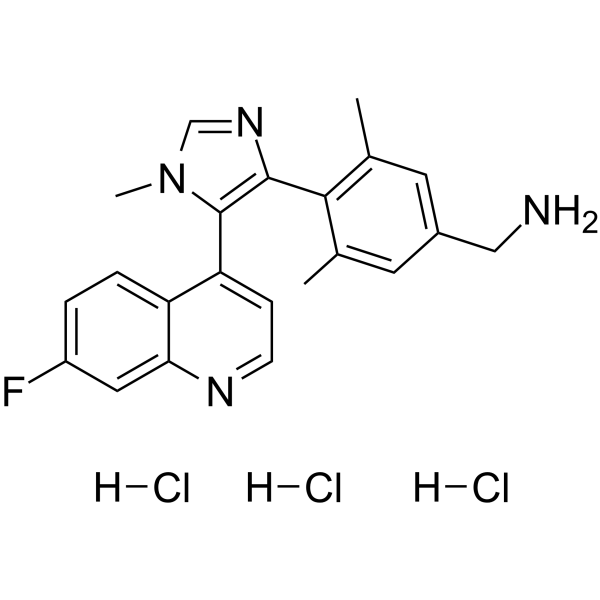
    BI-9321 trihydrochloride is a potent, selective and cellular active nuclear receptor-binding SET domain 3 (NSD3)-PWWP1 domain antagonist with a Kd value of 166 nM. BI-9321 trihydrochloride is inactive against NSD2-PWWP1 and NSD3-PWWP2. BI-9321 trihydrochloride specifically disrupts histone interactions of the NSD3-PWWP1 domain with an IC50 of 1.2 μM in U2OS cells .
    BI-9321 trihydrochloride
  • HY-117213

    S1P1-IN-Ex26

    LPL Receptor Neurological Disease Metabolic Disease Inflammation/Immunology
    Ex26 (S1P1-IN-Ex26) is a potent and selective sphingosine 1-phosphate receptor 1 (S1P1) antagonist (IC50=0.93 nM). Ex26 shows >3,000-fold selectivity for S1P1 over other Sphingosine 1-phosphate receptors. Ex26 can be used in experimental autoimmune encephalomyelitis reseach .
    Ex26
  • HY-112680

    G-quadruplex Neurological Disease
    Carboxypyridostatin is a G-quadruplex ligand. Carboxypyridostatin has a highly molecular specificity to RNA on DNA G4s and reduces ATF-5 protein. Carboxypyridostatin reduces cell proliferation and hinders stress granule (SG) formation .
    Carboxypyridostatin
  • HY-156135

    MDM-2/p53 RET DNA/RNA Synthesis Apoptosis Caspase Endocrinology Cancer
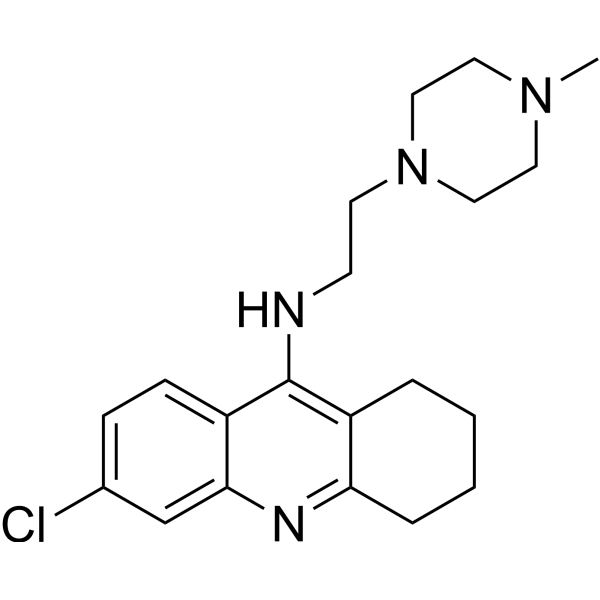
    NSC194598 is a p53 DNA-binding inhibitor with an IC50 value of 180 nM. NSC194598 inhibits p53 DNA binding and induction of target genesn when p53 is stabilized and activated by irradiation or chemotherapy. NSC194598 can interfere with transcriptional activation of mutated rearranged during transfection (RET) gene, induce apoptosis and G0/G1 phase arrest. NSC194598 can be used for the researches of acute radiation toxicity and medullary thyroid carcinoma .
    NSC194598
  • HY-145103

    Histone Methyltransferase Cancer
    UNC6934 is a selective NSD2-PWWP1 antagonist with IC50 values of 78 nM and 104 nM, and a Ka of 91 nM against human targets. UNC6934 binds to the canonical methyl-lysine binding pocket of NSD2-PWWP1 and directly competes with H3K36me2 for binding. UNC6934 induces the aggregation of NSD2 within the nucleolus, without altering ribosomal RNA transcription, global H3K36me2 levels or the proliferation of KMS-11 cells. UNC6934 can be used in studies related to multiple myeloma and diffuse intrinsic pontine glioma.
    UNC6934
  • HY-122236

    Mitosis Kinesin Microtubule/Tubulin Aurora Kinase Cancer
    UMK57 is a MCAK activator and kinetochore-microtubule destabilizer. UMK57 enhances MCAK-dependent microtubule depolymerization, increases kinetochore-microtubule turnover, reduces chromosome mis-segregation and lagging chromosomes, and inhibits cancer cell proliferation. UMK57 triggers adaptive resistance in Aurora B cancer cells via reversible Aurora B signaling pathway alterations. UMK57 can be used for the research of solid tumors .
    UMK57
  • HY-130311

    2-Monolinolein; 2-Monolinoleoylglycerol

    Cannabinoid Receptor Neurological Disease
    2-Linoleoyl glycerol (2-Monolinolein) is a partial CB1 receptor agonist with a pEC50 of 4.781. 2-Linoleoyl glycerol activates the hCB1 receptor. 2-Linoleoyl glycerol does not induce an increase in intracellular free Ca 2+. 2-Linoleoyl glycerol can be used in the research of neurological disorders .
    2-Linoleoyl glycerol
  • HY-W784030

    Amino Acid Derivatives Biochemical Assay Reagents Fluorescent Dye Others
    N-TCO-L-lysine is a non-canonical amino acid. N-TCO-L-lysine contains a trans-cyclooctene (TCO) bioorthogonal reactive linker. N-TCO-L-lysine undergoes a bioorthogonal click reaction with SiR-Tz to enable fluorescent labeling of endogenously expressed proteins with site-specific incorporation. When used in combination with SiR-Tz, N-TCO-L-lysine allows super-resolution and live-cell imaging of endogenous proteins .
    N-TCO-L-lysine
  • HY-157251A

    Histone Methyltransferase Cancer
    UNC8153 is a potent and selective nuclear receptor-binding SET domain-containing 2 (NSD2)-targeted degrader with a Kd of 24 nM. UNC8153 reduces the cellular levels of both NSD2 protein (DC50 in cell U2OS is 0.35 μM) and the H3K36me2 chromatin mark. UNC8153 contains a simple warhead that confers proteasome-dependent degradation of NSD2 .
    UNC8153
  • HY-P3730

    CDK Cancer
    Cdk2/Cyclin Inhibitory Peptide I (Tat-LFG), a CDK2 inhibitor, kills U2OS osteosarcoma cells in a dose-dependent manner .
    Cdk2/Cyclin Inhibitory Peptide I
  • HY-W011215
    Dihexyl phthalate
    1 Publications Verification

    Apoptosis Reactive Oxygen Species (ROS) Inflammation/Immunology
    Dihexyl phthalate is one of the commonly used phthalate esters in various plastics and consumer products. Dihexyl phthalate is classified as a priority pollutant and an endocrine disruptor. Dihexyl phthalate can induce reactive oxygen species (ROS) accumulation, promote inflammation, and lead to significant increases in apoptosis and inflammation-related gene expression levels. Dihexyl phthalate can cause testicular atrophy and is a reproductive toxicant .
    Dihexyl phthalate
  • HY-115570
    GW406108X
    1 Publications Verification

    GW108X

    Kinesin ULK Autophagy Cancer
    GW406108X is a specific Kif15 (Kinesin-12) inhibitor with an IC50 of 0.82 uM in ATPase assays. GW406108X, a potent autophagy inhibitor, shows ATP competitive inhibition against ULK1 with a pIC50 of 6.37 (427 nM). GW406108X inhibits ULK1 kinase activity and blocks autophagic flux, without affecting the upstream signaling kinases mTORC1 and AMPK .
    GW406108X
  • HY-134828
    AZ506
    2 Publications Verification

    Histone Methyltransferase Cancer
    AZ506 is a potent SMYD2 inhibitor with an IC50 of 17 nM. AZ506 inhibits SMYD2 methyltransferase activity in cells, leading to a decrease in the SMYD2-mediated methylation signal .
    AZ506
  • HY-150145

    Nucleoside Antimetabolite/Analog Fluorescent Dye Others
    Cy5-UTP is a fluorescently labeled ribonucleotide triphosphate that can be used as a substrate for terminal deoxynucleotidyl transferase (TdT). Cy5-UTP can be employed to label RNA probes generated in vitro (Ex/Em: 650/665 nm). Cy5-UTP can be applied in FISH, multi-color fluorescence analysis, especially in dual-color expression arrays that combine with Cy5-UTP .
    Cy5-UTP
  • HY-146248

    SARS-CoV Poly(ADP-ribose) Glycohydrolase (PARG) Protease Activated Receptor (PAR) Infection
    TFMU-ADPr is a selective reporter substrate of SARS-CoV-2 Macro1 (IC50=0.59 μM), with an excitation wavelength (λEx) of 385 nm, and an emission wavelength (λEm) of 502 nm (or 495 nm). TFMU-ADPr can also undergo enzymatic hydrolysis with Poly(ADP-ribose) Glycohydrolase (PARG) sourced from human, Tetrahymena thermophila and ADP-ribosylhydrolase 3 from human to release fluorophores, thereby directly reporting total poly (ADP-ribose) hydrolase activity. TFMU-ADPr binds to the ADPr-binding site of SARS-CoV-2 Macro1, and its TFMU moiety inserts into the narrow hydrophobic groove of this protein. TFMU-ADPr can thus be used to evaluate small-molecule inhibitors targeting PAR hydrolases under in vitro conditions, to investigate the regulatory mechanisms of ADP-ribosyl catabolic enzymes, or to detect PAR hydrolase activity in whole-cell lysate assays. TFMU-ADPr is also applicable to COVID-19-related research .
    TFMU-ADPr
  • HY-163499

    NAMPT Cancer
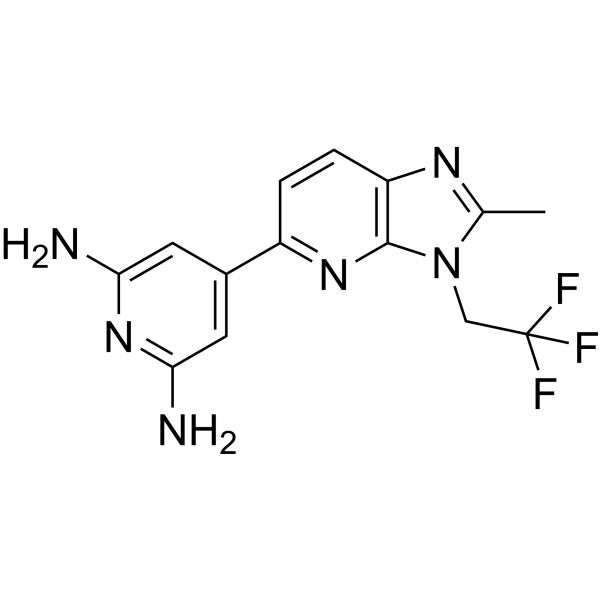
    NAMPT activator-7 (Compound 232) is an activator for nicotinamide phosphoribosyltransferase (NAMPT), with EC50 < 0.5 μM. NAMPT activator-7 activates NAMPT in cells U2OS with cellular EC50 of < 0.5 μM .
    NAMPT activator-7
  • HY-163500

    NAMPT Cancer
    NAMPT activator-8 (Compound 278) is an activator for nicotinamide phosphoribosyltransferase (NAMPT), with EC50 < 0.5 μM. NAMPT activator-8 activates NAMPT in cells U2OS with cellular EC50 of < 0.5 μM .
    NAMPT activator-8
  • HY-128221

    SGK Inflammation/Immunology
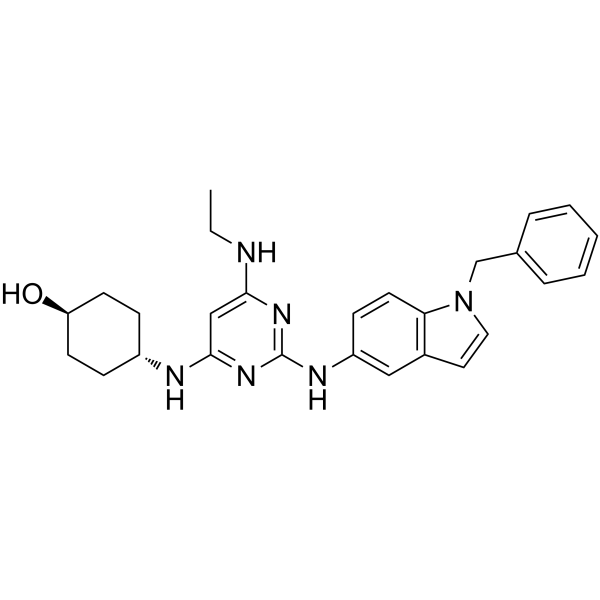
    SGK1-IN-5 (Compound 1) is an inhibitor for serum and glucocorticoid regulated kinase SGK 1 with an IC50 of 3 nM. SGK1-IN-5 inhibits SGK-1 dependent phosphorylation of GSK3β in U2OS cells with an IC50 of 1.4 μM. SGK1-IN-5 can be used in research about osteoarthritis or rheumatism .
    SGK1-IN-5
  • HY-114208

    Histone Methyltransferase Cancer
    BI-9321, a chemical probe, is a potent, selective and cellular active nuclear receptor-binding SET domain 3 (NSD3)-PWWP1 domain antagonist with a Kd value of 166 nM. BI-9321 is inactive against NSD2-PWWP1 and NSD3-PWWP2. BI-9321 specifically disrupts histone interactions of the NSD3-PWWP1 domain with an IC50 of 1.2 μM in U2OS cells .
    BI-9321
  • HY-151500A

    Amine N-methyltransferase Metabolic Disease
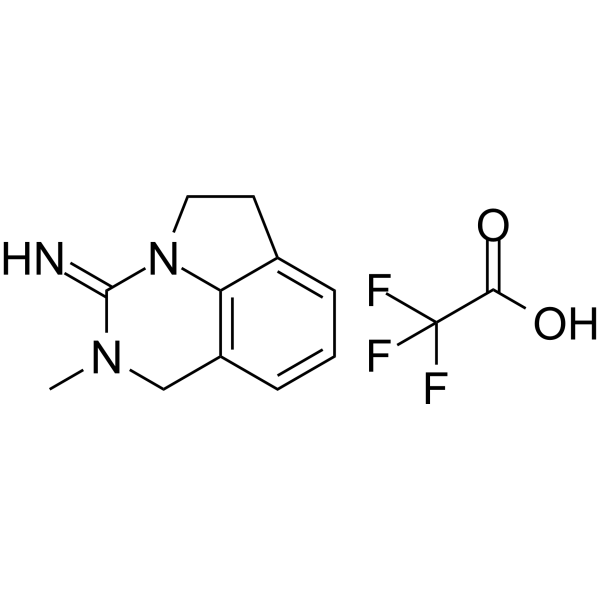
    JBSNF-00002 TFA is an orally active small molecule inhibitor of the tricyclic nicotinamide N-methyltransferase (NNMT) with IC50 values for human, mouse and monkey sources of NNMT of 33, 210 and 190 nM respectively. JBSNF-00002 TFA can reduce endogenous MNA levels in U2OS osteosarcoma cells, with its EC50 being 2.5 μM. JBSNF-00002 TFA exhibits significant anti-obesity and anti-diabetic activities in the diet-induced obesity (DIO) model. JBSNF-00002 TFA can be used for the study of metabolic diseases such as obesity, type 2 diabetes and non-alcoholic fatty liver disease .
    JBSNF-000028 TFA
  • HY-D2188

    Deubiquitinase Cancer
    IMP-2373 is a low-toxicity activity-based probe targeting covalent pan-deubiquitinase (DUB), which modulates and monitors DUB activity via covalent binding to the catalytic cysteine and active site of DUB. IMP-2373 enables real-time tracking of dynamic intracellular DUB activity in physiologically relevant living cell systems, and quantitative analysis of activity changes induced by pharmacological inhibition or MYC dysregulation. IMP-2373 can be used for research on related diseases such as B-cell lymphoma .
    IMP-2373
  • HY-N10073

    Others Cancer
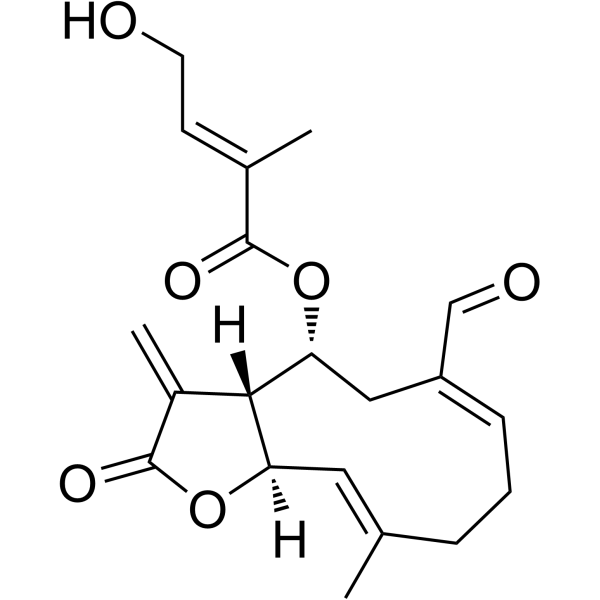
    Eupahualin C is a sesquiterpene lactone that can be isolated from Eupatorium hualienense. Eupahualin C shows cytotoxicity to K562 and U2OS cancer cells .
    Eupahualin C
  • HY-151500C

    Amine N-methyltransferase Metabolic Disease
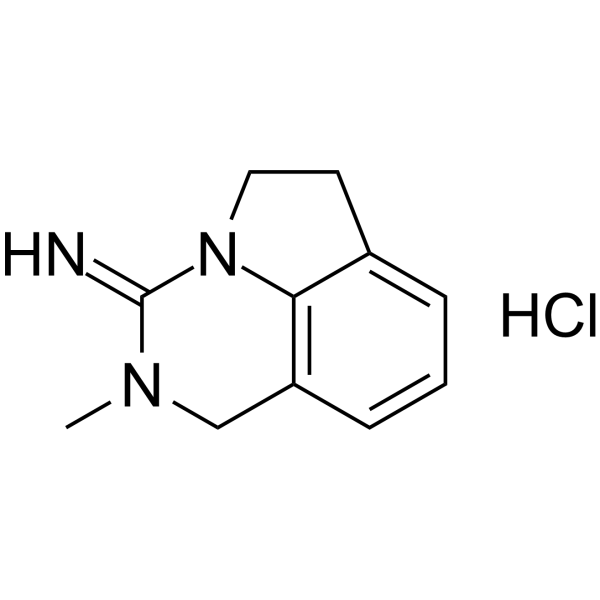
    JBSNF-00002 is an orally active small molecule inhibitor of the tricyclic nicotinamide N-methyltransferase (NNMT) with IC50 values for human, mouse and monkey sources of NNMT of 33, 210 and 190 nM respectively. JBSNF-00002 can reduce endogenous MNA levels in U2OS osteosarcoma cells, with its EC50 being 2.5 μM. JBSNF-00002 exhibits significant anti-obesity and anti-diabetic activities in the diet-induced obesity (DIO) model. JBSNF-00002 can be used for the study of metabolic diseases such as obesity, type 2 diabetes and non-alcoholic fatty liver disease .
    JBSNF-000028
  • HY-148246

    TGF-β Receptor Cancer
    MU1700, a chemical probe, is an orally active and potent ALK1/2 inhibitor with IC50s of 13 nM and 6 nM, respectively. MU1700 shows cell membrane permeability and high brain permeability .
    MU1700
  • HY-I0450

    Drug Derivative Cancer
    Anticancer agent 265 (compound 1) is an anticancer compound. Anticancer agent 265 exhibits in vitro anticancer activity against three human bone cancer lines, U2OS, Saos-2, and GC9811, with IC50 values ​​of 13.1, 11.7, and 14.6 μM, respectively .
    Anticancer agent 265
  • HY-169296

    IMPDH Cancer
    IMPDH2-IN-4 (Compound 2d) is a selective IMPDH2 inhibitor with a Ki,app value of 1.8 μM. IMPDH2-IN-4 exhibits anti-cancer activity against osteosarcoma. IMPDH2-IN-4 can be used in research related to osteosarcoma .
    IMPDH2-IN-4

Inquiry Online

Your information is safe with us. * Required Fields.

Salutation


Country or Region *

Applicant Name *


Organization Name *

Department *


Email Address *


Product Name *

Cat. No.


Requested quantity *

Phone Number *


Remarks

Inquiry Online

Inquiry Information

Product Name:
Cat. No.:
Quantity:
MCE Japan Authorized Agent:

