Search Result
Results for "
Xanthone
" in MedChemExpress (MCE) Product Catalog:
| Cat. No. |
Product Name |
Target |
Research Areas |
Chemical Structure |
-
- HY-N0126
-
|
|
Environmental Pollutants
Calcium Channel
Monoamine Oxidase
|
Cardiovascular Disease
Neurological Disease
|
|
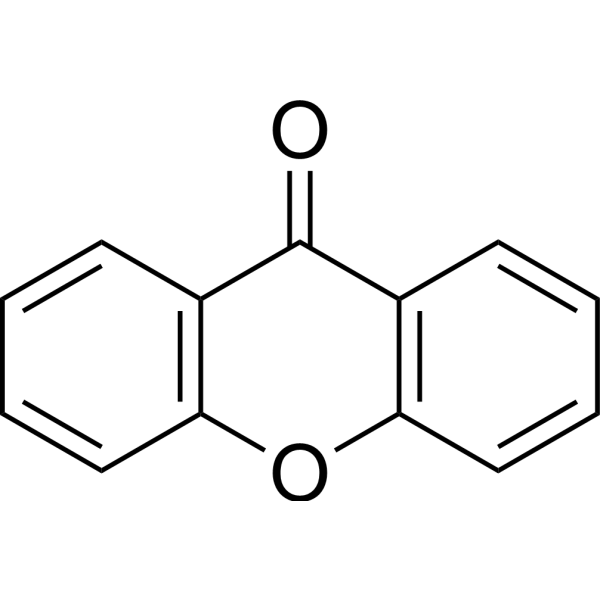
Xanthone is a monoamine oxidase A (MAO-A) inhibitor with an IC50 of 0.84 µM. Xanthon inhibits Norepinephrine (HY-13715) and high-K +-induced vasoconstriction with IC50 values of 60.26 μM and 82.9 μM, respectively. Xanthon increases intracellular cyclic adenosine 3′,5′-monophosphate (cAMP) content and blocks Ca 2+ channels. Xanthone is the scaffold of several pharmacologically active compounds .
|
-
-
- HY-N3347
-
|
Maclurin
|
Others
|
Others
|
|
Macurin is a xanthone that can be isolated from Garcinia lancilimba .
|
-
-
- HY-N0772
-
|
|
VEGFR
NOD-like Receptor (NLR)
NF-κB
Bacterial
AMPK
Acetyl-CoA Carboxylase
Apoptosis
Reactive Oxygen Species (ROS)
HSV
Drug Derivative
|
Infection
Metabolic Disease
Inflammation/Immunology
Cancer
|
|
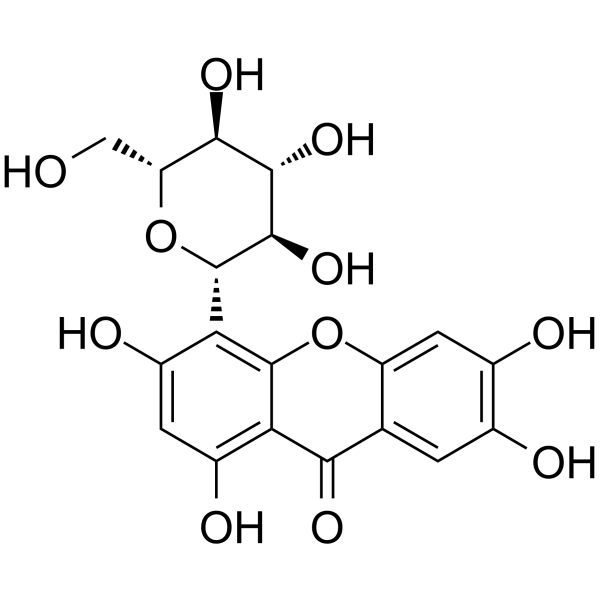
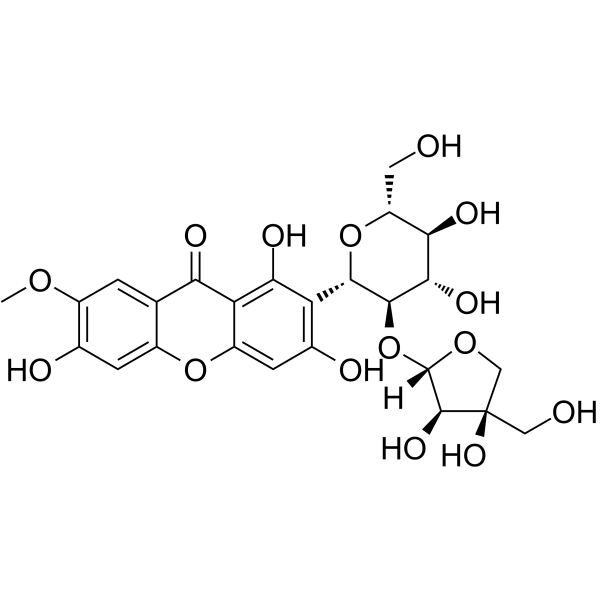
Isomangiferin is an orally active xanthone C-glucoside, and its chemical structure is similar to Mangiferin (HY-N0290). Isomangiferin is an effective VEGFR-2 kinase inhibitor, which can induces cell apoptosis, inhibit the growth, metastasis and angiogenesis of breast cancer. Isomangiferin exerts anti-inflammatory effects by inhibiting the HMGB1/NLRP3/NF-κB signaling pathway, thereby improving the renal function indicators of diabetic mice. Isomangiferin exhibits inhibitory effects on various bacteria and herpes simplex virus type 1 (HSV-1). Isomangiferin promotes the migration and osteogenic differentiation of bone marrow mesenchymal stem cells (BMSCs) and reduces cell apoptosis and the production of ROS by activating the AMPK/ACC pathway, thereby facilitating fracture healing .
|
-
-
- HY-N2795
-
|
Xanthone I
|
Parasite
Bacterial
|
Infection
|
|
9-Hydroxycalabaxanthone (Xanthone I) is a known xanthone isolated from Garcinia mangostana Linn. 9-Hydroxycalabaxanthone has quorum-sensing inhibitory, anti-microbial, and anti-malarial activities (IC50=1.2-1.5 μM) .
|
-
-
- HY-W031510
-
|
|
Drug Derivative
|
Cancer
|
|
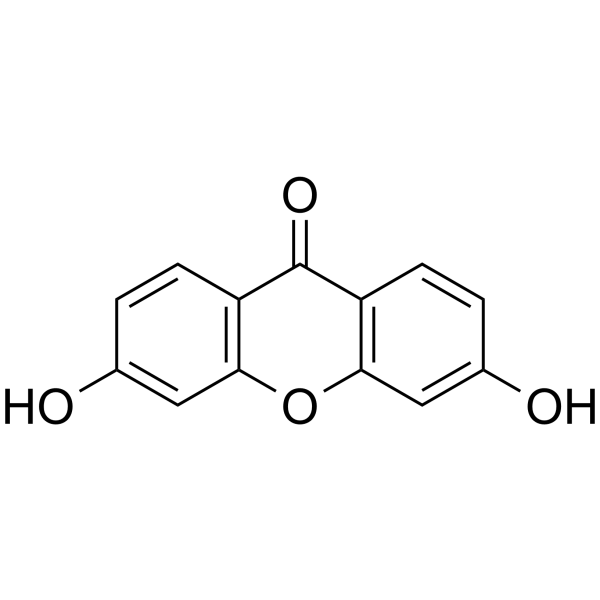
3,6-Dihydroxyxanthone (compound 3) is a xanthone derivatives. 3,6-Dihydroxyxanthone (compound 3) has anticancer activity. 3,6-Dihydroxyxanthone (compound 3) can be used for cancer research .
|
-
-
- HY-N3883
-
|
|
Autophagy
|
Neurological Disease
Cancer
|
|
Euxanthone, a xanthone derivative, attenuates Aβ1-42-induced oxidative stress and apoptosis by triggering autophagy. Euxanthone exhibits anti-neoplastic and neuroprotective activities .
|
-
-
- HY-123901
-
|
|
Apoptosis
|
Cancer
|
|
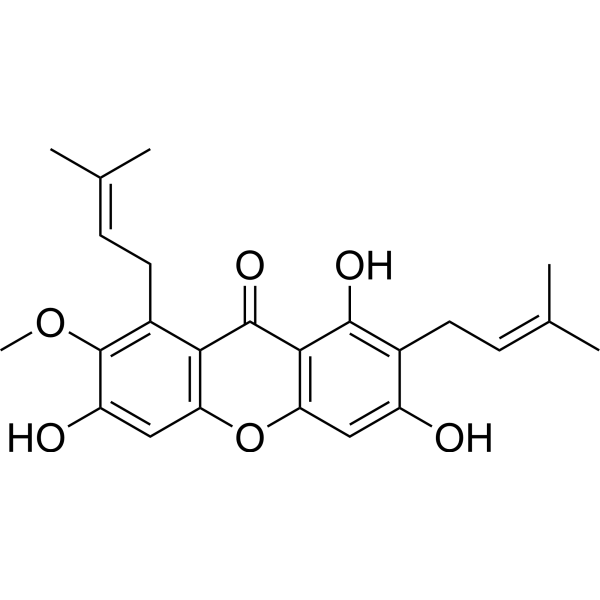
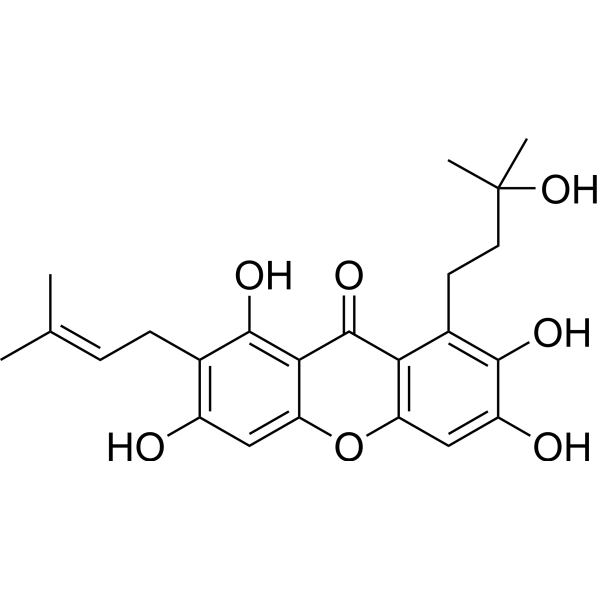
Garcinone E is a natural xanthone found in the rind of the mangosteen fruit. Garcinone E induces apoptosis and inhibits cancer cell migration. Garcinone E has anticancer effects on different human cancer cell lines, including colorectal, breast, and hepatocellular carcinomas .
|
-
-
- HY-N2050
-
|
Desmethylbellidifolin
|
Others
|
Neurological Disease
Inflammation/Immunology
|
|
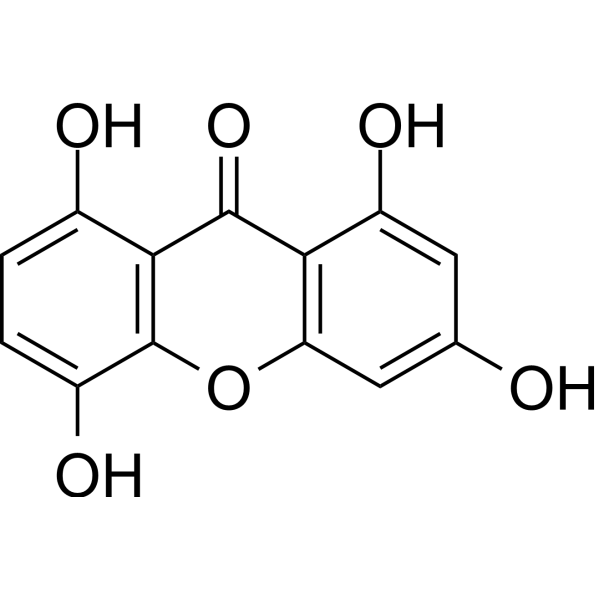
1,3,5,8-Tetrahydroxyxanthone (Desmethylbellidifolin) is a natural xanthone extracted from Swertia chirata. 1,3,5,8-Tetrahydroxyxanthone has antispasmodic effect and anti-inflammatory activity .
|
-
-
- HY-N10678
-
|
|
Others
|
Cancer
|
|
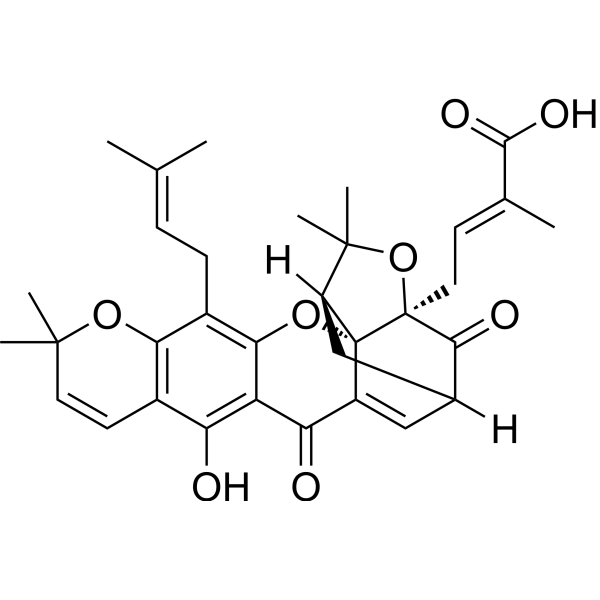
R-30-Hydroxygambogic acid is polyprenylated xanthone epimer that can be isolated from gamboges of Garcinia hanburyi. R-30-Hydroxygambogic acid shows cytotoxicities to Human Leukemia K562 cell lines of IC50 values of 2.89 and 1.27 μM for K562/R and K562/S, respectively. R-30-Hydroxygambogic acid can be used for the research of cancer .
|
-
-
- HY-N6248
-
|
|
Bacterial
|
Infection
|
|
Cowaxanthone B is a xanthone isolated from the fruits of Garcinia cowa. Cowaxanthone B has weak antibacterial activity .
|
-
-
- HY-N10985
-
|
|
Drug Derivative
|
Cancer
|
|
Xanthone V1a, a derivative of Xanthone (HY-N0126), is an antioxidant that can be found in the roots of Cudrania tricuspidata and twig extracts of Maclura fruticosa. Xanthone V1a exerts cytotoxic effects against colon, hepatocellular, and gastric carcinoma cells. Xanthone V1a exhibits scavenging activitys against DPPH and ABTS. Xanthone V1a can be used for the research of colon carcinoma, hepatocellular carcinoma, and gastric carcinoma .
|
-
-
- HY-N9113
-
|
|
Others
|
Cardiovascular Disease
|
|
1,3,5,6-Tetrahydroxyxanthone is a natural xanthone that can be isolated from Garcinia achachairu Rusby (Clusiaceae) branches. 1,3,5,6-Tetrahydroxyxanthone induces diuresis and saluresis in normotensive and hypertensive rats .
|
-
-
- HY-N8727
-
|
|
Others
|
Cancer
|
|
Isomorellic acid is a cytotoxic caged xanthone and can be used for cancer research .
|
-
-
- HY-N3647
-
|
|
Others
|
Others
|
|
Cudraxanthone D is a Xanthones product that can be isolated from the roots of Cudrania tricuspidata .
|
-
-
- HY-N6803
-
|
|
Others
|
Neurological Disease
|
|
Polygalaxanthone XI, a xanthone glycoside isolated from the cortexes of Polygala tenuifolia, can be used in the study of expectorant, and tranquilizing agent .
|
-
-
- HY-N2964
-
|
|
Others
|
Others
|
|
BR-xanthone A is a xanthone that can be extracted from the dried husk of mangosteen.
|
-
-
- HY-N0126R
-
|
|
Reference Standards
Monoamine Oxidase
Calcium Channel
|
Cardiovascular Disease
Neurological Disease
|
|
Xanthone (Standard) is the analytical standard of Xanthone (HY-N0126). This product is intended for research and analytical applications. Xanthone is a monoamine oxidase A (MAO-A) inhibitor with an IC50 of 0.84 µM. Xanthon inhibits Norepinephrine (HY-13715) and high-K +-induced vasoconstriction with IC50 values of 60.26 μM and 82.9 μM, respectively. Xanthon increases intracellular cyclic adenosine 3′,5′-monophosphate (cAMP) content and blocks Ca 2+ channels. Xanthone is the scaffold of several pharmacologically active compounds .
|
-
-
- HY-N3347R
-
-
-
- HY-N0983
-
|
|
Bacterial
|
Inflammation/Immunology
|
|
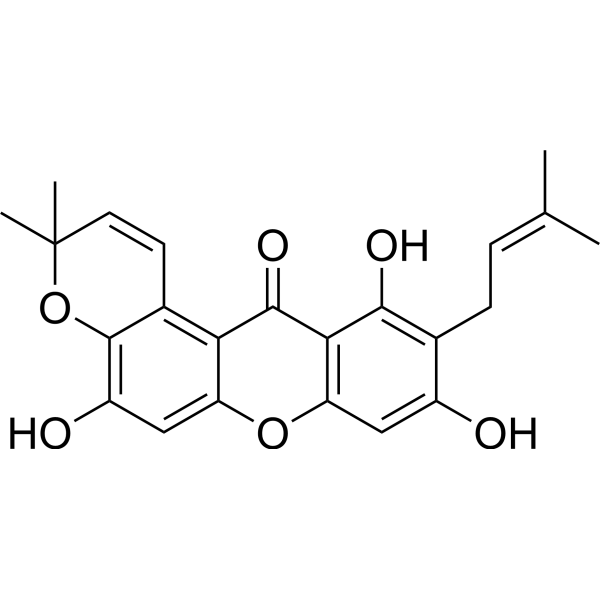
1,3,7-Trihydroxy-2-prenylxanthone, a xanthone, shows weaker antibacterial activity. 1,3,7-Trihydroxy-2-prenylxanthone exhibits the MIC values of 6.25 mg/ml against VREs strains (E. faecalis, E. faecium, and E. gallinarum) .
|
-
-
- HY-N2171
-
|
|
Others
|
Others
|
|
Sibiricaxanthone B is a xanthone isolated from Polygala tenuifolia .
|
-
-
- HY-N8897
-
|
|
Others
|
Others
|
|
Ugaxanthone is a Xanthones product that can be isolated from the herbs of Symphonia globulifera L. .
|
-
-
- HY-N1868
-
|
|
Others
|
Others
|
|
3-Prenyl-2,4,6-trihydroxybenzophenone is a Xanthones product that can be isolated from the herbs of Garcinia cowa .
|
-
-
- HY-N0986
-
|
|
Others
|
Cancer
|
|
1,4,5,6-Tetrahydroxy-7-(3-methylbut-2-enyl)xanthone is a nature product that could be isolated from the stem barks of Garcinia xanthochymus. 1,4,5,6-Tetrahydroxy-7-(3-methylbut-2-enyl)xanthone has antiproliferative active. 1,4,5,6-Tetrahydroxy-7-(3-methylbut-2-enyl)xanthone can be used in research of cancer .
|
-
-
- HY-N8557
-
|
|
Others
|
Others
|
|
1,5-Dihydroxyxanthone (Compound 5) is a xanthone that can be isolated from the root of Garcinia cowa .
|
-
-
- HY-N1651
-
|
|
Others
|
Others
|
|
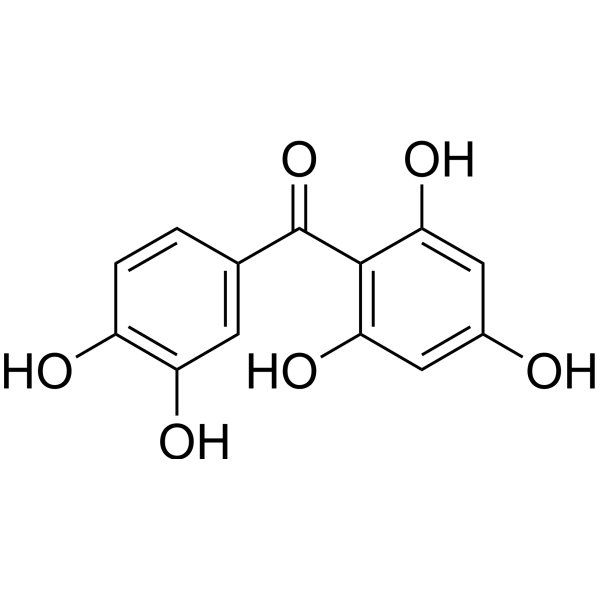
2,3',4,6-Tetrahydroxybenzophenone, a kind of benzophenone, is the immediate precursor of xanthones in higher plants .
|
-
-
- HY-N8455
-
|
AssiguXanthone A
|
Parasite
|
Infection
|
|
Isocudraniaxanthone A is a xanthone that can be isolated from Garcinia vieillardii. Isocudraniaxanthone A has antimalarial activity against chloroquino-resistant strains of Plasmodium falciparum with an IC50 of 2.3 μg/mL .
|
-
-
- HY-N8338
-
|
|
Parasite
|
Infection
|
|
Pancixanthone A is a xanthone that can be isolated from Garcinia vieillardii. Pancixanthone A has antimalarial activity against chloroquino-resistant strains of Plasmodium falciparum with an IC50 of 1.6 μg/mL .
|
-
-
- HY-N8424
-
|
|
Others
|
Cancer
|
|
1,5,6-Trihydroxy-3-methoxyxanthone is a xanthone that can be found in Hypericum perforatum L.. 1,5,6-Trihydroxy-3-methoxyxanthone shows antioxidant activity and cytotoxicity .
|
-
-
- HY-N10677
-
|
|
Others
|
Cancer
|
|
S-30-Hydroxygambogic acid is polyprenylated xanthone epimer that can be isolated from gamboges of Garcinia hanburyi. S-30-Hydroxygambogic acid shows cytotoxicities to Human Leukemia K562 cell lines of IC50 values of 4.49 and 3.61 μM for K562/R and K562/S, respectively. S-30-Hydroxygambogic acid can be used for the research of cancer .
|
-
-
- HY-N10836
-
|
|
Others
|
Others
|
|
Montixanthone is a xanthone that can be found in Cudrania fruticosa .
|
-
-
- HY-N9045
-
|
|
Others
|
Others
|
|
7-Prenyljacareubin is a natural xanthone found in Garcinia gardneriana .
|
-
-
- HY-N4304
-
|
|
Others
|
Cancer
|
|
Gambogellic acid is an xanthone isolated from the processed gamboge, with antitumor activity .
|
-
-
- HY-N6247
-
|
|
Others
|
Others
|
|
Fuscaxanthone C is an xanthone isolated from the stem bark of Garcinia fusca .
|
-
-
- HY-N3784
-
|
|
Others
|
Others
|
|
Drimiopsin C is a Xanthones product that can be isolated from the herbs of Scilla scilloides .
|
-
-
- HY-N3189
-
|
|
Others
|
Others
|
|
Nigrolineaxanthone V is a Xanthones product that can be isolated from the fruits of Garcinia mangostana L. .
|
-
-
- HY-N9041
-
|
|
Others
|
Others
|
|
Pyranojacareubin is a Xanthones product that can be isolated from the stem barks of Calophyllum inophyllum. .
|
-
-
- HY-N9152
-
|
|
Others
|
Others
|
|
Parvifolixanthone B is a Xanthones product that can be isolated from the twigs of Garcinia parvifolia. .
|
-
-
- HY-N12794
-
|
|
Others
|
Others
|
|
1,2,3-Trimethoxyxanthone is a xanthone and can be isolated from Psorospermum adamauense .
|
-
-
- HY-N8252
-
|
|
Antibiotic
|
Infection
|
|
Xanthoquinodin A1 is an anticoccidial antibiotic having a new xanthone-anthraquinone conjugate system .
|
-
-
- HY-N9001
-
|
|
Others
|
Others
|
|
Cadensin D is a Xanthones product that can be isolated from the stems and leaves of Hypericum japonicum. .
|
-
-
- HY-N3295
-
|
|
Others
|
Inflammation/Immunology
|
|
Mesuaxanthone A is a xanthone with anti-inflammatory activities. Mesuaxanthone A shows typical CNS depressant effects .
|
-
-
- HY-N1197
-
|
1,4,5-TrihydroxyXanthone
|
Others
|
Others
|
|
Subelliptenone G is a simple oxygenated xanthone that can be isolated from the root bark of Garcinia subelliptica .
|
-
-
- HY-N9370
-
|
|
Fungal
|
Infection
|
|
Isobellidifolin, a xanthone, is a free radical scavenger and antioxidant compound. Isobellidifolin has potent antifungal effect .
|
-
-
- HY-168063
-
|
|
Bacterial
|
Infection
|
|
Antibiofilm agent-11 (compound C12) is a xanthone derivative with anti-biofilm activity .
|
-
-
- HY-N8891
-
|
|
Others
|
Others
|
|
1,2,5-Trihydroxyxanthone is a Xanthones product that can be isolated from the barks of Garcinia tetralata. .
|
-
-
- HY-N9219
-
|
|
Others
|
Others
|
|
2,5-Dihydroxyxanthone is a Xanthones product that can be isolated from the stem barks of Garcinia tetrandra .
|
-
-
- HY-N9269
-
|
|
Others
|
Others
|
|
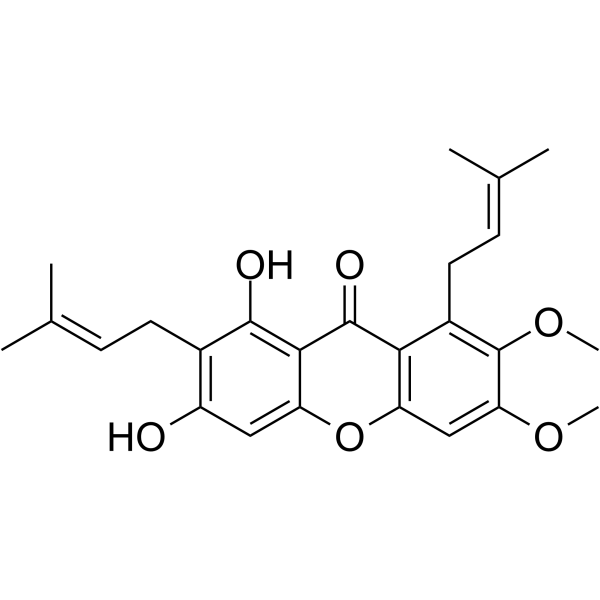
1,7-Dihydroxy-2,3-dimethoxyxanthone is a xanthone that can be found in Polygala cyparissias .
|
-
-
- HY-N12786
-
|
|
Others
|
Others
|
|
1,3-Dihydroxy-2-methoxyxanthone is a xanthone and can be isolated from Polygala caudata .
|
-
-
- HY-N8665
-
|
|
Others
|
Others
|
|
1,7-Dihydroxy-4-methoxyxanthone is a Xanthones product that can be isolated from the woods of Cratoxylum maingayi. .
|
-
-
- HY-N1843
-
|
|
Bacterial
|
Infection
|
|
3-Isomangostin hydrate (Compound 17) is an xanthone that can be isolated from Cratoxylum formosum ssp. pruniflorum and exhibits antibacterial activity .
|
-
- HY-N8732
-
|
|
Others
|
Others
|
|
1,7-Dimethoxy-2,3-methylenedioxyxanthone is a Xanthones product that can be isolated from the roots of Polygala tenuifolia .
|
-
- HY-N1623
-
-
- HY-N3324
-
|
(+)-Mangostanol
|
Phosphodiesterase (PDE)
|
Others
|
|
Mangostanol ((+)-Mangostanol) is a polyoxygenated xanthone mangostanol, which can be isolated from the shell of Garcinia mangostana, and has inhibitory effect on cAMP phosphodiesterase (PDE) .
|
-
- HY-N2872
-
|
|
Others
|
Others
|
|
Angustin A (1,8-Dihydroxy-4,6,7-trimethoxyxanthone) is a xanthones that can be isolated from the aerial parts of Swertia angustifolia .
|
-
- HY-N9341
-
|
|
Autophagy
|
Cancer
|
|
Norswertianin, a xanthone compound, serves as a powerful anti-glioma compound. Norswertianin induces GBM cells differentiation through oxidative stress and Akt/mTOR dependent autophagy .
|
-
- HY-N1000
-
|
|
Others
|
Others
|
|
1,7-Dihydroxy-3-methoxy-2-prenylxanthone is a Xanthones product that can be isolated from the fruits of Garcinia mangostana .
|
-
- HY-N8857
-
|
|
Reactive Oxygen Species (ROS)
|
Others
|
|
Parvifolixanthone A is a xanthone compound that can be isolated from Garcinia parvifolia. Parvifolixanthone A exhibits antioxidant activity with IC50 of submicromolar level (0.18–0.38 μM) .
|
-
- HY-162252
-
|
|
Sirtuin
|
Others
|
|
SIRT2-IN-12 (Compound 3) is a SIRT2 inhibitor with a IC50 value of 50 μM .
|
-
- HY-186195
-
|
|
Drug Derivative
|
Cancer
|
|
Methyl-cudratricusxanthone B is a derivative of Xanthone (HY-N0126), and a derivative of Cudratricusxanthone B. Xanthone is a monoamine oxidase A (MAO-A) inhibitor with an IC50 of 0.84 µM .
|
-
- HY-N7380
-
-
- HY-N12801
-
|
|
Others
|
Others
|
|
3-Hydroxy-1,2-dimethoxyxanthone is a xanthone derivative and can be isolated from Polygala nitida .
|
-
- HY-N8345
-
|
|
Others
|
Others
|
|
Isocudraniaxanthone B (compound 10) is a kind of xanthone. Isocudraniaxanthone B can be isolated from Calophyllum caledonicum. Isocudraniaxanthone B has antimalarial activity with an IC50 value of 3.2 μg/mL .
|
-
- HY-N10982
-
|
|
Others
|
Others
|
|
3,8-Dihydroxy-1,2-dimethoxyxanthone is a xanthone compound found in the leaves and stems of Hypericum geminiflorum .
|
-
- HY-N15136
-
|
|
Apoptosis
|
Cancer
|
|
Isomorellinol is a xanthone with an anticancer potency. Isomorellinol induces apoptosis in cholangiocarcinoma cells. Isomorellinol increases the Bax/Bcl-2 protein expression ratio and decreases survivin protein expression in cholangiocarcinoma cells .
|
-
- HY-N9034
-
-
- HY-N17974
-
|
|
Others
|
Cancer
|
|
8,8a-Dihydro-8-hydroxymorellic acid is a polyprenylated xanthone found in the resin of Garcinia hanburyi. 8,8a-Dihydro-8-hydroxymorellic acid shows cytotoxic against cancer cells .
|
-
- HY-N3927
-
-
- HY-N16708
-
-
- HY-167730
-
-
- HY-N16704
-
-
- HY-N17054
-
-
- HY-N17019
-
-
- HY-201278
-
-
- HY-N16777
-
-
- HY-N13785
-
-
- HY-N16693
-
-
- HY-N13835
-
-
- HY-N13777
-
-
- HY-N8772
-
-
- HY-N3465
-
|
|
Others
|
Others
|
|
Isonormangostin is a Xanthones product that can be isolated from the fruits of Garcinia mangostana .
|
-
- HY-N7499
-
|
|
Others
|
Others
|
|
Sibiricaxanthone A, a xanthone C-glycoside, is isolated from the roots of Polygala sibirica .
|
-
- HY-N8895
-
|
|
Others
|
Others
|
|
Onjixanthone II is a Xanthones product that can be isolated from the roots of Polygala tenuifolia. .
|
-
- HY-N2873
-
|
|
Others
|
Others
|
|
Angustin B is a Xanthones product that can be isolated from the aerial parts of Swertia angustifolia. .
|
-
- HY-N4293
-
|
|
Others
|
Others
|
|
1,2,3,7-Tetramethoxyxanthone is a xanthone isolated from Polygala tenuifolia .
|
-
- HY-N9138
-
|
|
Others
|
Others
|
|
Tovopyrifolin C is a Xanthones product that can be isolated from the stem barks of Calophyllum venulosum. .
|
-
- HY-N16770
-
-
- HY-N17015
-
-
- HY-N13737
-
-
- HY-N1297
-
|
NSC380470
|
Others
|
Others
|
|
Sesartemin (NSC380470) is a Xanthones product that can be isolated from the stem barks of Calophyllum inophyllum. .
|
-
- HY-115480
-
|
|
Others
|
Others
|
|
1,3,5-Trihydroxyxanthone is a Xanthones product that can be isolated from the herbs of Calophyllum inophyllum L. .
|
-
- HY-N13743
-
|
|
Others
|
Others
|
|
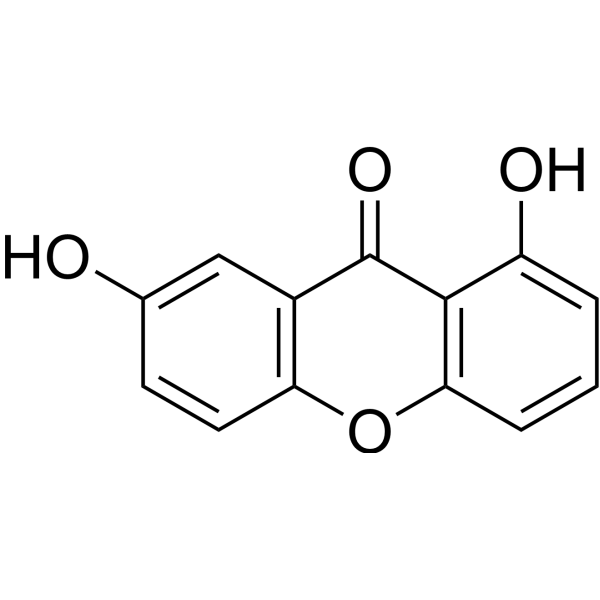
2,7-Dihydroxyxanthone is a xanthone compound that can be isolated from the aerial parts (stems and bark) of Mammea acuminata .
|
-
- HY-124365
-
|
|
Others
|
Infection
Cancer
|
|
Rhamnetin tetraacetate (compound 4) is a xanthone compound with antiplatelet activity. Rhamnetin tetraacetate inhibited platelet aggregation induced by arachidonic acid .
|
-
- HY-N8702
-
|
|
Others
|
Others
|
|
2,5-Dihydroxy-1-methoxyxanthone is a Xanthones product that can be isolated from the twigs of Mammea siamensis. .
|
-
- HY-N10157
-
|
|
Others
|
Others
|
|
1,3,7-Trihydroxy-2-methoxyxanthone is a Xanthones product that can be isolated from the roots of Polygala fallax. .
|
-
- HY-N8863
-
|
|
Others
|
Others
|
|
6-Hydroxy-1,2,3,7-tetramethoxyxanthone is a Xanthones product that can be isolated from the roots of Polygala sibirica L. .
|
-
- HY-186194
-
|
|
Drug Derivative
|
Infection
|
|
6-Methoxy-γ-mangostin is a synthetic analogue of prenylated xanthone. 6-Methoxy-γ-mangostin can be used for research on bacterial infection .
|
-
- HY-N2702
-
|
|
Others
|
Others
|
|
6-Benzoyl-5,7-dihydroxy-2,2-dimethylchromane is a Xanthones product that can be isolated from the herbs of Garcinia cowa .
|
-
- HY-N2768
-
|
|
Others
|
Others
|
|
8-Benzoyl-5,7-dihydroxy-2,2-dimethylchromane is a Xanthones product that can be isolated from the herbs of Garcinia cowa .
|
-
- HY-N9156
-
|
|
Others
|
Others
|
|
Methyl 1,6-dihydroxy-3-methylxanthone-8-carboxylate is a Xanthones product that can be isolated from the roots of Polygala tenuifolia Willd .
|
-
- HY-N9261
-
|
|
Others
|
Others
|
|
3-(3-Hydroxy-3-methylbutanyl)-2,4,6-trihydroxybenzophenone is a Xanthones product that can be isolated from the herbs of Garcinia cowa. .
|
-
- HY-N6038
-
|
|
Autophagy
Fungal
|
Cancer
|
|
Gartanin is a natural xanthone of mangosteen, with antioxidant, anti-inflammatory, antifungal, neuroprotective and antineoplastic properties. Gartanin induces cell cycle arrest and autophagy and suppresses migration in human glioma cells .
|
-
- HY-N18661
-
|
|
Bacterial
|
Infection
Inflammation/Immunology
|
|
Garcinia mangostana extract, derived from the fruit of the mangosteen tree, is highly valued for its rich content of xanthones, benzophenones, flavonoids, and polyphenols, which contribute to its potent antioxidant, anti-inflammatory, and antimicrobial properties.
|
-
- HY-N12785
-
|
|
Others
|
Cardiovascular Disease
|
|
Methoxy-2,3-methylenedioxyxanthone (Compound 5) is a xanthone that can be isolated from the roots of Polygala caudata. Methoxy-2,3-methylenedioxyxanthone has antioxidant and vasodilatory effects .
|
-
- HY-114716
-
|
|
Bacterial
Reactive Oxygen Species (ROS)
|
Cancer
|
|
Jacareubin is a xanthone compound that can be isolated from Calophyllum brasiliense. Jacareubin has antibacterial, antioxidant, gastroprotective properties, and also has certain cancer cell toxicity, which can be used in cancer research .
|
-
- HY-149373
-
|
|
Angiotensin-converting Enzyme (ACE)
SARS-CoV
|
Infection
|
|
Garcinone B, a xanthone derivative, is a nature product that could be isolated from the pericarp of Mangosteen. Garcinone B is a potent ACE2 and Mpro inhibitor. Garcinone B can be used in research of COVID-19 .
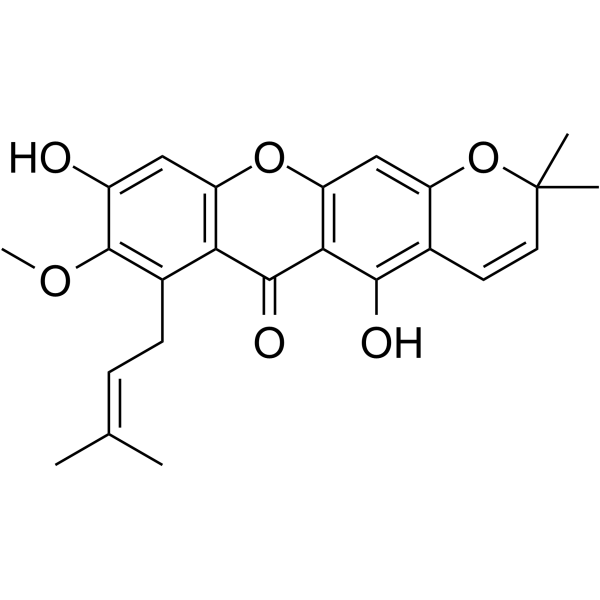
|
-
- HY-182461
-
|
|
Bacterial
|
Infection
|
|
Deoxymorellin is a caged xanthone found in resins and fruits of Garcinia hanburyi hook. f.. Deoxymorellin exhibits cytotoxicity. Deoxymorellin can be used for research of Methicillin (HY-121544)-resistant or Methicillin-susceptible Staphylococcus aureus .
|
-
- HY-N8362
-
|
|
Lipase
|
Metabolic Disease
|
|
1-Isomangostin is an inhibitor of pancreatic lipase. 1-Isomangostin inhibits porcine pancreatic lipase with an IC50 of 34.5 μM. 1-Isomangostin has anti-obesity activity .
|
-
- HY-N16515
-
|
|
Drug Derivative
|
Metabolic Disease
|
|
Dulcisxanthone B is an antioxidant agent with free radical scavenging against DPPH (IC50 of 0.39 mM) and lipid peroxidation inhibition (IC50 of 024 μM) .
|
-
- HY-N3928
-
|
|
Others
|
Neurological Disease
|
|
Garciniaxanthone E is a xanthone compound. Garciniaxanthone E significantly enhances cellular nerve growth factor (NGF)-mediated neurite outgrowth in PC12D cells. Garciniaxanthone E contributes to basic research and medicinal development in neurodegenerative diseases .
|
-
- HY-N15655
-
|
|
Bacterial
|
Infection
|
|
Ravenelin is a xanthone that can be isolated from the endophytic fungus Exserohilum rostratum. Ravenelin exhibits antiprotozoal and antibacterial activity. Ravenelin is active against gram-positive bacterial strains. Ravenelin can be studied for hit-to-lead development, especially for Chagas Disease .
|
-
- HY-N6038R
-
|
|
Reference Standards
Autophagy
Fungal
|
Cancer
|
|
Gartanin (Standard) is the analytical standard of Gartanin. This product is intended for research and analytical applications. Gartanin is a natural xanthone of mangosteen, with antioxidant, anti-inflammatory, antifungal, neuroprotective and antineoplastic properties. Gartanin induces cell cycle arrest and autophagy and suppresses migration in human glioma cells .
|
-
- HY-N2707
-
|
|
Reactive Oxygen Species (ROS)
|
Neurological Disease
Cancer
|
|
6-Deoxyjacareubin is a natural xanthone, that can be isolated from the leaves of Vismia latifolia. 6-Deoxyjacareubin protects against non-apoptotic cell death by inhibiting ROS production. 6-Deoxyjacareubin ameliorates neurodegeneration in a mouse model of familial amyotrophic lateral sclerosis (ALS) .
|
-
- HY-N0328
-
-
- HY-N9715
-
|
|
Herbicide
|
Others
|
|
4-Chloropinselin is a chlorine-containing xanthone herbicide that can be isolated from Alternaria sonchi. 4-Chloropinselin is a biosynthetic precursor or degradation product of chloromonilicin and exhibits phytotoxic and antimicrobial activity. 4-Chloropinselin can inhibit the growth of weeds such as field sowthistle and suppress the proliferation of certain microorganisms .
|
-
- HY-N11457
-
|
|
Others
|
Others
|
|
Swertiaside is a natural product, that can be isolated from Swertia mussotii Franch .
|
-
- HY-N0723R
-
|
|
Reference Standards
Autophagy
p38 MAPK
TNF Receptor
Interleukin Related
PPAR
|
Metabolic Disease
Inflammation/Immunology
|
|
Neomangiferin (Standard) is the analytical standard of Neomangiferin. This product is intended for research and analytical applications. Neomangiferin is an orally active natural flavonoid. Neomangiferin partially ameliorates non-alcoholic fatty liver disease (NAFLD) by regulating the expression of genes related to free fatty acid uptake and lipid oxidation. Neomangiferin exerts anti-colitis effects by inhibiting Th17/Treg cell differentiation. Neomangiferin exerts anti-aging and lifespan-extending effects by targeting upregulation of bas-1, which in turn activates the autophagy, IIS and MAPK pathways. Neomangiferin has the potential to prevent aseptic loosening of prostheses after total joint arthroplasty due to its significant anti-inflammatory and osteoclastogenesis-inhibiting effects.
|
-
- HY-W013557
-
|
3-Hydroxy-xanthen-9-one
|
Integrin
|
Inflammation/Immunology
|
|
3-Hydroxyxanthone (3-Hydroxy-xanthen-9-one) is a xanthone compound, with . 3-Hydroxyxanthone inhibits NADPH-catalysed lipid peroxidation in human umbilical vein endothelial cells (HUVECs). 3-Hydroxyxanthone also inhibits TNF-alpha induced ICAM-1 expression .
|
-
- HY-N6009
-
|
|
Parasite
NF-κB
|
Infection
|
|
8-Deoxygartanin, a prenylated xanthones from G. mangostana, is a selective inhibitor of butyrylcholinesterase (BChE) . 8-Deoxygartanin exhibits antiplasmodial activity with an IC50 of 11.8 μM for the W2 strain of Plasmodium falciparum . 8-Deoxygartanin inhibits NF-κB (p65) activation with an IC50 of 11.3 μM .
|
-
- HY-W665338
-
|
|
Apoptosis
|
Cancer
|
|
3,6-Dimethoxy-9H-xanthen-9-one is a Xanthone (HY-N0126) derivative. 3,6-Dimethoxy-9H-xanthen-9-one can be used to synthesize compounds with apoptosis-inducing activity in cancer cells .
|
-
- HY-N0328R
-
|
α-Mangostin (Standard)
|
Fungal
Reactive Oxygen Species (ROS)
Bacterial
Apoptosis
Virus Protease
Reference Standards
|
Cancer
|
|
alpha-Mangostin (Standard) is the analytical standard of alpha-Mangostin. This product is intended for research and analytical applications. alpha-Mangostin (α-Mangostin) is a dietary xanthone with broad biological activities, such as antioxidant, anti-allergic, antiviral, antibacterial, anti-inflammatory and anticancer effects. It is an inhibitor of mutant IDH1 (IDH1-R132H) with a Ki of 2.85 μM.
|
-
- HY-N1407
-
|
|
Cytochrome P450
STAT
|
Infection
Inflammation/Immunology
|
|
Polygalaxanthone III is a representative xanthone component of Polygala tenuifolia. Polygalaxanthone III inhibits chlorzoxazone 6-hydroxylation catalyzed by CYP2E1, with an IC50 of 50.56 μM. Polygalaxanthone III repairs skin damage induced by M. furfur via activating STAT3 phosphorylation and exerts anti-inflammatory effects. Polygalaxanthone III can be used for research on M. furfur-related skin damage .
|
-
- HY-N0985
-
|
|
Others
|
Cancer
|
|
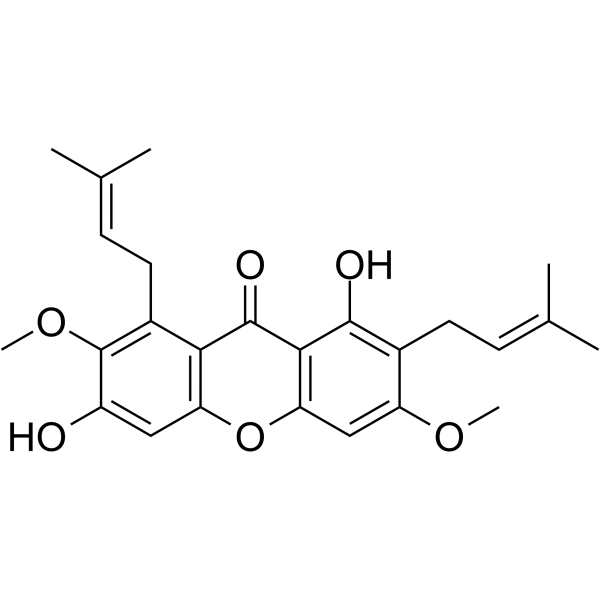
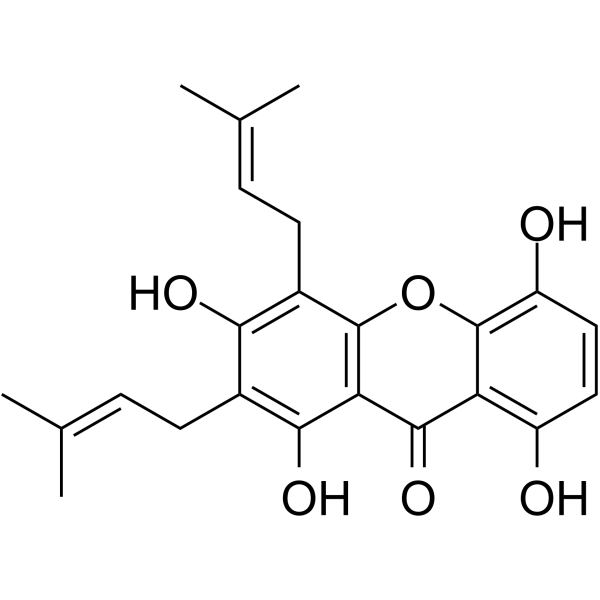
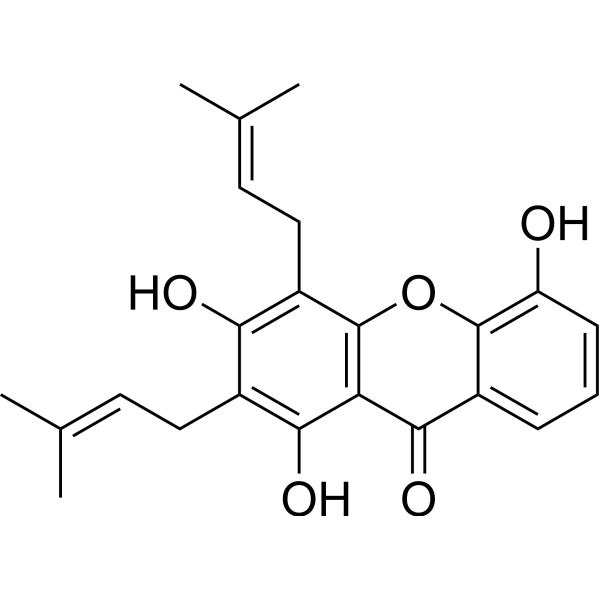
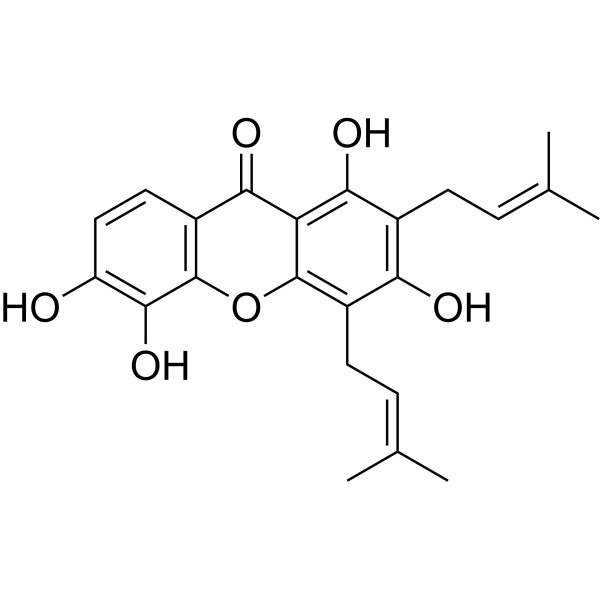
1,4,5,6-Tetrahydroxy-7,8-diprenylxanthone is a xanthone that can be isolated from Garcinia xanthochymus. 1,4,5,6-Tetrahydroxy-7,8-diprenylxanthone shows moderate cytotoxicities against MDA-MB-435S and A549 cell lines with IC50s of 1.3 and 3.86 μg/ml, respectively .
|
-
- HY-126640
-
|
|
Parasite
|
Infection
Cancer
|
|
Phomoxanthone A is a xanthone dimer, which can be isolated from Phomopsis. Phomoxanthone A exhibits antimalarial and antitubercular activities against Plasmodium falciparum (K1, multidrug-resistant strain, IC50 is 0.11 µg/mL) and Mycobacterium tuberculosis (H37Ra strain, MIC is 0.50 µg/mL). Phomoxanthone A exhibits cytotoxicity in cells KB, BC-1 and Vero, IC50 is 0.99, 0.51 and 1.4 µg/mL, respectively .
|
-
- HY-N1632
-
|
|
Drug Derivative
|
Cancer
|
|
1-Isomangostin hydrate is a semi-synthetic cyclized xanthone derivative of α-mangostin (HY-N0328), exhibiting weak cytotoxicity against HT-29 human colon cancer cells (ED50 > 20 μM). 1-Isomangostin hydrate can be used in research on colon cancer and other tumors. The natural precursor of 1-isomangostin hydrate, α-mangostin, is derived from the stem of Cratoxylum cochinchinense (a plant of the Cratoxylum genus in the Clusiaceae family) .
|
-
- HY-N0941
-
|
β-Mangostin
|
Bacterial
Parasite
Apoptosis
|
Infection
Cancer
|
|
beta-Mangostin (β-Mangostin) is a xanthone compound present in Cratoxylum arborescens, with antibacterial and antimalarial activities. beta-Mangostin exhibits antimycobacterial activity against Mycobacterium tuberculosis with an MIC of 6.25 μg/mL. beta-Mangostin possesses in vitro antimalarial activity against Plasmodium falciparum, with an IC50 of 3.00 μg/mL. beta-Mangostin has potent anticancer activity against various cancers (such as hepatocellular carcinoma, leukaemic) .
|
-
- HY-N2192
-
|
|
Bacterial
p38 MAPK
NF-κB
NO Synthase
Reactive Oxygen Species (ROS)
|
Infection
Neurological Disease
Inflammation/Immunology
|
|
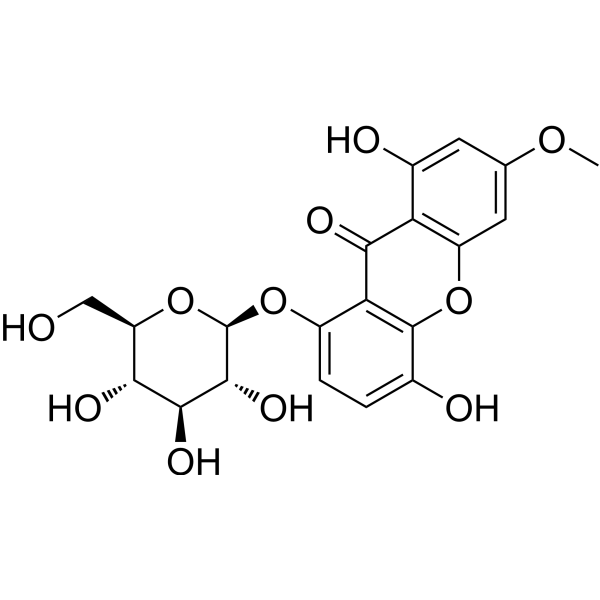
Swertianolin is a xanthone glycoside. Swertianolin can be isolated from plants of the Gentianaceae family (e.g., Gentiana campestris and Swertia punicea). Swertianolin inhibits p38 phosphorylation and NF-κB activation, and reduces NO and ROS production. Swertianolin exhibits anti-Helicobacter pylori activity with an IC50 of 6.1 μM and a minimum bactericidal concentration of 91.7 μM. Swertianolin modulates immune function in sepsis. Swertianolin is useful in the research of diseases such as Alzheimer's disease, hepatitis B, Helicobacter pylori infection, and sepsis .
|
-
- HY-N12166
-
|
|
Src
|
Cardiovascular Disease
|
|
2,3,4,6,8-Pentahydroxy-1-methylxanthone is a xanthone derivative of Wardomyces anomalus. 2,3,4,6,8-Pentahydroxy-1-methylxanthone shows significant antioxidant activities. 2,3,4,6,8-Pentahydroxy-1-methylxanthone is inhibitors of p56lck tyrosine kinase. 2,3,4,6,8-Pentahydroxy-1-methylxanthone can be used to research cardiovascular disease .
|
-
- HY-N1407R
-
|
|
Reference Standards
Cytochrome P450
STAT
|
Infection
Inflammation/Immunology
|
|
Polygalaxanthone III (Standard) is the analytical standard of Polygalaxanthone III (HY-N1407). This product is intended for research and analytical applications. Polygalaxanthone III is a representative xanthone component of Polygala tenuifolia. Polygalaxanthone III inhibits chlorzoxazone 6-hydroxylation catalyzed by CYP2E1, with an IC50 of 50.56 μM. Polygalaxanthone III repairs skin damage induced by M. furfur via activating STAT3 phosphorylation and exerts anti-inflammatory effects. Polygalaxanthone III can be used for research on M. furfur-related skin damage .
|
-
- HY-N18009
-
|
|
Bacterial
|
Infection
Cancer
|
|
1-Hydroxy-3,5-dimethoxyxanthone is a xanthone and Antibacterial agent. 1-Hydroxy-3,5-dimethoxyxanthone can be isolated from Lomatogonium rotatum. 1-Hydroxy-3,5-dimethoxyxanthone inhibits the growth of Pseudomonas aeruginosa ATCC27853 and Escherichia coli ATCC25923 with an MIC of 640 μg/mL. 1-Hydroxy-3,5-dimethoxyxanthone exhibits anticancer activity against cervical cancer, breast cancer, melanoma, liver cancer, and gastric cancer .
|
-
- HY-N18049
-
|
|
Amylases
|
Metabolic Disease
|
|
Decussatin is an α-Amylases inhibitor isolated from the Tibetan medicinal plant Swertia mussotii. By inhibiting the catalytic activity of α-Amylases, Decussatin reduces the hydrolysis of complex carbohydrates such as starch and the intestinal absorption of glucose, thereby lowering blood glucose levels in the body. Decussatin shows no significant in vitro antibacterial or antifungal activity. Decussatin can be used for the research of type 2 diabetes .
|
-
- HY-N6954
-
|
|
ATM/ATR
STAT
CDK
Hedgehog
|
Inflammation/Immunology
Cancer
|
|
Garcinone C, a xanthone derivative, is a natural compound extracted from Garcinia oblongifolia that is used as an anti-inflammatory, astringency and granulation-promoting medicine, and has potential cytotoxic effects on certain cancers. Garcinone C stimulates the expression levels of ATR and 4E-BP1, arrests the cell cycle, inhibits cell viability of the human Nasopharyngeal carcinoma (NPC) cell lines CNE1, CNE2, HK1 and HONE1 in a time‑ and dose‑dependent manner through inhibition of Hedgehog signaling pathway. Garcinone C is orally active .
|
-
- HY-N0941R
-
|
β-Mangostin (Standard)
|
Reference Standards
Bacterial
Parasite
Apoptosis
|
Infection
Cancer
|
|
beta-Mangostin (Standard) is the analytical standard of beta-Mangostin. This product is intended for research and analytical applications. beta-Mangostin (β-Mangostin) is a xanthone compound present in Cratoxylum arborescens, with antibacterial and antimalarial activities. beta-Mangostin exhibits antimycobacterial activity against Mycobacterium tuberculosis with an MIC of 6.25 μg/mL. beta-Mangostin possesses in vitro antimalarial activity against Plasmodium falciparum, with an IC50 of 3.00 μg/mL. beta-Mangostin has potent anticancer activity against various cancers (such as hepatocellular carcinoma, leukaemic) .
|
-
- HY-N2192R
-
|
|
Reference Standards
Bacterial
p38 MAPK
NF-κB
NO Synthase
Reactive Oxygen Species (ROS)
|
Infection
Neurological Disease
Inflammation/Immunology
|
|
Swertianolin (Standard) is the analytical standard of Swertianolin (HY-N2192). This product is intended for research and analytical applications. Swertianolin is a xanthone glycoside. Swertianolin can be isolated from plants of the Gentianaceae family (e.g., Gentiana campestris and Swertia punicea). Swertianolin inhibits p38 phosphorylation and NF-κB activation, and reduces NO and ROS production. Swertianolin exhibits anti-Helicobacter pylori activity with an IC50 of 6.1 μM and a minimum bactericidal concentration of 91.7 μM. Swertianolin modulates immune function in sepsis. Swertianolin is useful in the research of diseases such as Alzheimer's disease, hepatitis B, Helicobacter pylori infection, and sepsis .
|
-
- HY-N6954R
-
|
|
Reference Standards
ATM/ATR
STAT
CDK
Hedgehog
|
Inflammation/Immunology
Cancer
|
|
Garcinone C (Standard) is the analytical standard of Garcinone C. This product is intended for research and analytical applications. Garcinone C, a xanthone derivative, is a natural compound extracted from Garcinia oblongifolia that is used as an anti-inflammatory, astringency and granulation-promoting medicine, and has potential cytotoxic effects on certain cancers. Garcinone C stimulates the expression levels of ATR and 4E-BP1, arrests the cell cycle, inhibits cell viability of the human Nasopharyngeal carcinoma (NPC) cell lines CNE1, CNE2, HK1 and HONE1 in a time‑ and dose‑dependent manner through inhibition of Hedgehog signaling pathway. Garcinone C is orally active .
|
-
- HY-N0772R
-
|
|
Reference Standards
VEGFR
NF-κB
NOD-like Receptor (NLR)
AMPK
Acetyl-CoA Carboxylase
Apoptosis
Reactive Oxygen Species (ROS)
HSV
Drug Derivative
|
Infection
Metabolic Disease
Inflammation/Immunology
Cancer
|
|
Isomangiferin (Standard) is the analytical standard of Isomangiferin (HY-N0772). This product is intended for research and analytical applications. Isomangiferin is an orally active xanthone C-glucoside, and its chemical structure is similar to Mangiferin (HY-N0290). Isomangiferin is an effective VEGFR-2 kinase inhibitor, which can induces cell apoptosis, inhibit the growth, metastasis and angiogenesis of breast cancer. Isomangiferin exerts anti-inflammatory effects by inhibiting the HMGB1/NLRP3/NF-κB signaling pathway, thereby improving the renal function indicators of diabetic mice. Isomangiferin exhibits inhibitory effects on various bacteria and herpes simplex virus type 1 (HSV-1). Isomangiferin promotes the migration and osteogenic differentiation of bone marrow mesenchymal stem cells (BMSCs) and reduces cell apoptosis and the production of ROS by activating the AMPK/ACC pathway, thereby facilitating fracture healing.
|
-
- HY-179729
-
|
|
Glycosidase
|
Metabolic Disease
|
|
α-Glucosidase-IN-106 (Compound 17F) is an inhibitor of α-glucosidase with an IC50 of 14.9 μM. α-Glucosidase-IN-106 can effectively inhibit the peak of blood glucose after sucrose loading in normal mice, and shows a more significant anti-hyperglycemic effect in diabetic mice. α-Glucosidase-IN-106 can be used for research on diabetes .
|
-
| Cat. No. |
Product Name |
Category |
Target |
Chemical Structure |
- HY-N8732
-
-
- HY-N1623
-
-
- HY-N3324
-
-
- HY-N2872
-
-
- HY-N9341
-
-
- HY-N1000
-
-
- HY-N8857
-
-
- HY-N12785
-
-
- HY-N8362
-
-
- HY-N7380
-
-
- HY-N12801
-
-
- HY-N8345
-
-
- HY-N10982
-
-
- HY-N15136
-
-
- HY-N9034
-
-
- HY-N17974
-
-
- HY-N3927
-
-
- HY-N16708
-
-
- HY-167730
-
-
- HY-N16704
-
-
- HY-N17054
-
-
- HY-N17019
-
-
- HY-201278
-
-
- HY-N16777
-
-
- HY-N13785
-
-
- HY-N16693
-
-
- HY-N13835
-
-
- HY-N13777
-
-
- HY-N8772
-
-
- HY-N3465
-
-
- HY-N7499
-
-
- HY-N8895
-
-
- HY-N2873
-
-
- HY-N4293
-
-
- HY-N9138
-
-
- HY-N16770
-
-
- HY-N17015
-
-
- HY-N13737
-
-
- HY-N1297
-
-
- HY-115480
-
-
- HY-N13743
-
-
- HY-N8702
-
-
- HY-N10157
-
-
- HY-N8863
-
-
- HY-N2702
-
-
- HY-N2768
-
-
- HY-N9156
-
-
- HY-N9261
-
-
- HY-N18661
-
|
|
Structural Classification
Extract
|
Bacterial
|
|
Garcinia mangostana extract, derived from the fruit of the mangosteen tree, is highly valued for its rich content of xanthones, benzophenones, flavonoids, and polyphenols, which contribute to its potent antioxidant, anti-inflammatory, and antimicrobial properties.
|
-
- HY-182461
-
-
- HY-N16515
-
-
- HY-N3928
-
-
- HY-N15655
-
-
- HY-N6038R
-
-
- HY-N2707
-
-
- HY-N0328
-
-
- HY-N9715
-
|
|
Structural Classification
Microorganisms
Ketones, Aldehydes, Acids
Source Classification
|
Herbicide
|
|
4-Chloropinselin is a chlorine-containing xanthone herbicide that can be isolated from Alternaria sonchi. 4-Chloropinselin is a biosynthetic precursor or degradation product of chloromonilicin and exhibits phytotoxic and antimicrobial activity. 4-Chloropinselin can inhibit the growth of weeds such as field sowthistle and suppress the proliferation of certain microorganisms .
|
-
- HY-N11457
-
-
- HY-N0723R
-
|
|
Structural Classification
Liliaceae
Xanthones
Phenols
Polyphenols
Anemarrhena asphodeloides Bunge
Plants
Source Classification
|
Reference Standards
Autophagy
p38 MAPK
TNF Receptor
Interleukin Related
PPAR
|
|
Neomangiferin (Standard) is the analytical standard of Neomangiferin. This product is intended for research and analytical applications. Neomangiferin is an orally active natural flavonoid. Neomangiferin partially ameliorates non-alcoholic fatty liver disease (NAFLD) by regulating the expression of genes related to free fatty acid uptake and lipid oxidation. Neomangiferin exerts anti-colitis effects by inhibiting Th17/Treg cell differentiation. Neomangiferin exerts anti-aging and lifespan-extending effects by targeting upregulation of bas-1, which in turn activates the autophagy, IIS and MAPK pathways. Neomangiferin has the potential to prevent aseptic loosening of prostheses after total joint arthroplasty due to its significant anti-inflammatory and osteoclastogenesis-inhibiting effects.
|
-
- HY-N6009
-
-
- HY-N0328R
-
-
- HY-N1407
-
-
- HY-N0985
-
-
- HY-126640
-
|
|
Quinones
Microorganisms
Anthraquinones
Source Classification
|
Parasite
|
|
Phomoxanthone A is a xanthone dimer, which can be isolated from Phomopsis. Phomoxanthone A exhibits antimalarial and antitubercular activities against Plasmodium falciparum (K1, multidrug-resistant strain, IC50 is 0.11 µg/mL) and Mycobacterium tuberculosis (H37Ra strain, MIC is 0.50 µg/mL). Phomoxanthone A exhibits cytotoxicity in cells KB, BC-1 and Vero, IC50 is 0.99, 0.51 and 1.4 µg/mL, respectively .
|
-
- HY-N1632
-
-
- HY-N0941
-
-
- HY-N2192
-
-
- HY-N12166
-
|
|
Cardiovascular Disease
Structural Classification
Flavonoids
Microorganisms
Classification of Application Fields
Marine natural products
Other Flavonoids
Marine microorganism
Disease Research Fields
Source Classification
|
Src
|
|
2,3,4,6,8-Pentahydroxy-1-methylxanthone is a xanthone derivative of Wardomyces anomalus. 2,3,4,6,8-Pentahydroxy-1-methylxanthone shows significant antioxidant activities. 2,3,4,6,8-Pentahydroxy-1-methylxanthone is inhibitors of p56lck tyrosine kinase. 2,3,4,6,8-Pentahydroxy-1-methylxanthone can be used to research cardiovascular disease .
|
-
- HY-N1407R
-
-
- HY-N18009
-
-
- HY-N18049
-
|
|
Structural Classification
Monophenols
Gentianaceae
Phenols
Swertia mussotii Franch.
Plants
Source Classification
|
Amylases
|
|
Decussatin is an α-Amylases inhibitor isolated from the Tibetan medicinal plant Swertia mussotii. By inhibiting the catalytic activity of α-Amylases, Decussatin reduces the hydrolysis of complex carbohydrates such as starch and the intestinal absorption of glucose, thereby lowering blood glucose levels in the body. Decussatin shows no significant in vitro antibacterial or antifungal activity. Decussatin can be used for the research of type 2 diabetes .
|
-
- HY-N6954
-
-
- HY-N0941R
-
|
β-Mangostin (Standard)
|
Structural Classification
Xanthones
Guttiferae
Phenols
Polyphenols
Garcinia mangostana Linn.
Plants
Source Classification
|
Reference Standards
Bacterial
Parasite
Apoptosis
|
|
beta-Mangostin (Standard) is the analytical standard of beta-Mangostin. This product is intended for research and analytical applications. beta-Mangostin (β-Mangostin) is a xanthone compound present in Cratoxylum arborescens, with antibacterial and antimalarial activities. beta-Mangostin exhibits antimycobacterial activity against Mycobacterium tuberculosis with an MIC of 6.25 μg/mL. beta-Mangostin possesses in vitro antimalarial activity against Plasmodium falciparum, with an IC50 of 3.00 μg/mL. beta-Mangostin has potent anticancer activity against various cancers (such as hepatocellular carcinoma, leukaemic) .
|
-
- HY-N2192R
-
-
- HY-N6954R
-
-
- HY-N0772R
-
-
Your information is safe with us. * Required Fields.
Inquiry Information
- Product Name:
- Cat. No.:
- Quantity:
- MCE Japan Authorized Agent:

