
24 Results for "

acute myelogenous leukemia cells

" in MedChemExpress (MCE) Product Catalog:
Products (24)

24 Results for "acute myelogenous leukemia cells" in MCE Product Catalog:

8
8 Publications Verification
Cat. No.: HY-112852
CAS No.: 1315330-17-6
Purity:  98.47%
Target:  

Src Apoptosis

Research Areas:  

Cancer

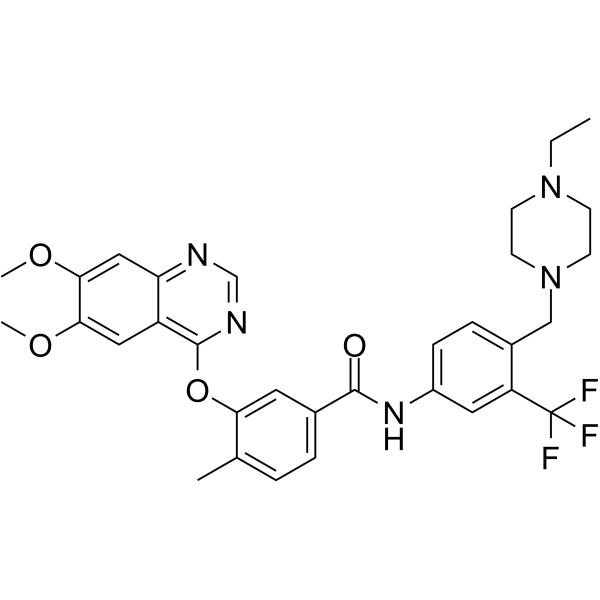
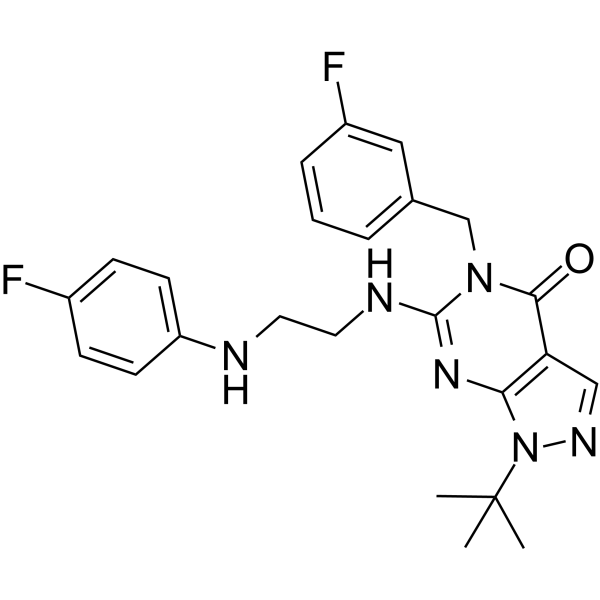
TL02-59 is an orally active, selective Src-family kinase Fgr inhibitor with an IC50 of 0.03 nM. TL02-59 inhibits Lyn and Hck with IC50s of 0.1 nM and 160 nM, respectively. TL02-59 potently suppresses acute myelogenous leukemia (AML) cell growth .
loading...
    loading...
2
2 Cited Publications
Cat. No.: HY-109038
CAS No.: 509092-16-4
Synonyms: KRP-203 free base
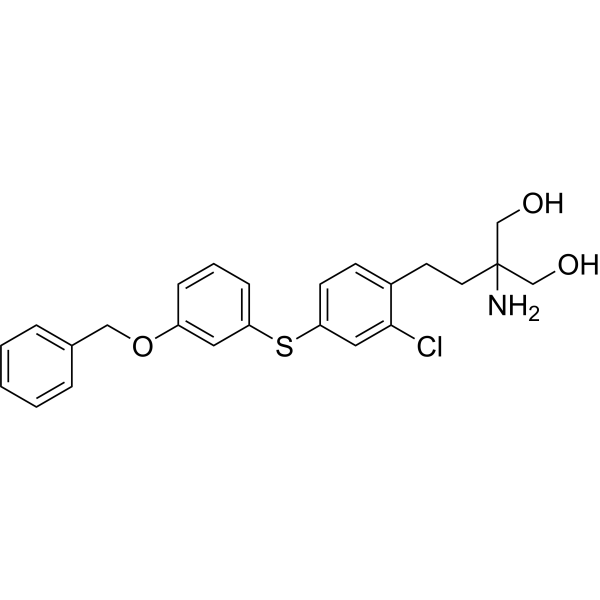
Mocravimod (KRP-203 free base) is a sphingosine-1-phosphate receptor (S1PR) modulator that blocks the signal required by T cells to egress from lymph nodes and other lymphoid organs. Mocravimod preferentially binds to S1PR1 over S1PR2 and S1PR3 in cardiomyocytes. Mocravimod significantly lowered the concentration of reactive oxygen species (ROS), prevented mitochondrial permeability transition pore opening, boosted mitochondrial membrane potential (MMP), and increased phosphorylation of AKT, EKR, GSK-3β, JAK2, and STAT3. Mocravimod retains T cell effector function. Mocravimod can be used for the study of acute myelogenous leukemia, diabetes and Myocardial Ischemia-Reperfusion Injury (MIRI) .
loading...
    loading...
2
2 Cited Publications
Cat. No.: HY-13660
CAS No.: 509088-69-1
Purity:  99.68%
Synonyms: KRP-203
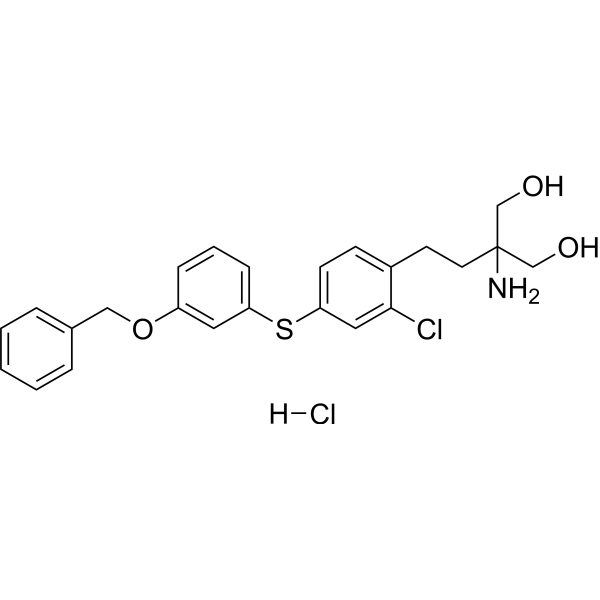
Mocravimod (hydrochloride) is an orally active sphingosine-1-phosphate receptor (S1PR) modulator that blocks the signal required by T cells to egress from lymph nodes and other lymphoid organs. Mocravimod (hydrochloride) preferentially binds to S1PR1 over S1PR2 and S1PR3 in cardiomyocytes. Mocravimod (hydrochloride) significantly lowered the concentration of reactive oxygen species (ROS), prevented mitochondrial permeability transition pore opening, boosted mitochondrial membrane potential (MMP), and increased phosphorylation of AKT, EKR, GSK-3β, JAK2, and STAT3. Mocravimod (hydrochloride) retains T cell effector function. Mocravimod (hydrochloride) can be used for the study of acute myelogenous leukemia, diabetes and Myocardial Ischemia-Reperfusion Injury (MIRI) .
loading...
    loading...
2
2 Cited Publications
Cat. No.: HY-12475
CAS No.: 1355326-21-4
Purity:  99.43%
Synonyms: Agios 135
Research Areas:  

Cancer

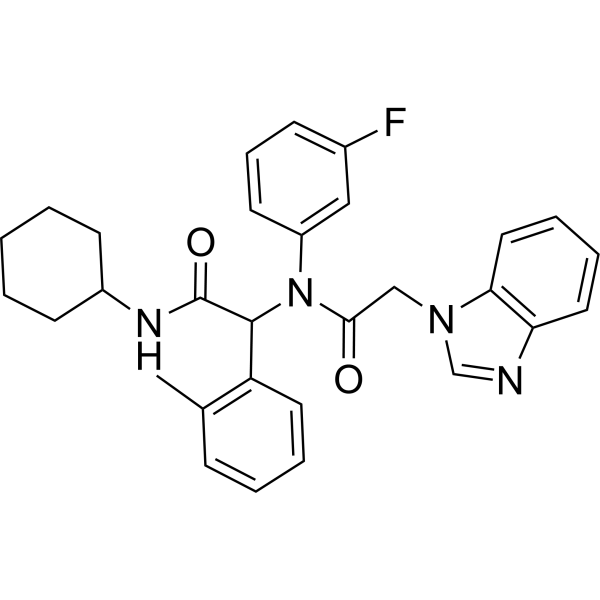
Mutant IDH1-IN-1 (Agios 135) is a selective mutant IDH1 inhibitor with activity against both IDH1 R132H and IDH1 R132C. Mutant IDH1-IN-1 reduces the level of 2-hydroxyglutarate (2-HG), stabilizes mutant IDH1 protein, and restores blocked monocyte differentiation. Mutant IDH1-IN-1 can be used in tumor-related research .
loading...
    loading...
Cat. No.: HY-150725
CAS No.: 386832-46-8
Target:  

IFNAR TNF Receptor

Research Areas:  

Infection Cancer

ODN 1585 is a potent inducer of IFN and TNFα production. ODN 1585 is a potent stimulator of NK (natural killer) function. ODN 1585 increases CD8+ T-cell function, including the CD8+ T cell-mediated production of IFN-γ. ODN 1585 induces regression of established melanomas in mice. ODN 1585 can confer complete protection against malaria in mice. ODN 1585 can be used for acute myelogenous leukemia (AML) and malaria research. ODN 1585 can be used as a vaccine adjuvant .
loading...
    loading...
Cat. No.: HY-P99910
CAS No.: 1679391-73-1
Synonyms: AMG-330
Research Areas:  

Cancer

Eluvixtamab (AMG-330) is a bispecific T-cell engager (BiTE) antibody targeting CD33 and CD3, with a Kd of 5.1 nM and 8 nM for human and cynomolgus monkey CD3, respectively, and a Kd of 8 nM and 8.6 nM for human and cynomolgus monkey CD33, respectively. Eluvixtamab links T cells to CD33-expressing acute myeloid leukemia (AML) cells, triggers T-cell activation, and induces inflammatory adaptive immune escape characterized by PD-L1 upregulation in AML cells. Eluvixtamab is applicable to research related to acute myeloid leukemia .
loading...
    loading...
Cat. No.: HY-16496
CAS No.: 26599-17-7
Synonyms: OSI-7836
Target:  

DNA/RNA Synthesis

Research Areas:  

Cancer

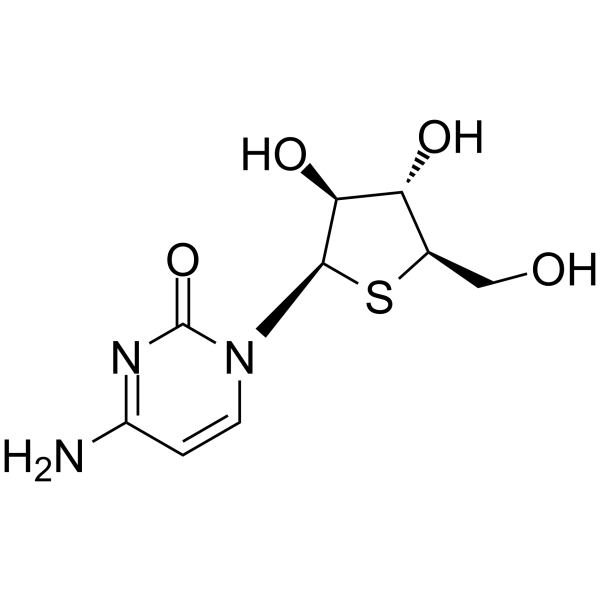
Thiarabine (OSI-7836) is an orally active cytotoxic antitumor agent that acts as a deoxycytidine kinase substrate and a DNA chain terminator. Thiarabine is metabolized to form its major active metabolite T-araCTP, which potently inhibits DNA synthesis and exhibits a long retention time in tumor cells. Thiarabine is widely applicable to research related to leukemia, lymphoma, hematologic malignancies, acute myeloid leukemia, and advanced solid malignancies .
loading...
    loading...
Cat. No.: HY-150109
CAS No.: 2650188-32-0
Purity:  99.45%
Synonyms: Purinostat mesylate
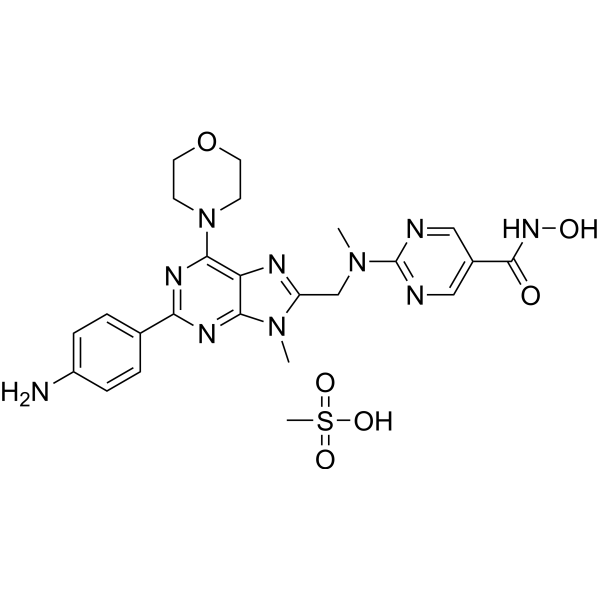
Puzerinostat mesylate (Purinostat mesylate) is a highly selective class I/IIb histone deacetylase (HDAC) inhibitor, with IC50 values of 0.81 nM, 1.4 nM, 1.7 nM, 3.8 nM, 11.5 nM, and 1.1 nM against HDAC1, HDAC2, HDAC3, HDAC8, HDAC6, and HDAC10, respectively. Puzerinostat mesylate enhances glutamine metabolism by upregulating GLS1. Puzerinostat mesylate induces cell Apoptosis and downregulates the expression of BCR-ABL and c-MYC. Puzerinostat mesylate delays the progression of Ph + B-cell acute lymphoblastic leukemia and prolongs the survival of relevant mouse models. Puzerinostat mesylate regulates the immune microenvironment. Puzerinostat mesylate can be used in research related to chronic myeloid leukemia, Philadelphia chromosome-positive B-cell acute lymphoblastic leukemia, relapsed/refractory multiple myeloma, relapsed/refractory lymphoma, diffuse large B-cell lymphoma, and double-expression lymphoma .
loading...
    loading...
Cat. No.: HY-150725C
Purity:  92.48%
Target:  

TNF Receptor IFNAR

ODN 1585 sodium is a potent inducer of IFN and TNFα production. ODN 1585 sodium is a potent stimulator of NK (natural killer) function. ODN 1585 sodium increases CD8+ T-cell function, including the CD8+ T cell-mediated production of IFN-γ. ODN 1585 sodium induces regression of established melanomas in mice. ODN 1585 sodium can confer complete protection against malaria in mice. ODN 1585 sodium can be used for acute myelogenous leukemia (AML) and malaria research. ODN 1585 sodium can be used as a vaccine adjuvant .
loading...
    loading...
Cat. No.: HY-162608
CAS No.: 3052553-20-2
Target:  

PROTACs JAK STAT

Research Areas:  

Cancer

PROTAC JAK1 degrader 1 is a JAK1 PROTAC degrader with a DC50 of 214 nM and an IC50 of 5.2 nM. PROTAC JAK1 degrader 1 inhibits the downstream JAK-STAT signaling pathway by degrading JAK1. PROTAC JAK1 degrader 1 exhibits antiproliferative activity in cells. PROTAC JAK1 degrader 1 can be used for research on leukemia .
loading...
    loading...
Cat. No.: HY-P4122
CAS No.: 1676104-81-6
Target:  

HIV

Research Areas:  

Others

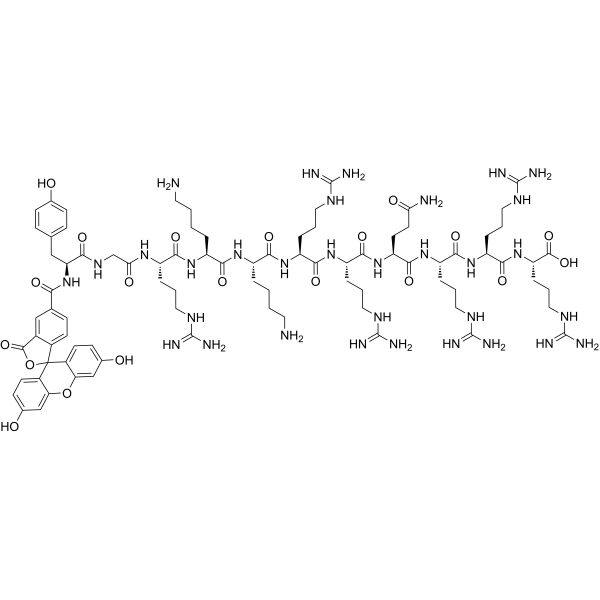
TAT (47-57), FAM-labeled is a 5(6)-Carboxyfluorescein (HY-15940)-labeled TAT (HY-P0281). TAT (YGRKKRRQRRR) is derived from the transactivator of transcription (TAT) of human immunodeficiency virus-1 (HIV-1) and is a cell-penetrating peptide .
loading...
    loading...
Cat. No.: HY-13743
CAS No.: 84088-42-6
Purity:  99.69%
Synonyms: Linomide; FCF89; ABR212616
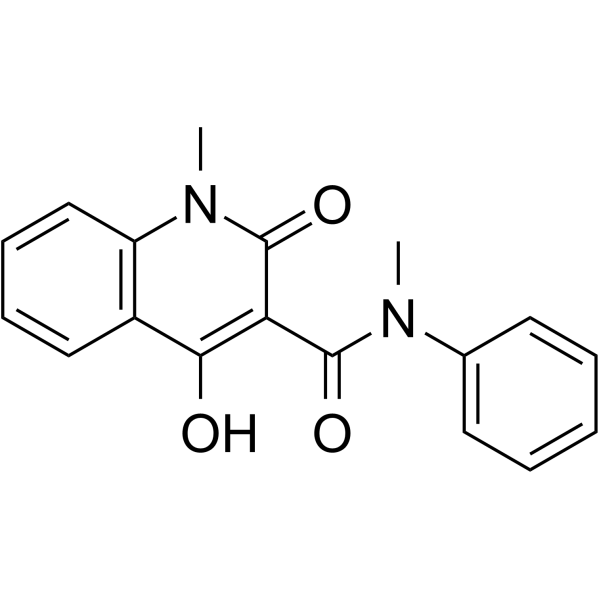
Roquinimex (Linomide) is an orally active immunomodulator with antineoplastic, anti-inflammatory, and antiangiogenic activity. Roquinimex suppresses TH1 lymphocyte cytokines (IL-2, IFN-γ), promotes TH2 lymphocyte cytokines (IL-4, IL-10), increases NK cell, activated monocyte, and T cell activity. Roquinimex blocks macrophage TNF-α production and suppresses IL-1/IL-6 secretion. Roquinimex exhibits in vivo antitumour activity, suppresses rodent autoimmune disease signs, and ameliorates murine colitis and psoriasis. Roquinimex can be used for the research of leukemia, inflammatory bowel disease, multiple sclerosis, and psoriasis .
loading...
    loading...
Cat. No.: HY-159884
CAS No.: 328540-44-9
Target:  

Tim3 TNF Receptor IFNAR

Research Areas:  

Cancer

MG-T-19 is a potent small-molecule inhibitor targeting human TIM-3. MG-T-19 blocks the interactions between TIM-3 and its ligands such as phosphatidylserine, CEACAM1 and Galectin-9. MG-T-19 promotes the secretion of TNF-α and IFN-γ by peripheral blood mononuclear cells, and significantly enhances their ability to inhibit cancer cell proliferation. MG-T-19 can be used in studies related to acute myeloid leukemia .
loading...
    loading...
Cat. No.: HY-150109A
CAS No.: 1929583-17-4
Synonyms: Purinostat
Puzerinostat (Purinostat) is a highly selective class I/IIb histone deacetylase (HDAC) inhibitor, with IC50 values of 0.81 nM, 1.4 nM, 1.7 nM, 3.8 nM, 11.5 nM, and 1.1 nM against HDAC1, HDAC2, HDAC3, HDAC8, HDAC6, and HDAC10, respectively. Puzerinostat enhances glutamine metabolism by upregulating GLS1. Puzerinostat induces cell Apoptosis and downregulates the expression of BCR-ABL and c-MYC. Puzerinostat delays the progression of Ph + B-cell acute lymphoblastic leukemia and prolongs the survival of relevant mouse models. Puzerinostat regulates the immune microenvironment. Puzerinostat can be used in research related to chronic myeloid leukemia, Philadelphia chromosome-positive B-cell acute lymphoblastic leukemia, relapsed/refractory multiple myeloma, relapsed/refractory lymphoma, diffuse large B-cell lymphoma, and double-expression lymphoma .
loading...
    loading...
Cat. No.: HY-112852A
CAS No.: 2415263-06-6
Target:  

Src Apoptosis

Research Areas:  

Cancer

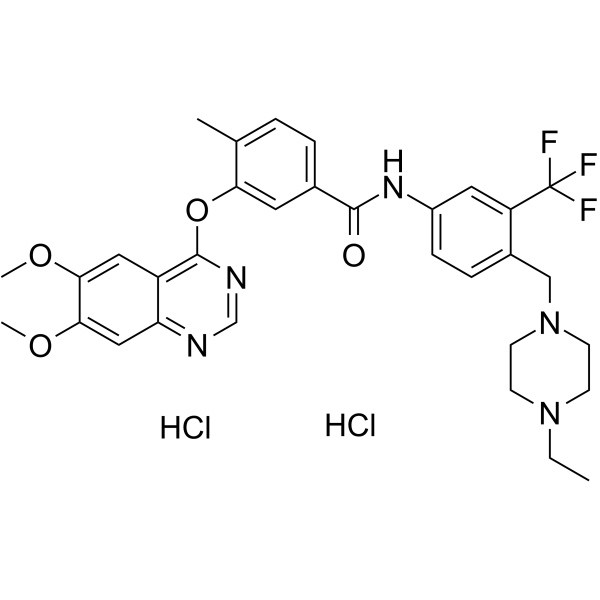
TL02-59 dihydrochloride is an orally active, selective Src-family kinase Fgr inhibitor with an IC50 of 0.03 nM. TL02-59 dihydrochloride inhibits Lyn and Hck with IC50s of 0.1 nM and 160 nM, respectively. TL02-59 dihydrochloride potently suppresses acute myelogenous leukemia (AML) cell growth .
loading...
    loading...
Cat. No.: HY-P10984
CAS No.: 206536-96-1
FNIII14 is a β1-integrin inhibitory peptide. FNIII14 induces the conformational shift of β1-integrin from the active form to the inactive form, blocks integrin-mediated signaling pathways, disrupts the interaction between VLA-4 and fibronectin, inhibits the phosphorylation of FAK/Akt, suppresses cell adhesion, fibronectin fibril formation and chondrocyte proliferation, induces chondrocyte apoptosis and cartilage degeneration, upregulates the pro-apoptotic protein Bim, and binds to membrane-bound eEF1A. FNIII14 reversibly disrupts cell adhesion without reducing cell viability, accelerates adipocyte differentiation, and loosens tumor matrix architecture to enhance the permeability of nanotherapeutic agents. FNIII14 can be used in research related to neuroblastoma, pancreatic cancer, acute myeloid leukemia, colitis-associated colorectal cancer, osteoarthritis, and atherosclerosis .
loading...
    loading...
Cat. No.: HY-163406
CAS No.: 2877017-16-6
Target:  

Phosphatase Apoptosis

Research Areas:  

Cancer

PDE1-IN-6 (compound 6c) is a selectivity PDE1 inhibitor with the IC50 of 7.5 nM. PDE1-IN-6 significantly inhibits the proliferation and induced cell apoptosis in Acute myelogenous leukemia cells .
loading...
    loading...
Cat. No.: HY-181710
Target:  

mTOR PI3K

Research Areas:  

Cancer

LASSBio-2337 is a dual pan-PI3K/mTOR inhibitor with an mTOR IC50 of 5.8 μM.LASSBio-2337 functionally modulates mTOR and all PI3K isoforms.LASSBio-2337 acts as a cytotoxic agent in leukemia cells, including multidrug-resistant populations.LASSBio-2337 spares nontumor human peripheral blood mononuclear cells.LASSBio-2337 displays moderate PAMPA-GIT permeability.LASSBio-2337 shows low metabolic stability in rat liver microsomes.LASSBio-2337 is aqueous insoluble.LASSBio-2337 can be used for the research of acute lymphoblastic leukemia, chronic myelogenous leukemia, breast cancer .
loading...
    loading...
Cat. No.: HY-112852S
Research Areas:  

Cancer

TL02-59-d5 is the deuterium labeled TL02-59 (HY-112852). TL02-59 is an orally active, selective Src-family kinase Fgr inhibitor with an ICC50 of 0.03 nM. TL02-59 inhibits Lyn and Hck with ICC50s of 0.1 nM and 160 nM, respectively. TL02-59 potently suppresses acute myelogenous leukemia (AML) cell growth.
loading...
    loading...
Cat. No.: HY-16496A
CAS No.: 1060763-87-2
Synonyms: OSI-7836 hydrochloride
Target:  

DNA/RNA Synthesis

Research Areas:  

Cancer

Thiarabine (OSI-7836) hydrochloride is an orally active cytotoxic antitumor agent that acts as a deoxycytidine kinase substrate and a DNA chain terminator. Thiarabine hydrochloride is metabolized to form its major active metabolite T-araCTP, which potently inhibits DNA synthesis and exhibits a long retention time in tumor cells. Thiarabine hydrochloride is widely applicable to research related to leukemia, lymphoma, hematologic malignancies, acute myeloid leukemia, and advanced solid malignancies .
loading...
    loading...

