1. Search Result
Search Result
Pathways Recommended: Neuronal Signaling JAK/STAT Signaling
Results for "

androgen signaling

" in MedChemExpress (MCE) Product Catalog:

39

阻害剤およびアゴニスト

5

ペプチド

8

天然物

3

同位体標識化合物

1

クリックケミストリー

1

オリゴヌクレオチド

製品番号 製品名 Target 研究分野 構造式
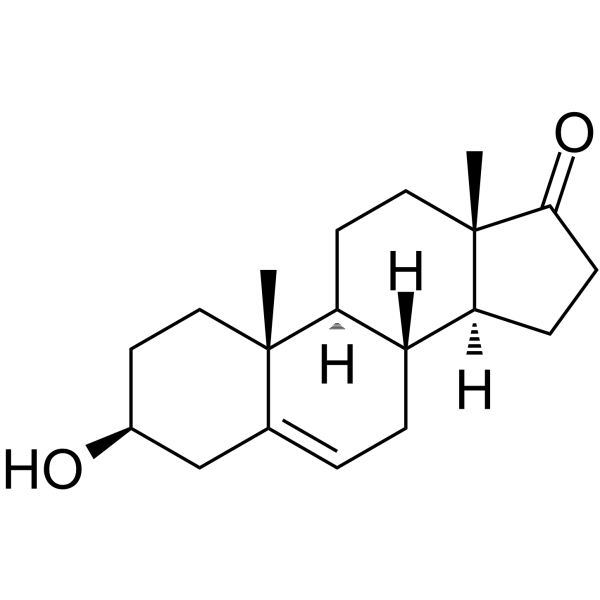
  • HY-14650
    DHEA
    Maximum Cited Publications
    50 Publications Verification

    Prasterone; Dehydroisoandrosterone; Dehydroepiandrosterone

    Environmental Pollutants Endogenous Metabolite Androgen Receptor Cardiovascular Disease Endocrinology Cancer
    DHEA (Prasterone) is one of the most abundant steroid hormones. DHEA (Prasterone) mediates its action via multiple signaling pathways involving specific membrane receptors and via transformation into androgen and estrogen derivatives (e.g., androgens, estrogens, 7α and 7β DHEA, and 7α and 7β epiandrosterone derivatives) acting through their specific receptors.
    DHEA
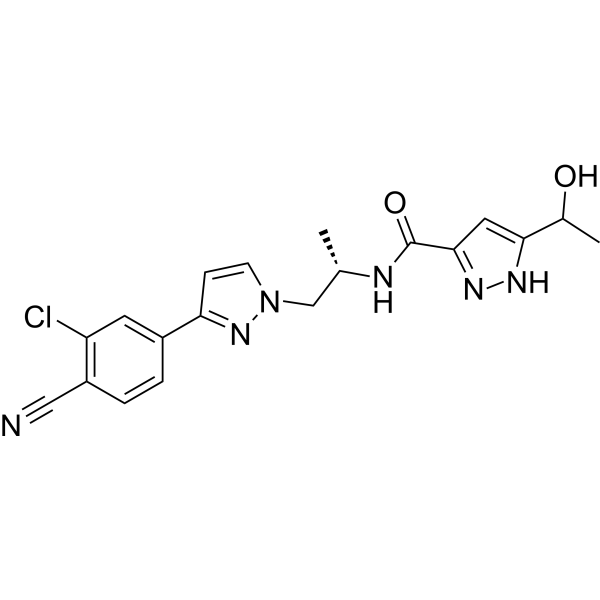
  • HY-16985
    Darolutamide
    5+ Cited Publications

    ODM-201; BAY-1841788

    Androgen Receptor Cancer
    Darolutamide (ODM-201) is an orally active competitive androgen receptor (AR) antagonist. Darolutamide has a Ki of 11 nM for rat wild-type AR (wtAR) and IC50 of 26 nM for human wild-type AR (hAR)-mediated transcriptional activation . Darolutamide inhibits testosterone-induced AR nuclear translocation and transcriptional activation . Darolutamide exerts selective effects on AR-positive cells by inhibiting AR-dependent signaling pathways, and its active metabolite retains full antagonistic activity against AR mutants . Darolutamide can be used for the research of prostate cancer, including androgen receptor-dependent prostate cancer .
    Darolutamide
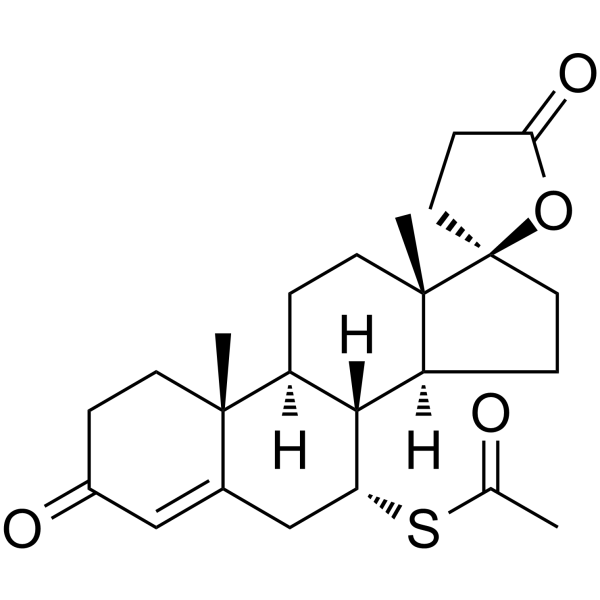
  • HY-B0561
    Spironolactone
    5+ Cited Publications

    SC9420

    Mineralocorticoid Receptor Androgen Receptor Autophagy Calcium Channel Cardiovascular Disease Metabolic Disease Endocrinology Cancer
    Spironolactone is an aldosterone antagonist that acts on the aldosterone mineralocorticoid receptor (IC50=24 nM) and androgen receptor (IC50=77 nM), promotes podocyte autophagy and regulates pain. Spironolactone improves hypertension-related vascular hypertrophy and remodeling by reducing angiotensin II (Ang II)-induced inflammation, reduces aldosterone-induced vascular and soft tissue calcification through PIT1-dependent signaling, and alleviates vascular dysfunction in type II diabetic mice by reducing oxidative stress and restoring NO/GC signaling; at low concentrations, it and its metabolites can interfere with aldosterone biosynthesis in the adrenal cortex and inhibit voltage-dependent Ca 2+ channels to exert antihypertensive effects .
    Spironolactone
  • HY-158101
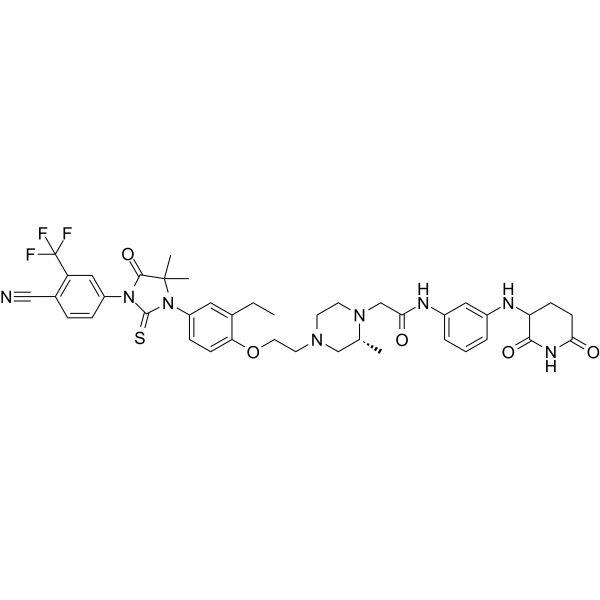
    BMS-986365
    1 Publications Verification

    CC-94676

    PROTACs Androgen Receptor Cancer
    BMS-986365 (CC-94676) is an orally active and selective targeted androgen receptor (AR) PROTAC degrader (DC50 of 10-40 nM). BMS-986365 is capable of inducing cereblon (CRBN) E3 ligase-dependent ubiquitination and degradation of the androgen receptor (AR), as well as various AR mutants. BMS-986365 shows no degradation of the close AR family members estrogen receptor (ER), progesterone receptor (PR), and glucocorticoid receptor (GR). BMS-986365 shows significant in vivo potency, degrading AR, inhibiting AR signaling, and restricting tumor growth in animal models of advanced prostate cancer. BMS-986365 can be used for the study of metastatic castration-resistant prostate cancer (mCRPC) .
    BMS-986365
  • HY-113289
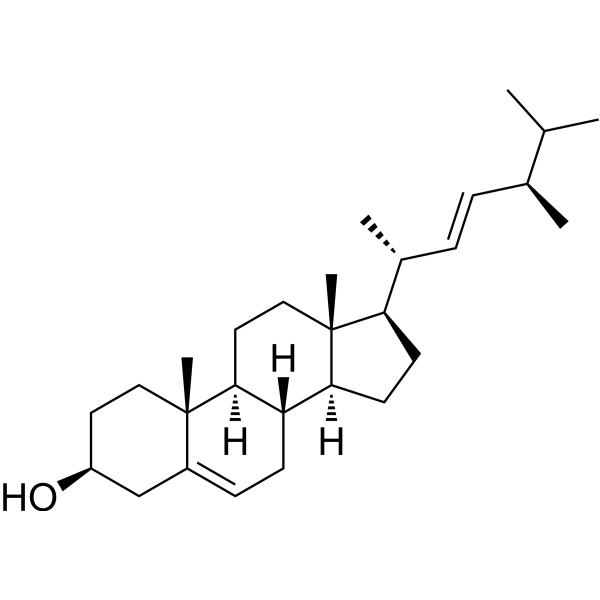
    Brassicasterol
    1 Publications Verification

    Akt Androgen Receptor Bacterial Drug Metabolite HSV Infection Cardiovascular Disease Neurological Disease Cancer
    Brassicasterol is a metabolite of Ergosterol and has cardiovascular protective effects. Brassicasterol exerts anticancer effects in prostate cancer through dual targeting of AKT and androgen receptor signaling pathways. Brassicasterol inhibits HSV-1 (IC50=1.2 μM) and Mycobacterium tuberculosis. Brassicasterol also inhibits sterol δ 24-reductase, slowing the progression of atherosclerosis. Brassicasterol is also a cerebrospinal fluid biomarker for Alzheimer's disease .
    Brassicasterol
  • HY-N2026
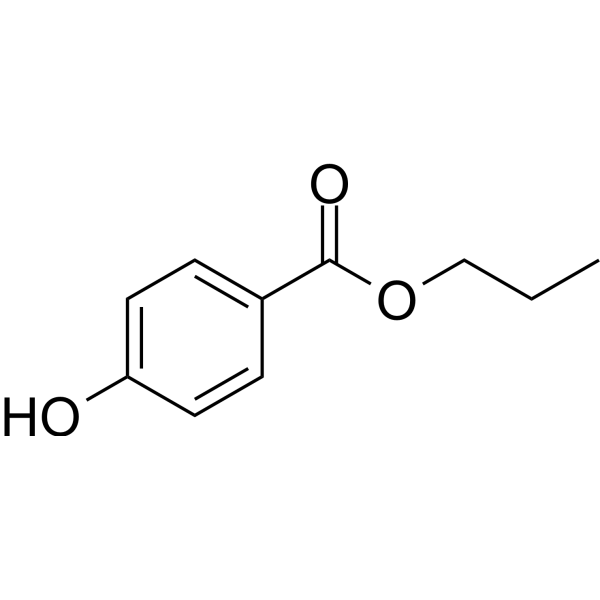
    Propylparaben
    1 Publications Verification

    Propyl parahydroxybenzoate; Propyl 4-hydroxybenzoate

    Bacterial Estrogen Receptor/ERR Sodium Channel PI3K JNK Akt Apoptosis Infection
    Propylparaben (Propyl parahydroxybenzoate) is an antibacterial preservative that can be produced by plants and bacteria. Propylparaben is an orally active weak estrogen receptor agonist. Propylparaben regulates the PI3K-AKT and JNK signaling pathways, and induces oxidative stress. Propylparaben is commonly used in cosmetics, pharmaceuticals and foods, and can be used in studies related to ovarian aging and myocardial ischemia-reperfusion injury .
    Propylparaben
  • HY-N2908

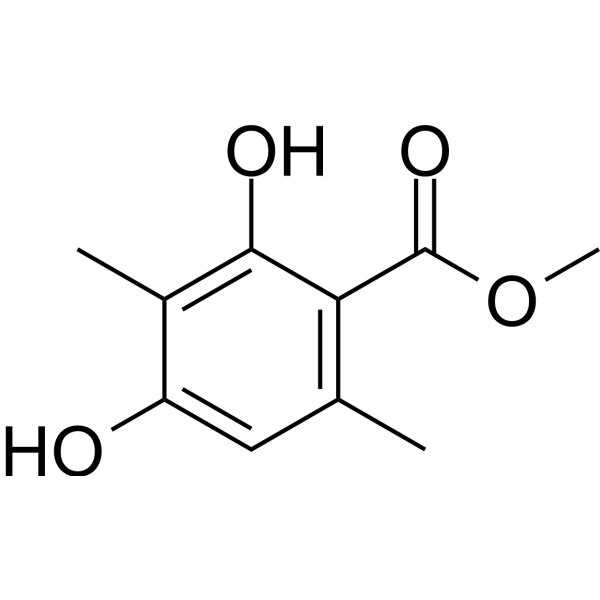
    Methyl atrarate

    Environmental Pollutants NF-κB Androgen Receptor p38 MAPK NO Synthase Inflammation/Immunology Cancer
    Atraric acid (Methyl atrarate) is a specific androgen receptor (AR) antagonist with anti-inflammatory and anticancer effects. Atraric acid represses the expression of the endogenous prostate specific antigen gene in both LNCaP and C4-2 cells. Atraric acid can also inhibit the synthesis of NO and cytokine, and suppress the MAPK-NFκB signaling pathway. Atraric acid can be used to research prostate diseases and inflammatory diseases .
    Atraric acid
  • HY-16079
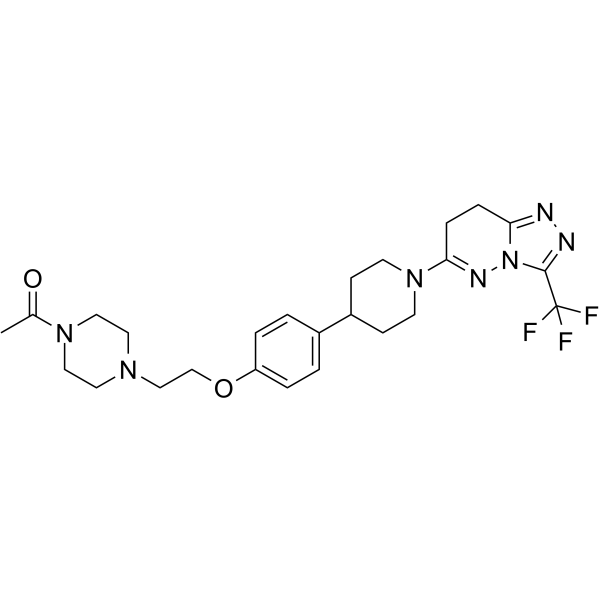
    AZD3514
    3 Publications Verification

    Androgen Receptor Cancer
    AZD3514 is an orally activie and selective androgen receptor (AR) inhibitor. AZD3514 androgen-dependently and -independently inhibits AR signal. AZD351 down-regulates nuclear AR levels in human LNCaP prostate cancer cells in the absence of androgen with an pIC50 value of 5.75. AZD3514 can be used for the research of prostate cancer .
    AZD3514
  • HY-114402

    PROTACs Androgen Receptor Cancer
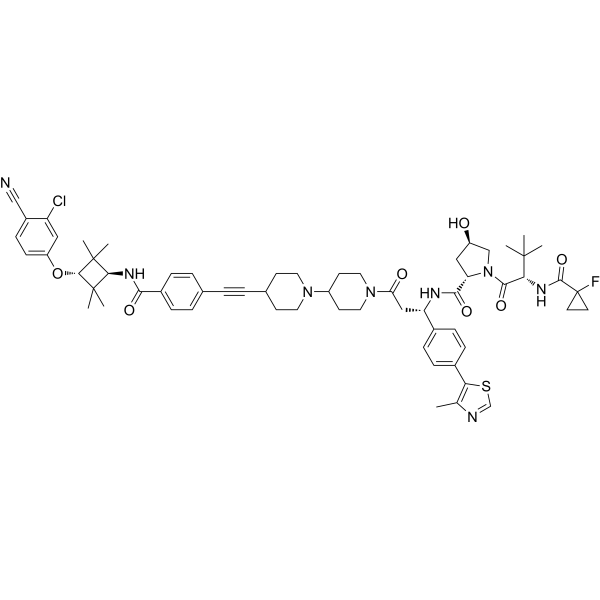
    ARD-69 is a PROTAC degrader based on the E3 ubiquitin ligase VHL and targeting the androgen receptor, which can induce androgen receptor (AR) protein degradation in AR-positive prostate cancer cells. ARD-69 inhibits AR-regulated gene expression, binds to the AR ligand binding domain at one end and binds to VHL at the other end, prompting AR to be recruited to the E3 ubiquitin ligase complex, triggering proteasome degradation, thereby inhibiting AR signaling pathways and downstream gene expression (such as PSA, TMPRSS2). ARD-69 can be used to study of castration-resistant prostate cancer (mCRPC) .
    ARD-69 is composed of a target protein ligand (pink part) AR antagonist 14 (HY-172624), a PROTAC linker (black part) tert-Butyl 4-ethynyl-[1,4'-bipiperidine]-1'-carboxylate (HY-W442074), and a VHL-type E3 ubiquitinase ligand (blue part) VH 101, acid (HY-47070); among them, the VHL ligand and the linker can form a conjugate VH 101-amide-piperidine-Pip-alkyne (HY-172625).
    ARD-69
  • HY-149433

    PROTACs Androgen Receptor Apoptosis Cancer
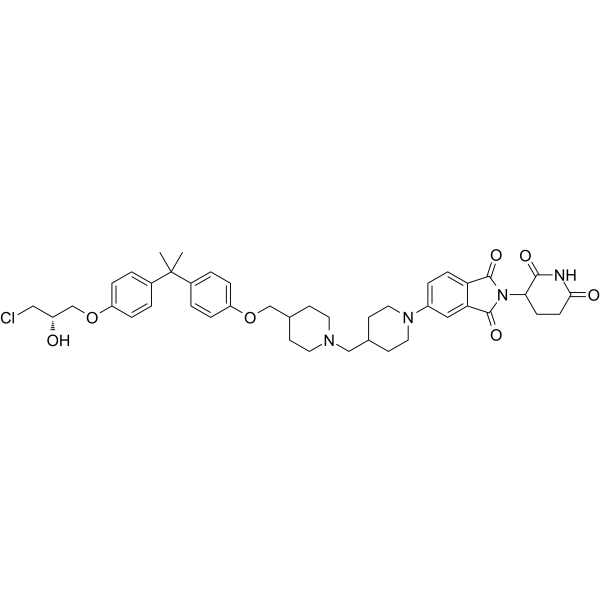
    BWA-522 is an orally active PROTAC degrader targeting full-length androgen receptor (AR-FL) and androgen receptor splice variant 7 (AR-V7). BWA-522 antagonizes the N-terminal domain (AR-NTD) of the androgen receptor, suppresses AR downstream signaling proteins and induces cancer cells apoptosis. BWA-522 inhibits tumor growth in LNCaP xenograft mouse model. BWA-522 can be used for the research of prostate cancer .
    BWA-522
  • HY-111024

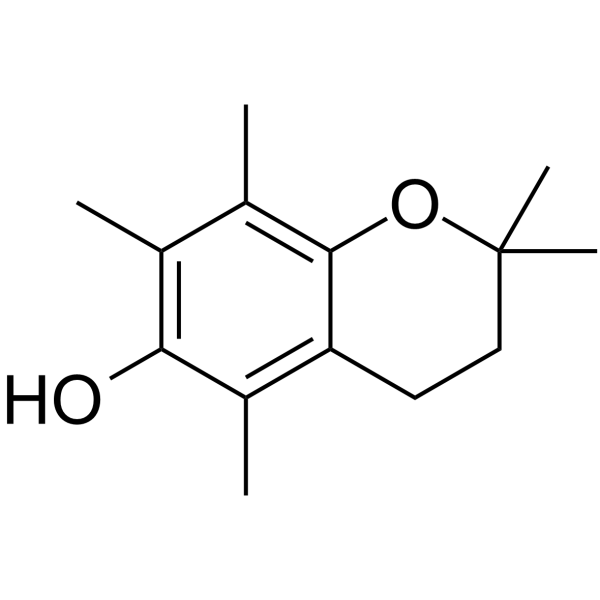
    PMC

    Androgen Receptor NF-κB Cardiovascular Disease Inflammation/Immunology Cancer
    2,2,5,7,8-Pentamethyl-6-Chromanol (PMC) is the anti-oxidant moiety of vitamin E (α-tocopherol). 2,2,5,7,8-Pentamethyl-6-Chromanol has potent androgen receptor (AR) signaling modulation and anti-cancer activity against prostate cancer cell lines .
    2,2,5,7,8-Pentamethyl-6-Chromanol
  • HY-18102
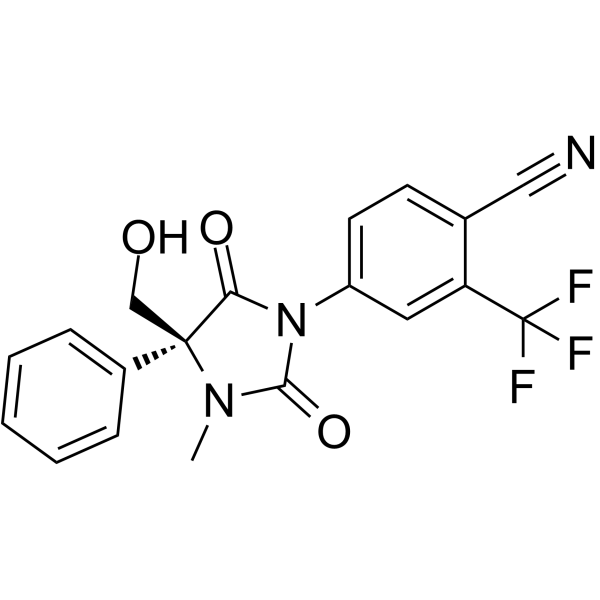
    GLPG0492
    5+ Cited Publications

    Androgen Receptor Neurological Disease
    GLPG0492 is an orally active, non-steroidal selective androgen receptor modulator. GLPG0492 exerts functional transactivation by binding to the ligand-binding domain of the receptor, exhibiting preferential partial agonist activity in muscle and bone tissues with low activity in reproductive tissues. GLPG0492 effectively counteracts muscle atrophy-related pathways, significantly enhances muscle strength, maintains motor ability, reduces fibrosis and improves electrophysiological parameters. GLPG0492 prevents immobilization-induced muscle atrophy and regulates muscle mass homeostasis, serving as a valuable tool compound for studies on Duchenne muscular dystrophy, muscle loss and various types of disuse musculoskeletal atrophy .
    GLPG0492
  • HY-N15686

    Torulin

    Apoptosis Androgen Receptor Bcl-2 Family MMP Cancer
    Torulene (Torulin) is an orally active carotenoid with anti-cancer activity. Torulene inhibits proliferation and induces apoptosis of tumor cells via a mitochondrial signal pathway and the down-regulation of androgen receptor (AR) expression. Torulene can be used for the study of prostate cancer .
    Torulene
  • HY-162702

    PROTACs Androgen Receptor Cancer
    AZ‘3137 is an orally active PROTAC-type androgen receptor (AR) degrader with a DC50 value of 22 nM. AZ‘3137 can degrade L702H mutant AR (DC50 of 92 nM). AZ'3137 can inhibit cell proliferation of LNCaP, with a GI50 value of 74 nM. AZ'3137 can inhibit AR signaling and tumor growth in prostate cancer mice (Pink: AR Ligand (HY-172954); Blue: CRBN ligand (HY-172955); Black: linker (HY-W262798); E3 Ligand+Linker: HY-172956) .
    AZ'3137
  • HY-175652

    PROTACs Adenosine Receptor Cancer
    AZD9750 is an orally active, Cereblon (CRBN)-recruiting, androgen receptor (AR)-targeted PROTAC degrader. AZD9750 induces the proteasome-dependent degradation of both wild-type AR and the drug-resistant mutant AR L702H, thereby inhibiting the AR signaling pathway. AZD9750 suppresses tumor growth in mouse prostate cancer xenograft models and has been utilized in prostate cancer research .
    AZD9750
  • HY-16985S

    ODM-201-d4; BAY-1841788-d4

    Isotope-Labeled Compounds Androgen Receptor Cancer
    Darolutamide-d4 (ODM-201-d4) is deuterium labeled Darolutamide (HY-16985). Darolutamide (ODM-201) is an orally active competitive androgen receptor (AR) antagonist, with a Ki of 11 nM for rat wild-type AR (wtAR) and an IC50 of 26 nM for human wild-type AR (hAR)-mediated transcriptional activation . Darolutamide inhibits testosterone-induced AR nuclear translocation and transcriptional activation . Darolutamide exerts selective effects on AR-positive cells by inhibiting AR-dependent signaling pathways, and its active metabolite retains full antagonistic activity against AR mutants . Darolutamide can be used for the research of prostate cancer, including androgen receptor-dependent prostate cancer .
    Darolutamide-d4
  • HY-N2026A
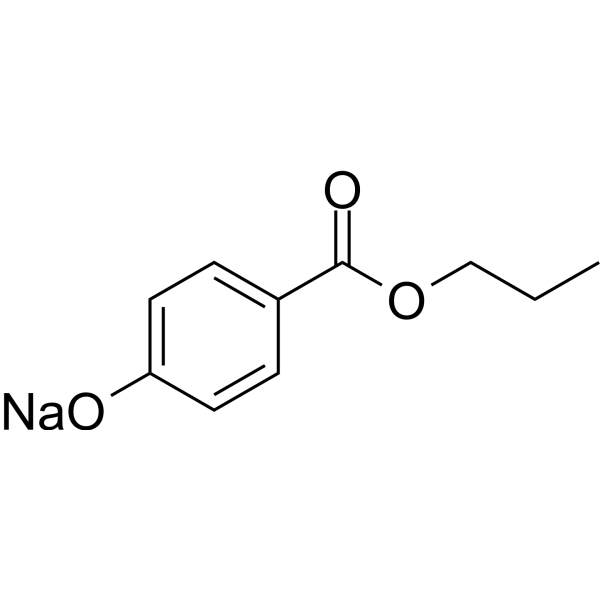
    Propylparaben sodium
    1 Publications Verification

    Propyl parahydroxybenzoate sodium; Propyl 4-hydroxybenzoate sodium

    Estrogen Receptor/ERR Bacterial Sodium Channel PI3K JNK Akt Apoptosis Cardiovascular Disease Infection Neurological Disease
    Propylparaben (Propyl parahydroxybenzoate) sodium is an antibacterial preservative that can be produced by plants and bacteria. Propylparaben sodium is an orally active weak estrogen receptor agonist. Propylparaben sodium regulates the PI3K-AKT and JNK signaling pathways, and induces oxidative stress. Propylparaben sodium is commonly used in cosmetics, pharmaceuticals and foods, and can be used in studies related to ovarian aging and myocardial ischemia-reperfusion injury .
    Propylparaben sodium
  • HY-160187A

    Cadherin MMP Akt FAK ERK NF-κB Cancer
    (Rac)-AAA is a regulator and inhibitor targeting GPR75. By blocking the 20-HETE-induced downregulation of GPR75 expression, (Rac)-AAA effectively inhibits the activation of key downstream signaling pathways including EGFR, AKT, NF-κB and FAK. (Rac)-AAA reverses 20-HETE-mediated epithelial-mesenchymal transition, which is specifically characterized by downregulating vimentin (vimentin), upregulating E-Cadherin, as well as reducing MMP-2 activity and cancer cell migration ability. (Rac)-AAA also abolishes the 20-HETE-induced upregulation of HIC-5 expression and anchorage-independent growth, and modulates the subcellular localization of PKC-α and phosphorylated AKT. (Rac)-AAA is investigated in androgen-independent prostate cancer (castration-resistant prostate cancer) .
    (Rac)-AAA
  • HY-141901S1

    Prasterone-d5; Dehydroisoandrosterone-d5; Dehydroepiandrosterone-d5

    Isotope-Labeled Compounds Endogenous Metabolite Androgen Receptor Cardiovascular Disease Endocrinology Cancer
    DHEA-d5 (Prasterone-d5; Dehydroisoandrosterone-d5; Dehydroepiandrosterone-d5) is the deuterium labeled DHEA (HY-14650). DHEA (Prasterone) is one of the most abundant steroid hormones. DHEA (Prasterone) mediates its action via multiple signaling pathways involving specific membrane receptors and via transformation into androgen and estrogen derivatives (e.g., androgens, estrogens, 7α and 7β DHEA, and 7α and 7β epiandrosterone derivatives) acting through their specific receptors.
    DHEA-d5
  • HY-16985R

    ODM-201 (Standard); BAY-1841788 (Standard)

    Reference Standards Androgen Receptor Cancer
    Darolutamide (Standard) is the analytical standard of Darolutamide (HY-16985). This product is intended for research and analytical applications. Darolutamide (ODM-201) is an orally active competitive androgen receptor (AR) antagonist, with a Ki of 11 nM for rat wild-type AR (wtAR) and an IC50 of 26 nM for human wild-type AR (hAR)-mediated transcriptional activation . Darolutamide inhibits testosterone-induced AR nuclear translocation and transcriptional activation . Darolutamide exerts selective effects on AR-positive cells by inhibiting AR-dependent signaling pathways, and its active metabolite retains full antagonistic activity against AR mutants . Darolutamide can be used for the research of prostate cancer, including androgen receptor-dependent prostate cancer .
    Darolutamide (Standard)
  • HY-144127

    Androgen Receptor Cancer
    AR antagonist 3 is a potent and selective androgen receptor (AR) antagonist with an IC50 of 0.47 µM. AR antagonist 3 exhibits a dose-dependent decrease of the FRET signal (IC50= 18.05 μM). AR antagonist 3 shows effective inhibition on tumor growth when administered intratumorally .
    AR antagonist 3
  • HY-P11007

    β-catenin Wnt Androgen Receptor Cancer
    β-catenin inhibitory peptoid (compound 13) inhibits the β-catenin:TCF interaction with an IC50 of 5.44 µM. β-catenin inhibitory peptoid inhibits both Wnt (IC50 of 0.105 µM) and androgen receptor (AR)-signaling (IC50 of 1.02 µM) in prostate cancer cell lines. β-catenin inhibitory peptoid markedly diminishes cell proliferation of prostate cancer cell lines .
    β-catenin inhibitory peptoid
  • HY-113289R

    Akt Androgen Receptor Bacterial Drug Metabolite HSV Reference Standards Infection Cardiovascular Disease Neurological Disease Cancer
    L-Ornithine (hydrochloride) (Standard) is the analytical standard of L-Ornithine (hydrochloride). This product is intended for research and analytical applications. L-Ornithine hydrochloride is a non-proteinogenic amino acid, is mainly used in urea cycle removing excess nitrogen in vivo. L-Ornithine hydrochloride shows nephroprotective .
    Brassicasterol (Standard)
  • HY-B0561S4

    Isotope-Labeled Compounds Mineralocorticoid Receptor Androgen Receptor Autophagy Calcium Channel Cardiovascular Disease Metabolic Disease Cancer
    Spironolactone-d6-1 is the deuterium labeled Spironolactone (HY-B0561). Spironolactone is an aldosterone antagonist that acts on the aldosterone mineralocorticoid receptor (IC50=24 nM) and androgen receptor (IC50=77 nM), promotes podocyte autophagy and regulates pain. Spironolactone improves hypertension-related vascular hypertrophy and remodeling by reducing angiotensin II (Ang II)-induced inflammation, reduces aldosterone-induced vascular and soft tissue calcification through PIT1-dependent signaling, and alleviates vascular dysfunction in type II diabetic mice by reducing oxidative stress and restoring NO/GC signaling; at low concentrations, it and its metabolites can interfere with aldosterone biosynthesis in the adrenal cortex and inhibit voltage-dependent Ca 2+ channels to exert antihypertensive effects .
    Spironolactone-d6-1
  • HY-P11642A

    Enteropeptidase Aminopeptidase Opioid Receptor ERK mTOR Androgen Receptor Inflammation/Immunology
    Sialorphin TFA is a neutral endopeptidase (NEP) and aminopeptidase N (APN) inhibitor that responds to androgen signals. Sialorphin TFA blocks the degradation of endogenous opioid peptides and interacts with μ-, δ-, κ-opioid receptors. Sialorphin TFA regulates the ERK/mTOR signaling pathway by inducing cell cycle arrest, enhancing ERK1/2 activity, and reducing the phosphorylation levels of mTOR, 4E-BP1, p70S6K; accordingly, Sialorphin TFA exhibits antiproliferative activity against colorectal cancer, glioma and prostate cancer cells without cytotoxicity. In addition, Sialorphin TFA also produces antinociceptive responses, regulates sexual behavior, relaxes corpus cavernosum smooth muscle, and alleviates experimental colitis. Sialorphin TFA is also a copper (II) ion-binding ligand. Sialorphin TFA has been used in mechanistic studies related to cancer, pain management and inflammatory bowel disease .
    Sialorphin TFA
  • HY-176225

    PROTACs Src Estrogen Receptor/ERR Apoptosis Cancer
    BY13 is a SRC-3 PROTAC degrader with a DC50 of 0.031 μM. BY13 selectively blocks the ER signaling pathway over that of androgen receptor (AR)) through down-regulating ERα level. BY13 potently overcomes endocrine resistance in breast cancer by inducing cell cycle arrest in G1 phase and apoptosis, with superior effect over Fulvestrant (HY-13636). BY13 significantly inhibits the growth of drug-resistant breast tumors without obvious toxicity in LCC2 xenograft mice model . Pink: SRC-3 ligand (SI-2) (HY-101447); Blue: CRBN ligase ligand (HY-41547); Black: linker (HY-176226)
    BY13
  • HY-105122

    WIN 49596

    Androgen Receptor Endocrinology Cancer
    Zanoterone is an orally active antagonist of the androgen receptor (AR) with a Ki of 2.2 μM. Zanoterone blocks the binding of androgens such as testosterone and dihydrotestosterone (DHT), inhibiting the androgen signaling pathway, thereby reducing androgen-dependent prostate hyperplasia and prostate cancer growth .
    Zanoterone
  • HY-P2413

    Androgen Receptor Src Others
    Ac-PPPHPHARIK-NH2 (compound S1) is a compound that inhibits the interaction between androgen receptor and Src. It can inhibit the binding of androgen or estrogen-induced receptor and Src in cancer cells, as well as the activation of related signaling pathways, and can also inhibit cell cycle progression and tumor growth.
    Ac-PPPHPHARIK-NH2
  • HY-178148

    Androgen Receptor Endocrinology Cancer
    AR antagonist 17 is a selective, orally active, low brain-penetrant Androgen Receptor (AR) antagonist (IC50 = 0.010 μM), effectively blocking AR dimerization and nuclear translocation, and demonstrating potent efficacy in several castration-resistant prostate cancer (CRPC) cells. AR antagonist 17 showed superior efficacy against variant drug-resistant AR mutants. AR antagonist 17 can inhibit tumor growth in an LNCaP xenograft model without apparent toxicity. AR antagonist 17 can be used for the study of castration-resistant prostate cancer (CRPC) .
    AR antagonist 17
  • HY-N2908R

    Methyl atrarate (Standard)

    Reference Standards Androgen Receptor NO Synthase p38 MAPK NF-κB Inflammation/Immunology Cancer
    Atraric acid (Standard) is the analytical standard of Atraric acid. This product is intended for research and analytical applications. Atraric acid (Methyl atrarate) is a specific androgen receptor (AR) antagonist with anti-inflammatory and anticancer effects. Atraric acid represses the expression of the endogenous prostate specific antigen gene in both LNCaP and C4-2 cells. Atraric acid can also inhibit the synthesis of NO and cytokine, and suppress the MAPK-NFκB signaling pathway. Atraric acid can be used to research prostate diseases and inflammatory diseases[1][2].
    Atraric acid (Standard)
  • HY-163784

    Aldose Reductase Cancer
    AKR1C3-IN-14 (compound 4) is an AKR1C3 inhibitor (IC50=0.122 μM) that reduces the overproduction of androgens by inhibiting the activity of the AKR1C3 enzyme, thereby regulating hormone-mediated signaling. AKR1C3-IN-14 also plays a role in the biosynthesis of the prostaglandin PGF2α, regulating cell proliferation by affecting this pathway. AKR1C3-IN-14 can be used in the study of prostate cancer .
    AKR1C3-IN-14
  • HY-111024R

    PMC (Standard)

    Reference Standards Androgen Receptor NF-κB Cardiovascular Disease Inflammation/Immunology Cancer
    2,2,5,7,8-Pentamethyl-6-Chromanol (Standard) is the analytical standard of 2,2,5,7,8-Pentamethyl-6-Chromanol. This product is intended for research and analytical applications. 2,2,5,7,8-Pentamethyl-6-Chromanol (PMC) is the anti-oxidant moiety of vitamin E (α-tocopherol). 2,2,5,7,8-Pentamethyl-6-Chromanol has potent androgen receptor (AR) signaling modulation and anti-cancer activity against prostate cancer cell lines[1].
    2,2,5,7,8-Pentamethyl-6-Chromanol (Standard)
  • HY-181670

    Androgen Receptor c-Myc Akt mTOR ERK PDK-1 PI3K Apoptosis Metabolic Disease Cancer
    WH23 is a dehydrogenase/reductase SDR family member 11 (DHRS11) inhibitor with IC50 values of 0.037 μM. WH23 binds to DHRS11, forming a hydrogen bond with the enzyme’s His210 residue. WH23 suppresses androgen receptor mRNA and protein expression, reduces c-Myc expression, and inhibits cancer cell proliferation. WH23 inhibits PI3K/AKT signaling by reducing phosphorylation of PDK1, AKT, mTOR, and ERK. WH23 enhances Capivasertib (HY-15431)-induced cytotoxicity and apoptosis. WH23 can be used for the research of luminal androgen receptor-positive triple-negative breast cancer .
    WH23
  • HY-183667

    Androgen Receptor Kallikrein Cancer
    JNJ-pan-AR is an orally active androgen receptor (AR) inhibitor with an IC50 of 19 nM and a Ki of 8.4 nM against human wild-type AR. JNJ-pan-AR abolishes androgen-induced KLK2 and KLK3 mRNA expression and reduces androgen-dependent colony formation in prostate cancer cells. JNJ-pan-AR blocks AR nuclear translocation, inhibits PSA protein expression, and represses the growth of AR-dependent tumor cells and ARF877L-driven tumor xenografts. JNJ-pan-AR blocks transactivation and signaling of wild-type AR and various mutant AR variants. JNJ-pan-AR is applicable for research on castration-resistant prostate cancer .
    JNJ-pan-AR
  • HY-P11660

    β-catenin Wnt Androgen Receptor Cancer
    β-catenin-IN-10 is a β-catenin:TCF4 interaction inhibitor with an IC50 of 5.44 μM. β-catenin-IN-10 inhibits the Wnt and AR signaling pathways with IC50 values of 0.105 μM and 1.02 μM, respectively. β-catenin-IN-10 suppresses the proliferation of castration-resistant prostate cancer cells. β-catenin-IN-10 is applicable to research related to prostate cancer .
    β-catenin-IN-10
  • HY-159739

    Androgen Receptor Cancer
    M17-B15 is an androgen receptor dimerization inhibitor with an IC50 of 30 nM. M17-B15 effectively disrupts AR self-association, thereby suppressing AR signaling. M17-B15 exhibits extraordinary anti- prostate cancer (PCa) efficacy in vitro and in mouse xenograft tumor models.M17-B15 can be used for the study of prostate cancer .
    M17-B15
  • HY-P11642

    ERK Androgen Receptor Opioid Receptor Enteropeptidase mTOR Aminopeptidase Neurological Disease Inflammation/Immunology Cancer
    Sialorphin is a neutral endopeptidase (NEP) and aminopeptidase N (APN) inhibitor that responds to androgen signals. Sialorphin blocks the degradation of endogenous opioid peptides and interacts with μ-, δ-, κ-opioid receptors. Sialorphin regulates the ERK/mTOR signaling pathway by inducing cell cycle arrest, enhancing ERK1/2 activity, and reducing the phosphorylation levels of mTOR, 4E-BP1, p70S6K; accordingly, Sialorphin exhibits antiproliferative activity against colorectal cancer, glioma and prostate cancer cells without cytotoxicity. In addition, Sialorphin also produces antinociceptive responses, regulates sexual behavior, relaxes corpus cavernosum smooth muscle, and alleviates experimental colitis. Sialorphin is also a copper (II) ion-binding ligand. Sialorphin has been used in mechanistic studies related to cancer, pain management and inflammatory bowel disease .
    Sialorphin
  • HY-119080

    Progesterone Receptor Endocrinology Cancer
    CP8754 is an orally active, selective human progesterone receptor (hPR) antagonist that blocks progesterone-mediated signaling pathways. CP8754 competitively inhibits the binding of [ 3H]-progesterone to hPR. And in vitro, CP8754 inhibits progesterone-dependent exogenous luciferase and endogenous alkaline phosphatase expression; while in vivo, CP8754 inhibits rabbit endometrial transformation. CP8754 does not significantly bind to human glucocorticoid receptors (hGR), estrogen receptors (hER), or rat androgen receptors (rAR). CP8754 can be used in the study of progesterone-related diseases such as breast cancer, endometriosis, uterine fibroids, and meningioma, as well as hormone-dependent tumors .
    CP8754
  • HY-180553

    Histone Methyltransferase Cancer
    NSD2-IN-6 is a selective and orally active NSD2 inhibitor with IC50s of 3.8  and 274 nM for NSD2 and NSD1 respectively. NSD2-IN-6 reduces H3K36me2 levels, reverses cell plasticity by restoring the androgen receptor ( AR) signaling pathway. NSD2-IN-6 reduces a shift from cluster 2 and 3 states towards the cluster 1 state in organoids. NSD2-IN-6 exerts antitumor activity by reversing tumor cell plasticity, suppressing growth, and promoting apoptosis in vivo. NSD2-IN-6 can be used for prostate cancer research .
    NSD2-IN-6

オンラインお問い合わせ

入力情報は安全に管理されます. 必須入力項目.

タイトル


国或いは地域 *

お名前 *


組纖名 *

デパートメント *


メールアドレス *


製品名 *

製品番号


カスタマ需要量 *

電話番号 *


必ず会社名を記載ください。個人への返信は行いません。

備考

バルクお問い合わせ

Inquiry Information

製品名:
製品番号:
数量:
MCE 日本正規代理店:

