Search Result
Results for "
anti-angiogenic agent
" in MedChemExpress (MCE) Product Catalog:
9
Isotope-Labeled Compounds
| Cat. No. |
Product Name |
Target |
Research Areas |
Chemical Structure |
-
- HY-17364
-
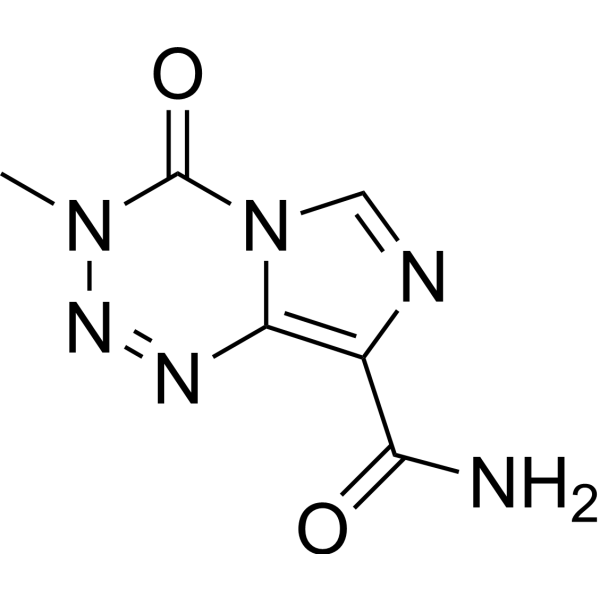
Temozolomide
Maximum Cited Publications
189 Publications Verification
NSC 362856; CCRG 81045; TMZ
|
DNA Alkylator/Crosslinker
Autophagy
Apoptosis
|
Cancer
|
|
Temozolomide (NSC 362856) is an oral active DNA alkylating agent that crosses the blood-brain barrier. Temozolomide is also a proautophagic and proapoptotic agent. Temozolomide is effective against tumor cells that are characterized by low levels of O6-alkylguanine DNA alkyltransferase (OGAT) and a functional mismatch repair system. Temozolomide has antitumor and antiangiogenic effects .
|
-
-
- HY-B0879A
-
|
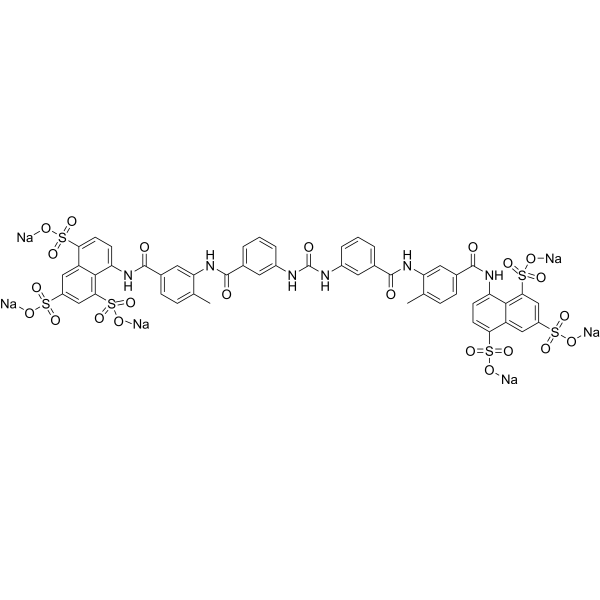
Suramin hexasodium salt
|
Phosphatase
Sirtuin
Reverse Transcriptase
Topoisomerase
SARS-CoV
Parasite
Apoptosis
|
Infection
Cardiovascular Disease
Cancer
|
|
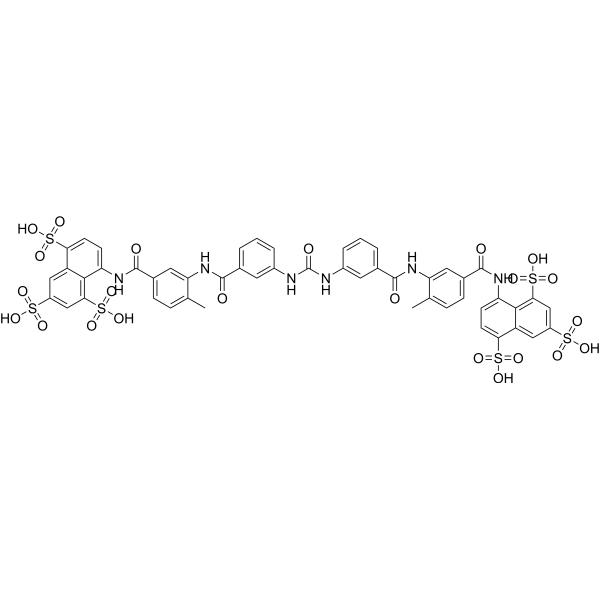
Suramin sodium salt (Suramin hexasodium salt) is a reversible and competitive protein-tyrosine phosphatases (PTPases) inhibitor . Suramin sodium salt is a potent inhibitor of sirtuins: SirT1 (IC50=297 nM), SirT2 (IC50=1.15 μM), and SirT5 (IC50=22 μM) . Suramin sodium salt is a competitive inhibitor of reverse transcriptase (DNA topoisomerase II: IC50=5 μM) . Suramin sodium salt is a potent SARS-CoV-2 RNA-dependent RNA polymerase (RdRp) inhibitor . Suramin sodium salt efficiently inhibits IP5K and is an antiparasitic, anti-neoplastic and anti-angiogenic agent .
|
-
-
- HY-17514
-
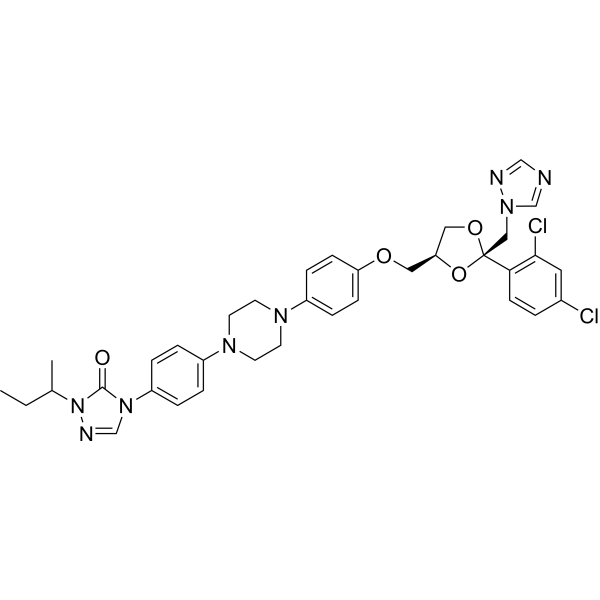
Itraconazole
Maximum Cited Publications
24 Publications Verification
R51211
|
Fungal
Hedgehog
Cytochrome P450
Autophagy
Antibiotic
Bacterial
|
Infection
Cancer
|
|
Itraconazole (R51211) is a triazole antifungal agent and a potent and orally active Hedgehog (Hh) signaling pathway antagonist with an IC50 of ~800 nM. Itraconazole potently inhibits lanosterol 14α-demethylase (cytochrome P450 enzyme), thereby inhibits the oxidative conversion of lanosterol to ergosterol. Itraconazole has anticancer and antiangiogenic effects. Itraconazole is a oxysterol-binding protein (OSBP) inhibitor .
|
-
-
- HY-B0639
-
|
WR2721
|
MDM-2/p53
HIF/HIF Prolyl-Hydroxylase
|
Cancer
|
|
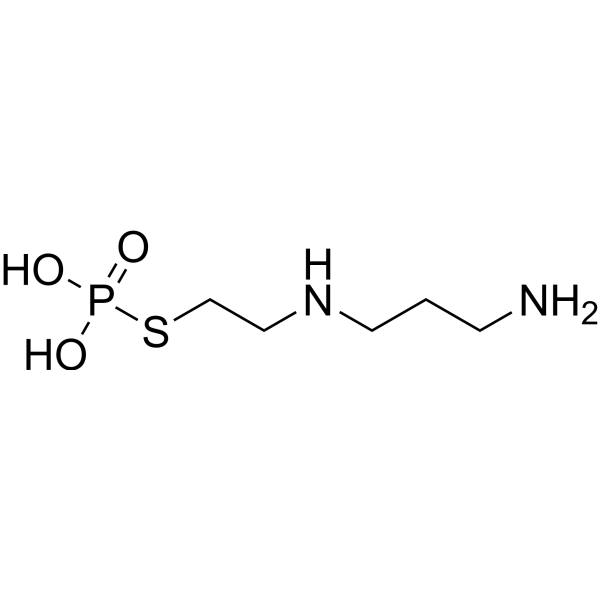
Amifostine (WR2721) is a broad-spectrum cytoprotective agent and a radioprotector. Amifostine selectively protects normal tissues from damage caused by radiation and chemotherapy. Amifostine is potent hypoxia-inducible factor-α1 (HIF-α1) and p53 inducer. Amifostine protects cells from damage by scavenging oxygen-derived free radicals. Amifostine reduces renal toxicity and has antiangiogenic action .
|
-
-
- HY-10528
-
|
ABR-215050
|
HDAC
|
Cancer
|
|
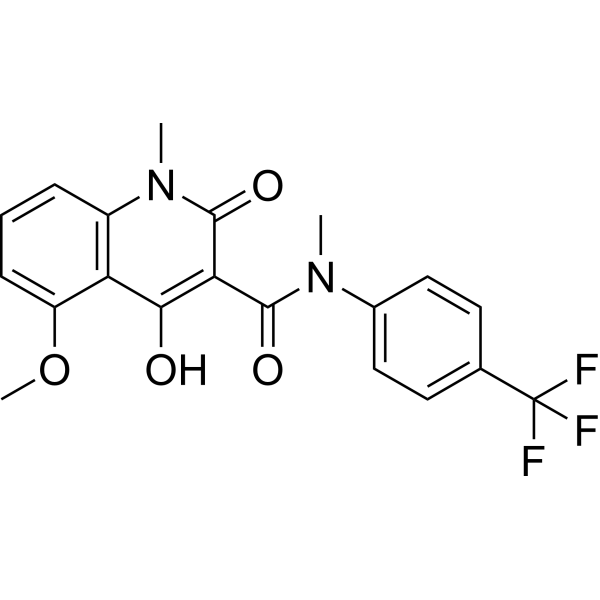
Tasquinimod is an oral antiangiogenic agent, which has the potential for castration-resistant prostate cancer treatment. Tasquinimod binds to the regulatory Zn 2+ binding domain of HDAC4 with Kd of 10-30 nM. Tasquinimod also is a S100A9 inhibitor .
|
-
-
- HY-B0421
-
-
-
- HY-N6811
-
|
|
Insecticide
|
Infection
Cardiovascular Disease
|
|
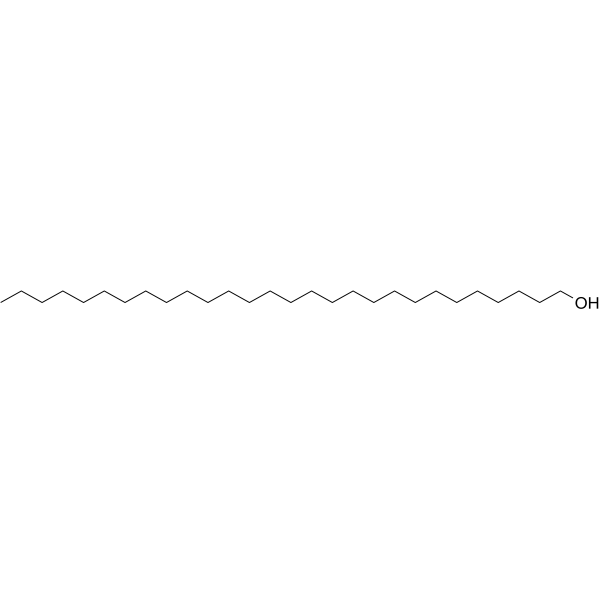
1-Octacosanol is a straight-chain aliphatic 28-carbon fatty alcohol and a major component of the cholesterol-lowering agent Policosanol. 1-Octacosanol exhibits various activities such as anti-fatigue, anti-angiogenic, cholesterol-lowering, and insecticidal effects .
|
-
-
- HY-15995
-
|
TubA
|
Antibiotic
Microtubule/Tubulin
ADC Payload
Mitosis
|
Cancer
|
|
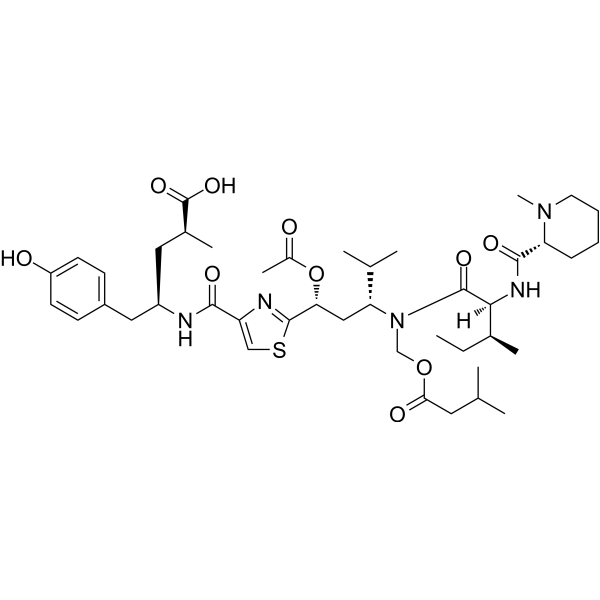
Tubulysin A (TubA) is an anticancer and antiangiogenic agent with anti-microtubule, anti-mitosis and anti-proliferative activity against a variety of cancer cells with IC50 values in the pmol range. It can induce apoptosis of cancer cells and has no effect on normal cells. Tubulysins are a group of potent cytotoxins consisting of nine members (A-I). Tubulysin A can synthesize ADC as ADC Cytotoxin .
|
-
-
- HY-N2067
-
-
-
- HY-B0879
-
|
|
Phosphatase
Sirtuin
Reverse Transcriptase
Topoisomerase
SARS-CoV
Parasite
Apoptosis
|
Infection
Cardiovascular Disease
Cancer
|
|
Suramin is a reversible and competitive protein-tyrosine phosphatases (PTPases) inhibitor . Suramin is a potent inhibitor of sirtuins: SirT1 (IC50=297 nM), SirT2 (IC50=1.15 μM), and SirT5 (IC50=22 μM) . Suramin is a competitive inhibitor of reverse transcriptase (DNA topoisomerase II: IC50=5 μM) . Suramin is a potent SARS-CoV-2 RNA-dependent RNA polymerase (RdRp) inhibitor .Suramin efficiently inhibits IP5K and is an antiparasitic, anti-neoplastic and anti-angiogenic agent .
|
-
-
- HY-124953
-
|
|
MAP3K
Apoptosis
|
Cancer
|
|
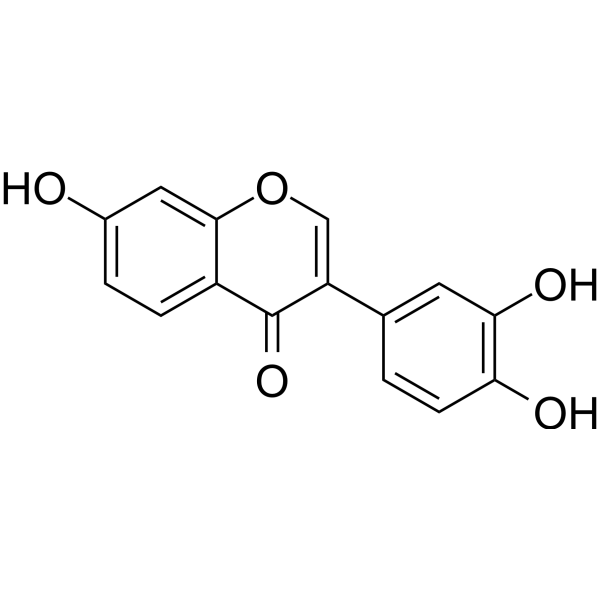
7,3',4'-Trihydroxyisoflavone, a major metabolite of Daidzein, is an ATP-competitive inhibitor of Cot (Tpl2/MAP3K8) and MKK4. 7,3',4'-Trihydroxyisoflavone has anticancer, anti-angiogenic, chemoprotective, and free radical scavenging activities .
|
-
-
- HY-B0421S
-
|
Mycophenolate-d3
|
Bacterial
Apoptosis
Fungal
Antibiotic
Endogenous Metabolite
Isotope-Labeled Compounds
Flavivirus
|
Others
|
|
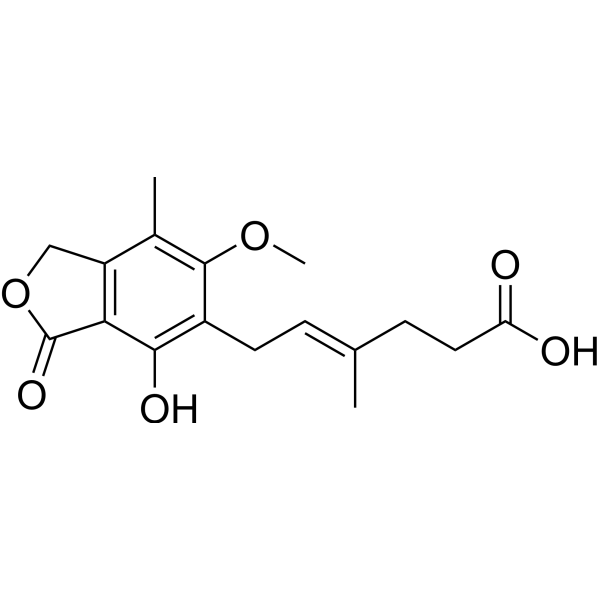
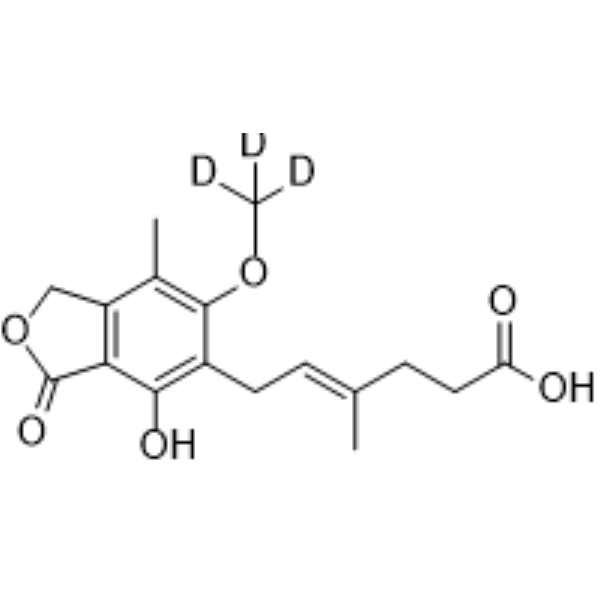
Mycophenolic acid-d3 (Mycophenolate-d3) is deuterium labeled Mycophenolic acid (HY-B0421). Mycophenolic acid is a potent uncompetitive inosine monophosphate dehydrogenase (IMPDH) inhibitor with an EC50 of 0.24 μM. Mycophenolic acid demonstrates antiviral effects against a wide range of RNA viruses including influenza. Mycophenolic acid is an immunosuppressive agent. Antiangiogenic and antitumor effects.
|
-
-
- HY-136065
-
|
|
PTEN
Phosphatase
Parasite
Apoptosis
|
Infection
Metabolic Disease
Inflammation/Immunology
Cancer
|
|
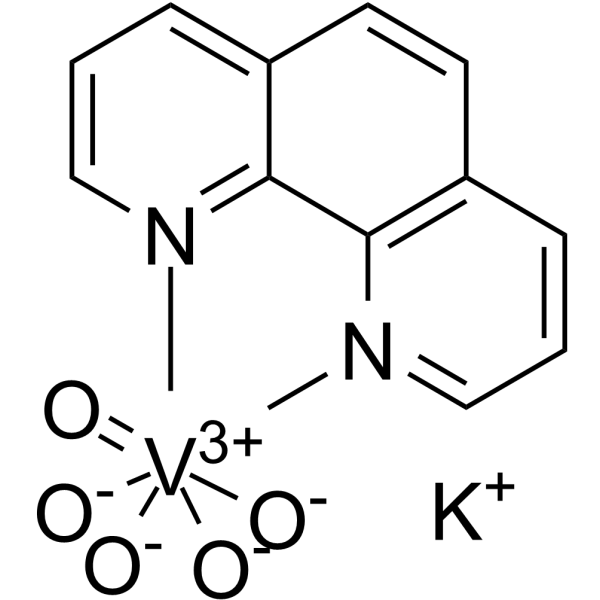
bpV(phen), a insulin-mimetic agent, is a potent protein tyrosine phosphatase (PTP) and PTEN inhibitor with IC50s of 38 nM, 343 nM and 920 nM for PTEN, PTP-β and PTP-1B, respectively. bpV(phen) inhibits proliferation of the protozoan parasite Leishmania in vitro. bpV(phen) strongly induces the secretion of a large number of chemokines and pro-inflammatory cytokines, and it activates a Th1-type pathway (IL-12, IFNγ). bpV(phen) can also induce cell apoptosis, and has anti-angiogenic and anti-tumor activity .
|
-
-
- HY-118530
-
|
SA96; Thiobutarit
|
VEGFR
|
Cardiovascular Disease
Inflammation/Immunology
|
|
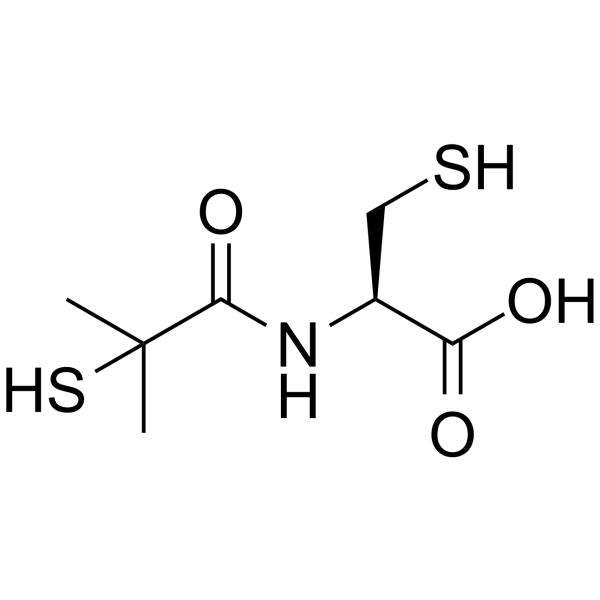
Bucillamine (SA96) is an orally active and potent sulfhydryl donor and antioxidant. Bucillamine is also an antirheumatic agent with antiangiogenic properties. Bucillamine can protect against Ischemia/reperfusion (I/R) injury in high-risk organ transplants. Bucillamine inhibits the production of VEGF. Bucillamine can be used for the research of choroidal neovascularization (CNV) and rheumatoid arthritis (RA) .
|
-
-
- HY-135774
-
|
|
Drug Metabolite
Phosphatase
|
Cardiovascular Disease
|
|
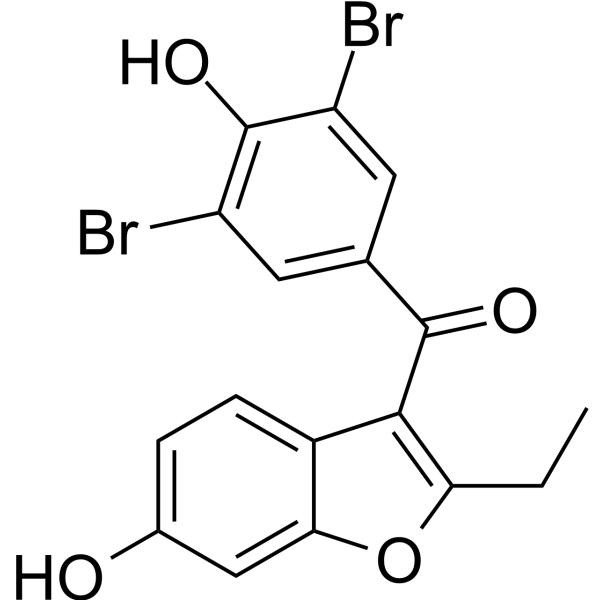
6-Hydroxybenzbromarone is the major metabolite of Benzbromarone with a longer half-life and greater pharmacological potency than the parent compound. 6-Hydroxybenzbromarone is a protein Eyes Absent 3 (EYA3) inhibitor with an IC50 value of 21.5 μM. 6-Hydroxybenzbromarone is an anti-angiogenic agent, has strong inhibitory effects on cell migration, tubulogenesis, and angiogenic sprouting .
|
-
-
- HY-B0421A
-
-
-
- HY-17364S
-
|
|
DNA Alkylator/Crosslinker
Autophagy
Apoptosis
|
Cancer
|
|
Temozolomide-d3 is the deuterium labeled Temozolomide. Temozolomide (NSC 362856) is an oral active DNA alkylating agent that crosses the blood-brain barrier. Temozolomide is also a proautophagic and proapoptotic agent. Temozolomide is effective against tumor cells that are characterized by low levels of O6-alkylguanine DNA alkyltransferase (OGAT) and a functional mismatch repair system. Temozolomide has antitumor and antiangiogenic effects .
|
-
-
- HY-17514S
-
|
R51211-d5
|
Fungal
Hedgehog
Cytochrome P450
Autophagy
Antibiotic
|
Infection
Cancer
|
|
Itraconazole-d5 is the deuterium labeled Itraconazole. Itraconazole (R51211) is a triazole antifungal agent and a potent and orally active Hedgehog (Hh) signaling pathway antagonist with an IC50 of ~800 nM. Itraconazole potently inhibits lanosterol 14α-demethylase (cytochrome P450 enzyme), thereby inhibits the oxidative conversion of lanosterol to ergosterol. Itraconazole has anticancer and antiangiogenic effects .
|
-
-
- HY-W011266
-
|
|
PDGFR
|
Cancer
|
|
JNJ-10198409 is a relatively selective, orally active, and ATP competitive PDGF-RTK (platelet-derived growth factor receptor tyrosine kinase) inhibitor (IC50=2 nM). It is a dual-mechanism, antiangiogenic, and tumor cell antiproliferative agent. JNJ-10198409 has good activity against PDGFR-β kinase (IC50=4.2 nM) and PDGFR-α kinase (IC50=45 nM) .
|
-
-
- HY-B0639A
-
|
WR2721 trihydrate
|
MDM-2/p53
HIF/HIF Prolyl-Hydroxylase
|
Cancer
|
|
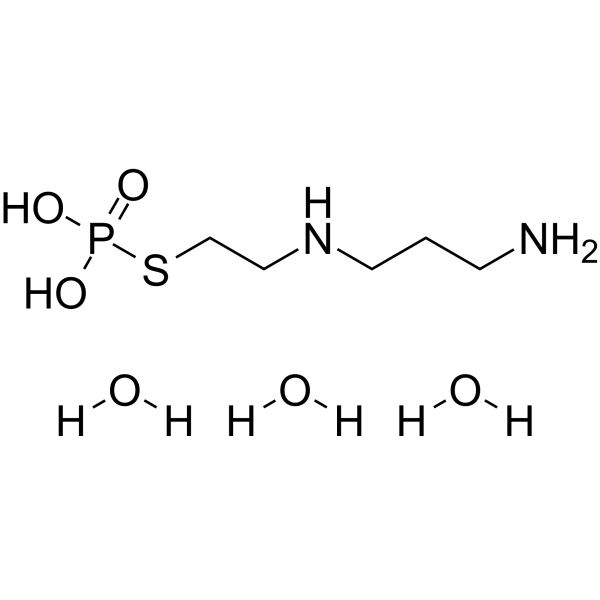
Amifostine trihydrate (WR2721 trihydrate) is a broad-spectrum cytoprotective agent and a radioprotector. Amifostine trihydrate selectively protects normal tissues from damage caused by radiation and chemotherapy. Amifostine trihydrate is potent hypoxia-inducible factor-α1 (HIF-α1) and p53 inducer. Amifostine trihydrate protects cells from damage by scavenging oxygen-derived free radicals. Amifostine trihydrate reduces renal toxicity and has antiangiogenic action .
|
-
-
- HY-122818
-
|
Bisperoxovanadium(phen) trihydrate
|
PTEN
Phosphatase
Parasite
Apoptosis
|
Infection
Metabolic Disease
Inflammation/Immunology
Cancer
|
|
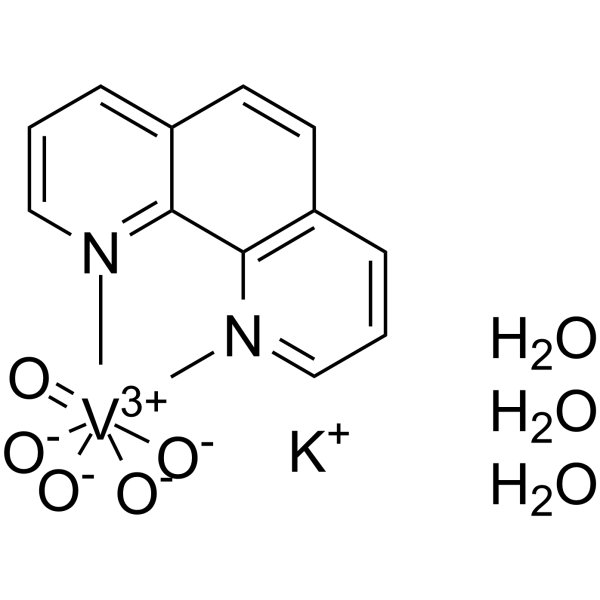
BpV(phen) trihydrate, a insulin-mimetic agent, is a potent protein tyrosine phosphatase (PTP) and PTEN inhibitor with IC50s of 38 nM, 343 nM and 920 nM for PTEN, PTP-β and PTP-1B, respectively. BpV(phen) trihydrate inhibits proliferation of the protozoan parasite Leishmania in vitro. bpV(phen) trihydrate strongly induces the secretion of a large number of chemokines and pro-inflammatory cytokines, and it activates a Th1-type pathway (IL-12, IFNγ). BpV(phen) trihydrate can also induce cell apoptosis, and has anti-angiogenic and anti-tumor activity .
|
-
-
- HY-B0263S
-
-
-
- HY-17514S1
-
|
R51211-d3
|
Antibiotic
Autophagy
Bacterial
Cytochrome P450
Fungal
Hedgehog
|
Infection
Cancer
|
|
Itraconazole-d3 (R51211-d3) is the deuterium labeled Itraconazole (HY-17514) . Itraconazole (R51211) is a triazole antifungal agent and a potent and orally active Hedgehog (Hh) signaling pathway antagonist with an IC50 of ~800 nM. Itraconazole potently inhibits lanosterol 14α-demethylase (cytochrome P450 enzyme), thereby inhibits the oxidative conversion of lanosterol to ergosterol. Itraconazole has anticancer and antiangiogenic effects. Itraconazole is a oxysterol-binding protein (OSBP) inhibitor.
|
-
-
- HY-N2911
-
|
|
VEGFR
Ferroptosis
PI3K
Akt
mTOR
Cannabinoid Receptor
p38 MAPK
|
Neurological Disease
|
|
Auriculasin is an anticancer agent that inhibits VEGFR2, PI3K/AKT/mTOR, MAPK. Auriculasin can inhibit cell proliferation, induce cell apoptosis, and inhibit angiogenesis, and promotes mitochondrial oxidative stress and ferroptosis. Auriculasin is also active at the cannabinoid receptor CB1 with an IC50 of 8.92 μM. Auriculasin can be used in cancer research, especially related diseases such as prostate cancer and non-small cell lung cancer, as well as research on the development of anti-angiogenic drugs .
|
-
-
- HY-P10323
-
|
Tumstatin (74-98), human
|
Integrin
FAK
mTOR
Apoptosis
|
Cancer
|
|
T7 Peptide is a protein synthesis inhibitor and anti-angiogenic agent, with a Kd of 10 nM for human transferrin receptor. T7 Peptide inhibits the phosphorylation of focal adhesion kinase, the activation of phosphatidylinositol 3-kinase and Akt, the kinase activity of mTOR, as well as the phosphorylation of 4E-BP1 in endothelial cells. T7 Peptide induces G0/G1 cell cycle arrest, apoptosis and protective autophagy in hepatocellular carcinoma cells, and suppresses tumor growth in mouse models. T7 Peptide is applicable to research related to cancer, glioblastoma, hepatocellular carcinoma and glioma .
|
-
-
- HY-P10323A
-
|
Tumstatin (74-98), human TFA
|
Integrin
FAK
mTOR
Apoptosis
|
Cancer
|
|
T7 Peptide TFA is a protein synthesis inhibitor and anti-angiogenic agent, with a Kd of 10 nM for human transferrin receptor. T7 Peptide TFA inhibits the phosphorylation of focal adhesion kinase, the activation of phosphatidylinositol 3-kinase and Akt, the kinase activity of mTOR, as well as the phosphorylation of 4E-BP1 in endothelial cells. T7 Peptide TFA induces G0/G1 cell cycle arrest, apoptosis and protective autophagy in hepatocellular carcinoma cells, and suppresses tumor growth in mouse models. T7 Peptide TFA is applicable to research related to cancer, glioblastoma, hepatocellular carcinoma and glioma .
|
-
-
- HY-16196
-
|
IRC-110160
|
Microtubule/Tubulin
HIF/HIF Prolyl-Hydroxylase
STAT
|
Cancer
|
|
ENMD-1198 (IRC-110160), an orally active microtubule destabilizing agent, is a 2-methoxyestradiol analogue with antiproliferative and antiangiogenic activity. ENMD-1198 is suitable for inhibiting HIF-1alpha and STAT3 in human HCC cells and leads to reduced tumor growth and vascularization.
|
-
-
- HY-B0421R
-
-
-
- HY-10517A
-
|
(Z)-SU6668; (Z)-TSU-68
|
VEGFR
PDGFR
FGFR
|
Cancer
|
|
(Z)-Orantinib ((Z)-SU6668) is a potent, selective, orally active and ATP competitive inhibitor of Flk‐1/KDR, PDGFRβ, and FGFR1, with IC50s of 2.1, 0.008, and 1.2 µM, respectively. (Z)-Orantinib is a potent antiangiogenic and antitumor agent that induces regression of established tumors .
|
-
-
- HY-17514R
-
|
R51211 (Standard)
|
Reference Standards
Fungal
Hedgehog
Cytochrome P450
Autophagy
Antibiotic
Bacterial
|
Infection
Cancer
|
|
Itraconazole (Standard) is the analytical standard of Itraconazole. This product is intended for research and analytical applications. Itraconazole (R51211) is a triazole antifungal agent and a potent and orally active Hedgehog (Hh) signaling pathway antagonist with an IC50 of ~800 nM. Itraconazole potently inhibits lanosterol 14α-demethylase (cytochrome P450 enzyme), thereby inhibits the oxidative conversion of lanosterol to ergosterol. Itraconazole has anticancer and antiangiogenic effects. Itraconazole is a oxysterol-binding protein (OSBP) inhibitor .
|
-
-
- HY-16147
-
|
Oxi4503; CA1P; Combretastatin A1 diphosphate
|
Microtubule/Tubulin
|
Cancer
|
|
Combretastatin A1 phosphate (Oxi4503) is a potent vascular disruptive agent. Combretastatin A1 phosphate exerts anti-angiogenic effects on tumors. Combretastatin A1 phosphate has the potential for the research of pancreatic neuroendocrine tumors .
|
-
-
- HY-130326
-
|
Ru(η6-p-cymene)Cl2(pta)
|
Apoptosis
Caspase
|
Cardiovascular Disease
Cancer
|
|
RAPTA-C (Ru(η6-p-cymene)Cl2(pta)) acts as an anti-cancer and anti-angiogenic agent. RAPTA-C exhibits anti-metastatic, anti-angiogenic, and anti-tumoral activities through protein and histone-deoxyribonucleic acid alterations. RAPTA-C exhibits cell growth inhibition by triggering G(2)/M phase arrest in cancer cells. RAPTA-C also enhances the levels of p53 and triggers the mitochondrial Apoptotic pathway, resulting in cytochrome C release and caspase-9 activation. RAPTA-C reduces the growth of tumors with the inhibition of angiogenesis in a ovarian carcinoma model .
|
-
-
- HY-121605
-
|
|
Apoptosis
|
Cancer
|
|
RL71 is a curcuminoid anticancer agent that exhibits potent cytotoxicity against a variety of ER-negative breast cancer cells. RL71 (1 μM) induces cell cycle arrest in the G2/M phase and induces apoptosis in SKBr3 cells. RL7 also decreases HER2/neu phosphorylation and increases p27. RL71 also significantly reduced the phosphorylation of Akt and transiently increased the stress kinases JNK1/2 and p38 MAPK. Furthermore, RL71 exhibited anti-angiogenic potential in vitro, inhibiting the migration of HUVEC cells and the ability of these cells to form tubular networks .
|
-
-
- HY-17514S2
-
|
R51211-d9
|
Fungal
Hedgehog
Bacterial
Autophagy
Cytochrome P450
Antibiotic
|
Infection
|
|
Itraconazole-d9 is the deuterium labeled Itraconazole . Itraconazole (R51211) is a triazole antifungal agent and a potent and orally active Hedgehog (Hh) signaling pathway antagonist with an IC50 of ~800 nM. Itraconazole potently inhibits lanosterol 14α-demethylase (cytochrome P450 enzyme), thereby inhibits the oxidative conversion of lanosterol to ergosterol. Itraconazole has anticancer and antiangiogenic effects. Itraconazole is a oxysterol-binding protein (OSBP) inhibitor .
|
-
-
- HY-160587
-
|
|
SRPK
|
Cardiovascular Disease
|
|
Antiangiogenic agent 5 (compound 17) has anti-angiogenic activity. Antiangiogenic agent 5 show inhibition to SRPK1, with IC50 of 1.3 nM .
|
-
-
- HY-147969
-
|
|
Nucleoside Antimetabolite/Analog
|
Cancer
|
|
Antiangiogenic agent 2 (compound 3b) is a potent thymidine phosphorylase inhibitor, with an IC50 of 39.71 μM. Antiangiogenic agent 2 shows anti-angiogenic activity .
|
-
-
- HY-168932
-
|
|
Bacterial
Antibiotic
|
Infection
Cardiovascular Disease
|
|
Antiangiogenic agent 8 (Compound 3m) is an antibacterial agent with anti-angiogenic activity. The MIC values of Antiangiogenic agent 8 against E. coli, P. aeruginosa, B. subtilis, S. aureus, and C. glabrata are 16, 8, 4, 16, and 8 μg/mL, respectively, with MBC ranging from 32 to 64 μg/mL. Antiangiogenic agent 8 holds promise for applications in anti-infective therapy and cardiovascular disease research .
|
-
-
- HY-149921
-
|
|
Src
p38 MAPK
|
Cancer
|
|
Antiangiogenic agent 3 (compound 3) is a potent antiangiogenic agent. Antiangiogenic agent 3 is an inhibitor of human umbilical vein endothelial cells (HUVEC). Antiangiogenic agent 3 inhibits HUVEC migration and chemotactic motilities. Antiangiogenic agent 3 also decreases the gene expression of Src, cdc42, and MAPK .
|
-
-
- HY-169023
-
|
|
Apoptosis
|
Cancer
|
|
Antiangiogenic agent 6 (Pt-1) can inhibit angiogenesis. Antiangiogenic agent 6 can induce necroptosis in tumor cells .
|
-
-
- HY-155174
-
|
|
Akt
|
Cancer
|
|
Antiangiogenic agent 4 (Compound 3b) inhibits Akt phosphorylation in HFF and HUVEC cells. Antiangiogenic agent 4 can be used for cancer research .
|
-
-
- HY-B0879AR
-
|
Suramin hexasodium salt (Standard)
|
Reference Standards
Phosphatase
Sirtuin
Reverse Transcriptase
Topoisomerase
SARS-CoV
Parasite
Apoptosis
|
Infection
Cardiovascular Disease
Cancer
|
|
Suramin (sodium salt) (Standard) is the analytical standard of Suramin (sodium salt). This product is intended for research and analytical applications. Suramin sodium salt (Suramin hexasodium salt) is a reversible and competitive protein-tyrosine phosphatases (PTPases) inhibitor . Suramin sodium salt is a potent inhibitor of sirtuins: SirT1 (IC50=297 nM), SirT2 (IC50=1.15 μM), and SirT5 (IC50=22 μM) . Suramin sodium salt is a competitive inhibitor of reverse transcriptase (DNA topoisomerase II: IC50=5 μM) . Suramin sodium salt is a potent SARS-CoV-2 RNA-dependent RNA polymerase (RdRp) inhibitor . Suramin sodium salt efficiently inhibits IP5K and is an antiparasitic, anti-neoplastic and anti-angiogenic agent .
|
-
-
- HY-168300
-
|
|
Reactive Oxygen Species (ROS)
Apoptosis
|
Inflammation/Immunology
Cancer
|
|
Antiangiogenic agent 7 (Compound 1) can induce cell apoptosis, increase Reactive Oxygen Species, and inhibit the intracellular enzyme thioredoxin reductase. Antiangiogenic agent 7 has anti-cancer activity, with an IC50 of 0.08-3.5 μM against cervical cancer cells HeLa, prostate cancer cells PC-3, and non-small cell lung cancer A549. Antiangiogenic agent 7 inhibits tumor growth in mouse xenograft models .
|
-
-
- HY-145820
-
|
|
Apoptosis
Microtubule/Tubulin
|
Cancer
|
|
Tubulin inhibitor 14 is a potent NQO2 (quinone oxidoreductase 2) inhibitor with an IC50 of 1.0 μM. Tubulin inhibitor 14 also inhibits tubulin polymerization and the formation of endothelial cell capillary-like tubes. Tubulin inhibitor 14 is a microtubule-destabilizing agent with potential tumor-selectivity and antiangiogenic and vascular disrupting features .
|
-
-
- HY-17364R
-
|
NSC 362856 (Standard); CCRG 81045 (Standard); TMZ (Standard)
|
Reference Standards
DNA Alkylator/Crosslinker
Autophagy
Apoptosis
|
Cancer
|
|
Temozolomide (Standard) is the analytical standard of Temozolomide. This product is intended for research and analytical applications. Temozolomide (NSC 362856) is an oral active DNA alkylating agent that crosses the blood-brain barrier. Temozolomide is also a proautophagic and proapoptotic agent. Temozolomide is effective against tumor cells that are characterized by low levels of O6-alkylguanine DNA alkyltransferase (OGAT) and a functional mismatch repair system. Temozolomide has antitumor and antiangiogenic effects .
|
-
-
- HY-10528S
-
|
ABR-215050-d3
|
HDAC
Isotope-Labeled Compounds
|
Cancer
|
|
Tasquinimod-d3 (ABR-215050-d3) is the deuterium labeled Tasquinimod (HY-10528). Tasquinimod is an oral antiangiogenic agent, which plays an important role in castration-resistant prostate cancer. Tasquinimod binds to the regulatory Zn 2+ binding domain of HDAC4 with Kd of 10-30 nM. Tasquinimod also is a S100A9 inhibitor .
|
-
-
- HY-119843
-
|
Dimethylosoic acid; RES-1214-1; TAN 1415A
|
Antibiotic
|
Infection
|
|
Asterric acid is an antibiotic fungal metabolite that completely inhibits the binding of the potent vasoconstrictor endothelin (ET)-1 to the ETA receptor in A10 cells at 0.1 μM.1 Asterric acid derivatives have also been shown to inhibit VEGF-induced tube formation of human umbilical vein endothelial cells at 3-10 μM, which suggests its usefulness as an antiangiogenic agent.
|
-
-
- HY-B0421S2
-
|
Mycophenolate-13C17
|
Isotope-Labeled Compounds
Flavivirus
|
Cancer
|
|
Mycophenolic acid-13C17 (Mycophenolate-13C17) is the 13C labeled Mycophenolic acid (HY-B0421). Mycophenolic acid is a potent uncompetitive inosine monophosphate dehydrogenase (IMPDH) inhibitor with an EC50 of 0.24 μM. Mycophenolic acid demonstrates antiviral effects against a wide range of RNA viruses including influenza. Mycophenolic acid is an immunosuppressive agent. Antiangiogenic and antitumor effects.
|
-
-
- HY-120200
-
|
|
VEGFR
|
Cardiovascular Disease
Cancer
|
|
YF-452 is a potent inhibitor of vascular endothelial growth factor receptor 2 (VEGFR2). YF-452 remarkably inhibits the migration, invasion and tube-like structure formation of human umbilical vein endothelial cells (HUVECs) with little toxicity. YF-452 inhibits VEGF-induced phosphorylation of VEGFR2 kinase and the downstream protein kinases including extracellular signal regulated kinase (ERK), focal adhesion kinase (FAK) and Src. YF-452 is a potential antiangiogenic agent candidate for cancer research .
|
-
-
- HY-118239
-
-
-
- HY-142085
-
|
|
VEGFR
|
Cancer
|
|
Antiproliferative agent-20 is a potent and orally active anticancer agent. Antiproliferative agent-20 exhibits antiproliferative and anti-angiogenic activities .
|
-
- HY-P991384
-
|
|
Tie
|
Cancer
|
|
DX-2240 is a human monoclonal antibody (mAb) targeting TIE1. DX-2240 inhibits tumor growth and sensitizes tumor vasculature to anti-angiogenic agents (VEGF pathway inhibitors) .
|
-
- HY-14919A
-
|
MN-029
|
Microtubule/Tubulin
|
Cancer
|
|
Denibulin (MN-029) hydrochloride is an anti-angiogenic agent with anticancer activity. It can cause rapid closure of blood vessels in solid tumors and lead to dose-dependent killing of tumor cells, effectively enhancing the antitumor effects of radiation and cisplatin chemotherapy .
|
-
- HY-12572
-
|
|
Tie
VEGFR
|
Cancer
|
|
TIE-2/VEGFR-2 kinase-IN-2 is a potent dual VEGFR2 and Tie-2 inhibitor with pIC50 values of 8.61 and 8.56, respectively . TIE-2/VEGFR-2 kinase-IN-2 is an anti-angiogenic agent and can be used for cancer research .
|
-
- HY-156638
-
|
|
Tie
VEGFR
|
Cardiovascular Disease
|
|
TIE-2/VEGFR-2 kinase-IN-5 is an anti-angiogenic agent. TIE-2/VEGFR-2 kinase-IN-5 also is a potent TIE-2 and VEGFR-2 tyrosine kinase inhibitor with pIC50 values of 7.78 nM and 8.11 nM, respectively. TIE-2/VEGFR-2 kinase-IN-5 can be used for the research of angiogenesis .
|
-
- HY-N2067R
-
|
p-(Hydroxymethyl)guaiacol (Standard)
|
Reference Standards
Reactive Oxygen Species (ROS)
Bcl-2 Family
|
Cardiovascular Disease
Neurological Disease
Inflammation/Immunology
|
|
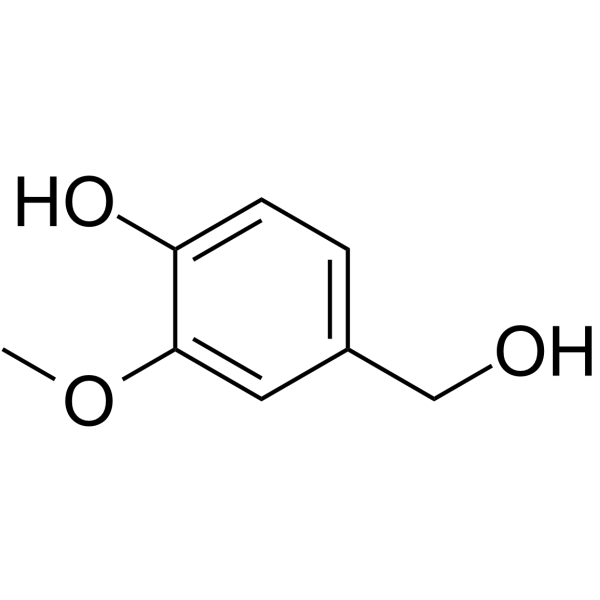
Vanillyl alcohol (Standard) is the analytical standard of Vanillyl alcohol (HY-N2067). This product is intended for research and analytical applications. Vanillyl alcohol (p-(Hydroxymethyl)guaiacol) is an orally active phenolic alcohol. Vanillyl alcohol reduces ROS generation. suppresses Bax, increases Bcl-2. Vanillyl alcohol has anti-angiogenic, anti-inflammatory, anti-nociceptive and neuroprotective effects. Vanillyl alcohol is used as a flavoring agent in foods and beverages .
|
-
- HY-183778
-
|
|
VEGFR
Caspase
Apoptosis
|
Cancer
|
|
Antiangiogenic agent 9 is an antiangiogenic agent and also a VEGFR-2 inhibitor. Antiangiogenic agent 9 induces apoptosis of breast cancer cells by activating caspase-3 (apoptosis). Antiangiogenic agent 9 exhibits antiproliferative activity against breast cancer cells. Antiangiogenic agent 9 can be used for the research of breast cancer .
|
-
- HY-183779
-
|
|
Apoptosis
Caspase
|
Cancer
|
|
Antiangiogenic agent 10 is a potent orally active antiangiogenic agent with antiproliferative activity against breast cancer cells. Antiangiogenic agent 10 induces apoptosis via caspase-3 activation. Antiangiogenic agent 10 can be used for the research of breast cancer .
|
-
- HY-13705
-
-
- HY-121605S
-
|
|
Isotope-Labeled Compounds
Apoptosis
|
Cancer
|
|
RL71-d6 is a deuterium labeled RL71 (HY-121605). RL71 is a curcuminoid anticancer agent that exhibits potent cytotoxicity against a variety of ER-negative breast cancer cells. RL71 (1 μM) induces cell cycle arrest in the G2/M phase and induces apoptosis in SKBr3 cells. RL7 also decreases HER2/neu phosphorylation and increases p27. RL71 also significantly reduced the phosphorylation of Akt and transiently increased the stress kinases JNK1/2 and p38 MAPK. Furthermore, RL71 exhibited anti-angiogenic potential in vitro, inhibiting the migration of HUVEC cells and the ability of these cells to form tubular networks .
|
-
- HY-169037
-
|
HU-336; Δ8-THCQ
|
Apoptosis
|
Cardiovascular Disease
Cancer
|
|
Δ8-Tetrahydrocannabinoquinone (HU-336) is a potent antiangiogenic agent. Δ8-Tetrahydrocannabinoquinone inhibits angiogenesis by directly inducing apoptosis of vascular endothelial cells without changing the expression of pro- and antiangiogenic cytokines and receptors. Δ8-Tetrahydrocannabinoquinone is highly effective against tumor xenografts in nude mice .
|
-
- HY-B0421AR
-
|
Mycophenolate sodium (Standard)
|
Dengue Virus
Reference Standards
Apoptosis
Bacterial
Fungal
Antibiotic
Endogenous Metabolite
Flavivirus
|
Infection
Inflammation/Immunology
Cancer
|
|
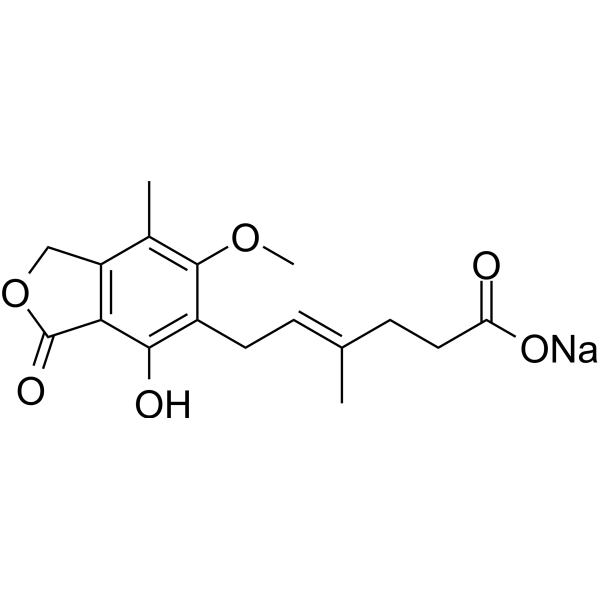
Mycophenolic acid (sodium) (Standard) is the analytical standard of Mycophenolic acid (sodium). This product is intended for research and analytical applications. Mycophenolic acid sodium is a potent uncompetitive inosine monophosphate dehydrogenase (IMPDH) inhibitor with an EC50 of 0.24 μM. Mycophenolic acid sodium demonstrates antiviral effects against a wide range of RNA viruses including influenza. Mycophenolic acid sodium is an immunosuppressive agent. Antiangiogenic and antitumor effects .
|
-
- HY-10528R
-
|
ABR-215050 (Standard)
|
Reference Standards
HDAC
|
Cancer
|
|
Tasquinimod (Standard) is the analytical standard of Tasquinimod. This product is intended for research and analytical applications. Tasquinimod is an oral antiangiogenic agent, which has the potential for castration-resistant prostate cancer treatment. Tasquinimod binds to the regulatory Zn2+ binding domain of HDAC4 with Kd of 10-30 nM. Tasquinimod also is a S100A9 inhibitor .
|
-
- HY-124953R
-
|
|
MAP3K
Apoptosis
|
Cancer
|
|
7,3',4'-Trihydroxyisoflavone (Standard) is the analytical standard of 7,3',4'-Trihydroxyisoflavone. This product is intended for research and analytical applications. 7,3',4'-Trihydroxyisoflavone, a major metabolite of Daidzein, is an ATP-competitive inhibitor of Cot (Tpl2/MAP3K8) and MKK4. 7,3',4'-Trihydroxyisoflavone has anticancer, anti-angiogenic, chemoprotective, and free radical scavenging activities .
|
-
- HY-118530R
-
|
SA96 (Standard); Thiobutarit (Standard)
|
Reference Standards
VEGFR
|
Cardiovascular Disease
Inflammation/Immunology
|
|
Bucillamine (Standard) is the analytical standard of Bucillamine. This product is intended for research and analytical applications. Bucillamine (SA96) is an orally active and potent sulfhydryl donor and antioxidant. Bucillamine is also an antirheumatic agent with antiangiogenic properties. Bucillamine can protect against Ischemia/reperfusion (I/R) injury in high-risk organ transplants. Bucillamine inhibits the production of VEGF. Bucillamine can be used for the research of choroidal neovascularization (CNV) and rheumatoid arthritis (RA) .
|
-
- HY-117733
-
|
|
Tie
VEGFR
|
Cancer
|
|
Zerumin A is an anti-angiogenic agent that acts on multiple molecular targets related to angiogenesis (including kdr/VEGFR2, angpt1, angpt2, tie1, and tie2). Zerumin A specifically inhibits the proliferation and migration of human umbilical vein endothelial cells (HUVECs) by regulating the VEGF-VEGFR and ANGPT-TIE signaling pathways, and dose-dependently inhibits angiogenesis (10-20 μM significantly inhibits zebrafish embryo angiogenesis). Zerumin A can be used in the research of cancer and angiogenesis-related inflammatory diseases. Zerumin A can be naturally extracted from the 95% ethanol extract of the fruits, seeds, and pericarp of Alpinia caerulea (R.Br.) Bentham (a plant of the Alpinia genus in the Zingiberaceae family) .
|
-
- HY-10517AR
-
|
(Z)-SU6668 (Standard); (Z)-TSU-68 (Standard)
|
Reference Standards
VEGFR
PDGFR
FGFR
|
Cancer
|
|
(Z)-Orantinib (Standard) is the analytical standard of (Z)-Orantinib (HY-10517A). This product is intended for research and analytical applications. (Z)-Orantinib ((Z)-SU6668) is a potent, selective, orally active and ATP competitive inhibitor of Flk‐1/KDR, PDGFRβ, and FGFR1, with IC50s of 2.1, 0.008, and 1.2 μM, respectively. (Z)-Orantinib is a potent antiangiogenic and antitumor agent that induces regression of established tumors .
|
-
- HY-P99658A
-
-
| Cat. No. |
Product Name |
Target |
Research Area |
-
- HY-P10323
-
|
Tumstatin (74-98), human
|
Integrin
FAK
mTOR
Apoptosis
|
Cancer
|
|
T7 Peptide is a protein synthesis inhibitor and anti-angiogenic agent, with a Kd of 10 nM for human transferrin receptor. T7 Peptide inhibits the phosphorylation of focal adhesion kinase, the activation of phosphatidylinositol 3-kinase and Akt, the kinase activity of mTOR, as well as the phosphorylation of 4E-BP1 in endothelial cells. T7 Peptide induces G0/G1 cell cycle arrest, apoptosis and protective autophagy in hepatocellular carcinoma cells, and suppresses tumor growth in mouse models. T7 Peptide is applicable to research related to cancer, glioblastoma, hepatocellular carcinoma and glioma .
|
-
- HY-P10323A
-
|
Tumstatin (74-98), human TFA
|
Integrin
FAK
mTOR
Apoptosis
|
Cancer
|
|
T7 Peptide TFA is a protein synthesis inhibitor and anti-angiogenic agent, with a Kd of 10 nM for human transferrin receptor. T7 Peptide TFA inhibits the phosphorylation of focal adhesion kinase, the activation of phosphatidylinositol 3-kinase and Akt, the kinase activity of mTOR, as well as the phosphorylation of 4E-BP1 in endothelial cells. T7 Peptide TFA induces G0/G1 cell cycle arrest, apoptosis and protective autophagy in hepatocellular carcinoma cells, and suppresses tumor growth in mouse models. T7 Peptide TFA is applicable to research related to cancer, glioblastoma, hepatocellular carcinoma and glioma .
|
| Cat. No. |
Product Name |
Target |
Research Area |
Image |
-
- HY-P991384
-
|
|
Tie
|
Cancer
|
|
DX-2240 is a human monoclonal antibody (mAb) targeting TIE1. DX-2240 inhibits tumor growth and sensitizes tumor vasculature to anti-angiogenic agents (VEGF pathway inhibitors) .
|
-
(5)
-
- HY-P99658A
-
-
(5)
| Cat. No. |
Product Name |
Category |
Target |
Chemical Structure |
-
- HY-17514
-
Itraconazole
Maximum Cited Publications
24 Publications Verification
R51211
|
Microorganisms
Source Classification
|
Fungal
Hedgehog
Cytochrome P450
Autophagy
Antibiotic
Bacterial
|
|
Itraconazole (R51211) is a triazole antifungal agent and a potent and orally active Hedgehog (Hh) signaling pathway antagonist with an IC50 of ~800 nM. Itraconazole potently inhibits lanosterol 14α-demethylase (cytochrome P450 enzyme), thereby inhibits the oxidative conversion of lanosterol to ergosterol. Itraconazole has anticancer and antiangiogenic effects. Itraconazole is a oxysterol-binding protein (OSBP) inhibitor .
|
-
-
- HY-B0421
-
-
-
- HY-N6811
-
-
-
- HY-N2067
-
-
-
- HY-B0421A
-
-
-
- HY-B0421R
-
-
-
- HY-17514R
-
|
R51211 (Standard)
|
Microorganisms
Source Classification
|
Reference Standards
Fungal
Hedgehog
Cytochrome P450
Autophagy
Antibiotic
Bacterial
|
|
Itraconazole (Standard) is the analytical standard of Itraconazole. This product is intended for research and analytical applications. Itraconazole (R51211) is a triazole antifungal agent and a potent and orally active Hedgehog (Hh) signaling pathway antagonist with an IC50 of ~800 nM. Itraconazole potently inhibits lanosterol 14α-demethylase (cytochrome P450 enzyme), thereby inhibits the oxidative conversion of lanosterol to ergosterol. Itraconazole has anticancer and antiangiogenic effects. Itraconazole is a oxysterol-binding protein (OSBP) inhibitor .
|
-
-
- HY-N2067R
-
-
-
- HY-B0421AR
-
-
-
- HY-117733
-
|
|
Structural Classification
Arecaceae Bercht. & J. Presl
Ketones, Aldehydes, Acids
Terpenoids
Arecaceae
Diterpenoids
Plants
Source Classification
Zingiberaceae
|
Tie
VEGFR
|
|
Zerumin A is an anti-angiogenic agent that acts on multiple molecular targets related to angiogenesis (including kdr/VEGFR2, angpt1, angpt2, tie1, and tie2). Zerumin A specifically inhibits the proliferation and migration of human umbilical vein endothelial cells (HUVECs) by regulating the VEGF-VEGFR and ANGPT-TIE signaling pathways, and dose-dependently inhibits angiogenesis (10-20 μM significantly inhibits zebrafish embryo angiogenesis). Zerumin A can be used in the research of cancer and angiogenesis-related inflammatory diseases. Zerumin A can be naturally extracted from the 95% ethanol extract of the fruits, seeds, and pericarp of Alpinia caerulea (R.Br.) Bentham (a plant of the Alpinia genus in the Zingiberaceae family) .
|
-
| Cat. No. |
Compare |
Product Name |
Species |
Source |
Image |
Compare Products
|
| Products |
|
| Cat. No. |
|
| Species |
|
| Source |
|
| Tag |
|
| Accession |
|
| Gene ID |
|
| Molecular Weight |
|
| Purity |
|
| Endotoxin Level |
|
| Biological Activity |
|
| Appearance |
|
| Formulation |
|
| Storage & Stability |
|
| Shipping |
|
| Free Sample |
Yes
No
|
| Size |
* This product has been "discontinued".
Optimized version of product available:
|
| Cat. No. |
Product Name |
Chemical Structure |
-
- HY-B0421S
-
|
|
|
Mycophenolic acid-d3 (Mycophenolate-d3) is deuterium labeled Mycophenolic acid (HY-B0421). Mycophenolic acid is a potent uncompetitive inosine monophosphate dehydrogenase (IMPDH) inhibitor with an EC50 of 0.24 μM. Mycophenolic acid demonstrates antiviral effects against a wide range of RNA viruses including influenza. Mycophenolic acid is an immunosuppressive agent. Antiangiogenic and antitumor effects.
|
-
-
- HY-17364S
-
|
|
|
Temozolomide-d3 is the deuterium labeled Temozolomide. Temozolomide (NSC 362856) is an oral active DNA alkylating agent that crosses the blood-brain barrier. Temozolomide is also a proautophagic and proapoptotic agent. Temozolomide is effective against tumor cells that are characterized by low levels of O6-alkylguanine DNA alkyltransferase (OGAT) and a functional mismatch repair system. Temozolomide has antitumor and antiangiogenic effects .
|
-
-
- HY-17514S
-
|
|
|
Itraconazole-d5 is the deuterium labeled Itraconazole. Itraconazole (R51211) is a triazole antifungal agent and a potent and orally active Hedgehog (Hh) signaling pathway antagonist with an IC50 of ~800 nM. Itraconazole potently inhibits lanosterol 14α-demethylase (cytochrome P450 enzyme), thereby inhibits the oxidative conversion of lanosterol to ergosterol. Itraconazole has anticancer and antiangiogenic effects .
|
-
-
- HY-B0263S
-
|
|
|
Thiabendazole-d4 is a deuterated form of Thiabendazole, which is an antiseptic, antifungal and antiparasitic agent .
|
-
-
- HY-17514S1
-
|
|
|
Itraconazole-d3 (R51211-d3) is the deuterium labeled Itraconazole (HY-17514) . Itraconazole (R51211) is a triazole antifungal agent and a potent and orally active Hedgehog (Hh) signaling pathway antagonist with an IC50 of ~800 nM. Itraconazole potently inhibits lanosterol 14α-demethylase (cytochrome P450 enzyme), thereby inhibits the oxidative conversion of lanosterol to ergosterol. Itraconazole has anticancer and antiangiogenic effects. Itraconazole is a oxysterol-binding protein (OSBP) inhibitor.
|
-
-
- HY-17514S2
-
|
|
|
Itraconazole-d9 is the deuterium labeled Itraconazole . Itraconazole (R51211) is a triazole antifungal agent and a potent and orally active Hedgehog (Hh) signaling pathway antagonist with an IC50 of ~800 nM. Itraconazole potently inhibits lanosterol 14α-demethylase (cytochrome P450 enzyme), thereby inhibits the oxidative conversion of lanosterol to ergosterol. Itraconazole has anticancer and antiangiogenic effects. Itraconazole is a oxysterol-binding protein (OSBP) inhibitor .
|
-
-
- HY-10528S
-
|
|
|
Tasquinimod-d3 (ABR-215050-d3) is the deuterium labeled Tasquinimod (HY-10528). Tasquinimod is an oral antiangiogenic agent, which plays an important role in castration-resistant prostate cancer. Tasquinimod binds to the regulatory Zn 2+ binding domain of HDAC4 with Kd of 10-30 nM. Tasquinimod also is a S100A9 inhibitor .
|
-
-
- HY-B0421S2
-
|
|
|
Mycophenolic acid-13C17 (Mycophenolate-13C17) is the 13C labeled Mycophenolic acid (HY-B0421). Mycophenolic acid is a potent uncompetitive inosine monophosphate dehydrogenase (IMPDH) inhibitor with an EC50 of 0.24 μM. Mycophenolic acid demonstrates antiviral effects against a wide range of RNA viruses including influenza. Mycophenolic acid is an immunosuppressive agent. Antiangiogenic and antitumor effects.
|
-
-
- HY-121605S
-
|
|
|
RL71-d6 is a deuterium labeled RL71 (HY-121605). RL71 is a curcuminoid anticancer agent that exhibits potent cytotoxicity against a variety of ER-negative breast cancer cells. RL71 (1 μM) induces cell cycle arrest in the G2/M phase and induces apoptosis in SKBr3 cells. RL7 also decreases HER2/neu phosphorylation and increases p27. RL71 also significantly reduced the phosphorylation of Akt and transiently increased the stress kinases JNK1/2 and p38 MAPK. Furthermore, RL71 exhibited anti-angiogenic potential in vitro, inhibiting the migration of HUVEC cells and the ability of these cells to form tubular networks .
|
-
Your information is safe with us. * Required Fields.
Inquiry Information
- Product Name:
- Cat. No.:
- Quantity:
- MCE Japan Authorized Agent:

