Search Result
Results for "
anti-apoptosis
" in MedChemExpress (MCE) Product Catalog:
5
Isotope-Labeled Compounds
| Cat. No. |
Product Name |
Target |
Research Areas |
Chemical Structure |
-
- HY-N6947
-
Lutein
4 Publications Verification
Xanthophyll
|
Endogenous Metabolite
Apoptosis
Reactive Oxygen Species (ROS)
|
Neurological Disease
Inflammation/Immunology
|
|
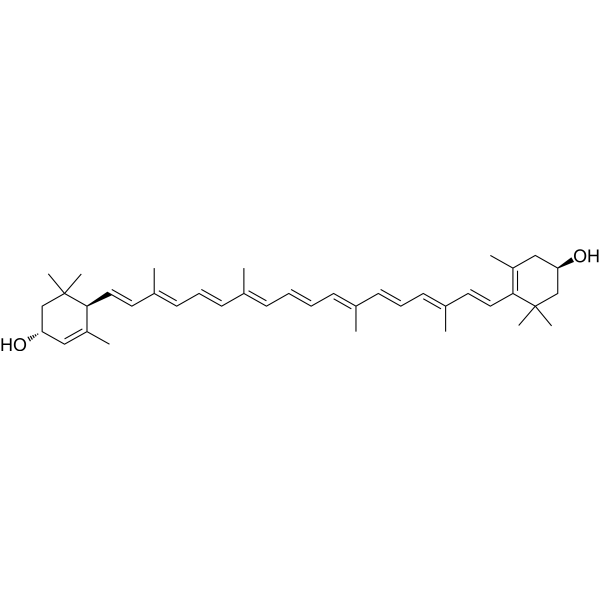
Lutein (Xanthophyll) is a carotenoid with reported anti-inflammatory properties. A large body of evidence shows that lutein has several beneficial effects, especially on eye health . Lutein exerts its biological activities, including anti-inflammation, anti-oxidase and anti-apoptosis, through effects on reactive oxygen species (ROS) . Lutein is able to arrive in the brain and shows antidepressant-like and neuroprotective effects. Lutein is orally active .
|
-
-
- HY-N0164
-
Matrine
Maximum Cited Publications
18 Publications Verification
Matridin-15-one; Vegard; α-Matrine
|
PINK1/Parkin
Opioid Receptor
Autophagy
Mitophagy
Ferroptosis
Apoptosis
|
Inflammation/Immunology
Cancer
|
|
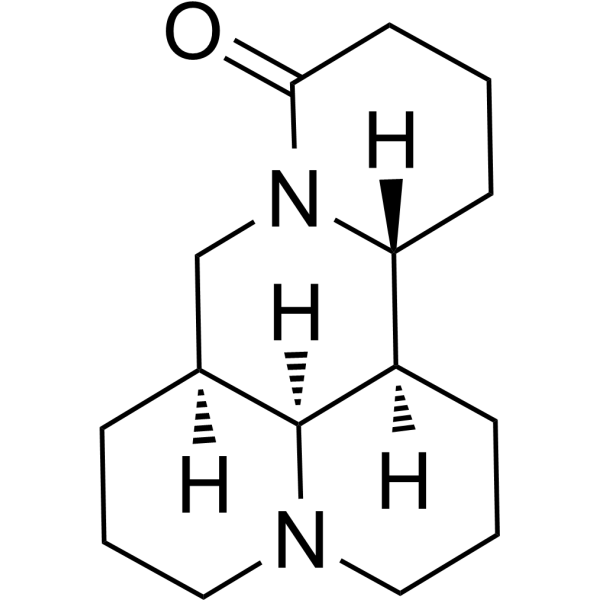
Matrine (Matridin-15-one) is an alkaloid found in plants from the Sophora genus that can act as a kappa opioid receptor and u-receptor agonist. Matrine has a variety of pharmacological effects, including anti-cancer, anti-oxidative stress, anti-inflammation and anti-apoptosis effects. Matrine is potential in the research of disease like human non-small cell lung cancer, hepatoma, papillary thyroid cancer and acute kidney injury (AKI) .
|
-
-
- HY-B0766
-
|
SY801
|
Autophagy
Apoptosis
HBV
HCV
HSP
Reactive Oxygen Species (ROS)
Bcl-2 Family
Glutathione S-transferase
p38 MAPK
NF-κB
Microtubule/Tubulin
ERK
JNK
TNF Receptor
Interleukin Related
CDK
Cyclin G-associated Kinase (GAK)
mTOR
P-glycoprotein
Ferroptosis
|
Infection
Inflammation/Immunology
Cancer
|
|
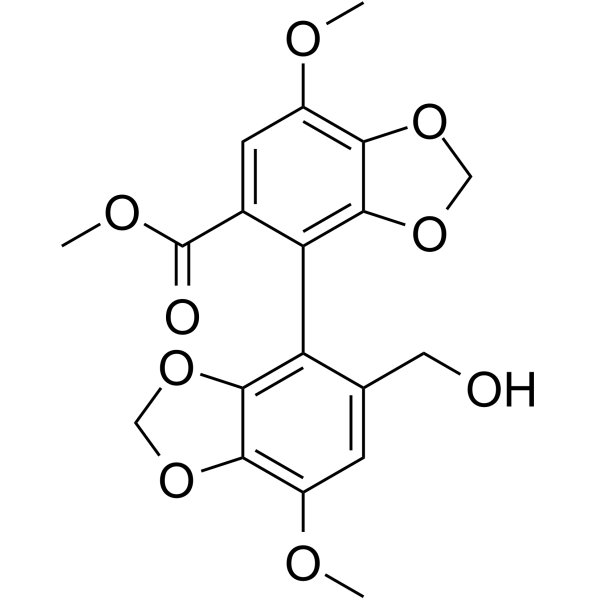
Bicyclol (SY801) is an orally active derivative of the traditional Chinese medicine Schisandra chinensis, which has antiviral, anti-inflammatory, immunomodulatory, antioxidant, anti-steatosis, anti-fibrotic and anti-tumor activities. Bicyclol regulates the expression of heat shock proteins and plays an anti-apoptosis role in hepatocytes. Bicyclol reduces the activation of NF-κB and the levels of inflammatory factors in hepatocytes infected with hepatitis C virus (HCV) by inhibiting the activation of the ROS-MAPK-NF-κB pathway, and prevents ferroptosis in acute liver injury. Bicyclol can change the expression of Mdr-1, GSH/GST and Bcl-2, increase the intracellular concentration of anticancer drugs, and sensitize drug-resistant cells to anticancer drugs. Bicyclol inhibits the proliferation of human malignant hepatoma cells by regulating the PI3K/AKT pathway and the Ras/Raf/MEK/ERK pathway. Bicyclol can be used in the study of chronic hepatitis, acute liver injury, nonalcoholic fatty liver disease, liver fibrosis and hepatocellular carcinoma .
|
-
-
- HY-N1913
-
|
Dan shen suan A; Salvianic acid A
|
Keap1-Nrf2
NF-κB
Reactive Oxygen Species (ROS)
SARS-CoV
Apoptosis
|
Infection
Cardiovascular Disease
Inflammation/Immunology
Cancer
|
|
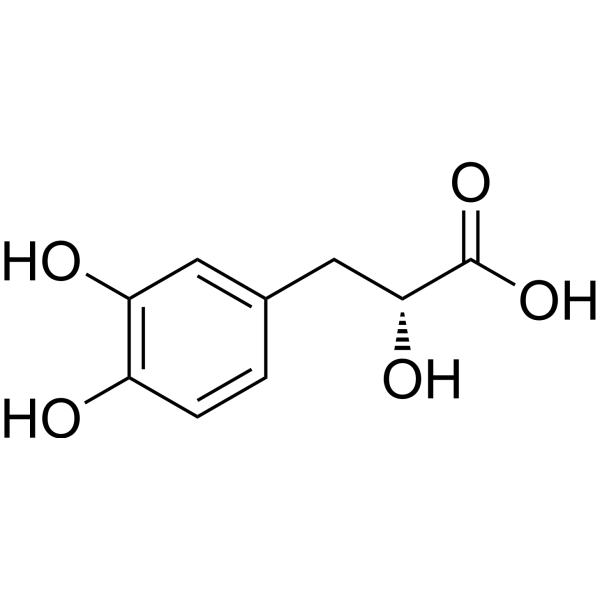
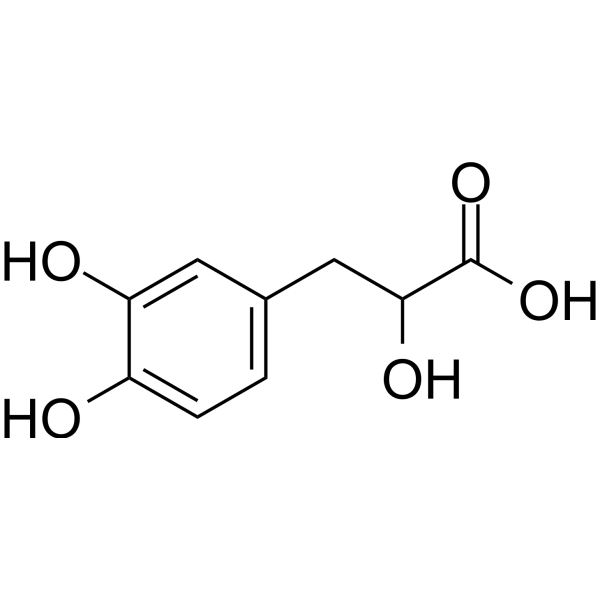
Danshensu (Dan shen suan A), an orally active phenolic compound, can induce Nrf2/HO-1 activation and inhibition of NF-κB pathway. Danshensu reduces reactive oxygen species (ROS) production, upregulates antioxidant defense mechanism and inhibits intrinsic apoptotic pathway. Danshensu displays a potent antiviral activity against SARS-CoV-2 with EC50 of 0.97 μM. Danshensu has anti-oxidation, anti-apoptosis, anti-lung inflammatory and has the potential for COVID-19, cardiovascular and cerebrovascular diseases research .
|
-
-
- HY-N0615
-
|
Sanchinoside R1; Sanqi glucoside R1
|
Amyloid-β
Apoptosis
|
Others
|
|
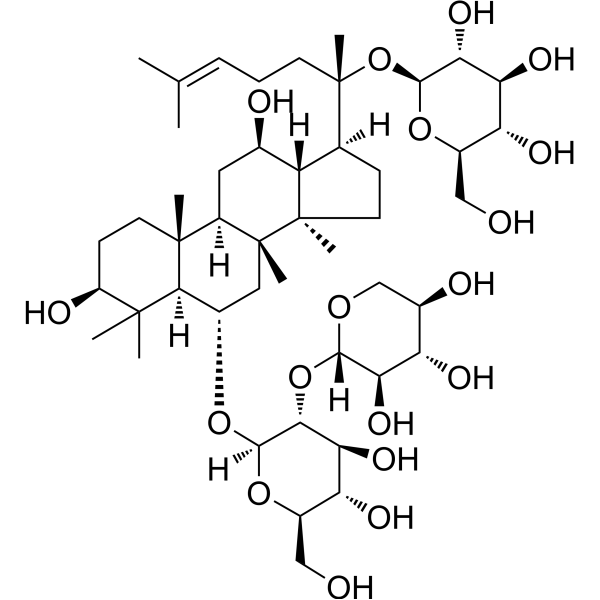
Notoginsenoside R1 (Sanchinoside R1), a saponin, is isolated from P. notoginseng. Notoginsenoside R1 exhibits anti-oxidation, anti-inflammatory, anti-angiogenic, and anti-apoptosis activities. Notoginsenoside R1 provides cardioprotection against ischemia/reperfusion (I/R) injury. Notoginsenoside R1 also provides neuroprotection in H2O2-induced oxidative damage in PC12 cells .
|
-
-
- HY-113212
-
|
|
Endogenous Metabolite
Apoptosis
|
Metabolic Disease
Inflammation/Immunology
|
|
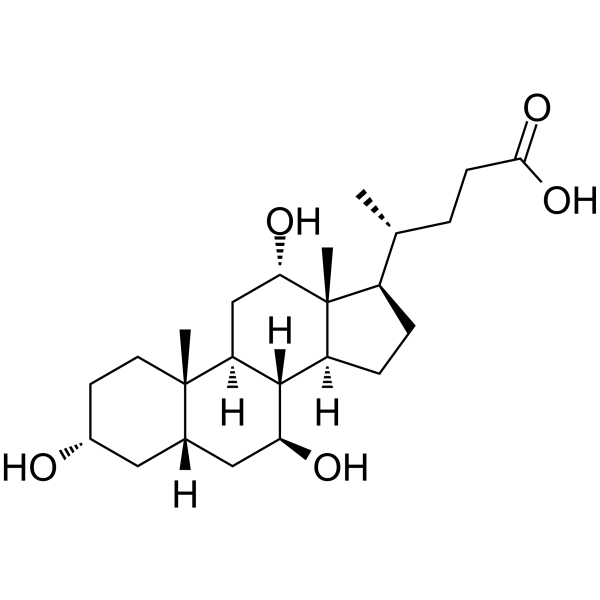
Ursocholic acid, a bile acid present in mammalian bile, is converted to deoxycholic acid (UDC) by the mouse intestinal flora. Ursocholic acid acts as a gallstone dissolving agent in the liver through anti-apoptosis, anti-inflammatory, immunomodulatory, bile regulation, and coordinated changes in mitochondrial integrity and cell signaling, Ursocholic acid also has favorable effects on bones in patients with chronic cholestasis .
|
-
-
- HY-B0124
-
|
AD 810; CI 912
|
Carbonic Anhydrase
Apoptosis
|
Neurological Disease
|
|
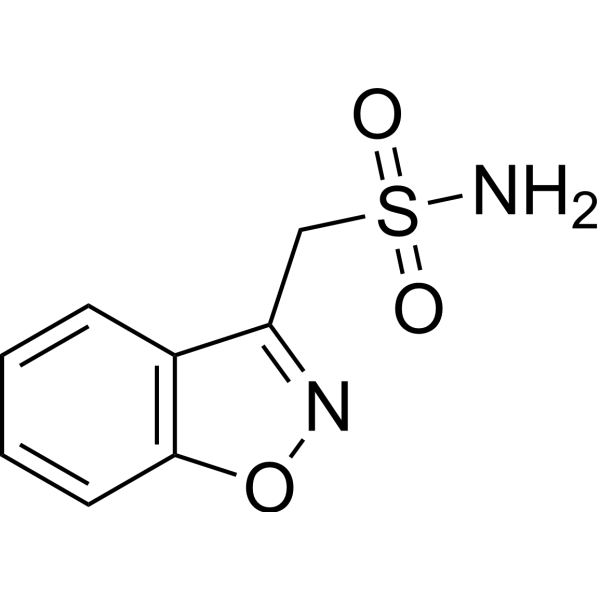
Zonisamide (AD 810) is an orally active carbonic anhydrase inhibitor, with Kis of 35.2 and 20.6 nM for hCA II and hCA V, respectively. Zonisamide exerts neuroprotective effects through anti-apoptosis and upregulating MnSOD levels. Zonisamide also increases the expression of Hrd1, thereby improving cardiac function in AAC rats. Zonisamide can be used in studies of seizure, parkinson’s disease and cardiac hypertrophy .
|
-
-
- HY-113355
-
|
|
Endogenous Metabolite
Apoptosis
|
Neurological Disease
Inflammation/Immunology
Endocrinology
|
|
NADH is an orally active dehydrogenase coenzyme that acts as a crucial electron carrier in cellular respiration and participates in ATP production. NADH promotes metabolism, supports brain function, and counteracts oxidative stress by transferring electrons to the electron transport chain. As a signaling molecule, NADH regulates multiple biological processes, including anti-apoptosis, synaptic plasticity, gene expression, and calcium homeostasis. Redox imbalance of NADH/NAD⁺ is one of the key pathological mechanisms of various diseases, such as diabetic nephropathy, neurodegenerative diseases, and ischemia-reperfusion injury.
|
-
-
- HY-N0106
-
|
(Rac)-Danshensu sodium; (Rac)-Tanshinol sodium
|
Keap1-Nrf2
NF-κB
Mitochondrial Metabolism
Apoptosis
|
Infection
Cardiovascular Disease
Inflammation/Immunology
|
|
(Rac)-Salvianic acid A sodium is the racemic form of Salvianic acid A (HY-N1913). Salvianic acid A is an orally active phenolic compound that induces Nrf2/HO-1 activation and inhibits the NF-κB pathway, and it also activates the mitochondrial antioxidant defense system (Mitochondrial Metabolism). Salvianic acid A exhibits anti-inflammatory, antioxidant, and anti-apoptotic properties (Apoptosis), demonstrating potential for research into inflammation and cardiovascular diseases .
|
-
-
- HY-N4093
-
-
-
- HY-N0911
-
-
-
- HY-N2565
-
|
|
HIV Protease
Apoptosis
|
Infection
|
|
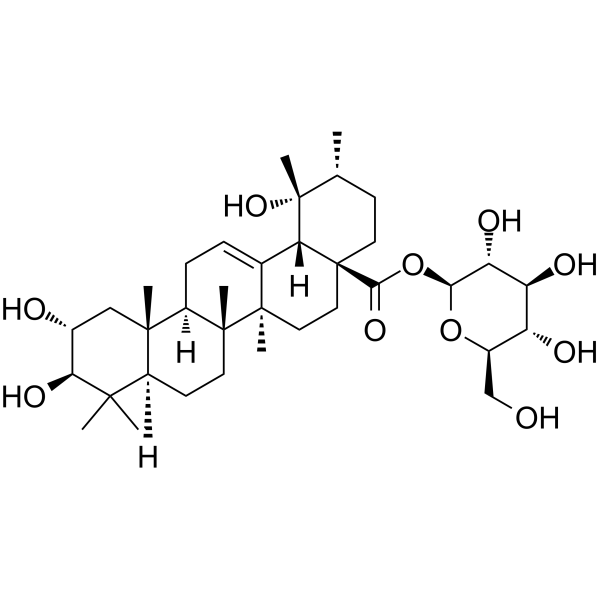
Rosamultin is a 19 α-hydroxyursane-type triterpenoid isolated from Potentilla anserina?L. Rosamultin has inhibitory effects against HIV-1 protease . Rosamultin has the potential for treating H2O2-induced oxidative stress injury through its antioxidant and antiapoptosis effects .
|
-
-
- HY-123931
-
ZLDI-8
1 Publications Verification
|
Notch
Phosphatase
Apoptosis
|
Cancer
|
|
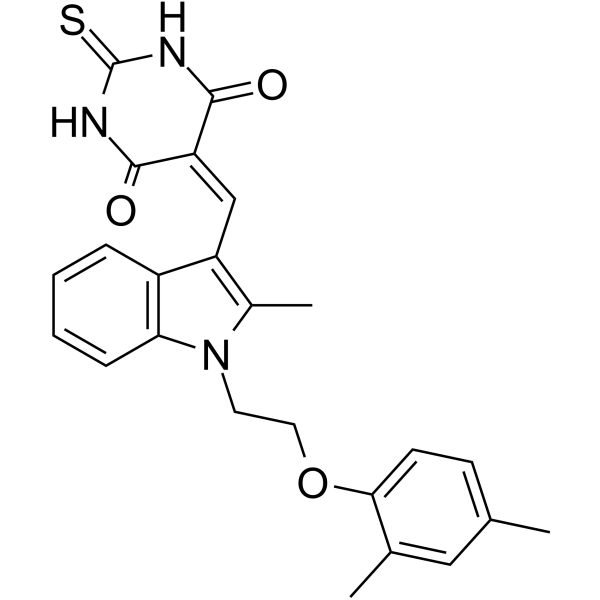
ZLDI-8 is a Notch activating/cleaving enzyme ADAM-17 inhibitor and inhibits the cleavage of Notch protein. ZLDI-8 decreases the expression of pro-survival/anti-apoptosis and epithelial-mesenchymal transition (EMT) related proteins. ZLDI-8 is also a competitive and irreversible tyrosine phosphatase (Lyp) inhibitor with an IC50 of 31.6 μM and a Ki of 26.22 μM. ZLDI-8 inhibits the growth of MHCC97-H cells with an IC50 of 5.32 μM .
|
-
-
- HY-N2947
-
|
|
P-glycoprotein
|
Infection
Inflammation/Immunology
|
|
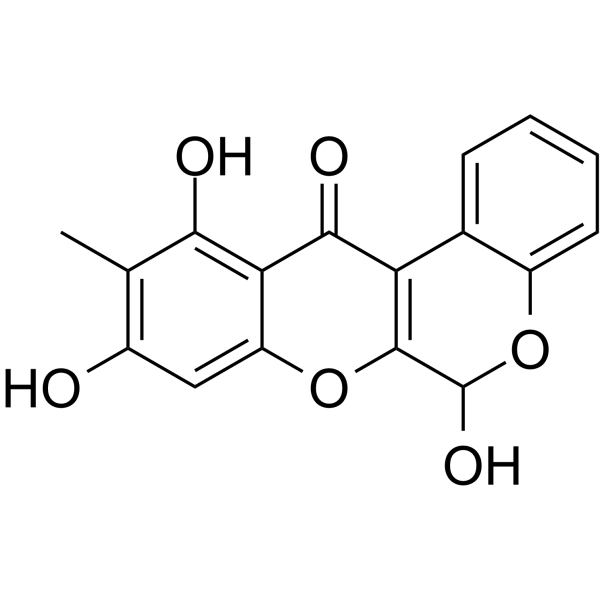
Boeravinone B, a dual inhibitor of NorA bacterial efflux pump of Staphylococcus aureus and human P-Glycoprotein, reduces the biofilm formation and intracellular invasion of bacteria. Boeravinone B act as anti-aging and anti-apoptosis phyto-molecules during oxidative stress .
|
-
-
- HY-122627
-
|
|
Bcl-2 Family
Apoptosis
|
Cancer
|
|
CLZ-8 (Compound 8) is an orally active Mcl-1-PUMA interface inhibitor, with a Ki of 0.3 μM. CLZ-8 exhibits dual activity on reduce PUMA-dependent apoptosis while deactivating Mcl-1-mediated anti-apoptosis in cancer cells .
|
-
-
- HY-P10284
-
|
|
Interleukin Related
VEGFR
Apoptosis
|
Cardiovascular Disease
Cancer
|
|
S7 is an inhibitory polypeptide targeting IL-6R, which specifically binds to IL-6R and its A chain (gp80/IL-6RA) to block its signal transduction. S7 inhibits IL-6-mediated anti-apoptosis (apoptosis), angiogenesis and the expression of VEGF-A, blocks related survival signaling pathways, and enhances the sensitivity of cancer cells to chemotherapeutic drugs. S7 can be applied to the research of related diseases such as cervical cancer, multiple myeloma, Kaposi's sarcoma, prostate cancer and basal cell carcinoma .
|
-
-
- HY-16361A
-
|
CGP3466B; CGP3446 maleate; TCH346 maleate
|
Apoptosis
|
Neurological Disease
Metabolic Disease
Inflammation/Immunology
|
|
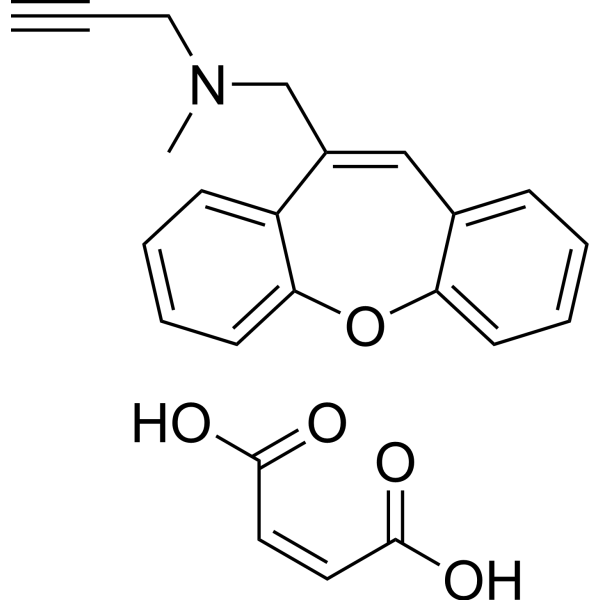
Omigapil maleate (CGP3466B), an orally active GAPDH nitrosylation inhibitor, abrogates Aβ1-42-induced tau acetylation, memory impairment, and locomotor dysfunction in mice. Omigapil maleate has the potential for the research of Alzheimer's disease. Omigapil maleate is a apoptosis inhibitor. Omigapil maleate can be used for the research of congenital muscular dystrophy (CMD). Omigapil maleate is a click chemistry reagent, it contains an Alkyne group and can undergo copper-catalyzed azide-alkyne cycloaddition (CuAAc) with molecules containing Azide groups .
|
-
-
- HY-115498
-
|
|
Apoptosis
NO Synthase
Interleukin Related
COX
|
Neurological Disease
Inflammation/Immunology
|
ARN14494 is a potent and selective serine palmitoyltransferase (SPT) inhibitor, with an IC50 of 27.3 nM. ARN14494 affects the CNS in terms of anti-inflammation and neuroprotection. ARN14494 protects neurons from β-amyloid 1-42-induced neurotoxicity through a variety of mechanisms, including anti-oxidation, anti-apoptosis, and anti-inflammation. ARN14494 can be used for Alzheimer’s disease research .
|
-
-
- HY-N1913A
-
|
Dan shen suan A sodium; Salvianic acid A sodium
|
Keap1-Nrf2
NF-κB
Reactive Oxygen Species (ROS)
SARS-CoV
Apoptosis
|
Infection
Cardiovascular Disease
Inflammation/Immunology
Cancer
|
|
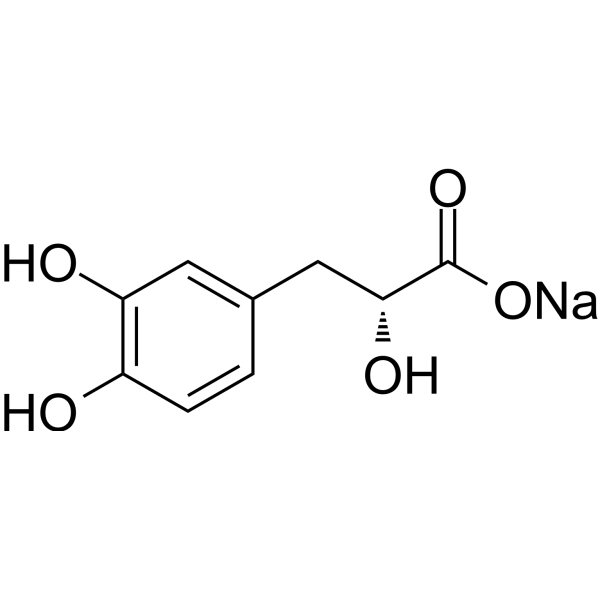
Danshensu (Dan shen suan A) sodium, an orally active phenolic compound, can induce Nrf2/HO-1 activation and inhibition of NF-κB pathway. Danshensu sodium reduces reactive oxygen species (ROS) production, upregulates antioxidant defense mechanism and inhibits intrinsic apoptotic pathway. Danshensu sodium displays a potent antiviral activity against SARS-CoV-2 with EC50 of 0.97 μM. Danshensu sodium has anti-oxidation, anti-apoptosis, anti-lung inflammatory and has the potential for COVID-19, cardiovascular and cerebrovascular diseases research .
|
-
-
- HY-N6829
-
|
Quercetin-3,3',4',7-tetramethylether
|
Tyrosinase
Fungal
SARS-CoV
Apoptosis
Reactive Oxygen Species (ROS)
|
Infection
Neurological Disease
Metabolic Disease
Inflammation/Immunology
|
|
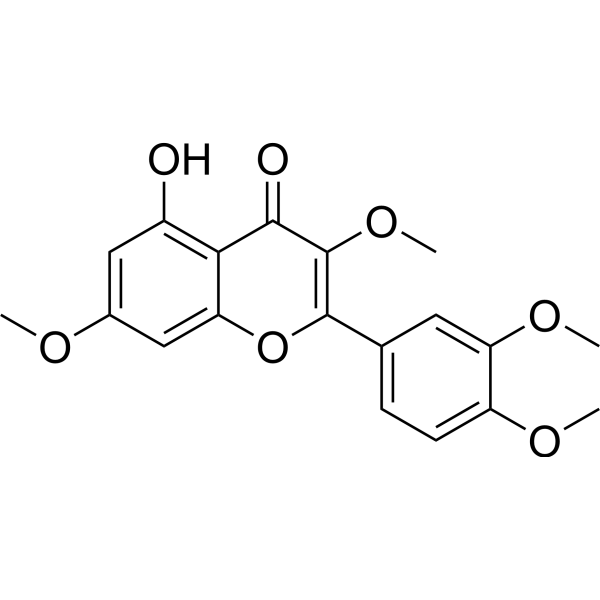
Retusin (Quercetin-3,3',4',7-tetramethylether) is a tyrosinase inhibitor, with IC50 values of 50.9 μM and 51.8 μM against mushroom and intracellular tyrosinase, respectively. Retusin also acts as a free radical scavenger, melanogenesis inhibitor, anti-apoptosis agent, neuroprotective agent, antiemetic, antifungal agent, and antiviral agent. Retusin scavenges ABTS• + and DPPH• free radicals. Retusin can be used in studies related to hyperpigmentation, vomiting, Aspergillus niger infection, and COVID-19 infection .
|
-
-
- HY-N5073
-
|
4''-O-Glucosylvitexin
|
JNK
p38 MAPK
Interleukin Related
TNF Receptor
Caspase
Lactate Dehydrogenase
Apoptosis
|
Cardiovascular Disease
Metabolic Disease
|
|
Vitexin-4''-O-glucoside (4''-O-Glucosylvitexin) is an orally active natural flavonoid component with multiple pharmacological effects including antioxidation, anti-inflammation, cytoprotection and anti-apoptosis. Vitexin-4''-O-glucoside regulates the MAPK signaling pathway by downregulating the phosphorylation levels of JNK and p38, thereby blocking endoplasmic reticulum stress responses. Vitexin-4''-O-glucoside alleviates oxidative stress by reducing MDA content and upregulating the activities of SOD and CAT, attenuates inflammation by downregulating the expressions of inflammatory factors TNF-α, IL-1β and IL-6, and also reduces LDH release and inhibits caspase-3 activation. Vitexin-4''-O-glucoside effectively improves drug-induced acute liver injury and exerts significant protective effects against myocardial hypoxia/reoxygenation injury. Vitexin-4''-O-glucoside can be used in studies on acute liver injury, cardiovascular diseases and myocardial hypoxia-reoxygenation injury .
|
-
-
- HY-N1402
-
|
Sophoridine N-oxide
|
Apoptosis
|
Inflammation/Immunology
|
|
Oxysophoridine (Sophoridine N-oxide) is a bioactive alkaloid extracted from the Sophora alopecuroides Linn. Oxysophoridine (Sophoridine N-oxide) shows anti inflammatory, anti oxidative stress and anti apoptosis effects .
|
-
-
- HY-P2933
-
|
|
Factor Xa
Protease Activated Receptor (PAR)
|
Cardiovascular Disease
|
|
Activated protein C is an anticoagulant targeting coagulation factors Va and VIIIa. Activated protein C demonstrates cytoprotective effects through binding to endothelial cell protein C receptor (EPCR) and protease-activated receptor-1 (PAR-1), regulating gene expression, anti-inflammation, anti-apoptosis, and stabilizing endothelial barriers. Activated protein C is promising for research of diseases such as severe sepsis and ischemic stroke .
|
-
-
- HY-B1448A
-
|
KW-3049 free base
|
Apoptosis
Calcium Channel
|
Cardiovascular Disease
|
|
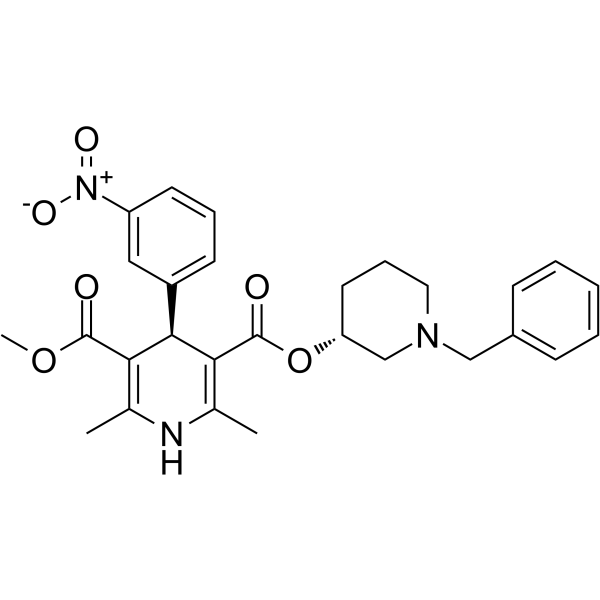
Benidipine is a potent and orally active calcium channel antagonist . Benidipine shows anti-apoptosis effects in ischaemic/reperfused myocardial cells . Benidipine increases the activity of endothelial cell-type nitric oxide synthase and improves coronary circulation in hypertensive rats .
|
-
-
- HY-113145
-
|
(Rac)-Danshensu; (Rac)-Tanshinol
|
Drug Isomer
|
Others
|
|
(Rac)-Salvianic acid A is the racemate of Salvianic acid A (HY-N1913). Salvianic acid A, an orally active phenolic compound, can induce Nrf2/HO-1 activation and inhibition of NF-κB pathway. Danshensu has anti-oxidation, anti-apoptosis, anti-lung inflammatory and has the potential for COVID-19, cardiovascular and cerebrovascular diseases research .
|
-
-
- HY-B0124A
-
|
AD 810 sodium; CI 912 sodium
|
Carbonic Anhydrase
Apoptosis
|
Cardiovascular Disease
Neurological Disease
|
|
Zonisamide (AD 810) sodium is an orally active carbonic anhydrase inhibitor, with Kis of 35.2 and 20.6 nM for hCA II and hCA V, respectively. Zonisamide sodium exerts neuroprotective effects through anti-apoptosis and upregulating MnSOD levels. Zonisamide sodium also increases the expression of Hrd1, thereby improving cardiac function in AAC rats. Zonisamide sodium can be used in studies of seizure, parkinson’s disease and cardiac hypertrophy .
|
-
-
- HY-W654256
-
|
Matridin-15-one-d3; Vegard-d3; α-Matrine-d3
|
Isotope-Labeled Compounds
PINK1/Parkin
Opioid Receptor
Autophagy
Mitophagy
Ferroptosis
Apoptosis
|
Inflammation/Immunology
Cancer
|
|
Matrine-d3 (Matridin-d3) is a deuterium labeled Matrine (HY-N0164). Matrine (Matridin-15-one) is an alkaloid found in plants from the Sophora genus that can act as a kappa opioid receptor and u-receptor agonist. Matrine has a variety of pharmacological effects, including anti-cancer, anti-oxidative stress, anti-inflammation and anti-apoptosis effects. Matrine is potential in the research of disease like human non-small cell lung cancer, hepatoma, papillary thyroid cancer and acute kidney injury (AKI) .
|
-
-
- HY-146095
-
|
|
MDM-2/p53
DNA/RNA Synthesis
Apoptosis
|
Cancer
|
|
p53 Activator 2 (compound 10ah) intercalats into DNA and results in significant DNA double-strand break.p53 Activator 2 increases the expression of p53, p-p53, CDK4, p21 to cause cell cycle arrest at G2/M phase.p53 Activator 2 induce apoptosis and significantly down-regulates the anti-apoptosis proteins Bcl-2, Bcl-xL and the levels of cyclin B1.p53 Activator 2 has anti-proliferation activity against MGC-803 cells, with an IC50 of 1.73 µM. p53 Activator 2 displays potent anticancer efficiency against MGC-803 xenograft tumors models .
|
-
-
- HY-N0615R
-
|
Sanchinoside R1 (Standard); Sanqi glucoside R1 (Standard)
|
Reference Standards
Amyloid-β
Apoptosis
|
Others
|
|
Notoginsenoside R1 (Standard) is the analytical standard of Notoginsenoside R1. This product is intended for research and analytical applications. Notoginsenoside R1 (Sanchinoside R1), a saponin, is isolated from P. notoginseng. Notoginsenoside R1 exhibits anti-oxidation, anti-inflammatory, anti-angiogenic, and anti-apoptosis activities. Notoginsenoside R1 provides cardioprotection against ischemia/reperfusion (I/R) injury. Notoginsenoside R1 also provides neuroprotection in H2O2-induced oxidative damage in PC12 cells .
|
-
-
- HY-B1448AS
-
|
|
Apoptosis
Calcium Channel
|
Cardiovascular Disease
|
|
(Rac)-Benidipine-d7 is the deuterium labeled Benidipine . Benidipine is a potent and orally active calcium channel antagonist . Benidipine shows anti-apoptosis effects in ischaemic/reperfused myocardial cells . Benidipine increases the activity of endothelial cell-type nitric oxide synthase and improves coronary circulation in hypertensive rats .
|
-
-
- HY-161992
-
|
|
Keap1-Nrf2
Apoptosis
|
Neurological Disease
Inflammation/Immunology
|
|
Nrf2 activator-11 (compound M11) is a Nrf2 activator with blood-brain permeability. Nrf2 activator-11 has anti-oxidation, anti-inflammation, anti-ferroptosis and anti-apoptosis. Nrf2 activator-11 can be used to study cerebral ischemia-reperfusion (CI/R) injury models .
|
-
-
- HY-N2947R
-
|
|
Reference Standards
P-glycoprotein
|
Infection
Inflammation/Immunology
|
|
Boeravinone B (Standard) is the analytical standard of Boeravinone B. This product is intended for research and analytical applications. Boeravinone B, a dual inhibitor of NorA bacterial efflux pump of Staphylococcus aureus and human P-Glycoprotein, reduces the biofilm formation and intracellular invasion of bacteria. Boeravinone B act as anti-aging and anti-apoptosis phyto-molecules during oxidative stress .
|
-
-
- HY-113212S
-
|
|
Isotope-Labeled Compounds
Apoptosis
Endogenous Metabolite
|
Metabolic Disease
Inflammation/Immunology
|
|
Ursocholic acid-d4 is deuterium labeled Ursocholic acid. Ursocholic acid, a bile acid present in mammalian bile, is converted to deoxycholic acid (UDC) by the mouse intestinal flora. Ursocholic acid acts as a gallstone dissolving agent in the liver through anti-apoptosis, anti-inflammatory, immunomodulatory, bile regulation, and coordinated changes in mitochondrial integrity and cell signaling, Ursocholic acid also has favorable effects on bones in patients with chronic cholestasis .
|
-
-
- HY-N4093R
-
-
-
- HY-P10105
-
|
|
Akt
Apoptosis
|
Cancer
|
|
TCL1(10-24) is a encompassing the betaA strand of human TCL1. TCL1(10-24) is a Akt inhibitor. TCL1(10-24) interacts with the Akt PH domain prevented phosphoinositide binding and hence inhibits membrane translocation and activation of Akt. TCL1(10-24) inhibits cellular proliferation and anti-apoptosis. TCL1(10-24) has tumor growth in vivo .
|
-
-
- HY-113212R
-
|
|
Endogenous Metabolite
Reference Standards
Apoptosis
|
Metabolic Disease
Inflammation/Immunology
|
|
Ursocholic acid (Standard) is the analytical standard of Ursocholic acid. This product is intended for research and analytical applications. Ursocholic acid, a bile acid present in mammalian bile, is converted to deoxycholic acid (UDC) by the mouse intestinal flora. Ursocholic acid acts as a gallstone dissolving agent in the liver through anti-apoptosis, anti-inflammatory, immunomodulatory, bile regulation, and coordinated changes in mitochondrial integrity and cell signaling, Ursocholic acid also has favorable effects on bones in patients with chronic cholestasis[1][2][3][4][5].
|
-
-
- HY-168096
-
|
|
NO Synthase
Apoptosis
|
Cardiovascular Disease
Neurological Disease
|
|
iNOs-IN-5 (Compound BN-4) is an inhibitor for iNOS with an IC50 of 0.1707 μM, and reduces NO levels in LPS (HT-D1056)-induced RAW264.7 cells. iNOs-IN-5 reduces the hypoxic injury stimulated ROS and lactate dehydrogenase expression, and exhibits anti-necrosis and anti-apoptosis efficacy. iNOs-IN-5 exhibits anti-cerebral ischemia and neuroprotective activities in SD rat models. iNOs-IN-5 is blood-brain barrier penetrable .
|
-
-
- HY-B0124R
-
|
AD 810 (Standard); CI 912 (Standard)
|
Reference Standards
Carbonic Anhydrase
Apoptosis
|
Neurological Disease
|
|
Zonisamide (Standard) is the analytical standard of Zonisamide. This product is intended for research and analytical applications. Zonisamide (AD 810) is an orally active carbonic anhydrase inhibitor, with Kis of 35.2 and 20.6 nM for hCA II and hCA V, respectively. Zonisamide exerts neuroprotective effects through anti-apoptosis and upregulating MnSOD levels. Zonisamide also increases the expression of Hrd1, thereby improving cardiac function in AAC rats. Zonisamide can be used in studies of seizure, parkinson’s disease and cardiac hypertrophy .
|
-
-
- HY-B0124S2
-
|
AD 810-13C6; CI 912-13C6
|
Isotope-Labeled Compounds
Carbonic Anhydrase
Apoptosis
|
Neurological Disease
|
|
Zonisamide- 13C6 (AD 810- 13C6) is 13C labeled Zonisamide. Zonisamide (AD 810) is an orally active carbonic anhydrase inhibitor, with Kis of 35.2 and 20.6 nM for hCA II and hCA V, respectively. Zonisamide exerts neuroprotective effects through anti-apoptosis and upregulating MnSOD levels. Zonisamide also increases the expression of Hrd1, thereby improving cardiac function in AAC rats. Zonisamide can be used in studies of seizure, parkinson’s disease and cardiac hypertrophy .
|
-
-
- HY-150361
-
|
|
mRNA
|
Cancer
|
|
Mouse Tert mRNA encodes the mouse telomerase reverse transcriptase (Tert) protein that plays important roles in aging and antiapoptosis.
|
-
-
- HY-N0164R
-
|
Matridin-15-one (Standard); Vegard (Standard); α-Matrine (Standard)
|
PINK1/Parkin
Reference Standards
Opioid Receptor
Autophagy
Mitophagy
Ferroptosis
Apoptosis
|
Inflammation/Immunology
Cancer
|
|
Matrine (Standard) is the analytical standard of Matrine. This product is intended for research and analytical applications. Matrine (Matridin-15-one) is an alkaloid found in plants from the Sophora genus that can act as a kappa opioid receptor and u-receptor agonist. Matrine has a variety of pharmacological effects, including anti-cancer, anti-oxidative stress, anti-inflammation and anti-apoptosis effects. Matrine is potential in the research of disease like human non-small cell lung cancer, hepatoma, papillary thyroid cancer and acute kidney injury (AKI) .
|
-
-
- HY-N6829R
-
|
Quercetin-3,3',4',7-tetramethylether (Standard)
|
Reference Standards
Tyrosinase
Fungal
SARS-CoV
Apoptosis
Reactive Oxygen Species (ROS)
|
Infection
Neurological Disease
Metabolic Disease
Inflammation/Immunology
|
|
Retusin (Quercetin-3,3',4',7-tetramethylether) (Standard) is the analytical standard of Retusin. This product is intended for research and analytical applications. Retusin is a tyrosinase inhibitor, with IC50 values of 50.9 μM and 51.8 μM against mushroom and intracellular tyrosinase, respectively. Retusin also acts as a free radical scavenger, melanogenesis inhibitor, anti-apoptosis agent, neuroprotective agent, antiemetic, antifungal agent, and antiviral agent. Retusin scavenges ABTS• + and DPPH• free radicals. Retusin can be used in studies related to hyperpigmentation, vomiting, Aspergillus niger infection, and COVID-19 infection.
|
-
-
- HY-176219
-
|
|
Bcl-2 Family
Apoptosis
Necroptosis
|
Cancer
|
|
Bcl-2-IN-23 (compound 5) is a selective inhibitor targeting Bcl-2. The IC50 of Bcl-2-IN-23 in HTB-140, HeLa and SW620 cells is 25.7-33.7 μM. Bcl-2-IN-23 can non-covalently competitively bind to Bcl-2 protein, significantly reduce its expression, and induce late apoptosis and necroptosis of cancer cells. Bcl-2-IN-23 enhances the sensitivity of cancer cells to apoptosis and reduces the release of IL-6 inflammatory factors by disrupting the Bcl-2-mediated mitochondrial apoptosis inhibition pathway. Bcl-2-IN-23 can be used for anti-apoptosis research of malignant tumors such as melanoma, cervical cancer, and colorectal cancer .
|
-
-
- HY-172886
-
|
|
PI3K
Bcl-2 Family
Apoptosis
|
Cancer
|
|
PI3K-IN-58 (Compound 17f) is a PI3Kα inhibitor (IC50: 0.039 μM). PI3K-IN-58 exhibits significant antiproliferative effects on PC-3, 22RV1, MDA-MB-231 and MDA-MB-453 cell lines with IC50s of 3.48 μM, 1.06 μM, 2.21 μM and 0.93 μM, respectively. PI3K-IN-58 induces apoptosis by downregulating the expression levels of anti-apoptotic proteins Bcl-XL and Bcl-2 and upregulating the expression of anti-apoptosis protein BAX. PI3K-IN-58 can be used in PI3K-targeted cancer research .
|
-
-
- HY-N0106R
-
|
(Rac)-Danshensu sodium (Standard); (Rac)-Tanshinol sodium (Standard)
|
Reference Standards
Keap1-Nrf2
NF-κB
Mitochondrial Metabolism
Apoptosis
|
Infection
Cardiovascular Disease
Inflammation/Immunology
|
|
(Rac)-Salvianic acid A (sodium) (Standard) is the analytical standard of (Rac)-Salvianic acid A (sodium). This product is intended for research and analytical applications. (Rac)-Salvianic acid A sodium is the racemic form of Salvianic acid A (HY-N1913). Salvianic acid A is an orally active phenolic compound that induces Nrf2/HO-1 activation and inhibits the NF-κB pathway, and it also activates the mitochondrial antioxidant defense system (Mitochondrial Metabolism). Salvianic acid A exhibits anti-inflammatory, antioxidant, and anti-apoptotic properties (Apoptosis), demonstrating potential for research into inflammation and cardiovascular diseases .
|
-
-
- HY-N0584B
-
|
6-Hydroxyhyoscyamine hydrochloride
|
Adrenergic Receptor
|
Inflammation/Immunology
Cancer
|
|
Anisodamine hydrochloride is an anticholinergic and α1 adrenergic receptor antagonist. Anisodamine hydrochloride can be used for improving blood flow in circulatory disorders such as septic shock, Anisodamine hydrochloride displays a spectrum of pharmacological effects similar to Atropine (HY-B1205) and Sopolamine (HY-B2065) including inhibition of salivation, gastrointestinal and sweat secretion, gastrointestinal motility, respiratory secretion and urinary bladder contraction in vivo .
|
-
-
- HY-N15466
-
|
|
Apoptosis
Caspase
Bcl-2 Family
|
Neurological Disease
|
|
Longan cerebroside II is a cerebroside found in Typhonium giganteum. Longan cerebroside II shows anti-apoptosis and neuroprotective activity. Longan cerebroside II reduces protein expression of caspase-9, caspase-3, and Bax, increases Bcl-2, cytochrome c levles .
|
-
-
- HY-B0124S3
-
|
|
Isotope-Labeled Compounds
Carbonic Anhydrase
Apoptosis
|
Neurological Disease
|
|
Zonisamide- 15N,d4 is the 15N- and deuterium labeled Zonisamide (HY-B0124). Zonisamide (AD 810) is an orally active carbonic anhydrase inhibitor, with Kis of 35.2 and 20.6 nM for hCA II and hCA V, respectively. Zonisamide exerts neuroprotective effects through anti-apoptosis and upregulating MnSOD levels. Zonisamide also increases the expression of Hrd1, thereby improving cardiac function in AAC rats. Zonisamide can be used in studies of seizure, parkinson’s disease and cardiac hypertrophy .
|
-
-
- HY-16361
-
|
CGP3466B free base; TCH346
|
Apoptosis
|
Neurological Disease
Metabolic Disease
Inflammation/Immunology
|
|
Omigapil (CGP3466B free base), an orally active GAPDH nitrosylation inhibitor, abrogates Aβ1-42-induced tau acetylation, memory impairment, and locomotor dysfunction in mice. Omigapil has the potential for the research of Alzheimer's disease. Omigapil is a apoptosis inhibitor. Omigapil can be used for the research of congenital muscular dystrophy (CMD). Omigapil is a click chemistry reagent, it contains an Alkyne group and can undergo copper-catalyzed azide-alkyne cycloaddition (CuAAc) with molecules containing Azide groups .
|
-
-
- HY-114214
-
|
|
Drug Derivative
NF-κB
MMP
TNF Receptor
Interleukin Related
Cyclin G-associated Kinase (GAK)
CDK
PI3K
Akt
|
Inflammation/Immunology
Cancer
|
|
CKD-712 is an orally active multi-target tetrahydroisoquinoline derivatived and a potent inhibitor of the NF-κB pathway . CKD-712 selectively inhibits MMP-9 with no effect on MMP-2, downregulates the expression of TNF-α, IL-6, cyclin A, cyclin B, CDK-1 and other proteins, and activates the PI3K/Akt signaling pathway . CKD-712 blocks the activation and nuclear translocation of NF-κB, downregulates inflammatory factors and pro-tumor metastatic proteins, and induces G2/M phase arrest in tumor cells and thereby inhibits the invasion of cancer cells . CKD-712 can be used for the research of sepsis, myocardial ischemia-reperfusion injury and non-small cell lung cancer .
|
-
| Cat. No. |
Product Name |
Target |
Research Area |
-
- HY-P10284
-
|
|
Interleukin Related
VEGFR
Apoptosis
|
Cardiovascular Disease
Cancer
|
|
S7 is an inhibitory polypeptide targeting IL-6R, which specifically binds to IL-6R and its A chain (gp80/IL-6RA) to block its signal transduction. S7 inhibits IL-6-mediated anti-apoptosis (apoptosis), angiogenesis and the expression of VEGF-A, blocks related survival signaling pathways, and enhances the sensitivity of cancer cells to chemotherapeutic drugs. S7 can be applied to the research of related diseases such as cervical cancer, multiple myeloma, Kaposi's sarcoma, prostate cancer and basal cell carcinoma .
|
-
- HY-P10105
-
|
|
Akt
Apoptosis
|
Cancer
|
|
TCL1(10-24) is a encompassing the betaA strand of human TCL1. TCL1(10-24) is a Akt inhibitor. TCL1(10-24) interacts with the Akt PH domain prevented phosphoinositide binding and hence inhibits membrane translocation and activation of Akt. TCL1(10-24) inhibits cellular proliferation and anti-apoptosis. TCL1(10-24) has tumor growth in vivo .
|
| Cat. No. |
Product Name |
Category |
Target |
Chemical Structure |
-
- HY-N6947
-
-
-
- HY-N0164
-
-
-
- HY-N1913
-
-
-
- HY-N0615
-
-
-
- HY-113212
-
-
-
- HY-113355
-
|
|
Human Gut Microbiota Metabolites
Microorganisms
Endogenous metabolite
Source Classification
|
Endogenous Metabolite
Apoptosis
|
|
NADH is an orally active dehydrogenase coenzyme that acts as a crucial electron carrier in cellular respiration and participates in ATP production. NADH promotes metabolism, supports brain function, and counteracts oxidative stress by transferring electrons to the electron transport chain. As a signaling molecule, NADH regulates multiple biological processes, including anti-apoptosis, synaptic plasticity, gene expression, and calcium homeostasis. Redox imbalance of NADH/NAD⁺ is one of the key pathological mechanisms of various diseases, such as diabetic nephropathy, neurodegenerative diseases, and ischemia-reperfusion injury.
|
-
-
- HY-N0106
-
-
-
- HY-N4093
-
-
-
- HY-N0911
-
-
-
- HY-N2565
-
-
-
- HY-N2947
-
-
-
- HY-N1913A
-
-
-
- HY-N6829
-
|
Quercetin-3,3',4',7-tetramethylether
|
Flavonols
Structural Classification
Monophenols
Flavonoids
Entada phaseoloides (L.) Merr.
Classification of Application Fields
Labiatae
Phenols
Plants
Inflammation/Immunology
Disease Research Fields
Source Classification
|
Tyrosinase
Fungal
SARS-CoV
Apoptosis
Reactive Oxygen Species (ROS)
|
|
Retusin (Quercetin-3,3',4',7-tetramethylether) is a tyrosinase inhibitor, with IC50 values of 50.9 μM and 51.8 μM against mushroom and intracellular tyrosinase, respectively. Retusin also acts as a free radical scavenger, melanogenesis inhibitor, anti-apoptosis agent, neuroprotective agent, antiemetic, antifungal agent, and antiviral agent. Retusin scavenges ABTS• + and DPPH• free radicals. Retusin can be used in studies related to hyperpigmentation, vomiting, Aspergillus niger infection, and COVID-19 infection .
|
-
-
- HY-N5073
-
-
-
- HY-N1402
-
-
-
- HY-113145
-
-
-
- HY-N0615R
-
-
-
- HY-N2947R
-
-
-
- HY-N4093R
-
-
-
- HY-113212R
-
|
|
Structural Classification
Microorganisms
Endogenous metabolite
Steroids
Source Classification
|
Endogenous Metabolite
Reference Standards
Apoptosis
|
|
Ursocholic acid (Standard) is the analytical standard of Ursocholic acid. This product is intended for research and analytical applications. Ursocholic acid, a bile acid present in mammalian bile, is converted to deoxycholic acid (UDC) by the mouse intestinal flora. Ursocholic acid acts as a gallstone dissolving agent in the liver through anti-apoptosis, anti-inflammatory, immunomodulatory, bile regulation, and coordinated changes in mitochondrial integrity and cell signaling, Ursocholic acid also has favorable effects on bones in patients with chronic cholestasis[1][2][3][4][5].
|
-
-
- HY-N0164R
-
-
-
- HY-N6829R
-
|
Quercetin-3,3',4',7-tetramethylether (Standard)
|
Flavonols
Structural Classification
Monophenols
Flavonoids
Entada phaseoloides (L.) Merr.
Labiatae
Phenols
Plants
Source Classification
|
Reference Standards
Tyrosinase
Fungal
SARS-CoV
Apoptosis
Reactive Oxygen Species (ROS)
|
|
Retusin (Quercetin-3,3',4',7-tetramethylether) (Standard) is the analytical standard of Retusin. This product is intended for research and analytical applications. Retusin is a tyrosinase inhibitor, with IC50 values of 50.9 μM and 51.8 μM against mushroom and intracellular tyrosinase, respectively. Retusin also acts as a free radical scavenger, melanogenesis inhibitor, anti-apoptosis agent, neuroprotective agent, antiemetic, antifungal agent, and antiviral agent. Retusin scavenges ABTS• + and DPPH• free radicals. Retusin can be used in studies related to hyperpigmentation, vomiting, Aspergillus niger infection, and COVID-19 infection.
|
-
-
- HY-N0106R
-
-
-
- HY-N15466
-
-
| Cat. No. |
Product Name |
Chemical Structure |
-
- HY-W654256
-
|
|
|
Matrine-d3 (Matridin-d3) is a deuterium labeled Matrine (HY-N0164). Matrine (Matridin-15-one) is an alkaloid found in plants from the Sophora genus that can act as a kappa opioid receptor and u-receptor agonist. Matrine has a variety of pharmacological effects, including anti-cancer, anti-oxidative stress, anti-inflammation and anti-apoptosis effects. Matrine is potential in the research of disease like human non-small cell lung cancer, hepatoma, papillary thyroid cancer and acute kidney injury (AKI) .
|
-
-
- HY-B1448AS
-
|
|
|
(Rac)-Benidipine-d7 is the deuterium labeled Benidipine . Benidipine is a potent and orally active calcium channel antagonist . Benidipine shows anti-apoptosis effects in ischaemic/reperfused myocardial cells . Benidipine increases the activity of endothelial cell-type nitric oxide synthase and improves coronary circulation in hypertensive rats .
|
-
-
- HY-113212S
-
|
|
|
Ursocholic acid-d4 is deuterium labeled Ursocholic acid. Ursocholic acid, a bile acid present in mammalian bile, is converted to deoxycholic acid (UDC) by the mouse intestinal flora. Ursocholic acid acts as a gallstone dissolving agent in the liver through anti-apoptosis, anti-inflammatory, immunomodulatory, bile regulation, and coordinated changes in mitochondrial integrity and cell signaling, Ursocholic acid also has favorable effects on bones in patients with chronic cholestasis .
|
-
-
- HY-B0124S2
-
|
|
|
Zonisamide- 13C6 (AD 810- 13C6) is 13C labeled Zonisamide. Zonisamide (AD 810) is an orally active carbonic anhydrase inhibitor, with Kis of 35.2 and 20.6 nM for hCA II and hCA V, respectively. Zonisamide exerts neuroprotective effects through anti-apoptosis and upregulating MnSOD levels. Zonisamide also increases the expression of Hrd1, thereby improving cardiac function in AAC rats. Zonisamide can be used in studies of seizure, parkinson’s disease and cardiac hypertrophy .
|
-
-
- HY-B0124S3
-
|
|
|
Zonisamide- 15N,d4 is the 15N- and deuterium labeled Zonisamide (HY-B0124). Zonisamide (AD 810) is an orally active carbonic anhydrase inhibitor, with Kis of 35.2 and 20.6 nM for hCA II and hCA V, respectively. Zonisamide exerts neuroprotective effects through anti-apoptosis and upregulating MnSOD levels. Zonisamide also increases the expression of Hrd1, thereby improving cardiac function in AAC rats. Zonisamide can be used in studies of seizure, parkinson’s disease and cardiac hypertrophy .
|
-
| Cat. No. |
Product Name |
|
Classification |
-
- HY-16361A
-
|
CGP3466B; CGP3446 maleate; TCH346 maleate
|
|
Alkynes
|
|
Omigapil maleate (CGP3466B), an orally active GAPDH nitrosylation inhibitor, abrogates Aβ1-42-induced tau acetylation, memory impairment, and locomotor dysfunction in mice. Omigapil maleate has the potential for the research of Alzheimer's disease. Omigapil maleate is a apoptosis inhibitor. Omigapil maleate can be used for the research of congenital muscular dystrophy (CMD). Omigapil maleate is a click chemistry reagent, it contains an Alkyne group and can undergo copper-catalyzed azide-alkyne cycloaddition (CuAAc) with molecules containing Azide groups .
|
-
- HY-16361
-
|
CGP3466B free base; TCH346
|
|
Alkynes
|
|
Omigapil (CGP3466B free base), an orally active GAPDH nitrosylation inhibitor, abrogates Aβ1-42-induced tau acetylation, memory impairment, and locomotor dysfunction in mice. Omigapil has the potential for the research of Alzheimer's disease. Omigapil is a apoptosis inhibitor. Omigapil can be used for the research of congenital muscular dystrophy (CMD). Omigapil is a click chemistry reagent, it contains an Alkyne group and can undergo copper-catalyzed azide-alkyne cycloaddition (CuAAc) with molecules containing Azide groups .
|
Your information is safe with us. * Required Fields.
Inquiry Information
- Product Name:
- Cat. No.:
- Quantity:
- MCE Japan Authorized Agent:

