98 Results for "

anti-oxidation activity

" in MedChemExpress (MCE) Product Catalog:
Products (98)

98 Results for "anti-oxidation activity" in MCE Product Catalog:

43
43 Publications Verification
Cat. No.: HY-N0293
CAS No.: 23180-57-6
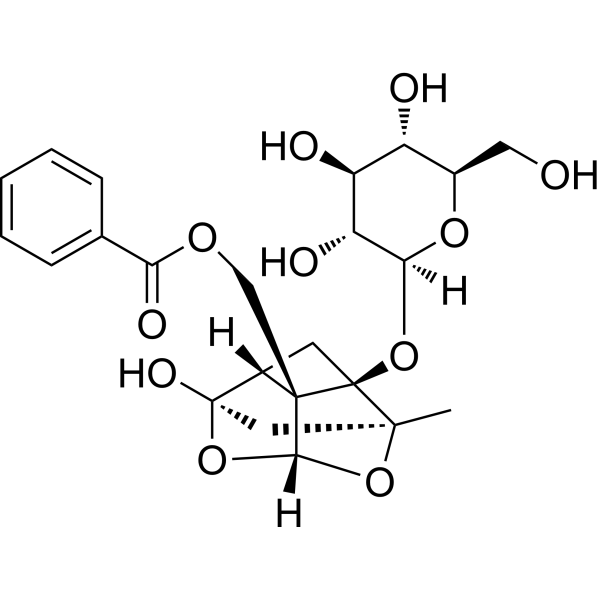
Synonyms: Peoniflorin
Paeoniflorin is a heat shock protein-inducing compound and commonly exists in the plants of Paeoniaceae family, with various biological activities, including anticancer activity, anti-inflammatory activity, enhancing cognition and attenuating learning impairment, anti-oxidative stress, antiplatelet aggregation, expansion of blood vessels, and reducing blood viscosity .
loading...
    loading...
27
27 Cited Publications
Cat. No.: HY-N0452
CAS No.: 482-36-0
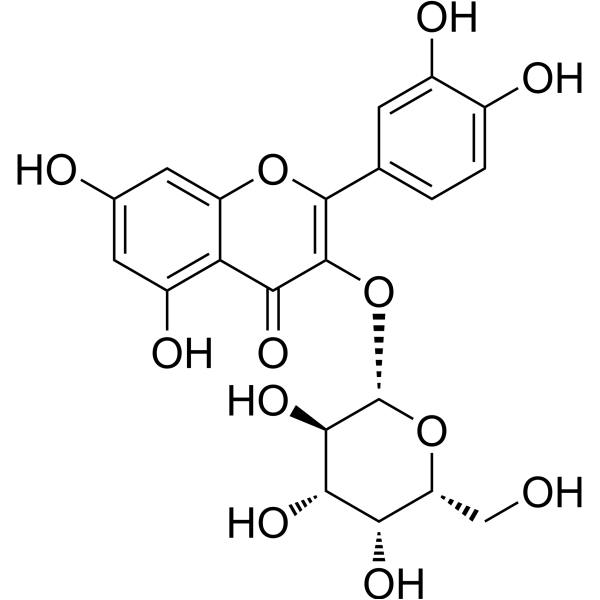
Synonyms: Quercetin 3-O-galactoside; Quercetin 3-O-β-D-galactopyranoside
Hyperoside is a NF-κB inhibitor, found from Hypericum monogynum. Hyperoside shows anti-tumor, antifungal, anti-inflammatory, anti-viral, and anti-oxidative activities, and can induce apoptosis .
loading...
    loading...
16
16 Cited Publications
Cat. No.: HY-14615
CAS No.: 23513-14-6
Purity:  99.68%
Synonyms: (S)-(+)-[6]Gingerol
[6]-Gingerol is an active compound isolated from Ginger (Zingiber officinale), exhibits a variety of biological activities including anticancer, anti-inflammation, and anti-oxidation.
loading...
    loading...
15
15 Cited Publications
Cat. No.: HY-N0540
CAS No.: 5373-11-5
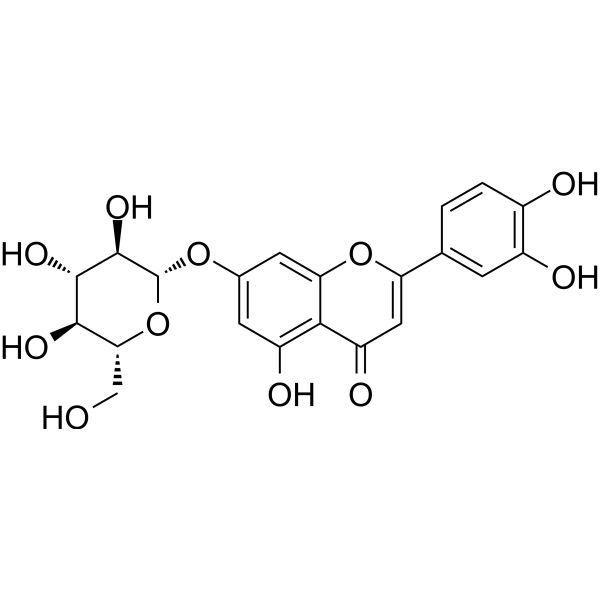
Synonyms: Luteolin 7-glucoside; Luteolin 7-O-β-D-glucoside
Cynaroside (Luteolin 7-glucoside) is a flavonoid compound that exhibits anti-oxidative capabilities. Cynaroside is also a potent influenza RNA-dependent RNA polymerase inhibitor with an IC50 of 32 nM. Cynaroside also is a promising inhibitor for H2O2-induced apoptosis, has cytoprotection against oxidative stress-induced cardiovascular diseases. Cynaroside also has antibacterial, antifungal and anticancer activities, antioxidant and anti-inflammatory activities .
loading...
    loading...
15
15 Cited Publications
Cat. No.: HY-N0720
CAS No.: 41060-15-5
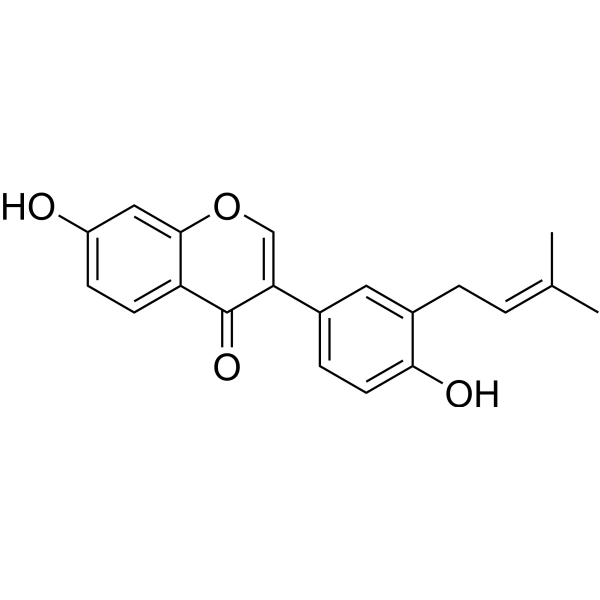
Neobavaisoflavone, a flavonoid, is isolated from the seeds of Psoralea corylifolia. Neobavaisoflavone exhibits anti-inflammatory, anti-cancer and anti-oxidation activities. Neobavaisoflavone inhibits DNA polymerase at moderate to high concentrations. Neobavaisoflavone also inhibits platelet aggregation .
loading...
    loading...
13
13 Cited Publications
Cat. No.: HY-14616
CAS No.: 555-66-8
Purity:  99.63%
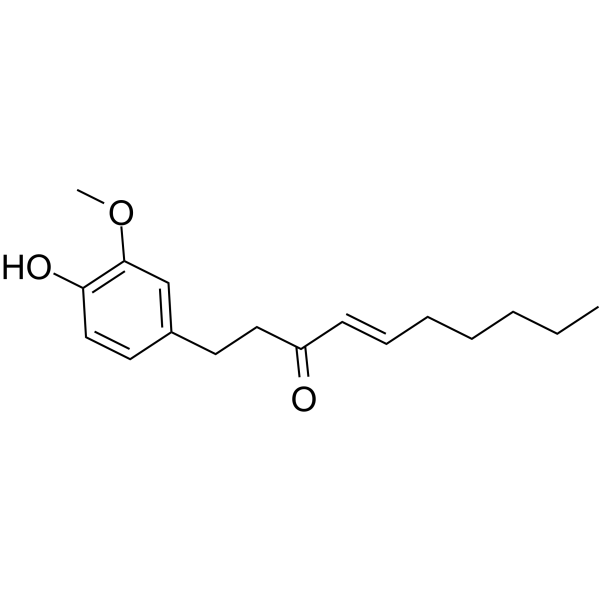
Synonyms: [6]-Shogaol; 6-Shogaol
Shogaol ([6]-Shogaol), an active compound isolated from Ginger (Zingiber officinale Rosc), exhibits a variety of biological activities including anticancer, anti-inflammation, and anti-oxidation.
loading...
    loading...
11
11 Cited Publications
Cat. No.: HY-N0110
CAS No.: 10605-02-4
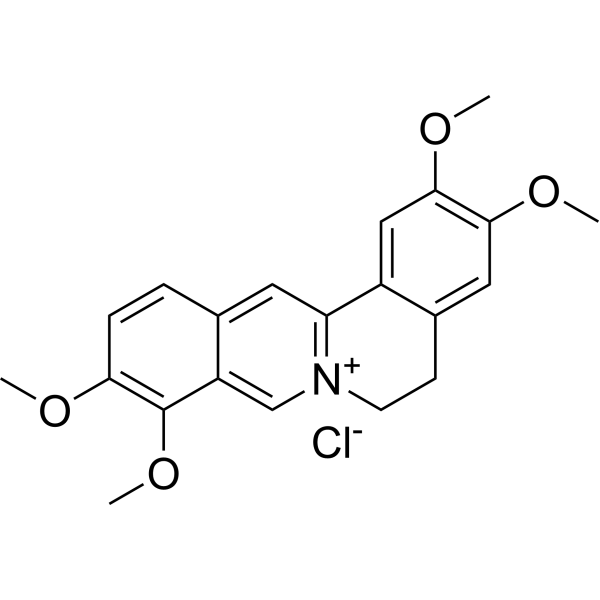
Palmatine chloride is an orally active and irreversible indoleamine 2,3-dioxygenase 1 (IDO-1) inhibitor with IC50s of 3 μM and 157μM against HEK 293-hIDO-1 and rhIDO-1, respectively. Palmatine chloride can also inhibit West Nile virus (WNV) NS2B-NS3 protease in an uncompetitive manner with an IC50 of 96 μM. Palmatine chloride shows anti-cancer, anti-oxidation, anti-inflammatory, neuroprotection, antibacterial, anti-viral activities .
loading...
    loading...
11
11 Cited Publications
Cat. No.: HY-N0110B
CAS No.: 131-04-4
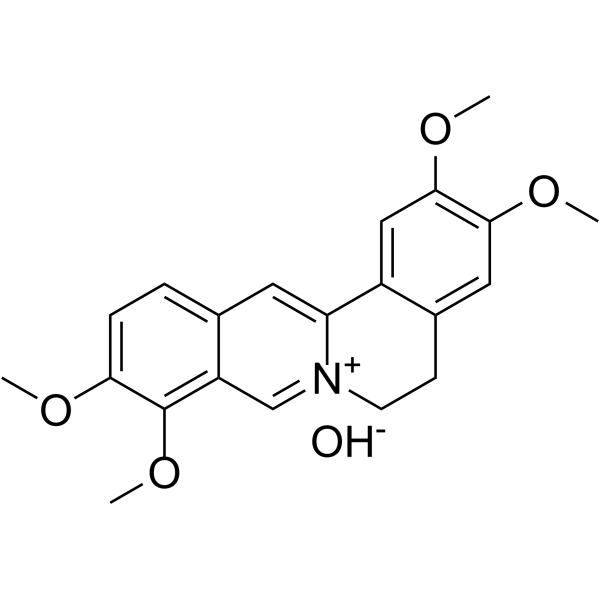
Palmatine hydroxide is an orally active and irreversible indoleamine 2,3-dioxygenase 1 (IDO-1) inhibitor with IC50s of 3 μM and 157μM against HEK 293-hIDO-1 and rhIDO-1, respectively. Palmatine hydroxide can also inhibit West Nile virus (WNV) NS2B-NS3 protease in an uncompetitive manner with an IC50 of 96 μM. Palmatine hydroxide shows anti-cancer, anti-oxidation, anti-inflammatory, neuroprotection, antibacterial, anti-viral activities .
loading...
    loading...
9
9 Cited Publications
Cat. No.: HY-B2230
CAS No.: 499-44-5
Synonyms: β-Thujaplicin
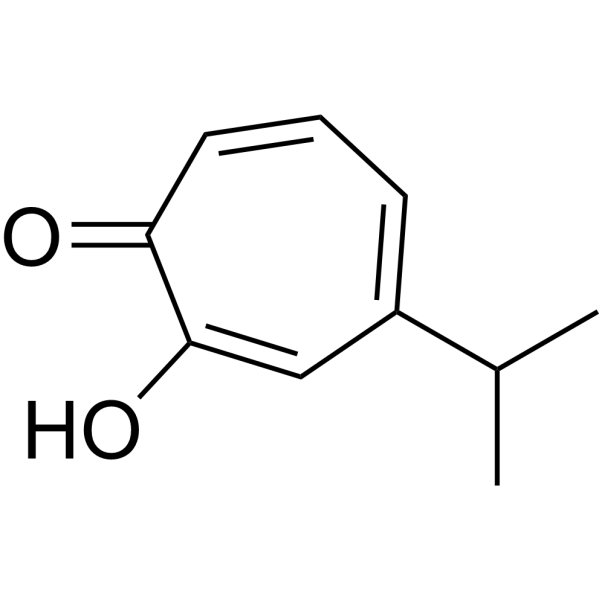
Hinokitiol is a component of essential oils isolated from Chymacyparis obtusa, reduces Nrf2 expression, and decreases DNMT1 and UHRF1 mRNA and protein expression, with anti-infective, anti-oxidative, and anti-tumor activities.
loading...
    loading...
9
9 Cited Publications
Cat. No.: HY-N1913
CAS No.: 76822-21-4
Synonyms: Dan shen suan A; Salvianic acid A
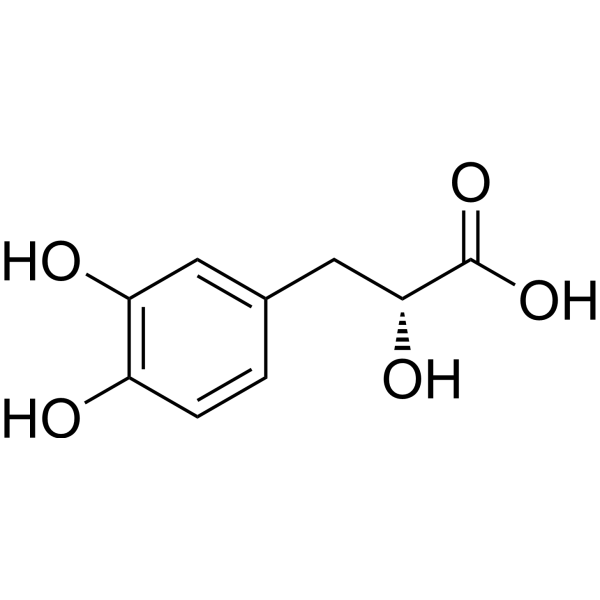
Danshensu (Dan shen suan A), an orally active phenolic compound, can induce Nrf2/HO-1 activation and inhibition of NF-κB pathway. Danshensu reduces reactive oxygen species (ROS) production, upregulates antioxidant defense mechanism and inhibits intrinsic apoptotic pathway. Danshensu displays a potent antiviral activity against SARS-CoV-2 with EC50 of 0.97 μM. Danshensu has anti-oxidation, anti-apoptosis, anti-lung inflammatory and has the potential for COVID-19, cardiovascular and cerebrovascular diseases research .
loading...
    loading...
9
9 Cited Publications
Cat. No.: HY-N1913A
CAS No.: 81075-52-7
Synonyms: Dan shen suan A sodium; Salvianic acid A sodium
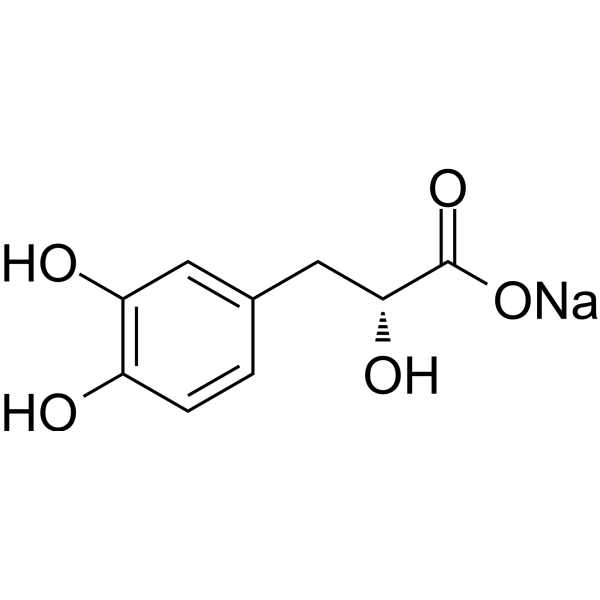
Danshensu (Dan shen suan A) sodium, an orally active phenolic compound, can induce Nrf2/HO-1 activation and inhibition of NF-κB pathway. Danshensu sodium reduces reactive oxygen species (ROS) production, upregulates antioxidant defense mechanism and inhibits intrinsic apoptotic pathway. Danshensu sodium displays a potent antiviral activity against SARS-CoV-2 with EC50 of 0.97 μM. Danshensu sodium has anti-oxidation, anti-apoptosis, anti-lung inflammatory and has the potential for COVID-19, cardiovascular and cerebrovascular diseases research .
loading...
    loading...
8
8 Cited Publications
Cat. No.: HY-N0783
CAS No.: 22368-21-4
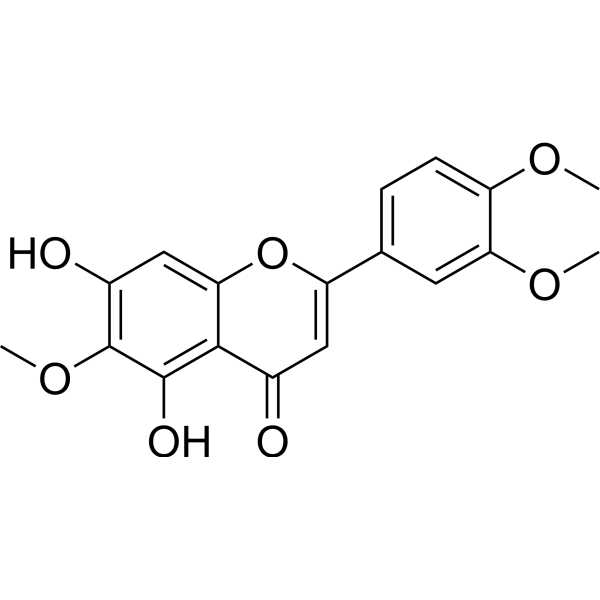
Eupatilin, a lipophilic flavonoid isolated from Artemisia argyi Lévl. et Van., is a PPARα agonist, and possesses anti-apoptotic, anti-oxidative and anti-inflammatory activities.
loading...
    loading...
7
7 Cited Publications
Cat. No.: HY-N0344
CAS No.: 24211-30-1
Synonyms: (-)-Farrerol
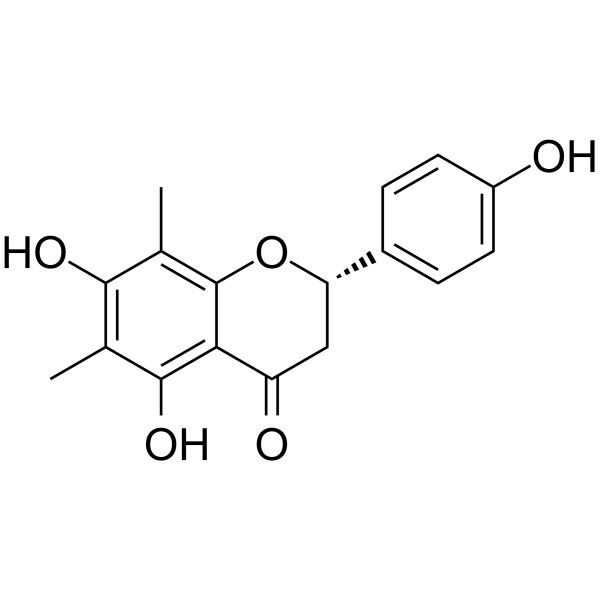
Farrerol is a bioactive constituent of Rhododendron, with broad activities such as anti-oxidative, anti-inflammatory, anti-tumor, neuroprotective and hepatoprotective effects .
loading...
    loading...
6
6 Cited Publications
Cat. No.: HY-15121
CAS No.: 3081-61-6
Purity:  99.67%
Synonyms: L-Glutamic Acid γ-ethyl amide; Nγ-Ethyl-L-glutamine
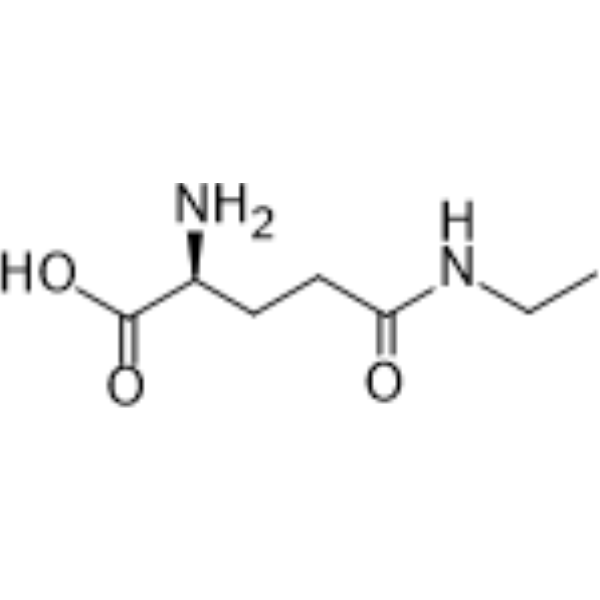
L-Theanine (L-Glutamic Acid γ-ethyl amide) is a non-protein amino acid contained in green tea leaves, which blocks the binding of L-glutamic acid to glutamate receptors in the brain, and with neuroprotective, anticancer and anti-oxidative activities. L-Theanine can pass through the blood–brain barrier and is orally active .
loading...
    loading...
6
6 Cited Publications
Cat. No.: HY-N0823
CAS No.: 28831-65-4
Synonyms: (+)-Lithospermic acid
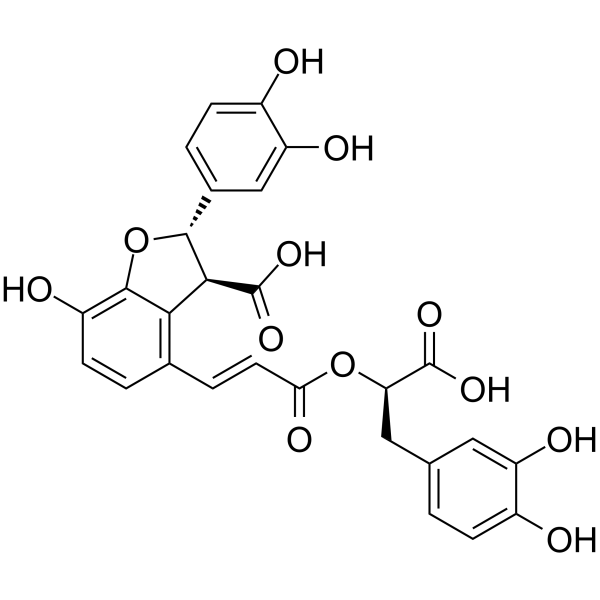
Lithospermic acid ((+)-Lithospermic acid) is a plant-derived polycyclic phenolic carboxylic acid isolated from Salvia miltiorrhiza, and has the anti-oxidative and hepatoprotective activity on carbon tetrachloride (CCl4)-induced acute liver damage in vitro and in vivo .
loading...
    loading...
6
6 Cited Publications
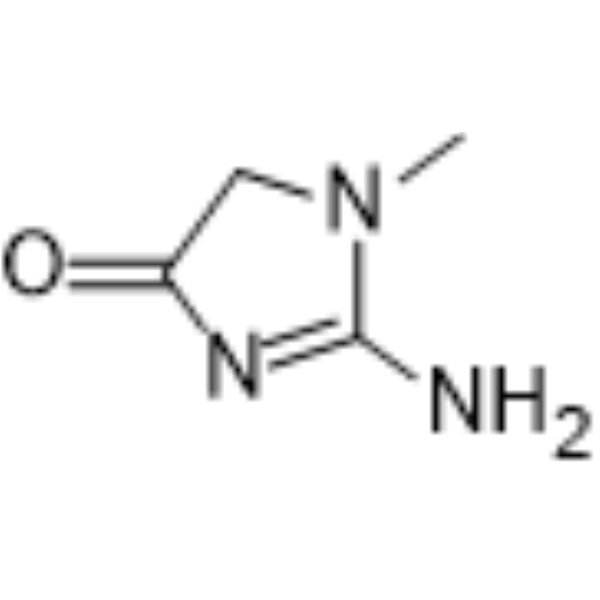
Cat. No.: HY-B0504
CAS No.: 60-27-5
Synonyms: NSC13123
Creatinine (NSC13123) is an orally active, blood-brain barrier-permeable modulator of GABAA and NMDA receptors, with activities of antioxidation and metabolic regulation. Creatinine is generated via non-enzymatic conversion of creatine and phosphocreatine in muscle. Creatinine serum levels correlate with muscle mass, glomerular filtration rate, and extrarenal clearance, serving as an evaluation biomarker for renal function, muscle mass, and clinical outcomes, and used for perioperative renal risk assessment. In addition, Creatinine can induce specific Cryptococcus species to produce creatinine deiminase and act as their nitrogen source, while it can be secreted via renal tubules. Creatinine is widely used in research related to various diseases such as neurodegenerative diseases, psychiatric disorders, acute kidney injury, chronic kidney disease, and renal failure .
loading...
    loading...
5
5 Cited Publications
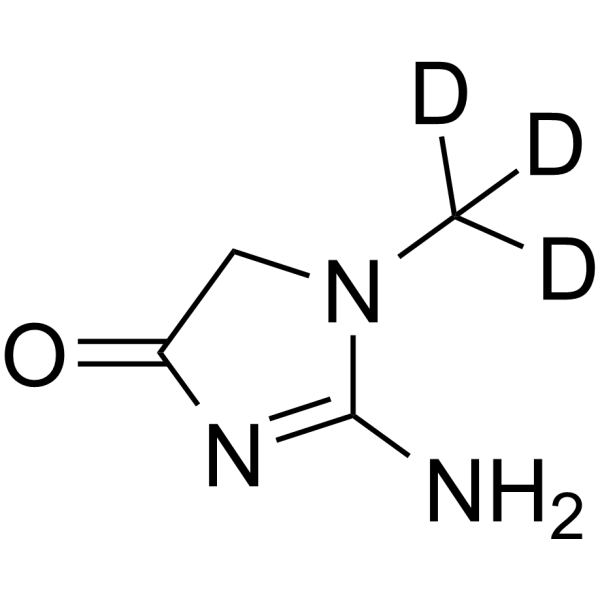
Cat. No.: HY-B0504S
CAS No.: 143827-20-7
Synonyms: NSC13123-d3
Creatinine-d3 is a deuterium labeled Creatinine. Creatinine (NSC13123) is an orally active, blood-brain barrier-permeable modulator of GABAA and NMDA receptors, with activities of antioxidation and metabolic regulation. Creatinine is generated via non-enzymatic conversion of creatine and phosphocreatine in muscle. Creatinine serum levels correlate with muscle mass, glomerular filtration rate, and extrarenal clearance, serving as an evaluation biomarker for renal function, muscle mass, and clinical outcomes, and used for perioperative renal risk assessment. In addition, Creatinine can induce specific Cryptococcus species to produce creatinine deiminase and act as their nitrogen source, while it can be secreted via renal tubules. Creatinine is widely used in research related to various diseases such as neurodegenerative diseases, psychiatric disorders, acute kidney injury, chronic kidney disease, and renal failure .
loading...
    loading...
4
4 Cited Publications
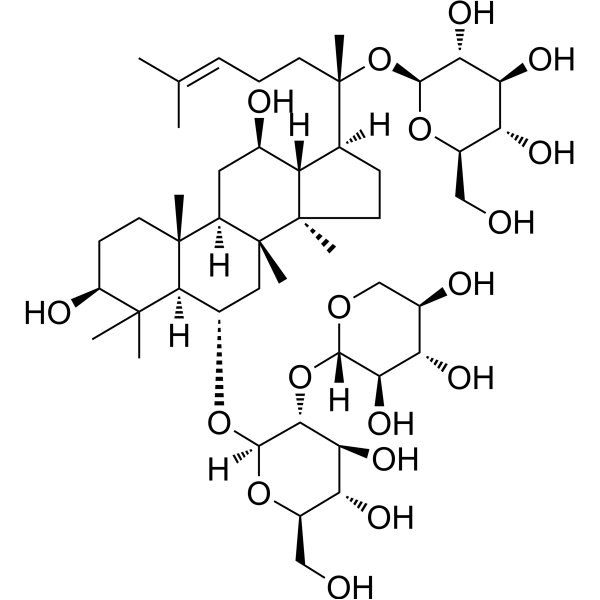
Cat. No.: HY-N0615
CAS No.: 80418-24-2
Synonyms: Sanchinoside R1; Sanqi glucoside R1
Notoginsenoside R1 (Sanchinoside R1), a saponin, is isolated from P. notoginseng. Notoginsenoside R1 exhibits anti-oxidation, anti-inflammatory, anti-angiogenic, and anti-apoptosis activities. Notoginsenoside R1 provides cardioprotection against ischemia/reperfusion (I/R) injury. Notoginsenoside R1 also provides neuroprotection in H2O2-induced oxidative damage in PC12 cells .
loading...
    loading...
4
4 Cited Publications
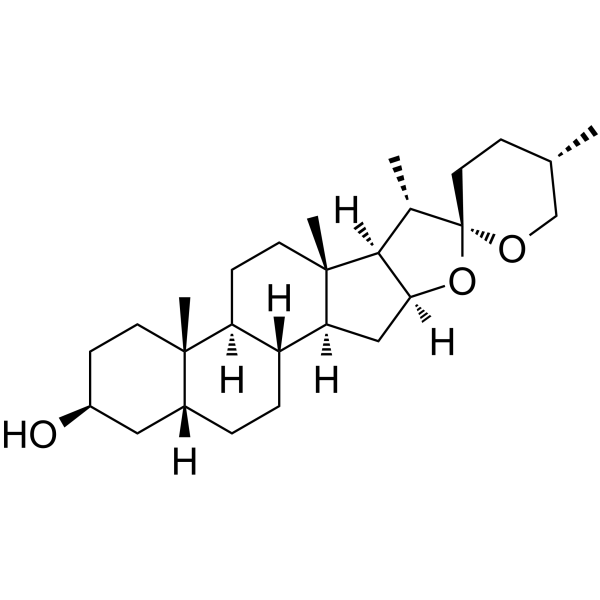
Cat. No.: HY-N0073
CAS No.: 126-19-2
Synonyms: Parigenin; Sarsagenin
Sarsasapogenin is a sapogenin from the Chinese medical herb Anemarrhena asphodeloides Bunge, with antidiabetic, anti-oxidative, anticancer and anti-inflamatory activities.
loading...
    loading...
4
4 Cited Publications
Cat. No.: HY-B1637
CAS No.: 148-18-5
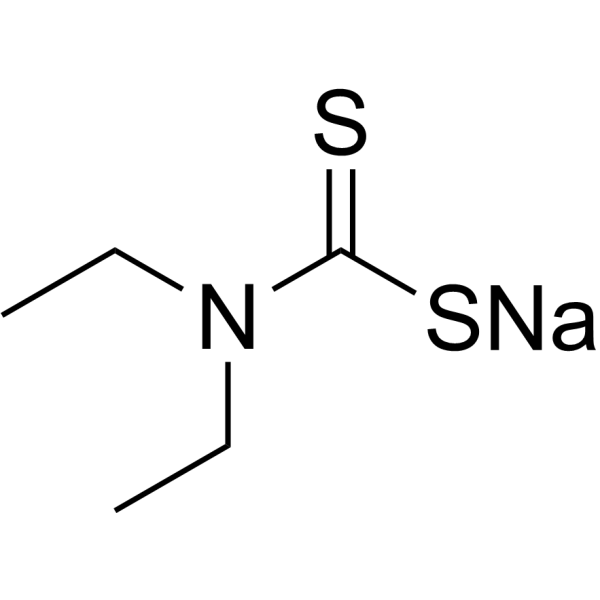
Synonyms: Sodium diethyldithiocarbamate
Ditiocarb sodium (Sodium diethyldithiocarbamate) is an orally active copper reagent. Ditiocarb sodium exhibits activities such as antioxidation, chelation, anti-tumor effects, immunomodulation, and anti-HIV properties. Ditiocarb sodium can be used in the research of tumors, inflammatory, and immune-related diseases .
loading...
    loading...