46 Results for "

autoreceptor

" in MedChemExpress (MCE) Product Catalog:
Products (46)

46 Results for "autoreceptor" in MCE Product Catalog:

19
19 Publications Verification
Cat. No.: HY-122272
CAS No.: 61869-08-7
Purity:  99.92%
Synonyms: BRL29060
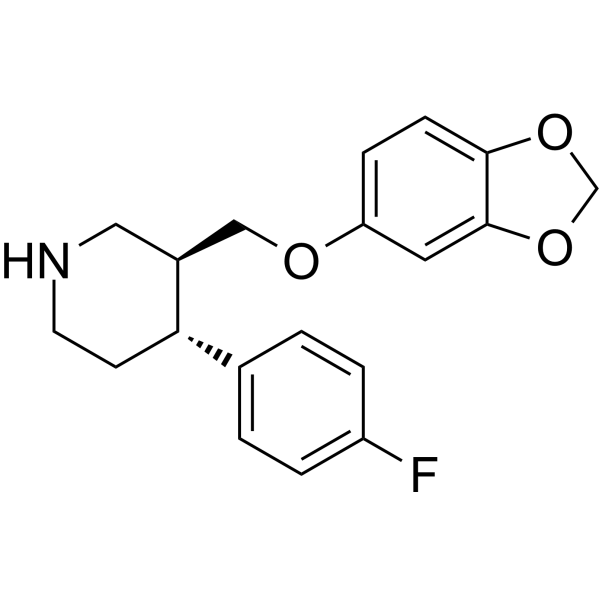
Paroxetine (BRL29060) is an orally active and selective serotonin reuptake inhibitor (SSRI) and apoptosis inducer with blood-brain barrier permeability. Paroxetine inhibits nitric oxide synthase and CYP2D6, induces desensitization of 5-HT1A/1B/1D autoreceptors, downregulates 5-HT2 receptors, and promotes the production of inflammatory cytokines. Paroxetine is a weak norepinephrine (NE) uptake inhibitor and possesses antitumor activity. Paroxetine is widely used in research concerning depression, obsessive-compulsive disorder, panic disorder, social phobia, generalized anxiety disorder, post-traumatic stress disorder, premenstrual dysphoric disorder, hot flashes, and related conditions .
loading...
    loading...
19
19 Publications Verification
Cat. No.: HY-B0492
CAS No.: 78246-49-8
Synonyms: BRL29060 hydrochloride; BRL29060A
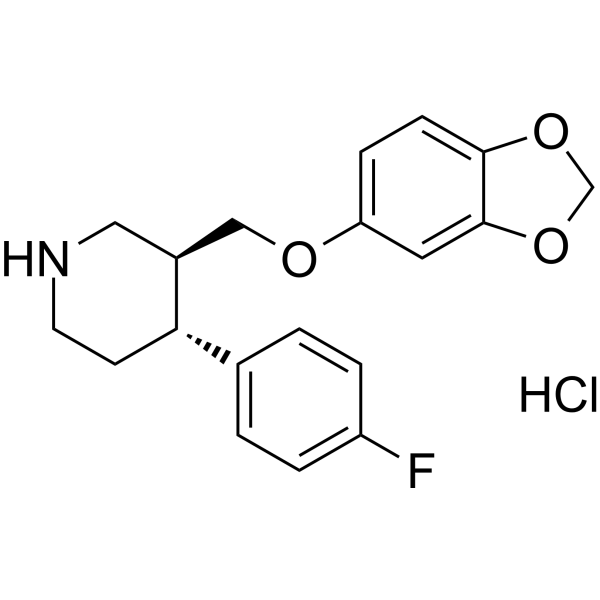
Paroxetine (BRL29060) hydrochloride is an orally active and selective serotonin reuptake inhibitor (SSRI) and apoptosis inducer with blood-brain barrier permeability. Paroxetine hydrochloride inhibits nitric oxide synthase and CYP2D6, induces desensitization of 5-HT1A/1B/1D autoreceptors, downregulates 5-HT2 receptors, and promotes the production of inflammatory cytokines. Paroxetine hydrochloride is a weak norepinephrine (NE) uptake inhibitor and possesses antitumor activity. Paroxetine hydrochloride is widely used in research concerning depression, obsessive-compulsive disorder, panic disorder, social phobia, generalized anxiety disorder, post-traumatic stress disorder, premenstrual dysphoric disorder, hot flashes, and related conditions .
loading...
    loading...
11
11 Cited Publications
Cat. No.: HY-B0492A
CAS No.: 110429-35-1
Synonyms: BRL29060 hydrochloride hemihydrate; BRL29060A hemihydrate
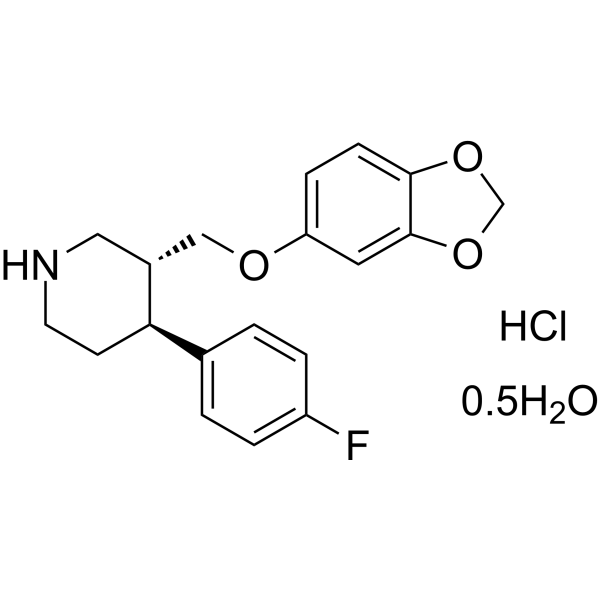
Paroxetine (BRL29060) hydrochloride hemihydrate is an orally active and selective serotonin reuptake inhibitor (SSRI) and apoptosis inducer with blood-brain barrier permeability. Paroxetine hydrochloride hemihydrate inhibits nitric oxide synthase and CYP2D6, induces desensitization of 5-HT1A/1B/1D autoreceptors, downregulates 5-HT2 receptors, and promotes the production of inflammatory cytokines. Paroxetine hydrochloride hemihydrate is a weak norepinephrine (NE) uptake inhibitor and possesses antitumor activity. Paroxetine hydrochloride hemihydrate is widely used in research concerning depression, obsessive-compulsive disorder, panic disorder, social phobia, generalized anxiety disorder, post-traumatic stress disorder, premenstrual dysphoric disorder, hot flashes, and related conditions .
loading...
    loading...
3
3 Cited Publications
Cat. No.: HY-103156
CAS No.: 1217474-40-2
Target:  

5-HT Receptor

Research Areas:  

Neurological Disease

NAS181 is a potent and selective antagonist of rat 5-HT1B receptor, with a Ki of 47 nM. NAS181 shows 13-fold selectivity for r5-HT1B over bovine 5-HT1B receptor (Ki=630 nM). NAS181 increases the 5-HT turnover and the synaptic concentration of 5-HT by inhibiting terminal r5-HT1B autoreceptors .
loading...
    loading...
Cat. No.: HY-108698
CAS No.: 88768-67-6
Purity:  ≥98.0%
Synonyms: (-)-3-PPP hydrochloride
Target:  

Dopamine Receptor

Research Areas:  

Neurological Disease

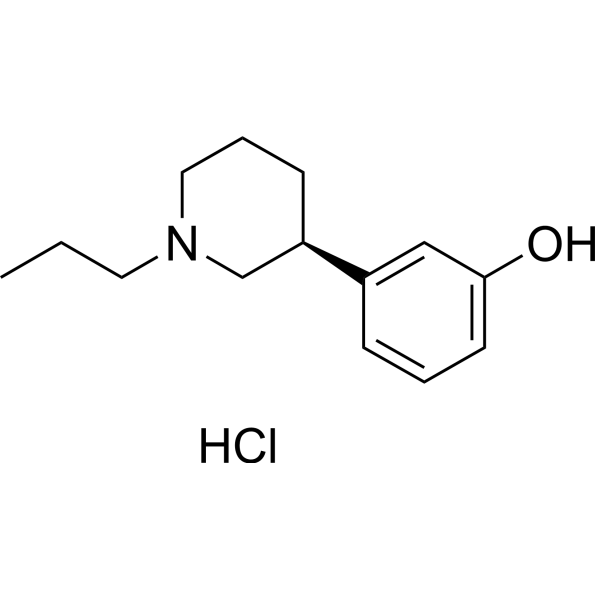
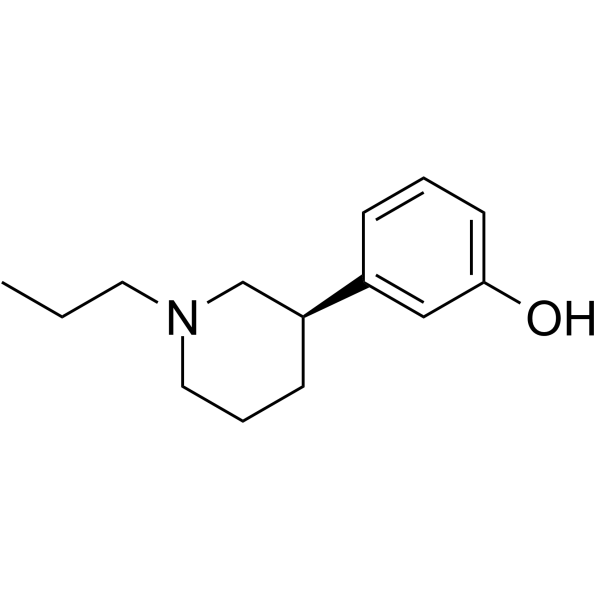
Preclamol hydrochloride ((-)-3-PPP hydrochloride) is a selective dopamine autoreceptor agonist. Preclamol hydrochloride has the potential for the research of schizophrenia .
loading...
    loading...
Cat. No.: HY-110023
CAS No.: 60525-15-7
Purity:  98.27%
Target:  

Serotonin Transporter

Research Areas:  

Neurological Disease

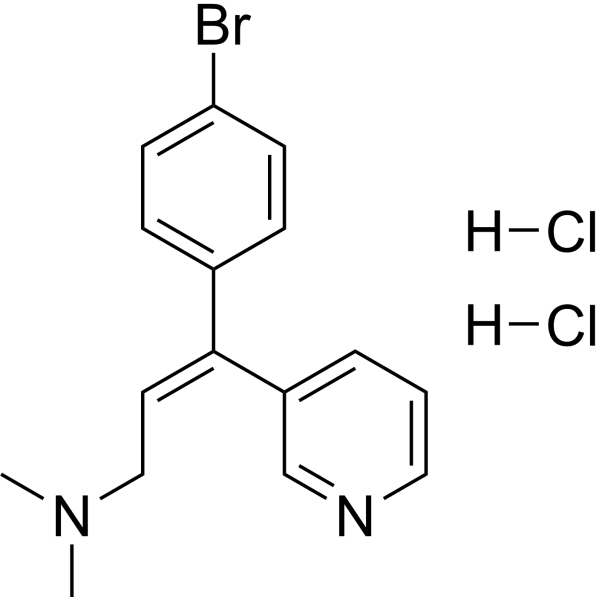
Zimelidine dihydrochloride is an orally active selective serotonin reuptake inhibitor. Zimelidine dihydrochloride competitively inhibits central 5-HT uptake and desensitizes 5-HT autoreceptors in dorsal raphe nucleus. Zimelidine dihydrochloride time-dependently modulates 5-HT neuronal firing and hippocampal CA3 responses. Zimelidine dihydrochloride strengthens central serotonergic neurotransmission and produces related behavioral changes. Zimelidine dihydrochloride exerts anxiolytic, analgesic, feeding-suppressive and tolerance-attenuating effects. Zimelidine dihydrochloride is used for the study of depressive disorders and analgesic tolerance .
loading...
    loading...
Cat. No.: HY-12143
CAS No.: 168266-51-1
Purity:  99.11%
Synonyms: GR 205171A
Target:  

Neurokinin Receptor

Research Areas:  

Neurological Disease

Vofopitant dihydrochloride (GR 205171A) is a blood-brain barrier-permeable NK1 receptor inhibitor with a pKi of 9.02 in mice. Vofopitant dihydrochloride blocks vomiting-related responses and inhibits pseudoptyalism. Vofopitant dihydrochloride exerts anxiolytic effects, regulates 5-HT receptor function and increases central 5-HT release. Vofopitant dihydrochloride improves hyperarousal symptoms of post-traumatic stress disorder. Vofopitant dihydrochloride can be used in research related to depression, anxiety, vomiting and postoperative nausea and vomiting .
loading...
    loading...
Cat. No.: HY-101540
CAS No.: 129024-87-9
Purity:  99.02%
Target:  

Dopamine Receptor

Research Areas:  

Neurological Disease

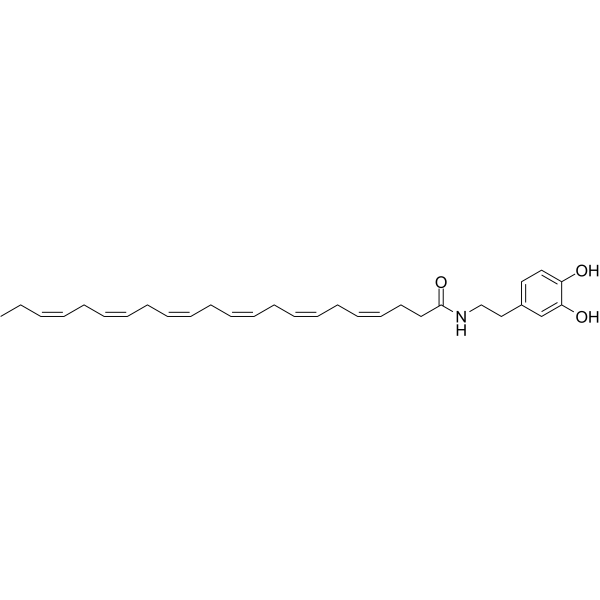
NMI 8739 is a dopamine D2 autoreceptor agonist, which is an amine conjugate of the DHA carrier and the neurotransmitter dopamine.
loading...
    loading...
Cat. No.: HY-W795507
CAS No.: 69906-85-0
Research Areas:  

Neurological Disease

Cyanopindolol is an β3-adrenoceptor antagonist. Cyanopindolol is a potent and selective antagonist at the presynaptic serotonin autoreceptor in the rat brain cortex. Cyanopindolol has binding affinity for 5-HT1A and 5-HT1B receptor (Ki: 2.1 and 3 nM respectively) .
loading...
    loading...
Cat. No.: HY-100454
CAS No.: 104391-26-6
Purity:  99.65%
Target:  

Dopamine Receptor

Research Areas:  

Neurological Disease

CGP 25454A is a selective presynaptic dopamine autoreceptor antagonist which induces the increase of dopamine and acetyl choline. CGP 25454A can be used for major depression research .
loading...
    loading...
Cat. No.: HY-106100A
CAS No.: 108050-82-4
Purity:  99.53%
Synonyms: EMD 38362
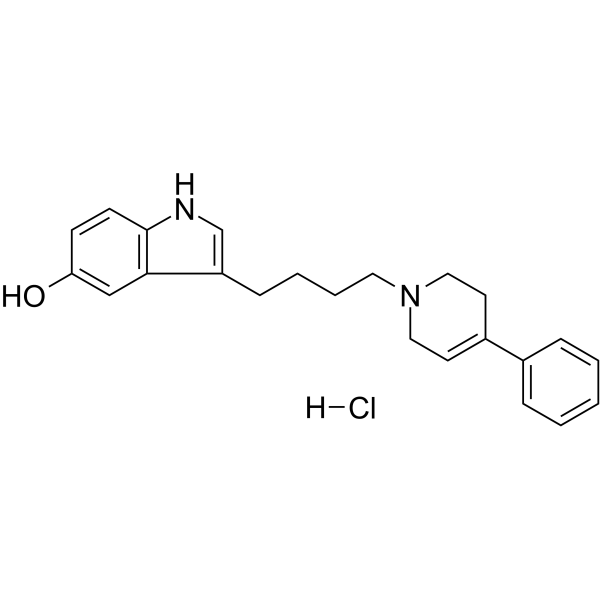
Roxindole hydrochloride (EMD 38362), an indot-alkyl-pipenidine, is a potent agonist at dopamine autoreceptors, with an affinity for the D2-like subtype in the low nanomolar range. Roxindole can be used for the research of positive and negative schizophrenic symptoms. Roxindole is a 5-HT1A agonist and 5-HT uptake inhibitor with high affinity for 5-HT1A (IC50=0.9 nM). Antipsychotic and antidepressant activities .
loading...
    loading...
Cat. No.: HY-122272R
CAS No.: 61869-08-7
Synonyms: BRL29060 (Standard)
Paroxetine (BRL29060) (Standard) is the analytical standard of Paroxetine (HY-122272). This product is intended for research and analytical applications. Paroxetine (BRL29060) is an orally active and selective serotonin reuptake inhibitor (SSRI) and apoptosis inducer with blood-brain barrier permeability. Paroxetine inhibits nitric oxide synthase and CYP2D6, induces desensitization of 5-HT1A/1B/1D autoreceptors, downregulates 5-HT2 receptors, and promotes the production of inflammatory cytokines. Paroxetine is a weak norepinephrine (NE) uptake inhibitor and possesses antitumor activity. Paroxetine is widely used in research concerning depression, obsessive-compulsive disorder, panic disorder, social phobia, generalized anxiety disorder, post-traumatic stress disorder, premenstrual dysphoric disorder, hot flashes, and related conditions .
loading...
    loading...
Cat. No.: HY-145454
CAS No.: 85976-54-1
Purity:  99.56%
Synonyms: (+)-3-PPP
Target:  

Dopamine Receptor

Research Areas:  

Neurological Disease

(R)-Preclamol is a dopamine (DA) agonist with autoreceptor as well as postsynaptic receptor stimulatory properties. (R)-Preclamol inhibits the locomotor activity of mice and rats in low doses .
loading...
    loading...
Cat. No.: HY-101065
CAS No.: 85378-82-1
Purity:  98.55%
Synonyms: (+)-AJ 76 hydrochloride; (1S,2R)-AJ 76 hydrochloride
Target:  

Dopamine Receptor

Research Areas:  

Others

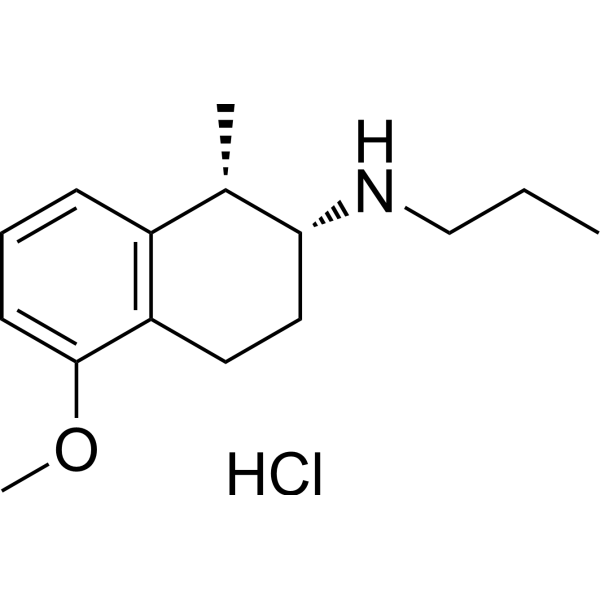
AJ-76 hydrochloride ((+)-AJ 76 hydrochloride) is an antagonist of dopamine autoreceptor with pKi values of 6.95, 6.67, 6.37, 6.21 and 6.07 for hD3, hD4, hD2S, hD2L and rD2 receptors, respectively.
loading...
    loading...
Cat. No.: HY-106781
CAS No.: 111073-34-8
Target:  

Dopamine Receptor

Research Areas:  

Neurological Disease

OPC-4392 is a orally active presynaptic dopamine autoreceptor agonist and postsynaptic D2 receptor antagonist. OPC 4392 reverses the Reserpine (HY-N0480)-induced dopamine accumulation, inhibits Apomorphine (HY-12723)-induced stereotypic and climbing behaviors in mouse models. OPC-4392 can be used as antipsychotic agent .
loading...
    loading...
Cat. No.: HY-B0773
CAS No.: 217797-14-3
Synonyms: BRL29060 mesylate
Paroxetine (BRL29060) mesylate is an orally active and selective serotonin reuptake inhibitor (SSRI) and apoptosis inducer with blood-brain barrier permeability. Paroxetine mesylate inhibits nitric oxide synthase and CYP2D6, induces desensitization of 5-HT1A/1B/1D autoreceptors, downregulates 5-HT2 receptors, and promotes the production of inflammatory cytokines. Paroxetine mesylate is a weak norepinephrine (NE) uptake inhibitor and possesses antitumor activity. Paroxetine mesylate is widely used in research concerning depression, obsessive-compulsive disorder, panic disorder, social phobia, generalized anxiety disorder, post-traumatic stress disorder, premenstrual dysphoric disorder, hot flashes, and related conditions .
loading...
    loading...
Cat. No.: HY-155297
CAS No.: 55248-23-2
Synonyms: FLA-136
Target:  

Histamine Receptor

Research Areas:  

Cardiovascular Disease

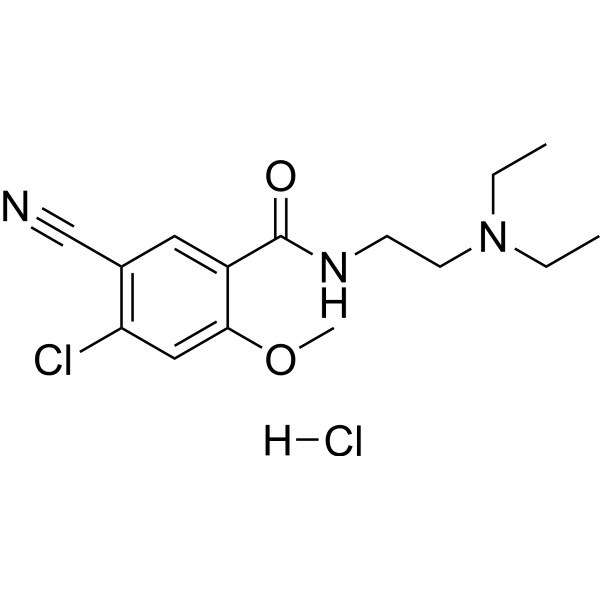
Nebidrazine is a centrally-acting hypotensive agent compared to clonidine, demonstrating weaker cardiovascular effects in rats. It induces dose-dependent hypotension and bradycardia when administered intracerebroventricularly (i.c.v.), with significantly lower sedative potential than clonidine in conscious rats. Yohimbine attenuates the cardiovascular effects of both Nebidrazine and clonidine, suggesting involvement of central alpha-autoreceptors sensitive to yohimbine. Unlike clonidine, Nebidrazine does not affect peripheral alpha-adrenoceptors in pithed rats, indicating a selective central mechanism. Chemical sympathectomy reduces Nebidrazine's cardiovascular effects more than clonidine's, and metiamide diminishes responses to both drugs, implicating central histamine receptors. These findings highlight Nebidrazine's distinct pharmacological profile and potential therapeutic application in managing hypertension through central alpha-autoreceptor stimulation .
loading...
    loading...
Cat. No.: HY-105328
CAS No.: 153607-44-4
Target:  

5-HT Receptor

Research Areas:  

Neurological Disease

S-14489 is an orally active selective postsynaptic 5-HT1A receptor antagonist with a pKi of 9.2. S-14489 can act as a 5-HT1A autoreceptor agonist and inhibit striatal 5-hydroxytryptophan accumulation. S-14489 can be used for the research of neurological disease .
loading...
    loading...
Cat. No.: HY-118835
CAS No.: 56775-88-3
Target:  

Serotonin Transporter

Research Areas:  

Neurological Disease

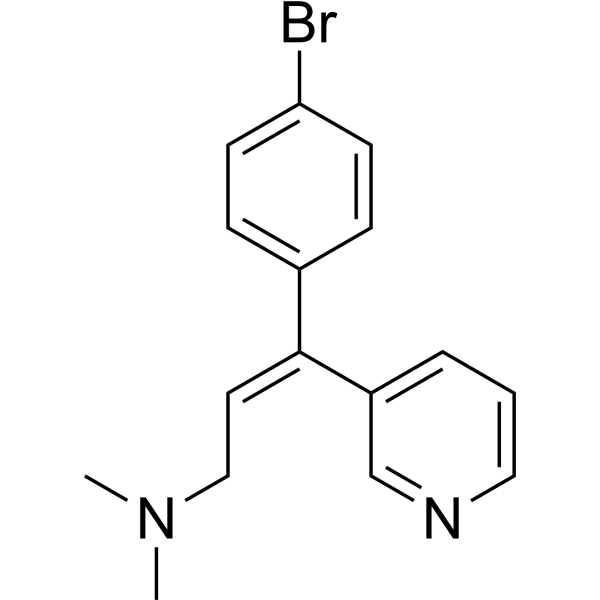
Zimelidine is an orally active selective serotonin reuptake inhibitor. Zimelidine competitively inhibits central 5-HT uptake and desensitizes 5-HT autoreceptors in dorsal raphe nucleus. Zimelidine time-dependently modulates 5-HT neuronal firing and hippocampal CA3 responses. Zimelidine strengthens central serotonergic neurotransmission and produces related behavioral changes. Zimelidine exerts anxiolytic, analgesic, feeding-suppressive and tolerance-attenuating effects. Zimelidine is used for the study of depressive disorders and analgesic tolerance .
loading...
    loading...
Cat. No.: HY-105447
CAS No.: 115688-97-6
Target:  

Dopamine Receptor

Research Areas:  

Neurological Disease

PD 128483 is a selective dopamine autoreceptor agonist. PD 128483 can be used for the research of neurological disease .
loading...
    loading...

