
66 Results for "

base modification

" in MedChemExpress (MCE) Product Catalog:
Products (66)

66 Results for "base modification" in MCE Product Catalog:

6
6 Publications Verification
Cat. No.: HY-101422
CAS No.: 1380341-99-0
Purity:  99.93%
Target:  

Potassium Channel

Research Areas:  

Inflammation/Immunology

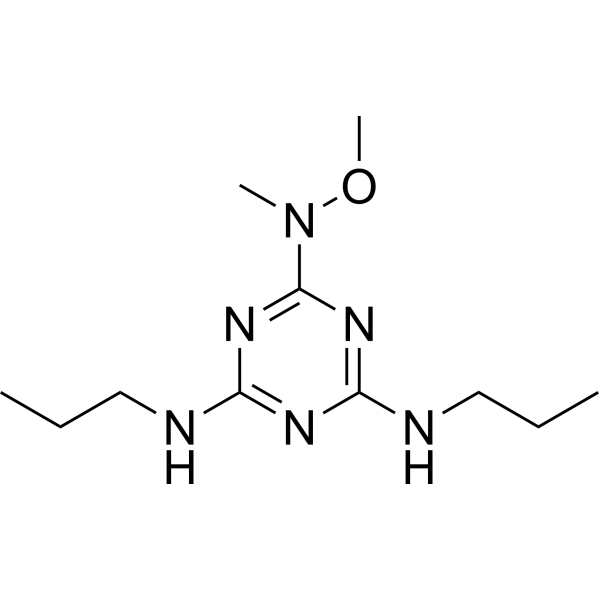
GAL-021 is a potent BKCa-channel blocker. GAL-021 inhibits KCa1.1 in GH3 cells. GAL-021 is a novel breathing control modulator that is based on selective modification of the almitrine pharmacophore. GAL-021 increases minute ventilation in rats and non-human primates .
loading...
    loading...
1
1 Cited Publications
Cat. No.: HY-151642
CAS No.: 105928-88-9
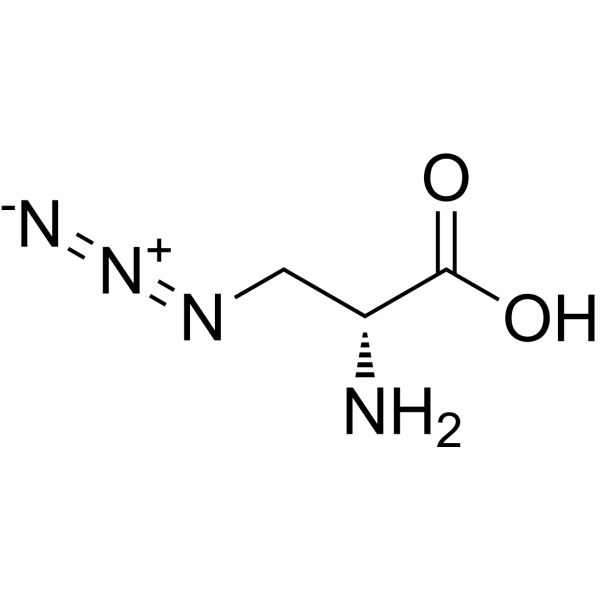
3-Azido-D-alanine is an orally active, selective metabolic tracer applicable for click chemistry labeling. 3-Azido-D-alanine can be selectively incorporated into bacterial cell wall peptidoglycans, introducing azido groups to enable copper-free click chemistry-based modification, labeling and single-cell tracing, while it cannot be metabolically incorporated by mammalian cells. 3-Azido-D-alanine can be used in studies related to bacterial infection, intracranial infection, otitis media, intestinal inflammation and tissue damage, as well as sepsis .
loading...
    loading...
1
1 Cited Publications
Cat. No.: HY-113138
CAS No.: 2140-69-4
Purity:  99.05%
Synonyms: N3-Methyluridine
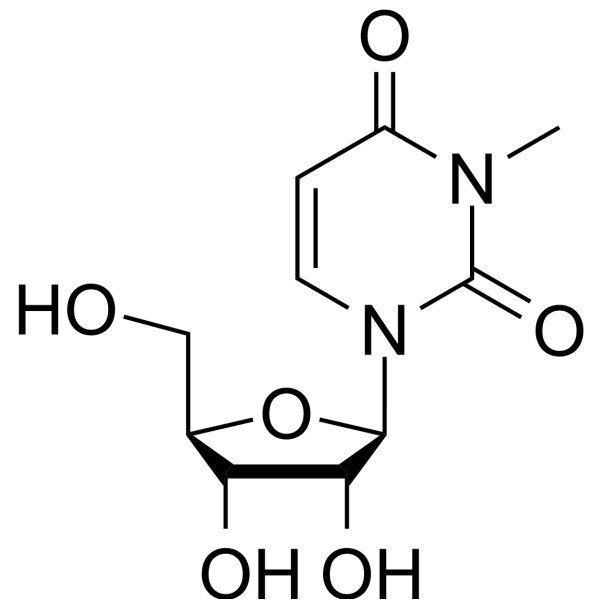
3-Methyluridine (m 3U; N3-Methyluridine) is a methylated nucleotide present in ribosomal RNA (rRNA), mainly targeting specific base sites of RNA molecules such as 23S rRNA. 3-Methyluridine can introduce a methyl group at the N3 position of uracil, affecting the secondary structure stability and base pairing ability of RNA, and regulating ribosome function. For example, it affects ribosomal subunit binding and tRNA interaction. 3-Methyluridine is often used as a key raw material for the synthesis of modified nucleotides, and is used to construct RNA oligonucleotides containing methylation modifications to study the effects of RNA methylation on gene expression and drug resistance .
loading...
    loading...
1
1 Cited Publications
Cat. No.: HY-151642A
CAS No.: 1379690-01-3
Purity:  99.13%
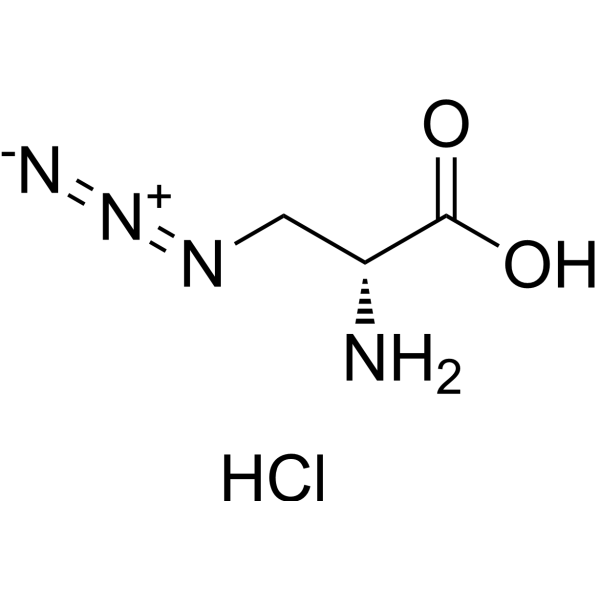
3-Azido-D-alanine (hydrochloride) is an orally active, selective metabolic tracer applicable for click chemistry labeling. 3-Azido-D-alanine (hydrochloride) can be selectively incorporated into bacterial cell wall peptidoglycans, introducing azido groups to enable copper-free click chemistry-based modification, labeling and single-cell tracing, while it cannot be metabolically incorporated by mammalian cells. 3-Azido-D-alanine (hydrochloride) can be used in studies related to bacterial infection, intracranial infection, otitis media, intestinal inflammation and tissue damage, as well as sepsis .
loading...
    loading...
Cat. No.: HY-164899
CAS No.: 2765091-45-8
Synonyms: 2-aminopyridine-3-carboxylic acid imidazolide
Target:  

DNA/RNA Synthesis

Research Areas:  

Infection

2A3 (2-aminopyridine-3-carboxylic acid imidazolide) is a covalent probe reagent for Selective 2'-Hydroxyl Acylation analyzed by Primer Extension (SHAPE) that targets the RNA ribose 2'-OH group. 2A3 efficiently permeates the biological membranes of Gram-negative bacteria, Gram-positive bacteria, and mammalian cells. 2A3 exhibits no base bias and specifically labels conformationally flexible, unpaired regions within RNA. 2A3 forms covalent adducts by acylating the 2'-OH groups of flexible RNA residues. When combined with SHAPE-MaP (mutational profiling) sequencing technology, these modification sites are converted into detectable mutational signals, thereby accurately reflecting local RNA backbone flexibility and base-pairing status. 2A3 is primarily utilized in molecular biology and transcriptomics research, including the resolution of RNA structuromes in living cells, the study of RNA folding regulatory mechanisms, and the investigation of non-coding RNA functions .
loading...
    loading...
Cat. No.: HY-101530B
CAS No.: 9004-99-3
Synonyms: PEG 40 stearate
Research Areas:  

Others

Polyoxyl 40 stearate (PEG 40 stearate) is a nonionic surfactant formed by the esterification of stearic acid with polyethylene glycol (PEG) containing approximately 40 ethoxy units, it is used in pharmaceutical preparations, nanodrug carriers, emulsification systems and biomedical materials. Polyoxyl 40 stearate can serve as a matrix component of solid lipid nanoparticles to achieve controlled release of encapsulated antifungal drugs; it can also act as a base material for solid lipid nanoparticles for vaginal administration, and polymerizable groups can be introduced via modification with acryloyl chloride .
loading...
    loading...
Cat. No.: HY-148381
CAS No.: 2378056-80-3
Research Areas:  

Cancer

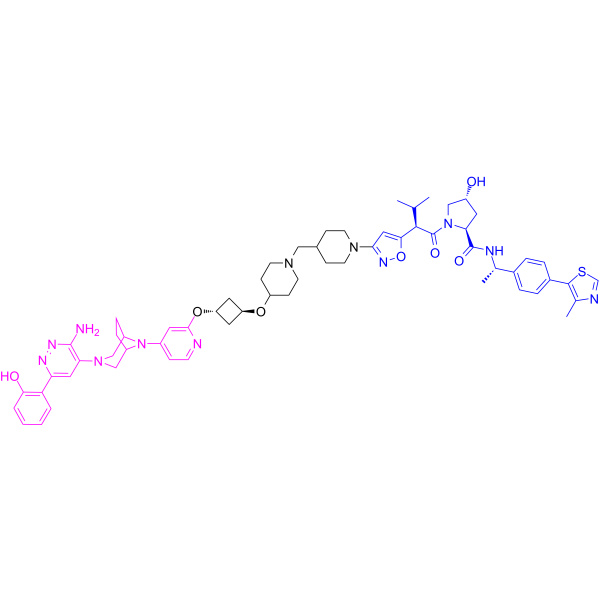
A947 is a VHL-based SMARCA2 PROTAC degrader with a DC50 of 39 pM and a Kd of 93 nM for human SMARCA2. A947 recruits SMARCA2 to the VHL E3 ubiquitin ligase for ubiquitination modification, mediates its degradation via the proteasome, and exerts selective degradation effects on SMARCA4 and PBRM1. A947 induces G1 cell cycle arrest, inhibits transcription, and exerts growth inhibitory effects in SMARCA4 G12C-mutant cancer cells. A947 acts synergistically with MCL1 inhibitors to induce apoptosis in SMARCA4 G12C-mutant cancer cells. A947 can be used in studies related to SMARCA4 G12C-mutant non-small cell lung cancer and non-small cell lung cancer .
loading...
    loading...
Cat. No.: HY-W093017
CAS No.: 626-61-9
Research Areas:  

Others

4-Chloropyridine is a NNMT (Nicotinamide N-methyltransferase) substrate and suicide inhibition-based protein labeling scaffold precursor.4-Chloropyridine undergoes NNMT-catalyzed pyridine nitrogen methylation to increase C4 electrophilicity, enabling aromatic nucleophilic substitution by NNMT cysteine C159 for covalent NNMT modification and inactivation.4-Chloropyridine can be used for the research of various cancers .
loading...
    loading...
Cat. No.: HY-112817
CAS No.: 139307-94-1
Synonyms: 8-Oxo-Deoxyguanosine triphosphate
8-Oxo-dGTP (8-Oxo-Deoxyguanosine triphosphate) is an oxidized guanine nucleotide formed by ROS-mediated oxidative modification of dGTP, and it also serves as a key substrate for 8-oxo-dGTP pyrophosphohydrolases (such as hMTH1 and E. coli MutT). 8-Oxo-dGTP acts as a DNA mutagen, inserts into nascent DNA and pairs with adenine and cytosine, inducing A:T to C:G transversion mutations. Furthermore, 8-Oxo-dGTP causes oxidative DNA base modification, strand breakage and S-phase arrest, and ultimately triggers AIF-mediated apoptosis and promotes spontaneous carcinogenesis in mth1-deficient mice. Accumulation of 8-Oxo-dGTP in cells induces genomic instability, but it exhibits a tumor-suppressive effect that reduces tumor incidence in mouse models instead. 8-Oxo-dGTP is widely used in studies related to spontaneous carcinogenesis, Parkinson's disease, Alzheimer's disease, heart failure and tumor mechanisms .
loading...
    loading...
Cat. No.: HY-W391506
CAS No.: 9011-14-7
Synonyms: Poly(methyl methacrylate), beads; PMMA
Research Areas:  

Others

Poly (methyl methacrylate) (Poly(methyl methacrylate), beads; PMMA) is an amorphous glassy acrylic thermoplastic polymer belonging to the acrylate family, synthesized from methyl methacrylate monomers. Poly (methyl methacrylate) drives biochemical processes including free volume expansion induced by inelastic deformation, yield stress and strain softening regulated by physical aging, acid hydrolysis to polymethacrylic acid, multi-stage combustion, oxygen-dependent thermal decomposition, primary amine-mediated polypentanimide formation, and grafting/crosslinking-based copolymer and composite formation. Poly (methyl methacrylate) exhibits histocompatibility, low toxicity, low inflammatory potential, and fracture resistance; it can form functional blends and composites for biomedical and dental applications; it also allows performance-enhancing chemical and mechanical modifications. Poly (methyl methacrylate) is applicable to studies related to cranial repair .
loading...
    loading...
Cat. No.: HY-19804
CAS No.: 1863117-91-2
Synonyms: Photo lysine
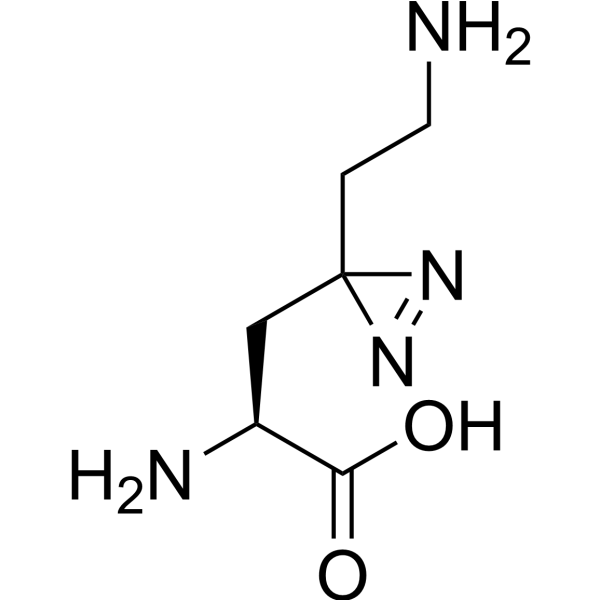
Photo-lysine, a new lysine-based photo-reactive amino acid, captures proteins that bind lysine post-translational modifications.
loading...
    loading...
Cat. No.: HY-W017382
CAS No.: 619-67-0
Synonyms: p-Hydrazinobenzoic acid
Research Areas:  

Cancer

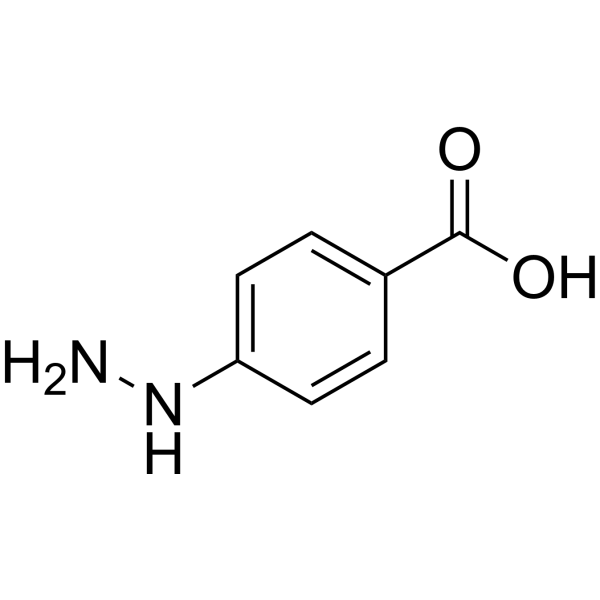
4-Hydrazinobenzoic acid (p-Hydrazinobenzoic acid) is a DNA-damaging agent. 4-Hydrazinobenzoic acid induces copper-dependent oxidative damage, accompanied by strand breaks and base modifications; autoxidation generates hydrogen peroxide and cuprous ion-derived ROS. 4-Hydrazinobenzoic acid is cytotoxic to cancer cells and normal cells. 4-Hydrazinobenzoic acid can be used in cancer research .
loading...
    loading...
Cat. No.: HY-W570886
CAS No.: 163759-97-5
Target:  

DNA/RNA Synthesis

Research Areas:  

Cancer

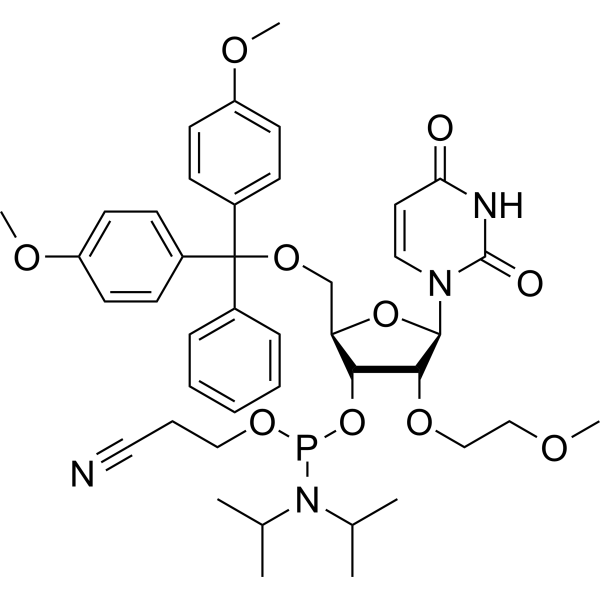
2'-O-MOE-U is a nucleic acid modification group (Phosphoramidite) with 3'-exonuclease inhibitory activity. 2'-O-MOE-U also exhibits gene silencing activity and double-stranded oligonucleotide stability. By forming steric interactions with 3'-exonuclease residues, 2'-O-MOE-U anchors the 3'-end of the siRNA guide strand in the hAgo2 PAZ domain, thereby regulating double-stranded thermal stability and enhancing base-pairing specificity. 2'-O-MOE-U does not induce IFNα production, can be incorporated at multiple sites of siRNA to enhance RNAi activity, and produces a synergistic effect with 2'-F modification. 2'-O-MOE-U has been widely used in studies related to breast cancer and other diseases .
loading...
    loading...
Cat. No.: HY-159925
CAS No.: 2646682-38-2
QKY-613 is a prodrug that enhances immune surveillance by targeting nucleic acid modification pathways. QKY-613 promotes the selective incorporation of 6mdA (N6-methyldeoxyadenosine) into viral DNA, enhancing the phase separation potential of DNA, thereby increasing the activation of cGAS and strengthening host immune surveillance. In virus-infected mouse models, QKY-613 significantly reduced mortality in aged mice. QKY-613 holds promise for research on nucleic acid modification-based immune surveillance mechanisms .
loading...
    loading...
Cat. No.: HY-144013A
CAS No.: 474922-77-5
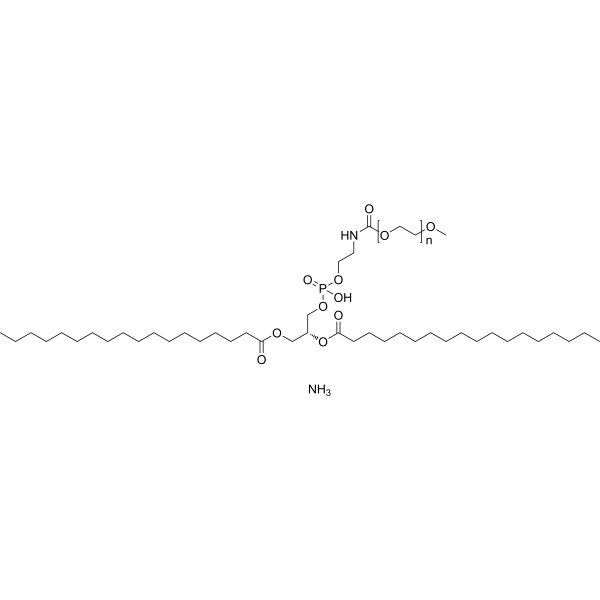
Synonyms: DSPE-mPEG350 ammonium; 1,2-Distearoyl-sn-glycero-3-phosphoethanolamine-N-[methoxy(polyethylene glycol)-350] ammonium
Target:  

Liposome

Research Areas:  

Others

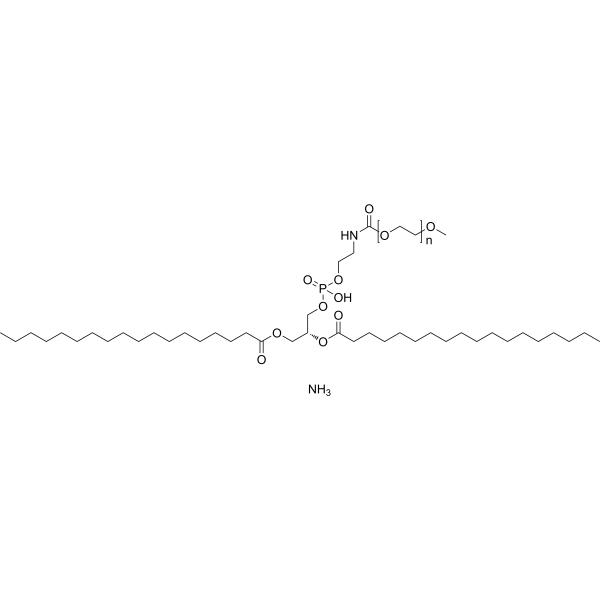
18:0 mPEG350 PE (ammonium) is a PEG lipid functional end group used in the synthesis of liposomes (LPs) for the design of conjugated polymer nanoparticles. Through biotin modification and carboxyl terminus, lipid nanoparticles (LNPs) further coupling with other biomolecules can be achieved. Functionalized nanoparticles can be used for targeted labeling of specific cellular proteins. With streptavidin as a linker, biotinylated PEG lipid-conjugated polymer nanoparticles are able to bind to biotinylated antibodies on cell surface receptors, yielding the utility of fluorescence-based imaging and sensing.
loading...
    loading...
Cat. No.: HY-144013B
CAS No.: 474922-77-5
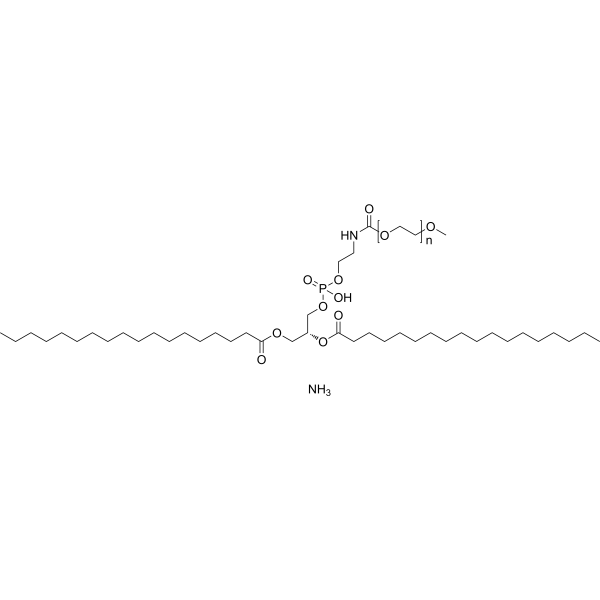
Synonyms: DSPE-mPEG550 ammonium; 1,2-Distearoyl-sn-glycero-3-phosphoethanolamine-N-[methoxy(polyethylene glycol)-550] ammonium
Target:  

Liposome

Research Areas:  

Others

18:0 mPEG550 PE (ammonium) is a PEG lipid functional end group used in the synthesis of liposomes (LPs) for the design of conjugated polymeric nanoparticles. Through biotin modification and carboxyl terminus, lipid nanoparticles (LNPs) further coupling with other biomolecules can be achieved. Functionalized nanoparticles can be used for targeted labeling of specific cellular proteins. With streptavidin as a linker, biotinylated PEG lipid-conjugated polymer nanoparticles are able to bind to biotinylated antibodies on cell surface receptors, yielding the utility of fluorescence-based imaging and sensing.
loading...
    loading...
Cat. No.: HY-144013C
CAS No.: 474922-77-5
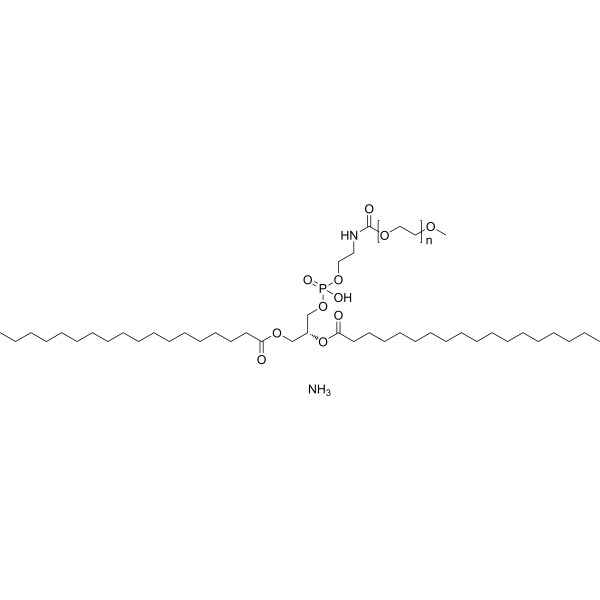
Synonyms: DSPE-mPEG750 ammonium; 1,2-Distearoyl-sn-glycero-3-phosphoethanolamine-N-[methoxy(polyethylene glycol)-750] ammonium
Target:  

Liposome

Research Areas:  

Others

18:0 mPEG750 PE (ammonium) is a PEG lipid functional end group used in the synthesis of liposomes (LPs) for the design of conjugated polymeric nanoparticles. Through biotin modification and carboxyl terminus, lipid nanoparticles (LNPs) further coupling with other biomolecules can be achieved. Functionalized nanoparticles can be used for targeted labeling of specific cellular proteins. With streptavidin as a linker, biotinylated PEG lipid-conjugated polymer nanoparticles are able to bind to biotinylated antibodies on cell surface receptors, yielding the utility of fluorescence-based imaging and sensing.
loading...
    loading...
Cat. No.: HY-144013D
CAS No.: 474922-77-5
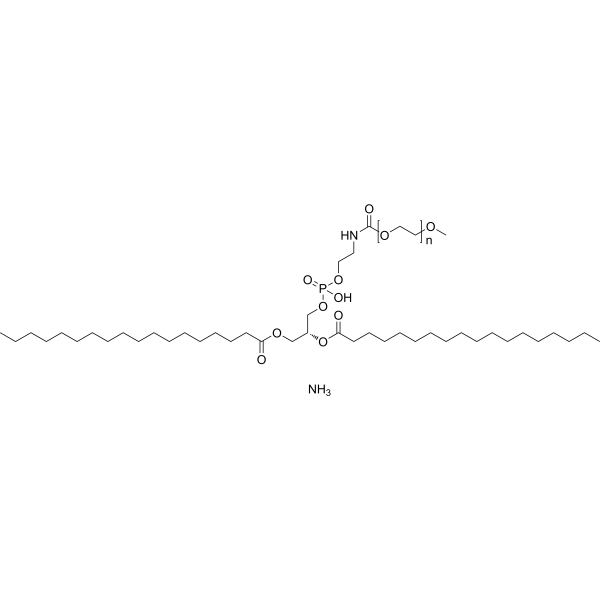
Synonyms: DSPE-mPEG1000 ammonium; 1,2-Distearoyl-sn-glycero-3-phosphoethanolamine-N-[methoxy(polyethylene glycol)-1000] ammonium
Target:  

Liposome

Research Areas:  

Others

18:0 mPEG1000 PE (ammonium) is a PEG lipid functional end group used in the synthesis of liposomes (LPs) for the design of conjugated polymeric nanoparticles. Through biotin modification and carboxyl terminus, lipid nanoparticles (LNPs) further coupling with other biomolecules can be achieved. Functionalized nanoparticles can be used for targeted labeling of specific cellular proteins. With streptavidin as a linker, biotinylated PEG lipid-conjugated polymer nanoparticles are able to bind to biotinylated antibodies on cell surface receptors, yielding the utility of fluorescence-based imaging and sensing.
loading...
    loading...
Cat. No.: HY-144013E
CAS No.: 474922-77-5
Synonyms: DSPE-mPEG3000 ammonium; 1,2-Distearoyl-sn-glycero-3-phosphoethanolamine-N-[methoxy(polyethylene glycol)-3000] ammonium
Target:  

Liposome

Research Areas:  

Others

18:0 mPEG3000 PE (ammonium) is a PEG lipid functional end group used in the synthesis of liposomes (LPs) for the design of conjugated polymeric nanoparticles. Through biotin modification and carboxyl terminus, lipid nanoparticles (LNPs) further coupling with other biomolecules can be achieved. Functionalized nanoparticles can be used for targeted labeling of specific cellular proteins. With streptavidin as a linker, biotinylated PEG lipid-conjugated polymer nanoparticles are able to bind to biotinylated antibodies on cell surface receptors, yielding the utility of fluorescence-based imaging and sensing.
loading...
    loading...
Cat. No.: HY-W095635
CAS No.: 17787-40-5
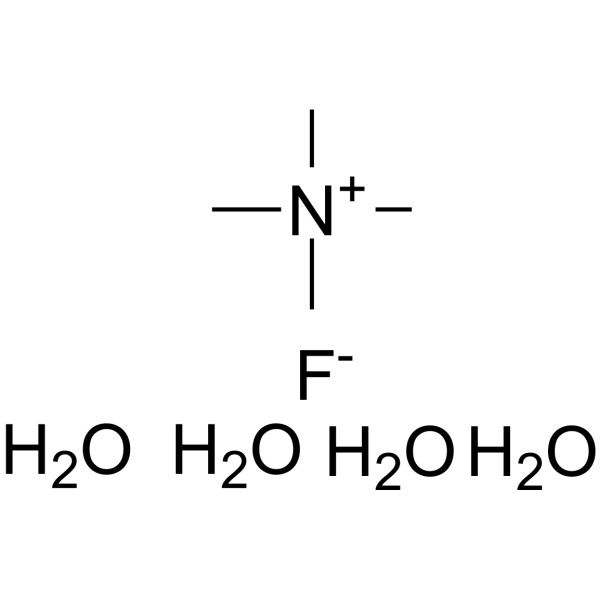
Tetramethylammonium fluoride tetrahydrate (TMAF) is a quaternary ammonium salt. TMAF is commonly used as a weak base and a source of fluoride ions in various organic reactions, including nucleophilic substitution, functional group deprotection, and ring-opening polymerization. Unlike other fluoride sources, TMAF is compatible with many functional groups, making it a versatile tool in synthetic chemistry. Functional reagents, In addition, TMAF has been used as a fluorinating agent in medicinal chemistry, for the preparation of radiotracers and protein modification in biochemistry, and the tetrahydrate form of TMAF is more stable and easier to handle than the anhydrous form.
loading...
    loading...

