1. Search Result
Search Result
Results for "

binding assays

" in MedChemExpress (MCE) Product Catalog:

161

Inhibitors & Agonists

1

Screening Libraries

7

Fluorescent Dye

8

Biochemical Assay Reagents

10

Peptides

2

Inhibitory Antibodies

3

Natural
Products

6

Isotope-Labeled Compounds

2

Click Chemistry

Cat. No. Product Name Target Research Areas Chemical Structure
  • HY-145817A
    lunresertib
    5+ Cited Publications

    RP-6306

    Wee1 Cancer
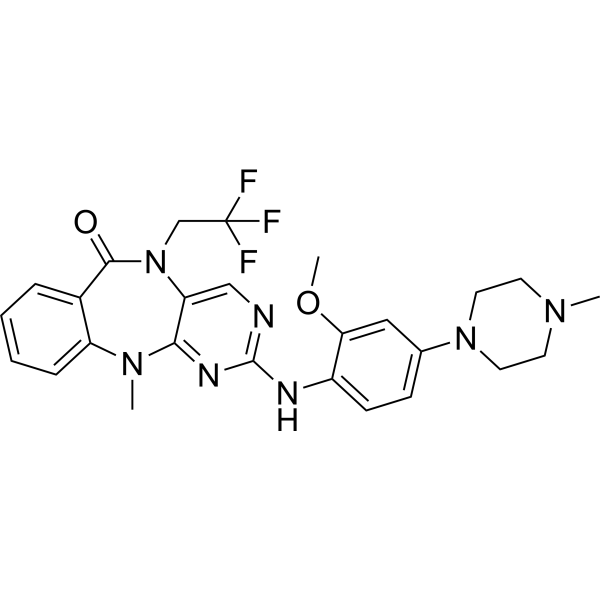
    lunresertib (RP-6306) is a potent, selective and orally active PKMYT1 inhibitor with an IC50 of 14 nM. lunresertib shows a high degree of selectivity over other kinases in cellular binding assays. lunresertib shows anticancer effects .
    lunresertib
  • HY-15682
    TTNPB
    5 Publications Verification

    Ro 13-7410; Arotinoid acid; AGN191183

    RAR/RXR Autophagy Apoptosis Cancer
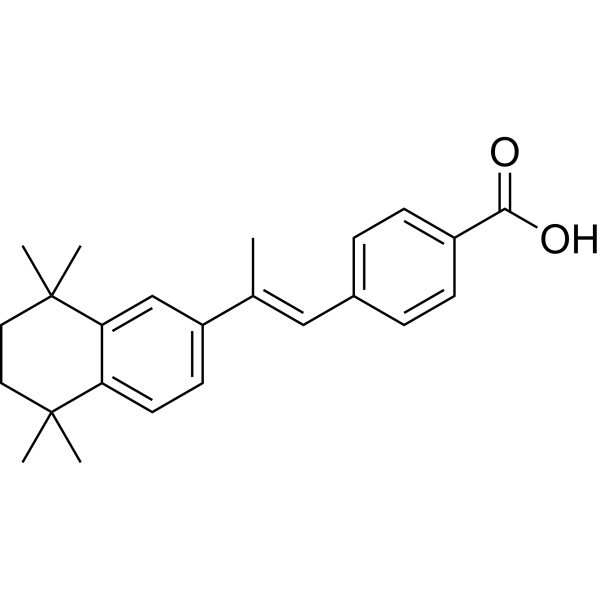
    TTNPB is a highly potent RAR agonist. Competitive binding assays using human RARs yield IC50s of α=5.1 nM, β= 4.5 nM, and γ=9.3 nM, respectively.
    TTNPB
  • HY-13928
    GW0742
    Maximum Cited Publications
    18 Publications Verification

    GW610742

    PPAR Cardiovascular Disease Metabolic Disease Inflammation/Immunology Cancer
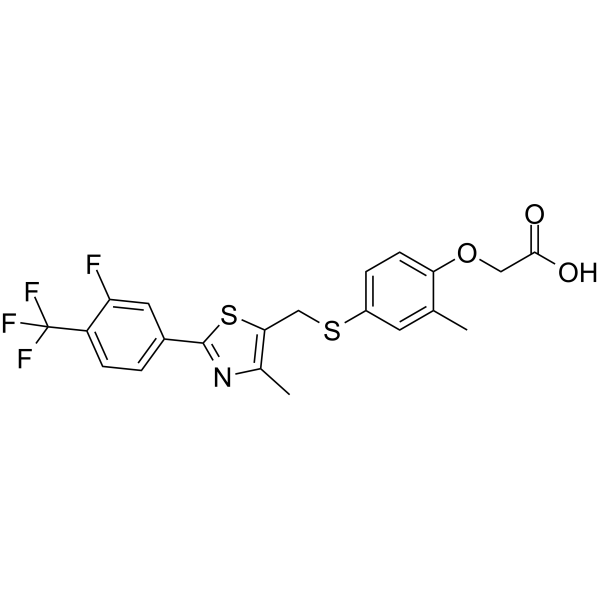
    GW0742 is a potent PPARβ and PPARδ agonist, with an IC50 of 1 nM for human PPARδ in binding assay, and EC50s of 1 nM, 1.1 μM and 2 μM for human PPARδ, PPARα, and PPARγ, respectively.
    GW0742
  • HY-103663
    MAK683
    4 Publications Verification

    Histone Methyltransferase Cancer
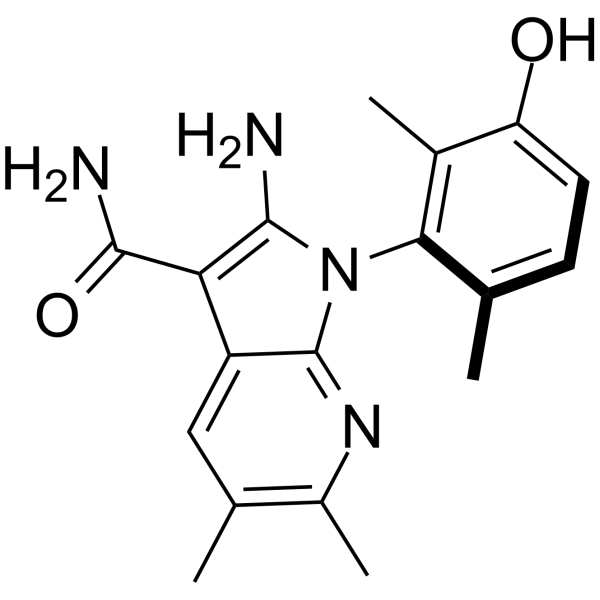
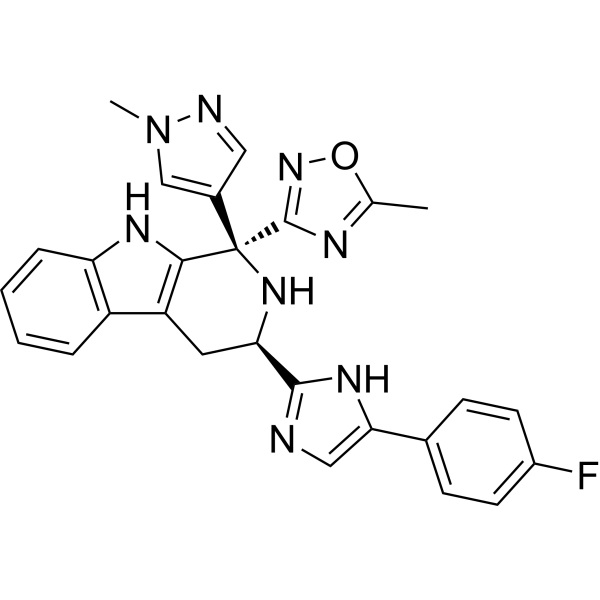
    MAK683 is an embryonic ectoderm development (EED) inhibitor extracted from patent US20160176882 A1, compound example 2. MAK683 exhibits IC50s of 59, 89, 26 nM in EED Alphascreen binding, LC-MS and ELISA assay .
    MAK683
  • HY-134471
    TNF-α-IN-2
    1 Publications Verification

    TNF Receptor Inflammation/Immunology Cancer
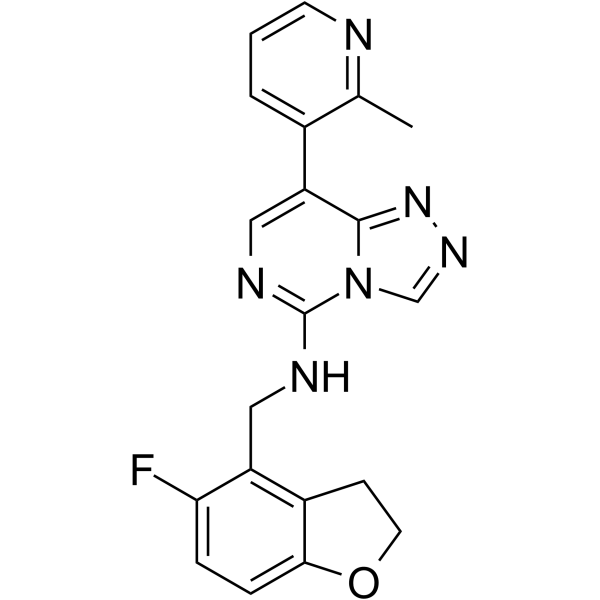
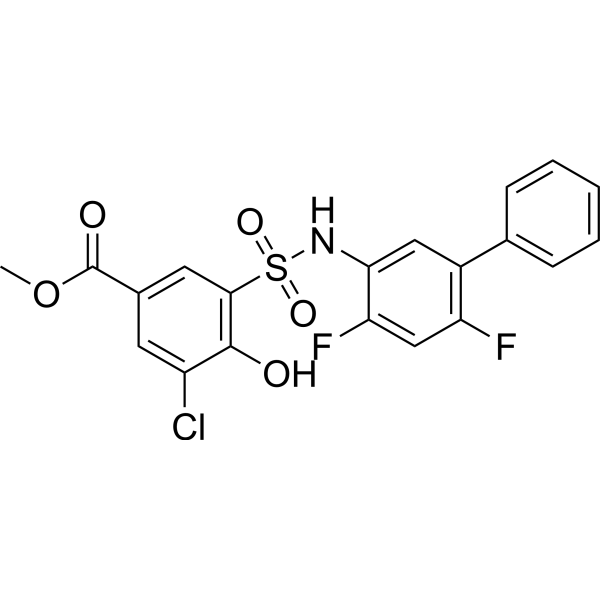
    TNF-α-IN-2 is a potent and orally active inhibitor of tumor necrosis factor alpha (TNFα), with an IC50 of 25 nM in the HTRF assay. TNF-α-IN-2 distorts the TNFα trimer upon binding, leading to aberrant signaling when the trimer binds to TNFR1. TNF-α-IN-2 can be used for the research of rheumatoid arthritis .
    TNF-α-IN-2
  • HY-10569
    Ponesimod
    5+ Cited Publications

    ACT-128800

    LPL Receptor Inflammation/Immunology
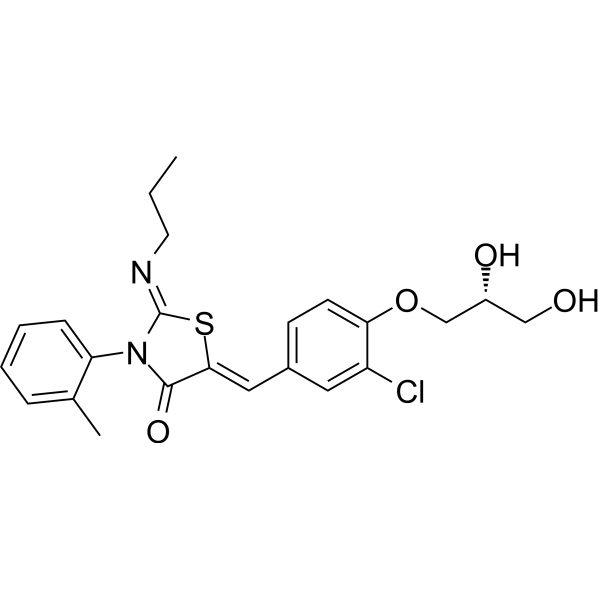
    Ponesimod (ACT-128800) is a potent, selective and orally active agonist of S1P1, with an IC50 of 6 nM in a radioligand binding assay. Ponesimod activates S1P1-mediated signal transduction with high potency (EC50=5.7 nM). Ponesimod can protect against lymphocyte-mediated tissue inflammation .
    Ponesimod
  • HY-127111
    NDI-091143
    2 Publications Verification

    ATP Citrate Lyase Cancer
    NDI-091143 is a potent and high-affinity human ATP-citrate lyase (ACLY) inhibitor with an IC50 of 2.1 nM (ADP-Glo assay), a Ki of 7.0 nM and a Kd of 2.2 nM. NDI-091143 inhibits ACLY catalysis allosterically, by stabilizing large conformational changes in the citrate domain that indirectly block the binding and recognition of citrate .
    NDI-091143
  • HY-122611A
    CSRM617 hydrochloride
    1 Publications Verification

    Androgen Receptor Apoptosis Cancer
    CSRM617 hydrochloride is a selective small-molecule inhibitor of the transcription factor ONECUT2 (OC2, a master regulator of androgen receptor) with a Kd of 7.43 uM in SPR assays, binding to OC2-HOX domain directly. CSRM617 hydrochloride induces apoptosis by appearance of cleaved Caspase-3 and PARP. CSRM617 hydrochloride is well tolerated in the prostate cancer mouse model
    CSRM617 hydrochloride
  • HY-D1314

    6-FAM azide

    Fluorescent Dye Others
    FAM azide, 6-isomer (6-FAM azide) is a 6-carboxyfluorescein derivative with an azide functional group and coupling partner in copper-catalyzed azide-alkyne cycloaddition. FAM azide, 6-isomer participates in synthesis of fluorescently tagged disparlure enantiomers for pheromone-binding protein binding assays. FAM azide, 6-isomer is widely used for labeling oligonucleotides (Ex/Em = 493/517 nm) .
    FAM azide, 6-isomer
  • HY-16582A
    Sonidegib
    10+ Cited Publications

    Erismodegib; LDE225; NVP-LDE225

    Smo Cancer
    Sonidegib (Erismodegib) is a potent and selective Smo antagonist with IC50 of 1.3 nM and 2.5 nM for mouse and human Smo in binding assay, respectively .
    Sonidegib
  • HY-10858
    WAY 316606
    4 Publications Verification

    sFRP-1 Wnt Cancer
    WAY 316606 is an inhibitor of the secreted protein sFRP-1, an endogenous antagonist of the secreted glycoprotein Wnt. The affinity of WAY-316606 for sFRP-1 is determined using the FP binding assay with IC50 of 0.5 μM .
    WAY 316606
  • HY-126077
    MTI-31
    1 Publications Verification

    LXI-15029

    mTOR Inflammation/Immunology Cancer
    MTI-31 (LXI-15029) is a potent, orally active and highly selective inhibitor of mTORC1 and mTORC2. MTI-31 is selective for mTOR (Kd: 0.20 nM) versus PIK3CA, PIK3CB and PIK3G with >5,000 fold selectivity in mTOR binding assays. MTI-31 shows an IC50 of 39 nM for mTOR in LANCE assay of mTOR substrate phosphorylation with 100 μM ATP. MTI-31 can be used for the research of breast cancer .
    MTI-31
  • HY-16582
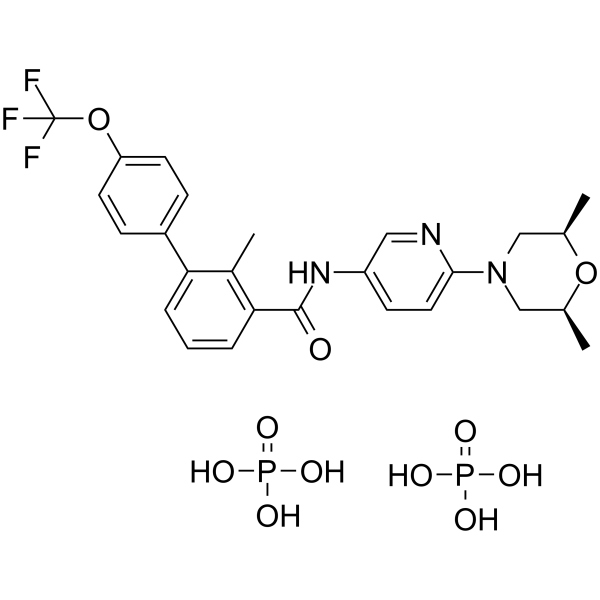
    Sonidegib diphosphate
    10+ Cited Publications

    Erismodegib diphosphate; LDE225 diphosphate; NVP-LDE225 diphosphate

    Smo Cancer
    Sonidegib diphosphate (Erismodegib diphosphate) is a potent and selective Smo antagonist with IC50 of 1.3 nM and 2.5 nM for mouse and human Smo in binding assay, respectively .
    Sonidegib diphosphate
  • HY-P0179

    β-Casomorphin-7 (bovine); Bovine β-casomorphin-7

    Opioid Receptor Neurological Disease Metabolic Disease
    β-Casomorphin, bovine (β-Casomorphin-7 (bovine) ) is a opioid peptide with an IC50 of 14 μM in an Opioid receptors binding assay .
    β-Casomorphin, bovine
  • HY-10835
    DG-041
    3 Publications Verification

    Prostaglandin Receptor Cardiovascular Disease
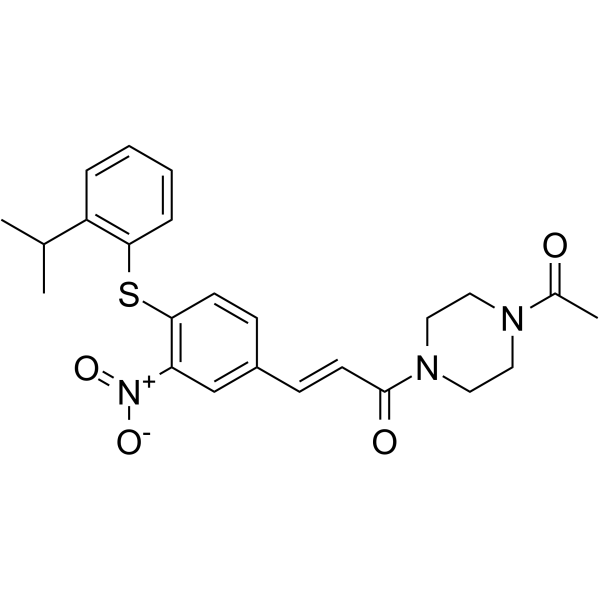
    DG-041 is a potent, high affinity and selective EP3 receptor antagonist with IC50s of 4.6 nM and 8.1 nM in the binding and FLIPR assay, respectively. DG-041 inhibits PGE2 facilitation of platelet aggregation. DG-041 crosses the blood-brain barrier .
    DG-041
  • HY-10037
    Quiflapon
    1 Publications Verification

    MK-591

    FLAP Apoptosis Inflammation/Immunology
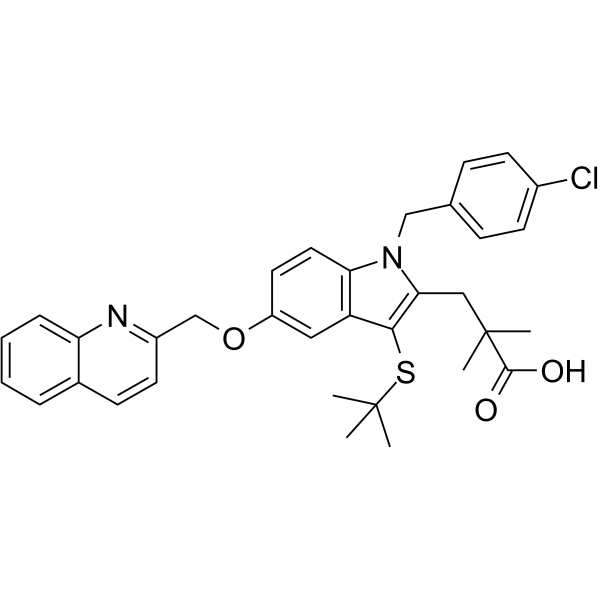
    Quiflapon (MK-591) is a selective and specific 5-lipoxygenase-activating protein (FLAP) inhibitor with an IC50 of 1.6 nM in a FLAP binding assay. Quiflapon is also a potent and orally active Leukotriene biosynthesis (LT) inhibitor, shows IC50 values of 3.1 and 6.1 nM in intact human and elicited rat PMNLs, respectively. Quiflapon induces cell apoptosis .
    Quiflapon
  • HY-152231

    Fluorescent Dye Ligands for E3 Ligase Others
    BODIPY FL thalidomide is a high-affinity and selective human cereblon (CRBN)-targeting fluorescent probe with a Kd of 3.6 nM. BODIPY FL thalidomide enables use as a probe in time-resolved fluorescence resonance energy transfer (TR-FRET) binding assays for cereblon ligands. BODIPY FL thalidomide supports development of highly sensitive, selective, stable cereblon TR-FRET binding assays (Ex/Em = 502/510 nm) .
    BODIPY FL thalidomide
  • HY-136379
    CID44216842
    2 Publications Verification

    Cdc42-IN-1

    Ras Cancer
    CID44216842 (Cdc42-IN-1) is a potent Cdc42-selective guanine nucleotide binding lead inhibitor. The EC50s for Cdc42 WT and Cdc42Q61L mutant are 1.0 and 1.2 μM in GTP binding assay, respectively. The EC50s for Cdc42 WT and Cdc42Q61L mutant are 0.3 and 0.5 μM in GDP binding assay, respectively. Use as a molecular probe .
    CID44216842
  • HY-B1486
    Oxprenolol hydrochloride
    1 Publications Verification

    Ba 39089

    Adrenergic Receptor Cardiovascular Disease
    Oxprenolol hydrochloride (Ba 39089) is an orally bioavailable β-adrenergic receptor (β-AR) antagonist with a Ki of 7.10 nM in a radioligand binding assay using rat heart muscle .
    Oxprenolol hydrochloride
  • HY-115510
    SPR inhibitor 3
    1 Publications Verification

    SPRi3

    Carbonyl Reductase Inflammation/Immunology
    SPR inhibitor 3 (SPRi3) is a potent sepiapterin reductase (SPR) inhibitor. SPR inhibitor 3 (SPRi3) displays high binding affinity to human SPR in a cell-free assay (IC50=74 nM) and efficiently reduces biopterin levels in a cell-based assay (IC50=5.2 μM). SPR inhibitor 3 (SPRi3) reduces neuropathic and inflammatory pain through a reduction of BH4 levels .
    SPR inhibitor 3
  • HY-12220A
    MM-102 TFA
    4 Publications Verification

    HMTase Inhibitor IX TFA

    WDR5 Cancer
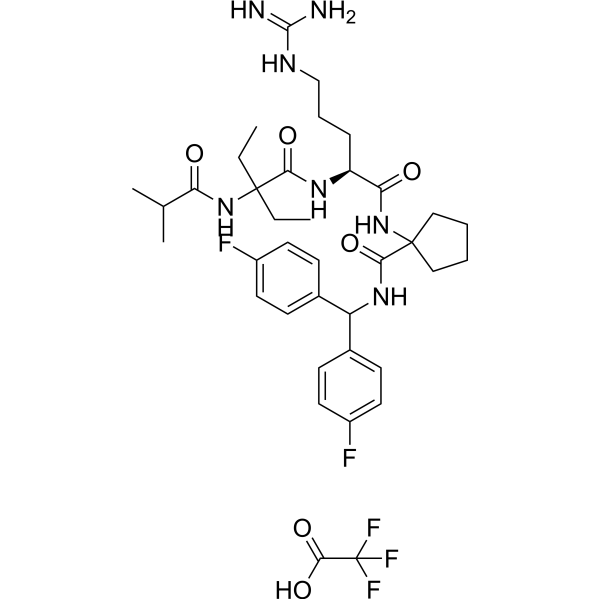
    MM-102 TFA (HMTase Inhibitor IX TFA) is a potent WDR5/MLL interaction inhibitor, achieves IC50 = 2.4 nM with an estimated Ki < 1 nM in WDR5 binding assay, which is >200 times more potent than the ARA peptide.
    MM-102 TFA
  • HY-P1096

    Cholecystokinin Receptor Metabolic Disease
    A71623, a CCK-4-based peptide, is a potent and highly selective CCK-A full agonist. The IC50s for A-71623 are 3.7 nM in guinea pig pancreas (CCK-A) and 4500 nM in cerebral cortex (CCK-B) in radioligand binding assays, respectively .
    A71623
  • HY-120635

    PD-1/PD-L1 Inflammation/Immunology Cancer
    BMS-1001 is an orally active human PD-L1/PD-1 immune checkpoint inhibitor. BMS-1001 exhibits low-toxicity in cells. The IC50 value of BMS-1001 in a homogeneous time-resolved fluorescence (HTRF) binding assay is 2.25 nM .
    BMS-1001 hydrochloride
  • HY-P9949

    Sch 55700; CDP-835; JES1-39D10

    Interleukin Related Inflammation/Immunology
    Reslizumab (Sch 55700) is humanized monoclonal antibodies that target interleukin-5 (IL-5) for the treatment of eosinophilic asthma. Reslizumab is effective in neutralizing the function of IL-5. Reslizumab has high binding affinity for human IL-5, with KD values of 109 pM and 4.3 pM in the the Biacore surface plasmon resonance and Kinetic Exclusion Assay, respectively .
    Reslizumab
  • HY-19381

    VNA-932; WAY-VNA 932

    Vasopressin Receptor Metabolic Disease Endocrinology
    WAY-151932 is a vasopressin V2-receptor agonist with IC50 of 80.3 nM and 778 nM in human-V2 binding and V1a binding assay.
    WAY-151932
  • HY-P4581

    Suc-ALPF-pNA

    FKBP Others
    Suc-Ala-Leu-Pro-Phe-pNA (Suc-ALPF-pNA) is a synthetic polypeptide substrate that targets FK506-binding protein (FKBP). Suc-Ala-Leu-Pro-Phe-pNA can be used to determine peptidyl-prolyl cis-trans isomerase activity via the chymotrypsin-coupled assay. Suc-Ala-Leu-Pro-Phe-pNA serves as a substrate for human FK506-binding protein hFKBP-12 in the chymotrypsin-FKBP coupled PPIase assay. Suc-Ala-Leu-Pro-Phe-pNA is applicable for the detection and research of PPIase activity .
    Suc-Ala-Leu-Pro-Phe-pNA
  • HY-13466
    MK-4256
    3 Publications Verification

    Somatostatin Receptor Metabolic Disease Endocrinology
    MK-4256 is a potent and selective SSTR3 antagonist with IC50s of 0.66 nM and 0.36 nM in human and mouse receptor binding assays, respectively.
    MK-4256
  • HY-16999

    MDM-2/p53 E1/E2/E3 Enzyme Apoptosis Cancer
    RO8994 (Compound 4) is an orally active, highly potent and selective spiroindolinone p53-MDM2 inhibitor with an IC50 value of 5 nM (HTRF binding assays) and 20 nM (MTT proliferation assays). RO8994 induces up-regulation of p53 expression and Apoptosis in wild-type p53 cancer cells. RO8994 also inhibits tumor growth in the tumor xenograft model .
    RO8994
  • HY-107587
    A-286982
    3 Publications Verification

    Integrin Inflammation/Immunology
    A-286982 is a potent and allosteric LFA-1/ICAM-1 interaction inhibitor with IC50s of 44 nM and 35 nM in an LFA-1/ICAM-1 binding and LFA-1-mediated cellular adhesion assay, respectively .
    A-286982
  • HY-100383

    BHI1

    Bcl-2 Family MDM-2/p53 E1/E2/E3 Enzyme Cancer
    BH3I-1 is a Bcl-2 family antagonist, which inhibits the binding of the Bak BH3 peptide to Bcl-xL with a Ki of 2.4±0.2 μM in FP assay. BH3I-1 has a Kd of 5.3 μM against the p53/MDM2 pair.
    BH3I-1
  • HY-W755033

    Biochemical Assay Reagents Radionuclide-Drug Conjugates (RDCs) Others
    NH2-PEG4-DOTA is a bifunctional DOTA chelator with one carboxyl group modified by NH2-PEG4, possessing both a metal-binding domain and a chemically reactive functional group. NH2-PEG4-DOTA can be used for time-resolved fluorescence assays .
    NH2-PEG4-DOTA
  • HY-112157
    PF-06751979
    1 Publications Verification

    Beta-secretase Neurological Disease
    PF-06751979 is a potent, brain penetrant, β-site amyloid precursor protein cleaving enzyme 1 (BACE1) inhibitor with an IC50 of 7.3 nM in BACE1 binding assay.
    PF-06751979
  • HY-14460

    FLAP Inflammation/Immunology
    AM679 is a potent, selective 5-lipoxygenase-activating protein (FLAP) inhibitor with an IC50 of 2 nM in a human FLAP membrane binding assay. AM679 markedly reduces the respiratory syncytial virus-driven ocular pathology as well as the synthesis of cysteinyl leukotrienes (CysLTs) in the eye .
    AM679
  • HY-D1190

    RAR/RXR Others
    DC271 is a RAR agonist and synthetic retinoid that binds to the retinoid-binding site of cellular retinoic acid-binding protein II (CRBP-II). DC271 exhibits solvatochromic fluorescence properties: it produces intense blue-shifted emission in nonpolar environments and weak red-shifted emission in polar environments, and its severe fluorescence quenching in aqueous solutions can be reversed by embedding in the hydrophobic retinoid-binding protein pocket. DC271 enables direct detection of the binding between unlabeled compounds and related retinoid-binding proteins via fluorescence competition assays (Ex/Em = 355 nm/460 nm) .
    DC271
  • HY-174962A

    Biochemical Assay Reagents Others
    mPEG2000-Biotin is a biotin-conjugated PEG derivative used for biotinylation of biomolecules or other surfaces. Biotin can be detected by biotin/streptavidin binding assays and is widely used for molecular target detection .
    mPEG2000-Biotin
  • HY-10858A
    WAY 316606 hydrochloride
    4 Publications Verification

    sFRP-1 Wnt Cancer
    WAY 316606 hydrochloride is an inhibitor of the secreted protein sFRP-1, an endogenous antagonist of the secreted glycoprotein Wnt. The affinity of WAY-316606 for sFRP-1 is determined using the FP binding assay with IC50 of 0.5 μM .
    WAY 316606 hydrochloride
  • HY-176537

    Microtubule/Tubulin Cancer
    RGN6024 is a brain-penetrant, orally active and reversible small molecule tubulin destabilizer. RGN6024 inhibits microtubule polymerization both in biochemical and cellular assays, binds to the colchicine binding pocket of β-tubulin (SPR: Kd = 6.7 μM; tryptophan assay: Kd = 7.4 μM), and triggers G2/M arrest in glioblastoma (GB) cells. RGN6024 retains activity in βIII-tubulin overexpressing cells. RGN6024 inhibits tumor growth in a GB xenograft mouse model. RGN6024 can be used for the study of glioblastoma (GB) .
    RGN6024
  • HY-W436424

    DNA/RNA Synthesis Infection
    DMA-IN-1 is a DNA adenine methyltransferase (DAM) inhibitor, IC50: 48 μM. DMA-IN-1 inhibits Caulobacter growth with an MIC of 35 μM .
    DAM-IN-1
  • HY-151884

    c-Myc Cancer
    FUBP1-IN-2 (compound 9) is a potent FUBP1 (far upstream binding protein 1) inhibitor. FUBP1-IN-2 inhibits the KH4 FUBP1-FUSE interaction in a gel shift assay. FUBP1-IN-2 binds to FUBP1 in a ChIP assay. FUBP1-IN-2 reduces both c-Myc mRNA and protein expression, increases p21 mRNA and protein expression, and depletes intracellular polyamines .
    FUBP1-IN-2
  • HY-122611

    Androgen Receptor Apoptosis Cancer
    CSRM617 is a selective small-molecule inhibitor of the transcription factor ONECUT2 (OC2, a master regulator of androgen receptor) with a Kd of 7.43 uM in SPR assays, binding to OC2-HOX domain directly. CSRM617 induces apoptosis by appearance of cleaved Caspase-3 and PARP. CSRM617 is well tolerated in the prostate cancer mouse model
    CSRM617
  • HY-128466

    Biochemical Assay Reagents Others
    N-Biotinyl-L-cysteine is a biotinylated biochemical assay reagent, which is used to detect avidin and biotin through a competitive binding reaction .
    N-Biotinyl-L-cysteine
  • HY-P5367

    PMDM6-F

    Fluorescent Dye Others
    5-FAM-PMDM6 (PMDM6-F) is a biological active peptide. (PMDM6-F is a fluorescent-labeled probe for MDM2-binding assay.)
    5-FAM-PMDM6
  • HY-175250

    TNF Receptor Inflammation/Immunology
    TNF-α-IN-25 is an orally active TNF-α inhibitor. TNF-α-IN-25 shows Fluorescence Polarization (FP) assay IC50 of 103 nM in FP binding assays and L929 assay IC50 of 505 nM in cell-based assays. TNF-α-IN-25 inhibits paw swelling in the glucose-6-phosphate isomerase (GPI) arthritis model. TNF-α-IN-25 can be used for the study of arthritis .
    TNF-α-IN-25
  • HY-123434

    Cholecystokinin Receptor Metabolic Disease Endocrinology
    PD-149164 is a potent agonist of cholecystokinin B (CCK-B) receptor, with IC50 values of 0.083 nM and 75 nM in binding assay to CCK-B and CCK-A .
    PD-149164
  • HY-128111

    Transmembrane Glycoprotein Neurological Disease
    ASN02563583, a compound that regulates the activity of the GPR17 receptor, has a IC50 value of 0.64 nM in [35S]GTPγS binding assay. ASN02563583 can be used in the study of neurological diseases .
    ASN02563583
  • HY-B1486AS

    Isotope-Labeled Compounds Adrenergic Receptor Cardiovascular Disease
    Oxprenolol-d7 is the deuterium labeled Oxprenolol. Oxprenolol (Ba 39089 free base) is an orally bioavailable β-adrenergic receptor (β-AR) antagonist with a Ki of 7.10 nM in a radioligand binding assay using rat heart muscle .
    Oxprenolol-d7
  • HY-103663A

    Histone Methyltransferase Cancer
    MAK683 hydrochloride is an embryonic ectoderm development (EED) inhibitor extracted from patent US20160176882 A1, compound example 2. MAK683 exhibits IC50s of 59, 89, 26 nM in EED Alphascreen binding, LC-MS and ELISA assay .
    MAK683 hydrochloride
  • HY-14250

    Androgen Receptor Endocrinology
    PF-998425 is a potent, selective nonsteroidal androgen receptor (AR) antagonist with an IC50 of 37 nM and 43 nM in AR binding and cellular assays, respectively. PF-998425 has low activity on common receptors and enzymes, such as progesterone receptor. PF-998425 can be used for sebum control and androgenetic alopecia research .
    PF-998425
  • HY-120647

    PD-1/PD-L1 Inflammation/Immunology Cancer
    BMS-1001 is an orally active human PD-L1/PD-1 immune checkpoint inhibitor. BMS-1001 exhibits low-toxicity in cells. The IC50 value of BMS-1001 in a homogeneous time-resolved fluorescence (HTRF) binding assay is 2.25 nM .
    BMS-1001
  • HY-B1486A

    Ba 39089 free base

    Adrenergic Receptor Cardiovascular Disease
    Oxprenolol (Ba 39089 free base) is an orally bioavailable β-adrenergic receptor (β-AR) antagonist with a Ki of 7.10 nM in a radioligand binding assay using rat heart muscle .
    Oxprenolol

Inquiry Online

Your information is safe with us. * Required Fields.

Salutation


Country or Region *

Applicant Name *


Organization Name *

Department *


Email Address *


Product Name *

Cat. No.


Requested quantity *

Phone Number *


Remarks

Inquiry Online

Inquiry Information

Product Name:
Cat. No.:
Quantity:
MCE Japan Authorized Agent:

