
Search Result
Results for "
biological buffer
" in MedChemExpress (MCE) Product Catalog:
41
Biochemical Assay Reagents
2
Isotope-Labeled Compounds
| Cat. No. |
Product Name |
Target |
Research Areas |
Chemical Structure |
-
- HY-D0227
-
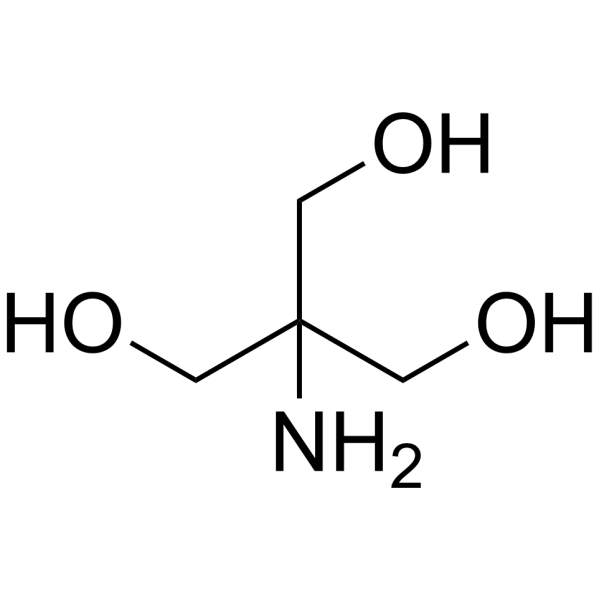
THAM
1 Publications Verification
Tris; Tris(hydroxymethyl)aminomethane
|
Biochemical Assay Reagents
|
Metabolic Disease
|
|
THAM (Tris) is a low-toxicity amino alcohol buffer, a specific CO2-consuming proton acceptor that buffers carbon dioxide and acid both in vitro and in vivo. THAM binds protons to form bicarbonate, reduces PaCO2, and induces intracellular alkalization, thereby ameliorating hypercapnia-induced elevation of pulmonary blood vessels and pulmonary arterial pressure. THAM may cause PaCO2 rebound, hypoglycemia, and respiratory depression. THAM removes amniotic epithelium and preserves the basement membrane, but depletes extracellular matrix and reduces the adhesion rate of limbal epithelial cells. THAM can act as a CO2 carrier to enhance the productivity and carbon utilization rate of Scenedesmus obliquus. THAM is a key component of buffer solutions used in various biological, cell culture, biochemical, and molecular biology applications .
|
-
-
- HY-Y0332B
-
|
|
Environmental Pollutants
Biochemical Assay Reagents
|
Others
|
|
Potassium phosphate monobasic (DiA) is a commonly used in biological assay buffers. Potassium phosphate monobasic is moderate to highly concentrated aqueous solutions of potassium phosphate monobasic for the production of phosphate buffers and other laboratory applications .
|
-
-
- HY-Y0649D
-
|
|
Environmental Pollutants
Biochemical Assay Reagents
|
Others
|
|
Lithium chloride, for molecular biology, 99% can be used in the preparation of wash buffers for chromatin immunoprecipitation. Lithium chloride, for molecular biology, 99% is a kind of biological materials or organic compounds that are widely used in life science research .
|
-
-
- HY-D0227A
-
|
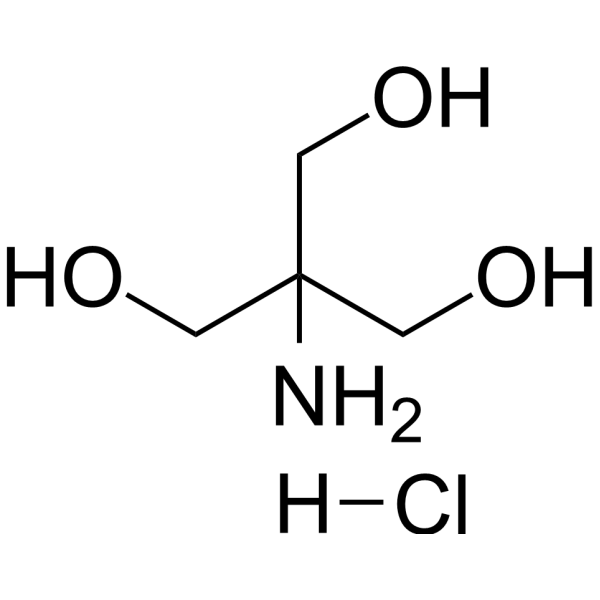
Tris HCl; Tris(hydroxymethyl)aminomethane hydrochloride
|
Biochemical Assay Reagents
|
Metabolic Disease
Cancer
|
|
THAM hydrochloride (Tris HCl) is a biologically inert amino alcohol of low toxicity, which buffers carbon dioxide and acids in vitro and in vivo. THAM hydrochloride is an effective amine compound for pH control in the physiological range .
|
-
-
- HY-D0227F
-
|
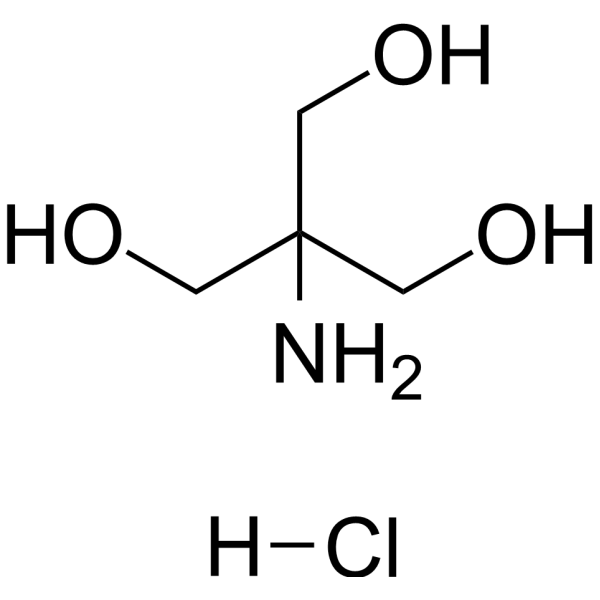
Tris HCl (≥99%, reagent grade); Tris hydrochloride (≥99%, reagent grade)
|
Biochemical Assay Reagents
|
Others
|
|
THAM hydrochloride (≥99%, reagent grade), also known as Tris-HCl, is a buffer commonly used in various biochemical and molecular biology applications to maintain a stable pH environment. Tris-HCl has unique chemical properties that allow it to resist changes in pH when acidic or basic substances are added, which makes it useful for stabilizing biological samples or reagents. It is commonly used in electrophoresis and protein purification procedures.
|
-
-
- HY-W014837
-
|
3-(1-Pyridinio)-1-propanesulfonate
|
Biochemical Assay Reagents
|
Others
|
|
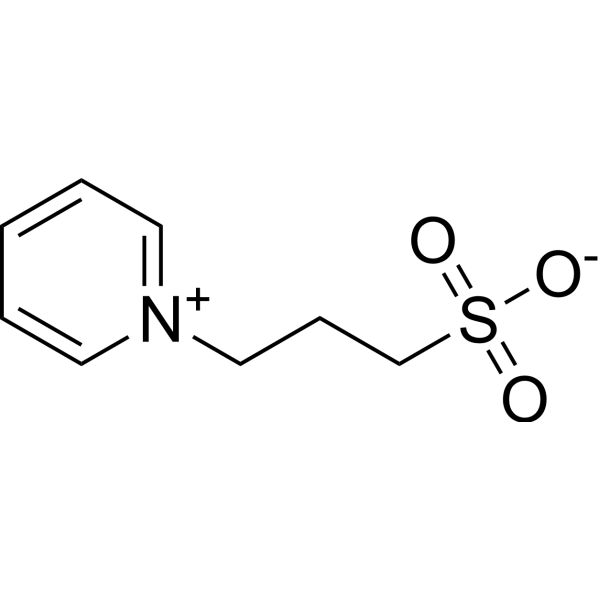
NDSB-201 consists of a pyridine group attached to a propane chain, which in turn is attached to a sulfonate group. This compound is commonly used as a buffer in biochemical and biological research, especially in electrophoretic applications. It maintains a stable pH in aqueous solutions and has low UV absorption, making it suitable for use in the UV spectrum. Furthermore, due to its ability to form stable complexes with DNA and other biomolecules, 3-(pyridin-1-ium-1-yl)propane-1-sulfonate has been investigated for its potential in drug delivery and genetic research.
|
-
-
- HY-D0869
-
|
N-Cyclohexyl-3-aminopropanesulfonic acid
|
Biochemical Assay Reagents
|
Others
Cancer
|
|
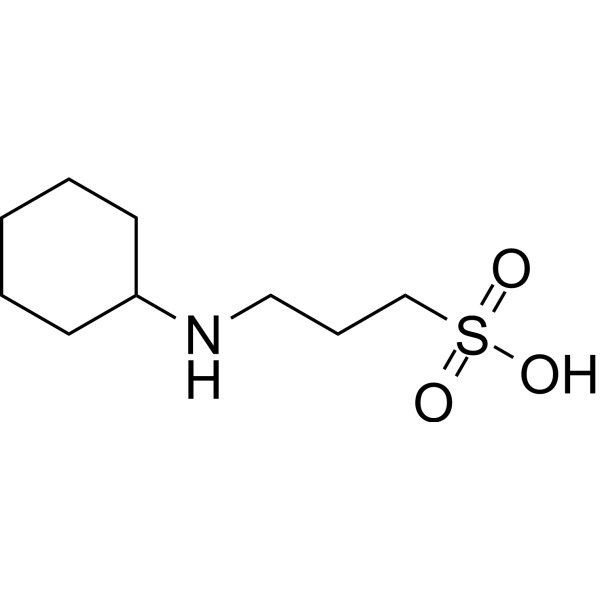
CAPS, cyclohexylaminopropane sulfonic acid, is a surfactant. CAPS can be used as biological buffer (0.05 M, pH 11) for dialysis .
|
-
-
- HY-160113
-
|
|
Biochemical Assay Reagents
|
Others
|
|
Sodium phosphate buffer 0.02 M, pH 6.9 is a commonly used aqueous biological buffer that maintains a stable pH value. Sodium phosphate buffer 0.02 M, pH 6.9 is often used in enzyme activity assays, such as α-amylase assays. Sodium phosphate buffer 0.02 M, pH 6.9 is prepared by mixing disodium hydrogen phosphate (Na2HPO4) (HY-B2243) and sodium dihydrogen phosphate (NaH2PO4) (HY-Y0308) to a total concentration of 0.02 M .
|
-
-
- HY-Y1083H
-
|
Salt of lemery, 99%
|
Biochemical Assay Reagents
|
Others
|
|
Potassium sulfate, 99% (Salt of lemery, 99%) can be used in biochemical tests for serum proteins, the determination of blood potassium and other potassium salts, and the preparation of protein capillary electrophoresis buffers. Potassium sulfate, 99% is a kind of biological materials or organic compounds that are widely used in life science research .
|
-
-
- HY-Y0537B
-
|
|
Environmental Pollutants
Biochemical Assay Reagents
Mitochondrial Metabolism
|
Metabolic Disease
|
|
Potassium chloride, for molecular biology is potassium chloride that can be used in molecular biology. Potassium chloride, for molecular biology affects the stability of biological membranes by disrupting the electrostatic interactions between proteins and lipids. Potassium chloride, for molecular biology affects the solubility of myofibrillar proteins and the integrity of mitochondria. Potassium chloride, for molecular biology is commonly used in homogenization buffers and protein extraction procedures .
|
-
-
- HY-101850
-
|
|
Biochemical Assay Reagents
|
Others
|
|
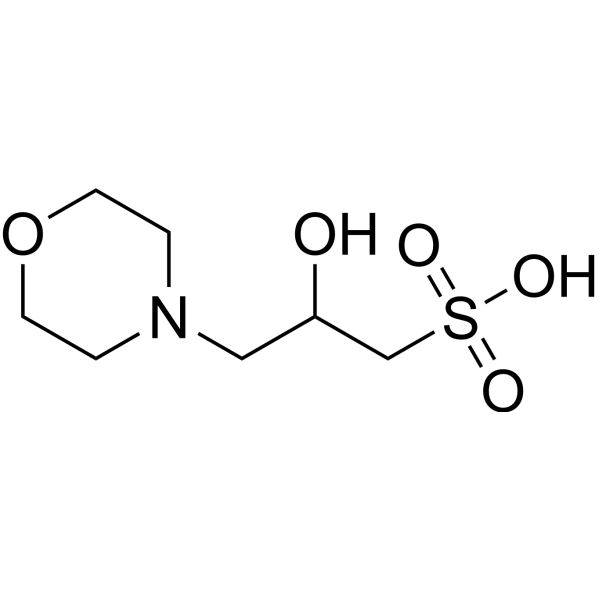
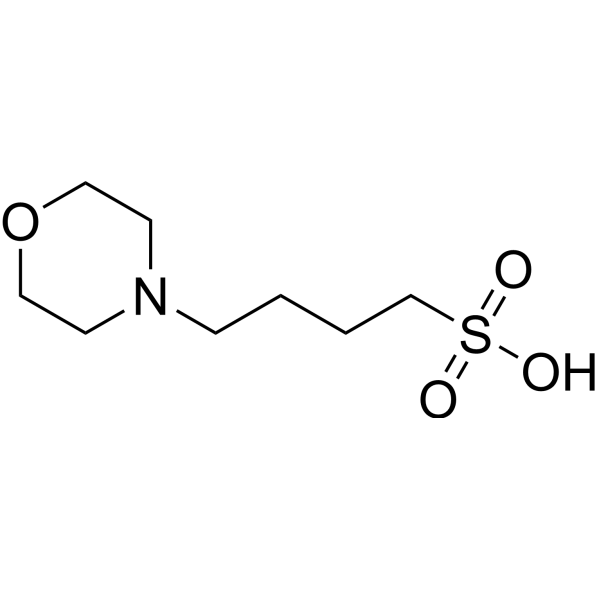
MOPSO is a biological zwitterionic buffer with the useful pH range from 6.2 to 7.6. MOPSO has been employed as a buffer component of charcoal yeast extract medium .
|
-
-
- HY-W393372
-
-
-
- HY-D0227J
-
|
Tris HCl (≥99%, for cell culture); Tris hydrochloride (≥99%, for cell culture)
|
Biochemical Assay Reagents
|
Metabolic Disease
|
|
THAM hydrochloride (≥99%, for cell culture) is a low-toxicity amino alcohol buffer, a specific CO2-consuming proton acceptor that buffers carbon dioxide and acid both in vitro and in vivo. THAM hydrochloride (≥99%, for cell culture) binds protons to form bicarbonate, reduces PaCO2, and induces intracellular alkalization, thereby ameliorating hypercapnia-induced elevation of pulmonary blood vessels and pulmonary arterial pressure. THAM hydrochloride (≥99%, for cell culture) may cause PaCO2 rebound, hypoglycemia, and respiratory depression. THAM hydrochloride (≥99%, for cell culture) removes amniotic epithelium and preserves the basement membrane, but depletes extracellular matrix and reduces the adhesion rate of limbal epithelial cells. THAM hydrochloride (≥99%, for cell culture) can act as a CO2 carrier to enhance the productivity and carbon utilization rate of Scenedesmus obliquus. THAM hydrochloride (≥99%, for cell culture) is a key component of buffer solutions used in various biological, cell culture, biochemical, and molecular biology applications .
|
-
-
- HY-W017054
-
|
|
Biochemical Assay Reagents
|
Others
|
|
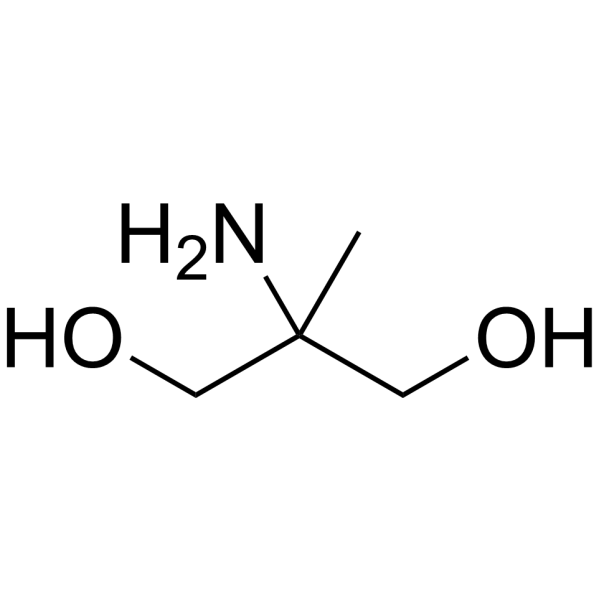
2-Amino-2-methyl-1,3-propanediol is a solid-solid phase change material with energy release and heat storage properties. 2-Amino-2-methyl-1,3-propanediol can crystallize from a supercooled solid state, release thermal energy during heating, and store thermal energy in the supercooled solid state. 2-Amino-2-methyl-1,3-propanediol can be used in the production of surfactants, vulcanization accelerators, and as a biological buffer .
|
-
-
- HY-D0870
-
-
-
- HY-179669I
-
|
|
Biochemical Assay Reagents
|
Others
|
|
1M Tris-HCl Buffer, pH 8.8 is a buffer solution commonly used in various biochemical and molecular biological applications to maintain a stable pH environment. The pH value of Tris-HCl changes with temperature; generally, the pH decreases by 0.03 units for every degree Celsius increase in temperature. The pH values indicated on the product are the pH values of the Tris-HCl buffer solution at 25°C.
|
-
-
- HY-179669C
-
|
|
Biochemical Assay Reagents
|
Others
|
|
1M Tris-HCl Buffer, pH 7.6 is a buffer solution commonly used in various biochemical and molecular biological applications to maintain a stable pH environment. The pH value of Tris-HCl changes with temperature; generally, the pH decreases by 0.03 units for every degree Celsius increase in temperature. The pH values indicated on the product are the pH values of the Tris-HCl buffer solution at 25°C.
|
-
-
- HY-179669
-
|
|
Biochemical Assay Reagents
|
Others
|
|
1M Tris-HCl Buffer, pH 6.8 is a buffer solution commonly used in various biochemical and molecular biological applications to maintain a stable pH environment. The pH value of Tris-HCl changes with temperature; generally, the pH decreases by 0.03 units for every degree Celsius increase in temperature. The pH values indicated on the product are the pH values of the Tris-HCl buffer solution at 25°C.
|
-
-
- HY-W105704
-
|
|
Biochemical Assay Reagents
|
Others
|
|
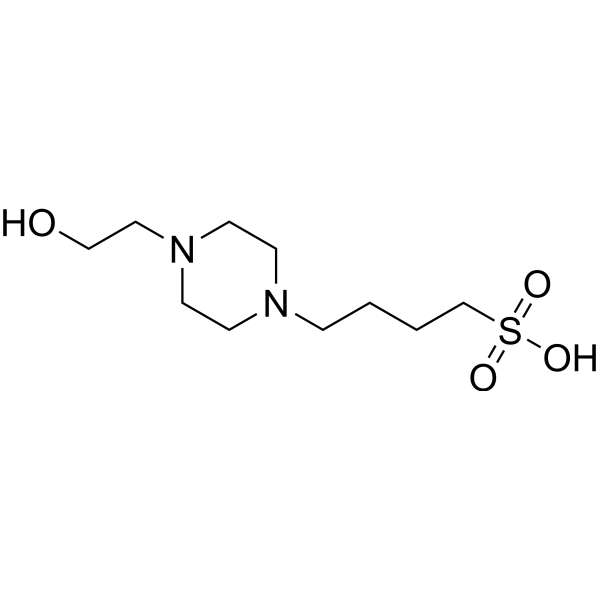
HEPBS is a zwitterionic buffering agent with a pH range (7.6-9.0) similar to that of biological systems. HEPBS can be used in the culture of cells .
|
-
-
- HY-D0871
-
|
N-Cyclohexyltaurine
|
Biochemical Assay Reagents
Influenza Virus
|
Infection
|
|
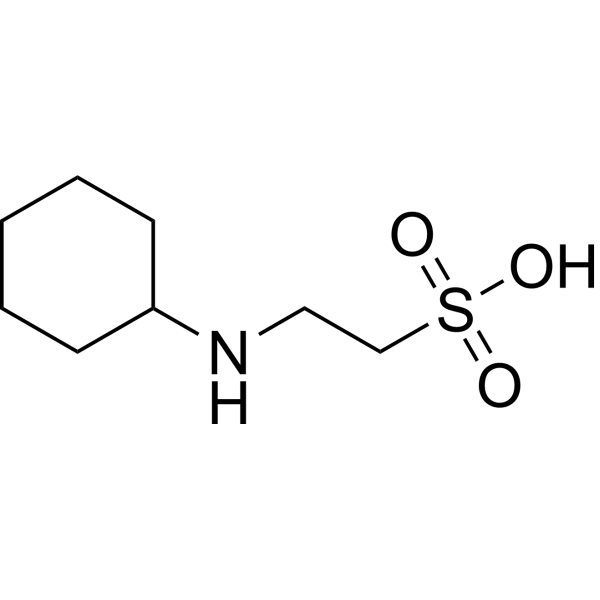
CHES (N-Cyclohexyltaurine) is a biological buffer reagent that binds to influenza virus hemagglutinin (HA). CHES mimics the binding mode of sialic acid to the HA receptor-binding site .
|
-
-
- HY-B1610I
-
|
Trisodium citrate dihydrate, for molecular biology
|
Biochemical Assay Reagents
|
Others
|
|
Sodium citrate dihydrate, for molecular biology is an antacid used in studies to neutralize gastric acid. Sodium citrate dehydrate is often used to prepare biological buffers and can be used in molecular biology research .
|
-
-
- HY-W127629
-
-
-
- HY-D0855
-
-
-
- HY-D0872
-
|
|
Biochemical Assay Reagents
|
Others
|
|
DIPSO is a biological zwitterionic buffer with the useful pH range from 7.0 to 8.2. DIPSO can interfere meiotic regulation in mouse oocytes. DIPSO also has surfactant activity at 10 mM .
|
-
-
- HY-D0878
-
|
|
Biochemical Assay Reagents
|
Others
|
|
TAPSO is a common biological buffer, a pH stabilization reagent, with effective pH ranging from 7-8, and pKa values ranging from 7.5–9.0. TAPSO contains Tris groups and exhibits quite reactive activity with zwitterionic glycine peptides .
|
-
-
- HY-Y0332G
-
|
Potassium phosphate monobasic, for molecular biology
|
Biochemical Assay Reagents
|
Others
|
|
Potassium dihydrogen phosphate (Potassium phosphate monobasic), for molecular biology, ≥ 99% is used as a buffer capacity reagent in molecular biology, biochemistry, and chromatography. For the preparation of biological buffers. It is also used to purify antibodies, and in combination with other sodium phosphates .
|
-
-
- HY-179669A
-
|
|
Biochemical Assay Reagents
|
Others
|
|
1M Tris-HCl Buffer, pH 7.0 is a buffer solution commonly used in various biochemical and molecular biological applications to maintain a stable pH environment. The pH value of Tris-HCl changes with temperature; generally, the pH decreases by 0.03 units for every degree Celsius increase in temperature. The pH values indicated on the product are the pH values of the Tris-HCl buffer solution at 25°C.
|
-
-
- HY-179669E
-
|
|
Biochemical Assay Reagents
|
Others
|
|
1M Tris-HCl Buffer, pH 8.0 is a buffer solution commonly used in various biochemical and molecular biological applications to maintain a stable pH environment. The pH value of Tris-HCl changes with temperature; generally, the pH decreases by 0.03 units for every degree Celsius increase in temperature. The pH values indicated on the product are the pH values of the Tris-HCl buffer solution at 25°C.
|
-
-
- HY-W099337
-
|
|
Biochemical Assay Reagents
|
|
|
N-Ethyl-D-glucamine is a glucose derivative with biological activity as a buffer and chelating agent. Therefore, it is widely used in biochemical research to regulate pH and bind metal ions.
|
-
-
- HY-D0227B
-
|
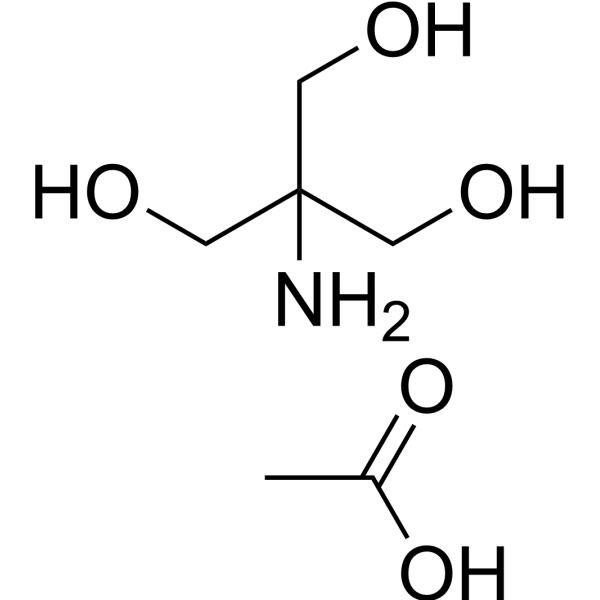
Tris acetate; Tris(hydroxymethyl)aminomethane acetate
|
Biochemical Assay Reagents
|
Metabolic Disease
|
|
THAM acetate is a low-toxicity amino alcohol buffer, a CO2-consuming proton acceptor that buffers carbon dioxide and acid both in vitro and in vivo. THAM acetate binds protons to form bicarbonate, reduces PaCO2, and induces intracellular alkalization, thereby ameliorating hypercapnia-induced elevation of pulmonary blood vessels and pulmonary arterial pressure. THAM acetate may cause PaCO2 rebound, hypoglycemia, and respiratory depression. THAM acetate removes amniotic epithelium and preserves the basement membrane, but depletes extracellular matrix and reduces the adhesion rate of limbal epithelial cells. THAM acetate can act as a CO2 carrier to enhance the productivity and carbon utilization rate of Scenedesmus obliquus. THAM acetate is a key component of buffer solutions used in various biological, cell culture, biochemical, and molecular biology applications .
|
-
-
- HY-Y0332L
-
|
Potassium phosphate monobasic, meets analytical specification of Ph. Eur., NF, E340
|
Biochemical Assay Reagents
NF-κB
|
Others
|
|
Potassium dihydrogen phosphate (Potassium phosphate monobasic), meeting the analytical specifications of Ph. Eur., NF, E340, is a reagent with buffering capacity, used for preparing biological buffers. Potassium dihydrogen phosphate downregulates the expression of IκBα in the cytoplasm, increases the expression of p-P65 in the cytoplasm, and upregulates the expression of P65 in the nucleus, thereby activating the NF-κB pathway. Potassium dihydrogen phosphate promotes the proliferation of human periodontal ligament stem cells in the logarithmic growth phase. Potassium dihydrogen phosphate upregulates the expression of odontogenic/osteogenic markers (OCN, DSP/DSPP, OSX, RUNX2, ALP) in human periodontal ligament stem cells and enhances the mineralization capacity of these cells. Potassium dihydrogen phosphate can be used in the research of periodontal diseases .
|
-
-
- HY-Y0332BS
-
|
|
Isotope-Labeled Compounds
|
Others
|
|
Phosphate monobasic-d2 (potassium) is the deuterium labeled Potassium phosphate monobasic . Potassium phosphate monobasic (DiA) is a commonly used in biological assay buffers. Potassium phosphate monobasic is moderate to highly concentrated aqueous solutions of potassium phosphate monobasic for the production of phosphate buffers and other laboratory applications.
|
-
-
- HY-179669J
-
|
|
Biochemical Assay Reagents
|
Others
|
|
1M Tris-HCl Buffer, pH 6.8 is a buffer solution commonly used in various biochemical and molecular biological applications to maintain a stable pH environment. The pH value of Tris-HCl changes with temperature; generally, the pH decreases by 0.03 units for every degree Celsius increase in temperature. The pH values ??indicated on the product are the pH values ??of the Tris-HCl buffer solution at 25°C.
|
-
-
- HY-179669H
-
|
|
Biochemical Assay Reagents
|
Others
|
|
1M Tris-HCl Buffer, pH 8.8 is a buffer solution commonly used in various biochemical and molecular biological applications to maintain a stable pH environment. The pH value of Tris-HCl changes with temperature; generally, the pH decreases by 0.03 units for every degree Celsius increase in temperature. The pH values indicated on the product are the pH values of the Tris-HCl buffer solution at 25°C.
|
-
-
- HY-Y1083C
-
|
Salt of lemery, for cell culture
|
Biochemical Assay Reagents
|
Others
|
|
Potassium sulfate, for cell culture (Salt of lemery, for cell culture) can be used in biochemical tests for serum proteins, the determination of blood potassium and other potassium salts, and the preparation of protein capillary electrophoresis buffers. Potassium sulfate, for cell culture is a kind of biological materials or organic compounds that are widely used in life science research .
|
-
-
- HY-D0870A
-
-
-
- HY-W040263
-
|
TAPS Na
|
Biochemical Assay Reagents
|
Others
|
|
TAPS sodium is a biological buffer that protects the structural integrity of lysozyme bacteria and prevents them from thermal denaturation at high temperatures. A pKa of 8.1 for TAPS results in half-maximal connexin channel activity .
|
-
-
- HY-D0227R
-
|
Tris (Standard); Tris(hydroxymethyl)aminomethane (Standard)
|
Biochemical Assay Reagents
Reference Standards
|
Metabolic Disease
Cancer
|
|
THAM (Standard) is the analytical standard of THAM. This product is intended for research and analytical applications. THAM (Tris) is a biologically inert amino alcohol of low toxicity, which buffers carbon dioxide and acids in vitro and in vivo. THAM is an effective amine compound for pH control in the physiological range .
|
-
-
- HY-B1610H
-
|
Trisodium citrate dihydrate (Pharmaceutical primary standard, USP)
|
Biochemical Assay Reagents
|
Others
|
|
Sodium citrate dihydrate, United States Pharmacopeia (USP) Reference Standard is an antacid used in studies to neutralize gastric acid. Sodium citrate dehydrate can also be used to prepare biological buffers. Sodium citrate dehydrate is a reference standard grade of the United States Pharmacopeia (USP) and a first-class pharmaceutical standard .
|
-
-
- HY-W102585
-
|
|
Biochemical Assay Reagents
|
Others
|
|
HEPPSO (sodium) is a biological buffer. HEPPSO (sodium) is a biomaterial or organic compound that can be used in life science research .
|
-
-
- HY-W102681
-
|
|
Biochemical Assay Reagents
|
Others
|
|
Caps sodium salt, a polyanion, is a surfactant. Caps sodium salt can be used as biological buffer (0.05 M, pH 11) for dialysis .
|
-
-
- HY-W342700
-
|
|
Biochemical Assay Reagents
|
Others
|
|
PIPPS is a kind of buffer commonly used in biological and biochemical research to maintain the acidity and alkalinity (pH value) of solutions .
|
-
-
- HY-W097000
-
|
|
Biochemical Assay Reagents
|
Others
|
|
1-Propanesulfonic acid (sodium hydrate) is a versatile biochemical reagent used in synthesis reagents, experimental buffer solutions, etc. 1-Propanesulfonic acid (sodium hydrate) is a kind of biological materials or organic compounds that are widely used in life science research .
|
-
-
- HY-W579346
-
|
|
Biochemical Assay Reagents
|
Others
|
|
POPSO sesquisodium is a water-soluble zwitterionic buffer. POPSO sesquisodium is commonly used in biological and biochemical studies to maintain the acidity or alkalinity (pH value) of solutions, especially within the physiological pH range of 7.0 to 8.5 .
|
-
-
- HY-D0227AR
-
|
Tris HCl (Standard); Tris(hydroxymethyl)aminomethane hydrochloride (Standard)
|
Biochemical Assay Reagents
Reference Standards
|
Metabolic Disease
Cancer
|
|
THAM (hydrochloride) (Standard) is the analytical standard of THAM (hydrochloride). This product is intended for research and analytical applications. THAM hydrochloride (Tris HCl) is a biologically inert amino alcohol of low toxicity, which buffers carbon dioxide and acids in vitro and in vivo. THAM hydrochloride is an effective amine compound for pH control in the physiological range .
|
-
-
- HY-179669D
-
|
|
Biochemical Assay Reagents
|
Others
|
|
1M Tris-HCl Buffer, pH 7.8 is a buffer solution commonly used in various biochemical and molecular biological applications to maintain a stable pH environment. The pH value of Tris-HCl changes with temperature; generally, the pH decreases by 0.03 units for every degree Celsius increase in temperature. The pH values indicated on the product are the pH values of the Tris-HCl buffer solution at 25°C.
|
-
-
- HY-179669B
-
|
|
Biochemical Assay Reagents
|
Others
|
|
1M Tris-HCl Buffer, pH 7.2 is a buffer solution commonly used in various biochemical and molecular biological applications to maintain a stable pH environment. The pH value of Tris-HCl changes with temperature; generally, the pH decreases by 0.03 units for every degree Celsius increase in temperature. The pH values indicated on the product are the pH values of the Tris-HCl buffer solution at 25°C.
|
-
-
- HY-101850R
-
|
|
Biochemical Assay Reagents
Reference Standards
|
Others
|
|
MOPSO (Standard) is the analytical standard of MOPSO (HY-101850). This product is intended for research and analytical applications. MOPSO is a biological zwitterionic buffer with the useful pH range from 6.2 to 7.6. MOPSO has been employed as a buffer component of charcoal yeast extract medium .
|
-
-
- HY-179669K
-
|
|
Biochemical Assay Reagents
|
Others
|
|
0.5M Tris-HCl Buffer, pH 8.0 is a buffer solution commonly used in various biochemical and molecular biological applications to maintain a stable pH environment. The pH value of Tris-HCl changes with temperature; generally, the pH decreases by 0.03 units for every degree Celsius increase in temperature. The pH values indicated on the product are the pH values of the Tris-HCl buffer solution at 25°C.
|
-
-
- HY-D0869S
-
|
|
Isotope-Labeled Compounds
|
Others
|
|
3-(Cyclohexylamino)-1-propanesulfonic Acid-d17 is the deuterium labeled CAPS . CAPS, cyclohexylaminopropane sulfonic acid, is a surfactant. CAPS can be used as biological buffer (0.05 M, pH 11) for dialysis .
|
-
- HY-D3231
-
|
|
Fluorescent Dye
|
Others
|
|
Ratio-Coppersensor-1 is a selective ratiometric copper ion Fluorescent reporter (excitation wavelength: 480 nm; emission peak central wavelengths at 505 nm and 570 nm, respectively). Ratio-Coppersensor-1 exhibits extremely high selectivity for Cu + at cellular concentrations, outperforming other competing metal ions, and shows an approximately 20-fold change in fluorescence ratio upon Cu + binding. Ratio-Coppersensor-1 is capable of reflecting changes in Cu levels .
|
-
| Cat. No. |
Product Name |
Type |
-
- HY-D0871
-
|
N-Cyclohexyltaurine
|
Fluorescent Dye
|
|
CHES (N-Cyclohexyltaurine) is a biological buffer reagent that binds to influenza virus hemagglutinin (HA). CHES mimics the binding mode of sialic acid to the HA receptor-binding site .
|
-
- HY-D3231
-
|
|
Fluorescent Dye
|
|
Ratio-Coppersensor-1 is a selective ratiometric copper ion Fluorescent reporter (excitation wavelength: 480 nm; emission peak central wavelengths at 505 nm and 570 nm, respectively). Ratio-Coppersensor-1 exhibits extremely high selectivity for Cu + at cellular concentrations, outperforming other competing metal ions, and shows an approximately 20-fold change in fluorescence ratio upon Cu + binding. Ratio-Coppersensor-1 is capable of reflecting changes in Cu levels .
|
| Cat. No. |
Product Name |
Type |
-
- HY-Y0649D
-
|
|
Biochemical Assay Reagents
|
|
Lithium chloride, for molecular biology, 99% can be used in the preparation of wash buffers for chromatin immunoprecipitation. Lithium chloride, for molecular biology, 99% is a kind of biological materials or organic compounds that are widely used in life science research .
|
-
- HY-D0227F
-
|
Tris HCl (≥99%, reagent grade); Tris hydrochloride (≥99%, reagent grade)
|
Biochemical Assay Reagents
|
|
THAM hydrochloride (≥99%, reagent grade), also known as Tris-HCl, is a buffer commonly used in various biochemical and molecular biology applications to maintain a stable pH environment. Tris-HCl has unique chemical properties that allow it to resist changes in pH when acidic or basic substances are added, which makes it useful for stabilizing biological samples or reagents. It is commonly used in electrophoresis and protein purification procedures.
|
-
- HY-W014837
-
|
3-(1-Pyridinio)-1-propanesulfonate
|
Biochemical Assay Reagents
|
|
NDSB-201 consists of a pyridine group attached to a propane chain, which in turn is attached to a sulfonate group. This compound is commonly used as a buffer in biochemical and biological research, especially in electrophoretic applications. It maintains a stable pH in aqueous solutions and has low UV absorption, making it suitable for use in the UV spectrum. Furthermore, due to its ability to form stable complexes with DNA and other biomolecules, 3-(pyridin-1-ium-1-yl)propane-1-sulfonate has been investigated for its potential in drug delivery and genetic research.
|
-
- HY-D0869
-
|
N-Cyclohexyl-3-aminopropanesulfonic acid
|
Biochemical Assay Reagents
|
|
CAPS, cyclohexylaminopropane sulfonic acid, is a surfactant. CAPS can be used as biological buffer (0.05 M, pH 11) for dialysis .
|
-
- HY-160113
-
|
|
Biochemical Assay Reagents
|
|
Sodium phosphate buffer 0.02 M, pH 6.9 is a commonly used aqueous biological buffer that maintains a stable pH value. Sodium phosphate buffer 0.02 M, pH 6.9 is often used in enzyme activity assays, such as α-amylase assays. Sodium phosphate buffer 0.02 M, pH 6.9 is prepared by mixing disodium hydrogen phosphate (Na2HPO4) (HY-B2243) and sodium dihydrogen phosphate (NaH2PO4) (HY-Y0308) to a total concentration of 0.02 M .
|
-
- HY-Y1083H
-
|
Salt of lemery, 99%
|
Biochemical Assay Reagents
|
|
Potassium sulfate, 99% (Salt of lemery, 99%) can be used in biochemical tests for serum proteins, the determination of blood potassium and other potassium salts, and the preparation of protein capillary electrophoresis buffers. Potassium sulfate, 99% is a kind of biological materials or organic compounds that are widely used in life science research .
|
-
- HY-Y0537B
-
|
|
Biochemical Assay Reagents
|
|
Potassium chloride, for molecular biology is potassium chloride that can be used in molecular biology. Potassium chloride, for molecular biology affects the stability of biological membranes by disrupting the electrostatic interactions between proteins and lipids. Potassium chloride, for molecular biology affects the solubility of myofibrillar proteins and the integrity of mitochondria. Potassium chloride, for molecular biology is commonly used in homogenization buffers and protein extraction procedures .
|
-
- HY-101850
-
|
|
Biochemical Assay Reagents
|
|
MOPSO is a biological zwitterionic buffer with the useful pH range from 6.2 to 7.6. MOPSO has been employed as a buffer component of charcoal yeast extract medium .
|
-
- HY-W393372
-
|
Tris maleate; Tris(hydroxymethyl)aminomethane maleate
|
Biochemical Assay Reagents
|
|
THAM (Tris) maleate is a biologically inert amino alcohol of low toxicity, which buffers carbon dioxide and acids in vitro and in vivo. THAM maleate is an effective amine compound for pH control in the physiological range .
|
-
- HY-D0227J
-
|
Tris HCl (≥99%, for cell culture); Tris hydrochloride (≥99%, for cell culture)
|
Biochemical Assay Reagents
|
|
THAM hydrochloride (≥99%, for cell culture) is a low-toxicity amino alcohol buffer, a specific CO2-consuming proton acceptor that buffers carbon dioxide and acid both in vitro and in vivo. THAM hydrochloride (≥99%, for cell culture) binds protons to form bicarbonate, reduces PaCO2, and induces intracellular alkalization, thereby ameliorating hypercapnia-induced elevation of pulmonary blood vessels and pulmonary arterial pressure. THAM hydrochloride (≥99%, for cell culture) may cause PaCO2 rebound, hypoglycemia, and respiratory depression. THAM hydrochloride (≥99%, for cell culture) removes amniotic epithelium and preserves the basement membrane, but depletes extracellular matrix and reduces the adhesion rate of limbal epithelial cells. THAM hydrochloride (≥99%, for cell culture) can act as a CO2 carrier to enhance the productivity and carbon utilization rate of Scenedesmus obliquus. THAM hydrochloride (≥99%, for cell culture) is a key component of buffer solutions used in various biological, cell culture, biochemical, and molecular biology applications .
|
-
- HY-W017054
-
|
|
Biochemical Assay Reagents
|
|
2-Amino-2-methyl-1,3-propanediol is a solid-solid phase change material with energy release and heat storage properties. 2-Amino-2-methyl-1,3-propanediol can crystallize from a supercooled solid state, release thermal energy during heating, and store thermal energy in the supercooled solid state. 2-Amino-2-methyl-1,3-propanediol can be used in the production of surfactants, vulcanization accelerators, and as a biological buffer .
|
-
- HY-D0870
-
-
- HY-179669I
-
|
|
Biochemical Assay Reagents
|
|
1M Tris-HCl Buffer, pH 8.8 is a buffer solution commonly used in various biochemical and molecular biological applications to maintain a stable pH environment. The pH value of Tris-HCl changes with temperature; generally, the pH decreases by 0.03 units for every degree Celsius increase in temperature. The pH values indicated on the product are the pH values of the Tris-HCl buffer solution at 25°C.
|
-
- HY-179669C
-
|
|
Biochemical Assay Reagents
|
|
1M Tris-HCl Buffer, pH 7.6 is a buffer solution commonly used in various biochemical and molecular biological applications to maintain a stable pH environment. The pH value of Tris-HCl changes with temperature; generally, the pH decreases by 0.03 units for every degree Celsius increase in temperature. The pH values indicated on the product are the pH values of the Tris-HCl buffer solution at 25°C.
|
-
- HY-179669
-
|
|
Biochemical Assay Reagents
|
|
1M Tris-HCl Buffer, pH 6.8 is a buffer solution commonly used in various biochemical and molecular biological applications to maintain a stable pH environment. The pH value of Tris-HCl changes with temperature; generally, the pH decreases by 0.03 units for every degree Celsius increase in temperature. The pH values indicated on the product are the pH values of the Tris-HCl buffer solution at 25°C.
|
-
- HY-W105704
-
|
|
Biochemical Assay Reagents
|
|
HEPBS is a zwitterionic buffering agent with a pH range (7.6-9.0) similar to that of biological systems. HEPBS can be used in the culture of cells .
|
-
- HY-D0871
-
|
N-Cyclohexyltaurine
|
Biochemical Assay Reagents
|
|
CHES (N-Cyclohexyltaurine) is a biological buffer reagent that binds to influenza virus hemagglutinin (HA). CHES mimics the binding mode of sialic acid to the HA receptor-binding site .
|
-
- HY-B1610I
-
|
Trisodium citrate dihydrate, for molecular biology
|
Biochemical Assay Reagents
|
|
Sodium citrate dihydrate, for molecular biology is an antacid used in studies to neutralize gastric acid. Sodium citrate dehydrate is often used to prepare biological buffers and can be used in molecular biology research .
|
-
- HY-W127629
-
|
|
Biochemical Assay Reagents
|
|
MOBS is a zwitterionic compound and biological buffer. MOBS is compatible with common biological media .
|
-
- HY-D0855
-
-
- HY-D0872
-
|
|
Biochemical Assay Reagents
|
|
DIPSO is a biological zwitterionic buffer with the useful pH range from 7.0 to 8.2. DIPSO can interfere meiotic regulation in mouse oocytes. DIPSO also has surfactant activity at 10 mM .
|
-
- HY-D0878
-
|
|
Biochemical Assay Reagents
|
|
TAPSO is a common biological buffer, a pH stabilization reagent, with effective pH ranging from 7-8, and pKa values ranging from 7.5–9.0. TAPSO contains Tris groups and exhibits quite reactive activity with zwitterionic glycine peptides .
|
-
- HY-Y0332G
-
|
Potassium phosphate monobasic, for molecular biology
|
Biochemical Assay Reagents
|
|
Potassium dihydrogen phosphate (Potassium phosphate monobasic), for molecular biology, ≥ 99% is used as a buffer capacity reagent in molecular biology, biochemistry, and chromatography. For the preparation of biological buffers. It is also used to purify antibodies, and in combination with other sodium phosphates .
|
-
- HY-179669A
-
|
|
Biochemical Assay Reagents
|
|
1M Tris-HCl Buffer, pH 7.0 is a buffer solution commonly used in various biochemical and molecular biological applications to maintain a stable pH environment. The pH value of Tris-HCl changes with temperature; generally, the pH decreases by 0.03 units for every degree Celsius increase in temperature. The pH values indicated on the product are the pH values of the Tris-HCl buffer solution at 25°C.
|
-
- HY-179669E
-
|
|
Biochemical Assay Reagents
|
|
1M Tris-HCl Buffer, pH 8.0 is a buffer solution commonly used in various biochemical and molecular biological applications to maintain a stable pH environment. The pH value of Tris-HCl changes with temperature; generally, the pH decreases by 0.03 units for every degree Celsius increase in temperature. The pH values indicated on the product are the pH values of the Tris-HCl buffer solution at 25°C.
|
-
- HY-W099337
-
|
|
Biochemical Assay Reagents
|
|
N-Ethyl-D-glucamine is a glucose derivative with biological activity as a buffer and chelating agent. Therefore, it is widely used in biochemical research to regulate pH and bind metal ions.
|
-
- HY-Y0332L
-
|
Potassium phosphate monobasic, meets analytical specification of Ph. Eur., NF, E340
|
Biochemical Assay Reagents
|
|
Potassium dihydrogen phosphate (Potassium phosphate monobasic), meeting the analytical specifications of Ph. Eur., NF, E340, is a reagent with buffering capacity, used for preparing biological buffers. Potassium dihydrogen phosphate downregulates the expression of IκBα in the cytoplasm, increases the expression of p-P65 in the cytoplasm, and upregulates the expression of P65 in the nucleus, thereby activating the NF-κB pathway. Potassium dihydrogen phosphate promotes the proliferation of human periodontal ligament stem cells in the logarithmic growth phase. Potassium dihydrogen phosphate upregulates the expression of odontogenic/osteogenic markers (OCN, DSP/DSPP, OSX, RUNX2, ALP) in human periodontal ligament stem cells and enhances the mineralization capacity of these cells. Potassium dihydrogen phosphate can be used in the research of periodontal diseases .
|
-
- HY-179669J
-
|
|
Biochemical Assay Reagents
|
|
1M Tris-HCl Buffer, pH 6.8 is a buffer solution commonly used in various biochemical and molecular biological applications to maintain a stable pH environment. The pH value of Tris-HCl changes with temperature; generally, the pH decreases by 0.03 units for every degree Celsius increase in temperature. The pH values ??indicated on the product are the pH values ??of the Tris-HCl buffer solution at 25°C.
|
-
- HY-179669H
-
|
|
Biochemical Assay Reagents
|
|
1M Tris-HCl Buffer, pH 8.8 is a buffer solution commonly used in various biochemical and molecular biological applications to maintain a stable pH environment. The pH value of Tris-HCl changes with temperature; generally, the pH decreases by 0.03 units for every degree Celsius increase in temperature. The pH values indicated on the product are the pH values of the Tris-HCl buffer solution at 25°C.
|
-
- HY-Y1083C
-
|
Salt of lemery, for cell culture
|
Biochemical Assay Reagents
|
|
Potassium sulfate, for cell culture (Salt of lemery, for cell culture) can be used in biochemical tests for serum proteins, the determination of blood potassium and other potassium salts, and the preparation of protein capillary electrophoresis buffers. Potassium sulfate, for cell culture is a kind of biological materials or organic compounds that are widely used in life science research .
|
-
- HY-D0870A
-
-
- HY-W040263
-
|
TAPS Na
|
Biochemical Assay Reagents
|
|
TAPS sodium is a biological buffer that protects the structural integrity of lysozyme bacteria and prevents them from thermal denaturation at high temperatures. A pKa of 8.1 for TAPS results in half-maximal connexin channel activity .
|
-
- HY-B1610H
-
|
Trisodium citrate dihydrate (Pharmaceutical primary standard, USP)
|
Biochemical Assay Reagents
|
|
Sodium citrate dihydrate, United States Pharmacopeia (USP) Reference Standard is an antacid used in studies to neutralize gastric acid. Sodium citrate dehydrate can also be used to prepare biological buffers. Sodium citrate dehydrate is a reference standard grade of the United States Pharmacopeia (USP) and a first-class pharmaceutical standard .
|
-
- HY-W102585
-
|
|
Biochemical Assay Reagents
|
|
HEPPSO (sodium) is a biological buffer. HEPPSO (sodium) is a biomaterial or organic compound that can be used in life science research .
|
-
- HY-W342700
-
|
|
Biochemical Assay Reagents
|
|
PIPPS is a kind of buffer commonly used in biological and biochemical research to maintain the acidity and alkalinity (pH value) of solutions .
|
-
- HY-W097000
-
|
|
Biochemical Assay Reagents
|
|
1-Propanesulfonic acid (sodium hydrate) is a versatile biochemical reagent used in synthesis reagents, experimental buffer solutions, etc. 1-Propanesulfonic acid (sodium hydrate) is a kind of biological materials or organic compounds that are widely used in life science research .
|
-
- HY-W579346
-
|
|
Biochemical Assay Reagents
|
|
POPSO sesquisodium is a water-soluble zwitterionic buffer. POPSO sesquisodium is commonly used in biological and biochemical studies to maintain the acidity or alkalinity (pH value) of solutions, especially within the physiological pH range of 7.0 to 8.5 .
|
-
- HY-179669D
-
|
|
Biochemical Assay Reagents
|
|
1M Tris-HCl Buffer, pH 7.8 is a buffer solution commonly used in various biochemical and molecular biological applications to maintain a stable pH environment. The pH value of Tris-HCl changes with temperature; generally, the pH decreases by 0.03 units for every degree Celsius increase in temperature. The pH values indicated on the product are the pH values of the Tris-HCl buffer solution at 25°C.
|
-
- HY-179669B
-
|
|
Biochemical Assay Reagents
|
|
1M Tris-HCl Buffer, pH 7.2 is a buffer solution commonly used in various biochemical and molecular biological applications to maintain a stable pH environment. The pH value of Tris-HCl changes with temperature; generally, the pH decreases by 0.03 units for every degree Celsius increase in temperature. The pH values indicated on the product are the pH values of the Tris-HCl buffer solution at 25°C.
|
-
- HY-101850R
-
|
|
Biochemical Assay Reagents
|
|
MOPSO (Standard) is the analytical standard of MOPSO (HY-101850). This product is intended for research and analytical applications. MOPSO is a biological zwitterionic buffer with the useful pH range from 6.2 to 7.6. MOPSO has been employed as a buffer component of charcoal yeast extract medium .
|
-
- HY-179669K
-
|
|
Biochemical Assay Reagents
|
|
0.5M Tris-HCl Buffer, pH 8.0 is a buffer solution commonly used in various biochemical and molecular biological applications to maintain a stable pH environment. The pH value of Tris-HCl changes with temperature; generally, the pH decreases by 0.03 units for every degree Celsius increase in temperature. The pH values indicated on the product are the pH values of the Tris-HCl buffer solution at 25°C.
|
-
- HY-K3119
-
|
|
|
MCE Exosome Preservation Solution (Chemically Defined) is a buffer specifically formulated for the storage of exosome samples, designed to maintain their morphological integrity and biological activity.
|
-
- HY-K2111
-
1 Publications Verification
|
|
MCE HOLO Mouse Interferon-γ (IFN-γ) Detection Kit is a homogeneous luminescence-based assay used for the quantitative detection of mouse IFN-γ concentrations in biological samples such as buffer solutions, cell culture supernatants, or serum.
|
-
- HY-K2110
-
|
|
|
MCE HOLO Human Interferon-γ (IFN-γ) Detection Kit is a homogeneous luminescence-based assay used for the quantitative detection of human IFN-γ concentrations in biological samples such as buffer solutions, cell culture supernatants, or serum.
|
-
- HY-K2114
-
|
|
|
MCE HOLO Mouse Tumor Necrosis Factor-α (TNF-α) Detection Kit is a homogeneous luminescence-based assay used for the quantitative detection of mouse TNF-α concentrations in biological samples such as buffer solutions, cell culture supernatants, or serum.
|
-
- HY-K2112
-
|
|
|
MCE HOLO Human Tumor Necrosis Factor-α (TNF-α) Detection Kit is a homogeneous luminescence-based assay used for the quantitative detection of human TNF-α concentrations in biological samples such as buffer solutions, cell culture supernatants, or serum.
|
-
- HY-K2113
-
|
|
|
MCE HOLO Human Tumor Necrosis Factor-β (TNF-β) Detection Kit is a homogeneous luminescence-based assay used for the quantitative detection of human TNF-β concentrations in biological samples such as buffer solutions, cell culture supernatants, or serum.
|
-
- HY-K2101
-
|
|
|
MCE HOLO Human Interleukin-2 (IL-2) Detection Kit is a homogeneous luminescence-based assay used for the quantitative detection of human IL-2 concentrations in biological samples such as buffer solutions, cell culture supernatants, or serum.
|
-
- HY-K2103
-
|
|
|
MCE HOLO Human Interleukin-6 (IL-6) Detection Kit is a homogeneous luminescence-based assay used for the quantitative detection of human IL-6 concentrations in biological samples such as buffer solutions, cell culture supernatants, or serum.
|
-
- HY-K2104
-
|
|
|
MCE HOLO Human Interleukin-8 (IL-8) Detection Kit is a homogeneous luminescence-based assay used for the quantitative detection of human IL-8 concentrations in biological samples such as buffer solutions, cell culture supernatants, or serum.
|
-
- HY-K2105
-
|
|
|
MCE HOLO Human Interleukin-10 (IL-10) Detection Kit is a homogeneous luminescence-based assay used for the quantitative detection of human IL-10 concentrations in biological samples such as buffer solutions, cell culture supernatants, or serum.
|
-
- HY-K2117
-
|
|
|
MCE HOLO Mouse Interleukin-6 (IL-6) Detection Kit is a homogeneous luminescence-based assay used for the quantitative detection of Mouse IL-6 concentrations in biological samples such as buffer solutions, cell culture supernatants, or serum.
|
-
- HY-K2102
-
|
|
|
MCE HOLO Human Interleukin-5 (IL-5) Detection Kit is a homogeneous luminescence-based assay used for the quantitative detection of human IL-5 concentrations in biological samples such as buffer solutions, cell culture supernatants, or serum.
|
-
- HY-K2109
-
|
|
|
MCE HOLO Human Interleukin-22 (IL-22) Detection Kit is a homogeneous luminescence-based assay used for the quantitative detection of human IL-22 concentrations in biological samples such as buffer solutions, cell culture supernatants, or serum.
|
-
- HY-K2118
-
|
|
|
MCE HOLO Mouse Interleukin-2 (IL-2) Detection Kit is a homogeneous luminescence-based assay used for the quantitative detection of Mouse IL-2 concentrations in biological samples such as buffer solutions, cell culture supernatants, or serum.
|
-
- HY-K2107
-
|
|
|
MCE HOLO Human Interleukin-17A (IL-17A) Detection Kit is a homogeneous luminescence-based assay used for the quantitative detection of human IL-17A concentrations in biological samples such as buffer solutions, cell culture supernatants, or serum.
|
-
- HY-K2115
-
|
|
|
MCE HOLO Human Interleukin-2 Receptor (IL-2R) Detection Kit is a homogeneous luminescence-based assay used for the quantitative detection of human IL-2R concentrations in biological samples such as buffer solutions, cell culture supernatants, or serum.
|
-
- HY-K2116
-
|
|
|
MCE HOLO Human Interleukin-1β (IL-1β) Detection Kit is a homogeneous luminescence-based assay used for the quantitative detection of human IL-1β concentrations in biological samples such as buffer solutions, cell culture supernatants, or serum.
|
-
- HY-K2108
-
|
|
|
MCE HOLO Human Interleukin-17F (IL-17F) Detection Kit is a homogeneous luminescence-based assay used for the quantitative detection of human IL-17F concentrations in biological samples such as buffer solutions, cell culture supernatants, or serum.
|
-
- HY-K2106
-
|
|
|
MCE HOLO Human Interleukin-12p70 (IL-12p70) Detection Kit is a homogeneous luminescence-based assay used for the quantitative detection of human IL-12p70 concentrations in biological samples such as buffer solutions, cell culture supernatants, or serum.
|
| Cat. No. |
Product Name |
Category |
Target |
Chemical Structure |
-
- HY-W017054
-
|
|
Source Classification
|
Biochemical Assay Reagents
|
|
2-Amino-2-methyl-1,3-propanediol is a solid-solid phase change material with energy release and heat storage properties. 2-Amino-2-methyl-1,3-propanediol can crystallize from a supercooled solid state, release thermal energy during heating, and store thermal energy in the supercooled solid state. 2-Amino-2-methyl-1,3-propanediol can be used in the production of surfactants, vulcanization accelerators, and as a biological buffer .
|
-
| Cat. No. |
Product Name |
Chemical Structure |
-
- HY-Y0332BS
-
|
|
|
Phosphate monobasic-d2 (potassium) is the deuterium labeled Potassium phosphate monobasic . Potassium phosphate monobasic (DiA) is a commonly used in biological assay buffers. Potassium phosphate monobasic is moderate to highly concentrated aqueous solutions of potassium phosphate monobasic for the production of phosphate buffers and other laboratory applications.
|
-
-
- HY-D0869S
-
|
|
|
3-(Cyclohexylamino)-1-propanesulfonic Acid-d17 is the deuterium labeled CAPS . CAPS, cyclohexylaminopropane sulfonic acid, is a surfactant. CAPS can be used as biological buffer (0.05 M, pH 11) for dialysis .
|
-
| Cat. No. |
Product Name |
|
Classification |
-
- HY-Y0332B
-
|
|
|
pH Modifiers
|
|
Potassium phosphate monobasic (DiA) is a commonly used in biological assay buffers. Potassium phosphate monobasic is moderate to highly concentrated aqueous solutions of potassium phosphate monobasic for the production of phosphate buffers and other laboratory applications .
|
Your information is safe with us. * Required Fields.
Inquiry Information
- Product Name:
- Cat. No.:
- Quantity:
- MCE Japan Authorized Agent:

