50 Results for "

bis(pinacolato)diboron

" in MedChemExpress (MCE) Product Catalog:
Products (50)

50 Results for "bis(pinacolato)diboron" in MCE Product Catalog:

Cat. No.: HY-D0856
CAS No.: 6976-37-0
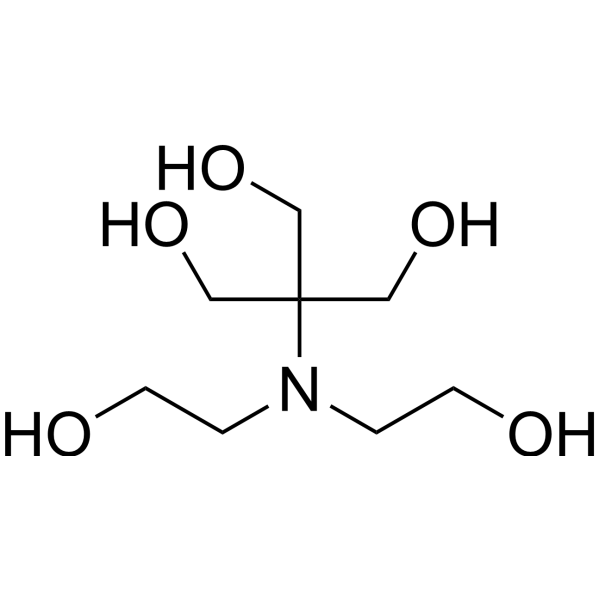
Bis-Tris is an amine buffer suitable for protein and nucleic acid systems with a pH buffer range of 5.8-7.2. Bis-Tris can also be mixed with HEPES and cacodylic acid buffer to create a pH 8 environment and monitor fluorescence emission intensity at 305 nm. Gels formulated with Bis-Tris also avoid protein degradation in samples prepared at higher pH (pH 8.5) .
loading...
    loading...
Cat. No.: HY-W250574
CAS No.: 1161415-28-6
Synonyms: NOTA-bis(t-Butyl ester)
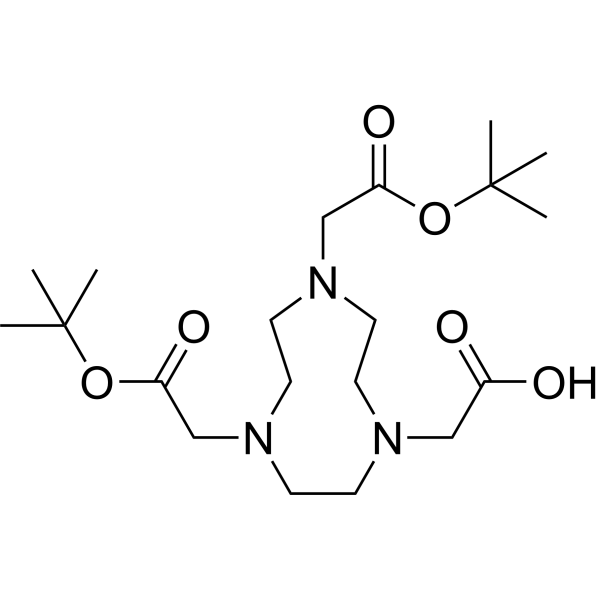
NOTA-bis (tBu) ester is a derivative of NOTA (HY-134418). NOTA-bis (tBu) ester is radiolabeled with 68Ga to form ZD2-( 68Ga-NOTA) after conjugation with ZD2. ZD2-( 68Ga-NOTA) can be used for PET imaging studies of pancreatic cancer .
loading...
    loading...
Cat. No.: HY-140646
CAS No.: 24991-53-5
Purity:  99.39%
Synonyms: Poly(ethylene glycol)-bis-amine 2000
Research Areas:  

Cancer

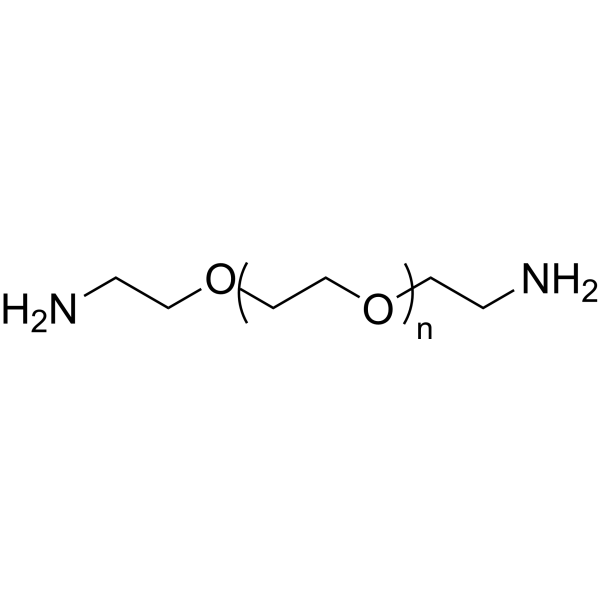
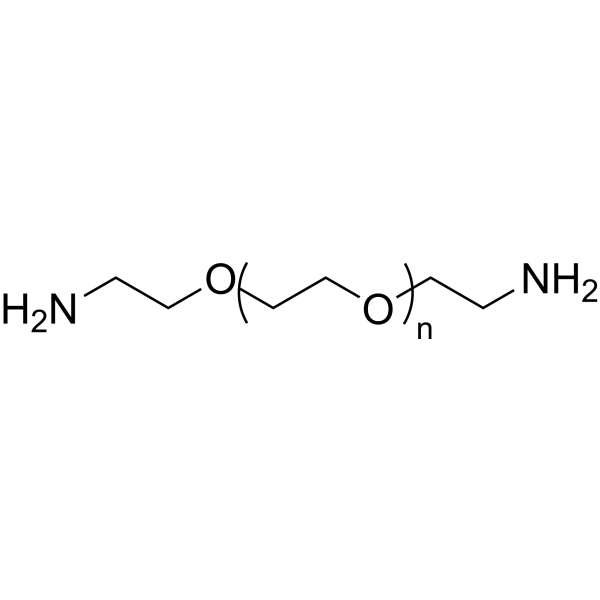
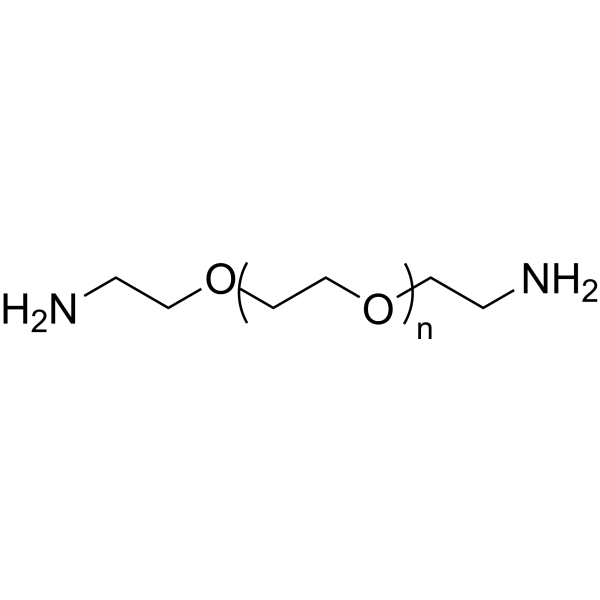
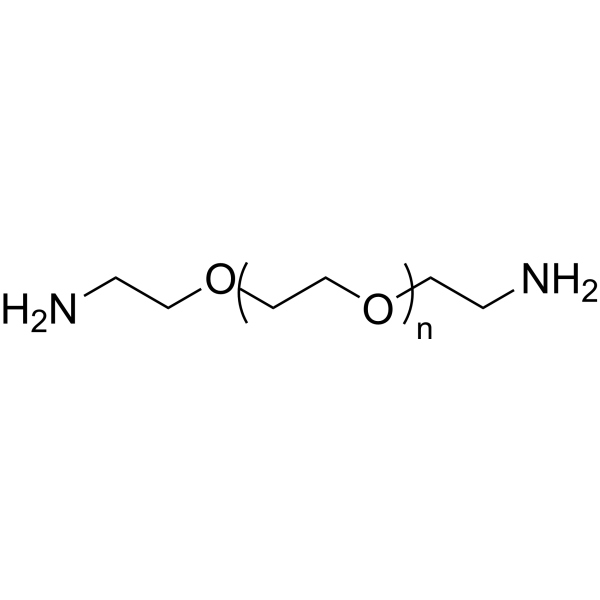
PEG2000-bis-amine (Poly(ethylene glycol)-bis-amine 2000) is a diamine-terminated polyethylene glycol and conjugate linker. PEG2000-bis-amine endows the surface of carbon capsules with stealth properties, biocompatibility, and free amino groups for antibody conjugation. PEG2000-bis-amine acts as a reducing agent and passivating agent to promote the formation and assembly of silver nanoparticles on silica nanospheres, and increases the number of silver nanoparticles on the silica surface .
loading...
    loading...
Cat. No.: HY-W105681
CAS No.: 124763-51-5
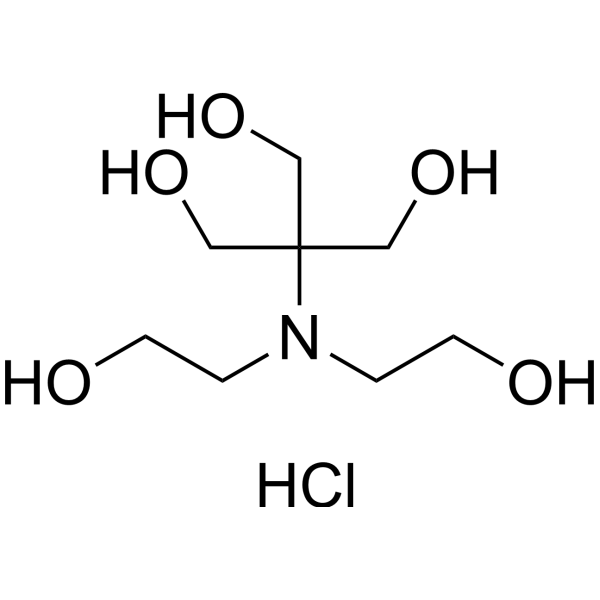
Bis-Tris hydrochloride is an amine buffer suitable for protein and nucleic acid systems with a pH buffer range of 5.8-7.2. Bis-Tris hydrochloride can also be mixed with HEPES and cacodylic acid buffer to create a pH 8 environment and monitor fluorescence emission intensity at 305 nm. Gels formulated with Bis-Tris also avoid protein degradation in samples prepared at higher pH (pH 8.5) .
loading...
    loading...
Cat. No.: HY-119429
CAS No.: 31127-85-2
Purity:  ≥98.0%
Target:  

PROTAC Linkers

Research Areas:  

Cancer

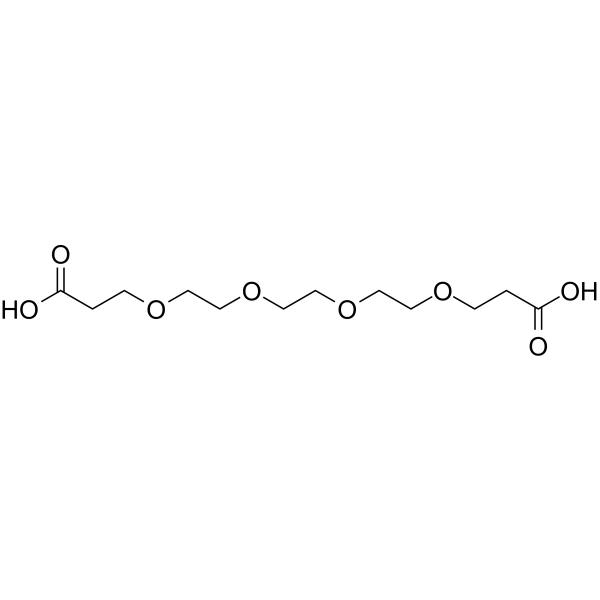
Bis-PEG4-acid is a PEG PROTAC linker.
loading...
    loading...
Cat. No.: HY-120587
CAS No.: 119189-70-7
Target:  

PROTAC Linkers

Research Areas:  

Cancer

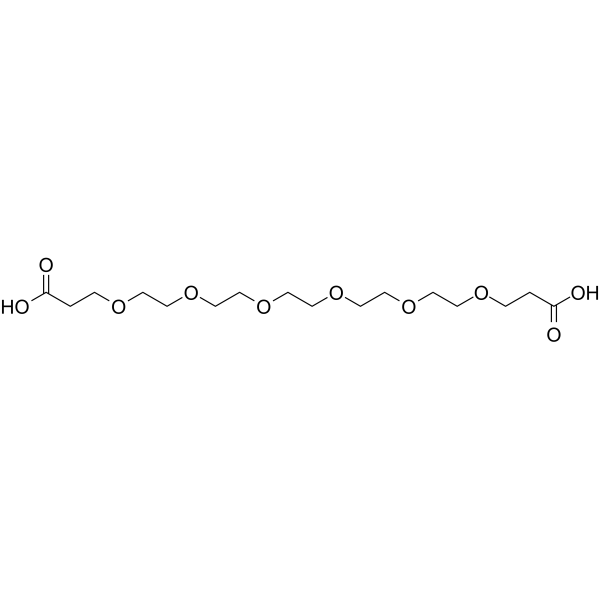
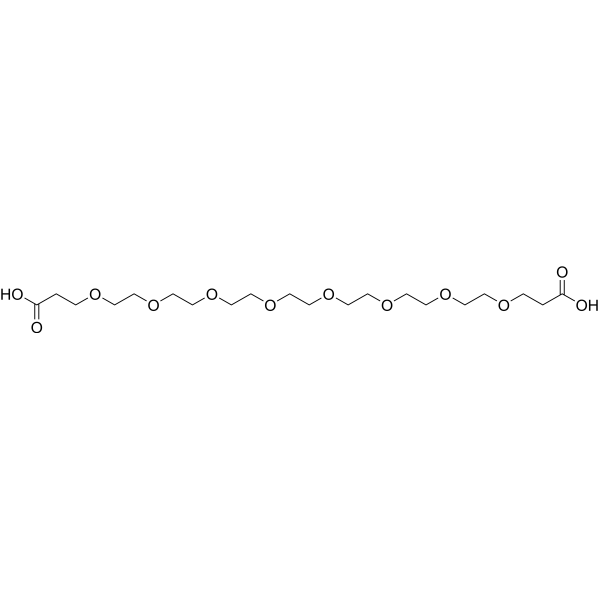
Bis-PEG6-acid is a PEG-based PROTAC linker can be used in the synthesis of PROTACs .
loading...
    loading...
Cat. No.: HY-112559
CAS No.: 19364-66-0
Purity:  ≥98.0%
Target:  

PROTAC Linkers

Research Areas:  

Cancer

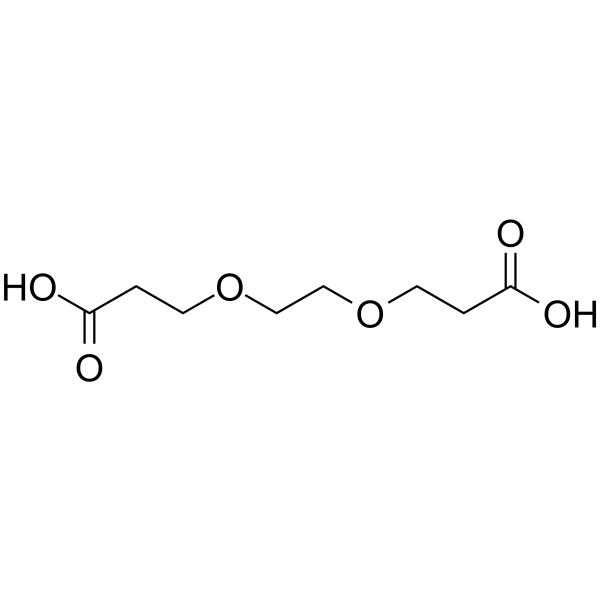
Bis-PEG2-acid is a PEG-based PROTAC linker can be used in the synthesis of PROTACs .
loading...
    loading...
Cat. No.: HY-129811
CAS No.: 65664-81-5
Purity:  98.20%
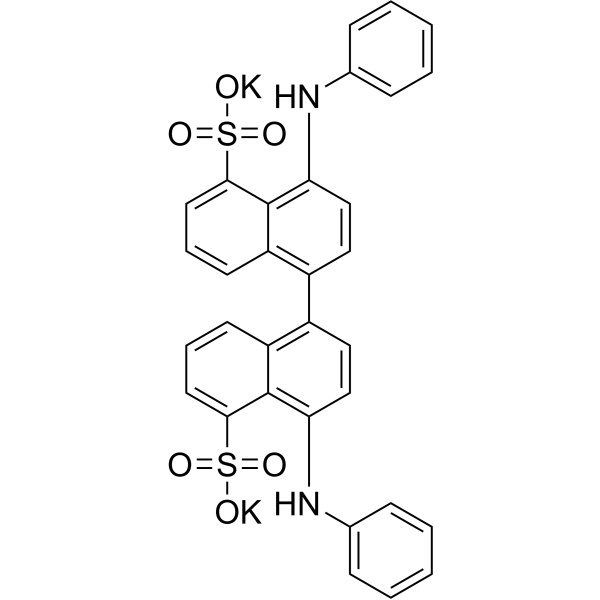
Bis-ANS dipotassium is a fluorescent probe of hydrophobic protein. Bis-ANS binds to tubulin with a Kd of 2 μM . Bis-ANS dipotassium is a potent biphasic modulator of protein liquid-liquid phase separation (LLPS). Bis-ANS dipotassium promotes LLPS at low concentrations but suppresses LLPS at high concentrations .
loading...
    loading...
Cat. No.: HY-133231
CAS No.: 2055023-26-0
Purity:  ≥98.0%
Target:  

PROTAC Linkers

Research Areas:  

Cancer

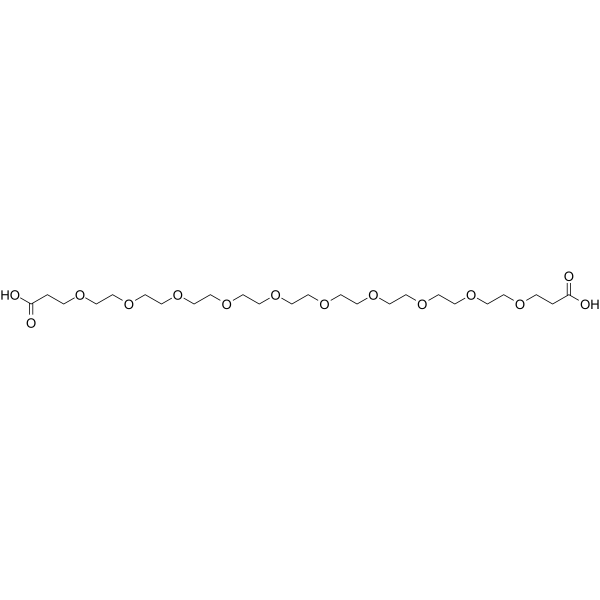
Bis-PEG10-acid is a PEG-based PROTAC linker can be used in the synthesis of PROTACs .
loading...
    loading...
Cat. No.: HY-140649
CAS No.: 24991-53-5
Purity:  ≥98.0%
Synonyms: Poly(ethylene glycol)-bis-amine 20000
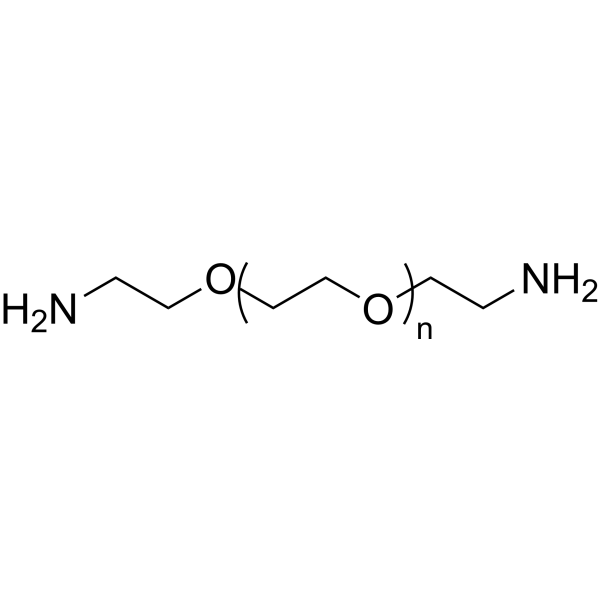
PEG20000-bis-amine (Poly(ethylene glycol)-bis-amine 20000) is a diamine-terminated polyethylene glycol and conjugate linker. PEG20000-bis-amine endows the surface of carbon capsules with stealth properties, biocompatibility, and free amino groups for antibody conjugation. PEG20000-bis-amine acts as a reducing agent and passivating agent to promote the formation and assembly of silver nanoparticles on silica nanospheres, and increases the number of silver nanoparticles on the silica surface.
loading...
    loading...
Cat. No.: HY-140647
CAS No.: 24991-53-5
Synonyms: Poly(ethylene glycol)-bis-amine 3400
PEG3400-bis-amine (Poly(ethylene glycol)-bis-amine 3400) is a diamine-terminated polyethylene glycol and conjugate linker. PEG3400-bis-amine endows the surface of carbon capsules with stealth properties, biocompatibility, and free amino groups for antibody conjugation. PEG3400-bis-amine acts as a reducing agent and passivating agent to promote the formation and assembly of silver nanoparticles on silica nanospheres, and increases the number of silver nanoparticles on the silica surface.
loading...
    loading...
Cat. No.: HY-126893
CAS No.: 1246189-43-4
Purity:  ≥97.0%
Research Areas:  

Cancer

Bis-PEG8-acid is a PEG-based PROTAC linker can be used in the synthesis of PROTACs. Bis-PEG8-acid is a cleavable ADC linker used in the synthesis of antibody-drug conjugates (ADCs) .
loading...
    loading...
Cat. No.: HY-W115607
CAS No.: 24991-53-5
Synonyms: Poly(ethylene glycol)-bis-amine 4000
PEG4000-bis-amine (Poly(ethylene glycol)-bis-amine 4000) is a diamine-terminated polyethylene glycol that acts as a linker for conjugate synthesis. PEG4000-bis-amine facilitates the development of MUC1 aptamer-based near-infrared fluorescent probes, and also conjugates folic acid with the near-infrared dye ICG-Der-01 to form a tumor-targeting probe. PEG4000-bis-amine supports the synthesis of folic acid-PEG-DSPE conjugates for the preparation of folic acid-targeted biliposomes. PEG4000-bis-amine is widely used in studies related to breast cancer, non-small cell lung cancer, hepatocellular carcinoma, rheumatoid arthritis, and tumors with high folate receptor expression .
loading...
    loading...
Cat. No.: HY-W591632
CAS No.: 24991-53-5
Synonyms: Poly(ethylene glycol)-bis-amine 1000
PEG1000-bis-amine (Poly (ethylene glycol)-bis-amine 1000) is a polyethylene glycol-based diamine linker/spacer. PEG-bis-amine can be used to synthesize CS-PEG-PLGA copolymers, which are further employed to prepare 5-fluorouracil (HY-90006)-loaded nanoparticles. PEG-bis-amine facilitates the formation of amino-terminated PLGA-PEG-NH2 for conjugation with Chondroitin sulfate (HY-B2162) .
loading...
    loading...
Cat. No.: HY-140527
CAS No.: 35638-19-8
Target:  

MOFs PROTAC Linkers

Research Areas:  

Cancer

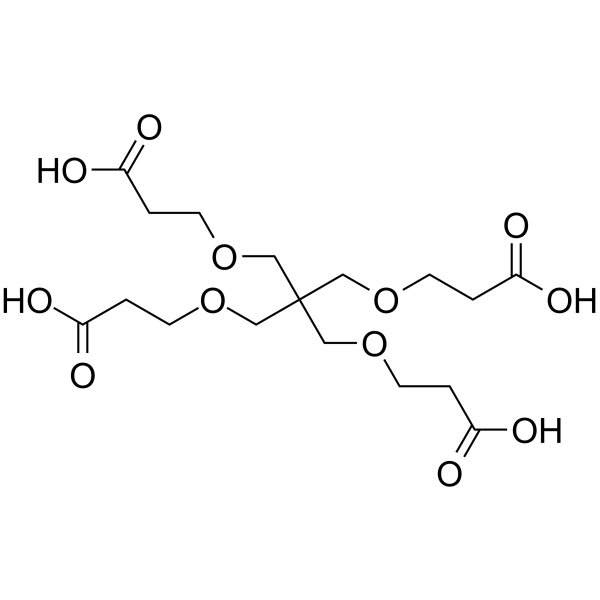
1,3-bis(carboxyethoxy)-2,2-bis(carboxyethoxy)propane is a PEG-based PROTAC linker that can be used in the synthesis of PROTACs .
loading...
    loading...
Cat. No.: HY-120970
CAS No.: 224445-12-9
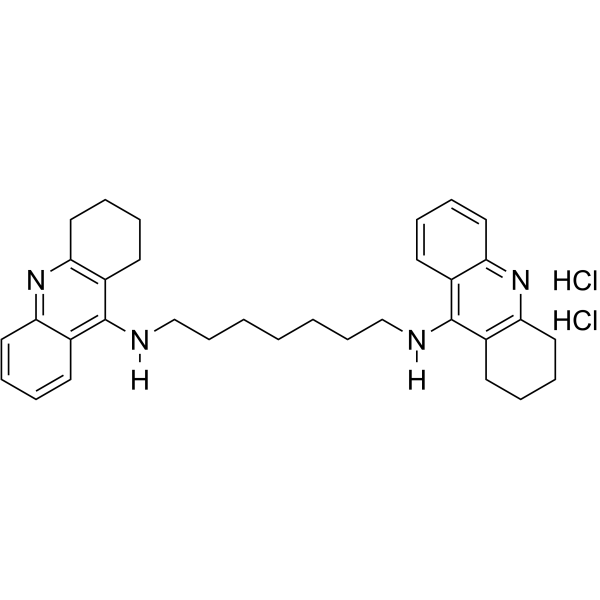
Bis(7)-tacrine dihydrochloride is a dimeric AChE inhibitor derived from tacrine. Bis(7)-tacrine dihydrochloride prevents glutamate-induced neuronal apoptosis by blocking NMDA receptors. Bis(7)-tacrine dihydrochloride is a potent GABAAreceptor antagonist. Bis(7)-tacrine dihydrochloride has the potential for the research of Alzheimer's disease .
loading...
    loading...
Cat. No.: HY-126891
CAS No.: 96517-92-9
Purity:  ≥97.0%
Target:  

PROTAC Linkers

Research Areas:  

Cancer

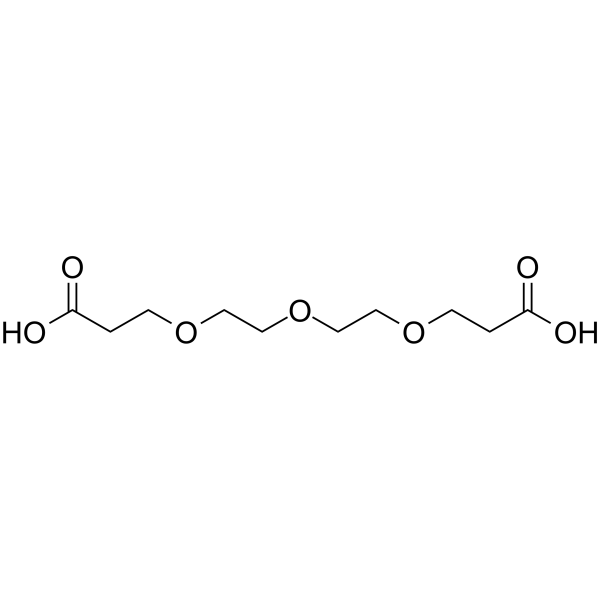
Bis-PEG3-acid is a PEG-based PROTAC linker can be used in the synthesis of PROTACs .
loading...
    loading...
Cat. No.: HY-126892
CAS No.: 94376-75-7
Purity:  ≥95.0%
Research Areas:  

Cancer

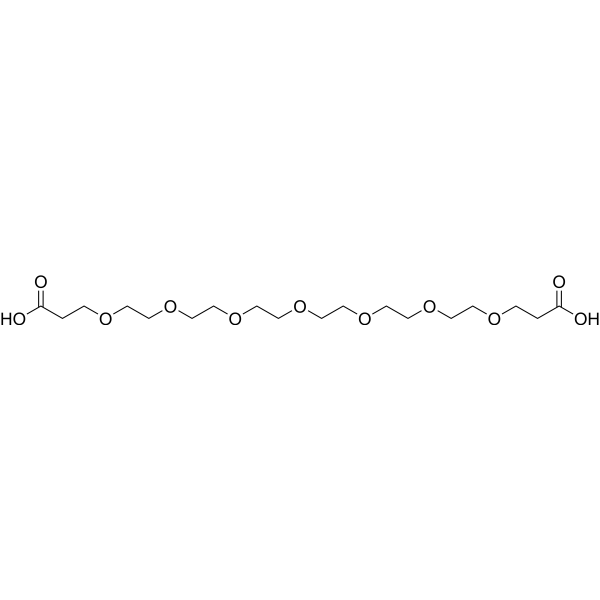
Bis-PEG7-acid is a PEG-based PROTAC linker can be used in the synthesis of PROTACs. Bis-PEG6-propionic acid is a cleavable ADC linker used in the synthesis of antibody-drug conjugates (ADCs) .
loading...
    loading...
Cat. No.: HY-169366
CAS No.: 167109-95-7
Research Areas:  

Others

Bis[bis(3,5-dimethylphenyl)phosphino]methane is an organophosphorus compound.
loading...
    loading...
Cat. No.: HY-W013731
CAS No.: 19249-03-7
Synonyms: Bis-Tos-PEG3
Target:  

PROTAC Linkers

Research Areas:  

Cancer

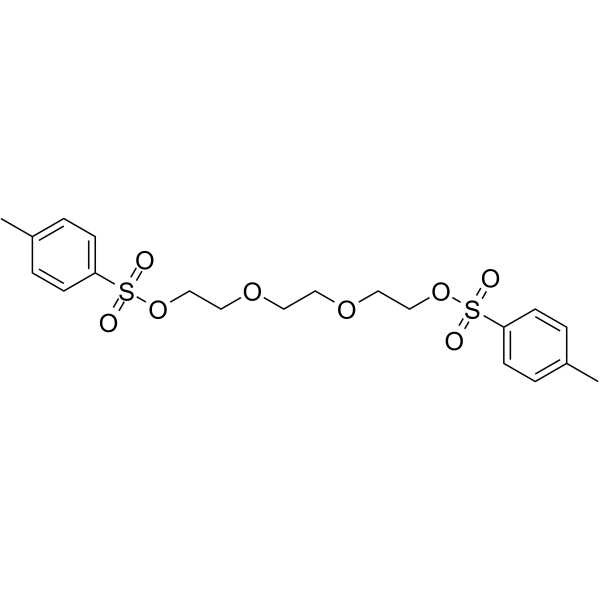
Triethylene glycol bis(p-toluenesulfonate) is a PEG-based PROTAC linker that can be used in the synthesis of PROTACs .
loading...
    loading...