1. Search Result
Search Result
Results for "

bone development

" in MedChemExpress (MCE) Product Catalog:

16

Inhibitors & Agonists

5

Screening Libraries

2

Peptides

1

MCE Kits

1

Natural
Products

3

Oligonucleotides

Cat. No. Product Name Target Research Areas Chemical Structure
  • HY-16268
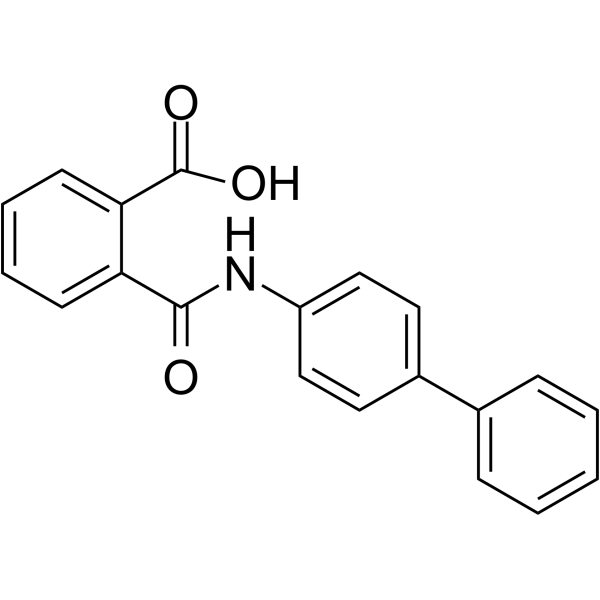
    Kartogenin
    Maximum Cited Publications
    31 Publications Verification

    KGN

    TGF-beta/Smad Inflammation/Immunology
    Kartogenin (KGN) is an inducer of chondrogenic tissue formation (EC50: 100 nM). Kartogenin induces chondrogenesis by binding to fibrin A, disrupting its interaction with the transcription factor core binding factor beta subunit (CBFβ), and by modulating the CBFβ-RUNX1 transcriptional program. Kartogenin also promotes tendon-bone junction (TBJ) wound healing by stimulating collagen synthesis. Kartogenin is widely used in cell-free therapy in the field of regeneration for cartilage regeneration and protection, tendon-bone healing, wound healing and limb development. Kartogenin promotes cartilage repair, coordinates limb development, and is also used in osteoarthritis (OA) research .
    Kartogenin
  • HY-B0631
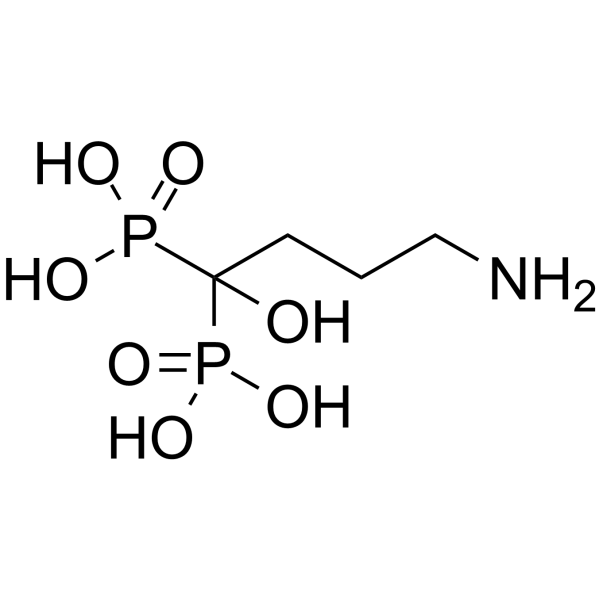
    Alendronic acid
    5+ Cited Publications

    NF-κB Interleukin Related Metabolic Disease
    Alendronate acid is an orally active bisphosphonate which binds to bone surfaces and inhibits bone resorption by osteoclasts. Alendronate acid induces skeletal alterations in the chicken embryonic development model. Alendronate acid can be used for osteoporosis research .
    Alendronic acid
  • HY-108685
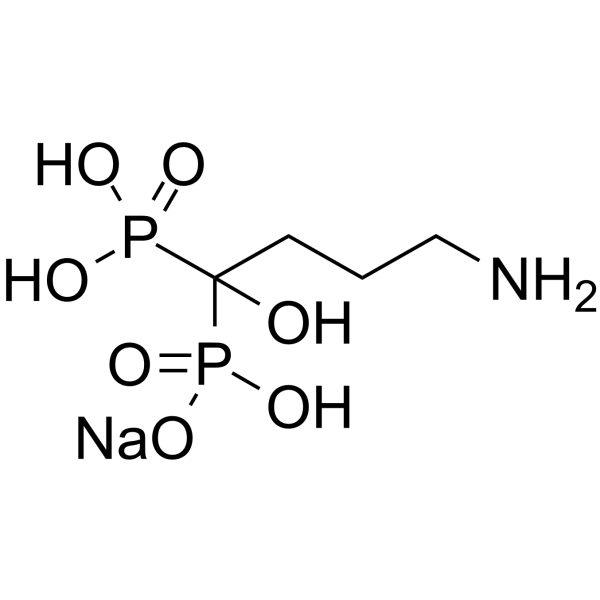
    Alendronate sodium
    5+ Cited Publications

    Alendronic acid monosodium salt

    NF-κB Interleukin Related Metabolic Disease
    Alendronate sodium is an orally active bisphosphonate which binds to bone surfaces and inhibits bone resorption by osteoclasts. Alendronate sodium induces skeletal alterations in the chicken embryonic development model. Alendronate sodium can be used for osteoporosis research .
    Alendronate sodium
  • HY-15130

    Endogenous Metabolite Metabolic Disease
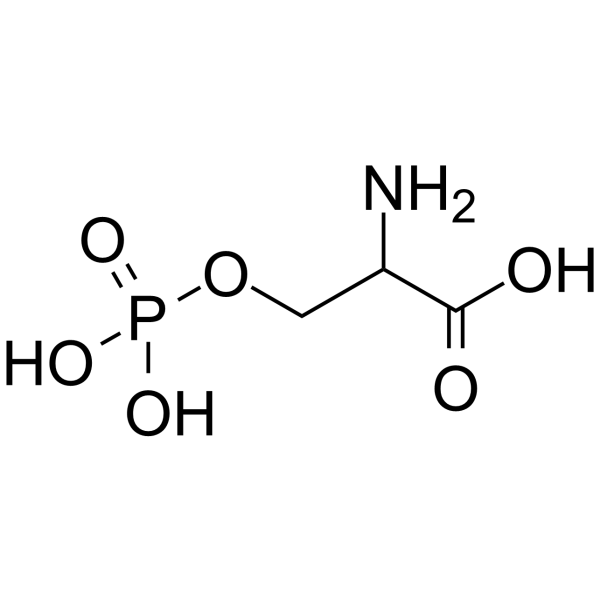
    DL-O-Phosphoserine is a normal metabolite in human biofluids and is a mixture of phosphoserine with two stereochemical structures (D-type and L-type O-phospho-serine). O-phospho-L-serine is a competitive inhibitor of serine racemase and phagocytosis. O-phospho-L-serine inhibits the enzymatic reaction by competing with the active site of serine racemase, thereby affecting the production of D-serine. O-phospho-L-serine also mimics the phosphatidylserine head group, binds to the phosphatidylserine receptor, interferes with phagocytic signal transduction, and partially blocks the phagocytosis of apoptotic cells by cells. O-phospho-L-serin can be used in the research of retinal regeneration, bone repair, and insect growth and development .
    DL-O-Phosphoserine
  • HY-16268A
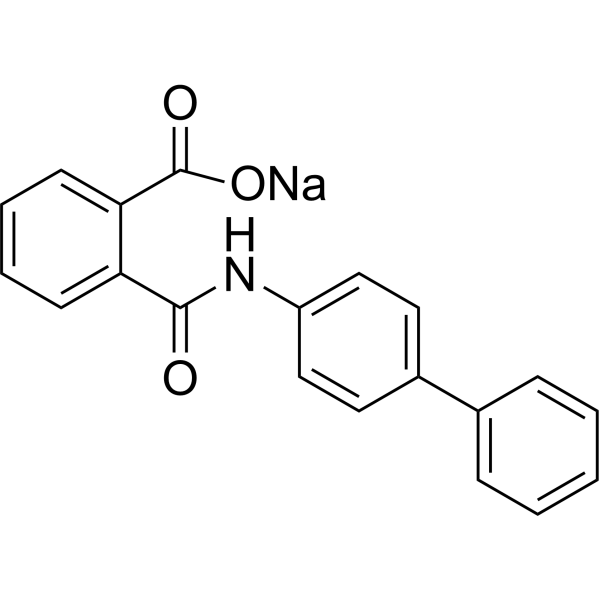
    Kartogenin sodium
    Maximum Cited Publications
    31 Publications Verification

    KGN sodium

    TGF-beta/Smad Inflammation/Immunology
    Kartogenin (KGN) sodium is an inducer of chondrogenic tissue formation (EC50: 100 nM). Kartogenin sodium induces chondrogenesis by binding to fibrin A, disrupting its interaction with the transcription factor core binding factor beta subunit (CBFβ), and by modulating the CBFβ-RUNX1 transcriptional program. Kartogenin sodium also promotes tendon-bone junction (TBJ) wound healing by stimulating collagen synthesis. Kartogenin sodium is widely used in cell-free therapy in the field of regeneration for cartilage regeneration and protection, tendon-bone healing, wound healing and limb development. Kartogenin sodium promotes cartilage repair, coordinates limb development, and is also used in osteoarthritis (OA) research .
    Kartogenin sodium
  • HY-B2203

    Phosphatase Metabolic Disease
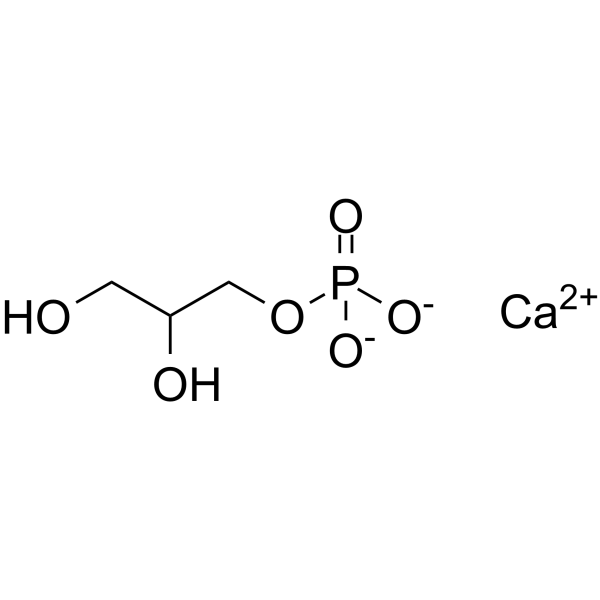
    Monocalcium glycerophosphate is an inhibitor of intestinal alkaline phosphatase F3, and it has anti-cavity properties. Monocalcium glycerophosphate is a source of calcium and phosphorus in total parenteral nutrition solutions, helps prevent the mineralization and development of bones from intravenous nutrition, and maintains the integrity of the intestinal epithelium .
    Monocalcium glycerophosphate
  • HY-P2612A

    TNF Receptor Others Cancer
    WP9QY, TNF-a Antagonist, TNF-a Antagonist is a biological active peptide. (This cyclic peptide is designed to mimic the most critical tumor necrosis factor (TNF) recognition loop on TNF receptor I. It prevents interactions of TNF with its receptor. This TNF antagonist is a useful template for the development of small molecular inhibitors to prevent both inflammatory bone destruction and systemic bone loss in rheumatoid arthritis.)
    WP9QY TFA
  • HY-124081

    Apoptosis Metabolic Disease
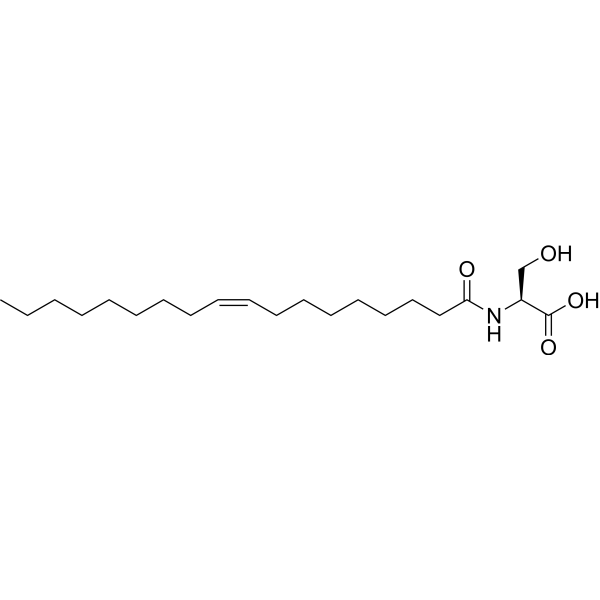
    N-Oleoyl-L-Serine is an endogenous amide of long-chain fatty acids with ethanolamine (N-acyl amides). N-Oleoyl-L-Serine is a lipid regulator of bone remodeling and stimulates osteoclast apoptosis. N-Oleoyl-L-Serine can be used for antiosteoporotic drug discovery development .
    N-Oleoyl-L-serine
  • HY-125146

    Wnt Others
    BMD4503-2 is a quinoxaline derivative with inhibitory activity against LRP5/6-sclerostin interactions. BMD4503-2 restores the activity of the Wnt/β-catenin signaling pathway by competitively binding to the LRP5/6-sclerostin complex. BMD4503-2 can be used in the study of Wnt signaling pathways in bone development, maintenance and osteoporosis .
    BMD4503-2
  • HY-176547

    FGFR Cytochrome P450 Endocrinology
    FGFR2/3-IN-3 is a dual-target FGFR2/3 inhibitor with IC50s of 2.7 nM (TEL-FGFR2) and 3.9 nM (TEL-FGFR3), respectively. FGFR2/3-IN-3 has effective activity against both wild-type and mutant FGFR3. FGFR2/3-IN-3 has low CYP3A4 inhibitory effect and hERG toxicity. FGFR2/3-IN-3 improves the imbalance between chondrocyte proliferation and differentiation and promotes bone growth by inhibiting the signaling pathway mediated by mutant FGFR3. FGFR2/3-IN-3 shows a growth-promoting effect in a dwarfism mouse model and has the potential to study bone development disorder-related diseases such as achondroplasia (ACH) .
    FGFR2/3-IN-3
  • HY-114954

    GPR55 Neurological Disease Inflammation/Immunology
    CID1792197 is a GPR55 agonist with an EC50 value of 0.11 μM .
    CID1792197
  • HY-174643

    mRNA Inflammation/Immunology
    Human IL11RA mRNA encodes the human interleukin 11 receptor subunit alpha (IL11RA) protein, a member of the hematopoietic cytokine receptor family. IL11RA is essential for the normal development of craniofacial bones and teeth.
    Human IL11RA mRNA
  • HY-174704

    mRNA Cancer
    Human FGF18 mRNA encodes the human fibroblast growth factor 18 (FGF18) protein, a member of the fibroblast growth factor (FGF) family. FGF18 probably plays an important role in the regulation of cell proliferation, cell differentiation and cell migration. It is also required for normal ossification and bone development.
    Human FGF18 mRNA
  • HY-174779

    mRNA Cancer
    Human AREG mRNA encodes the human amphiregulin (AREG) protein, a member of the epidermal growth factor family. AREG interacts with the EGF/TGF-alpha receptor to promote the growth of normal epithelial cells, and inhibits the growth of certain aggressive carcinoma cell lines. It also functions in mammary gland, oocyte and bone tissue development.
    Human AREG mRNA
  • HY-152940

    C24:1 β-glucosylceramide

    Drug Derivative PKC C-type Lectin-like Receptors (CTLRs) Metabolic Disease Inflammation/Immunology
    βGlcCer is a glycosphingolipid. βGlcCer directly increases the development and PKCα and PKCδ activation in mouse bone marrow-derived DCs (BMDCs) . β-GlcCer accumulating in Gaucher disease activates microglia through macrophage-inducible C-type lectin (Mincle) to induce phagocytosis of living neurons, which exacerbates Gaucher symptoms .
    βGlcCer
  • HY-171239

    Toll-like Receptor (TLR) NF-κB MHC Others
    Ste2Cys is a diacylglycerol cysteine-type immunologic adjuvant lipid molecule. Ste2Cys can bind to TLR2 and activate NF-κB signaling pathway. Ste2Cy can upregulate the expression of MHC II class molecules on the surface of mouse bone marrow-derived D1 dendritic cells. Ste2Cys can be used for research of the development of immunologic vaccines .
    Ste2Cys

Inquiry Online

Your information is safe with us. * Required Fields.

Salutation


Country or Region *

Applicant Name *


Organization Name *

Department *


Email Address *


Product Name *

Cat. No.


Requested quantity *

Phone Number *


Remarks

Inquiry Online

Inquiry Information

Product Name:
Cat. No.:
Quantity:
MCE Japan Authorized Agent:

