1. Search Result
Search Result
Results for "

caffeic

" in MedChemExpress (MCE) Product Catalog:

32

Inhibitors & Agonists

2

Peptides

18

Natural
Products

2

Isotope-Labeled Compounds

Cat. No. Product Name Target Research Areas Chemical Structure
  • HY-N0172
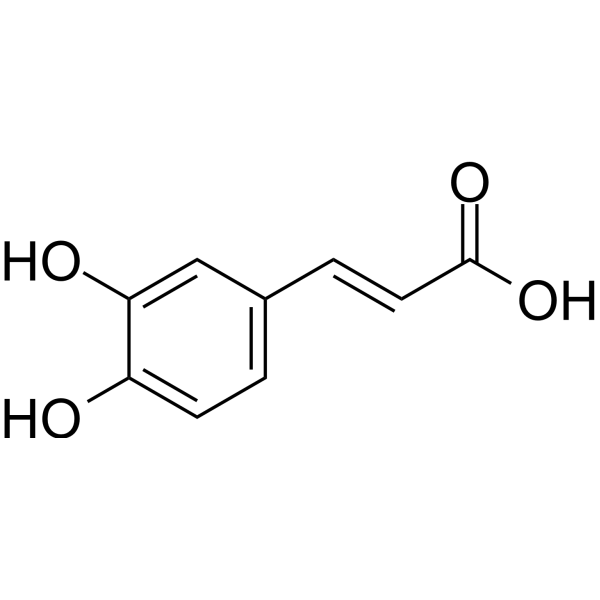
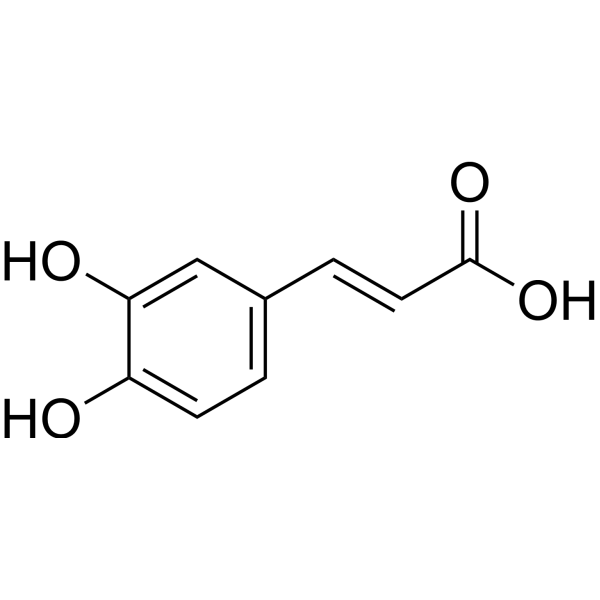
    Caffeic acid
    5+ Cited Publications

    TRP Channel Lipoxygenase Endogenous Metabolite Inflammation/Immunology Cancer
    Caffeic acid is an inhibitor of both TRPV1 ion channel and 5-Lipoxygenase (5-LO).
    Caffeic acid
  • HY-N0274
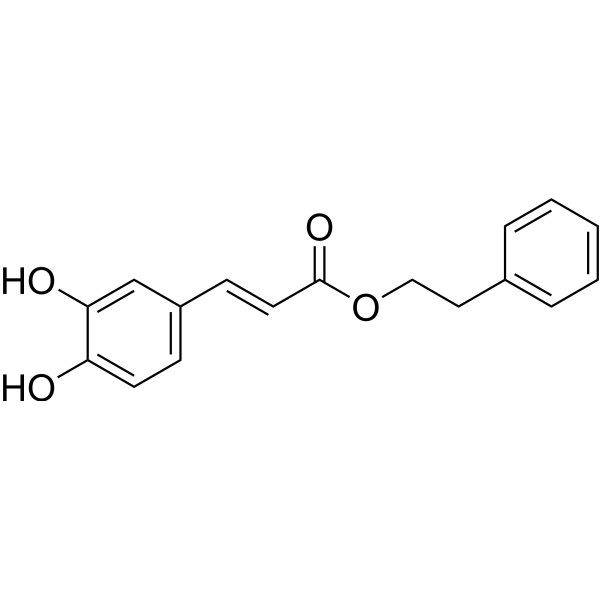
    Caffeic acid phenethyl ester
    Maximum Cited Publications
    15 Publications Verification

    NF-κB Apoptosis Inflammation/Immunology Cancer
    Caffeic acid phenethyl ester is a NF-κB inhibitor.
    Caffeic acid phenethyl ester
  • HY-126415
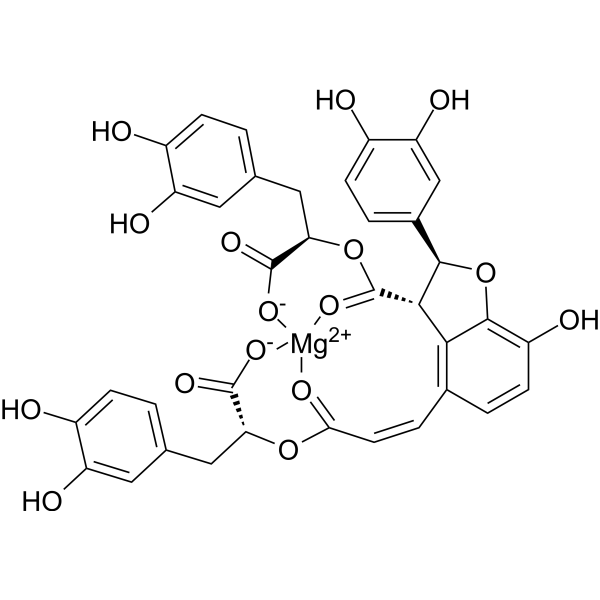
    Magnesium Lithospermate B
    1 Publications Verification

    Na+/K+ ATPase Cardiovascular Disease Neurological Disease Inflammation/Immunology
    Magnesium Lithospermate B, is a derivative of caffeic acid tetramer and an inhibitor of Na+/K+ ATPase, which can be extracted from Salviae miltiorrhizae. Magnesium Lithospermate B is widely used for the research of cardiovascular diseases, and it can protect against glucose-induced intracellular oxidative damage. Magnesium Lithospermate B also suppresses neuroin?ammation and attenuates neurodegeneration .
    Magnesium Lithospermate B
  • HY-113357

    Endogenous Metabolite Neurological Disease Metabolic Disease Inflammation/Immunology
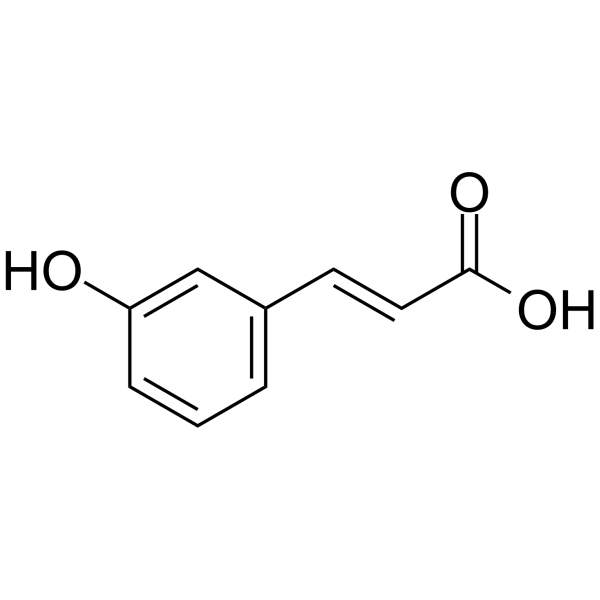
    m-Coumaric acid is a polyphenol metabolite from caffeic acid, formed by the gut microflora and the amount in human biofluids is diet-dependant. m-Coumaric acid is a BBB-penetrant metabolite of chlorogenic acid. m-Coumaric acid stimulates the cerebral nerves in vitro. m-Coumaric acid can evoke neurite outgrowth in hippocampal neuronal cells. m-Coumaric acid can promote neuronal differentiation. m-Coumaric acid increases spontaneous locomotor activity in mice by acting on the central nervous system. m-Coumaric acid inhibits the oxidation of L-dopa by epidermis tyrosinase. m-Coumaric acid attenuates non-catalytic protein glycosylation in retinas of diabetic rats .
    m-Coumaric acid
  • HY-121231

    Others Others
    trans-Caffeic acid is a growth stimulator that enhances the elongation growth of coleoptile sections .
    trans-Caffeic acid
  • HY-160236

    Drug Metabolite Neurological Disease
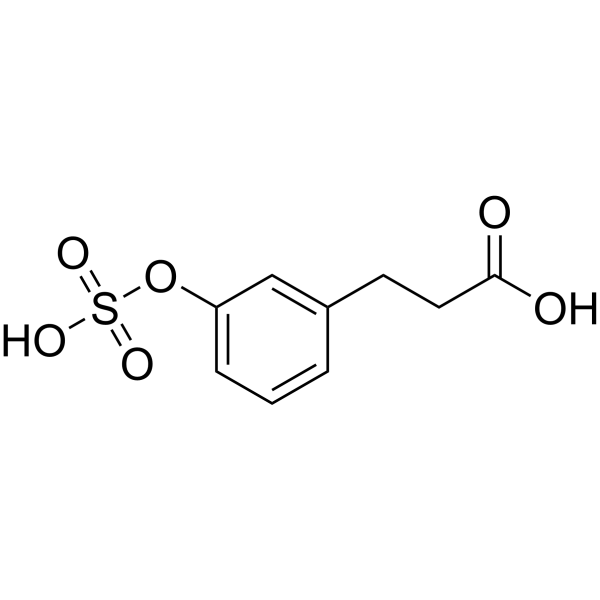
    3-(3-Sulfooxyphenyl) propanoic acid is a metabolite of Echinacoside (HY-N0020). It promotes neural, psychological and brain health, enhances the proliferation, function and activity of brain cells, and facilitates extinction learning. 3-(3-Sulfooxyphenyl) propanoic acid can be used in research related to anxiety disorders, post-traumatic stress disorder, extinction learning deficits, autism, as well as neurodegenerative diseases including Parkinson's disease and Alzheimer's disease .
    3-(3-Sulfooxyphenyl)propanoic acid
  • HY-N11229

    caffeic acid butyl ester

    Drug Derivative Neurological Disease
    Butyl caffeate (Caffeic acid butyl ester) is a caffeic acid derivative with antioxidant activity and lipophilicity (DPPH IC50 = 14.1 μM). Butyl caffeate protects neuronal PC12 cells against oxidative stress. Butyl caffeate can be used for oxidative stress related and neurodegenerative diseases research .
    Butyl caffeate
  • HY-N6880

    (+)-Rabdosiin

    Drug Derivative Others
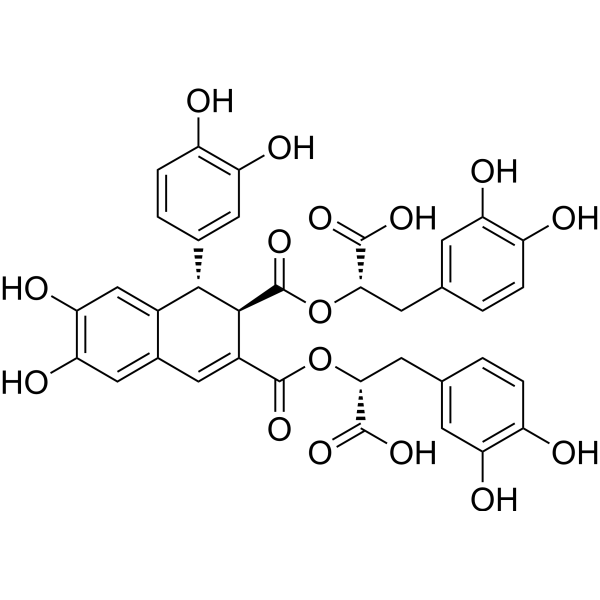
    Rabdosiin ((+)-Rabdosiin) is a Caffeic acid (HY-N0172) tetramer. Rabdosiin can be isolated from Macrotomia euchroma .
    Rabdosiin
  • HY-N0172R

    Reference Standards TRP Channel Lipoxygenase Endogenous Metabolite Inflammation/Immunology Cancer
    Caffeic acid (Standard) is the analytical standard of Caffeic acid. This product is intended for research and analytical applications. Caffeic acid is an inhibitor of both TRPV1 ion channel and 5-Lipoxygenase (5-LO).
    Caffeic acid (Standard)
  • HY-116284

    Methyl β-D-glucoside

    Drug Intermediate Others
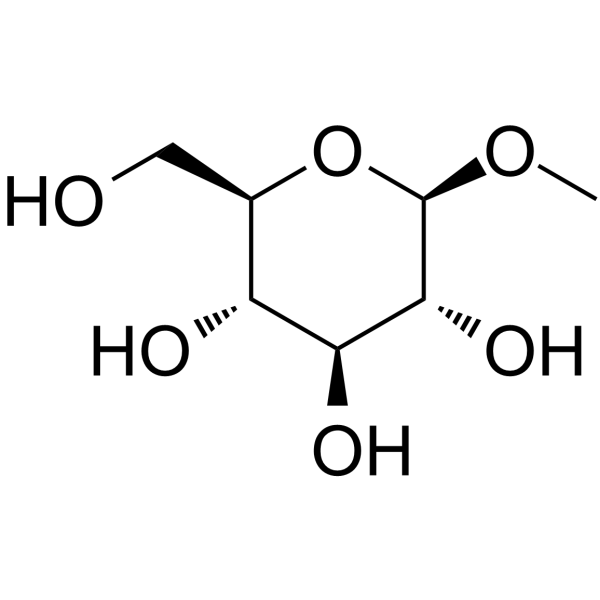
    Methyl β-D-glucopyranoside (Methyl β-D-glucoside) is a model glycosyl acceptor for enzymatic glycosylation reactions. Methyl β-D-glucopyranoside participates in glycoside synthesis and can react with acyl donors such as caffeic acid esters under the catalysis of specific enzymes (such as Lipozyme TL IM) to achieve acylation modification. Methyl β-D-glucopyranoside can generate biologically active derivatives (such as 6-O-caffeoyl glucoside). Methyl β-D-glucopyranoside can be used in organic synthesis and biocatalysis research, especially the efficient enzymatic preparation of medicinal glycosides (such as Robustaside B (HY-N2720), 6-O-caffeoyl salidroside) .
    Methyl β-D-glucopyranoside
  • HY-N0172S

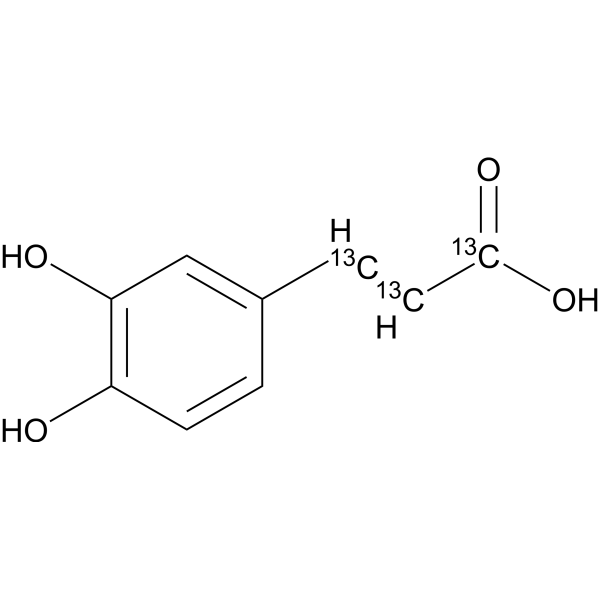
    3,4-Dihydroxycinnamic acid-13C3

    Bacterial Fungal Infection
    Caffeic acid- 13C3 is an 13C labeled caffeic acid. Caffeic acid is a phytonutrient belonging to the flavonoids. Caffeic acid and its derivatives, are potential antimicrobial agents, chronic infection induced by microbes such as bacteria, fungi, and viruses .
    Caffeic acid-13C3
  • HY-N0274R

    NF-κB Apoptosis Reference Standards Inflammation/Immunology Cancer
    Caffeic acid phenethyl ester (Standard) is the analytical standard of Caffeic acid phenethyl ester. This product is intended for research and analytical applications. Caffeic acid phenethyl ester is a NF-κB inhibitor.
    Caffeic acid phenethyl ester (Standard)
  • HY-121231R

    Others Reference Standards Others
    trans-Caffeic acid (Standard) is the analytical standard of trans-Caffeic acid. This product is intended for research and analytical applications. trans-Caffeic acid is a growth stimulator that enhances the elongation growth of coleoptile sections .
    trans-Caffeic acid (Standard)
  • HY-P1377A
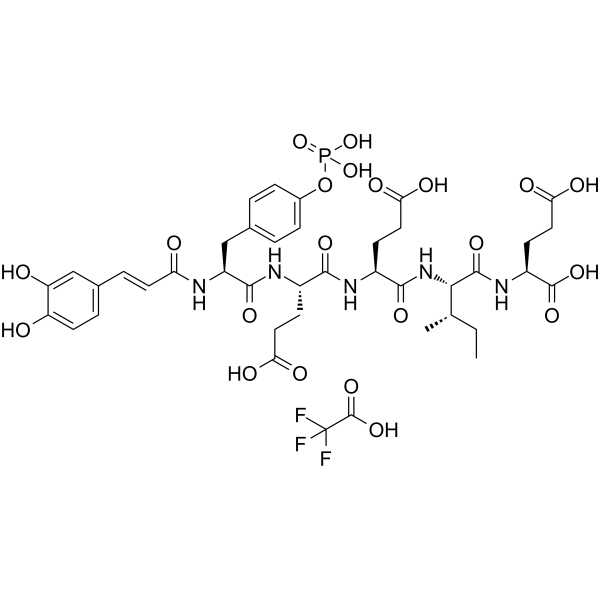
    Caffeic acid-pYEEIE TFA
    1 Publications Verification

    Src Neurological Disease Inflammation/Immunology Cancer
    Caffeic acid-pYEEIE TFA, a phosphopeptide inhibitor, exhibits potent binding affinity for the GST-Lck-SH2 domain .
    Caffeic acid-pYEEIE TFA
  • HY-151388

    Monoamine Oxidase COMT Neurological Disease
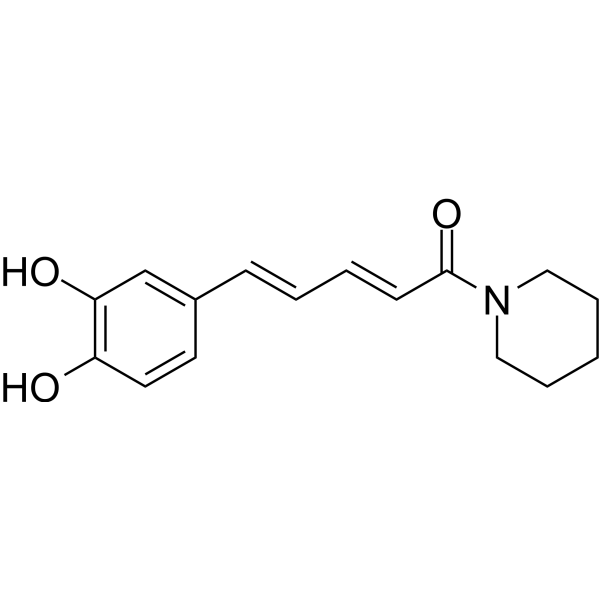
    hMAO-B/MB-COMT-IN-1 is a dual MAO-B/MB-COMT inhibitor (IC50s: 2.5 μΜ for hMAO-B, 3.84 μΜ for MB-COMT). hMAO-B/MB-COMT-IN-1 protects cells against oxidative damage. hMAO-B/MB-COMT-IN-1 can be used in the research of neurodegeneration disease, such as Parkinson’s Disease (PD) .
    hMAO-B/MB-COMT-IN-1
  • HY-113357R

    Reference Standards Endogenous Metabolite Neurological Disease Inflammation/Immunology
    m-Coumaric acid (Standard) is the analytical standard of m-Coumaric acid. This product is intended for research and analytical applications. m-Coumaric acid is a polyphenol metabolite from caffeic acid, formed by the gut microflora and the amount in human biofluids is diet-dependant. m-Coumaric acid is a BBB-penetrant metabolite of chlorogenic acid. m-Coumaric acid stimulates the cerebral nerves in vitro. m-Coumaric acid can evoke neurite outgrowth in hippocampal neuronal cells. m-Coumaric acid can promote neuronal differentiation. m-Coumaric acid increases spontaneous locomotor activity in mice by acting on the central nervous system. m-Coumaric acid inhibits the oxidation of L-dopa by epidermis tyrosinase. m-Coumaric acid attenuates non-catalytic protein glycosylation in retinas of diabetic rats .
    m-Coumaric acid (Standard)
  • HY-P1377

    Src Inflammation/Immunology
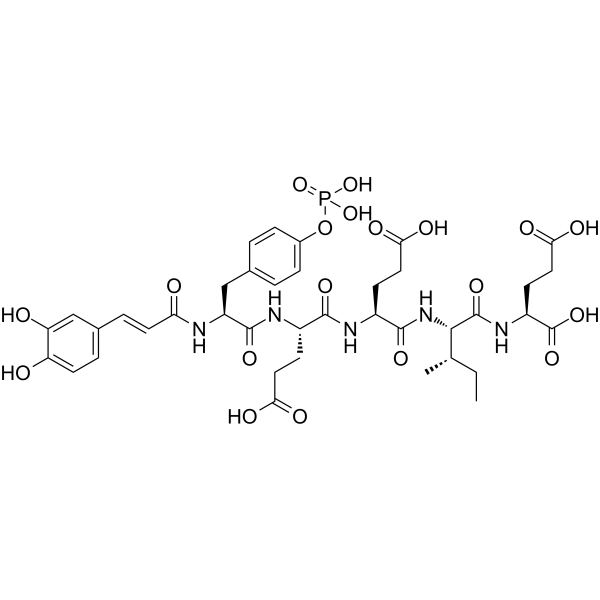
    Caffeic acid-pYEEIE, a phosphopeptide inhibitor, exhibits potent binding affinity for the GST-Lck-SH2 domain .
    Caffeic acid-pYEEIE
  • HY-N17665

    Apoptosis PARP Cancer
    Cimicifugic acid A is a cytotoxic caffeic acid derivative that can be isolated from the rhizomes of Cimicifuga heracleifolia. Cimicifugic acid A shows cytotoxic activity against cancer cells, and increases expression of cleaved PARP, thereby exhibiting pro-apoptotic activity. Cimicifugic acid A can be used for colon cancer research .
    Cimicifugic acid A
  • HY-N6085

    Others Others
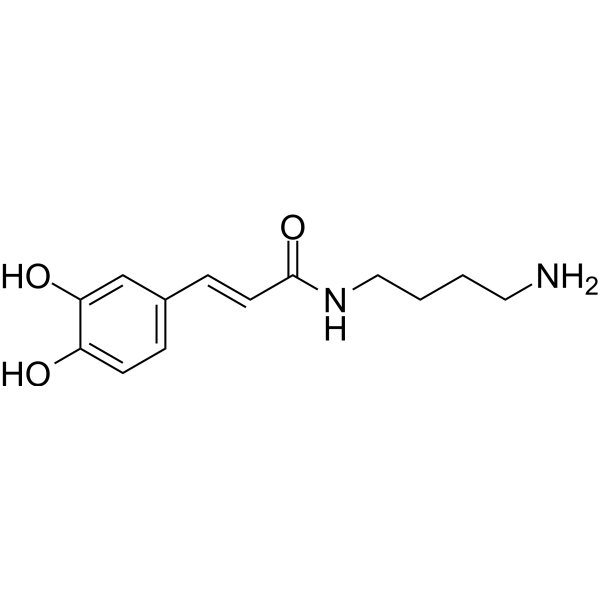
    N-​Caffeoylputrescine,​(E)​- is a caffeic acid amide found in the tobacco plants (Nicotiana tabacum L.) .
    N-​Caffeoylputrescine,​(E)​-
  • HY-W168309A

    Endogenous Metabolite Inflammation/Immunology
    Trans-Caffeic aldehyde is a type of phenylpropanoid compound, which was discovered in the secondary metabolites of the actinomycete Acrocarpospora punica. Trans-Caffeic aldehyde does not exhibit inhibitory activity against NO production in the mouse macrophage (RAW 264.7) model induced by LPS (HY-D1056) .
    trans-Caffeic aldehyde
  • HY-145294

    ROCK Neurological Disease
    ROCK2-IN-5 (compound 1d) is a hybrid compound containing structural fragments of the Rho kinase inhibitor fasudil and the NRF2 inducers caffeic and ferulic acids. ROCK2-IN-5 has good multitarget profile and good tolerability. ROCK2-IN-5 has the potential for thr research of Amyotrophic lateral sclerosis (ALS) with a SOD1 mutation .
    ROCK2-IN-5
  • HY-N8434

    Others Others
    Cinnamyl caffeate is a caffeic acid ester that can be isolated from Slovenian Propolis .
    Cinnamyl caffeate
  • HY-113357S

    Endogenous Metabolite Inflammation/Immunology
    m-Coumaric acid- 13C3 is the 13C-labeled m-Coumaric acid. m-Coumaric acid is a polyphenol metabolite from caffeic acid, formed by the gut microflora and the amount in human biofluids is diet-dependant.
    m-Coumaric acid-13C3
  • HY-W746884

    Cholinesterase (ChE) Neurological Disease
    2-Methyl-2-butenyl (E)-Caffeate is a type of caffeic acid ester compound. The petroleum ether and chloroform extracts containing 2-Methyl-2-butenyl (E)-Caffeate have inhibitory effects on acetylcholinesterase (AChE) and butyrylcholinesterase (BChE). The ether extract containing 2-Methyl-2-butenyl (E)-Caffeate exhibits strong antioxidant properties. 2-Methyl-2-butenyl (E)-Caffeate can be used in the research of Alzheimer's disease .
    2-Methyl-2-butenyl (E)-Caffeate
  • HY-151390

    Monoamine Oxidase COMT Neurological Disease
    hMAO-B/MB-COMT-IN-2 is a dual MAO-B/MB-COMT inhibitor (IC50s: 4.27 μΜ for hMAO-B, 2.69 μΜ for MB-COMT). hMAO-B/MB-COMT-IN-2 protects cells against oxidative damage. hMAO-B/MB-COMT-IN-2 can be used in the research of neurodegeneration disease, such as Parkinson’s Disease (PD) .
    hMAO-B/MB-COMT-IN-2
  • HY-N16847

    Others Others
    3-Methyl-3-butenyl (E)-Caffeate is a caffeic acid ester compound found in Algerian propolis. Algerian propolis has antioxidant and anticholinesterase activities .
    3-Methyl-3-butenyl (E)-Caffeate
  • HY-N18680

    Others Neurological Disease
    Melissa officinalis extract is rich in various bioactive compounds, such as citronellol, geraniol, glycosides, caffeic acid derivatives, flavonoids, and triterpenoids. Melissa officinalis extract can be used in research on conditions such as nervous tension, anxiety, insomnia, and menstrual disorders.
    Melissa officinalis extract
  • HY-W095774

    MMP Cancer
    (E)-N-(3-Methoxyphenyl) cinnamamide (Compound 5h) is a weakly selective inhibitor of MMP-2 and MMP-9, with weak inhibitory activity against hMMP-2 and hMMP-9, showing IC50 values of 1674.81 nM and 1658.63 nM, respectively, and low selectivity for MMP-1. (E)-N-(3-Methoxyphenyl) cinnamamide is applicable for cancer research .
    (E)-N-(3-Methoxyphenyl)cinnamamide
  • HY-116284A

    Methyl β-D-glucoside hemihydrate

    Drug Intermediate Others
    Methyl β-D-glucopyranoside (Methyl β-D-glucoside) hemihydrate is a model glycosyl acceptor for enzymatic glycosylation reactions. Methyl β-D-glucopyranoside hemihydrate participates in glycoside synthesis and can react with acyl donors such as caffeic acid esters under the catalysis of specific enzymes (such as Lipozyme TL IM) to achieve acylation modification. Methyl β-D-glucopyranoside hemihydrate can be used in organic synthesis and biocatalysis research, especially the efficient enzymatic preparation of medicinal glycosides (such as Robustaside B (HY-N2720), 6-O-caffeoyl salidroside) .
    Methyl β-D-glucopyranoside hemihydrate
  • HY-179699

    Caspase Apoptosis Cancer
    Procaspase-3 activator 1 is a potent procaspase-3 activator. Procaspase-3 activator directly activates procaspase-3 through zinc chelation, thereby inducing apoptosis and inhibiting cancer cell proliferation. Procaspase-3 activator 1 can be used for the research of non-small cell lung cancer (NSCLC) and melanoma .
    Procaspase-3 activator 1
  • HY-116284R

    Methyl β-D-glucoside (Standard)

    Reference Standards Drug Intermediate Others
    Methyl β-D-glucopyranoside (Methyl β-D-glucoside) (Standard) is the analytical standard of Methyl β-D-glucopyranoside. This product is intended for research and analytical applications. Methyl β-D-glucopyranoside is a model glycosyl acceptor for enzymatic glycosylation reactions. Methyl β-D-glucopyranoside participates in glycoside synthesis and can react with acyl donors such as caffeic acid esters under the catalysis of specific enzymes (such as Lipozyme TL IM) to achieve acylation modification. Methyl β-D-glucopyranoside can be used in organic synthesis and biocatalysis research, especially the efficient enzymatic preparation of medicinal glycosides (such as Robustaside B (HY-N2720), 6-O-caffeoyl salidroside).
    Methyl β-D-glucopyranoside (Standard)
  • HY-160236B

    Drug Metabolite Neurological Disease
    3-(3-Sulfooxyphenyl) propanoic acid disodium is a metabolite of Echinacoside (HY-N0020). 3-(3-Sulfooxyphenyl) propanoic acid disodium promotes neural, psychological and brain health, enhances the proliferation, function and activity of brain cells, and facilitates extinction learning. 3-(3-Sulfooxyphenyl) propanoic acid disodiumis can be used in research related to anxiety disorders, post-traumatic stress disorder, extinction learning deficits, autism, as well as neurodegenerative diseases including Parkinson's disease and Alzheimer's disease .
    3-(3-Sulfooxyphenyl)propanoic acid disodium

Inquiry Online

Your information is safe with us. * Required Fields.

Salutation


Country or Region *

Applicant Name *


Organization Name *

Department *


Email Address *


Product Name *

Cat. No.


Requested quantity *

Phone Number *


Remarks

Inquiry Online

Inquiry Information

Product Name:
Cat. No.:
Quantity:
MCE Japan Authorized Agent:

