1. Search Result
Search Result
Pathways Recommended: Stem Cell/Wnt Cell Cycle/DNA Damage
Results for "

cell repair

" in MedChemExpress (MCE) Product Catalog:

239

Inhibitors & Agonists

10

Screening Libraries

3

Fluorescent Dyes

10

Biochemical Assay Reagents

26

Peptides

3

Inhibitory Antibodies

17

Natural
Products

1

Recombinant Proteins

10

Isotope-Labeled Compounds

1

Antibodies

2

Click Chemistry

11

Oligonucleotides

3

GMP Molecules

Cat. No. Product Name Target Research Areas Chemical Structure
  • HY-13902
    Berzosertib
    20+ Cited Publications

    VE-822; VX-970; M6620

    ATM/ATR Apoptosis STING Caspase Infection Metabolic Disease Cancer
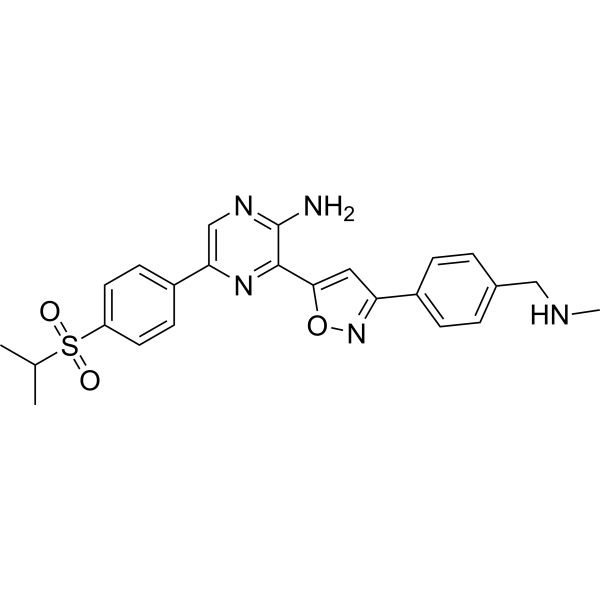
    Berzosertib (VE-822) is an orally active, CNS-penetrant, and selective ATR kinase inhibitor. Berzosertib blocks ATR kinase activity, abrogates G2/M cell cycle checkpoint, impairs DNA damage repair. Berzosertib induces apoptosis, inhibnits conlony migration, inhibits cell proliferation, and activates cGAS-STING axes in cancer cells. Berzosertib can be used for the research of cancers, such as head and neck squamous cell carcinoma, and colorectal cancer .
    Berzosertib
  • HY-132167
    Saruparib
    15+ Cited Publications

    AZD5305

    PARP Cancer
    Saruparib (AZD5305) is a potent, orally active and selective PARP inhibitor and trapper with IC50 values of 3 nM and 1400 nM for PARP1 and PARP2, respectively. Saruparib has anti-proliferative activity and inhibits growth in cells with deficiencies in DNA repair .
    Saruparib
  • HY-B1391
    D-Panthenol
    1 Publications Verification

    Dexpanthenol

    Environmental Pollutants Endogenous Metabolite Inflammation/Immunology Cancer
    D-Panthenol is the biologically-active alcohol of pantothenic acid, which leads to an elevation in the amount of coenzyme A in the cell. D-panthenol exhibits nephroprotective effect in AKI, promotes tissue repair and regeneration.
    D-Panthenol
  • HY-W002585
    O6-Benzylguanine
    2 Publications Verification

    DNA/RNA Synthesis Apoptosis Cancer
    O6-Benzylguanine, a guanine analog, is the DNA repair enzyme O6-alkylguanine-DNA alkyltransferase (MGMT/AGT) inhibitor. O6-Benzylguanine acts as an AGT substrate, which transfers its benzyl group to the AGT cysteine residue, thereby irreversibly inactivating AGT and preventing DNA repair. O6-Benzylguanine induces tumor cell apoptosis. Antineoplastic activity .
    O6-Benzylguanine
  • HY-100016
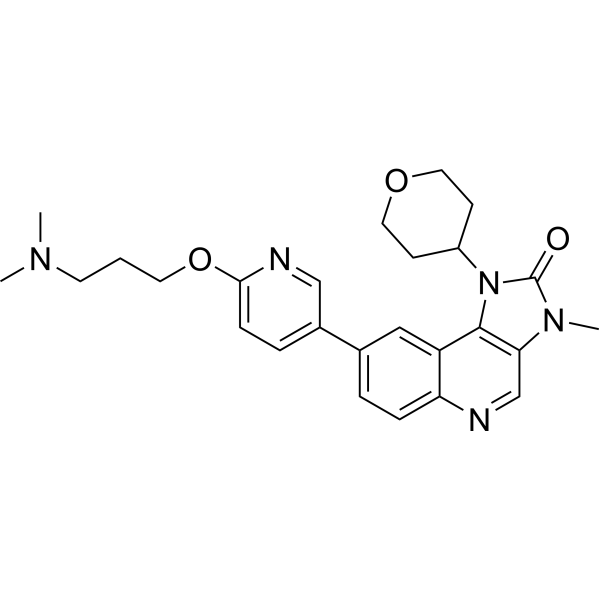
    AZD0156
    10+ Cited Publications

    ATM/ATR Apoptosis Cancer
    AZD0156 is a potent, selective and orally active ATM inhibitor with an IC50 of 0.58 nM. AZD0156 inhibits the ATM-mediated signaling, prevents DNA damage checkpoint activation, disrupts DNA damage repair, and induces tumor cell apoptosis .
    AZD0156
  • HY-W010800

    Topoisomerase DNA/RNA Synthesis Apoptosis Necroptosis Cancer
    Cholesteryl hemisuccinate is a with hepatoprotective an anticancer activity. Cholesteryl hemisuccinate inhibits Acetaminophen (AAP, HY-66005) hepatotoxicity, and prevents AAP-induced hepatic apoptosis and necrosis. Cholesteryl hemisuccinate inhibits DNA polymerase and DNA topoisomerase to inhibit DNA replication and repair and cell division. Thus, Cholesteryl hemisuccinate inhibits tumor growth .
    Cholesteryl hemisuccinate
  • HY-114778
    Fluzoparib
    4 Publications Verification

    SHR3162; Fuzuloparib

    PARP Cancer
    Fluzoparib (SHR3162) is a potent and orally active PARP1 inhibitor (IC50=1.46±0.72 nM, a cell-free enzymatic assay) with superior antitumor activity. Fluzoparib selectively inhibits the proliferation of homologous recombination repair (HR)-deficient cells, and sensitizes both HR-deficient and HR-proficient cells to cytotoxic agents. Fluzoparib exhibits good pharmacokinetic properties in vivo and can be used for BRCA1/2-mutant relapsed ovarian cancer research .
    Fluzoparib
  • HY-19959
    Mirin
    5+ Cited Publications

    ATM/ATR Apoptosis Cancer
    Mirin is a potent Mre11-Rad50-Nbs1 (MRN) complex inhibitor. Mirin prevents MRN-dependent activation of ATM (IC50=12 μM) without affecting ATM protein kinase activity, and it inhibits Mre11-associated exonuclease activity. Mirin abolishes the G2/M checkpoint and homology-dependent repair in mammalian cells. Mirin prevents ATM activation in response to DNA double-strand breaks (DSBs) and blocks homology-directed repair (HDR) in mammalian cells .
    Mirin
  • HY-118630
    Vacuolin-1
    10+ Cited Publications

    PIKfyve Autophagy Cancer
    Vacuolin-1 is a potent and cell-permeable lysosomal exocytosis inhibitor. Vacuolin-1 blocks the Ca 2+-dependent exocytosis of lysosomes and prevents the release of lysosomal content without affecting the process of resealing. vacuolin‐1 is a potent and selective PIKfyve inhibitor and inhibits late‐stage autophagy by impairing lysosomal maturation. Vacuolin-1 can induce vacuole formation and increase the percentage of enucleated cells .
    Vacuolin-1
  • HY-107845
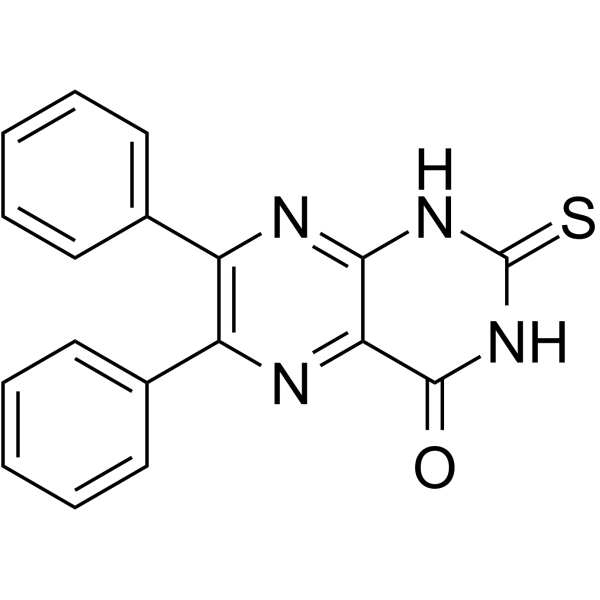
    SCR7 pyrazine
    15+ Cited Publications

    DNA/RNA Synthesis Apoptosis Cancer
    SCR7 pyrazine is a DNA ligase IV inhibitor that blocks nonhomologous end-joining (NHEJ) in a ligase IV-dependent manner. SCR7 pyrazine increases the efficiency of Cas9-mediated homology-directed repair (HDR). SCR7 pyrazine induces cell apoptosis and has anticancer activity .
    SCR7 pyrazine
  • HY-110111
    T2AA
    2 Publications Verification

    DNA/RNA Synthesis Cancer
    T2AA is a monoubiquitinated proliferating cell nuclear antigen (PCNA) inhibitor that prevents DNA repair, increases double-strand break (DSB) formation and promotes necroptosis and cell cycle arrest in G1 phase .
    T2AA
  • HY-130603
    DCZ0415
    5 Publications Verification

    NF-κB Apoptosis Cancer
    DCZ0415, a potent TRIP13 inhibitor, impairs nonhomologous end joining repair and inhibits NF-κB activity. DCZ0415 induces anti-myeloma activity in vitro, in vivo, and in primary cells derived from drug-resistant myeloma patients .
    DCZ0415
  • HY-108692

    Apoptosis Endogenous Metabolite Cancer
    Enterolactone is a bioactive phenolic metabolite known as a mammalian lignan derived from dietary lignans. Enterolactone has estrogenic properties and anti-breast cancer activity . Enterolactone is a radiosensitizer for human breast cancer cell lines through impaired DNA repair and increased apoptosis .
    Enterolactone
  • HY-106014

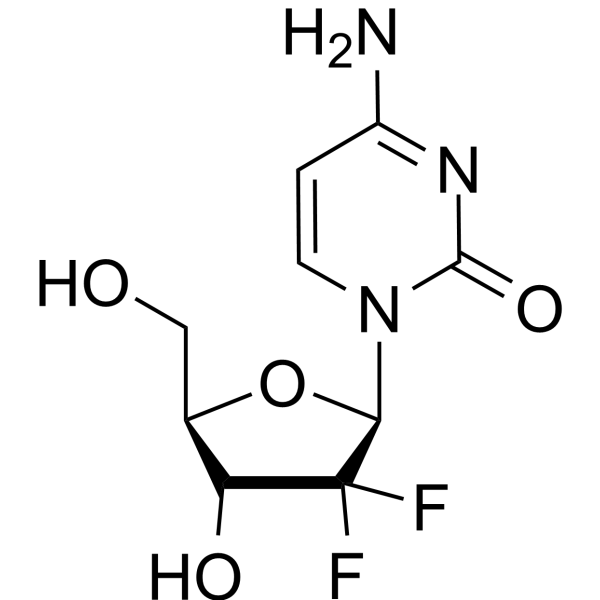
    DNA/RNA Synthesis Nucleoside Antimetabolite/Analog Apoptosis Cancer
    Tezacitabine is a cytostatic and cytotoxic antimetabolite and a nucleoside analogue. Tezacitabine irreversibly inhibits the ribonucleotide reductase and interferes with DNA replication and repair. Tezacitabine effectively induces cells apoptotic. Tezacitabine has the potential for leukemias and solid tumors (carcinomas) treatment .
    Tezacitabine
  • HY-111940

    Raf p38 MAPK ERK Inflammation/Immunology
    LUT014 is a topical inhibitor targeting BRAF that cannot pass through the blood-brain barrier. LUT014 inhibits BRAF kinase and abnormally activates the MAPK/ERK signaling pathway, promoting the proliferation of epidermal keratinocytes, repairing skin barrier damage caused by radiation damage, and alleviating inflammatory responses. LUT014 is independent of RAS signaling and accelerates the repair and regeneration of damaged skin cells. LUT014 can be used to study radiation dermatitis, especially skin damage caused by breast cancer radiotherapy .
    LUT014
  • HY-103710
    IBR2
    5+ Cited Publications

    RAD51 Apoptosis Cancer
    IBR2 is a potent and specific RAD51 inhibitor and inhibits RAD51-mediated DNA double-strand break repair. IBR2 disrupts RAD51 multimerization, accelerates proteasome-mediated RAD51 protein degradation, inhibits cancer cell growth and induces apoptosis .
    IBR2
  • HY-144425

    NEKs Inflammation/Immunology
    BSc5367 is a potent Nek1 inhibitor with an IC50 of 11.5 nM. NIMA-related protein kinase Nek1 is crucially involved in cell cycle regulation, DNA repair and microtubule regulation and dysfunctions of Nek1 play key roles in amyotrophic lateral sclerosis (ALS), polycystic kidney disease (PKD) and several types of radiotherapy resistant cancer .
    BSc5367
  • HY-16904
    RI-2
    1 Publications Verification

    RAD51 Cancer
    RI-2 is a reversible RAD51 inhibitor, with an IC50 of 44.17 μM, and specifically inhibits homologous recombination repair in human cells.
    RI-2
  • HY-120836
    AOH1160
    1 Publications Verification

    DNA/RNA Synthesis Apoptosis Cancer
    AOH1160 is a potent oral small molecule proliferating cell nuclear antigen (PCNA) inhibitor that interferes with DNA replication, blocks homologous recombination-mediated DNA repair, leads to cell cycle arrest and induces apoptosis .
    AOH1160
  • HY-P5558

    VEGFR Neurological Disease
    KLTWQELYQLKYKGI is a VEGF mimetic peptide designed based on the VEGF helix sequence 17-25, with the ability to activate VEGF receptors and exert pro-angiogenic biological activity. KLTWQELYQLKYKGI effectively promotes the attachment, spreading and proliferation of human umbilical vein endothelial cells. KLTWQELYQLKYKGI enhances the proliferation, migration and osteogenic differentiation of bone marrow stromal cells (BMSCs). KLTWQELYQLKYKGI synergistically accelerates angiogenesis and bone regeneration in rat cranial defect models. KLTWQELYQLKYKGI can be used for the research of brain tissue engineering and traumatic brain injury repair and biomaterials for bone tissue engineering and bone repair .
    KLTWQELYQLKYKGI
  • HY-145758
    FEN1-IN-SC13
    3 Publications Verification

    Endonuclease Cancer
    FEN1-IN-SC13 is a potent DNA fragmentation endonuclease 1 (FEN1) inhibitor with antitumor activity. FEN1-IN-SC13 interferes with DNA replication and repair in vitro and in cells .
    FEN1-IN-SC13
  • HY-W037823

    Biochemical Assay Reagents Others
    Pterin-6-carboxylic acid serves as a precursor for the formation of folate, which plays a critical role in cell growth, development, and repair. Pterine-6-carboxylic acid has been studied for its potential as a fluorescent dye .
    Pterin-6-carboxylic acid
  • HY-B1076
    Medrysone
    1 Publications Verification

    HMS; 6α-Methyl-11β-hydroxyprogesterone

    VEGFR CCR STAT Neurological Disease
    Medrysone (HMS; 6α-Methyl-11β-hydroxyprogesterone) is a STAT6 modulator and M2 macrophage polarization inducer. Medrysone enhances IL-4-triggered STAT6 activation, upregulates the expression of M2 markers, and promotes the secretion of VEGF and CCL2. Medrysone also enhances the pro-migratory activity of M2-like macrophages toward endothelial cells. By regulating macrophage polarization and related repair pathways, Medrysone significantly promotes corneal wound repair in a rat mechanical injury model. Medrysone can be used for research related to corneal injury .
    Medrysone
  • HY-100549
    (S)-Crizotinib
    3 Publications Verification

    DNA/RNA Synthesis Apoptosis Cancer
    (S)-Crizotinib is a potent and selective MTH1 (mutT homologue) inhibitor with an IC50 of 330 nM. (S)-Crizotinib disrupts nucleotide pool homeostasis via MTH1 inhibition, induces an increase in DNA single strand breaks, activates DNA repair in human colon carcinoma cells, and effectively suppresses tumour growth in animal models .
    (S)-Crizotinib
  • HY-173350

    Arf Family GTPase Apoptosis Cancer
    Ran-IN-1 is a specific inhibitor of Ran GTPase. Ran-IN-1 selectively induces cytotoxicity and apoptosis in aneuploid ovarian cancer cells and also inhibits DNA repair. Ran-IN-1 exhibits antitumor activity and is useful for research on tumors such as epithelial ovarian cancer .
    Ran-IN-1
  • HY-139621

    DNA Alkylator/Crosslinker Cancer
    Colibactin 742 is a covalently binding DNA-damaging agent targeting DNA, with an IC50 of 5.2 μM against human cervical cancer cells (HeLa). Colibactin 742 covalently binds to DNA, forming interstrand crosslinks (ICLs), activating the Fanconi anemia DNA repair pathway, inducing γH2AX and FANCD2 foci formation and cell cycle arrest, while exacerbating mismatch repair deficiency (MMRd)-related mutations. Colibactin 742 can mimic the genotoxicity of natural Colibactin while avoiding its instability, and is mainly used in colorectal cancer (CRC) related research, including microbial tumorigenesis mechanisms, DNA damage repair pathways, and mutation signature analysis .
    Colibactin 742
  • HY-152147

    PROTACs HDAC Apoptosis DNA/RNA Synthesis Cancer
    SZUH280 is a potent and selective PROTAC HDAC8 degrader with a DC50 of 0.58 μM in A549 cells. SZUH280 induces cancer cell apoptosis. SZUH280 hampers DNA damage repair in cancer cells, promoting cellular radiosensitization .
    SZUH280
  • HY-15045
    INO-1001
    2 Publications Verification

    PARP Cancer
    INO-1001 is a potent and selective poly (ADP-ribose) polymerase (PARP) inhibitor. INO-1001 is a potent enhancer of radiation sensitivity and enhances radiation-induced cell killing by interfering with DNA repair mechanisms, resulting in necrotic cell death . INO-1001 has anti-tumor effects .
    INO-1001
  • HY-133531

    Poly(ADP-ribose) Glycohydrolase (PARG) Cancer
    PDD00017272 is an inhibitor of poly(ADP-ribose) glycohydrolase (PARG) (EC50=4.8 nM) and an activator of PARP1/2. PDD00017272 inhibits its activity of hydrolyzing poly(ADP-ribose) (pADPr), resulting in the accumulation of pADPr on chromatin, interfering with DNA damage repair and replication processes, and inducing PARP1/2-dependent cytotoxicity. PDD00017272 can be used in cancer models with DNA repair defects (such as BRCA mutations) or resistance to PARP inhibitors. PDD00017272 has a PARG expression level-correlated inhibitory potency with EC50 of 9.2 nM (PARG cells), the tumor cells with lower PARG expression are more sensitive .
    PDD00017272
  • HY-113064
    Selenocystine
    1 Publications Verification

    Endogenous Metabolite Cancer
    Selenocystine is a broad-spectrum anti-cancer agent. Selenocystine induces DNA damage in HepG2 cells, particularly in the form of DNA double strand breaks (DSBs). Selenocystine exhibits great promise as a therapeutic or adjuvant agent targeting DNA repair for cancer treatment .
    Selenocystine
  • HY-172663A

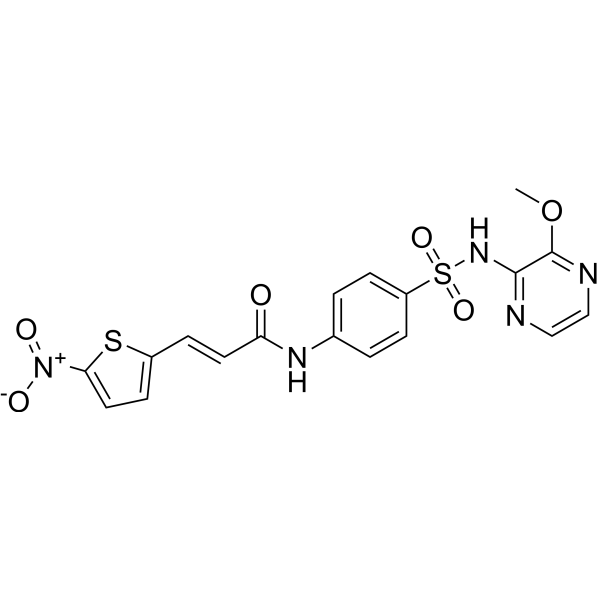
    DNA/RNA Synthesis Apoptosis Cancer
    Trabectedin derivative 1 TFA is a selective DNA minor groove binder. Trabectedin derivative 1 TFA inhibits DNA transcription and repair to induce tumor cell apoptosis. Trabectedin derivative 1 TFA is promising for research of solid tumors such as soft tissue sarcoma and ovarian cancer .
    Trabectedin derivative 1 TFA
  • HY-119684

    NOD-like Receptor (NLR) Interleukin Related Neurological Disease Inflammation/Immunology
    Maresin 2 is an anti-inflammatory and pro-resolving mediator. Maresin 2 drives intestinal epithelial cell migration by activating the focal cell-matrix adhesion signaling pathway in primary human intestinal epithelial cells, thereby promoting mucosal wound repair. Maresin 2 alleviates nociceptive and anxiety-like behaviors in rats with type 1 diabetes by inhibiting IL-1β in the spinal cord and prefrontal cortex. Maresin 2 attenuates allergic airway inflammation in mice by inhibiting the activation of the NLRP3 inflammasome, Th2-type immune responses, and oxidative stress. Maresin 2 inhibits inflammatory and neuropathic trigeminal neuralgia and reduces neuronal activation in the trigeminal ganglion. Maresin 2 promotes inflammation resolution and mucosal repair after DSS-induced colitis or biopsy-induced colonic mucosal injury .
    Maresin 2
  • HY-13540

    GPI 21016

    PARP Cancer
    E7016 (GPI 21016) is an orally available PARP inhibitor. E7016 can enhance tumor cell radiosensitivity in vitro and in vivo through the inhibition of DNA repair. E7016 acts as a potential anticancer agent .
    E7016
  • HY-12319A

    β-catenin Wnt Cardiovascular Disease
    Cardiogenol C hydrochloride is a potent cell-permeable pyrimidine inducer which prompts the differentiation of ESCs into cardiomyocytes (EC50=100 nM) . Cardiogenol C hydrochloride also acts cardiomyogenic on already lineage-committed progenitor cell types with a limited degree of plasticity. Cardiogenol C hydrochloride is a useful cardiomyogenic agent and can be used as a tool to improve cardiac repair by cell transplantation therapy in animal models .
    Cardiogenol C hydrochloride
  • HY-W116007

    Environmental Pollutants DNA/RNA Synthesis Endocrinology
    Octamethylcyclotetrasiloxane promotes the anchorage-independent growth of MCF-10A and MCF-10F cells. Octamethylcyclotetrasiloxane induces DNA damage, inhibits the expression of DNA-repairing protein BRCA1 under long-term and high-concentration exposure. Octamethylcyclotetrasiloxane exhibits intrinsic estrogenic activity .
    Octamethylcyclotetrasiloxane
  • HY-W011425

    Nitrilotris(methylenephosphonic acid)

    Environmental Pollutants DNA Alkylator/Crosslinker MOFs Cancer
    NTPO (Nitrilotris methylenephosphonic acid) is a DNA damage inducer, causing genomic DNA damage and fragmentation, activating ATR-mediated cell cycle checkpoints. The DNA damaging effects of NTPO are abrogated by base excision repair (BER) but not nucleotide excision repair (NER) .
    NTPO
  • HY-164496

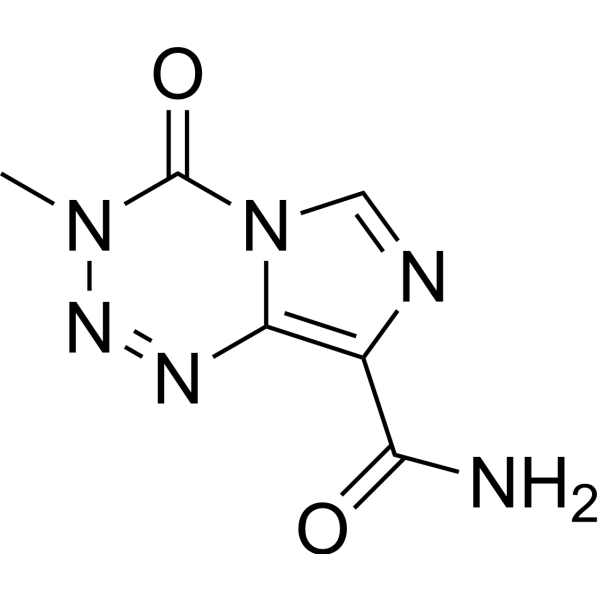
    DNA/RNA Synthesis Cancer
    KL-50 is a selective toxin toward tumors that lack the DNA repair protein O 6-methylguanine-DNA-methyltransferase (MGMT), which reverses the formation of O 6-alkylguanine lesions. KL-50 activates DNA damage response pathways and cycle arrest in MGMT-cells, independent of mismatch repair (MMR). KL-50 is promising for research of brain tumors that lack the DNA repair protein MGMT .
    KL-50
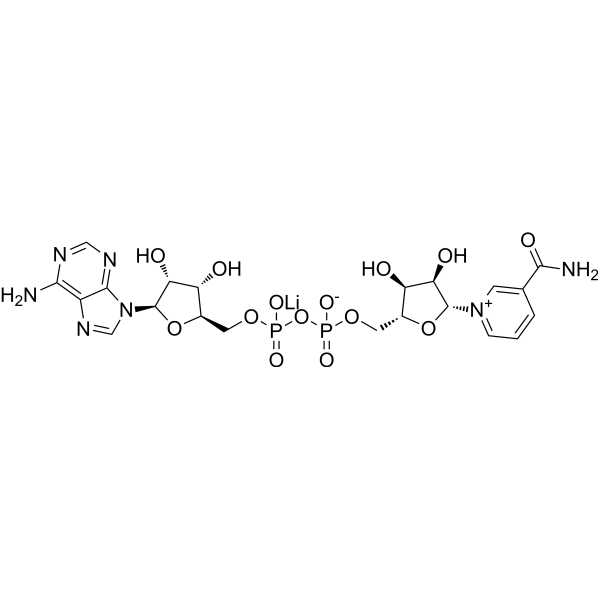
  • HY-W250163
    NAD+ lithium
    40+ Cited Publications

    β-DPN lithium; β-NAD lithium; β-Nicotinamide Adenine Dinucleotide lithium

    Biochemical Assay Reagents Metabolic Disease
    NAD+ lithium (β-DPN lithium) is a lithium salt of nicotinamide adenine dinucleotide. NAD+ is a coenzyme in the REDOX reaction. NAD+ can directly or indirectly affect several key cellular functions, including metabolic pathways, DNA repair, chromatin remodeling, cell aging, and immune cell function .
    NAD+ lithium
  • HY-112821
    IBS008738
    3 Publications Verification

    YAP Inflammation/Immunology
    IBS008738 is a potent TAZ activator. IBS008738 stabilizes TAZ, increases the unphosphorylated TAZ level, enhances the association of MyoD with the myogenin promoter, upregulates MyoD-dependent gene transcription, and competes with myostatin in C2C12 cells. IBS008738 enhances myogenesis in C2C12 cells and facilitates muscle repair in a muscle injury model .
    IBS008738
  • HY-Q04764

    Thyroid Hormone Receptor Apoptosis Cancer
    TI17 is an inhibitor of the thyroid hormone receptor-interacting protein Trip13 and has anticancer activity. TI17 effectively inhibits multiple myeloma (MM) cell proliferation and induces cell cycle arrest and apoptosis. Trip13 is an AAA-ATPase that mediates double-strand break (DSB) repair; TI17 inhibits Trip13 function and increases DNA damage .
    TI17
  • HY-P4911A
    SDF-1α (human) TFA
    2 Publications Verification

    CXCR Cardiovascular Disease
    SDF-1α (human) TFA is a mononuclear cells chemoattractant that can bind to CXCR4. SDF-1α plays a central role in stem cell homing, retention, survival, proliferation, cardiomyocyte repair, angiogenesis and ventricular remodelling following myocardial infarction. SDF-1α (human) TFA can be used in cardiovascular disease research .
    SDF-1α (human) TFA
  • HY-W717504

    Drug Derivative
    Glucosylceramide, plant is a plant-derived glycolipid with anti-inflammatory and immunomodulatory activities. Glucosylceramide, plant plays an important role in promoting cell proliferation and repair. Glucosylceramide, plant is widely used in skin care products to enhance skin barrier function. Glucosylceramide, plant has also been studied for improving nervous system health, showing potential neuroprotective effects.
    Glucosylceramide, plant
  • HY-118622

    Others Others
    Isogentisin is a cell protector. Isogentisin can shield human umbilical vein endothelial cells (HUVEC) from cell death caused by H202 and UV exposure. Isogentisin can also prevent endothelial damage triggered by smoking by activating cell repair functions to promote cell survival .
    Isogentisin
  • HY-P3525A

    Integrin Others
    G-Pen-GRGDSPCA TFA is an αvβ3-inhibiting RGD peptide. G-Pen-GRGDSPCA can limit neointimal hyperplasia and lumen stenosis after vascular injury, as well as regulate the migration and proliferation of smooth muscle cells. G-Pen-GRGDSPCA TFA can be used in the study of the mechanism of vascular injury repair .
    G-Pen-GRGDSPCA TFA
  • HY-139678

    FLAP Opioid Receptor Apoptosis STING Neurological Disease Cancer
    SC13 is an orally active, selective Flap structure-specific endonuclease 1 (FEN1) inhibitor and mu opioid receptor (MOR) activator. SC13 impairs DNA damage repair and induces apoptosis in cancer cells. SC13 activates cGAS-STING signaling, increases chemokine secretion, and promotes CAR-T cell infiltration at solid tumour sites. SC13 can be used for the research of solid tumours and pain .
    SC13
  • HY-B1391R

    Dexpanthenol (Standard)

    Reference Standards Endogenous Metabolite Inflammation/Immunology Cancer
    D-Panthenol (Standard) is the analytical standard of D-Panthenol. This product is intended for research and analytical applications. D-Panthenol is the biologically-active alcohol of pantothenic acid, which leads to an elevation in the amount of coenzyme A in the cell. D-panthenol exhibits nephroprotective effect in AKI, promotes tissue repair and regeneration.
    D-Panthenol (Standard)
  • HY-P4911

    CXCR Cardiovascular Disease
    SDF-1α (human) is a mononuclear cells chemoattractant that can bind to CXCR4. SDF-1α plays a central role in stem cell homing, retention, survival, proliferation, cardiomyocyte repair, angiogenesis and ventricular remodelling following myocardial infarction. SDF-1α (human) can be used in cardiovascular disease research .
    SDF-1α (human)
  • HY-P3525

    Integrin Others
    G-Pen-GRGDSPCA is an αvβ3-inhibiting RGD peptide. G-Pen-GRGDSPCA can limit neointimal hyperplasia and lumen stenosis after vascular injury, as well as regulate the migration and proliferation of smooth muscle cells. G-Pen-GRGDSPCA can be used in the study of the mechanism of vascular injury repair .
    G-Pen-GRGDSPCA
  • HY-122583

    RAD51 Cancer
    D-G23 is a selective RAD52 inhibitor. D-G23 disrupts RAD52-mediated DNA repair pathways and suppresses the growth of BRCA1- and BRCA2-deficient cancer cells. D-G23 is promising for research of homologous recombination-related cancers, such as hereditary breast cancer and ovarian cancer caused by BRCA1/2 mutations .
    D-G23
  • HY-122610

    Natriuretic Peptide Receptor (NPR) Cardiovascular Disease
    VUT-MK142 is a potent new cardiomyogenic synthetic agent promoting the differentiation of pre-cardiac mesoderm into cardiomyocytes, which may be useful to differentiate stem cells into cardiomyocytes for cardiac repair .
    VUT-MK142

Inquiry Online

Your information is safe with us. * Required Fields.

Salutation


Country or Region *

Applicant Name *


Organization Name *

Department *


Email Address *


Product Name *

Cat. No.


Requested quantity *

Phone Number *


Remarks

Inquiry Online

Inquiry Information

Product Name:
Cat. No.:
Quantity:
MCE Japan Authorized Agent:

