

Search Result
Results for "
chromatography
" in MedChemExpress (MCE) Product Catalog:
33
Biochemical Assay Reagents
2
Isotope-Labeled Compounds
| Cat. No. |
Product Name |
Target |
Research Areas |
Chemical Structure |
-
- HY-128699
-
|
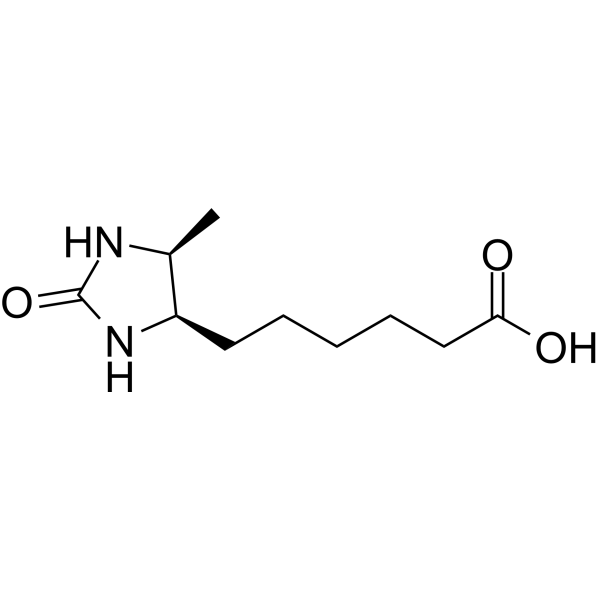
Dethiobiotin
|
Endogenous Metabolite
|
Endocrinology
|
|
D-Desthiobiotin is a biotin derivative. D-Desthiobiotin increases testosterone. D-Desthiobiotin is used in affinity chromatography and protein chromatography, also can be used for protein and cell labeling, detection and isolation .
|
-
-
- HY-B0754A
-
|
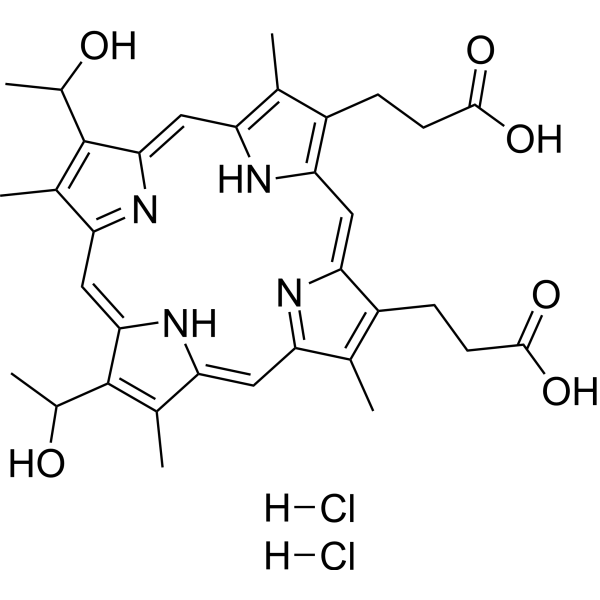
Hematoporphyrin IX dihydrochloride
|
Apoptosis
Endogenous Metabolite
|
Cancer
|
|
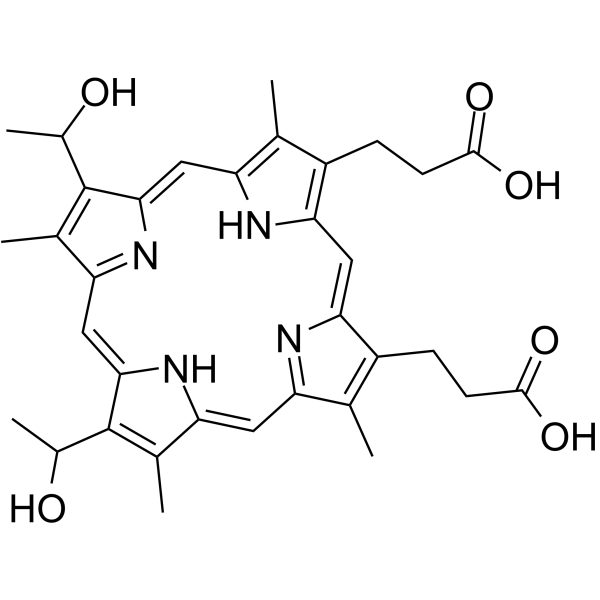
Hematoporphyrin dihydrochloride (Hematoporphyrin IX dihydrochloride), a photosensitizer, is a substrate for affinity chromatography of heme-binding proteins. Hematoporphyrin dihydrochloride can induce apoptosis in U87 glioma cells and decrease tumor growth in vivo when exposed to red light .
|
-
-
- HY-117695
-
|
6-Aminoquinolyl-N-hydroxysccinimidyl carbamate
|
Fluorescent Dye
|
Others
|
|
AQC (6-Aminoquinolyl-N-hydroxysccinimidyl carbamate) is a reagent used for amino acid or protein sequence analysis by HPLC with fluorescence detection. AQC reacts with primary and secondary amino acids to yield fluorescent derivates, allowing amino acid detection at under-picomolar levels .
|
-
-
- HY-P0294
-
|
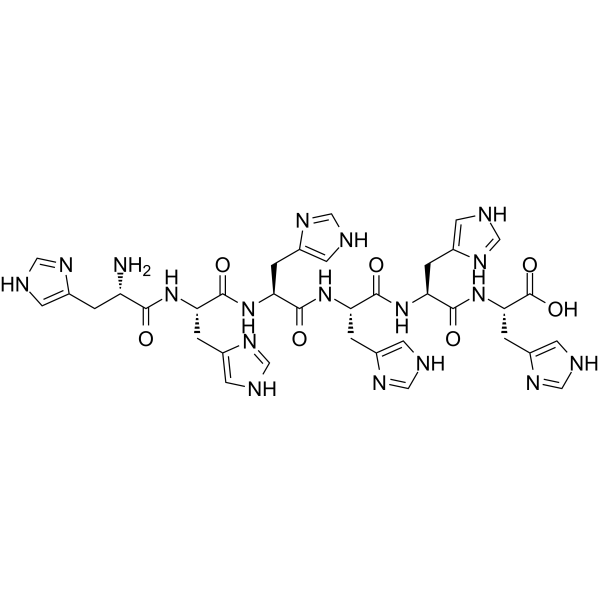
6X His Tag
|
Biochemical Assay Reagents
|
Others
|
|
Hexa-His (6X His Tag) is a commonly used affinity tag made up of six histidine residues. HEXA-HIS can bind to affinity chromatography media containing transition metal ions like nickel (Ni 2+) or cobalt (Co 2+), making it useful for protein purification .
|
-
-
- HY-W134327A
-
|
Diethylaminoethyl dextran (MW 500000)
|
Biochemical Assay Reagents
|
Others
|
|
DEAE-Dextran (MW 500000) is a complex carbohydrate polymer consisting of glucose molecules linked by glycosidic bonds and modified with diethylaminoethyl (DEAE) groups. DEAE-Dextran is a cationic molecule that can be used as a transfection reagent to deliver nucleic acids such as DNA or RNA into cells. Its positive charge interacts with negatively charged cell membranes, facilitating the uptake of nucleic acids. DEAE-Dextran can also be used as an ion-exchange chromatography resin, allowing the separation and purification of biomolecules based on their charge.
|
-
-
- HY-N8045
-
|
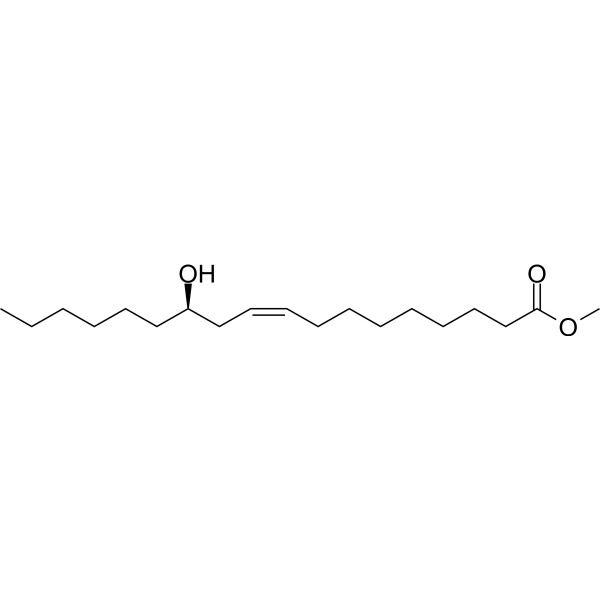
Ricinolic acid methyl ester
|
Biochemical Assay Reagents
|
Others
|
|
Methyl ricinoleate is a compound belonging to the group of fatty acid methyl esters. It is derived from ricinoleic acid, a monounsaturated omega-9 fatty acid found in castor oil. Methyl ricinoleate is often used as a reference compound for the analysis of fatty acid methyl esters by gas chromatography. It has also been investigated for its potential use as a biofuel and as an ingredient in the production of biodegradable plastics and surfactants.
|
-
-
- HY-W027544
-
|
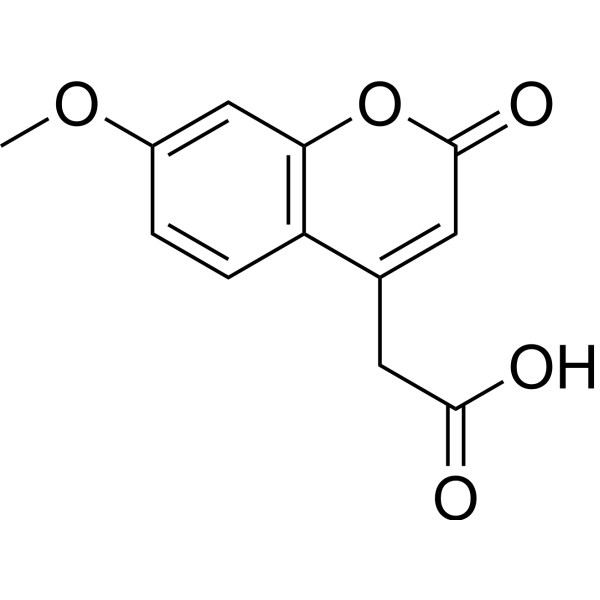
7-Methoxycoumarin-4-acetic acid
|
Fluorescent Dye
|
Others
|
|
MCA (7-Methoxycoumarin-4-acetic acid) is a Coumarin (HY-N0709) derivative. MCA quantitates platelet-activating factor (PAF) by high-performance liquid chromatography with fluorescent detection. MCA can modify FRET peptide substrates for analyzing protease activities .
|
-
-
- HY-148139
-
|
|
Biochemical Assay Reagents
|
Others
|
|
Cross-linked dextran G 75 is a Gel-filtration media. Cross-linked dextran G 75 also is a dextran-based matrix and used for Gel-filtration chromatography (Particle size range: 40-120 μm; Sphere protein separation range: 3K-80K Da; Polysaccharide separation range: 1K-50K Da) .
|
-
-
- HY-W134328
-
|
Dextran blue (MW 2000000)
|
Biochemical Assay Reagents
|
Others
|
|
Blue dextran (Dextran blue) (MW 2000000) is a high-molecular-weight long-chain polymer of D-glucose. Blue dextran (MW 2000000) serves as an important model macromolecular drug and molecular weight estimation marker, and can be used as a standard for gel permeation chromatography. The release of Blue dextran (MW 2000000) from alginate microspheres is regulated by preparation conditions; its release rate in a pH 6.8 environment is significantly faster than that in pH 1.2, and it exhibits release characteristics close to zero-order kinetics under this condition .
|
-
-
- HY-B2243A
-
|
Sodium phosphate monobasic for HPLC; Monosodium dihydrogen orthophosphate for HPLC; Monosodium phosphate for HPLC
|
Environmental Pollutants
Biochemical Assay Reagents
|
Others
|
|
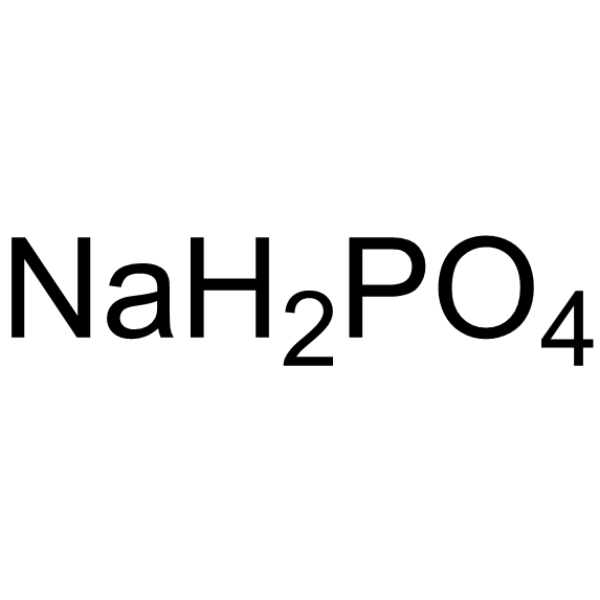
Anhydrous sodium dihydrogen phosphate, for HPLC is widely used in molecular biology, biochemistry and chromatography .
|
-
-
- HY-B0754
-
|
Hematoporphyrin IX
|
Apoptosis
Endogenous Metabolite
|
Cancer
|
|
Hematoporphyrin (Hematoporphyrin IX), a photosensitizer, is a substrate for affinity chromatography of heme-binding proteins. Hematoporphyrin can induce apoptosis in U87 glioma cells and decrease tumor growth in vivo when exposed to red light .
|
-
-
- HY-148140
-
|
|
Biochemical Assay Reagents
|
Others
|
|
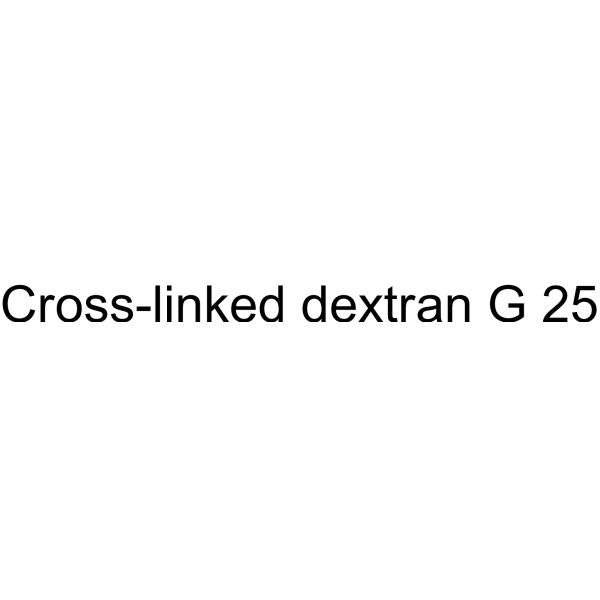
Cross-linked dextran G 25 is a dextran chromatography medium. Cross-linked dextran G 25 separates from 1 to 5 kD (spherical proteins) and can be used for the separation of peptides as well as for the desalting and buffer replacement of large molecule proteins .
|
-
-
- HY-W074541
-
|
Trimethylacetohydrazideammonium chloride
|
Biochemical Assay Reagents
|
Others
|
|
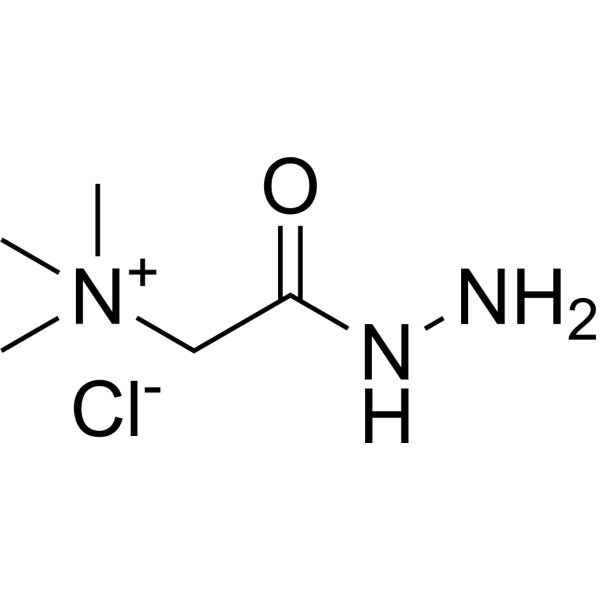
Girard's reagent T is often used in analytical chemistry as a derivatizing agent for carbonyl compounds. Girard's reagent T reacts with ketones and aldehydes to form stable hydrazones that can be readily analyzed by various techniques including chromatography and spectrophotometry. In addition, Girard's Reagent T has been used in the synthesis of a variety of organic compounds, including pharmaceuticals and agrochemicals.
|
-
-
- HY-NP002
-
|
|
Biochemical Assay Reagents
|
Others
|
|
BSA Standard Solution (5 mg/mL) is a bovine serum albumin solution commonly used as a standard for total serum protein detection. BSA Standard Solution (5 mg/mL) can be used for drawing standard curves and calibrating experiments in total protein assays. BSA Standard Solution (5 mg/mL) is also suitable for various biological experiments, including PCR detection inhibition, antibody desalting, chromatography control, SDS-PAGE electrophoresis, and calibration of UV spectrophotometers .
|
-
-
- HY-123798
-
|
|
Biochemical Assay Reagents
|
Others
|
|
N,O-Bis(trimethylsilyl)trifluoroacetamide with trimethylchlorosilane is a powerful silylating reagent and can be utilized in chromatography research .
|
-
-
- HY-138560
-
|
|
Biochemical Assay Reagents
|
Others
|
|
Cross-linked dextran G 50 is a gel filtration medium. Cross-linked dextran G 50 can be used in gel permeation chromatography for fractionation of the glycopeptide mixture (Sphere protein separation range: 1.5K-30K Da; Polysaccharide separation range: 500-10K Da) .
|
-
-
- HY-N12931F
-
|
|
Fluorescent Dye
|
Others
Cancer
|
|
Maackia amurensis Lectin (MAA/MAL II)-Biotinylated is a plant lectin modified by biotin. Maackia amurensis Lectin (MAA/MAL II)-Biotinylated has the activity to recognize specific sugar structures, specifically the alpha-2, 3-linked sialic acid (HY-I0400). Maackia amurensis Lectin (MAA/MAL II)-Biotinylated has a very high affinity with avidin or streptavidin and this interaction can be used to fix it to solid surfaces or bind it to other molecules. Maackia amurensis Lectin (MAA/MAL II)-Biotinylated can be used to isolate and purify proteins or other molecules with specific sugar chain structures in affinity chromatography as well as for disease marker discovery and cancer research .
|
-
-
- HY-45609
-
|
|
Drug Derivative
|
Metabolic Disease
|
|
L-Cysteine S-sulfate sodium hydrate is an S-sulfated derivative of L-cysteine (HY-Y0337). L-Cysteine S-sulfate sodium hydrate is the substrate for cystine lyase, it can be used in mass spectrometry and chromatography analyses .
|
-
-
- HY-Y0332C
-
|
Sodium phosphate dihydrate,≥99.0%
|
Environmental Pollutants
Biochemical Assay Reagents
|
Others
|
|
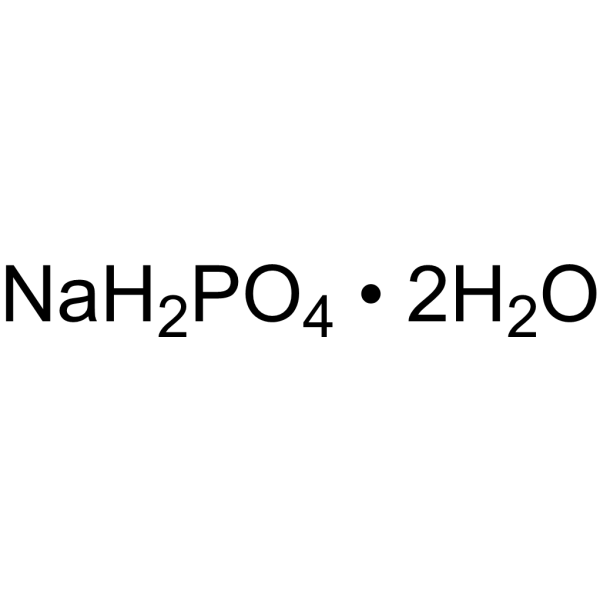
Sodium dihydrogen phosphate dihydrate,≥99.0% (Sodium phosphate dihydrate,≥99.0%) is used as a buffer capacity reagent in molecular biology, biochemistry, and chromatography. Sodium dihydrogen phosphate dihydrate,≥99.0% is also used as a laxative and pH buffer when combined with other sodium phosphates and also used as fuel and detergent additives .
|
-
-
- HY-N3286
-
|
|
Influenza Virus
|
Others
|
|
Methyl 4-O-feruloylquinate (4-O-Feruloylquinic acid methyl ester) is a natural product. Methyl 4-O-feruloylquinate can be purified from Stemona Japonica by preparative high-performance liquid chromatography. Methyl 4-O-feruloylquinate has anti-H5N1 activity with a 3% protective rate at 5 μM in MDCK cells .
|
-
-
- HY-N7861
-
|
Methyl trans-9-Octadecenoate; (E)-Methyl octadec-9-enoate
|
Biochemical Assay Reagents
|
Others
|
|
Methyl elaidate is a compound belonging to the class of fatty acid esters. It is derived from elaidic acid, a monounsaturated omega-9 fatty acid found in certain vegetable oils and animal fats. Methyl elaidate is commonly used as a reference compound for the analysis of fatty acids and their derivatives by gas chromatography.
|
-
-
- HY-W784557
-
|
|
Phosphoramidites
Biochemical Assay Reagents
|
Others
|
|
O-DMT-2,2-di(ethoxycarbonyl)propan-1,3-diol is a chemical phosphorylation reagent used for the synthesis of 5'-phosphorylated oligonucleotides. It contains the chemical protective group DMT in its structure, which allows for purification through C18 columns or reversed-phase chromatography .
|
-
-
- HY-W127680
-
|
Tetra-n-butylammonium perchlorate
|
Biochemical Assay Reagents
|
Others
|
|
Tetrabutylammonium perchlorate is an organic compound containing ammonium ions and perchlorate ions. It is commonly used as an electrolyte in electrochemistry and as a source of perchlorate anion in analytical chemistry. Tetrabutylammonium perchlorate has a variety of applications in the production of batteries, fuel cells and electronic components due to its high ionic conductivity and stability under extreme conditions. In addition, it can be used as a reference standard in analytical methods such as ion chromatography.
|
-
-
- HY-I0169
-
|
|
Drug Metabolite
|
Neurological Disease
|
|
(R)-Amino-N-benzyl-3-methoxypropionamide is a key intermediate for the synthesis of the antiepileptic agent (R)-Lacosamide. To improve its chiral purity and chemical stability, (R)-Amino-N-benzyl-3-methoxypropionamide can react with phosphoric acid to form a phosphate salt. Detected by high performance liquid chromatography (HPLC), this phosphate salt exhibits extremely high chiral purity, with the content of the R-enantiomer reaching up to 99.37% .
|
-
-
- HY-113084
-
|
|
Drug Derivative
|
Metabolic Disease
|
|
L-Cysteine S-sulfate is an S-sulfated derivative of L-cysteine (HY-Y0337). L-Cysteine S-sulfate is the substrate for cystine lyase, it can be used in mass spectrometry and chromatography analyses .
|
-
-
- HY-A0135
-
|
|
Potassium Channel
|
Neurological Disease
|
|
Enflurane, a volatile anaesthetic, is a potent inhibitor of high conductance Ca 2+-activated K+ channels of Chara australis. Enflurane is an internal standard in monitoring halogenated volatile anaesthetics by headspace gas chromatography-mass spectrometry .
|
-
-
- HY-W012166
-
|
NHS-Bromoacetate
|
Biochemical Assay Reagents
|
Infection
|
|
N-Succinimidyl bromoacetate (NHS-Bromoacetate) is a heterobifunctional crosslinking reagent, mainly used to modify the ɛ-amino group of lysine side chains. By covalently linking its bromoacetyl moiety to the ɛ-amino group of lysine in peptidomimetics, N-Succinimidyl bromoacetate enables their conjugation with thiol-modified nanoparticles via thioether bonds. N-Succinimidyl bromoacetate also performs bromoacetylation modification on carrier proteins, which then forms stable thioether bonds with the thiol groups of cysteine in peptides, thus efficiently preparing soluble peptide-protein conjugates with high substitution ratios. N-Succinimidyl bromoacetate can be used to prepare activated Sepharose derivatives for affinity chromatography, protein affinity labeling reagents, and peptide-protein immunogen conjugates with non-immunogenic linkages. N-Succinimidyl bromoacetate is applicable to studies related to HIV-1 infection and glioblastoma multiforme .
|
-
-
- HY-103703
-
|
|
Anion Exchangers
|
Metabolic Disease
Inflammation/Immunology
|
|
DEAE Cross-linked dextran A 25 is a weak anion exchange chromatography packing material. DEAE Cross-linked dextran A 25 can be used for the analysis of trace metal humic acid complexes in river water and the purification of biomacromolecules. DEAE Cross-linked dextran A 25 can also be used for research on diseases related to abnormal AVP levels .
|
-
-
- HY-108882D
-
|
|
DNA/RNA Synthesis
|
Others
|
|
Recombinant DNase I (Protease & RNase free, animal free) is a recombinant deoxyribonuclease that degrades DNA. Recombinant DNase I (Protease & RNase free, animal free) is essential for limiting inflammatory responses and maintaining homeostasis. This product is recombinant bovine pancreatic DNase I, purified by chromatography, free of animal-derived components, RNase and protease, and contains glycine as a stabilizer .
|
-
-
- HY-W127676
-
|
N,N,N-Triethylethanaminium perchlorate
|
Biochemical Assay Reagents
|
Others
|
|
Tetraethylammonium perchlorate is an organic compound containing ammonium ions and perchlorate ions. It is commonly used as an electrolyte in electrochemistry and as a source of perchlorate anion in analytical chemistry. Due to its high ionic conductivity and stability under extreme conditions, tetraethylammonium perchlorate has a variety of applications in the production of batteries, fuel cells and electronic components. In addition, it can be used as a reference standard in analytical methods such as ion chromatography.
|
-
-
- HY-W099575
-
|
|
Biochemical Assay Reagents
|
Others
|
|
3-(Hexadecyldimethylammonio)propane-1-sulfonate is an organic compound belonging to the class of sulfonates. It is a quaternary ammonium surfactant commonly used in various industrial and laboratory applications such as the production of detergents, personal care products and pharmaceuticals. 3-(Hexadecyldimethylammonio)propane-1-sulfonate is surface active and can be used as an emulsifier, foaming agent and wetting agent. In addition, it is used as a solubilizer in protein purification and as a surfactant in chromatography.
|
-
-
- HY-DY1070
-
|
|
Fluorescent Dye
|
Others
|
AQC (6-Aminoquinolyl-N-hydroxysccinimidyl carbamate) (solution) is a reagent used for amino acid or protein sequence analysis by HPLC with fluorescence detection. AQC reacts with primary and secondary amino acids to yield fluorescent derivates, allowing amino acid detection at under-picomolar levels . Solvent and concentration: DMSO: 10 mM The 1 mL volume is defined as the base specification. All larger sizes correspond to incremental volumes of this base.
|
-
-
- HY-W096989
-
|
Sodium 1-heptanesulfonate monohydrate
|
Biochemical Assay Reagents
|
Others
|
|
Sodium 1-heptanesulfonate monohydrate, for Ion-Pair Chromatography (Sodium 1-heptanesulfonate monohydrate) is an ion pair reagent for HPLC that can be used to analyze peptides and proteins..
|
-
-
- HY-Y0332G
-
|
Potassium phosphate monobasic, for molecular biology
|
Biochemical Assay Reagents
|
Others
|
|
Potassium dihydrogen phosphate (Potassium phosphate monobasic), for molecular biology, ≥ 99% is used as a buffer capacity reagent in molecular biology, biochemistry, and chromatography. For the preparation of biological buffers. It is also used to purify antibodies, and in combination with other sodium phosphates .
|
-
-
- HY-116245
-
|
|
Biochemical Assay Reagents
|
Others
|
|
Octanophenone is a substance used as a test compound in liquid chromatography research to study related properties such as particle diffusion within the column. A series of experiments showed that the Titan-C18 column in which it is located has some special property differences compared to other columns.
|
-
-
- HY-W111436
-
|
N,N,N-tributylbutan-1-aminium tetraphenylborate(1-)
|
Biochemical Assay Reagents
|
Others
|
|
Tetrabutylammonium tetraphenylborate is a quaternary ammonium salt belonging to the class of alkylammonium salts. This compound is commonly used as an ion-pairing reagent in chromatography and analytical chemistry, facilitating the separation and identification of various organic compounds. Its unique chemical properties make it an important ingredient in a variety of scientific applications, including pharmaceuticals, agrochemicals, and materials science products.
|
-
-
- HY-128699R
-
|
Dethiobiotin (Standard)
|
Endogenous Metabolite
Reference Standards
|
Endocrinology
|
|
D-Desthiobiotin (Standard) is the analytical standard of D-Desthiobiotin. This product is intended for research and analytical applications. D-Desthiobiotin is a biotin derivative. D-Desthiobiotin increases testosterone. D-Desthiobiotin is used in affinity chromatography and protein chromatography, also can be used for protein and cell labeling, detection and isolation .
|
-
-
- HY-115773
-
|
NMTPRO; N-Nitroso-2-methylthiazolidine 4-carboxylic acid; N-nitrosomethylthioproline
|
Endogenous Metabolite
|
Metabolic Disease
|
|
NMTCA (NMTPRO) is a sulfur-containing N-nitrosamino acid. NMTCA can be used as an indicator of endogenous nitrosation by gas chromatography-thermalenergyanalysis .
|
-
-
- HY-121735
-
|
|
Biochemical Assay Reagents
|
Others
|
|
2α-Mannobiose is a disaccharide composed of two mannose molecules linked by a 1-2 glycosidic bond. 2α-Mannobiose can be used for affinity purification of mannose-binding proteins by column chromatography .
|
-
-
- HY-123819
-
|
|
CXCR
|
Infection
|
|
KRH-1636 is a CXC chemokine receptor (CXCR) 4 antagonist. KRH-1636 can be used in HIV-1 research .
|
-
-
- HY-131829
-
|
6-AE-NAD+
|
Biochemical Assay Reagents
|
Others
|
|
N6-(2-Aminoethyl)-NAD+ (6-AE-NAD+) is a NAD+ derivative commonly used in affinity chromatography. N6-(2-Aminoethyl)-NAD+ can be covalently linked to a PQQ (pyrroloquinoline quinone) (HY-100196) monolayer on an electrode surface for immobilizing NAD+-dependent enzymes such as lactate dehydrogenase (LDH) .
|
-
-
- HY-Y1066
-
|
Diethylene glycol monochlorohydrin
|
Drug Intermediate
|
Others
|
|
2-(2-Chloroethoxy)ethanol (Diethylene glycol monochlorohydrin) is an unclassified residual solvent and known impurity, with an acceptance criterion of 0.10%.2-(2-Chloroethoxy)ethanol serves as a starting material in quetiapine synthesis .
|
-
-
- HY-B0570A
-
|
|
Biochemical Assay Reagents
|
Others
|
|
Decamethonium bromide(Reagent for Ion-Pair Chromatography,99%) is a biochemical reagent that can be used as a biological material or organic compound for life science related research.
|
-
-
- HY-W097777
-
|
4,4'-Dimethoxybenzoin; 4,4′-DMB
|
Fluorescent Dye
|
Others
|
|
Anisoin (4,4'-Dimethoxybenzoin) is a pre-chromatographic fluorogenic labelling reagent for (liquid chromatography) analysis of guanidino compounds (Ex/Em = 325/435 nm) .
|
-
-
- HY-W009545
-
|
1-Decanesulfonic acid sodium
|
Biochemical Assay Reagents
|
Others
|
|
Sodium decane-1-sulfonate is an anionic surfactant used for the analysis of organic small molecule compounds by HPLC and ion-pair liquid chromatography.
|
-
-
- HY-W017224
-
|
Sodium 1-butanesulfonate
|
Biochemical Assay Reagents
|
Others
|
|
Sodium butane-1-sulfonate (Sodium 1-butanesulfonate) is an ion-pair reagent. Sodium butane-1-sulfonate is often used in combination with tetramethylammonium hydroxide, malonic acid, etc. in reversed-phase ion-pair chromatography, and can improve the separation efficiency of species of elements such as arsenic and selenium .
|
-
-
- HY-124279
-
|
|
Biochemical Assay Reagents
|
Others
|
|
14-Pentadecenoic acid is a 15-carbon long-chain fatty acid that contains an olefin functional group on the terminal carbon of its fatty tail. 14-Pentadecenoic acid can be used as a fibrous scaffold biomaterial for tissue engineering applications, as well as a metal-forming side-chain polymer for constructing capillary columns in gas chromatography .
|
-
-
- HY-158725
-
|
|
Endogenous Metabolite
|
Others
|
|
N-Octadecenoyl-(cis-9) -Sulfatide is a glycolipid found in the brains of mice. N-Octadecenoyl-(cis-9) -Sulfatide can be used as a standard for the determination of C18:13 '-mergogalactosyllactose in dry blood stains of patients with chromatic leukodystrophy (MLD) by ultra-high performance liquid chromatography-mass spectrometry (UPLC-MS) .
|
-
-
- HY-35556
-
-
-
- HY-157236
-
|
|
Biochemical Assay Reagents
|
Others
|
|
AEX Anion-exchange resin 1 is a strong anion exchange chromatography resin, based on monodisperse polystyrene/divinylbenzene (PS-DVB), with a particle size of 50 μm and an ionic ligand of –CH2N + (CH3)3. AEX Anion-exchange resin 1 can be used for the separation and purification of biological macromolecules such as proteins, antibodies, and viral vaccines.
|
-
- HY-N17239
-
|
|
TNF Receptor
Interleukin Related
NO Synthase
|
Inflammation/Immunology
|
|
Oleracone is a type of alkaloid that can be found in Portulaca oleracea L.. Oleracone exhibits a significant anti-inflammatory effect in the RAW 264.7 macrophage model induced by LPS (HY-D1056), capable of inhibiting NO production and significantly suppressing the secretion of pro-inflammatory cytokines TNF-α, IL-6, and prostaglandin E₂ (PGE₂). Oleracone can be used for the study of inflammatory diseases .
|
-
- HY-138560A
-
|
|
Biochemical Assay Reagents
|
Others
|
|
Cross-linked dextran G 50, medium is a gel filtration medium. Cross-linked dextran G 50, medium can be used in gel permeation chromatography for fractionation of the glycopeptide mixture (Sphere protein separation range: 1.5K-30K Da; Polysaccharide separation range: 500-10K Da). Cross-linked dextran G 50, medium are microspheres with an average particle size of D50 = 220-250 μm .
|
-
- HY-123798R
-
|
|
Reference Standards
Biochemical Assay Reagents
|
Others
|
|
N,O-Bis(trimethylsilyl)trifluoroacetamide with trimethylchlorosilane (Standard) is the analytical standard of N,O-Bis(trimethylsilyl)trifluoroacetamide with trimethylchlorosilane. This product is intended for research and analytical applications. N,O-Bis(trimethylsilyl)trifluoroacetamide with trimethylchlorosilane is a powerful silylating reagent and can be utilized in chromatography research .
|
-
- HY-W009545R
-
|
1-Decanesulfonic acid sodium (Standard)
|
Reference Standards
Biochemical Assay Reagents
|
Others
|
|
Sodium decane-1-sulfonate (Standard) is the analytical standard of Sodium decane-1-sulfonate. This product is intended for research and analytical applications. Sodium decane-1-sulfonate is an anionic surfactant used for the analysis of organic small molecule compounds by HPLC and ion-pair liquid chromatography.
|
-
- HY-P10544
-
|
|
Interleukin Related
|
Others
|
|
Humanized anti-tac (HAT) binding peptide is a peptide that can specifically bind to the Fc region of HAT. HAT is a humanized monoclonal antibody against the low affinity p55 subunit of the interleukin IL-2 receptor. Humanized anti-tac (HAT) binding peptide can be used to develop affinity chromatography media to purify specific monoclonal antibodies .
|
-
- HY-157235
-
|
|
Biochemical Assay Reagents
|
Inflammation/Immunology
|
|
AC Antibody affinity resin is AC commonly used packing. AC Antibody affinity resin has highly cross-linked agarose matrix with 85 μm of average particle size. AC Antibody affinity resin has alkali-resistant protein A derivative (E. coli) ligand. AC Antibody affinity resin can be used for antibody affinity chromatography .
|
-
- HY-157240
-
-
- HY-157245
-
|
|
Biochemical Assay Reagents
|
Others
|
|
Hydrophobic polishing resin is an agarose filler that can be used in hydrophobic interaction chromatography (The average particle size: 40 μm) .
|
-
- HY-157242
-
|
|
Biochemical Assay Reagents
|
Others
|
|
CEX Polishing resin is an agarose filler that can be used in cation exchange chromatography (The average particle size: 50 μm) .
|
-
- HY-157244
-
|
|
Biochemical Assay Reagents
|
Others
|
|
Proteins separation resin is a hydrophobic interaction chromatography resin that can be used in the monoclonal antibody purification (Particle size: 65 μm) .
|
-
- HY-16675
-
|
Docetaxel Impurity 2
|
Microtubule/Tubulin
|
Cancer
|
|
7-Epi-10-oxo-docetaxel (Docetaxel Impurity 2) is a impurity of docetaxel detected by high performance liquid chromatography (HPLC).
|
-
- HY-N15632
-
|
|
Biochemical Assay Reagents
|
Others
|
|
D-Sarmentose can be extracted from the leaves of Nerium oleander L.. D-Sarmentose can be isolated and purified by use of PVP- and charcoal treatment and further separated by paper chromatography and electrophoresis .
|
-
- HY-155789
-
|
Ceramide trihexoside (d18:1/17:0); Gb3(d18:1)(C17:0)
|
Biochemical Assay Reagents
|
Others
|
|
C17 Globotriaosylceramide (d18:1/17:0) is a sphygosine lipid that can be used to quantify Globotriaosylceramide in plasma and urine of patients with Fabry disease by gas chromatography-mass spectrometry (GC-MS) .
|
-
- HY-165127
-
|
(+)-Octopinic acid
|
Others
|
Others
|
|
Octopinic acid ((+)-Octopinic acid) is a biomarker (opine) for plant crown gall or hairy root disease detected by ultra-performance liquid chromatography-electrospray ionization quadrupole time-of-flight mass spectrometry with activity useful for disease diagnosis and analysis.
|
-
- HY-157238
-
|
|
Biochemical Assay Reagents
|
Others
|
|
AEX anion-exchange resin 2 is a AEX commonly used filler and is a strong anion exchange medium, Particle size: ~90μm. AEX anion-exchange resin 2 can be used in Ion exchange chromatography
|
-
- HY-157243
-
|
|
Biochemical Assay Reagents
|
Others
|
|
CEX Cation-exchange resin 2 is a CEX strong cation exchange resin, ADC purification resin. CEX Cation-exchange resin 2 contains cross-linked poly(styrene-divinylbenzene), which has good hydrophobicity .
|
-
- HY-100787
-
|
|
Drug Derivative
|
Metabolic Disease
|
|
L-Cysteine S-sulfate sodium is an S-sulfated derivative of L-cysteine (HY-Y0337). L-Cysteine S-sulfate sodium is the substrate for cystine lyase, it can be used in mass spectrometry and chromatography analyses .
|
-
- HY-B1230A
-
|
|
Endogenous Metabolite
|
Inflammation/Immunology
|
|
Camylofin dihydrochloride is an antispasmodic drug with activity in relieving smooth muscle spasms. Camylofin dihydrochloride is used to suppress spasms during labor and to provide pharmacotherapy for ulcerative colitis. The analysis of camylofin dihydrochloride can be quantitatively determined by gas chromatography to assess its content in pharmaceutical preparations .
|
-
- HY-165109
-
|
1,3-Olein-2-laurin; TG(18:1/12:0/18:1)
|
Endogenous Metabolite
|
Others
|
|
1,3-Dioleoyl-2-lauroyl glycerol (1,3-Olein-2-laurin), a compound in the triglyceride composition of human milk, was identified and quantified by liquid chromatography-mass spectrometry, and a targeted analytical approach was developed.
|
-
- HY-165049
-
|
1-Stearin-2-olein-3-linolein; TG(18:0/18:1/18:2)
|
Lipoxygenase
|
Others
|
|
1-Stearoyl-2-oleoyl-3-linoleoyl-rac-glycerol (1-Stearin-2-olein-3-linolein), a compound in the triglyceride composition of ostrich oil, was analyzed and identified by specific chromatography-mass spectrometry techniques.
|
-
- HY-131589
-
|
Atenolol acid
|
Endogenous Metabolite
|
Others
|
|
Metoprolol acid (Atenolol acid) is a urinary metabolite with no pharmacological activity. Metoprolol acid does not exert its pharmacological effects in vivo. Metoprolol acid can be detected by solid phase extraction and reversed phase high performance liquid chromatography. The analysis of metoprolol acid requires specific conditions, such as the use of fluorescence detection and specific eluents .
|
-
- HY-165050
-
|
18:2/18:0/18:2-TG; TG(18:2/18:0/18:2)
|
Others
|
Others
|
|
1,3-Dilinoleoyl-2-stearoyl glycerol (18:2/18:0/18:2-TG) is a compound used in the study of triglyceride composition of vegetable oils. It was analyzed by supercritical CO? chromatography-mass spectrometry to determine its content and characteristics in different vegetable oils.
|
-
- HY-165051
-
|
1,3-Butyrin-2-olein; TG(4:0/18:1/4:0)
|
Biochemical Assay Reagents
|
Others
|
|
1,3-Dibutyryl-2-oleoyl glycerol (1,3-Butyrin-2-olein) is a short-chain triglyceride compound in bovine milk fat. It was analyzed by specific chromatography-mass spectrometry techniques to determine its distribution and composition in bovine milk fat.
|
-
- HY-W598230A
-
|
|
Biochemical Assay Reagents
|
Others
|
|
m-PEG2000-NH2 hydrochloride is a barrier permeation compound involved in the preparation of hybrid gels with adsorption and size exclusion chromatography (AdSEC) properties. m-PEG-NH2 helps AdSEC gels separate from complex biological mixtures such as blood, urine, sweat, and tears.
|
-
- HY-165055
-
|
1-Olein-2-palmitin-3-linolein; TG(18:1/16:0/18:2); 18:1/16:0/18:2-TG
|
Others
|
Others
|
|
1-Oleoyl-2-palmitoyl-3-linoleoyl-rac-glycerol (1-Olein-2-palmitin-3-linolein) is a compound mentioned in the chemical analysis of triglycerides and diacylglycerols in bovine milk fat. It was identified by a specific chromatography-mass spectrometry technique, which is environmentally friendly and efficient.
|
-
- HY-165095
-
|
1,2-Palmitolein-3-palmitin; TG(16:1/16:1/16:0)
|
Others
|
Others
|
|
1,2-Dipalmitoleoyl-3-palmitoyl-rac-glycerol (1,2-Palmitolein-3-palmitin) is a triglyceride used for serum lipidomics analysis by liquid chromatography-mass spectrometry. This method can effectively separate and detect lipids in positive and negative ionization modes and has certain performance in the identification and characterization of serum triglycerides.
|
-
- HY-45609R
-
|
|
Reference Standards
Drug Derivative
|
Metabolic Disease
|
|
L-Cysteine S-sulfate sodium hydrate (Standard) is the analytical standard of L-Cysteine S-sulfate sodium hydrate (HY-45609). This product is intended for research and analytical applications. L-Cysteine S-sulfate sodium hydrate is an S-sulfated derivative of L-cysteine (HY-Y0337). L-Cysteine S-sulfate sodium hydrate is the substrate for cystine lyase, it can be used in mass spectrometry and chromatography analyses .
|
-
- HY-131589R
-
|
Atenolol acid (Standard)
|
Endogenous Metabolite
Reference Standards
|
Others
|
|
Metoprolol acid (Standard) is the analytical standard of Metoprolol acid. This product is intended for research and analytical applications. Metoprolol acid (Atenolol acid) is a urinary metabolite with no pharmacological activity. Metoprolol acid does not exert its pharmacological effects in vivo. Metoprolol acid can be detected by solid phase extraction and reversed phase high performance liquid chromatography. The analysis of metoprolol acid requires specific conditions, such as the use of fluorescence detection and specific eluents .
|
-
- HY-157241
-
|
|
Biochemical Assay Reagents
|
Others
|
|
CEX Cation-exchange resin 1 is an ion exchange chromatography resin based on monodisperse polystyrene/divinylbenzene (PS-DVB). The particle size of CEX Cation-exchange resin 1 is 50μm and the ligand is -CH2CH2CH2SO3-. CEX Cation-exchange resin 1 can be used for the separation and purification of antibodies, VLPs, viruses and proteins .
|
-
- HY-W040821R
-
|
|
Reference Standards
Endogenous Metabolite
|
Neurological Disease
|
|
Metoprolol acid (Standard) is the analytical standard of Metoprolol acid. This product is intended for research and analytical applications. Metoprolol acid (Atenolol acid) is a urinary metabolite with no pharmacological activity. Metoprolol acid does not exert its pharmacological effects in vivo. Metoprolol acid can be detected by solid phase extraction and reversed phase high performance liquid chromatography. The analysis of metoprolol acid requires specific conditions, such as the use of fluorescence detection and specific eluents .
|
-
- HY-116870
-
|
|
Parasite
|
Infection
|
|
Vamidothion is a polar organophosphorus insecticide and acaricide with biological activity against insects and mites. Vamidothion is degraded by human serum albumin (HSA) and promotes adduct formation with tyrosine residues. The phosphate amino acid adducts formed after the reaction of vamidothion with HSA are detected by liquid chromatography quadrupole-Orbitrap mass spectrometry. The metabolites of vamidothion can be used in forensic toxicology to help determine deaths caused by organophosphorus poisoning .
|
-
- HY-W027544S
-
|
7-Methoxycoumarin-4-acetic acid-d3
|
Isotope-Labeled Compounds
Fluorescent Dye
|
Others
|
|
MCA-d3 (7-Methoxycoumarin-4-acetic acid3) is the deuterium labeled MCA (HY-W027544) . MCA is a Coumarin (HY-N0709) derivative. MCA quantitates platelet-activating factor (PAF) by high-performance liquid chromatography with fluorescent detection. MCA can modify FRET peptide substrates for analyzing protease activities .
|
-
- HY-N12143
-
|
|
Others
|
Others
|
|
Acetylthevetin A is a natural product isolated from oleander (Cascabela thevetioides) .
|
-
- HY-N8045R
-
|
Ricinolic acid methyl ester (Standard)
|
Biochemical Assay Reagents
Reference Standards
|
Others
|
|
Methyl ricinoleate (Standard) is the analytical standard of Methyl ricinoleate. This product is intended for research and analytical applications. Methyl ricinoleate is a compound belonging to the group of fatty acid methyl esters. It is derived from ricinoleic acid, a monounsaturated omega-9 fatty acid found in castor oil. Methyl ricinoleate is often used as a reference compound for the analysis of fatty acid methyl esters by gas chromatography. It has also been investigated for its potential use as a biofuel and as an ingredient in the production of biodegradable plastics and surfactants.
|
-
- HY-W010410R
-
|
|
Reference Standards
Others
|
Neurological Disease
Metabolic Disease
|
|
Methyl ricinoleate (Standard) is the analytical standard of Methyl ricinoleate. This product is intended for research and analytical applications. Methyl ricinoleate is a compound belonging to the group of fatty acid methyl esters. It is derived from ricinoleic acid, a monounsaturated omega-9 fatty acid found in castor oil. Methyl ricinoleate is often used as a reference compound for the analysis of fatty acid methyl esters by gas chromatography. It has also been investigated for its potential use as a biofuel and as an ingredient in the production of biodegradable plastics and surfactants.
|
-
- HY-W723884
-
-
- HY-N9808
-
|
|
Others
|
Others
|
|
Creoside III is a glycoside compound, mainly used as a component of natural product libraries for potential activity screening studies in the field of natural product chemistry. Creoside III can be naturally extracted from the dried roots of Rhodiola crenulata (a plant of the genus Rhodiola in the Crassulaceae family) through methanol reflux extraction, column chromatography separation, and high-performance liquid chromatography purification .
|
-
- HY-127151
-
|
Levophencynonate hydrochloride
|
Endogenous Metabolite
|
Neurological Disease
|
|
Levophencynonate is a muscarinic receptor antagonist with anticholinergic activity. The biological activity of levophencynonate makes it a key target for the determination of its concentration in human plasma in medical research. Levophencynonate was analyzed by high performance liquid chromatography tandem mass spectrometry (HPLC-MS/MS) and showed good specificity and linearity .
|
-
- HY-135543
-
|
|
Endogenous Metabolite
|
Neurological Disease
|
|
Levophencynonate is a muscarinic receptor antagonist with anticholinergic activity. The biological activity of levophencynonate makes it a key target for the determination of its concentration in human plasma in medical research. Levophencynonate was analyzed by high performance liquid chromatography tandem mass spectrometry (HPLC-MS/MS) and showed good specificity and linearity .
|
-
- HY-165042
-
|
1,2-Palmitin-3-caprin; 1,2-Palmitin-3-decanoin; TG(16:0/16:0/10:0)
|
Others
|
Others
|
|
1,2-Dipalmitoyl-3-decanoyl-rac-glycerol (1,2-Palmitin-3-caprin), a compound mentioned in the chemical analysis of triglycerides and diacylglycerols in bovine milk fat, was identified by a specific chromatography-mass spectrometry technique, which is environmentally friendly and efficient.
|
-
- HY-165056
-
|
1,2-Palmitin-3-linolein; TG(16:0/16:0/18:2)
|
Others
|
Others
|
|
1,2-Dipalmitoyl-3-linoleoyl-rac-glycerol (1,2-Palmitin-3-linolein), a compound mentioned in the chemical analysis of triglycerides and diacylglycerols in bovine milk fat, was identified by a specific chromatography-mass spectrometry technique, which is environmentally friendly and efficient.
|
-
- HY-165108
-
|
1,2-Linolein-3-α-linolenin; TG(18:2/18:2/18:3)
|
Endogenous Metabolite
|
|
|
1,2-Dilinoleoyl-3-α-linolenoyl-rac-glycerol (1,2-Linolein-3-α-linolenin) is a compound used in the study of triglyceride composition of vegetable oils. It was analyzed by supercritical CO? chromatography-mass spectrometry to determine its content and characteristics in different vegetable oils.
|
-
- HY-165105
-
|
TG(18:1/10:0/18:1); 1,3-Dioleoyl-2-caproyl glycerol; 1,3-Olein-2-caprin
|
Others
|
Others
|
|
1,3-Dioleoyl-2-decanoyl glycerol (TG(18:1/10:0/18:1)) is a compound that was investigated in the study of triglyceride composition in human milk and infant formula. The analysis and comparison of the compound using a specific chromatography-mass spectrometry technique revealed differences in triglyceride content between human milk and infant formula.
|
-
- HY-131829A
-
|
6-AE-NAD+ sodium
|
Biochemical Assay Reagents
|
Others
|
|
N6-(2-Aminoethyl)-NAD+ (6-AE-NAD+) sodium is a NAD+ derivative commonly used in affinity chromatography. N6-(2-Aminoethyl)-NAD+ sodium can be covalently linked to a PQQ (pyrroloquinoline quinone) (HY-100196) monolayer on an electrode surface for immobilizing NAD+-dependent enzymes such as lactate dehydrogenase (LDH) .
|
-
- HY-N7861R
-
|
Methyl trans-9-Octadecenoate (Standard); (E)-Methyl octadec-9-enoate (Standard)
|
Biochemical Assay Reagents
Reference Standards
|
Others
|
|
Methyl elaidate (Standard) is the analytical standard of Methyl elaidate. This product is intended for research and analytical applications. Methyl elaidate is a compound belonging to the class of fatty acid esters. It is derived from elaidic acid, a monounsaturated omega-9 fatty acid found in certain vegetable oils and animal fats. Methyl elaidate is commonly used as a reference compound for the analysis of fatty acids and their derivatives by gas chromatography.
|
-
- HY-N10982
-
|
|
Others
|
Others
|
|
3,8-Dihydroxy-1,2-dimethoxyxanthone is a xanthone compound found in the leaves and stems of Hypericum geminiflorum .
|
-
- HY-N18130
-
|
|
Others
|
Others
|
|
Magnolenin C is a glycoside with a ketolignan structure. Magnolenin C can be isolated from the aerial parts of Acanthus ebracteatus .
|
-
- HY-N17577
-
|
|
Drug Derivative
|
Others
|
|
Salicyloylsalicin is a salicylic acid glycoside natural product present in the bark of Populus balsamifera .
|
-
- HY-N18248
-
|
|
Others
|
Others
|
|
dl-Tetrahydroberberrubine is an alkaloid found in the whole plants of Corydalis hendersonii .
|
-
- HY-N18213
-
|
|
Drug Derivative
|
Others
|
|
1-O-Detigloyl-1-O-benzoylohchinolal is a limonoid compound present in the leaves and twigs of Melia toosendan .
|
-
- HY-138560B
-
|
|
Biochemical Assay Reagents
|
Others
|
|
Cross-linked dextran G 50, fine is a gel filtration medium. Cross-linked dextran G 50, fine can be used in gel permeation chromatography for fractionation of the glycopeptide mixture (Sphere protein separation range: 1.5K-30K Da; Polysaccharide separation range: 500-10K Da). Cross-linked dextran G 50, fineThe average particle size is D50=110-130 μmof microspheres .
|
-
- HY-N2732
-
|
6-Prenyl-4',5,7-trihydroxyflavone; 6-C-Prenylapigenin
|
Others
|
Cancer
|
|
6-Prenylapigenin (6-Prenyl-4',5,7-trihydroxyflavone; 6-C-Prenylapigenin) is a prenylated flavonoid that exists in the stems and leaves of Maclura pomifera. 6-Prenylapigenin exhibits cytotoxicity against cancer cells such as leukemia cells and solid tumor cells .
|
-
- HY-115689
-
|
|
Others
|
Others
|
|
Maohuoside B is a flavonoid, that can be isolated from Epimedium koreanum Nakai .
|
-
- HY-P3570
-
|
Lom-AKH-II
|
Endogenous Metabolite
|
Metabolic Disease
|
|
Adipokinetic hormone II (Locusta migratoria) (Lom-AKH-II) is a insect adipokinetic hormone (AKH), enhances fat body cAMP levels in vitro. Insect adipokinetic hormones (AKHs) controls flight-directed mobilization of carbohydrate and lipid from fat body stores, which depends on AKH receptor(s) coupling to cAMP formation and glycogen phosphorylase activation via the stimulatory guanine nucleotide-binding protein (Gs) .
|
-
- HY-P3572
-
|
Lom-AKH-I
|
Endogenous Metabolite
|
Endocrinology
|
|
Adipokinetic hormone I (Locusta migratoria) (Lom-AKH-I) is a insect adipokinetic hormone (AKH), enhances fat body cAMP levels in vitro. Insect adipokinetic hormones (AKHs) controls flight-directed mobilization of carbohydrate and lipid from fat body stores, which depends on AKH receptor(s) coupling to cAMP formation and glycogen phosphorylase activation via the stimulatory guanine nucleotide-binding protein (Gs) .
|
-
- HY-120512
-
|
|
Fluorescent Dye
|
Others
|
|
5-Phenyl-4E-pentenol is a product of the peroxidase-catalyzed reduction of PPHP. 5-Phenyl-4E-pentenol can be rapidly isolated by solid phase extraction and quantified by isocratic reversed-phase high performance liquid chromatography (HPLC) with UV detection. 5-Phenyl-4E-pentenol is a fluorescent dye that can be used to determine the kinetic properties of heme-containing and non-heme peroxidases and to evaluate the ability of oxidative compounds to serve as substrates for peroxidase reduction. .
|
-
- HY-W099581
-
|
SB3-14; DMAPS
|
Biochemical Assay Reagents
|
Others
|
|
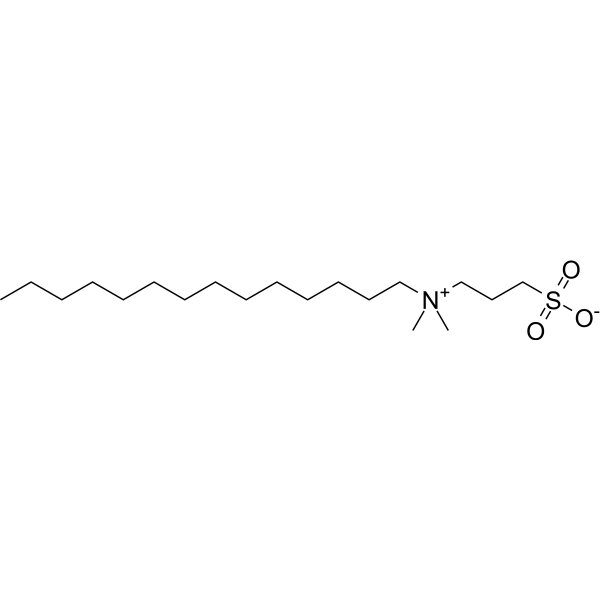
Zwittergent 3-14 (DMAPS) is a zwitterionic detergent commonly used in biochemistry and molecular biology for the solubilization and purification of membrane-bound proteins and other hydrophobic biomolecules, which have both hydrophilic and hydrophobic moieties , so that it has good detergency properties, making it suitable for stabilizing membrane proteins in aqueous solutions. In addition, DMAPS has been used in various techniques such as electrophoresis and chromatography for the separation and analysis of biomolecules. The long The hydrocarbon chains provide it with good membrane penetration and solubilization capabilities, while the sulfonate and quaternary ammonium groups ensure water solubility and charge neutrality.
|
-
- HY-W144704B
-
|
|
Drug Intermediate
|
Others
|
|
(3RS, 7R, 11R)-Dihydrophytol is the hydrogenation intermediate in the synthesis of Phytanic acid (HY-113067) from Phytol (HY-N3075) .
|
-
- HY-N12138
-
|
|
Glycosidase
|
Metabolic Disease
|
|
Flaccidoside III is a triterpenoid isolated from the aerial parts of N. sativa (Ranunculaceae). Flaccidoside III inhibits α-Glucosidase (IC50: 256.7 μM) and has potential antioxidant and antidiabetic activities .
|
-
- HY-D3279
-
|
|
Biochemical Assay Reagents
|
Others
|
|
SMCC-PE is a dipalmitoylphosphatidylethanolamine derivative modified with the heterobifunctional crosslinker SMCC. SMCC-PE is an intermediate formed by conjugating the SMCC linker with R-phycoerythrin for antibody conjugation .
|
-
- HY-Y0623
-
|
HOSu; 1-Hydroxy-2,5-pyrrolidinedione
|
Biochemical Assay Reagents
|
Others
|
|
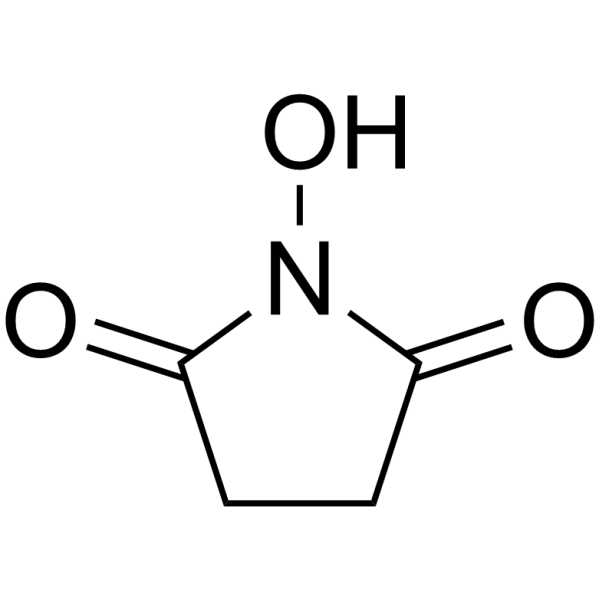
N-Hydroxysuccinimide (HOSu; 1-Hydroxy-2,5-pyrrolidinedione) is a covalent crosslinker commonly used in bioconjugation technology with a primary amine group. N-Hydroxysuccinimide reacts with amino groups (-NH2) to form a stable amide bond, which can modify amino-containing biomolecules. N-Hydroxysuccinimide can be used, for example, for protein labeling with fluorescent dyes and enzymes, surface activation of chromatography supports, microbeads, nanoparticles and microarray slides, and chemical synthesis of peptides. N-Hydroxysuccinimide has a wide range of applications in biomaterial synthesis (such as collagen, chitosan crosslinking), drug delivery systems (such as hydrogel preparation) and tissue engineering .
|
-
- HY-N17786
-
|
|
Drug Derivative
|
Others
|
|
2-O-Methyl-D-xylose is a derivative of Xylose (HY-N0537). 2-O-Methyl-D-xylose can be used as a biomarker for the cell wall polysaccharide RG-II, and changes in its content reveal the destructive effect of gene silencing on the cell wall structure .
|
-
- HY-112624O
-
|
Dextran 100; Dextran D100; Dextran T100(MW 90000-110000)
|
Biochemical Assay Reagents
|
Others
|
|
Dextran T100 (MW 100,000) (Dextran 100; Dextran D100) is a dehydrated glucose polymer with an average molecular weight of 100,000. Dextran T100 (MW 100,000) has an α-(1→6)-linked D-glucose backbone and α-(1→4)-, α-(1→3)- or α-(1→2)-linked D-glucose side chains, and it is synthesized by lactic acid bacteria or their enzymes. Dextran T100 (MW 100,000) possesses favorable biodegradability and biocompatibility, and it can be used in the fields of food, pharmaceuticals, cosmetics and research .
|
-
- HY-N16141
-
-
- HY-P2996B
-
|
|
Others
|
Others
|
|
Nitrate Reductase (NAD[P]H), Pichia pastoris (recombinant) is a simplified version of nitrate reductase S-NaR1 expressed and purified by Pichia pastoris. Nitrate Reductase (NAD[P]H), Pichia Pastoris (recombinant) contains sites binding molybdenum-molybdenopyridine (Mo-MPT) and nitrate reduction active sites and only contains two domains instead of the five domains of the complete NaR. This simplified form of nitrate reductase was expressed in high density in P. pastoris and purified to homogeneity in one step by fixed metal affinity chromatography (IMAC). Nitrate Reductase (NAD[P]H), Pichia Pastoris (recombinant) can be used in the development of biosensors and environmental monitoring .
|
-
- HY-W089645
-
|
N-Methyl-n-trimethylsilyltrifluoroacetamide
|
Biochemical Assay Reagents
|
Cancer
|
|
2,2,2-Trifluoro-N-methyl-N-(trimethylsilyl)acetamide (N-Methyl-n-trimethylsilyltrifluoroacetamide) is an ester product commonly used for silylation reactions in analyticalchemistry. 2,2,2-Trifluoro-N-methyl-N-(trimethylsilyl)acetamide can be used in the derivatization step of metabolomics analysis with gas chromatography/mass spectrometry (GC/MS) or as a derivatization reagent in GC with flame ionization detection analysis. 2,2,2-Trifluoro-N-methyl-N-(trimethylsilyl)acetamide can be used in research for studying Tamoxifen (HY-13757A) resistant breast cancer cells and other disease pathways .
|
-
- HY-121120
-
|
|
Antibiotic
|
Infection
|
|
Isosulfazecin (iSZ) is a novel β-lactam antibiotic produced by Pseudomonas acidophilus sp., synthesized in a nutrient solution supplemented with glycerol and sodium thiosulfate under aerobic conditions in parallel with bacterial growth. It is purified by chromatography and crystallization from aqueous methanol. Physicochemical analysis determined its molecular formula to be C12H20N4O9S, showing a structure with a β-lactam ring, methoxyl and sulfonate groups. Acid hydrolysis yields L-alanine and D-glutamic acid. iSZ is a diastereomer of sulfadiazine and exhibits moderate activity against both gram-positive and gram-negative bacteria, but potent activity against bacteria resistant to β-lactam antibiotics .
|
-
- HY-108882B
-
|
|
DNA/RNA Synthesis
|
Inflammation/Immunology
|
|
DNase I is an enzyme that degrades DNA. DNase I is mainly produced by digestive system organs, such as the pancreas and parotid gland. Three types of DNase I are known in mammals: pancreatic type, parotid type, and pancreatico-parotid type. DNase I plays a key role in the cleavage of extracellular DNA, and is critical for limiting inflammatory responses and maintaining homeostasis. DNase I is responsible for digesting extracellular nucleoproteins, which may be essential for preventing autoimmune responses. Decreased DNase I activity may be associated with the onset and progression of systemic lupus erythematosus (SLE). DNase I (RNase & Protease free) is a molecular biology-grade DNase I purified by chromatography to remove RNase and protease .
|
-
- HY-D1870
-
|
|
Fluorescent Dye
|
Others
|
|
Sulfo-Cy3-PEG3-biotin potassium is a biotin-modified derivative of Cy3 (Cyanine3) (HY-D0822) dye containing a TCO group. The TCO group of Sulfo-Cy3-PEG3-biotin potassium reacts with the tetrazine functional group in highly specific click chemistry to form a covalent bond. Thus, Sulfo-Cy3-PEG3-biotin potassium can be covalently bound to some biomolecules (especially antibodies, proteins, etc.) to track their location and dynamic changes in biological samples. And because it is labeled with biotin, it is often used in affinity chromatography experiments, such as immunoprecipitation.
|
-
- HY-W099581R
-
|
SB3-14 (Standard); DMAPS (Standard)
|
Biochemical Assay Reagents
Reference Standards
|
Others
|
|
Sulfobetaine-14 (Standard) is the analytical standard of Sulfobetaine-14. This product is intended for research and analytical applications. Zwittergent 3-14 (DMAPS) is a zwitterionic detergent commonly used in biochemistry and molecular biology for the solubilization and purification of membrane-bound proteins and other hydrophobic biomolecules, which have both hydrophilic and hydrophobic moieties , so that it has good detergency properties, making it suitable for stabilizing membrane proteins in aqueous solutions. In addition, DMAPS has been used in various techniques such as electrophoresis and chromatography for the separation and analysis of biomolecules. The long The hydrocarbon chains provide it with good membrane penetration and solubilization capabilities, while the sulfonate and quaternary ammonium groups ensure water solubility and charge neutrality.
|
-
- HY-N18177
-
|
|
Others
|
Others
|
|
Apigenin 6-C-β-boivinopyranosyl-7-O-β-glucopyranoside is a C-glycosylflavone that can be found in the whole plant of Pogonatherum crinitum (Thunb.) Kunth .
|
-
- HY-N18049
-
|
|
Amylases
|
Metabolic Disease
|
|
Decussatin is an α-Amylases inhibitor isolated from the Tibetan medicinal plant Swertia mussotii. By inhibiting the catalytic activity of α-Amylases, Decussatin reduces the hydrolysis of complex carbohydrates such as starch and the intestinal absorption of glucose, thereby lowering blood glucose levels in the body. Decussatin shows no significant in vitro antibacterial or antifungal activity. Decussatin can be used for the research of type 2 diabetes .
|
-
- HY-N17589
-
|
|
Others
|
Others
|
|
Purpurin-1-methylether (Compound 7) is an anthraquinone found in Galium spurium var. echinospermon Hayek .
|
-
- HY-N18113
-
|
|
Others
|
Others
|
|
Leptodactylone is a compound isolated from the stem bark of Citrus medica L. var. sarcodactylis SWINGLE .
|
-
- HY-N19685
-
|
|
Drug Derivative
|
Others
|
|
3β-Hydroxy sandaracopimaric acid is a diterpene found in the leaves of Juniperus occidentalis with no significant anti-HIV-1 activity.3β-Hydroxy sandaracopimaric acid does not inhibit HIV-1 replication .
|
-
- HY-N18270
-
|
|
Others
|
Others
|
|
9α-epi-Tuberospironine A is a croomine-type stemona alkaloid found in the roots of Stemona tuberosa .
|
-
- HY-156045C
-
|
|
Biochemical Assay Reagents
|
Others
|
|
Cross-linked dextran G 200 is a hydrophilic gel based on molecular size exclusion and targeted macromolecular separation. Cross-linked dextran G 200 works through the gel permeation mechanism, and the cross-linked structure forms a three-dimensional network with a specific pore size, achieving separation based on the molecular hydrodynamic volume. Cross-linked dextran G 200 can be used to adjust the osmotic solute distribution coefficient and the ability to maintain osmotic equilibrium, such as in gel filtration chromatography for purification and analysis of biomacromolecules such as proteins and nucleic acids . Cross-linked dextran G 200 can also be used as a gel filtration filler (particle size range: 40-120 μm; globular protein separation range: 5-600 kDa) .
|
-
- HY-156045B
-
|
|
Biochemical Assay Reagents
|
Others
|
|
Cross-linked dextran G 150 is a hydrophilic gel based on molecular size exclusion and targeted for the separation of macromolecules. Cross-linked dextran G 150 functions through the gel permeation mechanism, where the cross-linked structure forms a three-dimensional network with specific pore diameters, achieving separation based on the molecular volumetric flow. Cross-linked dextran G 150 can be used to regulate the distribution coefficient of permeating solutes and maintain the permeation balance, such as in gel filtration chromatography for the purification and analysis of biological macromolecules like proteins and nucleic acids. Cross-linked dextran G 150 can also be used as a gel filtration filler (particle size range: 40-120 μm; spherical protein separation range: 5-300 kDa) .
|
-
- HY-N17719
-
|
|
Others
|
Others
|
|
(2S)-Eriodictyol-5-O-β-D-glucopyranoside (Compound 1b) is a type of flavanone glucoside compound, which can be found in Balanophora involucrate Hook. f .
|
-
- HY-N13081
-
|
|
Others
|
Cancer
|
|
3-Oxo-cinobufagin (compound 8) is a potential anticancer compound that can be isolated from the broth of M. spinosus by high-performance liquid chromatography. Compared to other isolated compounds, the hydroxyl group at the C-5 position of 3-Oxo-cinobufagin is further oxidized or isomerized, significantly reducing its cytotoxic activity against most cell lines (except HEL), while increasing its activity against the BEL cell line. The IC50 values of 3-Oxo-cinobufagin's cytotoxicity against cancer cells are: 71.3 μM (HepG2), 90.2 μM (SMMC-7221), 0.11 μM (BEL-7402), 72.5 μM (K562), 5.3 μM (HL-60), and 12 nM (HEL) .
|
-
- HY-N17840
-
|
|
Drug Derivative
|
Others
|
|
6α-Methoxygeniposidic acid is an iridoid glucoside found in the leaves of Hedyotis tenelliflora Blume (Rubiaceae) .
|
-
- HY-N18393
-
|
|
Others
|
Others
|
|
Caudatin 3-O-β-D-glucopyranosyl-(1→4)-β-D-oleandropyranosyl-(1→4)-β-D-cymaropyranosyl-(1→4)-β-D-cymaropyranoside (compound 6) is a C-21 steroidal glycoside that can be isolated from the roots of Cynanchum otophyllum and Cynanchum caudatum .
|
-
- HY-N11602
-
|
|
Endogenous Metabolite
|
Metabolic Disease
|
|
Deoxycholic acid 3-sulfate is a sulfated metabolite of deoxycholic acid, belonging to the sulfate ester form of secondary bile acids. The proportion of Deoxycholic acid 3-sulfate in serum from both healthy states and cholestatic states is below the limit of detection .
|
-
- HY-W100959
-
|
Tetramethylquinone
|
Drug Derivative
|
Others
|
|
Duroquinone (Tetramethylquinone) is a model compound of amphiphilic quinone, which can be used as an oxidative-reductive activity probe. Duroquinone can be easily reduced by biological systems to hydrogen peroxide (DQH₂) or semi-quinone free radicals (DQ•⁻). Duroquinone can freely pass through the cell membrane, facilitating the study of the electron transfer process inside and outside the cells. Duroquinone can be used to investigate the relationship between metabolism in the pulmonary circulation and endothelial cells .
|
-
- HY-34487
-
|
Resorcinol dimethyl ether
|
Environmental Pollutants
Drug Intermediate
|
Others
|
|
1,3-Dimethoxybenzene (Resorcinol dimethyl ether) is a volatile compound with a sweet medicinal odour carrying hazelnut, resinous, and woody notes. 1,3-Dimethoxybenzene is identified as a new volatile component of Douro region grape musts and port wines .
|
-
- HY-N18181
-
|
|
Others
|
Others
|
|
Tamarixetin 7-O-rutinoside is a flavonoid glycoside found in the flowers of Verbascum phlomoides L. .
|
-
- HY-N18085
-
|
|
Endogenous Metabolite
|
Others
|
|
Procyanidin B1 3'-O-gallate is a dimeric procyanidin.Procyanidin B1 3'-O-gallate can be found in the seeds of Vitis vinifera cv. Fernao Pires .
|
-
- HY-176976
-
|
|
Drug-Linker Conjugates for ADC
|
Cancer
|
|
Exatecan-mpGNNG (Compound 10a) is the linker-payload component of an antibody-drug conjugate (ADC). Exatecan-mpGNNG is composed of Exatecan (HY-13631), a potent topoisomerase I inhibitor, and the linker .
|
-
- HY-N18212
-
|
|
Drug Derivative
|
Others
|
|
12-O-Methyl-1-O-tigloyl-1-O-deacetylnimbolinin B (Compound 2) is a limonoid compound present in the fruits of Melia toosendan .
|
-
- HY-P11790
-
|
C-Tag peptide
|
Biochemical Assay Reagents
|
Infection
|
|
EPEA tag peptide (C-Tag peptide) is an epitope tag peptide. EPEA tag peptide enables elution of the SpaP EPEA complex. EPEA tag peptide is applicable to research related to bacterial type III secretion systems .
|
-
- HY-N17564
-
|
|
Drug Derivative
|
Others
|
|
Inonotsutriol C is a lanostane-type triterpenoid found in the sclerotia of Inonotus obliquus .
|
-
- HY-P11398
-
|
|
Bacterial
HIV
Fungal
DNA Alkylator/Crosslinker
|
Infection
Cancer
|
|
Tachyplesin II is a broad-spectrum cationic antimicrobial peptide. Tachyplesin II has significant inhibitory effects on Gram-positive bacteria, Gram-negative bacteria, and some fungi. Tachyplesin II binds to bacterial membrane lipopolysaccharides through its positive charge, disrupting membrane integrity and causing leakage of cellular contents. Tachyplesin II can bind to DNA grooves, inhibiting microbial replication, and also suppressing HIV-1 replication and the proliferation of liver cancer cells .
|
-
- HY-125864C
-
|
|
Biochemical Assay Reagents
|
Cardiovascular Disease
|
|
Porcine Fibrinogen is a coagulation protein, purified from porcine plasma with no plasminogen contained. Porcine Fibrinogen has excellent biocompatibility and does not induce aggregation of porcine platelets when in contact with porcine hepatocytes, aortic endothelial cells or hepatic sinusoidal endothelial cells. Porcine Fibrinogen is widely used in studies on the pathological mechanisms of cardiovascular diseases such as atherosclerosis and the development of related drugs .
|
-
- HY-N11727
-
|
|
Drug Derivative
|
Inflammation/Immunology
|
|
Boeravinone F is a Rotenoid derivative. Boeravinone F can be isolated from Boerhaavia diffusa and Boerhavia repens. Boeravinone F inhibits Acetylcholine-induced contraction of isolated guinea pig ileum .
|
-
- HY-172817
-
-
- HY-D2171
-
|
|
Fluorescent Dye
|
Others
|
|
AF488 DBCO is a fluorescent dye and also a click chemistry reagent that can label azide-containing biomolecules. AF488 DBCO mediates the coupling reaction with azide-modified 2'-OMe RNA oligonucleotides. DBCO is a bioorthogonal partner of azides and enables covalent coupling without copper (Ex/Em = 470/520 nm) .
|
-
- HY-N17942
-
|
|
Others
|
Cancer
|
|
3a-3,29-Dihydroxy-7-oxomultiflor-8-ene-3,29-diyldibenzoate is a multiflorane triterpene ester found in the seeds of Trichosanthes kirilowii and non-cytotoxic agent.3a-3,29-Dihydroxy-7-oxomultiflor-8-ene-3,29-diyldibenzoate lacks marked cytotoxic activity against cancer cells .
|
-
| Cat. No. |
Product Name |
Type |
-
- HY-117695
-
|
6-Aminoquinolyl-N-hydroxysccinimidyl carbamate
|
Fluorescent Dye
|
|
AQC (6-Aminoquinolyl-N-hydroxysccinimidyl carbamate) is a reagent used for amino acid or protein sequence analysis by HPLC with fluorescence detection. AQC reacts with primary and secondary amino acids to yield fluorescent derivates, allowing amino acid detection at under-picomolar levels .
|
-
- HY-W027544
-
|
7-Methoxycoumarin-4-acetic acid
|
Fluorescent Dye
|
|
MCA (7-Methoxycoumarin-4-acetic acid) is a Coumarin (HY-N0709) derivative. MCA quantitates platelet-activating factor (PAF) by high-performance liquid chromatography with fluorescent detection. MCA can modify FRET peptide substrates for analyzing protease activities .
|
-
- HY-N12931F
-
|
|
Fluorescent Dye
|
|
Maackia amurensis Lectin (MAA/MAL II)-Biotinylated is a plant lectin modified by biotin. Maackia amurensis Lectin (MAA/MAL II)-Biotinylated has the activity to recognize specific sugar structures, specifically the alpha-2, 3-linked sialic acid (HY-I0400). Maackia amurensis Lectin (MAA/MAL II)-Biotinylated has a very high affinity with avidin or streptavidin and this interaction can be used to fix it to solid surfaces or bind it to other molecules. Maackia amurensis Lectin (MAA/MAL II)-Biotinylated can be used to isolate and purify proteins or other molecules with specific sugar chain structures in affinity chromatography as well as for disease marker discovery and cancer research .
|
-
- HY-D2171
-
|
|
Fluorescent Dye
|
|
AF488 DBCO is a fluorescent dye and also a click chemistry reagent that can label azide-containing biomolecules. AF488 DBCO mediates the coupling reaction with azide-modified 2'-OMe RNA oligonucleotides. DBCO is a bioorthogonal partner of azides and enables covalent coupling without copper (Ex/Em = 470/520 nm) .
|
-
- HY-DY1070
-
|
|
Fluorescent Dye
|
AQC (6-Aminoquinolyl-N-hydroxysccinimidyl carbamate) (solution) is a reagent used for amino acid or protein sequence analysis by HPLC with fluorescence detection. AQC reacts with primary and secondary amino acids to yield fluorescent derivates, allowing amino acid detection at under-picomolar levels . Solvent and concentration: DMSO: 10 mM The 1 mL volume is defined as the base specification. All larger sizes correspond to incremental volumes of this base.
|
-
- HY-120512
-
|
|
Fluorescent Dye
|
|
5-Phenyl-4E-pentenol is a product of the peroxidase-catalyzed reduction of PPHP. 5-Phenyl-4E-pentenol can be rapidly isolated by solid phase extraction and quantified by isocratic reversed-phase high performance liquid chromatography (HPLC) with UV detection. 5-Phenyl-4E-pentenol is a fluorescent dye that can be used to determine the kinetic properties of heme-containing and non-heme peroxidases and to evaluate the ability of oxidative compounds to serve as substrates for peroxidase reduction. .
|
-
- HY-D1870
-
|
|
Fluorescent Dye
|
|
Sulfo-Cy3-PEG3-biotin potassium is a biotin-modified derivative of Cy3 (Cyanine3) (HY-D0822) dye containing a TCO group. The TCO group of Sulfo-Cy3-PEG3-biotin potassium reacts with the tetrazine functional group in highly specific click chemistry to form a covalent bond. Thus, Sulfo-Cy3-PEG3-biotin potassium can be covalently bound to some biomolecules (especially antibodies, proteins, etc.) to track their location and dynamic changes in biological samples. And because it is labeled with biotin, it is often used in affinity chromatography experiments, such as immunoprecipitation.
|
-
- HY-D3279
-
|
|
Fluorescent Dye
|
|
SMCC-PE is a dipalmitoylphosphatidylethanolamine derivative modified with the heterobifunctional crosslinker SMCC. SMCC-PE is an intermediate formed by conjugating the SMCC linker with R-phycoerythrin for antibody conjugation .
|
| Cat. No. |
Product Name |
Type |
-
- HY-Y0623
-
|
HOSu; 1-Hydroxy-2,5-pyrrolidinedione
|
Biochemical Assay Reagents
|
|
N-Hydroxysuccinimide (HOSu; 1-Hydroxy-2,5-pyrrolidinedione) is a covalent crosslinker commonly used in bioconjugation technology with a primary amine group. N-Hydroxysuccinimide reacts with amino groups (-NH2) to form a stable amide bond, which can modify amino-containing biomolecules. N-Hydroxysuccinimide can be used, for example, for protein labeling with fluorescent dyes and enzymes, surface activation of chromatography supports, microbeads, nanoparticles and microarray slides, and chemical synthesis of peptides. N-Hydroxysuccinimide has a wide range of applications in biomaterial synthesis (such as collagen, chitosan crosslinking), drug delivery systems (such as hydrogel preparation) and tissue engineering .
|
-
- HY-W134327A
-
|
Diethylaminoethyl dextran (MW 500000)
|
Biochemical Assay Reagents
|
|
DEAE-Dextran (MW 500000) is a complex carbohydrate polymer consisting of glucose molecules linked by glycosidic bonds and modified with diethylaminoethyl (DEAE) groups. DEAE-Dextran is a cationic molecule that can be used as a transfection reagent to deliver nucleic acids such as DNA or RNA into cells. Its positive charge interacts with negatively charged cell membranes, facilitating the uptake of nucleic acids. DEAE-Dextran can also be used as an ion-exchange chromatography resin, allowing the separation and purification of biomolecules based on their charge.
|
-
- HY-W099581
-
|
SB3-14; DMAPS
|
Biochemical Assay Reagents
|
|
Zwittergent 3-14 (DMAPS) is a zwitterionic detergent commonly used in biochemistry and molecular biology for the solubilization and purification of membrane-bound proteins and other hydrophobic biomolecules, which have both hydrophilic and hydrophobic moieties , so that it has good detergency properties, making it suitable for stabilizing membrane proteins in aqueous solutions. In addition, DMAPS has been used in various techniques such as electrophoresis and chromatography for the separation and analysis of biomolecules. The long The hydrocarbon chains provide it with good membrane penetration and solubilization capabilities, while the sulfonate and quaternary ammonium groups ensure water solubility and charge neutrality.
|
-
- HY-N8045
-
|
Ricinolic acid methyl ester
|
Biochemical Assay Reagents
|
|
Methyl ricinoleate is a compound belonging to the group of fatty acid methyl esters. It is derived from ricinoleic acid, a monounsaturated omega-9 fatty acid found in castor oil. Methyl ricinoleate is often used as a reference compound for the analysis of fatty acid methyl esters by gas chromatography. It has also been investigated for its potential use as a biofuel and as an ingredient in the production of biodegradable plastics and surfactants.
|
-
- HY-148139
-
|
|
Biochemical Assay Reagents
|
|
Cross-linked dextran G 75 is a Gel-filtration media. Cross-linked dextran G 75 also is a dextran-based matrix and used for Gel-filtration chromatography (Particle size range: 40-120 μm; Sphere protein separation range: 3K-80K Da; Polysaccharide separation range: 1K-50K Da) .
|
-
- HY-W134328
-
|
Dextran blue (MW 2000000)
|
Biochemical Assay Reagents
|
|
Blue dextran (Dextran blue) (MW 2000000) is a high-molecular-weight long-chain polymer of D-glucose. Blue dextran (MW 2000000) serves as an important model macromolecular drug and molecular weight estimation marker, and can be used as a standard for gel permeation chromatography. The release of Blue dextran (MW 2000000) from alginate microspheres is regulated by preparation conditions; its release rate in a pH 6.8 environment is significantly faster than that in pH 1.2, and it exhibits release characteristics close to zero-order kinetics under this condition .
|
-
- HY-B2243A
-
|
Sodium phosphate monobasic for HPLC; Monosodium dihydrogen orthophosphate for HPLC; Monosodium phosphate for HPLC
|
Biochemical Assay Reagents
|
|
Anhydrous sodium dihydrogen phosphate, for HPLC is widely used in molecular biology, biochemistry and chromatography .
|
-
- HY-W074541
-
|
Trimethylacetohydrazideammonium chloride
|
Biochemical Assay Reagents
|
|
Girard's reagent T is often used in analytical chemistry as a derivatizing agent for carbonyl compounds. Girard's reagent T reacts with ketones and aldehydes to form stable hydrazones that can be readily analyzed by various techniques including chromatography and spectrophotometry. In addition, Girard's Reagent T has been used in the synthesis of a variety of organic compounds, including pharmaceuticals and agrochemicals.
|
-
- HY-NP002
-
|
|
Biochemical Assay Reagents
|
|
BSA Standard Solution (5 mg/mL) is a bovine serum albumin solution commonly used as a standard for total serum protein detection. BSA Standard Solution (5 mg/mL) can be used for drawing standard curves and calibrating experiments in total protein assays. BSA Standard Solution (5 mg/mL) is also suitable for various biological experiments, including PCR detection inhibition, antibody desalting, chromatography control, SDS-PAGE electrophoresis, and calibration of UV spectrophotometers .
|
-
- HY-112624O
-
|
Dextran 100; Dextran D100; Dextran T100(MW 90000-110000)
|
Biochemical Assay Reagents
|
|
Dextran T100 (MW 100,000) (Dextran 100; Dextran D100) is a dehydrated glucose polymer with an average molecular weight of 100,000. Dextran T100 (MW 100,000) has an α-(1→6)-linked D-glucose backbone and α-(1→4)-, α-(1→3)- or α-(1→2)-linked D-glucose side chains, and it is synthesized by lactic acid bacteria or their enzymes. Dextran T100 (MW 100,000) possesses favorable biodegradability and biocompatibility, and it can be used in the fields of food, pharmaceuticals, cosmetics and research .
|
-
- HY-123798
-
|
|
Biochemical Assay Reagents
|
|
N,O-Bis(trimethylsilyl)trifluoroacetamide with trimethylchlorosilane is a powerful silylating reagent and can be utilized in chromatography research .
|
-
- HY-138560
-
|
|
Biochemical Assay Reagents
|
|
Cross-linked dextran G 50 is a gel filtration medium. Cross-linked dextran G 50 can be used in gel permeation chromatography for fractionation of the glycopeptide mixture (Sphere protein separation range: 1.5K-30K Da; Polysaccharide separation range: 500-10K Da) .
|
-
- HY-Y0332C
-
|
Sodium phosphate dihydrate,≥99.0%
|
Biochemical Assay Reagents
|
|
Sodium dihydrogen phosphate dihydrate,≥99.0% (Sodium phosphate dihydrate,≥99.0%) is used as a buffer capacity reagent in molecular biology, biochemistry, and chromatography. Sodium dihydrogen phosphate dihydrate,≥99.0% is also used as a laxative and pH buffer when combined with other sodium phosphates and also used as fuel and detergent additives .
|
-
- HY-N7861
-
|
Methyl trans-9-Octadecenoate; (E)-Methyl octadec-9-enoate
|
Biochemical Assay Reagents
|
|
Methyl elaidate is a compound belonging to the class of fatty acid esters. It is derived from elaidic acid, a monounsaturated omega-9 fatty acid found in certain vegetable oils and animal fats. Methyl elaidate is commonly used as a reference compound for the analysis of fatty acids and their derivatives by gas chromatography.
|
-
- HY-W127680
-
|
Tetra-n-butylammonium perchlorate
|
Biochemical Assay Reagents
|
|
Tetrabutylammonium perchlorate is an organic compound containing ammonium ions and perchlorate ions. It is commonly used as an electrolyte in electrochemistry and as a source of perchlorate anion in analytical chemistry. Tetrabutylammonium perchlorate has a variety of applications in the production of batteries, fuel cells and electronic components due to its high ionic conductivity and stability under extreme conditions. In addition, it can be used as a reference standard in analytical methods such as ion chromatography.
|
-
- HY-156045C
-
|
|
Biochemical Assay Reagents
|
|
Cross-linked dextran G 200 is a hydrophilic gel based on molecular size exclusion and targeted macromolecular separation. Cross-linked dextran G 200 works through the gel permeation mechanism, and the cross-linked structure forms a three-dimensional network with a specific pore size, achieving separation based on the molecular hydrodynamic volume. Cross-linked dextran G 200 can be used to adjust the osmotic solute distribution coefficient and the ability to maintain osmotic equilibrium, such as in gel filtration chromatography for purification and analysis of biomacromolecules such as proteins and nucleic acids . Cross-linked dextran G 200 can also be used as a gel filtration filler (particle size range: 40-120 μm; globular protein separation range: 5-600 kDa) .
|
-
- HY-W127676
-
|
N,N,N-Triethylethanaminium perchlorate
|
Biochemical Assay Reagents
|
|
Tetraethylammonium perchlorate is an organic compound containing ammonium ions and perchlorate ions. It is commonly used as an electrolyte in electrochemistry and as a source of perchlorate anion in analytical chemistry. Due to its high ionic conductivity and stability under extreme conditions, tetraethylammonium perchlorate has a variety of applications in the production of batteries, fuel cells and electronic components. In addition, it can be used as a reference standard in analytical methods such as ion chromatography.
|
-
- HY-W099575
-
|
|
Biochemical Assay Reagents
|
|
3-(Hexadecyldimethylammonio)propane-1-sulfonate is an organic compound belonging to the class of sulfonates. It is a quaternary ammonium surfactant commonly used in various industrial and laboratory applications such as the production of detergents, personal care products and pharmaceuticals. 3-(Hexadecyldimethylammonio)propane-1-sulfonate is surface active and can be used as an emulsifier, foaming agent and wetting agent. In addition, it is used as a solubilizer in protein purification and as a surfactant in chromatography.
|
-
- HY-156045B
-
|
|
Biochemical Assay Reagents
|
|
Cross-linked dextran G 150 is a hydrophilic gel based on molecular size exclusion and targeted for the separation of macromolecules. Cross-linked dextran G 150 functions through the gel permeation mechanism, where the cross-linked structure forms a three-dimensional network with specific pore diameters, achieving separation based on the molecular volumetric flow. Cross-linked dextran G 150 can be used to regulate the distribution coefficient of permeating solutes and maintain the permeation balance, such as in gel filtration chromatography for the purification and analysis of biological macromolecules like proteins and nucleic acids. Cross-linked dextran G 150 can also be used as a gel filtration filler (particle size range: 40-120 μm; spherical protein separation range: 5-300 kDa) .
|
-
- HY-W096989
-
|
Sodium 1-heptanesulfonate monohydrate
|
Biochemical Assay Reagents
|
|
Sodium 1-heptanesulfonate monohydrate, for Ion-Pair Chromatography (Sodium 1-heptanesulfonate monohydrate) is an ion pair reagent for HPLC that can be used to analyze peptides and proteins..
|
-
- HY-Y0332G
-
|
Potassium phosphate monobasic, for molecular biology
|
Biochemical Assay Reagents
|
|
Potassium dihydrogen phosphate (Potassium phosphate monobasic), for molecular biology, ≥ 99% is used as a buffer capacity reagent in molecular biology, biochemistry, and chromatography. For the preparation of biological buffers. It is also used to purify antibodies, and in combination with other sodium phosphates .
|
-
- HY-W111436
-
|
N,N,N-tributylbutan-1-aminium tetraphenylborate(1-)
|
Biochemical Assay Reagents
|
|
Tetrabutylammonium tetraphenylborate is a quaternary ammonium salt belonging to the class of alkylammonium salts. This compound is commonly used as an ion-pairing reagent in chromatography and analytical chemistry, facilitating the separation and identification of various organic compounds. Its unique chemical properties make it an important ingredient in a variety of scientific applications, including pharmaceuticals, agrochemicals, and materials science products.
|
-
- HY-W099581R
-
|
SB3-14 (Standard); DMAPS (Standard)
|
Biochemical Assay Reagents
|
|
Sulfobetaine-14 (Standard) is the analytical standard of Sulfobetaine-14. This product is intended for research and analytical applications. Zwittergent 3-14 (DMAPS) is a zwitterionic detergent commonly used in biochemistry and molecular biology for the solubilization and purification of membrane-bound proteins and other hydrophobic biomolecules, which have both hydrophilic and hydrophobic moieties , so that it has good detergency properties, making it suitable for stabilizing membrane proteins in aqueous solutions. In addition, DMAPS has been used in various techniques such as electrophoresis and chromatography for the separation and analysis of biomolecules. The long The hydrocarbon chains provide it with good membrane penetration and solubilization capabilities, while the sulfonate and quaternary ammonium groups ensure water solubility and charge neutrality.
|
-
- HY-B0570A
-
|
|
Biochemical Assay Reagents
|
|
Decamethonium bromide(Reagent for Ion-Pair Chromatography,99%) is a biochemical reagent that can be used as a biological material or organic compound for life science related research.
|
-
- HY-W009545
-
|
1-Decanesulfonic acid sodium
|
Biochemical Assay Reagents
|
|
Sodium decane-1-sulfonate is an anionic surfactant used for the analysis of organic small molecule compounds by HPLC and ion-pair liquid chromatography.
|
-
- HY-W017224
-
|
Sodium 1-butanesulfonate
|
Biochemical Assay Reagents
|
|
Sodium butane-1-sulfonate (Sodium 1-butanesulfonate) is an ion-pair reagent. Sodium butane-1-sulfonate is often used in combination with tetramethylammonium hydroxide, malonic acid, etc. in reversed-phase ion-pair chromatography, and can improve the separation efficiency of species of elements such as arsenic and selenium .
|
-
- HY-138560A
-
|
|
Biochemical Assay Reagents
|
|
Cross-linked dextran G 50, medium is a gel filtration medium. Cross-linked dextran G 50, medium can be used in gel permeation chromatography for fractionation of the glycopeptide mixture (Sphere protein separation range: 1.5K-30K Da; Polysaccharide separation range: 500-10K Da). Cross-linked dextran G 50, medium are microspheres with an average particle size of D50 = 220-250 μm .
|
-
- HY-138560B
-
|
|
Biochemical Assay Reagents
|
|
Cross-linked dextran G 50, fine is a gel filtration medium. Cross-linked dextran G 50, fine can be used in gel permeation chromatography for fractionation of the glycopeptide mixture (Sphere protein separation range: 1.5K-30K Da; Polysaccharide separation range: 500-10K Da). Cross-linked dextran G 50, fineThe average particle size is D50=110-130 μmof microspheres .
|
-
- HY-123798R
-
|
|
Biochemical Assay Reagents
|
|
N,O-Bis(trimethylsilyl)trifluoroacetamide with trimethylchlorosilane (Standard) is the analytical standard of N,O-Bis(trimethylsilyl)trifluoroacetamide with trimethylchlorosilane. This product is intended for research and analytical applications. N,O-Bis(trimethylsilyl)trifluoroacetamide with trimethylchlorosilane is a powerful silylating reagent and can be utilized in chromatography research .
|
-
- HY-W009545R
-
|
1-Decanesulfonic acid sodium (Standard)
|
Biochemical Assay Reagents
|
|
Sodium decane-1-sulfonate (Standard) is the analytical standard of Sodium decane-1-sulfonate. This product is intended for research and analytical applications. Sodium decane-1-sulfonate is an anionic surfactant used for the analysis of organic small molecule compounds by HPLC and ion-pair liquid chromatography.
|
-
- HY-W598230A
-
|
|
Biochemical Assay Reagents
|
|
m-PEG2000-NH2 hydrochloride is a barrier permeation compound involved in the preparation of hybrid gels with adsorption and size exclusion chromatography (AdSEC) properties. m-PEG-NH2 helps AdSEC gels separate from complex biological mixtures such as blood, urine, sweat, and tears.
|
-
- HY-N8045R
-
|
Ricinolic acid methyl ester (Standard)
|
Biochemical Assay Reagents
|
|
Methyl ricinoleate (Standard) is the analytical standard of Methyl ricinoleate. This product is intended for research and analytical applications. Methyl ricinoleate is a compound belonging to the group of fatty acid methyl esters. It is derived from ricinoleic acid, a monounsaturated omega-9 fatty acid found in castor oil. Methyl ricinoleate is often used as a reference compound for the analysis of fatty acid methyl esters by gas chromatography. It has also been investigated for its potential use as a biofuel and as an ingredient in the production of biodegradable plastics and surfactants.
|
-
- HY-N7861R
-
|
Methyl trans-9-Octadecenoate (Standard); (E)-Methyl octadec-9-enoate (Standard)
|
Biochemical Assay Reagents
|
|
Methyl elaidate (Standard) is the analytical standard of Methyl elaidate. This product is intended for research and analytical applications. Methyl elaidate is a compound belonging to the class of fatty acid esters. It is derived from elaidic acid, a monounsaturated omega-9 fatty acid found in certain vegetable oils and animal fats. Methyl elaidate is commonly used as a reference compound for the analysis of fatty acids and their derivatives by gas chromatography.
|
| Cat. No. |
Product Name |
Target |
Research Area |
-
- HY-P0294
-
|
6X His Tag
|
Biochemical Assay Reagents
|
Others
|
|
Hexa-His (6X His Tag) is a commonly used affinity tag made up of six histidine residues. HEXA-HIS can bind to affinity chromatography media containing transition metal ions like nickel (Ni 2+) or cobalt (Co 2+), making it useful for protein purification .
|
-
- HY-P5531
-
|
|
Peptides
|
Others
|
|
beta-Casein phosphopeptide is a biological active peptide. (Bovine -Casein, monophosphopeptide (phospho-Serine) can be used for characterization of affinity purified phosphorylated peptides in liquid chromatography and for the analysis or detection of phosphorylated peptides in mass spectrometry.)
|
-
- HY-113084
-
|
|
Drug Derivative
|
Metabolic Disease
|
|
L-Cysteine S-sulfate is an S-sulfated derivative of L-cysteine (HY-Y0337). L-Cysteine S-sulfate is the substrate for cystine lyase, it can be used in mass spectrometry and chromatography analyses .
|
-
- HY-P3570
-
|
Lom-AKH-II
|
Endogenous Metabolite
|
Metabolic Disease
|
|
Adipokinetic hormone II (Locusta migratoria) (Lom-AKH-II) is a insect adipokinetic hormone (AKH), enhances fat body cAMP levels in vitro. Insect adipokinetic hormones (AKHs) controls flight-directed mobilization of carbohydrate and lipid from fat body stores, which depends on AKH receptor(s) coupling to cAMP formation and glycogen phosphorylase activation via the stimulatory guanine nucleotide-binding protein (Gs) .
|
-
- HY-P3572
-
|
Lom-AKH-I
|
Endogenous Metabolite
|
Endocrinology
|
|
Adipokinetic hormone I (Locusta migratoria) (Lom-AKH-I) is a insect adipokinetic hormone (AKH), enhances fat body cAMP levels in vitro. Insect adipokinetic hormones (AKHs) controls flight-directed mobilization of carbohydrate and lipid from fat body stores, which depends on AKH receptor(s) coupling to cAMP formation and glycogen phosphorylase activation via the stimulatory guanine nucleotide-binding protein (Gs) .
|
-
- HY-P10544
-
|
|
Interleukin Related
|
Others
|
|
Humanized anti-tac (HAT) binding peptide is a peptide that can specifically bind to the Fc region of HAT. HAT is a humanized monoclonal antibody against the low affinity p55 subunit of the interleukin IL-2 receptor. Humanized anti-tac (HAT) binding peptide can be used to develop affinity chromatography media to purify specific monoclonal antibodies .
|
-
- HY-P11790
-
|
C-Tag peptide
|
Biochemical Assay Reagents
|
Infection
|
|
EPEA tag peptide (C-Tag peptide) is an epitope tag peptide. EPEA tag peptide enables elution of the SpaP EPEA complex. EPEA tag peptide is applicable to research related to bacterial type III secretion systems .
|
-
- HY-P11398
-
|
|
Bacterial
HIV
Fungal
DNA Alkylator/Crosslinker
|
Infection
Cancer
|
|
Tachyplesin II is a broad-spectrum cationic antimicrobial peptide. Tachyplesin II has significant inhibitory effects on Gram-positive bacteria, Gram-negative bacteria, and some fungi. Tachyplesin II binds to bacterial membrane lipopolysaccharides through its positive charge, disrupting membrane integrity and causing leakage of cellular contents. Tachyplesin II can bind to DNA grooves, inhibiting microbial replication, and also suppressing HIV-1 replication and the proliferation of liver cancer cells .
|
-
- HY-K0230
-
Maximum Cited Publications
30 Publications Verification
|
|
MCE Protein A/G Agarose is an affinity chromatography medium for separation and purification of immunoglobulins.
|
-
- HY-K0221
-
1 Publications Verification
|
|
MCE Affinity Chromatography (AC) Columns are designed for purification of recombinant proteins with different tags, enzymes, antibodies, antigens and nucleic acids.
|
-
- HY-K0264
-
|
|
|
MCE Butyl Agarose 4FF is a hydrophobic chromatography medium formed by covalently coupling butyl ligands to agarose. It is suitable for both laboratory use and large-scale industrial purification.
|
-
- HY-K0266
-
|
|
|
MCE Octyl Agarose 6FF is a hydrophobic chromatography medium formed by covalently coupling butyl ligands to agarose. It is suitable for both laboratory use and large-scale industrial purification.
|
-
- HY-K0270
-
|
|
|
MCE Phenyl Agarose HP is a high-resolution hydrophobic chromatography medium formed by covalently coupling phenyl ligands to agarose. It is suitable for laboratory-scale and industrial-scale purification of biomolecules.
|
-
- HY-K0265
-
|
|
|
MCE Butyl Agarose HP is a high-resolution hydrophobic chromatography medium formed by covalently coupling butyl ligands to agarose. It is suitable for both laboratory use and large-scale industrial purification.
|
-
- HY-K0267
-
|
|
|
MCE Octyl Agarose HP is a high-resolution hydrophobic chromatography medium formed by covalently coupling octyl ligands to agarose. It is suitable for both laboratory use and large-scale industrial purification.
|
-
- HY-K0268
-
|
|
|
MCE Phenyl Agarose (Low Sub) 6FF is a low-substitution hydrophobic chromatography medium formed by covalently coupling phenyl ligands to agarose. It is suitable for laboratory-scale and industrial-scale purification of biomolecules with relatively weak hydrophobicity.
|
-
- HY-K0269
-
|
|
|
MCE Phenyl Agarose (High Sub) 6FF is a high-substitution hydrophobic chromatography medium formed by covalently coupling phenyl ligands to agarose. It is suitable for laboratory-scale and industrial-scale purification of biomolecules with relatively weak hydrophobicity.
|
-
- HY-K0218A
-
|
|
|
MCE Streptavidin Agarose 6FF, a 6% highly cross-linked agarose reagent coupled with recombinant streptavidin, is an affinity chromatography medium for separation and purification of biotinylated peptides, antibodies, lectins, etc. The total binding capacity of Streptavidin Agarose 6FF is more than 200 nmol of D-Biotin/mL settled resin.
|
| Cat. No. |
Product Name |
Category |
Target |
Chemical Structure |
-
- HY-128699
-
-
-
- HY-B0754A
-
-
-
- HY-B0754
-
-
-
- HY-45609
-
-
-
- HY-N3286
-
-
-
- HY-N2732
-
-
-
- HY-113084
-
-
-
- HY-128699R
-
-
-
- HY-115773
-
-
-
- HY-115689
-
-
-
- HY-N17239
-
-
-
- HY-W144704B
-
-
-
- HY-N15632
-
-
-
- HY-100787
-
-
-
- HY-45609R
-
-
-
- HY-W040821R
-
-
-
- HY-N12143
-
-
-
- HY-W010410R
-
|
|
Microorganisms
Plants
Source Classification
|
Reference Standards
Others
|
|
Methyl ricinoleate (Standard) is the analytical standard of Methyl ricinoleate. This product is intended for research and analytical applications. Methyl ricinoleate is a compound belonging to the group of fatty acid methyl esters. It is derived from ricinoleic acid, a monounsaturated omega-9 fatty acid found in castor oil. Methyl ricinoleate is often used as a reference compound for the analysis of fatty acid methyl esters by gas chromatography. It has also been investigated for its potential use as a biofuel and as an ingredient in the production of biodegradable plastics and surfactants.
|
-
-
- HY-N12138
-
-
-
- HY-121120
-
|
|
Structural Classification
Microorganisms
Antibiotics
Beta-lactam Antibiotics
Source Classification
|
Antibiotic
|
|
Isosulfazecin (iSZ) is a novel β-lactam antibiotic produced by Pseudomonas acidophilus sp., synthesized in a nutrient solution supplemented with glycerol and sodium thiosulfate under aerobic conditions in parallel with bacterial growth. It is purified by chromatography and crystallization from aqueous methanol. Physicochemical analysis determined its molecular formula to be C12H20N4O9S, showing a structure with a β-lactam ring, methoxyl and sulfonate groups. Acid hydrolysis yields L-alanine and D-glutamic acid. iSZ is a diastereomer of sulfadiazine and exhibits moderate activity against both gram-positive and gram-negative bacteria, but potent activity against bacteria resistant to β-lactam antibiotics .
|
-
-
- HY-N9808
-
|
|
Structural Classification
Monophenols
Rhodiola rosea Linn.
Crassulaceae
Phenols
Plants
Source Classification
|
Others
|
|
Creoside III is a glycoside compound, mainly used as a component of natural product libraries for potential activity screening studies in the field of natural product chemistry. Creoside III can be naturally extracted from the dried roots of Rhodiola crenulata (a plant of the genus Rhodiola in the Crassulaceae family) through methanol reflux extraction, column chromatography separation, and high-performance liquid chromatography purification .
|
-
-
- HY-N10982
-
-
-
- HY-N18130
-
-
-
- HY-N17577
-
-
-
- HY-N18248
-
-
-
- HY-N18213
-
-
-
- HY-N17786
-
-
-
- HY-N18177
-
-
-
- HY-N18049
-
|
|
Structural Classification
Monophenols
Gentianaceae
Phenols
Swertia mussotii Franch.
Plants
Source Classification
|
Amylases
|
|
Decussatin is an α-Amylases inhibitor isolated from the Tibetan medicinal plant Swertia mussotii. By inhibiting the catalytic activity of α-Amylases, Decussatin reduces the hydrolysis of complex carbohydrates such as starch and the intestinal absorption of glucose, thereby lowering blood glucose levels in the body. Decussatin shows no significant in vitro antibacterial or antifungal activity. Decussatin can be used for the research of type 2 diabetes .
|
-
-
- HY-N17589
-
-
-
- HY-N18113
-
-
-
- HY-N19685
-
-
-
- HY-N18270
-
-
-
- HY-N17719
-
-
-
- HY-N13081
-
|
|
Microorganisms
Steroids
Source Classification
|
Others
|
|
3-Oxo-cinobufagin (compound 8) is a potential anticancer compound that can be isolated from the broth of M. spinosus by high-performance liquid chromatography. Compared to other isolated compounds, the hydroxyl group at the C-5 position of 3-Oxo-cinobufagin is further oxidized or isomerized, significantly reducing its cytotoxic activity against most cell lines (except HEL), while increasing its activity against the BEL cell line. The IC50 values of 3-Oxo-cinobufagin's cytotoxicity against cancer cells are: 71.3 μM (HepG2), 90.2 μM (SMMC-7221), 0.11 μM (BEL-7402), 72.5 μM (K562), 5.3 μM (HL-60), and 12 nM (HEL) .
|
-
-
- HY-N17840
-
-
-
- HY-N18393
-
-
-
- HY-N11602
-
-
-
- HY-N18181
-
-
-
- HY-N18085
-
-
-
- HY-N18212
-
-
-
- HY-N17564
-
-
-
- HY-N11727
-
-
-
- HY-N17942
-
-
| Cat. No. |
Product Name |
Chemical Structure |
-
- HY-W027544S
-
|
|
|
MCA-d3 (7-Methoxycoumarin-4-acetic acid3) is the deuterium labeled MCA (HY-W027544) . MCA is a Coumarin (HY-N0709) derivative. MCA quantitates platelet-activating factor (PAF) by high-performance liquid chromatography with fluorescent detection. MCA can modify FRET peptide substrates for analyzing protease activities .
|
-
-
- HY-W723884
-
|
|
|
Sodium n-decyl-d21 Sulfate sodium is the deuterium labeled Sodium decyl sulfate(Reagent for Ion-Pair Chromatography,99%).
|
-
| Cat. No. |
Product Name |
|
Classification |
-
- HY-D2171
-
|
|
|
DBCO
|
|
AF488 DBCO is a fluorescent dye and also a click chemistry reagent that can label azide-containing biomolecules. AF488 DBCO mediates the coupling reaction with azide-modified 2'-OMe RNA oligonucleotides. DBCO is a bioorthogonal partner of azides and enables covalent coupling without copper (Ex/Em = 470/520 nm) .
|
| Cat. No. |
Product Name |
|
Classification |
-
- HY-W784557
-
|
|
|
Phosphoramidites
Other Phosphoramidite
|
|
O-DMT-2,2-di(ethoxycarbonyl)propan-1,3-diol is a chemical phosphorylation reagent used for the synthesis of 5'-phosphorylated oligonucleotides. It contains the chemical protective group DMT in its structure, which allows for purification through C18 columns or reversed-phase chromatography .
|
Your information is safe with us. * Required Fields.
Inquiry Information
- Product Name:
- Cat. No.:
- Quantity:
- MCE Japan Authorized Agent:

