Search Result
Results for "
chronic kidney disease (CKD)
" in MedChemExpress (MCE) Product Catalog:
1
Biochemical Assay Reagents
| Cat. No. |
Product Name |
Target |
Research Areas |
Chemical Structure |
-
- HY-13324
-
|
RTA 402; NSC 713200; CDDO Methyl ester
|
Keap1-Nrf2
SARS-CoV
Virus Protease
|
Cardiovascular Disease
Infection
Neurological Disease
Metabolic Disease
Inflammation/Immunology
Cancer
|
|
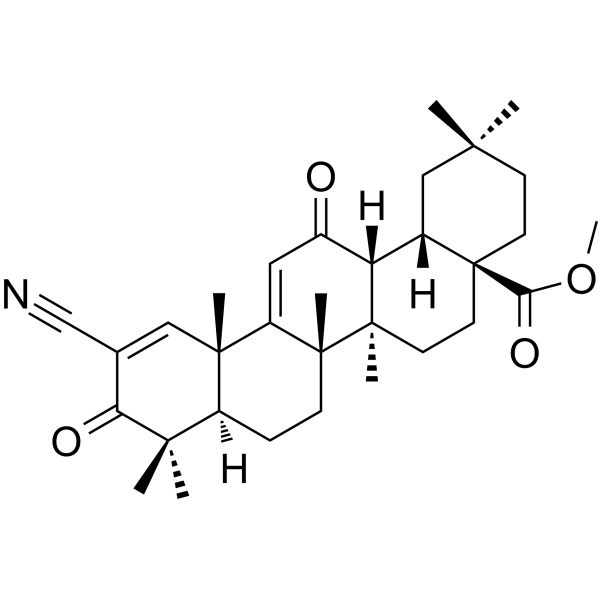
Bardoxolone (CDDO; RTA 401) methyl is an orally active and blood-brain-barrier-penetrant activator of Nrf2 and an inhibitor of SARS-CoV-2 3CL protease. Bardoxolone methyl inhibits SARS-CoV-2 replication in Vero cells with an EC50 value of 0.29 μM. Bardoxolone methyl increases levels of pNrf2 and HO-1, inhibits inflammatory mediators like pNFκB and MCP-1. Bardoxolone methyl activates the Nrf2 pathway to enhance antioxidant and anti-inflammatory responses, inhibits viral replication, and improves mitochondrial function. Bardoxolone methyl can be used in research on chemotherapy-induced neuropathic pain (CINP), COVID-19, and chronic kidney disease (CKD) .
|
-
-
- HY-N1428C
-
|
Iron(III) citrate; Zerenex
|
Reactive Oxygen Species (ROS)
Antibiotic
|
Metabolic Disease
|
|
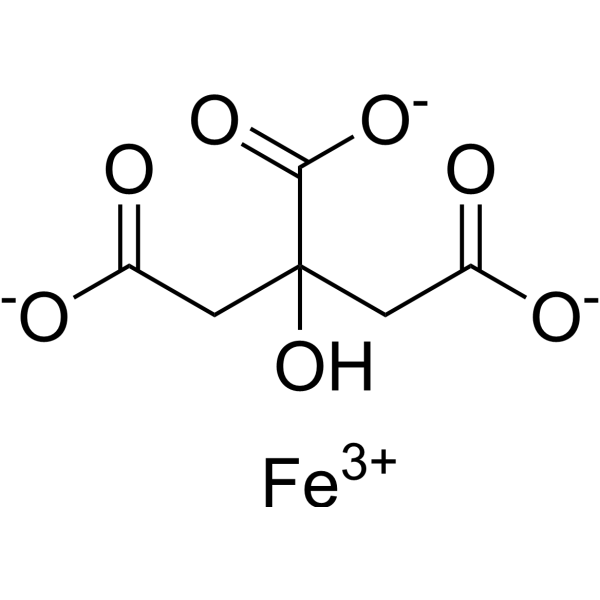
Ferric citrate (Iron(III) citrate), an orally active iron supplement, is an efficacious phosphate binder. Ferric citratee can be used for iron deficiency anemia and chronic kidney disease (CKD) research .
|
-
-
- HY-12654
-
|
BAY 85-3934
|
HIF/HIF Prolyl-Hydroxylase
|
Cardiovascular Disease
|
|
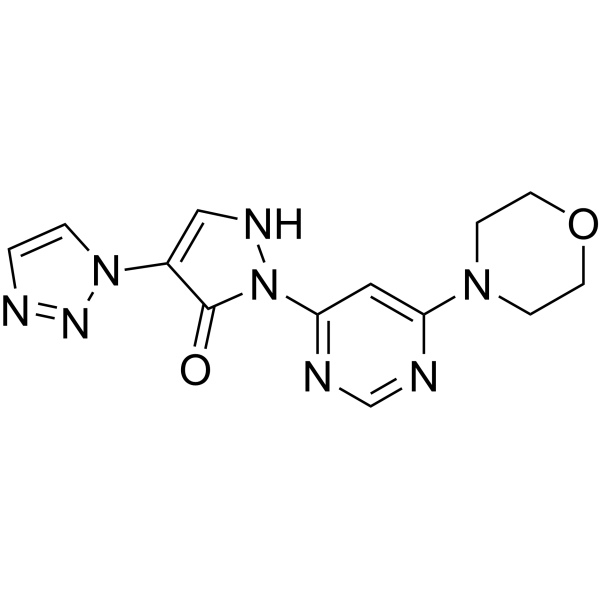
Molidustat (BAY 85-3934) is an orally active inhibitor of hypoxia-inducible factor prolyl hydroxylase (HIF-PH) with IC50 values of 480 nM, 280 nM, and 450 nM for PHD1, PHD2, and PHD3, respectively. Molidustat can elevate the levels of circulating erythropoietin (EPO) to near-normal physiological ranges. Molidustat can be utilized in the research of renal anemia .
|
-
-
- HY-126397
-
|
|
NF-κB
|
Inflammation/Immunology
|
|
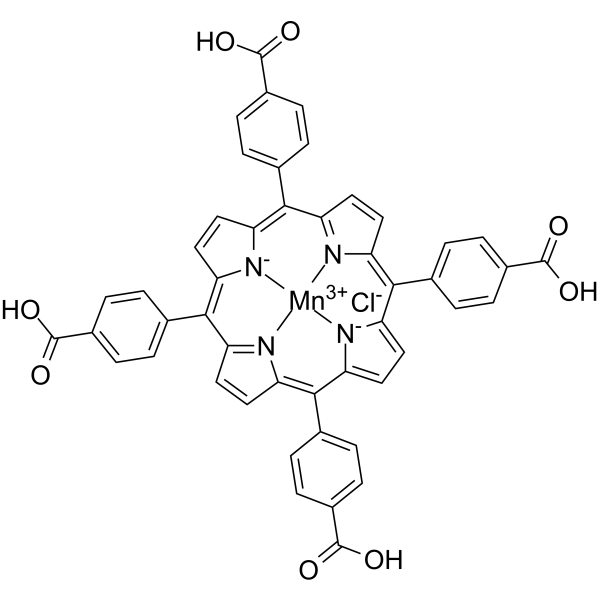
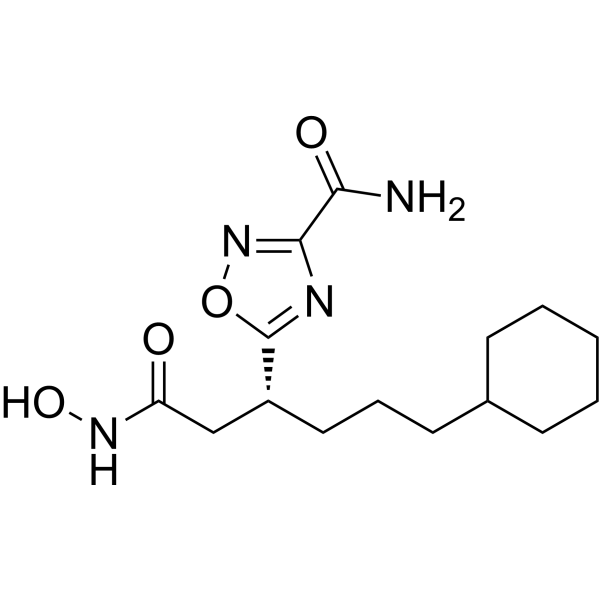
MnTBAP chloride is a superoxide dismutase (SOD) mimetic and peroxynitrite scavenger. MnTBAP chloride is a manganic porphyrin complex and has anti-oxidative property. MnTBAP chloride mediates anti-inflammatory effects through upregulation of BMPR-II and inhibition of the NFκB signaling. MnTBAP chloride has the potential for the fibrotic response in chronic kidney diseases (CKDs) research .
|
-
-
- HY-13102
-
|
|
Procollagen C Proteinase
|
Others
|
|
UK-383367 is an orally available pro-collagen C-protease inhibitor (BMP-1) with an IC50 value of 44 nM. UK-383367 can reduce renal fibrosis and inflammation in chronic kidney disease (CKD) and may be used to study postoperative skin scarring .
|
-
-
- HY-112671
-
|
RTA dh404
|
Keap1-Nrf2
NF-κB
Apoptosis
|
Cardiovascular Disease
Inflammation/Immunology
|
|
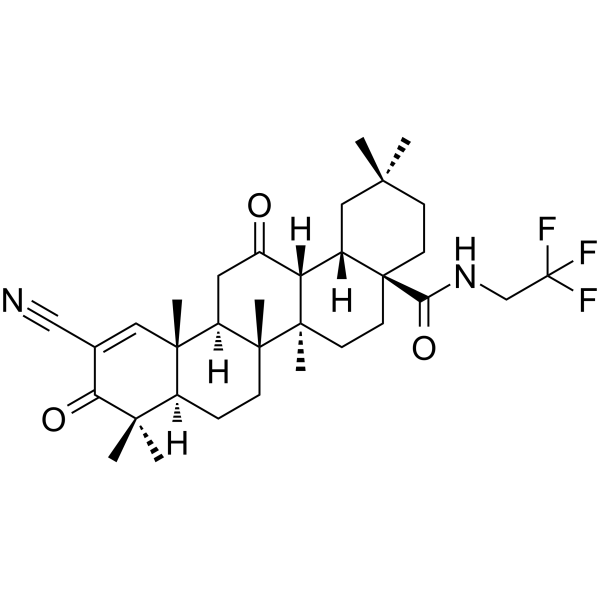
CDDO-dhTFEA (RTA dh404) is a synthetic oleanane triterpenoid compound which potently activates Nrf2 and inhibits the pro-inflammatory transcription factor NF-κB . CDDO-dhTFEA restores hypertension (MAP), increases Nrf2 and expression of its target genes, attenuates activation of NF-κB and transforming growth factor-β pathways, and reduces glomerulosclerosis, interstitial fibrosis and inflammation in the chronic kidney disease (CKD) rats .
|
-
-
- HY-113493
-
|
|
Endogenous Metabolite
|
Metabolic Disease
|
|
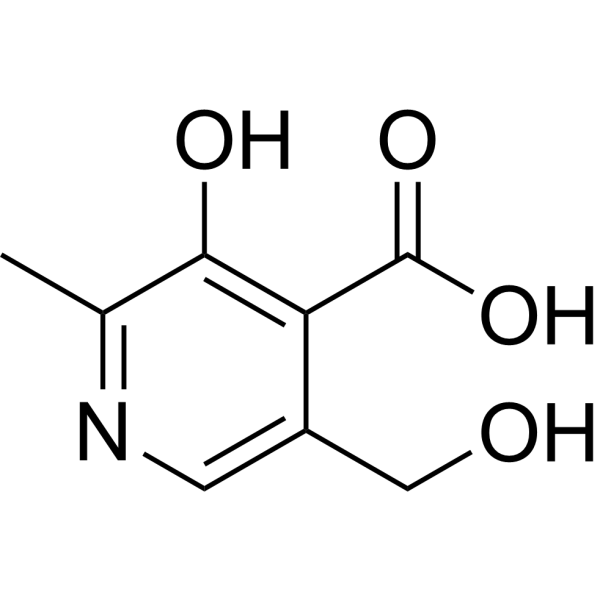
4-Pyridoxic acid is an endogenous substrate of renal organic anion transporters (OAT1/3) and a catabolite of vitamin B6. 4-Pyridoxic acid is excreted through OAT1/3-mediated tubular active secretion, which can reflect OAT1/3 activity. Elevated plasma concentrations of 4-Pyridoxic acid are associated with decreased OAT1/3 activity in chronic kidney disease (CKD) and can be used as a biomarker to reflect the severity of knee osteoarthritis (KOA) and lumbar spondylosis (LS) .
|
-
-
- HY-P11178
-
|
|
Apoptosis
SARS-CoV
|
Infection
Metabolic Disease
Inflammation/Immunology
|
|
Corisin is a pro-apoptotic small peptide produced by Staphylococcus species. Corisin binds to serum albumin to target organs such as the lungs and kidneys, induces cellular senescence, apoptosis and epithelial-mesenchymal transition, and accelerates the progression of organ fibrosis including pulmonary fibrosis and diabetic renal fibrosis. Corisin levels are closely associated with coronavirus disease 2019 (COVID-19), diabetic chronic kidney disease (CKD), non-diabetic CKD, and idiopathic pulmonary fibrosis (IPF) .
|
-
-
- HY-119572
-
|
|
Biochemical Assay Reagents
|
Inflammation/Immunology
|
|
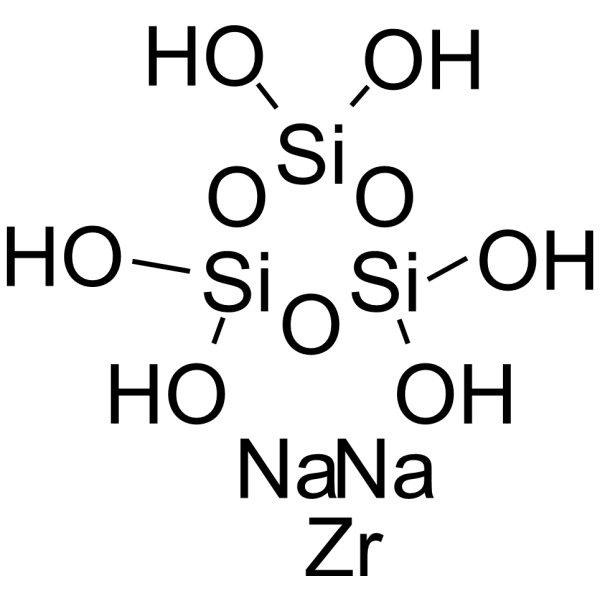
Sodium zirconium cyclosilicate is an orally administered, non-absorbed, novel, inorganic microporous zirconium silicate compound, is a highly selective cation exchanger that selectively removes excess K + in vivo. Sodium zirconium cyclosilicate can be used in research of chronic kidney disease (CKD) .
|
-
-
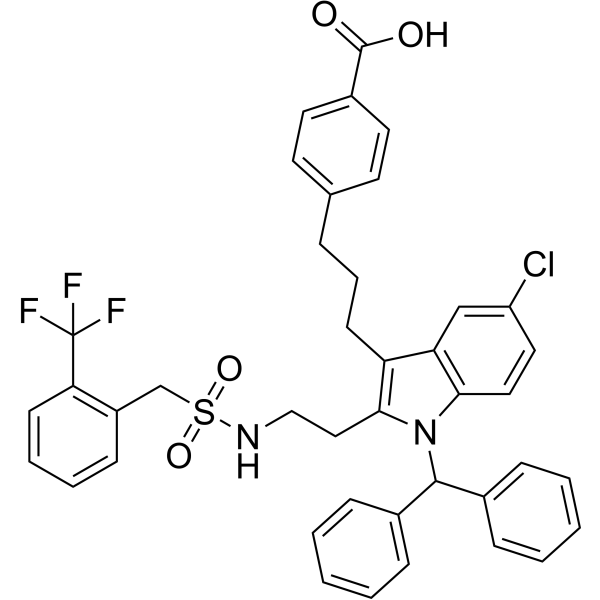
- HY-123572
-
-
-
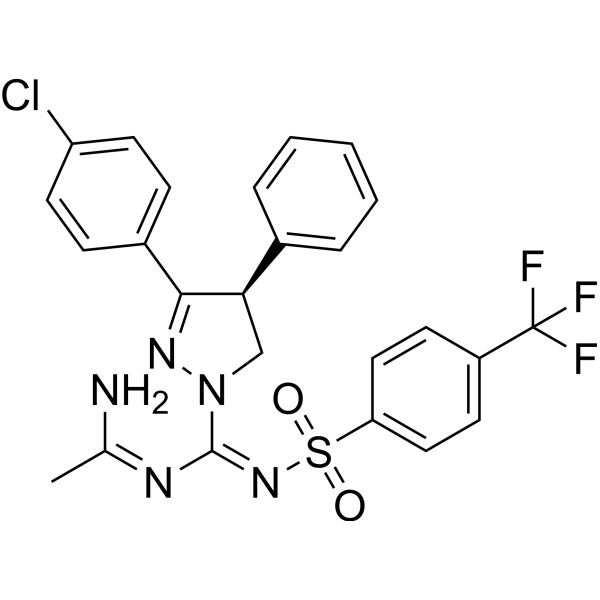
- HY-109136
-
|
BAY 1101042
|
Guanylate Cyclase
|
Cardiovascular Disease
Metabolic Disease
|
|
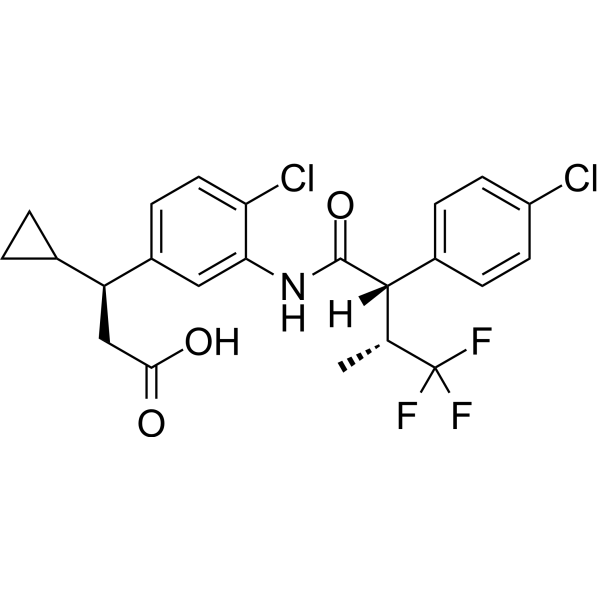
Runcaciguat (BAY 1101042) is a selective, orally active, allosteric activator of soluble guanylate cyclase (sGC) that specifically targets its oxidized and heme-free form. Runcaciguat binds to sGC in a histidine-dependent manner and restores cyclic guanosine monophosphate (cGMP) production under oxidative stress, independent of nitric oxide (NO) or heme. Runcaciguat exhibits renoprotective and cardioprotective activities, such as reduced proteinuria and improved renal function. Runcaciguat is primarily being studied in chronic kidney disease (CKD) associated with hypertension, diabetes, and metabolic disorders, as well as potential cardiovascular indications such as heart failure with preserved ejection fraction (HFpEF) .
|
-
-
- HY-109106A
-
|
SK-1403; AJT240; PLS240
|
CaSR
|
Endocrinology
|
|
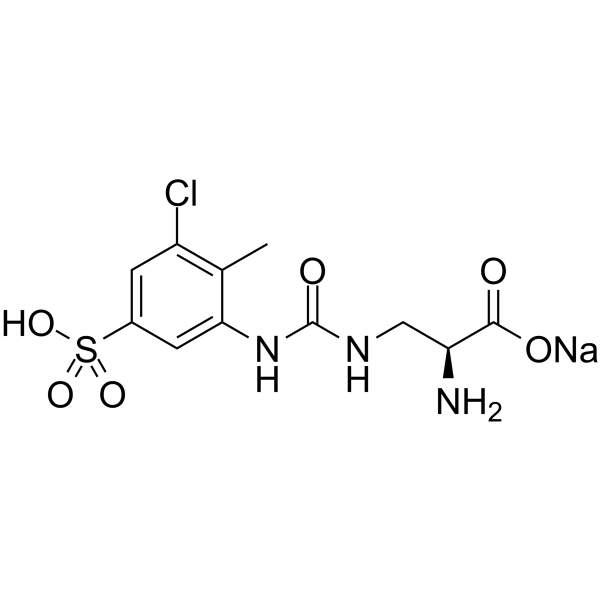
Upacicalcet sodium is a non-peptide calcimimetic that acts as a CaSR agonist (EC50 = 10.8 nM). Upacicalcet sodium reduces serum intact parathyroid hormone (iPTH) and serum Ca 2+ levels, reducing hypocalcemia and gastrointestinal complications. Upacicalcet sodium sodium improves vascular calcification and bone disorders in the Adenine (HY-B0152)-induced secondary hyperparathyroidism (SHPT) rat model. Upacicalcet sodium sodium inhibits cortical pore formation and reduces bone fibrosis in rats with chronic kidney disease (CKD). Upacicalcet sodium is useful for studying SHPT .
|
-
-
- HY-W416250
-
|
|
Drug Metabolite
|
Cardiovascular Disease
|
|
p-Cresol glucuronide, a metabolite of p-cresol, is a prototype protein-bound uremic toxin. p-Cresol glucuronide is associated with chronic kidney disease (CKD) .
|
-
-
- HY-47030
-
-
-
- HY-141411A
-
|
(S)-MRI-1867
|
Cannabinoid Receptor
NO Synthase
|
Metabolic Disease
|
|
Zevaquenabant ((S)-MRI-1867) is a peripherally restricted, orally bioavailable dual cannabinoid CB1 receptor and inducible NOS antagonist. Zevaquenabant ameliorates obesity-induced chronic kidney disease (CKD) .
|
-
-
- HY-145150
-
|
|
TRP Channel
|
Metabolic Disease
|
|
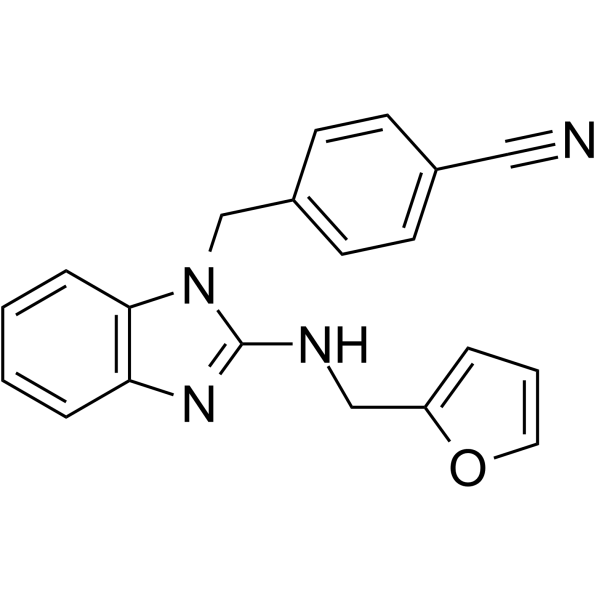
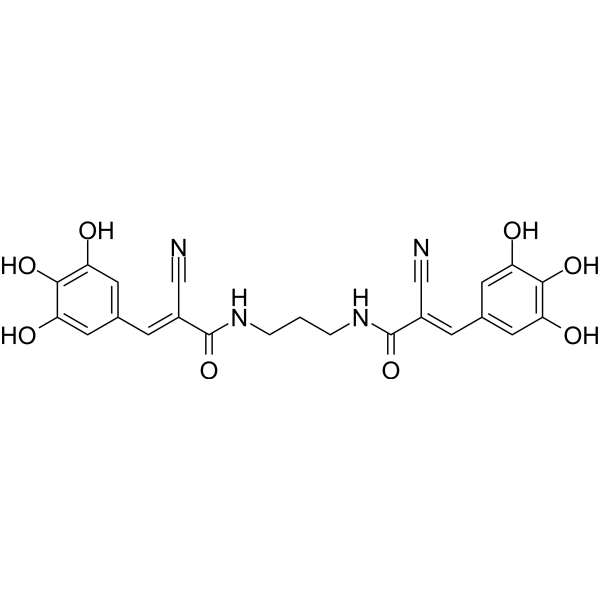
TRPC5-IN-1 (Compound 6j) is a selective TRPC5 inhibitor with 50.5 % Inhibition for TRPC5 at 3 μM. TRPC5-IN-1 can be used for the research of chronic kidney disease (CKD) .
|
-
-
- HY-120268A
-
|
|
SphK
|
Inflammation/Immunology
|
|
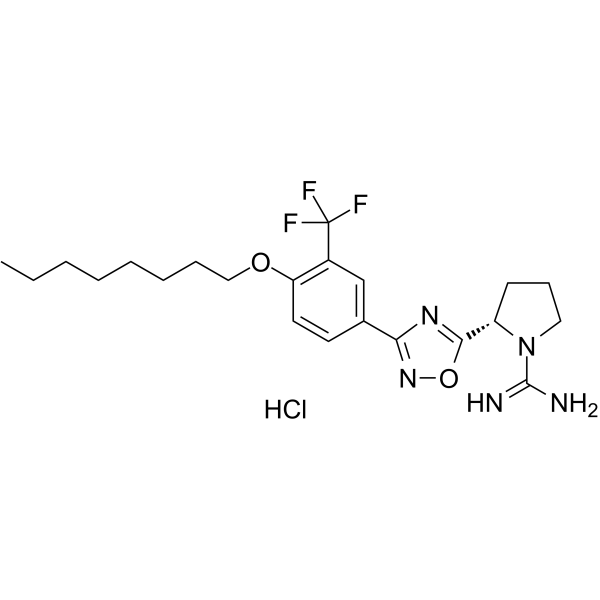
SLM6031434 hydrochloride is the hydrochloride salt form of SLM6031434 (HY-120268). SLM6031434 is a highly selective sphingosine kinase 2 (SphK2) inhibitor with an IC50 value of 0.4 μM for SphK2. SLM6031434 exerts anti-fibrotic effects by increasing sphingosine accumulation and Smad7 expression. SLM6031434 demonstrates effective anti-fibrotic efficacy in a unilateral ureteral obstruction (UUO)-induced tubulointerstitial fibrosis mouse model. SLM6031434 can be used for the study of proteinuric kidney diseases or chronic kidney disease (CKD) .
|
-
-
- HY-153092
-
|
BI-685509
|
Guanylate Cyclase
|
Cardiovascular Disease
Metabolic Disease
|
|
Avenciguat (BI-685509) is a potent and orally active sGC activator. Avenciguat restores cyclic guanosine monophosphate (cGMP) and improves functionality of nitric oxide (NO) pathways. Avenciguat can be used in research of chronic kidney disease (CKD) and diabetic kidney disease (DKD) .
|
-
-
- HY-122052
-
|
|
Thrombin
|
Metabolic Disease
|
|
UK‑396082 is a potent thrombin activated fibrinolytic inhibitor (TAFI) inhibitor. UK‑396082 increases plasmin activity and induces a parallel decrease in ECM levels. UK‑396082 can be used in research of chronic kidney disease (CKD) .
|
-
-
- HY-111314
-
|
5-Hydroxy-1-methylhydantoin
|
Reactive Oxygen Species (ROS)
|
Inflammation/Immunology
|
|
NZ 419 (5-Hydroxy-1-methylhydantoin) is a metabolite of creatinine and an antioxidant with oral activity, which has the ability to scavenge hydroxyl radicals (•OH). NZ 419 can inhibit the progression of chronic kidney disease (CKD) in rats .
|
-
-
- HY-P6441
-
|
|
β-catenin
Wnt
|
Inflammation/Immunology
|
|
KP-6, a polypeptide, is a Wnt/β-catenin signal inhibitor. KP-6 inhibits TGF-β and blocks rush fibrosis signal path crucial in vivo. KP-6 suppresses Renal tissues damage and renal fibrosis, and reverse the course of disease of chronic kidney disease (CKD) .
|
-
-
- HY-175985
-
|
|
Reactive Oxygen Species (ROS)
|
Inflammation/Immunology
|
|
MPO-IN-9 is a selective inhibitor of myeloperoxidase (MPO), with an IC50 value of 3.9 nM. MPO-IN-9 inhibits MPO-mediated ROS production and protects NO-dependent vascular function by blocking MPO's chlorination and peroxidation cycles. MPO-IN-9 can be used for the study of diseases such as chronic kidney disease (CKD), non-alcoholic steatohepatitis (NASH) .
|
-
-
- HY-120268
-
|
|
SphK
|
Inflammation/Immunology
|
|
SLM6031434 is a highly selective sphingosine kinase 2 (SphK2) inhibitor with an IC50 value of 0.4 μM for SphK2. SLM6031434 exerts anti-fibrotic effects by increasing sphingosine accumulation and Smad7 expression. SLM6031434 demonstrates effective anti-fibrotic efficacy in a unilateral ureteral obstruction (UUO)-induced tubulointerstitial fibrosis mouse model. SLM6031434 can be used for the study of proteinuric kidney diseases or chronic kidney disease (CKD) .
|
-
-
- HY-109106
-
|
SK-1403 free acid; AJT240 free acid; PLS240 free acid
|
CaSR
|
Endocrinology
|
|
Upacicalcet is a non-peptide calcimimetic that acts as a CaSR agonist (EC50 = 10.8 nM). Upacicalcet reduces serum intact parathyroid hormone (iPTH) and serum Ca2+ levels, reducing hypocalcemia and gastrointestinal complications. Upacicalcet improves vascular calcification and bone disorders in the Adenine (HY-B0152)-induced secondary hyperparathyroidism (SHPT) rat model. Upacicalcet inhibits cortical pore formation and reduces bone fibrosis in rats with chronic kidney disease (CKD). Upacicalcet is useful for studying SHPT .
|
-
-
- HY-W747868
-
|
|
HIF/HIF Prolyl-Hydroxylase
|
Cardiovascular Disease
|
|
Molidustat sodium is an orally active inhibitor of hypoxia-inducible factor prolyl hydroxylase (HIF-PH) with IC50 values of 480 nM, 280 nM, and 450 nM for PHD1, PHD2, and PHD3, respectively. Molidustat sodium can elevate the levels of circulating erythropoietin (EPO) to near-normal physiological ranges. Molidustat sodium can be utilized in the research of renal anemia .
|
-
-
- HY-162584
-
|
|
TRP Channel
|
Others
|
|
TRPC5-IN-6 (Compound 12) is an orally effective transient receptor potential (TRPC5) inhibitor with a IC50 value of 81 nM. TRPC5-IN-6 has good biosafety and low liver and kidney toxicity, and is expected to play an important role in the treatment of chronic kidney disease (CKD) .
|
-
-
- HY-144429
-
|
|
TRP Channel
|
Metabolic Disease
|
|
TRPC5-IN-4 is potent and safe TRPC inhibitor with IC50 value of 14.07 nM and 65 nM for TRPC5 and TRPC4, respectively. TRPC5-IN-4 shows no damage on the cellular component of liver and kidney. TRPC5-IN-4 can be used for the research of chronic kidney disease (CKD) .
|
-
-
- HY-141411B
-
|
(R)-MRI-1867
|
Drug Isomer
Cannabinoid Receptor
NO Synthase
|
Others
|
|
(R)-Zevaquenabant ((R)-MRI-1867) is the enantiomer of Zevaquenabant (HY-141411A). Zevaquenabant ((S)-MRI-1867) is a peripherally restricted, orally bioavailable dual cannabinoid CB1 receptor and inducible NOS antagonist. Zevaquenabant ameliorates obesity-induced chronic kidney disease (CKD) .
|
-
-
- HY-14863
-
|
CTA-018
|
VD/VDR
Cytochrome P450
|
Others
Endocrinology
|
|
Lunacalcipol (CTA-018), as a vitamin D analogue, has a dual role in the pathogenesis of Chronic Kidney Disease (CKD), as an agonist of vitamin D receptor and an antagonist of cytochrome P450 enzyme 24-hydroxylase. Lunacalcipol binds to VDR and regulates transcriptional activity of VDR by influencing ligand binding affinity, ligand-dependent coactivator recruitment or inhibitory factor dissociation, efficiency of ligand entry into target cells, tissue specificity and different metabolism of ligand. Lunacalcipol can be used in the study of CKD, especially Secondary Hyperparathyroidism (sHPT) .
|
-
-
- HY-109106B
-
|
(Rac)-SK-1403 free acid; (Rac)-AJT240 free acid; (Rac)-PLS240 free acid
|
CaSR
|
Endocrinology
|
|
(Rac)-Upacicalcet is the racemate of Upacicalcet (HY-109106). Upacicalcet is a non-peptide calcimimetic that acts as a CaSR agonist (EC50 = 10.8 nM). Upacicalcet reduces serum intact parathyroid hormone (iPTH) and serum Ca2+ levels, reducing hypocalcemia and gastrointestinal complications. Upacicalcet improves vascular calcification and bone disorders in the Adenine (HY-B0152)-induced secondary hyperparathyroidism (SHPT) rat model. Upacicalcet inhibits cortical pore formation and reduces bone fibrosis in rats with chronic kidney disease (CKD). Upacicalcet is useful for studying SHPT .
|
-
-
- HY-12654R
-
|
BAY 85-3934 (Standard)
|
HIF/HIF Prolyl-Hydroxylase
Reference Standards
|
Cardiovascular Disease
|
|
Molidustat (Standard) is the analytical standard of Molidustat. This product is intended for research and analytical applications. Molidustat (BAY 85-3934) is an orally active inhibitor of hypoxia-inducible factor prolyl hydroxylase (HIF-PH) with IC50 values of 480 nM, 280 nM, and 450 nM for PHD1, PHD2, and PHD3, respectively. Molidustat can elevate the levels of circulating erythropoietin (EPO) to near-normal physiological ranges. Molidustat can be utilized in the research of renal anemia .
|
-
-
- HY-148479
-
|
|
Biochemical Assay Reagents
|
Infection
|
|
Bixalomer is a phosphate binder. Bixalomer can improve hyperphosphatemia in chronic kidney disease (CKD) rat model. Bixalomer reduces plasma phosphorus level in CKD rat models through binding phosphate in small intestine and reduces phosphate absorption. Bixalomer can be studied in research on hyperphosphatemia .
|
-
-
- HY-180108
-
|
|
E1/E2/E3 Enzyme
|
Endocrinology
|
|
H111-H7 is a WW domain containing E3 ubiquitin 27 protein ligase 2 (WWP2) inhibitor with a KD of 717 nM. H111-H7 inhibits WWP2 expression, restores the succinate dehydrogenase complex subunit C (SDHC) level, and defers the acute kidney injury (AKI)-to-chronic kidney disease (CKD) transition in unilateral kidney ischemia–reperfusion (UIR) mice. H111-H7 can be used for AKI-to-CKD transition research .
|
-
-
- HY-180107
-
|
|
E1/E2/E3 Enzyme
|
Endocrinology
|
|
H36-E4 is a WW domain containing E3 ubiquitin 27 protein ligase 2 (WWP2) inhibitor with a KD of 6.25 μM. H36-E4 inhibits WWP2 expression, restores the succinate dehydrogenase complex subunit C (SDHC) level, and defers the acute kidney injury (AKI)-to-chronic kidney disease (CKD) transition in unilateral kidney ischemia-reperfusion (UIR) mice. H36-E4 can be used for AKI-to-CKD transition research .
|
-
-
- HY-P991881
-
|
|
TGF-β Receptor
Hepcidin
Ferroportin
|
Cardiovascular Disease
|
|
KY1070 is a fully human anti-BMP6 antibody with a Kd of 0.00014 μM against the human BMP6. It exhibits high specificity for BMP6, showing no cross-reactivity with other members of the BMP family, and effectively inhibits BMP6-induced BMP receptor heterodimerization and hepcidin expression. KY1070 modulates Ferroportin expression on erythroid progenitor cells and accelerates erythropoiesis. In rodent anemia models, KY1070 reduces the required dose of erythropoietin (EPO) when used in combination with EPO and enhances the responsiveness of mice with chronic kidney disease (CKD)-associated anemia to EPO treatment. KY1070 is applicable for research on anemia of chronic disease [1] [2].
|
-
-
- HY-159978
-
|
|
Sodium Phosphate Cotransporter
|
Metabolic Disease
Inflammation/Immunology
|
|
EOS789 is an orally active sodium-dependent phosphate transporter inhibitor, with IC50 values of 6.8, 1.5, and 1.7 μM against human NaPi-IIb, PiT-1, PiT-2, respectively; and IC50 values of 3.9, 1.9, and 1.7 μM against rat NaPi-IIb, PiT-1, PiT-2, respectively. EOS789 inhibits intestinal phosphate absorption, increases fecal phosphate excretion, reduces urinary phosphate excretion, and decreases the levels of serum phosphate, FGF23, and adult parathyroid hormone. EOS789 ameliorates ectopic thoracic aortic calcification, renal injury and hyperphosphatemia, and inhibits the expression of fibrosis markers. EOS789 can be used for the research of hyperphosphatemia and chronic kidney disease-mineral and bone disorder (CKD-MBD) .
|
-
-
-
HY-L229
-
|
|
158 compounds
|
|
Kidneys are one of the vital organs in the human body. Due to their exposure to higher concentrations of circulating drugs or metabolites, they are highly susceptible to drug-induced renal injury (DIRI). According to statistics, drug-induced kidney injury accounts for approximately 20% of nephrotoxicity reports and can lead to acute kidney injury (AKI), chronic kidney disease (CKD), or even end-stage renal disease (ESRD). Early detection of drug nephrotoxicity is crucial for preventing irreversible kidney damage. Research into its mechanisms can help optimize clinical medication by adjusting dosages or avoiding combinations of nephrotoxic drugs. Additionally, predicting drug-induced nephrotoxicity in early drug development can reduce the risk of late-stage R&D failure.
MCE offers 158 nephrotoxicity compounds that have been clearly reported by the FDA to be associated with kidney injury. This library can be used for studying molecular mechanisms of nephrotoxicity or developing novel biomarkers.
|
| Cat. No. |
Product Name |
Type |
-
- HY-47030
-
|
|
Biochemical Assay Reagents
|
|
Ferric citrate hydrate, an orally active iron supplement, is an efficacious phosphate binder. Ferric citrate hydrate can be used for iron deficiency anemia and chronic kidney disease (CKD) research .
|
| Cat. No. |
Product Name |
Target |
Research Area |
-
- HY-P11178
-
|
|
Apoptosis
SARS-CoV
|
Infection
Metabolic Disease
Inflammation/Immunology
|
|
Corisin is a pro-apoptotic small peptide produced by Staphylococcus species. Corisin binds to serum albumin to target organs such as the lungs and kidneys, induces cellular senescence, apoptosis and epithelial-mesenchymal transition, and accelerates the progression of organ fibrosis including pulmonary fibrosis and diabetic renal fibrosis. Corisin levels are closely associated with coronavirus disease 2019 (COVID-19), diabetic chronic kidney disease (CKD), non-diabetic CKD, and idiopathic pulmonary fibrosis (IPF) .
|
-
- HY-P6441
-
|
|
β-catenin
Wnt
|
Inflammation/Immunology
|
|
KP-6, a polypeptide, is a Wnt/β-catenin signal inhibitor. KP-6 inhibits TGF-β and blocks rush fibrosis signal path crucial in vivo. KP-6 suppresses Renal tissues damage and renal fibrosis, and reverse the course of disease of chronic kidney disease (CKD) .
|
| Cat. No. |
Product Name |
Target |
Research Area |
Image |
-
- HY-P991881
-
|
|
TGF-β Receptor
Hepcidin
Ferroportin
|
Cardiovascular Disease
|
|
KY1070 is a fully human anti-BMP6 antibody with a Kd of 0.00014 μM against the human BMP6. It exhibits high specificity for BMP6, showing no cross-reactivity with other members of the BMP family, and effectively inhibits BMP6-induced BMP receptor heterodimerization and hepcidin expression. KY1070 modulates Ferroportin expression on erythroid progenitor cells and accelerates erythropoiesis. In rodent anemia models, KY1070 reduces the required dose of erythropoietin (EPO) when used in combination with EPO and enhances the responsiveness of mice with chronic kidney disease (CKD)-associated anemia to EPO treatment. KY1070 is applicable for research on anemia of chronic disease [1] [2].
|
-
(5)
| Cat. No. |
Product Name |
Category |
Target |
Chemical Structure |
Your information is safe with us. * Required Fields.
Inquiry Information
- Product Name:
- Cat. No.:
- Quantity:
- MCE Japan Authorized Agent:

