1. Search Result
Search Result
Results for "

chronic liver diseases

" in MedChemExpress (MCE) Product Catalog:

36

Inhibitors & Agonists

5

Screening Libraries

1

Biochemical Assay Reagents

2

Peptides

1

Inhibitory Antibodies

12

Natural
Products

3

Isotope-Labeled Compounds

Targets Recommended:
Cat. No. 상품명 Target 연구분야 Chemical Structure
  • HY-14648A
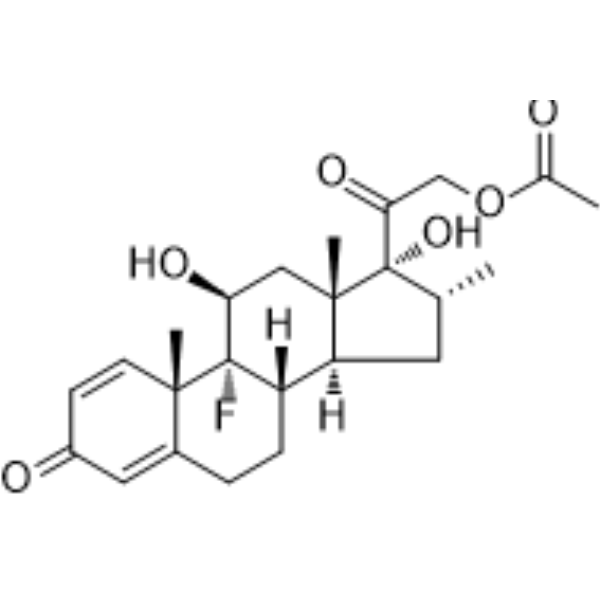
    Dexamethasone acetate
    Maximum Cited Publications
    6 Publications Verification

    Dexamethasone 21-acetate; Hexadecadrol acetate

    Glucocorticoid Receptor Inflammation/Immunology
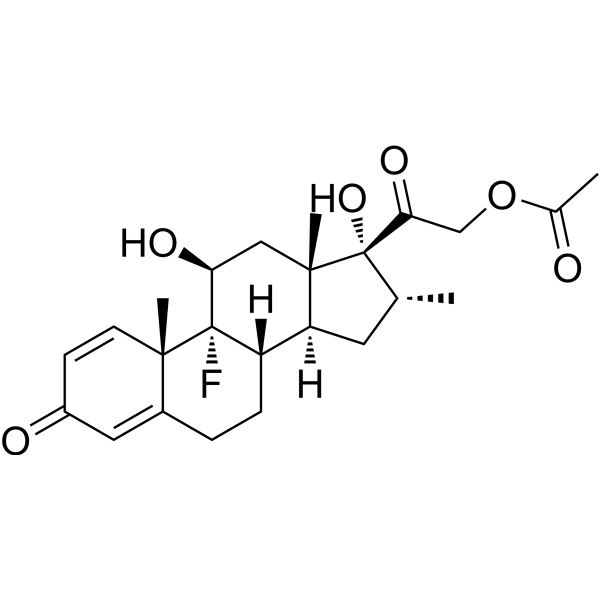
    Dexamethasone acetate (Dexamethasone 21-acetate) is the acetate form of the glucocorticoid Dexamethasone (HY-14648). Dexamethasone acetate has a longer duration of action than Dexamethasone. Dexamethasone acetate can accumulate at inflammatory sites, in mouse liver and mouse lung via nanostructured lipid carriers. Dexamethasone acetate can be used to prepare topical formulations for studies related to sensorineural hearing loss, γ-carrageenan-induced paw edema, chronic active hepatitis, pulmonary diseases, and inflammation after vitreoretinal surgery .
    Dexamethasone acetate
  • HY-19883
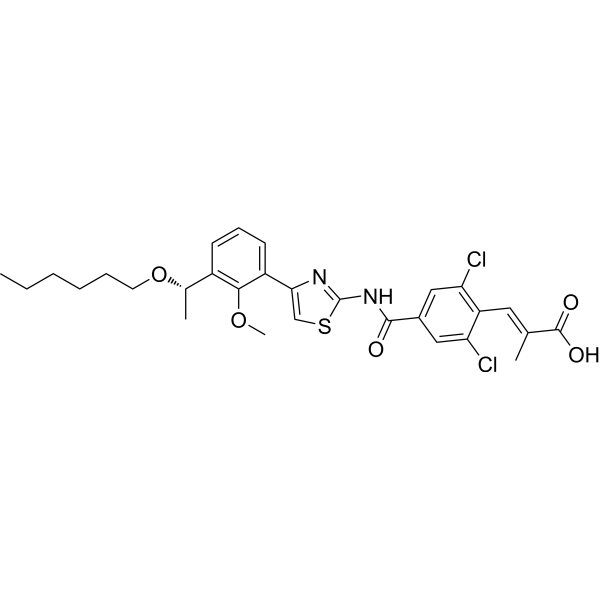
    Lusutrombopag
    3 Publications Verification

    S-888711

    Thrombopoietin Receptor Inflammation/Immunology
    Lusutrombopag is an orally bioavailable thrombopoietin (TPO) receptor agonist, used for treatment of chronic liver disease.
    Lusutrombopag
  • HY-B0766

    SY801

    Autophagy Apoptosis HBV HCV HSP Reactive Oxygen Species (ROS) Bcl-2 Family Glutathione S-transferase p38 MAPK NF-κB Microtubule/Tubulin ERK JNK TNF Receptor Interleukin Related CDK Cyclin G-associated Kinase (GAK) mTOR P-glycoprotein Ferroptosis Infection Inflammation/Immunology Cancer
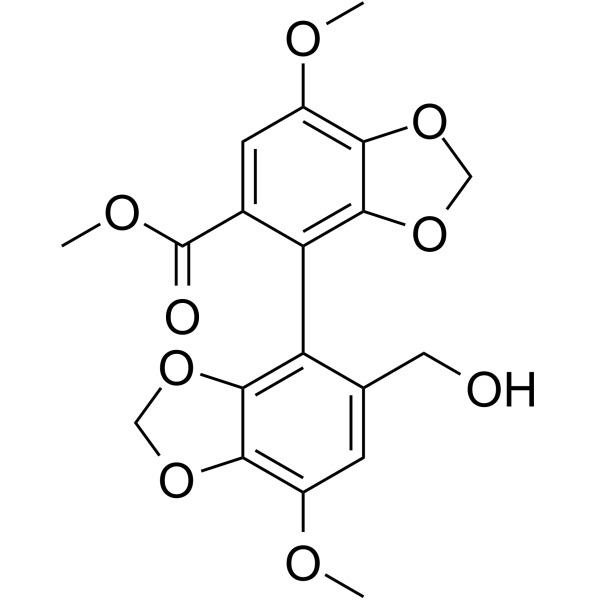
    Bicyclol (SY801) is an orally active derivative of the traditional Chinese medicine Schisandra chinensis, which has antiviral, anti-inflammatory, immunomodulatory, antioxidant, anti-steatosis, anti-fibrotic and anti-tumor activities. Bicyclol regulates the expression of heat shock proteins and plays an anti-apoptosis role in hepatocytes. Bicyclol reduces the activation of NF-κB and the levels of inflammatory factors in hepatocytes infected with hepatitis C virus (HCV) by inhibiting the activation of the ROS-MAPK-NF-κB pathway, and prevents ferroptosis in acute liver injury. Bicyclol can change the expression of Mdr-1, GSH/GST and Bcl-2, increase the intracellular concentration of anticancer drugs, and sensitize drug-resistant cells to anticancer drugs. Bicyclol inhibits the proliferation of human malignant hepatoma cells by regulating the PI3K/AKT pathway and the Ras/Raf/MEK/ERK pathway. Bicyclol can be used in the study of chronic hepatitis, acute liver injury, nonalcoholic fatty liver disease, liver fibrosis and hepatocellular carcinoma .
    Bicyclol
  • HY-Y0669
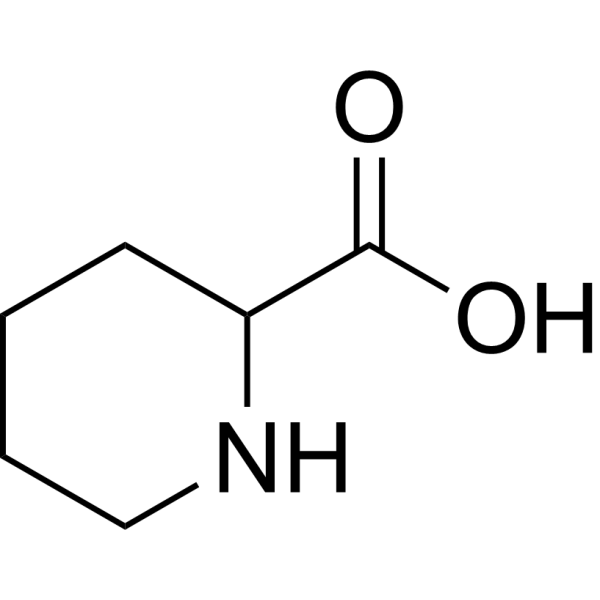
    Pipecolic acid
    2 Publications Verification

    Endogenous Metabolite YAP Glutathione Peroxidase Ferroptosis Neurological Disease Metabolic Disease Inflammation/Immunology
    Pipecolic acid is an orally bioavailable, blood-brain barrier-permeable metabolite of lysine with antioxidant, inhibitor, and inducer activity. Pipecolic acid modulates the YAP-GPX4 signaling pathway, reduces retinal vascular tube formation, and mitigates ferroptosis. Pipecolic acid potentiates voltage-sensitive Ca 2+ channel currents and induces neuronal apoptosis. Pipecolic acid can be used for the research of diabetic retinopathy .
    Pipecolic acid
  • HY-N0576
    Solanesol
    2 Publications Verification

    Endogenous Metabolite Heme Oxygenase (HO) HSP p38 MAPK Akt Apoptosis Caspase PARP Neurological Disease Metabolic Disease Inflammation/Immunology
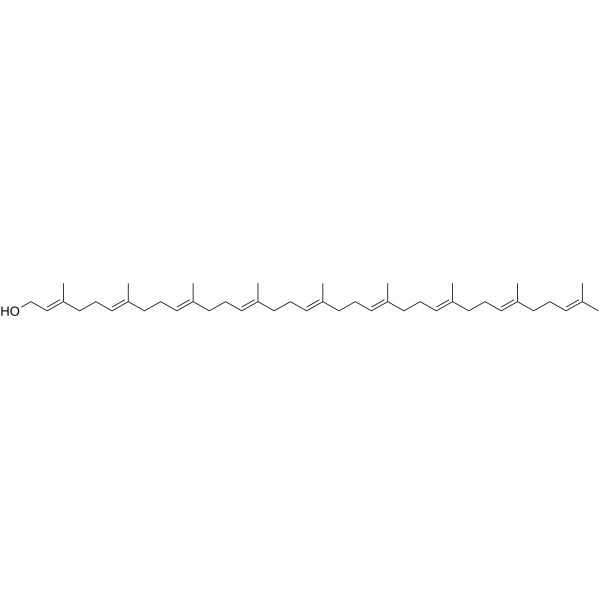
    Solanesol is an orally active aliphatic terpene alcohol. Solanesol is mainly found in tobacco and other Solanaceae plants. Solanesol induces HO-1 and Hsp70 expression, activates p38 and Akt signaling pathways, and inhibits Apoptosis (reduces caspase-3 and PARP cleavage). Solanesol has antioxidant, anti-inflammatory, and neuroprotective activities. Solanesol can be used in the research of Huntington's disease, alcoholic liver disease, chronic inflammatory pain, anxiety, Alzheimer's disease, and bipolar disorder .
    Solanesol
  • HY-N2593
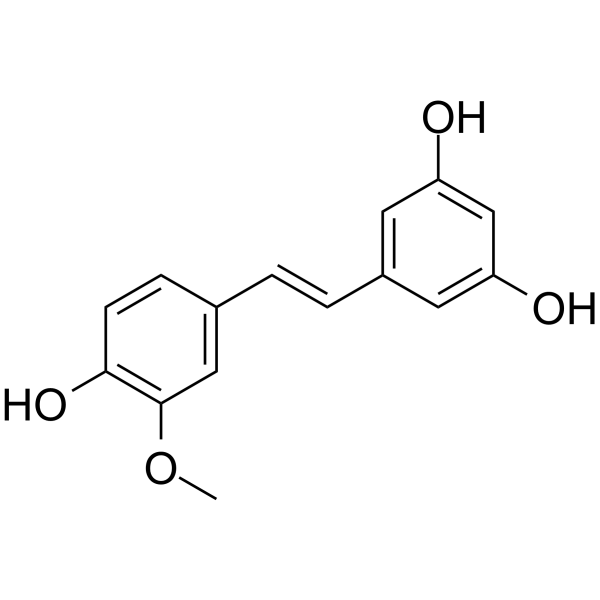
    Isorhapontigenin
    4 Publications Verification

    Carnitine Palmitoyltransferase (CPT) Reactive Oxygen Species (ROS) Autophagy Apoptosis NF-κB PI3K Akt MMP Keap1-Nrf2 Metabolic Disease Inflammation/Immunology Cancer
    Isorhapontigenin is an orally active dietary polyphenol. Isorhapontigenin acts as a potent antioxidant that reduces the production of reactive oxygen species (ROS). Isorhapontigenin promotes the binding of JUN to the AP-1 site on the SESN2 promoter, induces SESN2 transcription, triggers MAPK8-dependent JUN activation, and upregulates the expression of PPAR-α, PGC-1α and CPT-1A to facilitate fatty acid oxidation. Isorhapontigenin induces autophagy, apoptosis and preadipocyte differentiation; it inhibits tumor growth, cell invasion, NF-κB transcriptional activity, the PI3K/Akt signaling pathway, STAT1 phosphorylation and MMP-2 expression. Isorhapontigenin alleviates oxidative stress, inflammatory cytokine release and triglyceride accumulation; it increases intracellular ATP levels and promotes Nrf2 nuclear translocation. Isorhapontigenin improves insulin sensitivity in adipose tissue and glucose tolerance, and reduces postprandial blood glucose, insulin and free fatty acid levels. Isorhapontigenin is applicable to research on bladder cancer, liver injury, chronic obstructive pulmonary disease, acute lung injury and type 2 diabetes .
    Isorhapontigenin
  • HY-W006405

    Estrogen Receptor/ERR Cardiovascular Disease Cancer
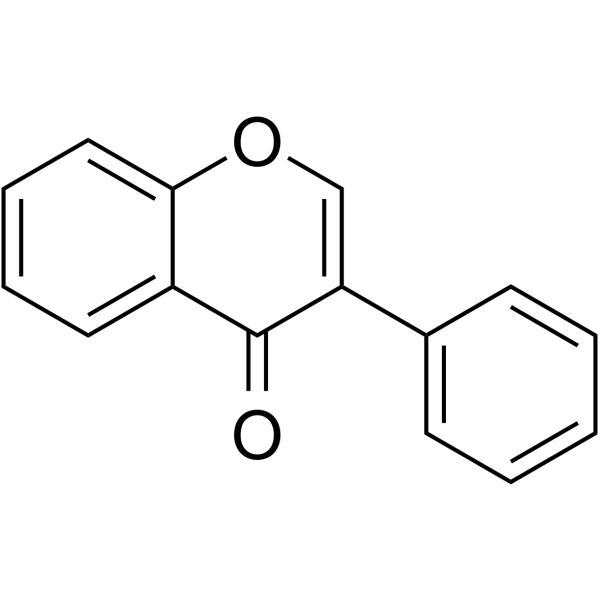
    Isoflavone is an orally available bioactive component of soy phytoestrogen with lipid-lowering and antioxidant activities. Isoflavone prevents a variety of chronic diseases by regulating fatty acid oxidation in the liver and gene expression in adipose tissue. In addition, isoflavone has important value in the research of cancer and cardiovascular diseases .
    Isoflavone
  • HY-B0679
    Lubiprostone
    1 Publications Verification

    RU-0211; SPI-0211

    Chloride Channel CFTR Glutathione Peroxidase NO Synthase TNF Receptor Metabolic Disease
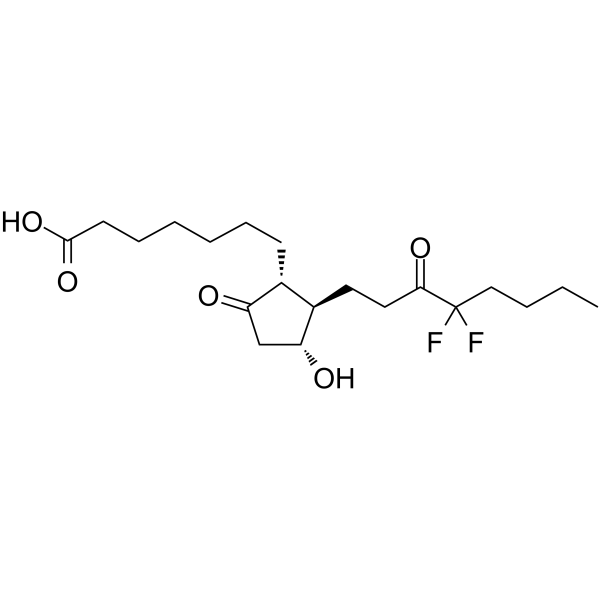
    Lubiprostone (SPI-0211) increases intestinal fluid secretion through generation of CIC-2/CFTR and activation of cAMP signaling pathway. Lubiprostone inhibits myeloperoxidase (MPO) activity, downregulates Indomethacin (HY-14397)-induced iNOS and TNFα expression. Lubiprostone can be used for chronic constipation research .
    Lubiprostone
  • HY-N1990
    Gypenoside XLIX
    2 Publications Verification

    PPAR Sirtuin Keap1-Nrf2 Toll-like Receptor (TLR) NF-κB Reactive Oxygen Species (ROS) NOD-like Receptor (NLR) Apoptosis Pyroptosis Autophagy Cardiovascular Disease Neurological Disease Metabolic Disease Inflammation/Immunology
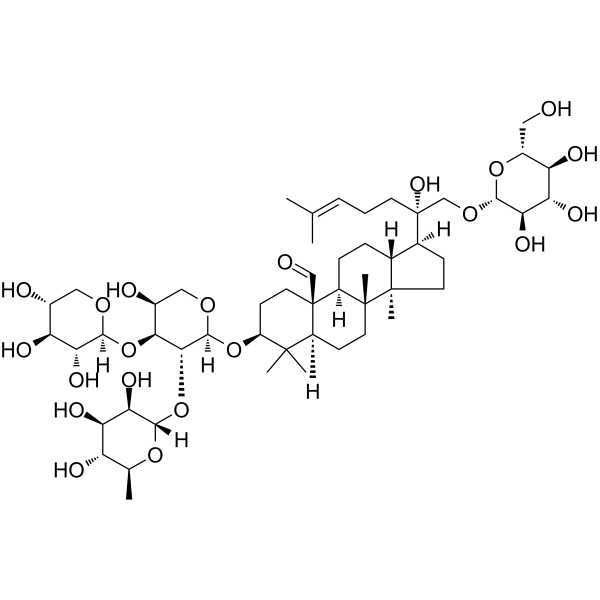
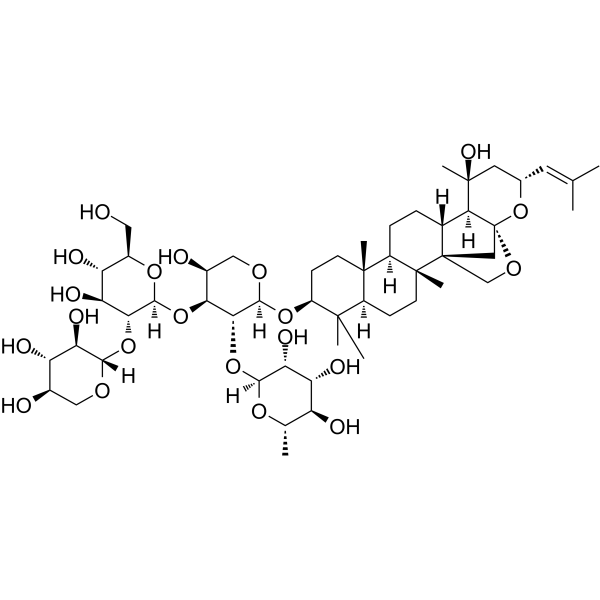
    Gypenoside XLIX is a multifunctional bioactive compound that can be isolated from Gynostemma pentaphyllum, with a Ka value of 1.58 μM for its binding to SIRT1. Gypenoside XLIX acts as a PPAR-α agonist. It inhibits the activation of TLR4-mediated NF-κB signaling pathway by activating the Sirt1/Nrf2 signaling pathway, reduces ROS accumulation, and alleviates hepatic inflammatory injury in mice with sepsis-induced liver disease. Gypenoside XLIX targets SIRT1 to block YAP-NLRP3 activation and improve sepsis-induced cardiomyopathy. Gypenoside XLIX inhibits apoptosis (Apoptosis), pyroptosis (Pyroptosis), autophagy (Autophagy), lipid peroxidation, pro-inflammatory cytokines and anti-inflammatory cytokines. Gypenoside XLIX alleviates sepsis-induced splenic injury by inhibiting inflammation and oxidative stress, and mitigates sepsis-associated encephalopathy by targeting PPAR-α. Gypenoside XLIX prevents acute kidney injury by inhibiting IGFBP7/IGF1R-mediated programmed cell death and inflammation. Gypenoside XLIX inhibits the expression and activity of vascular cell adhesion molecule-1 in cytokine-induced human endothelial cells. Gypenoside XLIX is applicable to research related to acute liver injury, lung injury, cardiomyopathy, acute splenic injury, sepsis-associated encephalopathy, acute kidney injury, atherosclerosis and chronic inflammation .
    Gypenoside XLIX
  • HY-145581
    Mitiperstat
    1 Publications Verification

    AZD4831

    Glutathione Peroxidase Cytochrome P450 Cardiovascular Disease Inflammation/Immunology
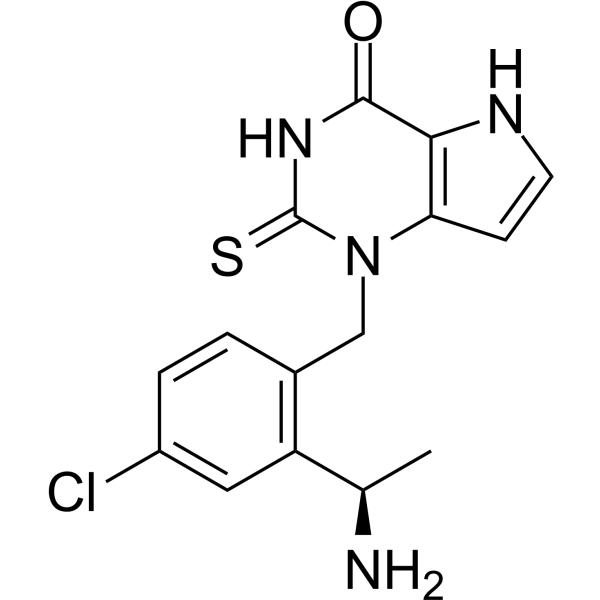
    Mitiperstat (AZD4831) is an effective oral inhibitor of myeloperoxidase (MPO). Mitiperstat inhibits MPO and thyroid peroxidase (TPO) with IC50s of 1.5 nM and 0.69 μM. Mitiperstat exhibits a weak inhibitory activity against CYP3A4 with an IC50 of 6 μM. Mitiperstat can reduce inflammation and improve microvascular function, and it can be used in studies related to heart failure, preserved or mildly reduced ejection fraction, non-alcoholic fatty liver disease, and chronic obstructive pulmonary disease .
    Mitiperstat
  • HY-N0444

    Reactive Oxygen Species (ROS) NF-κB HBV Apoptosis Bacterial Fungal Parasite Infection Neurological Disease Metabolic Disease Inflammation/Immunology Cancer
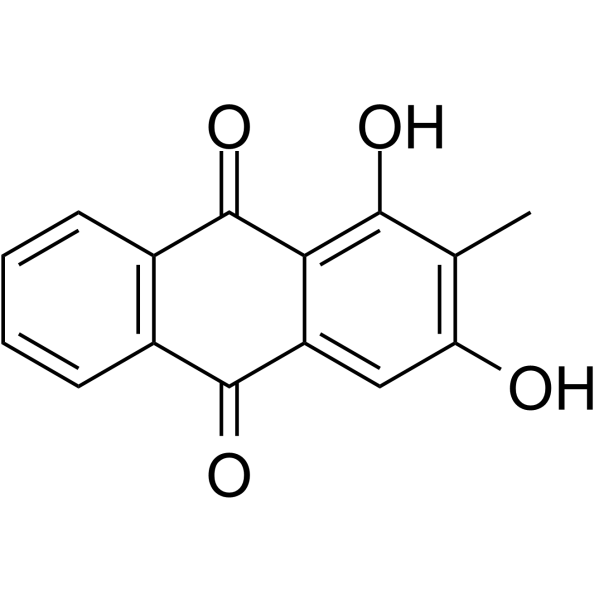
    Rubiadin is an orally active free radical scavenger that inhibits the activation of the NF-κB pathway. Rubiadin inhibits osteoclast formation, bone resorption, lipid peroxidation, HBV DNA replication and cancer cell proliferation; reduces pro-inflammatory cytokine levels; induces cancer cell apoptosis; and possesses antifungal, antimalarial, antibacterial and anticonvulsant activities. Rubiadin can be used in the research of osteoporosis, acute inflammation, chronic inflammation, carbon tetrachloride-induced liver injury, Alzheimer's disease, breast cancer, iron overload disorders, hepatitis B virus infection, colon cancer, liver cancer, T-lymphocytic leukemia, cervical cancer, diabetic nephropathy, epileptic seizures, fungal infections, malaria and bacterial infections .
    Rubiadin
  • HY-N0660

    Apoptosis PARP Caspase AMPK Autophagy VEGFR Keap1-Nrf2 STING 11β-HSD Ferroptosis PI3K Akt p38 MAPK ERK Neurological Disease Metabolic Disease Inflammation/Immunology Cancer
    Jujuboside B is a bioactive saponin component isolated from Ziziphi Spinosae Semen (sour jujube seed), with oral efficacy and blood-brain barrier permeability. Jujuboside B induces acute leukemia cell death and drives necroptosis apoptosis by activating the RIPK1/RIPK3/MLKL pathway. Jujuboside B upregulates the expression of NOXA, PARP and caspase-3, activates AMPK, inhibits the proliferation of breast cancer cells, and induces cell apoptosis and autophagy. Jujuboside B inhibits angiogenesis and tumor growth by blocking the VEGFR-2 signaling pathway. Jujuboside B alleviates liver injury in mice by regulating the Nrf2-STING signaling pathway . Jujuboside B alleviates liver injury by regulating anti-inflammatory responses and downregulating the expression of 11β-HSD2. Jujuboside B induces ferroptosis and overcomes radioresistance in non-small cell lung cancer via the PPARγ-ATF3-Gpx4 signaling pathway. Jujuboside B exerts inhibitory effects on platelet aggregation. Jujuboside B inhibits febrile seizures by suppressing the activity of AMPA receptors. Jujuboside B reverses chronic unpredictable mild stress-promoted tumor progression by blocking the PI3K/Akt and MAPK/ERK pathways and dephosphorylating CREB signaling. Jujuboside B is applicable to related studies on acute leukemia, breast cancer, PM2.5-induced lung injury, hepatotoxicity, liver injury, colorectal cancer, non-small cell lung cancer, thromboembolic diseases, cardiovascular diseases associated with high platelet aggregation, febrile seizures, and depressive-like phenotypes .
    Jujuboside B
  • HY-135644
    Rencofilstat
    1 Publications Verification

    CRV431

    Cyclophilin Sirtuin Nuclear Factor of activated T Cells (NFAT) Interleukin Related Cancer
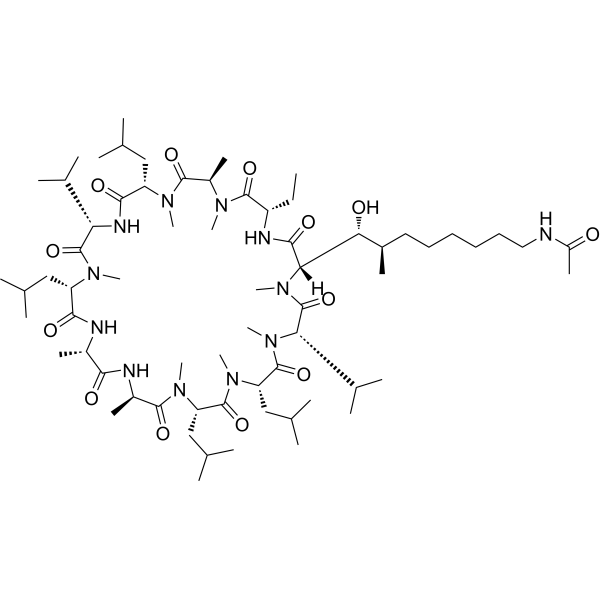
    Rencofilstat (CRV431) is an orally active pan-cyclophilin inhibitor with IC50 values of 2.5 nM, 3.1 nM, 2.8 nM, 7.3 nM for Cyp A, CypB, Cyp D and Cyp G, respectively. Rencofilstat reduces fibrosis and tumor growth in models of chronic liver disease. Rencofilstat can be used for the study of nonalcoholic steatohepatitis (NASH), hepatocellular carcinoma and viral hepatitis-induced liver disease .
    Rencofilstat
  • HY-N13250

    Apoptosis AMPK Elastase Bcl-2 Family Interleukin Related Caspase PI3K Akt SOD Cardiovascular Disease
    Hawthorn Extract is an orally active hawthorn extract. Hawthorn Extract decreases Bax expression and increases Bcl-2 expression in the aorta. Hawthorn Extract regulates the AMPK signaling pathway, induces apoptosis, enhances the hepatic antioxidant system, and ameliorates symptoms of liver injury, inflammation and cancer. Hawthorn Extract reduces plasma levels of pro-inflammatory factors, increases plasma levels of anti-inflammatory adiponectin, and alleviates atherosclerotic plaque lesions in the aorta. Hawthorn Extract improves symptoms associated with chronic heart failure . Hawthorn Extract inhibits FMLP-induced superoxide anion production, Elastase release, ILB4 generation and calcium signaling in neutrophils, and also reduces LPS-induced cytokine production in neutrophils. Hawthorn Extract induces autophagy and inhibits the proliferation of intestinal stem cells. Hawthorn Extract can be used in research related to atherosclerosis, hepatitis, alcoholic liver disease, non-alcoholic fatty liver disease, hepatocellular carcinoma, chronic heart failure and hypotension .
    Hawthorn Extract
  • HY-168906

    Bradykinin Receptor PI3K Akt TNF Receptor ERK Neurological Disease Inflammation/Immunology
    BI-113823 is an orally active, blood-brain barrier-permeable bradykinin B1 receptor antagonist, with a Ki value of 5.3 nM for human receptors and 13.3 nM for rat receptors. BI-113823 reduces inflammation-induced mechanical hyperalgesia, as well as the mechanical sensitivity of peripheral afferent nerves and spinal nociceptive-specific neurons. BI-113823 alleviates liver fibrosis and portal hypertension, and improves survival in chronic liver disease models. BI-113823 inhibits the activities of monocytes, neutrophils and hepatic stellate cells, as well as the PI3K/Akt signaling pathway. BI-113823 can be used in research related to inflammatory pain, liver fibrosis and portal hypertension .
    BI-113823
  • HY-14648AR

    Dexamethasone 21-acetate (Standard); Hexadecadrol acetate (Standard)

    Reference Standards Glucocorticoid Receptor Inflammation/Immunology
    Dexamethasone acetate (Standard) (Dexamethasone 21-acetate (Standard)) is the analytical standard of Dexamethasone acetate (HY-14648A). This product is intended for research and analytical applications. Dexamethasone acetate (Dexamethasone 21-acetate) is the acetate form of the glucocorticoid Dexamethasone (HY-14648). Dexamethasone acetate has a longer duration of action than Dexamethasone. Dexamethasone acetate can accumulate at inflammatory sites, in mouse liver and mouse lung via nanostructured lipid carriers. Dexamethasone acetate can be used to prepare topical formulations for studies related to sensorineural hearing loss, γ-carrageenan-induced paw edema, chronic active hepatitis, pulmonary diseases, and inflammation after vitreoretinal surgery.
    Dexamethasone acetate (Standard)
  • HY-P11208C

    GABA Receptor Inflammation/Immunology
    mNLS-CPP-WSTF TFA is the trifluoroacetate salt of mNLS-CPP-WSTF (HY-P11208). mNLS-CPP-WSTF is a nuclear localization signal (NLS)-cell-penetrating peptide based on the mouse WSTF sequence. mNLS-CPP-WSTF significantly inhibits the GABARAP-WSTF interaction, WSTF degradation and inflammatory gene expression. mNLS-CPP-WSTF effectively attenuates chronic inflammation, liver fibrosis and cartilage damage in metabolic-dysfunction-associated steatohepatitis (MASH) and osteoarthritis (OA) mice model. mNLS-CPP-WSTF is promising for research of chronic inflammatory diseases such as MASH and OA .
    mNLS-CPP-WSTF TFA
  • HY-P11208

    GABA Receptor Inflammation/Immunology
    mNLS-CPP-WSTF is a nuclear localization signal (NLS)-cell-penetrating peptide based on the mouse WSTF sequence. mNLS-CPP-WSTF significantly inhibits the GABARAP-WSTF interaction, WSTF degradation and inflammatory gene expression. mNLS-CPP-WSTF effectively attenuates chronic inflammation, liver fibrosis and cartilage damage in metabolic-dysfunction-associated steatohepatitis (MASH) and osteoarthritis (OA) mice model. mNLS-CPP-WSTF is promising for research of chronic inflammatory diseases such as MASH and OA .
    mNLS-CPP-WSTF
  • HY-N0576R

    Reference Standards Endogenous Metabolite Heme Oxygenase (HO) HSP p38 MAPK Akt Apoptosis Caspase PARP Neurological Disease Metabolic Disease Inflammation/Immunology
    Solanesol (Standard) is the analytical standard of Solanesol (HY-N0576). This product is intended for research and analytical applications. Solanesol is an orally active aliphatic terpene alcohol. Solanesol is mainly found in tobacco and other Solanaceae plants. Solanesol induces HO-1 and Hsp70 expression, activates p38 and Akt signaling pathways, and inhibits Apoptosis (reduces caspase-3 and PARP cleavage). Solanesol has antioxidant, anti-inflammatory, and neuroprotective activities. Solanesol can be used in the research of Huntington's disease, alcoholic liver disease, chronic inflammatory pain, anxiety, Alzheimer's disease, and bipolar disorder .
    Solanesol (Standard)
  • HY-N0444R

    Reference Standards Reactive Oxygen Species (ROS) Apoptosis Fungal Parasite NF-κB HBV Bacterial Infection Neurological Disease Metabolic Disease Inflammation/Immunology Cancer
    Rubiadin (Standard) is the analytical standard of Rubiadin (HY-N0444). This product is intended for research and analytical applications. Rubiadin is an orally active free radical scavenger that inhibits the activation of the NF-κB pathway. Rubiadin inhibits osteoclast formation, bone resorption, lipid peroxidation, HBV DNA replication and cancer cell proliferation; reduces pro-inflammatory cytokine levels; induces cancer cell apoptosis; and possesses antifungal, antimalarial, antibacterial and anticonvulsant activities. Rubiadin can be used in the research of osteoporosis, acute inflammation, chronic inflammation, carbon tetrachloride-induced liver injury, Alzheimer's disease, breast cancer, iron overload disorders, hepatitis B virus infection, colon cancer, liver cancer, T-lymphocytic leukemia, cervical cancer, diabetic nephropathy, epileptic seizures, fungal infections, malaria and bacterial infections.
    Rubiadin (Standard)
  • HY-B1588S

    Amyloid-β HIV 11β-HSD Infection Neurological Disease Inflammation/Immunology
    Carbenoxolone-d4 is deuterium labeled Carbenoxolone. Carbenoxolone, a semi-synthetic derivative of glycyrrhetinic acid, has previously been used for the management of dyspepsia and peptic ulcer because of its anti-inflammatory properties . Carbenoxolone, a general hemichannel and gap junction inhibitor, has the therapeutic potential of carbenoxolone in the research of chronic liver disease . Carbenoxolone is a suitable candidate for the inhibition of Aβ42 aggregation and the therapeutic potential of Cbx against AD . Carbenoxolone is small molecule Pannexin1 (Panx1,is an ATP release channel) inhibitor, attenuate Panx1 channel activity through modulation of the first extracellular loop .Carbenoxolone is an 11β-hydroxysteroid dehydrogenase type 1 (11β-HSD1) inhibitor that converts inactive glucocorticoid into an active form. Carbenoxolone has antiviral activity against DENV infection targeting the virus itself .
    Carbenoxolone-d4
  • HY-P991554

    TNF Receptor Inflammation/Immunology
    FFP-104 is a humanized IgG4 monoclonal antibody inhibitor targeting TNFRSF5/CD40. VX70 can be used for chronic autoimmune liver diseases research, such as primary biliary cholangitis (PBC) .
    FFP-104
  • HY-106894

    HOE 077

    Drug Metabolite Others
    Lufironil (HOE 077) is a prolyl 4-hydroxylase inhibitor. Lufironil is developed for the research of chronic liver diseases including alcoholic hepatitis and liver cirrhosis .
    Lufironil
  • HY-19883S

    S-888711-d13

    Isotope-Labeled Compounds Thrombopoietin Receptor Inflammation/Immunology
    Lusutrombopag-d13 is deuterium labeled Lusutrombopag. Lusutrombopag is an orally bioavailable thrombopoietin (TPO) receptor agonist, used for treatment of chronic liver disease.
    Lusutrombopag-d13
  • HY-19883R

    S-888711 (Standard)

    Reference Standards Thrombopoietin Receptor Inflammation/Immunology
    Lusutrombopag (Standard) is the analytical standard of Lusutrombopag. This product is intended for research and analytical applications. Lusutrombopag is an orally bioavailable thrombopoietin (TPO) receptor agonist, used for treatment of chronic liver disease.
    Lusutrombopag (Standard)
  • HY-B2171AR

    Carminomycin hydrochloride (Standard); Carminomicin I hydrochloride (Standard)

    Reference Standards Apoptosis Infection Cancer
    Isoflavone (Standard) is the analytical standard of Isoflavone. This product is intended for research and analytical applications. Isoflavone is an orally available bioactive component of soy phytoestrogen with lipid-lowering and antioxidant activities. Isoflavone prevents a variety of chronic diseases by regulating fatty acid oxidation in the liver and gene expression in adipose tissue. In addition, isoflavone has important value in the research of cancer and cardiovascular diseases .
    Carubicin hydrochloride (Standard)
  • HY-162584

    TRP Channel Others
    TRPC5-IN-6 (Compound 12) is an orally effective transient receptor potential (TRPC5) inhibitor with a IC50 value of 81 nM. TRPC5-IN-6 has good biosafety and low liver and kidney toxicity, and is expected to play an important role in the treatment of chronic kidney disease (CKD) .
    TRPC5-IN-6
  • HY-144429

    TRP Channel Metabolic Disease
    TRPC5-IN-4 is potent and safe TRPC inhibitor with IC50 value of 14.07 nM and 65 nM for TRPC5 and TRPC4, respectively. TRPC5-IN-4 shows no damage on the cellular component of liver and kidney. TRPC5-IN-4 can be used for the research of chronic kidney disease (CKD) .
    TRPC5-IN-4
  • HY-122179

    TGF-β Receptor Inflammation/Immunology
    NUCC-555 is an activin antagonist. NUCC-555 interacts with Trp25, Trp28, Phe55, Tyr93, Lys103, and Asn107 in the Activin A binding pocket. NUCC-555 blocks Activin A-mediated hepatic stellate cells (HSCs) activation. NUCC-555 promotes liver regeneration and halts fibrosis progression in chronic liver disease models. NUCC-555 inhibits Activin A-mediated ovarian cell proliferation. NUCC-555 decreases FSH levels in ovariectomized mice .
    NUCC-555
  • HY-155184

    Adenosine Receptor Neurological Disease Inflammation/Immunology Cancer
    A3AR agonist 2 (Compound 19) a selective A3AR agonist (Ki: 22.1 nM). A3AR agonist 2 stimulates β-arrestin2 recruitment, with EC50 value of 4.36 nM. A3AR agonist 2 can be used for research of inflammatory diseases, ischemia, cancer, neuropathic pain, liver diseases, and other chronic conditions . A3AR agonist 2 is a click chemistry reagent, it contains an Alkyne group and can undergo copper-catalyzed azide-alkyne cycloaddition (CuAAc) with molecules containing Azide groups.
    A3AR agonist 2
  • HY-W744577

    Dexamethasone 21-acetate-d5; Hexadecadrol acetate-d5

    Isotope-Labeled Compounds Glucocorticoid Receptor Inflammation/Immunology
    Dexamethasone acetate-d5 (Dexamethasone 21-acetate-d5; Hexadecadrol acetate-d5) is the deuterium labeled Dexamethasone acetate (HY-14648A). Dexamethasone acetate (Dexamethasone 21-acetate) is the acetate form of the glucocorticoid Dexamethasone (HY-14648). Dexamethasone acetate has a longer duration of action than Dexamethasone. Dexamethasone acetate can accumulate at inflammatory sites, in mouse liver and mouse lung via nanostructured lipid carriers. Dexamethasone acetate can be used to prepare topical formulations for studies related to sensorineural hearing loss, γ-carrageenan-induced paw edema, chronic active hepatitis, pulmonary diseases, and inflammation after vitreoretinal surgery.
    Dexamethasone acetate-d5
  • HY-163982

    NF-κB FOXO Inflammation/Immunology
    FOXJ1 agonist 1 (compound 16c) is an orally effective small molecule that can effectively enhance the expression of FOXJ1. Foxj1-IN-1 acts on the mammalian airway system composed of multiciliated cells (MCC) to prevent the development and onset of chronic obstructive pulmonary disease (COPD). Foxj1-IN-1 can induce the production of motile cilia in the respiratory system of zebrafish and mammals, and inhibit elastase-induced COPD mouse models. Foxj1-IN-1 has good liver microsomal stability, in vivo PK curve and AUC; it has no significant inhibition of CYP and hERG, and does not have significant cytotoxicity .
    FOXJ1 agonist 1
  • HY-N2593R

    Reference Standards Carnitine Palmitoyltransferase (CPT) Reactive Oxygen Species (ROS) Autophagy Apoptosis NF-κB PI3K Akt MMP Keap1-Nrf2 Inflammation/Immunology Cancer
    Isorhapontigenin (Standard) is the analytical standard of Isorhapontigenin (HY-N2593). This product is intended for research and analytical applications. Isorhapontigenin is an orally active dietary polyphenol. Isorhapontigenin acts as a potent antioxidant that reduces the production of reactive oxygen species (ROS). Isorhapontigenin promotes the binding of JUN to the AP-1 site on the SESN2 promoter, induces SESN2 transcription, triggers MAPK8-dependent JUN activation, and upregulates the expression of PPAR-α, PGC-1α and CPT-1A to facilitate fatty acid oxidation. Isorhapontigenin induces autophagy, apoptosis and preadipocyte differentiation; it inhibits tumor growth, cell invasion, NF-κB transcriptional activity, the PI3K/Akt signaling pathway, STAT1 phosphorylation and MMP-2 expression. Isorhapontigenin alleviates oxidative stress, inflammatory cytokine release and triglyceride accumulation; it increases intracellular ATP levels and promotes Nrf2 nuclear translocation. Isorhapontigenin improves insulin sensitivity in adipose tissue and glucose tolerance, and reduces postprandial blood glucose, insulin and free fatty acid levels. Isorhapontigenin is applicable to research on bladder cancer, liver injury, chronic obstructive pulmonary disease, acute lung injury and type 2 diabetes.
    Isorhapontigenin (Standard)
  • HY-183889

    NOD-like Receptor (NLR) Neurological Disease Inflammation/Immunology
    p-Ethoxychrysoidin is a benzotriazole-based NLRP3 inhibitor. p-Ethoxychrysoidin can be used in research on inflammatory diseases and neurodegenerative diseases .
    p-Ethoxychrysoidin
  • HY-N0660R

    Reference Standards ERK p38 MAPK Akt PI3K 11β-HSD STING VEGFR Ferroptosis Autophagy Apoptosis Keap1-Nrf2 Caspase PARP AMPK Neurological Disease Metabolic Disease Inflammation/Immunology Cancer
    Jujuboside B (Standard) is the analytical standard of Jujuboside B. This product is intended for research and analytical applications. Jujuboside B is a bioactive saponin component isolated from Ziziphi Spinosae Semen (sour jujube seed), with oral efficacy and blood-brain barrier permeability. Jujuboside B induces acute leukemia cell death and drives necroptosis apoptosis by activating the RIPK1/RIPK3/MLKL pathway. Jujuboside B upregulates the expression of NOXA, PARP and caspase-3, activates AMPK, inhibits the proliferation of breast cancer cells, and induces cell apoptosis and autophagy. Jujuboside B inhibits angiogenesis and tumor growth by blocking the VEGFR-2 signaling pathway. Jujuboside B alleviates liver injury in mice by regulating the Nrf2-STING signaling pathway . Jujuboside B alleviates liver injury by regulating anti-inflammatory responses and downregulating the expression of 11β-HSD2. Jujuboside B induces ferroptosis and overcomes radioresistance in non-small cell lung cancer via the PPARγ-ATF3-Gpx4 signaling pathway. Jujuboside B exerts inhibitory effects on platelet aggregation. Jujuboside B inhibits febrile seizures by suppressing the activity of AMPA receptors. Jujuboside B reverses chronic unpredictable mild stress-promoted tumor progression by blocking the PI3K/Akt and MAPK/ERK pathways and dephosphorylating CREB signaling. Jujuboside B is applicable to related studies on acute leukemia, breast cancer, PM2.5-induced lung injury, hepatotoxicity, liver injury, colorectal cancer, non-small cell lung cancer, thromboembolic diseases, cardiovascular diseases associated with high platelet aggregation, febrile seizures, and depressive-like phenotypes.
    Jujuboside B (Standard)
  • HY-181646

    Phosphodiesterase (PDE) TNF Receptor Inflammation/Immunology
    PDE4-IN-34 is a phosphodiesterase 4 (PDE4) inhibitor, with IC50 values of 19 pM and 14 pM against PDE4B1 and PDE4D2, respectively. PDE4-IN-34 shows weak inhibitory activity against PDE8A1, with an IC50 value of 4.092 μM, and exhibits significant selectivity over other subtypes (IC50 > 10 μM). PDE4-IN-34 improves pulmonary function, reduces inflammatory responses and alleviates lung tissue damage in a rat model induced by cigarette smoke combined with LPS (HY-D1056). PDE4-IN-34 can be used for research related to chronic obstructive pulmonary disease .
    PDE4-IN-34

온라인 문의

Your information is safe with us. * Required Fields.

호칭


Country or Region *

고객명 *


회사명 *

Department *


메일주소 *


상품명 *

Cat. No.


Requested quantity *

전화번호 *


비고

온라인 문의

Inquiry Information

상품명:
Cat. No.:
수량:
MCE Japan Authorized Agent:

